Every successful interview starts with knowing what to expect. In this blog, we’ll take you through the top Career Fairs and Industry Events interview questions, breaking them down with expert tips to help you deliver impactful answers. Step into your next interview fully prepared and ready to succeed.
Questions Asked in Career Fairs and Industry Events Interview
Q 1. Describe your experience managing booth logistics at a career fair.
Managing booth logistics for a career fair is akin to orchestrating a small-scale city within a larger event. It requires meticulous planning and execution to ensure a smooth experience for both exhibitors and attendees. My approach involves several key steps:
- Pre-Event Planning: This includes securing the necessary space, allocating booths based on exhibitor needs and preferences (considering size, location, power requirements, etc.), developing a detailed floor plan, and communicating this plan clearly to all involved parties. I also coordinate with the venue regarding setup times, access, and any special requirements like Wi-Fi access or AV equipment.
- On-Site Management: On the day of the career fair, I oversee booth setup, ensuring exhibitors have everything they need. This often includes problem-solving – addressing issues like damaged displays, malfunctioning equipment, or unexpected space constraints. I also maintain consistent communication with the exhibitors throughout the day to address any concerns.
- Post-Event Operations: After the fair concludes, I manage booth takedown, ensuring all materials are removed properly and the venue is left clean. This also includes collecting feedback from exhibitors to identify areas for improvement in future events. For example, at a recent event, a last-minute exhibitor needed extra power outlets. I was able to quickly coordinate with the venue staff to provide this, preventing a significant disruption.
Q 2. How would you handle a last-minute speaker cancellation at an industry event?
A last-minute speaker cancellation at an industry event can be a significant challenge, but with a well-defined contingency plan, it can be mitigated. My strategy involves:
- Immediate Action: First, I’d reach out to the speaker’s backup contact (if one was designated) or explore their potential replacement. I’d understand the reason for cancellation and if the problem can be rapidly resolved.
- Finding a Suitable Replacement: Depending on the time constraints and the topic, I’d explore several options: reaching out to other speakers already at the event who could address a related theme, finding an expert in the field who is available on short notice (perhaps through a professional network), or rescheduling another talk to fill the gap.
- Communication: Transparency is paramount. I would inform the attendees as soon as possible about the change through email, event app notifications, and announcements at the event. I would also clearly communicate the new speaker’s credentials and presentation topic.
- Damage Control: In case finding a suitable replacement isn’t feasible, I might consider adjusting the schedule, combining sessions, or providing pre-recorded content related to the canceled talk.
For instance, at a tech conference, a key speaker had a family emergency. We successfully contacted a renowned industry influencer already attending, who gladly stepped in, delivering a highly-engaging talk on a related subject.
Q 3. What metrics do you use to measure the success of a career fair?
Measuring the success of a career fair goes beyond simply counting attendees. We utilize a multi-faceted approach encompassing qualitative and quantitative metrics:
- Attendee Satisfaction: Post-event surveys provide valuable insights into attendee experience, helping us assess the event’s overall value and identify areas for improvement.
- Employer Satisfaction: Gathering feedback from employers regarding their experience with the quality of candidates, the event organization, and the overall ROI helps evaluate effectiveness from their perspective.
- Number of Interactions/Resume Submissions: Tracking the number of interactions between employers and attendees (e.g., number of conversations, resume drops) provides a quantitative measure of engagement.
- Job Offers and Interviews Secured: While not always directly measurable immediately post-event, tracking the number of job offers and interview opportunities arising from the career fair provides a significant long-term metric.
- Social Media Engagement: Monitoring social media activity (hashtags, mentions) during and after the event helps gauge overall reach and buzz.
Q 4. Explain your process for recruiting exhibitors for an industry event.
Recruiting exhibitors for an industry event is a strategic process that involves identifying target organizations, building relationships, and crafting a compelling value proposition. My process generally follows these steps:
- Identifying Target Exhibitors: This involves researching organizations relevant to the event’s theme, industry leaders, and companies actively recruiting.
- Developing a Targeted Communication Plan: I create personalized outreach materials (emails, brochures, presentations) tailored to each potential exhibitor, emphasizing the benefits of participating (brand building, networking, recruitment opportunities).
- Building Relationships: I actively network and build relationships with key contacts at potential exhibitor organizations. This might involve attending industry events or reaching out directly to individuals in relevant roles.
- Presenting a Compelling Value Proposition: My pitch focuses on showcasing the anticipated ROI from participation, including expected attendance figures, the caliber of attendees, and promotional opportunities.
- Handling Objections and Negotiations: I proactively address any concerns exhibitors might have regarding costs, logistics, or expectations.
- Contract Management and Follow-up: Once an exhibitor agrees to participate, I manage the contract process and ensure smooth communication throughout the event preparation.
For example, for a sustainable energy event, I targeted companies specifically in solar panel manufacturing, smart grid technology, and renewable energy research, highlighting their potential audience reach within the event.
Q 5. How do you manage attendee registration and check-in procedures?
Efficient attendee registration and check-in are crucial for a smooth event flow. My approach uses a combination of technology and meticulous planning:
- Online Registration System: I utilize a robust online registration system (e.g., Eventbrite, Cvent) offering features such as pre-registration, payment processing, and attendee management tools.
- Clear Communication: Detailed instructions are provided to attendees about the registration process, including deadlines and any required documents.
- Multiple Check-in Options: I typically offer several options for check-in, including online check-in via QR codes, self-service kiosks, and staffed registration desks to cater to various technological comfort levels.
- On-site Staff: Well-trained staff manage the check-in process, ensuring accuracy, efficiency, and providing assistance to attendees experiencing difficulties.
- Data Management: The registration system facilitates data collection and management, including attendee contact information, demographics, and any specific preferences.
- Badge Printing: On-site badge printing significantly streamlines the check-in process.
For a large-scale event, using QR codes and online check-in reduces wait times and queues, while staffed desks address individual needs and offer personalized assistance.
Q 6. What strategies do you employ to maximize attendee engagement at a career fair?
Maximizing attendee engagement at a career fair requires a multifaceted strategy that goes beyond simply having employers and job seekers present. Here are some key strategies:
- Interactive Activities: Incorporating interactive activities such as workshops, networking sessions, resume reviews, or mock interviews increases engagement and provides tangible value to attendees.
- Gamification: Introducing gamified elements (e.g., points, badges, raffles) can make the experience more enjoyable and incentivize participation.
- Networking Opportunities: Structured networking sessions or speed networking events facilitate connections between attendees and employers, fostering valuable interactions.
- Technology Integration: Utilizing event apps or online platforms helps attendees access schedules, connect with exhibitors, and engage with event content.
- Targeted Marketing and Promotion: Effective marketing materials emphasizing the benefits of attending and clearly communicate the event value proposition to encourage registration.
- Post-Event Follow-up: Following up with attendees post-event with relevant resources or information enhances their overall experience and fosters long-term engagement.
For example, using an event app with a built-in chat function enables attendees to communicate with recruiters and employers directly, expanding networking opportunities beyond the confines of the physical event.
Q 7. Describe your experience developing marketing materials for a career fair or industry event.
Developing effective marketing materials is essential for attracting both attendees and exhibitors. My process begins with understanding the target audience for each and tailoring the message accordingly. I typically utilize a multi-channel approach that might include:
- Website: A dedicated event website with detailed information, registration capabilities, and engaging visuals. This also acts as a central hub for all event-related information.
- Social Media Marketing: Using a tailored social media strategy across platforms to reach diverse target audiences, building anticipation, and sharing regular updates about the event.
- Email Marketing: Targeted email campaigns to promote registration to attendees and to recruit exhibitors, highlighting specific benefits and calls to action.
- Print Materials: Designing flyers, brochures, posters to promote the event in physical locations, as per relevance.
- Press Releases and Media Outreach: Reaching out to relevant media outlets to secure coverage and generate publicity for the event.
- Partnerships and Sponsorships: Collaborating with other organizations to cross-promote the event and expand its reach. For example, we partnered with a local university’s career services office to promote the career fair to their students.
Creating visually appealing and engaging content is as crucial as the message itself. High-quality images, compelling copywriting, and consistent branding are essential for effectiveness.
Q 8. How would you handle a conflict between an exhibitor and an attendee?
Handling conflicts between exhibitors and attendees requires a calm, diplomatic approach prioritizing de-escalation and finding mutually agreeable solutions. My first step is to actively listen to both parties, understanding their perspectives without judgment. I strive to identify the root cause of the conflict – perhaps a misunderstanding about product information, registration procedures, or venue logistics.
For example, if an attendee complains about a product’s quality, I’d facilitate a conversation between them and the exhibitor, perhaps offering mediation. If the issue involves a breach of exhibitor guidelines (e.g., aggressive sales tactics), I’ll privately address the exhibitor, explaining the rules and the impact on the event’s overall atmosphere. If a solution can’t be reached immediately, I’ll offer follow-up contact information and ensure both parties feel heard and respected.
In severe cases, involving harassment or safety concerns, I’d immediately involve security personnel and follow established event protocols. Documentation of the conflict, including witness accounts, is crucial for future reference and potential improvements to event procedures.
Q 9. What is your experience with event budgeting and financial management?
Event budgeting and financial management are critical for success. My experience involves developing comprehensive budgets encompassing all aspects, from venue rental and marketing to catering and staffing. This starts with a detailed needs assessment, identifying all potential costs and establishing realistic projections. I utilize spreadsheet software like Excel or dedicated event management platforms (like Eventbrite or Cvent) to track expenses, revenue streams (exhibitor fees, ticket sales, sponsorships), and monitor the budget’s performance against projections throughout the event lifecycle.
For example, I’ve successfully managed budgets exceeding $500,000, implementing cost-saving strategies such as negotiating favorable rates with vendors, exploring alternative options (e.g., using in-house staff instead of outsourcing), and optimizing marketing campaigns for better ROI. Regular financial reporting and variance analysis are key to ensuring the event remains fiscally responsible and sustainable.
Q 10. How do you ensure the safety and security of attendees at an event?
Attendee safety and security are paramount. My approach is multi-faceted, starting with pre-event planning that includes a comprehensive risk assessment. This identifies potential hazards (e.g., crowd control challenges, emergency exits, accessibility issues) and formulates mitigation strategies. On-site security measures are crucial and include:
- Clearly marked emergency exits and evacuation plans.
- Visible and readily accessible first-aid stations and medical personnel.
- Sufficient security personnel strategically positioned throughout the venue.
- Closed-circuit television (CCTV) monitoring, where appropriate.
- Clear communication channels for attendees to report incidents or concerns.
Furthermore, I collaborate closely with venue management to ensure their security protocols align with our event needs. Post-event surveys gather feedback on attendee perceptions of safety and security, aiding in continuous improvement.
Q 11. Describe your experience working with vendors and contractors.
I’ve extensively worked with a wide range of vendors and contractors, from caterers and AV technicians to security firms and marketing agencies. My approach involves clear and concise communication from the outset, ensuring contracts clearly outline deliverables, timelines, and payment terms. This also includes establishing clear lines of communication for addressing concerns or changes.
I believe in building strong, collaborative relationships. This fosters mutual trust and understanding, leading to more efficient project execution. Regular meetings and progress updates are essential, keeping everyone informed and aligned. For instance, in one project, I successfully negotiated a reduced rate with a catering company by bundling services and committing to a longer-term contract. Effective vendor management also involves a robust evaluation process post-event, providing feedback and improving future collaborations.
Q 12. How do you gather and analyze post-event data to improve future events?
Post-event data analysis is crucial for continuous improvement. My process begins with data collection through various channels: attendee surveys (online and on-site), exhibitor feedback forms, registration data, and sales figures. This data is then analyzed using spreadsheet software and data visualization tools. Key metrics include attendee satisfaction, exhibitor engagement (leads generated, booth traffic), event ROI, and operational efficiency.
For example, analyzing attendee feedback on session topics may reveal areas for improvement in future program design. Low exhibitor satisfaction could point to logistical challenges or marketing issues needing addressing. Using this data-driven approach, I’ve successfully increased attendee numbers by 20% and exhibitor satisfaction by 15% in subsequent events. Detailed reports summarizing findings and recommendations are presented to stakeholders to guide future planning decisions.
Q 13. What software or tools do you use for event management?
My event management toolkit encompasses a blend of software and tools tailored to specific event needs. For registration and ticketing, I commonly utilize platforms like Eventbrite or Cvent. These streamline the registration process, manage attendee data, and generate reports. For budgeting and financial tracking, I rely on spreadsheet software like Microsoft Excel or Google Sheets. These are highly versatile and adaptable for creating comprehensive budgets, tracking expenses, and generating financial reports.
Project management software like Asana or Trello is invaluable for managing tasks, assigning responsibilities, and tracking progress across multiple teams. Communication tools like Slack or Microsoft Teams facilitate real-time collaboration among team members, vendors, and stakeholders. Finally, data visualization tools like Tableau or Power BI aid in transforming raw data into actionable insights for informed decision-making.
Q 14. How do you handle unexpected issues or emergencies during an event?
Handling unexpected issues requires a proactive and adaptable approach. A well-defined emergency response plan is essential, detailing procedures for various scenarios (e.g., power outages, medical emergencies, security breaches). This plan should include designated personnel with clearly defined roles and responsibilities.
For instance, during one event, a severe storm caused a power outage. Our pre-planned protocol, including backup generators and communication procedures, minimized disruption. We quickly deployed emergency lighting and notified attendees via announcements and text messages. Clear communication and a calm, decisive approach are vital in such situations. Post-incident reviews are crucial for identifying areas for improvement in our emergency protocols, enhancing resilience for future events.
Q 15. What strategies do you use to promote diversity and inclusion at career fairs?
Promoting diversity and inclusion at career fairs is crucial for creating equitable opportunities. My strategy is multifaceted and begins long before the event itself. It involves actively reaching out to and partnering with organizations representing diverse groups, such as women in STEM, minority-serving institutions, and organizations supporting individuals with disabilities. We actively advertise the event in diverse media outlets and tailor our messaging to resonate with a broad spectrum of backgrounds and experiences.
- Targeted Outreach: We collaborate with professional organizations and universities with strong diversity initiatives to ensure a representative pool of both employers and job seekers.
- Inclusive Marketing Materials: Our marketing materials feature diverse imagery and language, avoiding any potential bias or exclusion. This extends to our website and registration forms.
- Dedicated Diversity & Inclusion Sessions: We often incorporate workshops or panels focused on diversity and inclusion best practices, providing valuable resources for both employers and attendees.
- Blind Resume Reviews (where appropriate): We work with employers to consider implementing blind resume reviews to reduce unconscious bias in the hiring process.
For example, in a recent event, we partnered with a local organization supporting women in tech, resulting in a significant increase in female representation among both attendees and exhibitors. This targeted approach helps ensure the event is truly inclusive and reflects the diversity of the workforce.
Career Expert Tips:
- Ace those interviews! Prepare effectively by reviewing the Top 50 Most Common Interview Questions on ResumeGemini.
- Navigate your job search with confidence! Explore a wide range of Career Tips on ResumeGemini. Learn about common challenges and recommendations to overcome them.
- Craft the perfect resume! Master the Art of Resume Writing with ResumeGemini’s guide. Showcase your unique qualifications and achievements effectively.
- Don’t miss out on holiday savings! Build your dream resume with ResumeGemini’s ATS optimized templates.
Q 16. How do you ensure accessibility for attendees with disabilities?
Ensuring accessibility for attendees with disabilities is paramount. This is addressed proactively through a range of measures starting with the event venue selection. We prioritize venues with wheelchair access, accessible restrooms, and assistive listening devices. Beyond the physical space, we extend accessibility to all aspects of the event.
- Accessible Registration Process: Our online registration includes options for specifying accessibility needs. This allows us to make appropriate arrangements in advance.
- Accessible Website & Materials: We follow WCAG (Web Content Accessibility Guidelines) standards for our website and ensure all printed materials are available in accessible formats, such as large print or braille.
- Sign Language Interpreters: Where necessary, we provide sign language interpreters for key sessions and presentations.
- Service Animal Policy: We clearly communicate and implement a welcoming policy for service animals.
- Alternative Formats: We offer presentations and materials in alternative formats such as audio recordings or transcripts.
We also train our staff on interacting respectfully and effectively with attendees who have disabilities. Open communication and a willingness to adapt are key to creating a truly inclusive environment.
Q 17. Describe your experience with virtual or hybrid events.
My experience with virtual and hybrid events has significantly expanded in recent years. The pandemic accelerated the adoption of these formats, and we’ve successfully transitioned several large-scale career fairs to online platforms. We leverage virtual event platforms to create engaging experiences, incorporating elements such as virtual booths, video conferencing, live chat functionalities, and interactive sessions.
- Platform Selection: We carefully choose platforms that offer robust features for networking, presentations, and scheduling, ensuring a user-friendly experience for all participants.
- Interactive Elements: We incorporate interactive features like Q&A sessions, polls, and virtual networking lounges to maintain engagement.
- Technical Support: We provide comprehensive technical support to ensure a smooth event for both attendees and employers.
- Hybrid Approach: For some events, we adopted a hybrid model, combining in-person and virtual elements. This allows for broader reach and greater flexibility for attendees.
One successful hybrid event we conducted involved a live in-person event with simultaneous live streaming and interactive components for remote participants. This combined format significantly expanded our reach and provided a valuable experience for all attendees, regardless of location.
Q 18. How do you measure the ROI of a career fair or industry event?
Measuring the ROI of a career fair requires a multi-faceted approach. It’s not solely about the number of attendees, but rather the quality of connections made and the long-term impact on both employers and job seekers. We utilize several key metrics:
- Employer Satisfaction: We conduct post-event surveys to gauge employer satisfaction with the quality of candidates, the event’s organization, and their overall experience.
- Attendee Satisfaction: Similarly, we measure attendee satisfaction through surveys, focusing on their perception of the event’s value and their ability to connect with potential employers.
- Number of Interviews & Job Offers: We track the number of interviews and job offers resulting from the event, providing a direct measure of its effectiveness in connecting employers and job seekers.
- Brand Awareness & Lead Generation (for sponsors): We track lead generation and website traffic for sponsors to quantify the value of their participation.
- Social Media Engagement: We analyze social media engagement during and after the event to gauge overall reach and brand visibility.
By analyzing these metrics, we can assess the event’s effectiveness and identify areas for improvement in future iterations. For instance, a low employer satisfaction score might indicate a need to refine the candidate selection process or improve the event’s logistical aspects.
Q 19. What are your preferred methods for gathering attendee feedback?
Gathering attendee feedback is essential for continuous improvement. We utilize a variety of methods to collect data:
- Post-Event Surveys: We send out online surveys to attendees, asking questions about their overall experience, the event’s organization, and suggestions for improvement. We use tools like SurveyMonkey or Qualtrics for this purpose.
- On-site Feedback Forms: We provide physical feedback forms at the event for attendees who prefer to provide their feedback immediately.
- Focus Groups: We occasionally conduct focus groups with select attendees to gain deeper insights into their experiences and perspectives.
- Social Media Monitoring: We monitor social media conversations related to the event to identify key themes and sentiment.
- Exit Interviews: We conduct brief exit interviews with a sample of attendees as they leave the event to capture their immediate feedback.
Analyzing this feedback helps us understand what aspects of the event resonated well and what areas need improvement. For instance, recurring negative feedback regarding the event’s length might lead us to adjust the schedule for future events.
Q 20. How do you maintain effective communication with stakeholders throughout the event planning process?
Maintaining effective communication with stakeholders is vital throughout the event planning process. This involves a structured approach with defined communication channels and regular updates.
- Project Management Tools: We utilize project management software (such as Asana or Trello) to centralize communication, track progress, and share documents with all stakeholders.
- Regular Meetings: We hold regular meetings with key stakeholders, including employers, sponsors, and internal team members, to discuss progress, address concerns, and ensure alignment.
- Email Updates: We send regular email updates to keep stakeholders informed of important deadlines, changes, and progress.
- Dedicated Communication Channels: We establish dedicated communication channels (e.g., Slack channels or dedicated email groups) for specific aspects of the event planning.
- Progress Reports: We regularly provide progress reports to stakeholders, outlining key accomplishments and challenges.
For example, we might use a project management tool to track booth assignments and communicate any changes to exhibitors. This structured approach ensures transparency and efficiency in communication, preventing misunderstandings and delays.
Q 21. What is your experience with sponsorship acquisition and management?
Sponsorship acquisition and management is a crucial aspect of event planning, particularly for large-scale events. My approach focuses on building strong relationships with potential sponsors, offering value-driven partnerships, and providing excellent service throughout the process.
- Targeted Outreach: We identify potential sponsors who align with our event’s objectives and target audience. Our outreach is personalized, highlighting the specific benefits of sponsorship, such as brand exposure, lead generation, and networking opportunities.
- Value Proposition Development: We develop compelling sponsorship packages that offer different levels of engagement and benefits to suit various budgets and objectives.
- Sponsor Management: Once sponsors are on board, we provide excellent service, ensuring they receive the promised benefits and have opportunities to maximize their participation. This includes regular communication, updates on event progress, and access to valuable resources.
- Post-Event Reporting: We provide comprehensive post-event reports to sponsors, outlining the results of their participation, such as attendance figures, website traffic, and lead generation.
In one instance, we successfully secured a major sponsorship from a tech company by demonstrating the event’s ability to connect them with highly qualified candidates in their target demographic. This involved tailoring our sponsorship package to their specific needs and showcasing the value of our event’s reach and audience.
Q 22. Describe your experience with event marketing and promotion on social media.
My experience with event marketing and promotion on social media is extensive. I leverage various platforms like LinkedIn, Twitter, Instagram, and Facebook to reach different target audiences. For instance, for a recent career fair targeting engineering graduates, we used LinkedIn for professional networking, highlighting company recruiters and job opportunities. On Instagram, we used visually appealing content showcasing the event atmosphere and student engagement. This multi-platform approach is crucial. Success hinges on understanding each platform’s strengths. LinkedIn is ideal for professional connections; Instagram excels in visual storytelling; Facebook allows broader reach through targeted ads; and Twitter’s real-time updates keep attendees informed. We meticulously track engagement metrics – likes, shares, comments, website clicks – to optimize our strategy. A/B testing different ad creatives and content formats is essential for maximizing reach and conversion rates. For example, we compared the performance of posts featuring testimonials versus those emphasizing career paths, adjusting the content mix based on the data obtained.
Q 23. How do you create a compelling event agenda?
Creating a compelling event agenda requires careful planning and consideration of the target audience’s interests and needs. It’s not just a list of sessions; it’s a narrative. I start by defining clear objectives – what do we want attendees to gain? Then, I identify key themes and build sessions around them. For a career fair, this might involve sessions on resume building, interview skills, networking strategies, and industry insights. The agenda should offer a mix of formats – keynote speeches, panel discussions, workshops, networking breaks – to keep attendees engaged. I always incorporate interactive elements like Q&A sessions and live polls. Timing is crucial; sessions shouldn’t be too long, and sufficient breaks are essential. Finally, I ensure the agenda is visually appealing and easy to navigate, often using a color-coded timeline or interactive online format. A well-designed agenda not only informs but also excites participants about the event’s value proposition. For example, by including testimonials from previous attendees, you can build trust and highlight the impact of the event.
Q 24. How do you manage the logistics of event transportation and parking?
Managing event transportation and parking is critical for a smooth attendee experience. My approach starts with thorough site selection – considering proximity to public transport and available parking spaces. If parking is limited, I explore partnerships with nearby garages or shuttle services. For attendees arriving by public transport, clear directions and maps are essential, often integrated into event apps or website resources. For large events, I might implement a designated drop-off zone to avoid congestion. Pre-event communication is crucial; attendees need clear instructions on parking options, public transport routes, and any potential traffic disruptions. Real-time updates during the event, particularly regarding parking availability, can help manage potential challenges. Furthermore, I’d consider sustainable transportation options like promoting cycling or carpooling through incentives. Careful planning and clear communication are key to avoiding transportation bottlenecks and ensuring a stress-free arrival for all participants.
Q 25. What is your experience with contract negotiation for event services?
Contract negotiation for event services requires a strategic approach. I begin by clearly defining our needs and creating a detailed request for proposal (RFP). This document outlines the services required, deliverables, timelines, and payment terms. I then review proposals from multiple vendors, comparing pricing, service offerings, and their reputation. During negotiation, I focus on value for money and ensuring the contract protects our interests. Key elements I negotiate include payment schedules, service level agreements (SLAs), and clauses addressing potential issues like cancellations or unforeseen circumstances. I maintain a professional yet assertive approach, ensuring fair terms for both parties. For example, I might negotiate a flexible payment plan to manage cash flow, or I might include a penalty clause for late delivery of services. Thorough due diligence and clear contractual agreements are paramount to avoid disputes and ensure the successful delivery of event services.
Q 26. How do you handle post-event cleanup and logistics?
Post-event cleanup and logistics are essential for leaving a positive impression and preparing for future events. Before the event concludes, I establish a clear plan outlining tasks, responsibilities, and timelines. This involves coordinating with various vendors and internal teams to ensure a coordinated effort. This plan often includes waste disposal, equipment removal, venue restoration, and a final site inspection. We use checklists and detailed documentation to track progress and ensure that nothing is overlooked. Post-event surveys and feedback are collected to identify areas for improvement in future events. Depending on the event’s scale, we might hire professional cleaning services to ensure a thorough clean-up. A systematic approach, thorough planning, and effective communication are key to a quick and efficient post-event cleanup, leaving the venue in better condition than when we arrived.
Q 27. How do you ensure compliance with relevant regulations and safety standards?
Ensuring compliance with relevant regulations and safety standards is paramount. Before the event, I conduct a thorough risk assessment, identifying potential hazards and developing mitigation strategies. This involves checking building permits, fire safety regulations, health and safety codes, and any specific requirements of the venue. We ensure adequate security measures are in place, including crowd control, emergency exits, and first-aid provisions. We comply with data protection laws when collecting attendee information and maintain appropriate insurance coverage. Pre-event briefings for staff and volunteers are crucial to ensure everyone is aware of safety procedures and emergency protocols. Post-event reviews are conducted to identify any areas where compliance measures can be further improved, ensuring a safe and legally sound environment for everyone involved. Think of it like building a house – you wouldn’t skip any structural checks, and similarly, compliance ensures a solid foundation for a successful event.
Q 28. What is your experience with evaluating event sponsorships based on their return on investment?
Evaluating event sponsorships based on return on investment (ROI) requires a systematic approach. Before securing sponsorships, I define clear objectives and metrics to measure success. This might include brand awareness, lead generation, or sales conversions. For each sponsorship package, I calculate the cost per acquisition (CPA) or cost per lead (CPL) to assess the efficiency of the investment. Post-event, we track sponsor-specific metrics, such as website traffic from sponsored links, social media engagement with branded content, or leads generated through sponsor booths. We compare the achieved metrics against the pre-defined objectives to determine the ROI of each sponsorship. This data informs future sponsorship strategies, allowing us to optimize the selection of sponsors and the design of sponsorship packages to maximize the return on investment. For example, if a particular social media campaign performed poorly, we might adjust the budget or approach for the next event.
Key Topics to Learn for Career Fairs and Industry Events Interviews
- Pre-Event Preparation: Researching companies and tailoring your pitch to their specific needs. This includes understanding their current projects and aligning your skills.
- Networking Strategies: Effectively initiating conversations, engaging in meaningful discussions, and exchanging contact information. Practice your elevator pitch and active listening skills.
- On-site Presentation: Projecting confidence, making a strong first impression, and showcasing your enthusiasm. Consider your body language and how to confidently present your skills and experience.
- Following Up: Sending personalized thank-you notes and maintaining contact after the event. This demonstrates professionalism and initiative.
- Handling Rejection: Developing resilience and a positive attitude towards setbacks. Learning from each interaction and refining your approach for future events.
- Booth Interaction: Approaching recruiters strategically, asking insightful questions, and leaving a lasting positive impression. Practice concise and impactful communication.
- Resume Optimization for Events: Tailoring your resume to highlight relevant skills and experiences for specific companies attending. Use keywords effectively.
Next Steps
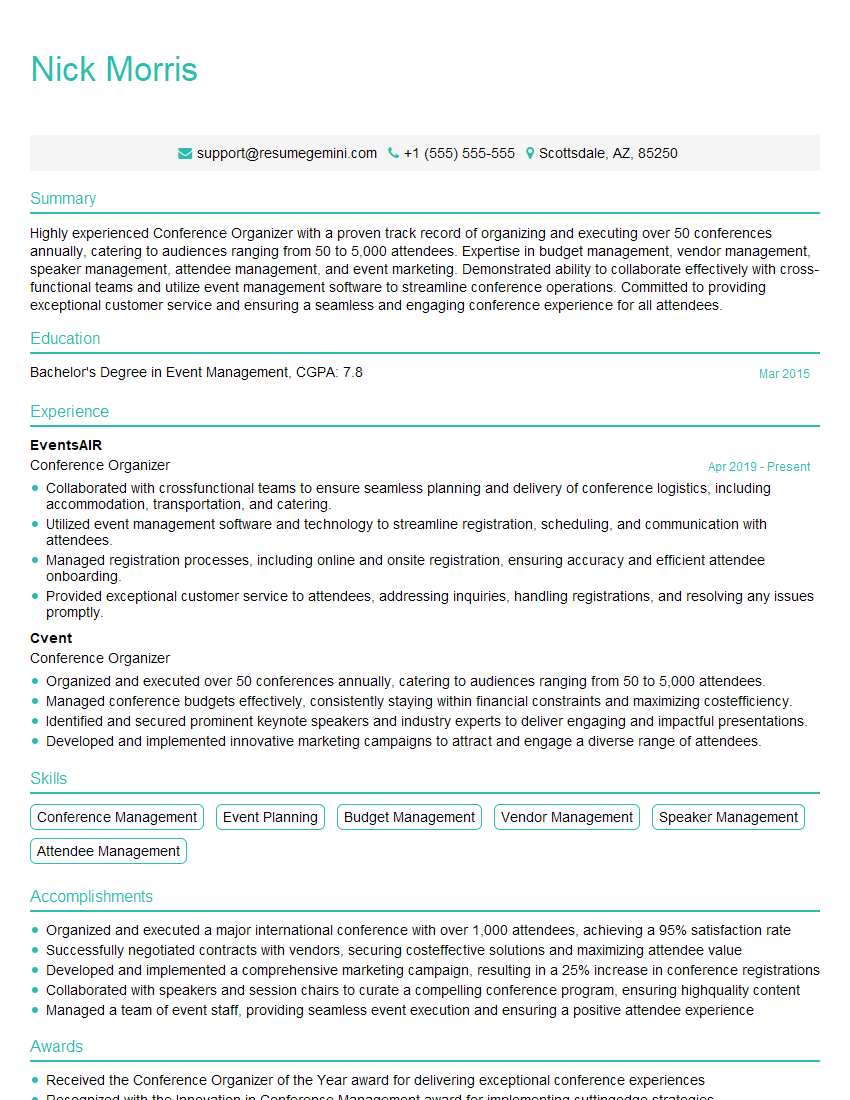
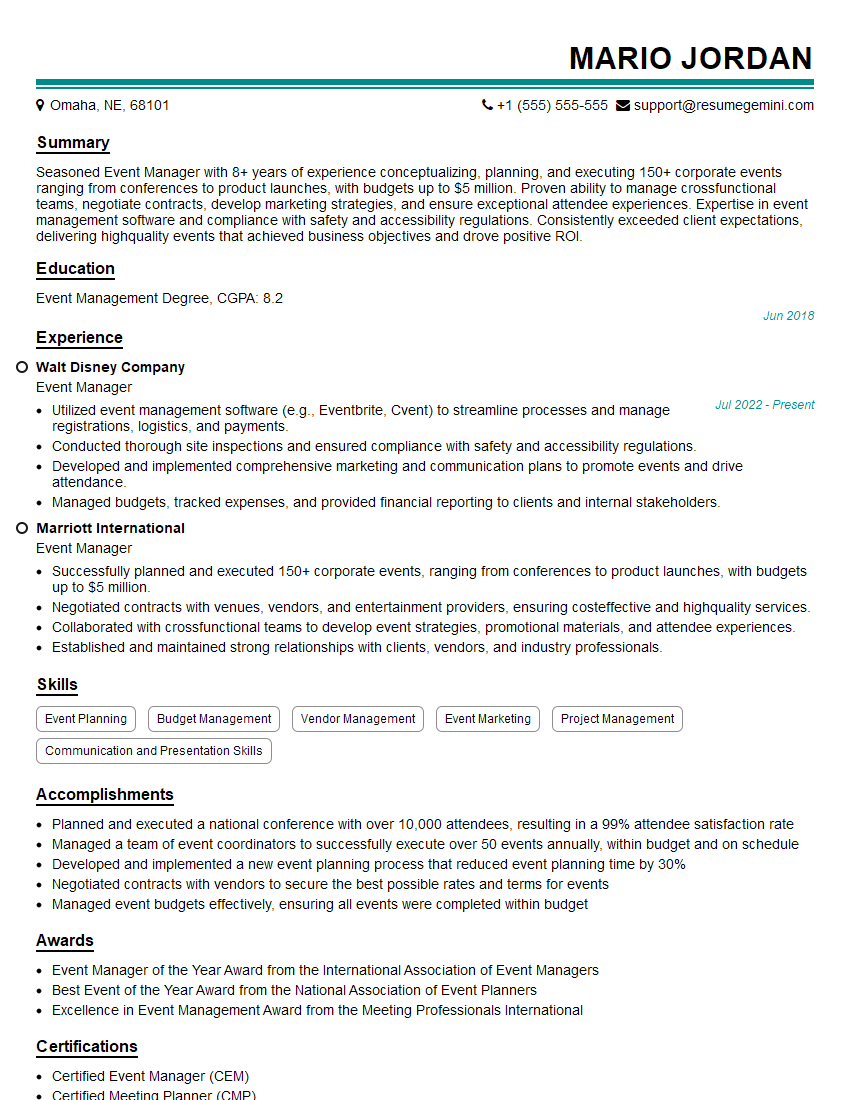
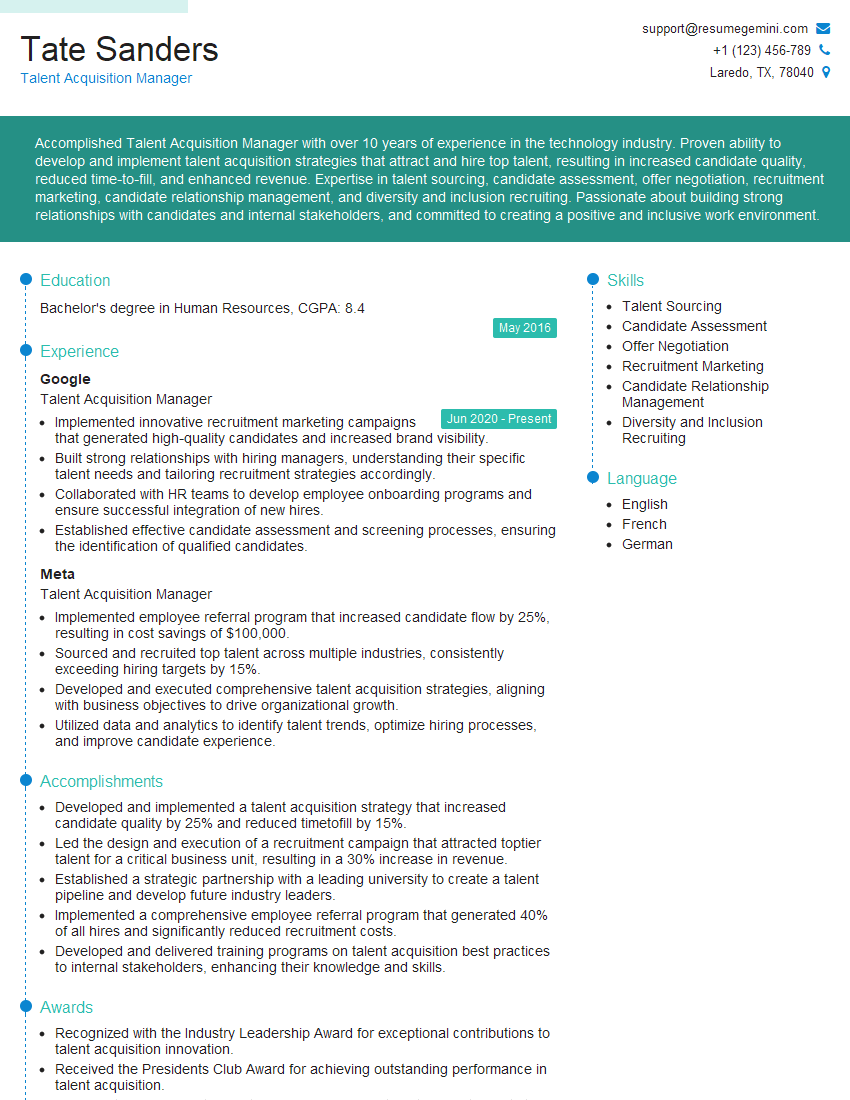
Mastering career fairs and industry events is crucial for accelerating your career growth. These events provide invaluable networking opportunities and direct access to recruiters, significantly increasing your chances of landing your dream job. To maximize your impact, create an ATS-friendly resume that showcases your skills and experience effectively. ResumeGemini is a trusted resource that can help you build a professional and impactful resume, ensuring your application stands out. We provide examples of resumes tailored for career fairs and industry events to help you get started. Take advantage of these resources to make the most of your next event and unlock your career potential!

Explore more articles
Users Rating of Our Blogs
Share Your Experience
We value your feedback! Please rate our content and share your thoughts (optional).
What Readers Say About Our Blog
I Redesigned Spongebob Squarepants and his main characters of my artwork.
https://www.deviantart.com/reimaginesponge/art/Redesigned-Spongebob-characters-1223583608
IT gave me an insight and words to use and be able to think of examples
Hi, I’m Jay, we have a few potential clients that are interested in your services, thought you might be a good fit. I’d love to talk about the details, when do you have time to talk?
Best,
Jay
Founder | CEO