Cracking a skill-specific interview, like one for Career Planning and Job Placement, requires understanding the nuances of the role. In this blog, we present the questions you’re most likely to encounter, along with insights into how to answer them effectively. Let’s ensure you’re ready to make a strong impression.
Questions Asked in Career Planning and Job Placement Interview
Q 1. Explain your approach to identifying a client’s career goals.
Identifying a client’s career goals is a collaborative process that goes beyond simply asking ‘What do you want to do?’ It involves a deep dive into their values, skills, interests, and aspirations. I begin with a comprehensive intake session, employing active listening and open-ended questions to understand their current situation, past experiences, and future ambitions.
For instance, I might ask questions like: ‘Describe your ideal workday,’ ‘What aspects of your previous roles did you enjoy the most?’ and ‘What are your long-term personal and professional goals?’ This allows me to uncover underlying motivations and identify potential career paths that align with their overall life goals. I use tools like career assessments (like Myers-Briggs or Strong Interest Inventory) to provide objective data that supports our discussions and helps clients gain clarity on their strengths and preferences. This structured approach ensures the goals we set are realistic, achievable, and truly reflect the client’s vision for their career.
Q 2. Describe your experience developing personalized career plans.
Developing personalized career plans requires a tailored approach for each client. I’ve worked with individuals from diverse backgrounds and career stages, from recent graduates to seasoned professionals seeking a career change. My approach begins with the clearly defined goals identified in the initial assessment. Then, we collaboratively map out a strategic pathway to reach those goals. This plan isn’t a rigid document, but rather a flexible roadmap that we regularly review and adjust as needed.
For example, I recently helped a mid-level marketing manager transition into a project management role. Her personalized plan included specific steps like obtaining a project management certification, building a portfolio of relevant projects, networking within the project management community, and tailoring her resume and cover letter to highlight transferable skills. We established clear milestones with timelines, allowing her to track her progress and stay motivated. Regular check-ins ensured we addressed any challenges and made necessary adjustments along the way. The results? She successfully transitioned into a project management role within six months.
Q 3. How do you assess a client’s transferable skills and experience?
Assessing a client’s transferable skills and experience is crucial for identifying career opportunities beyond their current or past roles. I use a multi-faceted approach, combining structured interviews, resume analysis, and portfolio reviews.
- Structured Interviews: I ask targeted questions designed to uncover skills applicable across various roles. For example, instead of just asking about past job responsibilities, I might ask about situations requiring problem-solving, teamwork, or leadership.
- Resume and Portfolio Analysis: I analyze their past experiences, not just focusing on job titles but also on accomplishments, skills utilized, and projects completed. This helps pinpoint valuable transferable skills often overlooked.
- Skills Assessments: In some cases, I may recommend or administer skills assessments (both aptitude and personality tests) to provide objective data on their strengths and areas for development.
For instance, a client with extensive experience in customer service might possess strong communication, conflict resolution, and empathy skills – all highly transferable to roles in sales, human resources, or even teaching.
Q 4. What methods do you use to identify suitable job opportunities for clients?
Identifying suitable job opportunities involves leveraging multiple resources and strategies. My approach combines online job boards, networking, company research, and direct outreach.
- Online Job Boards: I utilize platforms like LinkedIn, Indeed, and specialized industry job boards to identify relevant openings. I help clients optimize their profiles and search strategies for maximum effectiveness.
- Networking: I encourage clients to leverage their professional network, attending industry events, joining relevant groups, and reaching out to contacts for informational interviews and job referrals.
- Company Research: I help clients identify companies aligned with their career goals and research their hiring practices and open positions. This targeted approach improves the chances of securing an interview.
- Direct Outreach: In cases where suitable openings aren’t readily available, I may advise direct outreach to companies of interest, highlighting the client’s skills and qualifications in a compelling manner.
This multi-pronged approach significantly increases the likelihood of discovering and securing suitable job opportunities.
Q 5. Describe your experience with resume and cover letter writing.
Resume and cover letter writing are critical aspects of my work. I don’t simply provide a template; I collaborate with each client to craft compelling narratives that highlight their unique skills, experiences, and accomplishments.
My approach involves a thorough review of their experiences, identifying key achievements using the STAR method (Situation, Task, Action, Result). We brainstorm impactful keywords aligned with the target job descriptions and industry standards. I help them tailor each resume and cover letter to specific job applications, emphasizing the relevance of their skills and experiences to each particular role. I also focus on ensuring strong formatting, clear and concise language, and a professional tone. The final product is a powerful marketing document that showcases their value proposition to potential employers. I’ve helped many clients transform their resumes from generic templates into highly effective tools that land them interviews.
Q 6. How do you prepare clients for job interviews?
Preparing clients for job interviews is a crucial step in the job search process. My approach is holistic and incorporates behavioral interview preparation, technical skill review, and practice sessions.
- Behavioral Interview Preparation: We practice answering common behavioral interview questions (e.g., ‘Tell me about a time you failed,’ ‘Describe a challenging project’), using the STAR method to structure responses and highlight relevant skills and experiences.
- Technical Skill Review: Depending on the role, we review technical skills and knowledge, ensuring the client is prepared to answer questions related to their expertise. This could involve coding challenges, case studies, or in-depth discussions about specific technical concepts.
- Mock Interviews: I conduct mock interviews to simulate the real interview experience, providing feedback on communication style, body language, and response effectiveness. This builds confidence and helps identify areas for improvement.
- Company Research: We discuss the target company and interviewer, allowing the client to tailor their responses and ask insightful questions.
This comprehensive approach ensures my clients are well-prepared and confident going into their interviews, significantly increasing their chances of success.
Q 7. How do you handle clients facing career transitions or setbacks?
Career transitions and setbacks are inevitable aspects of professional life. When working with clients facing these challenges, my approach emphasizes empathy, realistic goal setting, and skills development.
Firstly, I create a safe space for them to process their emotions and experiences. We then work collaboratively to reassess their career goals, considering new opportunities and directions. I help them identify transferable skills and explore potential career paths aligned with their renewed aspirations. This might involve upskilling or reskilling programs, networking within different industries, or pursuing further education. I also focus on building resilience and managing expectations, helping them develop coping mechanisms for dealing with rejection and navigating uncertainty. The key is to foster a positive mindset and empower them to take proactive steps toward their future success. I’ve seen many clients overcome significant career challenges, ultimately finding fulfilling and rewarding new paths.
Q 8. Explain your understanding of different job search strategies.
Effective job searching isn’t about randomly applying; it’s a strategic process. I utilize a multi-pronged approach encompassing several key strategies.
- Targeted Job Boards: I don’t just browse; I meticulously research companies and roles aligned with a client’s skills and aspirations, focusing on niche job boards and company career pages.
- Networking: Building and leveraging professional networks is crucial. This involves attending industry events, connecting on LinkedIn, and actively engaging with professionals in the target field.
- Direct Application: For ideal roles, directly applying even without a job posting demonstrates initiative. This requires tailoring resumes and cover letters to showcase the specific value a candidate brings to that particular company.
- Recruitment Agencies: Partnering with reputable agencies expands reach and access to hidden job markets, especially for specialized roles or industries.
- Informational Interviews: These are invaluable. They offer insights into specific companies, roles, and career paths, and often lead to unexpected opportunities.
For example, I recently helped a client transition from marketing to project management. Instead of focusing solely on general job boards, we concentrated on project management-specific platforms and networked with project managers on LinkedIn, ultimately securing an excellent role.
Q 9. Describe your experience with networking and building professional relationships.
Networking is the cornerstone of successful career placement. It’s not just about collecting contacts; it’s about building genuine, mutually beneficial relationships.
My experience involves a three-step process: Connect, Cultivate, and Collaborate.
- Connect: I actively engage in professional groups, attend industry events (conferences, workshops), and use platforms like LinkedIn to connect with professionals. I always personalize connection requests, highlighting shared interests or experiences.
- Cultivate: Once connected, I nurture these relationships through meaningful interactions. This includes sharing relevant articles, offering assistance when possible, and engaging in thoughtful conversations.
- Collaborate: This is where the real value lies. By building trust and rapport, I can effectively advocate for my clients and leverage my network to uncover opportunities that may not be publicly advertised.
For instance, a connection I made at a career fair several years ago led to a referral for a client, ultimately resulting in a successful placement in a highly sought-after company.
Q 10. How do you track client progress and measure success?
Tracking client progress and measuring success is paramount. I use a combination of qualitative and quantitative methods.
- Regular Check-ins: Frequent communication with clients allows for ongoing feedback and adjustments to our strategy. This involves scheduled calls, emails, and progress reports.
- Progress Tracking Spreadsheet: I maintain a detailed spreadsheet documenting key milestones, applications submitted, interviews conducted, and feedback received. This provides a clear picture of progress.
- Goal Setting: Success is defined collaboratively with each client, establishing specific, measurable, achievable, relevant, and time-bound (SMART) goals.
- Key Performance Indicators (KPIs): I track KPIs such as the number of applications submitted, interview rates, offer rates, and ultimately, successful placements. This data allows for continuous improvement of my strategies.
- Client Feedback: Post-placement surveys and feedback sessions provide insights into client satisfaction and the effectiveness of our services.
For example, a KPI I regularly monitor is the time-to-placement, which helps me identify areas where I can streamline the process and improve efficiency.
Q 11. What are some common challenges in career planning, and how do you address them?
Career planning presents numerous challenges. Common ones include:
- Lack of Clarity: Many individuals struggle to identify their passions and career goals.
- Skill Gaps: Individuals may lack the necessary skills or experience for their desired roles.
- Limited Networking: A weak professional network can hinder job search efforts.
- Fear of Change: The uncertainty of a career change can be daunting.
- Job Market Volatility: Economic downturns or industry shifts can impact job prospects.
I address these challenges through:
- Career Assessments: These help clients identify their strengths, interests, and values, providing clarity on potential career paths.
- Skill Development Plans: I create personalized plans to address skill gaps through education, training, or volunteer experiences.
- Networking Strategies: I guide clients in building and leveraging their professional networks.
- Mentorship: I connect clients with mentors who can offer guidance and support.
- Job Search Strategies: I equip clients with effective techniques for finding and securing their dream roles.
For instance, I recently helped a client overcome a fear of change by breaking down their career transition into smaller, manageable steps, building confidence and momentum throughout the process.
Q 12. How do you stay current with industry trends and job market information?
Staying current is essential in the dynamic world of career planning and job placement. I employ several methods:
- Industry Publications and Journals: I regularly read industry-specific publications and journals to stay abreast of emerging trends and innovations.
- Professional Organizations: Membership in professional organizations provides access to webinars, conferences, and networking opportunities, keeping me informed about the latest industry developments.
- Online Resources and Databases: I utilize online resources such as the Bureau of Labor Statistics (BLS) and LinkedIn to access the latest job market data and trends.
- Networking Events and Conferences: Attending industry events allows me to engage directly with professionals and learn firsthand about current challenges and opportunities.
- Continuous Learning: I actively pursue professional development opportunities, such as attending workshops and taking online courses, to enhance my expertise.
For example, I recently attended a conference on the impact of AI on the job market, which provided invaluable insights to help me guide my clients in developing skills relevant to the future workforce.
Q 13. What is your experience with career assessments and personality tests?
Career assessments and personality tests play a vital role in helping clients gain self-awareness and make informed career decisions.
I’ve extensive experience using various tools, including:
- Myers-Briggs Type Indicator (MBTI): This helps clients understand their personality preferences and how they influence their work style and career choices.
- Strong Interest Inventory: This assessment identifies career fields that align with an individual’s interests and aptitudes.
- Holland Codes: This framework categorizes careers based on personality types, helping clients find roles that match their work-style preferences.
I don’t rely solely on test results. I use these tools as starting points for conversation, exploring the insights with clients, ensuring they understand the limitations and nuances of these assessments, and focusing on broader career exploration and goal setting.
For example, using the MBTI with a client revealed a preference for collaborative work, which led us to explore career paths that prioritized teamwork and interpersonal interactions.
Q 14. Describe your experience using job boards and applicant tracking systems.
Job boards and Applicant Tracking Systems (ATS) are critical tools in the modern job search. My experience encompasses both the candidate and recruiter perspectives.
Job Boards: I’m proficient in utilizing various job boards, tailoring resumes and cover letters to maximize effectiveness on each platform. I understand the importance of keyword optimization for ATS compatibility and the nuances of different search engines.
Applicant Tracking Systems (ATS): I’m well-versed in how ATS work, understanding the importance of formatting resumes and cover letters in a way that is easily parsed by these systems. This includes using relevant keywords, avoiding unconventional formatting, and ensuring the resume is easily scanned by the ATS software.
For example, I often coach my clients on using specific keywords within their resumes and cover letters that are highly relevant to the job description and likely to be searched for by recruiters using ATS. This significantly increases the chances of their applications being reviewed by a human being. I also have experience optimizing LinkedIn profiles to improve their visibility to recruiters and ATS.
Q 15. How do you build rapport and trust with clients?
Building rapport and trust with clients is paramount in career planning and job placement. It’s about establishing a genuine connection based on empathy, understanding, and professionalism. I achieve this through active listening, demonstrating genuine interest in their career goals, and consistently delivering on my promises.
- Active Listening: I pay close attention to both verbal and nonverbal cues, asking clarifying questions to ensure I fully understand their needs and concerns. For instance, if a client expresses frustration with their current job search, I’ll delve deeper to understand the root cause—is it the lack of interviews, inadequate preparation, or something else entirely?
- Empathy and Validation: I acknowledge their feelings and experiences. A simple phrase like, “I understand that job searching can be stressful,” can go a long way in making them feel heard and understood.
- Transparency and Honesty: I’m upfront about the process, challenges, and realistic expectations. This builds credibility and avoids misleading promises.
- Consistent Communication: I keep clients updated on progress, even if there are no immediate breakthroughs. Regular check-ins and timely responses demonstrate my commitment and professionalism.
For example, I once worked with a client who was incredibly anxious about transitioning careers. By actively listening to their fears and concerns, and offering tailored support and resources, I helped them build confidence and ultimately land their dream job. This built a strong foundation of trust that extended beyond the initial engagement.
Career Expert Tips:
- Ace those interviews! Prepare effectively by reviewing the Top 50 Most Common Interview Questions on ResumeGemini.
- Navigate your job search with confidence! Explore a wide range of Career Tips on ResumeGemini. Learn about common challenges and recommendations to overcome them.
- Craft the perfect resume! Master the Art of Resume Writing with ResumeGemini’s guide. Showcase your unique qualifications and achievements effectively.
- Don’t miss out on holiday savings! Build your dream resume with ResumeGemini’s ATS optimized templates.
Q 16. What is your experience with salary negotiation and job offer strategies?
Salary negotiation and job offer strategies are critical components of successful job placement. My experience encompasses guiding clients through the entire process, from researching industry benchmarks to confidently advocating for their worth.
- Research and Benchmarking: Before any negotiation, I help clients research salary ranges for their target roles and locations using resources like Glassdoor, Salary.com, and industry reports. This provides a solid foundation for their negotiation.
- Quantifying Achievements: We work together to highlight their accomplishments and quantify their contributions using concrete examples and data. This strengthens their negotiating position.
- Negotiation Strategies: I coach clients on effective negotiation techniques, such as focusing on the value they bring, presenting alternative options, and understanding their own BATNA (Best Alternative To a Negotiated Agreement).
- Offer Analysis: I assist clients in thoroughly reviewing job offers, considering not just salary but also benefits, vacation time, career progression opportunities, and company culture.
In a recent case, I helped a client secure a 15% increase in their initial offer by effectively highlighting their unique skillset and experience through a well-structured negotiation strategy. We presented a compelling case, demonstrating the value they bring to the company, which ultimately led to a more favorable outcome.
Q 17. How do you handle client expectations and manage their anxieties?
Managing client expectations and anxieties is a crucial aspect of my work. It requires open communication, realistic goal-setting, and providing ongoing support and reassurance.
- Setting Realistic Expectations: I openly discuss the job search process, emphasizing that it’s not always linear and can involve setbacks. This helps to prevent unrealistic expectations and disappointment.
- Proactive Communication: I maintain regular contact with clients, providing updates and addressing concerns promptly. This proactive approach helps alleviate anxieties and keeps them informed.
- Problem-Solving and Support: When clients face challenges, I work collaboratively with them to develop strategies to overcome obstacles. I offer guidance and resources, such as resume review, interview practice, and networking strategies.
- Celebrating Successes: Acknowledging milestones and celebrating successes, no matter how small, boosts morale and reinforces their progress.
For example, I worked with a client who was highly anxious about interviewing. We practiced mock interviews, addressing their specific concerns and developing effective strategies. This helped build their confidence and ultimately led to a successful interview and job offer. Regular positive reinforcement and highlighting their strengths were key.
Q 18. Explain your understanding of different career paths and industries.
My understanding of career paths and industries is comprehensive and constantly evolving. I stay updated on industry trends, emerging technologies, and evolving job market demands through continuous learning and research.
- Industry Research: I regularly consult industry publications, market research reports, and government data to understand growth sectors, in-demand skills, and future career prospects.
- Career Path Mapping: I assist clients in identifying various career paths aligned with their skills, interests, and values. This might involve exploring different roles within a specific industry or considering career transitions into new fields.
- Skills Assessment: I help clients identify their transferable skills and areas for improvement, matching them with suitable career options. This could involve using aptitude tests or portfolio reviews.
- Networking and Mentorship: I facilitate connections with professionals in various industries to broaden clients’ perspectives and access industry insights.
I recently helped a client transition from the finance industry to the tech sector by identifying their transferable analytical skills and providing guidance on acquiring necessary technical expertise through online courses and certifications.
Q 19. What is your experience with career counseling for specific demographics (e.g., students, veterans)?
I have experience providing career counseling to diverse demographics, including students, veterans, and career changers. My approach is tailored to address the specific needs and challenges faced by each group.
- Students: I assist students with career exploration, resume building, internship search, and job application strategies. I help them identify their strengths and interests, aligning them with potential career paths.
- Veterans: I understand the unique challenges faced by veterans transitioning from military service to civilian careers. I help them translate their military skills and experience into civilian terms, leverage their benefits, and navigate the job market effectively.
- Career Changers: I guide individuals looking to change careers, helping them assess their skills, identify new career paths, and develop strategies for a successful transition.
For veterans, I often utilize the resources provided by organizations like the Department of Veterans Affairs and other veteran support networks. For students, I focus on building a strong foundation for their future careers through internship placements and early career guidance.
Q 20. How do you adapt your approach based on different client needs and personality types?
Adapting my approach based on individual client needs and personality types is crucial for effective career counseling. I employ a personalized approach, recognizing that a one-size-fits-all strategy is ineffective.
- Personality Assessment: While not always necessary, understanding a client’s personality style (e.g., introverted/extroverted, detail-oriented/big-picture thinker) can inform my communication style and strategy.
- Communication Style: I adjust my communication style to match the client’s preference. Some clients prefer direct and concise communication, while others appreciate a more collaborative and conversational approach.
- Goal Setting: I collaborate with clients to establish clear, achievable goals, tailored to their individual circumstances and aspirations.
- Learning Styles: I consider different learning styles when providing resources and guidance. Some clients learn best through visual aids, while others prefer hands-on activities or discussions.
For instance, with a highly organized and detail-oriented client, I might provide structured checklists and timelines. With a more creative and intuitive client, I might use brainstorming sessions and mind maps to explore career options.
Q 21. Describe your experience with different interviewing techniques.
My experience encompasses a variety of interviewing techniques, which I adapt based on the specific job and client. I understand the nuances of different interview formats and coach my clients accordingly.
- Behavioral Interviewing: I train clients to use the STAR method (Situation, Task, Action, Result) to answer behavioral questions, focusing on demonstrating past performance and skills.
- Technical Interviewing: For technical roles, I help clients prepare by practicing coding challenges, reviewing technical concepts, and understanding the nuances of specific technologies.
- Panel Interviews: I coach clients on how to effectively engage with multiple interviewers simultaneously, maintain eye contact, and address questions from different perspectives.
- Case Study Interviews: For consulting and management roles, I guide clients on structured problem-solving approaches and effective communication of their thought process.
I recently worked with a client who was struggling with case study interviews. Through intensive practice and feedback, we refined their approach, focusing on a structured framework and clear communication. This resulted in a significant improvement in their interview performance.
Q 22. What are some common mistakes job seekers make, and how do you help them avoid them?
Many job seekers stumble due to avoidable mistakes. Common pitfalls include poorly crafted resumes and cover letters lacking keywords, inadequate interview preparation resulting in unpreparedness for behavioral questions, a lack of networking, and insufficient self-awareness regarding their career goals and skills.
To help clients avoid these, I start by conducting a thorough assessment of their skills, experience, and career aspirations. We work together to create a compelling narrative that showcases their strengths, tailoring resumes and cover letters to specific job descriptions using Applicant Tracking System (ATS) friendly language. We then practice common interview questions, including behavioral questions using the STAR method (Situation, Task, Action, Result) to provide structured and impactful answers. Finally, I guide them in building their professional network, emphasizing informational interviews and online platforms like LinkedIn. For example, I recently helped a client refine his resume, highlighting transferable skills from his previous role in a different industry, leading to a 30% increase in interview invitations.
Q 23. How do you maintain confidentiality and ethical standards in your work?
Confidentiality and ethical standards are paramount in my work. I adhere to strict client confidentiality agreements, ensuring all information shared remains private. This includes protecting sensitive data such as resumes, salary expectations, and personal details. I avoid discussing client information with anyone outside the professional context, and all documents are stored securely. Ethically, I maintain objectivity in my guidance, providing unbiased advice and supporting clients in making informed career choices aligned with their personal values and goals. For instance, I would never steer a client toward a particular employer based on personal connections if it didn’t align with their career trajectory. Transparency and integrity are crucial components of my professional practice.
Q 24. Explain your experience using different career resources and tools.
My experience encompasses a wide range of career resources and tools. I am proficient in using various Applicant Tracking Systems (ATS), helping clients optimize their resumes and cover letters for maximum effectiveness. I leverage job boards like Indeed and LinkedIn, as well as niche job sites specific to certain industries. I utilize personality assessments such as Myers-Briggs Type Indicator (MBTI) and career aptitude tests to help clients understand their strengths and preferences. Furthermore, I am familiar with various networking platforms and tools to facilitate client connections with potential employers and mentors. For example, I’ve effectively utilized LinkedIn Recruiter to identify and present clients with relevant job opportunities and connect them with recruiters in their field.
Q 25. Describe a situation where you had to overcome a significant challenge in helping a client.
I once worked with a client who had been laid off after 20 years with the same company and was struggling with a severe lack of confidence and feeling overwhelmed by the job search process. He felt his skills were outdated and that he had nothing to offer potential employers. My challenge was to rebuild his confidence and help him see the value in his extensive experience.
I addressed this by focusing on his transferable skills, helping him identify accomplishments he’d overlooked, and creating a compelling narrative that highlighted his experience and resilience. We worked together on reframing his negative self-perception and practicing his interview skills. The result was a significant boost in his confidence; he landed a new role within three months, exceeding his initial expectations. This experience underscored the importance of not just providing technical guidance, but also offering emotional support and encouragement.
Q 26. How do you measure the effectiveness of your career planning and job placement services?
Measuring the effectiveness of my services involves multiple metrics. Primarily, I track client job placement rates, calculating the percentage of clients who secure employment within a specific timeframe (usually within six months). Additionally, I gather feedback through post-placement surveys to assess client satisfaction with my services and identify areas for improvement. I also analyze the salary increases clients achieve and the level of advancement they attain in their new roles. Qualitative data, such as testimonials and case studies, also helps demonstrate the impact of my work. These combined measures provide a holistic understanding of my effectiveness.
Q 27. How do you stay motivated and engaged in your work?
Staying motivated and engaged comes from the intrinsic reward of helping people achieve their career goals. Witnessing clients overcome challenges and find fulfilling employment is deeply rewarding. I also maintain my engagement by continuously learning and developing my expertise through professional development courses, attending industry conferences, and staying updated on the latest trends in career services. I actively seek feedback from clients, enabling continuous improvement in my strategies and approach. Furthermore, collaboration with colleagues and networking with other professionals in my field provide valuable opportunities for professional growth and maintaining enthusiasm.
Q 28. What are your long-term goals and aspirations in your career?
My long-term goals involve establishing myself as a leading expert in the field of career planning and job placement, specializing in helping mid-career professionals navigate transitions and enhance their career trajectory. I aim to expand my reach by developing online resources and training programs, contributing to the advancement of career development best practices. My ultimate aspiration is to build a sustainable and impactful career services organization that empowers individuals to achieve their full professional potential.
Key Topics to Learn for Career Planning and Job Placement Interview
- Career Exploration & Self-Assessment: Understanding your skills, interests, and values to identify suitable career paths. Practical application: Utilizing personality assessments and skills inventories to inform your career choices.
- Job Search Strategies: Developing effective job search techniques, including networking, online platforms, and targeted applications. Practical application: Creating a personalized job search plan and tracking your progress.
- Resume & Cover Letter Writing: Crafting compelling resumes and cover letters that highlight your qualifications and experience. Practical application: Tailoring your resume and cover letter to specific job descriptions and using keywords effectively.
- Interview Preparation & Skills: Mastering interview techniques, including behavioral questions, technical questions, and salary negotiation. Practical application: Practicing your responses to common interview questions and refining your communication skills.
- Networking & Building Relationships: Leveraging professional networks to find job opportunities and build relationships with potential employers. Practical application: Attending industry events, connecting with professionals on LinkedIn, and engaging in informational interviews.
- Salary Negotiation & Benefits: Understanding salary expectations, negotiating compensation, and evaluating benefits packages. Practical application: Researching industry salary ranges and preparing for salary discussions.
- Job Offer Evaluation & Acceptance: Critically evaluating job offers and making informed decisions about career opportunities. Practical application: Weighing the pros and cons of different job offers and negotiating favorable terms.
Next Steps
Mastering Career Planning and Job Placement is crucial for navigating the job market effectively and achieving your career aspirations. A strong foundation in these areas will significantly increase your job prospects and help you secure a fulfilling career. Creating an ATS-friendly resume is paramount in today’s competitive job market. This ensures your application reaches the hiring manager and isn’t filtered out by Applicant Tracking Systems. To build a truly professional and effective resume, we highly recommend using ResumeGemini, a trusted resource for crafting impactful resumes. Examples of resumes tailored to Career Planning and Job Placement roles are available to further assist you in your preparation.
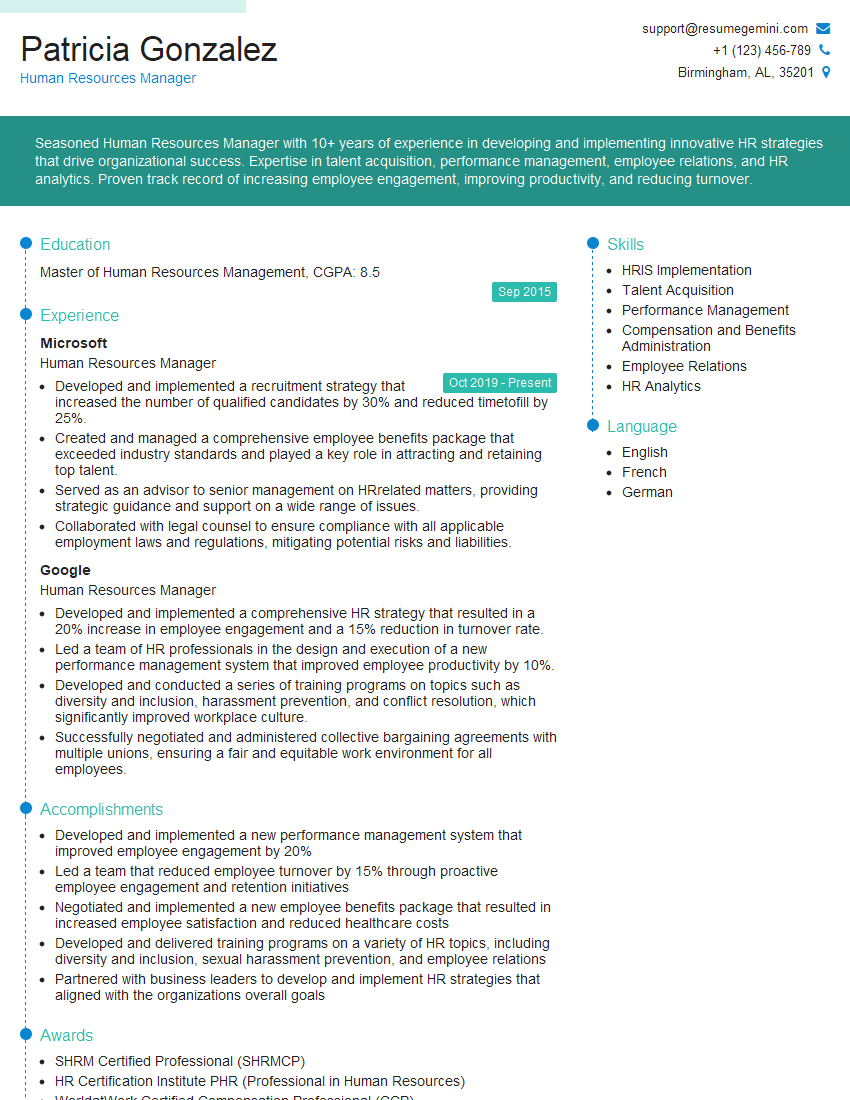
Human Resources Manager Resume Sample
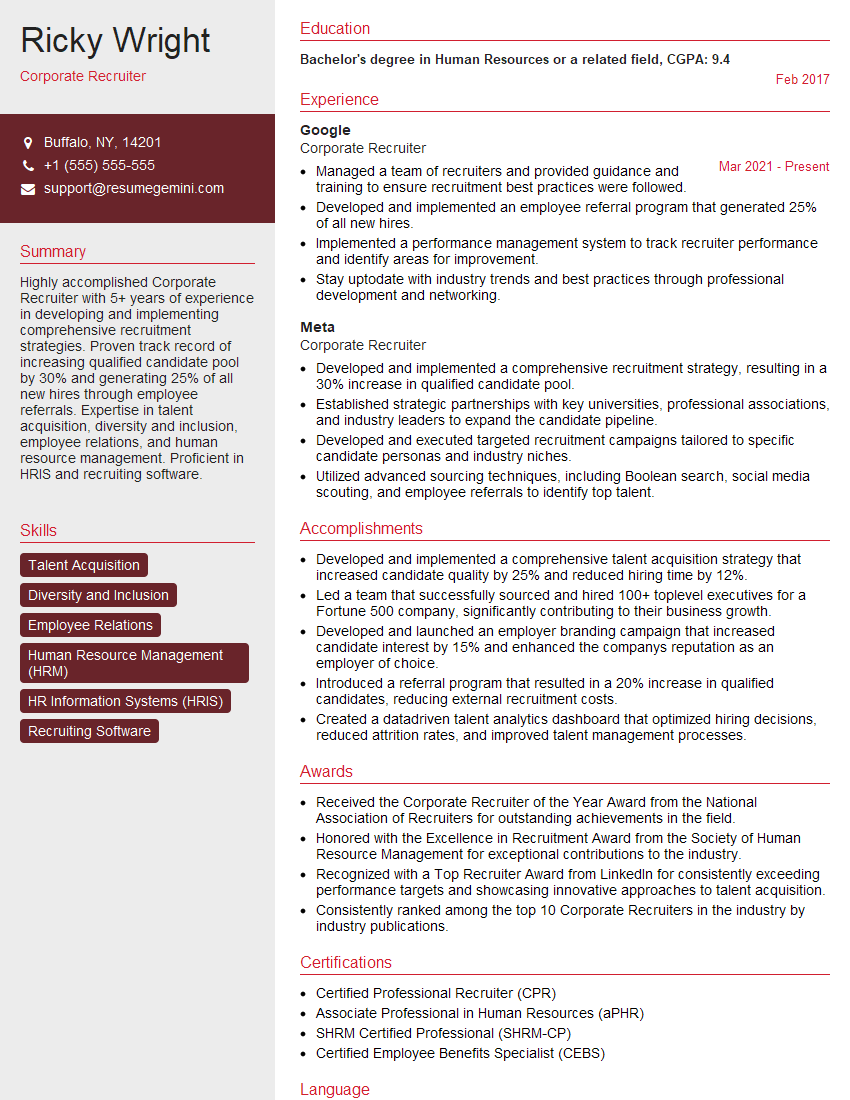
Corporate Recruiter Resume Sample
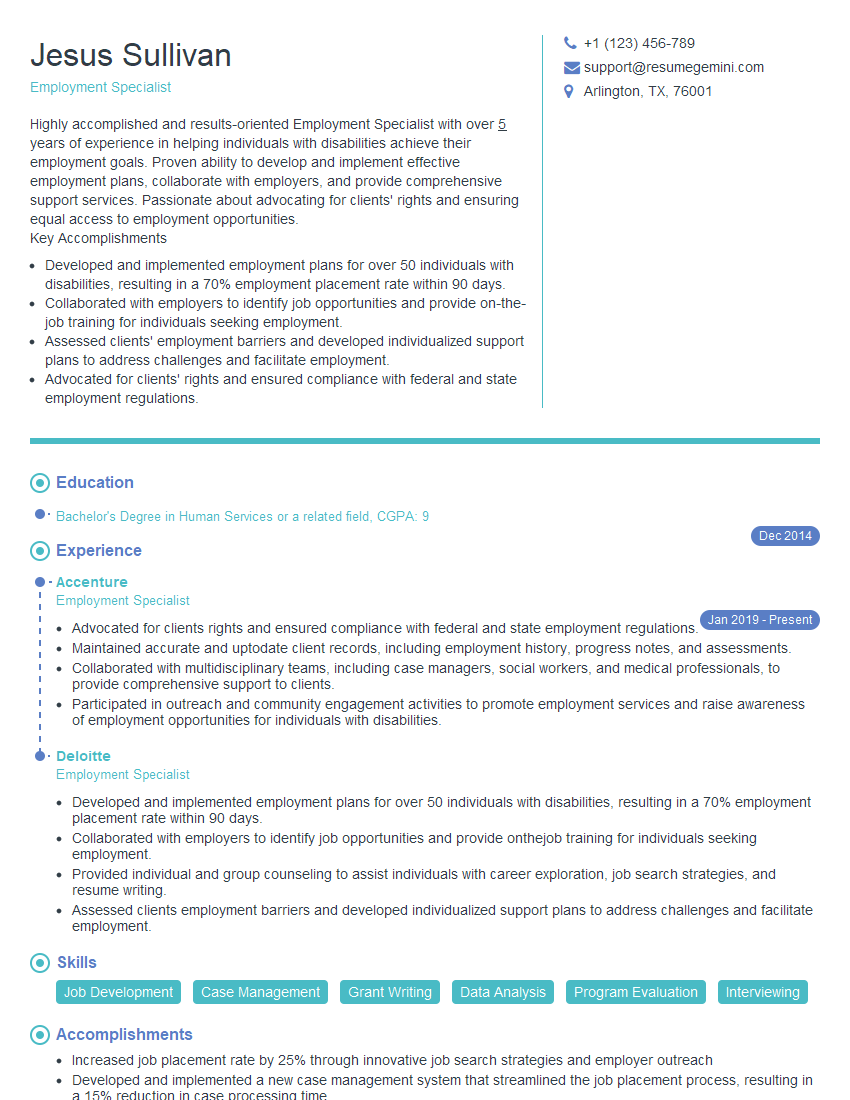
Employment Specialist Resume Sample
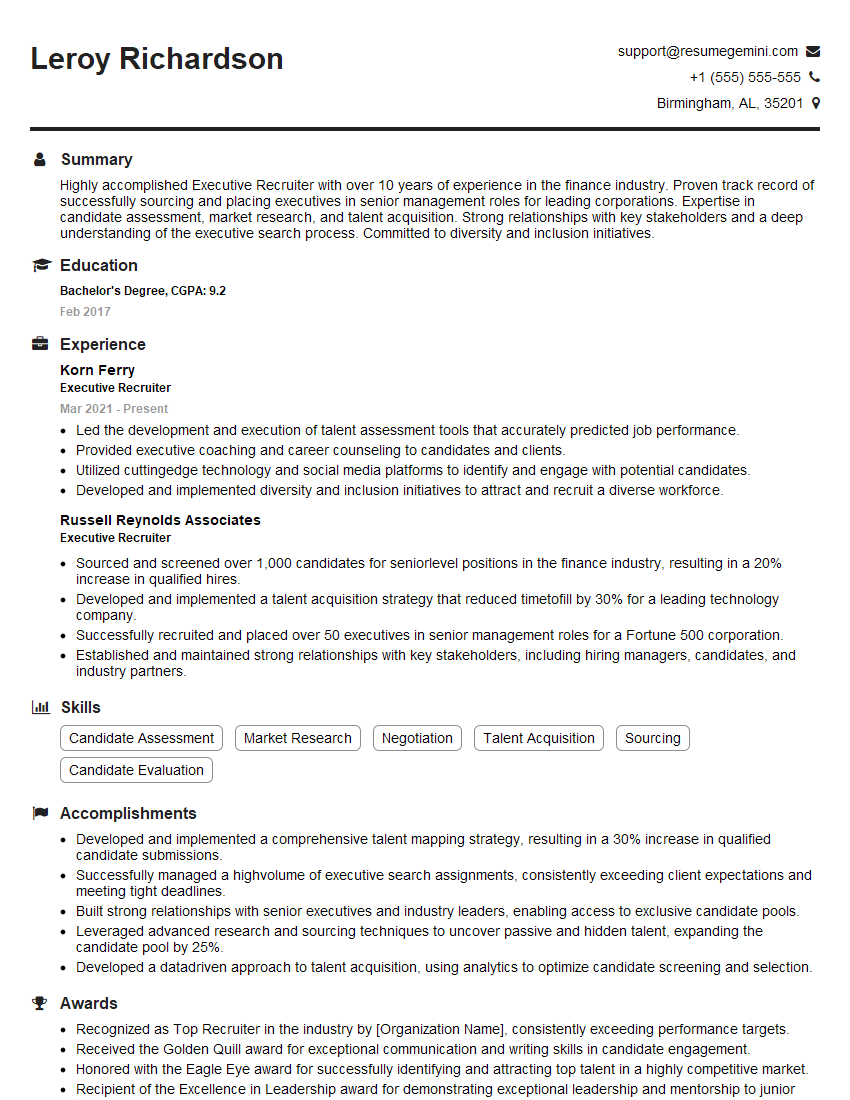
Executive Recruiter Resume Sample
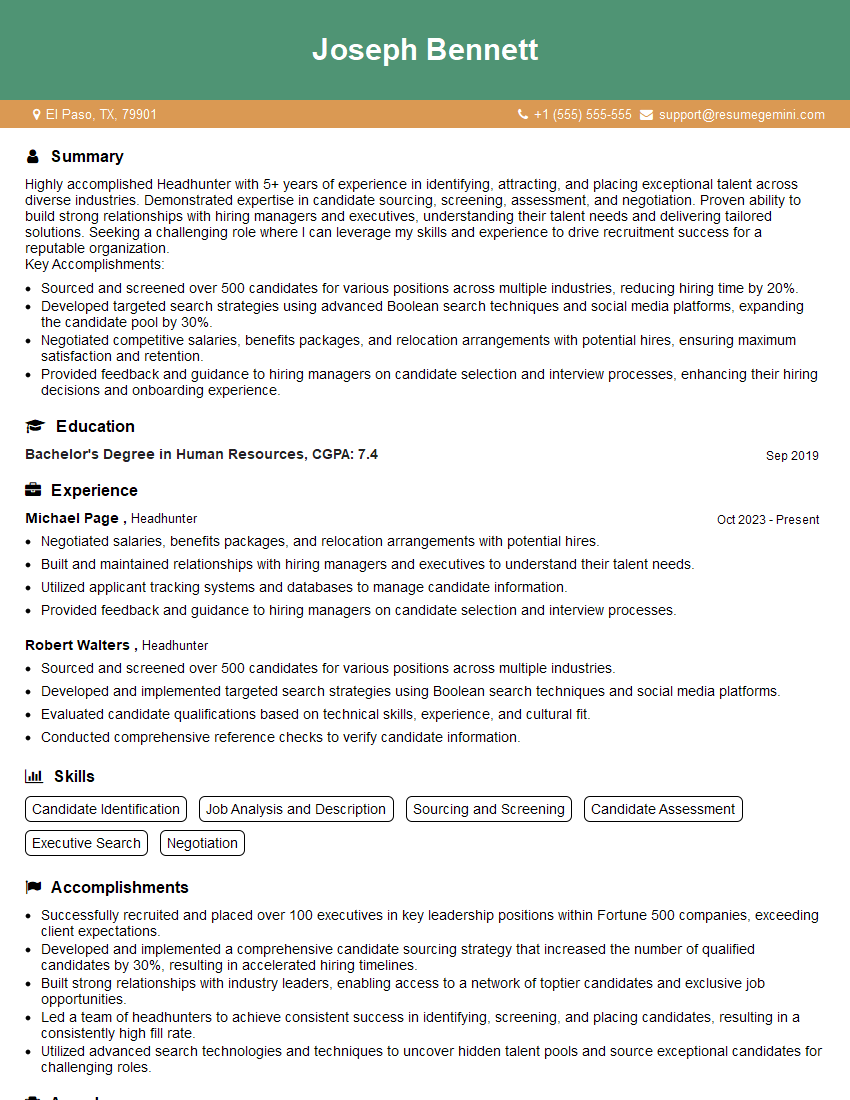
Headhunter Resume Sample
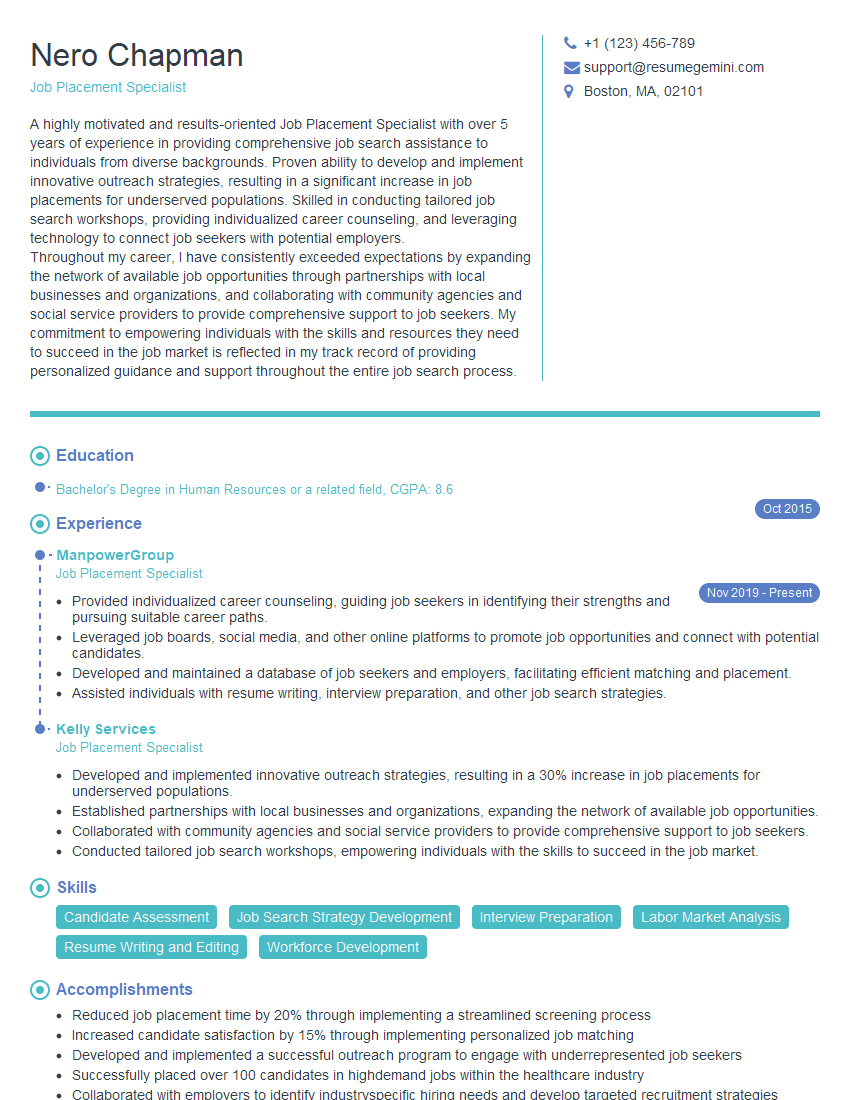
Job Placement Specialist Resume Sample
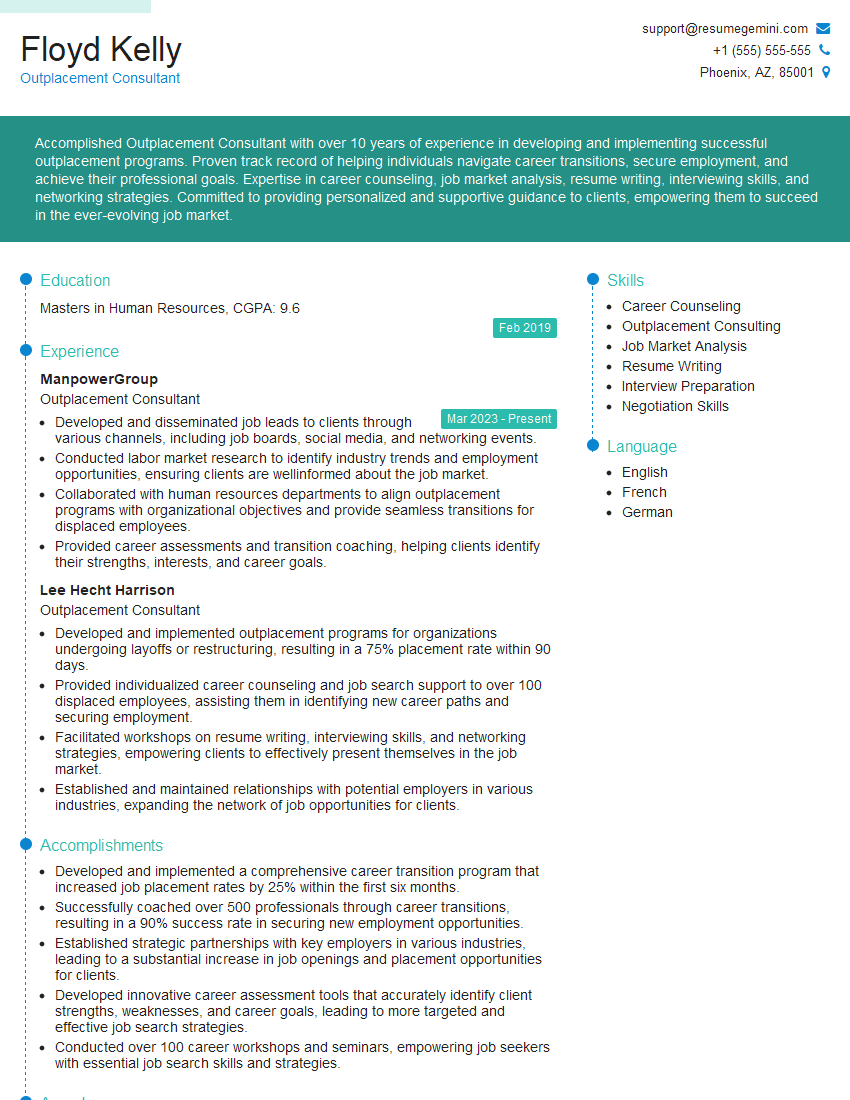
Outplacement Consultant Resume Sample
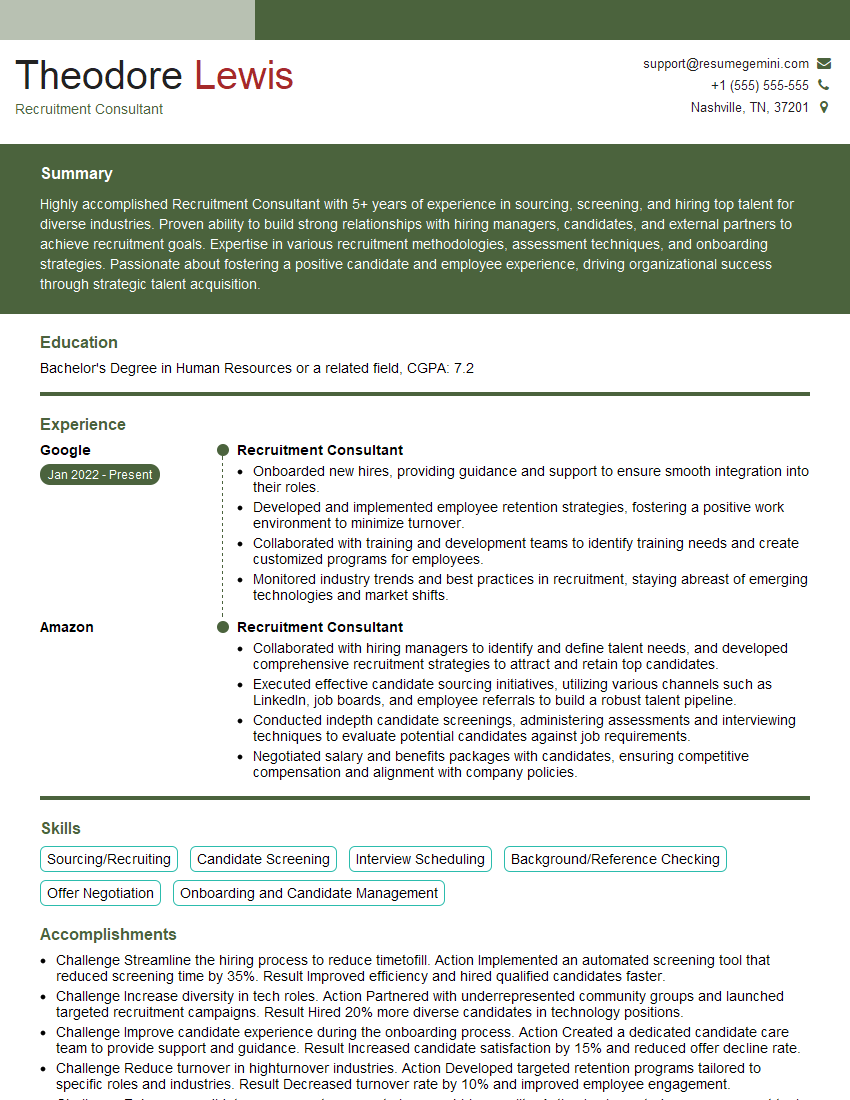
Recruitment Consultant Resume Sample
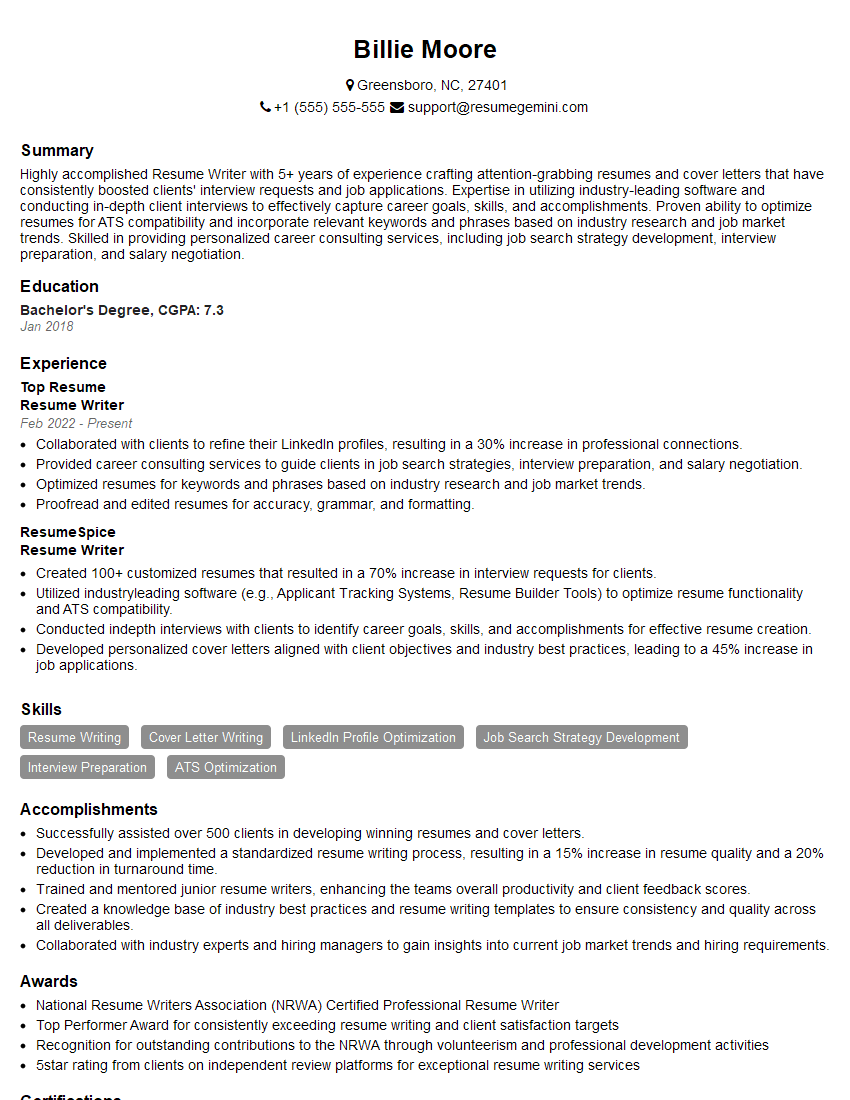
Resume Writer Resume Sample
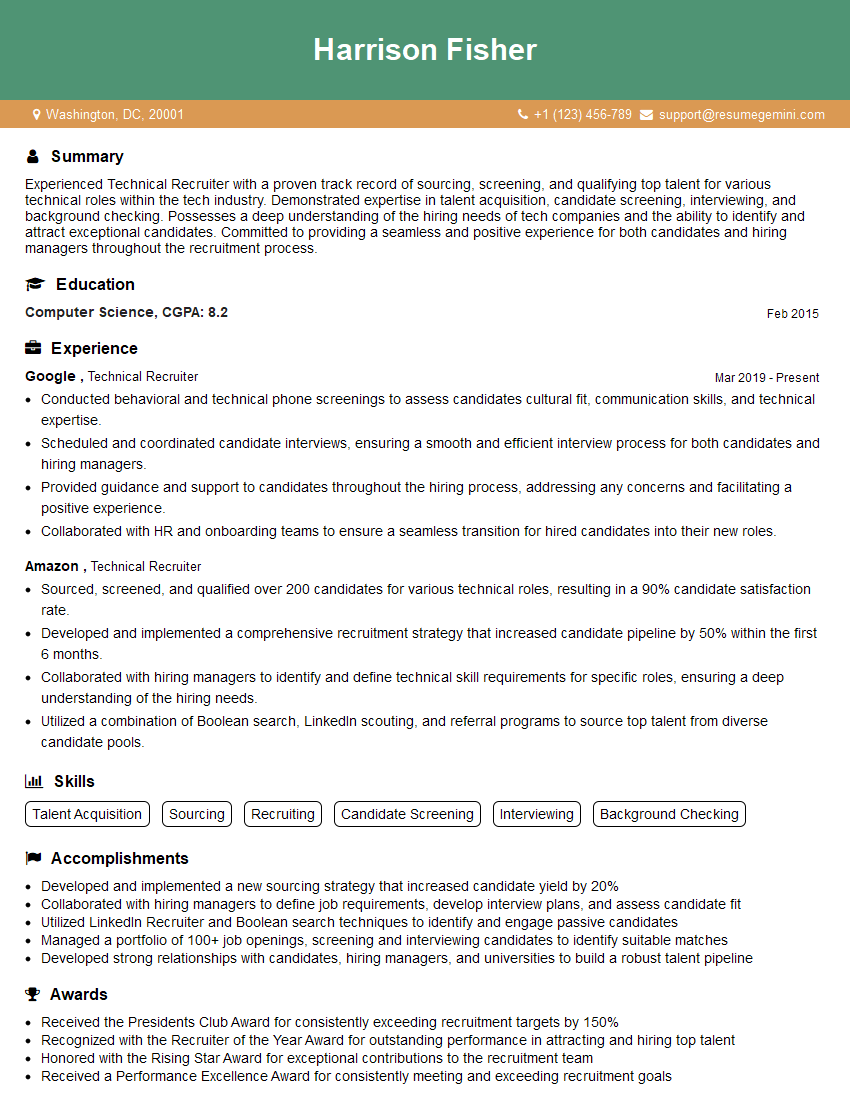
Technical Recruiter Resume Sample
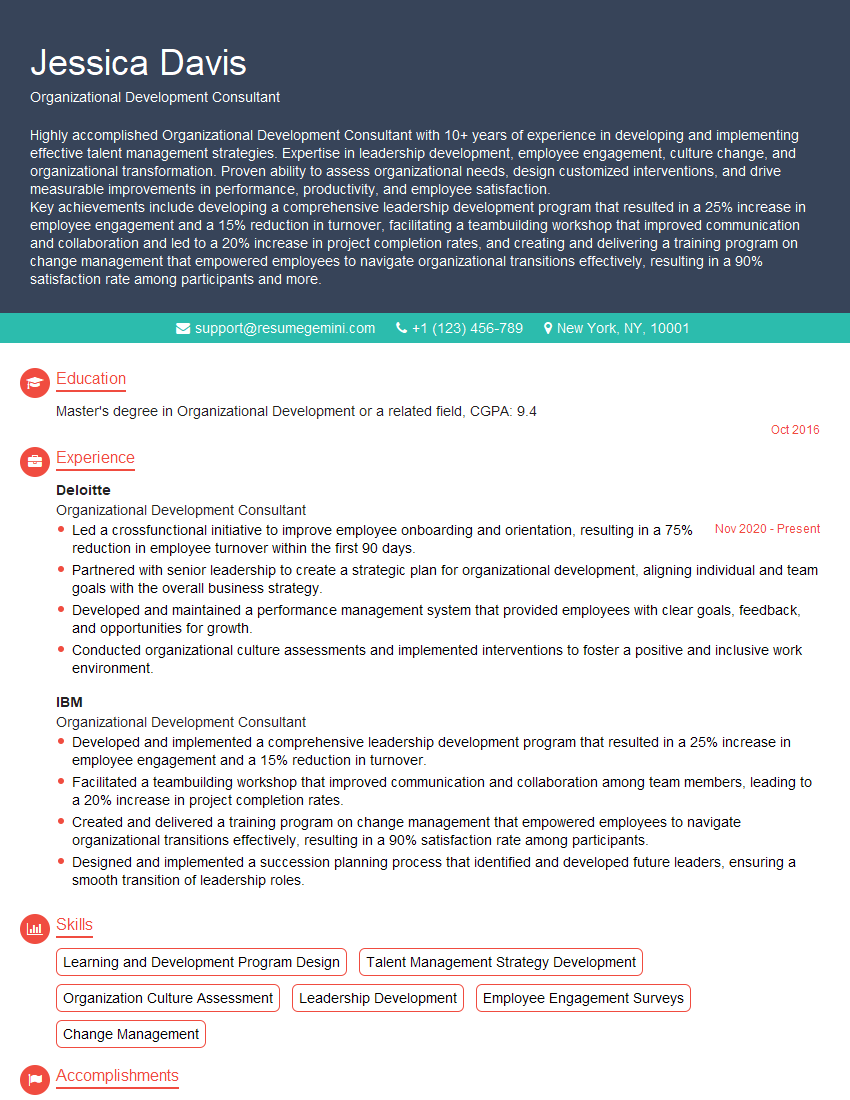
Organizational Development Consultant Resume Sample
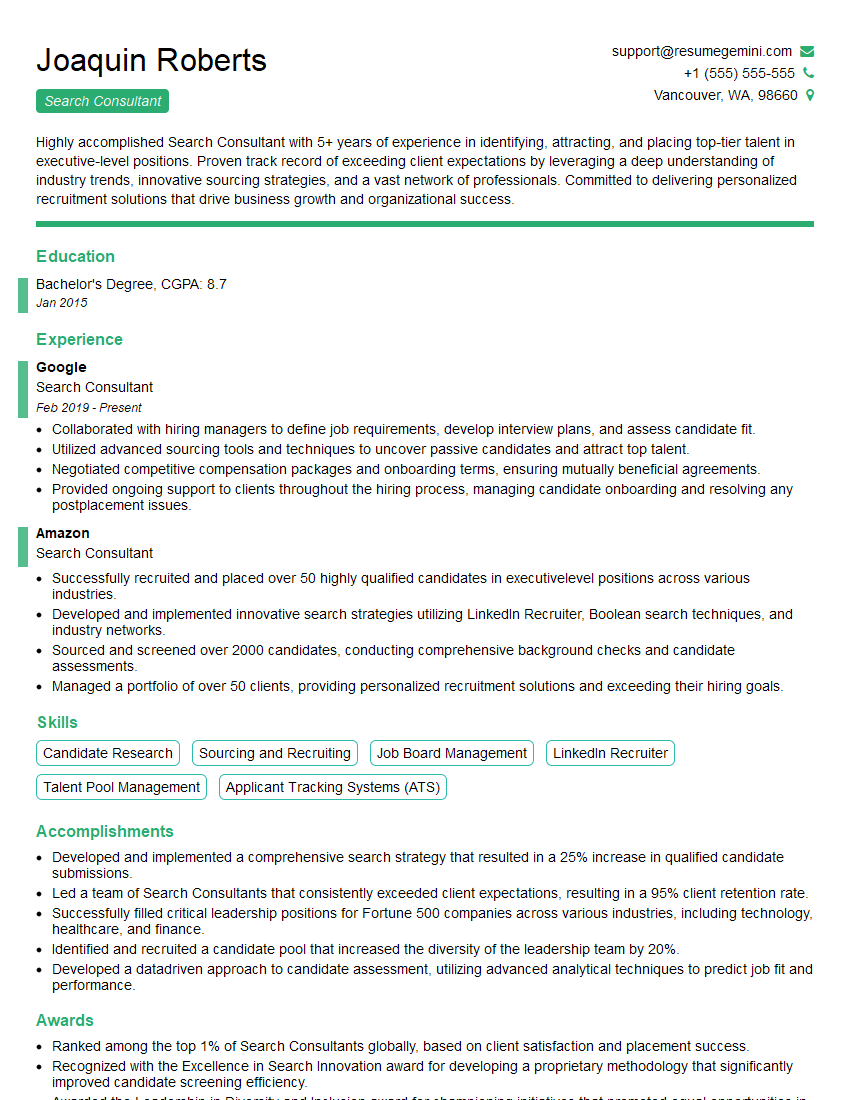
Search Consultant Resume Sample
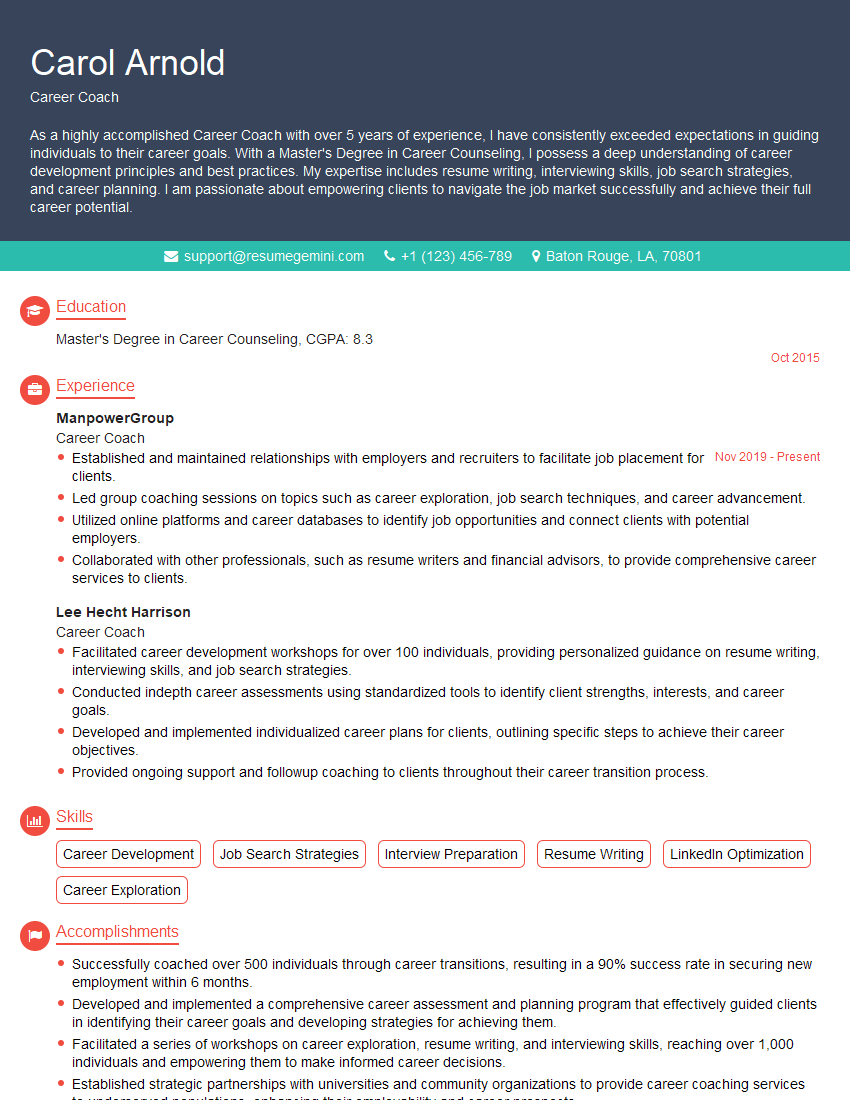
Career Coach Resume Sample
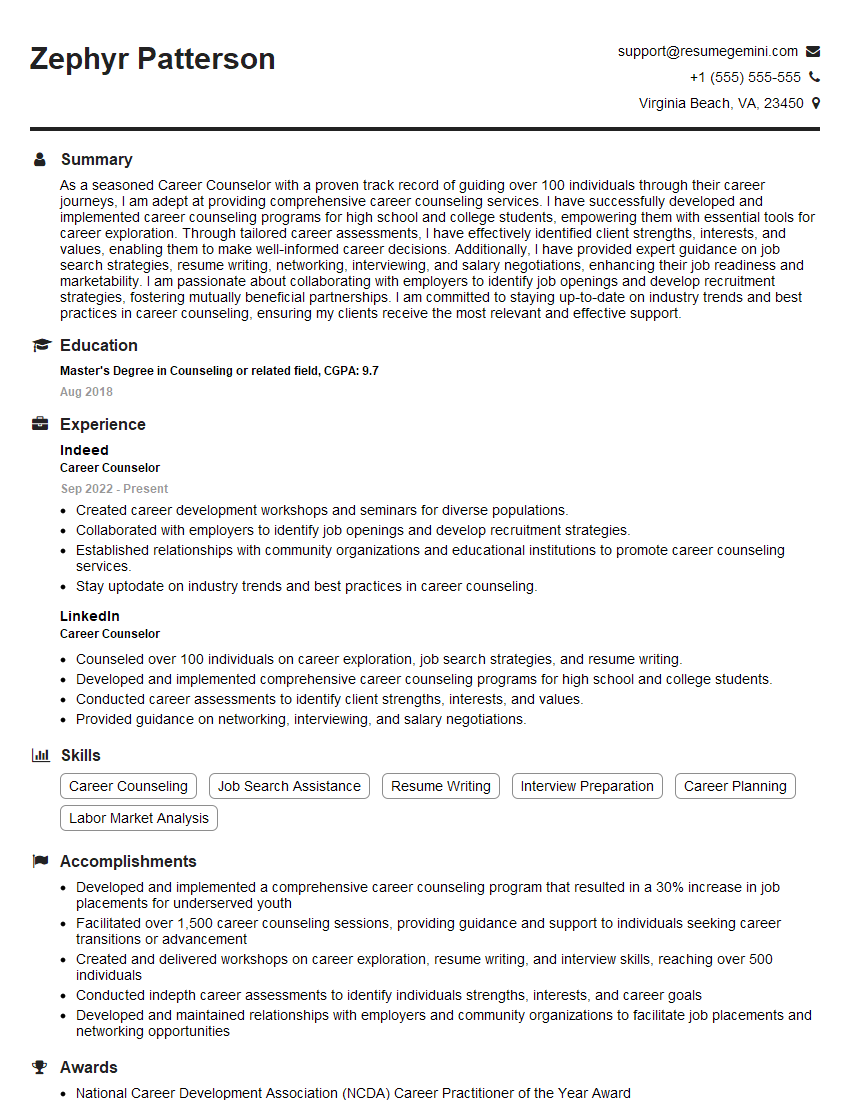
Career Counselor Resume Sample
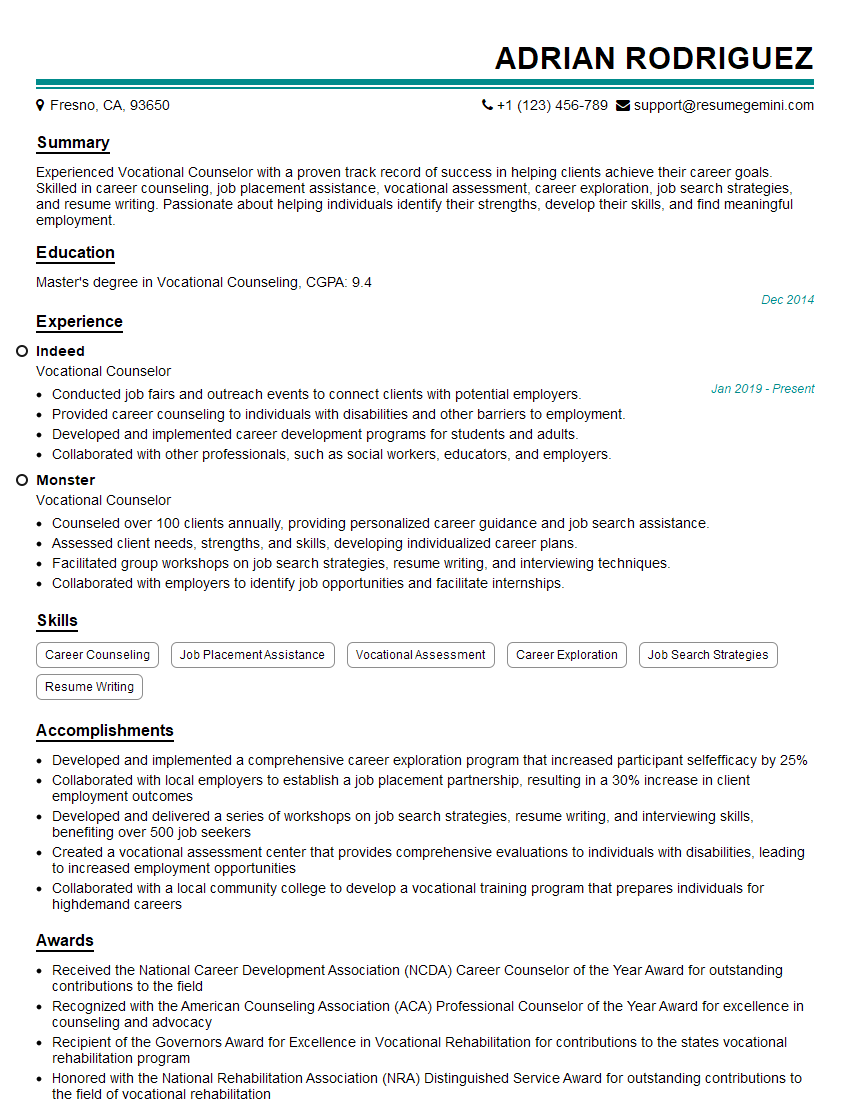
Vocational Counselor Resume Sample
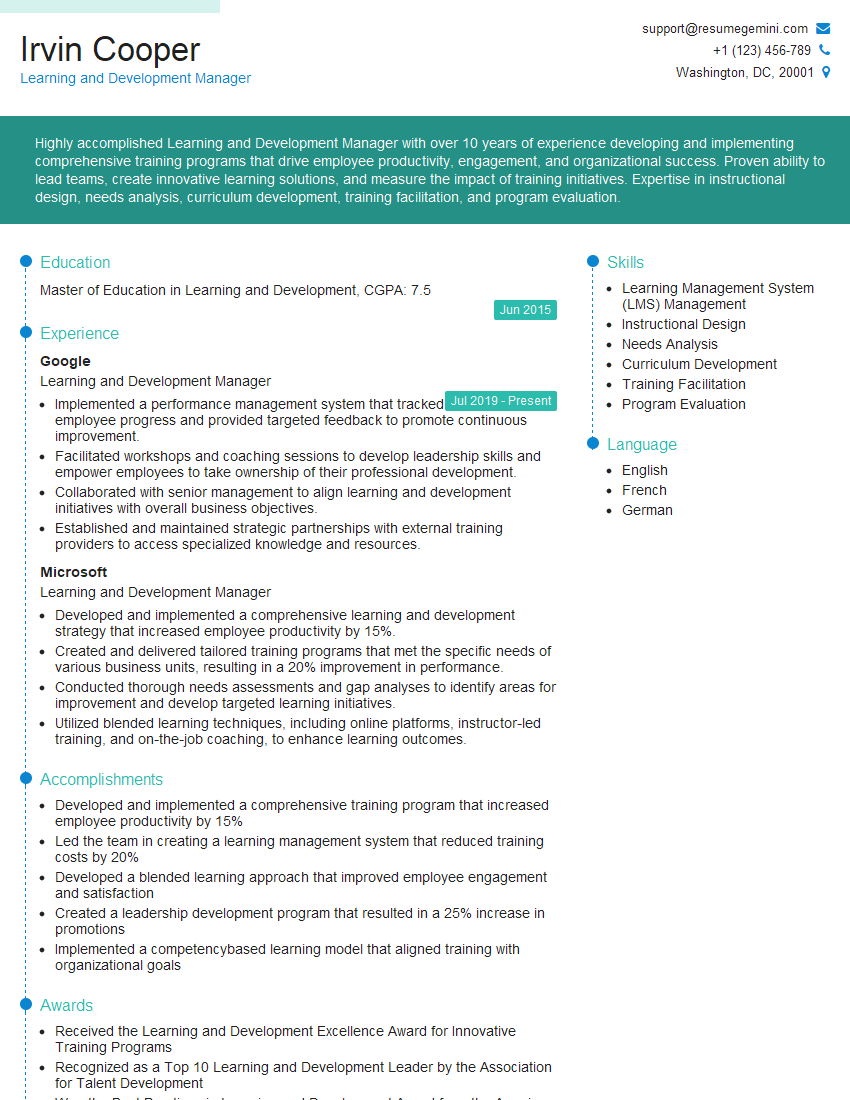
Learning and Development Manager Resume Sample
- Human Resources Manager
- Corporate Recruiter
- Employment Specialist
- Executive Recruiter
- Headhunter
- Job Placement Specialist
- Outplacement Consultant
- Recruitment Consultant
- Resume Writer
- Technical Recruiter
- Organizational Development Consultant
- Search Consultant
- Career Coach
- Career Counselor
- Vocational Counselor
- Learning and Development Manager
Explore more articles
Users Rating of Our Blogs
Share Your Experience
We value your feedback! Please rate our content and share your thoughts (optional).
What Readers Say About Our Blog
I Redesigned Spongebob Squarepants and his main characters of my artwork.
https://www.deviantart.com/reimaginesponge/art/Redesigned-Spongebob-characters-1223583608
IT gave me an insight and words to use and be able to think of examples
Hi, I’m Jay, we have a few potential clients that are interested in your services, thought you might be a good fit. I’d love to talk about the details, when do you have time to talk?
Best,
Jay
Founder | CEO