Interviews are more than just a Q&A session—they’re a chance to prove your worth. This blog dives into essential Cattle Industry Best Practices interview questions and expert tips to help you align your answers with what hiring managers are looking for. Start preparing to shine!
Questions Asked in Cattle Industry Best Practices Interview
Q 1. Describe your experience with different cattle breeds and their suitability for various environments.
My experience encompasses a wide range of cattle breeds, each with unique characteristics making them suitable for diverse environments. For instance, Angus cattle, known for their hardiness and excellent marbling, thrive in colder climates and are well-suited for feedlot operations. Conversely, breeds like Brahman, with their heat tolerance and disease resistance, excel in hot, humid regions. Hereford cattle offer a balance, adapting well to various conditions. Selecting the right breed involves considering factors like climate, available forage, and market demands. For example, if I’m managing a ranch in a high-altitude, cold region, I’d prioritize hardy breeds like Angus or Simmental. In contrast, a ranch in the southern US might benefit from breeds like Brahman or Texas Longhorns, which can withstand intense heat and parasites.
- Angus: Cold tolerance, marbling, feedlot efficiency
- Brahman: Heat tolerance, disease resistance
- Hereford: Adaptable, moderate hardiness
- Simmental: Fast growth, good muscling
Understanding these breed-specific traits is critical for maximizing productivity and profitability. It’s not just about selecting the right breed; it’s also about crossbreeding to leverage desirable characteristics from multiple breeds, creating a herd optimally suited to the specific environment and market objectives.
Q 2. Explain your understanding of pasture management and rotational grazing techniques.
Pasture management, particularly rotational grazing, is fundamental to sustainable cattle production. It involves dividing pastures into smaller paddocks and systematically rotating cattle between them, allowing each paddock to rest and recover before grazing again. This approach mimics the natural grazing patterns of wildlife, promoting healthier pastures and enhancing carrying capacity. Think of it like giving your lawn a break; if you mow it constantly, it weakens; similarly, continuously grazing a pasture degrades its quality.
Rotational grazing offers several benefits:
- Improved forage quality: Plants are allowed to recover, resulting in higher nutrient content.
- Increased pasture productivity: Reduces overgrazing and encourages plant diversity.
- Reduced soil erosion: Improved root systems stabilize the soil.
- Better water management: Even distribution of grazing minimizes soil compaction, improving water infiltration.
Implementing rotational grazing requires careful planning. Factors to consider include paddock size, grazing periods, and the number of livestock. Monitoring pasture conditions, such as forage height and plant species diversity, is crucial for adjusting the grazing schedule. Proper fencing and water access within each paddock are also vital for effective management. For example, I might use a 7-paddock system, rotating cattle every 2-3 weeks, adapting the schedule based on pasture growth and weather conditions.
Q 3. How do you monitor and manage cattle health, including disease prevention and treatment?
Cattle health monitoring is a proactive process, not merely reactive. It starts with regular visual inspections for signs of illness, injury, or poor body condition. This includes checking for lameness, respiratory issues, and changes in behavior or appetite. We also implement a vaccination program tailored to regional disease prevalence, protecting against common ailments like brucellosis, leptospirosis, and bovine respiratory disease (BRD). Regular parasite control is vital, using appropriate deworming strategies to minimize internal and external parasite burdens.
Disease prevention is paramount. Biosecurity measures, such as restricting access to the farm by outsiders and implementing strict hygiene protocols, are crucial. Early detection is key, so I use diagnostic tools, like blood tests, to identify potential problems early. When illness strikes, prompt treatment is administered by a qualified veterinarian. Record-keeping is essential – detailed health records for each animal track vaccinations, treatments, and any health issues. This data allows for trend analysis and informs future management strategies. For example, if we see a surge in BRD cases, we adjust our vaccination program accordingly and improve biosecurity measures to prevent future outbreaks. This holistic approach to cattle health ensures herd productivity and well-being.
Q 4. What are your strategies for optimizing cattle nutrition and feed efficiency?
Optimizing cattle nutrition and feed efficiency is crucial for profitability. It begins with understanding the nutritional requirements of the herd, considering factors like age, breed, production stage (e.g., growth, pregnancy, lactation), and environmental conditions. Forage quality is a primary factor. High-quality pasture provides a significant portion of the diet. Supplementation with mineral blocks or feed concentrates can address any nutritional deficiencies identified through regular testing. Efficient feeding strategies are vital. This might involve using feed bunk management to prevent waste and ensure all animals have access to feed. Precision feeding, using technology to track feed intake, helps to tailor rations to individual animal needs.
For example, during the winter months, when pasture quality declines, I’d supplement the herd’s diet with high-quality hay, potentially adding a protein supplement to meet the needs of lactating cows. Regular monitoring of body condition scores helps assess the effectiveness of the feeding program. Careful attention to water access is also critical, as dehydration can negatively impact feed efficiency. By closely managing nutrition, we can minimize feed costs while maximizing growth rates and production yields.
Q 5. Describe your experience with implementing and managing cattle breeding programs.
Implementing and managing successful cattle breeding programs requires a combination of careful planning and meticulous record-keeping. The first step is defining breeding goals – what traits are you selecting for? (e.g., increased milk production, improved carcass quality, enhanced disease resistance). Then we select breeding bulls based on those goals, using genetic evaluations and performance data to guide our choices. AI (Artificial Insemination) offers precise control over genetics and access to superior sires. Natural mating is also used, depending on specific breeding objectives. Regular heat detection is crucial for successful breeding, involving visual observations and potentially using heat detection aids. Pregnancy testing confirms successful breeding, allowing for efficient management of pregnant females.
Record-keeping is critical. Detailed records track breeding dates, sire and dam information, and calf birth dates and weights. This data informs future breeding decisions and provides crucial insights into herd genetics and productivity. We use breeding software to manage and analyze this data, assisting in genetic selection and improving herd performance over time. For example, if we identify a bull consistently producing calves with superior growth rates, we might prioritize using his genetics more extensively in future breeding cycles. A well-managed breeding program is the foundation for sustainable growth and profitability within the cattle industry.
Q 6. How do you assess and mitigate risks associated with cattle production, such as weather events or disease outbreaks?
Risk management in cattle production is multifaceted. Weather events, like droughts or extreme heat, pose significant challenges. Mitigation strategies involve developing drought contingency plans that include access to supplemental feed and water sources. Insurance can offer financial protection against unexpected losses. Disease outbreaks are another major risk. Implementing strict biosecurity measures, maintaining accurate health records, and prompt veterinary attention are key. Regular health checks and proactive vaccination programs reduce the likelihood of outbreaks. Market volatility is also a factor; hedging strategies can protect against price fluctuations. Furthermore, having multiple income streams or diversifying the farm operation can help reduce overall risk.
A comprehensive risk management plan involves identifying potential threats, assessing their likelihood and impact, and implementing strategies to mitigate those risks. Regular review and adaptation of the plan are crucial, as risks can change over time. For instance, I might create a detailed plan to ensure adequate feed reserves are available to support the herd during a severe drought. This might involve securing additional hay supplies, improving water access, and exploring alternative grazing options. Regular risk assessments and proactive mitigation are vital to ensure long-term sustainability and profitability of the operation.
Q 7. Explain your knowledge of different cattle handling and restraint methods.
Safe and efficient cattle handling is paramount for both animal welfare and worker safety. Various methods exist, ranging from low-stress handling techniques to more physically restrictive methods employed when absolutely necessary. Low-stress handling prioritizes minimizing stress on the animals. This involves understanding cattle behavior, using calm movements, and avoiding sudden noises or actions. Facilities should be designed to facilitate smooth movement, using curved chutes and appropriate crowding mechanisms. Properly trained personnel are essential; good handlers work calmly and confidently, understanding how to position themselves to direct cattle flow without causing fear or panic.
Restraint methods are used when necessary for veterinary procedures or other treatments. Head catches and squeeze chutes are common, but their use should always be considered carefully and with priority given to animal welfare. The application of these methods requires proper training to ensure both animal safety and handler safety. Each method has specific applications and safety protocols. For example, when handling calves for vaccination, I’d use a calm and gentle approach, minimizing the need for physical restraint. However, for a sick animal requiring treatment, a squeeze chute provides a safe environment for both the animal and the veterinarian.
Q 8. How do you ensure the welfare and humane treatment of cattle under your care?
Animal welfare is paramount in my operation. It’s not just ethically right, but it directly impacts productivity and profitability. We prioritize proactive measures to ensure the health and comfort of our cattle. This starts with providing clean, spacious housing with adequate ventilation and shade. We regularly monitor their behavior for signs of illness or stress.
- Regular health checks: Our veterinarian performs routine check-ups and vaccinations, promptly addressing any health concerns.
- Proper nutrition: We provide balanced diets tailored to the age and physiological needs of the cattle, ensuring they receive all essential nutrients.
- Stress reduction: We implement low-stress handling techniques during procedures such as vaccinations or transportation, minimizing fear and anxiety. We use calm and patient handling techniques to reduce stress on the animals.
- Access to water: We ensure fresh, clean water is always available.
Think of it like this: a happy, healthy cow is a productive cow. Investing in animal welfare translates to better milk yield, improved weight gain, and fewer health issues, ultimately boosting the bottom line.
Q 9. Describe your experience with record-keeping and data management in cattle production.
Record-keeping is the backbone of efficient cattle farming. We use a combination of software and physical records to track every aspect of our operation, from birth to sale. We employ a comprehensive farm management software system that allows for real-time tracking of individual animal health, weight, breeding cycles, feed consumption, and medication.
- Individual animal tracking: Each animal has a unique identification number, allowing us to monitor its performance throughout its life.
- Health records: We meticulously record vaccination schedules, treatments, and any health issues experienced by each animal.
- Breeding records: These detail breeding dates, pregnancy confirmations, and calving dates, crucial for reproductive management and genetic selection.
- Financial tracking: The software integrates financial data, tracking expenses related to feed, labor, veterinary care, and other operational costs, alongside income from sales.
This data allows us to make informed decisions, optimize resource allocation, and identify areas for improvement. For example, by tracking weight gain, we can fine-tune our feeding strategy for optimal results. Regular data analysis reveals trends and helps us proactively address potential problems.
Q 10. Explain your understanding of financial management in cattle farming, including budgeting and cost analysis.
Financial management is critical to the success of any cattle farming operation. It involves meticulous budgeting, accurate cost analysis, and prudent financial planning. We start with a detailed annual budget that projects income and expenses, factoring in variable costs like feed prices and fixed costs like land rent and equipment maintenance.
- Detailed budgeting: Our budget outlines all projected income and expenses, allowing for proactive financial planning and adjustments as needed.
- Cost analysis: We carefully track all costs associated with cattle production, identifying areas where we can reduce expenditure without compromising quality or animal welfare.
- Financial forecasting: We use historical data and market trends to predict future income and expenses, enabling better decision-making.
- Regular financial reviews: We conduct regular reviews of our financial records to monitor performance and make adjustments as necessary.
For instance, accurate cost analysis might reveal that changing feed sources, while slightly increasing upfront costs, could lead to significant savings in the long run through improved animal performance. Financial management isn’t just about numbers; it’s about strategic decision-making to ensure long-term profitability.
Q 11. How do you utilize technology and data analysis to improve cattle production efficiency?
Technology and data analysis are transforming cattle farming. We leverage various technologies to improve efficiency and productivity. Precision livestock farming (PLF) technologies are integral to our operation.
- GPS tracking of animals: This helps monitor grazing patterns, improving pasture management and reducing overgrazing.
- Automated feeding systems: These ensure consistent and precise feed delivery, optimizing animal nutrition and reducing labor costs.
- Wearable sensors: These monitor individual animal health parameters, such as activity levels and rumination time, enabling early detection of illness.
- Data analytics: We use software to analyze collected data, identifying trends and patterns that can guide decision-making in breeding, feeding, and health management.
For example, by analyzing data from wearable sensors, we can detect subtle changes in an animal’s behavior indicating illness before clinical symptoms appear, allowing for timely intervention and improved animal welfare. Technology allows us to make data-driven decisions, leading to improved efficiency and productivity.
Q 12. What are your strategies for marketing and selling cattle?
Marketing and selling cattle involves a multi-faceted approach. We utilize various strategies to optimize our sales and ensure we receive fair market value for our animals.
- Direct sales to buyers: We build relationships with local buyers, butchers, and feedlots, offering high-quality cattle at competitive prices.
- Auction markets: Participation in local and regional livestock auctions allows access to a broader market.
- Online marketplaces: Utilizing online platforms provides an additional avenue to reach a wider range of buyers and potentially improve price discovery.
- Value-added products: We explore opportunities to add value to our products, such as offering grass-fed beef directly to consumers or supplying specific cuts to restaurants and specialty butchers.
Understanding market trends, consumer preferences, and animal quality is crucial. Building strong relationships with buyers is vital for establishing a reliable and profitable sales network. Effective marketing ensures that we get the best possible price for our animals.
Q 13. Describe your understanding of sustainable cattle farming practices.
Sustainable cattle farming is crucial for the long-term viability of the industry and environmental stewardship. Our practices focus on minimizing our environmental impact while ensuring economic viability.
- Rotational grazing: We utilize rotational grazing techniques, moving cattle between paddocks to allow for pasture regeneration and improved soil health.
- Integrated pest management: We adopt integrated pest management strategies, minimizing our reliance on chemical pesticides and herbicides.
- Water conservation: We implement water-efficient irrigation techniques to conserve this precious resource.
- Carbon sequestration: Our grazing practices aim to improve soil health and enhance its carbon sequestration capacity, helping mitigate climate change.
- Manure management: We implement responsible manure management practices, utilizing it as a natural fertilizer to reduce reliance on synthetic fertilizers and minimize nutrient runoff.
Sustainability isn’t just an environmental concern; it’s a business strategy. By adopting sustainable practices, we reduce our operating costs, enhance our brand image, and contribute to a healthier planet for future generations.
Q 14. How do you comply with relevant regulations and industry standards in cattle production?
Compliance with regulations and industry standards is non-negotiable. We maintain meticulous records and adhere to all relevant laws and guidelines. This includes:
- Animal health regulations: We strictly adhere to all animal health regulations, including vaccination protocols and disease reporting requirements.
- Food safety standards: We follow rigorous food safety protocols throughout the production process, ensuring that our cattle meet the highest quality and safety standards.
- Environmental regulations: We comply with all environmental regulations pertaining to waste management, water usage, and emissions.
- Labor laws: We ensure that all our employees are treated fairly and comply with all applicable labor laws.
- Traceability systems: Our traceability systems allow us to track cattle from birth to processing, ensuring transparency and accountability throughout the supply chain.
Regular audits and inspections are welcomed to ensure we are maintaining the highest standards and proactively addressing any areas needing improvement. Compliance is not just a legal requirement; it builds trust with consumers and ensures the long-term sustainability of our operation.
Q 15. Explain your experience with managing labor and personnel in a cattle operation.
Effective labor management in cattle operations hinges on clear communication, fair compensation, and well-defined roles. I’ve successfully managed teams ranging from 5 to 20 individuals, employing strategies that prioritize both productivity and employee well-being. This involves meticulous record-keeping of employee hours, performance reviews, and regular training sessions to ensure everyone is proficient in their assigned tasks.
For example, in one operation, I implemented a tiered training program for new hires, progressing from basic animal handling to more advanced tasks like breeding and calving management. This structured approach minimized errors and improved efficiency, significantly reducing labor costs associated with mistakes. I also fostered a positive work environment by promoting open communication, addressing concerns promptly, and celebrating successes as a team. This improved morale and retention rates, minimizing the cost and disruption of frequent employee turnover. Further, I utilize technology such as time-tracking software and performance management platforms to optimize scheduling and ensure transparency in compensation and expectations.
Career Expert Tips:
- Ace those interviews! Prepare effectively by reviewing the Top 50 Most Common Interview Questions on ResumeGemini.
- Navigate your job search with confidence! Explore a wide range of Career Tips on ResumeGemini. Learn about common challenges and recommendations to overcome them.
- Craft the perfect resume! Master the Art of Resume Writing with ResumeGemini’s guide. Showcase your unique qualifications and achievements effectively.
- Don’t miss out on holiday savings! Build your dream resume with ResumeGemini’s ATS optimized templates.
Q 16. How do you address challenges related to water management in cattle production?
Water management is paramount to cattle health and productivity. Challenges can include limited water sources, fluctuating water quality, and inefficient delivery systems. My approach involves a multi-faceted strategy focused on conservation, quality control, and efficient distribution.
Firstly, I assess the availability and quality of existing water sources. This includes regular testing for contaminants and implementing solutions such as filtration systems or alternative water sources if necessary. For instance, in one operation, we faced water scarcity during prolonged dry spells. We addressed this by investing in rainwater harvesting systems and strategically placing water troughs to minimize travel distances for the cattle. Secondly, I employ efficient watering systems, such as automatic troughs that minimize water loss and reduce labor costs associated with manual filling. Regular maintenance of these systems is key to preventing breakdowns and ensuring consistent water supply. Finally, I monitor water consumption patterns to identify potential leaks or inefficiencies. This data-driven approach helps in making informed decisions regarding water allocation and maintenance schedules.
Q 17. Describe your understanding of different fencing systems and their application in cattle management.
Selecting the right fencing system depends heavily on factors such as terrain, budget, and the specific needs of the cattle operation. I have experience with various systems, each offering unique advantages and disadvantages.
- High-tensile wire fencing: Cost-effective and durable, ideal for large pastures requiring strong, long-lasting fences.
- Woven wire fencing: Offers better containment for smaller livestock or those prone to escaping, but is more expensive than high-tensile wire.
- Electric fencing: Economical and easily adaptable to various terrains; particularly useful for temporary or rotational grazing. Requires regular maintenance to ensure proper functionality.
- Combination systems: Often the most effective approach, integrating different fence types to maximize containment and minimize costs. For example, a perimeter fence of high-tensile wire, supplemented by electric fencing for internal divisions of pastures, provides a robust and versatile solution.
Proper fence maintenance is vital; routine inspections to address broken wires, damaged posts, and vegetation encroachment are essential to prevent escapes and ensure animal safety.
Q 18. How do you identify and manage potential environmental impacts of cattle farming?
Minimizing the environmental impact of cattle farming is crucial for sustainability. This involves a comprehensive strategy focusing on responsible grazing practices, manure management, and water conservation.
I advocate for rotational grazing to prevent overgrazing and soil erosion. This allows pastures time to recover, improving soil health and biodiversity. Effective manure management involves strategic placement and composting to minimize nutrient runoff and greenhouse gas emissions. This can include utilizing anaerobic digesters to convert manure into biogas, a renewable energy source. Furthermore, adopting precision livestock farming techniques such as GPS-tracked grazing systems can optimize resource allocation and reduce environmental impact. Finally, continuous monitoring of water usage and implementation of water-saving technologies contribute significantly to environmental stewardship. I actively participate in environmental stewardship programs and comply with all relevant regulations to ensure sustainable and responsible farming practices.
Q 19. Explain your experience with cattle transportation and logistics.
Cattle transportation requires careful planning and adherence to regulations to ensure animal welfare and efficient logistics. My experience encompasses all aspects, from coordinating transport schedules to ensuring proper handling during loading and unloading.
I prioritize selecting qualified and experienced transporters with well-maintained vehicles that meet animal welfare standards. Pre-transport preparation involves ensuring animals are properly identified, sorted, and adequately rested and watered. During transit, monitoring animal health and providing necessary care (e.g., access to water and ventilation) is essential. Post-transport care includes providing animals with adequate rest, water, and feed to minimize stress and ensure a smooth transition to their destination. Accurate record-keeping, including journey details, animal health observations, and compliance with regulatory requirements, is crucial for maintaining transparency and accountability. I leverage technology such as GPS tracking of transport vehicles to enhance efficiency and monitor the well-being of the animals during transportation.
Q 20. Describe your approach to cattle herd health planning and implementation.
A robust herd health plan is the cornerstone of a successful cattle operation. My approach involves proactive measures to prevent disease, early detection of health problems, and effective treatment protocols.
This begins with a comprehensive health assessment of the herd, including regular vaccinations, parasite control, and monitoring for disease outbreaks. I establish strong relationships with veterinarians to develop customized health plans tailored to the specific needs of the herd and the prevailing environmental conditions. Record-keeping is paramount; detailed records of vaccinations, treatments, and health events are maintained to track disease trends and inform future management decisions. Biosecurity measures, such as strict hygiene protocols and visitor restrictions, are crucial in preventing disease introduction. I also implement a system for early detection of sick or injured animals, ensuring prompt diagnosis and treatment to minimize mortality and production losses. Regular training of staff on animal health observation and best practices is essential for successful implementation of the herd health plan.
Q 21. How do you evaluate and improve genetic merit within a cattle herd?
Improving genetic merit within a cattle herd is a long-term strategy that requires a data-driven approach. This involves careful selection of breeding animals based on performance records, pedigree analysis, and genetic evaluations.
I utilize technologies such as genomic testing to identify superior genetics and predict the performance of offspring. This allows for more accurate selection of breeding bulls and heifers, accelerating genetic progress. Performance recording, meticulously tracking traits like weight gain, milk production, and reproductive efficiency, is crucial for assessing the genetic merit of individual animals. I implement breeding programs such as artificial insemination (AI) and embryo transfer to introduce superior genetics into the herd more efficiently. Strategic use of genetic indexes, which combine various economically important traits, helps in making informed decisions regarding breeding strategies. Continuous monitoring and evaluation of the herd’s genetic progress, using tools such as breeding values and expected progeny differences (EPDs), allows for adjustments to the breeding program to optimize genetic gains over time.
Q 22. What are your strategies for controlling parasites and internal/external pests in cattle?
Controlling parasites and pests in cattle requires a multi-pronged approach focusing on prevention, early detection, and targeted treatment. This isn’t just about animal welfare; it directly impacts productivity and profitability.
- Strategic Deworming: We utilize fecal egg count tests (FEC) to determine the level of parasitic infestation before administering dewormers. This prevents unnecessary use of anthelmintics, mitigating the risk of drug resistance. We also rotate dewormers from different chemical classes to slow the development of resistance. For example, we might alternate between ivermectin and moxidectin.
- Pasture Management: Rotating pastures minimizes parasite build-up in grazing areas. Resting pastures allows for natural parasite die-off. We also incorporate cover crops to help break the parasite life cycle.
- External Pest Control: For external parasites like flies and ticks, we employ integrated pest management (IPM) strategies. This could include insecticide sprays (used judiciously and following label instructions), ear tags containing insecticides, and biological control methods such as attracting beneficial insects that prey on pests. We also prioritize fly control by ensuring proper manure management.
- Regular Inspections: Daily visual checks of the herd allow for early detection of infestations. Catching problems early means quicker and more effective treatment.
For example, in one herd, implementing a FEC-based deworming program reduced our anthelmintic use by 40% while maintaining excellent animal health. This saved money and minimized the environmental impact.
Q 23. How do you manage the reproductive cycle in cattle for optimal production?
Managing the reproductive cycle is crucial for maximizing herd productivity. Our strategies focus on synchronization, proper nutrition, and early detection of reproductive issues.
- Estrus Synchronization: We use hormonal protocols to synchronize the estrous cycles of the cows, allowing for timed artificial insemination (AI) or natural service. This improves breeding efficiency and simplifies management, concentrating calving periods. We select protocols based on the specific needs of the herd and breed.
- Nutritional Management: Body condition scoring (BCS) is essential. Cows need to be in good body condition before and during breeding to ensure optimal fertility. We adjust feed rations to support optimal BCS, particularly during the critical periods of gestation and lactation.
- Breeding Soundness Exams (BSE): Regular BSEs for bulls are vital to ensure their fertility. This includes semen evaluation and physical examination.
- Pregnancy Detection: We use ultrasound or palpation to monitor pregnancy rates and identify early embryonic losses. This early detection allows for timely intervention and reduces economic losses.
- Heat Detection: We employ various heat detection aids, such as activity monitors, tail chalk, or visual observations, to identify cows in heat. Accurate heat detection is key for successful breeding.
For instance, by implementing a synchronization program and improving nutritional management, we saw a 15% increase in pregnancy rates in a specific herd.
Q 24. Describe your experience with using various feed additives and supplements.
Feed additives and supplements play a significant role in optimizing cattle health and productivity. The choice depends on the specific needs of the herd and the stage of production.
- Mineral Supplements: We regularly analyze forage samples to identify mineral deficiencies and supplement accordingly. This ensures the animals receive the necessary minerals for optimal growth, reproduction, and immune function. Common supplements include salt, phosphorus, calcium, and trace minerals like zinc and copper.
- Vitamin Supplements: Vitamins, particularly A, D, and E, are crucial for maintaining overall health. We often include these in our mineral supplement programs.
- Probiotics and Prebiotics: These are beneficial for gut health and can improve digestion and nutrient absorption. They are particularly helpful in reducing digestive upset and improving feed efficiency.
- Ionophores: These are feed additives that improve feed efficiency and can help prevent coccidiosis. We carefully follow label instructions regarding usage to avoid residue problems.
- Growth Promotants: We may consider using growth promotants (with careful attention to regulatory compliance and market demands) to improve feed conversion efficiency and growth rate, especially in feedlot operations.
For example, adding a specific probiotic to the feed improved average daily gain (ADG) in our feedlot cattle by 5%, representing a significant economic improvement.
Q 25. Explain your knowledge of different beef quality grades and factors influencing them.
Beef quality grades are determined by factors related to marbling, maturity, and meat color. Understanding these factors is crucial for maximizing the value of our cattle.
- Marbling: This refers to the intramuscular fat within the ribeye muscle. It’s a significant determinant of tenderness and flavor. Higher marbling scores generally result in higher quality grades.
- Maturity: This is determined by bone characteristics and muscle features. Younger animals tend to have higher quality grades.
- Meat Color: The color of the lean muscle is also a factor, with bright red being preferred.
- Other Factors: Factors like carcass weight, fat cover, and ribeye area also influence the overall grading and value of the carcass.
We use genetic selection and feeding programs tailored to increase marbling and improve other quality grade factors. Understanding the grading standards allows us to make informed decisions regarding breeding, feeding, and marketing our cattle.
Q 26. How do you maintain accurate inventory records and track cattle movements?
Accurate inventory and tracking are essential for efficient cattle management and compliance. We use a combination of electronic and manual systems.
- Electronic Identification (EID): Each animal is tagged with an EID tag, allowing for easy identification and tracking through electronic readers. This data is integrated into our herd management software.
- Herd Management Software: We use specialized software to manage records, including birth dates, weights, vaccinations, breeding records, and movement information. This software provides reports on various herd parameters.
- Visual Inspections and Physical Records: We supplement electronic records with physical inspections and manual record-keeping to ensure data accuracy. This ensures a backup system in case of electronic failure.
- Movement Records: Detailed records are kept whenever cattle are moved, including dates, destination, and reason for movement. This helps to trace animals and maintain traceability throughout the supply chain.
Maintaining accurate records allows us to track the performance of individual animals and the herd as a whole, enabling data-driven decision making.
Q 27. What are your strategies for reducing mortality rates in a cattle herd?
Reducing mortality rates requires a comprehensive approach focused on prevention, early detection, and prompt treatment.
- Vaccination Programs: We implement rigorous vaccination programs to protect against common diseases. The specific vaccines used are tailored to the herd’s needs and the prevalent diseases in the region.
- Nutrition Management: Proper nutrition is fundamental to maintaining the health of the animals and their resistance to disease. We monitor feed quality, access to water, and adjust rations as needed.
- Parasite Control: Effective parasite control, as described earlier, is critical for reducing morbidity and mortality.
- Health Monitoring: Regular health checks, including visual inspections and clinical examinations, help identify problems early.
- Emergency Response Plan: We have a well-defined plan for responding to emergencies, including strategies for dealing with sick or injured animals.
- Record Keeping: Accurate recording of animal health data allows us to identify trends and take proactive measures.
For instance, by improving our vaccination protocol and nutrition management, we were able to reduce mortality rates by 20% within a year.
Q 28. Describe your experience in implementing biosecurity measures on a cattle farm.
Biosecurity measures are critical to preventing the introduction and spread of diseases on a cattle farm. It’s a continuous process, not a one-time event.
- Vehicle and Personnel Control: We have designated entry and exit points for vehicles and personnel. Visitors are required to disinfect their footwear and clothing. Vehicles should be cleaned before entering the farm.
- Quarantine Procedures: New animals are quarantined for a specific period before introduction to the main herd. This allows observation for any signs of disease.
- Rodent and Pest Control: Rodents and other pests can carry diseases. We maintain a pest control program to minimize their presence.
- Waste Management: Proper manure management prevents the build-up of pathogens and parasites. Manure should be handled and disposed of appropriately.
- Cleaning and Disinfection: Regular cleaning and disinfection of facilities and equipment help reduce pathogen load.
- Biosecurity Training: All farm personnel receive regular biosecurity training to reinforce best practices.
Implementing a comprehensive biosecurity plan involves a commitment to consistent practices and regular review to ensure effectiveness. It’s a crucial investment in protecting the health and productivity of our herd.
Key Topics to Learn for Cattle Industry Best Practices Interview
- Sustainable Cattle Ranching: Understanding and applying environmentally friendly practices like rotational grazing, water management, and minimizing land degradation. Consider the economic and environmental trade-offs.
- Animal Welfare and Handling: Safe and humane cattle handling techniques, including low-stress stockmanship and best practices for preventing injuries and disease. Be prepared to discuss practical applications and potential challenges.
- Breed Selection and Genetics: Knowledge of various cattle breeds, their characteristics (e.g., meat quality, disease resistance), and the application of genetic selection to improve herd performance. Discuss how genetic advancements impact profitability and sustainability.
- Nutrition and Feed Management: Optimizing cattle nutrition throughout different life stages, including understanding feed types, nutritional requirements, and the impact on growth and health. Be ready to discuss cost-effective strategies and potential challenges.
- Disease Prevention and Biosecurity: Implementing effective biosecurity measures to prevent and control disease outbreaks, including vaccination protocols, hygiene practices, and quarantine procedures. Consider the economic impact of disease outbreaks and preventative measures.
- Reproductive Management: Understanding reproductive cycles, estrus synchronization techniques, and artificial insemination methods to optimize breeding efficiency and herd reproductive performance. Discuss the economic implications of efficient reproduction.
- Financial Management and Record Keeping: Implementing sound financial management practices, including budgeting, cost analysis, and accurate record-keeping to track herd performance and profitability. Be ready to discuss key performance indicators and financial analysis.
- Marketing and Sales Strategies: Understanding different marketing channels and sales strategies for cattle products, including direct sales, auction markets, and contracts. Be prepared to discuss market trends and pricing strategies.
Next Steps
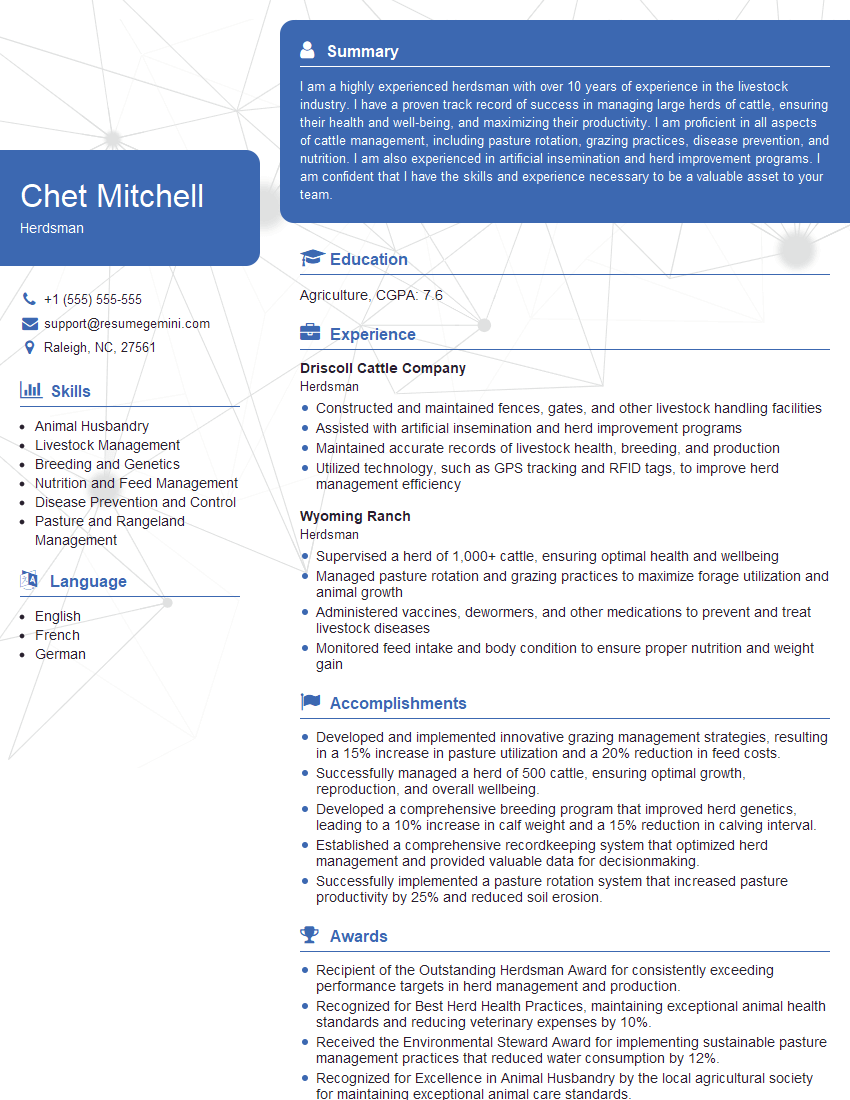
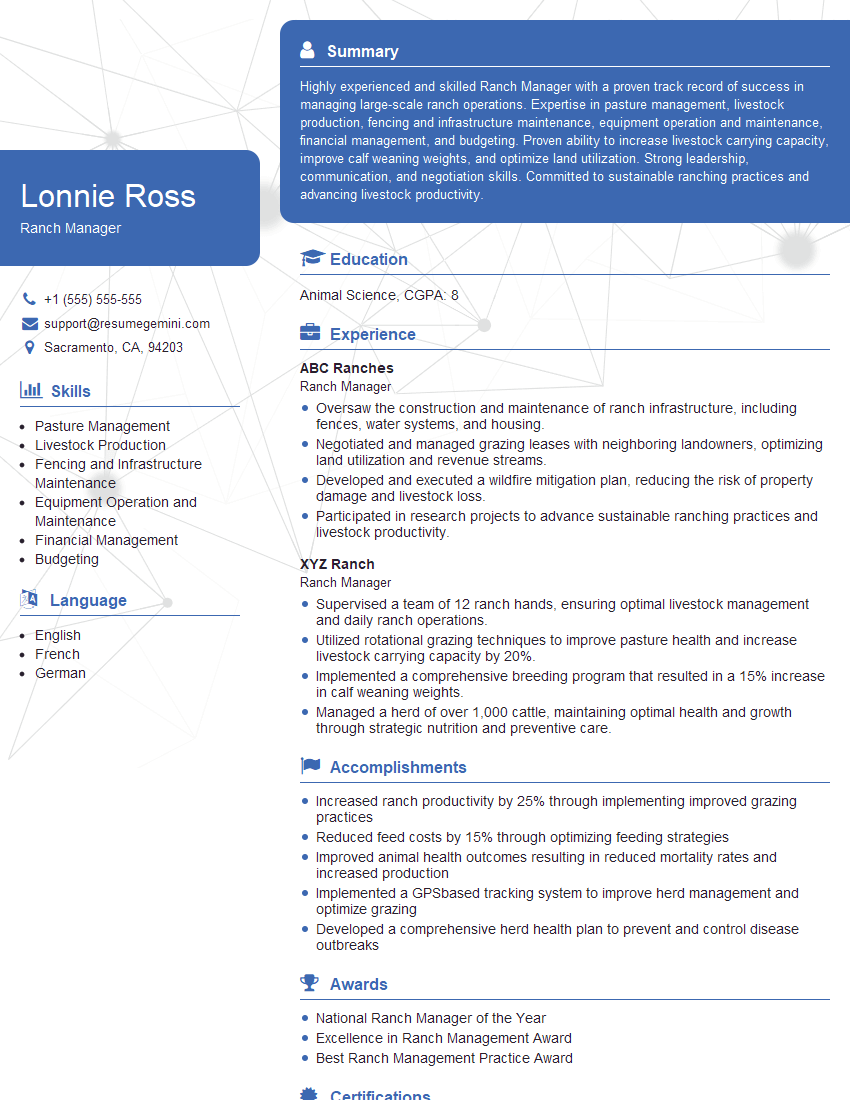
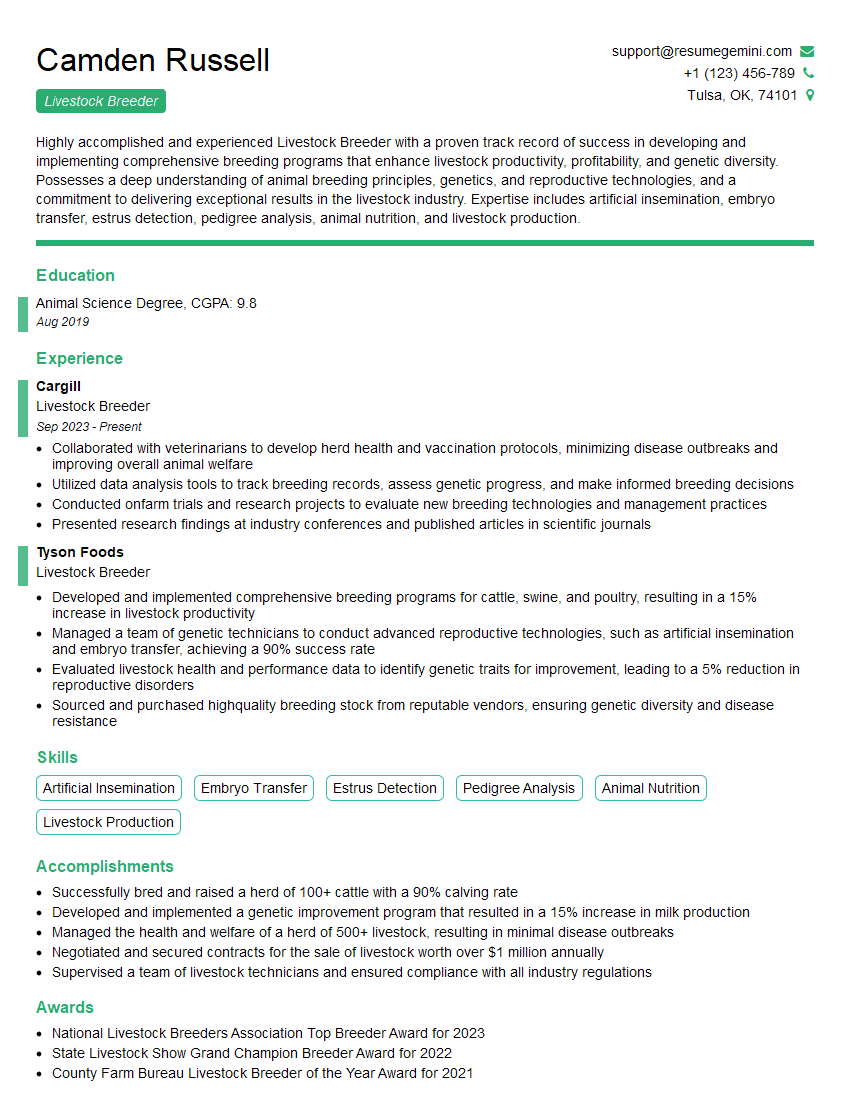
Mastering Cattle Industry Best Practices is crucial for career advancement, opening doors to higher-paying positions and leadership roles. A well-crafted, ATS-friendly resume is your key to unlocking these opportunities. To maximize your job prospects, build a professional resume that showcases your skills and experience effectively. ResumeGemini is a trusted resource to help you create a compelling resume tailored to the Cattle Industry. Examples of resumes tailored to Cattle Industry Best Practices are available to further assist you in crafting your perfect application.

Explore more articles
Users Rating of Our Blogs
Share Your Experience
We value your feedback! Please rate our content and share your thoughts (optional).
What Readers Say About Our Blog
Really detailed insights and content, thank you for writing this detailed article.
IT gave me an insight and words to use and be able to think of examples