Preparation is the key to success in any interview. In this post, we’ll explore crucial Chemical and Biological Hazard Detection interview questions and equip you with strategies to craft impactful answers. Whether you’re a beginner or a pro, these tips will elevate your preparation.
Questions Asked in Chemical and Biological Hazard Detection Interview
Q 1. Explain the difference between a chemical and biological hazard.
The core difference between chemical and biological hazards lies in their origin and nature. Chemical hazards are substances that pose a threat due to their inherent chemical properties. This could be toxicity, flammability, reactivity, or corrosiveness. Think of things like acids, pesticides, or industrial solvents. Their harmful effects are primarily determined by their chemical composition and how they interact with the body. Biological hazards, on the other hand, are living organisms or their byproducts that can cause illness or death. This includes bacteria, viruses, fungi, parasites, and even toxins produced by these organisms (like botulinum toxin). The harm they cause is often related to their ability to replicate, infect, or produce harmful substances.
For example, spilling sulfuric acid (a chemical hazard) will cause immediate chemical burns, while inhaling anthrax spores (a biological hazard) can lead to a potentially fatal infection after a period of incubation.
Q 2. Describe various methods for detecting chemical hazards in the environment.
Detecting chemical hazards involves a range of methods, often dependent on the suspected chemical and the environment. Common techniques include:
- Gas Chromatography-Mass Spectrometry (GC-MS): This is a powerful technique that separates volatile compounds and identifies them based on their mass-to-charge ratio. It’s widely used for identifying unknown substances in air or water samples.
- High-Performance Liquid Chromatography (HPLC): HPLC is excellent for analyzing non-volatile compounds in liquid samples. It separates compounds based on their interaction with a stationary and mobile phase, allowing for identification and quantification.
- Spectroscopy (e.g., UV-Vis, IR): These techniques analyze the interaction of light with a sample to determine its chemical composition. UV-Vis spectroscopy is useful for identifying compounds that absorb ultraviolet or visible light, while IR spectroscopy is good for identifying functional groups.
- Ion-selective electrodes (ISEs): These sensors are used to measure the concentration of specific ions in a solution, which is important for detecting the presence of certain chemicals in water or soil.
- Colorimetric tests: These simple tests use chemical reactions that produce a color change in the presence of a specific chemical. They are often used for field screening.
The choice of method often depends on the nature of the suspected chemical, the matrix (air, water, soil), and the required sensitivity and specificity.
Q 3. Outline the procedures for detecting and identifying biological agents.
Detecting and identifying biological agents is a multi-step process that often involves a combination of techniques:
- Sampling: Collect samples from suspected areas using appropriate methods (discussed in the next question).
- Microscopy: Direct observation under a microscope can reveal the presence of microorganisms. Different types of microscopy (light, electron) provide different levels of detail.
- Culture: Growing the agent in a laboratory setting allows for further characterization and identification.
- Biochemical tests: These tests identify specific metabolic properties or antigens of the organism.
- Molecular techniques (e.g., PCR): Polymerase chain reaction (PCR) is a very sensitive method for detecting specific DNA or RNA sequences, allowing for identification of even trace amounts of a biological agent.
- Immunological assays (e.g., ELISA): These assays use antibodies to detect specific antigens associated with the biological agent.
The identification process usually involves a tiered approach, starting with rapid screening methods and progressing to more sophisticated techniques for confirmation.
Q 4. What are the common sampling techniques used for chemical and biological hazard detection?
Sampling techniques are critical for accurate hazard detection and depend heavily on the nature of the hazard and the environment. Some common methods include:
- Air sampling: This can involve using filters, impingers (for liquid collection), or passive samplers to collect airborne chemicals or biological agents. The choice depends on the properties of the agent and the desired sampling duration.
- Water sampling: Water samples are collected using sterile containers and techniques to avoid contamination. The sampling location and depth are critical factors.
- Soil sampling: Soil samples are collected using scoops, augers, or corers, depending on the depth and nature of the contamination. Different depths and locations within the area are sampled to get a representative sample.
- Swabbing: Swabbing is used to collect samples from surfaces that may be contaminated with biological agents. Sterile swabs are used to collect samples that are then processed in a laboratory setting.
Proper sampling techniques are crucial for ensuring the accuracy and reliability of subsequent analyses. Contamination must be avoided at all stages.
Q 5. Explain the principles behind different analytical techniques used in CBRN detection (e.g., GC-MS, HPLC, PCR).
Several analytical techniques are central to CBRN detection. Their principles are:
- Gas Chromatography-Mass Spectrometry (GC-MS): GC separates volatile compounds based on their boiling point and interaction with a stationary phase. The separated compounds then pass into a mass spectrometer, which measures their mass-to-charge ratio. This ratio acts as a fingerprint, allowing for identification.
- High-Performance Liquid Chromatography (HPLC): HPLC separates non-volatile compounds based on their interaction with a stationary and mobile phase in a column. Different compounds elute at different times, allowing for separation and identification (often coupled with a detector like UV-Vis or fluorescence).
- Polymerase Chain Reaction (PCR): PCR amplifies specific DNA or RNA sequences. It uses cycles of heating and cooling to replicate the target sequence exponentially, making it possible to detect even trace amounts of a specific biological agent. The presence of the amplified sequence confirms the agent’s presence.
Each technique has specific strengths and weaknesses depending on the analyte and the required sensitivity and specificity. For example, GC-MS is excellent for volatile organic compounds, while HPLC is better suited for non-volatile compounds. PCR is exceptionally sensitive for detecting specific biological agents but requires prior knowledge of the target sequence.
Q 6. How do you interpret the results from a chemical or biological hazard detection test?
Interpreting results requires careful consideration of several factors. First, it’s crucial to understand the limitations of the methods used. A negative result doesn’t always mean the absence of a hazard; it might simply mean that the concentration was below the detection limit. Positive results must be confirmed using independent methods.
For chemical hazards, the results will typically indicate the type and concentration of the chemical detected. This information is compared to established safety limits and guidelines to assess the risk. For example, detecting a concentration of benzene above the permissible exposure limit (PEL) would indicate a significant risk.
For biological hazards, results indicate the presence of a specific organism or its genetic material. The concentration and the pathogenicity (ability to cause disease) of the organism are critical factors in determining the level of risk. A positive result for a highly pathogenic organism requires immediate action.
Quality control measures and proper documentation are essential for accurate and reliable interpretation.
Q 7. Describe the safety precautions you would take when handling potentially hazardous materials.
Safety is paramount when handling potentially hazardous materials. A layered approach is crucial, involving:
- Risk assessment: Thoroughly assess the hazards associated with the specific material before handling. This includes considering the toxicity, flammability, and reactivity of the substance.
- Personal Protective Equipment (PPE): Always use appropriate PPE, which might include gloves, lab coats, safety glasses, respirators, and potentially full body suits, depending on the hazard level.
- Engineering controls: Use fume hoods, biosafety cabinets, or other engineering controls to minimize exposure during handling.
- Standard operating procedures (SOPs): Follow established SOPs for all procedures involving hazardous materials. SOPs detail safe practices and emergency response procedures.
- Waste disposal: Properly dispose of all hazardous waste in accordance with local, regional, and national regulations. This may involve specialized waste disposal contractors.
- Training: Ensure all personnel handling hazardous materials receive adequate training on safe handling techniques, emergency procedures, and risk mitigation strategies.
Remember, safety is a collective responsibility. A proactive and cautious approach is vital to prevent accidents and safeguard personnel and the environment.
Q 8. What are the limitations of different detection methods?
Different chemical and biological detection methods each have inherent limitations. Think of it like trying to find a specific needle in a haystack – the bigger the haystack, the harder it is. The sensitivity and specificity of the method significantly impact its effectiveness.
Spectroscopy techniques (e.g., Raman, FTIR): While highly sensitive for identifying specific chemicals, they can be hampered by sample preparation complexities, interferences from other substances in the sample (matrix effects), and the requirement for specialized, often expensive, equipment.
Chromatography (e.g., GC-MS, HPLC): These methods are powerful for separating and identifying components in complex mixtures. However, they are often time-consuming, require skilled operators, and might not be suitable for field deployment due to size and power requirements.
Immunoassays (e.g., ELISA): These are widely used for detecting biological agents because of their relatively high sensitivity and specificity. However, they are susceptible to cross-reactivity with other similar substances and might require careful sample preparation and control experiments to avoid false positives or negatives.
Biosensors: Offer rapid detection capabilities, but sensitivity and specificity can be limited, and their performance can vary depending on environmental factors.
Canine detection: Dogs are exceptionally sensitive and can detect extremely low concentrations of certain substances. But their reliability depends on training, consistency, and environmental conditions (e.g., temperature, humidity). They’re not appropriate for all scenarios.
The choice of method depends critically on the specific hazard being sought, the environment, the available resources, and the acceptable level of uncertainty.
Q 9. How do you assess the risk associated with a detected chemical or biological hazard?
Risk assessment for detected chemical or biological hazards is a multi-step process combining qualitative and quantitative information. We use a framework like the following:
Hazard Identification: What exactly is the hazard? (e.g., specific bacteria, nerve agent, toxin). This relies on the results of the detection methods and often involves confirmatory testing.
Hazard Characterization: What are the properties of this hazard? (e.g., toxicity, infectivity, volatility, persistence). This often includes reviewing relevant safety data sheets (SDS) and scientific literature.
Exposure Assessment: Who is exposed? How much exposure are they likely to experience? (e.g., concentration, duration, route of exposure). This might involve modeling or on-site measurements.
Risk Characterization: Combining the above, we estimate the likelihood and severity of adverse health effects. This often involves using risk matrices that consider the probability and consequences of exposure.
For example, detecting a low concentration of a highly volatile and toxic chemical in a well-ventilated area poses a lower risk than detecting a high concentration of a persistent toxin in a confined space.
Q 10. Explain the role of personal protective equipment (PPE) in CBRN scenarios.
Personal Protective Equipment (PPE) is crucial in Chemical, Biological, Radiological, and Nuclear (CBRN) scenarios to protect responders from exposure to hazardous materials. The type of PPE depends entirely on the specific hazard.
Level A: Provides the highest level of protection and is used for dealing with unknown or highly hazardous substances. It typically includes a fully encapsulating suit with a self-contained breathing apparatus (SCBA).
Level B: Offers high protection using a chemical-resistant suit and SCBA, but may not be fully encapsulating.
Level C: Uses a hooded chemical-resistant suit with an air-purifying respirator (APR), appropriate when the hazard is known and the air is filtered properly.
Level D: The least protective level, typically using work uniforms and gloves; only appropriate when the risk is minimal.
Training is essential on proper donning, doffing (removal), and maintenance of PPE to ensure effectiveness and prevent contamination.
Imagine a scenario involving a suspected chemical spill. Level A PPE would be chosen for first responders who need to assess the situation and potentially neutralize the hazard due to the unknown nature of the spill. Level B might be worn by those assisting with containment, and level D might be used by personnel supporting from a safer distance.
Q 11. Describe your experience with decontamination procedures.
My experience encompasses a wide range of decontamination procedures, both for personnel and equipment. The approach depends on the nature of the contaminant. Effective decontamination always follows established protocols and adheres to safety guidelines.
Personnel Decontamination: This might involve washing with soap and water, using specialized decontamination solutions, and removing and disposing of contaminated clothing. The process often includes multiple stages to ensure thorough removal of the hazard.
Equipment Decontamination: Procedures vary drastically depending on the item. This can range from simple washing with detergent to using chemical disinfectants, steam sterilization, or even incineration for highly contaminated items. Equipment decontamination often necessitates specific protocols, including validation of effectiveness.
I’ve been involved in numerous exercises and real-world incidents, including decontamination after a simulated anthrax release and cleaning equipment used in a chemical spill response. Detailed documentation and record-keeping are critical for demonstrating effectiveness and ensuring safety.
Q 12. How would you respond to a suspected chemical or biological attack?
Responding to a suspected chemical or biological attack requires a rapid and coordinated response following established emergency protocols. The key elements are:
Initial Assessment and Scene Control: Isolate the area, establish a perimeter, and prevent further spread of the contaminant.
Hazard Identification and Confirmation: Collect samples for laboratory analysis to confirm the presence and nature of the hazard.
Casualty Management: Provide immediate medical treatment for those affected, including decontamination if necessary.
Decontamination: Implement appropriate decontamination procedures for personnel, equipment, and the environment.
Investigation: Determine the origin and method of the attack, including gathering evidence and interviewing witnesses.
Communication: Regular communication with health authorities, law enforcement, and the public is paramount.
My approach would be to prioritize the safety of responders and victims while working to contain the threat and mitigate its impact. A clear chain of command, well-defined roles and responsibilities, and effective teamwork are crucial for successful incident management.
Q 13. What are the legal and regulatory requirements for handling hazardous materials?
Legal and regulatory requirements for handling hazardous materials vary depending on jurisdiction, but generally encompass several key areas. It’s essential to understand the applicable legislation and regulations in your region.
Occupational Safety and Health Administration (OSHA): In the US, OSHA sets standards for workplace safety, including handling of hazardous materials. This involves training programs, safe work practices, and emergency response plans.
Environmental Protection Agency (EPA): The EPA regulates the storage, transportation, disposal, and release of hazardous materials to protect the environment and public health. This often includes permits, reporting requirements, and waste management plans.
Transportation Regulations (e.g., DOT): The Department of Transportation (DOT) regulates the transportation of hazardous materials to minimize the risk of accidents and spills during transit. This includes labeling, packaging, and shipping procedures.
International Regulations: For international transport, adherence to regulations like the Globally Harmonized System of Classification and Labelling of Chemicals (GHS) is crucial.
Failure to comply with these regulations can result in significant penalties, including fines and legal action.
Q 14. How do you ensure the quality and reliability of your detection results?
Ensuring the quality and reliability of detection results is paramount. This is achieved through a multi-faceted approach:
Instrument Calibration and Maintenance: Regular calibration and preventative maintenance of detection equipment are essential to ensure accurate and reliable measurements. This often involves using certified reference materials and following manufacturer’s instructions.
Quality Control (QC) Samples: Using QC samples (both positive and negative controls) throughout the analytical process helps monitor the performance of the method and detect any potential problems.
Method Validation: Before using any detection method, it’s crucial to validate its sensitivity, specificity, accuracy, and precision. This may involve interlaboratory comparisons to evaluate consistency.
Proficiency Testing: Participation in proficiency testing programs allows laboratories to compare their results with other laboratories and identify areas for improvement. This serves as an external quality assurance measure.
Chain of Custody: Maintaining a detailed chain of custody for all samples ensures the integrity of the results. This includes documenting the handling, storage, and analysis of each sample.
Data Analysis and Interpretation: Accurate data analysis and interpretation by trained personnel are crucial to avoid misinterpretations and drawing incorrect conclusions.
By implementing these procedures, we can significantly improve the quality and reliability of our detection results, providing crucial information for effective decision-making in CBRN response.
Q 15. What are some common chemical and biological agents of concern?
Chemical and biological agents of concern span a wide range, posing various threats depending on their toxicity, volatility, and infectiousness. We categorize them broadly into:
- Chemical Agents: These include nerve agents (like Sarin and VX), blister agents (like mustard gas), choking agents (like chlorine and phosgene), and toxic industrial chemicals (TICs) such as cyanide and hydrogen sulfide. These agents can cause a variety of acute and chronic health effects, depending on the exposure route and concentration.
- Biological Agents: This category encompasses bacteria (e.g., Bacillus anthracis causing anthrax, Yersinia pestis causing plague), viruses (e.g., smallpox virus, Ebola virus), toxins (e.g., ricin, botulinum toxin), and fungi (e.g., Coccidioides species causing coccidioidomycosis). The severity of effects depends on the virulence of the agent, the dose received, and the individual’s immune status.
The specific agents of concern are heavily context-dependent. A military setting might focus on chemical warfare agents, while a public health setting might prioritize emerging infectious diseases. My expertise covers both, allowing for a thorough risk assessment in various situations.
Career Expert Tips:
- Ace those interviews! Prepare effectively by reviewing the Top 50 Most Common Interview Questions on ResumeGemini.
- Navigate your job search with confidence! Explore a wide range of Career Tips on ResumeGemini. Learn about common challenges and recommendations to overcome them.
- Craft the perfect resume! Master the Art of Resume Writing with ResumeGemini’s guide. Showcase your unique qualifications and achievements effectively.
- Don’t miss out on holiday savings! Build your dream resume with ResumeGemini’s ATS optimized templates.
Q 16. Describe your experience with different types of detection equipment.
My experience encompasses a broad spectrum of detection equipment. I’ve worked extensively with:
- Spectroscopic techniques: Including Gas Chromatography-Mass Spectrometry (GC-MS) for identifying volatile organic compounds and Fourier-Transform Infrared Spectroscopy (FTIR) for identifying both volatile and non-volatile substances. GC-MS, for example, provides extremely high specificity and sensitivity, allowing us to analyze minute quantities of a wide range of chemicals.
- Immunological assays: Such as enzyme-linked immunosorbent assays (ELISAs) and lateral flow assays (LFAs) for detecting specific biological agents. LFAs offer rapid, point-of-care detection, although they often lack the sensitivity of ELISAs. I’ve used both for various pathogens and toxins, comparing results to ensure accuracy.
- Biosensors: These devices utilize biological recognition elements to detect specific targets. I’ve worked with various types, including those based on antibodies, enzymes, and aptamers, often coupled with electrochemical or optical detection systems. Their specificity and sensitivity vary considerably, making careful selection crucial.
- Handheld detectors: These are invaluable for rapid screening in the field. I have experience using both chemical detectors for various toxic compounds and biological detectors for common pathogens like anthrax. While generally less sensitive than lab-based methods, their portability is unmatched for immediate threat assessment.
Each technology presents distinct advantages and limitations, and choosing the appropriate technique is critical for successful detection, depending on factors like speed, sensitivity, specificity, and cost.
Q 17. How do you maintain and calibrate detection equipment?
Maintaining and calibrating detection equipment is paramount to ensure accurate and reliable results. This involves a multi-faceted approach:
- Regular Cleaning and Maintenance: This includes cleaning optical components (for spectroscopic instruments), replacing filters, and checking for any physical damage. The frequency depends on the instrument and its usage but is crucial for preventing contamination and ensuring optimal performance. For example, GC-MS columns need regular cleaning and sometimes replacement to avoid signal degradation.
- Calibration: Calibration involves using certified standards to verify the instrument’s accuracy. The frequency of calibration varies but is generally dictated by manufacturer recommendations and usage patterns. For example, I’d calibrate a GC-MS system with a mixture of known concentrations of target compounds at regular intervals.
- Quality Control: Regular running of quality control samples (both positive and negative controls) is vital to monitor instrument performance and identify any potential issues before they affect analytical results. A deviation from expected results would trigger investigation.
- Documentation: Meticulous record-keeping of all maintenance, calibration, and quality control procedures is essential for audit trails and ensuring data integrity. Any maintenance performed or calibration conducted is fully documented and reviewed regularly.
Neglecting these steps can lead to inaccurate results, potentially with severe consequences in real-world scenarios. Therefore, comprehensive and rigorous protocols are vital.
Q 18. What are the signs and symptoms of exposure to common chemical and biological hazards?
Signs and symptoms of exposure to chemical and biological hazards are highly variable and depend on several factors, including the agent involved, the route of exposure, the dose, and individual susceptibility. However, some common indicators include:
- Chemical Agents: Symptoms can range from mild irritation (e.g., skin rash, eye irritation, coughing) to severe effects such as respiratory distress, seizures, paralysis, or even death. Specific symptoms vary greatly depending on the agent. For example, nerve agent exposure can cause pinpoint pupils, muscle weakness, and respiratory failure, while exposure to a blister agent might manifest as skin blistering and respiratory irritation.
- Biological Agents: Symptoms can be nonspecific initially, mimicking common illnesses like flu. However, more specific signs may develop later, depending on the specific agent. Anthrax, for example, can present as skin lesions, respiratory distress, or gastrointestinal problems. Viral infections often present with fever, fatigue, and other flu-like symptoms.
It’s crucial to remember that the absence of immediate symptoms does not rule out exposure. Some agents have a delayed onset of symptoms, or the exposure may be subclinical but still potentially harmful. Therefore, appropriate diagnostic testing is often necessary.
Q 19. How do you perform a risk assessment for a given location or event?
A risk assessment involves systematically identifying and evaluating potential hazards and their associated risks. For a given location or event, the process involves:
- Hazard Identification: Identifying potential chemical and biological hazards present at the location or event. This might involve reviewing historical data, assessing the environment, and considering potential sources of contamination.
- Vulnerability Assessment: Evaluating the vulnerability of people and assets to identified hazards. This considers factors such as population density, infrastructure, and the presence of vulnerable groups.
- Risk Characterization: Combining the likelihood of exposure with the potential severity of consequences to determine the overall risk level. This might involve using qualitative or quantitative methods, such as risk matrices.
- Risk Control Measures: Identifying and implementing appropriate risk control measures to reduce the likelihood or severity of adverse events. These measures might include engineering controls, administrative controls, and personal protective equipment (PPE).
- Monitoring and Review: Regularly monitoring the effectiveness of risk control measures and reviewing the risk assessment to ensure its continued relevance.
For example, assessing the risk of a large public gathering would involve considering potential threats like a chemical attack or a biological outbreak, evaluating crowd size and location, and putting safety measures such as security checkpoints and emergency response plans in place.
Q 20. Explain your understanding of chain of custody procedures in evidence handling.
Chain of custody procedures are critical to ensuring the integrity and admissibility of evidence in legal proceedings. They document the movement and handling of evidence from its collection to its presentation in court. Maintaining an unbroken chain of custody requires:
- Detailed Documentation: Every step of the process, from collection to analysis and storage, must be meticulously documented, including the date, time, location, personnel involved, and any changes in the evidence’s condition.
- Secure Handling: The evidence must be handled in a way that prevents contamination, tampering, or degradation. This often involves using appropriate containers, seals, and storage conditions. For biological samples, for instance, maintaining the cold chain is imperative.
- Proper Transfer Procedures: When transferring custody, a signed transfer form must document the transfer of responsibility. This form should include a description of the evidence, the transferor and transferee’s information, and the date and time of transfer.
- Evidence Log: A detailed evidence log should be maintained, recording all relevant information about the evidence’s handling. This log becomes a critical part of the chain of custody documentation.
Breaches in chain of custody can compromise the integrity of the evidence, potentially rendering it inadmissible in court. Therefore, strict adherence to established procedures is paramount.
Q 21. How would you handle a situation where a detection result is inconclusive?
An inconclusive detection result requires careful consideration and a systematic approach. The first step involves critically evaluating the initial results, checking for potential sources of error during sample collection, handling, and analysis. This may involve reviewing laboratory protocols and instrument performance data.
Further investigation might involve:
- Repeat Testing: Repeating the analysis using the same or different methods, with careful attention to eliminating potential sources of error.
- Additional Testing: Employing different detection methods to confirm or refute the initial findings. For example, if an ELISA result is inconclusive, confirmation could be attempted by a different immunoassay or a molecular assay (such as PCR).
- Sample Re-collection: If there’s a doubt about the sample’s integrity, re-collecting the sample from the same location using appropriate techniques is vital.
- Consultation with Experts: If the situation remains unclear, consulting with subject matter experts can provide additional insights and guidance. This could include collaboration with other laboratories or specialized personnel.
The goal is to obtain a definitive result or at least to narrow down the possibilities. Inconclusive results should never be ignored; instead, they necessitate further investigation to ensure a thorough and accurate analysis.
Q 22. Describe your experience working within a team in a high-pressure situation.
Working in CBRN detection often involves high-pressure situations, especially during emergencies. My experience on a rapid response team during a simulated anthrax release perfectly illustrates this. We were under immense time pressure to identify the source, assess the contamination level, and advise on decontamination procedures. Effective teamwork was crucial. We utilized a clear communication protocol, assigning roles based on expertise (some focused on sample analysis, others on logistical support, and others on communication with emergency services). We established a robust system for data sharing and verification. This collaborative approach allowed us to quickly assess the threat level and provide crucial information to emergency response teams, minimizing potential harm. The success relied on trust, efficient communication, and clear leadership in the face of uncertainty.
Q 23. How do you stay updated on the latest advancements in CBRN detection technologies?
Staying abreast of advancements in CBRN detection is paramount. I regularly attend conferences like the CBRNe Convergence and subscribe to leading journals such as the Journal of Hazardous Materials and Applied Spectroscopy. I actively participate in online communities and forums dedicated to CBRN detection, which provides access to the latest research and technological updates from experts across the globe. Furthermore, I regularly review manufacturer updates and training materials for equipment I use, keeping my skills sharp and my knowledge of the latest capabilities current. This multi-faceted approach ensures I’m always equipped with the latest knowledge and insights to tackle emerging challenges in the field.
Q 24. What are the ethical considerations involved in CBRN detection and response?
Ethical considerations in CBRN detection and response are multifaceted and critical. Privacy concerns regarding the collection and analysis of personal data (e.g., DNA samples) must be carefully balanced against the need for effective threat assessment. Transparency and accountability are vital: the public needs to understand how data is used, secured, and potentially shared with other agencies. Another key consideration is the potential for misuse of detection technology; it’s vital to ensure robust safeguards against unauthorized deployment or malicious use. Finally, the ethical implications of deploying potentially harmful countermeasures—for example, the use of broad-spectrum disinfectants—must be carefully weighed against the risk of the threat. We need to make sure that our response does not cause more harm than the original threat.
Q 25. Describe a situation where you had to troubleshoot a problem with detection equipment.
During a field exercise simulating a chemical spill, our gas chromatograph-mass spectrometer (GC-MS) experienced erratic readings. Initially, I suspected a problem with the carrier gas flow. My troubleshooting involved systematically checking each component: first, I verified the gas cylinder pressure and flow regulator settings. Then, I inspected the column connections for leaks, using soapy water to detect bubbles. Next, I examined the detector’s signal and adjusted the parameters according to the manufacturer’s guidelines. I even ran a diagnostic test using a known standard to isolate the issue. The problem turned out to be a slight leak in the septum, which I replaced, restoring the instrument’s accuracy. This experience highlighted the importance of methodical troubleshooting and thorough familiarity with the equipment.
Q 26. How do you ensure the accuracy and precision of your detection methods?
Accuracy and precision in CBRN detection are paramount. We achieve this through a multi-pronged approach. First, we rigorously calibrate all our equipment according to strict protocols, using certified reference materials. We perform regular quality control checks on our detection methods using both positive and negative controls. Second, we employ multiple detection methods whenever possible to corroborate findings. For example, we might use both immunoassays and mass spectrometry to identify a particular biological agent. Finally, proper chain of custody and sample handling procedures are crucial to maintain data integrity, and comprehensive documentation helps ensure traceability and transparency throughout the entire process.
Q 27. Explain your understanding of false positives and false negatives in detection.
False positives and false negatives are critical concepts in CBRN detection. A false positive is when a test indicates the presence of a hazard when it’s actually absent. This can lead to unnecessary evacuations, decontamination efforts, and resource allocation, all with associated costs and potential disruption. A false negative, conversely, means a test fails to detect a hazard when it’s present. This is far more dangerous because it results in a failure to respond effectively to a real threat, with potentially severe consequences for public health and safety. Minimizing both types of errors requires careful selection of analytical methods, rigorous quality control, and meticulous attention to detail in all aspects of the detection and analysis process.
Q 28. What are the key differences between qualitative and quantitative analysis in CBRN detection?
Qualitative analysis in CBRN detection simply identifies the presence or absence of a particular hazard. For example, a rapid test strip might indicate the presence of ricin, but not its concentration. Quantitative analysis goes further, providing a precise measurement of the hazard’s concentration or quantity. A quantitative method like GC-MS would not only confirm ricin but also measure its concentration in a sample (e.g., in parts per million). Quantitative data allows for a more accurate risk assessment, guiding appropriate response strategies and resource allocation. In many situations, quantitative data is essential for effective mitigation and remediation strategies.
Key Topics to Learn for Chemical and Biological Hazard Detection Interview
- Sampling and Analysis Techniques: Understanding various sampling methods (air, water, surface) and analytical techniques (chromatography, mass spectrometry, immunoassays) for detecting chemical and biological agents. Consider the limitations and advantages of each.
- Spectroscopic Methods: Gain a solid understanding of techniques like UV-Vis, IR, and Raman spectroscopy, and their applications in identifying unknown substances. Practice interpreting spectra and relating them to molecular structures.
- Biosensors and Detection Technologies: Explore the principles and applications of different biosensors (e.g., electrochemical, optical) for detecting biological threats. Be prepared to discuss their sensitivity, specificity, and limitations.
- Risk Assessment and Management: Familiarize yourself with methodologies for assessing the risk posed by chemical and biological hazards, including hazard identification, risk characterization, and risk mitigation strategies.
- Data Interpretation and Reporting: Master the art of interpreting analytical data, drawing conclusions, and presenting findings in a clear and concise manner. Practice communicating complex technical information effectively.
- Regulatory Compliance and Safety Procedures: Understand relevant safety regulations and protocols for handling hazardous materials, including personal protective equipment (PPE) and emergency response procedures.
- Emerging Threats and Technologies: Stay updated on the latest advancements in chemical and biological hazard detection, including new technologies and emerging threats. Demonstrate your ability to learn and adapt to new challenges.
Next Steps
Mastering Chemical and Biological Hazard Detection opens doors to exciting and impactful careers in fields ranging from national security to environmental protection and public health. To significantly enhance your job prospects, crafting a compelling and ATS-friendly resume is crucial. ResumeGemini is a trusted resource that can help you build a professional resume that highlights your skills and experience effectively. Examples of resumes tailored to Chemical and Biological Hazard Detection are available through ResumeGemini to help guide your process. Investing time in building a strong resume will significantly increase your chances of landing your dream job in this vital field.
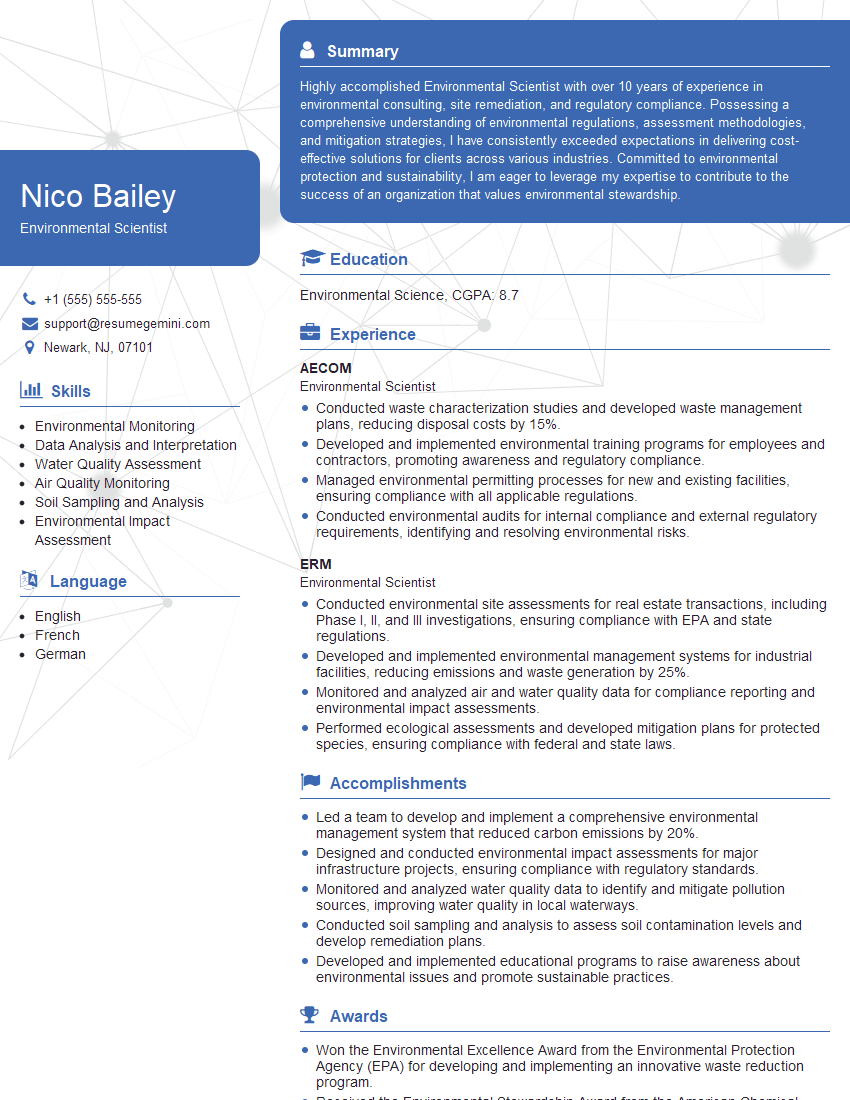
Environmental Scientist Resume Sample

Safety Engineer Resume Sample
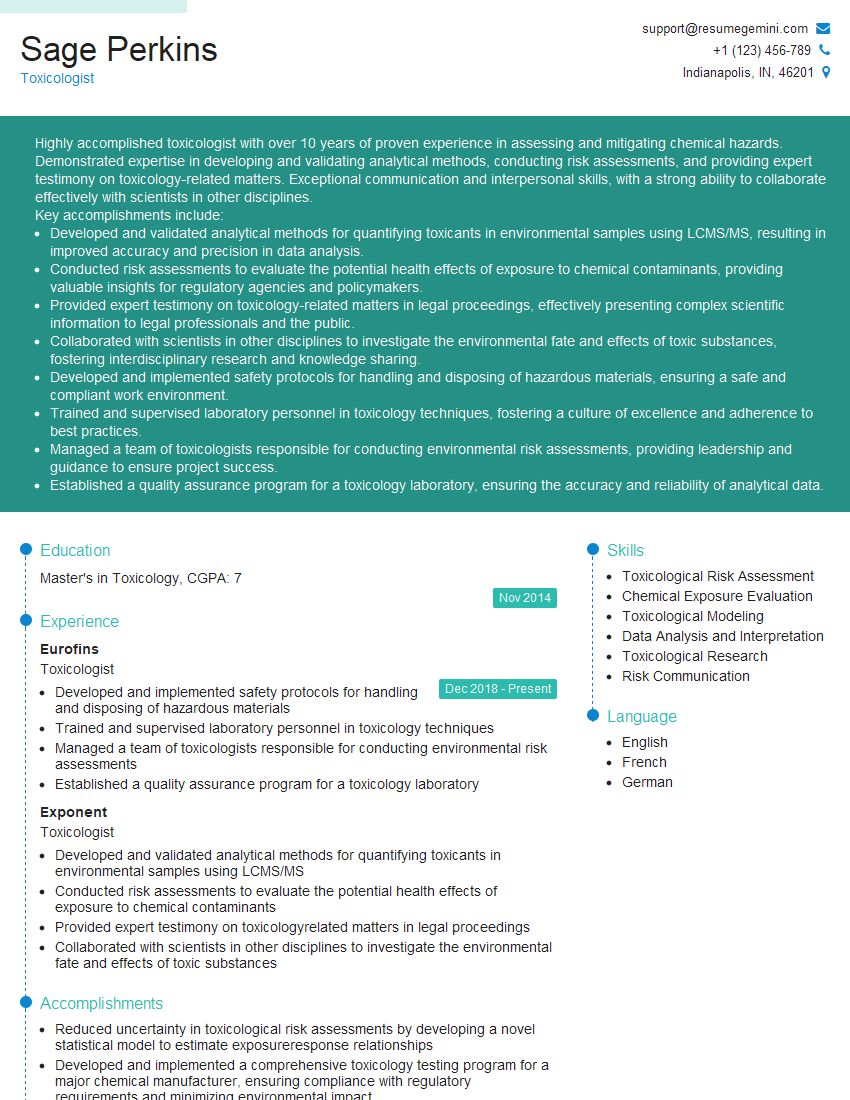
Toxicologist Resume Sample
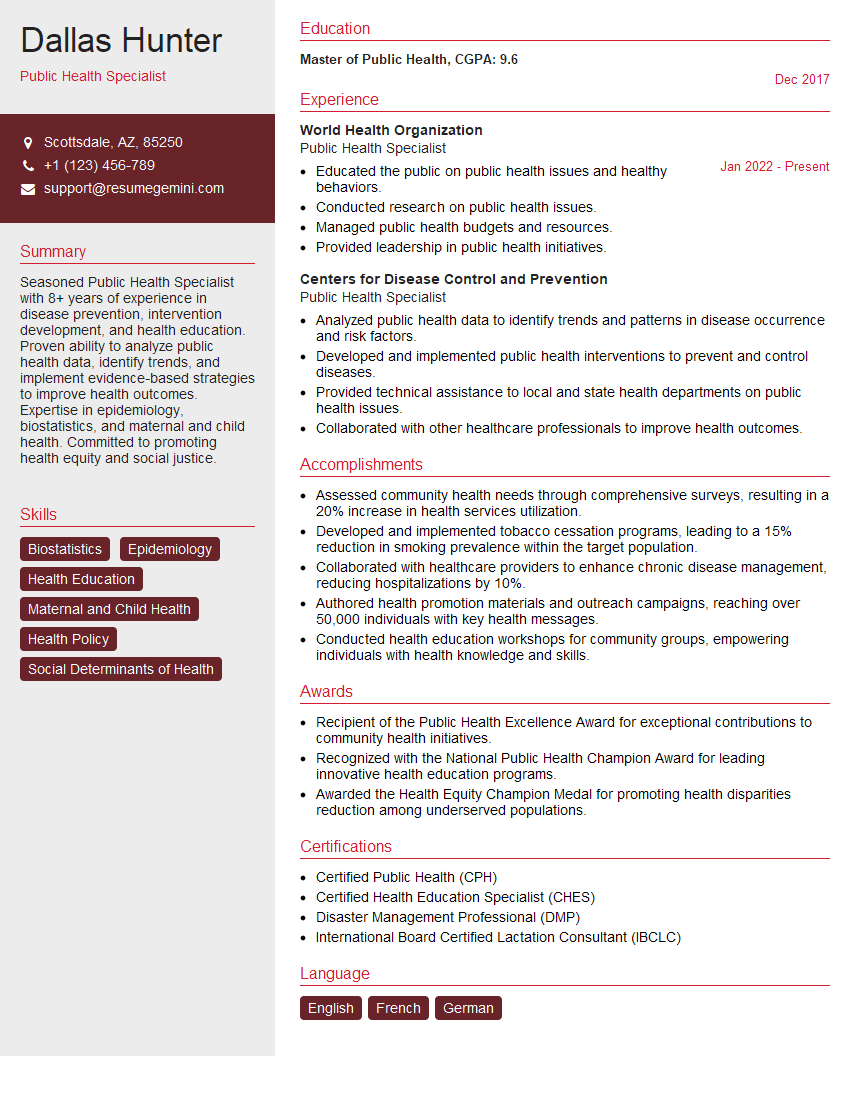
Public Health Specialist Resume Sample

Radiation Safety Officer Resume Sample
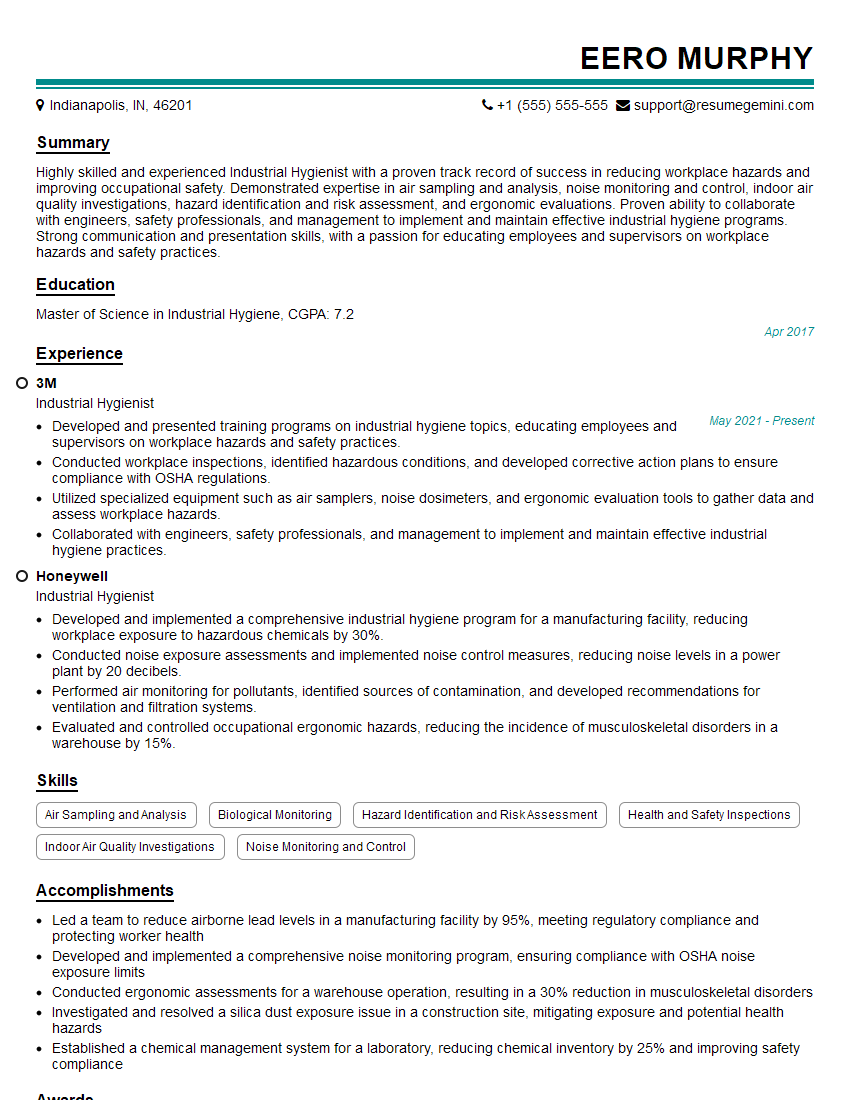
Industrial Hygienist Resume Sample
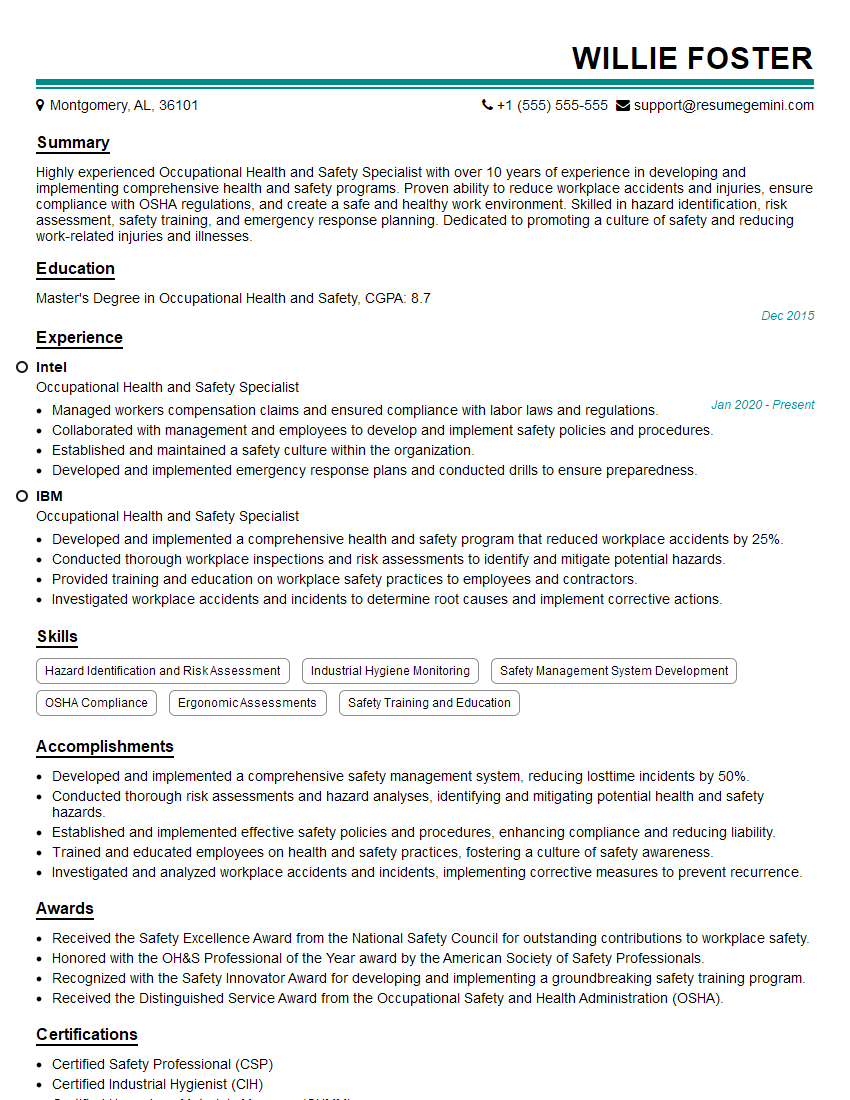
Occupational Health and Safety Specialist Resume Sample
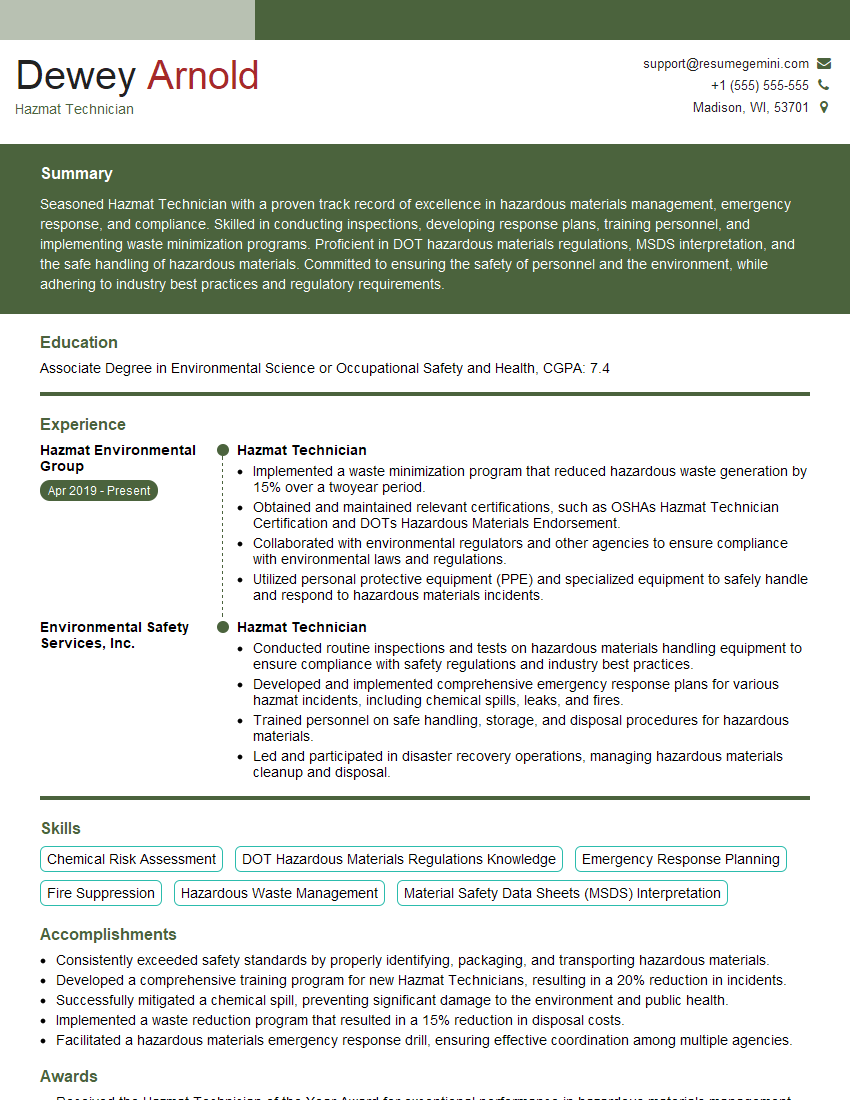
Hazmat Technician Resume Sample
Explore more articles
Users Rating of Our Blogs
Share Your Experience
We value your feedback! Please rate our content and share your thoughts (optional).
What Readers Say About Our Blog
Really detailed insights and content, thank you for writing this detailed article.
IT gave me an insight and words to use and be able to think of examples