Interviews are more than just a Q&A session—they’re a chance to prove your worth. This blog dives into essential Cognitive Interviewing and Pretesting interview questions and expert tips to help you align your answers with what hiring managers are looking for. Start preparing to shine!
Questions Asked in Cognitive Interviewing and Pretesting Interview
Q 1. Explain the purpose of cognitive interviewing in the context of survey design.
Cognitive interviewing is a qualitative method used in survey design to understand how respondents interpret and answer survey questions. It’s essentially a ‘think-aloud’ protocol where participants verbalize their thought processes as they complete a survey. This helps researchers identify potential problems with question wording, question order, response options, or the overall survey flow, before the survey is widely deployed. Imagine trying to build a house without checking the blueprint – cognitive interviewing is that crucial blueprint check for surveys, ensuring a clear and accurate understanding from the respondent’s perspective.
For example, a seemingly straightforward question like “How many hours of television do you watch weekly?” might be misinterpreted by respondents who only include shows watched on a primary television, neglecting streaming services or videos on other devices. Cognitive interviewing helps uncover these nuances.
Q 2. Describe three key differences between cognitive interviewing and traditional usability testing.
While both cognitive interviewing and traditional usability testing aim to improve the user experience, key differences exist:
- Focus: Cognitive interviewing focuses specifically on the cognitive processes behind answering survey questions – understanding, interpretation, retrieval of information from memory, and judgment. Usability testing, on the other hand, often has a broader scope, encompassing the overall ease of use and navigation of an interface or system.
- Methods: Cognitive interviewing relies heavily on verbal protocols and probing questions to uncover respondents’ thought processes. Usability testing may employ various methods, including observation, eye-tracking, and task completion time measurements, which are less focused on the internal cognitive processes.
- Data Analysis: Cognitive interviewing generates qualitative data (transcripts, notes) requiring thematic analysis to identify patterns and insights. Usability testing might incorporate both quantitative (e.g., completion times) and qualitative data analysis.
Q 3. What are the main stages involved in conducting a cognitive interview?
Conducting a cognitive interview typically involves several stages:
- Planning and design: Defining objectives, selecting participants, developing a protocol including the interview guide and any stimuli (survey questionnaire, etc.).
- Participant recruitment and briefing: Recruiting participants who represent the target population of the survey and briefing them about the study’s purpose and procedure, including informed consent.
- The interview: Conducting the interview using a combination of think-aloud techniques (where participants verbalize their thoughts as they answer questions), and probing questions from the interviewer. Recording the interview (audio or video) is crucial.
- Transcription and data analysis: Transcribing the audio/video recordings and systematically analyzing the data using qualitative methods like thematic analysis to identify recurring issues and patterns.
- Report writing and dissemination: Writing a report summarizing the findings, including specific recommendations for survey improvements based on the cognitive interview results.
Q 4. How do you handle respondent confusion or misunderstanding during a cognitive interview?
Handling confusion or misunderstanding during a cognitive interview requires a skilled interviewer. The key is to remain neutral and avoid leading questions. Techniques include:
- Clarifying the question: Rephrasing the question in simpler terms or providing additional context.
- Using probes: Asking follow-up questions such as “Can you explain what you mean by that?” or “What was your thought process when answering that question?”
- Providing gentle guidance: If a respondent is clearly struggling, carefully guide them back to the task without leading them to a specific answer. For example, you might gently say, “Let’s take a look at the question again together.”
- Acknowledging the difficulty: It’s crucial to acknowledge that the difficulty might be with the question itself, not the respondent’s ability.
For instance, if a respondent struggles with a multiple-choice question, gently ask, “Which response option most closely matched your experience? Why did you not select the other options?”
Q 5. What are some common cognitive biases that can affect survey responses, and how can cognitive interviewing help mitigate them?
Several cognitive biases can affect survey responses. Cognitive interviewing helps mitigate these by bringing them to light:
- Recall bias: Difficulty accurately remembering past events. Cognitive interviewing reveals if questions require respondents to recall information they can’t easily access.
- Response bias: Tendency to answer in a socially desirable way or to avoid giving controversial answers. This can be spotted by observing respondent hesitation or inconsistencies in their verbalizations during the interview.
- Acquiescence bias: A tendency to agree with statements regardless of content. Cognitive interviewing allows interviewers to observe if respondents mindlessly agree to questions, leading to an identification of potentially leading questions.
- Framing effects: The way questions are phrased influences responses. Cognitive interviewing helps determine if different question wordings create substantially different responses.
By uncovering these biases through cognitive interviewing, researchers can revise questions, instructions, or response options to increase the accuracy and validity of the survey results.
Q 6. Describe different probing techniques used in cognitive interviews.
Various probing techniques are used in cognitive interviews to gain deeper insights into respondents’ thinking:
- Probing for clarification: “Can you explain that further? What did you mean by…?”
- Probing for process: “What were you thinking as you answered that question?” “What information did you use to arrive at that answer?”
- Probing for confidence: “How sure are you of that answer?” “What makes you say that?”
- Example probes: “Let’s say someone else was answering this question; how would they interpret it?” “Can you think of a time when you had a similar experience?”
- Confirmation probes: Paraphrasing the respondent’s answer and asking for confirmation, “So you’re saying… Is that correct?”
The choice of probing technique depends on the specific context and the information sought.
Q 7. How do you select participants for cognitive interviewing?
Participant selection for cognitive interviewing is crucial. The goal is to select a diverse group representing the target population of your survey. This might involve:
- Purposive sampling: Selecting participants based on specific characteristics relevant to the survey topic (e.g., age, occupation, experience). This ensures representation of key subgroups and helps uncover any specific challenges faced by certain segments of the population.
- Stratified sampling: Dividing the target population into strata (e.g., based on demographics) and selecting participants proportionally from each stratum.
- Small sample sizes: Cognitive interviewing focuses on in-depth understanding; therefore, smaller sample sizes (5-15 participants per cognitive interview round) are typically sufficient for identifying major issues. Multiple rounds of interviews might be employed to further refine insights.
It’s essential to document the selection criteria and rationale for participant selection to ensure transparency and allow for interpretation of the findings.
Q 8. Explain the concept of ‘think-aloud’ protocols and their role in cognitive interviews.
Think-aloud protocols are a cornerstone of cognitive interviewing. They involve asking respondents to verbalize their thoughts and decision-making processes as they answer survey questions. Imagine you’re watching someone solve a puzzle; a think-aloud protocol is like asking them to describe each step they take, their reasoning behind it, and any difficulties they encounter. This provides invaluable insight into how respondents interpret questions, what information they access, and how they arrive at their answers. It allows researchers to identify ambiguities, confusing wording, or cognitive biases that might affect the reliability and validity of survey data.
For example, if a question asks, “How satisfied are you with your healthcare provider?”, a respondent might think aloud: “Hmm, satisfied… that means I have to think about my experiences. I guess I’m mostly satisfied, except for that one time I had trouble getting an appointment… that lowers it a bit.” This reveals that the respondent is considering multiple factors and potentially encountering difficulty with the single-item satisfaction scale.
Q 9. How do you analyze data collected from cognitive interviews?
Analyzing cognitive interview data is a qualitative process that relies on careful listening and thematic analysis. It’s not simply about counting responses but about understanding the why behind them. We begin by transcribing the recorded interviews verbatim. Then, we meticulously review the transcripts, identifying recurring themes, patterns, and challenges respondents encountered. This might involve looking for instances of misinterpretation, difficulties understanding questions, or cognitive load issues. We then categorize these findings and create summary tables or matrices that showcase the frequency and types of problems identified.
For instance, if many respondents misinterpret a question about “daily exercise,” we would note this, categorize the different interpretations, and perhaps identify a common underlying cause – e.g., the definition of “exercise” is too broad or the question doesn’t specify the kind of exercise.
Q 10. What are some qualitative data analysis techniques useful for cognitive interview data?
Several qualitative data analysis techniques are valuable for cognitive interview data. These often involve iterative processes of reading, coding, and interpreting the data.
- Thematic Analysis: Identifying recurring themes or patterns in the data to understand underlying concepts. This might reveal common sources of confusion or unexpected interpretations of questions.
- Content Analysis: A systematic way of categorizing and quantifying the content of the transcripts. This can be used to identify the frequency and types of responses, or the prevalence of specific difficulties.
- Grounded Theory: Building theoretical explanations directly from the data. This approach is helpful when exploring a new or under-researched topic.
- Framework Analysis: Applying a pre-defined framework or set of codes to the data, allowing for systematic comparison of findings across interviews. This can be particularly useful when comparing data from different subgroups.
For example, if we’re using thematic analysis on interview transcripts, we might identify a recurring theme of respondents struggling with a particular question format, allowing us to directly improve that format to ensure clearer communication.
Q 11. How do you incorporate cognitive interview findings into survey revisions?
Incorporating cognitive interview findings into survey revisions requires a systematic approach. We start by prioritizing the most critical findings – those that affect the most respondents or have the greatest potential to bias results. Then, we revise the survey based on this feedback, ensuring that revisions address the specific problems identified. This could involve rewording questions, simplifying complex concepts, providing clearer instructions, or changing the question format altogether. It’s crucial to create a detailed log of changes made, along with the rationale behind each revision, to maintain transparency and traceability.
For example, if respondents struggle with a multiple-choice question due to overlapping response options, we could revise the options to make them mutually exclusive and more easily understandable. After revisions, the revised survey should undergo further pretesting to ensure the changes are effective. It’s an iterative process.
Q 12. What are the ethical considerations in conducting cognitive interviews?
Ethical considerations in cognitive interviewing are paramount. Researchers must ensure informed consent, maintaining confidentiality, anonymity and ensuring the respondent’s well-being. This includes:
- Informed Consent: Participants must understand the purpose of the interview, the procedures involved, and their rights (including the right to withdraw at any time without penalty).
- Confidentiality and Anonymity: Data should be protected and anonymized to prevent identification of individual participants. Researchers must adhere to strict data security protocols.
- Respect for Participants: The interview should be conducted in a respectful and sensitive manner, avoiding leading questions or pressure. Researchers should be mindful of potential discomfort or distress the interview process might cause and take steps to mitigate this.
- Debriefing: After the interview, participants should be given the opportunity to ask questions and receive clarification about any unclear aspects of the study.
For instance, a researcher might provide a detailed consent form outlining the purpose, procedures, and data protection measures and ensure that the participant fully comprehends these details before commencing the interview.
Q 13. Explain the importance of pretesting in survey research.
Pretesting is a critical step in survey research, analogous to a dress rehearsal before a play. It involves testing the survey instrument on a small sample of respondents before the main data collection phase to identify any potential problems. This helps to ensure that the survey is clear, easy to understand, and measures what it is intended to measure. Problems detected during pretesting can be corrected, improving the quality and reliability of the final data. This saves time and resources in the long run, avoiding potential biases from flawed questions or processes.
Without pretesting, researchers risk collecting unreliable or invalid data due to misunderstandings, ambiguous questions, or response biases. The cost of correcting issues after data collection can be substantial and often more expensive than performing proper pretesting at the beginning.
Q 14. What are the different types of pretesting methods?
Several pretesting methods exist, each offering a unique perspective on the survey’s effectiveness.
- Cognitive Interviews: As discussed previously, these provide in-depth insights into respondents’ thought processes as they answer survey questions.
- Expert Review: Subject matter experts review the survey for clarity, completeness, and accuracy, identifying potential biases or flaws. This can provide an important initial check of the survey’s design and content.
- Pilot Testing: Administering the survey to a small sample of the target population under realistic conditions. This allows for identification of practical problems, such as long completion times or difficult-to-understand instructions.
- Focus Groups: Gathering small groups of potential respondents to discuss the survey’s questions, formats, and overall design. This helps to gather a wider range of perspectives and identify potential problems.
The choice of method often depends on the resources available, the complexity of the survey, and the specific issues being addressed. Often a combination of methods is most effective to identify a wide variety of potential issues.
Q 15. Describe the process of conducting a pilot test for a questionnaire.
A pilot test, or pretest, for a questionnaire is a crucial step in ensuring its effectiveness and accuracy. It involves administering the questionnaire to a small group of individuals representative of your target population. This allows you to identify potential problems before deploying the questionnaire on a larger scale. Think of it like a dress rehearsal before a play – you wouldn’t want to perform on opening night without checking the set, costumes, and lines beforehand!
The process typically involves:
- Selecting participants: Recruit individuals who reflect the characteristics of your target audience. This might involve considering age, gender, socioeconomic status, and other relevant factors.
- Administering the questionnaire: This can be done through various methods, including online surveys, phone interviews, or in-person administrations.
- Gathering feedback: This is where cognitive interviewing techniques (explained further below) are particularly valuable. You can observe participants as they complete the questionnaire, asking them questions about their understanding of the questions, their thought processes, and any difficulties they encounter.
- Analyzing feedback: Review the completed questionnaires and the feedback gathered during the cognitive interviews to identify problematic areas.
- Revising the questionnaire: Based on the analysis, make necessary changes to the questionnaire’s wording, structure, and question order.
For example, if participants consistently misunderstand a question, you might need to reword it for greater clarity. If a question is causing undue stress or taking too long to answer, you might consider removing or simplifying it.
Career Expert Tips:
- Ace those interviews! Prepare effectively by reviewing the Top 50 Most Common Interview Questions on ResumeGemini.
- Navigate your job search with confidence! Explore a wide range of Career Tips on ResumeGemini. Learn about common challenges and recommendations to overcome them.
- Craft the perfect resume! Master the Art of Resume Writing with ResumeGemini’s guide. Showcase your unique qualifications and achievements effectively.
- Don’t miss out on holiday savings! Build your dream resume with ResumeGemini’s ATS optimized templates.
Q 16. How do you determine the appropriate sample size for pretesting?
Determining the appropriate sample size for pretesting depends on several factors, including the complexity of the questionnaire, the variability expected in responses, and the resources available. There’s no magic number, but a general guideline is to test with at least 15-30 individuals. This allows for sufficient feedback to identify patterns and reveal potential issues.
For a complex questionnaire or when dealing with a diverse population, a larger sample size (e.g., 40-50) may be necessary to capture a wider range of perspectives. If resources are limited, you could prioritize targeting specific subgroups within your population to ensure representation of key demographics.
Think of it like baking a cake – a small test batch (pretest) helps you fine-tune the recipe (questionnaire) before baking the entire cake (main study).
Q 17. How do you identify and address issues revealed during pretesting?
Identifying and addressing issues during pretesting relies heavily on careful analysis of both the completed questionnaires and the qualitative data gathered from cognitive interviews. Here’s a structured approach:
- Analyze response rates and patterns: Look for high rates of ‘don’t know’ or missing data, which can indicate problems with question clarity or wording.
- Review individual responses: Examine individual responses to identify any recurring misunderstandings or inconsistencies.
- Analyze cognitive interview data: This is where detailed qualitative data is gold. Look for statements indicating confusion, difficulty understanding questions, or frustration with the survey process.
- Prioritize issues: Rank the identified problems based on their potential impact on the accuracy and reliability of the data.
- Develop solutions: Address the identified problems by revising questions, rewording instructions, re-ordering sections, or even eliminating problematic questions altogether.
- Iterative Testing: Don’t hesitate to conduct another mini-pretest after making revisions to ensure that the changes have addressed the initial issues.
For instance, if cognitive interviews reveal that respondents consistently misinterpret a question about their “annual household income,” you might revise it to be more precise, perhaps by providing income ranges instead of asking for a specific number.
Q 18. What are some key metrics to track during pretesting?
Key metrics to track during pretesting include:
- Completion rate: The percentage of participants who completed the entire questionnaire. A low completion rate might suggest lengthy or confusing questions.
- Response time per question: Long response times might indicate questions that are too complex or require too much thought.
- Frequency of ‘don’t know’ responses: High rates suggest problems with question clarity, relevance, or respondent knowledge.
- Number of unanswered questions: This signals potential problems with question wording, order, or flow.
- Qualitative feedback from cognitive interviews: This rich data provides insights into respondents’ understanding, perceptions, and experiences while completing the questionnaire.
By tracking these metrics, you get a comprehensive understanding of the questionnaire’s strengths and weaknesses, enabling targeted improvements.
Q 19. How do you document and report the findings from pretesting?
Documentation and reporting of pretesting findings should be thorough and well-organized to facilitate easy understanding and decision-making. A typical report would include:
- Introduction: Provide context, describe the objectives, and outline the methods.
- Methodology: Detail the sample selection, data collection methods, and data analysis techniques.
- Results: Present findings concisely using tables, graphs, and narratives, highlighting both quantitative and qualitative data. Include verbatim quotes from cognitive interviews to illustrate key issues.
- Discussion: Interpret the results, discuss limitations, and propose revisions to the questionnaire based on the findings.
- Recommendations: Suggest specific actions to improve the questionnaire based on the findings. This might include rewording specific questions, re-ordering sections, adding clarifying instructions, or removing ambiguous questions.
- Appendices: Include the revised questionnaire, the original questionnaire, and any supporting documents.
A well-structured report helps stakeholders understand the pretesting process and its implications, ensuring that the revised questionnaire is ready for large-scale deployment.
Q 20. How do you balance the need for thorough pretesting with time constraints?
Balancing thorough pretesting with time constraints requires a strategic approach. The key is prioritization and efficiency. Consider these strategies:
- Prioritize key questions: Focus initial pretesting efforts on the most critical or complex questions in the questionnaire.
- Use a staged approach: Conduct several smaller pretests, focusing on different aspects of the questionnaire each time. This iterative process allows for quick adjustments and maximizes efficiency.
- Employ efficient data collection methods: Use online surveys or quick cognitive interviews to gather feedback efficiently.
- Streamline analysis: Use clear templates and tools to analyze the collected data quickly and systematically.
- Focus on the most important problems: Don’t strive for perfection; focus on addressing the most significant issues revealed during pretesting.
Remember that a perfectly optimized questionnaire is rarely achievable. The goal is to reach a level of clarity and accuracy that meets the research objectives within the given timeframe.
Q 21. What are some challenges encountered during cognitive interviews and pretesting?
Challenges encountered during cognitive interviews and pretesting include:
- Recruiting participants: Finding individuals who are representative of the target population and willing to participate can be difficult. Incentives and clear communication are crucial.
- Interviewer bias: Interviewers might inadvertently influence responses through their questions, tone, or body language. Training and careful observation are key to mitigate this.
- Respondent fatigue: Long questionnaires or complex questions can lead to respondent fatigue, affecting the quality of data. Keep the questionnaire concise and engaging.
- Interpreting qualitative data: Analyzing qualitative data from cognitive interviews requires careful attention to detail and a nuanced understanding of the context. Using established coding techniques and multiple reviewers can help.
- Balancing time constraints with thoroughness: As mentioned earlier, careful planning and efficient methods are needed to balance these competing demands.
Overcoming these challenges requires meticulous planning, well-trained interviewers, and a flexible approach to data analysis. Remember, the goal is to improve the questionnaire, not to achieve perfect results in the initial pretest.
Q 22. How do you adapt your cognitive interviewing style for different participant demographics?
Adapting my cognitive interviewing style to different participant demographics is crucial for ensuring data quality and participant comfort. I don’t use a one-size-fits-all approach. Instead, I tailor my communication style, language, and the overall interview environment to be inclusive and sensitive to the specific group. For example, when interviewing older adults, I might use a slower pace of speech, larger font sizes on any materials, and provide more frequent breaks. With younger participants, I might incorporate more interactive elements or use technology they are familiar with. For participants with disabilities, I would make appropriate accommodations, such as providing alternative communication methods or adjusting the physical environment as needed. The key is to create a welcoming and non-judgmental atmosphere that allows participants to feel comfortable and confident in expressing their thoughts and experiences. This involves careful consideration of potential language barriers, cultural sensitivities, and any specific needs of the target population.
For instance, when conducting interviews with individuals from diverse linguistic backgrounds, I would consider providing translation services or using bilingual interviewers. This ensures that the participants fully understand the questions and can accurately express their views.
Q 23. How do you handle unexpected responses or deviations from the interview guide?
Unexpected responses and deviations from the interview guide are actually valuable opportunities in cognitive interviewing. They often reveal crucial insights into how participants interpret questions and tasks. My approach is to embrace these moments, not treat them as errors. Instead of rigidly sticking to the guide, I utilize probing techniques such as asking clarifying questions like, “Can you tell me more about that?” or “What did you mean by…?” This helps me understand the participant’s reasoning and identify any potential issues with question wording or task design. I meticulously document these unexpected responses and the subsequent probes in my interview notes to analyze them later. I often find that unexpected responses highlight areas where the questionnaire needs refinement. For instance, a participant might completely misunderstand a question, showing that the phrasing is problematic. Sometimes, it will also reveal insights into issues not anticipated during the design phase.
Consider this scenario: During a cognitive interview for a health survey, a participant unexpectedly mentions a specific cultural belief related to their medication adherence. Instead of ignoring this, I would explore this further with thoughtful follow-up questions, possibly uncovering a significant cultural factor impacting overall response rates and health outcomes.
Q 24. Compare and contrast cognitive interviewing and concept testing.
Both cognitive interviewing and concept testing aim to improve the quality of research instruments, but they do so in different ways and at different stages of the research process.
- Cognitive interviewing focuses on understanding the cognitive processes involved in answering survey questions. It aims to identify any problems with question wording, question order, response options, or task design that might lead to response errors or biases.
- Concept testing, on the other hand, typically assesses the clarity, relevance, and appeal of the concepts or ideas being measured in the survey. It often involves qualitative methods like focus groups and individual interviews, but the primary goal is understanding the meaning and resonance of the concepts themselves, not specifically the instrument’s usability.
In essence, cognitive interviewing is a more micro-level approach, focusing on the individual question and answer process, while concept testing is more macro, focusing on the overall theme or topic being studied. You could think of cognitive interviewing as a quality check for the ‘mechanics’ of the survey, while concept testing assesses the overall ‘message’ the survey is trying to convey. Often, both are used in conjunction – concept testing first to validate the overarching ideas, followed by cognitive interviewing to refine the specific questions measuring those concepts.
Q 25. What software or tools are helpful for conducting and analyzing cognitive interviews?
Several software tools can assist in conducting and analyzing cognitive interviews. For recording interviews, simple audio or video recording software is sufficient. However, for more sophisticated analysis, qualitative data analysis software packages such as NVivo, Atlas.ti, or MAXQDA are incredibly useful. These programs allow researchers to organize, code, and analyze the rich textual and visual data collected during interviews. They facilitate identifying patterns, themes, and recurring issues in participant responses. Furthermore, they assist in creating detailed reports that effectively summarize the findings and inform recommendations for improving the survey or questionnaire.
In addition to specialized software, simpler tools like Microsoft Excel or Google Sheets can be used to organize interview transcripts and track identified issues. This simple approach is particularly useful for smaller projects or when combined with manual coding of the transcripts.
Q 26. Describe a situation where cognitive interviewing proved crucial in improving a survey’s effectiveness.
In a study measuring public attitudes toward a new environmental policy, initial pilot testing revealed low response rates and inconsistencies in responses. Cognitive interviewing was implemented to understand the issues. Interviews revealed that the initial survey questionnaire used overly technical jargon and complex sentence structures, confusing many participants. Furthermore, the question order influenced responses, as questions about the potential economic consequences of the policy were asked before questions assessing environmental concerns. Based on the cognitive interviews, we revised the questionnaire. We simplified the language, re-ordered questions to improve the flow, and piloted clearer visual aids. The revised questionnaire, which benefited from the cognitive interviewing results, showed a significant improvement in response rates, reduced response inconsistencies, and provided more reliable and valid data regarding public opinion.
Q 27. How do you ensure the confidentiality and anonymity of participants in cognitive interviews?
Ensuring confidentiality and anonymity is paramount in cognitive interviews. This is achieved through several key strategies: Firstly, informed consent is obtained from each participant, clearly outlining the purpose of the study, their rights (including the right to withdraw at any time), and how their data will be handled. Participants should be informed that their responses will be kept confidential and will not be linked back to them personally in any published reports. Interview data should be anonymized (e.g., using pseudonyms instead of real names) as soon as possible after the interview is conducted. Physical documents are stored securely, and digital data is password-protected and kept on secure servers. The data is also encrypted to protect from unauthorized access. Finally, only members of the research team who need access to the data for analysis will be granted it.
It is essential to emphasize to participants the importance of their privacy throughout the entire process. This builds trust and encourages honest participation.
Q 28. Discuss the role of cognitive interviewing in improving the validity and reliability of research findings.
Cognitive interviewing significantly enhances the validity and reliability of research findings by reducing measurement error and improving the quality of data collected. Validity refers to the accuracy of the measurement instrument in capturing the intended construct, while reliability refers to the consistency of the measurement. By identifying and addressing problems with question wording, response options, and task design, cognitive interviewing helps ensure that the instrument accurately measures what it is intended to measure (enhancing validity). This reduction in measurement error directly contributes to greater reliability, as participants are less likely to misinterpret or respond inconsistently to the questions.
Consider a survey aiming to measure job satisfaction. Without cognitive interviewing, ambiguous questions could lead to inconsistent interpretations and responses, lowering both validity (are we really measuring *job satisfaction* or something else?) and reliability (are participants interpreting and answering the questions the same way?). By employing cognitive interviewing, researchers can uncover and resolve these ambiguities, leading to a more accurate and consistent measurement of job satisfaction, producing more reliable and valid conclusions.
Key Topics to Learn for Cognitive Interviewing and Pretesting Interview
- Understanding Cognitive Interviewing Principles: Explore the theoretical foundations of cognitive interviewing, including memory retrieval processes and the impact of question design on respondent recall.
- Practical Application of Cognitive Interview Techniques: Learn how to effectively conduct cognitive interviews, from planning and recruitment to probing techniques and data analysis. Consider different interview modalities and their advantages/disadvantages.
- Pretesting Survey Instruments: Master the art of pretesting questionnaires, including identifying confusing questions, assessing response biases, and improving question clarity and flow.
- Analyzing Qualitative Data from Cognitive Interviews: Develop your skills in analyzing verbal and nonverbal cues gathered during cognitive interviews to identify areas for improvement in survey design or data collection protocols.
- Types of Cognitive Interviewing and Pretesting Methods: Become familiar with various approaches like think-aloud protocols, concurrent probing, and retrospective probing. Understand their strengths and weaknesses in different contexts.
- Ethical Considerations in Cognitive Interviewing: Understand the ethical implications of conducting cognitive interviews and ensure informed consent and data privacy.
- Problem-Solving in Cognitive Interviewing and Pretesting: Practice identifying and resolving challenges encountered during the interview process, such as respondent reluctance or unexpected answers.
- Integrating Findings into Survey Improvement: Learn how to effectively translate findings from cognitive interviews and pretests into concrete improvements in questionnaire design and data collection methods.
Next Steps
Mastering Cognitive Interviewing and Pretesting significantly enhances your value in market research, survey design, and data analysis roles. It demonstrates a commitment to data quality and a nuanced understanding of respondent behavior. To maximize your job prospects, building a strong, ATS-friendly resume is crucial. ResumeGemini can help you craft a compelling resume that highlights your skills and experience effectively. ResumeGemini provides examples of resumes tailored to Cognitive Interviewing and Pretesting roles, offering invaluable guidance in showcasing your capabilities to potential employers. Take the next step towards your dream career today!
Product Manager Resume Sample

Director of Research Resume Sample
Research Manager Resume Sample
Market Research Analyst Resume Sample
Research Scientist Resume Sample

Information Architect Resume Sample
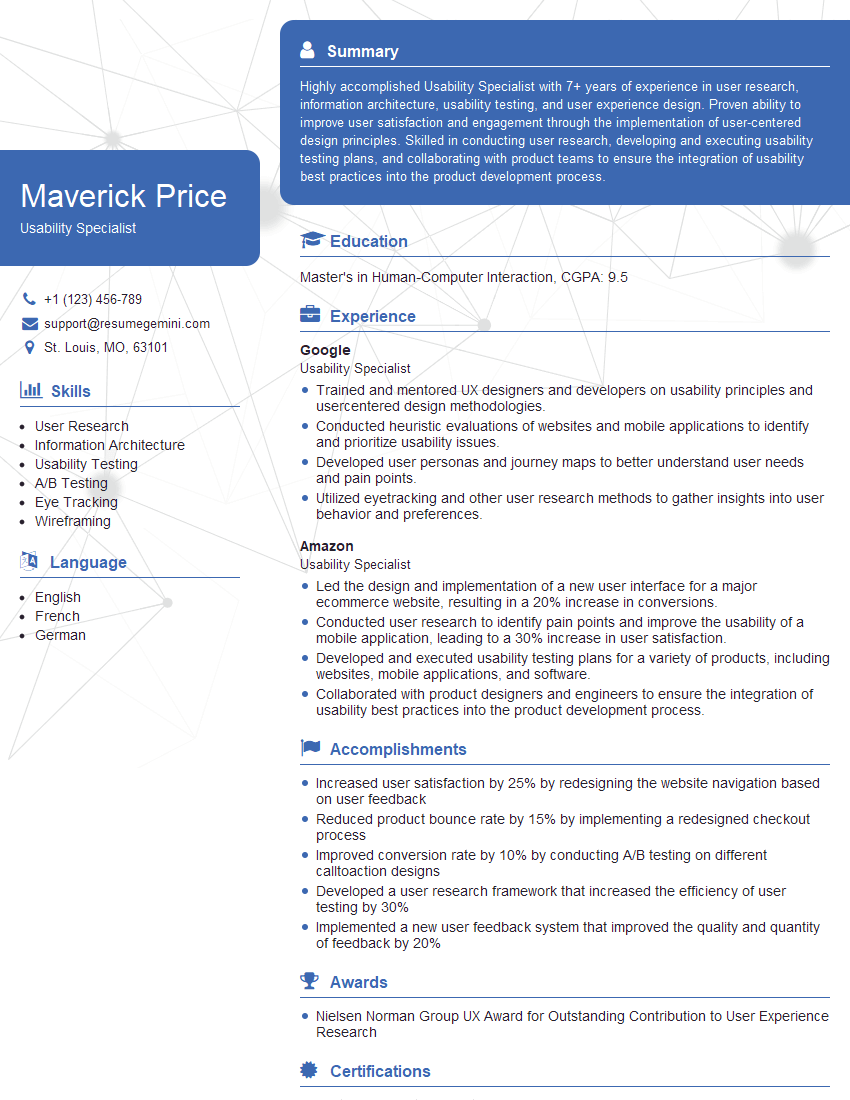
Usability Specialist Resume Sample
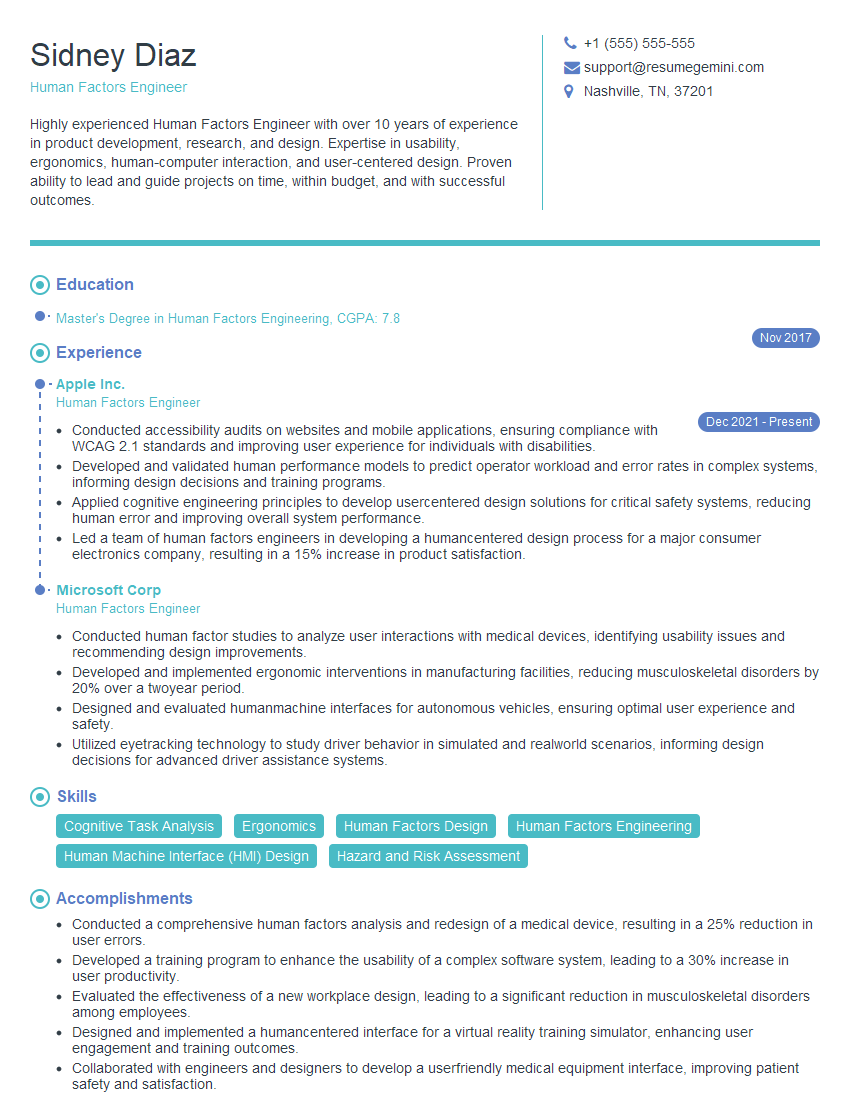
Human Factors Engineer Resume Sample
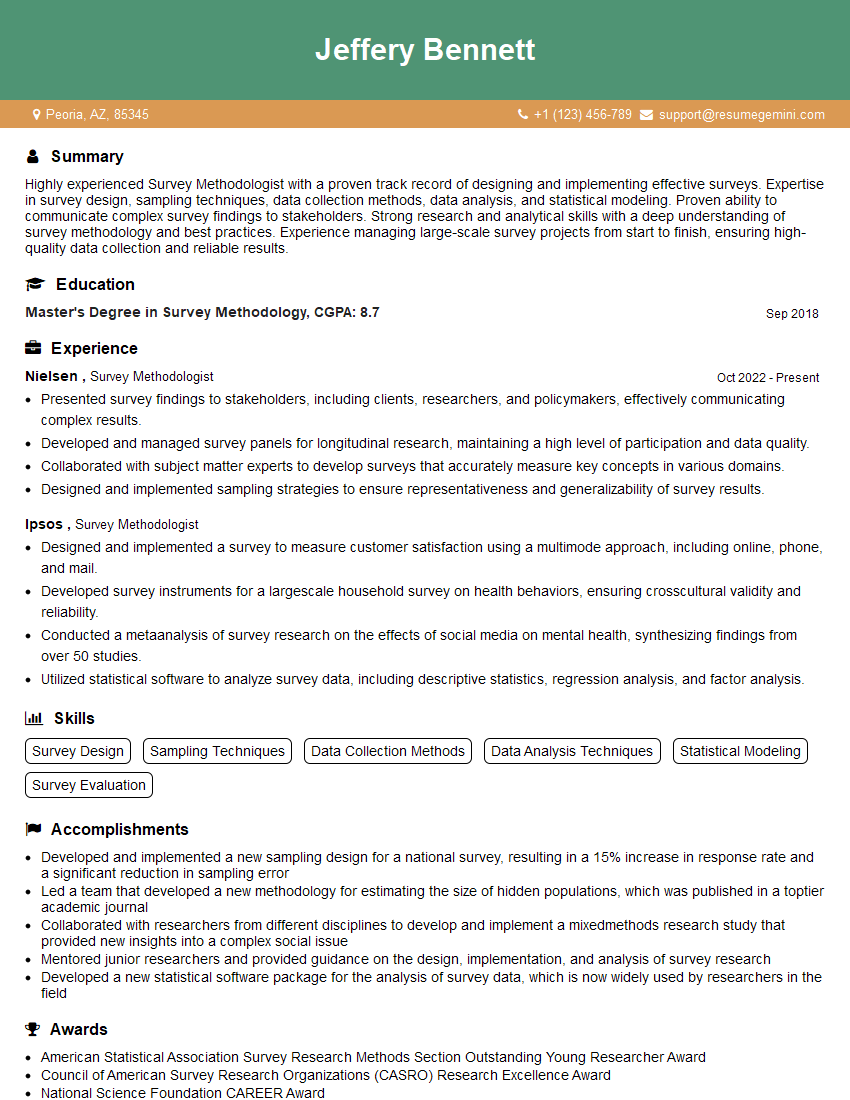
Survey Methodologist Resume Sample

Behavioral Scientist Resume Sample
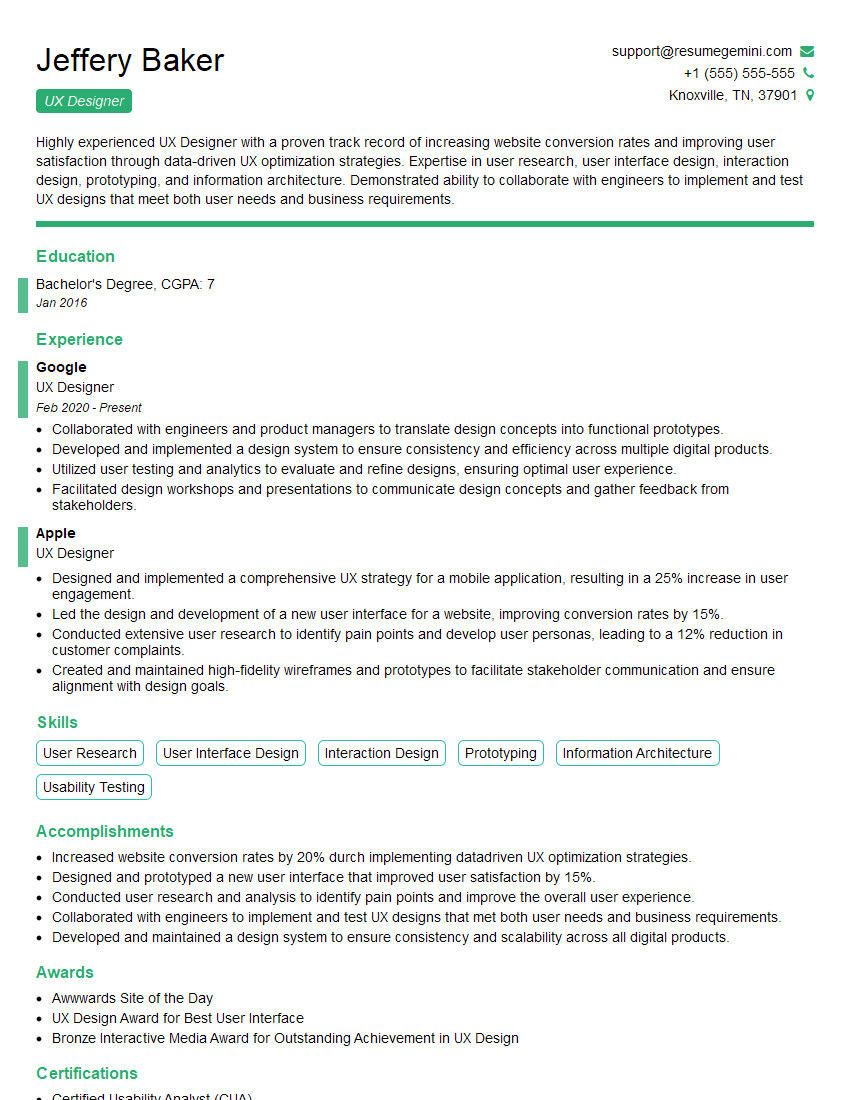
UX Designer Resume Sample
Explore more articles
Users Rating of Our Blogs
Share Your Experience
We value your feedback! Please rate our content and share your thoughts (optional).
What Readers Say About Our Blog
Really detailed insights and content, thank you for writing this detailed article.
IT gave me an insight and words to use and be able to think of examples