Are you ready to stand out in your next interview? Understanding and preparing for Collaboration with Researchers and Historians interview questions is a game-changer. In this blog, we’ve compiled key questions and expert advice to help you showcase your skills with confidence and precision. Let’s get started on your journey to acing the interview.
Questions Asked in Collaboration with Researchers and Historians Interview
Q 1. Describe your experience managing collaborative research projects involving multiple researchers.
Managing collaborative research projects, especially those involving historians and researchers across different institutions, requires a structured approach. My experience encompasses projects ranging from small, focused studies to large-scale, multi-year initiatives. Key elements include establishing clear project goals and timelines from the outset, defining individual roles and responsibilities, and implementing robust communication strategies. For instance, in a recent project investigating the impact of the Industrial Revolution on rural communities, I facilitated the collaboration of economic historians, social historians, and demographers. We initially held a kickoff meeting to outline the project’s scope, data needs, and deliverables. Each researcher then took ownership of specific aspects, regularly reporting their progress via shared online document platforms.
- Clear Project Charters: These define aims, deliverables, and timelines, ensuring everyone’s on the same page.
- Regular Meetings: Scheduled check-ins maintain momentum and address emerging challenges.
- Role Definition: Clear assignment of tasks prevents overlaps and ensures accountability.
Q 2. How do you ensure effective communication and information sharing among researchers in a collaborative project?
Effective communication is the lifeblood of any successful collaborative project. I employ a multi-pronged strategy that combines synchronous and asynchronous methods. Think of it like a well-orchestrated conversation, using various instruments to ensure everyone’s heard. For example, we might use project management software like Asana or Trello for task assignments and progress tracking. Regular video conferencing is crucial for complex discussions and brainstorming. For quick updates and informal exchanges, instant messaging platforms like Slack or Microsoft Teams work exceptionally well. Furthermore, maintaining a shared online repository for documents, data, and presentations is paramount. In a recent project archiving oral histories, we used a cloud-based platform with version control to ensure everyone could access and contribute to transcripts and associated metadata without overwriting each other’s work.
- Centralized Communication Hubs: Platforms like Slack, Microsoft Teams, or dedicated project management software.
- Regular Video Conferencing: Allows for richer communication and collaborative problem-solving.
- Shared Document Repositories: Cloud-based platforms with version control.
- Consistent Reporting Mechanisms: Regular progress updates and status reports.
Q 3. Explain your process for resolving conflicts or disagreements among researchers.
Disagreements are inevitable in collaborative settings, particularly when dealing with interpretations of historical data. My approach prioritizes open communication and a collaborative problem-solving mindset. It’s not about finding a ‘winner’ but a solution that benefits the project as a whole. I usually start by facilitating a calm discussion to understand each researcher’s perspective. Often, the issue stems from misunderstandings or differing interpretations of evidence. We then analyze the evidence together, carefully examining primary sources and considering different methodological approaches. If a consensus cannot be reached, we may consult external experts or use established conflict resolution techniques such as mediation. In a past project, a disagreement arose regarding the interpretation of a specific document. By carefully examining the document’s context, consulting relevant scholarship, and engaging in respectful dialogue, we reached a mutually agreeable conclusion that strengthened the overall analysis.
- Open Dialogue: Encourage researchers to express their views respectfully.
- Evidence-Based Discussion: Ground disagreements in facts and available data.
- Mediation (if necessary): Neutral third-party assistance to find common ground.
- Documentation: Keeping a record of the discussion and resolutions.
Q 4. What methods do you use to track and manage research data in a collaborative environment?
Tracking and managing research data in a collaborative environment necessitates the use of structured systems that ensure data integrity, accessibility, and version control. We typically rely on cloud-based platforms offering robust data management capabilities, such as Zotero for bibliographic management, or dedicated research data management systems like Dataverse. For archival materials, we often utilize specialized databases with functionalities for metadata management and indexing. These systems enable us to track data provenance, control access, and maintain detailed audit trails. Furthermore, the use of standardized file naming conventions and folder structures is essential for organization and efficient retrieval. In a recent project on 19th-century migration patterns, we used a relational database to store demographic data, migration records, and associated metadata, ensuring that all data was properly documented, linked, and searchable.
- Cloud-Based Data Management Platforms: Offer collaboration features and data version control.
- Database Systems: Relational databases are ideal for structured data and complex queries.
- Metadata Standards: Adherence to recognized schemas like Dublin Core ensures interoperability.
- Version Control Systems: Track changes and allow for easy rollback if needed.
Q 5. How do you ensure data integrity and security in a collaborative research setting?
Data integrity and security are paramount in any research project, but even more so in collaborative settings. Our strategies involve a multi-layered approach. Firstly, we employ robust access control mechanisms, restricting access to authorized personnel only. This involves using password protection, encryption, and role-based access control within the chosen data management platform. Secondly, we adhere to strict data governance policies, including data backups and regular audits. Data backups are stored in separate locations to mitigate risks associated with data loss or corruption. Regular audits ensure compliance with data standards and highlight any potential vulnerabilities. Finally, we provide regular training to researchers on data security best practices, covering aspects like password management, phishing awareness, and responsible data sharing. In a project involving sensitive personal data, we ensured anonymization and de-identification of all data before it was shared among researchers. We also maintained a detailed audit trail to track any changes made to the data.
- Access Control: Password protection, encryption, role-based access control.
- Data Governance Policies: Clear guidelines on data handling, storage, and access.
- Regular Backups and Audits: Minimize risk of data loss and ensure data integrity.
- Security Training: Educating researchers on secure data handling practices.
Q 6. Describe your experience with various archival systems and their applications.
My experience with archival systems spans a wide range, from traditional paper-based archives to fully digitized repositories. I’m proficient in navigating various archival finding aids, understanding different classification schemes, and employing various search strategies to locate relevant materials. I’ve worked extensively with archival databases like ArchivesSpace, and have experience with different digital repositories, including those based on open-source platforms like Fedora and DSpace. I understand the importance of adhering to archival standards for preservation, access, and description. For instance, in one project I utilized the National Archives’ online catalog to identify relevant documents related to a specific historical event. In another, I used ArchivesSpace to create and maintain a descriptive inventory of a private collection of historical photographs.
- Traditional Archives: Experience with paper-based records, finding aids, and classification systems.
- Digital Archives: Proficiency with various digital repository platforms and metadata standards.
- Archival Databases: Familiarity with systems like ArchivesSpace, CONTENTdm, and others.
- Metadata Standards: Understanding of Dublin Core, Encoded Archival Description (EAD), and other relevant schemas.
Q 7. How familiar are you with different metadata schemas and standards used in archival contexts?
I am very familiar with various metadata schemas and standards used in archival contexts. My expertise includes Dublin Core, Encoded Archival Description (EAD), and MODS (Metadata Object Description Schema). I understand the importance of consistent metadata application for improved discoverability, interoperability, and long-term preservation of archival materials. These schemas provide structured ways to describe archival resources, encompassing elements such as title, creator, date, subject, and geographic location. Proper metadata application ensures that archival materials are easily searchable and accessible to a wider audience. For instance, in a recent project digitizing historical maps, we applied Dublin Core metadata to each map image, ensuring its proper indexing and retrieval within a digital repository. This allows researchers to easily search and filter the maps based on various criteria such as creator, date, and geographic coverage. Furthermore, my understanding of these schemas extends to their practical application in different archival systems and digital repositories.
- Dublin Core: A widely used, simple metadata element set.
- Encoded Archival Description (EAD): Specifically designed for archival descriptions.
- MODS (Metadata Object Description Schema): Versatile schema for describing a variety of resources.
- Practical Application: Experience using these schemas in different archival systems and digital repositories.
Q 8. How do you handle sensitive or confidential research data within a collaborative setting?
Handling sensitive research data in a collaborative setting requires a multi-faceted approach prioritizing security and ethical considerations. This begins with clearly defined data access protocols, often outlined in a formal agreement or data sharing agreement. This agreement specifies who has access to what data, under what conditions, and for what purposes. We typically employ tiered access controls, restricting access to the most sensitive data to only those absolutely needing it. For example, in a project involving medical records, only researchers with appropriate ethical approvals and training would have access to identifying patient information. Encryption of data both at rest and in transit is crucial. We often utilize cloud-based storage solutions with robust security features, but even then, access is carefully monitored and audited. Finally, rigorous data anonymization techniques are applied whenever possible to minimize risks related to identifiable information.
Imagine a historical research project involving personal diaries. A data sharing agreement would specify that only the primary researchers have access to the unredacted diaries, while other collaborators receive anonymized excerpts or summaries to protect the privacy of the individuals involved. Regular training on data security best practices is also a must to ensure everyone is aware of their responsibilities.
Q 9. What strategies do you employ to maintain the ethical integrity of research collaborations?
Maintaining ethical integrity in research collaborations is paramount. It requires a commitment to transparency, accountability, and fairness throughout the research process. We start with a clear articulation of ethical guidelines and principles at the outset of the project, often drawing upon relevant codes of conduct (such as those from professional organizations). This includes establishing procedures for conflict of interest management, ensuring equitable authorship contributions, and defining protocols for data management and sharing. Regular meetings and open communication channels are essential to address any emerging ethical concerns promptly. Furthermore, we adhere to rigorous peer review processes, ensuring independent scrutiny of our findings and methodologies. Think of it like building a house – you need a solid foundation of ethical principles, consistent attention to detail, and regular inspections to ensure a sound and ethically responsible outcome.
For instance, in a collaborative project studying environmental impacts, we would ensure that all data is collected and analyzed in a transparent and reproducible manner, and that the research findings are reported accurately and without bias, even if it goes against our initial assumptions.
Q 10. Explain your experience with different types of research methodologies and their implications for collaboration.
My experience encompasses a range of research methodologies, each with unique collaborative implications. Quantitative research, relying heavily on statistical analysis of large datasets, often demands expertise in data management and computational tools, fostering collaboration between researchers with diverse technical skills. Qualitative research, focusing on in-depth analysis of smaller datasets like interviews or texts, requires close collaboration between researchers in interpreting data and building consensus on findings. For example, collaborative coding of interview transcripts necessitates extensive discussion and agreement on thematic categories. Mixed-methods approaches, combining quantitative and qualitative techniques, offer rich insights but demand even greater coordination to integrate different data types and perspectives. Historical research often involves collaborative source critique and interpretation, necessitating careful discussion and cross-referencing of evidence. The collaborative dynamics are different depending on the methodology, requiring a tailored approach to team structure and communication.
Q 11. How would you approach a situation where a researcher refuses to share data or collaborate effectively?
A researcher’s refusal to share data or collaborate effectively is a serious issue, often requiring a carefully managed approach. I would first attempt open and honest communication, seeking to understand the underlying reasons for the resistance. Is there a misunderstanding? Are there concerns about intellectual property or authorship? Addressing these concerns directly is crucial. If the communication doesn’t resolve the issue, we might involve a project manager or mediator to facilitate discussion and find a mutually acceptable solution. If the uncooperative behavior persists and significantly impacts the project, we might consider invoking the project’s collaborative agreement, potentially leading to the researcher’s removal from the project, particularly if their actions violate agreed upon terms or ethical guidelines. This approach prioritizes the project’s integrity and the well-being of the other collaborators.
Think of it as a team sport – if one player refuses to cooperate, it undermines the entire team’s ability to succeed. We need to address the issue fairly and effectively to protect the entire team and achieve the project goals.
Q 12. Describe your experience with digital archives and their challenges.
My experience with digital archives is extensive, and I’ve observed both their immense potential and inherent challenges. Digital archives provide unparalleled access to vast quantities of information, facilitating collaborative research across geographical boundaries. However, managing these archives presents significant hurdles. Data preservation is a major concern; digital formats can become obsolete, requiring ongoing migration and reformatting to ensure long-term accessibility. Metadata standardization is also critical for effective searchability and retrieval. Without well-structured metadata, valuable resources can be effectively lost within the archive. Ensuring data integrity and security are paramount, requiring robust infrastructure and security protocols to protect against data loss, corruption, and unauthorized access. Furthermore, issues of copyright and access rights need careful consideration to ensure ethical and legal compliance.
For example, a collaborative project using digitized newspaper archives requires careful consideration of OCR accuracy (optical character recognition), which can introduce errors, and the consistent application of metadata standards across different newspapers to facilitate effective searching and comparison.
Q 13. How do you assess the credibility and reliability of historical sources in collaborative research?
Assessing the credibility and reliability of historical sources is a cornerstone of historical research, and crucial in collaborative settings. It involves a rigorous process of source criticism, a method that involves examining the origin, authorship, context, and potential biases of a source. We engage in detailed discussions about the provenance of sources, questioning their authenticity and evaluating potential motivations behind their creation. Cross-referencing information from multiple sources is crucial to identify corroborating evidence and discrepancies, enabling a more robust interpretation of events. We also critically examine the methodology and interpretation presented by other researchers, assessing the rigor of their arguments and the support presented for their claims. Collaborative source critique involves open and rigorous discussions where different perspectives and interpretations are carefully debated and evaluated.
Think of it like detective work. We meticulously examine clues from various sources, cross-checking for consistency and inconsistencies. This collaborative effort strengthens our conclusions and allows us to build a more complete and nuanced understanding of the past.
Q 14. What are your preferred methods for documenting and sharing research findings collaboratively?
My preferred methods for documenting and sharing research findings collaboratively leverage both digital and traditional approaches. We utilize collaborative writing tools such as Google Docs or Overleaf, enabling simultaneous editing and tracking of changes. Version control systems like Git are invaluable for managing code and data associated with the research. We establish clear protocols for data sharing, using platforms like institutional repositories or dedicated project websites with appropriate access controls. Regular project meetings, both in person and virtually, ensure open communication and facilitate the integration of diverse perspectives. The final dissemination of findings often involves co-authored publications, presentations at conferences, and creating publicly accessible datasets to maximize the impact of our collaborative work. Transparency and clear communication throughout this process are paramount.
For example, we might use a shared online repository to store the raw data, analysis scripts, and final publications, allowing all collaborators and reviewers easy access to all aspects of the project.
Q 15. How do you prioritize tasks and manage competing deadlines in a collaborative research project?
Prioritizing tasks and managing competing deadlines in collaborative research requires a structured approach. Think of it like conducting an orchestra – each musician (researcher) has a crucial part, and the conductor (project leader) needs to ensure harmony. We begin by creating a detailed project timeline using tools like Gantt charts, breaking down the project into smaller, manageable tasks with clearly defined deliverables and milestones. This allows us to visualize dependencies and potential bottlenecks. Next, we establish a clear communication strategy, utilizing regular project meetings, shared online calendars, and collaborative project management software (e.g., Asana, Trello) to keep everyone informed and accountable. Prioritization follows a risk-based approach. Tasks with the highest impact and shortest deadlines, or those with the greatest potential for derailing the entire project, get top priority. We also build in buffer time to account for unforeseen delays. Regular progress reviews allow for timely adjustments and ensure that we stay on track. For example, in a recent historical digitization project, prioritizing the fragile documents for immediate scanning and metadata creation was crucial to prevent further deterioration.
Career Expert Tips:
- Ace those interviews! Prepare effectively by reviewing the Top 50 Most Common Interview Questions on ResumeGemini.
- Navigate your job search with confidence! Explore a wide range of Career Tips on ResumeGemini. Learn about common challenges and recommendations to overcome them.
- Craft the perfect resume! Master the Art of Resume Writing with ResumeGemini’s guide. Showcase your unique qualifications and achievements effectively.
- Don’t miss out on holiday savings! Build your dream resume with ResumeGemini’s ATS optimized templates.
Q 16. How familiar are you with open-access publishing practices and their ethical considerations?
Open-access publishing is crucial for ensuring wider dissemination of research findings, promoting transparency, and accelerating scientific progress. However, it also raises ethical considerations. I am intimately familiar with the various open-access models, including gold open access (where authors pay publication fees) and green open access (where authors self-archive their work in repositories). Ethical considerations include ensuring proper attribution, respecting copyright laws, and avoiding predatory journals that exploit the open-access model. One key ethical aspect is ensuring data integrity and transparency. This involves clear data management plans, making data openly available (where possible and ethically appropriate), and complying with relevant data privacy regulations (e.g., GDPR). For instance, in one project involving sensitive archival materials, we carefully navigated the open access route by making anonymized data publicly available while protecting the privacy of individuals mentioned in the documents.
Q 17. Describe your experience working with diverse research teams (e.g., interdisciplinary, international).
My experience working with diverse research teams, spanning interdisciplinary and international collaborations, has been extensive. Working across disciplines (e.g., historians, computer scientists, linguists) requires a high level of communication and mutual respect. Establishing common goals and a shared understanding of research methodologies are critical. We use inclusive communication strategies that acknowledge and value diverse perspectives. For example, I’ve worked on a project involving historians and digital humanities experts where clear communication protocols, regular check-ins, and a commitment to collaborative decision-making were instrumental. International collaboration adds another layer of complexity, necessitating awareness of cultural differences, time zones, and potential language barriers. Effective communication tools and established protocols are essential for overcoming these challenges. A recent project involving researchers from three continents required carefully planned online meetings, clear documentation, and the use of translation services when needed. Adaptability and flexibility are paramount in managing expectations and addressing unforeseen issues across time zones and cultural contexts.
Q 18. How do you facilitate knowledge sharing and dissemination in a collaborative research environment?
Facilitating knowledge sharing and dissemination is paramount in collaborative research. This involves a multi-faceted approach. Firstly, we establish shared online platforms (e.g., institutional repositories, project wikis) to store and organize data, research notes, and publications. Secondly, we actively participate in conferences, workshops, and seminars to present our findings and engage with the broader research community. Thirdly, we encourage the use of open-source tools and methodologies, promoting reproducibility and collaboration. Finally, we proactively develop engaging communication materials (e.g., blog posts, infographics) to translate complex research findings for wider audiences. For example, in a recent project exploring the history of migration, we created interactive maps and visualizations to communicate complex datasets to a wider public. This approach ensures that our research impacts extend beyond the academic community.
Q 19. Explain your experience with grant writing and securing funding for collaborative research projects.
Securing funding for collaborative research projects often involves a competitive grant writing process. My experience includes developing strong grant proposals, addressing the specific requirements of funding agencies, and effectively articulating the project’s potential impact. This process involves meticulous planning, careful budgeting, and clear articulation of the research objectives, methods, and expected outcomes. We build strong collaborations with co-investigators, leveraging each partner’s expertise and track record to enhance the grant application’s strength. For instance, a successful grant application for a digital humanities project highlighted the expertise of the historical researchers, the computational skills of the data scientists, and the outreach capabilities of the public historians. The proposal clearly laid out the budget, timeline, and evaluation plan, highlighting the project’s potential societal and academic impact.
Q 20. How do you manage intellectual property rights within a collaborative research context?
Managing intellectual property rights (IPR) in collaborative research is crucial to protect the research outcomes and ensure fairness among collaborators. Before starting any project, we establish clear agreements outlining ownership and usage rights of intellectual property generated during the project. These agreements usually specify contributions of each researcher and delineate ownership of patents, copyrights, and other forms of IPR. Transparency and clear communication are vital. We regularly review and update these agreements as the project progresses to account for any new developments. For example, in a recent project involving the creation of a new digital archive, we drafted an agreement outlining the ownership of the digital assets and the terms under which they could be used, shared, and further developed.
Q 21. Describe your experience with data visualization and its role in collaborative research.
Data visualization plays a critical role in collaborative research, facilitating the understanding and interpretation of complex data sets. In collaborative settings, it fosters clearer communication among researchers with diverse backgrounds. We use various tools, ranging from simple charts and graphs to interactive maps and network visualizations, to represent data in an accessible and meaningful way. For example, in a project examining social networks in historical communities, we used network analysis software to visualize social connections and then presented these visualizations to the team, allowing for better understanding of patterns and relationships that would have been difficult to discern from raw data. These visualizations helped the researchers form new hypotheses and refined their research questions. Furthermore, effective data visualization enhances the communication of research findings to a wider audience, making complex information more easily understandable.
Q 22. How do you adapt your communication style to effectively work with researchers from different disciplines?
Effective collaboration across disciplines hinges on adapting communication to the specific audience. Think of it like translating languages – you need to understand the nuances of each discipline’s terminology and approach.
- Social Sciences vs. Natural Sciences: When working with social scientists, I emphasize narrative, context, and the interpretation of qualitative data. With natural scientists, I focus on quantifiable results, experimental design, and statistical analysis. My language will be different, avoiding jargon unfamiliar to the other party. For example, I’d avoid statistical terms with social scientists unless they’re familiar with them, and vice versa.
- Active Listening & Clarification: I prioritize active listening to ensure I understand their perspectives thoroughly, and I frequently ask clarifying questions. This shows respect and builds trust, ensuring everyone feels heard and understood.
- Visual Aids: Depending on the audience, I utilize visual aids like diagrams, charts, or even storytelling to convey complex information more effectively. A simple flow chart can be far more easily understood across disciplines than a dense paragraph of text.
For instance, in a project involving historians and computer scientists, I would ensure that technical details are explained in a historically-grounded context, avoiding excessive technical jargon. Conversely, historical concepts would be explained in a way that makes sense for the computer scientists’ understanding of logic and structure.
Q 23. How would you ensure inclusivity and equity within a research collaboration?
Inclusivity and equity are paramount in research collaboration. It’s not just about representation; it’s about creating a space where everyone feels valued, respected, and empowered to contribute.
- Diverse Teams: Actively seeking out researchers from diverse backgrounds – geographically, ethnically, and disciplinarily – enriches the project with various perspectives.
- Transparent Processes: Establishing clear, transparent processes for decision-making, resource allocation, and authorship ensures fairness and prevents bias.
- Inclusive Communication: Using inclusive language, avoiding jargon, and ensuring accessibility (e.g., providing transcripts for meetings, captions for videos) creates a welcoming environment for all.
- Conflict Resolution Mechanisms: Establishing clear procedures for addressing conflicts or disagreements ensures issues are handled fairly and constructively. This might include a designated mediator or a pre-agreed conflict resolution process outlined in a team charter.
- Mentorship and Support: Providing mentorship opportunities, especially for early-career researchers, fosters growth and inclusivity.
In one project, I ensured that all team members had equal access to project resources, including software and data, and actively sought feedback from all team members during each project stage to address their concerns and ideas promptly.
Q 24. How do you identify and mitigate potential risks and challenges in a collaborative project?
Risk and challenge identification is an ongoing process in collaborative research. It requires proactive planning and consistent monitoring.
- Risk Assessment: Before the project begins, a thorough risk assessment identifying potential problems is crucial. This might involve identifying possible conflicts of interest, data security concerns, and potential logistical hurdles.
- Communication Breakdown: Regular team meetings and clear communication channels can mitigate communication breakdowns, ensuring everyone’s aligned on goals and progress.
- Data Management Issues: Establishing a clear data management plan early on addresses potential issues with data storage, security, and accessibility.
- Conflict Resolution: As mentioned earlier, having a well-defined conflict resolution process in place helps to address disagreements or conflicts quickly and efficiently.
- Contingency Planning: Developing plans for handling unforeseen challenges, such as funding shortfalls or delays in data collection, allows the project to adapt to challenges without derailing the overall goals.
For example, in a past project, we identified the risk of data loss due to a reliance on a single server. We mitigated this by implementing data backup and redundancy measures early in the project. This involved transferring the data to a cloud-based system and ensuring multiple team members had access to crucial data.
Q 25. Describe your experience with version control systems and their application to collaborative research projects.
Version control systems, such as Git, are indispensable for collaborative research projects. They track changes made to documents and code, allowing for easy collaboration and conflict resolution.
- Collaborative Editing: Git facilitates collaborative editing of research papers, code, and data files, allowing multiple researchers to work simultaneously without overwriting each other’s work.
- Tracking Changes: The system tracks every change made, enabling researchers to review and revert to previous versions if necessary. This is incredibly useful for auditing research process and identifying potential errors.
- Branching and Merging: Features like branching allow researchers to work on different aspects of the project simultaneously without affecting the main project files. Later, these changes can be merged seamlessly.
- Conflict Resolution: Git has built-in mechanisms to resolve conflicts that arise when multiple researchers make changes to the same sections of a file.
In practical terms, imagine a team working on a research paper. Using Git, one researcher can work on the introduction, another on the methodology, and a third on the results. They can all commit their changes independently, and Git will manage the merging of those changes. If there’s a conflict (e.g., two researchers make changes to the same paragraph), Git will highlight the conflict, and the researchers can resolve it collaboratively.
Q 26. How do you ensure long-term preservation and accessibility of research data?
Long-term preservation and accessibility of research data are crucial for ensuring the reproducibility and impact of research findings. This involves a multi-faceted approach.
- Data Repositories: Utilizing reputable data repositories, such as those offered by universities or research institutions, ensures the data is stored securely and persistently.
- Metadata: Detailed metadata (data about data) is essential for describing the data, its origin, and how it was collected, processed and analyzed. This enables others to understand and potentially reuse the data in the future.
- Data Formats: Storing data in widely-used and enduring formats (e.g., standardized file types) ensures compatibility with future software and hardware.
- Data Backup and Redundancy: Implementing robust backup and redundancy measures protects against data loss due to hardware failure or other unforeseen events.
- Data Security: Appropriate access controls and security measures are necessary to protect sensitive data from unauthorized access or modification. This often involves encryption.
In a recent project involving sensitive historical documents, we used a secure cloud-based repository with restricted access protocols and multiple data backups to ensure the long-term preservation and accessibility of the digitized documents. This also included detailed metadata standards, ensuring that the context of the documents is captured alongside the documents themselves.
Q 27. How do you evaluate the success of a collaborative research project?
Evaluating the success of a collaborative research project involves assessing various aspects beyond just publications.
- Research Outputs: The quality and impact of the research outputs (publications, presentations, policy briefs etc.) are key indicators of success. We look at the reach and influence of these outputs.
- Team Dynamics: Successful collaboration involves effective teamwork, trust, and mutual respect. Assessing team dynamics using feedback mechanisms, such as surveys, is crucial.
- Data Management and Sharing: The success of the project’s data management and sharing practices is vital. This involves checking how effectively data was organized, documented and archived.
- Knowledge Transfer and Capacity Building: Did the project enhance the skills and knowledge of the participants? Did it lead to training or mentorship opportunities?
- Project Goals Achieved: Have the initial project goals been accomplished? The evaluation should compare initial objectives to the final outcomes.
For example, the success of a project might be measured by the number of peer-reviewed publications produced, the number of researchers trained, and the influence of the project’s findings on policy or practice. A successful project also exhibits positive team dynamics and robust data management practices.
Q 28. Describe your experience with using collaborative software and tools (e.g., shared document editing, project management software).
Collaborative software and tools are essential for facilitating efficient and effective communication and workflows in research projects.
- Shared Document Editing: Tools like Google Docs and Microsoft Office 365 allow multiple researchers to work on documents simultaneously, track changes, and leave comments. This streamlines the editing process and enhances collaboration.
- Project Management Software: Tools like Asana, Trello, or Monday.com help organize tasks, track progress, and ensure accountability. They are especially beneficial for large, complex projects involving multiple researchers.
- Communication Platforms: Platforms like Slack, Microsoft Teams, or email facilitate seamless communication and information sharing among researchers.
- Video Conferencing: Video conferencing tools like Zoom or Google Meet enable real-time interaction and collaboration among researchers, fostering better communication and building stronger relationships.
- Data Sharing and Collaboration Platforms: Platforms designed for data sharing and analysis, such as Jupyter Notebooks or RStudio Server, facilitate collaboration on data analysis and visualization tasks.
In one project, we used a combination of Google Docs, Asana (for task management), and Slack (for daily communication) to maintain clear communication and keep track of the progress on multiple sub-projects. This helped to ensure that the project stayed on schedule and that everyone knew their responsibilities.
Key Topics to Learn for Collaboration with Researchers and Historians Interview
- Understanding Research Methodologies: Familiarize yourself with various research approaches (qualitative, quantitative, mixed methods) commonly used by historians and researchers. Consider the strengths and weaknesses of each.
- Source Evaluation and Critical Analysis: Practice assessing the credibility, bias, and context of historical sources. Understand how to identify primary and secondary sources and their relative value in research.
- Effective Communication and Teamwork: Develop strategies for clear and concise communication with researchers and historians, including active listening, constructive feedback, and collaborative problem-solving. Understand how to navigate diverse perspectives and working styles.
- Data Management and Organization: Learn about effective methods for organizing and managing large datasets, including archival materials and digital resources. This includes understanding citation management and data privacy concerns.
- Project Management and Collaboration Tools: Become familiar with project management methodologies and tools commonly used in collaborative research projects (e.g., shared document platforms, project management software). Understand how to contribute to project timelines and deliverables.
- Ethical Considerations in Research: Understand the ethical implications of historical research, including issues of authorship, plagiarism, data privacy, and responsible use of sources.
- Interpreting and Presenting Research Findings: Practice summarizing and presenting complex research findings in a clear and accessible manner, tailored to different audiences (e.g., academic peers, public audiences).
Next Steps
Mastering collaboration with researchers and historians is crucial for career advancement in many fields, opening doors to exciting opportunities and enriching professional experiences. A strong resume is your first impression; ensuring it’s ATS-friendly is vital for maximizing your job prospects. To create a compelling and effective resume that highlights your skills and experience in collaborating with researchers and historians, leverage the power of ResumeGemini. ResumeGemini offers a trusted platform for building professional resumes and provides examples tailored to roles involving collaboration with researchers and historians, helping you present yourself in the best possible light.

Knowledge Manager Resume Sample
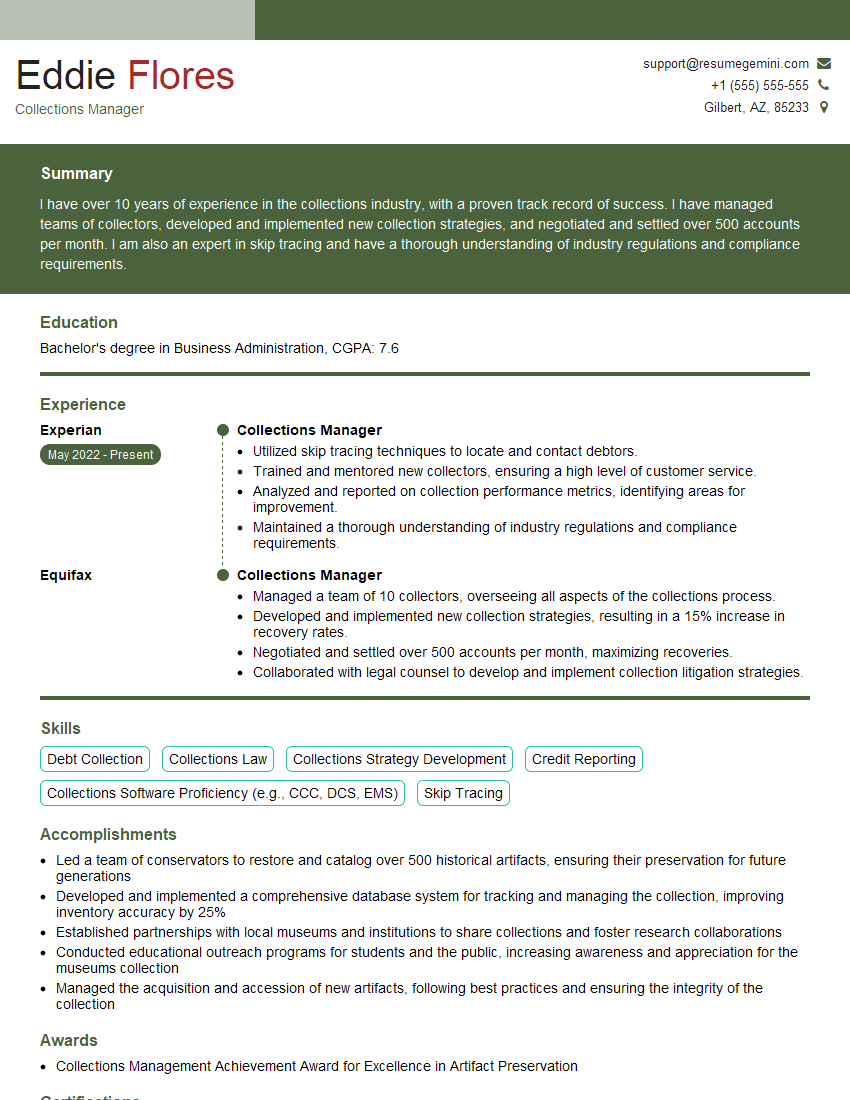
Collections Manager Resume Sample
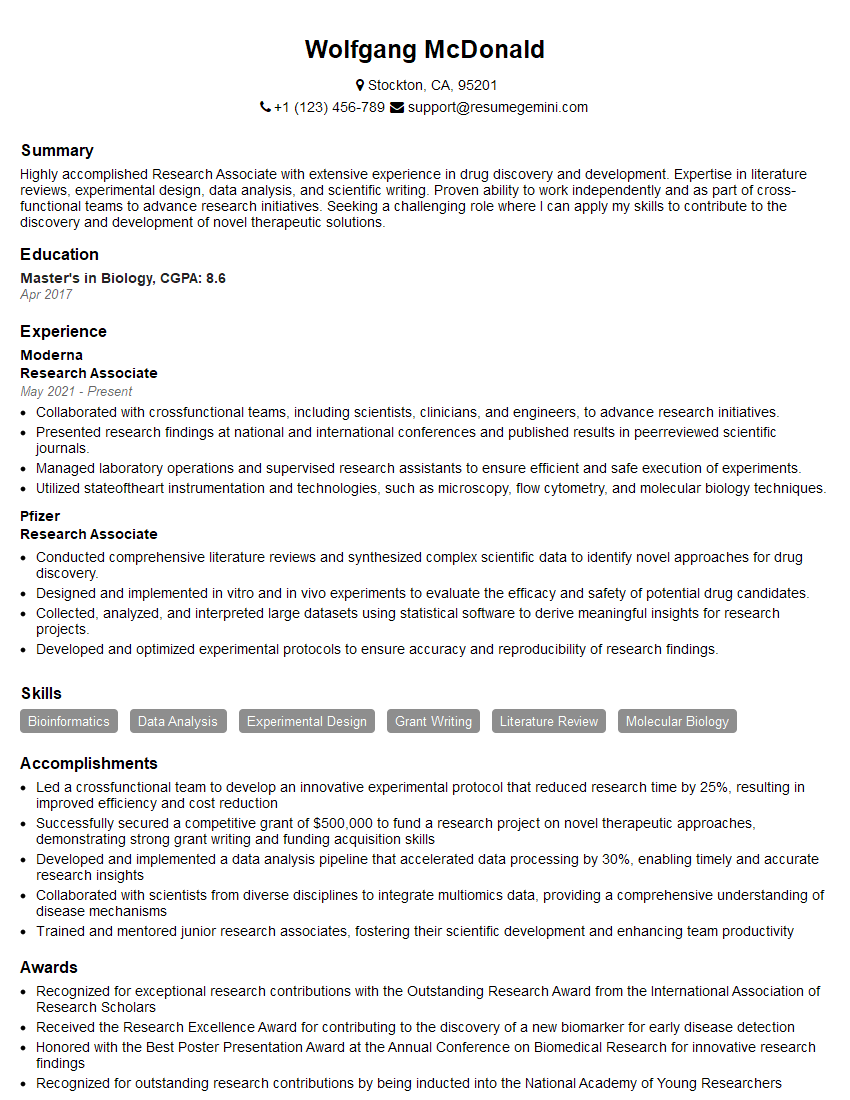
Research Associate Resume Sample
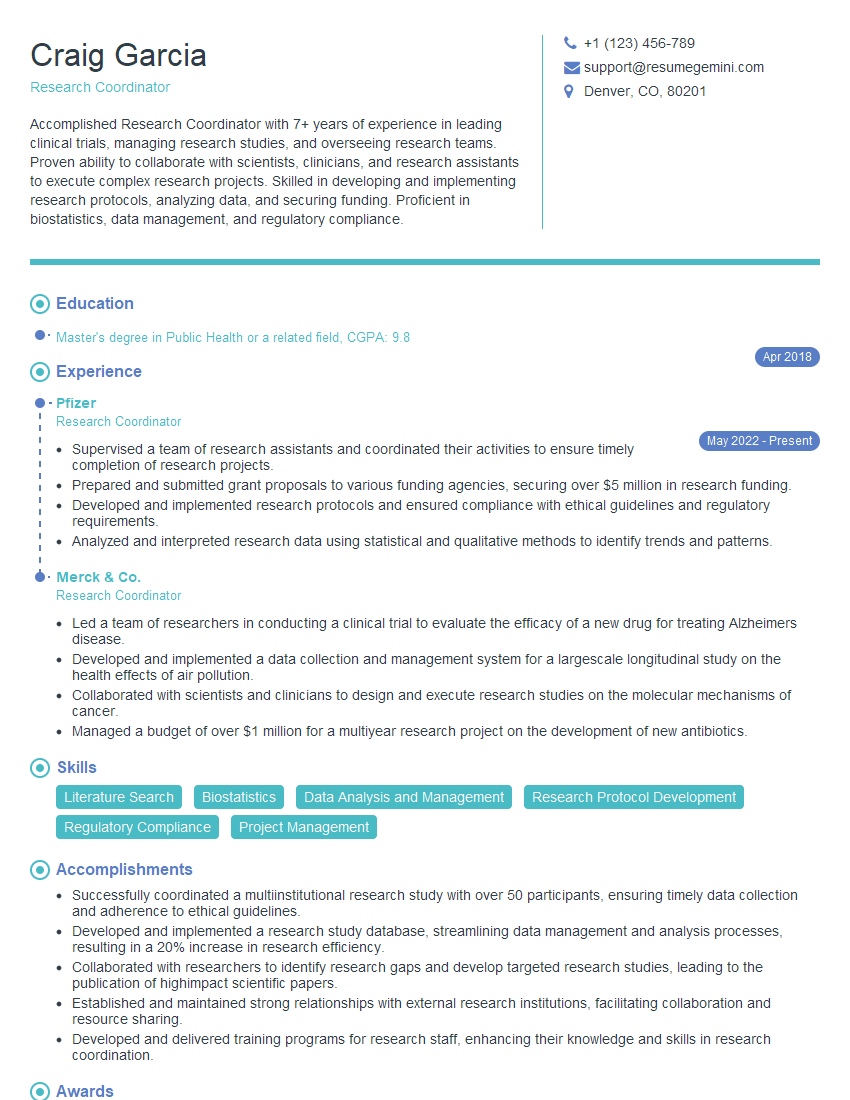
Research Coordinator Resume Sample
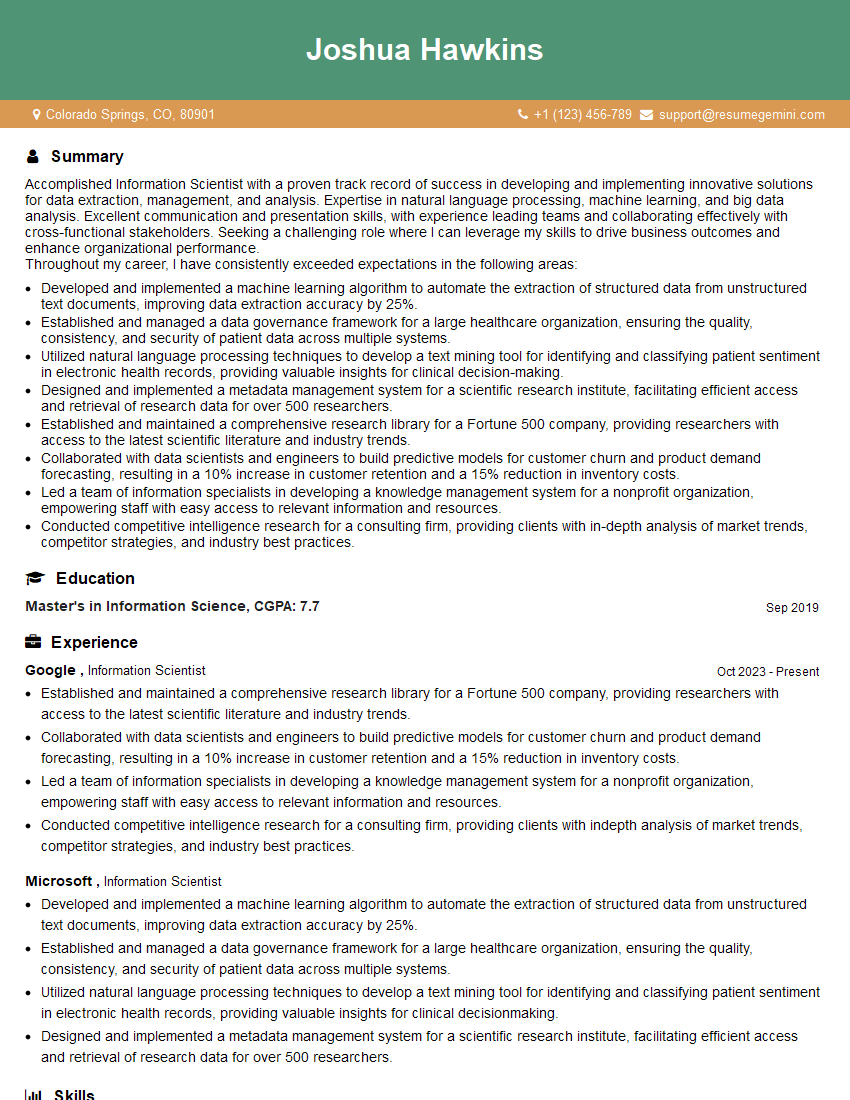
Information Scientist Resume Sample
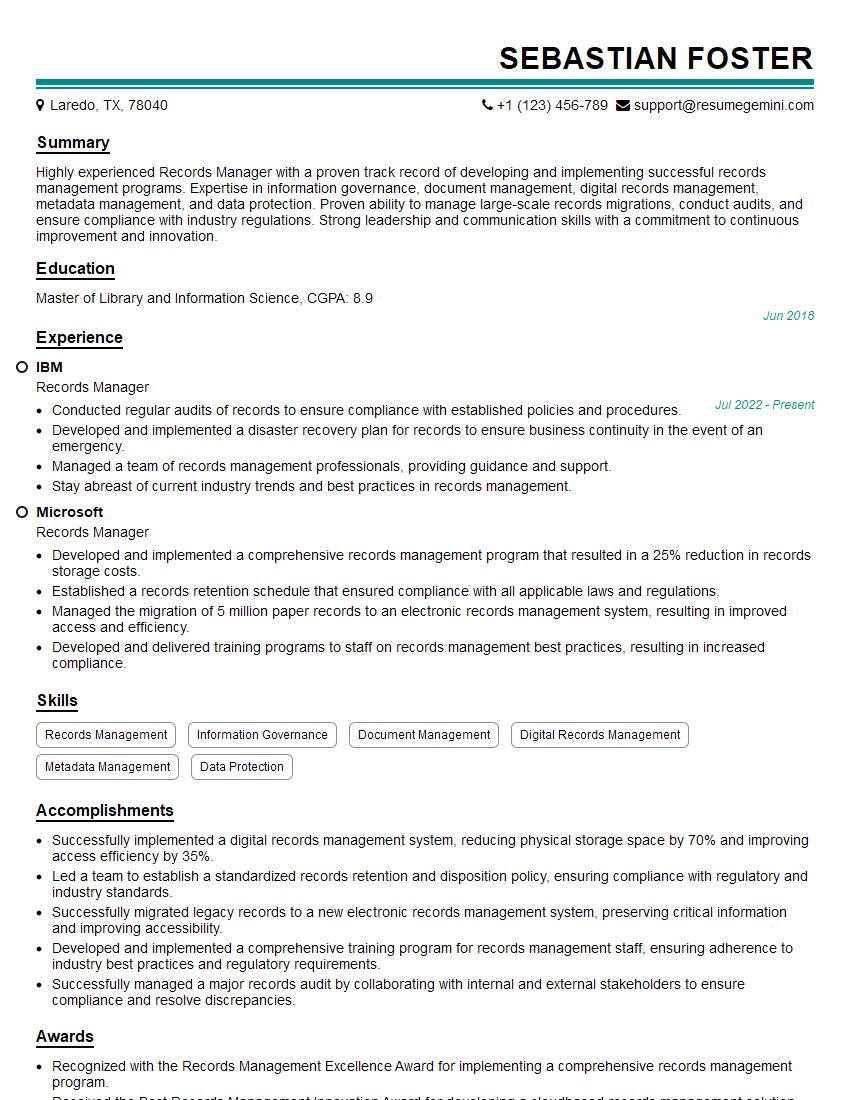
Records Manager Resume Sample
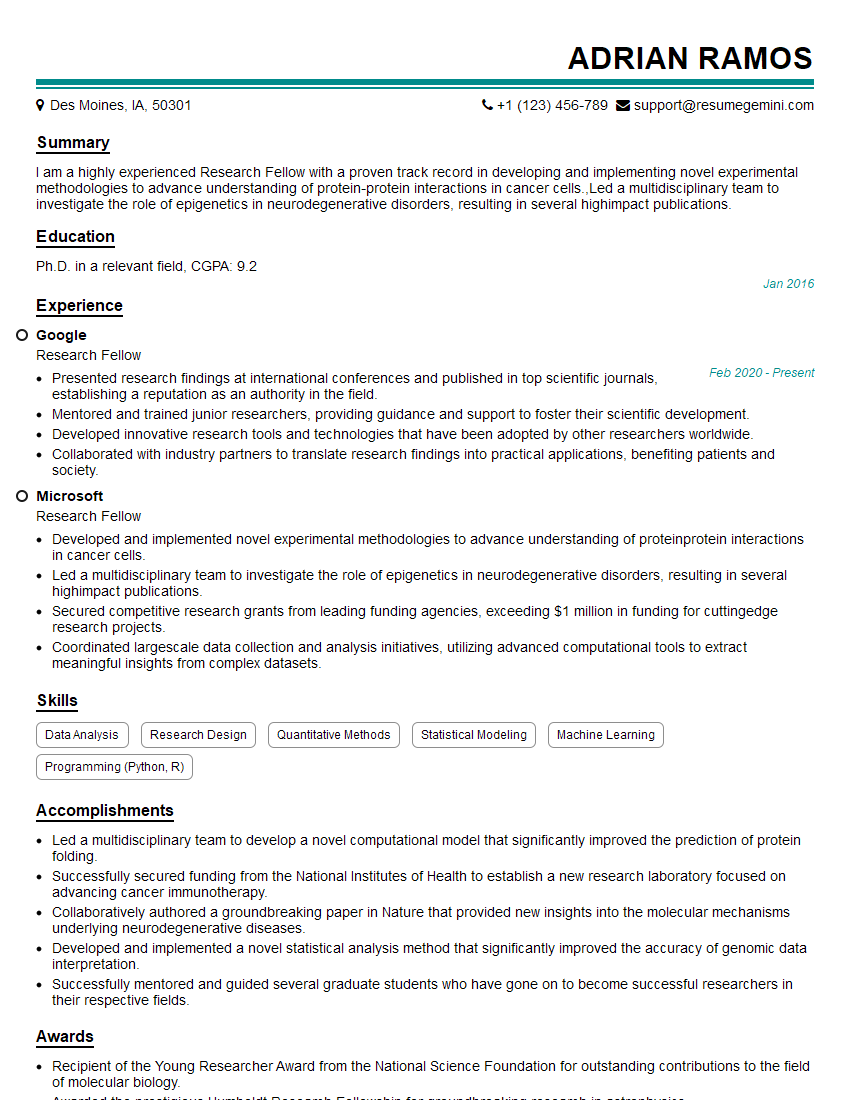
Research Fellow Resume Sample
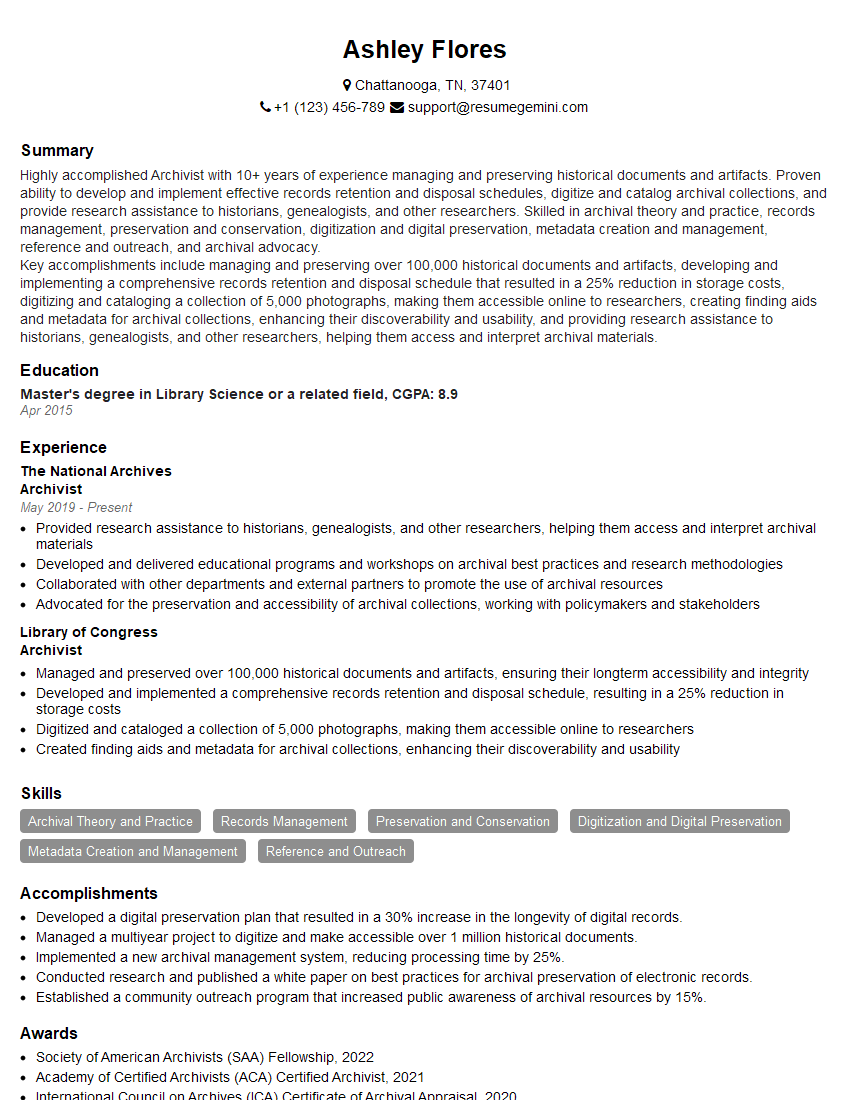
Archivist Resume Sample
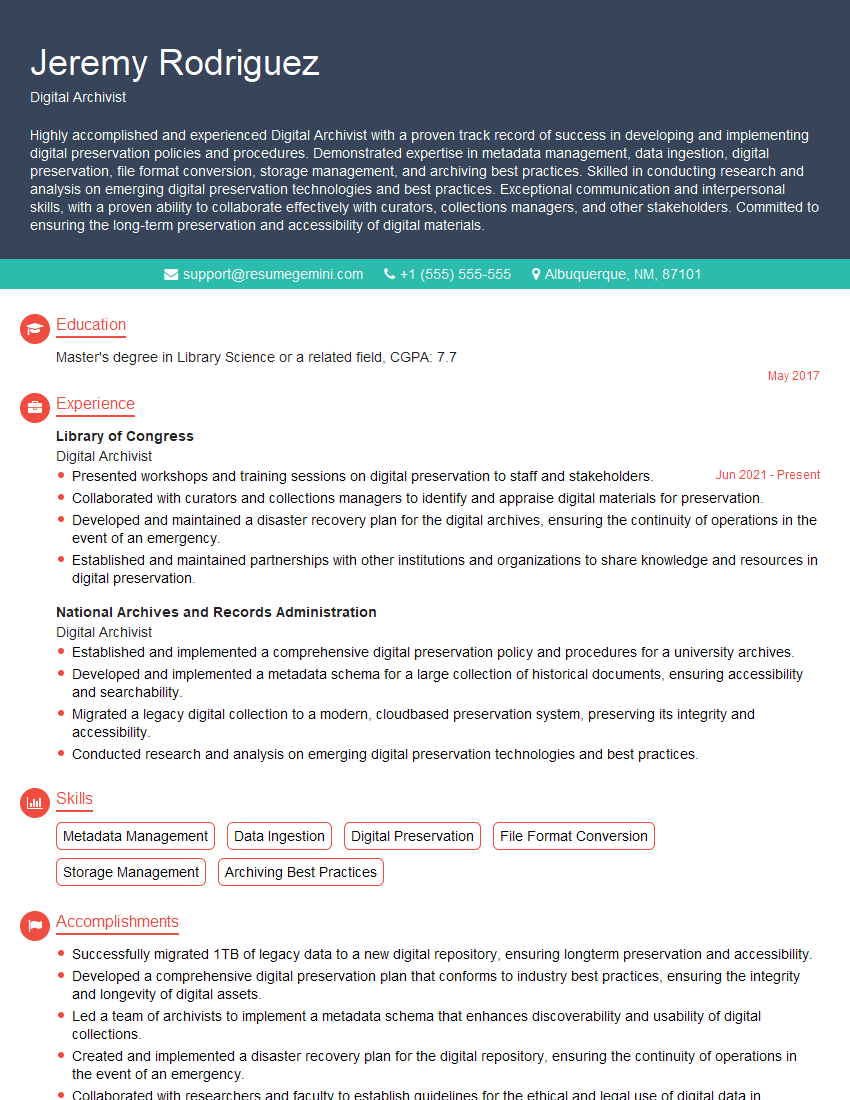
Digital Archivist Resume Sample
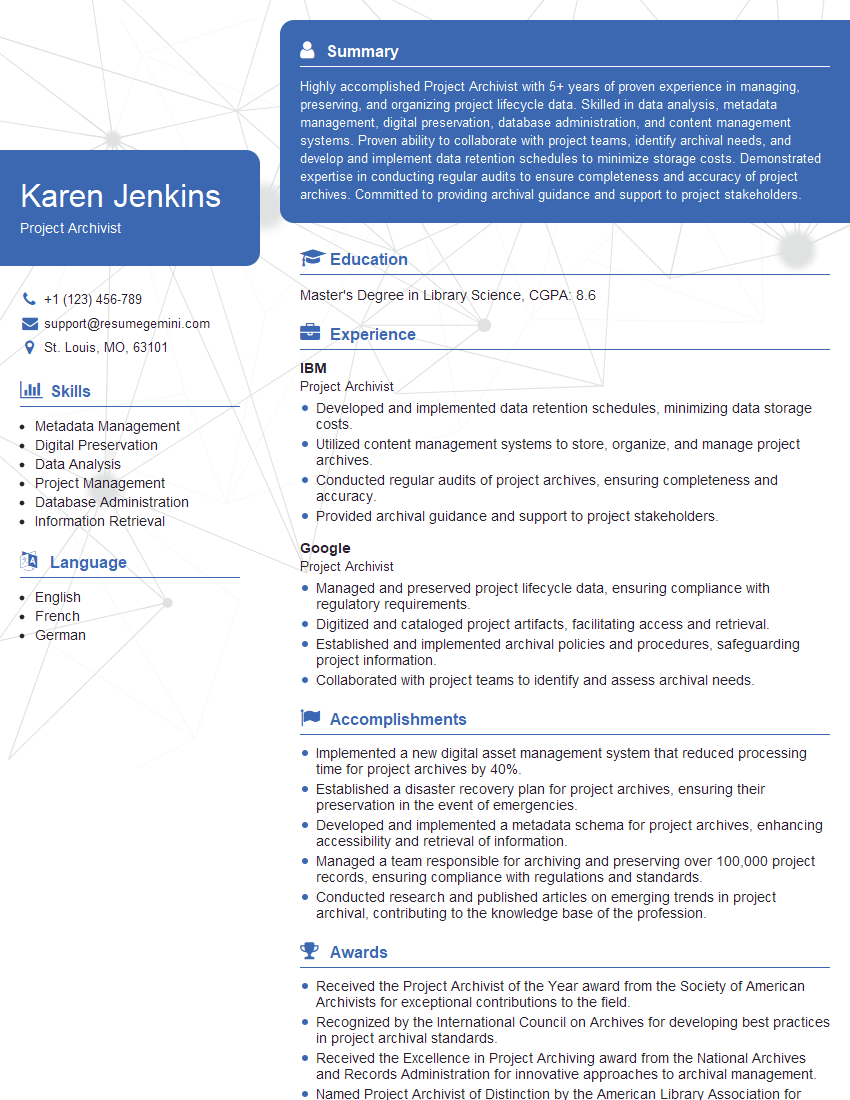
Project Archivist Resume Sample
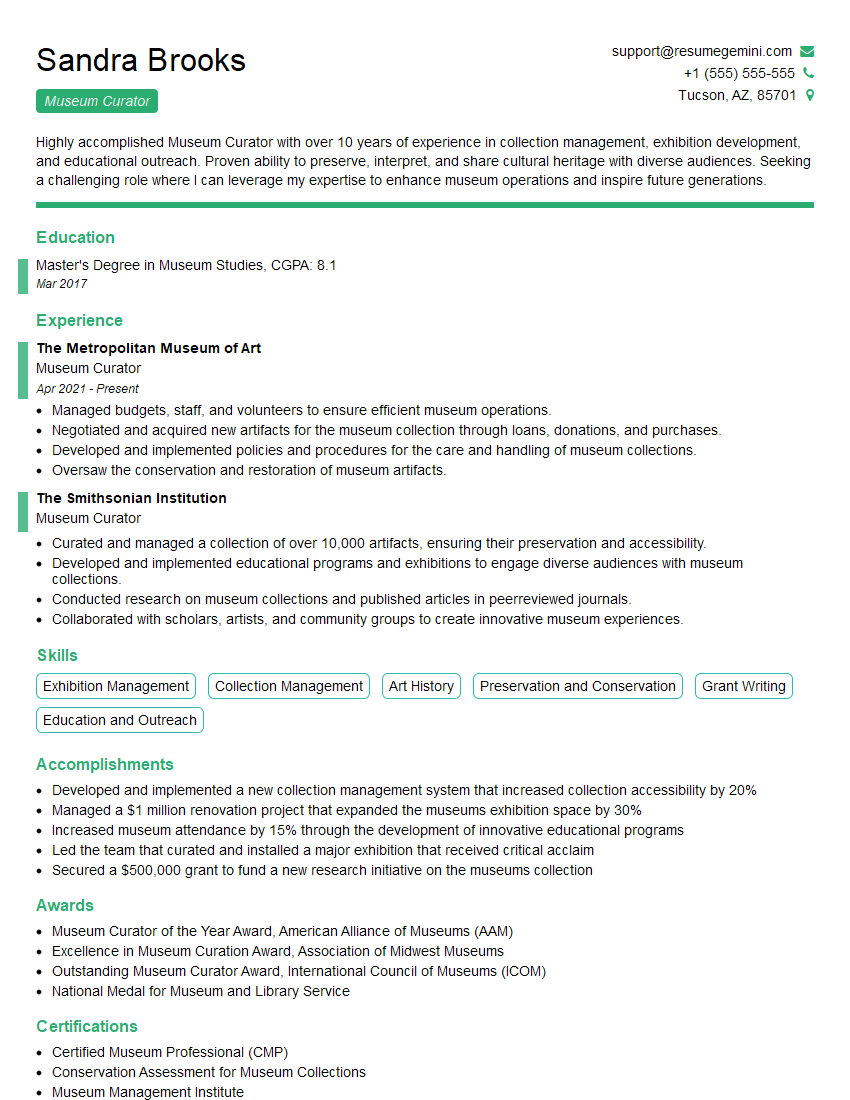
Museum Curator Resume Sample
Explore more articles
Users Rating of Our Blogs
Share Your Experience
We value your feedback! Please rate our content and share your thoughts (optional).
What Readers Say About Our Blog
Really detailed insights and content, thank you for writing this detailed article.
IT gave me an insight and words to use and be able to think of examples