Interviews are more than just a Q&A session—they’re a chance to prove your worth. This blog dives into essential Collating and binding interview questions and expert tips to help you align your answers with what hiring managers are looking for. Start preparing to shine!
Questions Asked in Collating and binding Interview
Q 1. Describe your experience with different collation methods (e.g., manual, automated).
My experience spans both manual and automated collation methods. Manual collation, while time-consuming, is crucial for smaller print runs or jobs requiring meticulous attention to detail. Imagine hand-assembling a high-end photo book – each page needs to be precisely placed. I’ve perfected techniques for speed and accuracy in manual collation, including using visual cues and employing a systematic approach to avoid errors. Automated collation, on the other hand, uses sophisticated machinery like collators. These machines significantly increase efficiency for larger volumes. I’m proficient in operating various collator models, from simpler sheet feeders to complex systems with multiple bins and advanced features like error detection and correction. I’m comfortable troubleshooting malfunctions and optimizing settings for maximum throughput and accuracy. For example, I once optimized a collating machine’s settings to reduce jams by 15%, significantly improving productivity on a large marketing brochure project.
Q 2. What types of binding equipment are you familiar with (e.g., saddle stitch, perfect bind, wire-o)?
I’m well-versed in a variety of binding equipment, each suited to different document types and desired aesthetics. Saddle stitch binding, perfect for booklets and magazines with a relatively low page count, involves folding pages and stitching them through the spine using wire staples. Think of your typical magazine. Perfect binding, commonly used for books and softcover publications, involves gluing a block of pages together along the spine after the pages have been trimmed. This creates a smooth, flat spine. Wire-O binding, with its distinctive double-loop wire, is ideal for calendars, notebooks, and documents that need to lay flat. I’ve also worked extensively with other methods like case binding (for hardback books), spiral binding (also known as coil binding), and thermal binding. My experience includes both operating and maintaining this equipment, including preventative maintenance and troubleshooting minor repairs.
Q 3. Explain the process of perfect binding, including its advantages and disadvantages.
Perfect binding involves several steps. First, the printed sheets are collated (gathered in the correct order). Then, they’re gathered and glued along the spine’s edge. The spine is then prepared, often by applying adhesive and roughing up the edge to enhance adhesion. The glued block is then trimmed to create a neat, even edge. Finally, a cover is wrapped around the book block and glued to complete the binding.
Advantages of perfect binding include a professional, smooth finish, it allows for a relatively high page count, and it’s cost-effective for large print runs. Disadvantages include a spine that doesn’t lay completely flat (making it difficult to read certain pages without damaging the book) and potential for the binding to come undone if not done correctly. For example, if the adhesive is not applied evenly or the pages aren’t properly prepared, the book could fall apart over time.
Q 4. How do you ensure accurate collation of documents?
Accurate collation is paramount. My approach involves a multi-layered strategy. First, I always verify the page count and order before beginning. Then, I use a combination of visual checks and, where appropriate, automated collating equipment with built-in error detection. For smaller jobs, I use a systematic method, visually checking each set against a sample. For larger jobs, I rely on automated equipment, but always conduct spot checks to ensure the machine is functioning correctly. We employ barcodes or other tracking systems in larger production runs to ensure accuracy throughout the entire process, from printing to binding. I often use a quality control checklist to ensure every step is completed correctly.
Q 5. What are some common challenges encountered in the collation and binding process?
Challenges in collation and binding are common, but manageable. Mismatched pages due to incorrect collation are a frequent issue, particularly in high-volume jobs. Machine malfunctions, such as paper jams or malfunctions in the binding equipment, can cause significant delays. Inconsistent paper stock can lead to difficulties in feeding and binding, resulting in uneven results or damage. Poor quality printing, such as misaligned images or smudging, can impact the final product’s quality. Adhesive issues, leading to poor binding, are a concern in perfect binding. I’ve developed strategies to address these challenges, including preventative maintenance, meticulous quality control checks, and efficient troubleshooting methods.
Q 6. How do you handle discrepancies or errors during collation?
Discrepancies are addressed immediately and systematically. First, the source of the error is identified – whether it’s a manual collation mistake, a machine malfunction, or an issue with the source files. If it’s a minor error, such as a few mismatched pages, I correct them manually. For more significant issues, I may need to reprint sections or even the entire job, depending on the severity and the time constraints. I always document errors, their causes, and corrective actions to prevent similar problems in the future. This process is crucial for maintaining quality control and minimizing waste.
Q 7. Describe your experience with quality control in a bindery setting.
Quality control is integral to my work. I meticulously inspect every stage, starting with verifying the accuracy of the collated sets, checking for any misaligned pages or missing sheets. Then, I examine the binding quality, ensuring that staples are secure (for saddle stitch), the glue is evenly applied (for perfect binding), and the binding is strong and durable. I check for any imperfections in the finished product, such as misaligned covers, crooked spines, or creased pages. I regularly maintain and calibrate binding equipment to ensure consistent results. We use statistical process control techniques to monitor key metrics and identify potential problems early on. For example, we track the number of binding errors per 1000 books to identify trends and implement corrective actions if needed. This proactive approach ensures consistently high-quality output.
Q 8. What are the different types of paper finishes and how do they affect binding?
Paper finish significantly impacts the final look and feel of a bound document, and consequently, the most suitable binding method. Different finishes influence how the paper interacts with adhesives and the overall durability of the bound product.
- Uncoated/Matte: This finish absorbs ink well, giving a slightly textured feel. It’s often suitable for saddle-stitch, perfect binding, or case binding, depending on the thickness and page count. However, it can be prone to scuffing.
- Coated/Gloss: This finish provides a smooth, glossy surface, ideal for showcasing high-quality images. However, it can be more challenging to print on and requires specific adhesives to ensure proper adhesion. It’s often used with perfect binding or case binding for high-end publications.
- Silk/Dull Coated: This offers a balance between the gloss and matte finishes, providing a subtle sheen without the high gloss. It works well with most binding methods.
- Textured: These finishes, like linen or laid papers, add a unique tactile element. Their texture can impact the effectiveness of certain adhesives and might require adjustments in the binding process. They’re often seen in high-quality books or journals.
For example, a glossy-coated brochure designed for high-impact visuals would be best suited to perfect binding, while a matte-finished booklet intended for everyday use might be perfectly suited for saddle-stitching.
Q 9. How do you maintain and troubleshoot bindery equipment?
Maintaining and troubleshooting bindery equipment requires a preventative maintenance schedule and a systematic approach to problem-solving. Regular cleaning, lubrication, and inspections are crucial.
- Preventative Maintenance: This includes daily cleaning of all equipment, regular lubrication of moving parts (according to manufacturer’s instructions), and checking for wear and tear on components like blades and rollers. We often keep a logbook detailing all maintenance procedures.
- Troubleshooting: When problems arise, I systematically investigate the issue. For example, if a perfect binding machine isn’t adhering correctly, I would check the adhesive temperature, the adhesive viscosity, and the pressure settings before examining the rollers and heating elements for wear or malfunction. If a three-hole punch isn’t punching correctly, I would check the punch alignment, the blade sharpness, and the paper feed mechanism.
Regular maintenance, like changing blades and cleaning rollers, prevents downtime, ensures high-quality output, and extends the lifespan of the equipment. A preventative approach is far more efficient than reactive problem-solving.
Q 10. What safety precautions do you take while operating bindery machinery?
Safety is paramount in a bindery. We adhere to strict safety protocols to prevent accidents.
- Personal Protective Equipment (PPE): This includes safety glasses, gloves (especially when handling adhesives), and hearing protection when operating loud machinery. Long hair should always be tied back.
- Machine Guards: Ensuring all safety guards are in place and functioning correctly before operating any equipment is critical. Never attempt to operate machinery with guards removed or damaged.
- Lockout/Tagout Procedures: When performing maintenance or repairs, we always use proper lockout/tagout procedures to prevent accidental start-ups.
- Training: All personnel receive thorough training on the safe operation of all bindery equipment and emergency procedures. Regular refresher courses are conducted.
- Emergency Shut-off: Knowing the location and operation of emergency shut-off switches for all machines is essential.
I’ve personally witnessed the consequences of neglecting safety procedures, so I prioritize safety above all else. A safe working environment translates to higher productivity and fewer disruptions.
Q 11. What is your experience with different types of adhesives used in binding?
My experience encompasses a range of adhesives, each with its strengths and weaknesses.
- Hot Melt Adhesives: These are commonly used in perfect binding and case binding due to their fast setting time and strong bond. Different types exist, catering to varying paper types and application requirements. Their temperature needs precise control.
- PUR (Polyurethane Reactive) Adhesives: These offer superior bonding strength and flexibility, making them suitable for challenging materials and applications requiring long-term durability. They’re often used in demanding jobs like hardcover book binding and have a higher initial cost.
- EVA (Ethylene Vinyl Acetate) Adhesives: These are less expensive and versatile but offer less bonding strength than PUR. They’re suitable for various binding types where high bonding strength is less critical.
- Water-Based Adhesives: While less strong than hot melt or PUR, they are environmentally friendly and require less specialized equipment. They’re often used in simpler binding methods such as paperback book binding and are suitable for various paper types.
The selection of the adhesive depends on factors such as the binding method, paper type, budget, and required durability. For instance, a high-volume paperback book might use a less expensive EVA adhesive, while a high-end coffee table book would likely employ a PUR adhesive.
Q 12. How do you determine the appropriate binding method for a given project?
Choosing the right binding method depends on several factors, and it’s a decision made after carefully considering the project’s specifications.
- Document Length and Thickness: Saddle stitch is ideal for shorter documents with a low page count; perfect binding is suitable for longer documents. Case binding is suitable for thick books.
- Budget: Saddle stitching is generally the most cost-effective, while case binding is the most expensive.
- Desired Aesthetic: Case binding provides a professional, high-quality finish, while saddle stitching offers a more casual look.
- Frequency of Use: For documents that will be frequently handled, a more durable binding method like case binding is preferable.
For example, a short marketing brochure would likely use saddle stitching, whereas a thesis would require perfect or even case binding. I always discuss options with the client to ensure the chosen method aligns with both their requirements and budget.
Q 13. Explain your understanding of different paper weights and their impact on binding.
Paper weight significantly impacts the binding process. Heavier paper requires more robust equipment and potentially different binding methods.
- Lightweight Paper (Under 60 lb): Suitable for simple binding methods like saddle-stitching. It’s easy to fold and punch but might result in a less substantial final product.
- Mid-weight Paper (60-100 lb): Versatile and suitable for various binding methods including perfect binding and wire-o binding. It offers a good balance between weight and ease of handling.
- Heavyweight Paper (Over 100 lb): Ideal for high-end publications and often used with case binding. It might require more powerful equipment and careful handling due to its thickness and stiffness.
If you try to use a saddle-stitch binder on a very heavy-weight paper, it might jam. Similarly, attempting to perfect bind very thin paper might result in an uneven and unprofessional look. Understanding paper weight is crucial for selecting the appropriate equipment and binding method.
Q 14. How do you handle large-volume collation and binding projects?
Handling large-volume projects requires careful planning, efficient workflows, and the right equipment.
- Project Planning: This includes a detailed breakdown of the project, outlining the number of pages, binding method, and required materials. Accurate estimations are crucial for scheduling and resource allocation.
- Workflow Optimization: Streamlining the workflow from collation to binding is key. This may involve using automated collation systems, high-speed binding machines, and optimizing the sequence of operations.
- Equipment Selection: Using high-capacity machines designed for large-volume production is essential. This includes automated feeders, high-speed stitching machines, and industrial-grade perfect binding machines.
- Quality Control: Implementing rigorous quality control checkpoints throughout the process helps maintain consistency and identifies any errors early on. This minimizes waste and rework.
- Teamwork and Communication: For large projects, a well-coordinated team is essential to ensure smooth execution and timely completion. Clear communication between team members is crucial.
In a recent large-scale project involving the production of 10,000 marketing brochures, we employed automated collation and high-speed saddle-stitching to complete the project efficiently and on schedule. A carefully planned workflow and a strong team were crucial for success.
Q 15. What is your experience with different types of finishing touches (e.g., lamination, cutting)?
My experience encompasses a wide range of finishing touches, crucial for creating high-quality, professional-looking documents. I’m proficient in various lamination techniques, from gloss and matte finishes to more specialized options like UV coating, which adds a durable, high-gloss protective layer. I understand the importance of selecting the appropriate lamination type based on the document’s requirements and intended use. For example, a glossy finish might be perfect for a marketing brochure to enhance its visual appeal, while a matte finish would be more suitable for a technical manual to reduce glare.
Cutting is another key area of my expertise. I’m skilled in using various cutting tools and techniques, including guillotine cutting for precise, straight cuts, and specialized die-cutting for creating custom shapes and designs. For instance, I’ve used die-cutting to create unique shapes for invitations or promotional materials, adding a level of sophistication and visual interest that standard cutting can’t achieve. I also have experience with creasing, which is essential for perfectly folded brochures and booklets, ensuring clean, sharp folds every time. Accuracy and efficiency are paramount here, to avoid damaging the printed material and meet deadlines.
Career Expert Tips:
- Ace those interviews! Prepare effectively by reviewing the Top 50 Most Common Interview Questions on ResumeGemini.
- Navigate your job search with confidence! Explore a wide range of Career Tips on ResumeGemini. Learn about common challenges and recommendations to overcome them.
- Craft the perfect resume! Master the Art of Resume Writing with ResumeGemini’s guide. Showcase your unique qualifications and achievements effectively.
- Don’t miss out on holiday savings! Build your dream resume with ResumeGemini’s ATS optimized templates.
Q 16. How do you ensure the accuracy of page numbering and order during collation?
Ensuring accurate page numbering and order during collation is fundamental to producing error-free documents. My approach involves a multi-step process, beginning with a thorough review of the printed sheets. I use a combination of manual checks and automated systems, depending on the volume and complexity of the job. For smaller runs, I meticulously verify the page order against a printed checklist or digital PDF, ensuring each page is correctly sequenced. For larger jobs, I frequently employ automated collation systems that use barcodes or other identification markers to verify page order. This technology minimizes human error and significantly increases efficiency, especially for complex projects with many pages or multiple sections.
Beyond automated systems, I use visual cues to identify potential issues quickly. Mismatched page sizes or obvious sequencing errors can be spotted visually. Furthermore, regular checks and quality control measures throughout the process help prevent major problems down the line. A slight deviation early on could become a catastrophic error towards the end of the process. Being proactive and attention to detail is key to maintaining accuracy.
Q 17. What software or systems have you used to manage collation and binding workflows?
Throughout my career, I’ve utilized a range of software and systems to streamline collation and binding workflows. I am proficient in various prepress software packages like Adobe Acrobat Pro, which allows for precise document preparation and review. This software assists in checking page counts, verifying page order, and creating accurate imposition plans. For larger-scale operations, I have experience using MIS (Management Information Systems) software which provides comprehensive tracking and management of jobs from initial order to final delivery. These systems often integrate with bindery equipment for automated data entry and reporting. In addition, I have hands-on experience with specialized bindery software that helps program and manage our different machines, optimizing settings for different paper types and binding methods.
Beyond software, I understand and actively utilize spreadsheet programs such as Excel for creating detailed production schedules and tracking material usage. This allows for efficient planning and resource allocation, helping me stay on top of multiple projects simultaneously and meet deadlines effectively.
Q 18. Describe your experience working with different types of documents (e.g., brochures, books, magazines).
My experience spans a diverse range of document types, each presenting unique challenges and requiring specialized techniques. I’ve worked extensively with brochures, requiring careful folding and potentially specialized finishing like die-cutting or UV coating. Book production involves more complex collation and binding methods, potentially including perfect binding, saddle-stitch binding, or case binding depending on the book’s size and page count. Each binding method requires precision and specialized equipment to achieve the best results.
Magazines often require careful attention to detail regarding the paper stock and finishing techniques. The use of high-quality paper and specific coatings often necessitates careful handling and adjustments to the machinery. I’ve also worked on other specialty items such as calendars, manuals, and direct mail pieces. Adaptability and a willingness to learn new techniques are essential in this field, as each project requires a unique approach tailored to its specifications. I thrive on this variety and find that it keeps my work challenging and rewarding.
Q 19. How do you prioritize tasks in a fast-paced bindery environment?
Prioritization in a fast-paced bindery environment is critical. I employ a system that combines urgency, job complexity, and due dates. I use a combination of visual aids such as Kanban boards, and digital task management software to keep track of projects in various stages of completion. Jobs with tight deadlines or those requiring specialized equipment receive top priority. I also factor in the complexity of the job – a large book order requiring case binding will naturally take longer than a small batch of simple brochures. I communicate proactively with clients about potential delays or changes in schedules to maintain transparency and manage expectations.
I often use a ‘first-in, first-out’ (FIFO) system while considering urgent requests, but am also flexible to adapt based on equipment availability and team workload. Regular communication with my colleagues ensures we are all on the same page and can assist each other efficiently, promoting teamwork and maximizing productivity.
Q 20. How do you maintain a clean and organized workspace in the bindery?
Maintaining a clean and organized workspace is paramount for safety, efficiency, and quality control in a bindery. A cluttered workspace increases the risk of accidents, slows down production, and can lead to errors. My approach involves a consistent system of organization, including designated areas for different materials, tools, and finished products. Regular cleaning is also essential – I make sure to clean up spills immediately and perform routine cleaning of equipment to prevent jams and maintain optimal performance. This also helps avoid cross-contamination of materials. We utilize specific storage containers and labeling systems to clearly identify different paper types and sizes. This prevents confusion and improves workflow efficiency.
Beyond physical organization, I also maintain a digital system for managing documents and tracking materials. This ensures that we can easily locate necessary files and materials, minimizing downtime and maximizing productivity. This holistic approach helps to ensure not just a clean space but an efficient and safe working environment.
Q 21. Describe your experience with troubleshooting jams and malfunctions in bindery equipment.
Troubleshooting jams and malfunctions is a regular part of bindery work. My approach begins with a systematic assessment of the problem. I start by identifying the type of jam or malfunction. Is it a paper jam? A mechanical issue? An electrical problem? I then refer to the machine’s operational manual and any troubleshooting guides. Many machines have diagnostic codes that can help pinpoint the problem. I also rely on my experience to recognize common issues and their solutions. For example, I know that paper jams often result from incorrect paper feed settings or misaligned rollers. I’ve learned to identify these issues quickly through careful observation.
If I can’t resolve the issue independently, I’ll consult with colleagues or call for technical support. Sometimes a quick call to the manufacturer’s helpline can avoid prolonged downtime. I keep detailed records of all troubleshooting efforts and resolutions, as this helps me avoid similar issues in the future. Documentation is vital for continuous improvement and prevents future errors. Preventing issues, through regular equipment maintenance, is equally crucial to minimizing downtime and ensuring smooth workflow.
Q 22. What is your experience with different types of covers and their application?
My experience encompasses a wide range of cover types, each chosen based on the project’s requirements and budget. We use everything from economical paperback covers – typically made from cardstock or coated paper – to more durable hardcovers employing materials like cloth, leather, or even specialty papers with unique textures.
- Paperback Covers: Perfect for high-volume, cost-sensitive projects like textbooks or mass-market paperbacks. The choice of paper stock impacts durability and print quality. We often utilize different finishes like matte, gloss, or UV coating to enhance the look and feel.
- Hardcover Covers: Ideal for projects requiring longevity and a premium feel, such as annual reports, photo albums, or high-end books. The process involves casemaking, where the cover boards are covered with chosen material and then glued to the text block. The material choice affects both the final appearance and the cover’s protection of the book’s contents.
- Specialty Covers: This category includes options like plastic combs or spiral bindings for documents that require frequent opening and closing, or even custom-designed covers with embossing, debossing, or foil stamping for truly unique projects.
The selection process always involves considering factors such as the content’s nature, the intended audience, the desired shelf life, and of course, the budget. For example, a children’s book might require a more durable cover to withstand wear and tear, while a corporate brochure might benefit from a sleek, modern design using a high-quality paper stock.
Q 23. How do you handle special instructions or custom binding requests?
Handling special instructions or custom binding requests is a significant part of my role. It requires meticulous attention to detail and proactive communication. We start by thoroughly reviewing the client’s specifications, which could involve anything from unusual page sizes and orientations to intricate finishing techniques like spot UV coating or custom embossing.
My approach involves several steps: First, a detailed discussion with the client to clarify all requirements and address potential challenges. Then, I meticulously check if the request is feasible with our equipment and expertise. If modifications are needed to our standard processes, I develop a detailed plan including any special tooling or materials needed. We also establish realistic timelines, considering potential delays due to the complexity of the project. Finally, we maintain constant communication with the client, providing regular updates and proactively addressing any concerns that arise throughout the process. I always keep in mind that transparency and clear communication build trust and ensure a positive client experience, even with challenging requests.
Q 24. Describe your understanding of the importance of speed and efficiency in a bindery setting.
Speed and efficiency are crucial in a bindery setting. Think of it like a well-oiled machine; every process needs to be optimized to meet deadlines and ensure profitability. Delays can disrupt schedules, impact client satisfaction, and potentially lead to lost business. In a bindery, meeting tight deadlines often means working with several projects concurrently, ensuring the smooth flow of materials, and minimizing downtime due to equipment malfunctions or material shortages.
Therefore, we prioritize efficient workflow management, proper equipment maintenance, and employee training. This includes streamlined processes for collation, stitching, trimming, and binding, as well as the use of automation wherever possible. We also utilize efficient material handling techniques to minimize wasted movement and time. It’s a constant balancing act between speed and quality, making sure that efficiency never compromises the final product’s accuracy and aesthetic appeal.
Q 25. What metrics do you use to measure productivity and efficiency in collation and binding?
We utilize several key metrics to assess productivity and efficiency in collation and binding. These include:
- Units per Hour (UPH): This measures the number of finished units (books, brochures, etc.) produced per hour. Tracking UPH helps identify bottlenecks and areas for improvement in the workflow.
- Waste Percentage: This measures the proportion of materials wasted during production (due to misprints, miscuts, or errors). A low waste percentage indicates efficient material usage and process control.
- Setup Time: The time taken to prepare equipment for each job. Minimizing setup time through efficient job scheduling and training enhances overall output.
- Cycle Time: The total time taken for a job from start to finish. Analyzing cycle time helps pinpoint where improvements are needed to streamline the entire process.
- Defect Rate: The number of defective units produced compared to the total units produced. A low defect rate showcases high-quality control and consistency.
By consistently monitoring these metrics, we identify areas for improvement, optimize our processes, and ultimately enhance our productivity and efficiency. For instance, consistently high waste percentage in a particular stage may indicate a need for better training or equipment adjustment.
Q 26. How do you ensure compliance with industry standards and regulations in the bindery?
Ensuring compliance with industry standards and regulations is paramount. This includes adhering to safety regulations, environmental guidelines, and quality standards specific to the printing and binding industry. We strictly follow all safety protocols for machinery operation, including regular maintenance and operator training.
We also adhere to environmental regulations by utilizing eco-friendly materials and employing waste reduction strategies. We recycle paper scraps and responsibly dispose of hazardous materials. Regarding quality, we maintain stringent quality control measures throughout the entire process, including regular inspections and audits. We use calibrated equipment to ensure accuracy in measurements and adhere to industry-standard specifications for dimensions, binding strength, and overall quality. This ensures that our output consistently meets or exceeds client expectations and industry benchmarks.
Q 27. Describe a time you had to solve a complex problem in a bindery setting.
One time, we received a rush order for a high-volume project with unusually large, delicate pages. Our standard equipment wasn’t designed to handle such a large format efficiently, and we faced the challenge of potential damage and significant delays. Instead of panicking, I convened a team meeting. We brainstormed solutions, considering alternative binding methods, modifying existing machinery, or even outsourcing parts of the project.
Ultimately, we decided on a combination of approaches. We slightly modified our existing perfect binding machine to accommodate the larger pages and implemented a modified workflow involving extra handling and careful page alignment to minimize the risk of damage. We also outsourced a portion of the collating process to a specialized vendor with the capability to handle the large pages. Through effective teamwork, creative problem-solving, and clear communication, we delivered the project on time and to the client’s satisfaction. This experience highlighted the importance of adaptability, resourcefulness, and collaborative problem-solving in a fast-paced bindery environment.
Q 28. What are your career goals in the field of collation and binding?
My career goals are centered around continued growth and expertise in the field of collation and binding. I aim to become a leading expert in advanced binding techniques and technologies, and actively contribute to process improvement initiatives within the industry. This includes staying current with the latest innovations in machinery and materials and implementing sustainable, eco-friendly binding practices. I also aspire to mentor and train others, sharing my knowledge and experience to develop the next generation of bindery professionals. Ultimately, I envision myself in a leadership role, where I can contribute significantly to the efficiency and success of a bindery operation.
Key Topics to Learn for Collating and Binding Interviews
- Understanding Collation Methods: Explore different collation techniques, including manual, semi-automatic, and fully automated methods. Consider the advantages and disadvantages of each in various production environments.
- Binding Techniques and Their Applications: Become familiar with various binding styles (e.g., saddle stitch, perfect binding, wire-o, spiral binding) and understand which techniques are best suited for different document types and volumes. Practice identifying the best binding choice for a given project based on its specifications.
- Equipment Operation and Maintenance: Gain a strong understanding of the machinery used in collating and binding. This includes knowing how to operate, troubleshoot, and perform basic maintenance on common equipment. Be prepared to discuss safety procedures related to the machinery.
- Quality Control and Troubleshooting: Learn how to identify and correct common errors in collating and binding, such as misaligned pages, incorrect binding, and damaged documents. Develop effective problem-solving strategies to address issues efficiently.
- Production Workflow and Efficiency: Understand the overall workflow involved in collating and binding projects, from receiving the materials to the final product. Discuss strategies for optimizing efficiency and minimizing waste.
- Material Handling and Storage: Learn best practices for handling different types of paper and other materials used in collating and binding. Discuss appropriate storage techniques to prevent damage and ensure the quality of materials.
- Health and Safety Regulations: Familiarize yourself with relevant health and safety regulations and procedures related to operating machinery and handling materials in a collating and binding environment.
Next Steps
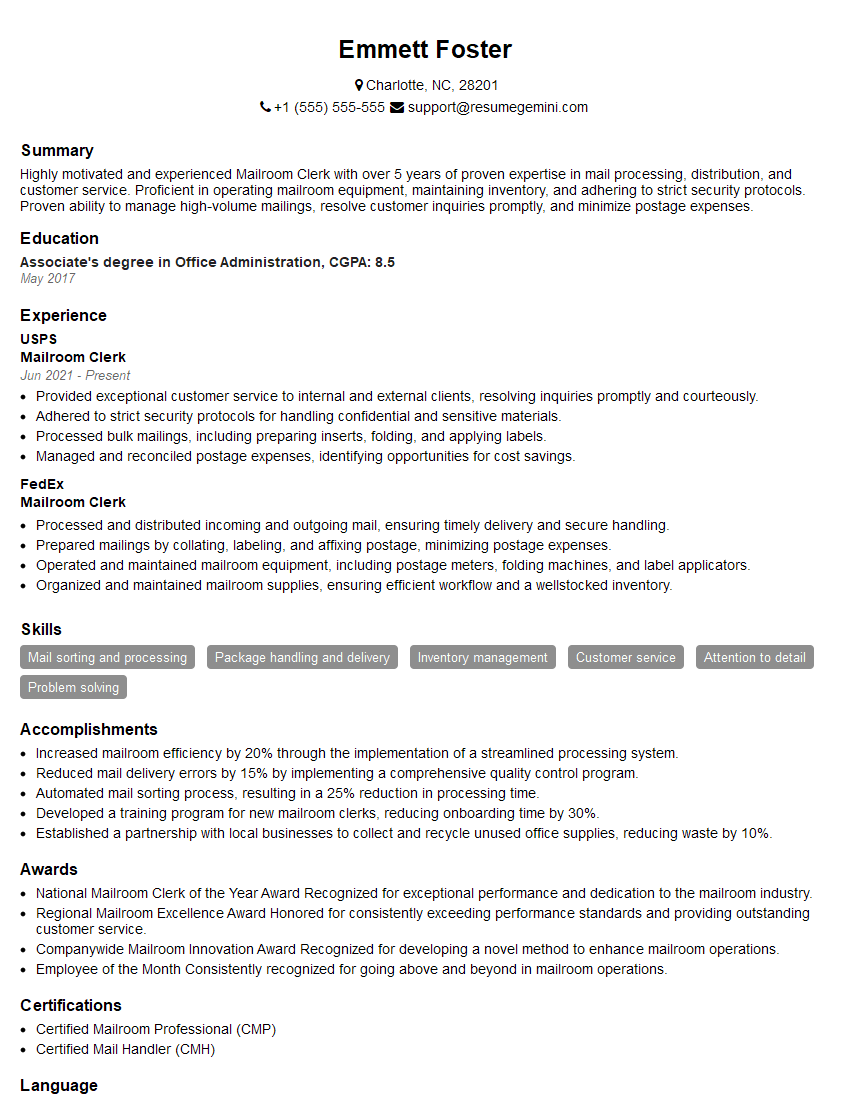
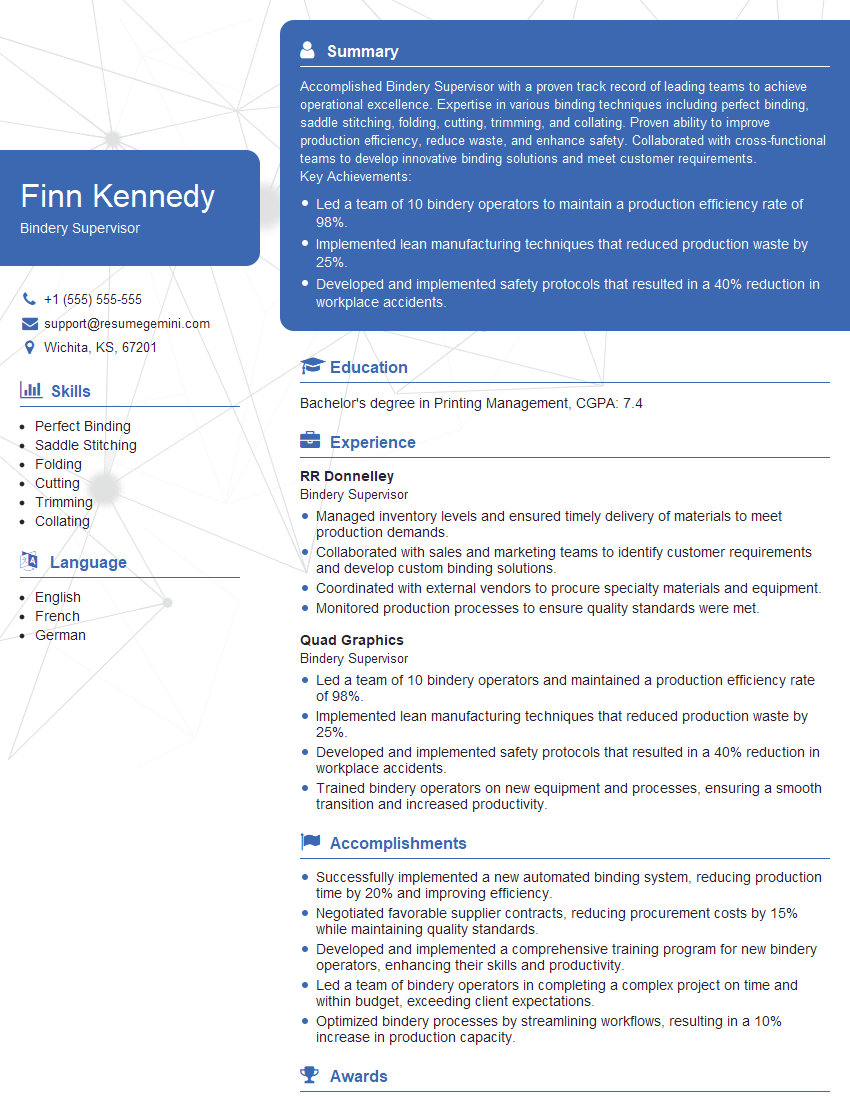
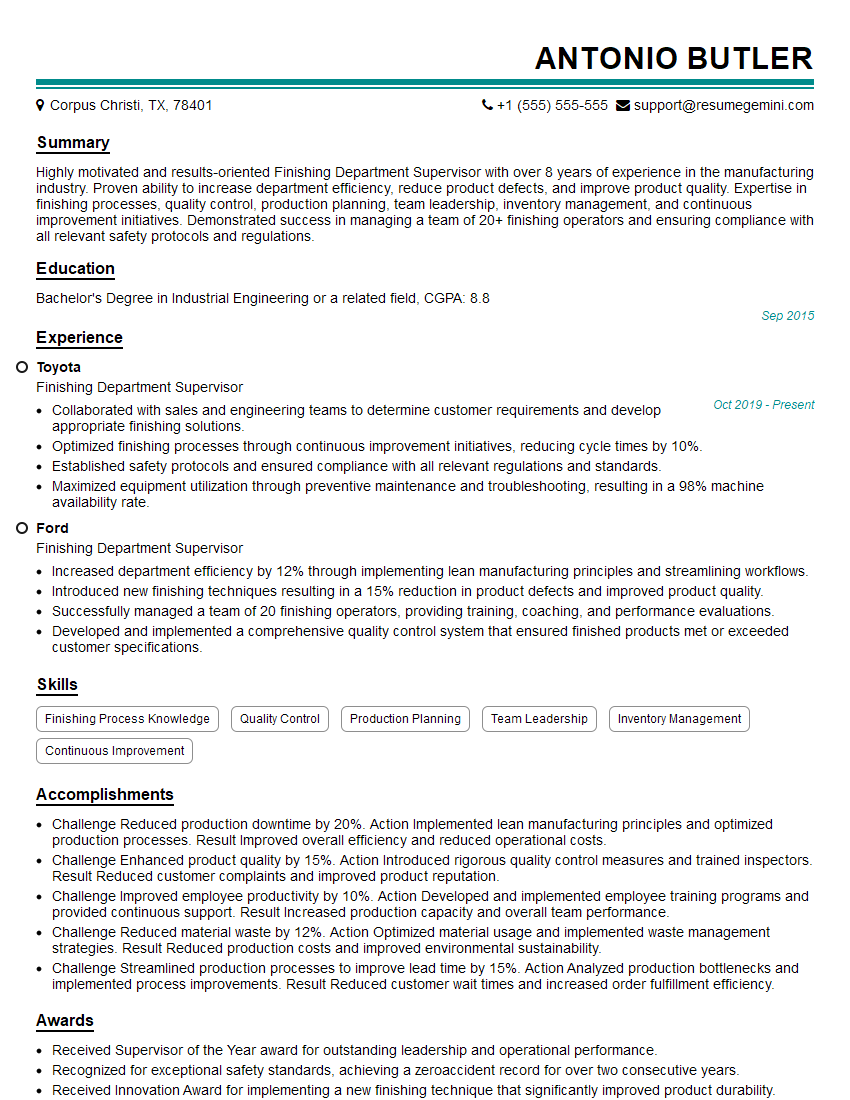
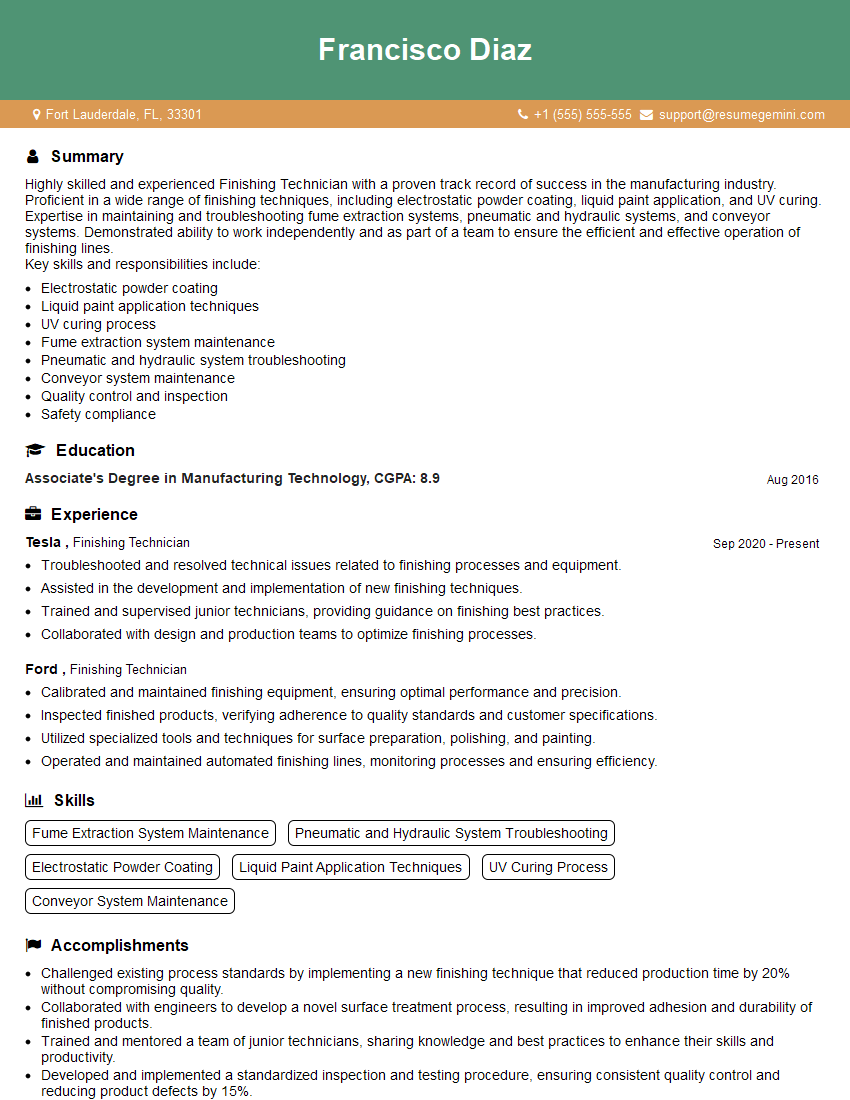
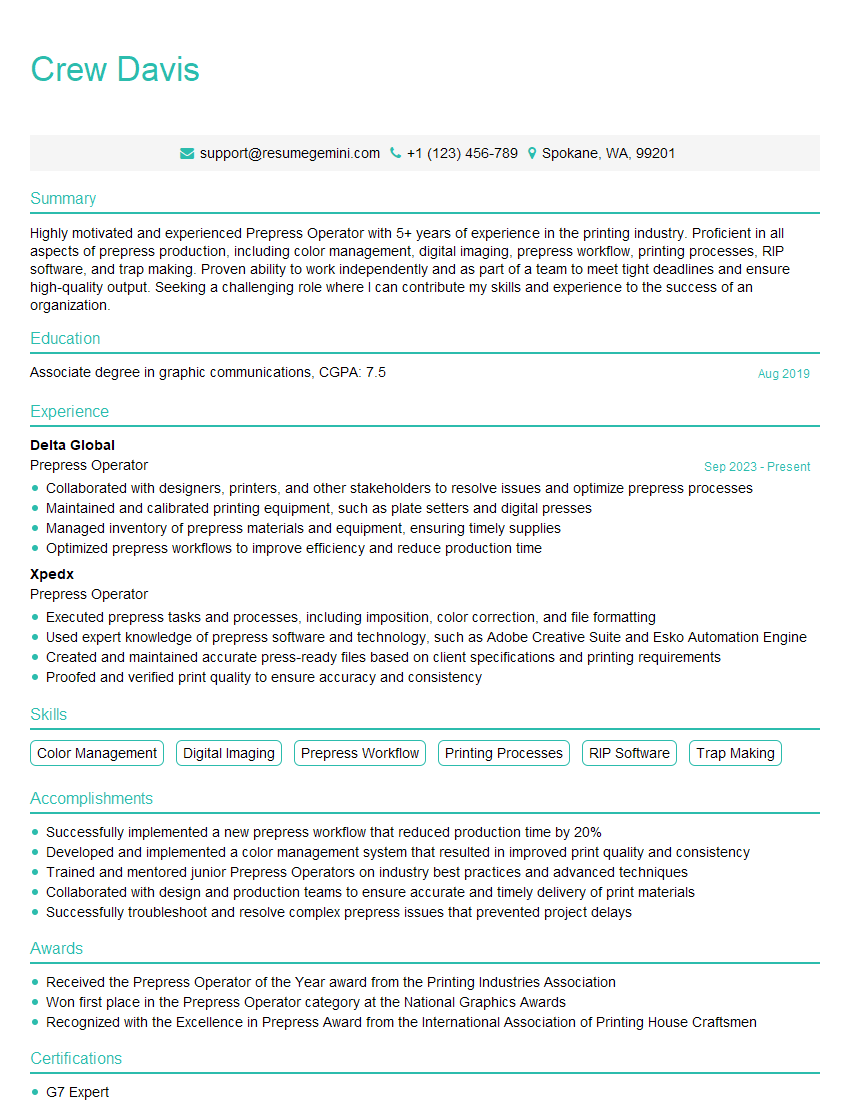
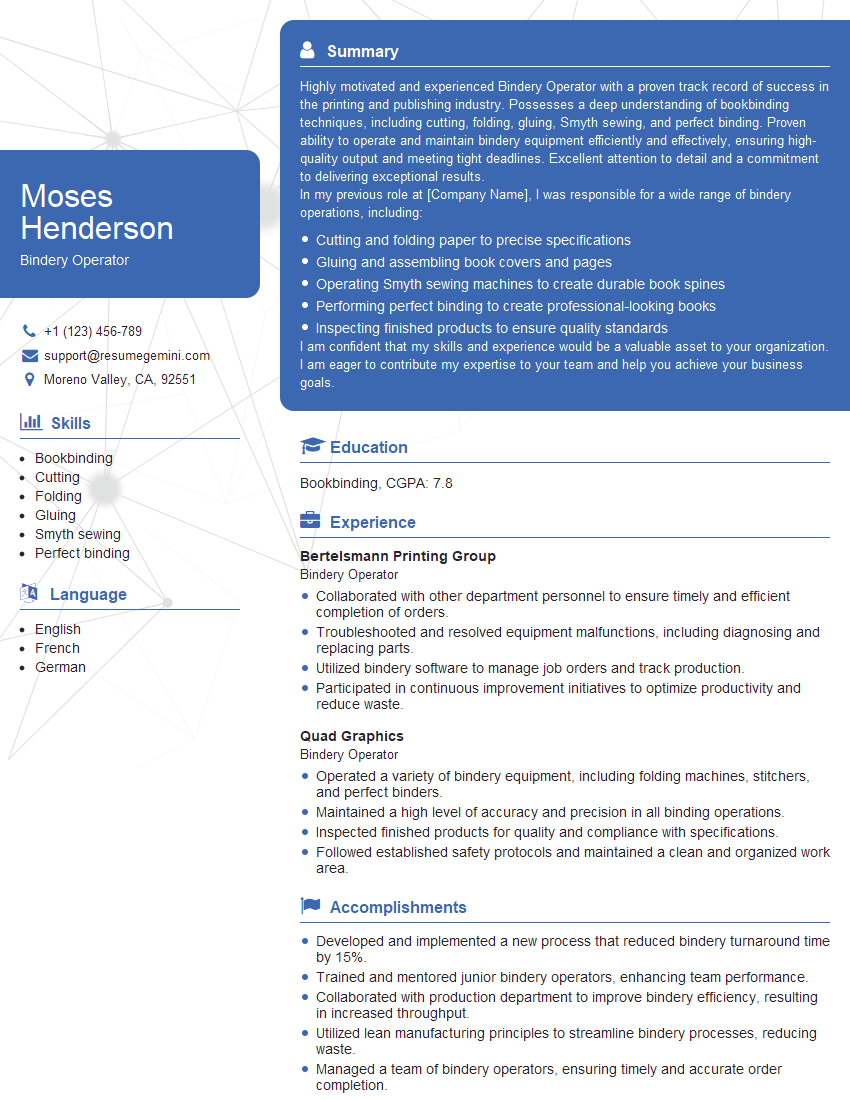
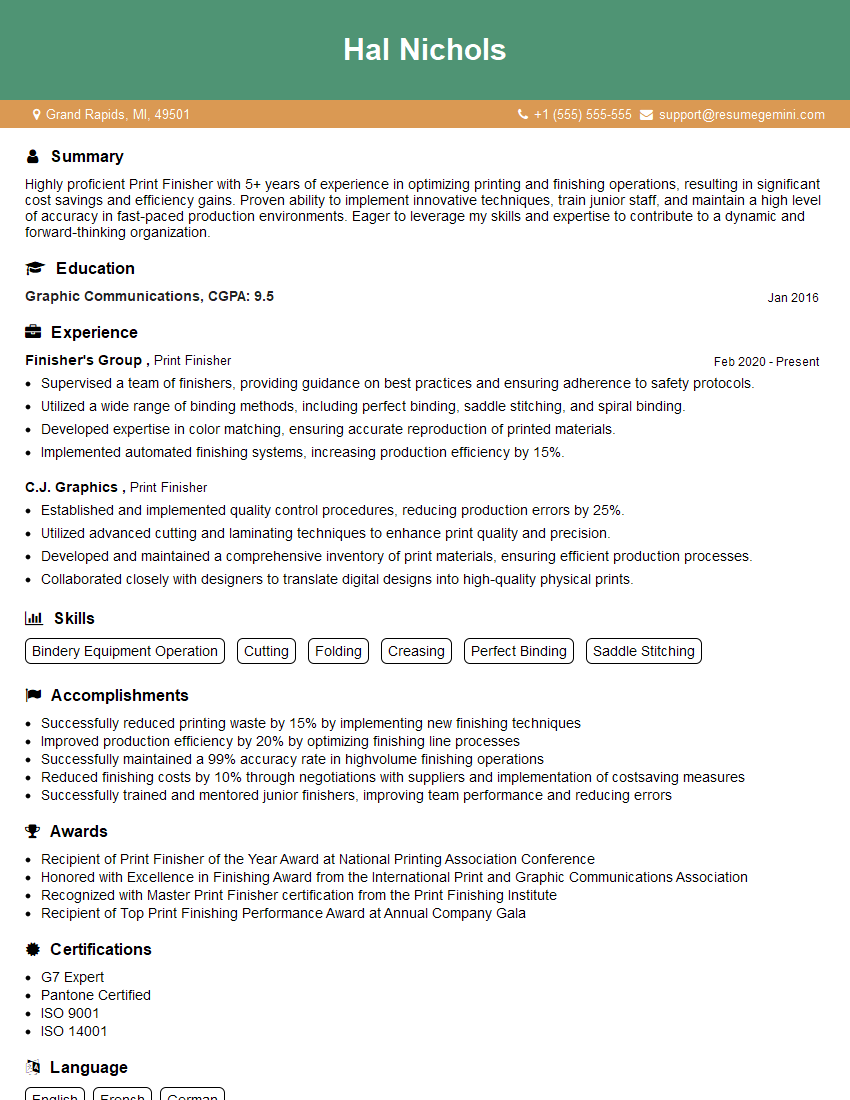
Mastering collating and binding techniques opens doors to diverse opportunities within the printing and publishing industries, offering potential for career advancement and increased earning potential. A well-crafted resume is crucial for showcasing your skills and experience to potential employers. Creating an ATS-friendly resume significantly increases your chances of getting your application noticed. We highly recommend using ResumeGemini to build a professional and impactful resume tailored to your experience. ResumeGemini provides examples of resumes specifically designed for collating and binding roles to help you get started. Invest time in crafting a strong resume – it’s your first impression!

Explore more articles
Users Rating of Our Blogs
Share Your Experience
We value your feedback! Please rate our content and share your thoughts (optional).
What Readers Say About Our Blog
Really detailed insights and content, thank you for writing this detailed article.
IT gave me an insight and words to use and be able to think of examples