The thought of an interview can be nerve-wracking, but the right preparation can make all the difference. Explore this comprehensive guide to Collected and analyzed food samples for microbiological and chemical hazards interview questions and gain the confidence you need to showcase your abilities and secure the role.
Questions Asked in Collected and analyzed food samples for microbiological and chemical hazards Interview
Q 1. Describe the methods used for collecting food samples to ensure integrity and prevent contamination.
Collecting food samples correctly is crucial to ensure accurate analysis. Contamination at this stage renders the entire process invalid. We employ sterile techniques throughout the process. This starts with selecting representative samples – imagine taking a spoonful of soup from just one part of the pot wouldn’t reflect the whole pot’s quality; likewise, we strategically sample different parts of a food batch. We use sterile equipment, like tongs, scoops, and knives, often pre-packaged in sterile bags. For liquids, we use sterile pipettes or syringes. Samples are then placed in sterile, leak-proof containers, properly labeled with details like the source, date, and time of collection, and any relevant information such as the product’s batch number and expiry date. The samples are then immediately transported in cool boxes, maintaining the cold chain to prevent bacterial growth if necessary. Proper documentation throughout this process forms an audit trail, essential for ensuring data integrity and traceability.
Q 2. Explain the principles of microbiological analysis, including sample preparation and different culturing techniques.
Microbiological analysis involves identifying and quantifying microorganisms in food. Sample preparation is key; this often includes weighing a portion of the sample and then homogenizing it – essentially, creating a uniform mixture – using a sterile blender or stomacher bag to release microorganisms. Different dilutions are then prepared to ensure countable colonies when grown. Culturing techniques involve growing these microorganisms on different agar media (think of it as a food source for microbes). Each type of agar supports the growth of specific microorganisms. For example, Plate Count Agar (PCA) is used for total bacterial counts, while Violet Red Bile Agar (VRBA) selectively isolates coliforms. After inoculation (spreading the sample on the agar), the plates are incubated at specific temperatures (like 37°C for many foodborne pathogens) for a set period. We then count the resulting colonies to determine the microbial load. Other techniques such as the Most Probable Number (MPN) method are employed for estimating the population of microorganisms in samples where individual colonies are difficult to count.
Q 3. What are the common microbiological hazards found in food, and how are they detected?
Common microbiological hazards include Salmonella, Listeria monocytogenes, E. coli O157:H7, and Staphylococcus aureus. Detection methods vary depending on the organism. For example, Salmonella can be detected using enrichment broths followed by selective and differential agar plates like Xylose Lysine Deoxycholate (XLD) agar. Immunological methods like ELISA (Enzyme-Linked Immunosorbent Assay) and PCR (Polymerase Chain Reaction) are rapid and sensitive techniques to detect specific pathogens. PCR allows the identification of pathogens even if they are present in very low numbers by detecting their DNA. For Listeria, enrichment steps are needed due to its relatively low numbers in contaminated foods. Ultimately, proper identification needs biochemical confirmation to be certain.
Q 4. Describe the different types of chemical hazards found in food, and what analytical techniques are used for their detection?
Chemical hazards in food encompass a wide range, including pesticides, heavy metals (like lead, mercury, cadmium), mycotoxins (produced by fungi), and food additives. Detection techniques are diverse. For pesticides, techniques like Gas Chromatography-Mass Spectrometry (GC-MS) and High-Performance Liquid Chromatography (HPLC) are commonly used. These techniques separate and identify individual pesticide residues. Heavy metals are often analyzed using Atomic Absorption Spectrometry (AAS) or Inductively Coupled Plasma Mass Spectrometry (ICP-MS), which are very sensitive techniques for detecting trace amounts of metals. Mycotoxins, like aflatoxins, are typically analyzed using HPLC with fluorescence detection. Food additives are analyzed using methods specific to each additive, often employing HPLC or other chromatographic techniques, as well as various spectroscopy methods.
Q 5. How do you interpret results from microbiological and chemical analyses of food samples?
Interpreting results requires a thorough understanding of both microbiological and chemical standards and guidelines. Microbiological results are often expressed as colony-forming units (CFU) per gram or milliliter. These counts are compared to regulatory limits or guidelines specific to the food product. For instance, a high count of E. coli in a ready-to-eat product could indicate fecal contamination and potential risk. Chemical analysis results are compared against legal maximum residue limits (MRLs) set by regulatory bodies. Exceeding these limits suggests that the food item is unsafe. We use statistical analysis in our interpretations, considering factors like the sample size and the variability in measurements. Any result outside acceptable ranges triggers further investigations, including a detailed review of the production process, potential sources of contamination, and the need for corrective actions.
Q 6. What are the regulatory requirements for food safety testing in your region/country?
Regulatory requirements vary by region, but generally involve adherence to national and international food safety standards. For example, in many countries, there are regulations concerning maximum limits for microbial contamination (e.g., Salmonella in poultry), pesticide residues in fruits and vegetables, and heavy metal levels in different food products. Compliance is mandatory and is enforced through regular inspections and testing. Certification schemes, such as ISO 22000 (Food Safety Management Systems), provide frameworks to help businesses demonstrate compliance. Non-compliance can lead to product recalls, fines, and legal action.
Q 7. Explain the concept of HACCP and its role in food safety.
HACCP, or Hazard Analysis and Critical Control Points, is a proactive food safety management system. Instead of just reacting to contamination, HACCP identifies potential hazards at each stage of food production, from farm to table. A HACCP plan systematically identifies critical control points (CCPs) – steps where hazards can be prevented, eliminated, or reduced to safe levels. For instance, cooking temperature is a CCP for controlling bacterial growth. Monitoring procedures are established for each CCP, using parameters such as temperature, time, and pH. Corrective actions are predefined in case limits are not met. HACCP improves efficiency and minimizes risks, helping to ensure the consistent production of safe food products. It’s a widely accepted approach and often required by regulatory bodies and major food retailers.
Q 8. Describe your experience with different types of chromatography techniques (e.g., HPLC, GC).
Chromatography is a powerful separation technique used extensively in food safety analysis. I have extensive experience with both High-Performance Liquid Chromatography (HPLC) and Gas Chromatography (GC), each suited to different types of analytes. HPLC, for instance, excels at separating thermally labile compounds like vitamins and some pesticides in aqueous or organic solvents, using a liquid mobile phase. I’ve used reversed-phase HPLC extensively to analyze pesticide residues in fruits and vegetables, employing C18 columns and gradient elution for optimal separation. GC, on the other hand, is ideal for volatile compounds such as aroma compounds, fatty acids, and certain types of contaminants. I frequently use GC-MS (Gas Chromatography-Mass Spectrometry) to identify and quantify volatile organic compounds in processed foods. One particular project involved identifying the source of off-flavors in a batch of canned peaches using GC-MS, which pinpointed a specific bacterial contaminant.
For example, to analyze pesticide residues in lettuce using HPLC, I would first extract the pesticides from the lettuce sample using a suitable solvent. Then, the extract is filtered and injected into the HPLC system. The separation is achieved based on the interaction of the pesticides with the stationary phase (the column) and the mobile phase (the solvent). Detection is typically done using a UV or diode array detector. A similar process applies to analyzing volatile compounds using GC, but the sample preparation may involve headspace analysis or solid-phase microextraction to isolate the volatiles before injection.
Q 9. How do you ensure the accuracy and reliability of analytical results?
Accuracy and reliability are paramount in food safety analysis. We employ several strategies to ensure this. Firstly, meticulous sample preparation is crucial. This includes using certified reference materials to validate our extraction and analytical methods. For example, we regularly run quality control samples alongside our unknowns to check for instrument drift or matrix effects. Secondly, we adhere strictly to validated methods, ensuring that our procedures follow established protocols and are regularly calibrated and checked for accuracy. Calibration curves are generated using known concentrations, and we check the linearity and range of the calibration curve before analyzing samples. Regular participation in proficiency testing schemes also helps us assess our performance against other labs, highlighting areas for improvement. Finally, we meticulously document every step of the process, from sample collection to data analysis, ensuring complete traceability and facilitating quality control checks.
Imagine it like baking a cake: Using a precise recipe (validated method), measuring ingredients accurately (calibration), and using reliable equipment (instruments) guarantees a consistent, quality outcome. Similarly, following the same steps in food analysis ensures the accuracy and reliability of the results.
Q 10. Explain the importance of proper sample handling and storage.
Proper sample handling and storage are fundamental to preventing sample degradation and maintaining the integrity of analytical results. Improper handling can lead to contamination, decomposition, or changes in analyte concentration, rendering results inaccurate or unreliable. For example, exposure to light, temperature fluctuations, or inappropriate containers can alter the composition of the sample. Our protocol dictates that samples be kept cold (typically 4°C) until analysis and are kept in sterile, sealed containers to minimize microbial growth or contamination. We also maintain a detailed chain of custody, documenting who handled the sample, when, and under what conditions. This allows us to track the sample’s history and identify any potential sources of error. For example, a sample of raw meat needs to be handled under aseptic conditions to minimize bacterial growth during transport and storage, whereas a sample of oil may require protection from oxidation by storing it in a dark and cool place.
Q 11. How do you troubleshoot issues encountered during food sample analysis?
Troubleshooting is a regular part of the job. Issues can arise at any stage of the analytical process. For example, if HPLC peaks are broad or poorly resolved, we might investigate the column condition, mobile phase composition, or flow rate. If we see unusual peaks in the chromatogram, we might examine the sample preparation for contaminants or interferences. We follow a systematic approach using a flow chart to eliminate the potential sources. We would typically begin with a visual inspection of the equipment and samples, verify the analytical settings, and check reagent quality. If this fails to solve the issue we would investigate more deeply, and for persistent issues, we may even consult the instrument’s manual or reach out to the manufacturer’s support.
For example, if a GC-MS is producing inconsistent results, we might first check the gas flow rates, the injector temperature, and the condition of the column. If the problem persists, a more thorough investigation might include checking the mass spectrometer’s vacuum, calibration, and tuning.
Q 12. Describe your experience with using various laboratory instruments and equipment.
I have extensive experience with a wide range of laboratory instruments and equipment used in food safety analysis. This includes various types of chromatographs (HPLC, GC, GC-MS), spectrophotometers (UV-Vis, IR), mass spectrometers, and various sample preparation instruments like homogenizers, centrifuges, and extraction systems. I’m proficient in operating and maintaining these instruments, performing routine maintenance tasks like cleaning, calibration, and troubleshooting minor malfunctions. I understand the principles of operation for each instrument and how to interpret the data generated. For example, I’m skilled in using automated liquid handlers for high-throughput analysis and using software for data acquisition and processing.
Q 13. What are the limitations of different analytical methods used for food safety testing?
Every analytical method has its limitations. For instance, HPLC might not be suitable for analyzing very volatile compounds, which are better suited for GC. GC-MS, while highly sensitive for many compounds, might not be effective for all types of molecules, and may require derivatization steps to improve detection. Many methods might lack the sensitivity required to detect very low levels of contaminants in complex food matrices. Method specificity is another concern. A method may be specific for a particular analyte, but it may lack specificity for closely related compounds, leading to false positives or negatives. Understanding these limitations and selecting appropriate methods based on the specific analytes and matrix is crucial for accurate results.
For example, while PCR (polymerase chain reaction) is highly sensitive for detecting specific pathogens in food, it can only detect the presence of the target DNA, and doesn’t necessarily reflect the viability of the pathogen.
Q 14. Explain the difference between qualitative and quantitative analysis in food safety.
Qualitative analysis determines the presence or absence of a particular substance in a food sample, whereas quantitative analysis determines the amount of that substance. For example, a qualitative test might reveal the presence of Salmonella in a chicken sample, while a quantitative test might determine the concentration of Salmonella cells per gram of chicken. Both types of analysis are important for food safety; qualitative tests often serve as a screening tool, while quantitative tests are essential for assessing the level of risk posed by a particular contaminant.
Consider testing for aflatoxins in peanuts. A qualitative test would simply determine if aflatoxins are present. However, quantitative analysis would determine the exact amount of aflatoxins in the peanuts, which is essential for determining whether the peanut product is safe for consumption according to regulatory limits.
Q 15. How do you maintain the quality and calibration of laboratory equipment?
Maintaining the quality and calibration of laboratory equipment is paramount for accurate and reliable results in food safety testing. This involves a multi-faceted approach encompassing preventative maintenance, regular calibration, and meticulous record-keeping.
Preventative Maintenance: This includes following manufacturer’s instructions for cleaning, lubrication, and inspection of equipment. For example, regularly cleaning and sterilizing autoclaves prevents build-up that could affect performance and introduce contamination. We also perform regular checks on incubators to ensure temperature uniformity and accuracy.
Calibration: We use certified standards and traceable reference materials to calibrate instruments like pH meters, balances, and spectrophotometers. Calibration certificates are meticulously maintained, showing the date of calibration, the results, and the next scheduled calibration. For instance, a pH meter is calibrated using buffer solutions of known pH values before each use to ensure accuracy in measuring the pH of food samples.
Record-Keeping: Detailed logs are kept for all equipment, documenting maintenance procedures, calibration dates, and any repairs or adjustments. This ensures traceability and allows us to identify potential issues before they affect the reliability of our results. For example, if a balance shows slight drift in calibration over time, the records help us track this and implement corrective actions.
In summary, a proactive approach to equipment maintenance and calibration is crucial for generating dependable data and maintaining the integrity of our food safety analyses. Neglecting this could lead to inaccurate results with serious consequences.
Career Expert Tips:
- Ace those interviews! Prepare effectively by reviewing the Top 50 Most Common Interview Questions on ResumeGemini.
- Navigate your job search with confidence! Explore a wide range of Career Tips on ResumeGemini. Learn about common challenges and recommendations to overcome them.
- Craft the perfect resume! Master the Art of Resume Writing with ResumeGemini’s guide. Showcase your unique qualifications and achievements effectively.
- Don’t miss out on holiday savings! Build your dream resume with ResumeGemini’s ATS optimized templates.
Q 16. Describe your experience with data analysis and interpretation.
Data analysis and interpretation are central to my work. I’m proficient in using statistical software packages like R and SPSS to analyze microbiological and chemical data from food samples. My experience includes:
Descriptive Statistics: Calculating means, standard deviations, and other descriptive statistics to summarize the data and identify trends. For example, calculating the average number of E. coli colonies in multiple samples of ground beef.
Inferential Statistics: Using statistical tests (like t-tests, ANOVA, and regression analysis) to draw conclusions about the data and test hypotheses. For instance, comparing the bacterial counts in conventionally grown versus organically grown vegetables.
Data Visualization: Creating graphs and charts to visually represent the data and communicate findings effectively. Bar charts and scatter plots are frequently used to compare the results of different treatments or samples.
Interpretation: Connecting the statistical findings to the context of food safety regulations and public health. This involves understanding the significance of results and translating them into actionable recommendations for food producers or regulatory agencies.
For instance, I recently analyzed data from a series of seafood samples and found a statistically significant increase in histamine levels above regulatory limits in a specific batch. This helped trigger a product recall, preventing potential health risks.
Q 17. How do you ensure compliance with safety regulations and laboratory protocols?
Compliance with safety regulations and laboratory protocols is non-negotiable. We adhere to strict guidelines like those set by the FDA and other relevant agencies. This involves:
Following Standard Operating Procedures (SOPs): Every procedure is documented with detailed steps to ensure consistency and reproducibility. Deviations from SOPs are meticulously documented and justified.
Personal Protective Equipment (PPE): Appropriate PPE, such as lab coats, gloves, and safety glasses, is worn at all times. We also follow specific protocols for handling hazardous materials.
Waste Disposal: Hazardous waste is handled and disposed of according to regulations. We have designated containers and a schedule for waste removal by specialized waste disposal companies.
Quality Control (QC): Regular QC checks are implemented throughout the testing process to ensure the accuracy and reliability of the results. This includes using positive and negative controls, and participating in proficiency testing programs.
Safety Training: All personnel receive comprehensive safety training covering chemical handling, biohazard safety, and emergency procedures. We conduct regular safety drills and refreshers.
Adherence to these protocols is crucial for ensuring a safe working environment and preventing accidents. It also helps guarantee the validity of our test results and maintains our credibility.
Q 18. What are the key differences between different types of media used in microbiological analysis?
Different types of media are used in microbiological analysis depending on the specific organism being targeted. Media are essentially nutrient solutions that support microbial growth.
Selective Media: These contain inhibitors that suppress the growth of unwanted organisms while allowing the target organism to grow. For example, Salmonella-Shigella agar selectively isolates Salmonella and Shigella species from other bacteria found in food.
Differential Media: These allow the differentiation of different organisms based on their metabolic characteristics. MacConkey agar, for example, differentiates lactose fermenters (like E. coli) from non-lactose fermenters by color change.
Enrichment Media: These provide optimal growth conditions for a particular organism, allowing its numbers to increase even if it’s initially present in low numbers. Selenite broth is a selective enrichment broth used to isolate Salmonella from food.
General Purpose Media: These support the growth of a wide range of microorganisms. Nutrient agar is an example of a general-purpose medium used for cultivating many bacterial species.
Choosing the right media is critical for obtaining accurate and reliable results. The wrong media could lead to missed detection of pathogens or inaccurate identification.
Q 19. How do you prepare different types of reagents used in food safety testing?
Reagent preparation is a crucial aspect of food safety testing, demanding precision and adherence to strict protocols to prevent contamination and ensure accurate results. Preparation methods vary depending on the reagent, but generally involve:
Following SOPs: Detailed, written procedures specify the exact quantities, solvents, and steps involved in preparing each reagent. This ensures consistency and reproducibility.
Using High-Purity Chemicals and Water: Only high-purity chemicals and deionized or distilled water are used to prevent contamination and ensure accurate measurements.
Precise Measurement: Analytical balances are used to weigh chemicals with high accuracy. Volumetric glassware is used for accurate volume measurements. Appropriate safety precautions are followed when handling chemicals.
Sterilization (if applicable): Many reagents need sterilization through autoclaving or filtration to eliminate any microorganisms that could interfere with the test results.
Proper Storage: Prepared reagents are stored under appropriate conditions (temperature, light protection) to maintain stability and prevent degradation.
For example, preparing a phosphate buffer solution involves accurately weighing the required amounts of monobasic and dibasic potassium phosphate, dissolving them in deionized water, and adjusting the pH to the desired level using a pH meter. All these steps must be meticulously documented.
Q 20. What are the different methods for detecting foodborne pathogens?
Various methods are used for detecting foodborne pathogens, each with its own strengths and weaknesses. The choice of method depends on the specific pathogen, the sample type, and the resources available.
Culture-Based Methods: These involve isolating and identifying pathogens by cultivating them on selective and differential media. This is a widely used method, but it can be time-consuming (often requiring several days) and may not detect low numbers of pathogens.
Immunological Methods: These use antibodies to detect specific antigens of pathogens. Enzyme-Linked Immunosorbent Assays (ELISA) and lateral flow immunoassays are examples. These methods are generally faster and can detect lower numbers of pathogens than culture-based methods, but they might have cross-reactivity issues with other similar antigens.
Molecular Methods: These use techniques like PCR (polymerase chain reaction) to detect specific DNA or RNA sequences of pathogens. PCR is highly sensitive, specific, and relatively fast but requires specialized equipment and technical expertise. It also involves a high risk of contamination.
Mass Spectrometry: This advanced technique can identify pathogens based on their unique protein profiles. It is very sensitive but expensive and requires specialized expertise.
Often, a combination of methods is used to confirm the presence of a pathogen. For example, a rapid ELISA test could be used for initial screening, followed by PCR confirmation and cultural isolation for definitive identification.
Q 21. Describe your experience with ELISA or other immunoassay techniques.
I have extensive experience with ELISA and other immunoassay techniques. ELISA (Enzyme-Linked Immunosorbent Assay) is a powerful technique used to detect specific antigens or antibodies in a sample. My experience encompasses:
Direct ELISA: Antigen is directly coated onto the plate, and the antibody-enzyme conjugate is added to detect the antigen.
Indirect ELISA: The antigen is coated onto the plate, a primary antibody is added, followed by a secondary antibody-enzyme conjugate.
Sandwich ELISA: A capture antibody is coated onto the plate, the antigen is added, and then a detection antibody-enzyme conjugate is added.
Competitive ELISA: The analyte competes with an enzyme-labeled analyte for binding to a limited number of antibody binding sites.
I’m proficient in performing the assay, interpreting the results, and troubleshooting potential issues. I understand the importance of using appropriate controls, maintaining consistent assay conditions, and accurately calculating the results. In my previous role, I used ELISA to routinely detect various foodborne pathogens like Listeria monocytogenes and Salmonella in food samples. Understanding the limitations and potential sources of error in ELISA is vital for accurate interpretation and reporting.
Q 22. How do you manage and track data collected from food safety tests?
Data management in food safety testing is crucial for accuracy and traceability. We utilize a Laboratory Information Management System (LIMS), a sophisticated software that tracks samples from receipt to final report. This system assigns unique identification numbers to each sample, records all testing performed, and stores the resulting data. Think of it like a highly organized digital filing cabinet for all our lab work. The LIMS also manages sample chain of custody, ensuring proper handling and preventing contamination or mix-ups. We meticulously record details like sample origin, date received, testing methods used, and analyst initials, creating a complete audit trail. Data is typically entered directly into the LIMS during testing, minimizing errors and improving efficiency. Regular backups and data validation are integral parts of our procedure to ensure data integrity. For example, if a test result falls outside expected ranges, the LIMS flags it for review, prompting a potential re-test or investigation.
Q 23. How do you handle and report out-of-specification results?
Out-of-specification (OOS) results, meaning results that don’t meet predetermined criteria, are handled with utmost seriousness. They trigger a thorough investigation to determine the root cause. The first step is to verify the result through repeat testing of the original sample, and if possible, using a different analytical method. We then meticulously review all aspects of the testing process, checking for potential errors in sample handling, instrument calibration, reagent preparation, or data entry. Environmental factors in the lab are also assessed. Once the cause is identified, corrective actions are implemented to prevent recurrence. A comprehensive report documenting the OOS result, investigation, and corrective actions is generated. This report is often reviewed by multiple levels of management to ensure its thoroughness and accuracy. Depending on the severity of the issue, it might trigger a product recall or a more extensive investigation involving the entire production process at the source. For example, if we detect high levels of Salmonella in a meat sample, a complete recall might be necessary.
Q 24. Explain your understanding of different types of food spoilage microorganisms.
Food spoilage is primarily caused by microorganisms, which can be broadly classified into bacteria, yeasts, and molds. Bacteria, like Pseudomonas and E. coli, often cause rapid spoilage, leading to off-odors, slime formation, and changes in texture. They thrive in moist environments. Yeasts, single-celled fungi, are often responsible for fermentation but can also cause spoilage in products with high sugar content, leading to off-flavors and gas production. Think of a spoiled jar of jam. Molds, multicellular fungi, are more resistant to harsh conditions and commonly produce mycotoxins which are toxic secondary metabolites. They often produce visible fuzzy growths on food surfaces. Different microorganisms prefer specific conditions, such as temperature, pH, and water activity, so understanding these preferences helps in predicting and controlling spoilage. For example, Listeria monocytogenes, a pathogenic bacterium, can grow even under refrigeration, emphasizing the importance of proper temperature control.
Q 25. Describe your experience with PCR or other molecular techniques.
I have extensive experience using Polymerase Chain Reaction (PCR) and other molecular techniques for pathogen detection in food samples. PCR is a powerful tool that allows for highly sensitive and specific detection of target DNA sequences, even from very low concentrations. We use real-time PCR which provides quantitative results and allows us to detect and quantify specific pathogens, such as Salmonella, Listeria, or E. coli O157:H7. Other molecular methods we employ include ELISA (Enzyme-Linked Immunosorbent Assay), which uses antibodies to detect specific bacterial antigens, and DNA microarrays, which allows simultaneous detection of multiple pathogens. These techniques offer significant advantages over traditional culture methods, particularly in terms of speed and sensitivity. For example, PCR can detect a single bacterial cell, compared to traditional culture methods which often require significantly higher numbers of cells for detection, greatly reducing the detection time. Data analysis from PCR typically involves comparing Cycle Threshold (Ct) values which are inversely proportional to the initial amount of target DNA.
Q 26. What are the different methods for detecting mycotoxins?
Mycotoxins are toxic secondary metabolites produced by fungi that can contaminate food and feed. Detection methods vary depending on the mycotoxin and the matrix (food type). Common methods include:
- High-Performance Liquid Chromatography (HPLC): A widely used technique for separating and quantifying mycotoxins based on their different chemical properties.
- Thin-Layer Chromatography (TLC): A simpler and less expensive technique used for initial screening, offering visual identification of mycotoxins.
- Enzyme-Linked Immunosorbent Assay (ELISA): A rapid and sensitive method that utilizes antibodies specific to target mycotoxins.
- Mass Spectrometry (MS): A highly sensitive and specific method that provides structural information on mycotoxins, enabling their accurate identification and quantification.
Q 27. How do you validate analytical methods used in food safety testing?
Method validation is critical to ensure the accuracy and reliability of our analytical results. We follow internationally recognized guidelines, such as those established by AOAC International. Validation typically includes assessing parameters like:
- Specificity: Ensuring the method accurately identifies the target analyte without interference from other substances.
- Linearity: Determining the method’s response is proportional to the concentration of the analyte over a defined range.
- Sensitivity: Measuring the lowest concentration of the analyte that can be reliably detected (Limit of Detection, LOD) and quantified (Limit of Quantification, LOQ).
- Accuracy: Assessing the closeness of measured values to the true value.
- Precision: Evaluating the reproducibility of the method, both within a single run (repeatability) and between different runs (reproducibility).
- Recovery: Determining the percentage of analyte recovered from a spiked sample, indicating method efficiency.
Q 28. Describe your experience with writing technical reports and documenting laboratory procedures.
I have extensive experience in writing detailed technical reports and documenting laboratory procedures. Reports typically include a clear description of the study objective, methodology, results, and conclusions. They are written in a concise, unambiguous manner, using appropriate scientific terminology and avoiding ambiguity. For instance, we use tables and figures to present data effectively. The level of detail will vary depending on the intended audience. A report for internal review might differ substantially from a report presented to regulatory agencies. Laboratory procedures are documented using Standard Operating Procedures (SOPs). SOPs describe each step of a particular method in a clear, concise, and step-by-step manner to guarantee consistency and reproducibility across tests and analysts. The SOPs include details about equipment, reagents, quality control measures, and safety precautions. Regular reviews and updates of SOPs are crucial to ensure they remain current with advances in technology and best practices, and importantly, we maintain version control to track any changes made.
Key Topics to Learn for Collected and analyzed food samples for microbiological and chemical hazards Interview
- Sample Collection Techniques: Understanding proper aseptic techniques, sample size determination, and chain of custody procedures for maintaining sample integrity.
- Microbiological Analysis: Familiarize yourself with common foodborne pathogens (e.g., *Salmonella*, *E. coli*, *Listeria*), their detection methods (e.g., plating, PCR), and interpretation of results. Understand the significance of different growth media and incubation conditions.
- Chemical Hazard Analysis: Become proficient in identifying and quantifying chemical hazards such as pesticides, heavy metals, mycotoxins, and additives. Know the relevant analytical techniques (e.g., chromatography, spectroscopy) and regulatory limits.
- Quality Control and Assurance: Grasp the importance of quality control measures in the laboratory, including calibration of instruments, proficiency testing, and maintaining accurate records. Understand the principles of Good Laboratory Practices (GLP).
- Data Analysis and Interpretation: Practice interpreting microbiological and chemical data, identifying trends, and drawing conclusions. Be prepared to discuss limitations of analytical methods and sources of error.
- Regulatory Compliance: Familiarize yourself with relevant food safety regulations and standards (e.g., FDA, USDA guidelines). Understand how your work contributes to meeting these standards.
- Problem-solving and Troubleshooting: Be ready to discuss instances where you encountered unexpected results or challenges during analysis and how you addressed them. Highlight your analytical and problem-solving skills.
- Safety Procedures: Demonstrate a thorough understanding of laboratory safety protocols, including the proper handling of hazardous materials and waste disposal.
Next Steps
Mastering the skills related to collecting and analyzing food samples for microbiological and chemical hazards is crucial for advancement in the food safety and quality control field. This expertise demonstrates a commitment to public health and opens doors to diverse roles with increasing responsibility and compensation. To maximize your job prospects, focus on crafting an ATS-friendly resume that effectively highlights your qualifications. ResumeGemini is a trusted resource to help you build a professional and impactful resume that gets noticed. We provide examples of resumes tailored to this specific skill set to guide you through the process.
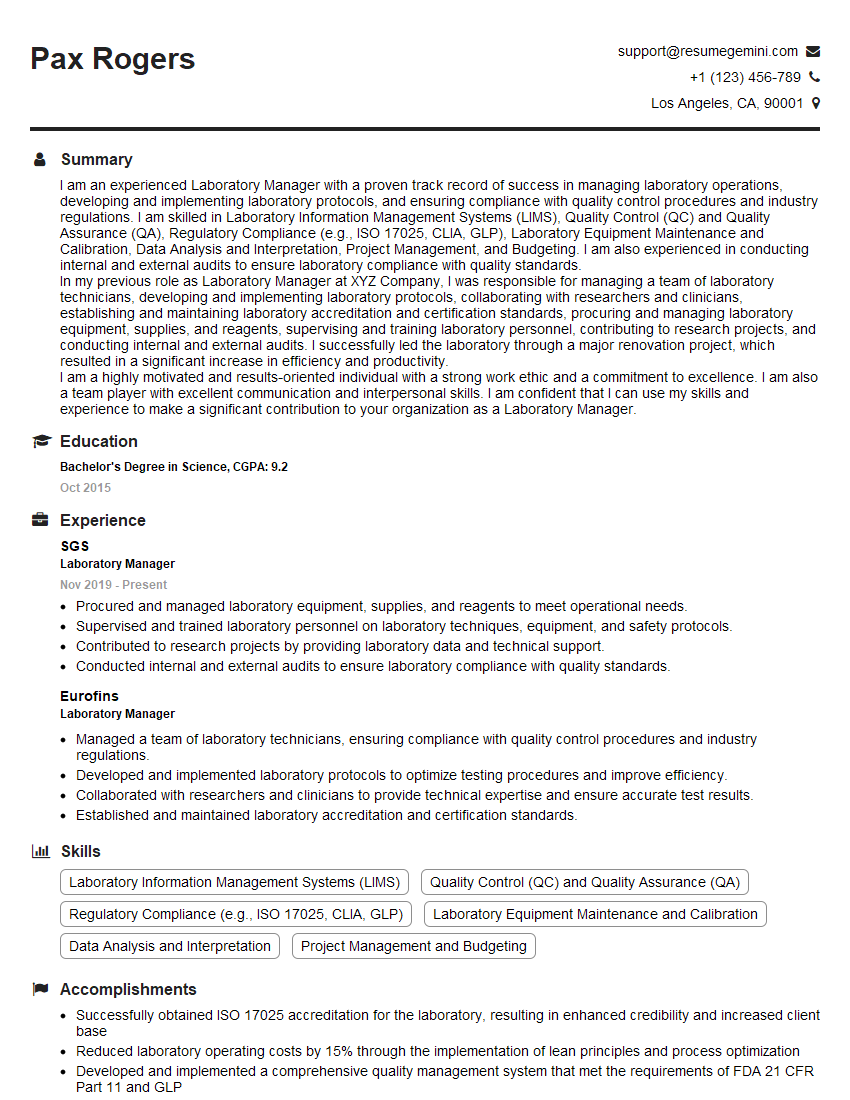
Laboratory Manager Resume Sample

Quality Assurance Manager Resume Sample
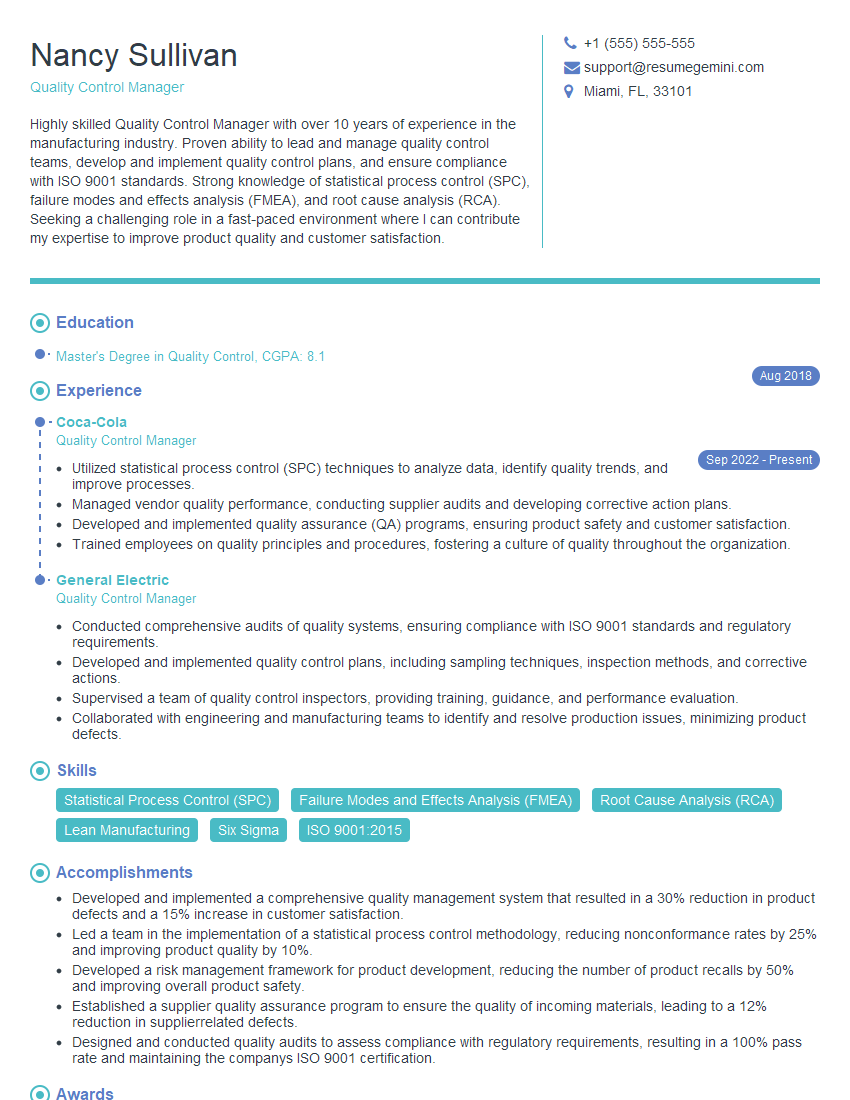
Quality Control Manager Resume Sample

Compliance Officer Resume Sample
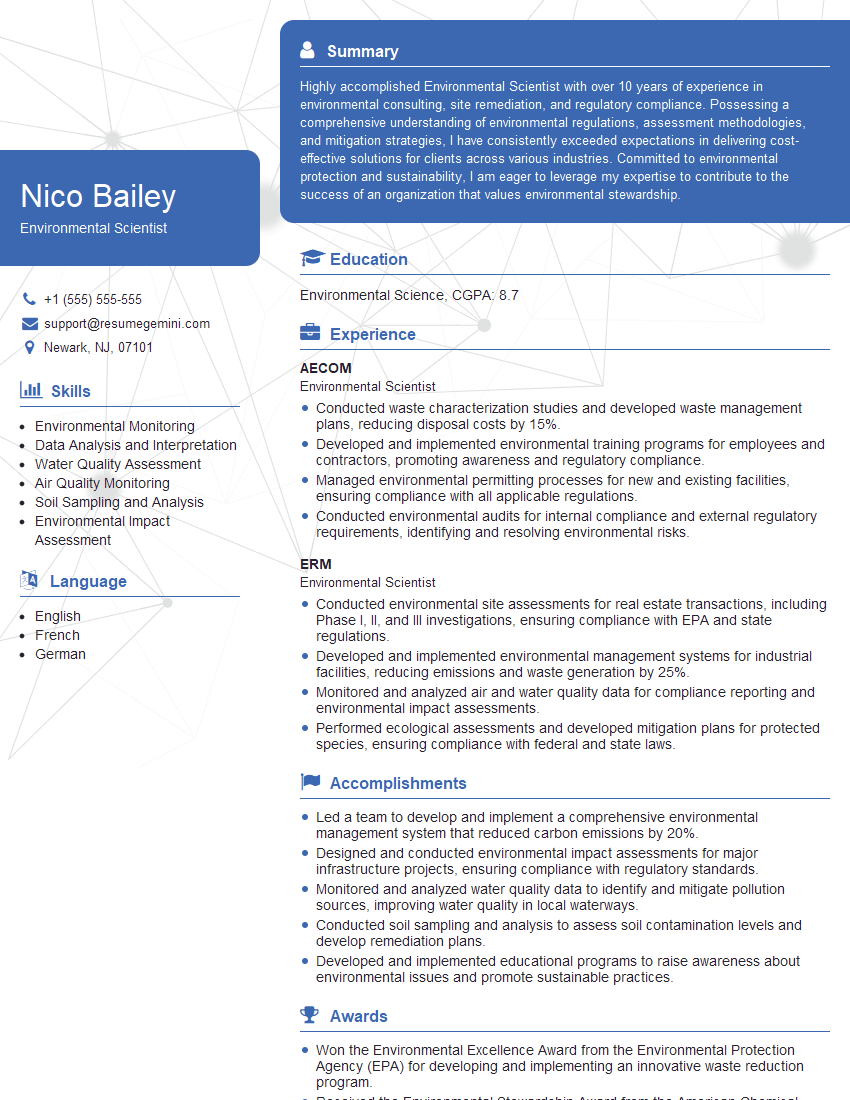
Environmental Scientist Resume Sample
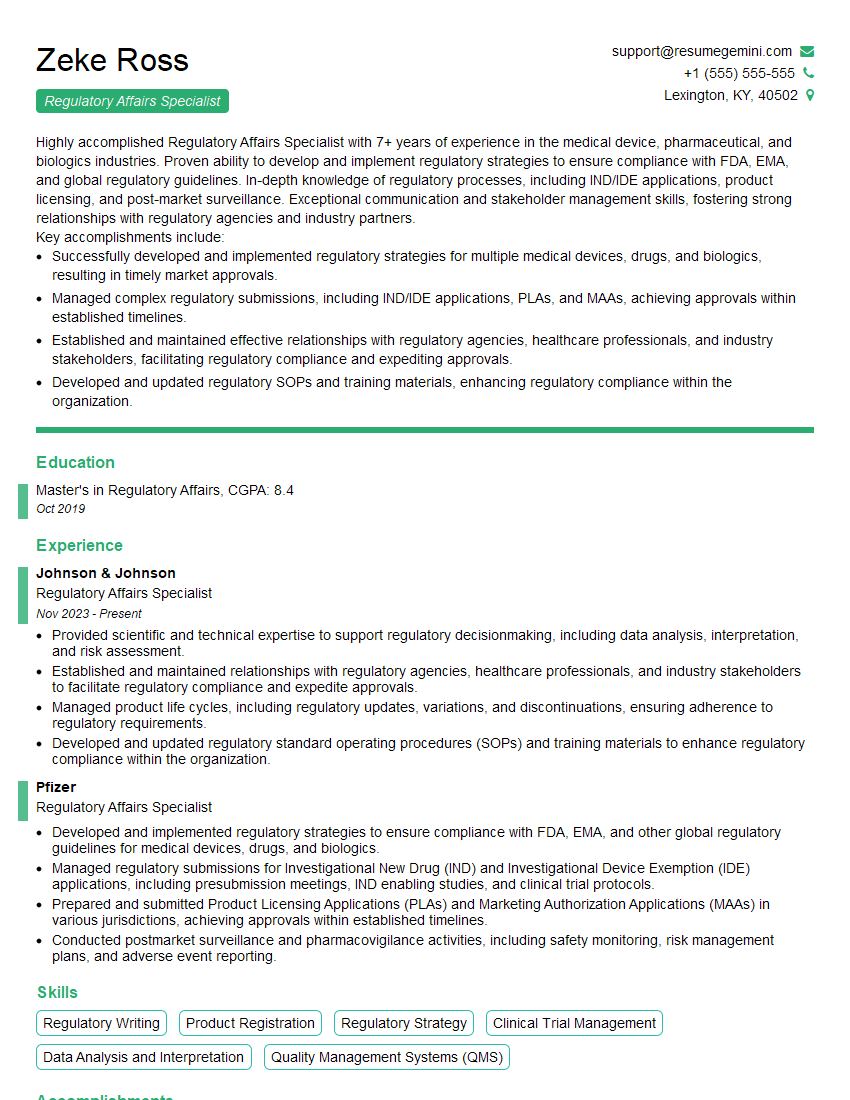
Regulatory Affairs Specialist Resume Sample

Quality Control Analyst Resume Sample

Laboratory Supervisor Resume Sample

Laboratory Technician Resume Sample
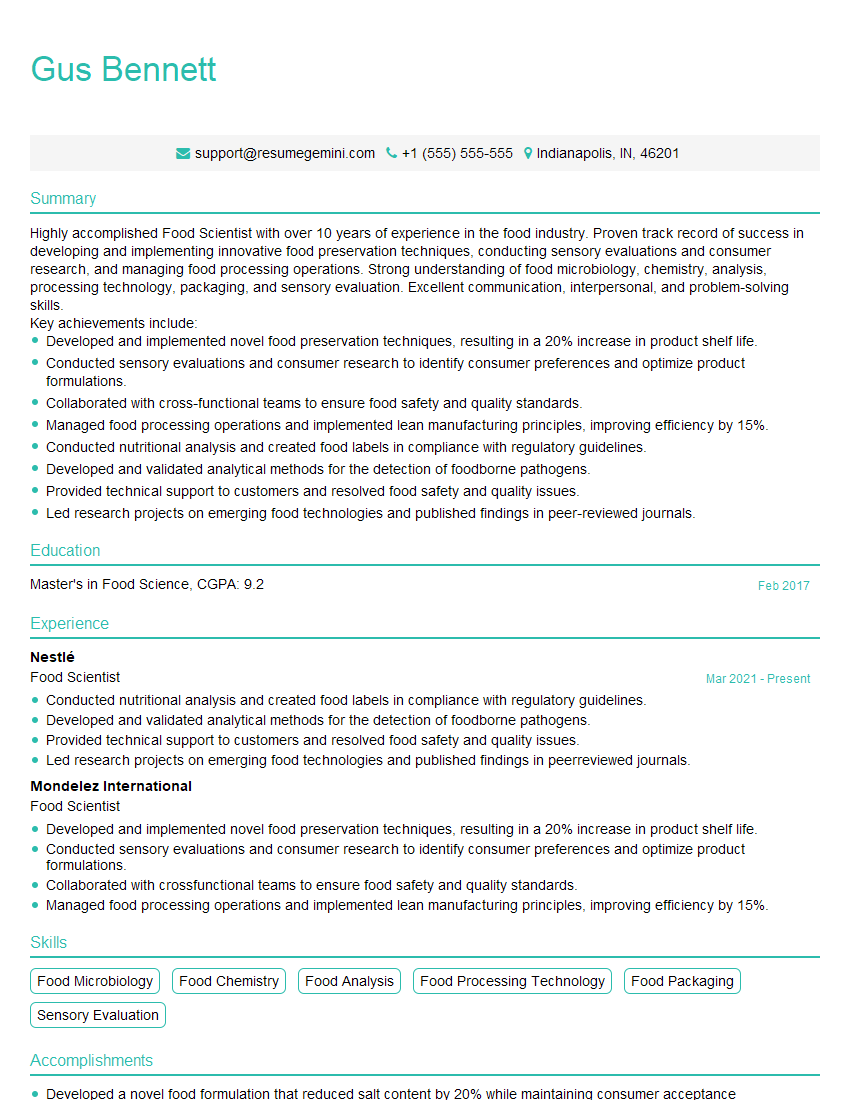
Food Scientist Resume Sample

Food Technologist Resume Sample
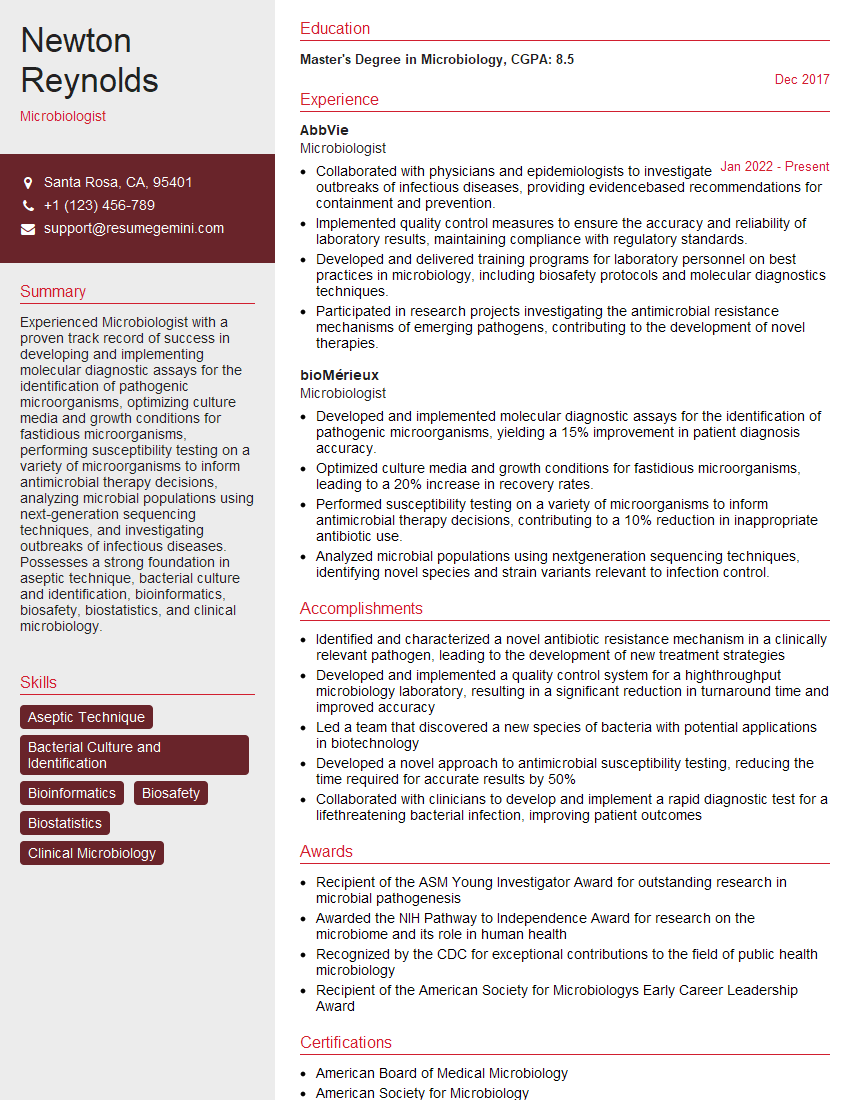
Microbiologist Resume Sample

Analytical Chemist Resume Sample
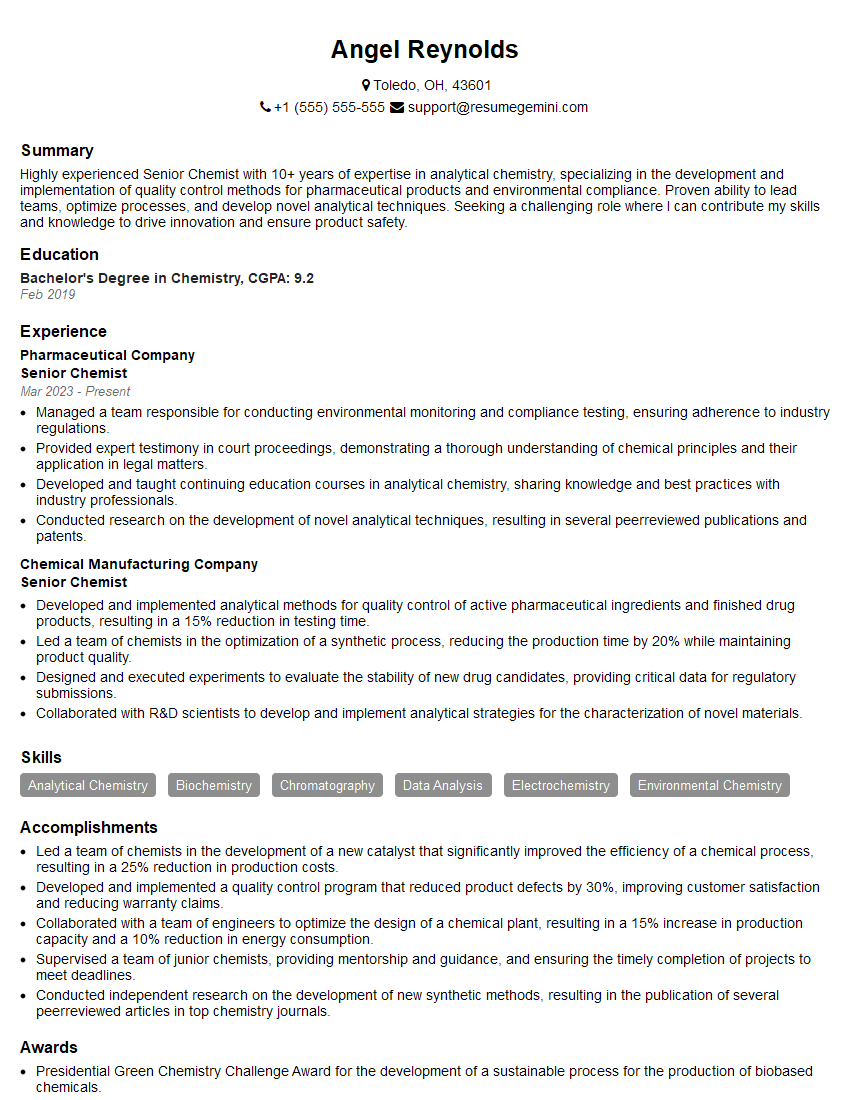
Senior Chemist Resume Sample
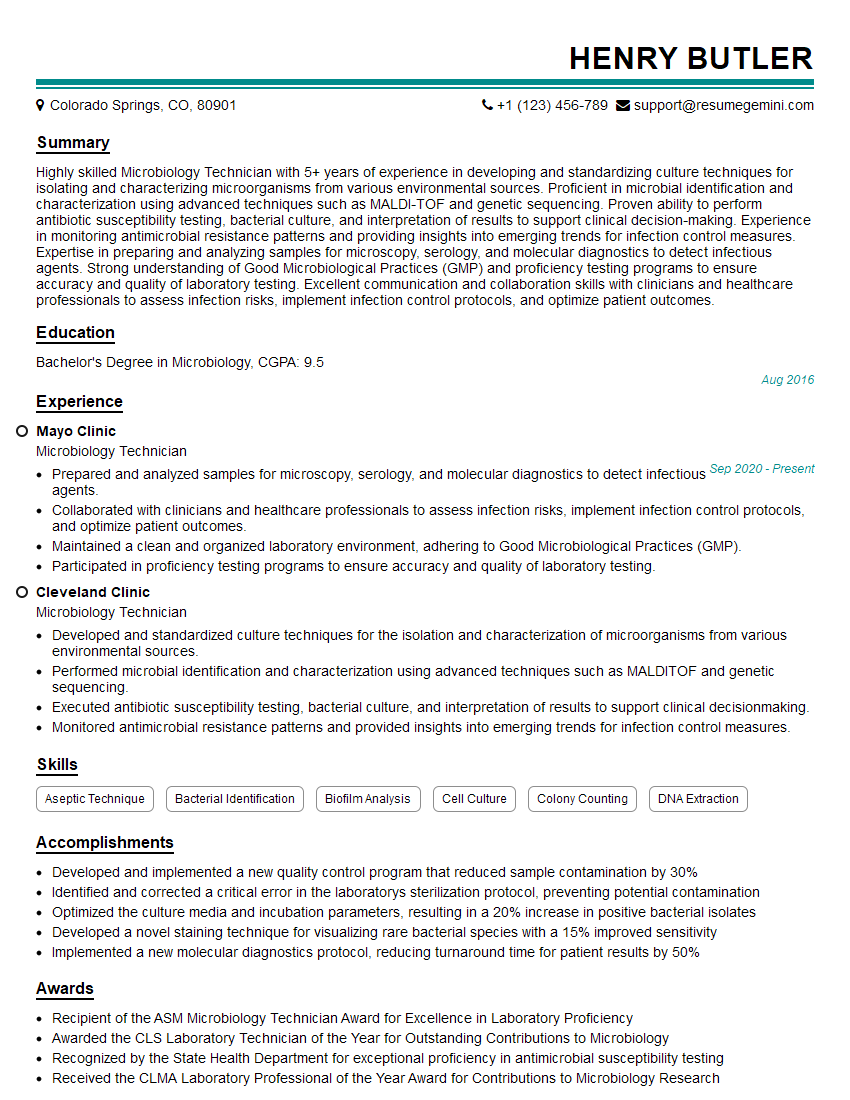
Microbiology Technician Resume Sample
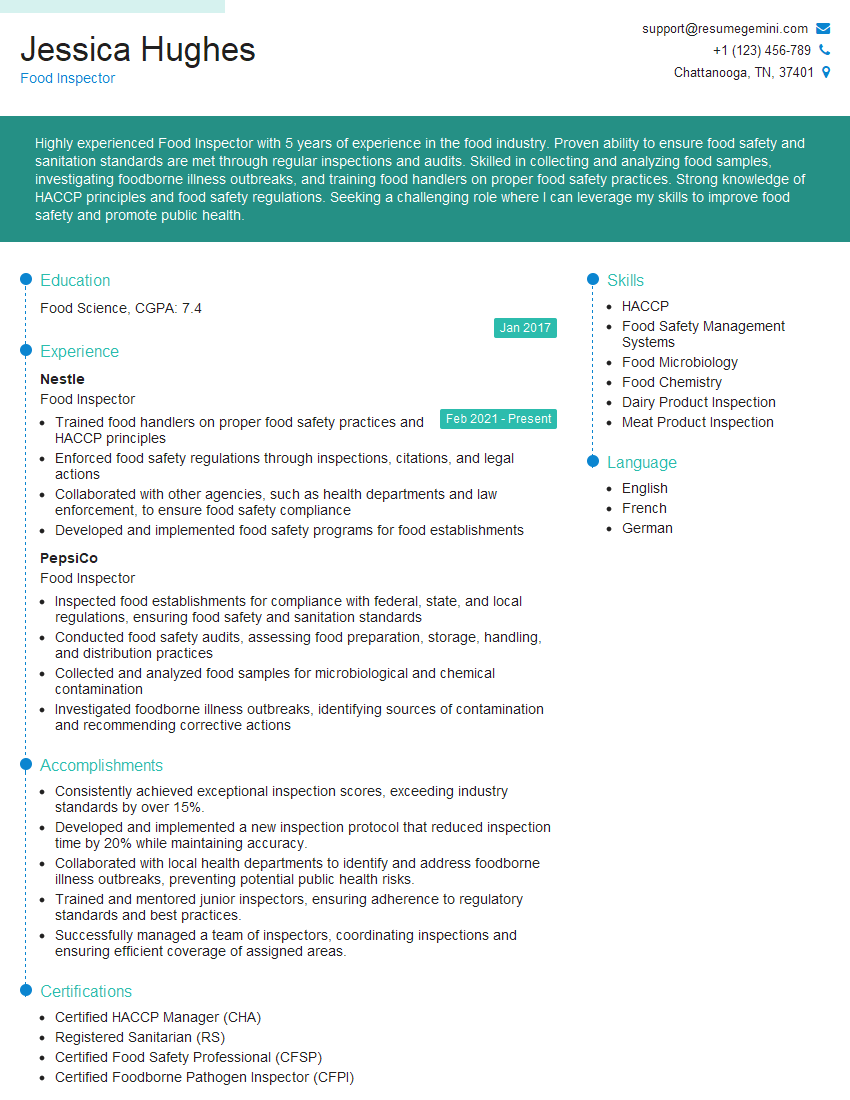
Food Inspector Resume Sample
- Laboratory Manager
- Quality Assurance Manager
- Quality Control Manager
- Compliance Officer
- Environmental Scientist
- Regulatory Affairs Specialist
- Quality Control Analyst
- Laboratory Supervisor
- Laboratory Technician
- Food Scientist
- Food Technologist
- Microbiologist
- Analytical Chemist
- Senior Chemist
- Microbiology Technician
- Food Inspector
Explore more articles
Users Rating of Our Blogs
Share Your Experience
We value your feedback! Please rate our content and share your thoughts (optional).
What Readers Say About Our Blog
Really detailed insights and content, thank you for writing this detailed article.
IT gave me an insight and words to use and be able to think of examples