Feeling uncertain about what to expect in your upcoming interview? We’ve got you covered! This blog highlights the most important Collections Management and Storage interview questions and provides actionable advice to help you stand out as the ideal candidate. Let’s pave the way for your success.
Questions Asked in Collections Management and Storage Interview
Q 1. Describe your experience with implementing a collections management system (CMS).
Implementing a Collections Management System (CMS) is a multifaceted process requiring careful planning and execution. It begins with a thorough needs assessment, identifying the specific requirements of the collection and the institution. This includes considering the size and type of collection, staff expertise, and budget constraints. For example, a small museum with a primarily photographic collection will have different needs than a large university archive holding diverse formats. Once the needs are defined, we select a suitable CMS, evaluating factors like scalability, functionality (cataloging, access control, reporting), integration capabilities with other systems, and vendor support. The implementation phase involves data migration (often a significant undertaking!), staff training, and ongoing system maintenance and optimization. In one project, we migrated over 50,000 records from a legacy database to a new cloud-based CMS, requiring extensive data cleaning and standardization before the migration could begin. Post-implementation, continuous monitoring and evaluation are crucial to ensure the system meets evolving needs and optimizes workflow efficiency.
Q 2. What methods do you use for assessing the condition of collections?
Assessing collection condition involves a combination of visual inspection, documentation, and sometimes specialized testing. Visual inspection involves carefully examining each item for signs of deterioration like tears, fading, insect damage, or mold. We use standardized condition reporting methods, often employing scales like the AIC’s condition assessment guidelines, which assign numerical scores to different types of damage. Detailed documentation is critical, including photographic records, written descriptions, and measurements. For delicate or valuable items, we might employ non-invasive techniques like UV light to detect hidden damage or utilize environmental monitoring equipment to assess factors such as temperature and humidity that impact collection integrity. For instance, while assessing a collection of antique maps, we found evidence of foxing (small brown spots) using UV light, which wasn’t visible under normal lighting. This allowed us to prioritize their conservation needs accordingly.
Q 3. Explain your experience with disaster preparedness and recovery planning for collections.
Disaster preparedness and recovery planning are paramount for collections. Our plans include comprehensive risk assessments identifying potential hazards (fire, flood, theft, etc.). We develop detailed emergency response protocols, including procedures for securing the collection, contacting emergency services, and coordinating staff responsibilities. This also involves creating off-site backups of vital collection data and physical storage of crucial materials in geographically separate secure locations. We conduct regular drills and training exercises to ensure staff are familiar with the procedures. For instance, we’ve implemented a system of color-coded labels for prioritization of items during evacuation, enabling efficient and focused response. Post-disaster recovery planning focuses on salvage operations, environmental control, and the preservation of damaged items. We also maintain detailed records of insurance policies, emergency contacts, and recovery strategies.
Q 4. How do you prioritize conservation efforts within a limited budget?
Prioritizing conservation efforts with limited budgets requires a strategic approach. We employ a risk assessment methodology, focusing on items of highest intrinsic value, cultural significance, and vulnerability to deterioration. Items facing imminent damage or loss receive priority. This often necessitates creating a tiered system, prioritizing interventions based on urgency and potential loss. We also explore cost-effective methods like preventative conservation measures (proper storage, environmental control) which can prevent many problems before they arise. Collaborative partnerships with conservation professionals and outside organizations can offer grant opportunities or in-kind support. For example, we recently prioritized the conservation of a fragile 18th-century textile based on its high historical significance and its rapidly deteriorating condition, even though other items might have presented less urgent but equally significant conservation issues.
Q 5. Describe your experience with metadata creation and application for digital collections.
Metadata creation and application for digital collections are crucial for accessibility, searchability, and preservation. We use standardized metadata schemas, such as Dublin Core or METS, to ensure consistency and interoperability. Each digital object requires detailed metadata describing its content, creator, date, technical specifications, and rights information. We employ controlled vocabularies and thesauri to ensure consistency in terminology, improving search accuracy. The metadata creation process often involves collaboration between archivists, librarians, and IT professionals. For example, when digitizing our photographic collection, we ensured that each image had detailed metadata including the photographer’s name, date of creation, subject matter, and any relevant copyright information. This allows for efficient retrieval and enhances the usability of the digital collection.
Q 6. What are the key differences between archival storage and museum storage?
Archival storage and museum storage differ significantly in their primary goals. Archival storage prioritizes the long-term preservation of original materials with minimal handling. It often involves stable environmental conditions (temperature, humidity, light) and inert storage materials to minimize deterioration. Museum storage, while also concerned with preservation, also considers access and display needs. It may incorporate more sophisticated environmental controls and security systems designed to protect items from theft and damage. Archival storage might involve acid-free boxes and folders in climate-controlled repositories, whereas museum storage might utilize specialized mounts and display cases with climate control to preserve objects and also allow for public access. Essentially, archives emphasize preservation and long-term accessibility, while museums also need to balance preservation with exhibition and research access.
Q 7. How do you manage the storage and retrieval of large or fragile items?
Managing large or fragile items requires specialized handling and storage techniques. We utilize custom-designed storage solutions including oversized cabinets, cradles, and specialized shelving systems to accommodate oversized or irregularly shaped objects. Fragile items are often stored individually in custom-made containers with archival-quality materials, providing cushioning and support. Heavy items may require the use of specialized lifting equipment and handling procedures. Retrieval of these items involves meticulous planning and often a team approach to minimize the risk of damage. For example, handling a large, fragile sculpture involved using a specialized padded sling and a team of trained personnel to gently move and re-position the item. Detailed documentation, both photographic and written, records each step of handling and storage, crucial for tracking movement and assessing potential risk factors.
Q 8. Explain your knowledge of different environmental control measures for collections storage.
Environmental control is paramount in collections management, as fluctuating temperature and humidity levels can significantly damage artifacts. Think of it like keeping your favorite painting – you wouldn’t leave it in direct sunlight or a damp basement! My expertise encompasses several key areas:
- Temperature Control: Maintaining a stable temperature, typically between 68-72°F (20-22°C), is crucial. This minimizes expansion and contraction of materials, reducing stress and preventing damage. We use HVAC systems, often with dedicated climate control zones for different collections based on their sensitivity.
- Humidity Control: Relative humidity (RH) should ideally be kept between 40-50%. Too much moisture encourages mold and mildew growth, while too little causes materials to become brittle. We utilize humidifiers and dehumidifiers, sometimes employing sophisticated monitoring systems with sensors throughout the storage area to maintain consistent RH.
- Light Control: Light exposure, especially ultraviolet (UV) radiation, fades colors and degrades materials. We minimize light exposure through the use of UV-filtering windows, controlled lighting fixtures with low UV output, and dark storage for sensitive items. For example, I’ve worked on projects where we carefully curated the lighting for historical textiles, using specialized LED lights to ensure minimal fading.
- Pest Control: Insects and rodents can cause irreparable damage to collections. Regular inspections, preventative measures like airtight containers, and integrated pest management (IPM) strategies are vital. We’ve successfully implemented IPM programs involving monitoring traps rather than widespread pesticide application, minimizing environmental impact while effectively controlling pest populations.
In my previous role, I oversaw the complete climate control overhaul of a historical archive, resulting in a significant reduction in the rate of deterioration observed in fragile documents and photographs.
Q 9. Describe your experience with inventory management and tracking systems.
Inventory management is the backbone of efficient collections management. I have extensive experience with both manual and automated systems. Manual systems, while suitable for smaller collections, can become unwieldy. Automated systems, on the other hand, offer superior tracking and retrieval capabilities.
My experience includes using database software like PastPerfect and TMS (Collection Management Software). These systems allow for detailed cataloging, including descriptive metadata, condition assessments, provenance information, and digital image integration.
For example, in one project, I implemented a new database system for a museum that previously relied on paper records. This streamlined access to information and allowed for efficient reporting on collection usage, loans, and condition reports. The new system greatly improved staff efficiency and reduced the risk of data loss.
Effective inventory management also includes barcoding or RFID tagging of objects for easy tracking and location verification. Regular audits are essential to verify the accuracy of the inventory database, ensuring that physical items match digital records.
Q 10. How do you handle conflicting requests for access to collections?
Conflicting access requests are common, especially with popular collections. My approach is systematic and prioritizes the preservation of the collection and ethical access.
- Prioritization: Requests are prioritized based on factors like research value, urgency, and potential damage to the item. For instance, a time-sensitive research project for a doctoral dissertation might be given precedence over a casual viewing request.
- Scheduling: A detailed scheduling system ensures that multiple researchers can access items without causing conflicts or delays. Time slots are allocated, and researchers are notified in advance.
- Condition Assessment: Before granting access, I assess the condition of the item to determine if it can withstand handling. Fragile items might require special handling procedures or restrictions on access.
- Collaboration: In case of competing requests with similar priority, I might facilitate communication between researchers to find a mutually agreeable solution, such as coordinated access times or joint research initiatives.
Transparency is crucial; researchers are informed of the decision-making process and the rationale behind any limitations or delays. This approach minimizes misunderstandings and ensures everyone understands the balance between research access and collection preservation.
Q 11. What are your strategies for ensuring the security of collections?
Collections security is a multi-faceted strategy that includes physical and digital measures.
- Physical Security: This includes climate-controlled storage environments with restricted access, security systems with alarms and surveillance cameras, secure entry protocols (e.g., keycard access), and robust fire suppression systems. Regular security audits are essential to identify and address vulnerabilities.
- Environmental Security: Maintaining proper environmental conditions (as discussed earlier) is crucial to prevent damage and deterioration, which is a significant aspect of security.
- Digital Security: For digital collections, robust data backup and recovery systems are crucial. Access control mechanisms, encryption, and regular security audits are needed to prevent unauthorized access or data breaches. We should also consider disaster recovery plans.
- Personnel Security: Background checks and training for personnel handling collections are vital. Clear procedures for handling, loaning, and accessioning items must be followed strictly.
I have experience implementing security protocols in museums and archives, including developing emergency response plans for natural disasters and security breaches. For example, I devised a security plan for a museum that included a sophisticated alarm system integrated with local law enforcement and a comprehensive emergency evacuation procedure.
Q 12. How do you manage the deaccessioning process for collections?
Deaccessioning, the process of removing items from a collection, is a carefully considered process. It should never be undertaken lightly. Ethical and legal considerations are paramount.
The process usually involves:
- Documentation: Thorough documentation of the item’s history, condition, and reason for deaccessioning is crucial. This forms part of the collection’s history.
- Appraisal: Items are appraised to determine their fair market value, often by independent experts. This is essential for legal and accounting purposes.
- Approval: Deaccessioning proposals are reviewed and approved by a committee or governing body, often with oversight by external experts to ensure compliance with ethical guidelines and best practices. This ensures transparency and accountability.
- Disposal: Depending on the item’s value and condition, it may be sold, donated to another institution, or disposed of responsibly. There should be clear protocols for ethical disposal, taking into account environmental considerations.
In my experience, I’ve participated in several deaccessioning processes, ensuring that the process was transparent, ethical, and complied with all relevant laws and regulations. For instance, I recently advised a museum on the appropriate deaccessioning of several items that were deemed redundant or no longer aligned with the institution’s mission.
Q 13. Explain your experience working with various types of preservation materials and techniques.
Preservation materials and techniques are fundamental to protecting collections. My experience spans a wide range of materials and methods tailored to different types of artifacts.
- Encapsulation: Using inert archival-quality materials like acid-free boxes, folders, and enclosures to protect items from environmental factors and physical damage.
- Conservation-grade Mounts and Supports: Using specialized materials to support fragile objects, preventing further deterioration. For example, we used custom-made supports for delicate porcelain pieces, preventing stress on vulnerable areas.
- Repairs and Stabilization: Employing ethical and reversible repair techniques to stabilize damaged items. For example, we repaired tears in historical maps using Japanese tissue and wheat starch paste, ensuring that the repairs were reversible in the future.
- Pest Control Measures: Employing strategies to prevent infestation and damage, as previously discussed.
- Digital Preservation: Employing best practices for the long-term preservation of digital assets, including backups, migration to newer formats, and the implementation of metadata standards.
I am familiar with the latest advancements in conservation science and am committed to utilizing environmentally responsible and sustainable materials and techniques. I frequently attend workshops and conferences to stay up to date on the best practices in the field.
Q 14. How familiar are you with copyright and intellectual property laws related to collections?
Copyright and intellectual property (IP) laws are vital considerations in collections management. Understanding these laws is essential to ensure legal compliance and ethical handling of materials.
My understanding encompasses:
- Copyright: Knowing the copyright status of items in the collection, respecting copyright restrictions, and obtaining necessary permissions for reproduction or publication.
- Fair Use: Understanding the principles of fair use, which allows limited use of copyrighted material under certain circumstances for educational, research, or critical purposes.
- Public Domain: Identifying works in the public domain, which are free from copyright restrictions.
- Moral Rights: Respecting the moral rights of creators, even if copyright has expired.
- Licensing Agreements: Negotiating and managing licensing agreements for the use of copyrighted material.
I have experience advising institutions on compliance with copyright and IP laws, ensuring they avoid legal pitfalls. For example, I assisted a university archive in reviewing their digitization project to ensure compliance with copyright restrictions before making materials publicly available online.
Q 15. Describe your experience with creating and maintaining finding aids or collection descriptions.
Creating and maintaining finding aids, or collection descriptions, is fundamental to effective collections management. A finding aid acts as a roadmap, guiding researchers to materials within a collection. It details the collection’s scope, content, organization, and access points. My experience encompasses the entire lifecycle, from initial scoping and data gathering to the final publication and ongoing updates.
For instance, in my previous role at the City Archives, I developed finding aids for a large collection of historical photographs. This involved:
- Initial assessment: Determining the collection’s size, format, and subject matter.
- Data gathering: Reviewing existing documentation, examining individual items, and creating metadata (e.g., title, date, subject keywords) for each.
- Organization: Structuring the description logically, often hierarchically, to reflect the collection’s arrangement.
- Encoding: Using a standard such as EAD (Encoded Archival Description) to create a machine-readable finding aid. This ensures interoperability and searchability.
- Publication: Making the finding aid accessible online, whether through a dedicated repository or an institutional website.
- Maintenance: Regularly reviewing and updating the finding aid to reflect any changes to the collection or new discoveries.
I am proficient in various metadata schemas (Dublin Core, MODS) and comfortable working with both digital and physical collections. I am also adept at using various database systems to manage metadata and facilitate access to materials.
Career Expert Tips:
- Ace those interviews! Prepare effectively by reviewing the Top 50 Most Common Interview Questions on ResumeGemini.
- Navigate your job search with confidence! Explore a wide range of Career Tips on ResumeGemini. Learn about common challenges and recommendations to overcome them.
- Craft the perfect resume! Master the Art of Resume Writing with ResumeGemini’s guide. Showcase your unique qualifications and achievements effectively.
- Don’t miss out on holiday savings! Build your dream resume with ResumeGemini’s ATS optimized templates.
Q 16. What is your experience with digital asset management systems and workflows?
Digital Asset Management (DAM) systems are crucial for managing the ever-growing volume of digital materials. My experience spans several DAM systems, including Canto, Bynder, and AssetBank. I’m familiar with all stages of the workflow, from ingestion and metadata creation to preservation and access.
In my work, I’ve designed and implemented DAM workflows that include:
- Ingestion: Developing standardized procedures for importing digital assets, ensuring proper file naming conventions and metadata tagging.
- Metadata creation: Using controlled vocabularies and standardized schemas to create rich metadata records, improving discoverability and searchability.
- Preservation: Implementing strategies for long-term preservation, including file format migration and storage in preservation-grade repositories.
- Access control: Implementing security measures to ensure only authorized users can access sensitive materials.
- Workflow automation: Using DAM system features to automate tasks such as metadata creation, batch processing, and file migration.
I understand the importance of selecting the right DAM system based on organizational needs and have experience with evaluating and implementing new systems.
Q 17. How do you prioritize tasks when faced with multiple urgent requests?
Prioritizing tasks when faced with competing urgent requests requires a structured approach. I utilize a method that combines urgency, impact, and dependency analysis.
My process typically involves:
- Assessment: Quickly evaluating each request’s urgency and potential impact on the organization or project goals. I ask myself, what are the consequences of not completing this task immediately?
- Categorization: Categorizing requests based on urgency (high, medium, low) and impact (high, medium, low).
- Dependency Analysis: Identifying interdependencies between tasks. Some tasks may need to be completed before others can begin.
- Prioritization Matrix: Utilizing a matrix to visually represent the urgency and impact of each task. High urgency and high impact tasks take priority.
- Communication: Communicating clearly with stakeholders about the prioritization decisions and estimated completion times. Setting realistic expectations is crucial.
For example, if I’m facing a critical preservation issue (high urgency, high impact) alongside a less urgent request for metadata updates, the preservation task will take precedence. However, I would aim to incorporate the metadata updates into my workflow, possibly tackling them during less busy periods.
Q 18. Describe a time you had to solve a problem related to collections storage.
During a recent flood warning, we faced a critical situation at the archive. The basement storage area, where a significant portion of our paper-based collections were housed, was at risk of water damage.
My immediate response involved:
- Emergency Assessment: Rapidly assessing the situation and determining the risk level to the collections. This involved checking weather forecasts and the potential flood levels.
- Risk Mitigation: Collaborating with facilities management to implement emergency measures, including relocating vulnerable materials to higher ground. This included moving shelving units and manually relocating several hundred boxes.
- Collection Protection: Using archival-grade materials to protect the collection from potential water damage. We covered boxes with plastic sheets and employed moisture absorbers.
- Post-Incident Review: Once the immediate threat had passed, we conducted a thorough assessment of the damage, documenting everything carefully. This included photographing affected items and cataloging any losses. We developed a disaster preparedness plan based on these experiences.
This experience underscored the importance of having a comprehensive disaster preparedness plan in place. This plan should include protocols for preventing, mitigating, and recovering from various potential threats.
Q 19. How do you ensure the integrity and authenticity of collections?
Ensuring the integrity and authenticity of collections is paramount. It involves a multi-faceted approach encompassing preventative measures, careful handling, and robust documentation.
Key strategies include:
- Preventive Conservation: Implementing environmental controls (temperature, humidity, light) to slow deterioration. This minimizes the risk of damage from pests, mold and other factors.
- Proper Handling: Training staff and volunteers on proper handling techniques to prevent physical damage. This includes techniques for using gloves, supporting heavy items, and preventing abrasions.
- Chain of Custody: Maintaining detailed records of the collection’s provenance (history of ownership and handling). This allows us to trace the collection’s history, ensuring its authenticity.
- Digital Preservation: Employing best practices for digital preservation, including using archival-quality file formats, implementing data backups, and creating checksums to verify data integrity.
- Regular Inspections: Conducting routine inspections of collections to identify and address any potential issues, such as deterioration or pest infestation.
Documenting all conservation treatments and repairs is critical. This adds to the ongoing history of the item and validates its integrity over time.
Q 20. How familiar are you with different storage formats (e.g., compact shelving, climate-controlled vaults)?
I am well-versed in various storage formats, recognizing that the ideal solution depends on the collection’s nature and environmental needs.
My familiarity encompasses:
- Compact Shelving: Highly efficient systems that maximize storage space. I understand the importance of proper weight distribution and accessibility.
- Climate-Controlled Vaults: Essential for preserving sensitive materials like photographs, film, and manuscripts, maintaining stable temperature and humidity levels.
- Acid-Free Boxes and Enclosures: Used to protect materials from harmful chemicals and environmental factors, particularly important for paper-based collections.
- Environmental Monitoring: The use of sensors to monitor temperature and humidity levels in storage areas. This enables proactive responses to environmental changes.
- Open Shelving: Suitable for collections that require frequent access. However, this requires careful consideration of environmental factors such as light exposure.
Choosing the appropriate storage format requires careful consideration of numerous factors, including budget, collection characteristics, and frequency of access. I have experience in evaluating storage needs and recommending the most suitable solutions based on best practices.
Q 21. What is your experience with risk assessment for collections?
Risk assessment is a crucial aspect of collections management, helping to identify potential threats and develop strategies to mitigate them. I utilize a structured approach to risk assessment that considers both the likelihood and potential impact of various hazards.
My process involves:
- Identifying Assets: Clearly defining the collections and their value—both intrinsic and cultural.
- Identifying Threats: Cataloging potential risks such as environmental factors (floods, fires, pests), human error (handling damage, theft), and security breaches.
- Assessing Likelihood and Impact: Determining the likelihood of each threat occurring and the potential impact on the collections. This often involves using a risk matrix.
- Developing Mitigation Strategies: Creating plans to reduce the likelihood and impact of identified risks. This could include preventative measures (environmental controls, security systems) or recovery plans (disaster preparedness, insurance).
- Monitoring and Review: Regularly reviewing the risk assessment and updating it based on changes in the environment or collection.
By conducting regular risk assessments, institutions can proactively address potential problems, minimizing the risk of loss or damage to their valuable collections.
Q 22. How do you manage relationships with external stakeholders (e.g., donors, researchers)?
Managing relationships with external stakeholders, like donors and researchers, is crucial for the success of any collections management program. It’s all about building trust and fostering collaboration. I approach this through proactive communication and a deep understanding of their needs and expectations.
- Proactive Communication: I regularly update donors and researchers on the progress of projects, including any challenges and successes. This transparency builds confidence and keeps them informed.
- Understanding Needs: Before embarking on any project involving stakeholders, I thoroughly understand their research interests, donation motivations, or specific requirements. For example, if a researcher needs access to a particular archive, I’ll coordinate access efficiently and in accordance with preservation protocols. For donors, I clearly communicate how their contributions are used and the impact they have on the collection.
- Formal Agreements: Where appropriate, I utilize formal agreements or memoranda of understanding (MOUs) that outline the terms of collaboration, including access rights, usage restrictions, and intellectual property.
- Feedback Mechanisms: I implement feedback mechanisms, such as surveys or informal meetings, to ensure continuous improvement in my communication and service delivery. This helps me tailor my approach to each stakeholder’s unique needs and preferences.
For instance, I once worked with a donor who wanted to ensure their archival materials were properly preserved and accessible to future generations. By communicating regularly, explaining our preservation techniques, and inviting them to visit the archives, I strengthened our relationship and secured their continued support.
Q 23. Describe your experience with budgeting and resource allocation for collections management.
Budgeting and resource allocation in collections management require a strategic and meticulous approach. It’s not just about numbers; it’s about prioritizing preservation, access, and the long-term sustainability of the collection.
- Needs Assessment: I begin with a thorough needs assessment, identifying priorities such as digitization needs, conservation projects, storage upgrades, and staff training. This assessment involves analyzing the collection’s condition, identifying vulnerabilities, and forecasting future needs.
- Prioritization: Based on the needs assessment, I prioritize projects based on urgency, cost-effectiveness, and alignment with the overall strategic goals of the institution. For example, addressing immediate preservation needs, such as stabilizing deteriorating materials, takes precedence over long-term projects.
- Budget Development: I develop a detailed budget, outlining expenses for personnel, equipment, materials, storage, and technology. I justify each expense and demonstrate its contribution to the overall objectives.
- Resource Allocation: I allocate resources strategically, ensuring that funds are distributed effectively across different projects. This involves tracking expenses, monitoring progress, and making adjustments as needed. I also explore grant opportunities and seek out external funding to supplement institutional resources.
- Reporting and Evaluation: I regularly report on budget performance and evaluate the effectiveness of resource allocation. This ensures accountability and informs future budget planning.
In a previous role, I successfully secured a grant to fund the digitization of a fragile collection of historical photographs. This not only preserved the collection but also made it accessible to a wider audience.
Q 24. How do you stay current with best practices in collections management and storage?
Staying current in collections management and storage is vital. The field is constantly evolving, with new technologies and best practices emerging regularly. I employ a multi-faceted approach to continuous learning.
- Professional Organizations: I actively participate in professional organizations like the American Library Association (ALA) or relevant archival associations. These organizations offer conferences, workshops, and publications that keep me informed about the latest advancements.
- Publications and Journals: I subscribe to relevant journals and regularly read articles and reports on collections management best practices. This allows me to stay updated on new research, techniques, and technologies.
- Online Resources: I utilize online resources such as webinars, podcasts, and online courses to expand my knowledge and skills. Many reputable organizations offer free or low-cost educational resources.
- Networking: I actively network with colleagues in the field, attending conferences and workshops to share best practices and learn from others’ experiences.
- Continuing Education: I pursue continuing education opportunities, such as specialized workshops or certifications, to enhance my expertise in specific areas of collections management.
For example, I recently completed a course on the latest digital preservation techniques, allowing me to implement more robust strategies for safeguarding our digital assets.
Q 25. What are your skills in using database management systems?
I possess extensive experience in using database management systems (DBMS) for collections management. My skills encompass database design, data entry, query creation, and report generation. I am proficient in several systems, including:
- Relational Databases (e.g., MySQL, PostgreSQL): I’m comfortable designing relational databases, normalizing data, and creating efficient queries to retrieve specific information. I can also perform data cleaning and validation to ensure data integrity.
- Collection Management Systems (CMS): I have experience using various commercially available and open-source collection management systems, such as PastPerfect or Koha. I understand their functionalities and can effectively utilize them to manage metadata, track objects, and generate reports.
- Spreadsheet Software (e.g., Microsoft Excel, Google Sheets): While not a DBMS in the strictest sense, I use spreadsheets extensively for data analysis, report generation, and basic data management tasks. I can efficiently manage and manipulate large datasets within spreadsheets.
In a previous project, I designed and implemented a new database system for a museum’s collection, improving data accessibility and search capabilities significantly. This involved migrating data from an outdated system, designing a new schema, and training staff on the new system.
Q 26. How would you handle a situation where a significant portion of a collection is damaged?
Damage to a significant portion of a collection is a serious event requiring a rapid and well-organized response. My approach would be systematic and prioritize preservation and documentation.
- Assessment and Documentation: Immediately assess the extent of the damage, documenting it thoroughly with photographs, notes, and condition reports. This documentation is crucial for insurance claims and future restoration efforts.
- Emergency Stabilization: Take immediate steps to stabilize damaged items to prevent further deterioration. This might involve carefully removing items from harmful environments, using appropriate materials to support damaged structures, or freezing water-damaged items.
- Salvage and Conservation: Consult with professional conservators to determine the best approach to salvage and conserve the damaged items. This might involve cleaning, repairing, and stabilizing materials. Prioritize items with the highest historical or cultural significance.
- Data Recovery: If digital materials are damaged, explore data recovery techniques to salvage as much information as possible. Consult with IT specialists for assistance.
- Insurance Claim: File an insurance claim promptly, providing all necessary documentation of the damage and salvage efforts.
- Review and Prevention: After the immediate crisis, conduct a thorough review to identify the cause of the damage and implement preventative measures to avoid similar incidents in the future. This might involve improving storage conditions, strengthening security measures, or refining disaster preparedness plans.
For example, I once managed a situation where a flood damaged a significant portion of an archival collection. By following this protocol, we were able to salvage many items and minimize further loss.
Q 27. What are your strengths and weaknesses in collections management?
My strengths in collections management lie in my strategic planning skills, my meticulous attention to detail, and my ability to work collaboratively with diverse teams. I excel at developing and implementing comprehensive collections management plans, optimizing resource allocation, and building strong relationships with stakeholders.
One area for continued development is my proficiency in specific digital preservation technologies. While I understand the principles, staying abreast of the rapidly evolving landscape of digital preservation software and techniques is an ongoing commitment. I actively participate in workshops and training to enhance my skills in this area, and I seek opportunities to collaborate with specialists in this field.
Key Topics to Learn for Collections Management and Storage Interview
- Collection Organization and Cataloging: Understanding different cataloging systems (e.g., MARC, Dublin Core), metadata schemas, and best practices for organizing diverse collections (physical and digital).
- Preservation and Conservation: Applying preventative conservation measures, understanding environmental controls, and recognizing potential risks to collection materials. Practical application includes developing preservation plans and managing environmental monitoring systems.
- Storage and Handling Techniques: Safe handling procedures for various materials (archival documents, photographs, artwork), appropriate storage environments (temperature, humidity, light), and the use of specialized storage equipment.
- Disaster Preparedness and Recovery: Developing and implementing emergency plans for collections, including procedures for evacuation, salvage, and recovery after events like floods or fires. This includes understanding risk assessment and mitigation strategies.
- Database Management and Digital Asset Management (DAM): Experience with collection databases, digital asset management systems, and the use of metadata for searching, retrieval, and managing digital collections. Proficiency in relevant software is key.
- Intellectual Property and Copyright: Understanding legal frameworks surrounding copyright, intellectual property rights, and permissions related to the use and dissemination of collections materials.
- Budgeting and Resource Allocation: Experience with developing budgets, managing resources efficiently, and justifying funding requests for collection-related projects. This often involves prioritizing needs and demonstrating return on investment.
- Collection Appraisal and Deaccessioning: Understanding the processes involved in evaluating the value of collections items and making decisions about deaccessioning items based on established guidelines and ethical considerations.
- Accessibility and Inclusivity: Applying principles of accessibility to collections management practices, including providing appropriate access for individuals with disabilities and representing diverse voices within the collection.
Next Steps
Mastering Collections Management and Storage opens doors to exciting career opportunities in archives, museums, libraries, and other cultural heritage institutions. Strong skills in this field are highly sought after, leading to rewarding roles with significant impact. To maximize your job prospects, creating a compelling and ATS-friendly resume is crucial. ResumeGemini is a trusted resource to help you build a professional resume that highlights your skills and experience effectively. They offer examples of resumes tailored specifically to Collections Management and Storage roles, ensuring your application stands out.
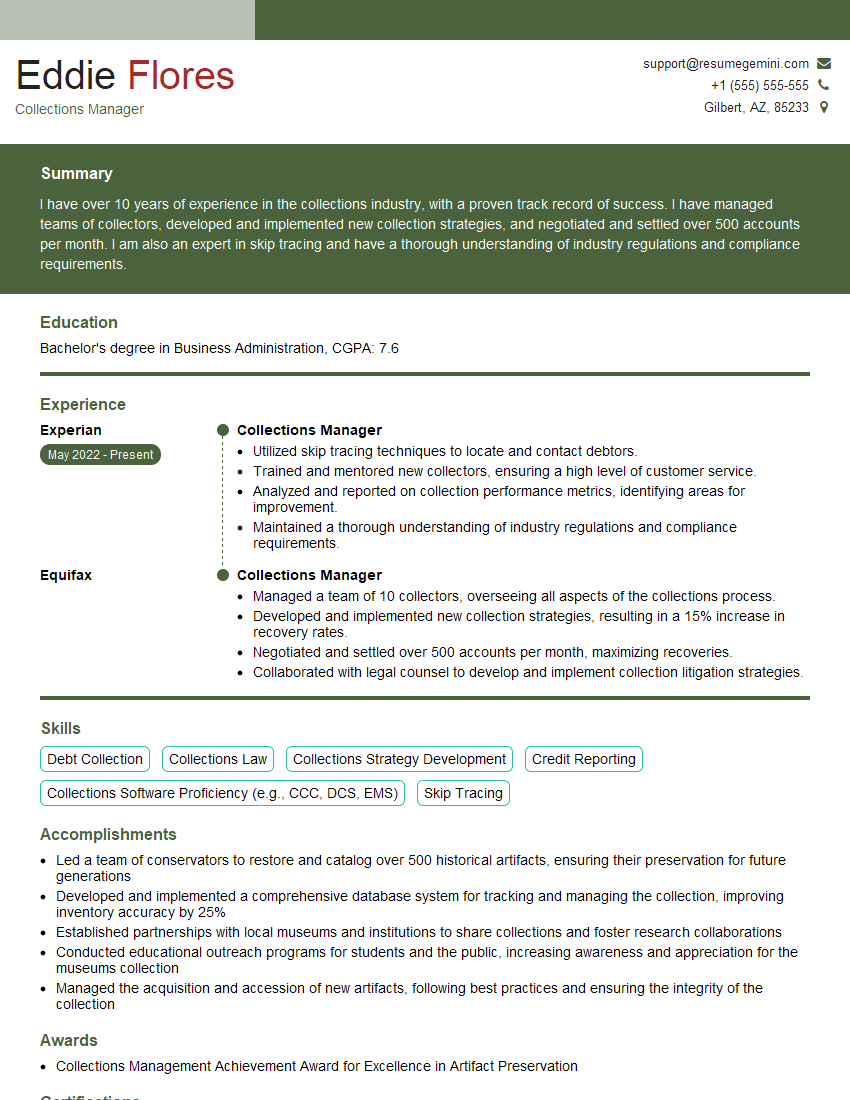
Collections Manager Resume Sample
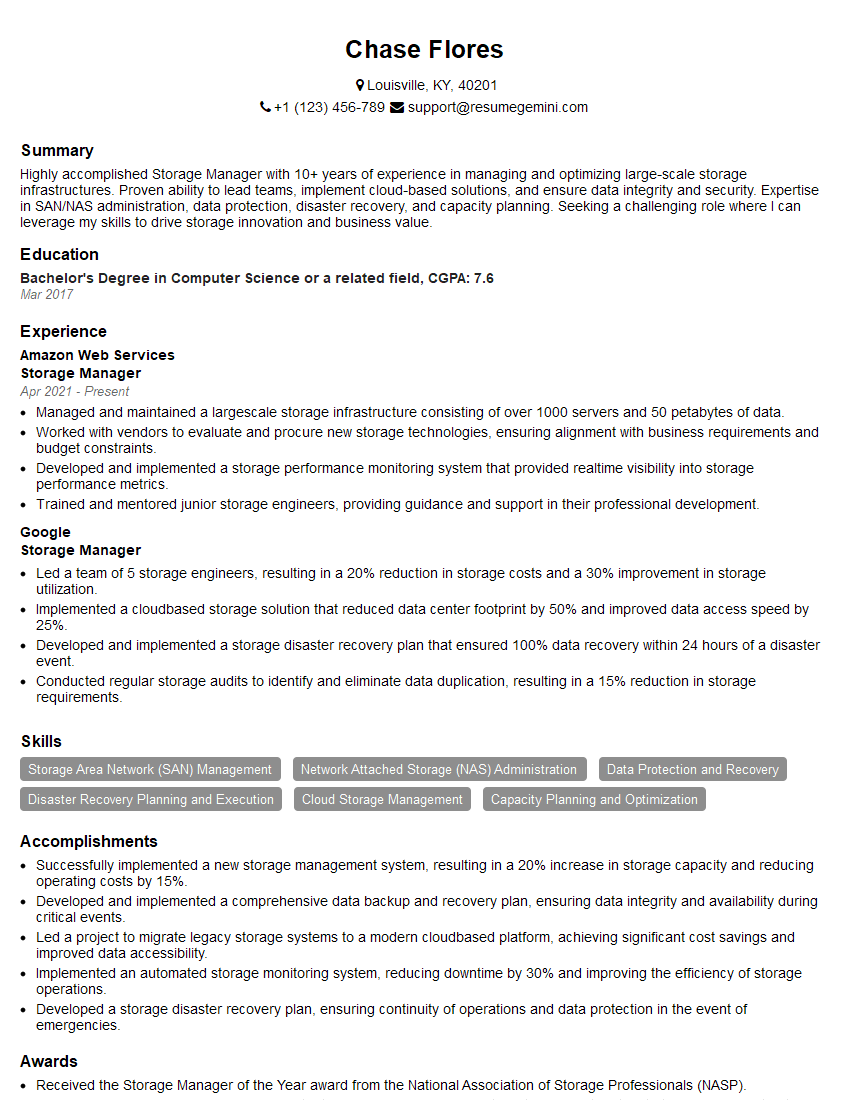
Storage Manager Resume Sample
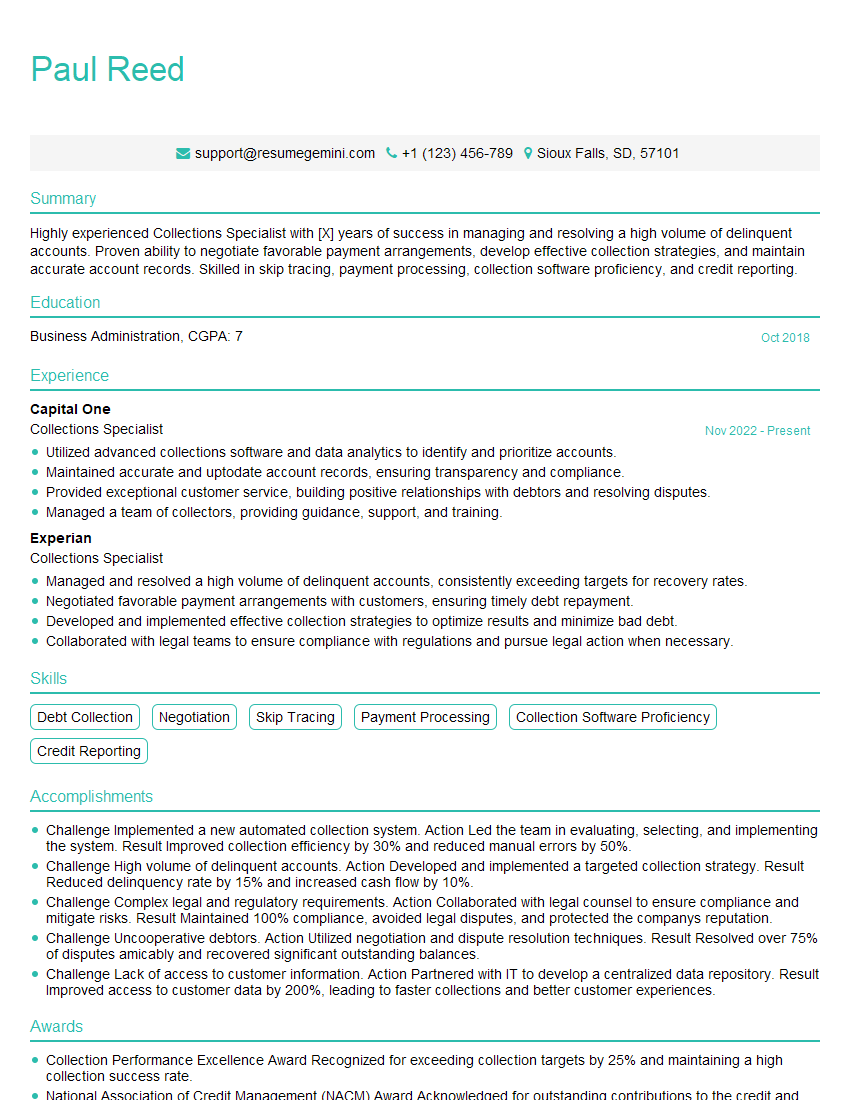
Collections Specialist Resume Sample
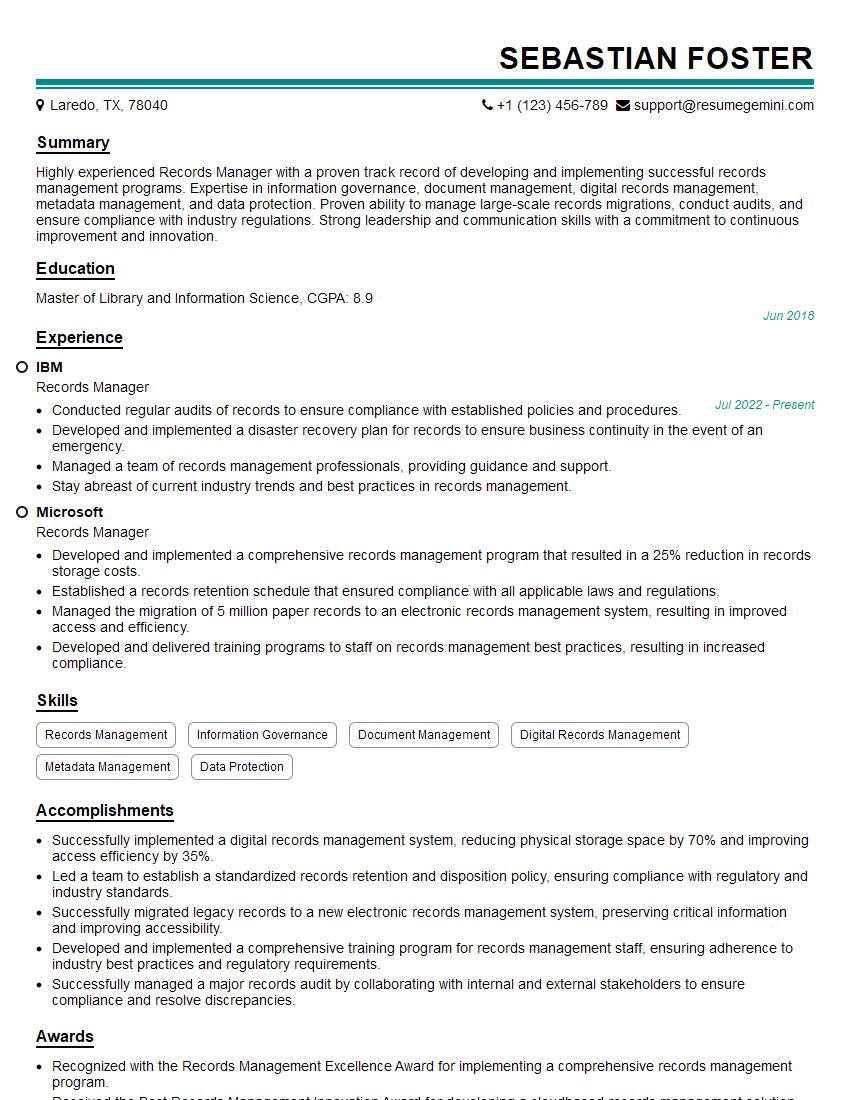
Records Manager Resume Sample
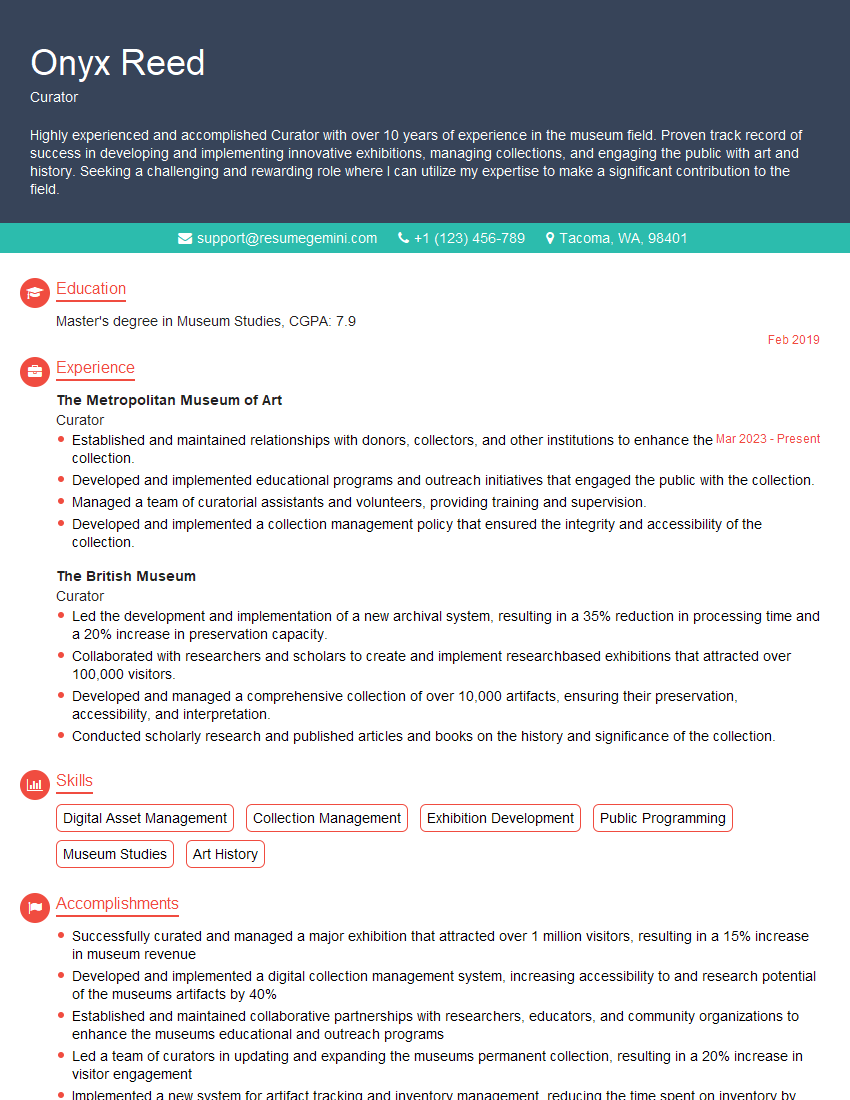
Curator Resume Sample
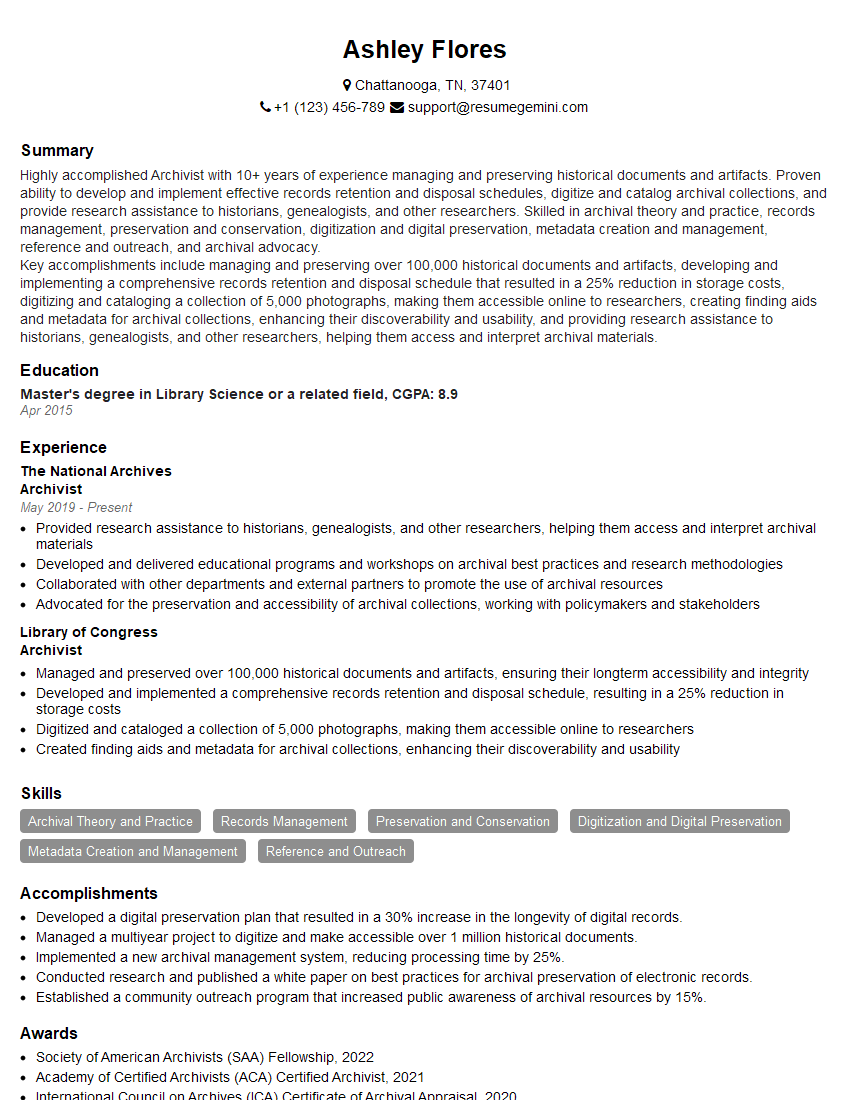
Archivist Resume Sample
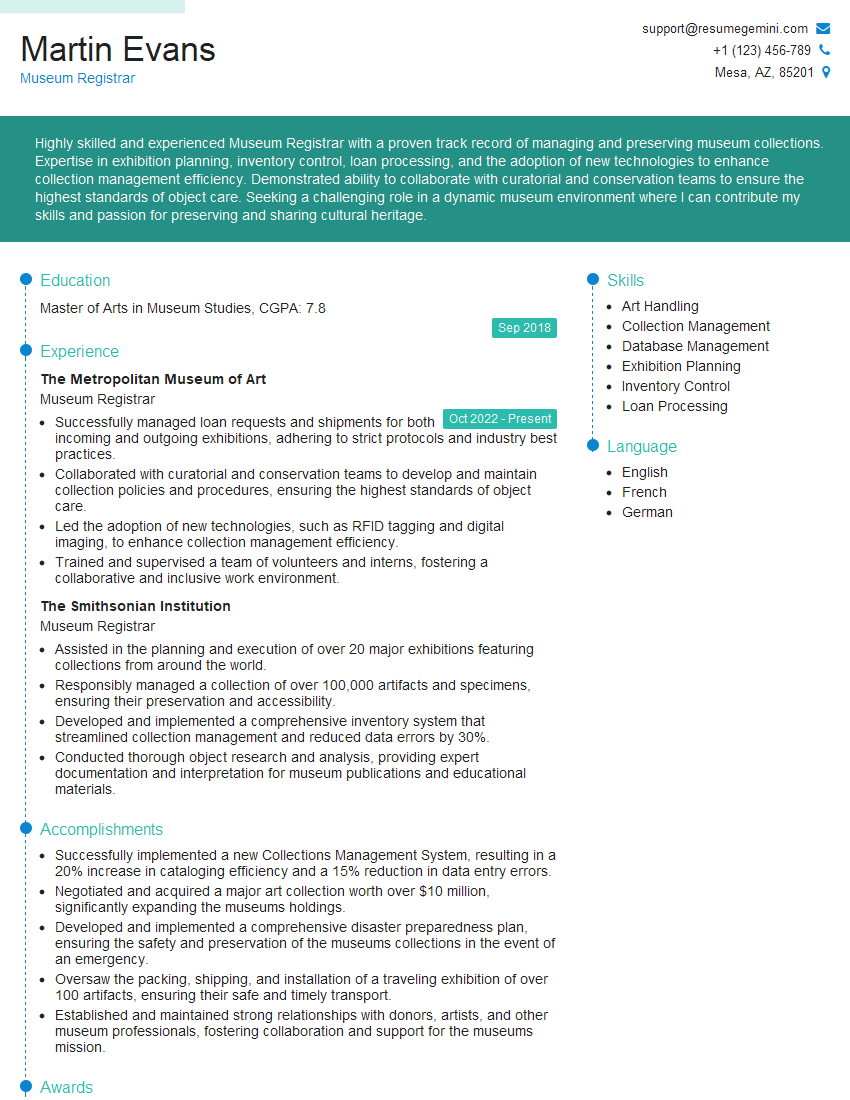
Museum Registrar Resume Sample
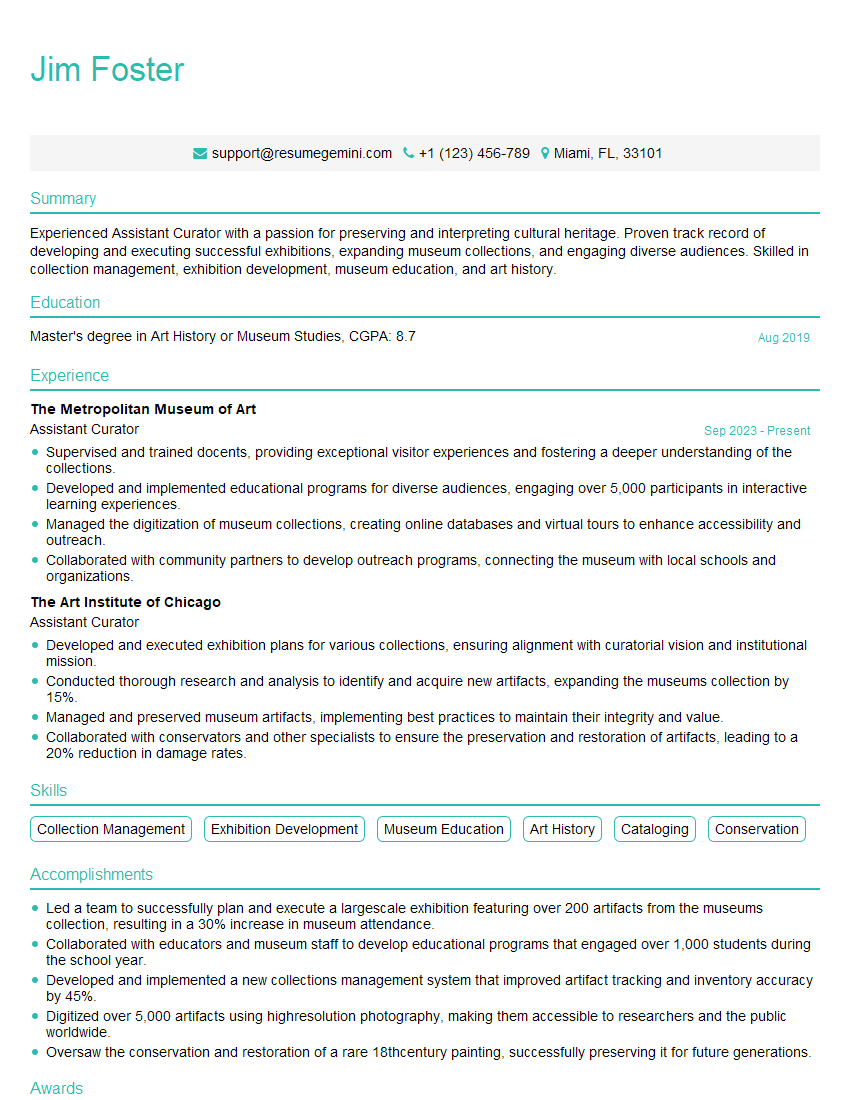
Assistant Curator Resume Sample
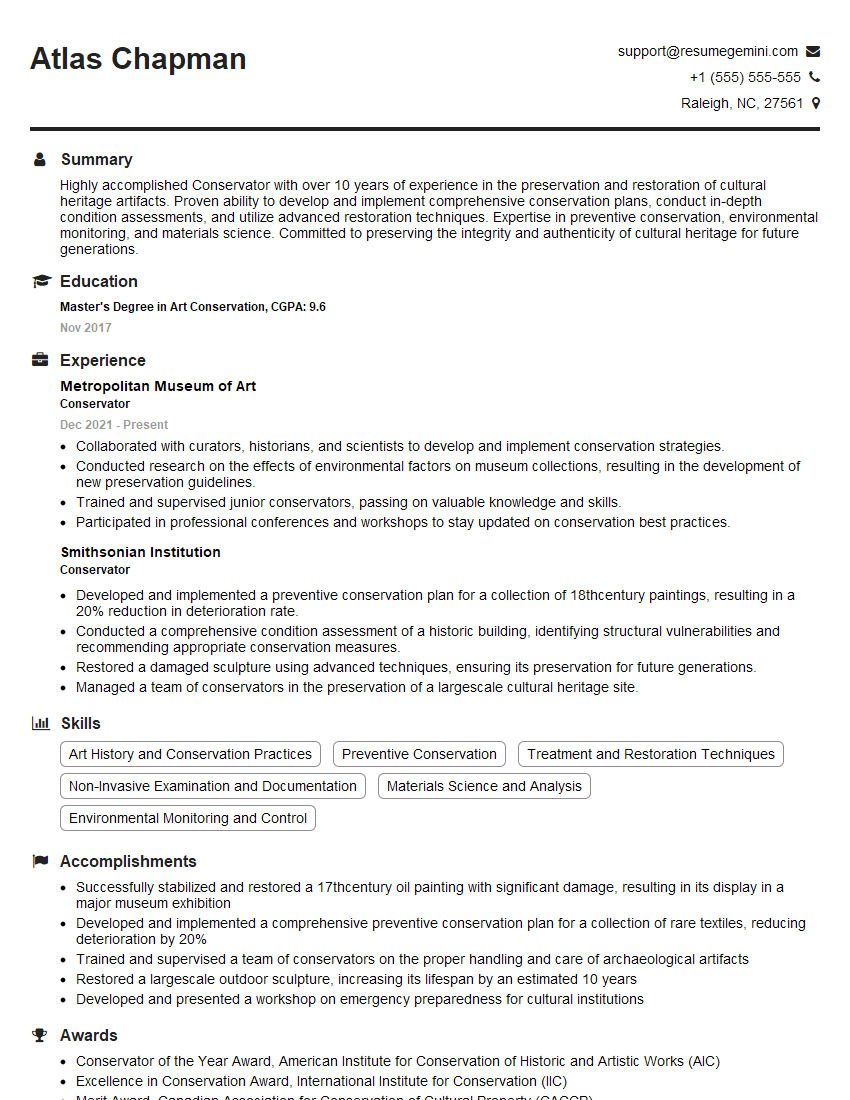
Conservator Resume Sample
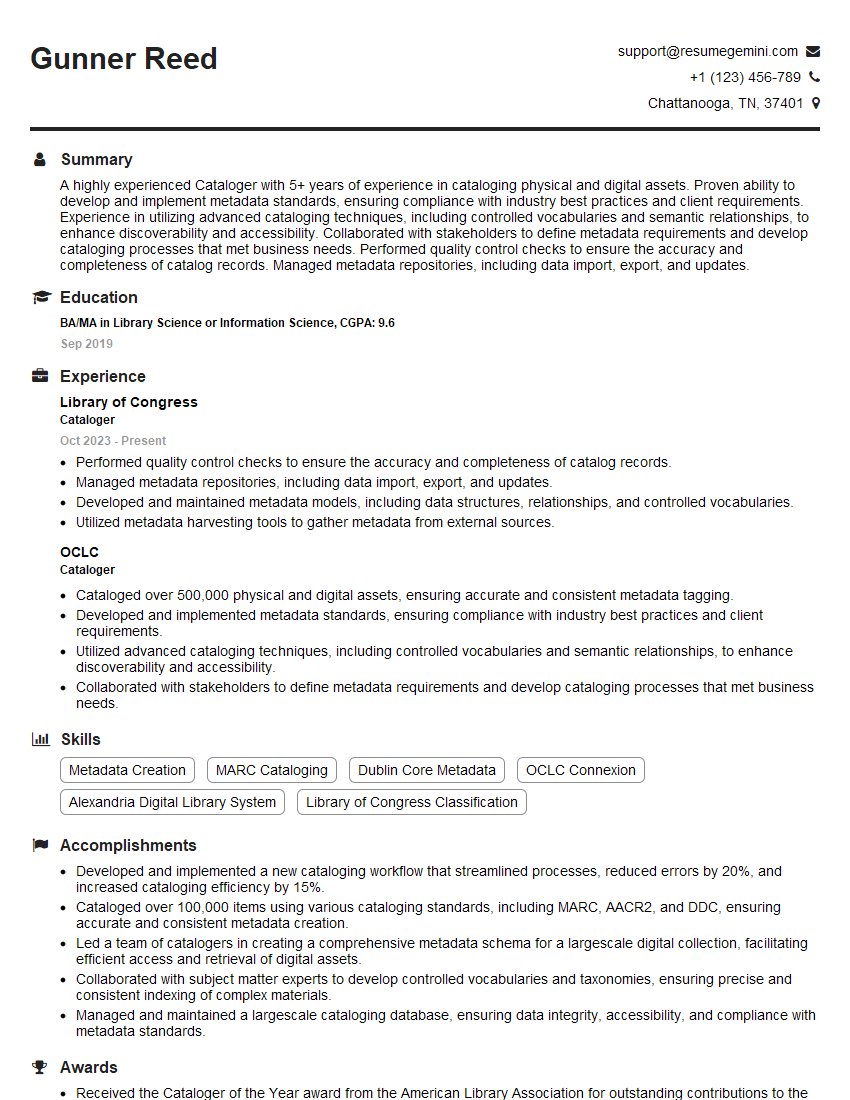
Cataloger Resume Sample
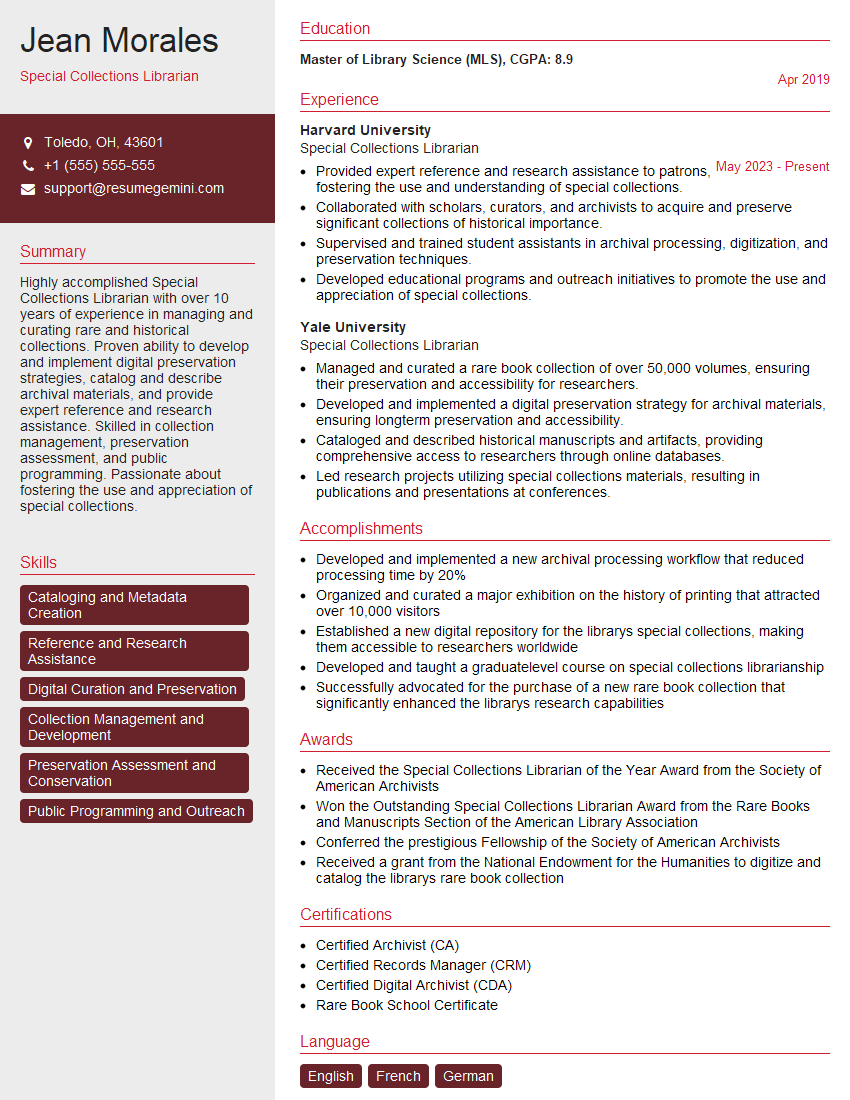
Special Collections Librarian Resume Sample
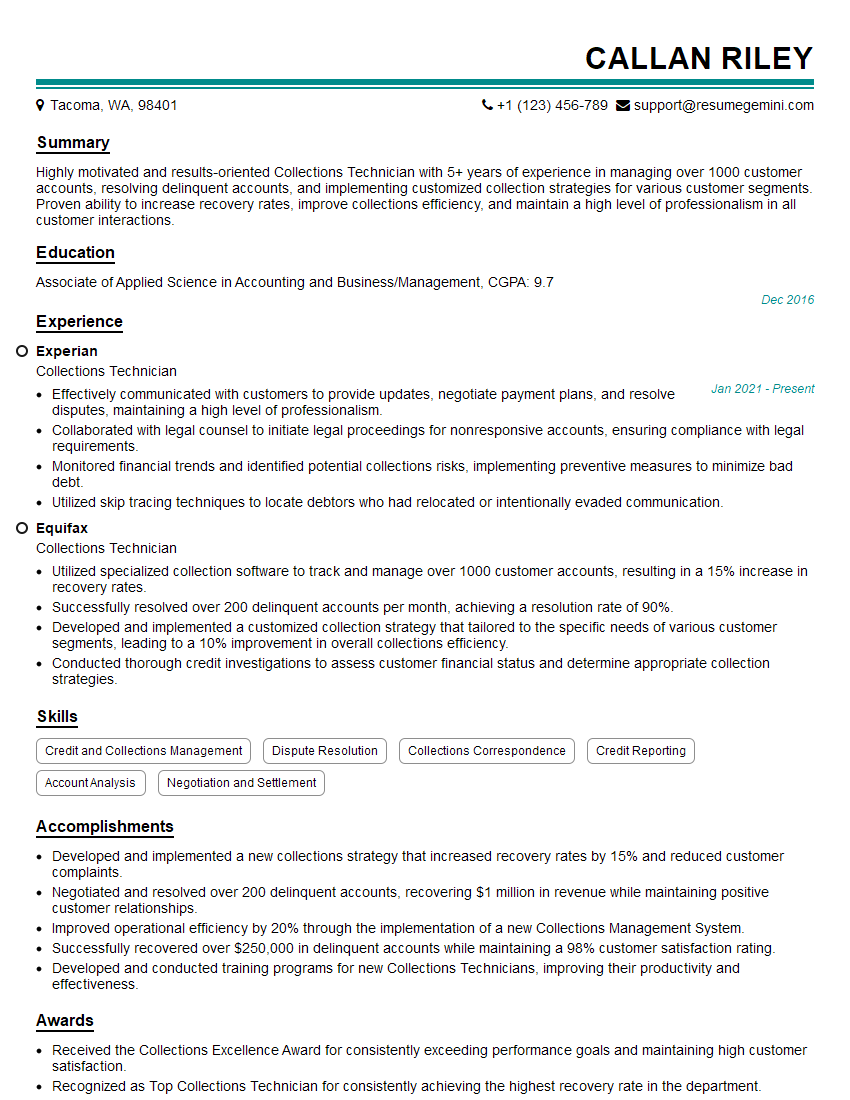
Collections Technician Resume Sample
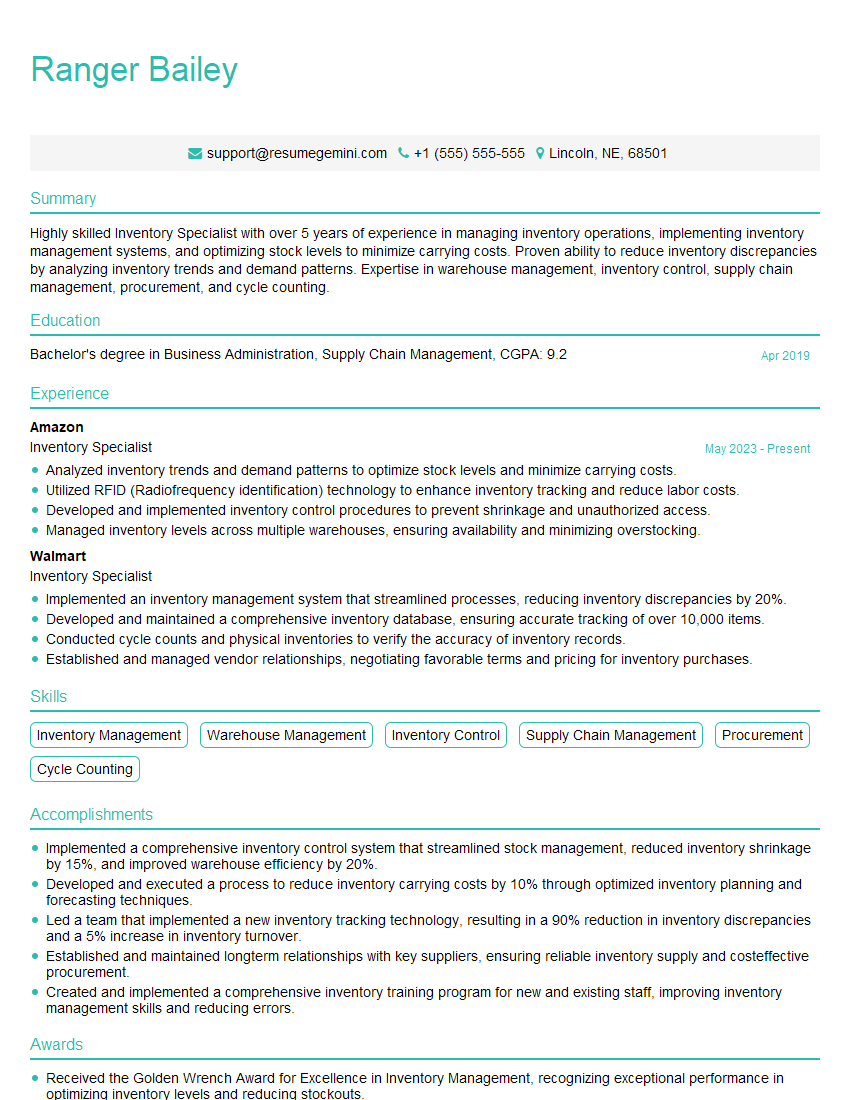
Inventory Specialist Resume Sample
Explore more articles
Users Rating of Our Blogs
Share Your Experience
We value your feedback! Please rate our content and share your thoughts (optional).
What Readers Say About Our Blog
Really detailed insights and content, thank you for writing this detailed article.
IT gave me an insight and words to use and be able to think of examples