Interviews are opportunities to demonstrate your expertise, and this guide is here to help you shine. Explore the essential Communication and Interpersoanl Skills interview questions that employers frequently ask, paired with strategies for crafting responses that set you apart from the competition.
Questions Asked in Communication and Interpersoanl Skills Interview
Q 1. Describe your approach to resolving conflict within a team.
My approach to resolving conflict within a team is rooted in proactive communication and collaborative problem-solving. I believe that conflict, when handled constructively, can lead to stronger team dynamics and improved outcomes. My process typically involves these steps:
- Identify the source of the conflict: I begin by facilitating open dialogue to understand each individual’s perspective and the root cause of the disagreement. This often involves active listening and asking clarifying questions to ensure everyone feels heard.
- Establish common ground: Once the issue is clear, I focus on finding shared goals and values. This helps to shift the focus from individual differences to collaborative problem-solving.
- Brainstorm solutions collaboratively: I encourage team members to brainstorm potential solutions together, ensuring that all ideas are considered and evaluated objectively. This promotes a sense of ownership and buy-in.
- Agree on a solution and implement it: Once a solution is agreed upon, we establish clear roles and responsibilities for implementation and follow-up to monitor progress.
- Follow up and review: After implementing the solution, I schedule a follow-up to assess its effectiveness and make necessary adjustments. This iterative approach ensures the chosen solution effectively addresses the conflict and prevents future recurrences.
For example, in a previous project, a disagreement arose between the design and development teams regarding the feasibility of a certain feature. By facilitating open communication, identifying the underlying concerns of both teams (design’s aesthetic preferences versus development’s technical limitations), and collaboratively exploring alternative solutions, we arrived at a compromise that satisfied both parties and resulted in a superior product.
Q 2. How do you adapt your communication style to different audiences?
Adapting communication style to different audiences is crucial for effective communication. I tailor my approach based on factors such as the audience’s level of knowledge, their preferred communication style, and the context of the interaction.
- Technical vs. Non-technical audiences: When communicating with a technical audience, I use precise terminology and delve into details. With a non-technical audience, I simplify complex information, using analogies and avoiding jargon.
- Formal vs. Informal settings: In formal settings like presentations, I maintain a professional tone, use structured language, and focus on conveying key information concisely. In informal settings, I use a more relaxed and conversational tone to build rapport and encourage open discussion.
- Individual communication styles: I am observant of individual communication styles. Some prefer direct communication, while others are more indirect. I adapt accordingly to ensure my message is received effectively and respectfully.
For instance, when presenting project updates to senior management, I focus on key performance indicators and high-level results, whereas when collaborating with my team, I encourage open discussion and actively solicit feedback.
Q 3. Give an example of a time you had to deliver difficult news. How did you handle it?
Delivering difficult news requires sensitivity, empathy, and a structured approach. I once had to inform a team member that their performance was below expectations. I scheduled a private meeting, started by acknowledging their contributions and expressing my appreciation for their hard work. Then, I clearly and directly, but with empathy, explained the areas where improvement was needed, providing specific examples without being accusatory. I offered specific strategies and support to help them improve. The key was to focus on solutions and future improvement rather than dwelling on past failures. We ended the meeting by agreeing on a plan of action with clear milestones and timelines for improvement, ensuring they felt supported and understood.
Q 4. Explain your process for giving constructive feedback.
My process for giving constructive feedback focuses on being specific, actionable, and supportive. I follow the SBI (Situation-Behavior-Impact) model:
- Situation: I begin by describing the specific situation where the behavior occurred. This provides context and ensures clarity.
- Behavior: I then objectively describe the behavior itself, avoiding subjective judgments or emotional language.
- Impact: Finally, I explain the impact of the behavior – both positive and negative – on the team, project, or individual.
After describing the SBI, I offer suggestions for improvement and ensure there’s a two-way conversation where the recipient can share their perspective and ask clarifying questions. I always conclude by expressing my confidence in their ability to improve. For example, instead of saying ‘You’re disorganized’, I might say: ‘During the last project meeting (Situation), I noticed your notes were scattered and you seemed to struggle to find information quickly (Behavior). This impacted the meeting’s efficiency, as we spent extra time searching for relevant data (Impact). To improve, perhaps a more organized note-taking system, like using a digital note-taking tool, could help.’ This approach is more constructive and less likely to trigger defensiveness.
Q 5. How do you build rapport with colleagues and clients?
Building rapport involves genuine interest in others and effective communication. I focus on:
- Active listening: I actively listen to understand their perspectives, not just to respond. I ask clarifying questions and show genuine interest in their thoughts and experiences.
- Empathy and understanding: I strive to understand their needs, concerns, and perspectives, even if they differ from my own.
- Finding common ground: I look for shared interests, experiences, or goals to build connection.
- Positive communication: I maintain a positive and respectful tone in all interactions, using appropriate humor and showing appreciation for their contributions.
For example, when working with a new client, I start by asking about their goals and challenges, actively listening to their responses, and demonstrating my understanding of their needs. This helps build trust and create a collaborative environment. With colleagues, I make a conscious effort to engage in informal conversations, learn about their interests outside of work, and celebrate shared successes.
Q 6. Describe a situation where you had to persuade someone to see your point of view.
I once needed to persuade a team member to adopt a new project management methodology. They were resistant to change due to past negative experiences with similar methodologies. I approached this by:
- Understanding their concerns: First, I actively listened to their concerns and validated their feelings. I acknowledged their past experiences and expressed empathy.
- Presenting the benefits: I then clearly articulated the benefits of the new methodology, using data and examples to demonstrate how it would improve our team’s efficiency and productivity.
- Addressing their objections directly: I addressed their specific objections head-on, providing concrete solutions and addressing their fears.
- Offering a pilot project: To reduce risk and build confidence, I proposed a pilot project to test the new methodology on a smaller scale, allowing them to experience the benefits firsthand before full implementation.
By approaching the situation with understanding, empathy, and a willingness to collaborate, I was able to successfully persuade them to try the new methodology, ultimately leading to improved team performance.
Q 7. How do you handle disagreements effectively?
Handling disagreements effectively involves maintaining respect, focusing on the issue, not the person, and seeking collaborative solutions. I follow these steps:
- Stay calm and respectful: Maintain a calm and respectful tone, even if the other person is not. Avoid personal attacks or emotional outbursts.
- Active listening and clarification: Actively listen to understand the other person’s perspective and ask clarifying questions to ensure you both understand the issue fully.
- Focus on the issue, not the person: Frame the discussion around the issue at hand, not on personal characteristics or past grievances.
- Identify common ground: Search for areas of agreement and use those as a foundation for finding a solution.
- Brainstorm solutions collaboratively: Work together to brainstorm multiple solutions, evaluating each based on its merits and feasibility.
- Agree on a solution: Once a mutually agreeable solution is found, document it clearly, outlining roles and responsibilities.
For example, if a disagreement arises during a project, I encourage the team members involved to clearly articulate their positions, listen to each other without interruption, and then collaboratively develop a solution that addresses the concerns of all parties involved.
Q 8. How do you prioritize tasks when dealing with competing deadlines and communication demands?
Prioritizing tasks with competing deadlines requires a structured approach. I utilize a combination of methods, starting with a clear understanding of each task’s urgency and importance. I employ tools like Eisenhower Matrix (urgent/important), prioritizing tasks based on their impact and deadlines. This involves assessing which tasks will have the biggest positive effect on overall project goals. For example, if I have a crucial client presentation due tomorrow and a less critical report due next week, the presentation takes precedence. Then, I break down larger tasks into smaller, manageable chunks, scheduling them strategically to make the most efficient use of my time. Regular time blocking and reviewing my schedule helps maintain focus and ensures I don’t become overwhelmed.
Additionally, I proactively communicate with stakeholders to manage expectations. If a deadline is in jeopardy, I immediately inform the relevant parties, explaining the situation and proposing solutions. Open communication prevents misunderstandings and ensures everyone is on the same page.
Q 9. How proficient are you in various communication methods (email, phone, presentations)?
I’m highly proficient in various communication methods, adapting my approach based on the context and audience. Email is my go-to for formal communication, ensuring clarity and providing a record of correspondence. I craft professional emails, using clear subject lines and concise, well-structured messages. For quick updates or urgent matters, I prefer phone calls, allowing for immediate feedback and clarification. My phone communication emphasizes active listening and concise explanations. Presentations are a strength; I structure presentations logically, using visuals and engaging storytelling to convey information effectively. I tailor my presentation style to the audience and purpose, whether it’s a formal business presentation or a team brainstorming session. I am adept at using presentation software and incorporating data visualization for maximum impact.
Q 10. Describe a time you had to work with a difficult personality. What strategies did you use?
I once worked with a colleague who had a very direct and sometimes abrasive communication style. He frequently interrupted meetings and dismissed others’ ideas without considering their perspectives. My initial strategy was to focus on understanding his communication style. I observed that his directness often stemmed from a desire for efficiency. To address this, I started by clearly outlining my own ideas concisely, providing data and evidence to support my points. I also made a conscious effort to actively listen to his concerns and acknowledge his contributions. I ensured I addressed his primary points before moving onto the next, often summarizing and paraphrasing his concerns to demonstrate I understood his perspective. Instead of directly confronting his interrupting behavior, I ensured my communication was impactful enough to avoid the need to repeatedly restate my ideas. Ultimately, by demonstrating respect and understanding and focusing on collaborative problem-solving, our working relationship improved significantly. Open, direct, but respectful communication worked best.
Q 11. How do you actively listen and ensure understanding in conversations?
Active listening is crucial for effective communication. It involves more than just hearing; it requires fully concentrating on the speaker, understanding their message, responding thoughtfully, and remembering what was said. I employ several techniques to ensure understanding. I maintain eye contact, nod to show engagement, and use verbal affirmations like ‘I understand’ or ‘That’s helpful’ to encourage the speaker. I avoid interrupting and allow them to fully express their thoughts. After the speaker finishes, I summarize their key points to confirm my understanding and ask clarifying questions if needed. This ensures we are both on the same page and prevents misunderstandings. For example, if a colleague describes a complex technical problem, I might say, ‘So, if I understand correctly, the issue is with the database connection, specifically the error code X, right?’ This demonstrates that I’m listening attentively and confirms my comprehension of the key information.
Q 12. Describe your experience with public speaking or presentations.
I have extensive experience with public speaking and presentations, ranging from formal business presentations to training sessions and team meetings. I’ve delivered presentations to diverse audiences, from small groups to large auditoriums. My approach is to thoroughly research my topic, structure my presentation logically, and rehearse beforehand to ensure a smooth and engaging delivery. I use visuals like charts and graphs to support my points and maintain audience interest. I’m comfortable incorporating storytelling and real-life examples to make the information relatable and memorable. I also actively seek feedback after each presentation to identify areas for improvement. For example, I recently delivered a presentation at a conference. I carefully researched the topic, created engaging slides, and practiced my delivery multiple times before the event. The feedback I received was overwhelmingly positive, and I gained valuable insight into how to refine my presentation style.
Q 13. How do you manage your workload to avoid communication breakdowns?
Managing workload to prevent communication breakdowns requires proactive planning and organization. I use project management tools and techniques, like task lists, calendars, and prioritization matrices, to track my progress and ensure I meet deadlines. Regularly reviewing my schedule and delegating tasks appropriately are crucial. I also set realistic expectations and communicate any potential delays or challenges promptly to relevant stakeholders. This prevents last-minute surprises and allows for collaborative problem-solving. For example, if I anticipate that a project will take longer than initially planned, I immediately inform my manager and team, explaining the reasons and suggesting alternative solutions. This open communication ensures that everyone is informed and can adjust their plans accordingly.
Q 14. How do you use nonverbal communication to enhance your message?
Nonverbal communication plays a vital role in enhancing the message. I use body language consciously to reinforce my verbal message. Maintaining appropriate eye contact shows engagement and sincerity. My posture is open and confident, conveying assurance. I use hand gestures purposefully to emphasize key points, but avoid excessive or distracting movements. My facial expressions reflect my message, showing enthusiasm, empathy, or seriousness as appropriate. For example, when delivering a serious message, I maintain a neutral expression, while using a positive expression to foster collaboration.
Q 15. How do you handle interruptions during important conversations?
Handling interruptions during crucial conversations requires a blend of tact and assertive communication. My approach prioritizes respect for both the interruption and the ongoing discussion. First, I acknowledge the interruption with a brief, polite phrase like, “Just a moment, I’ll be with you in a few seconds.” This signals I’ve heard them and will attend to them shortly. Then, I subtly yet firmly guide the conversation back on track. I might say something like, “As I was saying…” or, “To return to the point we were discussing…” If the interruption is truly urgent, I’ll briefly address it, noting its importance, before returning to the original conversation. It’s vital to maintain a calm and professional demeanor throughout, ensuring both parties feel heard and respected. For instance, during a critical client meeting, a sudden technical issue might interrupt our flow. By acknowledging the problem concisely and reassuring the client that we’ll quickly resolve it, I can then smoothly transition back to discussing the project’s key aspects, minimizing disruption and preserving a productive atmosphere.
Career Expert Tips:
- Ace those interviews! Prepare effectively by reviewing the Top 50 Most Common Interview Questions on ResumeGemini.
- Navigate your job search with confidence! Explore a wide range of Career Tips on ResumeGemini. Learn about common challenges and recommendations to overcome them.
- Craft the perfect resume! Master the Art of Resume Writing with ResumeGemini’s guide. Showcase your unique qualifications and achievements effectively.
- Don’t miss out on holiday savings! Build your dream resume with ResumeGemini’s ATS optimized templates.
Q 16. Describe your experience using communication technology (e.g., Slack, Microsoft Teams).
I’ve extensively utilized communication technologies like Slack and Microsoft Teams in various professional settings. My experience spans from project management and team collaboration to client communication and internal knowledge sharing. In project management, I use these platforms to create channels for specific projects, facilitating seamless information exchange among team members. This includes sharing documents, assigning tasks, and tracking progress using features like threads and @mentions. For client communication, I leverage these tools for quick updates, file sharing, and efficient responses to queries. The ability to integrate with other applications, like calendars and file storage services, is incredibly useful for streamlined workflows. For instance, using Slack’s integration with Google Drive allows quick sharing of project documents, improving collaboration and reducing email clutter. In internal communication, I utilize dedicated channels for team announcements and informal discussions, fostering a sense of community and strengthening workplace connections. I’m proficient in utilizing all features including video conferencing, file sharing, and task management.
Q 17. How do you ensure clear and concise written communication?
Clear and concise written communication hinges on planning, precision, and revision. I begin by defining my objective: What message am I trying to convey? Once clear on the goal, I structure my writing logically, using headings, bullet points, and short paragraphs to improve readability. I prioritize active voice and strong verbs, avoiding jargon and overly complex sentence structures. Conciseness doesn’t mean brevity at the cost of clarity; it’s about using precise language to convey the message effectively. After drafting, I meticulously proofread and edit, checking grammar, spelling, and punctuation. I often ask a colleague to review my writing for a fresh perspective. For example, when writing a project report, instead of saying “The project experienced several challenges that resulted in delays,” I would write “Project delays resulted from several challenges.” This simple change enhances clarity and improves conciseness.
Q 18. Describe your experience with cross-cultural communication.
Cross-cultural communication is a significant aspect of my professional experience. I’ve worked with individuals from diverse backgrounds, each with unique communication styles and cultural norms. My approach is rooted in empathy, active listening, and cultural sensitivity. I recognize that nonverbal cues, such as body language and eye contact, can vary significantly across cultures. For instance, what might be considered respectful in one culture could be misinterpreted in another. I strive to be aware of these nuances and adapt my communication style accordingly. I also actively seek to understand the cultural context surrounding the conversation. This might involve researching cultural norms or simply engaging in open and respectful dialogue with individuals from different backgrounds. In one project, I worked with a team based in Japan. By understanding their emphasis on indirect communication and consensus-building, I was able to adapt my communication strategy, leading to a more productive and harmonious collaboration.
Q 19. How do you assess the effectiveness of your communication?
Assessing communication effectiveness involves both subjective and objective measures. Subjectively, I reflect on whether I achieved my communication goals: Did the recipient understand the message as intended? Did the communication foster the desired response or outcome? I actively solicit feedback from recipients, asking directly if they have any questions or if the message was clear. Objectively, I measure the impact of my communication based on observable outcomes. For example, if my goal is to increase team productivity, I might track improvements in project completion times or team efficiency metrics. If the communication aimed to resolve a conflict, I’d assess the outcome based on the level of conflict resolution achieved and the restoration of positive working relationships. Continuously seeking feedback and tracking the tangible effects of my communication allows for iterative improvement and refinement of my skills.
Q 20. How do you handle sensitive or confidential information?
Handling sensitive or confidential information requires a high degree of responsibility and adherence to strict protocols. I follow all organizational policies and procedures regarding data protection and confidentiality. This includes limiting access to sensitive information to only those who need it, using secure communication channels, and adhering to data encryption protocols. I always ensure that I understand the sensitivity of the information I’m handling and the potential consequences of a breach. I’m mindful of my surroundings when discussing sensitive information and avoid leaving documents containing such information unattended. In addition, I regularly update my understanding of best practices in data security and confidentiality. For instance, I would never discuss sensitive client data in an open office environment and always use secure platforms like encrypted email for communication involving confidential information.
Q 21. How would you describe your communication style?
I would describe my communication style as adaptable and collaborative. I believe effective communication involves understanding the audience and tailoring my approach accordingly. While I’m generally direct and concise, I’m also mindful of the need for empathy and sensitivity. I actively listen to others, seek to understand their perspectives, and strive to build rapport. I value collaboration and teamwork, viewing communication as a two-way street where open dialogue and feedback are crucial. My communication style is also results-oriented; I aim for clarity and precision to ensure that the message is received and understood, leading to the desired outcome. However, I adapt my approach depending on the context and audience. For example, when communicating with senior management, I might adopt a more formal and structured approach, focusing on key results and strategic implications. When interacting with team members, I tend towards a more collaborative and informal approach, fostering open dialogue and engagement.
Q 22. Have you ever had to mediate a dispute? Describe the situation and your approach.
Mediation involves facilitating a resolution between disputing parties. It’s about guiding them to a mutually acceptable outcome, not imposing a solution.
In a previous role, two team members clashed over project priorities. One felt their contributions were undervalued, leading to resentment and decreased collaboration. My approach began with active listening – I separately spoke to each individual, understanding their perspectives without judgment. I then brought them together in a neutral setting, emphasizing shared goals. I reframed their conflict, highlighting how their different approaches could be complementary. We collaboratively defined clear roles and timelines, establishing transparent communication channels. The conflict was resolved, and teamwork significantly improved. This demonstrated the importance of empathy, impartial facilitation, and focusing on common objectives during mediation.
Q 23. How do you stay informed about industry trends and best practices in communication?
Staying current in communication is crucial. I utilize several strategies: I subscribe to industry publications like the Harvard Business Review and Communication World. I actively participate in online communities and forums dedicated to communication and interpersonal skills, engaging in discussions and learning from experienced professionals. I regularly attend webinars and workshops, focusing on emerging trends like the effective use of AI in communication and adapting to the evolving digital landscape. Furthermore, I consistently seek out relevant podcasts and books to enhance my knowledge and refine my skills. This multi-faceted approach keeps me informed about best practices and emerging challenges.
Q 24. Describe a time you had to deal with a communication breakdown. What was the cause, and how did you resolve it?
Communication breakdowns often stem from misunderstandings or unclear expectations. I experienced this when a project’s timeline was misinterpreted by a key stakeholder. The cause was a lack of clarity in initial project documentation. The stakeholder believed a deadline was flexible when, in fact, it was firm. To resolve this, I scheduled an immediate meeting. I used visual aids like a Gantt chart to illustrate the project’s dependencies and critical path. Openly acknowledging the communication gap, I apologized for the lack of clarity and offered a revised, more detailed timeline with clear milestones and responsibilities. This proactive approach rectified the misunderstanding, avoiding project delays and reinforcing the importance of clear, concise communication.
Q 25. How do you tailor your communication to meet the needs of different communication styles?
Adapting communication style is essential for effective interpersonal interactions. I employ a flexible approach, recognizing that individuals have different preferences. For direct communicators, I use clear, concise language, getting straight to the point. With indirect communicators, I use a more nuanced approach, considering their underlying message and emotions. Visual learners benefit from charts, graphs, and presentations, while auditory learners respond well to verbal explanations and discussions. I also observe body language and adapt accordingly, ensuring my communication is sensitive to individual needs and preferences. Recognizing and adapting to these diverse styles enhances understanding and fosters stronger relationships.
Q 26. How do you use technology to enhance communication and collaboration within a team?
Technology significantly boosts team communication and collaboration. We utilize project management software like Asana to track tasks, deadlines, and progress. This ensures everyone is on the same page. For real-time communication, we use platforms such as Slack or Microsoft Teams, facilitating quick questions, updates, and document sharing. Video conferencing tools like Zoom enable seamless remote collaboration, making geographically dispersed teams feel connected. Cloud storage solutions allow for efficient document sharing and version control, reducing confusion and streamlining workflows. These tools are critical for enhanced productivity and collaboration.
Q 27. How do you maintain positive relationships with colleagues, clients and stakeholders?
Maintaining positive relationships is built on mutual respect, clear communication, and empathy. With colleagues, I prioritize open and honest dialogue, actively listening to their perspectives and offering support when needed. With clients, I focus on delivering exceptional service, exceeding expectations whenever possible, and maintaining consistent and transparent communication. With stakeholders, I proactively seek their input, acknowledging their contributions, and ensuring they feel valued and informed. This consistent effort to build strong relationships fosters trust, collaboration, and mutual success.
Q 28. Describe a time you had to influence a decision within a team.
Influencing decisions requires strategic communication and building consensus. In one instance, our team debated adopting a new software solution. I wasn’t initially in favor but recognized its potential benefits. To influence the decision, I researched the software extensively, preparing a comprehensive presentation highlighting its cost-effectiveness, improved efficiency, and integration with existing systems. I presented my findings clearly, addressing colleagues’ concerns and emphasizing how it aligned with our overall strategic goals. Through data-driven arguments and collaborative discussion, I successfully convinced the team to adopt the new solution. This underscored the value of thorough preparation, persuasive communication, and considering diverse viewpoints to drive positive change.
Key Topics to Learn for Communication & Interpersonal Skills Interviews
- Verbal Communication: Mastering active listening, clear articulation, and adapting your communication style to different audiences. Think about how you’ve successfully conveyed complex information in the past and how you adapted your approach.
- Nonverbal Communication: Understanding and utilizing body language, tone of voice, and visual aids to enhance your message. Consider how your nonverbal cues contribute to your overall impact and how you can use them strategically.
- Written Communication: Producing clear, concise, and persuasive written materials, including emails, reports, and presentations. Reflect on examples of your writing that effectively communicated information or persuaded an audience.
- Interpersonal Dynamics: Building rapport, managing conflict, and working effectively in teams. Prepare examples that showcase your collaboration and conflict-resolution skills.
- Emotional Intelligence: Recognizing and managing your own emotions and understanding the emotions of others. Consider how your emotional intelligence impacts your communication and teamwork.
- Presentation Skills: Delivering engaging and informative presentations to diverse audiences. Think about your experience with public speaking and how you tailor your presentations to different contexts.
- Active Listening & Feedback: Effectively receiving and providing constructive feedback. Prepare examples of instances where you successfully gave and received feedback.
- Problem-Solving & Collaboration: Applying communication skills to solve problems collaboratively and effectively. Consider how your communication skills have helped you overcome challenges in team settings.
Next Steps
Mastering communication and interpersonal skills is crucial for career advancement. Strong communication translates to stronger relationships, increased influence, and greater success in any role. To significantly boost your job prospects, invest time in creating an ATS-friendly resume that highlights your achievements and skills. ResumeGemini is a trusted resource to help you build a professional and impactful resume. We provide examples of resumes tailored to Communication and Interpersonal Skills to guide you. Let ResumeGemini help you craft the perfect resume to showcase your abilities and secure your dream job.
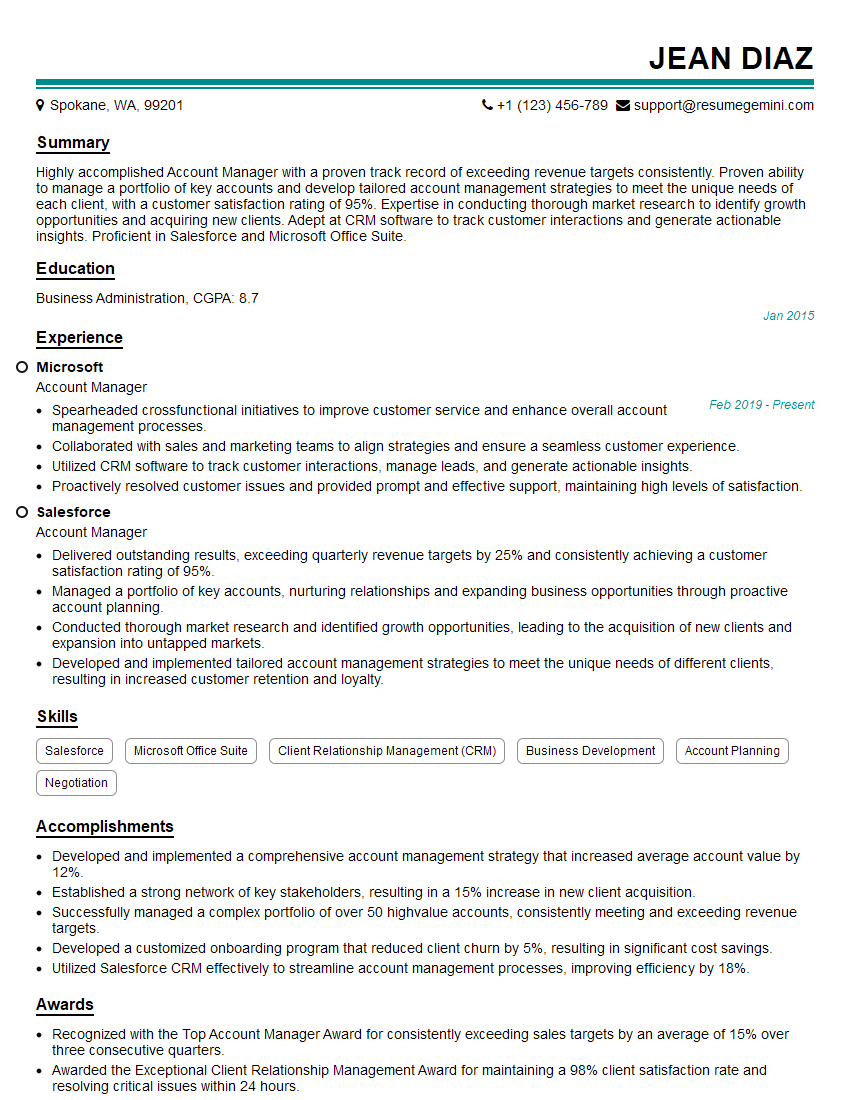
Account Manager Resume Sample
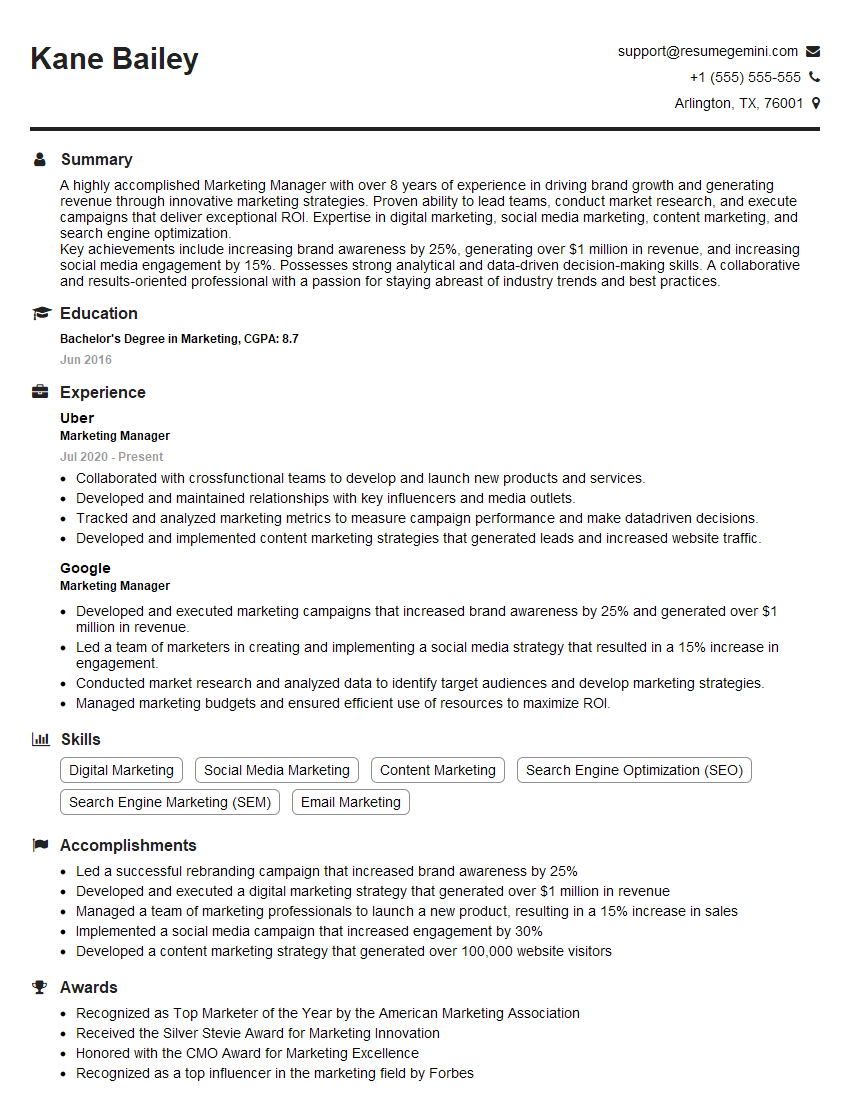
Marketing Manager Resume Sample
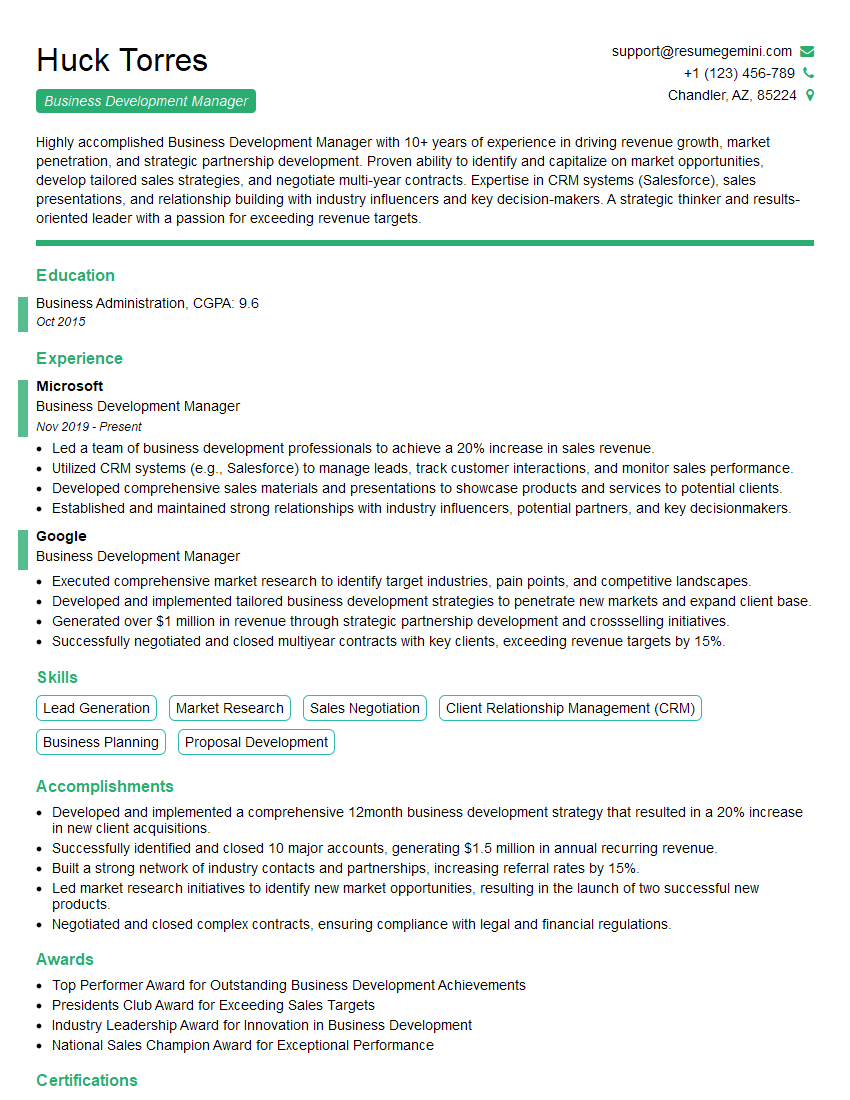
Business Development Manager Resume Sample
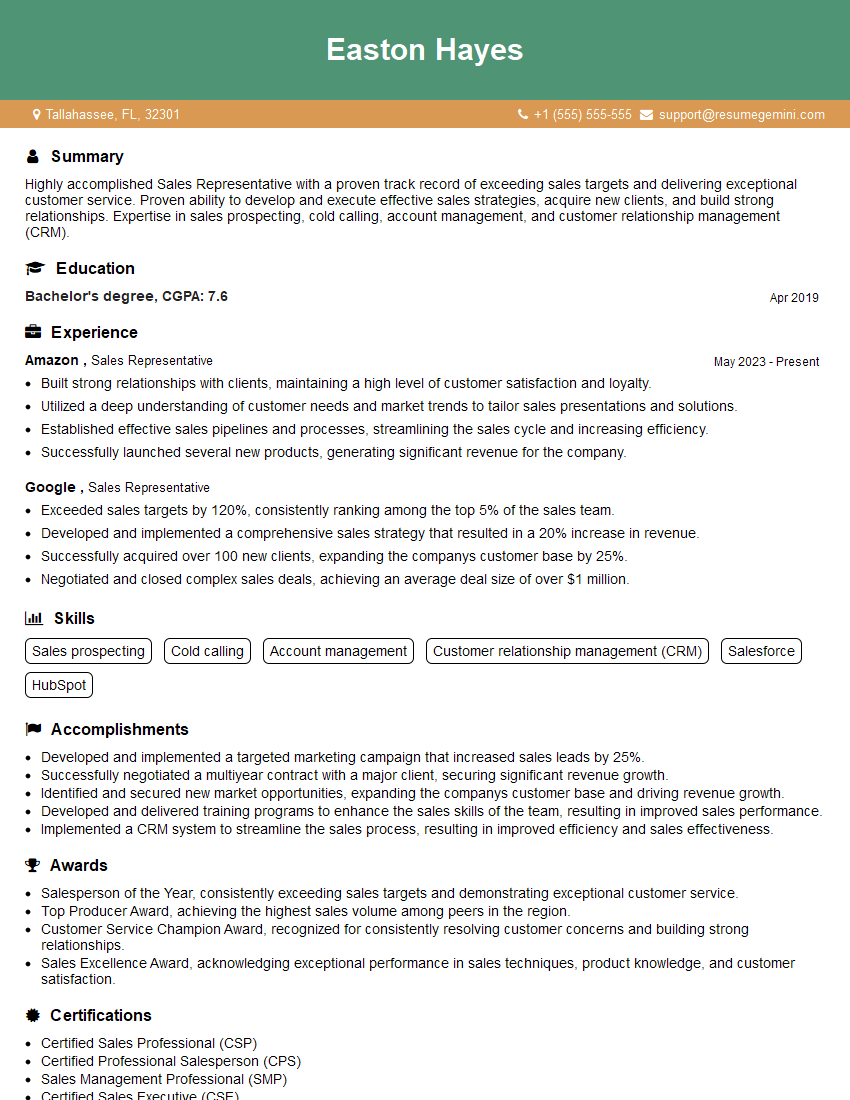
Sales Representative Resume Sample

Communications Manager Resume Sample
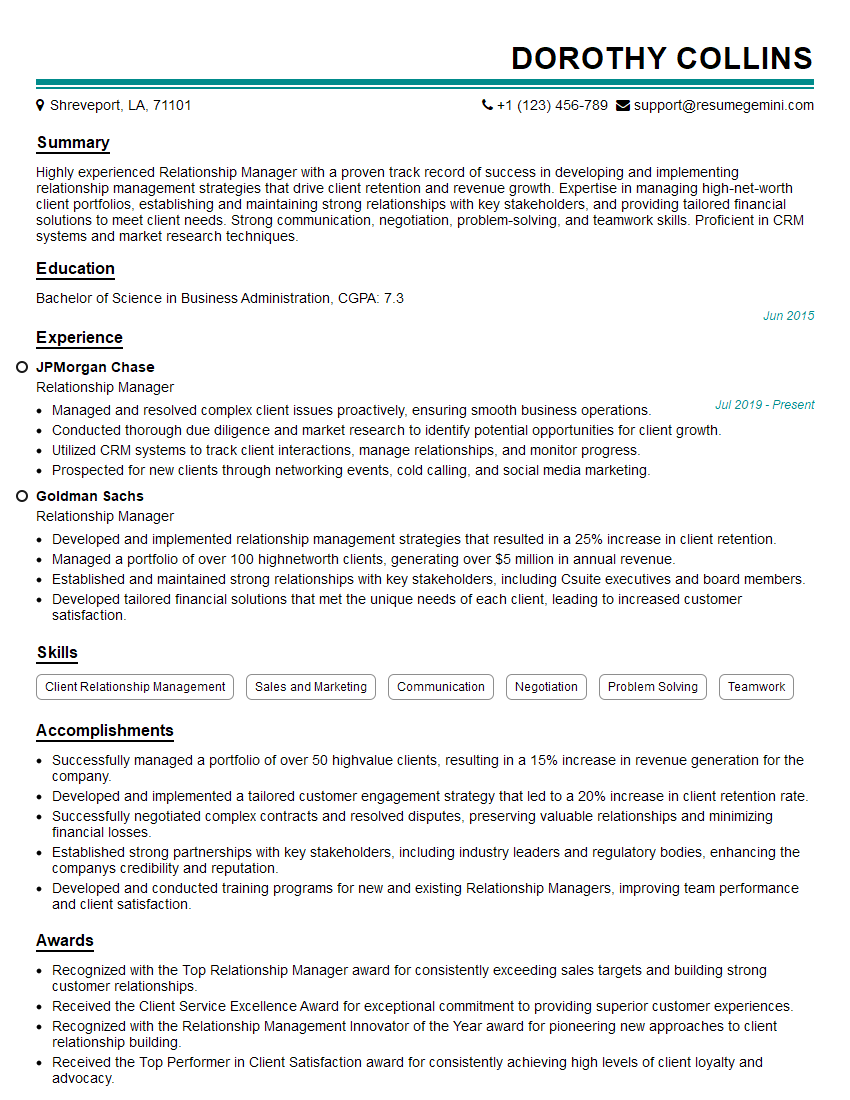
Relationship Manager Resume Sample
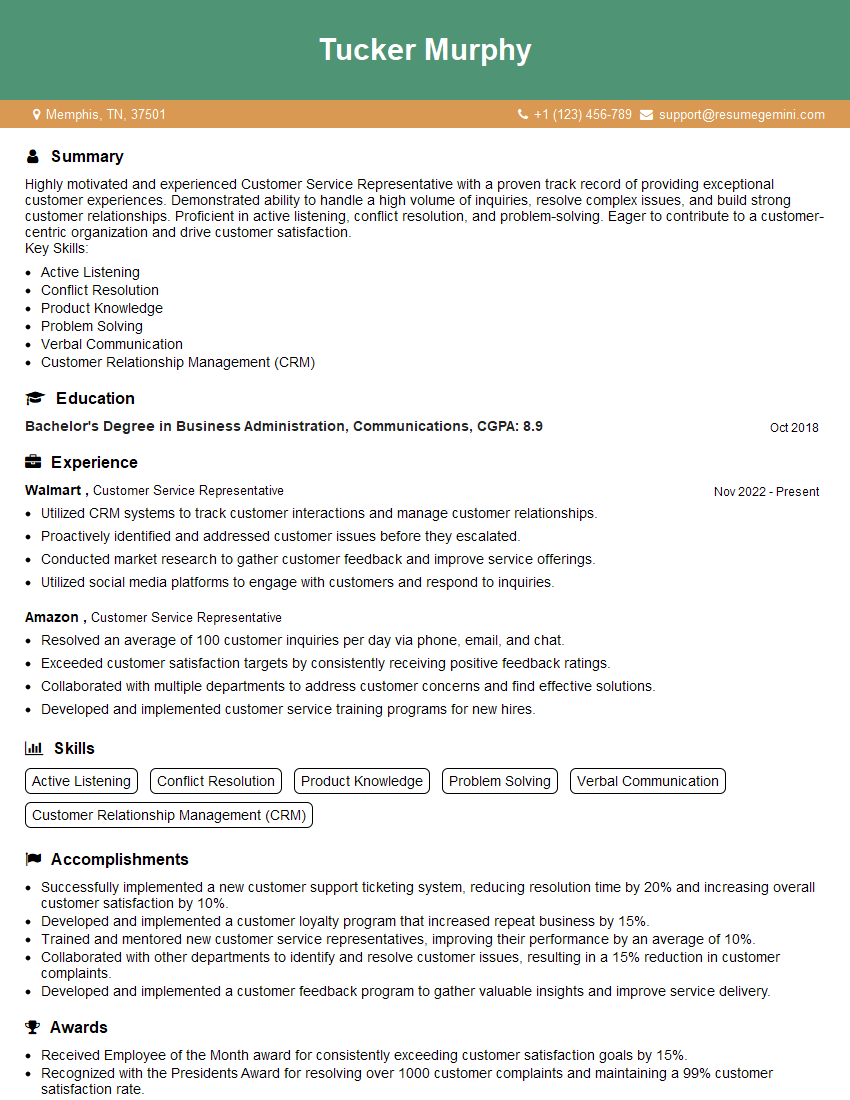
Customer Service Representative Resume Sample
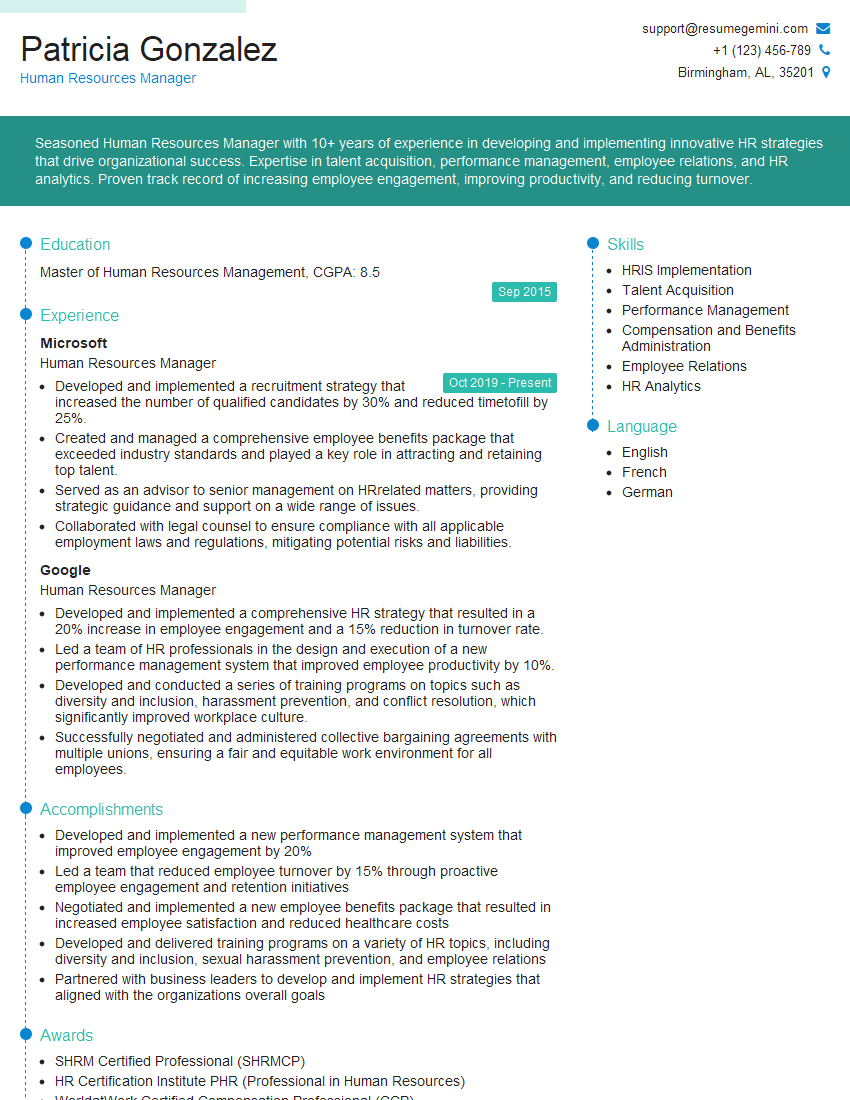
Human Resources Manager Resume Sample
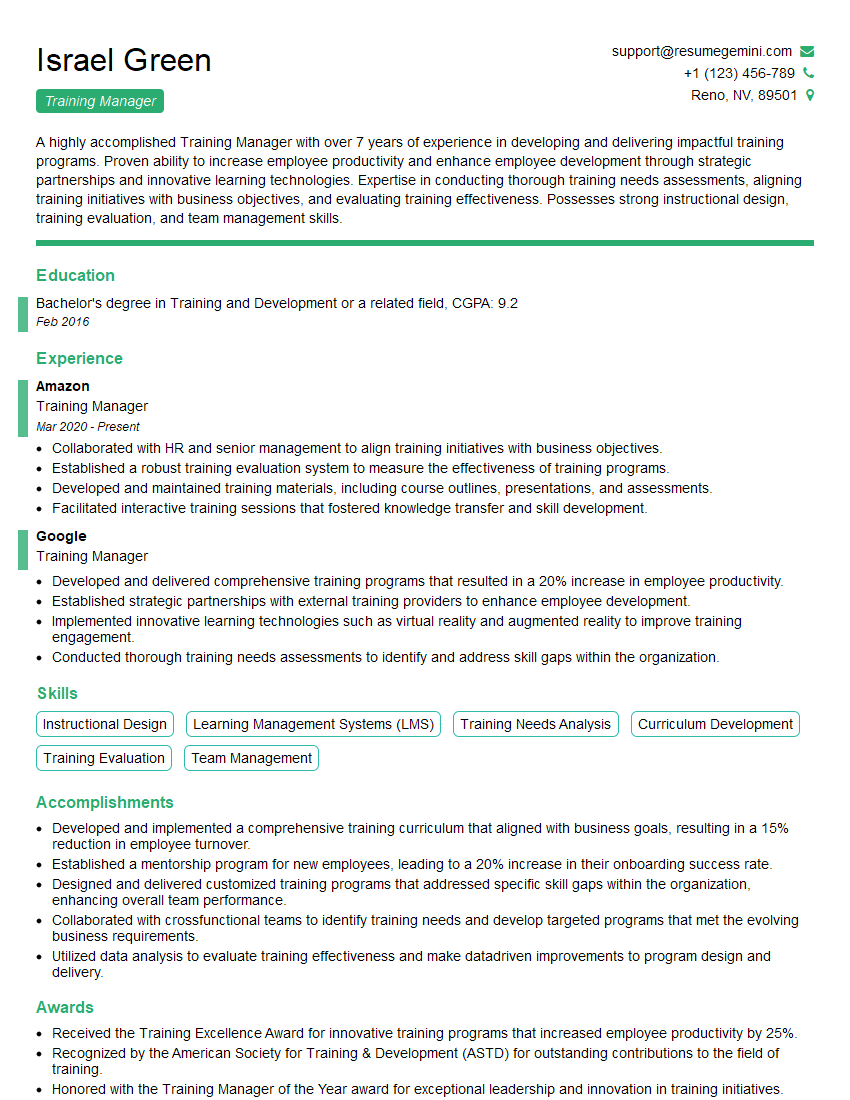
Training Manager Resume Sample
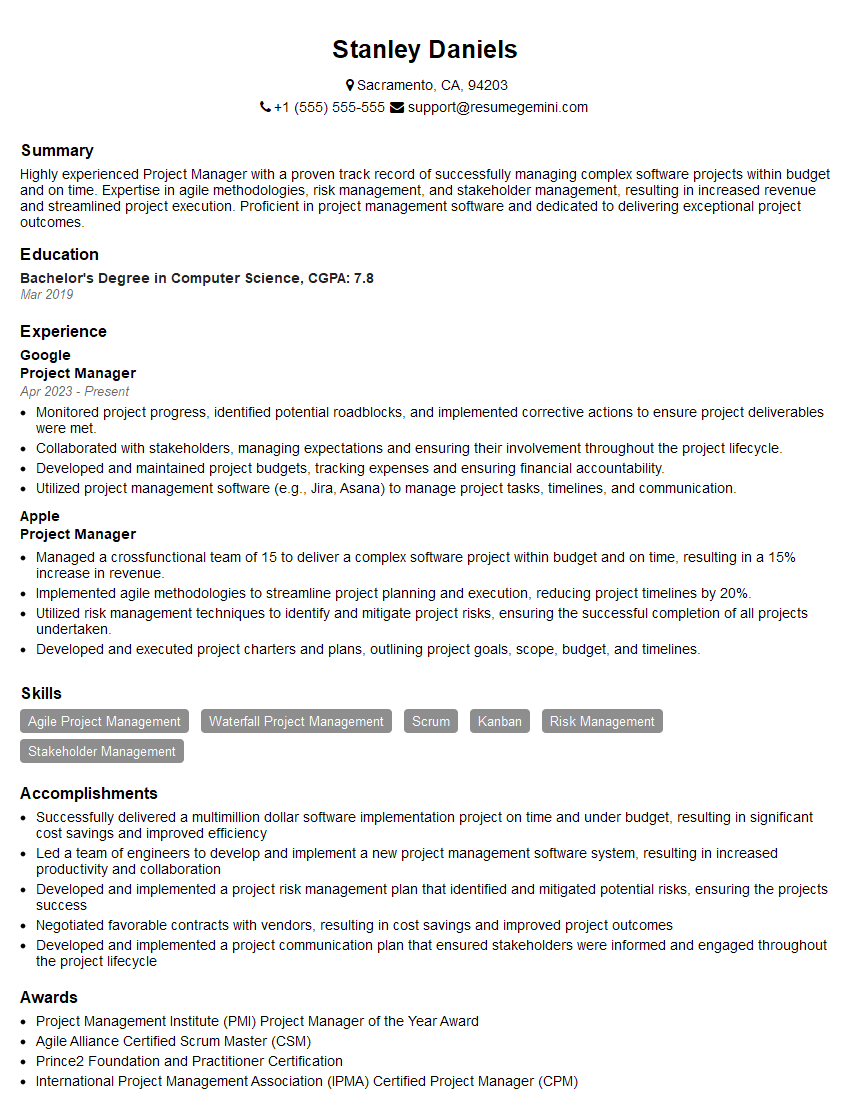
Project Manager Resume Sample
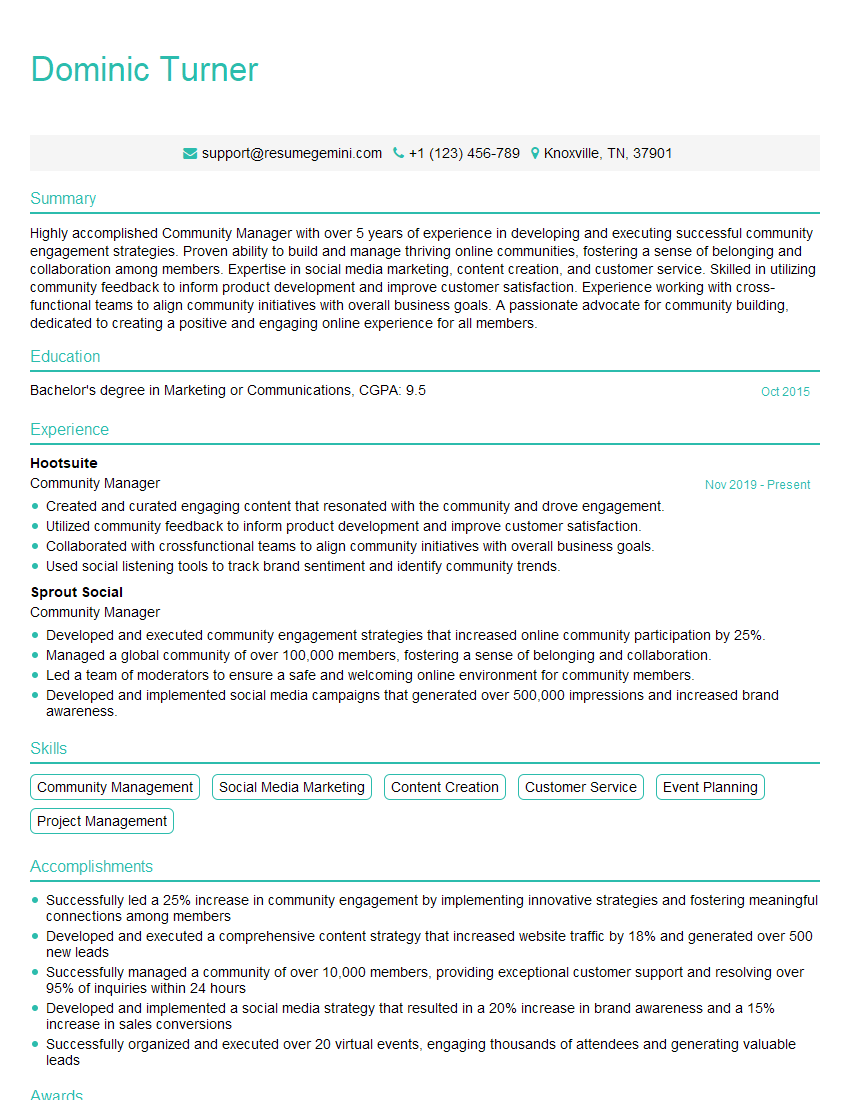
Community Manager Resume Sample
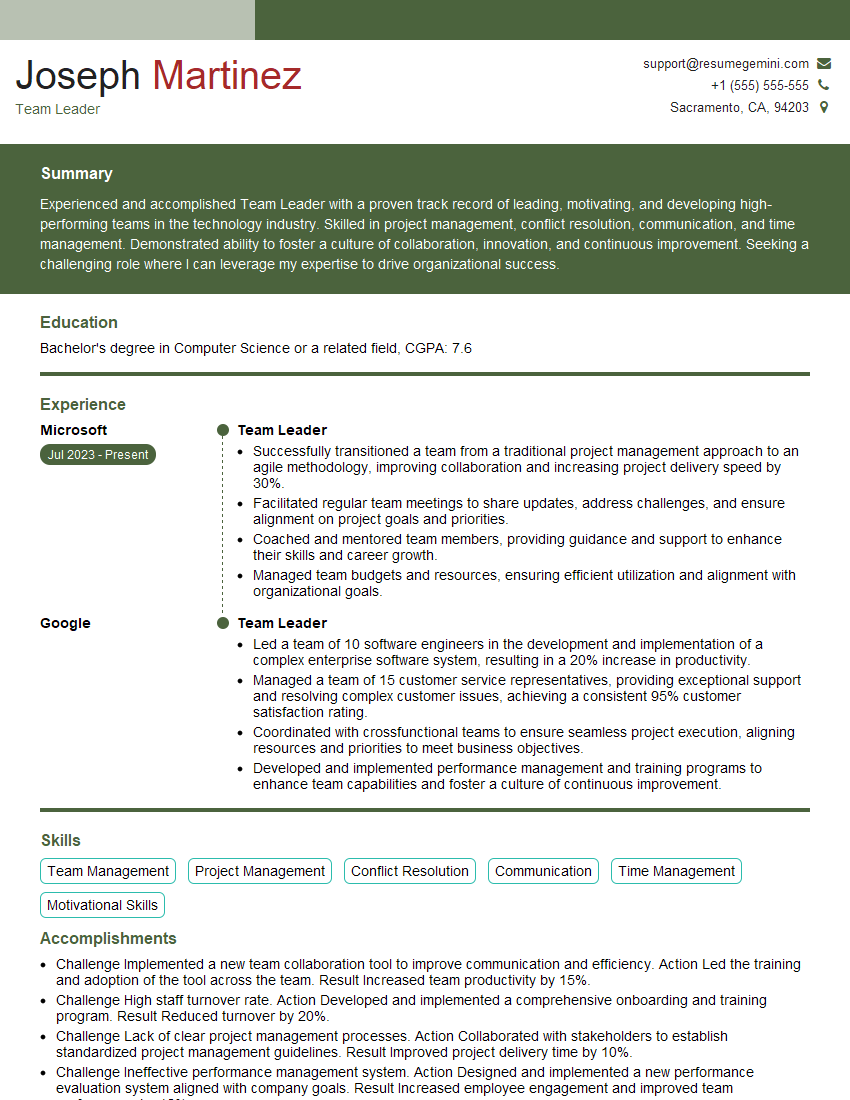
Team Leader Resume Sample
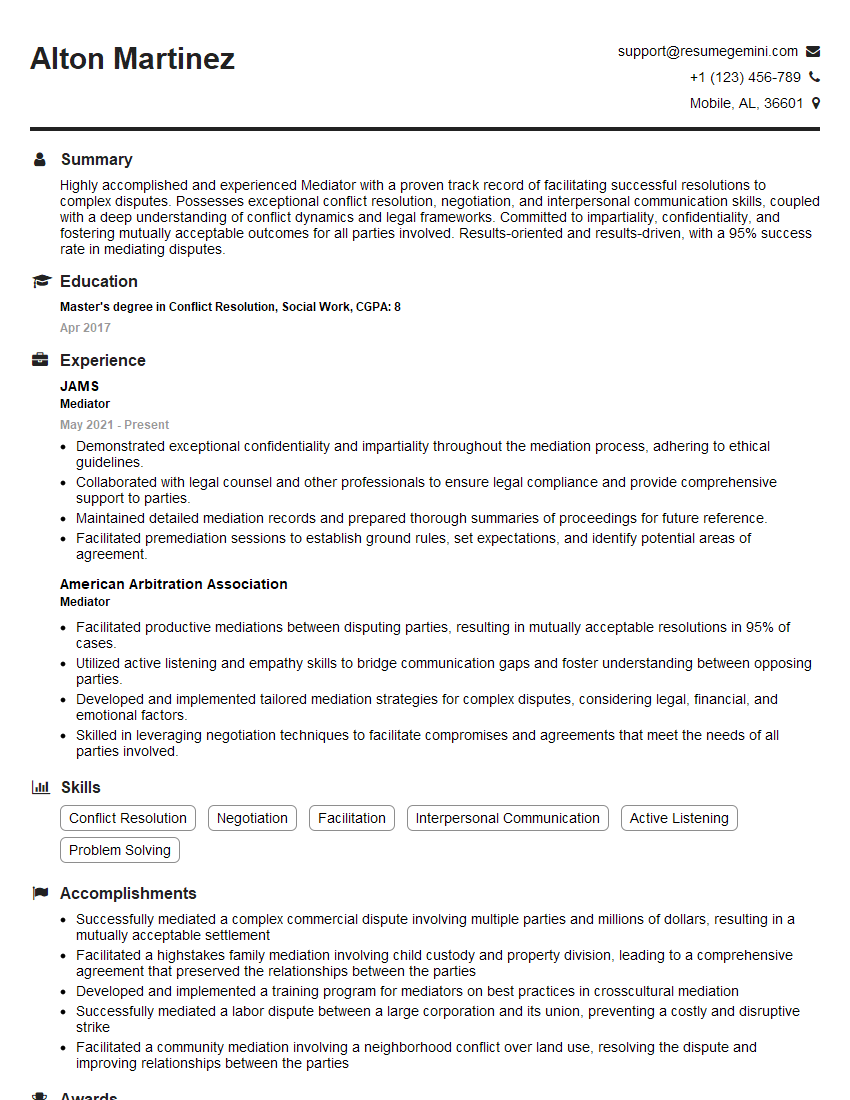
Mediator Resume Sample
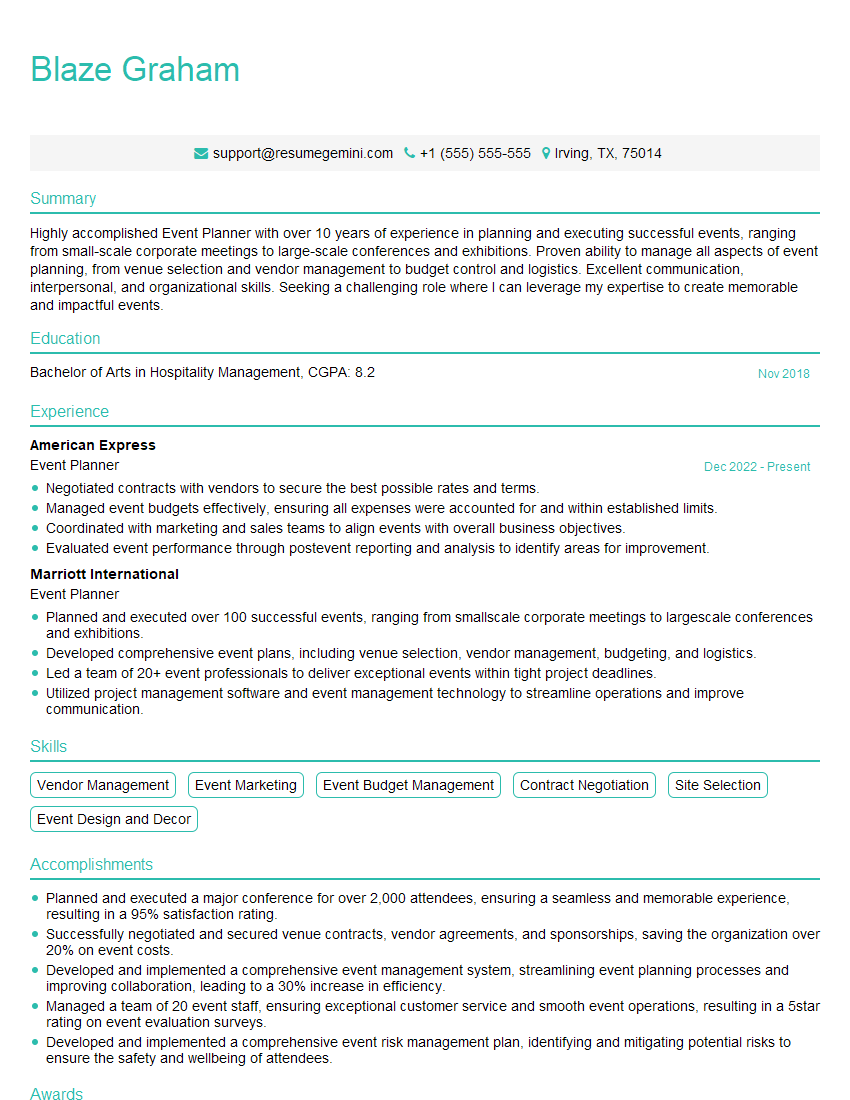
Event Planner Resume Sample
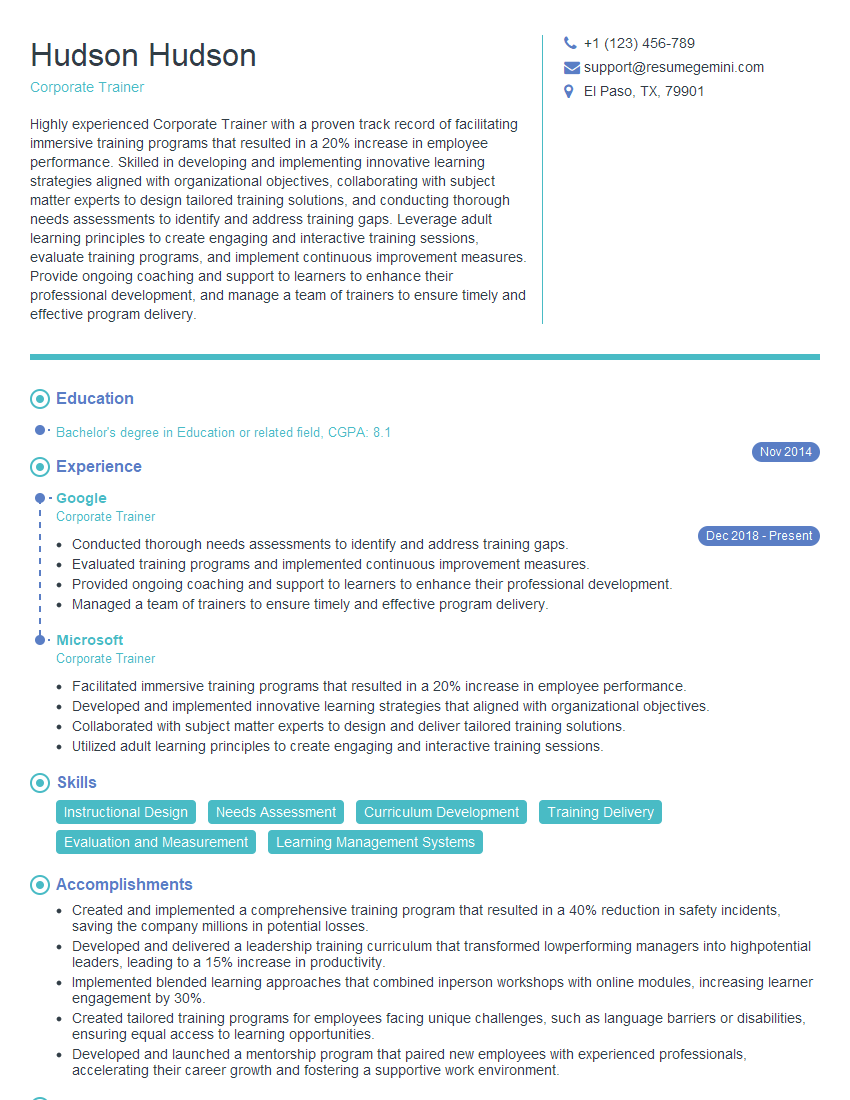
Corporate Trainer Resume Sample

Social Media Manager Resume Sample
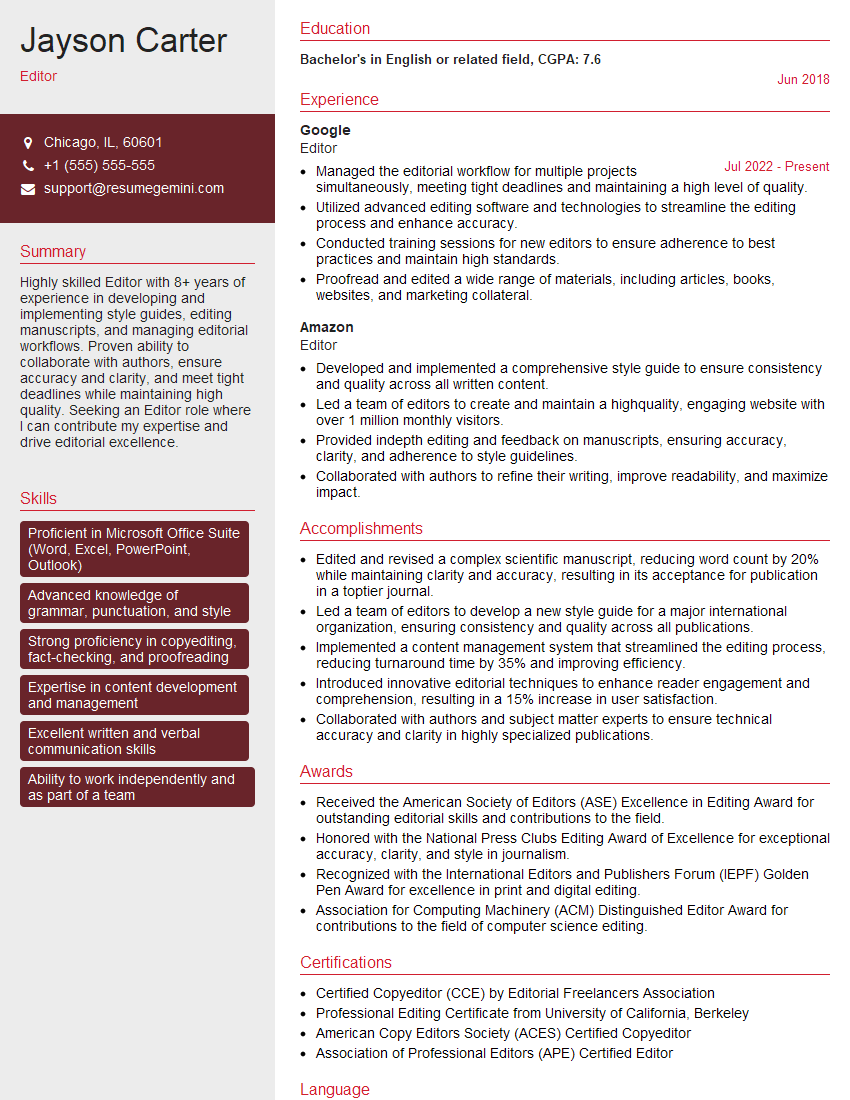
Editor Resume Sample
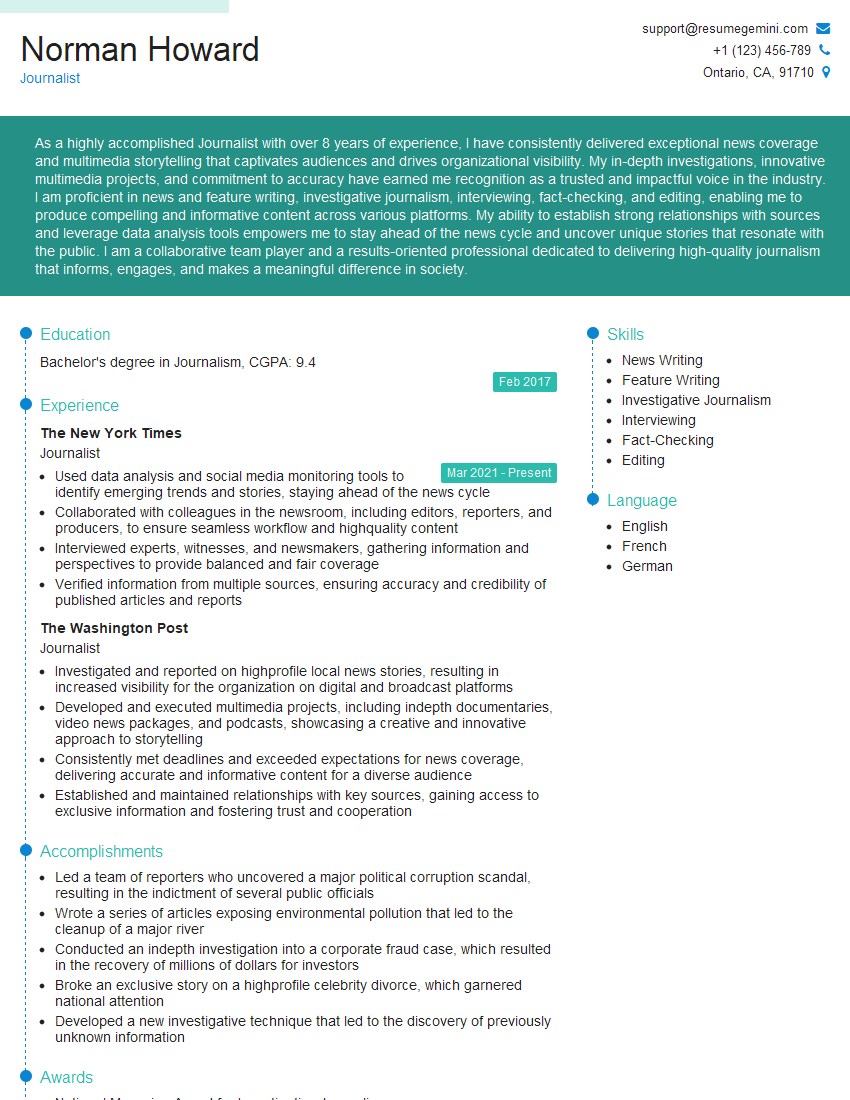
Journalist Resume Sample

Copywriter Resume Sample
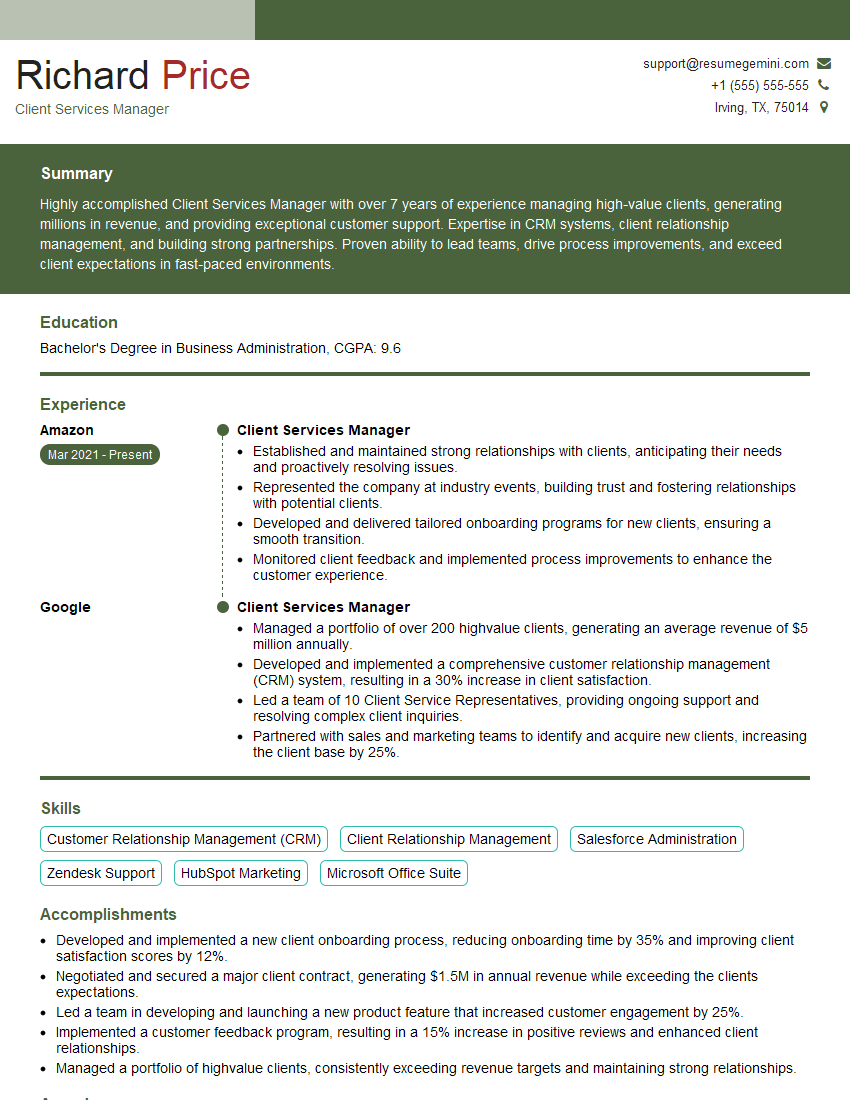
Client Services Manager Resume Sample
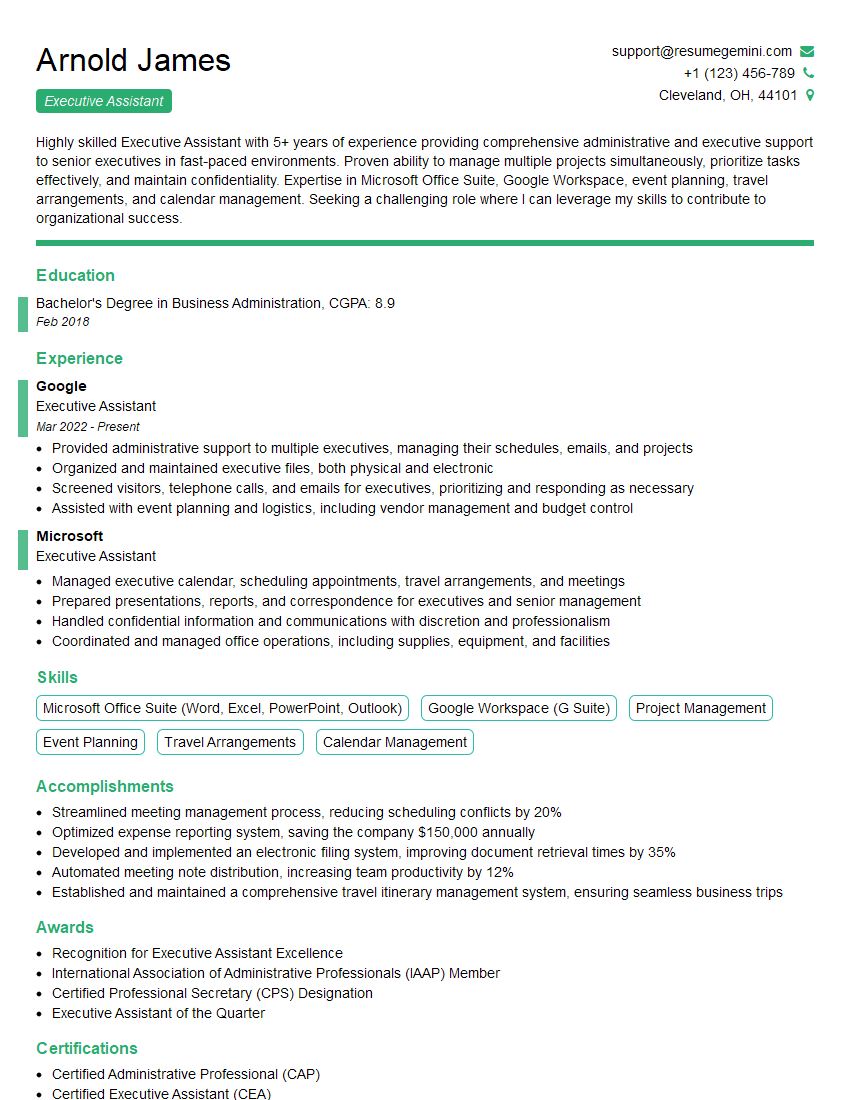
Executive Assistant Resume Sample
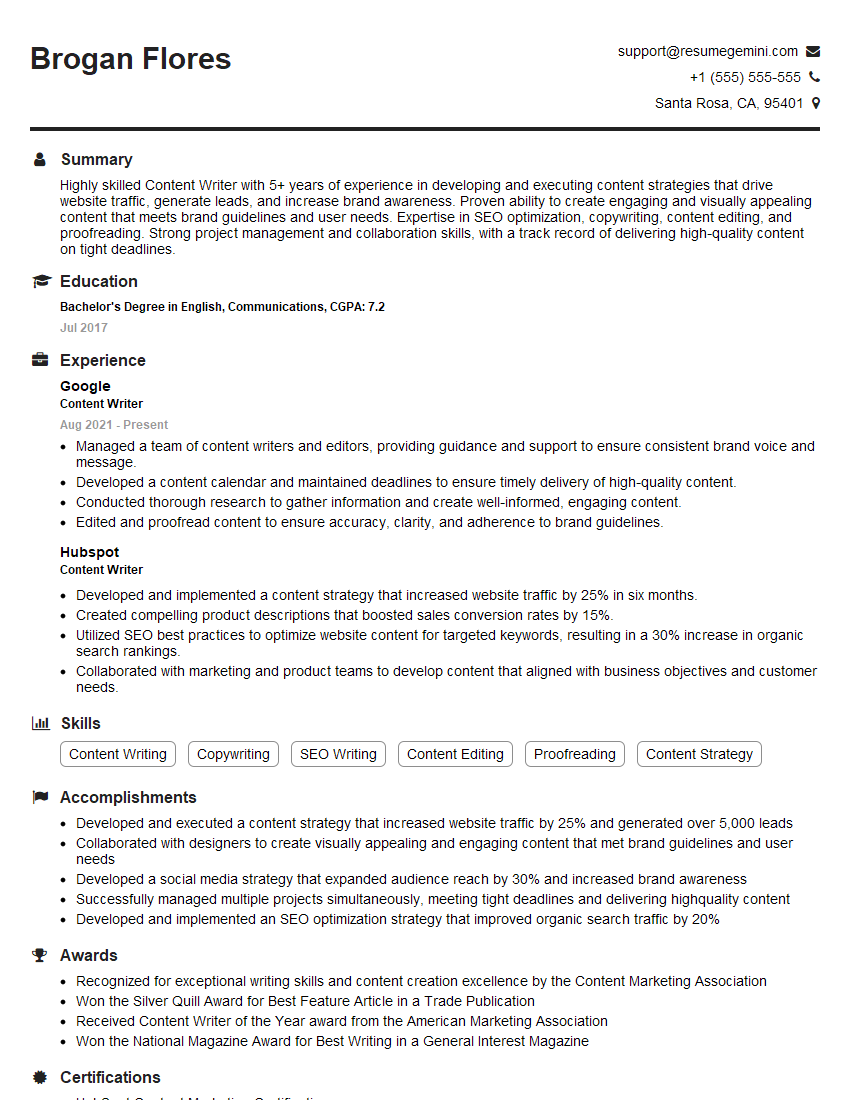
Content Writer Resume Sample
- Account Manager
- Marketing Manager
- Business Development Manager
- Sales Representative
- Communications Manager
- Relationship Manager
- Customer Service Representative
- Human Resources Manager
- Training Manager
- Project Manager
- Community Manager
- Team Leader
- Mediator
- Event Planner
- Corporate Trainer
- Social Media Manager
- Editor
- Journalist
- Copywriter
- Client Services Manager
- Executive Assistant
- Content Writer
Explore more articles
Users Rating of Our Blogs
Share Your Experience
We value your feedback! Please rate our content and share your thoughts (optional).
What Readers Say About Our Blog
Really detailed insights and content, thank you for writing this detailed article.
IT gave me an insight and words to use and be able to think of examples