Are you ready to stand out in your next interview? Understanding and preparing for Control System Hardware Development interview questions is a game-changer. In this blog, we’ve compiled key questions and expert advice to help you showcase your skills with confidence and precision. Let’s get started on your journey to acing the interview.
Questions Asked in Control System Hardware Development Interview
Q 1. Explain the difference between a microcontroller and a microprocessor.
Microcontrollers and microprocessors are both integrated circuits (ICs) that process instructions, but they differ significantly in their architecture and applications. Think of a microprocessor as the brain of a computer, capable of executing complex instructions independently. A microcontroller, on the other hand, is more like a specialized, embedded brain designed for specific tasks within a larger system.
- Microprocessor: Generally features a complex instruction set architecture (CISC) or reduced instruction set architecture (RISC), capable of handling high-performance computing tasks. It requires external memory and peripherals for operation. Examples include the Intel Core i series and AMD Ryzen processors.
- Microcontroller: Integrates a CPU, memory (RAM and ROM), and peripherals (like timers, analog-to-digital converters (ADCs), and digital-to-analog converters (DACs)) on a single chip. It’s designed for real-time control applications and typically uses a simpler instruction set. Examples include the Arduino Uno, ESP32, and STM32 families.
In essence, a microprocessor handles complex general-purpose tasks, while a microcontroller is optimized for embedded systems requiring real-time control. For instance, a microprocessor might power your laptop, while a microcontroller could manage the temperature in your refrigerator.
Q 2. Describe your experience with different types of sensors and their applications in control systems.
My experience encompasses a wide range of sensors, from simple to sophisticated. I’ve worked extensively with:
- Temperature sensors (Thermocouples, RTDs, Thermistors): These are crucial for applications ranging from industrial process control to environmental monitoring. I’ve used thermocouples in high-temperature furnaces and thermistors in temperature-sensitive circuits. Understanding the limitations of each type, such as drift and sensitivity, is critical for accurate measurements.
- Pressure sensors (Piezoresistive, Capacitive): Essential for applications like fluid level control and pressure regulation. I’ve used piezoresistive sensors in hydraulic systems, where precise pressure readings are critical for safety and performance.
- Position sensors (Potentiometers, Encoders, Hall-effect sensors): Used for determining the position or angular displacement of mechanical components. Encoders are particularly important for precise control of motors and robotic systems. I’ve integrated encoders in robotic arms for precise movement and feedback control.
- Accelerometers and Gyroscopes: These inertial measurement units (IMUs) provide data on acceleration and angular velocity, finding applications in robotics, motion control, and stabilization systems. I have experience using IMUs in autonomous navigation systems for maintaining vehicle stability.
In each case, choosing the right sensor depends heavily on the application’s requirements regarding accuracy, resolution, operating range, cost, and environmental factors.
Q 3. What are the common communication protocols used in control systems (e.g., CAN, Modbus, Ethernet/IP)?
Control systems employ various communication protocols to enable seamless data exchange between different components. The choice of protocol depends on the application’s requirements for speed, reliability, distance, and cost. Some of the common protocols I’ve used include:
- CAN (Controller Area Network): A robust and widely used protocol in automotive and industrial automation due to its real-time capability and inherent fault tolerance. It’s suitable for applications requiring high reliability and speed.
- Modbus: A simple, widely adopted serial communication protocol for industrial automation. It’s known for its ease of implementation and compatibility across various devices, but it’s relatively slow compared to CAN.
- Ethernet/IP: A high-speed industrial Ethernet protocol providing efficient data transfer and support for complex systems. It’s scalable and widely used in advanced industrial automation systems.
- Profibus: Another prominent fieldbus protocol used extensively in industrial applications offering high speed and deterministic communication.
Each protocol has its own strengths and weaknesses. I select the appropriate protocol based on factors like bandwidth requirements, communication distance, noise immunity, and the cost and complexity of the hardware and software implementation.
Q 4. Explain your experience with PCB design and layout.
I have extensive experience in PCB design and layout using tools like Altium Designer and Eagle. My process typically involves:
- Schematic Capture: Creating a detailed schematic diagram of the circuit, ensuring proper component placement and signal routing.
- Component Selection: Choosing appropriate components considering parameters such as power rating, operating temperature range, and availability.
- PCB Layout: Designing the physical layout of the PCB, optimizing trace routing to minimize signal interference and electromagnetic interference (EMI). I prioritize proper grounding, shielding, and impedance matching to ensure signal integrity.
- Simulation and Analysis: Performing simulations to verify signal integrity, power distribution, and thermal performance. This helps identify and address potential issues early in the design process.
- Manufacturing Preparation: Preparing Gerber files and other necessary documents for PCB fabrication and assembly.
I’m proficient in using various design techniques to optimize PCB size, cost, and performance. For example, I use controlled impedance routing for high-speed signals and multi-layer boards for complex designs. A recent project involved designing a high-speed data acquisition PCB, where careful routing and impedance matching were essential to ensure accurate signal capture.
Q 5. How do you ensure the reliability and robustness of a control system?
Ensuring reliability and robustness is paramount in control systems. My approach involves a multi-faceted strategy:
- Robust Design: Employing design techniques to minimize the impact of noise, temperature variations, and component tolerances. This includes using over-rated components where appropriate and implementing redundancy.
- Thorough Testing: Conducting comprehensive testing at various stages of development, including unit testing, integration testing, and system-level testing. This involves both functional testing and environmental testing (temperature cycling, vibration, etc.).
- Fault Detection and Recovery Mechanisms: Incorporating features that detect faults and initiate appropriate recovery actions. This might include watchdog timers, error checking codes, and fail-safe mechanisms.
- Software Quality Assurance: Implementing robust software development practices, such as code reviews, static analysis, and unit testing, to minimize software bugs.
- Redundancy and Fail-safes: Implementing redundant components or systems to ensure continued operation even in case of failures. Fail-safe mechanisms are crucial for safety-critical systems.
For example, in a safety-critical system, I might implement a triple-modular redundancy (TMR) architecture, where three independent systems perform the same function, with a voting mechanism to ensure reliable operation.
Q 6. Describe your experience with different types of actuators.
My experience spans various actuator types, each chosen based on the specific application requirements:
- Electric Motors (DC, AC Servo, Stepper): Electric motors are versatile and widely used, offering precise control and high efficiency. DC motors are simple and cost-effective, while servo motors provide precise position control and stepper motors offer accurate step-wise movement. I’ve used servo motors in robotic arms and stepper motors in 3D printers.
- Hydraulic Actuators: Powerful actuators suitable for high-force applications, often found in heavy machinery and industrial robots. However, they can be less precise and energy-efficient than electric actuators.
- Pneumatic Actuators: Use compressed air to generate motion. They are simple, relatively inexpensive, and offer quick response times, but precision can be limited. I have experience using them in automated clamping systems.
- Piezoelectric Actuators: Provide precise and rapid movements at microscopic scales, often used in precision positioning systems and nano-positioning applications.
The selection of an actuator requires careful consideration of factors such as force/torque requirements, speed, precision, power consumption, and environmental conditions.
Q 7. What are the different types of feedback control systems?
Feedback control systems use measured outputs to adjust inputs and maintain a desired system state. Different types exist, each with its strengths and weaknesses:
- Proportional (P) Control: The control signal is proportional to the error. Simple to implement but can suffer from steady-state error.
- Integral (I) Control: The control signal is proportional to the integral of the error. Eliminates steady-state error but can be slow to respond and prone to overshoot.
- Derivative (D) Control: The control signal is proportional to the rate of change of the error. Improves stability and reduces overshoot but can amplify high-frequency noise.
- PID (Proportional-Integral-Derivative) Control: Combines P, I, and D control to provide superior performance. It’s widely used and offers a balance between response speed, accuracy, and stability. Tuning the PID gains (Kp, Ki, Kd) is crucial for optimal performance.
- State-Space Control: A more advanced control method that models the system’s dynamics using state-space equations. It allows for the design of optimal controllers based on performance criteria.
The choice of control system depends on the application’s specific requirements. For example, a simple temperature control system might use P or PI control, while a complex robotic arm control system may require PID or even state-space control for optimal performance.
Q 8. Explain the concept of PID control and its tuning methods.
PID control, short for Proportional-Integral-Derivative control, is a widely used feedback control loop mechanism. It’s essentially a three-term controller that uses the error signal (difference between the desired setpoint and the actual process variable) to adjust the output and drive the system towards the target.
- Proportional (P): This term responds to the current error. A larger error results in a larger corrective action. Think of it like a thermostat – the harder it’s trying to reach the set temperature, the more forcefully it heats or cools.
- Integral (I): This term addresses persistent errors. It accumulates the error over time, ensuring that even small, persistent deviations are eventually corrected. This is crucial for eliminating steady-state error, that lingering offset from the desired value. Imagine a self-driving car maintaining a constant speed – the integral term helps correct for gradual speed changes due to incline or wind resistance.
- Derivative (D): This term anticipates future error based on the rate of change of the error. It dampens oscillations and speeds up response times. Think of it as a shock absorber in a car – it anticipates bumps and smooths out the ride.
Tuning Methods: Finding the optimal PID gains (Kp, Ki, Kd) is crucial. Common methods include:
- Ziegler-Nichols Method: This is a relatively simple method based on the system’s ultimate gain and ultimate period. It’s a good starting point, but often requires further fine-tuning.
- Trial and Error: This involves iteratively adjusting the gains while observing the system’s response. It’s labor-intensive but provides deep understanding of the system’s behavior.
- Auto-tuning: Many modern controllers offer auto-tuning features that automatically determine optimal gains. However, understanding the underlying principles is still essential for effective troubleshooting and system optimization.
For example, in a temperature control system for an oven, a high Kp might lead to rapid temperature changes, while a high Ki might cause overshoot and oscillations. Carefully balancing these gains is key to achieving a stable and responsive system.
Q 9. How do you handle signal noise in a control system?
Signal noise in a control system can significantly impact performance and accuracy. Effective noise handling is crucial for achieving reliable control. Here are several strategies:
- Filtering: Analog filters (e.g., RC filters, Butterworth filters) smooth out high-frequency noise before it reaches the controller. Digital filters (e.g., moving average filters, Kalman filters) perform a similar function in the digital domain. The choice depends on the type of noise and system requirements.
- Averaging: Simple moving average filters are often used to reduce random noise. They average multiple samples to obtain a more representative value.
- Calibration and Shielding: Careful sensor calibration and proper hardware shielding can minimize noise at the source. This preventative approach is often more effective than post-processing techniques.
- Signal Conditioning: Amplification and impedance matching help to improve the signal-to-noise ratio before analog-to-digital conversion (ADC). Differential signaling can also help reject common-mode noise.
- Robust Control Design: Implementing robust control algorithms, such as H-infinity control, can help to mitigate the impact of uncertainty, including noise.
For example, in a robotic arm control system, sensor noise could cause jerky movements. Using a Kalman filter to estimate the arm’s position based on noisy sensor data can greatly improve performance.
Q 10. What is your experience with real-time operating systems (RTOS)?
My experience with Real-Time Operating Systems (RTOS) is extensive. I’ve worked extensively with FreeRTOS, VxWorks, and QNX. I understand the importance of task scheduling, interrupt handling, and real-time constraints.
In one project, we used FreeRTOS to control a multi-axis motion control system. Each axis was managed by a separate task, requiring careful synchronization to ensure coordinated movement. We used semaphores and mutexes to manage shared resources and prevent race conditions. The tight timing requirements demanded precise attention to task priorities and scheduling algorithms. Understanding RTOS concepts like context switching, preemption, and interrupt latency is essential for achieving deterministic behavior. A well-designed RTOS architecture is critical for ensuring reliable and predictable control system performance.
Q 11. Describe your experience with digital signal processing (DSP) techniques.
My experience with Digital Signal Processing (DSP) techniques is comprehensive, encompassing algorithm design and implementation. I’m proficient in designing and implementing various DSP algorithms, including FIR and IIR filters, FFTs, and various windowing techniques. I have experience optimizing these algorithms for embedded systems with limited processing power and memory.
For instance, I designed a real-time audio processing system for a hearing aid. This involved using an optimized FFT algorithm to analyze the audio signal, implementing a noise cancellation filter, and then reconstructing the processed audio in real-time. The challenge was to achieve low latency and high fidelity within the constraints of a low-power microcontroller.
Q 12. What are your experiences with FPGA programming and design?
I have significant experience with FPGA programming and design, using VHDL and Verilog. I’m comfortable designing and implementing complex hardware systems including high-speed interfaces, digital signal processing units, and custom peripherals. I understand the importance of timing constraints and resource management.
In one project, I designed an FPGA-based data acquisition system that sampled multiple analog signals at high speed. I had to address challenges related to clock synchronization, data serialization, and memory management. The design had to meet rigorous timing requirements to ensure accurate data acquisition.
My experience includes using FPGA design tools like Xilinx Vivado and Intel Quartus Prime, as well as simulation and verification methodologies.
Q 13. Explain your experience with different types of analog-to-digital converters (ADCs) and digital-to-analog converters (DACs).
I have extensive experience working with various ADCs and DACs, including successive approximation ADCs, sigma-delta ADCs, and R-2R ladder DACs. I understand the tradeoffs between resolution, speed, linearity, and power consumption. Selecting the appropriate ADC/DAC for a given application requires careful consideration of these factors.
In a recent project, we had to choose an ADC for a high-speed data acquisition system. We opted for a high-speed successive approximation ADC due to its speed and relatively good resolution. However, we needed to carefully consider the effects of input impedance and sampling rate on the accuracy of the measurements.
I also understand the importance of properly calibrating ADCs and DACs to ensure accuracy and minimize errors. My understanding extends to different interface standards, including SPI, I2C, and parallel interfaces.
Q 14. How do you troubleshoot hardware problems in a control system?
Troubleshooting hardware problems in a control system requires a systematic and methodical approach. My process typically involves these steps:
- Identify the Symptoms: Carefully document the observed behavior and any error messages. This includes noting the timing and conditions under which the problem occurs.
- Review System Design: Examine the schematics, PCB layout, and software code to understand the system architecture. This helps to isolate potential areas of failure.
- Perform Visual Inspection: Check for obvious physical problems like loose connections, damaged components, or overheating.
- Use Diagnostic Tools: Employ tools such as oscilloscopes, logic analyzers, and multimeters to measure signals and voltages. This often reveals problems not apparent from visual inspection.
- Isolate the Problem: Through systematic testing and measurements, pinpoint the faulty component or section of the system.
- Replace/Repair: Once the problem is identified, replace the faulty component or implement the necessary repair.
- Verification: After repair or replacement, verify that the system is functioning correctly. Conduct thorough testing to ensure the problem is resolved and that no new problems have been introduced.
A crucial element of effective troubleshooting is the ability to use debugging tools effectively. I am experienced in using various debugging tools and techniques. I can debug in real-time, effectively isolating problems and identifying the root cause.
Q 15. Describe your experience with power electronics and power supplies.
My experience with power electronics and power supplies spans over ten years, encompassing design, implementation, and testing of various systems. I’ve worked extensively with switching power supplies, including buck, boost, and buck-boost converters, designing them for both high-efficiency and low-noise operation. For example, in one project involving a high-precision motion control system, I designed a low-noise, highly efficient switching power supply that minimized electromagnetic interference (EMI) affecting the sensitive control signals. This required careful consideration of component selection, PCB layout, and filtering techniques. I’m also proficient in designing linear power supplies, particularly for applications requiring very low noise and ripple, such as analog signal conditioning circuits. I’m familiar with various power supply topologies, control techniques (e.g., PWM, current-mode control), and protection mechanisms (e.g., over-current, over-voltage, short-circuit protection). Furthermore, my experience extends to the selection and integration of off-the-shelf power supplies and the development of custom solutions using discrete components when necessary.
Another significant aspect of my work involves analyzing power consumption profiles and optimizing for power efficiency. I’ve successfully reduced power consumption in several projects by employing techniques such as power gating, clock gating, and low-power components. This is particularly crucial in battery-powered applications where maximizing battery life is paramount.
Career Expert Tips:
- Ace those interviews! Prepare effectively by reviewing the Top 50 Most Common Interview Questions on ResumeGemini.
- Navigate your job search with confidence! Explore a wide range of Career Tips on ResumeGemini. Learn about common challenges and recommendations to overcome them.
- Craft the perfect resume! Master the Art of Resume Writing with ResumeGemini’s guide. Showcase your unique qualifications and achievements effectively.
- Don’t miss out on holiday savings! Build your dream resume with ResumeGemini’s ATS optimized templates.
Q 16. What are the key considerations for designing a low-power control system?
Designing a low-power control system requires a holistic approach, focusing on several key areas. Firstly, component selection is critical. We choose low-power microcontrollers, sensors, and other components. For instance, instead of a general-purpose microcontroller, we might opt for a microcontroller specifically designed for low-power applications, often featuring features like sleep modes and low-power peripherals. Secondly, power management strategies are crucial. This involves implementing techniques like power gating, where unused peripherals are switched off to conserve energy; clock gating, reducing the clock frequency when not needed; and employing sleep modes effectively. Thirdly, efficient algorithms play a significant role. We need to carefully select algorithms and implement them efficiently to minimize processing power and therefore energy consumption. For example, using simpler algorithms or reducing the sampling frequency can considerably reduce power consumption without sacrificing functionality too significantly. Finally, PCB design considerations are important. This includes optimizing the layout to minimize power loss due to trace resistance and inductance. The careful selection of capacitors can also improve the efficiency of the system. We might even use specialized power planes to minimize noise and improve power distribution.
Q 17. Explain your experience with EMC/EMI compliance.
My experience with EMC/EMI compliance involves designing systems that meet regulatory standards such as FCC, CE, and CISPR. This encompasses understanding the sources of EMI, implementing effective shielding and filtering techniques, and conducting thorough testing to ensure compliance. I have practical experience in using various EMC/EMI testing equipment, including spectrum analyzers and conducted/radiated emission test receivers. I’m familiar with various EMC/EMI design guidelines and best practices, such as proper grounding, shielding, and filtering techniques. For instance, in a recent project involving a high-frequency switching power supply, we used a combination of ferrite beads, common-mode chokes, and shielded enclosures to meet the required EMI standards. The PCB layout also played a crucial role, with careful consideration given to the placement of sensitive analog components and high-frequency switching components to minimize the interaction between them. Thorough testing, using both conducted and radiated emission tests, was crucial in validating our design’s compliance.
Q 18. How do you ensure the safety of a control system?
Ensuring the safety of a control system involves a multi-faceted approach. First and foremost, it involves adhering to relevant safety standards and regulations, such as IEC 61508 for functional safety and UL standards for electrical safety. This includes employing safety-critical design practices and utilizing safety-rated components. For example, using redundant sensors or implementing fail-safe mechanisms such as watchdog timers. Secondly, thorough testing is essential to validate the safety functionality of the system. This can involve functional safety assessments (FSAs) to identify potential hazards and their associated risks. Risk mitigation strategies are then implemented, which could include hardware and software safety mechanisms. Thirdly, robust design practices, such as input validation and error handling, are implemented to prevent unintended behavior or malfunction. Careful consideration of potential failure modes and their impact on safety is vital. Finally, detailed documentation, including hazard analyses and safety plans, is maintained throughout the design process and lifecycle. All of this work ensures the integrity and safety of the system.
Q 19. Describe your experience with version control systems (e.g., Git).
I’ve been using Git for version control for many years in both individual and collaborative projects. My experience encompasses various aspects of Git, including branching, merging, rebasing, and resolving conflicts. I’m proficient in using Git for collaborative software development, including managing feature branches, pull requests, and code reviews. I understand the importance of using a well-defined branching strategy, and I typically utilize a feature branching model for larger projects. I use Git regularly to track changes, manage different versions of code, and collaborate efficiently with team members. This includes using platforms like GitHub and GitLab for hosting repositories, managing issues, and facilitating team collaboration. I’m also familiar with various Git workflows, such as Gitflow, and can adapt my workflow to the specific needs of a project.
Q 20. What is your experience with debugging tools and techniques?
My debugging experience involves a combination of hardware and software techniques. On the hardware side, I utilize oscilloscopes, logic analyzers, and multimeters extensively to analyze signals and identify hardware faults. For example, I might use an oscilloscope to observe the waveforms of signals to detect anomalies, glitches, or timing issues. On the software side, I utilize debuggers such as GDB and various IDE-integrated debuggers to step through code, inspect variables, and identify software bugs. I’m also proficient in using various logging and tracing techniques to track the execution flow of the software and pinpoint errors. I employ a systematic approach to debugging, starting with clear reproduction of the error and systematically investigating possible causes, often utilizing techniques like divide-and-conquer. I also believe in the value of proper documentation and code commenting to simplify the debugging process for myself and other team members. Ultimately, good testing practices, right from the start of the design process, significantly reduce the time spent in debugging.
Q 21. Explain your understanding of different types of control system architectures.
My understanding of control system architectures encompasses several common types. Centralized architectures feature a single controller responsible for managing all aspects of the system. This is simple but can be a single point of failure. Distributed architectures distribute control among multiple controllers, improving reliability and scalability. A common implementation involves using a network, such as CAN or Ethernet, to connect the controllers. Hierarchical architectures organize controllers in a hierarchical structure, with higher-level controllers overseeing lower-level controllers. This architecture is often used in complex systems requiring varying levels of autonomy and control. Decentralized architectures employ local controllers with limited communication, offering resilience but potentially at the cost of system-wide coordination. The choice of architecture depends heavily on the specific application’s requirements. For instance, a simple temperature control system might use a centralized approach, while a complex industrial robot system would likely benefit from a distributed or hierarchical architecture to enhance scalability and robustness. I have experience designing and implementing systems using each of these architectures, and I select the best architecture based on factors like complexity, cost, performance, and reliability needs.
Q 22. How do you select appropriate components for a control system?
Selecting appropriate components for a control system is a critical step that involves a careful consideration of several factors. It’s like building with LEGOs – you need the right pieces to create the desired structure. We start by defining the system’s requirements, such as accuracy, speed, power consumption, environmental conditions, and cost constraints.
- Sensors: The choice depends on the measured variable (temperature, pressure, flow, etc.) and required accuracy. For example, a high-precision application might require a laser displacement sensor, while a less demanding application might suffice with a potentiometer.
- Actuators: These are the ‘muscles’ of the system. Selection is based on the required force, speed, and type of motion (linear, rotational). Options include electric motors (servo motors, stepper motors), hydraulic actuators, or pneumatic cylinders. The choice depends on the application’s power needs and the environment.
- Microcontrollers/PLCs: The ‘brains’ of the system. Factors like processing power, memory, I/O capabilities, communication protocols, and real-time performance are crucial. A simple system might use a microcontroller like an Arduino, while a complex industrial application would require a PLC with robust features.
- Power Supplies: Appropriate voltage and current ratings must be chosen to meet the demands of all components, considering factors like efficiency and reliability. Redundancy might be necessary for critical systems.
- Communication Interfaces: This is how different parts ‘talk’ to each other. Options include analog, digital, fieldbus (Profibus, CAN bus, Ethernet/IP), and wireless communication. The best option depends on the data rate, distance, and noise immunity required.
After selecting the components, a detailed simulation and analysis are performed to verify that the system meets the specified requirements before proceeding to the hardware implementation.
Q 23. Describe your experience with system integration and testing.
My experience with system integration and testing is extensive. I’ve worked on projects ranging from small-scale embedded systems to large-scale industrial automation projects. The process generally involves several stages. First, we create a detailed integration plan outlining the steps involved in connecting and configuring all the hardware components. This often includes developing custom interfaces and drivers.
Next, we perform rigorous testing, starting with unit tests for individual components and progressing to integration tests where we verify the interaction between components. We use a variety of methods, including:
- Functional Testing: Verifying that the system performs its intended functions according to the specifications.
- Performance Testing: Assessing the system’s speed, accuracy, and responsiveness under various operating conditions.
- Stress Testing: Pushing the system to its limits to identify potential weaknesses or failure points.
- Environmental Testing: Evaluating the system’s performance under different environmental conditions (temperature, humidity, vibration).
Finally, we generate comprehensive documentation, including test reports, schematics, and user manuals. In one project, we integrated a complex robotic arm with a vision system. Thorough testing, including repeated simulations and real-world trials, ensured accurate and reliable operation, which was crucial for maintaining the quality standards of the manufacturing process.
Q 24. What are your experiences with different types of industrial communication networks?
I have extensive experience with various industrial communication networks. Think of these networks as the highways that allow different parts of the control system to exchange information. The choice of network depends largely on the application’s requirements for speed, reliability, distance, and cost.
- Profibus: A widely used fieldbus network known for its reliability and robustness. Ideal for applications requiring deterministic communication, such as in process automation.
- CAN bus (Controller Area Network): A robust network often used in automotive and industrial applications where real-time communication is crucial, known for its high noise immunity.
- Ethernet/IP: An industrial Ethernet-based network that offers high bandwidth and flexibility, suitable for applications requiring large amounts of data transfer.
- Modbus: A simple and widely used serial communication protocol, commonly found in simpler systems. Less robust than fieldbuses for large scale industrial automation.
- Wireless communication (e.g., Wi-Fi, Zigbee): Useful for remote monitoring and control but often requires careful consideration of security and reliability.
In a previous project, we used a combination of Ethernet/IP and Modbus for data acquisition and control. Ethernet/IP handled the high-speed data transfer between PLCs, while Modbus was used for communication with legacy devices.
Q 25. How would you design a robust and fault-tolerant control system?
Designing a robust and fault-tolerant control system involves employing several strategies to ensure reliable operation even in the presence of failures. It’s like building a bridge – you need redundancy to ensure it won’t collapse even if one part fails. Key strategies include:
- Redundancy: Having backup components (sensors, actuators, controllers) that can take over if the primary component fails. This can be achieved through hardware redundancy (e.g., dual sensors) or software redundancy (e.g., watchdog timers).
- Fault Detection and Diagnosis: Implementing mechanisms to detect and diagnose faults in real time. This could involve using self-checking algorithms, sensor cross-checking, and error codes.
- Fail-Safe Mechanisms: Designing the system to automatically switch to a safe state in the event of a failure. For example, in a robotic arm, a failure could trigger an emergency stop.
- Modular Design: Breaking down the system into smaller, independent modules simplifies fault isolation and maintenance.
- Robust Software Design: Using techniques like exception handling and error checking in the control software to prevent unexpected behavior.
For example, in a critical process control application, we implemented dual PLCs with a hot-standby configuration. If the primary PLC fails, the secondary PLC seamlessly takes over, ensuring continuous operation and avoiding costly production downtime.
Q 26. What is your experience with safety-critical system design and certification?
Safety-critical system design and certification are paramount in applications where system failures could result in injury or death. This requires a rigorous approach that adheres to relevant safety standards (like IEC 61508 or ISO 26262). My experience includes designing and implementing systems that meet stringent safety requirements. This involves:
- Hazard Analysis: Identifying potential hazards and assessing the risks associated with their occurrence.
- Safety Requirements Specification: Defining safety requirements based on the hazard analysis.
- Safety Architecture Design: Designing the system with features to mitigate identified hazards, such as redundancy and fail-safe mechanisms.
- Verification and Validation: Rigorous testing and analysis to ensure the system meets its safety requirements. This often includes safety-related simulations and formal verification techniques.
- Certification: Obtaining the necessary certifications from relevant authorities to demonstrate compliance with safety standards.
I’ve been involved in projects requiring functional safety certification for industrial robotics and medical equipment. These projects involved extensive documentation, rigorous testing, and audits to ensure compliance with the relevant standards and regulations.
Q 27. Explain your experience with different types of programmable logic controllers (PLCs).
My experience with PLCs (Programmable Logic Controllers) spans several manufacturers and models, including Siemens, Allen-Bradley, and Schneider Electric. PLCs are the workhorses of industrial automation, providing control and monitoring capabilities for various processes. The choice of PLC depends on factors such as I/O requirements, processing power, communication capabilities, and programming environment.
- Siemens PLCs (e.g., S7-1200, S7-1500): Known for their robust performance and extensive functionality. They often use TIA Portal for programming.
- Allen-Bradley PLCs (e.g., CompactLogix, ControlLogix): Popular in North America, offering similar capabilities to Siemens PLCs, programmed using RSLogix 5000.
- Schneider Electric PLCs (e.g., Modicon M221, Modicon M580): Widely used globally, offering a wide range of models to suit various applications. They often utilize EcoStruxure Machine Expert software for programming.
In one project, we migrated from an older Allen-Bradley PLC system to a newer Siemens system. This involved careful planning, programming, and rigorous testing to ensure seamless transition and maintain production efficiency. We carefully considered factors like compatibility with existing sensors and actuators, network configuration, and operator training during the migration.
Key Topics to Learn for Control System Hardware Development Interview
- Microcontrollers and Microprocessors: Understanding architecture, selection criteria, and programming for embedded systems. Practical application: Choosing the right microcontroller for a specific application based on processing power, memory, and peripherals.
- Sensor Integration and Signal Conditioning: Working with various sensor types (temperature, pressure, acceleration, etc.), signal amplification, filtering, and analog-to-digital conversion (ADC). Practical application: Designing a system to accurately measure and interpret data from multiple sensors.
- Digital and Analog Circuit Design: Proficiency in designing and analyzing circuits involving operational amplifiers (op-amps), comparators, and digital logic gates. Practical application: Developing a circuit to interface a sensor with a microcontroller.
- Real-Time Operating Systems (RTOS): Understanding RTOS concepts like task scheduling, interrupt handling, and memory management. Practical application: Implementing a real-time control algorithm on an embedded system using an RTOS.
- Communication Protocols: Familiarity with communication protocols such as SPI, I2C, UART, and CAN for data transfer between components. Practical application: Designing a communication network for sensors and actuators within a control system.
- Embedded Software Development: Proficiency in programming languages like C/C++ for embedded systems, including debugging and optimization techniques. Practical application: Developing firmware for a microcontroller to control a specific process.
- Hardware Debugging and Troubleshooting: Skills in using debugging tools like oscilloscopes, logic analyzers, and multimeters to identify and resolve hardware issues. Practical application: Troubleshooting a malfunctioning control system in a real-world scenario.
- Power Management and Efficiency: Understanding power consumption in embedded systems and techniques for optimizing power efficiency. Practical application: Designing a low-power control system for a battery-operated device.
Next Steps
Mastering Control System Hardware Development opens doors to exciting and challenging careers in various industries. A strong understanding of these principles is highly valued and will significantly boost your career prospects. To maximize your job search success, create an ATS-friendly resume that clearly showcases your skills and experience. ResumeGemini is a trusted resource to help you build a professional and effective resume. They provide examples of resumes tailored specifically to Control System Hardware Development, ensuring your application stands out.
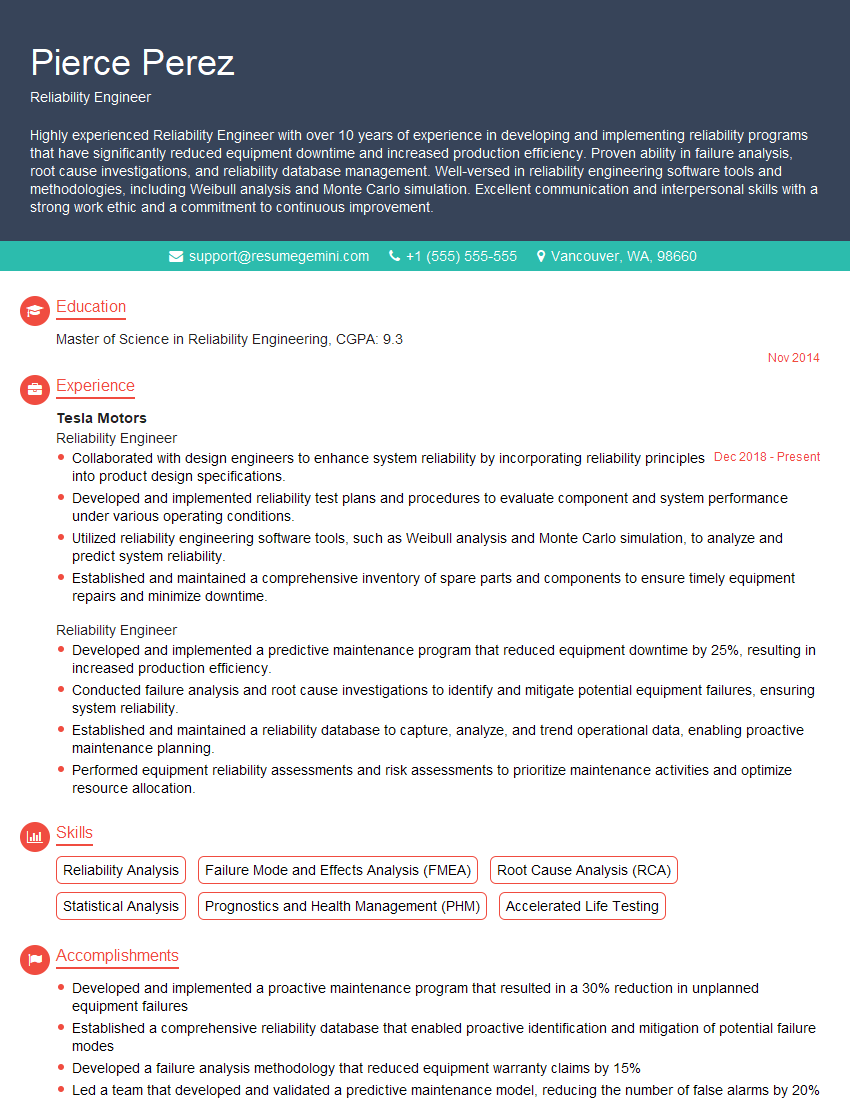
Reliability Engineer Resume Sample
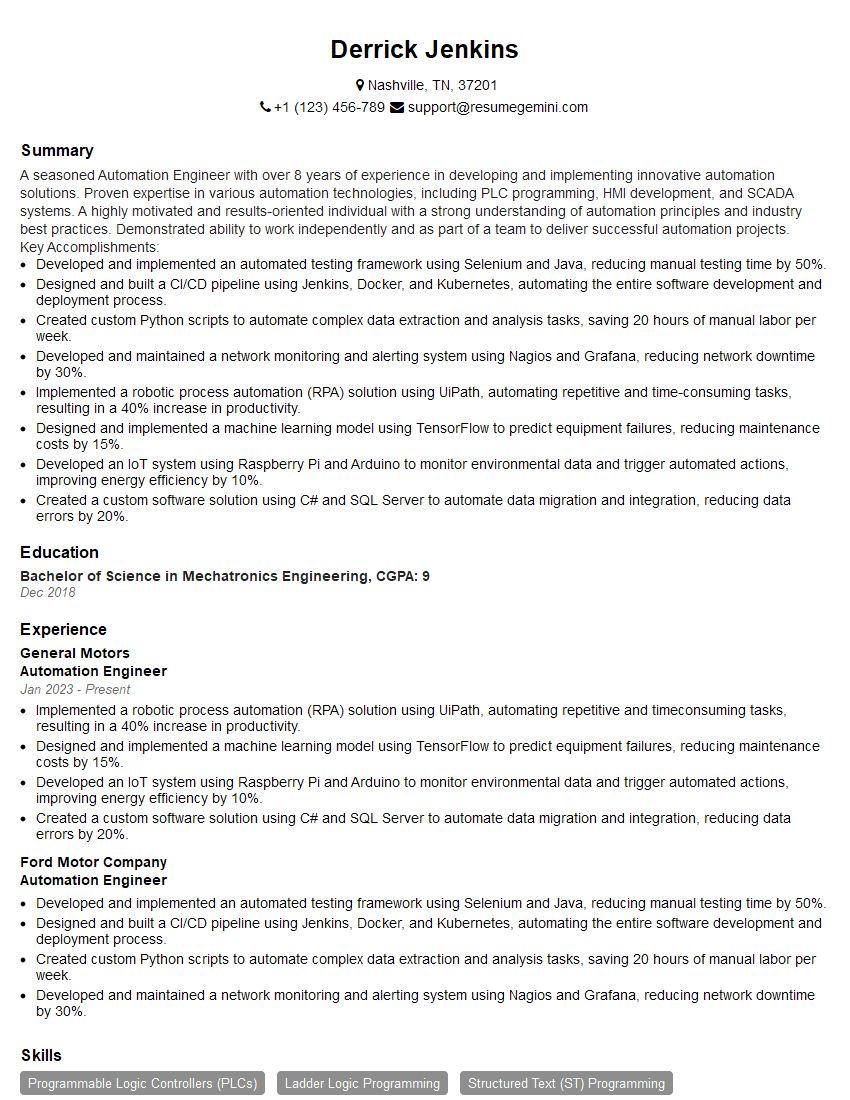
Automation Engineer Resume Sample
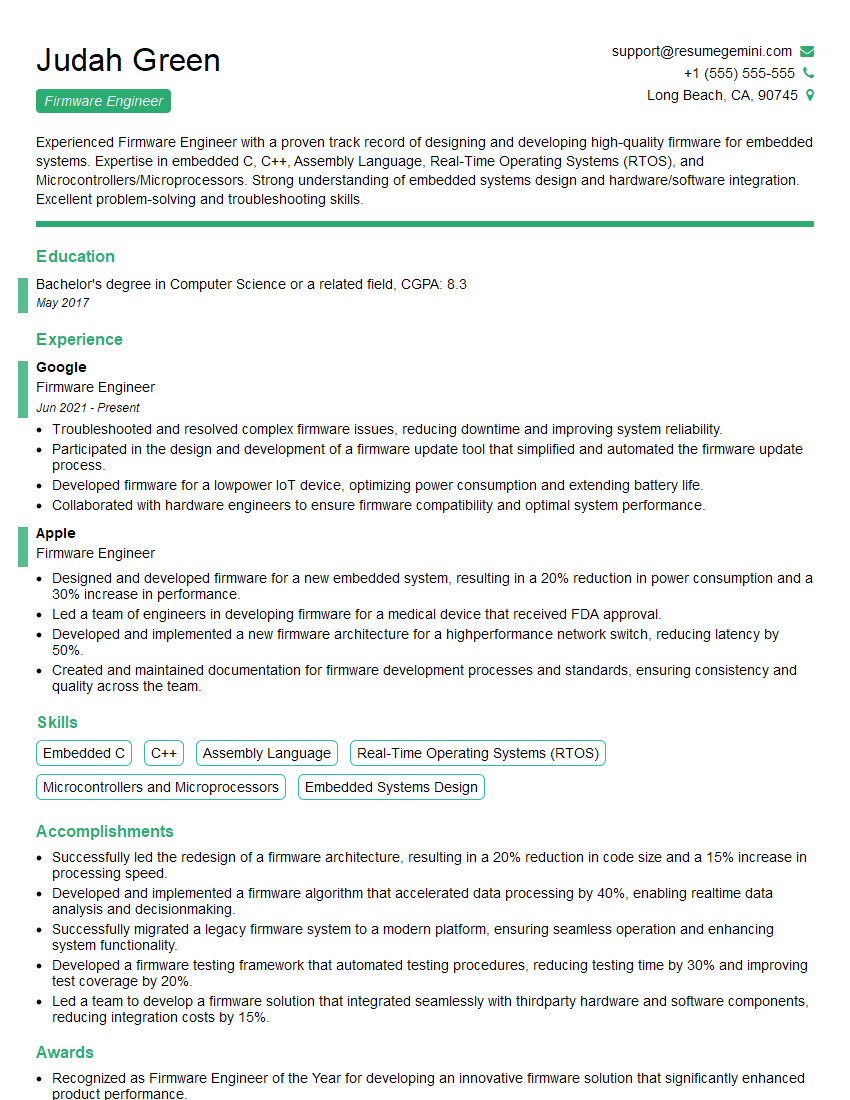
Firmware Engineer Resume Sample
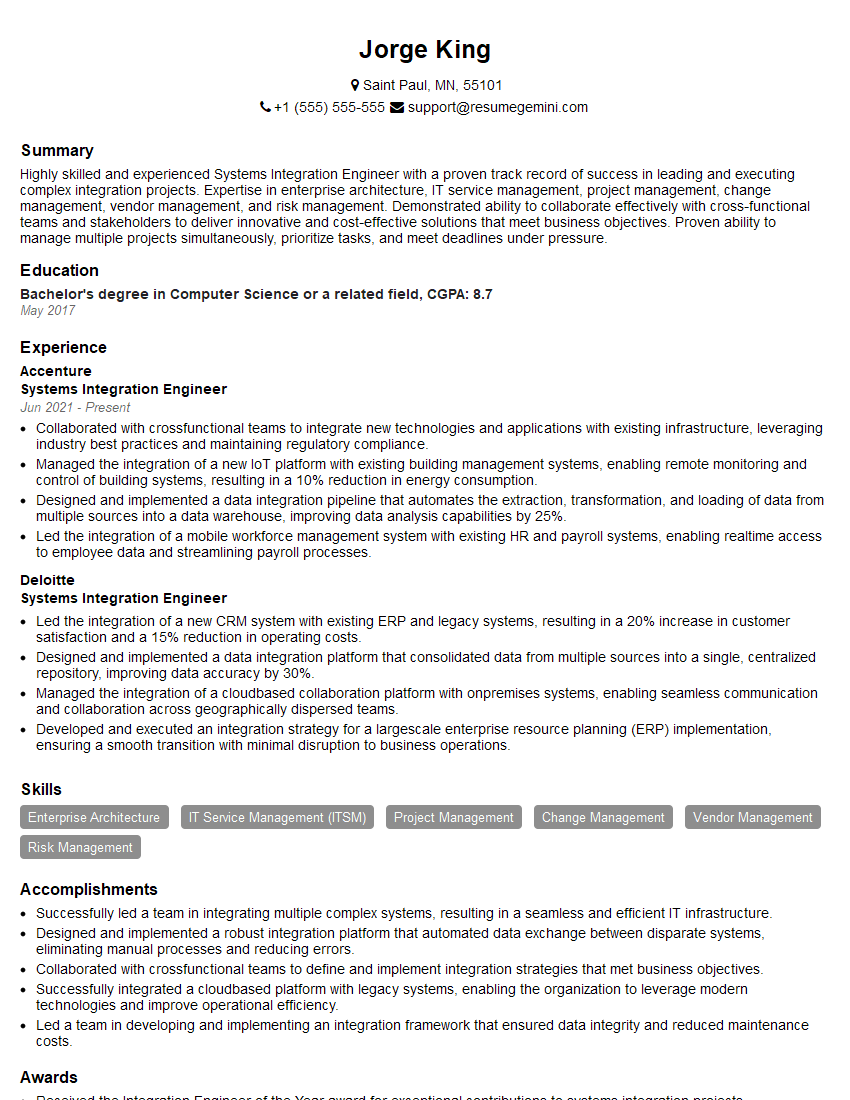
Systems Integration Engineer Resume Sample
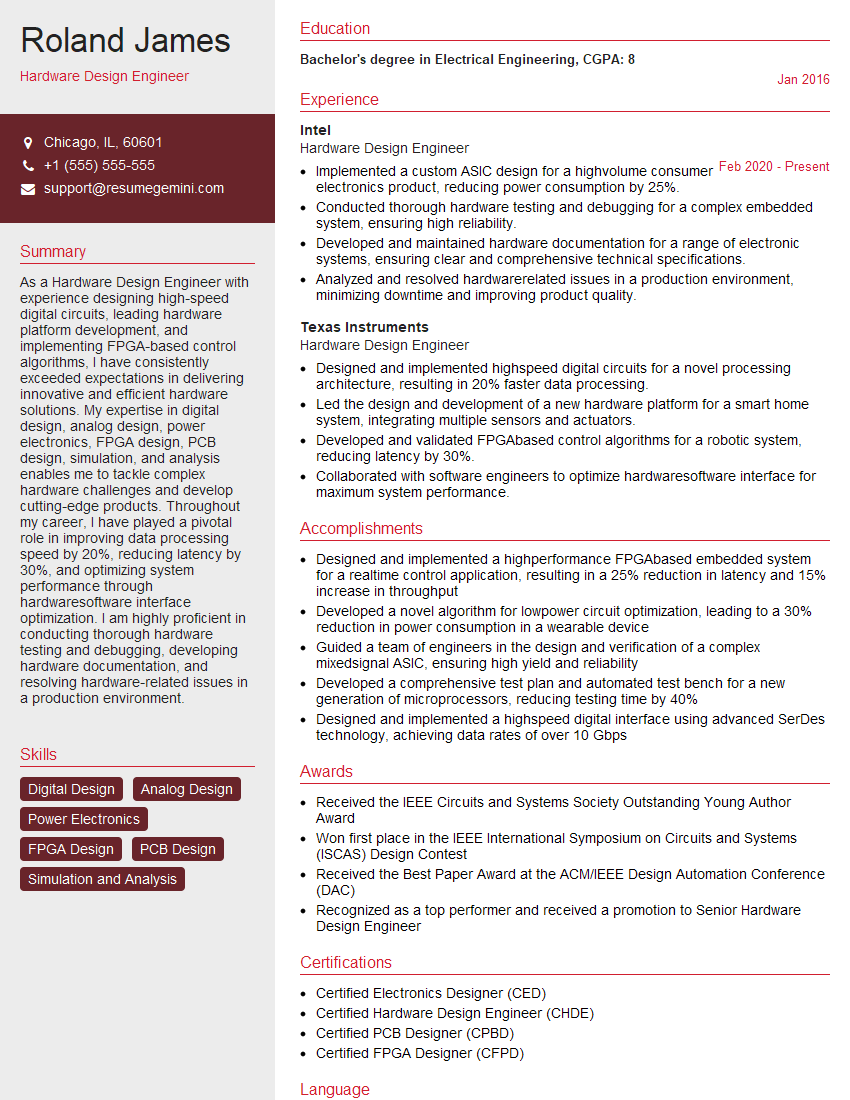
Hardware Design Engineer Resume Sample
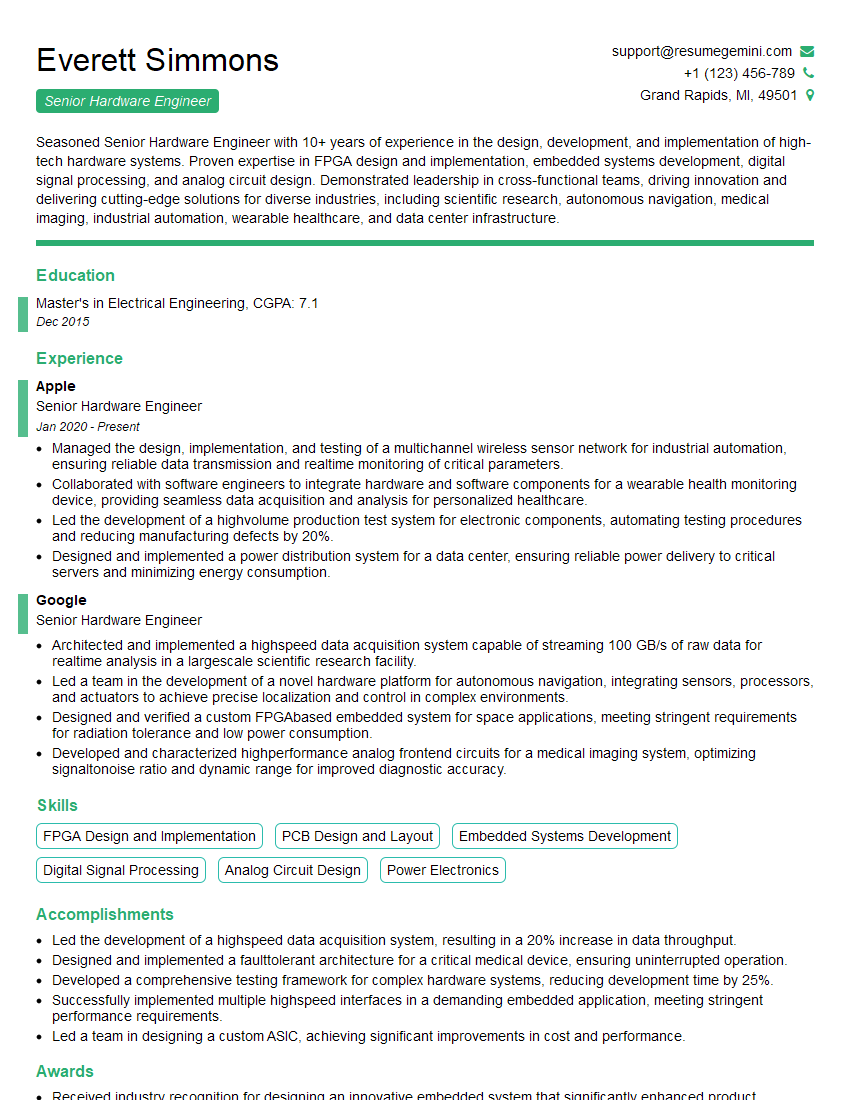
Senior Hardware Engineer Resume Sample
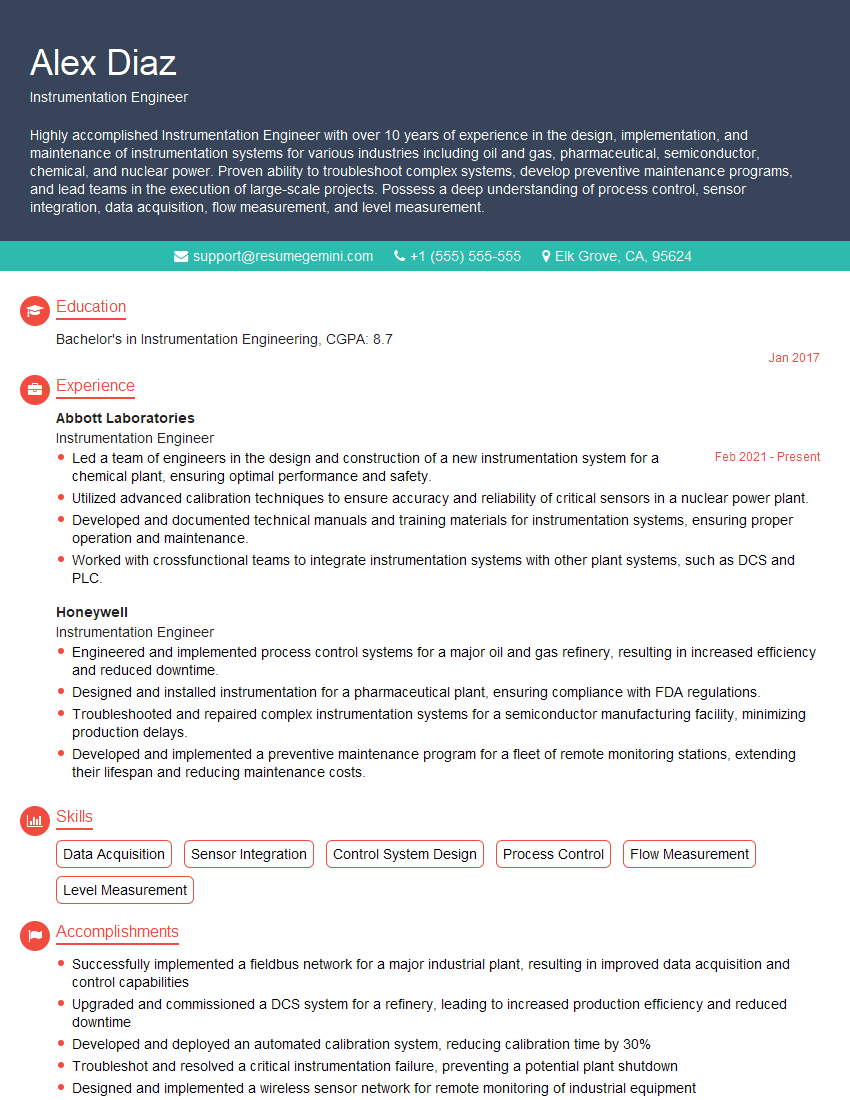
Instrumentation Engineer Resume Sample
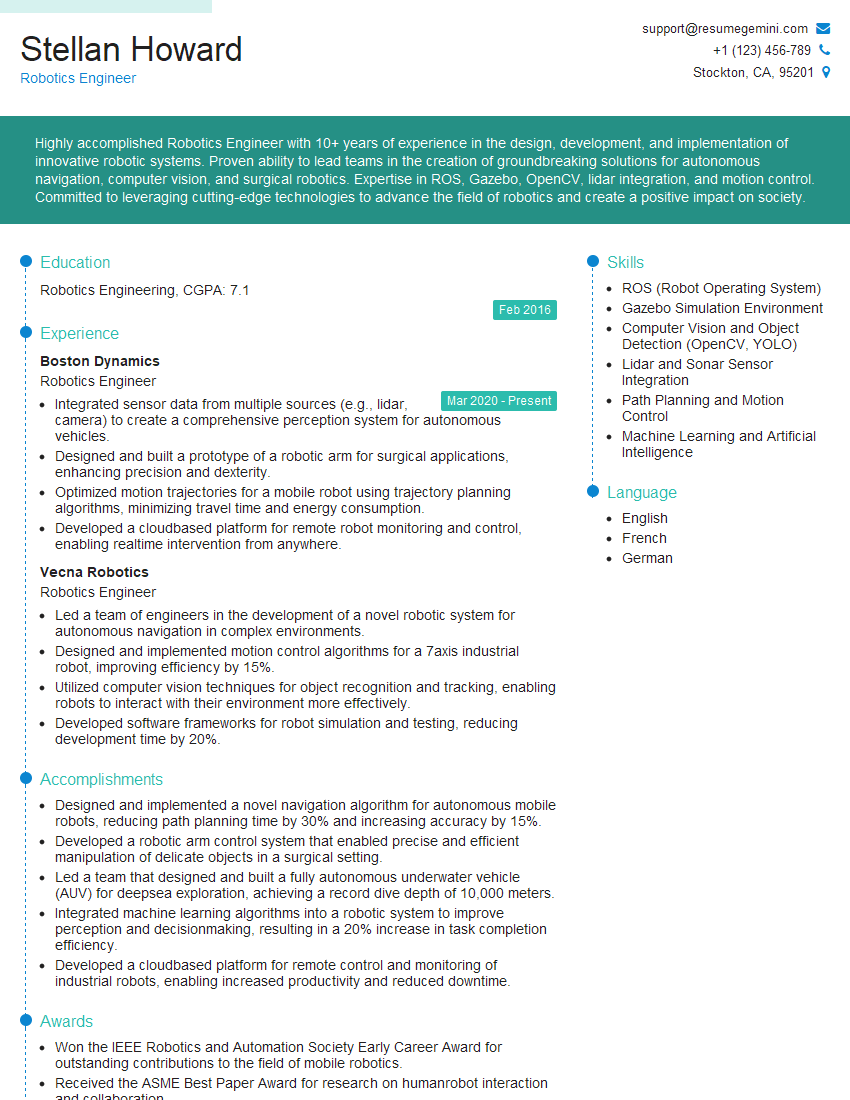
Robotics Engineer Resume Sample
Explore more articles
Users Rating of Our Blogs
Share Your Experience
We value your feedback! Please rate our content and share your thoughts (optional).
What Readers Say About Our Blog
Really detailed insights and content, thank you for writing this detailed article.
IT gave me an insight and words to use and be able to think of examples