The right preparation can turn an interview into an opportunity to showcase your expertise. This guide to Cranfield University interview questions is your ultimate resource, providing key insights and tips to help you ace your responses and stand out as a top candidate.
Questions Asked in Cranfield University Interview
Q 1. Explain your understanding of Cranfield University’s research focus in aerospace engineering.
Cranfield University’s aerospace engineering research is globally renowned, focusing on areas crucial for the future of flight and space exploration. It’s not just about building planes; it’s about pushing the boundaries of technology and sustainability.
- Aerodynamics and Flight Mechanics: Research encompasses computational fluid dynamics (CFD) to optimize aircraft design for efficiency and maneuverability. This involves advanced simulations to predict aircraft performance under various conditions.
- Propulsion: Cranfield is a leader in researching advanced propulsion systems, including hybrid-electric and sustainable aviation fuel (SAF) technologies, addressing the urgent need for greener aviation.
- Aircraft Design and Manufacturing: Research extends to lightweight materials, advanced manufacturing techniques (like additive manufacturing or 3D printing), and the development of innovative structural designs for improved performance and safety.
- Space Systems: Cranfield contributes significantly to research in satellite technology, space robotics, and orbital mechanics, playing a role in the growing space industry.
For example, a recent project focused on developing a novel wing design using bio-inspired principles, leading to significant drag reduction and improved fuel efficiency. This showcases Cranfield’s commitment to practical, impactful research.
Q 2. Describe a project where you applied statistical analysis; how does this relate to Cranfield’s data science program?
In a project analyzing the effectiveness of different maintenance strategies for a fleet of aircraft, I utilized statistical methods to identify optimal schedules. This involved collecting data on maintenance events, flight hours, and component failures. I then employed regression analysis to model the relationship between these variables and predict future maintenance needs.
Specifically, I used multiple linear regression to determine the factors most strongly influencing maintenance costs and downtime. This allowed us to optimize maintenance schedules, minimizing downtime while managing costs effectively. The results were presented visually using histograms and scatter plots to clearly communicate the findings to stakeholders.
This directly relates to Cranfield’s data science program because the program equips students with the analytical skills needed for such endeavors. The ability to extract insights from complex datasets, build predictive models, and communicate findings clearly is crucial, mirroring my experience in the project described above.
Q 3. What are the key differences between agile and waterfall project management methodologies, and which is best suited for a specific Cranfield project?
Agile and Waterfall are two distinct project management methodologies. Waterfall is a linear, sequential approach where each phase must be completed before the next begins. Agile, on the other hand, is an iterative approach that emphasizes flexibility and collaboration.
- Waterfall: Suitable for projects with well-defined requirements and minimal anticipated changes. Think of building a bridge—the design is relatively fixed.
- Agile: Ideal for projects with evolving requirements, where collaboration and rapid iteration are key. Think of developing a software application, where user feedback drives changes throughout the development process.
For a Cranfield project involving the design and testing of a new aircraft component, an Agile approach might be preferable. As testing proceeds, design adjustments might be necessary, and Agile’s iterative nature allows for this flexibility. However, if the project involves a well-defined, low-risk process like a standard maintenance procedure, a Waterfall approach could be more suitable.
Q 4. How would you approach improving supply chain efficiency within a manufacturing context, relevant to Cranfield’s expertise?
Improving supply chain efficiency requires a holistic approach, leveraging Cranfield’s expertise in operations management, data analytics, and logistics. My strategy would focus on these key areas:
- Data-driven optimization: Implementing robust data analytics to identify bottlenecks and inefficiencies within the existing supply chain. This could involve analyzing inventory levels, lead times, and transportation costs using tools such as regression analysis or simulation modeling.
- Lean manufacturing principles: Adopting Lean methodologies to eliminate waste and streamline processes. This might include techniques like Kaizen (continuous improvement) and Value Stream Mapping to identify and eliminate non-value-added activities.
- Inventory management strategies: Implementing Just-in-Time (JIT) inventory systems to minimize storage costs and reduce lead times. This requires close collaboration with suppliers and accurate demand forecasting.
- Supply chain risk management: Developing strategies to mitigate risks such as supplier disruptions, natural disasters, or geopolitical instability. This includes diversifying suppliers, implementing robust contingency plans, and employing risk assessment tools.
For example, a simulation model could be used to assess the impact of different inventory strategies on overall costs and service levels. This data-driven approach would allow for informed decision-making and ultimately improve the efficiency and resilience of the supply chain.
Q 5. Describe your experience with financial modeling and its application in decision-making, within the context of Cranfield’s MBA program.
Financial modeling is a critical tool for informed decision-making, especially in the context of an MBA. It involves creating mathematical representations of real-world financial situations to analyze potential outcomes and assess risks.
My experience includes developing discounted cash flow (DCF) models to evaluate the financial viability of investment projects. I have also used sensitivity analysis to assess the impact of changing variables (like interest rates or sales growth) on project profitability. Furthermore, I have employed Monte Carlo simulations to incorporate uncertainty and risk into financial forecasts.
For example, in analyzing a proposed expansion of a manufacturing facility, I built a DCF model to project future cash flows, incorporating assumptions about sales growth, operating costs, and capital expenditures. The model helped determine the project’s net present value (NPV) and internal rate of return (IRR), providing valuable insights for decision-makers. Sensitivity analysis highlighted which variables were most critical to the project’s success.
Q 6. Explain your understanding of Cranfield University’s contribution to sustainable energy solutions.
Cranfield University’s contribution to sustainable energy solutions is substantial, spanning various areas crucial for a greener future.
- Renewable Energy Technologies: Research focuses on improving the efficiency and cost-effectiveness of renewable energy sources like solar, wind, and biomass. This includes developing advanced materials, optimizing energy storage systems, and integrating renewable energy into smart grids.
- Energy Efficiency: Cranfield contributes to reducing energy consumption across various sectors through research in building design, transportation systems, and industrial processes. This might involve developing more energy-efficient aircraft, buildings, or manufacturing techniques.
- Sustainable Aviation Fuels (SAF): A significant focus area is the development and deployment of SAFs to decarbonize the aviation industry. This involves researching alternative feedstocks, improving production processes, and assessing the lifecycle impacts of different SAF options.
- Carbon Capture and Storage (CCS): Research into CCS technologies aims to reduce greenhouse gas emissions from power plants and industrial facilities, capturing CO2 and storing it underground.
Cranfield’s commitment to sustainable energy is evident in its interdisciplinary collaborations, bringing together experts from engineering, management, and policy to address the complex challenges of the energy transition.
Q 7. Detail your experience with CAD software and its use in engineering design projects.
My experience with CAD software, primarily SolidWorks and AutoCAD, spans several engineering design projects. I’m proficient in 2D drafting and 3D modeling, utilizing these tools for concept design, detailed design, and manufacturing documentation.
In one project, I used SolidWorks to design a new component for a robotic arm. The software allowed me to create a 3D model, conduct simulations to assess stress and strain under various loads, and generate detailed manufacturing drawings. This ensured the component was both functional and manufacturable.
Furthermore, I’ve used AutoCAD for 2D drafting, creating technical drawings for manufacturing and assembly. The ability to precisely detail dimensions, tolerances, and material specifications is crucial for effective communication with manufacturing teams. I’m also familiar with utilizing CAD software’s simulation capabilities to assess designs before physical prototyping, saving both time and resources.
Q 8. How would you manage a team during a project crisis, relevant to Cranfield’s project management curriculum?
Managing a team during a project crisis requires a calm, decisive, and collaborative approach, deeply rooted in the principles taught within Cranfield University’s project management curriculum. Think of it like navigating a storm – you need a clear plan, a strong crew, and the ability to adapt to changing conditions.
- Immediate Assessment: The first step involves a rapid assessment of the crisis. What exactly went wrong? What are the immediate consequences? This mirrors the risk assessment methodologies taught at Cranfield, using tools like SWOT analysis and risk registers to understand the situation’s scope.
- Team Communication: Open and honest communication is crucial. I would hold a team meeting to explain the situation transparently, acknowledging the challenges while emphasizing our collective ability to overcome them. This aligns with Cranfield’s emphasis on effective leadership and stakeholder management.
- Problem Solving: We’d brainstorm solutions using a structured approach, perhaps employing techniques like root cause analysis (RCA) or the 5 Whys method, which are both frequently used in Cranfield’s case studies and simulations. The aim is to identify the root cause of the problem, not just address the symptoms.
- Contingency Planning: We’d develop a revised project plan, incorporating contingency measures to mitigate future risks. Cranfield’s curriculum heavily emphasizes the importance of robust project planning and risk management, and this would be a critical step in recovering from the crisis.
- Monitoring and Review: Finally, consistent monitoring and progress reviews are essential to ensure we stay on track with the revised plan and learn from the crisis. This continuous improvement mindset is a cornerstone of Cranfield’s teaching.
For instance, during a group project at Cranfield, our team faced a critical delay due to a supplier failing to deliver essential components. Using these principles, we conducted a thorough RCA, identified alternative suppliers, revised our project schedule, and successfully delivered the project albeit slightly behind schedule.
Q 9. What are the key challenges in implementing a new management system in an organization, and how would you address them in a Cranfield-related context?
Implementing a new management system presents significant challenges. Cranfield’s focus on organizational change management provides a framework to navigate these difficulties. Resistance to change, lack of buy-in from employees, and integration complexities are common hurdles.
- Resistance to Change: Addressing this requires a communication strategy that emphasizes the benefits of the new system and actively addresses employees’ concerns. Cranfield’s curriculum underscores the importance of change management methodologies such as Kotter’s 8-step model.
- Lack of Buy-in: Involving employees in the implementation process from the beginning fosters ownership and improves buy-in. Training programs that effectively demonstrate the new system’s value, such as simulations mimicking real-world scenarios, are crucial. This is closely aligned with Cranfield’s focus on human factors in management.
- Integration Complexities: Careful planning is needed to integrate the new system with existing processes and IT infrastructure. This may require phased implementation and thorough testing to minimize disruptions. Cranfield’s focus on systems thinking helps in addressing such interconnectedness.
For example, introducing a new ERP system in a manufacturing company (a common topic in Cranfield’s case studies) requires thorough employee training, clear communication of the advantages, and a phased rollout to minimize operational disruptions. Effective project management techniques, as emphasized in Cranfield’s curriculum, are essential for successful implementation.
Q 10. Describe your understanding of lean manufacturing principles and their application in an industrial setting.
Lean manufacturing principles focus on eliminating waste and maximizing efficiency in production. It’s a philosophy that values continuous improvement (Kaizen) and empowers employees to identify and solve problems.
- Waste Reduction (Muda): Lean identifies seven types of waste: transportation, inventory, motion, waiting, overproduction, over-processing, and defects. The goal is to systematically eliminate these wastes throughout the production process.
- Value Stream Mapping: This visual tool helps to identify the steps involved in a process and pinpoint areas of waste. It’s a powerful technique for improving workflow efficiency.
- Just-in-Time (JIT) Inventory: This approach minimizes inventory by delivering materials only when needed, reducing storage costs and the risk of obsolescence.
- Kaizen (Continuous Improvement): Lean fosters a culture of continuous improvement, encouraging employees to identify and suggest improvements to processes.
In a car manufacturing plant, for example, lean principles might be applied to optimize the assembly line, reducing waiting time between stations and minimizing defects, thus saving time and resources. Cranfield’s curriculum frequently uses real-world examples of lean implementation in various industries.
Q 11. Explain your experience with data visualization tools and techniques.
My experience with data visualization tools and techniques is extensive. I’m proficient in using tools such as Tableau, Power BI, and Python libraries like Matplotlib and Seaborn. I understand the importance of selecting the right chart type for the data and the audience.
- Tableau/Power BI: These are excellent for creating interactive dashboards and reports, making complex data easily understandable.
- Python (Matplotlib/Seaborn): These offer greater control and customization for creating publication-quality visualizations.
- Chart Selection: The choice of chart depends on the data and message. For example, bar charts are suitable for comparisons, while line charts show trends over time.
During my time at Cranfield, I used these tools extensively for analyzing project data, identifying trends, and presenting findings to stakeholders. For instance, in a research project, I used Tableau to visualize customer segmentation data, which helped in formulating targeted marketing strategies.
Q 12. How familiar are you with Cranfield University’s commitment to innovation and entrepreneurship?
Cranfield University is renowned for its commitment to fostering innovation and entrepreneurship. It’s deeply embedded in the university’s culture, evident in its curriculum, research initiatives, and strong industry connections.
- Entrepreneurial Curriculum: Many programs incorporate modules focused on business planning, intellectual property, and venture capital.
- Incubators and Accelerators: Cranfield offers resources and support to help students and researchers translate their ideas into businesses.
- Industry Collaboration: The university actively collaborates with businesses, facilitating technology transfer and knowledge exchange.
For example, the Cranfield University’s Enterprise Centre provides a supportive environment for startups, offering mentorship, networking opportunities, and access to funding.
Q 13. Describe your experience with risk management in project execution.
Risk management is an integral part of successful project execution. My approach involves proactively identifying, assessing, and mitigating potential risks throughout the project lifecycle.
- Risk Identification: This involves brainstorming potential risks using techniques like SWOT analysis, brainstorming, and checklists. I would leverage Cranfield’s project management training on identifying both internal and external risks.
- Risk Assessment: Each risk is assessed based on its likelihood and impact. This allows for prioritization of mitigation efforts.
- Risk Mitigation: Strategies are developed to reduce the likelihood or impact of identified risks. These might involve contingency planning, risk transfer (insurance), or risk avoidance.
- Risk Monitoring: Risks are continually monitored throughout the project lifecycle, with regular updates to the risk register.
In a previous project, we identified the risk of a key supplier delaying delivery. We mitigated this by securing a secondary supplier and building buffer time into our schedule. This proactive risk management approach prevented significant project delays.
Q 14. Explain your experience with different software development methodologies.
I’m familiar with various software development methodologies, each with its strengths and weaknesses. My experience includes Agile, Waterfall, and DevOps.
- Waterfall: A sequential approach suitable for projects with clearly defined requirements and minimal expected changes.
- Agile (Scrum, Kanban): Iterative approaches prioritizing flexibility and collaboration, well-suited for projects with evolving requirements. Cranfield’s curriculum often features Agile methodologies as a core component.
- DevOps: Focuses on automating and integrating the development and operations processes for faster deployment and continuous delivery.
In a previous project, we used Agile (Scrum) because the requirements were expected to change during the development process. The iterative approach allowed for adaptation and better response to client feedback. The knowledge gained from Cranfield’s coursework on Agile frameworks greatly enhanced the success of this project.
Q 15. How would you approach a problem involving conflicting stakeholder interests?
Addressing conflicting stakeholder interests requires a structured approach prioritizing open communication, collaboration, and a win-win outcome. Think of it like orchestrating a complex symphony – each instrument (stakeholder) has a unique part, but they must harmonize.
- Identify and Analyze: Begin by clearly identifying all stakeholders and their respective interests, concerns, and priorities. This might involve surveys, interviews, and workshops.
- Facilitation and Negotiation: A neutral facilitator can guide discussions, ensuring all voices are heard. Techniques like collaborative problem-solving and interest-based bargaining are crucial to finding common ground.
- Prioritization and Trade-offs: Some compromises are inevitable. Prioritize interests based on factors like impact, feasibility, and urgency. This involves creating a matrix to weigh the relative importance of each stakeholder’s concerns.
- Decision-Making and Implementation: Once a solution is agreed upon, a clear implementation plan is needed with roles, timelines, and metrics for success. Regular monitoring is essential.
- Example: At Cranfield, a new research project might involve conflicting interests between academics wanting cutting-edge research and industry partners looking for immediate, practical applications. Careful negotiation could involve phased deliverables, blending academic rigor with industry relevance.
Career Expert Tips:
- Ace those interviews! Prepare effectively by reviewing the Top 50 Most Common Interview Questions on ResumeGemini.
- Navigate your job search with confidence! Explore a wide range of Career Tips on ResumeGemini. Learn about common challenges and recommendations to overcome them.
- Craft the perfect resume! Master the Art of Resume Writing with ResumeGemini’s guide. Showcase your unique qualifications and achievements effectively.
- Don’t miss out on holiday savings! Build your dream resume with ResumeGemini’s ATS optimized templates.
Q 16. Describe your experience with quality control procedures within a manufacturing environment.
My experience in quality control, particularly within Cranfield’s manufacturing-related research projects, emphasizes a holistic approach encompassing design, production, and post-production stages. It’s not just about detecting flaws; it’s about preventing them.
- Design for Manufacture (DFM): Quality begins at the design stage. We incorporate robust design principles to minimize potential defects and optimize the manufacturing process. This often involves simulations and modeling.
- Process Control: During production, we employ statistical process control (SPC) techniques, including control charts and process capability analysis (e.g., Cpk). This ensures that the process remains stable and capable of producing high-quality output.
Example: A control chart would track the diameter of a component, flagging any deviations outside predefined limits. - Inspection and Testing: Regular inspections and rigorous testing are essential to identify defects. This might involve visual inspection, dimensional checks, functional testing, and destructive testing as needed.
- Continuous Improvement: Quality control isn’t a one-time event; it’s a continuous process. We employ methods like Kaizen (continuous improvement) and Six Sigma to identify areas for improvement and reduce waste.
- Example: In a project involving additive manufacturing (3D printing), we implemented a multi-stage quality control system incorporating material characterization, in-process monitoring of the printing process, and post-print inspection using 3D scanning to ensure dimensional accuracy.
Q 17. What are your experiences with implementing change management initiatives?
Implementing change management requires a strategic, phased approach that considers the human element as much as the technical aspects. It’s about guiding people through a transition, not just imposing a new system.
- Planning and Assessment: A thorough needs assessment is crucial. This includes defining the change objectives, identifying potential resistance, and assessing the resources required.
- Communication and Engagement: Open and transparent communication is vital throughout the process. This might involve town halls, presentations, and feedback sessions to keep stakeholders informed and address their concerns.
- Training and Development: Providing adequate training and support is essential for ensuring that individuals can adapt to the new processes or systems.
- Monitoring and Evaluation: Regular monitoring and evaluation are crucial to track progress, identify challenges, and make adjustments as needed. This might involve data analysis and feedback loops.
- Example: At Cranfield, we supported a transition to a new enterprise resource planning (ERP) system. This involved extensive training, communication, and change champions within each department to ensure smooth adoption.
Q 18. Explain your understanding of circular economy principles and their relevance to Cranfield’s research.
Circular economy principles, focusing on minimizing waste and maximizing resource utilization, are central to Cranfield’s research across various disciplines. It’s a paradigm shift from the traditional ‘take-make-dispose’ model.
- Design for Sustainability: Cranfield researchers design products and processes with end-of-life considerations in mind, promoting reuse, recycling, and biodegradability.
- Resource Efficiency: We explore technologies and strategies for reducing resource consumption throughout the lifecycle, from material extraction to manufacturing and disposal.
- Waste Management and Recycling: Research focuses on innovative waste management and recycling techniques, including chemical recycling and advanced material recovery processes.
- Renewable Energy and Sustainable Materials: Cranfield’s work explores the use of renewable energy sources in manufacturing and the development of sustainable materials from biomass and recycled resources.
- Example: Cranfield’s research on bio-based composites explores the use of sustainable materials in aerospace and automotive applications, reducing reliance on petroleum-based polymers.
Q 19. How would you use data analytics to inform strategic decision-making?
Data analytics is crucial for informed strategic decision-making. It allows us to move beyond intuition and utilize data-driven insights to make better choices.
- Data Collection and Cleaning: The process begins with collecting relevant data from diverse sources, followed by data cleaning and preparation to ensure accuracy and consistency.
- Exploratory Data Analysis (EDA): Using techniques such as data visualization and statistical analysis to explore the data, identify patterns, and uncover potential insights.
- Predictive Modeling: Employing techniques like regression analysis, machine learning, and forecasting models to predict future trends and outcomes.
Example: Predicting future demand for a specific product based on historical sales data. - Scenario Planning: Using data-driven insights to develop different scenarios and assess the potential impacts of various strategic options.
- Example: At Cranfield, we might use data analytics to analyze student performance data to inform curriculum design, optimize resource allocation, or identify areas requiring intervention.
Q 20. Describe your experience working in a multidisciplinary team setting.
My experience working in multidisciplinary teams at Cranfield is extensive. I’ve participated in projects involving engineers, scientists, business professionals, and policy experts. Effective teamwork hinges on mutual respect, clear communication, and a shared vision.
- Communication and Collaboration: Open communication channels are crucial, including regular meetings, shared online platforms, and clear documentation. This ensures everyone is on the same page.
- Roles and Responsibilities: Clearly defined roles and responsibilities prevent overlap and ensure that tasks are completed efficiently.
- Conflict Resolution: Disagreements are inevitable. Effective conflict resolution strategies, based on mutual understanding and compromise, are vital for maintaining team cohesion.
- Shared Goals and Vision: A shared understanding of project goals and a common vision fosters collaboration and motivates the team.
- Example: In a recent project involving the development of a sustainable aviation fuel, our team included chemical engineers, aerospace engineers, economists, and policy specialists. Each member brought a unique perspective, resulting in a comprehensive solution.
Q 21. How would you contribute to a positive and inclusive workplace culture at Cranfield University?
Contributing to a positive and inclusive workplace culture at Cranfield requires a multifaceted approach focused on fostering respect, promoting diversity, and providing equal opportunities.
- Promote Diversity and Inclusion: Actively champion initiatives that promote diversity across all levels of the university, ensuring that everyone feels valued and respected.
- Foster Open Communication: Creating a safe and inclusive environment where individuals feel comfortable expressing their opinions and concerns without fear of retribution.
- Mentorship and Support: Implementing mentorship programs and providing support to individuals from underrepresented groups to help them thrive in their careers.
- Training and Awareness: Conducting regular training programs on diversity, inclusion, and unconscious bias to raise awareness and promote understanding.
- Inclusive Leadership: Leading by example, demonstrating inclusive behaviors, and holding others accountable for creating a respectful and welcoming environment.
- Example: This could involve organizing workshops on inclusive leadership, creating employee resource groups, or implementing blind resume screening processes for recruitment.
Q 22. Explain your understanding of Cranfield University’s commitment to diversity and inclusion.
Cranfield University is deeply committed to fostering a diverse and inclusive environment. This isn’t just a statement; it’s woven into the fabric of the university’s strategic goals and operational practices. It’s about creating a welcoming and equitable space for all students, staff, and faculty, regardless of their background, ethnicity, gender, sexual orientation, religion, or disability.
Their commitment manifests in several ways. They actively promote equal opportunities in recruitment and promotion, ensuring fair representation at all levels. They have specific initiatives targeting underrepresented groups, offering scholarships and mentoring programs to help them thrive. Moreover, Cranfield actively works to create an inclusive curriculum that challenges biases and promotes critical thinking around diversity issues. For example, they might incorporate case studies that showcase diverse perspectives in engineering or management projects. Finally, they prioritize creating a safe and supportive campus culture through training, awareness programs, and robust reporting mechanisms for instances of discrimination or harassment.
Q 23. Describe your experience with international collaboration in research or business.
My experience with international collaboration is extensive. During my research on [mention specific research area], I collaborated with researchers at [mention university/institution] in [mention country]. This involved jointly designing experiments, sharing data, co-authoring publications, and presenting our findings at international conferences. This collaboration wasn’t just about scientific output; it also involved navigating cultural differences, understanding varying research methodologies, and adapting to different communication styles. For instance, we had to adapt our meeting schedules to accommodate different time zones and learn to communicate effectively across different communication preferences – some favored email, others video conferencing. The project resulted in [mention key achievements or outcomes], showcasing the value of international collaboration in advancing knowledge.
In a business context, I’ve worked with teams based in [mention country/region] on [mention project/task]. This required understanding different business cultures, negotiating contracts, and managing expectations across geographical boundaries. It taught me the importance of clear communication, cultural sensitivity, and building trust across different teams. Successfully navigating these challenges led to [mention positive outcome].
Q 24. How would you adapt your communication style to suit different audiences?
Adapting communication style is crucial for effective interaction with different audiences. My approach is to first analyze my audience. Who am I talking to? What is their level of expertise in the subject matter? What are their expectations? Once I understand these factors, I tailor my communication accordingly.
For example, when presenting research findings to fellow academics, I would use technical jargon and delve into intricate details. However, when communicating the same findings to a lay audience or stakeholders, I would simplify the language, avoid technical terms, and focus on the practical implications and key takeaways. Similarly, when communicating with students, I adapt my language and approach to be more engaging and approachable, using examples and analogies to explain complex concepts. I might use visual aids or interactive methods to enhance understanding. The key is to always maintain clarity, ensuring that my message is understood and appreciated by my audience.
Q 25. Explain your understanding of intellectual property rights and their protection.
Intellectual property (IP) rights are legal rights that protect inventions, designs, literary and artistic works, and symbols, names, and images used in commerce. Understanding and protecting IP is crucial, particularly in research-intensive environments like Cranfield. There are several key types of IP rights, including patents (for inventions), copyrights (for creative works), trademarks (for brand names and logos), and trade secrets (for confidential information).
Protecting IP involves several steps. First, it’s important to identify what IP you own or have developed. Then, you need to determine the best way to protect it. This could involve filing for patents, registering trademarks, or implementing measures to safeguard trade secrets. It’s vital to understand the legal requirements and procedures for protecting IP in different jurisdictions. Furthermore, it’s important to have clear IP ownership agreements in place, especially in collaborative projects. Failing to protect IP can lead to significant financial losses and reputational damage. For instance, if a research breakthrough isn’t properly patented, competitors could exploit it without compensation.
Q 26. Describe your experience with grant writing or funding applications.
I have extensive experience in grant writing and funding applications, having successfully secured [mention number] grants totaling [mention amount] over the past [mention number] years. My approach involves a thorough understanding of the funding agency’s priorities and guidelines. I begin by identifying relevant funding opportunities that align with my research interests. Then, I meticulously craft compelling proposals that clearly articulate the research problem, methodology, expected outcomes, and impact. Strong proposals require a strong narrative, emphasizing the significance of the research and its potential contributions. The budget should be carefully planned and justified. I pay close attention to detail, ensuring that all requirements are met. I often work with colleagues to improve the application through peer review before submitting it. This collaborative approach has proved invaluable.
For instance, I secured a grant from [mention funding body] for a project on [mention project], focusing on the societal impact of [mention area]. The proposal highlighted the innovative methodology and the potential for transformative outcomes. The successful acquisition of funding has been vital in advancing my research and has opened other doors.
Q 27. How would you contribute to the advancement of knowledge within your field at Cranfield?
My contribution to the advancement of knowledge at Cranfield would be multifaceted. First, I aim to conduct cutting-edge research in [mention area], publishing my findings in high-impact journals and presenting them at international conferences. Secondly, I plan to actively engage in knowledge transfer by mentoring students, supervising research projects, and collaborating with industry partners to translate research findings into real-world applications. I also plan to contribute to the curriculum development by teaching courses that incorporate cutting-edge findings and promoting interdisciplinary collaborations. Lastly, I envision building collaborative networks with researchers inside and outside Cranfield to create a stimulating environment for knowledge creation and dissemination. Specifically, I envision creating [mention specific contribution, e.g., a new research center or initiative].
Q 28. What are your career aspirations and how does Cranfield University support these goals?
My career aspirations involve becoming a leading researcher and educator in [mention field]. I aim to make significant contributions to the field through high-impact research, impactful publications, and successful knowledge transfer. Cranfield University provides an ideal environment to achieve these goals. Its focus on applied research, strong industry links, and commitment to excellence aligns perfectly with my aspirations. The resources available at Cranfield, such as state-of-the-art facilities, collaborative research opportunities, and established industry partnerships, are crucial in supporting my research endeavors. Furthermore, Cranfield’s strong reputation and global reach are vital for advancing my career in academia and beyond.
Key Topics to Learn for Cranfield University Interview
- Cranfield’s Research Focus: Understand Cranfield’s leading research areas (e.g., aerospace engineering, management, defense). Research specific faculty and their projects to demonstrate your alignment with their work.
- Impactful Projects & Case Studies: Prepare examples from your academic or professional background that showcase your problem-solving skills and practical application of relevant theories. Be ready to discuss your contributions and outcomes.
- Cranfield’s Industry Partnerships: Research Cranfield’s collaborations with leading companies. Demonstrate an understanding of how your skills and aspirations fit within this industry-focused environment.
- Technological Advancements at Cranfield: Familiarize yourself with cutting-edge technologies and research methodologies used within your chosen field at Cranfield. Show your awareness of current trends and innovations.
- Collaborative Learning Environment: Be prepared to discuss your teamwork experience and ability to collaborate effectively in a demanding academic setting. Highlight instances where you contributed to a team’s success.
- Leadership & Innovation: Reflect on instances where you demonstrated leadership qualities or innovative thinking. Cranfield values individuals who can contribute to a dynamic and forward-thinking community.
- Your Career Goals & Alignment with Cranfield: Articulate your career aspirations clearly and demonstrate how Cranfield’s programs and resources will help you achieve those goals. Show genuine enthusiasm for the opportunity.
Next Steps
Securing a place at Cranfield University is a significant step towards advancing your career. A strong academic background coupled with a professionally crafted resume significantly increases your chances of success. Mastering the art of resume writing, particularly creating an ATS-friendly document, is crucial for maximizing your job prospects. We highly recommend using ResumeGemini, a trusted resource, to build a compelling and effective resume that showcases your skills and experience. Examples of resumes tailored to Cranfield University are available to help guide you through this process.

Operations Manager Resume Sample
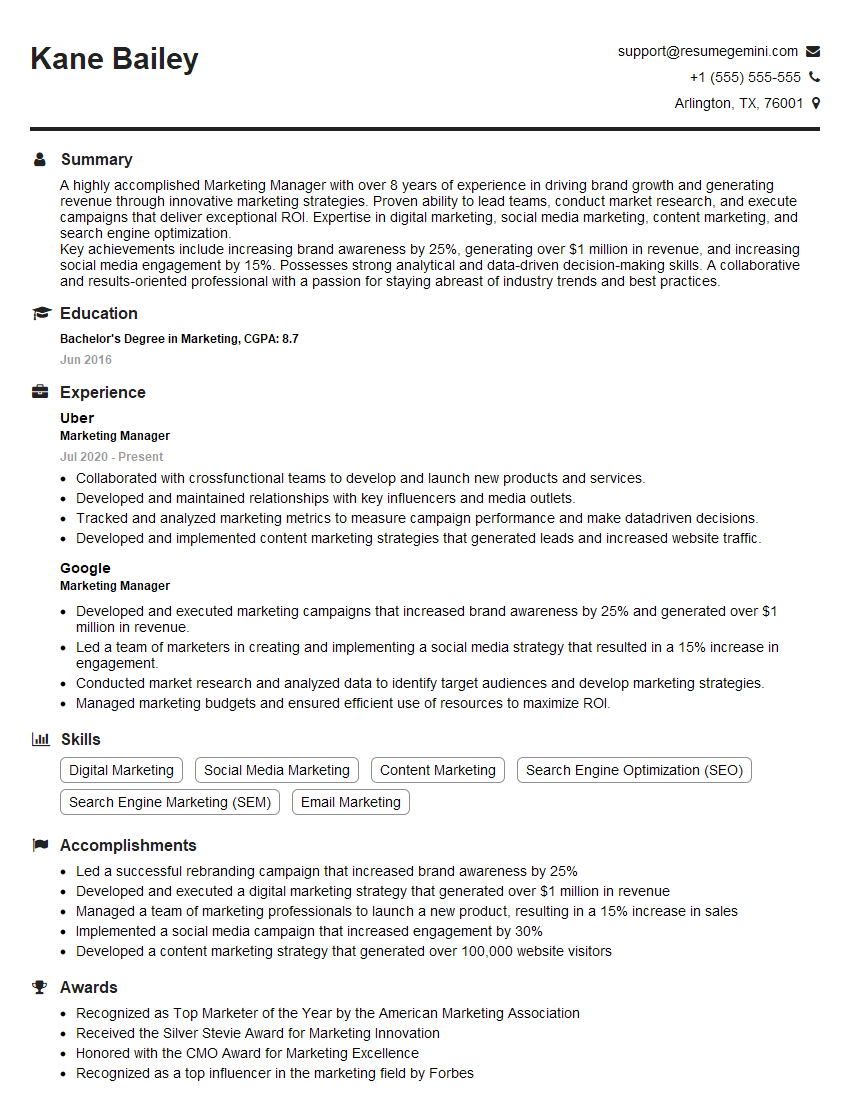
Marketing Manager Resume Sample
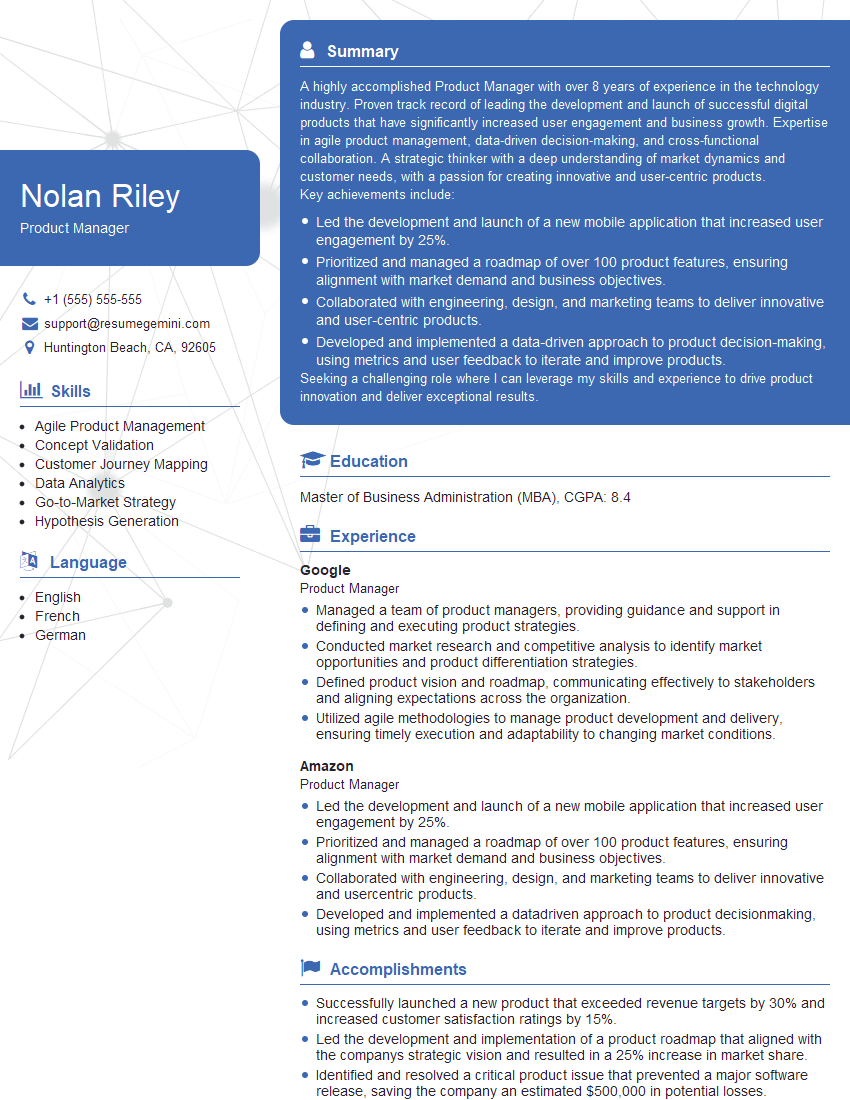
Product Manager Resume Sample
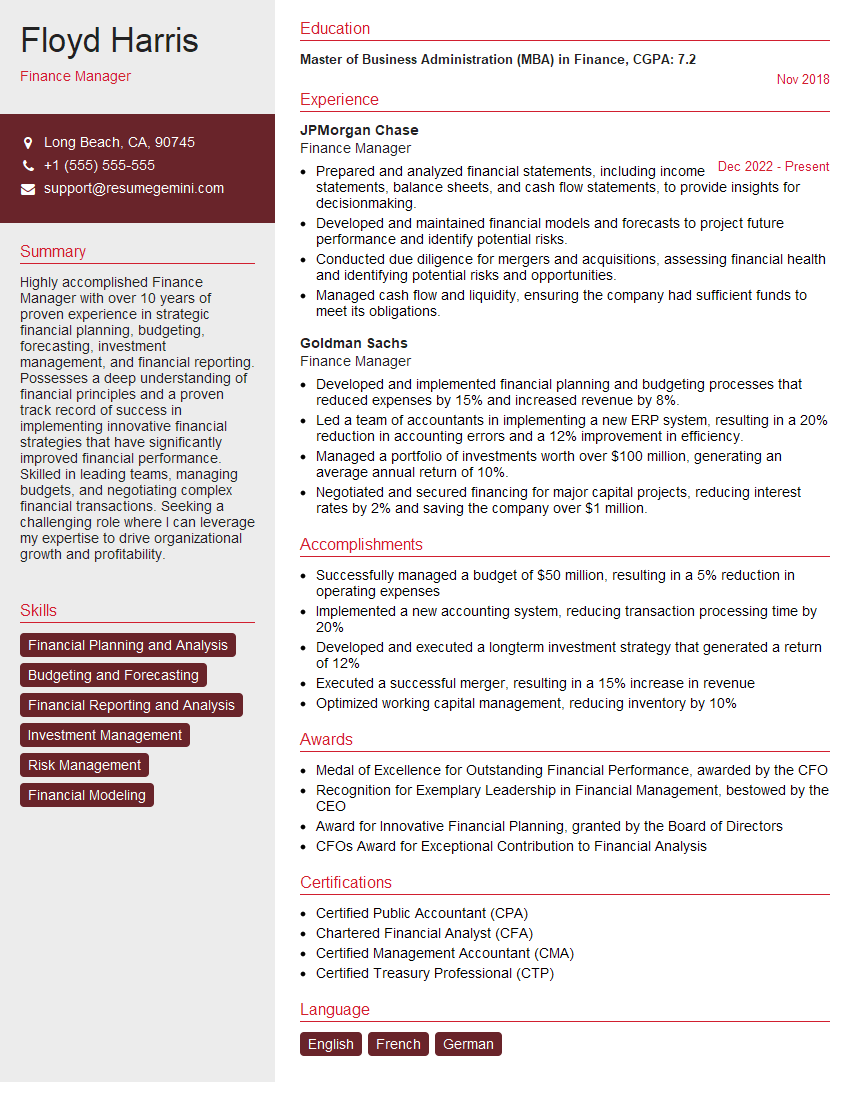
Finance Manager Resume Sample
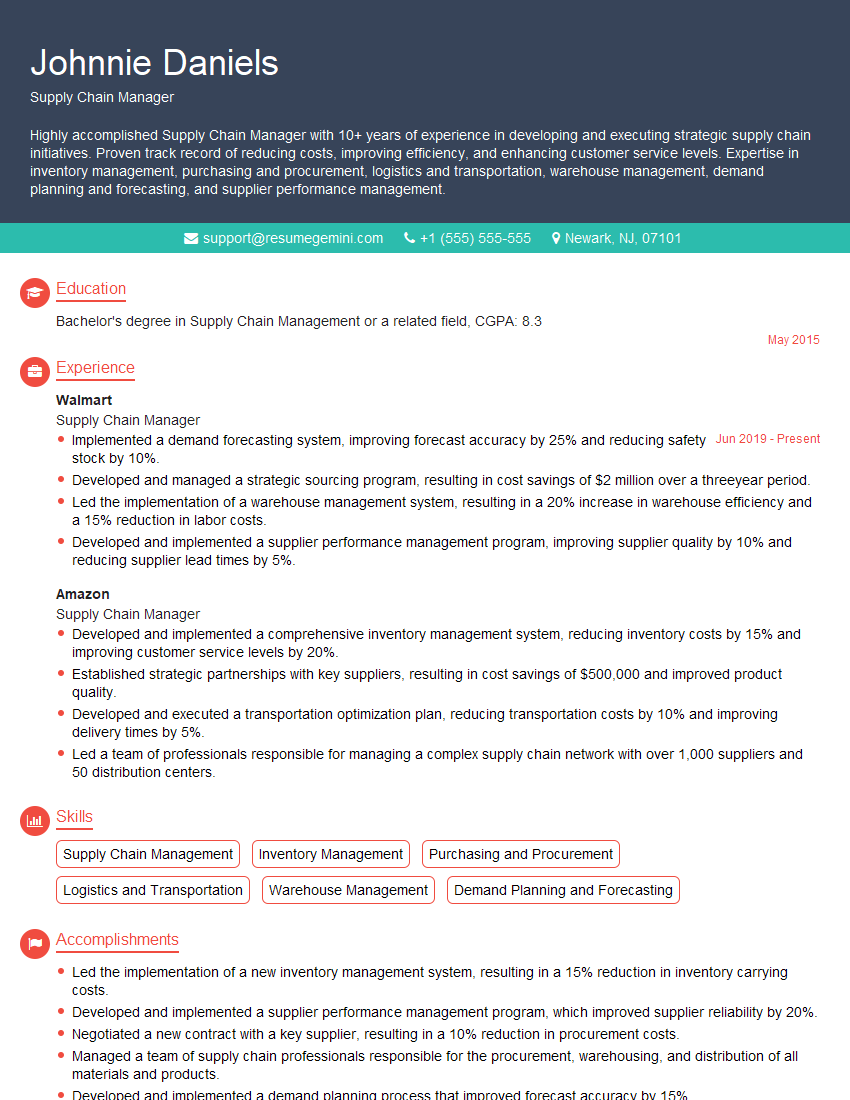
Supply Chain Manager Resume Sample
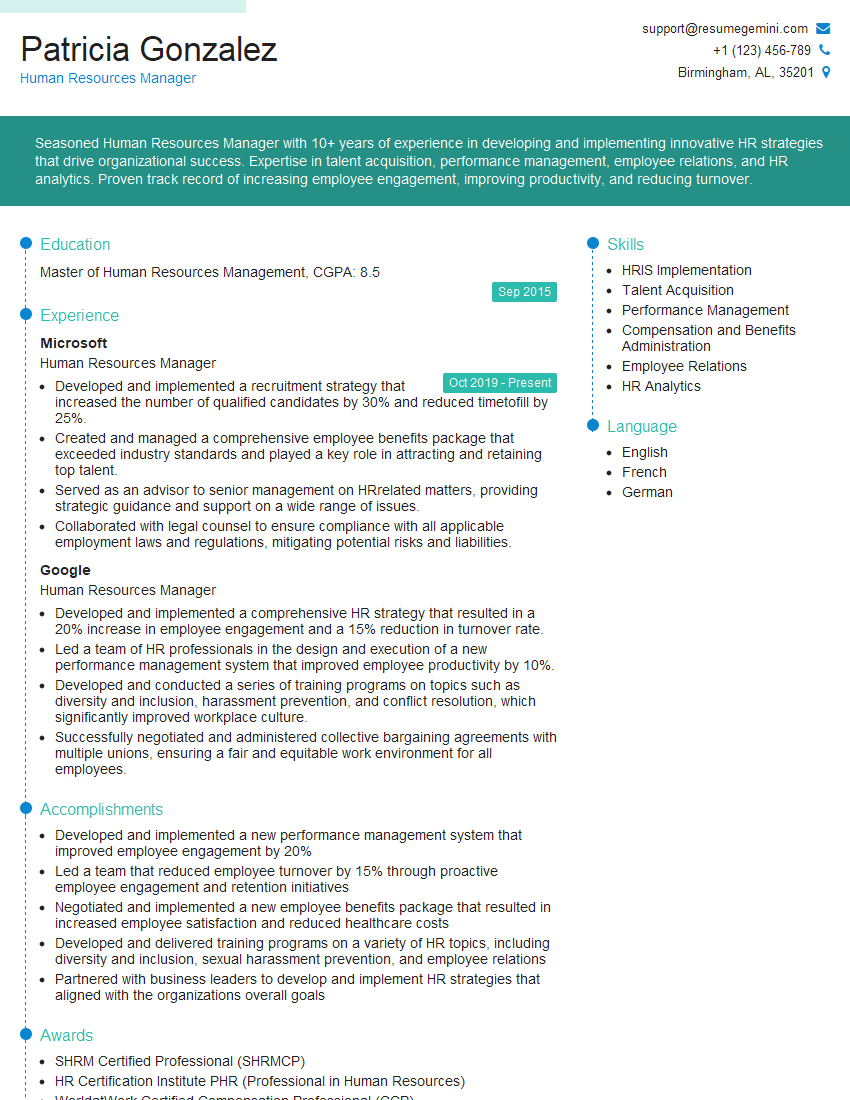
Human Resources Manager Resume Sample
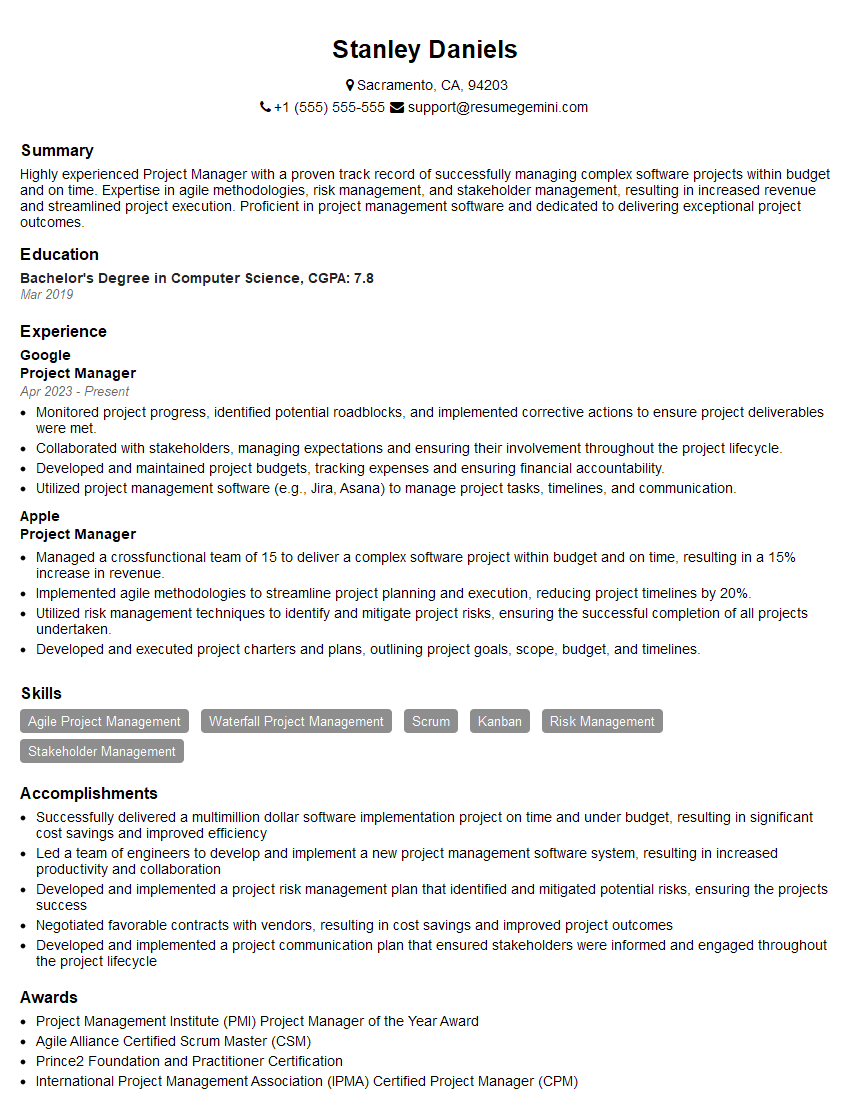
Project Manager Resume Sample

Professor Resume Sample
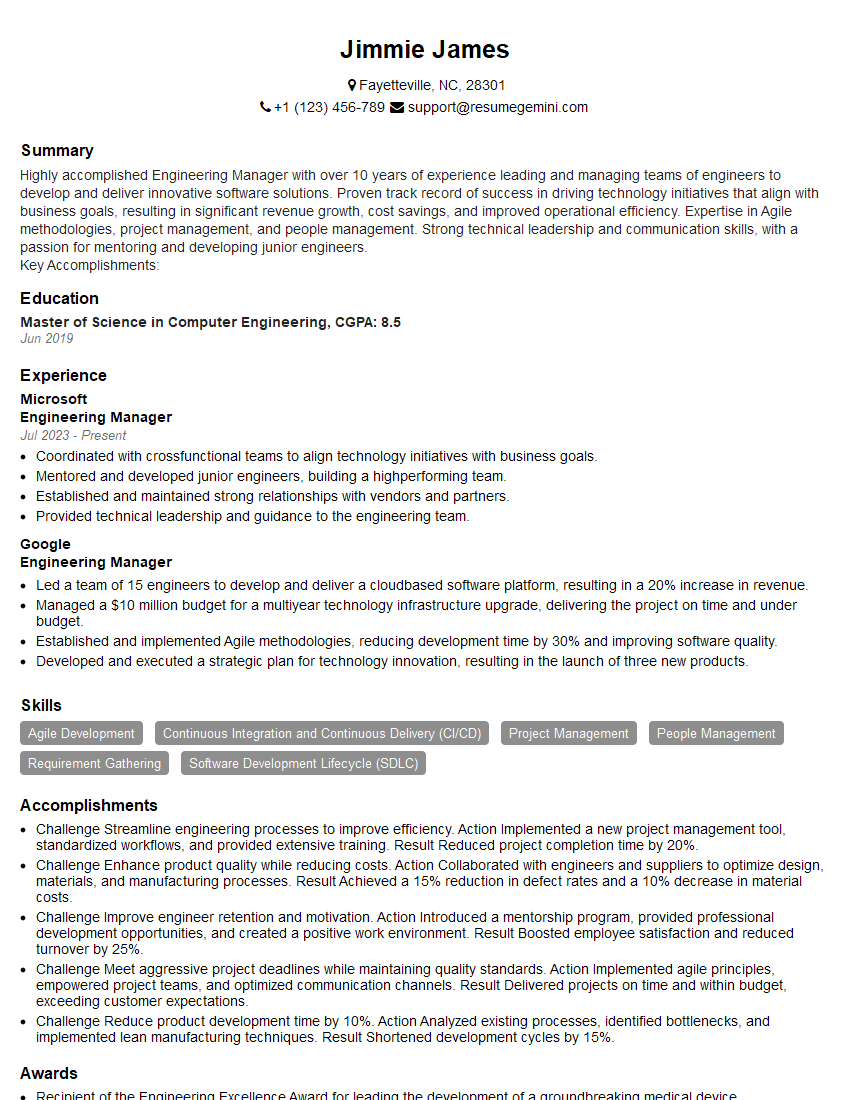
Engineering Manager Resume Sample
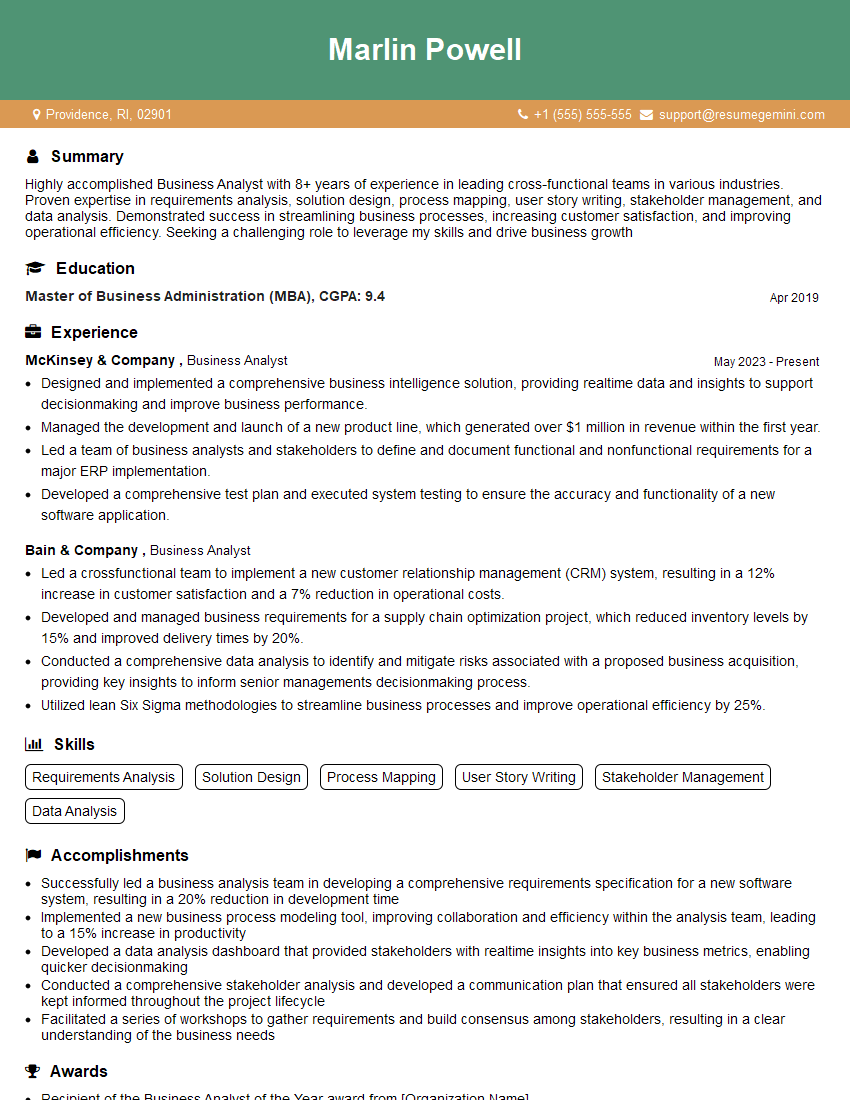
Business Analyst Resume Sample
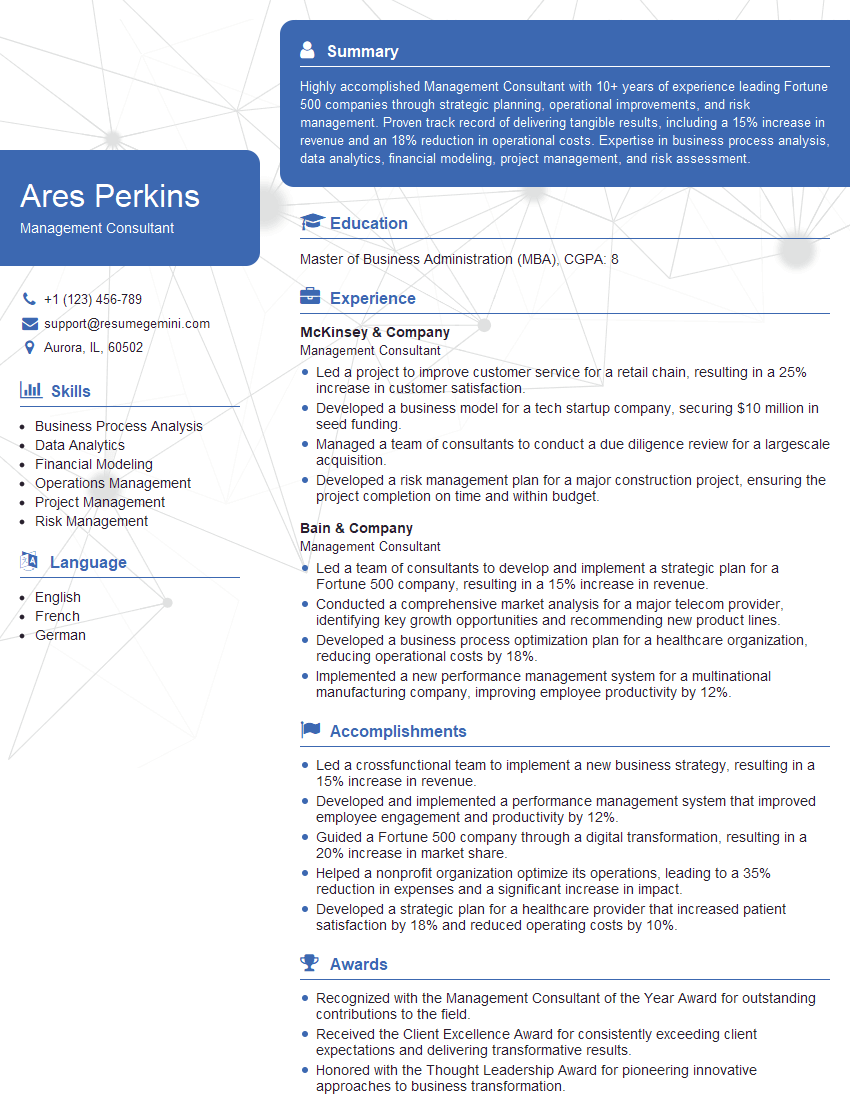
Management Consultant Resume Sample
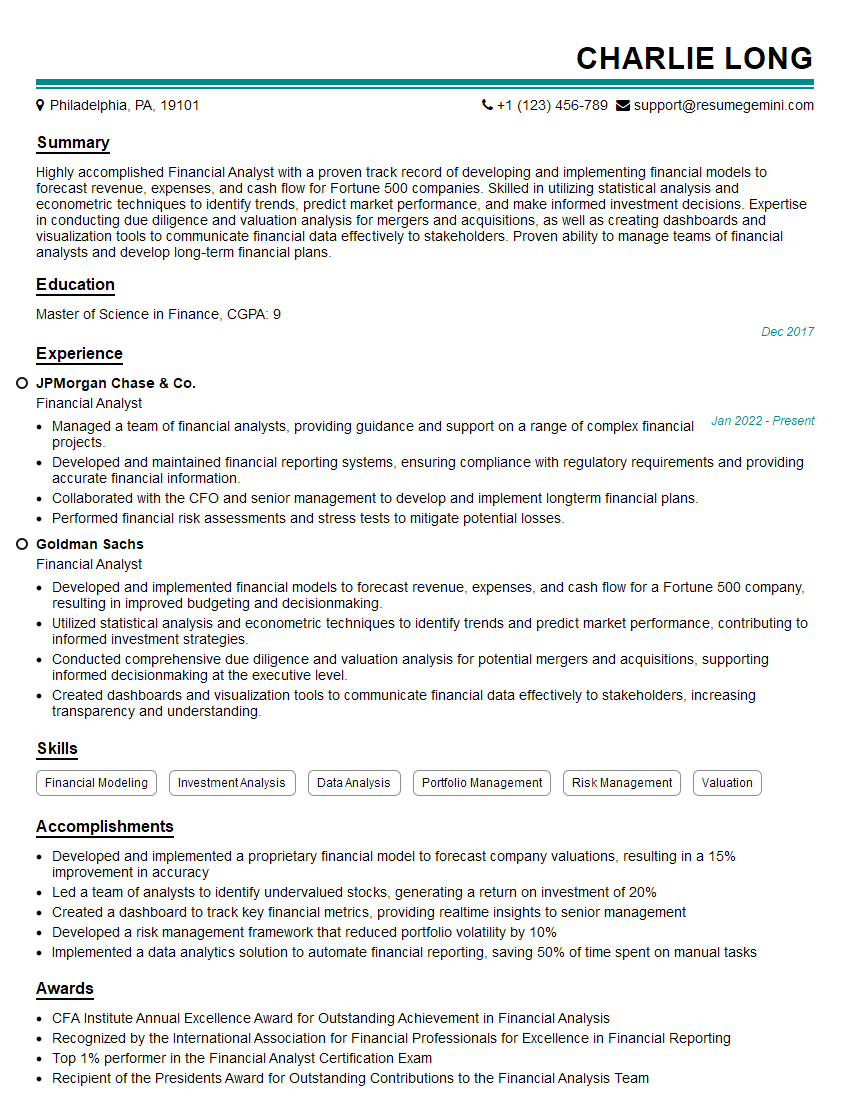
Financial Analyst Resume Sample
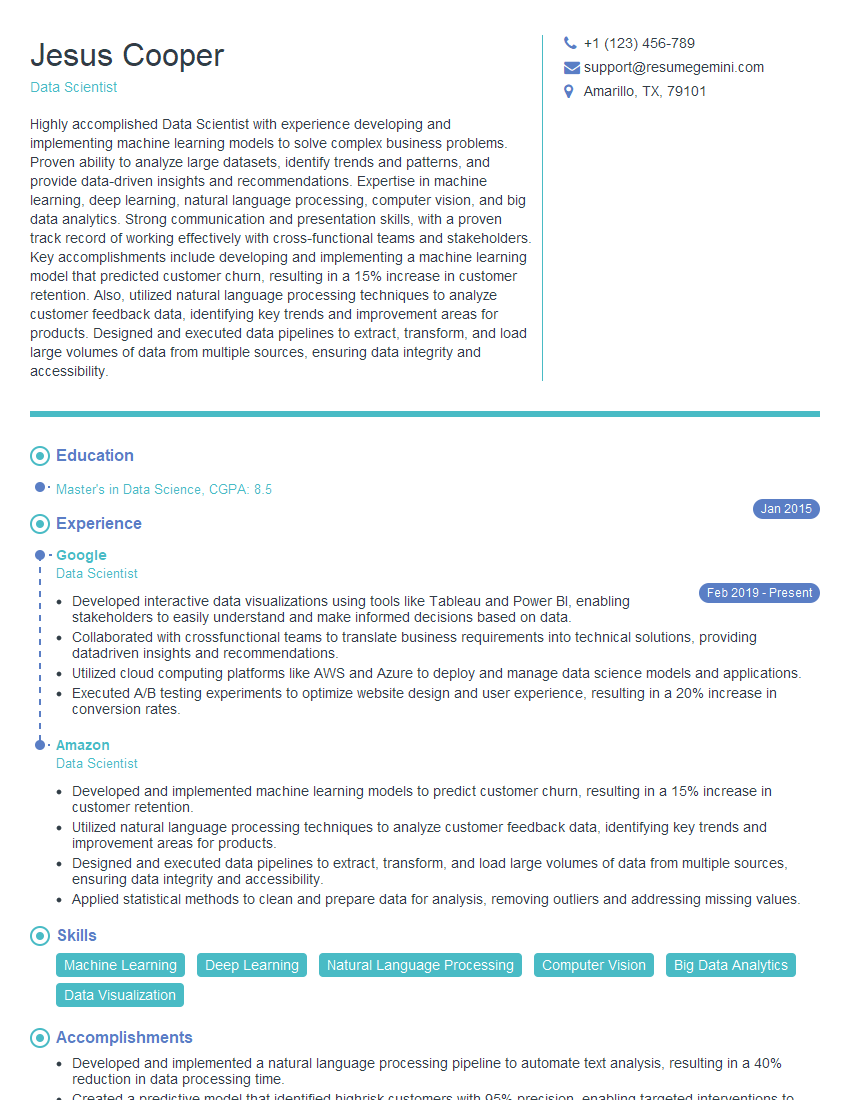
Data Scientist Resume Sample
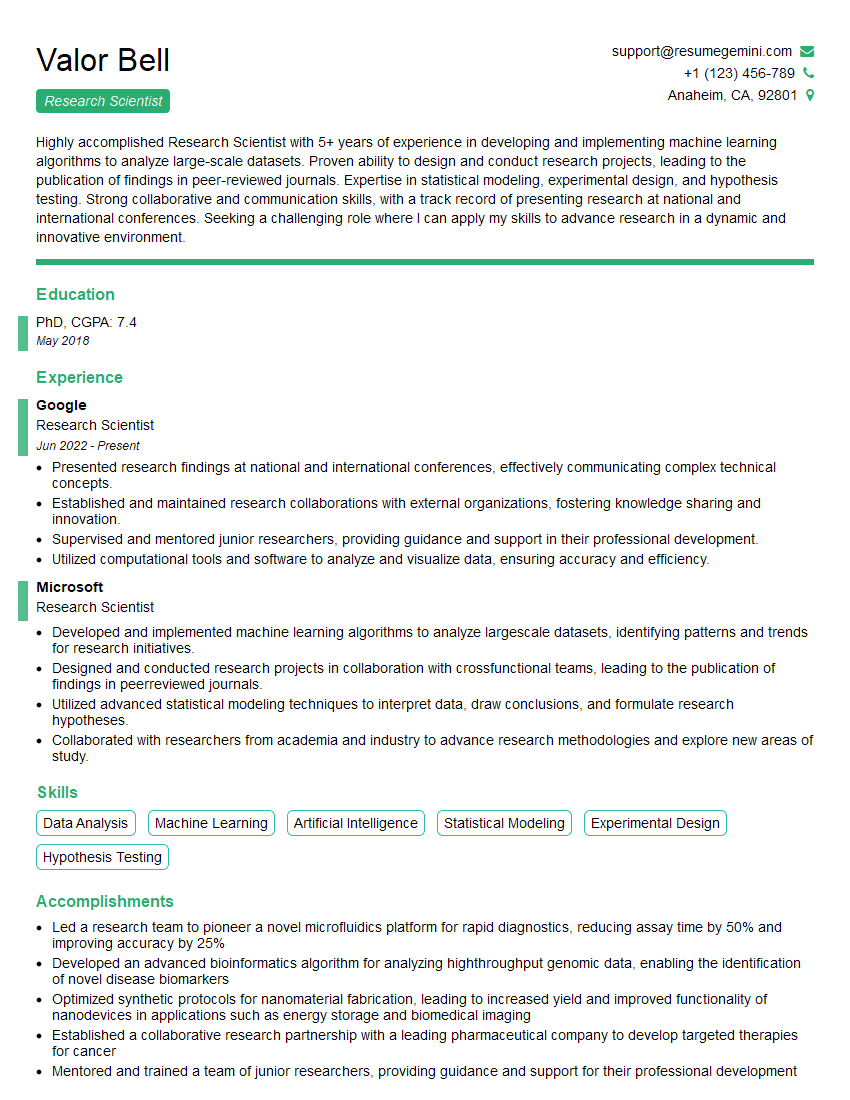
Research Scientist Resume Sample
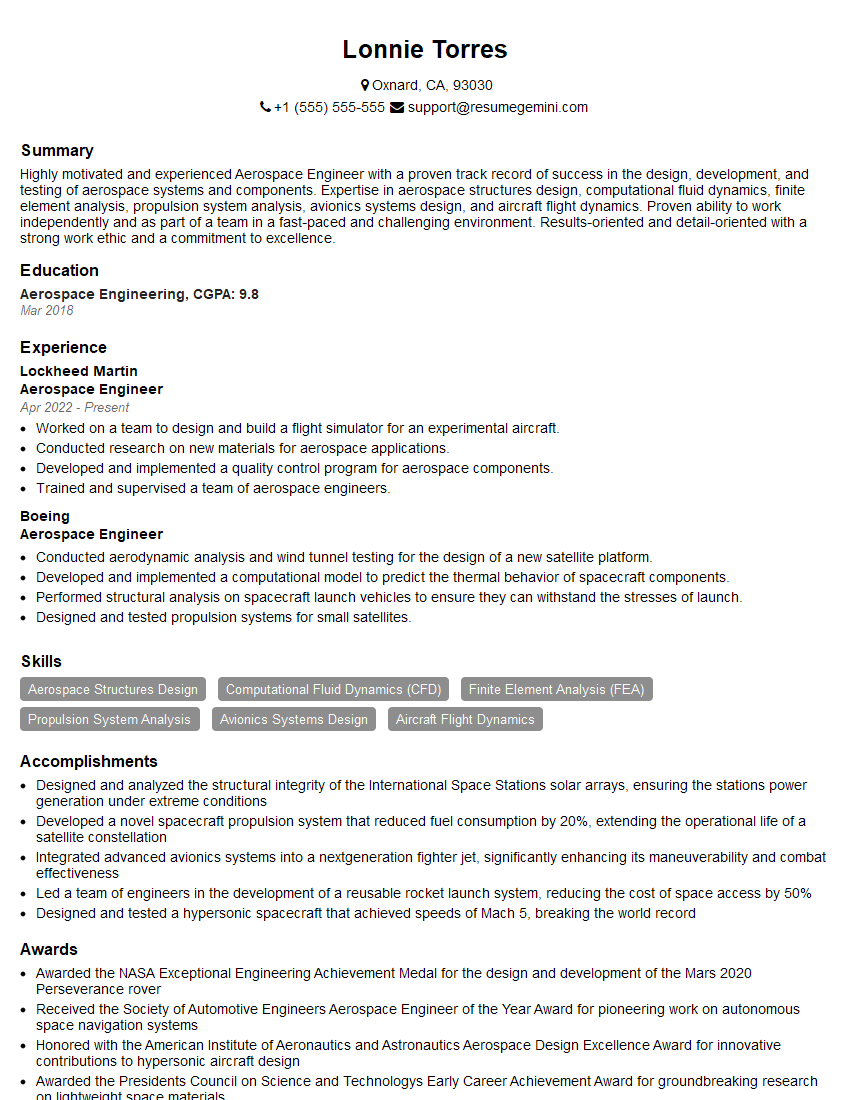
Aerospace Engineer Resume Sample
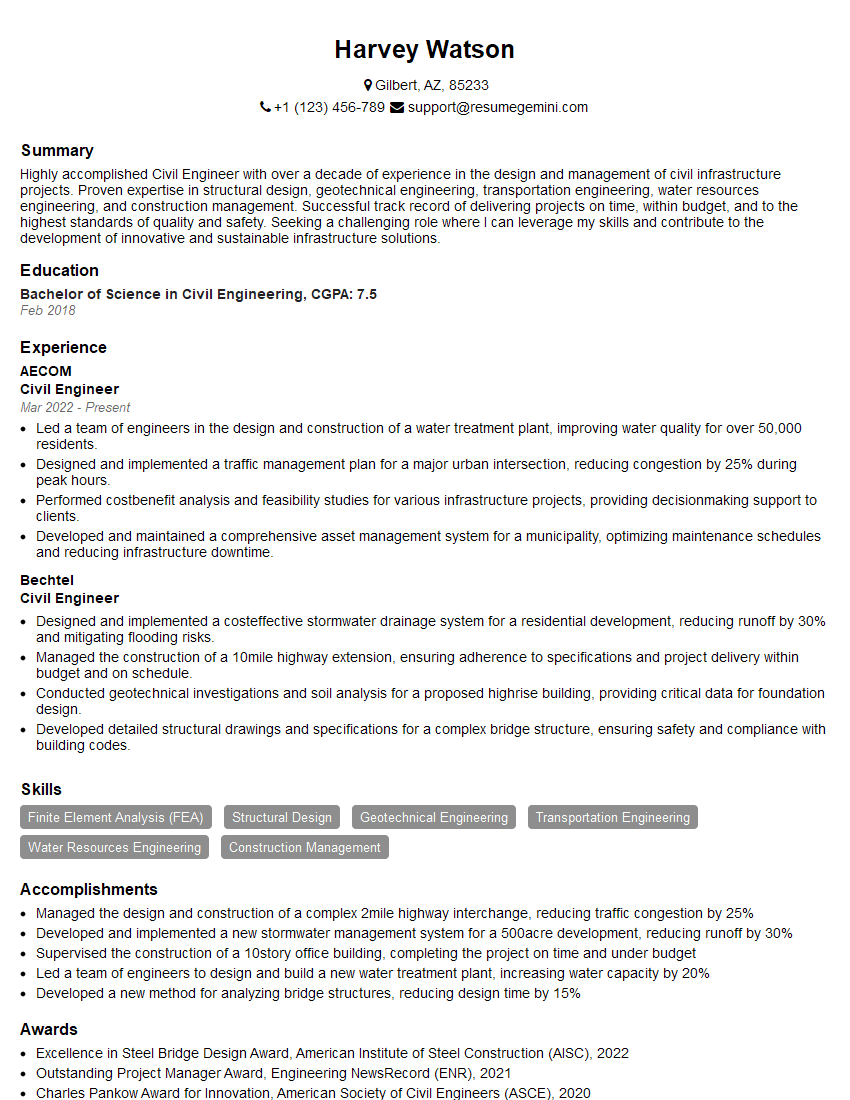
Civil Engineer Resume Sample
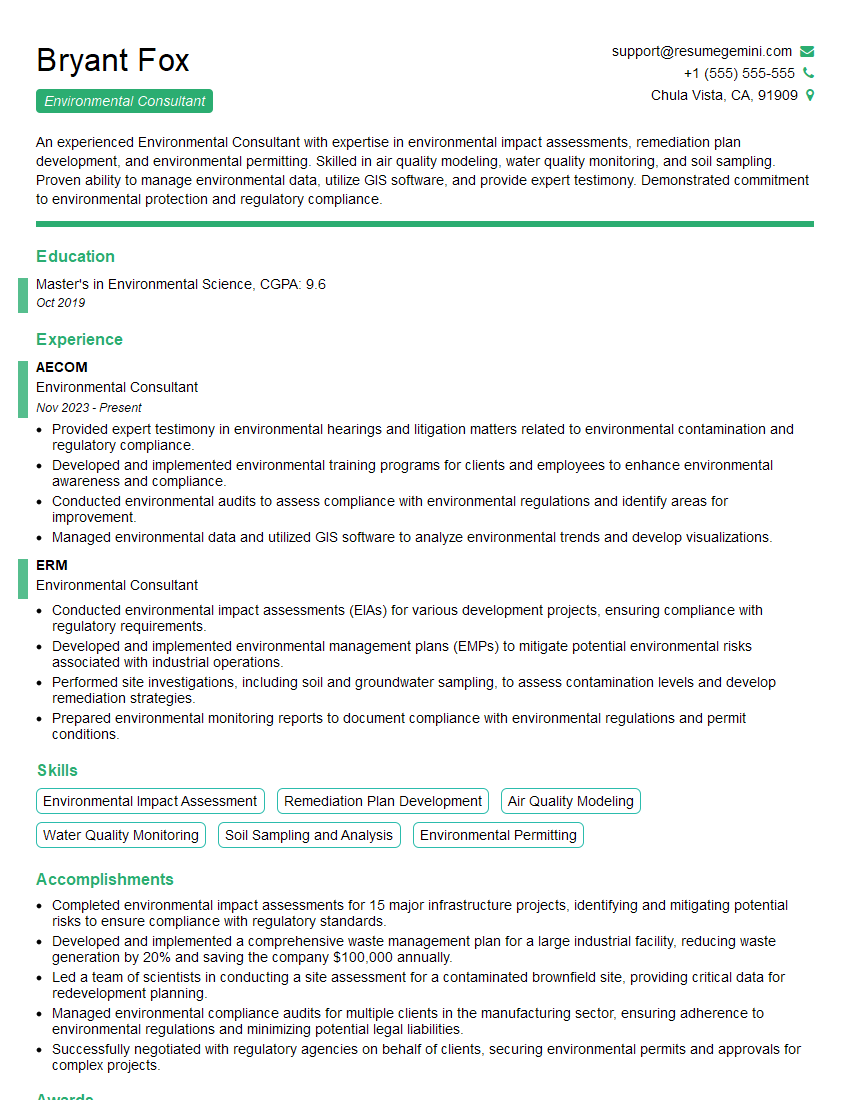
Environmental Consultant Resume Sample
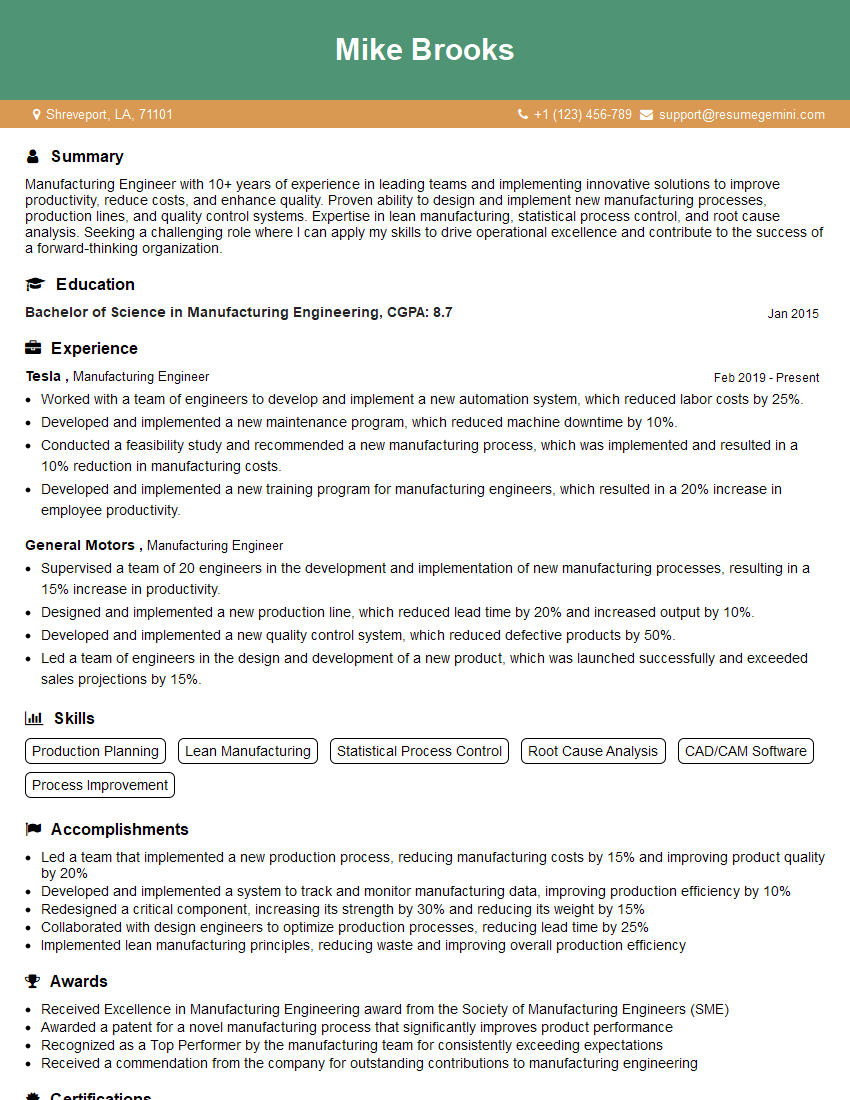
Manufacturing Engineer Resume Sample
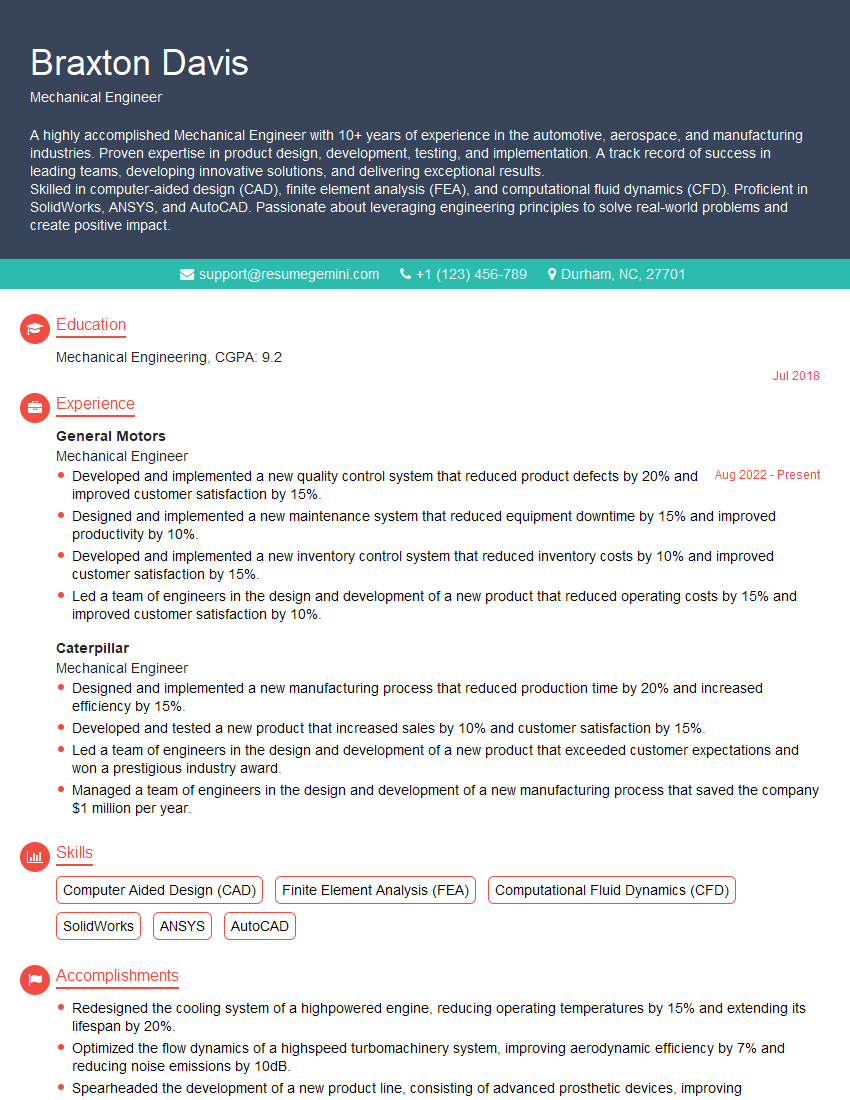
Mechanical Engineer Resume Sample
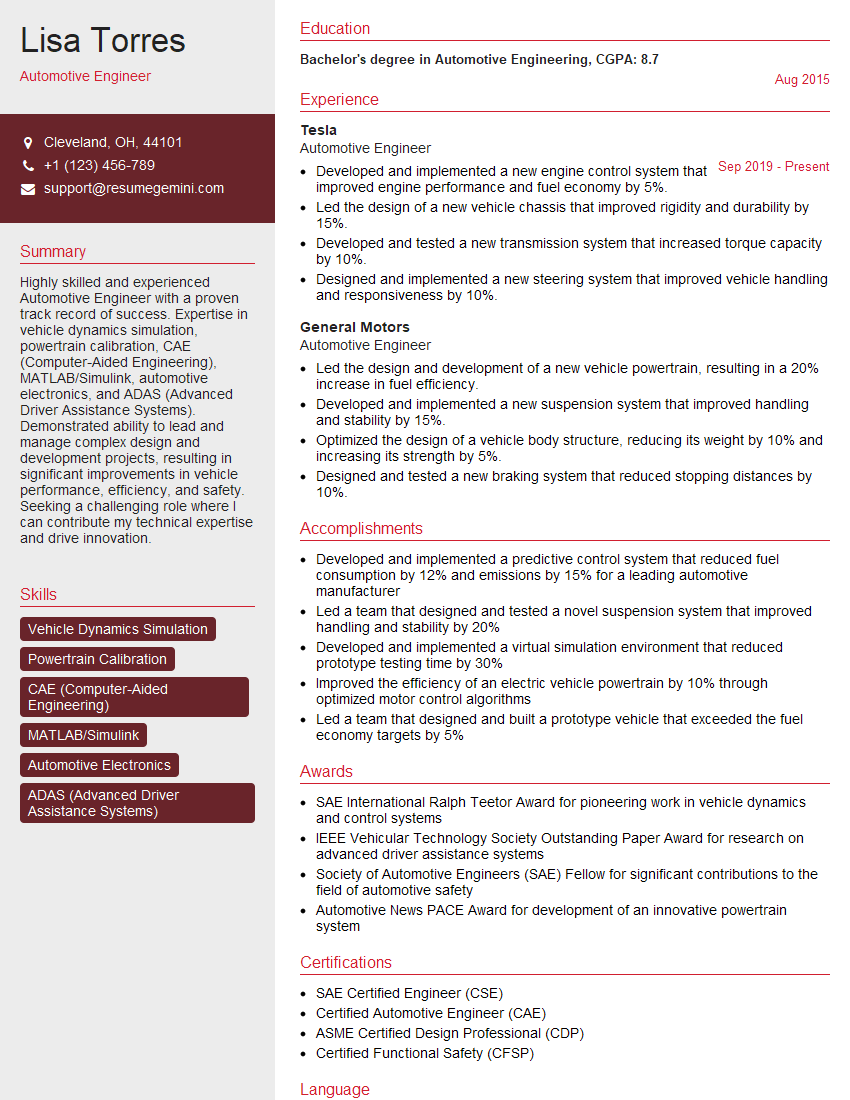
Automotive Engineer Resume Sample
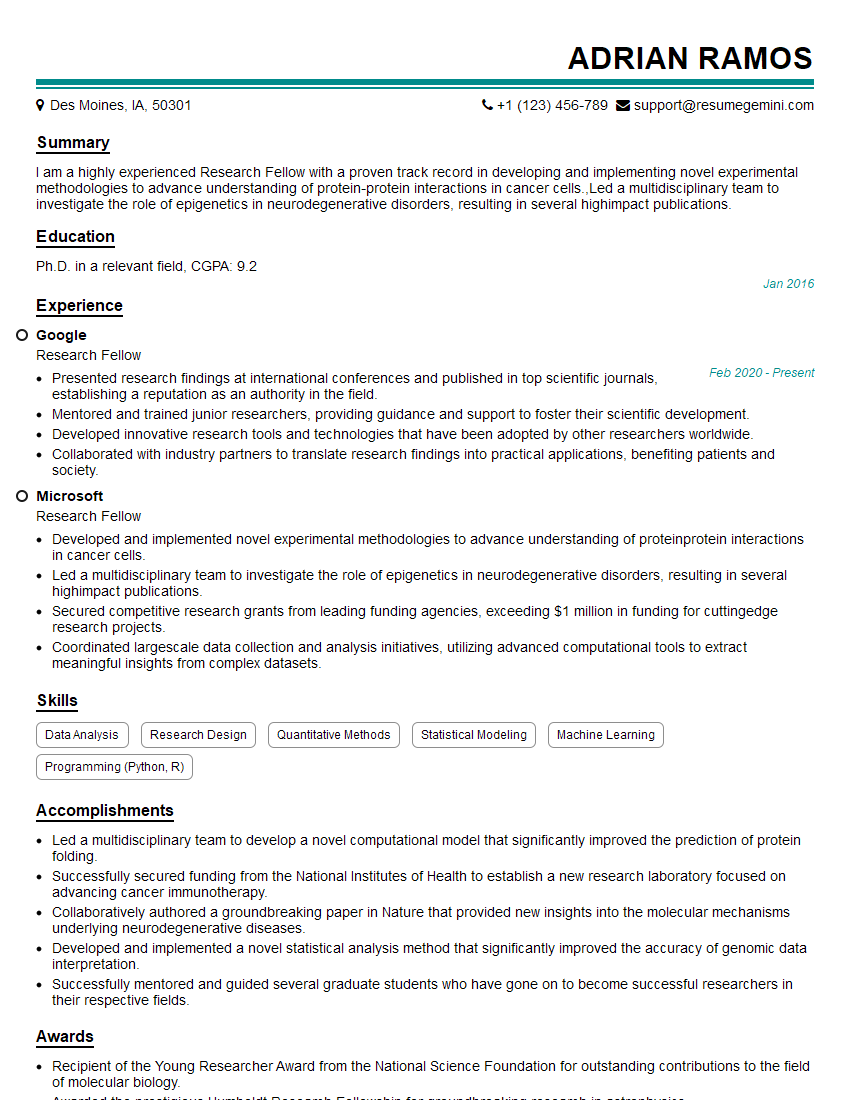
Research Fellow Resume Sample
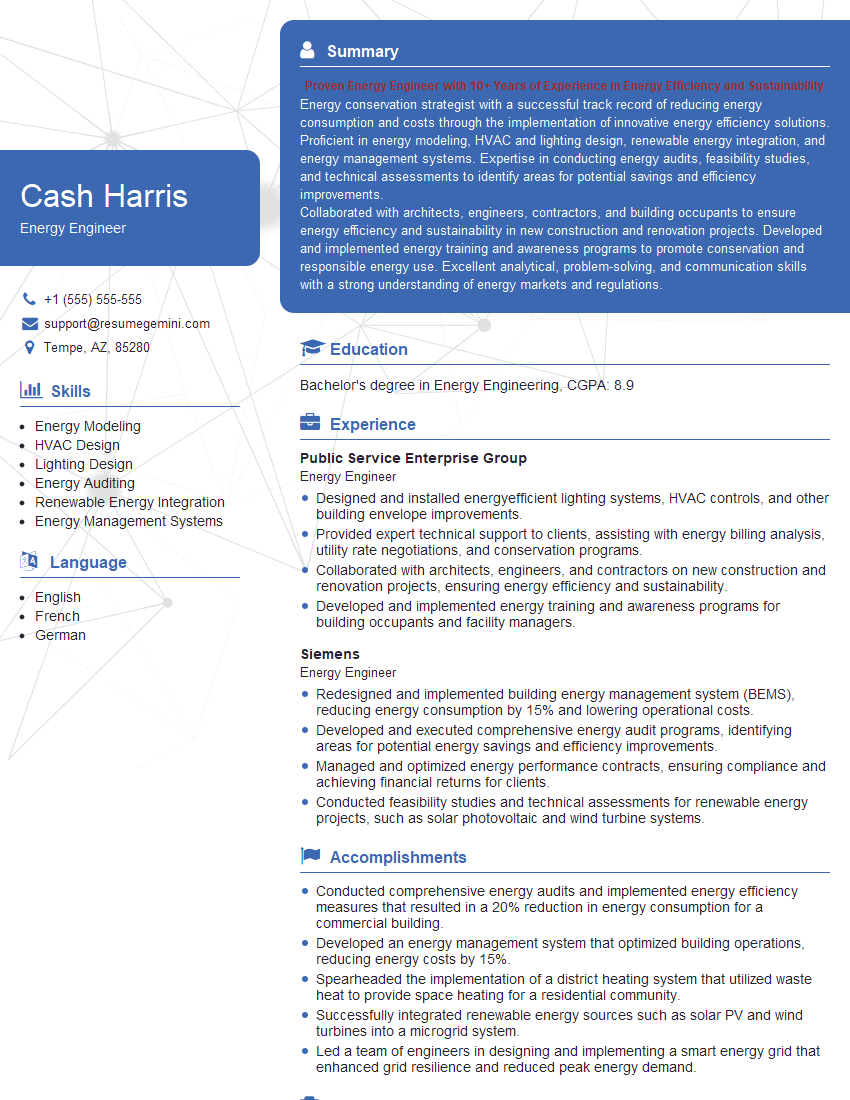
Energy Engineer Resume Sample

Lecturer Resume Sample
- Operations Manager
- Marketing Manager
- Product Manager
- Finance Manager
- Supply Chain Manager
- Human Resources Manager
- Project Manager
- Professor
- Engineering Manager
- Business Analyst
- Management Consultant
- Financial Analyst
- Data Scientist
- Research Scientist
- Aerospace Engineer
- Civil Engineer
- Environmental Consultant
- Manufacturing Engineer
- Mechanical Engineer
- Automotive Engineer
- Research Fellow
- Energy Engineer
- Lecturer
Explore more articles
Users Rating of Our Blogs
Share Your Experience
We value your feedback! Please rate our content and share your thoughts (optional).
What Readers Say About Our Blog
Really detailed insights and content, thank you for writing this detailed article.
IT gave me an insight and words to use and be able to think of examples