Interviews are more than just a Q&A session—they’re a chance to prove your worth. This blog dives into essential Crop Monitoring and Surveillance interview questions and expert tips to help you align your answers with what hiring managers are looking for. Start preparing to shine!
Questions Asked in Crop Monitoring and Surveillance Interview
Q 1. Describe your experience with different remote sensing technologies used in crop monitoring (e.g., multispectral, hyperspectral imagery).
My experience with remote sensing technologies in crop monitoring is extensive, encompassing various spectral ranges and platforms. I’ve worked extensively with multispectral imagery, primarily from satellites like Landsat and Sentinel, utilizing data from visible and near-infrared bands to generate indices like NDVI (Normalized Difference Vegetation Index) for assessing vegetation health. Multispectral data provides a good overview of large areas at reasonable cost. I’ve also had significant experience with hyperspectral imagery, which offers much finer spectral resolution. This allows for the detection of subtle variations in plant physiology, indicating stress from disease, nutrient deficiency, or water stress, long before it’s visible to the naked eye. Hyperspectral data is invaluable for precise crop monitoring, but it’s often more expensive and requires specialized processing techniques. Furthermore, I’ve utilized thermal imagery from drones and satellites, which monitors plant temperature, to detect early signs of stress from drought or disease and plan irrigation schedules. Finally, I’ve used LiDAR (Light Detection and Ranging) data in certain projects to generate 3D models of the crop canopy, providing insights into plant height, biomass, and density.
Q 2. Explain how NDVI (Normalized Difference Vegetation Index) is calculated and its significance in crop health assessment.
The Normalized Difference Vegetation Index (NDVI) is a powerful tool for assessing vegetation health. It’s calculated using the near-infrared (NIR) and red reflectance values from multispectral imagery. The formula is: NDVI = (NIR - Red) / (NIR + Red).
The significance of NDVI lies in its ability to quantify vegetation density and health. Healthy, vigorous vegetation reflects strongly in the near-infrared range and absorbs more red light. This results in a high NDVI value (typically between 0.6 and 0.8), indicating abundant and healthy vegetation. Conversely, stressed or sparse vegetation reflects less NIR and more red light, leading to a lower NDVI value. For instance, an NDVI value close to zero indicates bare soil or sparse vegetation, while negative values might suggest water bodies or unnatural surfaces. In my work, I’ve used NDVI time series to monitor crop growth throughout a season, identifying periods of stress and predicting yields. For example, a sudden drop in NDVI mid-season might signal a pest infestation or a drought.
Q 3. What are the limitations of using satellite imagery for crop monitoring?
While satellite imagery is a powerful tool, it has limitations. Spatial Resolution can be a significant constraint. Lower resolution imagery might not adequately capture the variability within fields, particularly in smallholder farming systems. Temporal Resolution also plays a role; clouds can obscure the view, leading to data gaps, especially in regions with frequent cloud cover. The frequency of satellite passes limits the ability to monitor rapidly changing conditions. Atmospheric effects like haze and aerosols can affect the accuracy of measurements, and calibration and validation require ground-based data to ensure accuracy. Additionally, the cost of high-resolution imagery can be prohibitive for some users.
Q 4. How do you handle data gaps or inconsistencies in crop monitoring data sets?
Handling data gaps and inconsistencies is crucial for reliable crop monitoring. I employ several strategies. For cloud cover, I utilize cloud masking techniques and sometimes blend data from multiple satellite passes using interpolation methods. For sensor failures, I use neighboring pixels or data from other sensors as a proxy, always carefully considering the impact on the accuracy of the final analysis. In cases of significant data loss, I may supplement satellite data with ground-based measurements or other data sources like weather information, to fill those data gaps. Whenever possible I use advanced statistical techniques such as kriging or machine learning methods to fill in missing data while accounting for spatial correlation. Finally, a thorough quality control check is imperative to ensure data integrity.
Q 5. Describe your experience with GIS software (e.g., ArcGIS, QGIS) in the context of agricultural applications.
My expertise in GIS software like ArcGIS and QGIS is a cornerstone of my work. I use these tools for data processing, visualization, and spatial analysis related to agriculture. In ArcGIS, I often leverage geoprocessing tools to preprocess satellite imagery, extract NDVI values, and create thematic maps showing areas of crop stress. QGIS, with its open-source capabilities, allows me to perform similar functions and customize workflows for specific tasks. I use both for creating maps visualizing crop yields, NDVI values, soil types, and other relevant spatial data. I routinely use spatial overlay analysis to integrate different datasets, for instance, overlaying soil maps with NDVI maps to assess the impact of soil conditions on crop growth. In addition, these tools facilitate the integration of GPS data from field surveys to ground truth remote sensing data.
Q 6. How do you interpret and analyze spatial data related to crop yields and health?
Interpreting spatial data related to crop yields and health involves several steps. First, I would create thematic maps showing the spatial distribution of different variables such as NDVI, yield data, or soil properties. Visual inspection can reveal patterns and trends such as localized stress or variation in yield across a field. Next, I use spatial statistical methods like geostatistics to analyze the spatial autocorrelation and variability of these datasets. I’d use techniques such as kriging to interpolate data to fill in gaps and generate continuous surfaces of these variables. Furthermore, I utilize spatial regression modeling to determine the relationship between different variables, for instance, to assess the correlation between NDVI and yield. In cases where we have many variables, I would leverage machine learning techniques to build predictive models relating spatially-explicit factors to crop yield, helping to improve yield prediction for future seasons.
Q 7. Explain your understanding of different soil types and their impact on crop growth.
Understanding soil types is fundamental for effective crop monitoring. Different soil types have varying physical and chemical properties impacting nutrient availability, water retention, and drainage, all of which directly influence crop growth. For example, sandy soils drain quickly, leading to water stress in drier conditions, while clay soils retain water but can restrict drainage, leading to waterlogging. Soil organic matter content plays a significant role in fertility and water holding capacity. My work incorporates soil maps and soil data to assess these variations across fields. I integrate soil information with remote sensing data to improve the accuracy of crop health assessments. For instance, I might use soil texture maps to improve NDVI interpretation, understanding that a lower NDVI in a sandy soil might indicate drought stress more readily than in a clay soil. The knowledge of soil type can help determine appropriate crop management practices, including fertilizer application and irrigation strategies.
Q 8. What are the key factors to consider when designing a crop monitoring program?
Designing a robust crop monitoring program requires a holistic approach, considering various interconnected factors. It’s like building a house – you need a strong foundation and careful planning for each aspect.
Crop type and growing conditions: Understanding the specific needs of the crop (water, nutrients, sunlight) and the local climate is paramount. For example, a drought-resistant crop will have different monitoring needs than a water-intensive one.
Objectives and KPIs: Clearly define what you aim to achieve. Are you focusing on yield prediction, disease detection, irrigation optimization, or something else? Key Performance Indicators (KPIs) will guide your data collection and analysis. For example, a KPI could be reducing fertilizer use by 15% while maintaining yield.
Technology and Resources: This encompasses the tools and techniques you’ll employ, from simple field observations and manual data recording to advanced remote sensing (drones, satellites) and sophisticated data analytics. Budget constraints play a crucial role in selecting appropriate technologies.
Data management and analysis: A well-structured data management system is vital for efficient storage, retrieval, and analysis of collected data. This often involves using GIS software and databases.
Stakeholder engagement: Effective communication with farmers, researchers, and other stakeholders is essential for program success. Feedback loops are crucial for adaptation and improvement.
Q 9. How do you identify and diagnose crop diseases or pest infestations using remote sensing or field observations?
Identifying crop diseases and pest infestations involves a combination of remote sensing and field observations. Think of it as a detective solving a crime – you need evidence from multiple sources.
Remote Sensing: Multispectral or hyperspectral imagery from drones or satellites can reveal subtle variations in plant health. Diseased plants often show altered reflectance patterns in specific wavelengths. For example, a chlorophyll deficiency might show up as a lower reflectance in the red wavelengths. Software and algorithms analyze these patterns to identify potential problem areas.
Field Observations: Ground truthing is essential. Visual inspection allows for detailed identification of diseases and pests, verifying remote sensing findings. This might involve taking samples for laboratory analysis to confirm diagnoses.
Data Integration: Combining remote sensing data with field observations creates a comprehensive picture. Remote sensing provides a broad overview, while field observations provide the necessary detail. This synergistic approach significantly improves diagnostic accuracy.
For example, we might use NDVI (Normalized Difference Vegetation Index) derived from satellite imagery to identify stressed areas, then conduct field visits to those specific locations to diagnose the cause of the stress.
Q 10. Describe your experience with data analysis techniques relevant to crop monitoring (e.g., statistical modeling, machine learning).
My experience encompasses a range of data analysis techniques. I’ve worked extensively with statistical modeling and machine learning algorithms to extract meaningful insights from crop monitoring data.
Statistical Modeling: I regularly employ methods like regression analysis (linear, polynomial) to predict crop yields based on factors like rainfall, temperature, and fertilizer application. Time series analysis is valuable for identifying trends and patterns in crop growth over time.
Machine Learning: I’ve applied various machine learning techniques, including supervised learning (e.g., support vector machines, random forests) for classification tasks such as disease detection and unsupervised learning (e.g., clustering) for identifying patterns in large datasets. Deep learning models, such as convolutional neural networks (CNNs), are particularly effective for analyzing imagery data from drones or satellites.
Example: In one project, we used a random forest model trained on multispectral imagery to classify different levels of drought stress in maize plants with over 90% accuracy, enabling timely irrigation adjustments.
Q 11. How do you communicate complex agricultural data and findings to non-technical stakeholders?
Communicating complex agricultural data to non-technical stakeholders requires clear, concise, and visually appealing presentations. It’s about translating data into a story they can understand.
Visualizations: Charts, graphs, and maps are far more effective than tables of numbers. Color-coded maps highlighting areas of concern are particularly helpful.
Simple Language: Avoid technical jargon. Use analogies and metaphors to explain complex concepts. For example, comparing plant health to human health can be a great way to illustrate the effects of stress.
Storytelling: Frame your findings within a narrative. Highlight the key takeaways and their implications for decision-making. Connect the data to practical actions farmers can take.
Interactive Tools: Dashboards and web applications allow stakeholders to explore data at their own pace. This empowers them to gain a deeper understanding.
For instance, instead of saying “NDVI values indicate decreased photosynthetic activity,” I might say, “The plants are not growing as well as they should be, and this is probably because they aren’t getting enough sunlight or nutrients.”
Q 12. What are the environmental factors that influence crop growth and how do you account for them in your monitoring?
Environmental factors are crucial determinants of crop growth. They’re like the ingredients in a recipe – get the balance wrong, and the outcome suffers.
Climate: Temperature, rainfall, sunlight, and humidity directly affect plant physiology and development. Extreme weather events like droughts, floods, and heat waves can severely impact yields.
Soil conditions: Soil type, nutrient content, water-holding capacity, and pH all influence root development and nutrient uptake.
Pests and Diseases: The prevalence and severity of pests and diseases are often influenced by climate and soil conditions.
Accounting for these factors: We use weather data (historical and forecast), soil maps, and remote sensing data to model crop growth and predict potential issues. This information is incorporated into decision support systems for irrigation scheduling, fertilization management, and pest control.
For example, if we detect a heat wave approaching, we can adjust our irrigation schedule to reduce stress on the crops. If soil analysis reveals nutrient deficiencies, we can recommend targeted fertilizer applications.
Q 13. Explain your understanding of precision agriculture principles and techniques.
Precision agriculture involves using technology to manage crops in a site-specific manner, maximizing efficiency and minimizing environmental impact. It’s about treating each part of the field as unique.
GPS and GIS: Precise location data is fundamental, allowing for variable rate application of inputs (fertilizers, pesticides, water).
Remote Sensing: Drones and satellites provide valuable information on crop health and variability across the field.
Sensors and Automation: Real-time monitoring of soil moisture, temperature, and other factors guides automated irrigation and fertilization systems.
Data Analytics: Sophisticated data analysis helps optimize resource management and improve decision-making.
An example is using GPS-guided tractors to apply fertilizer at variable rates based on soil nutrient levels mapped with sensors. This reduces fertilizer waste and improves environmental sustainability.
Q 14. Describe your experience with yield monitoring equipment and data analysis.
My experience with yield monitoring equipment encompasses various technologies, from simple yield monitors integrated into combines to advanced sensor networks that provide real-time data.
Yield Monitors: These devices measure grain yield during harvest, providing data on yield variability across the field. This helps identify high and low-yielding areas for future management decisions.
Sensor Networks: Advanced systems integrate multiple sensors (e.g., moisture, temperature) to continuously monitor growing conditions and provide detailed information on crop growth.
Data Analysis: Yield data combined with other information (e.g., planting date, fertilizer application) is analyzed to identify factors affecting yield and optimize management practices.
Example: In a study on corn yield, using yield monitor data in conjunction with remote sensing and soil data, we identified a strong correlation between nitrogen deficiency and reduced yields in specific areas. This finding led to recommendations for improved nitrogen management strategies.
Q 15. How do you integrate data from various sources (e.g., sensors, satellite imagery, field observations) for a comprehensive crop assessment?
Integrating data from diverse sources for comprehensive crop assessment is akin to assembling a puzzle to get a complete picture of the field’s health. We employ a multi-stage approach involving data acquisition, preprocessing, fusion, and analysis.
First, we gather data from various sources: satellite imagery (e.g., Landsat, Sentinel) provides broad-scale information on vegetation indices like NDVI (Normalized Difference Vegetation Index), which indicates plant health; sensors (soil moisture sensors, weather stations) provide ground-level data on environmental conditions; and field observations (manual measurements, visual assessments) offer targeted insights.
Preprocessing involves cleaning and standardizing the data. For example, we correct for atmospheric effects in satellite imagery and calibrate sensor readings. Data fusion then combines these diverse datasets using techniques like data assimilation or machine learning algorithms. This allows us to leverage the strengths of each data source, filling gaps and enhancing accuracy. Finally, analysis involves applying statistical methods and predictive models to interpret the integrated data, providing actionable insights on crop growth, stress levels, and yield potential. For example, combining NDVI data with soil moisture data helps identify areas experiencing water stress, even if the overall NDVI is still relatively high.
Career Expert Tips:
- Ace those interviews! Prepare effectively by reviewing the Top 50 Most Common Interview Questions on ResumeGemini.
- Navigate your job search with confidence! Explore a wide range of Career Tips on ResumeGemini. Learn about common challenges and recommendations to overcome them.
- Craft the perfect resume! Master the Art of Resume Writing with ResumeGemini’s guide. Showcase your unique qualifications and achievements effectively.
- Don’t miss out on holiday savings! Build your dream resume with ResumeGemini’s ATS optimized templates.
Q 16. What are the challenges of using drone-based imagery for crop monitoring, and how do you mitigate them?
Drone-based imagery offers high-resolution views, but several challenges exist. Weather conditions (cloud cover, strong winds) can severely limit flight operations, affecting data acquisition. Image processing requires sophisticated software and expertise to correct for geometric distortions, lighting variations, and other artifacts. Battery life restricts the area that can be covered in a single flight. Finally, regulatory hurdles concerning airspace usage and data privacy need careful consideration.
To mitigate these, we employ robust flight planning software that incorporates weather forecasts, utilize drones with longer flight times and high-quality cameras, and develop standardized image processing pipelines. We also work closely with regulatory authorities to ensure compliance and establish clear protocols for data handling and storage. Redundancy is crucial – having backup drones and flight plans helps to minimize the impact of unexpected problems.
Q 17. Describe your experience with different types of agricultural sensors and their applications.
My experience encompasses a wide range of agricultural sensors. Soil moisture sensors (e.g., capacitance probes, time-domain reflectometry sensors) measure the water content in the soil, crucial for irrigation management. Multispectral sensors capture images in multiple wavelengths, providing valuable information on plant health and stress. These are often integrated into drones or hand-held devices. Hyperspectral sensors offer even more detailed spectral information, allowing for the identification of specific nutrient deficiencies or disease outbreaks. Weather stations provide real-time data on temperature, humidity, rainfall, and wind speed, essential for understanding environmental influences on crop growth.
For instance, in a recent project, we deployed a network of soil moisture sensors across a vineyard. This data, integrated with satellite imagery and weather data, allowed us to develop a precise irrigation schedule, optimizing water use and significantly increasing grape yield.
Q 18. How do you ensure the accuracy and reliability of crop monitoring data?
Ensuring data accuracy and reliability is paramount. We employ a multi-pronged approach. Calibration and validation are crucial steps; sensors are regularly calibrated against known standards, and data from different sources are cross-validated. Quality control procedures are implemented throughout the data pipeline, from data acquisition to analysis. This includes visual inspection of imagery, checking sensor readings for outliers, and employing robust statistical methods to identify and remove errors. Ground truthing, which involves collecting data on the ground to verify remote sensing observations, is a vital component of accuracy assessment. For example, we might compare NDVI values derived from satellite imagery to actual crop yields measured in the field. Uncertainty analysis helps quantify the uncertainty associated with the data and estimations.
Q 19. What are the ethical considerations in collecting and using agricultural data?
Ethical considerations are paramount. Data privacy is crucial – we adhere strictly to data protection regulations and ensure that farmers’ data is secured and used only with their informed consent. Transparency in data collection and use is essential; farmers need to understand how their data is being utilized and the benefits it provides. Data security is crucial to prevent unauthorized access or misuse. We implement robust security measures to protect sensitive data. Equity and access need to be considered; the benefits of precision agriculture should be accessible to all farmers, regardless of their size or resources.
Q 20. How do you use crop monitoring data to optimize irrigation strategies?
Crop monitoring data is transformative for irrigation. We use data on soil moisture, plant water stress (indicated by NDVI and other vegetation indices), and weather forecasts to optimize irrigation schedules. This involves developing models that predict water requirements based on crop stage, soil type, and weather conditions. Instead of using a blanket irrigation approach, we can target irrigation precisely to areas that actually need water, reducing water waste and improving water-use efficiency. For example, we might identify areas experiencing mild drought stress and schedule irrigation for those areas only, while leaving others that have sufficient moisture until later.
Q 21. How do you use crop monitoring data to optimize fertilizer application?
Similarly, crop monitoring data allows for precision fertilizer application. We use spectral data (from multispectral or hyperspectral sensors) to assess nutrient deficiencies within the field. This enables site-specific fertilizer application, where the right amount and type of fertilizer are applied only to the areas that need them. By combining this with soil analysis data, we can create very accurate fertilizer application maps that avoid overuse and minimize environmental impact while maximizing yield. For example, if nitrogen deficiency is detected in a particular zone based on the spectral data, we can precisely apply nitrogen fertilizer to that area only, avoiding unnecessary application in other parts of the field. This leads to both cost savings and environmental benefits.
Q 22. How do you use crop monitoring data to optimize pesticide application?
Optimizing pesticide application is crucial for sustainable agriculture, minimizing environmental impact and maximizing yield. Crop monitoring data plays a pivotal role in achieving this. We use data from various sources, including drones, satellites, and ground sensors, to precisely identify areas needing treatment. For example, if multispectral imagery reveals a localized infestation of a specific pest, we can target pesticide application only to the affected areas, avoiding unnecessary spraying in healthy parts of the field. This targeted approach reduces pesticide use, minimizing environmental damage and associated costs. We use NDVI (Normalized Difference Vegetation Index) and other vegetation indices derived from imagery to assess plant health, identifying stress indicators that may signal the presence of pests or diseases. This allows for early detection and proactive interventions. We often combine this imagery data with ground-truthing data – manually collected data from field visits that verify and refine the remote sensing data for accurate application mapping.
Furthermore, weather data integrated with the crop monitoring information helps to refine application timing. High winds, for example, could compromise the effectiveness of the pesticide application, and knowing this through weather forecasting tools can prevent wasted resources and ensure efficient pesticide coverage. Software solutions incorporating Geographic Information Systems (GIS) then allow us to create precise application maps, guiding self-propelled sprayers to apply the correct amount of pesticide to each designated location with automated GPS guidance and variable rate technology. This precise application not only reduces costs but also mitigates the risk of pesticide resistance development.
Q 23. Describe your experience with developing and implementing crop monitoring protocols.
My experience in developing and implementing crop monitoring protocols spans over eight years. I’ve been involved in projects ranging from small-scale farms to large-scale agricultural operations. This has involved developing tailored protocols based on crop type, farm size, and available resources. The protocols typically encompass several key steps:
- Defining objectives: Identifying specific needs, such as pest detection, disease monitoring, irrigation scheduling, or yield prediction.
- Data acquisition strategy: Selecting appropriate sensors (e.g., multispectral cameras, thermal cameras, hyperspectral sensors) and determining the frequency of data acquisition based on the crop growth stage and weather conditions.
- Data processing and analysis: Developing pipelines for data processing, including image correction, feature extraction, and classification algorithms to identify anomalies.
- Decision support system: Implementing algorithms and software to process data and provide actionable recommendations to farmers or agricultural managers. This might involve alerts based on defined thresholds. For example, if NDVI falls below a critical value it could trigger an alert for potential nutrient deficiency.
- Validation and refinement: Regularly verifying the accuracy and effectiveness of the protocol through ground truthing and adjusting the protocols as needed.
For example, in one project, we developed a protocol for early detection of blight in potato fields using drone-based multispectral imaging. The protocol involved regular drone flights, image processing using NDVI analysis, and implementation of a mobile application providing farmers with real-time alerts on potential blight outbreaks.
Q 24. How do you manage large datasets and ensure data security?
Managing large datasets in crop monitoring requires robust infrastructure and efficient data management strategies. We utilize cloud-based platforms with scalable storage solutions like AWS S3 or Azure Blob Storage to handle the large volumes of data generated by various sensors and devices. Data is typically stored in a structured format, such as GeoTIFFs for imagery or databases for ground measurements. We also employ data compression techniques to reduce storage space and improve processing times.
Data security is paramount. We employ several measures to ensure data confidentiality, integrity, and availability, including:
- Access control: Implementing role-based access control to restrict access to sensitive data based on user roles and responsibilities.
- Encryption: Encrypting data both in transit and at rest using industry-standard encryption protocols.
- Regular backups: Maintaining regular backups of the data to prevent data loss due to hardware failures or cyberattacks.
- Data anonymization: Anonymizing data where possible to protect the privacy of farmers and their operations.
We also comply with relevant data privacy regulations, such as GDPR, to ensure responsible data handling. Data integrity is maintained through rigorous quality control checks at each stage, from data acquisition to analysis. For example, we may include checksums to validate the integrity of our data files during transfer and storage.
Q 25. Explain your understanding of different crop growth stages and their corresponding monitoring needs.
Understanding crop growth stages and their corresponding monitoring needs is essential for effective crop management. Different growth stages have unique vulnerabilities and require different monitoring approaches. Here’s a breakdown:
- Germination and emergence: Monitoring focuses on soil moisture, temperature, and seedling emergence rate. Challenges include uneven germination and early seedling diseases. This stage could benefit from soil moisture sensors and thermal imagery to identify areas with poor germination or abnormal temperatures.
- Vegetative growth: Monitoring focuses on plant health, nutrient status, and weed pressure. Tools like NDVI analysis from multispectral imagery are valuable here, identifying areas of nutrient stress or diseases. Drone imagery can assess canopy cover and identify weeds.
- Reproductive growth: Monitoring emphasizes flowering, pollination, and fruit/seed development. Thermal imagery can help to identify stressed plants during this critical period. This stage often benefits from careful monitoring of water stress using soil moisture sensors.
- Maturation and harvest: Monitoring focuses on crop yield estimation and optimal harvest timing. Tools like yield prediction models based on historical data, combined with high-resolution imagery (e.g., RGB photography), are useful here. We often implement yield maps to inform harvest strategies and optimize machinery operations.
The frequency and intensity of monitoring change according to the crop’s sensitivity to environmental stressors during each growth stage. For example, monitoring needs are more intense during crucial growth stages such as flowering and fruit setting, compared to a more mature plant nearing harvest.
Q 26. How do you stay updated on the latest advancements in crop monitoring technologies?
Staying updated on advancements in crop monitoring technologies is crucial. I utilize several strategies:
- Scientific literature: Regularly reading peer-reviewed journals and attending conferences focused on precision agriculture and remote sensing.
- Industry publications and news: Following industry publications, websites, and newsletters dedicated to precision agriculture and agritech innovations.
- Online courses and webinars: Participating in online courses and webinars offered by universities, research institutions, and technology companies.
- Professional networks: Engaging with professional organizations and online communities focused on crop monitoring and precision agriculture. This allows me to interact with peers and experts in the field and learn about the latest technologies and applications.
- Vendor interactions: Directly interacting with sensor manufacturers and software developers to stay informed about new product releases and feature updates.
I also regularly participate in workshops and demonstrations, which often highlight the latest technological developments in the field. This combination of methods ensures I remain abreast of innovations and best practices.
Q 27. Describe a time you had to troubleshoot a problem with crop monitoring equipment or software.
During a large-scale vineyard monitoring project, we encountered an issue with our drone’s thermal camera. It started producing inconsistent thermal imagery, leading to inaccurate readings of vine water stress. The initial troubleshooting involved verifying the camera’s calibration and checking for any hardware malfunctions. We performed various tests, including calibration checks, sensor checks, and flight simulations. We also reviewed the pre-flight checks and procedures to ensure that no human errors had contributed to the problems.
After ruling out hardware issues, we suspected software glitches. We consulted the manufacturer’s technical documentation and forum support. It turned out that a recent software update had introduced a bug that was affecting the thermal sensor’s data processing. The solution involved reverting to an older, stable version of the software, which resolved the issue immediately. We also documented the bug with the manufacturer to prevent it from affecting other users. This experience highlighted the importance of rigorous testing procedures, detailed documentation, and collaboration with equipment manufacturers.
Q 28. How would you address concerns from farmers who are skeptical about the value of precision agriculture?
Addressing farmer skepticism towards precision agriculture requires a multi-pronged approach based on education, demonstration, and building trust. The key is to show, not just tell, the benefits.
- Demonstrations and pilot projects: Conducting on-farm pilot projects allowing farmers to experience the benefits firsthand. This might involve setting up a small-scale demonstration area using precision agriculture techniques, comparing the results with traditional methods. The data from these trials, highlighting improvements in yields, cost savings and reduced environmental impact, would be a powerful argument.
- Data visualization and interpretation: Presenting data in a clear and understandable format. Using charts and maps to demonstrate how precision agriculture can lead to improved efficiency. Farmers are typically less receptive to complex technical explanations, so a simple, clear and targeted approach is essential.
- Building relationships and trust: Establishing trust by demonstrating expertise and understanding the farmers’ needs and concerns. This often involves partnering with trusted agricultural extension services or local agricultural consultants.
- Addressing specific concerns: Actively addressing farmers’ concerns regarding cost, technology complexity, data privacy, and integration with existing farming practices. For example, highlighting the long-term cost-effectiveness of precision agriculture, providing training and support, and demonstrating data security measures will build trust and overcome the barriers to adoption.
- Focus on ROI: Emphasize the return on investment (ROI). Demonstrate how reduced input costs (e.g., pesticides, fertilizers) and increased yield can translate into significant financial gains. This is a powerful motivator for adoption.
By focusing on practical benefits, providing clear demonstrations, and building trust, we can effectively overcome farmer skepticism and promote the wider adoption of precision agriculture.
Key Topics to Learn for Crop Monitoring and Surveillance Interview
- Remote Sensing Techniques: Understanding the principles of satellite imagery, aerial photography, and drone-based data acquisition for crop health assessment. Practical application: Analyzing NDVI indices to identify stress in crops.
- Data Analysis and Interpretation: Proficiency in using GIS software (e.g., ArcGIS, QGIS) and statistical tools to process and analyze large datasets. Practical application: Creating thematic maps showing crop yield variations based on collected data.
- Precision Agriculture Technologies: Familiarity with GPS, variable rate technology, and sensor networks for optimized crop management. Practical application: Designing a precision irrigation strategy based on soil moisture data.
- Crop Disease and Pest Detection: Knowledge of various crop diseases and pests, and the application of image analysis techniques for early detection. Practical application: Developing an algorithm to automatically identify diseased plants in aerial imagery.
- Yield Prediction and Modeling: Understanding the use of statistical models and machine learning algorithms for predicting crop yields. Practical application: Building a predictive model to forecast yield based on weather data and crop growth stages.
- Data Management and Storage: Understanding cloud-based data storage and management solutions for efficient handling of large datasets. Practical application: Implementing a secure and scalable cloud infrastructure for storing and managing remote sensing data.
- Ethical Considerations and Data Privacy: Understanding the ethical implications of data collection and use, and the importance of data privacy and security. Practical application: Developing data handling protocols that comply with relevant regulations and best practices.
Next Steps
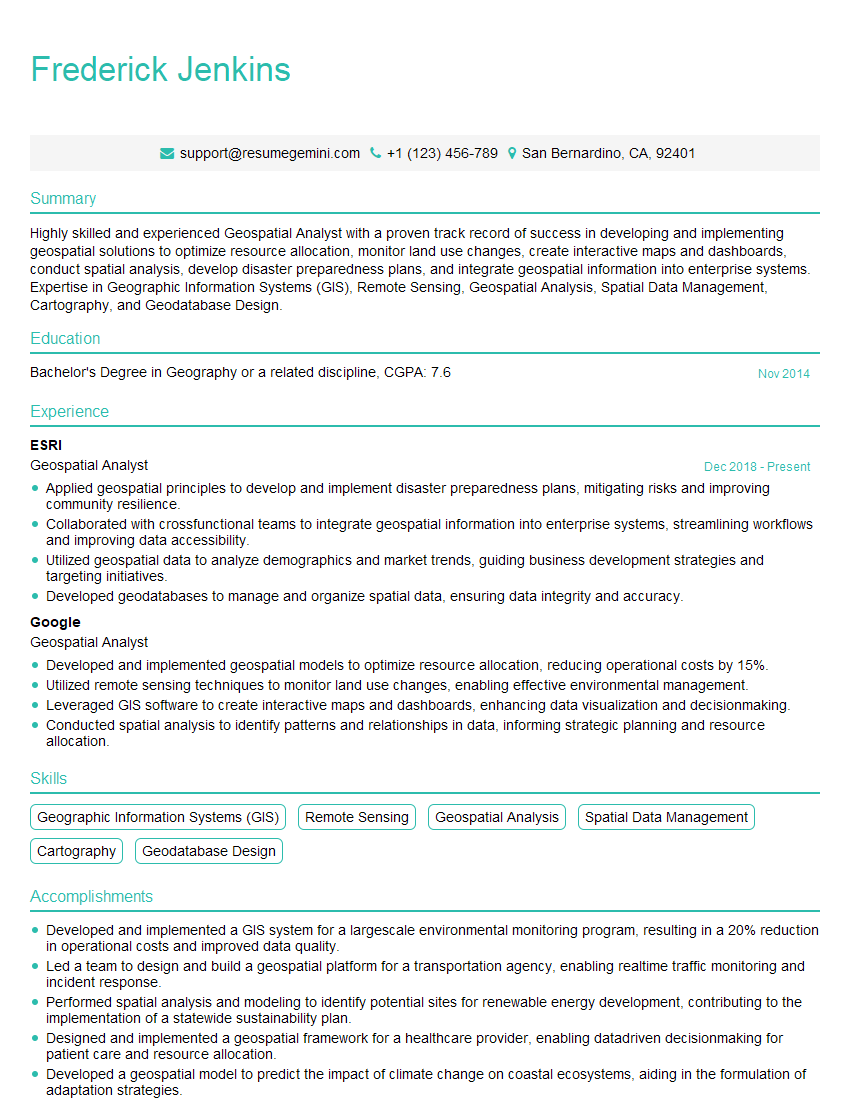
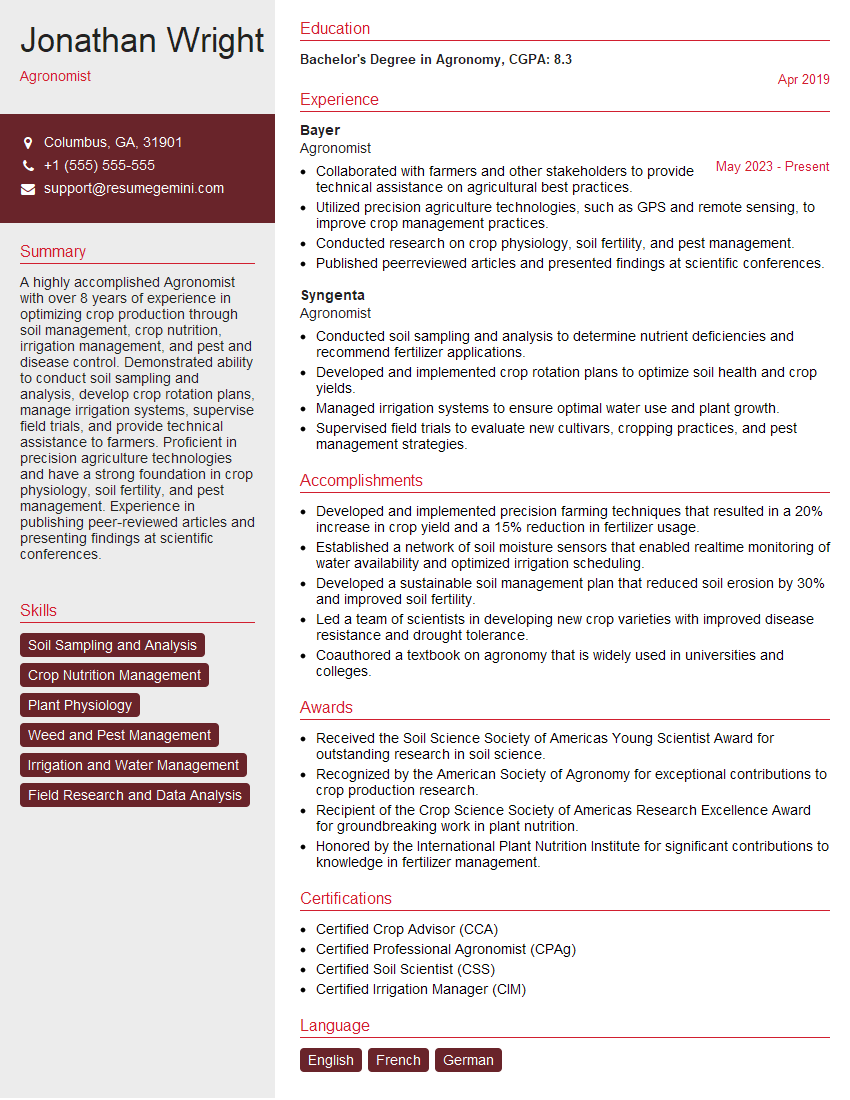
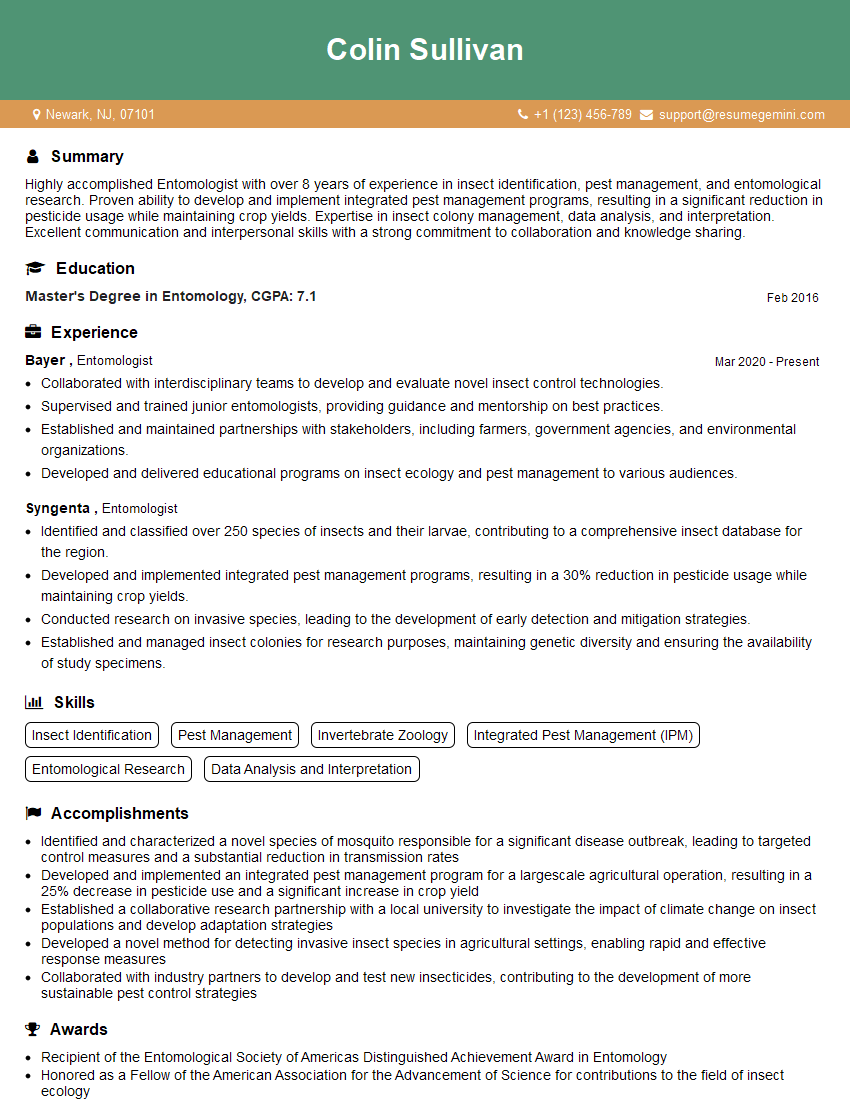
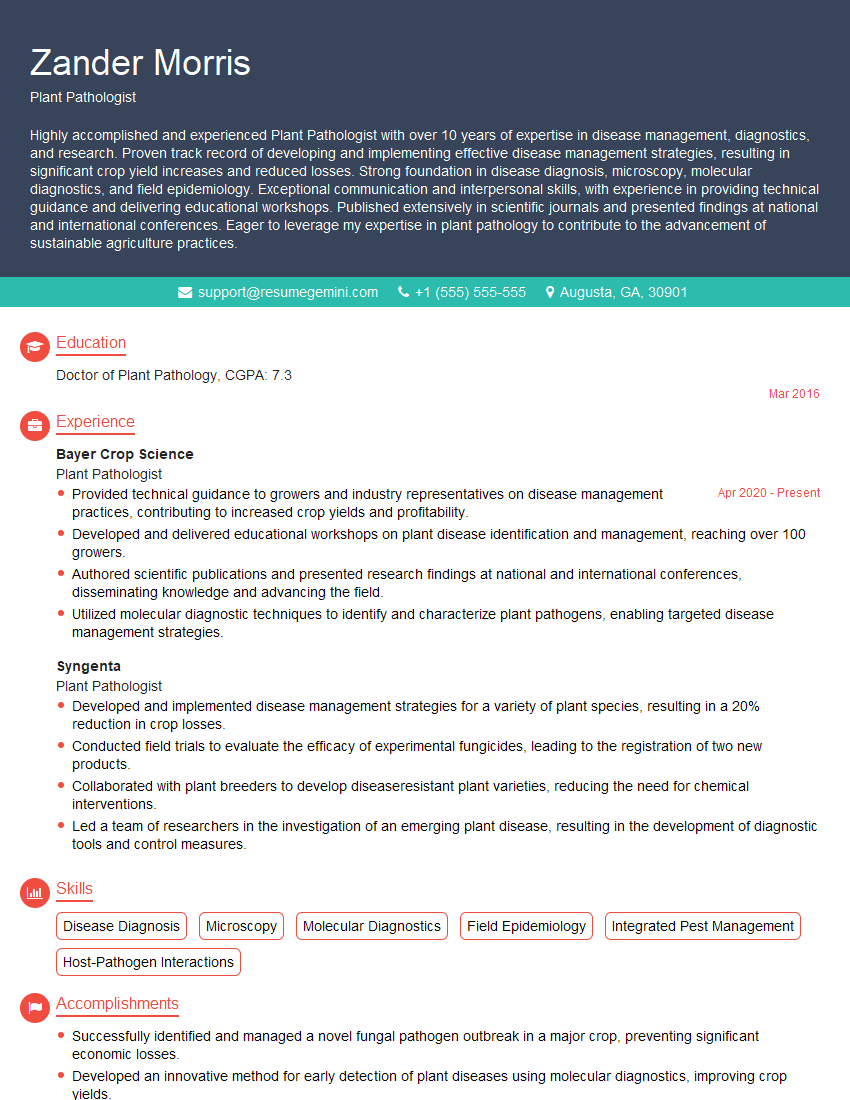
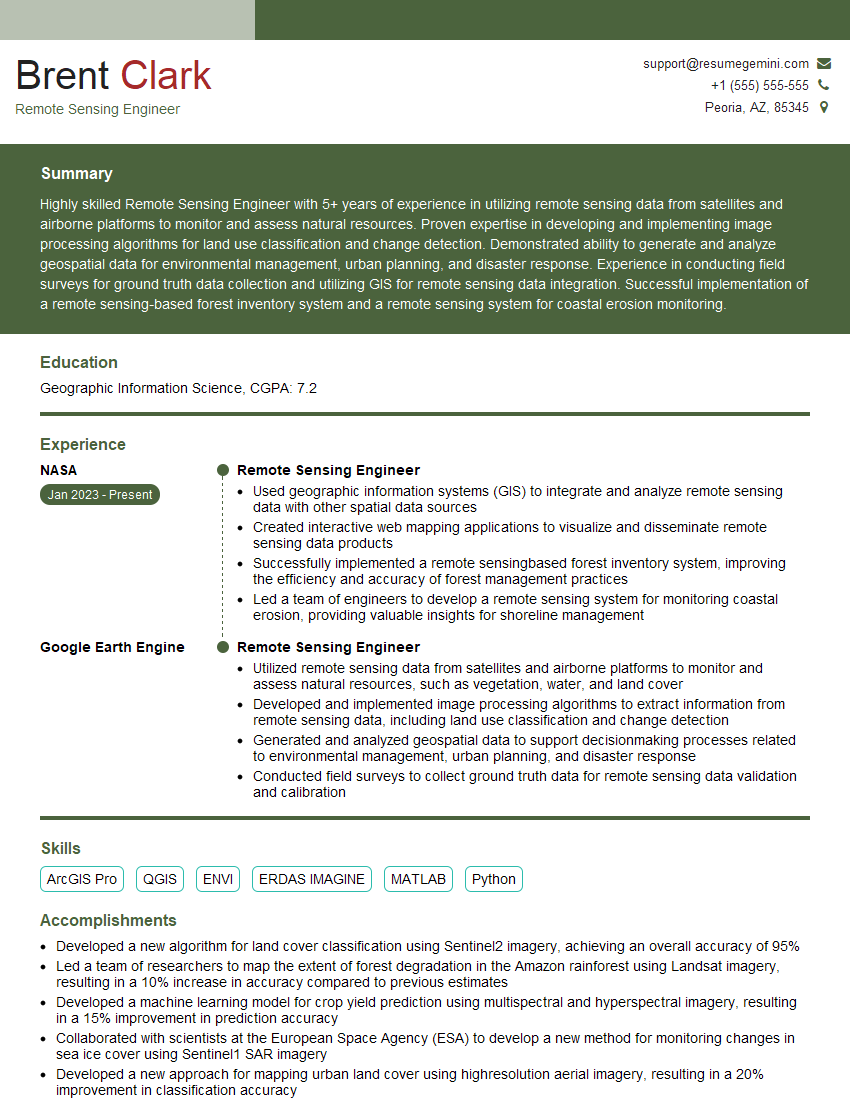
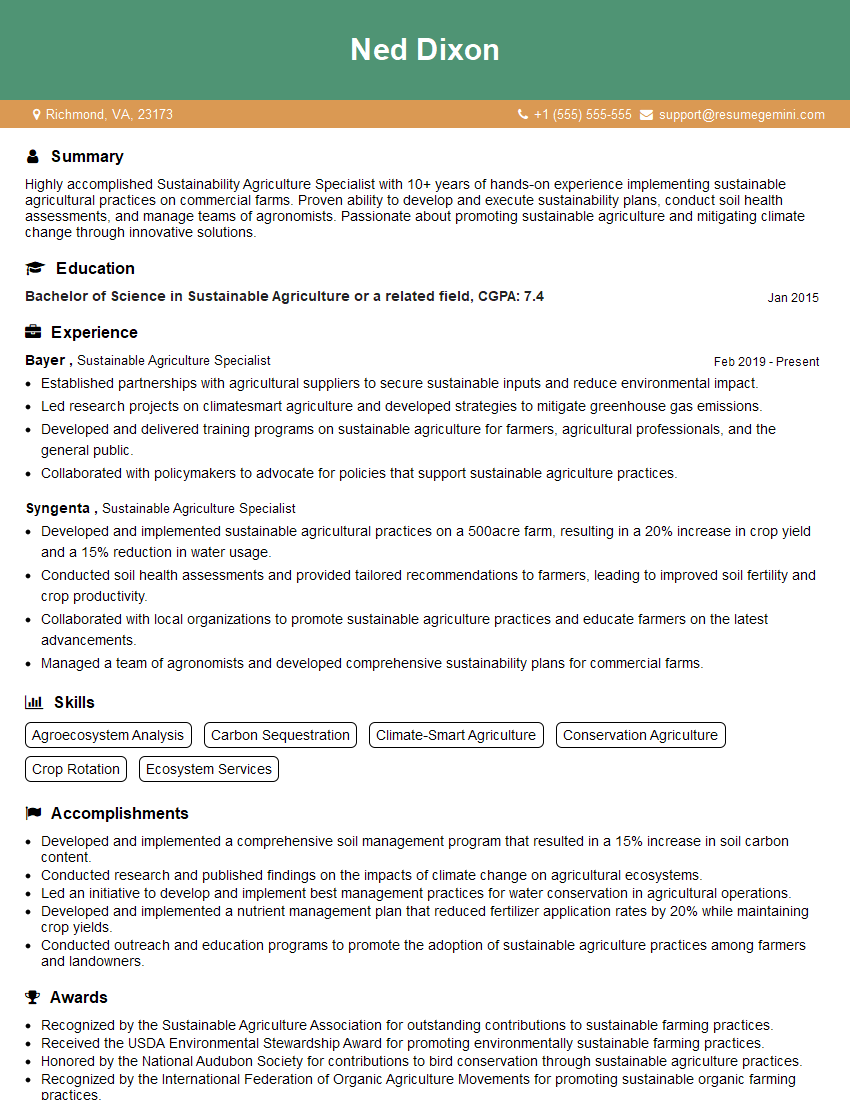
Mastering Crop Monitoring and Surveillance opens doors to exciting career opportunities in agriculture technology, contributing to improved food security and sustainable farming practices. To maximize your job prospects, crafting a compelling and ATS-friendly resume is crucial. ResumeGemini is a trusted resource that can significantly enhance your resume-building experience. Use ResumeGemini to create a professional and impactful document that highlights your skills and experience. Examples of resumes tailored to Crop Monitoring and Surveillance are available within ResumeGemini to guide you.


Explore more articles
Users Rating of Our Blogs
Share Your Experience
We value your feedback! Please rate our content and share your thoughts (optional).
What Readers Say About Our Blog
Really detailed insights and content, thank you for writing this detailed article.
IT gave me an insight and words to use and be able to think of examples