Interviews are more than just a Q&A session—they’re a chance to prove your worth. This blog dives into essential Decision-Making Under Pressure interview questions and expert tips to help you align your answers with what hiring managers are looking for. Start preparing to shine!
Questions Asked in Decision-Making Under Pressure Interview
Q 1. Describe a situation where you had to make a quick, high-stakes decision. What was the outcome?
During my time as a project manager, we faced a critical system failure just hours before a major product launch. The system was responsible for processing millions of transactions, and a failure risked significant financial losses and reputational damage. We had a limited understanding of the root cause, and our usual troubleshooting methods were proving ineffective. The decision I had to make quickly was whether to proceed with the launch, implement a temporary workaround that might be unstable, or delay the launch indefinitely, incurring further costs and potential customer dissatisfaction.
After a brief but intense assessment of the risks involved in each option (using a rapid risk assessment matrix), I opted for a modified workaround proposed by a team member. This involved rerouting traffic through a secondary system. While it was slower and less efficient, it was the only option with a high probability of success. The outcome was positive; we successfully launched the product with minimal disruptions. The temporary solution was in place for a short period until the main system was fully restored. While we experienced some performance slowdowns, we avoided a catastrophic failure and successfully completed the product launch. This taught me the importance of decisive action, even with imperfect information, when the stakes are high and time is short.
Q 2. How do you prioritize tasks when facing multiple deadlines under pressure?
Prioritizing tasks under pressure requires a structured approach. I use a combination of techniques, including the Eisenhower Matrix (urgent/important), and a weighted scoring system based on impact and deadline proximity. First, I list all tasks, then I assess their urgency and importance. I then assign a weight to each task considering the consequences of delay. For instance, a task with a critical deadline and significant impact receives the highest weight. I then tackle tasks in order of their weighted priority. This approach helps me stay focused on what matters most and prevents me from getting bogged down in less critical tasks. This also avoids the common pitfall of working on urgent, but less important tasks, to the detriment of the more critical, longer-term goals.
Q 3. What strategies do you employ to manage stress and maintain focus during high-pressure situations?
Managing stress and maintaining focus under pressure requires a multi-pronged approach. Firstly, I prioritize sleep and healthy eating. Adequate rest and nourishment are crucial for optimal cognitive function and stress resilience. Secondly, I practice mindfulness and deep breathing exercises to help regulate my physiological responses to stress. This can involve short breaks throughout the day to just focus on my breath. Finally, I believe in proactive stress management; I identify potential stressors early on and strategize to mitigate them. This might involve breaking down large tasks into smaller, more manageable steps to reduce feelings of being overwhelmed. It’s about developing resilience and establishing healthy coping mechanisms, not just reacting to stressful events after they’ve occurred.
Q 4. Explain your process for analyzing complex problems and making informed decisions under time constraints.
My process for analyzing complex problems under time constraints involves a structured approach emphasizing efficient information gathering and decisive action. It follows these steps:
- Define the problem clearly: Clearly articulate the challenge, its scope, and potential impact.
- Gather key information quickly: Identify the most critical data needed for a reasoned decision. Avoid information overload by focusing on the essentials.
- Employ a decision-making framework: Use a simple framework like a decision tree or cost-benefit analysis to evaluate options.
- Consider potential risks and mitigation strategies: Assess the potential downsides of each course of action and prepare for contingencies.
- Make a timely decision: Once sufficient information is gathered, avoid analysis paralysis. Trust your judgment and make a decision, even if it’s not perfect.
- Monitor and adapt: Regularly review the outcome of your decision and adjust your course if needed.
For example, faced with a sudden drop in website traffic, I would first ascertain whether the issue is server-side, client-side, or external factors. Then I would gather relevant data from server logs and analytics tools. Finally, I’d choose between implementing quick fixes, conducting more thorough investigations, or alerting relevant stakeholders. The key is to act quickly, informed by the most pertinent available data.
Q 5. How do you handle conflicting priorities when making decisions under pressure?
Handling conflicting priorities under pressure involves careful prioritization and clear communication. I use a structured approach by clearly defining each priority’s impact, urgency and dependencies. Then I seek to find synergies or compromises to minimize conflict. Sometimes, it means making tough choices and accepting that some tasks or objectives might need to be delayed or modified. It’s crucial to communicate these decisions transparently with stakeholders to manage expectations and avoid misunderstandings. This might involve prioritizing what adds the most value to the overall objectives.
Q 6. Describe a time you made a wrong decision under pressure. What did you learn from it?
In a previous role, I had to quickly approve a significant budget allocation without fully reviewing all the supporting documents. Time pressure led me to rely on assumptions rather than complete data. It turned out that the project proposal contained some inaccuracies, leading to unexpected cost overruns and project delays. This experience taught me the importance of adhering to established procedures and processes, even when under duress. It reinforced the value of due diligence, even if it means pushing deadlines slightly to ensure complete information is available. I now prioritize thoroughness, even if it delays immediate action, recognizing that thorough preparation often leads to better long-term outcomes.
Q 7. How do you ensure you’re gathering all necessary information before making a time-sensitive decision?
Gathering necessary information under time constraints requires a focused and efficient approach. I prioritize identifying the critical information required for a sound decision first. I then employ various techniques to gather this information efficiently:
- Use pre-existing resources: Leverage existing reports, data dashboards, or prior knowledge to reduce the need for extensive research.
- Identify key stakeholders: Quickly consult with the individuals most likely to provide crucial insights.
- Employ rapid data analysis techniques: Use quick data visualization and summarization tools to quickly identify trends and insights.
- Set time limits for information gathering: Avoid the temptation to over-research; establish clear deadlines to stay within the time constraint.
For instance, if I need to quickly decide whether to proceed with a marketing campaign, I’d focus on gathering data on campaign effectiveness from similar past campaigns, target audience engagement metrics, and competitor activities, prioritizing these over exhaustive market research.
Q 8. What techniques do you use to mitigate risk when making decisions under pressure?
Mitigating risk under pressure involves a structured approach combining careful analysis with decisive action. It’s not about eliminating risk entirely – that’s often impossible – but about managing it effectively. My technique relies on a three-pronged strategy: pre-emptive risk assessment, rapid situation analysis, and informed decision-making.
Pre-emptive Risk Assessment: Before any high-pressure situation arises, I proactively identify potential risks. This involves understanding the context, considering potential scenarios, and outlining contingency plans. For example, before a major product launch, I’d anticipate potential technical glitches, marketing mishaps, or supply chain issues and develop backup strategies for each.
Rapid Situation Analysis: When under pressure, I focus on gathering critical information quickly and accurately. This involves prioritizing key data, discarding irrelevant details, and using mental models or decision-making frameworks like a decision tree to rapidly assess the situation. In a crisis, quick, informed analysis is paramount. Imagine a sudden market crash – I wouldn’t waste time on speculation; I’d focus on immediate market data, investor sentiment, and our company’s financial health to inform my decisions.
Informed Decision-Making: Once the situation is analyzed, I use established decision-making frameworks, such as cost-benefit analysis or a weighted scoring system, to select the best course of action. The goal is to choose the option that minimizes negative consequences while maximizing positive outcomes, considering both short-term and long-term implications. For instance, during a product recall, I wouldn’t focus solely on the immediate financial impact, but also on long-term brand reputation and customer loyalty.
Q 9. How do you delegate tasks effectively in a high-pressure environment?
Effective delegation in high-pressure environments requires trust, clear communication, and a well-defined process. My approach centers on identifying the right person for the task, providing clear instructions and expectations, and establishing open communication channels for updates and support.
Right Person, Right Task: I carefully assess the skills and experience of team members, matching tasks with individual strengths. This ensures accountability and efficient execution. I don’t delegate solely based on workload; it’s crucial to consider the individual’s ability to handle the pressure and the specific requirements of the task.
Crystal-Clear Instructions: Ambiguity is the enemy of effective delegation under pressure. Instructions need to be specific, measurable, achievable, relevant, and time-bound (SMART). This removes room for misinterpretation and helps ensure everyone is on the same page. For instance, instead of saying ‘improve the website,’ I’d say ‘increase website conversion rate by 10% within two weeks by implementing A/B testing on the landing page’.
Open Communication: Regular check-ins and updates are crucial. I establish clear communication channels and encourage team members to seek clarification or support as needed. This prevents misunderstandings and allows me to provide guidance or adjust strategies if required. Regular briefings ensure that I am aware of potential issues, preventing them from escalating into larger problems.
Q 10. How do you communicate decisions effectively under pressure, to both individuals and teams?
Communicating decisions effectively under pressure is vital for maintaining team cohesion and ensuring smooth execution. My strategy combines clarity, empathy, and proactive communication.
Clarity and Conciseness: In high-pressure situations, concise and unambiguous communication is critical. I avoid jargon and focus on delivering the essential information clearly and directly. I prioritize action-oriented messaging, outlining steps to be taken rather than dwelling on the reasons behind the decision. For example, instead of explaining the complex financial analysis that led to budget cuts, I would simply state the budget allocation and clarify the immediate impact on individual teams.
Empathy and Transparency: Acknowledging the stress and uncertainty felt by the team is crucial. I strive to communicate with empathy, explaining the reasoning behind decisions transparently. This builds trust and ensures everyone understands the situation’s context. For example, if announcing layoffs, I’d explain the business reasons necessitating this action, and provide support to affected employees.
Proactive Communication: I prioritize proactive communication over reactive. Anticipating potential questions and concerns and addressing them preemptively minimizes misunderstandings and reduces anxiety. A pre-emptive communication outlining the decision’s implications and addressing likely concerns reduces the need for follow-up clarifications in the midst of a busy situation.
Q 11. Describe your experience with decision-support tools or technologies.
I have extensive experience using various decision-support tools and technologies. These range from simple spreadsheet models for cost-benefit analysis to more sophisticated data visualization platforms and predictive analytics tools.
Spreadsheet Modeling: I frequently utilize spreadsheets (e.g., Excel, Google Sheets) for simple financial modeling, risk assessment matrices, and scenario planning. These are invaluable for visualizing data, performing calculations, and comparing different options.
Data Visualization Platforms: Tools like Tableau and Power BI are essential for quickly understanding complex datasets. Visualizations like charts and dashboards allow me to communicate insights effectively to teams, even under time constraints. This is critical when presenting findings from market research or sales performance data.
Predictive Analytics: In situations requiring forecasting, I leverage predictive analytics tools to understand trends and anticipate potential outcomes. For example, I might use machine learning algorithms to predict customer churn or anticipate supply chain disruptions.
Q 12. How do you handle uncertainty when making high-stakes decisions?
Uncertainty is inherent in high-stakes decisions. My approach involves acknowledging the uncertainty, gathering as much relevant information as possible, developing multiple scenarios, and building flexibility into the chosen plan.
Acknowledge Uncertainty: The first step is recognizing that complete certainty is rarely possible. Accepting this upfront allows for a more realistic and adaptable approach.
Scenario Planning: I develop several possible scenarios, considering both optimistic and pessimistic outcomes. This allows me to prepare for a range of possibilities and adapt quickly to changing circumstances. For example, during a product launch, I’d plan for scenarios ranging from overwhelming success to unexpectedly low sales.
Flexibility and Adaptability: The chosen course of action should be flexible enough to accommodate unforeseen events. Regular monitoring and evaluation allow for adjustments based on new information or changing circumstances. Building in checkpoints and feedback loops allows for adjustments to the strategy mid-course, ensuring a more adaptable approach to uncertainty.
Q 13. What is your approach to risk assessment in time-critical situations?
Risk assessment in time-critical situations requires a rapid but thorough approach. My method focuses on prioritizing risks based on their likelihood and potential impact, then selecting mitigation strategies based on available resources and time constraints.
Prioritization Matrix: I use a risk prioritization matrix (often a simple 2×2 matrix with likelihood and impact as axes) to quickly identify high-priority risks. This allows me to focus efforts on the most critical issues, avoiding wasted time on less significant risks.
Rapid Mitigation Planning: Once high-priority risks are identified, I develop immediate mitigation strategies. These might involve quick fixes, contingency plans, or seeking immediate assistance from relevant stakeholders. This is a time-sensitive process, focusing on swift actions to limit potential damage.
Communication and Transparency: Keeping stakeholders informed is critical in time-sensitive situations. Regular updates on the risk assessment process and mitigation efforts ensure everyone understands the situation and is prepared for potential outcomes. Transparency helps to manage expectations and maintain collaboration.
Q 14. How do you balance speed and accuracy in your decision-making process?
Balancing speed and accuracy in decision-making is a constant challenge. My approach involves utilizing decision-making frameworks, seeking relevant input, and accepting a degree of calculated risk when necessary.
Structured Decision-Making Frameworks: I use frameworks such as the decision matrix or cost-benefit analysis to ensure a structured, methodical approach, promoting accuracy without sacrificing speed. These frameworks aid in efficient assessment and comparison of options.
Seeking Relevant Input (When Time Allows): While speed is often crucial, valuable input from trusted sources can enhance decision accuracy. I try to find a balance, soliciting essential viewpoints without compromising speed unduly. This could involve a brief consultation with key team members before making a critical decision.
Calculated Risk: In truly time-critical situations, accepting a degree of calculated risk might be unavoidable. This involves carefully assessing the potential consequences of a less-than-perfect decision and choosing the option that minimizes negative impact given time constraints. This requires experience, judgment, and a clear understanding of the stakes involved.
Q 15. How do you adapt your decision-making style to different situations and team dynamics?
My decision-making style is adaptable, shifting between a more directive approach in urgent situations and a collaborative style when complex issues require team input. I assess the situation’s urgency, the team’s expertise, and the level of risk involved. In high-pressure, time-sensitive scenarios, I might take a more decisive, directive role, ensuring swift action. However, for strategic decisions with long-term implications, I prioritize collaboration, leveraging the diverse perspectives and expertise within the team. I facilitate open discussions, encourage brainstorming, and actively seek input from team members, ensuring all voices are heard. This ensures buy-in and a more robust, well-informed decision.
For example, in a crisis situation like a sudden server outage affecting a critical system, a fast, directive approach is essential. However, launching a new product line requires a collaborative approach, involving marketing, sales, and product development teams for comprehensive input and effective strategy. This balanced approach ensures efficient decision-making across varying contexts.
Career Expert Tips:
- Ace those interviews! Prepare effectively by reviewing the Top 50 Most Common Interview Questions on ResumeGemini.
- Navigate your job search with confidence! Explore a wide range of Career Tips on ResumeGemini. Learn about common challenges and recommendations to overcome them.
- Craft the perfect resume! Master the Art of Resume Writing with ResumeGemini’s guide. Showcase your unique qualifications and achievements effectively.
- Don’t miss out on holiday savings! Build your dream resume with ResumeGemini’s ATS optimized templates.
Q 16. Can you provide an example of a time you had to make a decision with incomplete information?
During my time leading a product launch, we faced a critical challenge: a key supplier unexpectedly delayed a crucial component. We had a tight deadline, and incomplete information about the extent of the delay and potential alternative suppliers. Instead of panicking, I structured a rapid problem-solving session. We analyzed the risk associated with each potential solution: delaying the launch, seeking an alternative supplier, or redesigning the product to use an available component. We evaluated the probability of each scenario succeeding and the impact of potential failure. Ultimately, we opted for a slightly redesigned product using a readily available alternative, mitigating the delay’s impact and launching successfully albeit with a minor revision. The key was a structured approach to analyzing incomplete data and prioritizing risk mitigation, rather than waiting for perfect information.
Q 17. How do you ensure your decisions align with organizational goals under pressure?
Aligning decisions with organizational goals under pressure demands a clear understanding of those goals and a proactive approach to risk management. Before making any decision, I explicitly evaluate its alignment with overarching strategic objectives. I use frameworks like SWOT analysis (Strengths, Weaknesses, Opportunities, Threats) to assess the potential impact of a decision on the organization’s goals. Furthermore, I maintain open communication with leadership to ensure decisions are consistent with the company’s vision and priorities, even in stressful environments. This prevents decisions from derailing the broader strategy. Regular check-ins, clear reporting, and transparent communication build trust and ensure everyone is working towards the same targets.
Q 18. How do you identify and manage your own biases when making decisions?
Recognizing and mitigating personal biases is crucial for effective decision-making. I employ several techniques to achieve this. Firstly, I actively solicit diverse perspectives to challenge my own assumptions. Secondly, I use structured decision-making frameworks like cost-benefit analysis and decision matrices to reduce reliance on intuition or gut feelings which can be influenced by bias. Thirdly, I actively reflect on my decision-making process, identifying potential biases that may have influenced my choices. This self-awareness is vital for continuous improvement. Finally, I strive for transparency, openly acknowledging potential biases and inviting feedback from others.
Q 19. Describe your experience working in a fast-paced, high-pressure environment.
In my previous role, I managed a team responsible for incident response in a 24/7 global operation. The environment was inherently fast-paced and high-pressure. We consistently faced time-sensitive incidents requiring immediate action. To thrive in this setting, I established clear communication protocols, ensuring rapid information flow and coordinated response. I empowered my team to make decisions within their area of expertise, fostering a culture of ownership and responsibility. We utilized prioritization matrices to tackle the most critical issues first and implemented regular debriefs to analyze our successes and areas for improvement. This systematic approach helped manage the pressure and maintain effectiveness.
Q 20. How do you build consensus when making decisions under pressure?
Building consensus under pressure requires a blend of efficient communication and collaborative problem-solving. I start by clearly defining the problem and desired outcome. Then, I facilitate a structured discussion, actively listening to and summarizing different perspectives. To avoid lengthy debates, I often use voting or ranking systems to prioritize options, focusing on objective criteria rather than subjective opinions. In high-pressure situations, it’s important to find the path of least resistance while still ensuring buy-in and achieving a satisfactory outcome. I ensure everyone understands the rationale behind the final decision, addressing concerns and acknowledging contributions. Open communication is key to mitigating dissent and achieving consensus.
Q 21. How do you measure the success of your decisions?
Measuring the success of a decision involves both short-term and long-term analysis. Immediately after a decision, I assess its immediate impact. Did it resolve the initial problem? Were there any unintended consequences? Over time, I track key performance indicators (KPIs) related to the decision’s intended outcome. This could involve sales figures, customer satisfaction scores, or project completion rates. Regular review sessions allow for objective evaluation and adjustment, and allows to gain insights from both successful and unsuccessful outcomes, informing future decisions. A critical component is to document the reasoning behind the decision. This creates a record for future reference and facilitates learning and continuous improvement.
Q 22. How do you handle criticism of your decisions, especially under pressure?
Handling criticism, especially under pressure, is crucial for growth and effective decision-making. My approach involves a three-step process: Listen actively, Seek understanding, and Respond constructively. Firstly, I actively listen to the criticism, ensuring I fully comprehend the points raised. This means avoiding interruptions and focusing on the speaker’s perspective, even if I disagree initially. Secondly, I seek to understand the reasoning behind the criticism. Why does this person feel this way? What are their concerns? This helps to separate subjective opinions from objective feedback. Finally, I respond constructively, either acknowledging the validity of the criticism and outlining corrective actions or explaining my reasoning if I believe the criticism is misplaced. It’s important to maintain professionalism, even when dealing with harsh criticism, focusing on improvement rather than defensiveness. For example, during a project launch, I faced criticism about the chosen marketing strategy. By actively listening, I understood the concerns about the target audience. I then explained my data-driven rationale, leading to a collaborative adjustment that strengthened the campaign.
Q 23. Describe a time you had to make a difficult ethical decision under pressure.
In a previous role, I faced a significant ethical dilemma. Our team was under immense pressure to meet a deadline for a new software release. During final testing, we discovered a critical bug that could potentially compromise user data. Releasing the software on time would mean risking a major data breach, while delaying would incur significant financial penalties and damage our reputation. This was a classic conflict between business pressures and ethical responsibility. My process involved clearly defining the ethical dilemma, weighing the consequences of each option (releasing vs. delaying), consulting with colleagues and ethical guidelines, and finally, making a transparent and documented decision. We chose to delay the release, prioritizing data security and user trust over short-term gains. While the decision resulted in a temporary setback, it ultimately protected user data and preserved the company’s integrity. This experience reinforced the importance of prioritizing ethics, even under intense pressure.
Q 24. How do you stay calm and collected during crisis situations?
Maintaining composure during crises involves a combination of preparation, practice, and mindful techniques. Preparation includes having clear protocols and emergency plans in place. Practice involves regular training and simulations to build muscle memory and confidence in crisis response. Mindful techniques such as deep breathing exercises, focusing on the immediate task, and breaking down complex problems into smaller, manageable steps are essential. For instance, visualizing success or using positive self-talk can help manage stress and anxiety. During a recent network outage, I applied these techniques by first calming myself through deep breaths, then systematically diagnosing the issue by checking key system components, and finally, communicating calmly and clearly with the team and stakeholders. This methodical approach facilitated a swift resolution and minimized disruption.
Q 25. What is your process for evaluating the potential consequences of your decisions?
Evaluating potential consequences is a systematic process I approach with a framework involving identification, analysis, and mitigation. Firstly, I identify all potential consequences, both positive and negative, short-term and long-term, direct and indirect. This often involves brainstorming sessions and risk assessments. Secondly, I analyze the likelihood and impact of each consequence using tools like decision matrices and risk scoring. Finally, I develop mitigation strategies to address potential negative consequences and enhance positive outcomes. For instance, when deciding on a new marketing campaign, I considered potential consequences like increased brand awareness (positive), budget overruns (negative), and negative customer feedback (negative). By analyzing each consequence’s likelihood and impact, we chose a strategy that balanced risks and maximized potential rewards.
Q 26. How do you maintain a positive attitude and teamwork during stressful periods?
Maintaining a positive attitude and teamwork under stress requires proactive strategies. Firstly, open and honest communication is vital. Regular check-ins with the team help identify concerns and address issues promptly. Secondly, celebrating small wins along the way helps build morale and maintain momentum. Finally, recognizing and appreciating individual contributions reinforces team spirit. During a demanding project, I encouraged open dialogue, acknowledged individual efforts publicly, and celebrated milestones together. This fostered a supportive and collaborative environment, ensuring we maintained our positive attitude and successfully completed the project.
Q 27. How do you learn from your mistakes in high-pressure decision-making?
Learning from mistakes in high-pressure situations is crucial for continuous improvement. My approach involves a structured process of reflection, analysis, and action. Firstly, I reflect on the decision-making process, identifying what went well and what could have been improved. Secondly, I analyze the root causes of any mistakes, considering factors like insufficient information, time constraints, or communication breakdowns. Finally, I take concrete actions to prevent similar mistakes in the future. This might involve refining procedures, improving communication strategies, or seeking additional training. For example, after a project experienced unexpected delays due to poor communication, I implemented a new project management system with enhanced communication features and conducted team training on collaborative workflows. This proactive approach transformed subsequent projects and avoided similar issues.
Key Topics to Learn for Decision-Making Under Pressure Interview
- Understanding Pressure: Identifying your personal triggers and developing coping mechanisms for stressful situations. Learn to recognize physiological and psychological signs of stress and how to manage them effectively.
- Structured Decision-Making Frameworks: Applying frameworks like the DECIDE model (Define, Establish, Consider, Identify, Develop, Evaluate) or similar methodologies to approach complex problems systematically, even under time constraints.
- Risk Assessment and Mitigation: Practicing techniques for quickly evaluating potential risks, prioritizing consequences, and developing mitigation strategies to minimize negative outcomes.
- Data Analysis and Prioritization: Efficiently processing information, identifying key data points, and prioritizing tasks to make informed decisions within time limits. This includes recognizing when to seek more information and when to act decisively with available data.
- Communication Under Pressure: Developing clear, concise communication strategies to effectively convey decisions and rationale to stakeholders, even in high-stress scenarios. This includes active listening and receiving feedback.
- Adaptability and Flexibility: Highlighting experiences where you adapted to changing circumstances and adjusted your approach based on new information or unexpected challenges. This showcases resilience and problem-solving skills.
- Self-Reflection and Learning: Demonstrating a commitment to continuous improvement by analyzing past decisions, identifying areas for growth, and implementing strategies for better future performance. This shows self-awareness and a proactive approach to development.
Next Steps
Mastering decision-making under pressure is crucial for career advancement. It demonstrates essential skills highly valued by employers across various industries. To significantly boost your job prospects, create an ATS-friendly resume that showcases these abilities effectively. ResumeGemini is a trusted resource that can help you build a professional, impactful resume tailored to highlight your strengths in this area. We provide examples of resumes specifically designed for candidates emphasizing their skills in Decision-Making Under Pressure. Use ResumeGemini to craft a resume that gets you noticed.
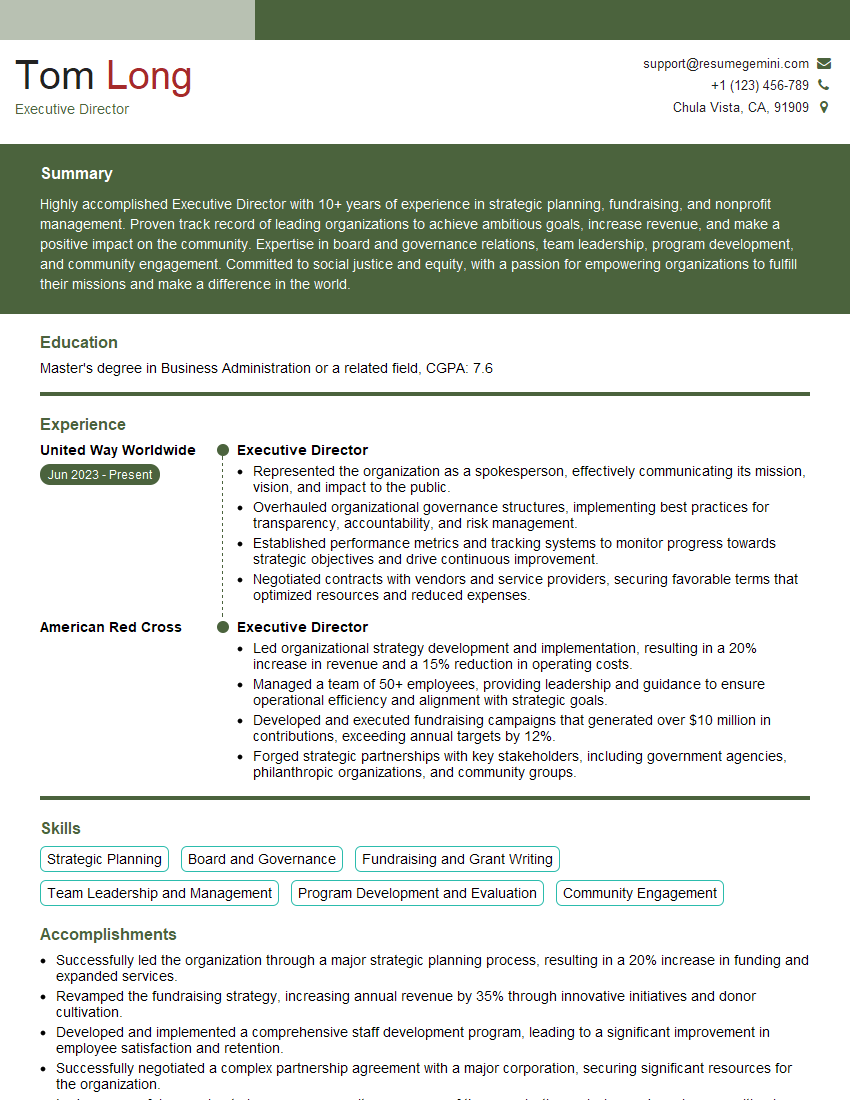
Executive Director Resume Sample
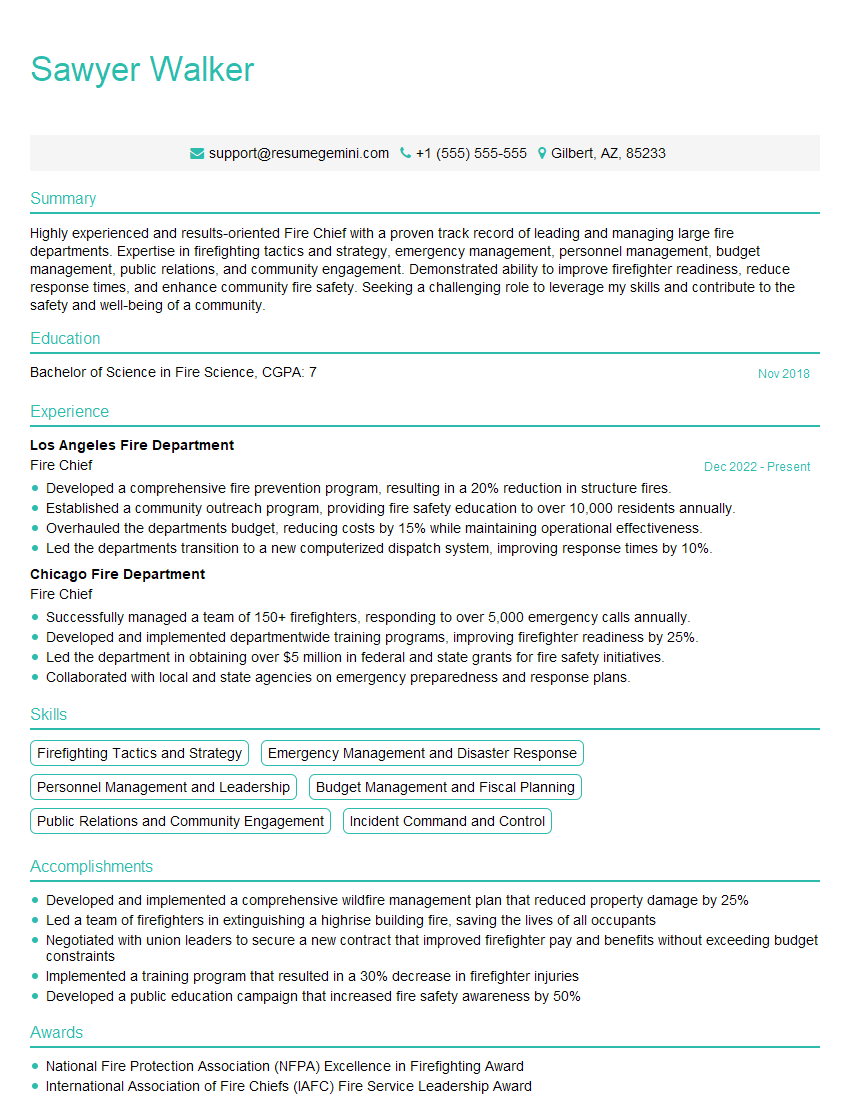
Fire Chief Resume Sample
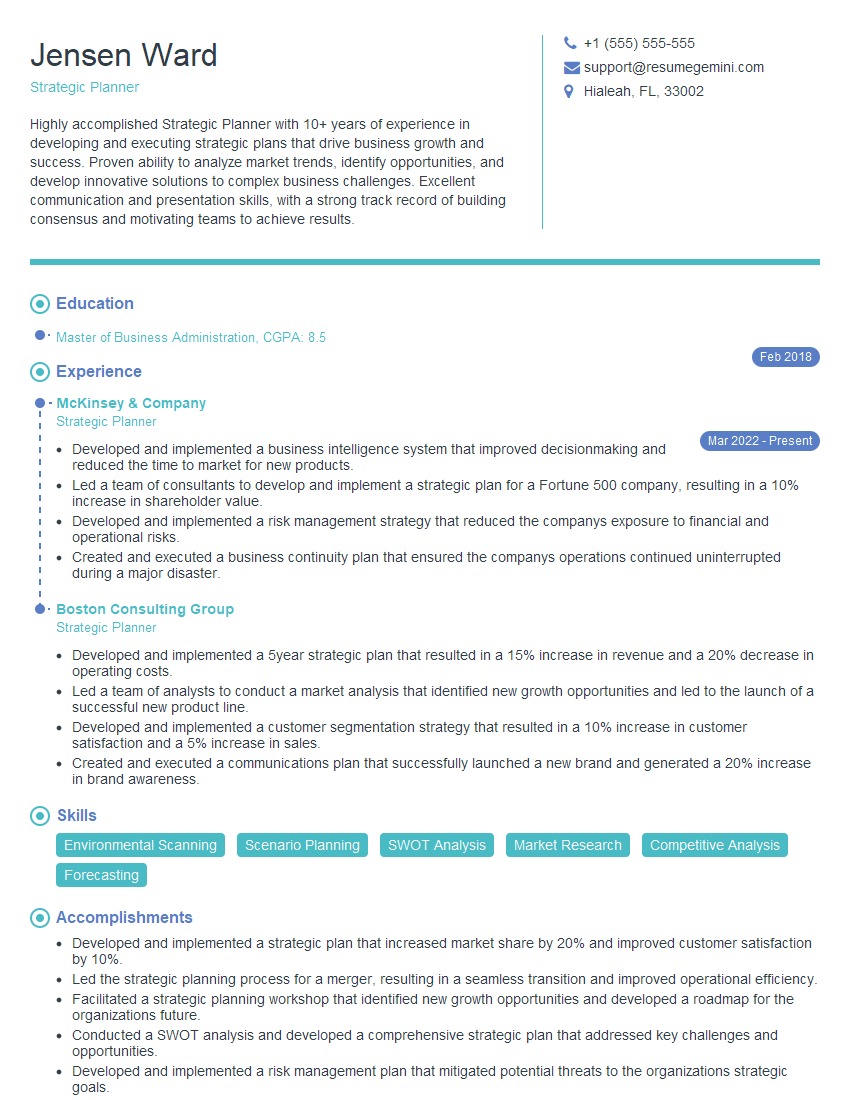
Strategic Planner Resume Sample

Operations Manager Resume Sample
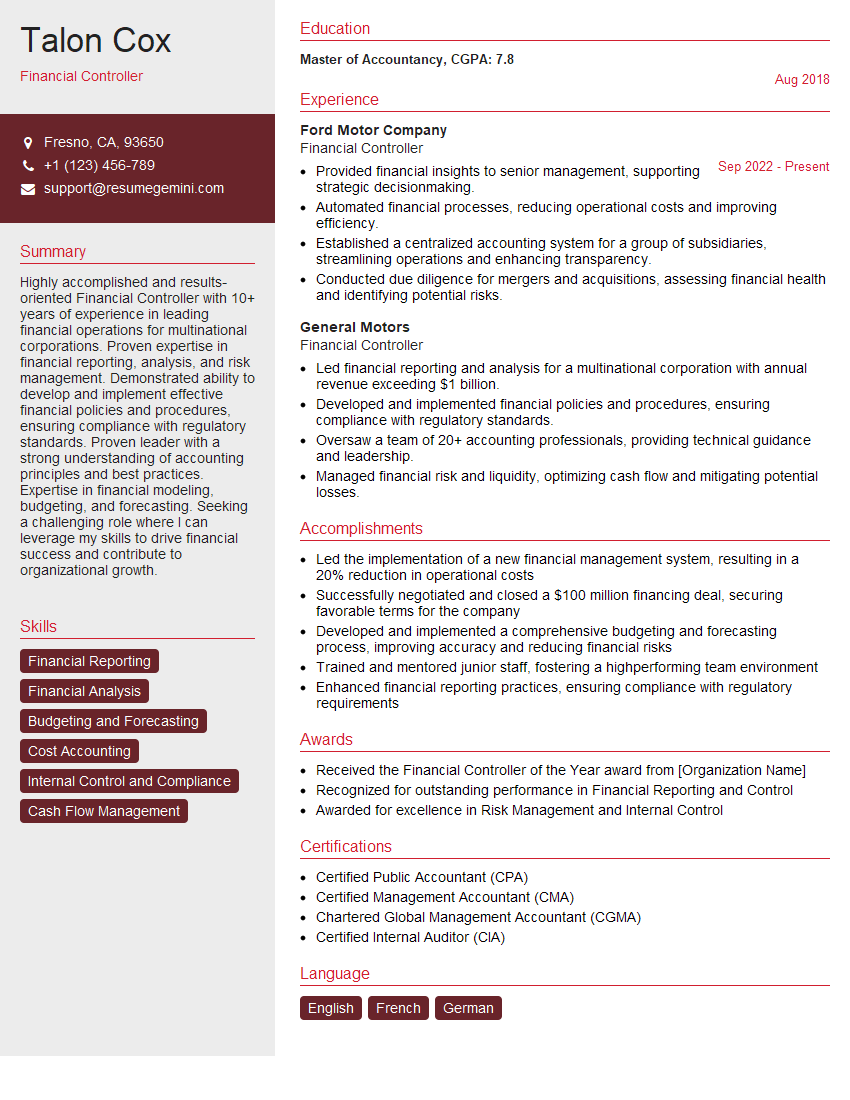
Financial Controller Resume Sample
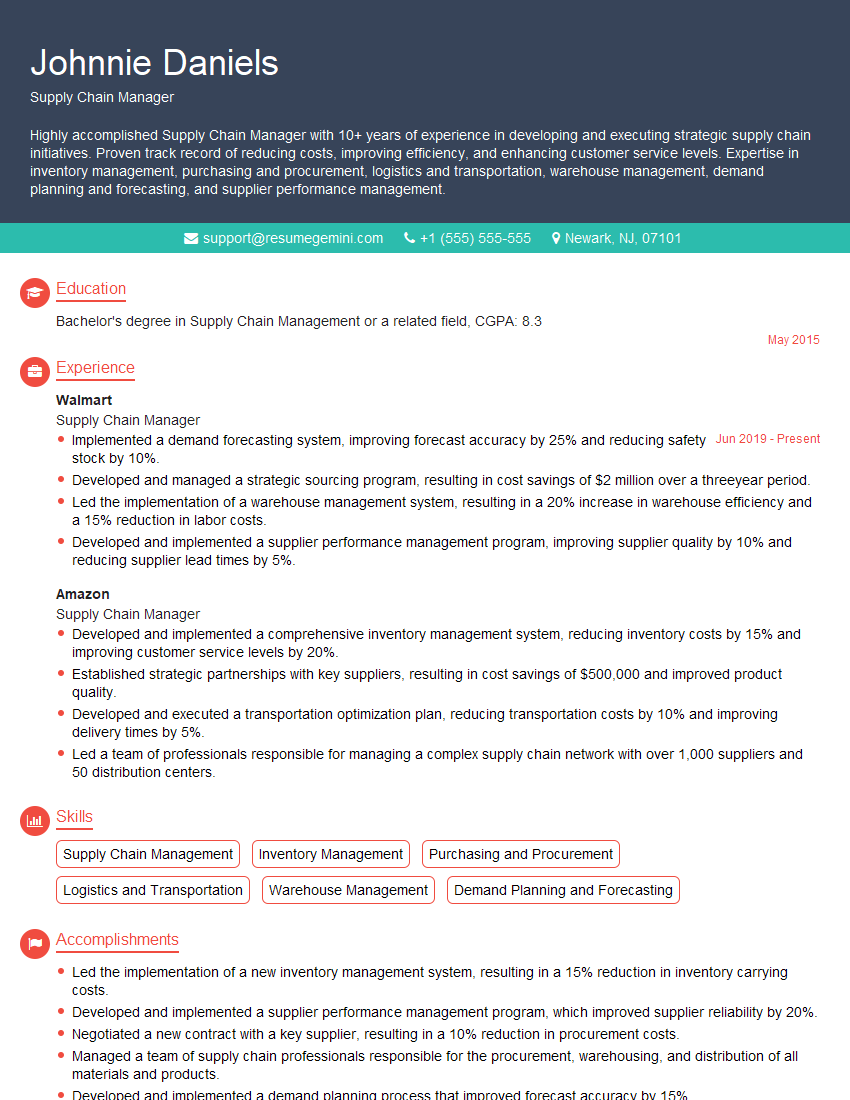
Supply Chain Manager Resume Sample

Project Manager Resume Sample

Chief of Staff Resume Sample
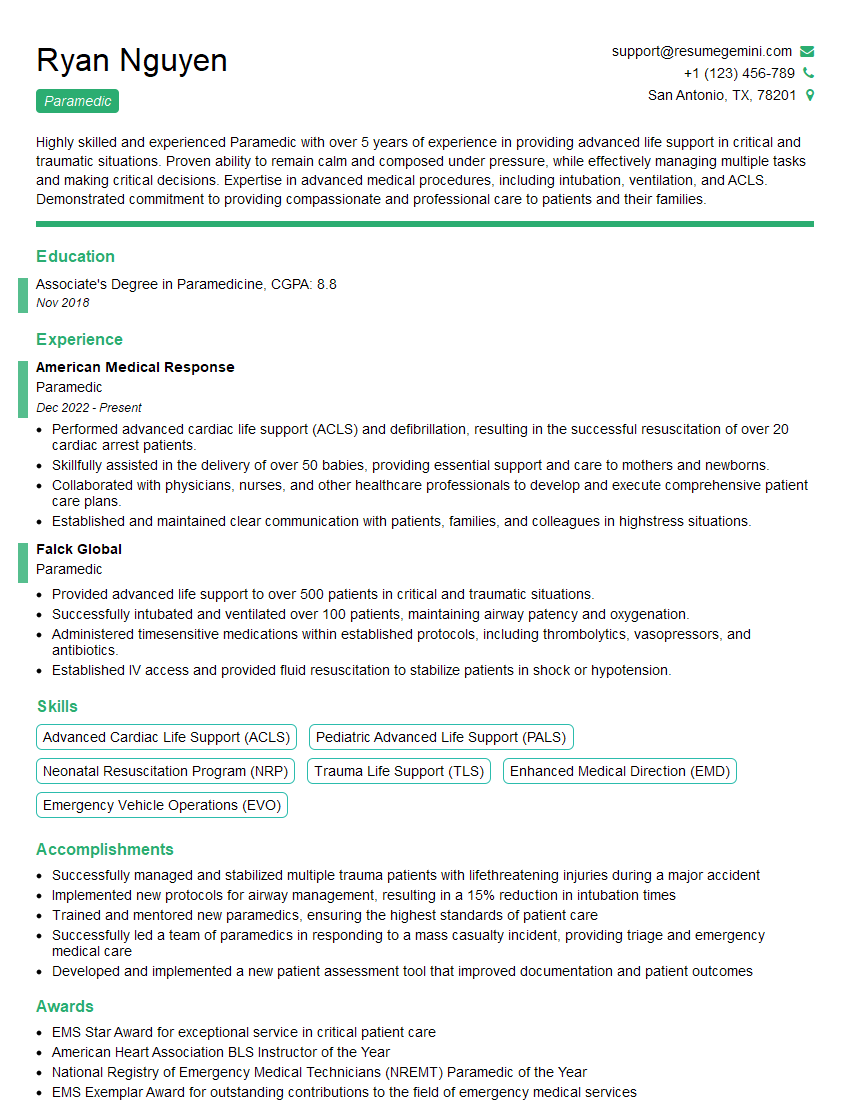
Paramedic Resume Sample

Compliance Officer Resume Sample
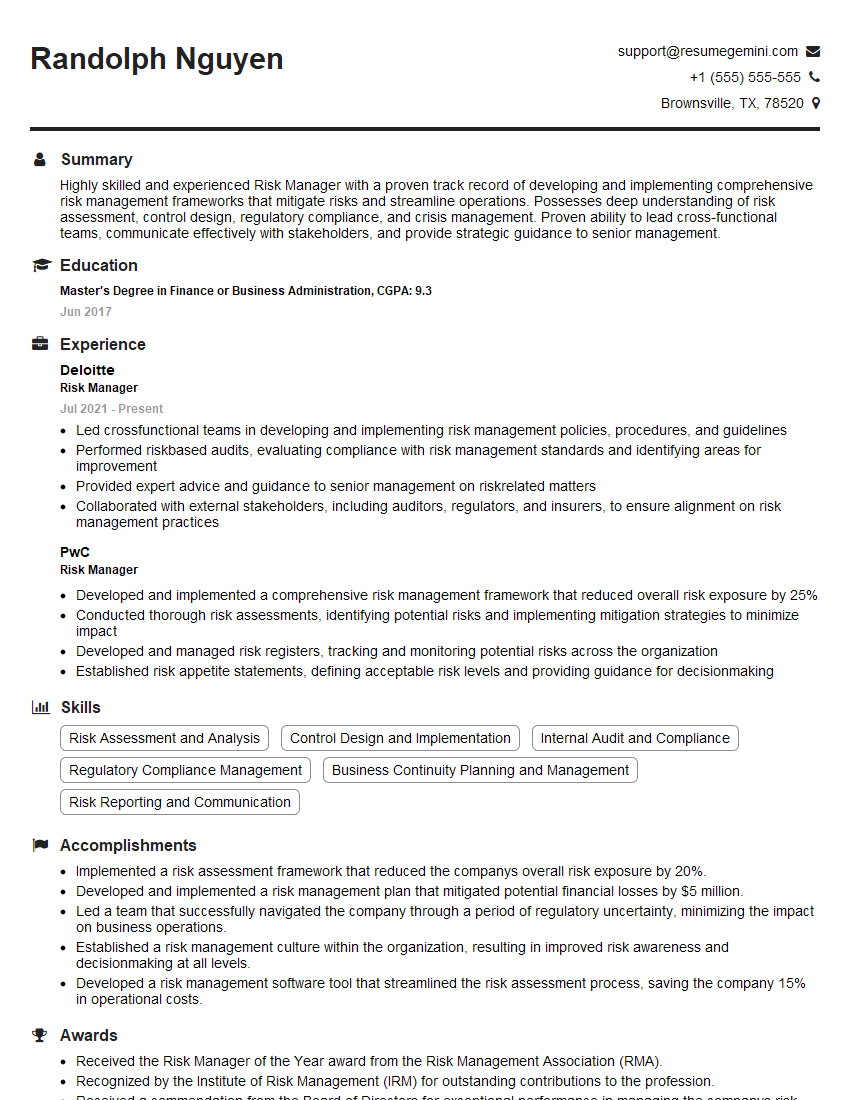
Risk Manager Resume Sample
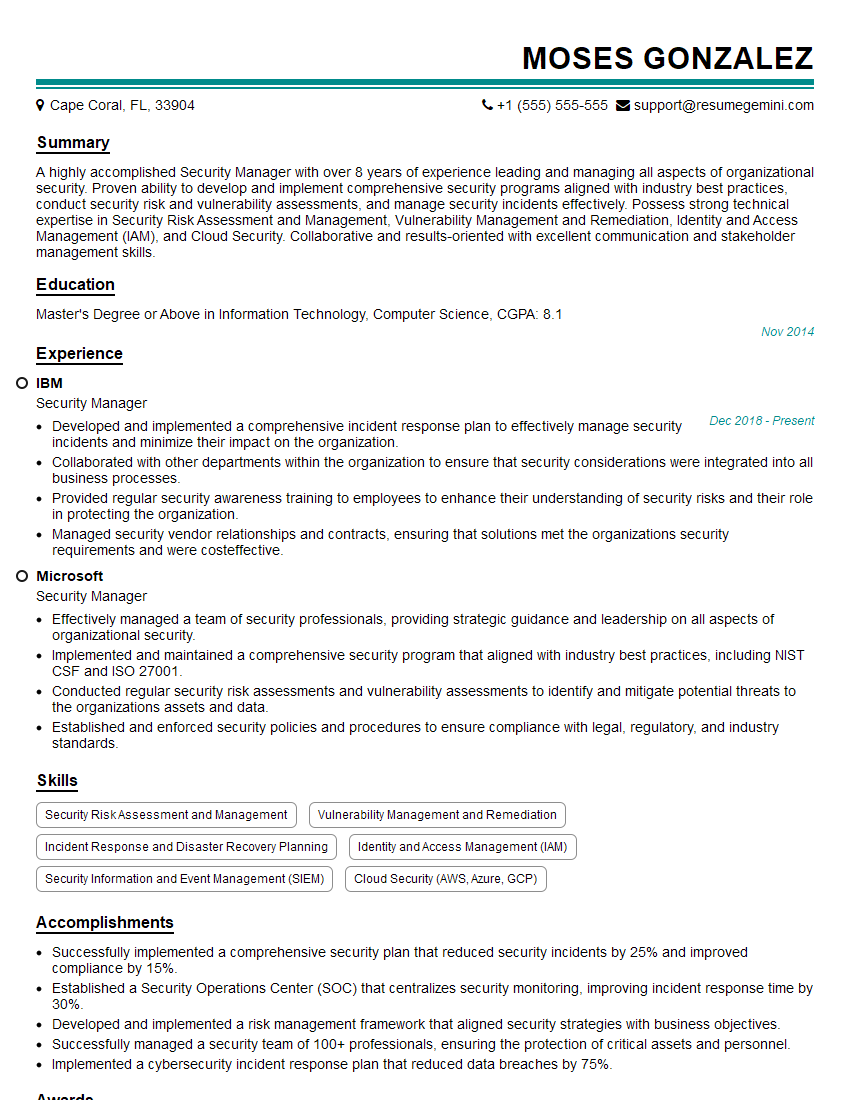
Security Manager Resume Sample
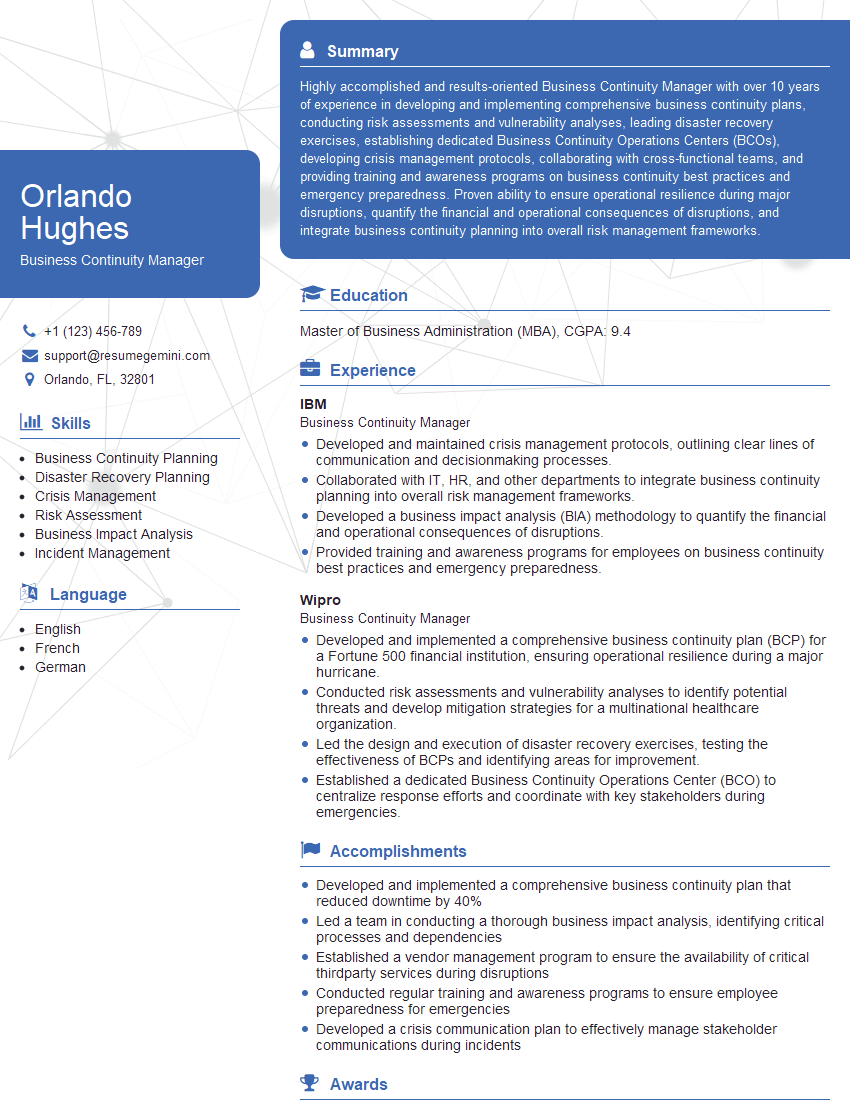
Business Continuity Manager Resume Sample
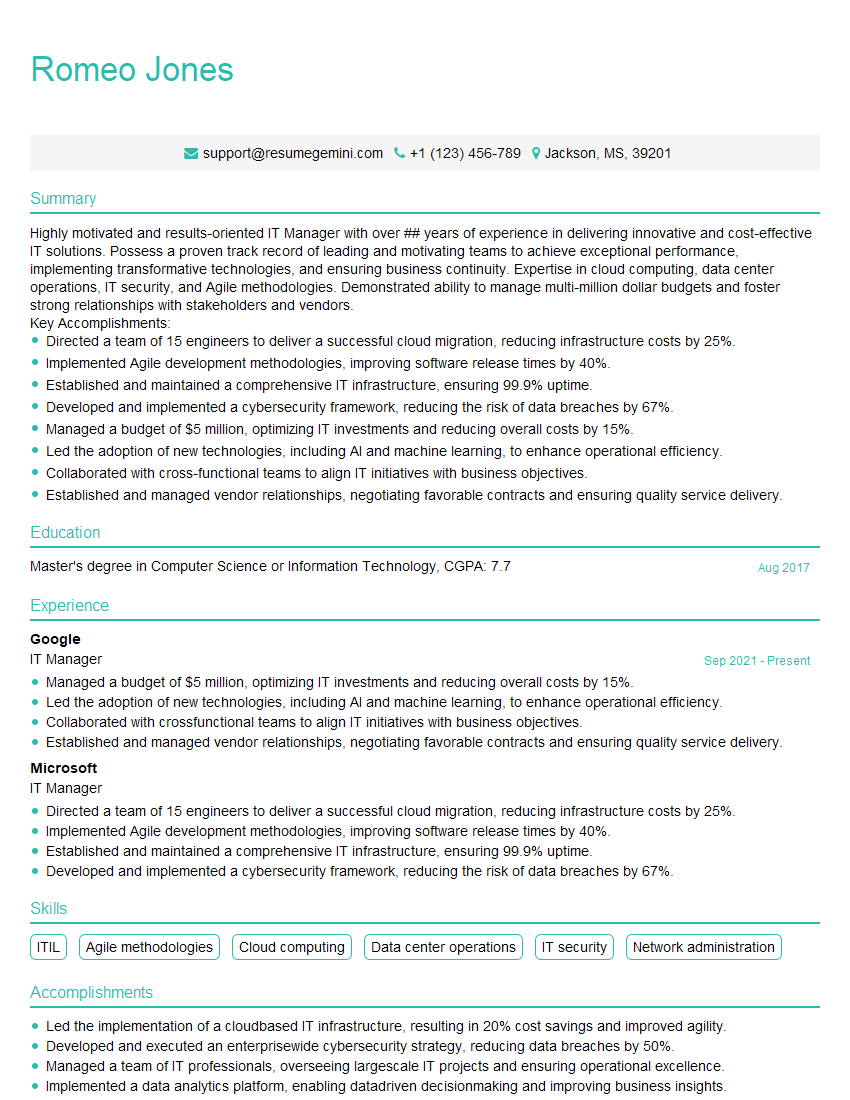
IT Manager Resume Sample
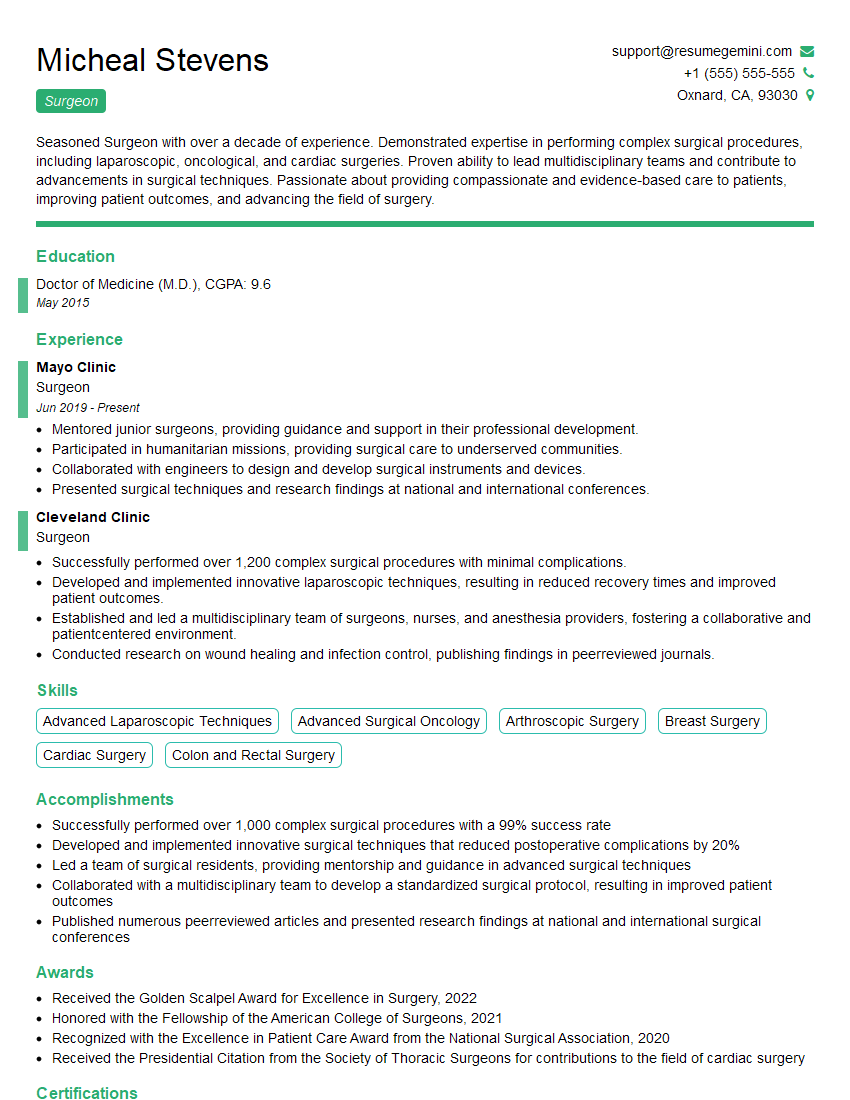
Surgeon Resume Sample
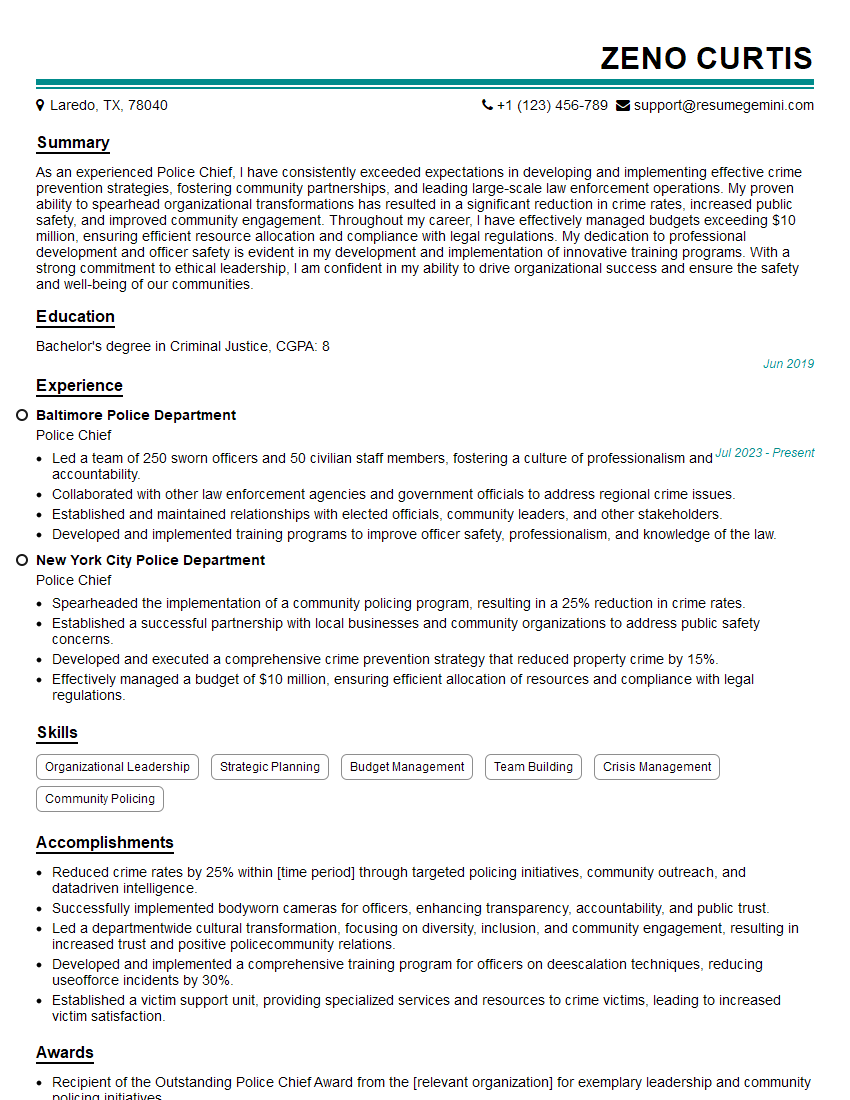
Police Chief Resume Sample
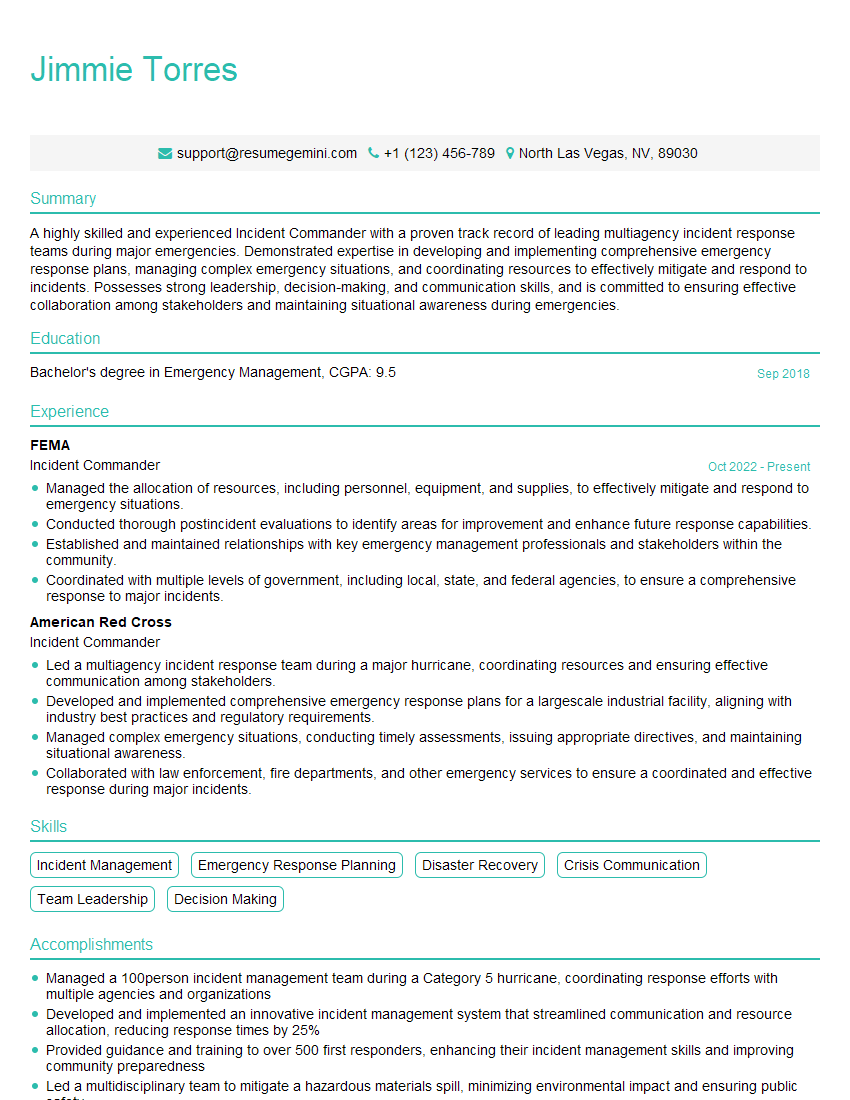
Incident Commander Resume Sample
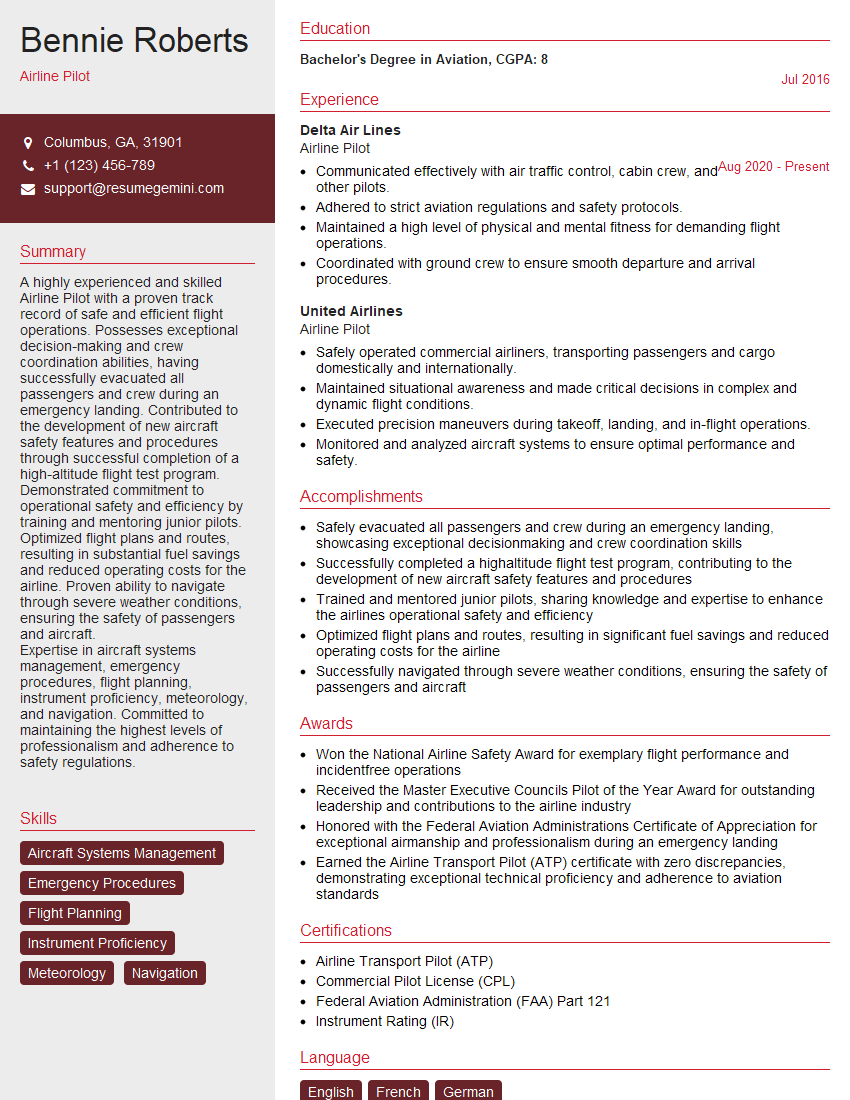
Airline Pilot Resume Sample
Explore more articles
Users Rating of Our Blogs
Share Your Experience
We value your feedback! Please rate our content and share your thoughts (optional).
What Readers Say About Our Blog
I Redesigned Spongebob Squarepants and his main characters of my artwork.
https://www.deviantart.com/reimaginesponge/art/Redesigned-Spongebob-characters-1223583608
IT gave me an insight and words to use and be able to think of examples
Hi, I’m Jay, we have a few potential clients that are interested in your services, thought you might be a good fit. I’d love to talk about the details, when do you have time to talk?
Best,
Jay
Founder | CEO