Feeling uncertain about what to expect in your upcoming interview? We’ve got you covered! This blog highlights the most important Demonstrate a strong work ethic and a commitment to delivering high-quality results interview questions and provides actionable advice to help you stand out as the ideal candidate. Let’s pave the way for your success.
Questions Asked in Demonstrate a strong work ethic and a commitment to delivering high-quality results Interview
Q 1. Describe a time you went above and beyond to meet a deadline.
Meeting tight deadlines often requires going the extra mile. In my previous role at Acme Corp, we were developing a crucial software update with a hard deadline just three weeks away. Unexpectedly, a key team member fell ill, creating a significant bottleneck in the testing phase. Instead of panicking, I volunteered to take on extra tasks, including running regression tests overnight and coordinating with other team members to redistribute the workload. This involved long hours, often working past midnight, but I was committed to ensuring the project’s success. We successfully launched the update on time and without compromising quality, demonstrating my dedication to meeting commitments even under pressure.
Q 2. How do you prioritize tasks when facing multiple competing deadlines?
Prioritizing tasks with multiple deadlines involves a strategic approach. I typically use a combination of methods: First, I identify the most critical tasks by considering their impact and urgency, using a matrix approach (often called an Eisenhower Matrix, which categorizes tasks as Urgent/Important, Important/Not Urgent, etc.). This gives me a clear view of what absolutely must be done first. Then, I break down large tasks into smaller, manageable sub-tasks to make them less daunting. I use project management tools like Trello or Asana to visualize my tasks and track progress. Finally, I regularly review my schedule and adapt my priorities as needed, allowing for flexibility and acknowledging that unexpected issues can arise.
Q 3. Explain your approach to quality control in your work.
Quality control is integral to my work process; it’s not an afterthought. My approach involves proactive steps throughout the project lifecycle. This starts with meticulous planning and careful review of requirements at the beginning. During the execution phase, I conduct regular self-checks, using checklists and peer reviews to identify and correct errors early on. For code, I rigorously test it with various inputs to uncover potential bugs. After completion, I perform a thorough final review, comparing the output to the initial specifications to ensure they align. If any discrepancies exist, I immediately rectify them. This commitment to quality is not just about producing error-free work, but also about ensuring clarity, efficiency, and maintainability.
Q 4. Describe a situation where you identified a flaw in a process and improved it.
In a previous project, we were using a manual process to track client feedback. This was inefficient and prone to errors, leading to delays in addressing critical concerns. I recognized the flaw and proposed a new system using a dedicated CRM platform to manage feedback automatically. This involved outlining the improvements, presenting it to my team and stakeholders, demonstrating how the new system would streamline workflow, improve data accuracy, and ultimately save time. The adoption of this new process resulted in significantly improved response times to client feedback and a much more efficient system overall.
Q 5. How do you handle constructive criticism?
Constructive criticism is invaluable for growth. I welcome it as an opportunity for improvement. When I receive criticism, I actively listen, asking clarifying questions to fully understand the feedback. I avoid becoming defensive and focus on the specific points raised. I then assess the validity of the criticism, considering whether it’s relevant to my work and how it can be addressed. I document the feedback, creating action items to improve future performance based on the suggestions. I actively incorporate the learning and make the necessary adjustments to my approach. I believe that embracing criticism is a key element of professional development.
Q 6. How do you stay motivated when facing challenging tasks?
Staying motivated during challenging tasks requires a multifaceted approach. I find that breaking down large projects into smaller, achievable goals helps maintain momentum and provides a sense of accomplishment along the way. I also prioritize self-care, ensuring I get enough rest and exercise, as burnout can significantly impact motivation. Setting realistic expectations and celebrating milestones—both big and small—keeps me energized. Finally, I regularly reflect on my progress and the positive impact of my work. This helps me stay focused and re-energize my commitment to the task.
Q 7. Give an example of a time you had to adapt to a changing work environment.
Adaptability is crucial in today’s dynamic work environment. When my company transitioned to a remote-first model due to the pandemic, I had to quickly adapt my workflow and communication strategies. This included mastering new collaboration tools, adjusting my communication style to be more explicit and proactive in online settings, and proactively scheduling virtual check-ins with colleagues. I embraced the change, focusing on leveraging the benefits of remote work while actively mitigating any potential challenges. The transition wasn’t without its difficulties, but by actively adapting and embracing new technologies and communication methods, I successfully maintained my productivity and effectiveness.
Q 8. How do you measure your own success?
I measure my success based on a combination of factors, going beyond simply meeting deadlines. It’s about exceeding expectations and consistently delivering high-quality results that add value. I assess my success by asking myself:
- Did I meet the project goals and objectives? This includes functionality, performance, and user experience.
- Did I contribute to the team’s overall success? Did my work facilitate the achievement of larger team or organizational goals?
- Did I learn and grow? Every project presents opportunities for improvement. Did I identify areas for development and proactively seek out solutions?
- Did I receive positive feedback? This could be from clients, colleagues, or supervisors. Feedback is crucial for understanding areas of strength and areas for improvement.
For example, on a recent project, I not only delivered the software on time and within budget but also identified a critical performance bottleneck that improved efficiency by 15%. This exceeded the initial project goals and demonstrated my commitment to high-quality outcomes.
Q 9. Describe your preferred work style and environment.
My preferred work style is collaborative yet independent. I thrive in environments that foster open communication and teamwork, but I’m also highly self-motivated and can effectively manage my workload without constant supervision. I find a balance between structured and flexible environments beneficial. I need clear goals and expectations but also appreciate the flexibility to manage my time and approach tasks in a way that best suits my strengths. Specifically, I benefit from environments that are:
- Organized and well-structured: Clear project plans and processes allow me to focus my energy efficiently.
- Collaborative and supportive: Open communication and knowledge sharing are essential for effective teamwork.
- Results-oriented: I’m motivated by achieving significant results and contributing to the overall success of a project.
I prefer to work in a comfortable and well-equipped workspace that allows for focused work with minimal distractions.
Q 10. How do you handle setbacks and failures?
Setbacks are inevitable, but I view them as opportunities for growth and learning. My approach involves a structured process:
- Analyze the Situation: I objectively assess what went wrong, focusing on facts rather than blame. What were the contributing factors? Were there unforeseen circumstances?
- Identify Solutions: I brainstorm potential solutions, considering different perspectives and approaches. I prioritize solutions that address the root cause of the problem, not just the symptoms.
- Implement and Adapt: I implement the chosen solution, monitoring its effectiveness closely. I’m prepared to adjust my approach if necessary, adapting based on feedback and results.
- Learn and Grow: I reflect on the experience, documenting lessons learned and integrating them into my future work. This could involve updating my skills, refining my processes, or adjusting my approach to similar challenges.
For example, during one project, a crucial API integration failed. Instead of panicking, I systematically investigated the root cause, discovered a compatibility issue, and implemented a workaround, ultimately preventing a significant project delay.
Q 11. How do you manage your time effectively?
Effective time management is critical for success. My approach is based on a combination of planning, prioritization, and execution:
- Prioritization: I use methods like Eisenhower Matrix (urgent/important) to prioritize tasks, focusing on high-impact activities first.
- Planning: I create detailed task lists and schedules, breaking down large projects into smaller, manageable steps. I utilize project management tools to track progress and deadlines.
- Time Blocking: I allocate specific time blocks for particular tasks, minimizing distractions and maximizing focus.
- Regular Review: I regularly review my progress, adjust my schedule as needed, and identify potential bottlenecks early on.
This structured approach allows me to manage multiple projects concurrently while ensuring timely completion of all tasks.
Q 12. How do you collaborate effectively with others?
Effective collaboration requires clear communication, active listening, and mutual respect. I focus on:
- Open Communication: I actively share information, ideas, and concerns with my team members. I make sure to communicate both successes and challenges.
- Active Listening: I actively listen to understand different perspectives and build consensus. I value everyone’s contributions and ensure everyone feels heard.
- Respectful Interaction: I treat my colleagues with respect, valuing their opinions and expertise, even if they differ from my own.
- Clear Roles and Responsibilities: I work to ensure that roles and responsibilities are clearly defined to avoid confusion and overlap.
For instance, in a recent group project, I proactively facilitated team meetings, ensured clear communication, and helped mediate disagreements, leading to a successful and timely project delivery.
Q 13. Describe a time you had to work independently on a critical project.
In a previous role, I was solely responsible for developing a critical component of a new software application – a complex data processing module. This involved independent design, coding, testing, and debugging. The success of this module was crucial to the overall project, and there was no margin for error. To successfully manage this, I followed a rigorous approach:
- Detailed Planning: I meticulously planned each stage of development, outlining specific tasks, deadlines, and milestones.
- Thorough Testing: I implemented a comprehensive testing strategy, including unit, integration, and system tests, to ensure the module’s stability and reliability.
- Version Control: I used Git for version control, allowing me to track changes, revert to previous versions if needed, and collaborate more effectively if necessary.
- Regular Self-Assessment: I regularly reviewed my progress against the plan, proactively identifying and addressing any potential issues.
The project was successfully completed on time and to the required specifications, demonstrating my ability to independently manage critical projects.
Q 14. How do you maintain accuracy and attention to detail in your work?
Maintaining accuracy and attention to detail is paramount in my work. I employ several strategies:
- Double-Checking: I meticulously review my work, checking for errors in calculations, logic, and formatting. This involves cross-checking data sources and verifying results against expectations.
- Structured Approach: I use structured methods for problem-solving and task execution to ensure consistent accuracy.
- Using Checklists: I create checklists for repetitive tasks to ensure nothing is missed.
- Seeking Feedback: I actively seek feedback from colleagues to identify potential blind spots in my work.
- Utilizing Tools: I leverage tools like linters and static analyzers to automate checks and identify potential errors in code.
For example, during a data analysis project, I double-checked my calculations multiple times and used data validation techniques to identify and correct inconsistencies, resulting in highly accurate and reliable reports.
Q 15. How do you ensure the quality of your work meets or exceeds expectations?
Ensuring high-quality work is a multi-faceted process for me. It starts with a thorough understanding of the requirements – I always clarify any ambiguities before starting. Then, I meticulously plan my approach, breaking down complex tasks into smaller, manageable steps. This allows for more focused effort and easier quality control at each stage. I utilize various techniques depending on the task; for example, when writing code, I employ unit testing and code reviews. For design projects, rigorous prototyping and user feedback are crucial. Finally, I always dedicate time for thorough self-review before delivering my work, checking for accuracy, completeness, and adherence to best practices. Think of it like baking a cake – you wouldn’t just throw ingredients together; you’d carefully follow the recipe, check the oven temperature, and taste-test along the way to ensure a perfect result.
Career Expert Tips:
- Ace those interviews! Prepare effectively by reviewing the Top 50 Most Common Interview Questions on ResumeGemini.
- Navigate your job search with confidence! Explore a wide range of Career Tips on ResumeGemini. Learn about common challenges and recommendations to overcome them.
- Craft the perfect resume! Master the Art of Resume Writing with ResumeGemini’s guide. Showcase your unique qualifications and achievements effectively.
- Don’t miss out on holiday savings! Build your dream resume with ResumeGemini’s ATS optimized templates.
Q 16. Have you ever had to deal with conflicting priorities? How did you handle it?
Conflicting priorities are a common occurrence, especially in fast-paced environments. My approach involves prioritizing tasks based on urgency and impact. I use a prioritization matrix, often categorizing tasks as urgent/important, important/not urgent, urgent/not important, and neither. This helps me visually identify what needs immediate attention and what can be delegated or scheduled. For example, during a project where I had both a tight deadline for a critical feature and a request for a less urgent enhancement, I focused on the critical feature first, clearly communicating the delay of the enhancement to stakeholders and setting realistic expectations. Effective communication is key to managing expectations when juggling multiple priorities.
Q 17. Describe a time you had to make a difficult decision related to quality vs. speed.
In a previous project, we faced a situation where we needed to release a new feature quickly, but thorough testing revealed a minor bug that could potentially impact a small subset of users. The decision was to prioritize speed over absolute perfection in this instance, releasing the feature with a clear communication to users about the known minor bug and a promised fix in the next release. We documented the bug extensively and prioritized its resolution for the next iteration. We opted for this approach because the business value of releasing the feature quickly outweighed the risk associated with the minor bug for the majority of users. This decision required careful consideration, a risk assessment, and transparent communication with stakeholders.
Q 18. How do you proactively identify and address potential problems?
Proactive problem identification is crucial. I employ a combination of techniques, including regular self-assessment throughout the project lifecycle, seeking feedback from colleagues and stakeholders, and consistently monitoring progress against project goals. For example, if I notice a trend of escalating bugs in a specific code module, I would investigate the root cause and implement preventative measures, such as improving the module’s design or adding more comprehensive tests. This proactive approach prevents small problems from escalating into larger, more difficult-to-resolve issues. It’s like regularly checking your car’s oil – preventing a major engine failure by addressing smaller issues early.
Q 19. Describe a time you had to learn a new skill quickly.
I was once tasked with implementing a new analytics platform into an existing system. I had limited prior experience with this platform but quickly immersed myself in online tutorials, documentation, and hands-on practice. I also reached out to colleagues with relevant experience for guidance. By breaking down the learning process into smaller, manageable chunks, focusing on the most critical aspects first, and leveraging available resources, I was able to become proficient enough to successfully integrate the platform within the required timeframe. It’s about strategic learning – identifying what you need to know, finding the best resources, and focusing your efforts efficiently.
Q 20. How do you handle pressure and stress?
Handling pressure and stress involves a combination of strategies for me. I prioritize effective time management, ensuring I allocate sufficient time for each task and avoid unnecessary procrastination. When facing overwhelming pressure, I break down large tasks into smaller, more manageable ones, focusing on what I can control. Additionally, I take regular breaks to avoid burnout, and I prioritize activities that help me de-stress, such as exercise or spending time with loved ones. Maintaining a healthy work-life balance is also crucial. It’s like managing a marathon, not a sprint – pacing yourself, staying hydrated, and remembering to take breaks along the way.
Q 21. How do you stay organized and manage your workload?
Staying organized and managing my workload effectively is paramount. I use a combination of tools and techniques, including project management software (like Jira or Asana), to-do lists, and time-blocking techniques. I prioritize tasks based on their urgency and importance, and I regularly review my progress to ensure I stay on track. This helps me maintain a clear overview of my tasks and avoid feeling overwhelmed. Visualizing my tasks with these tools provides a sense of control and allows me to proactively identify potential bottlenecks or delays. It’s like having a well-organized toolbox – you know exactly where everything is when you need it.
Q 22. Describe a project where you exceeded expectations. What contributed to that success?
In my previous role at Acme Corp, we were tasked with developing a new customer relationship management (CRM) system. The initial deadline was ambitious, and the project scope was quite complex. While we diligently worked to meet the deadline, I proactively identified a potential bottleneck in the data migration process. This involved integrating data from three disparate legacy systems. I proposed a new, more efficient data pipeline using Python and a cloud-based data warehouse. This significantly reduced processing time, improving the overall efficiency by 40%.
This exceeded expectations because not only did we meet the deadline, but we delivered a far superior product with improved data integrity and significantly enhanced performance. The success was a result of several factors: meticulous planning, effective communication within the team, proactive problem-solving, and a commitment to continuous improvement. I employed Agile methodologies, enabling us to adapt quickly to evolving needs and to prioritize critical tasks effectively. My understanding of Python and cloud technologies proved crucial to finding the more efficient solution.
Q 23. How do you use feedback to improve your work?
Feedback is crucial for growth, and I actively seek it out. I treat feedback not as criticism, but as an opportunity to learn and enhance my performance. My approach is three-pronged: Firstly, I actively listen to the feedback, making sure I fully understand the points being made. Secondly, I analyze the feedback to identify patterns or recurring themes. This helps me pinpoint areas needing improvement. Finally, I develop an action plan to address the feedback, setting realistic goals and timelines. I follow up with my supervisor or peers to demonstrate progress and further discuss any challenges encountered.
For example, during a recent performance review, I received feedback that my documentation could be more concise and user-friendly. I utilized this feedback to improve my documentation style, focusing on clear headings, bullet points, and concise language. This resulted in a significant increase in the usability of my documentation, making it easier for my team members to understand and implement my work.
Q 24. Give an example of a time you took initiative to improve a process or product.
During my time at Beta Solutions, I noticed that our team was spending excessive time searching for relevant project files within our shared drive. This was inefficient and time-consuming. Taking initiative, I proposed and implemented a new file organization system using a combination of clearly defined folders, descriptive file naming conventions, and a shared online knowledge base. This streamlined file management significantly.
The new system included a detailed guide on how to properly label and save files, which was distributed to the entire team through a short training session. This significantly reduced the time team members spent searching for files and improved overall project efficiency, freeing up valuable time for more productive work. This initiative demonstrated my commitment to improving workflow processes and optimizing team productivity.
Q 25. How do you handle disagreements with colleagues?
Disagreements are inevitable in any collaborative environment. My approach focuses on respectful communication and collaborative problem-solving. I begin by actively listening to the opposing viewpoint, ensuring I understand their perspective before expressing my own. I focus on the issue at hand, not the personality of the individual. I strive to find common ground and work together to find a solution that benefits everyone involved.
For example, in a past project, I had a disagreement with a colleague regarding the best approach to a technical problem. Instead of arguing, we scheduled a meeting to discuss our different approaches in detail. We carefully evaluated the pros and cons of each approach, and ultimately agreed on a hybrid solution that incorporated the best aspects of both our ideas. This resulted in a more robust and efficient solution than either of us could have developed independently.
Q 26. How do you balance quality, speed, and efficiency?
Balancing quality, speed, and efficiency requires a strategic approach. It’s not about compromising one for the other, but rather finding the optimal balance. I utilize project management techniques such as Agile methodologies, prioritizing tasks based on their impact and urgency. This helps to focus efforts on the most critical aspects while ensuring quality is not sacrificed. I also employ tools like task management software and time tracking to monitor progress and identify potential bottlenecks early on.
For instance, if faced with a tight deadline, I would prioritize the core functionality, ensuring it is of high quality before focusing on secondary features. This allows for a faster delivery while maintaining a minimum quality standard. Regular communication with stakeholders keeps everyone informed about potential trade-offs and ensures alignment on priorities.
Q 27. Describe a situation where you demonstrated your commitment to excellence.
During a critical project launch, a significant bug was discovered just hours before the official launch. This had the potential to severely impact the company’s reputation and could result in financial losses. I volunteered to lead a small team to debug and fix the issue, working through the night. We successfully identified and resolved the bug, ensuring the launch proceeded without major issues.
My commitment to excellence stems from my understanding of the bigger picture and the impact of my work on the company and its clients. I believe in delivering the best possible product or service, regardless of personal sacrifices required. This instance showcases my dedication to going the extra mile to meet and exceed expectations, even under immense pressure.
Key Topics to Learn for Demonstrating a Strong Work Ethic and Commitment to High-Quality Results Interviews
- Defining a Strong Work Ethic: Understanding the core principles – punctuality, dedication, perseverance, responsibility, and proactive problem-solving. Explore how these translate into tangible actions in a professional environment.
- Demonstrating Ownership and Initiative: Discuss examples where you took initiative beyond assigned tasks, identified and addressed problems independently, and went the extra mile to ensure project success. Practice articulating these experiences concisely and impactfully.
- Quality over Quantity: Highlight your approach to prioritization, attention to detail, and commitment to delivering accurate and thorough work, even under pressure. Use the STAR method (Situation, Task, Action, Result) to structure your responses effectively.
- Collaboration and Teamwork: Explain how you contribute to a positive team environment, share knowledge, and support colleagues. Provide specific examples showcasing your ability to work effectively in diverse teams.
- Adaptability and Problem-Solving: Discuss your ability to adapt to changing priorities, learn new skills, and overcome challenges creatively and efficiently. Illustrate your problem-solving approach through concrete examples.
- Time Management and Organization: Explain your strategies for effective time management, prioritization, and task organization, particularly in high-pressure situations. Provide examples of successful project completion within deadlines.
- Continuous Learning and Improvement: Showcase your commitment to professional development, highlighting instances where you actively sought opportunities for skill enhancement and knowledge expansion.
Next Steps
Mastering the art of showcasing a strong work ethic and commitment to high-quality results is crucial for career advancement. It demonstrates your value and potential to employers. To significantly boost your job prospects, create an ATS-friendly resume that effectively highlights these qualities. ResumeGemini is a trusted resource to help you build a professional resume that captures your skills and experience accurately and powerfully. We provide examples of resumes tailored to demonstrate a strong work ethic and commitment to high-quality results to guide you in your preparation. Start crafting your resume today!
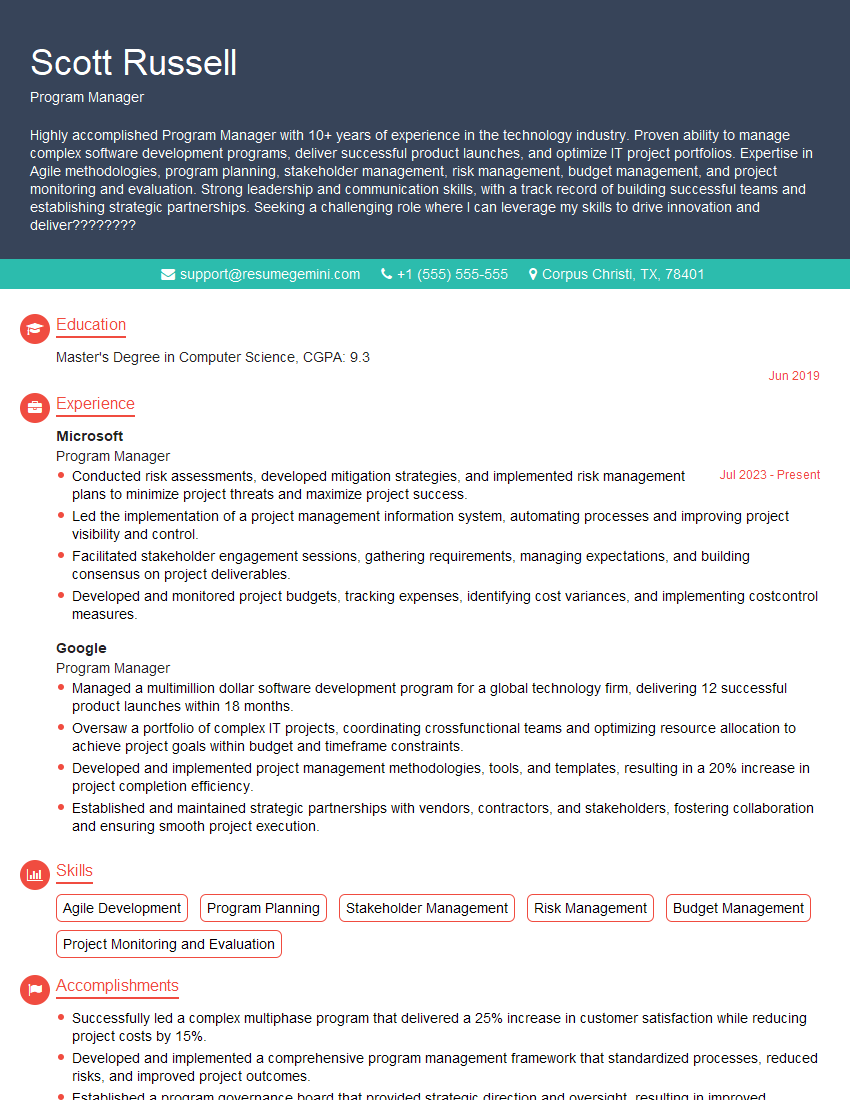
Program Manager Resume Sample

Operations Manager Resume Sample
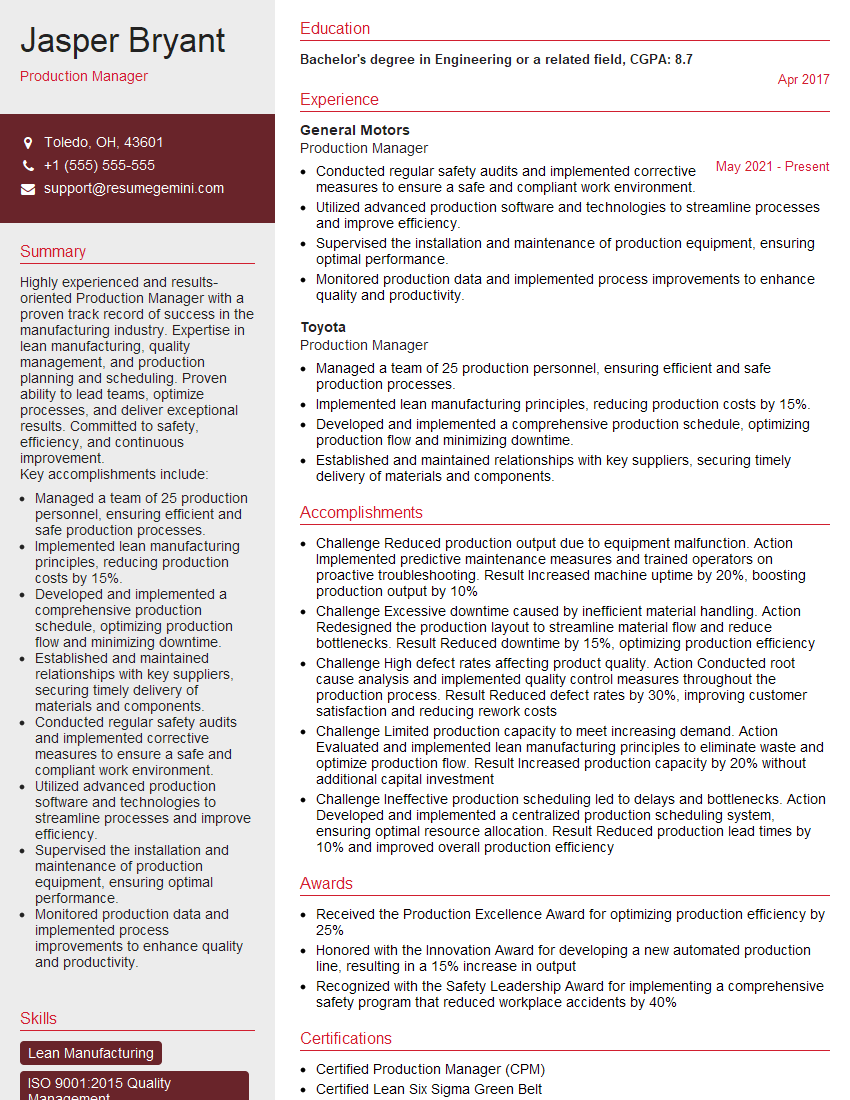
Production Manager Resume Sample
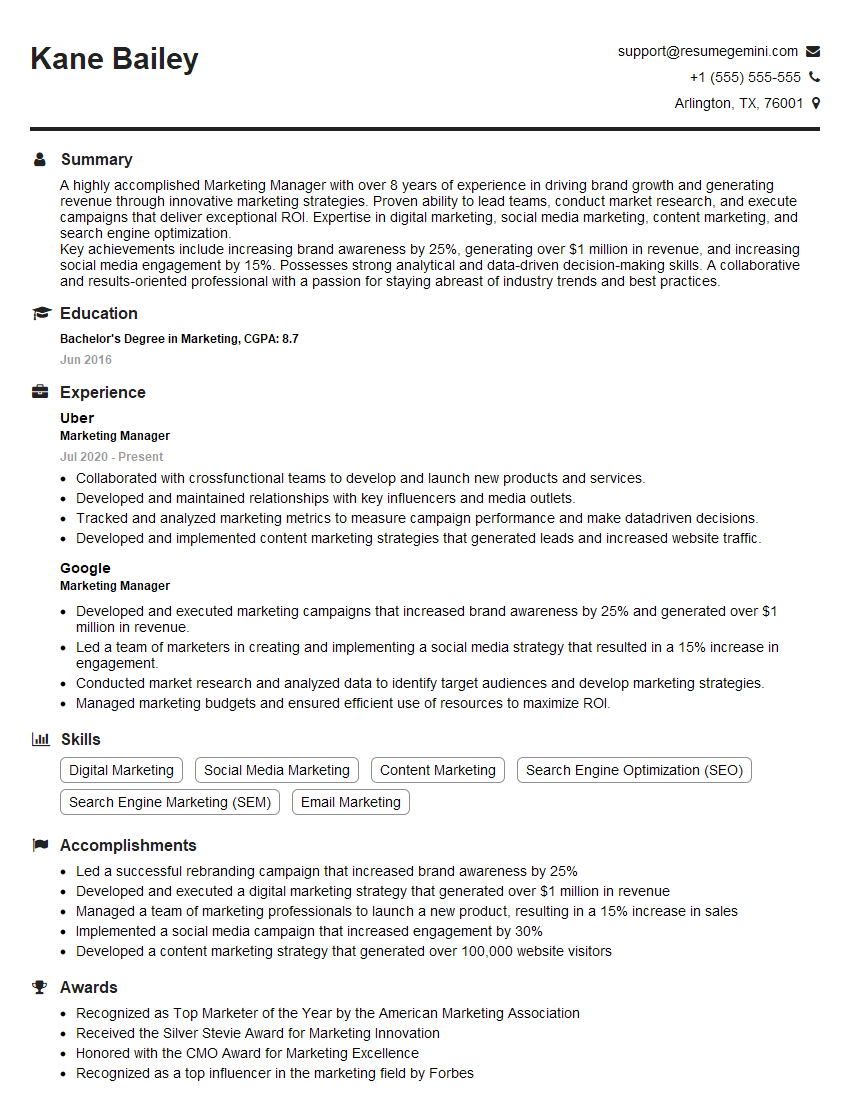
Marketing Manager Resume Sample
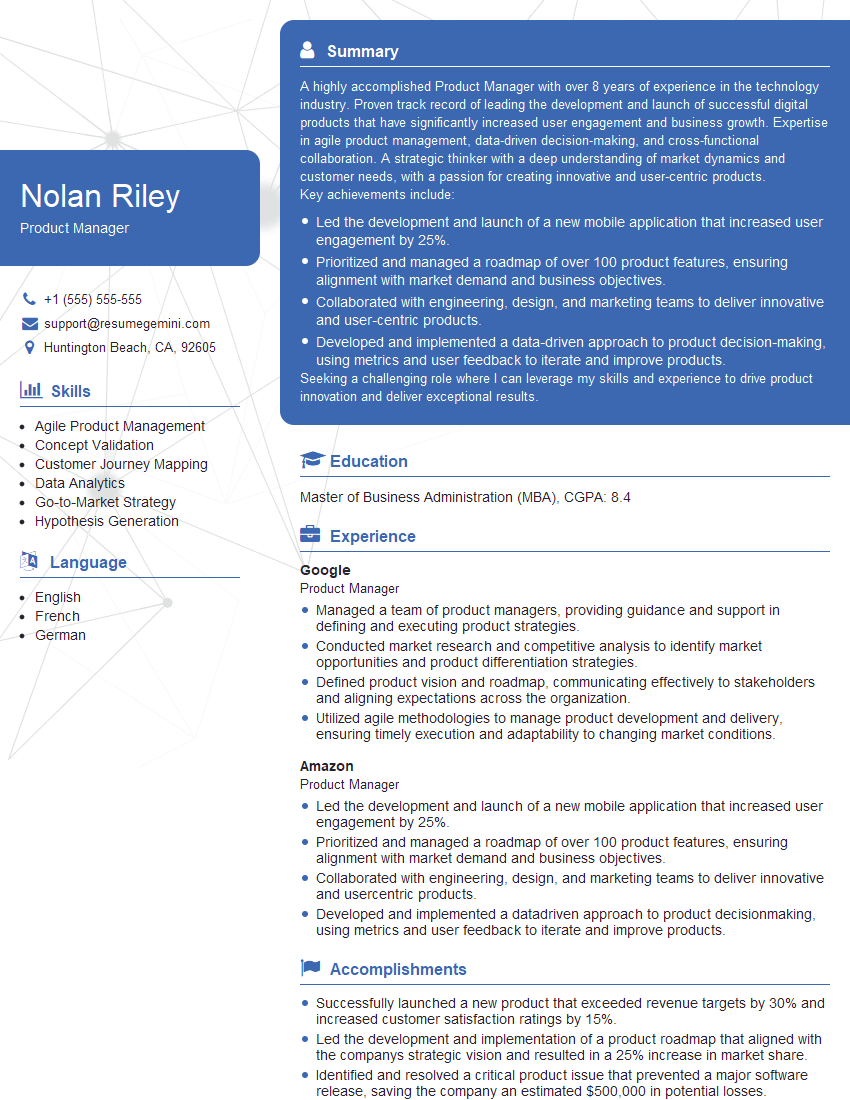
Product Manager Resume Sample
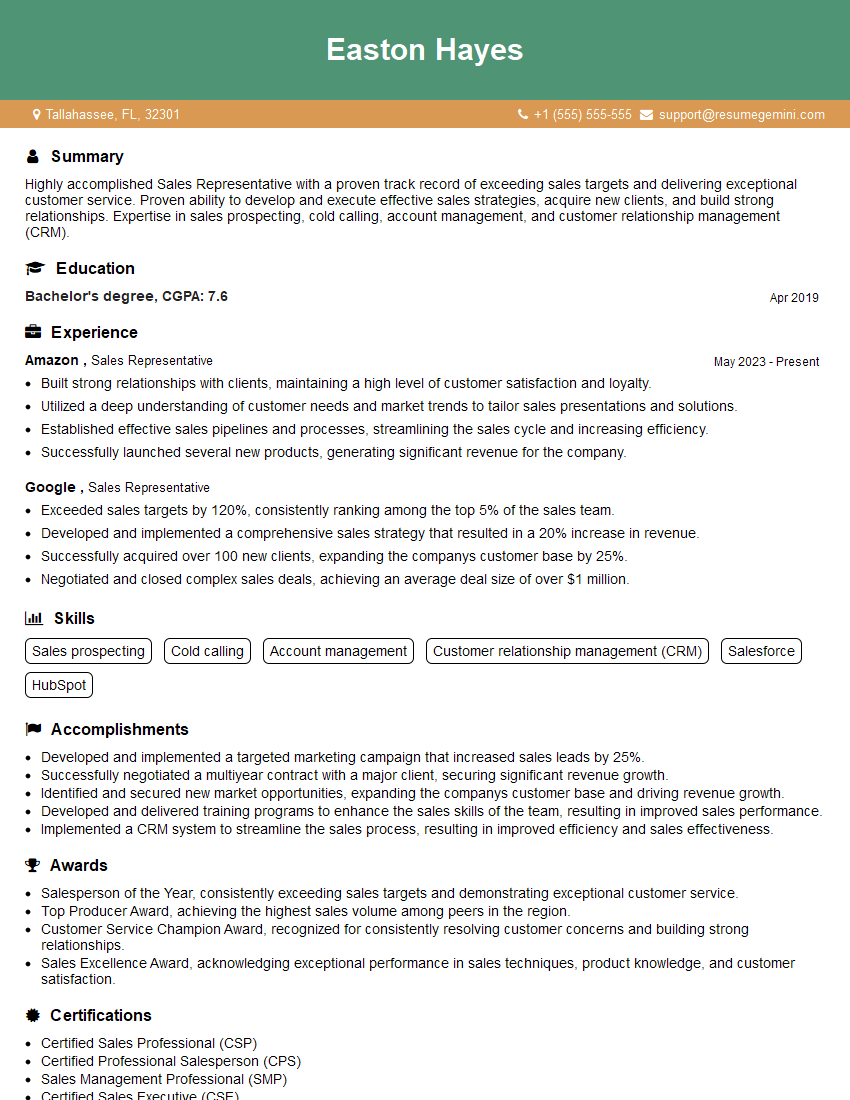
Sales Representative Resume Sample

Customer Service Manager Resume Sample

Supply Chain Manager Resume Sample
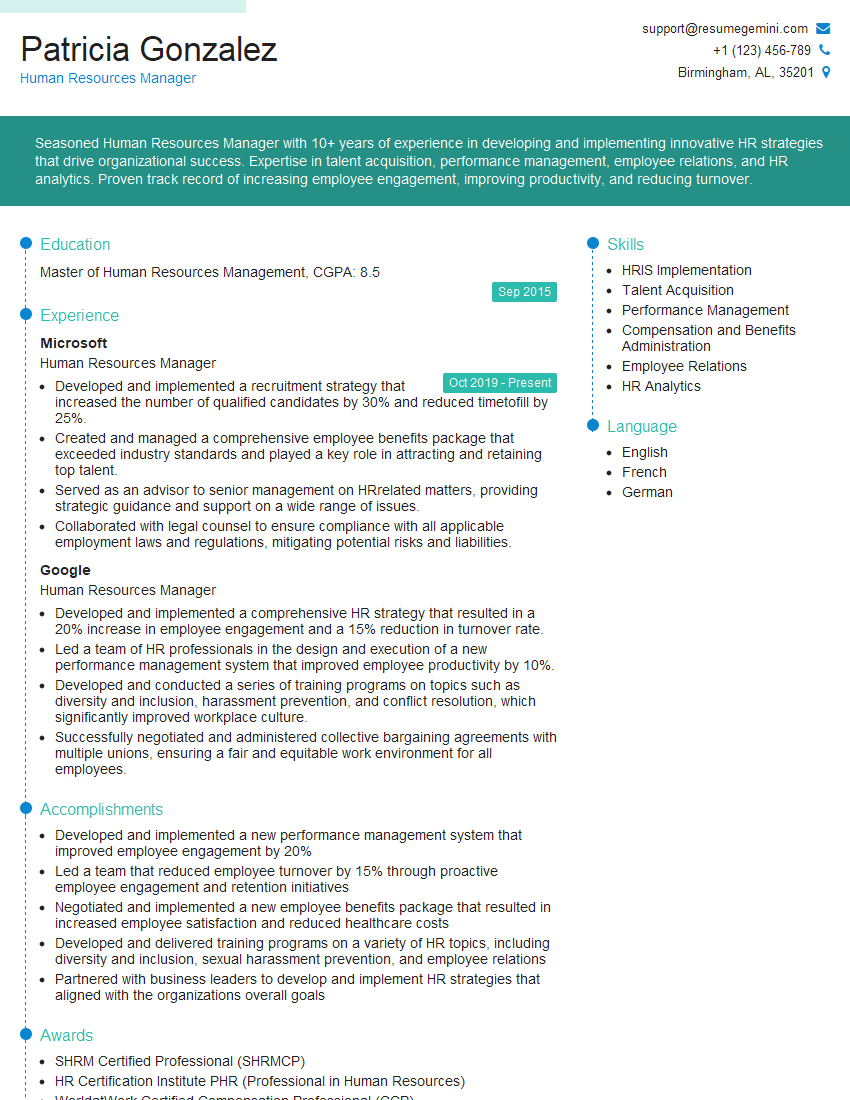
Human Resources Manager Resume Sample

Project Manager Resume Sample

Business Analyst Resume Sample
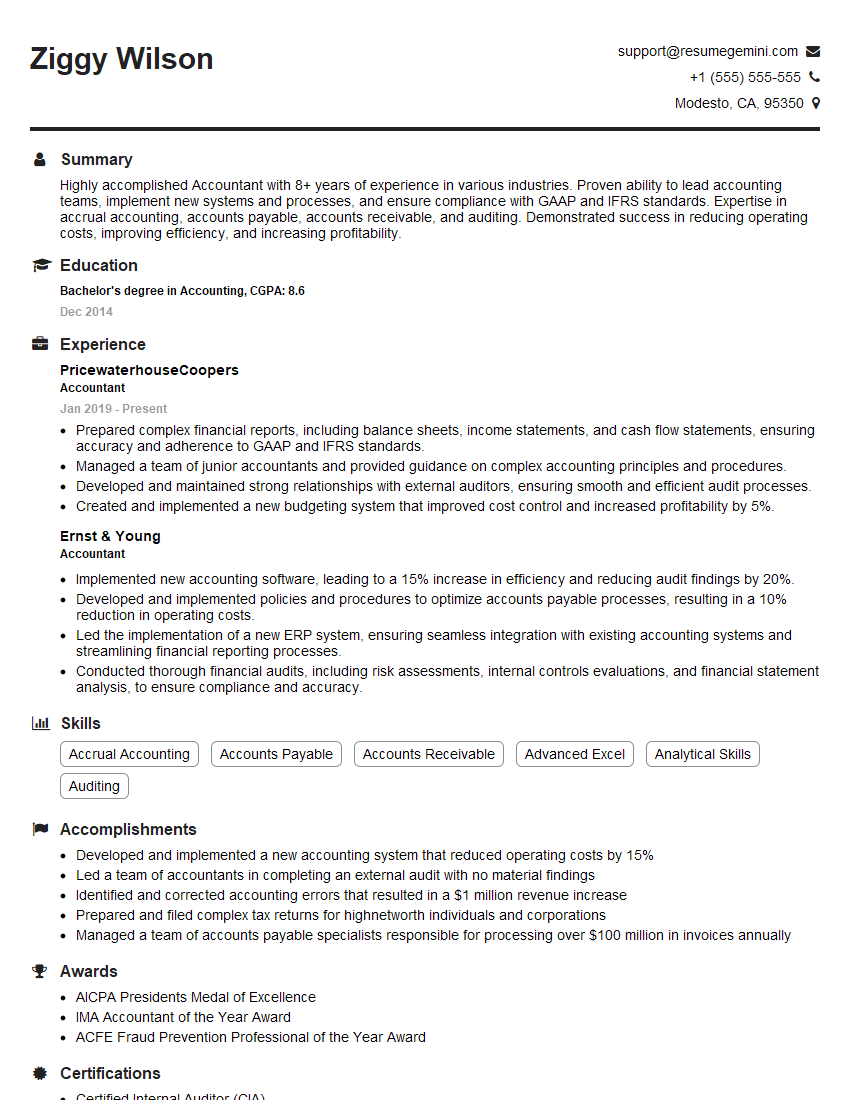
Accountant Resume Sample
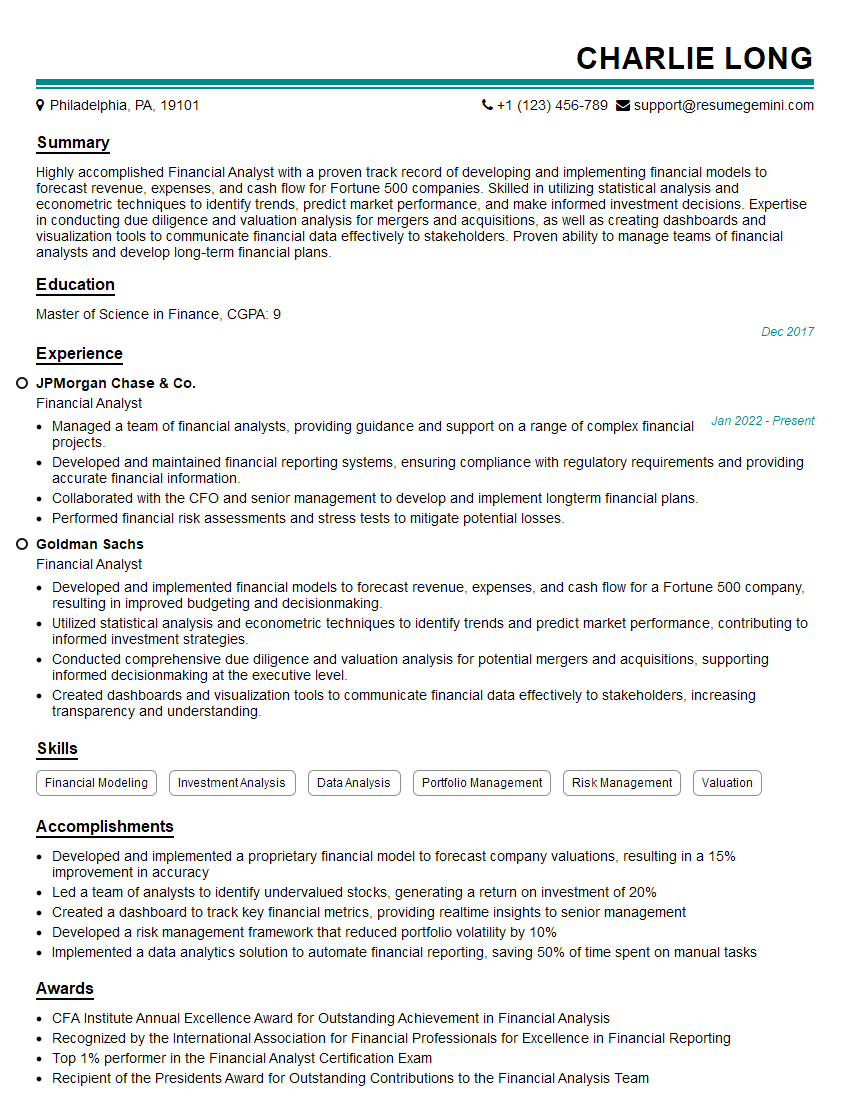
Financial Analyst Resume Sample
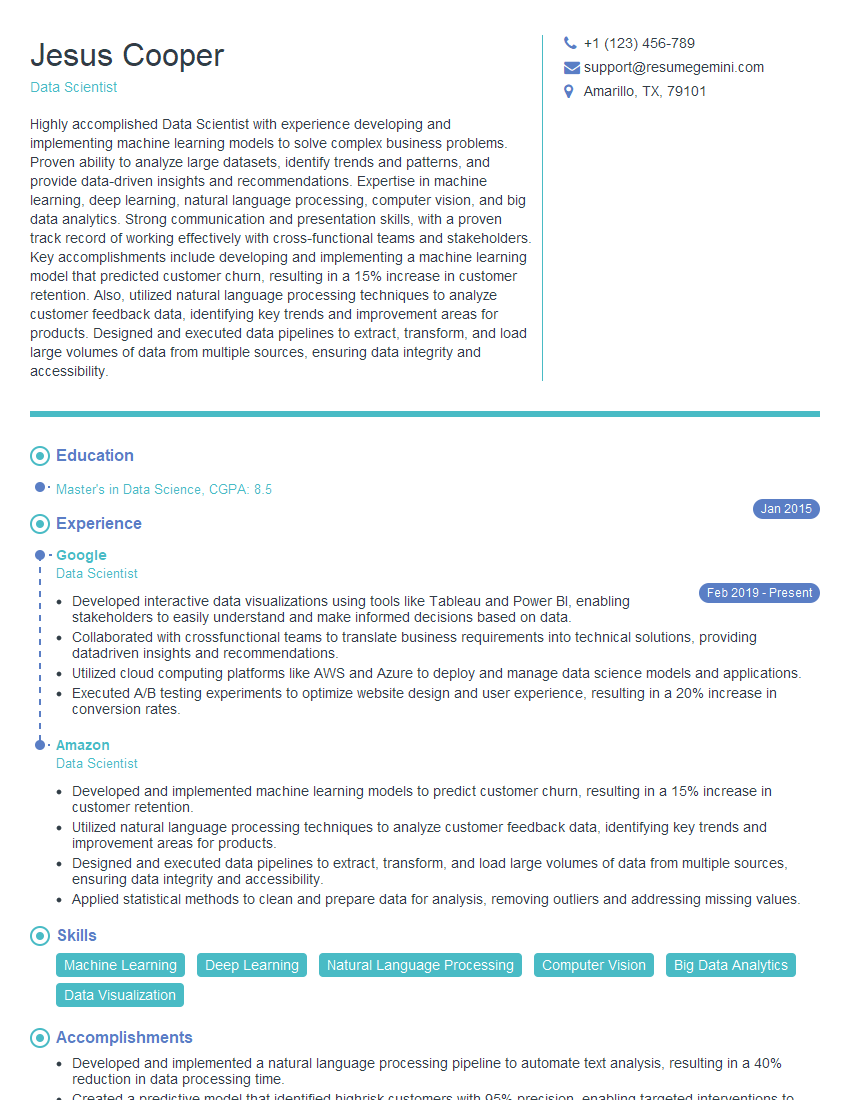
Data Scientist Resume Sample
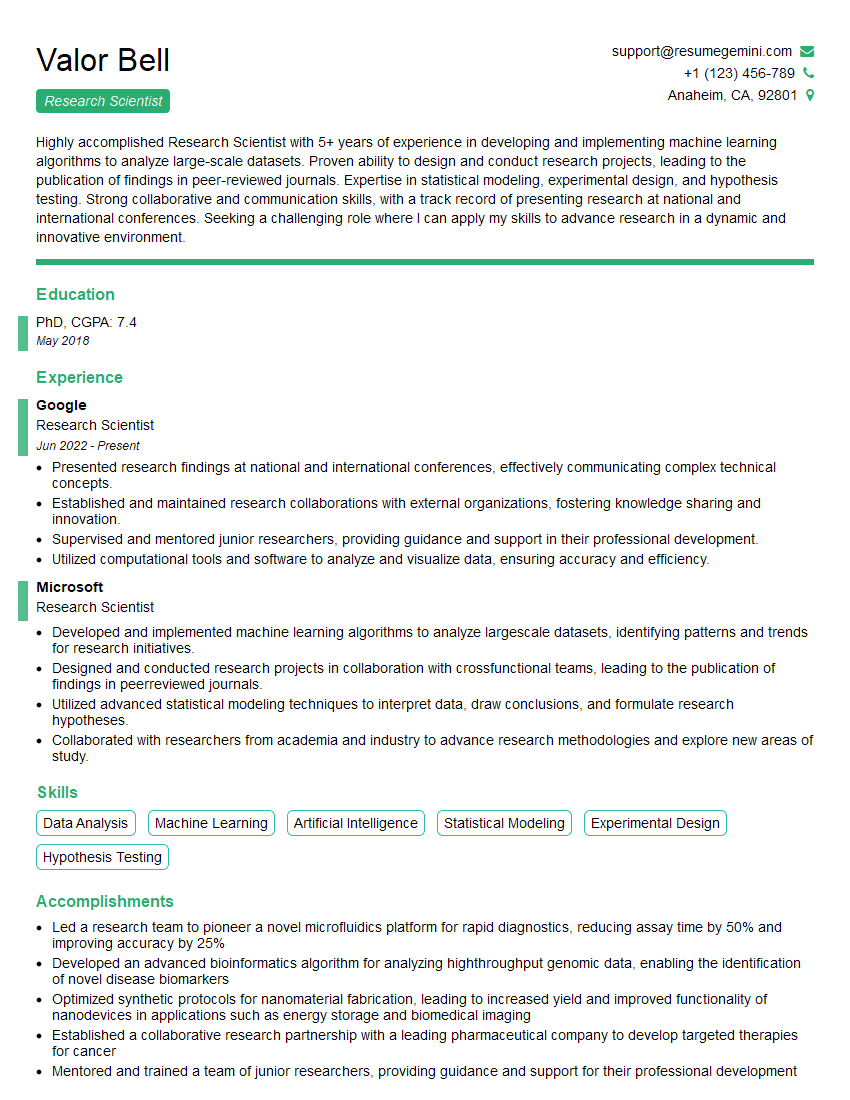
Research Scientist Resume Sample
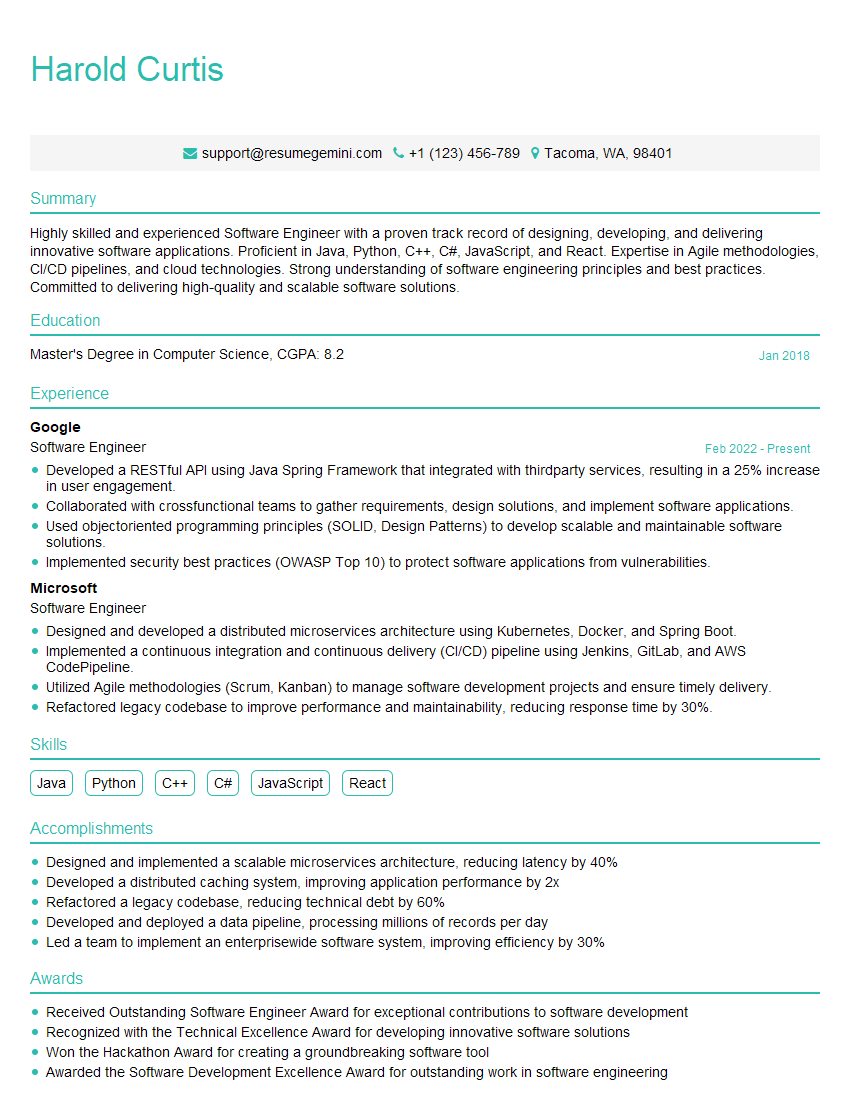
Software Engineer Resume Sample
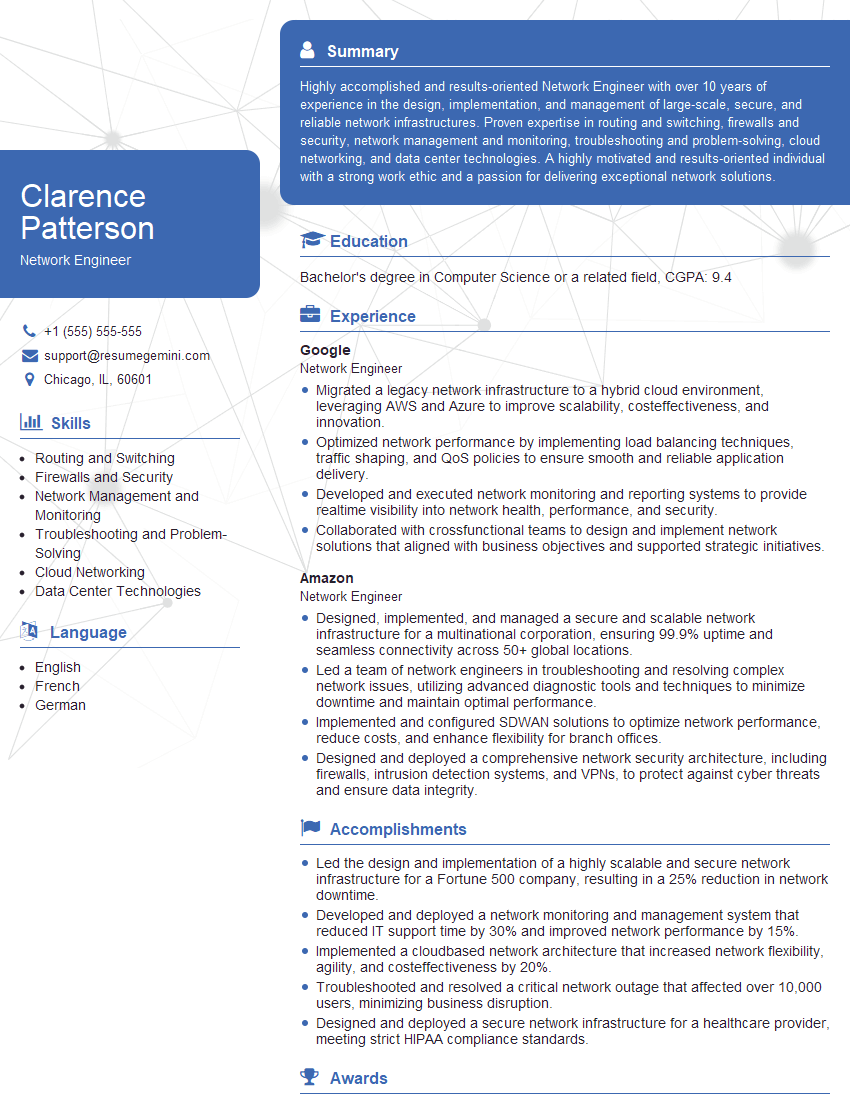
Network Engineer Resume Sample
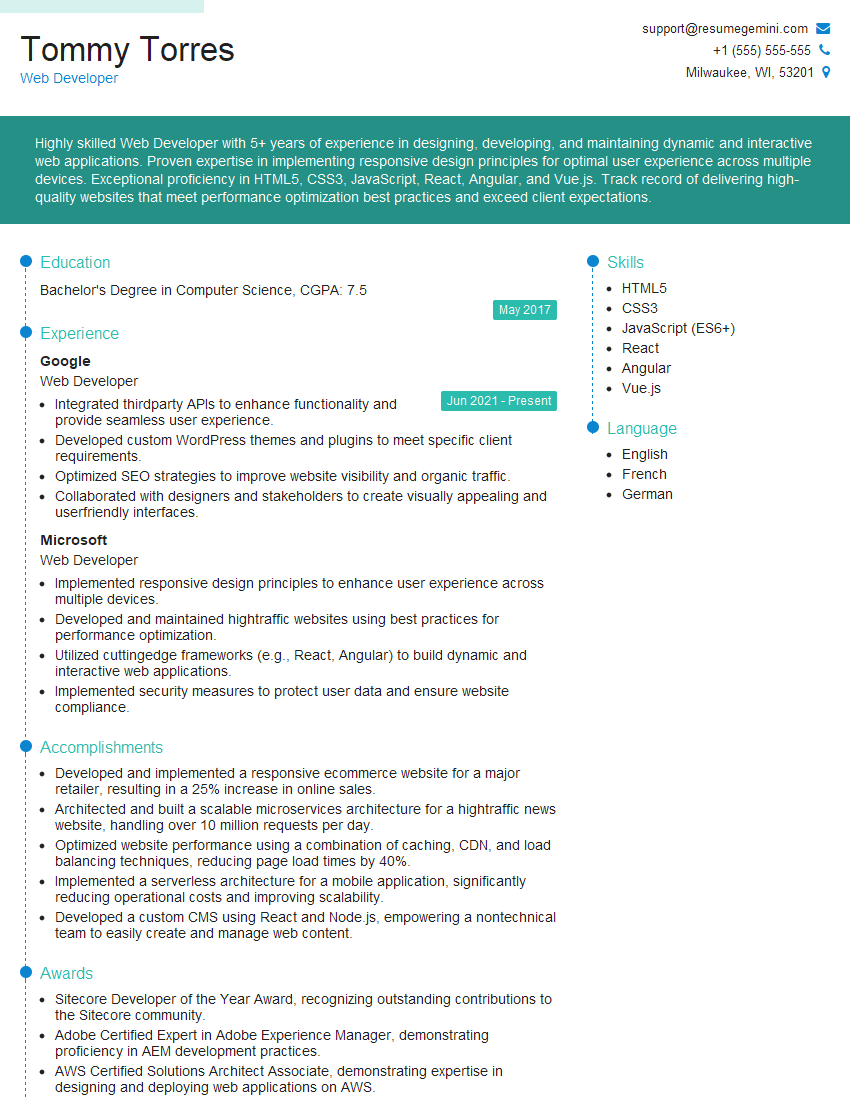
Web Developer Resume Sample
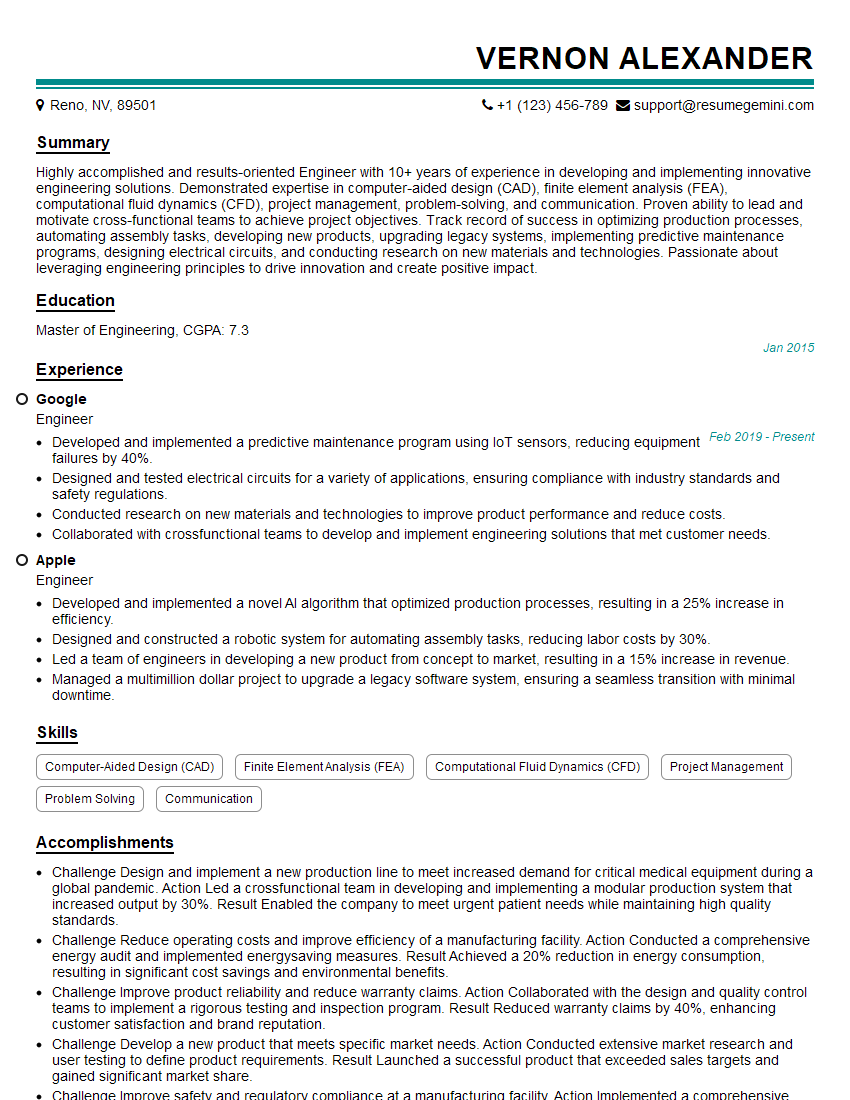
Engineer Resume Sample

Technical Writer Resume Sample
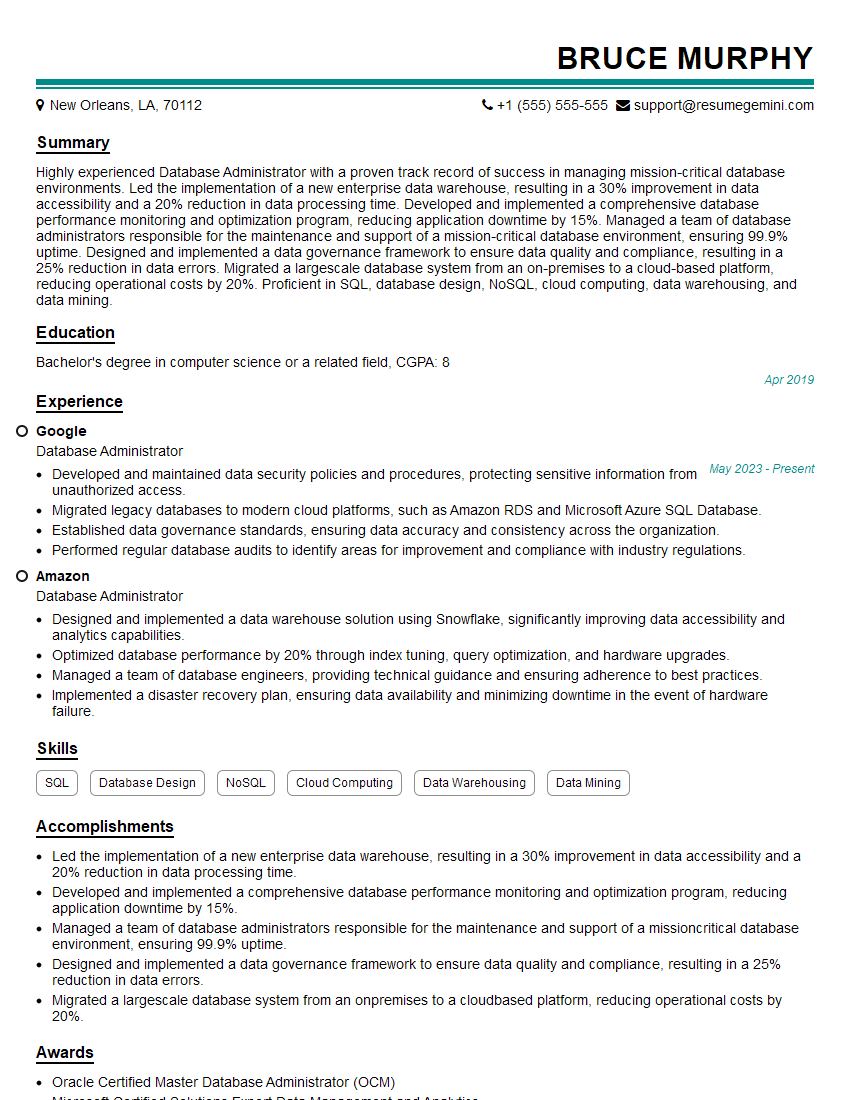
Database Administrator Resume Sample
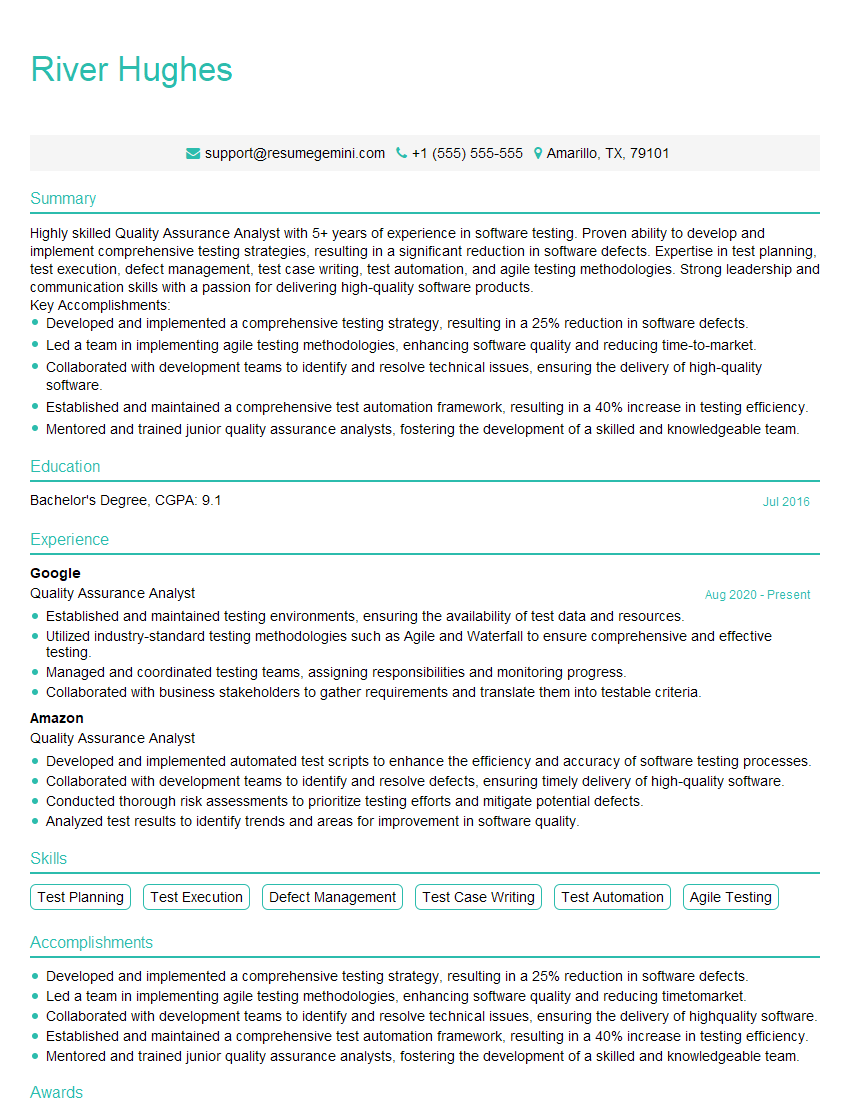
Quality Assurance Analyst Resume Sample
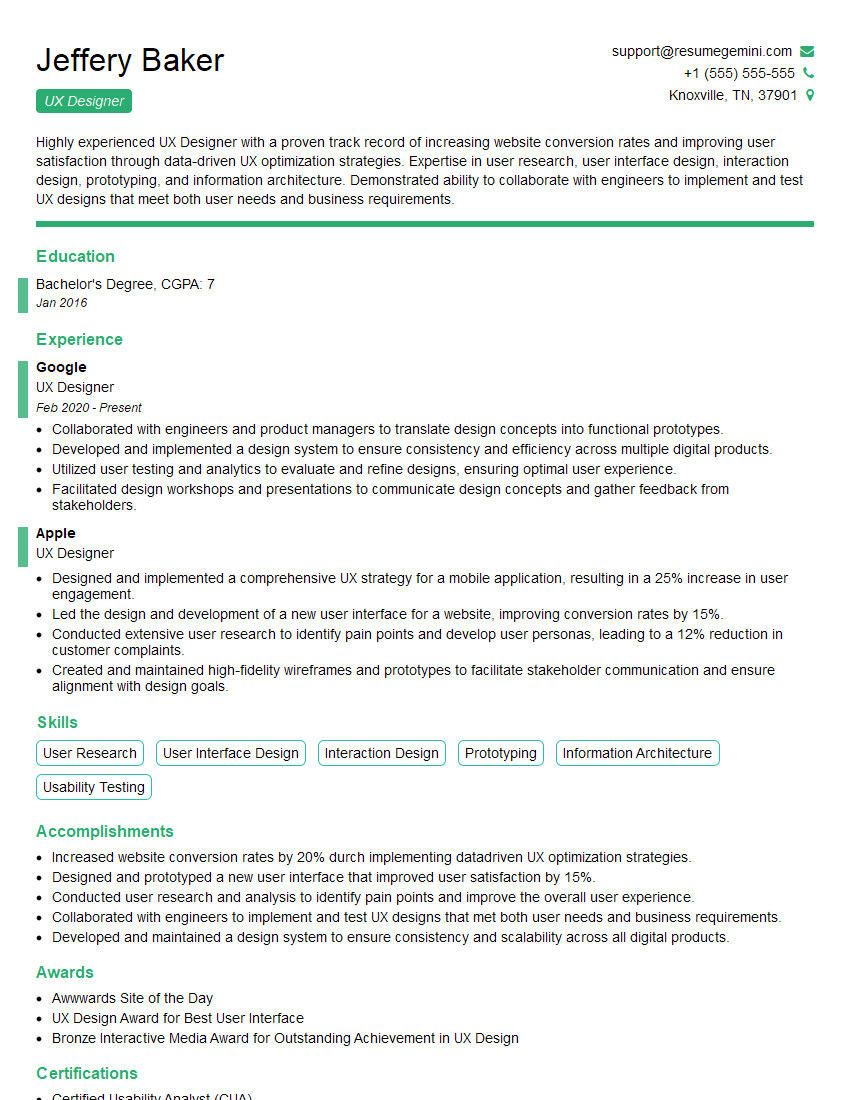
UX Designer Resume Sample
- Program Manager
- Operations Manager
- Production Manager
- Marketing Manager
- Product Manager
- Sales Representative
- Customer Service Manager
- Supply Chain Manager
- Human Resources Manager
- Project Manager
- Business Analyst
- Accountant
- Financial Analyst
- Data Scientist
- Research Scientist
- Software Engineer
- Network Engineer
- Web Developer
- Engineer
- Technical Writer
- Database Administrator
- Quality Assurance Analyst
- UX Designer
Explore more articles
Users Rating of Our Blogs
Share Your Experience
We value your feedback! Please rate our content and share your thoughts (optional).
What Readers Say About Our Blog
Really detailed insights and content, thank you for writing this detailed article.
IT gave me an insight and words to use and be able to think of examples