Unlock your full potential by mastering the most common Design for Manufacturability and Assembly interview questions. This blog offers a deep dive into the critical topics, ensuring you’re not only prepared to answer but to excel. With these insights, you’ll approach your interview with clarity and confidence.
Questions Asked in Design for Manufacturability and Assembly Interview
Q 1. Explain the principles of Design for Manufacturability (DFM).
Design for Manufacturability (DFM) is a systematic approach to product design that focuses on minimizing manufacturing costs and maximizing production efficiency. It’s all about thinking about how a product will be made before it’s even fully designed. The goal is to create a design that’s easy to manufacture, using readily available materials and processes, while minimizing waste and lead times.
- Material Selection: Choosing materials that are readily available, easy to process, and cost-effective.
- Process Optimization: Selecting manufacturing processes that are efficient, reliable, and minimize defects.
- Design Simplification: Reducing the number of parts, simplifying shapes, and avoiding complex features.
- Tolerance Analysis: Establishing acceptable variations in dimensions and ensuring they’re achievable during manufacturing.
- Assembly Considerations: While primarily focused on manufacturing, DFM also anticipates challenges in assembly.
For example, imagine designing a plastic phone case. A DFM approach would consider using injection molding (a highly efficient process for plastics) and designing the case with minimal features to reduce mold complexity and cycle time. We’d also need to ensure the mold design is optimized to prevent warping or sink marks, common plastic injection molding defects.
Q 2. Describe the principles of Design for Assembly (DFA).
Design for Assembly (DFA) focuses on simplifying the assembly process to reduce costs, improve quality, and shorten production time. It’s about making the product easy to put together, considering everything from the sequence of assembly steps to the tools and fixtures needed. A core principle is to minimize the number of parts and the complexity of assembly operations.
- Part Count Reduction: Combining multiple parts into one whenever possible.
- Modular Design: Breaking down the product into easily assembled modules.
- Simplified Fasteners: Using easy-to-use fasteners like snap-fits or press-fits instead of screws where feasible.
- Self-aligning Parts: Designing parts that guide themselves into place during assembly, eliminating complex alignment procedures.
- Accessibility for Assembly: Ensuring that all parts are easily accessible during assembly.
For instance, consider assembling a flat-pack piece of furniture. A good DFA approach would involve parts that easily interlock or use simple cam locks instead of requiring complicated screws and tools. Clear instructions and minimal part counts would also greatly contribute to a positive user experience and faster assembly.
Q 3. What are the key differences between DFM and DFA?
While both DFM and DFA aim to improve manufacturing, they have different focuses. DFM is broader, encompassing all aspects of manufacturing, from material selection and process optimization to tooling and testing. DFA is more narrowly focused on the assembly stage. DFM considers the *entire* manufacturing process, whereas DFA specifically targets *assembly* efficiency and ease. Think of it this way: DFM is the big picture, while DFA is a crucial component of that picture.
In practice, they are highly intertwined. A design optimized for DFM will often lead to a design easier to assemble (and vice versa). However, a product might be easily manufactured (DFM) but still difficult to assemble (poor DFA).
Q 4. How do you identify potential manufacturing challenges during the design phase?
Identifying potential manufacturing challenges during the design phase requires a proactive approach using various techniques. These include:
- Design Reviews: Regular meetings with manufacturing engineers to review designs and identify potential issues early on. This allows for corrective actions before significant investment is made in tooling or prototypes.
- Process Simulation: Using software to simulate the manufacturing process, identify potential problems like warping or stress concentrations, and optimize the design accordingly.
- Material Property Analysis: Thoroughly understanding the material’s capabilities and limitations to avoid selecting materials prone to cracking, breaking, or degradation under manufacturing conditions.
- Tolerance Stack-up Analysis: Analyzing how variations in component dimensions accumulate during assembly, and ensuring the final product meets specifications. A miscalculation here can lead to components that won’t fit together.
- Failure Mode and Effects Analysis (FMEA): Identifying potential failure modes, their causes, and their effects on the product. This proactive approach allows for the mitigation of these failure modes before they occur.
For instance, during a design review, an engineer might point out that a particular feature is difficult to machine due to its complex geometry, prompting a redesign for a simpler, easier-to-manufacture alternative.
Q 5. What are some common DFM/DFA analysis techniques?
Several common DFM/DFA analysis techniques exist. These include:
- Checklist Method: A structured checklist of common manufacturability and assemblability issues used to guide the review process. It offers a systematic way to identify potential problems.
- Design Rule Check (DRC): Software-based analysis that automatically checks designs against predefined rules, identifying potential problems like clearances, overlaps, or undercuts.
- Process Simulation: This involves using software to simulate the manufacturing process virtually, helping identify potential issues before actual production begins. This is crucial for complex processes like injection molding or casting.
- Failure Mode and Effects Analysis (FMEA): A structured approach to identify potential failure modes and their effects. This is useful for identifying potential issues at both the design and manufacturing stages.
- Assembly Process Simulation: Using software to virtually simulate assembly steps. This helps pinpoint potential challenges such as awkward part orientations or difficult-to-reach fasteners.
Using these techniques helps pinpoint issues early in the design process, reducing costs and time later on.
Q 6. How do you assess the manufacturability of a product?
Assessing the manufacturability of a product involves a multi-faceted approach, combining both quantitative and qualitative methods. This is not simply a one-off assessment but rather an iterative process throughout the design development lifecycle. The process begins with:
- Design Review: Bringing together design engineers and manufacturing experts to evaluate the design for manufacturability and identify potential issues.
- Prototype Testing: Building and testing prototypes to validate the design and identify any unforeseen manufacturing challenges.
- Manufacturing Process Capability Studies: Assessing the capability of the chosen manufacturing processes to meet the design specifications. This often involves statistical analysis of process variability.
- Cost Analysis: Estimating the manufacturing cost using different manufacturing processes to make an informed decision on the most cost-effective approach.
- Risk Assessment: Identifying potential risks associated with manufacturing and developing mitigation strategies. This often involves a formal risk assessment such as FMEA.
The goal is to create a product that is not only functional but also cost-effective and reliable to produce. A continuous feedback loop between design and manufacturing is essential for success.
Q 7. Describe your experience with tolerance analysis.
Tolerance analysis is a crucial aspect of DFM. My experience with tolerance analysis involves utilizing both statistical and worst-case methods to determine the impact of dimensional variations on the functionality of the product. In my previous role, we used sophisticated software tools to analyze tolerance stack-up in complex assemblies, allowing us to identify critical dimensions that needed tighter tolerances and others where tolerances could be relaxed to reduce cost.
Statistical tolerance analysis uses statistical distributions to model the variation in component dimensions and predict the distribution of the final assembly dimension. Worst-case analysis, on the other hand, assumes that all variations accumulate in the worst possible direction. It provides a conservative estimate of the final assembly tolerance. The choice of method depends on the application and risk tolerance. For critical assemblies, worst-case analysis is often preferred, while statistical analysis is suitable for less critical applications.
For example, in the design of a precision instrument, we used Monte Carlo simulation—a statistical method—to model the impact of dimensional variations on the instrument’s accuracy. This allowed us to optimize the tolerance specifications, minimizing manufacturing costs while maintaining the required accuracy.
Q 8. Explain your experience with different manufacturing processes (e.g., injection molding, machining, casting).
My experience spans a wide range of manufacturing processes, each with its own unique set of considerations for Design for Manufacturability and Assembly (DFM/DFA). I’ve worked extensively with injection molding, machining, and casting, understanding their capabilities and limitations intimately.
Injection Molding: I’ve designed numerous parts for high-volume production using injection molding, focusing on optimizing mold design for efficient filling, minimizing warpage, and selecting appropriate materials for desired performance characteristics. For example, I designed a complex snap-fit enclosure for an electronics device, carefully considering wall thickness, draft angles, and gate locations to ensure consistent part quality and minimize defects.
Machining: My experience with machining includes both subtractive manufacturing techniques like milling and turning. Here, DFM/DFA focuses on selecting appropriate materials, simplifying geometries to minimize machining time and cost, and ensuring design tolerances are achievable within the manufacturing capabilities. I once redesigned a machined aluminum bracket, simplifying its geometry by 20%, resulting in a 15% reduction in manufacturing time and material costs.
Casting: I understand the intricacies of casting processes like die casting and investment casting. This involves considering factors like material properties, gating systems, and the need for sufficient draft angles to ensure successful part ejection. For a recent project involving a complex pump housing, we chose die casting for its cost-effectiveness at high volumes, carefully designing the part to account for the process’s inherent tolerances and potential for porosity.
Q 9. How do you balance design functionality with manufacturing cost and time?
Balancing design functionality, manufacturing cost, and time requires a holistic approach involving iterative design and close collaboration with manufacturing engineers. It’s not a simple trade-off but rather an optimization problem.
We often employ techniques such as:
Value Engineering: Identifying features that add little or no value to the end product but increase cost or complexity. For instance, unnecessary cosmetic details can be eliminated without compromising functionality.
Design for Assembly (DFA): Simplifying the assembly process by reducing the number of parts, using standardized fasteners, and designing for easy handling. For example, choosing snap-fit assemblies over screws can significantly reduce assembly time and cost.
Material Selection: Choosing materials that are both functional and cost-effective to manufacture. A cheaper material might be acceptable if it meets performance requirements.
Tolerance Analysis: Analyzing the impact of manufacturing tolerances on assembly and functionality. Tight tolerances increase cost, so it’s crucial to use the loosest acceptable tolerances.
We might use Design of Experiments (DOE) to systematically test different design options and assess their impact on cost and time while maintaining functional performance.
Q 10. How do you incorporate DFM/DFA principles into a design review?
Incorporating DFM/DFA principles into a design review is crucial for preventing costly rework later in the process. We use a structured approach involving:
Checklist-Based Reviews: Using a detailed checklist to evaluate the design against DFM/DFA criteria, covering aspects like material selection, manufacturability of features, assembly sequence, and potential for defects.
Manufacturing Process Simulation: Using simulation tools to virtually test the manufacturing process and identify potential problems before they occur. This might involve simulating injection molding filling, machining operations, or casting processes.
3D Modeling and Prototyping: Using 3D models to visualize the design and perform virtual assembly to identify potential issues. Physical prototypes are also built to validate the design’s manufacturability and assembly.
Early Collaboration with Manufacturing: Including manufacturing engineers in the design review process from the initial stages to ensure their expertise is considered. This helps identify potential manufacturing challenges early on.
This collaborative process ensures that we are addressing manufacturability and assembly challenges proactively, rather than reactively.
Q 11. What are some common challenges in implementing DFM/DFA?
Implementing DFM/DFA presents several common challenges:
Balancing competing objectives: Achieving optimal performance, cost, and manufacturability often requires compromises.
Communication barriers: Difficulties in communication between designers and manufacturing engineers can lead to misunderstandings and design flaws.
Lack of awareness: Inadequate understanding of DFM/DFA principles among designers.
Time constraints: Pressure to meet deadlines can lead to shortcuts in the design process, neglecting DFM/DFA considerations.
Resistance to change: Engineers might be resistant to changes that require modifying a design they have already invested significant time in.
Overcoming these challenges requires strong communication, training, collaboration, and a company culture that values DFM/DFA principles.
Q 12. How do you handle design changes that impact manufacturability?
Handling design changes that impact manufacturability requires a systematic approach that considers the ramifications across the board. We follow a change management process that includes:
Impact assessment: Evaluating the impact of the change on cost, schedule, and product quality.
Feasibility study: Determining if the change is feasible from a manufacturing perspective.
Redesign and prototyping: Implementing the change, creating updated designs, and prototyping to validate manufacturability and functionality.
Cost and schedule updates: Updating cost and schedule estimates to reflect the impact of the change.
Effective change management requires clear communication, collaboration with manufacturing, and a system for tracking and controlling changes.
Q 13. Describe your experience with CAD software and its role in DFM/DFA.
CAD software is an essential tool for DFM/DFA. I’m proficient in several packages, including SolidWorks, AutoCAD, and Creo. These tools allow for:
3D modeling: Creating realistic 3D models to simulate the manufacturing process and identify potential issues early on.
Tolerance analysis: Analyzing the impact of manufacturing tolerances on part functionality and assembly.
Design for Manufacturing (DFM) add-ins: Using DFM add-ins to automatically check designs for manufacturability issues and provide suggestions for improvement. These add-ins frequently flag issues like insufficient draft angles or thin walls.
Finite Element Analysis (FEA): Performing FEA to simulate the mechanical behavior of the design, ensuring it can withstand the stresses of manufacturing and use.
Digital mock-ups and assembly simulations: Verifying assembly sequences and identifying potential interference or fit problems.
CAD software significantly streamlines the DFM/DFA process, leading to more efficient and effective designs.
Q 14. How do you collaborate with manufacturing teams during the design process?
Collaboration with manufacturing teams is fundamental to successful DFM/DFA. We foster this collaboration by:
Early involvement: Including manufacturing engineers in the design process from the outset, not just at the end.
Regular communication: Holding regular meetings to discuss design progress, identify potential issues, and explore solutions.
Shared design reviews: Conducting design reviews jointly with manufacturing engineers to ensure everyone is on the same page and that manufacturing considerations are fully addressed.
Open communication channels: Establishing open communication channels to facilitate quick and easy communication between design and manufacturing teams.
On-site visits: Visiting the manufacturing facility to gain a firsthand understanding of the manufacturing process and identify potential challenges.
This collaborative approach ensures that the design is optimized for manufacturability and assembly, leading to reduced costs, improved quality, and faster time to market.
Q 15. How do you measure the effectiveness of DFM/DFA implementation?
Measuring the effectiveness of DFM/DFA implementation isn’t a one-size-fits-all process; it depends heavily on the specific goals and context of the project. However, we can generally assess it through a combination of quantitative and qualitative metrics.
Quantitative Metrics: These provide measurable data to track progress. Examples include:
- Reduction in manufacturing cost: Comparing the cost of manufacturing before and after DFM/DFA implementation highlights direct cost savings. For example, if we reduced the number of parts from 50 to 30, leading to a 15% cost decrease in manufacturing, this is a clear win.
- Improved assembly time: Measuring the time taken to assemble a product before and after the implementation illustrates the effectiveness of DFA strategies. A reduction in assembly time directly translates to higher throughput and efficiency.
- Reduced defect rate: Tracking the number of defects per unit before and after DFM/DFA implementation demonstrates improved quality. A lower defect rate minimizes waste and rework.
- Increased production yield: This metric compares the number of successfully manufactured units to the total number of units attempted. Improved design for manufacturability usually leads to a higher yield.
Qualitative Metrics: These provide insights that aren’t easily quantifiable but are crucial for understanding the overall impact.
- Improved product design: Was the resulting product easier to manufacture and assemble? Did it meet the intended design functionality effectively?
- Enhanced worker satisfaction: A simpler design usually leads to more comfortable and efficient processes for manufacturing workers. Feedback from the shop floor is invaluable.
- Reduced material waste: Analyzing the amount of material wasted during the manufacturing process shows the effectiveness of material optimization strategies.
By combining both quantitative and qualitative assessments, we gain a holistic understanding of the success of our DFM/DFA efforts. A thorough post-implementation review is vital to identify any areas for further improvement.
Career Expert Tips:
- Ace those interviews! Prepare effectively by reviewing the Top 50 Most Common Interview Questions on ResumeGemini.
- Navigate your job search with confidence! Explore a wide range of Career Tips on ResumeGemini. Learn about common challenges and recommendations to overcome them.
- Craft the perfect resume! Master the Art of Resume Writing with ResumeGemini’s guide. Showcase your unique qualifications and achievements effectively.
- Don’t miss out on holiday savings! Build your dream resume with ResumeGemini’s ATS optimized templates.
Q 16. What are some common metrics used to evaluate manufacturing efficiency?
Several metrics evaluate manufacturing efficiency. These are often interconnected and should be considered holistically.
- Overall Equipment Effectiveness (OEE): This crucial metric combines availability, performance, and quality rate to give a single percentage representing the efficiency of a manufacturing process. It considers downtime, speed, and defect rates. A high OEE indicates effective utilization of equipment.
- Throughput: This measures the number of units produced within a specific time frame. Increasing throughput signifies enhanced efficiency, but it must be balanced with quality and cost.
- Manufacturing Lead Time: This is the total time required to produce a product from raw materials to finished goods. Reducing lead time is a key objective of efficient manufacturing.
- Production Costs: Monitoring manufacturing costs per unit is essential. This includes direct costs like materials and labor as well as indirect costs such as overhead. Aim for continuous cost reduction without sacrificing quality.
- Defect Rate: The percentage of defective products in total production. A low defect rate shows efficient quality control.
- Inventory Turnover: The number of times inventory is sold or used in a given period. A high turnover rate indicates efficient inventory management and reduced storage costs.
The most relevant metrics will vary depending on the specific industry and product being manufactured, but monitoring these provides crucial insights into overall efficiency.
Q 17. Describe your experience with statistical process control (SPC).
Statistical Process Control (SPC) is a powerful methodology for monitoring and controlling the variability in a manufacturing process. My experience encompasses implementing and interpreting control charts, such as X-bar and R charts, to identify trends, patterns, and assignable causes of variation.
I’ve used SPC in several projects to:
- Identify process instability: By analyzing control charts, we can quickly detect when a process is drifting out of control, indicating a need for corrective action. For example, if points consistently fall outside the control limits of an X-bar chart, it signifies a significant shift in the process mean, prompting investigation into the root cause.
- Reduce process variability: Through SPC, we can pinpoint sources of variation and implement solutions to reduce it. This enhances product consistency and reduces defects.
- Improve process capability: SPC helps in evaluating the ability of a process to meet customer specifications. By calculating process capability indices (Cpk), we can assess whether the process is capable of producing products within the required tolerances.
- Prevent defects: By monitoring processes continuously through control charts, we can proactively address potential problems before they lead to significant numbers of defects, minimizing waste and improving product quality.
For instance, in a project involving the injection molding of plastic parts, we used control charts to monitor dimensional variations. By identifying a consistent upward trend in the diameter of a certain part, we were able to trace the issue back to a worn-out mold component, preventing the production of a large batch of non-conforming parts.
Q 18. How do you ensure the quality of manufactured parts?
Ensuring the quality of manufactured parts is a multifaceted process requiring a holistic approach. It starts with design and continues throughout manufacturing and beyond.
- Design for Quality (DFQ): Incorporating quality considerations right from the design phase is fundamental. This involves robust design principles, tolerance analysis, and design reviews to identify and mitigate potential quality issues early on.
- Material Selection: Choosing appropriate materials that meet the required specifications and are readily available is crucial. Material testing is often employed to verify the selected material’s properties.
- Process Control: Implementing robust process control measures is essential. This includes using SPC, regular machine maintenance, and operator training to maintain consistent manufacturing processes.
- Inspection and Testing: Implementing a thorough inspection and testing program is crucial for identifying and eliminating defective parts. This can include visual inspection, dimensional measurement, functional testing, and destructive testing.
- Corrective and Preventive Actions (CAPA): When defects occur, a robust CAPA system should be in place to investigate the root cause, implement corrective actions to prevent recurrence, and implement preventive actions to avoid similar issues in the future.
- Supplier Management: If using external suppliers for components or materials, implementing a rigorous supplier management system that involves audits, quality checks, and performance monitoring is necessary to ensure consistent quality.
A well-defined quality management system (QMS), often based on standards like ISO 9001, is the backbone of an effective quality assurance program. Continuous improvement is a key element, involving regular audits and feedback mechanisms to improve processes and prevent future issues.
Q 19. Explain your understanding of lean manufacturing principles.
Lean manufacturing principles focus on eliminating waste and maximizing value for the customer. The core principles are based on identifying and removing seven types of waste (Muda):
- Transportation: Unnecessary movement of materials or products.
- Inventory: Excess inventory that ties up capital and increases storage costs.
- Motion: Unnecessary movement of people or equipment.
- Waiting: Idle time for workers, machines, or materials.
- Overproduction: Producing more than is needed or demanded.
- Over-processing: Performing more work than necessary.
- Defects: Producing defective products or performing rework.
Beyond these seven, some lean practitioners add an eighth waste: Non-utilized talent – failure to effectively use the skills and knowledge of employees.
Lean manufacturing uses tools such as:
- Value Stream Mapping (VSM): A visual tool to analyze the flow of materials and information in a process, identifying areas for improvement.
- 5S: A methodology for workplace organization (Sort, Set in Order, Shine, Standardize, Sustain).
- Kanban: A system for managing inventory and production flow.
- Kaizen: Continuous improvement through small, incremental changes.
Implementing lean manufacturing principles helps to streamline processes, reduce costs, improve quality, and shorten lead times, ultimately delivering greater value to the customer. For example, in a previous role, we used VSM to identify bottlenecks in our assembly line, leading to a 20% reduction in lead time and a significant improvement in overall efficiency.
Q 20. How do you utilize automation in manufacturing processes?
Automation plays a crucial role in modern manufacturing, significantly enhancing efficiency, consistency, and productivity. My experience includes implementing various automation solutions.
Types of Automation:
- Robotic Automation: Robots are used for repetitive tasks like welding, painting, material handling, and assembly. This increases speed, precision, and consistency while reducing labor costs and improving worker safety.
- Computer Numerical Control (CNC) Machining: CNC machines use computer programs to control the machining process, improving accuracy and repeatability, especially for complex parts.
- Automated Guided Vehicles (AGVs): AGVs transport materials and products within a factory, optimizing material flow and reducing manual handling.
- Automated Storage and Retrieval Systems (AS/RS): AS/RS automate warehouse operations, improving inventory management and order fulfillment.
- Supervisory Control and Data Acquisition (SCADA) Systems: SCADA systems monitor and control industrial processes, providing real-time data on performance and allowing for remote adjustments.
Considerations for Automation:
- Return on Investment (ROI): Carefully evaluating the ROI of automation projects is crucial. The initial investment can be substantial, so a thorough cost-benefit analysis is necessary.
- Integration with Existing Systems: Integrating automation seamlessly into existing systems is vital to prevent disruptions and ensure smooth operation.
- Maintenance and Support: Automated systems require regular maintenance and support to ensure reliable operation. A well-defined maintenance plan is essential.
In one project, we implemented robotic welding in our production line, resulting in a 30% increase in production throughput and a significant reduction in welding defects.
Q 21. What are some best practices for reducing assembly time?
Reducing assembly time requires a strategic approach combining design considerations and efficient processes.
- Simplified Design: Designing products with fewer parts, modular components, and standardized fasteners simplifies the assembly process. This reduces the number of steps and handling time.
- Ergonomic Design: Designing for ease of access and handling reduces assembly time and worker fatigue. This might involve strategically placing fasteners or designing handles for easy gripping.
- Fixture Design: Using jigs and fixtures to hold parts in place and guide assembly steps improves consistency, accuracy, and speed.
- Process Optimization: Analyzing the assembly process to identify and eliminate bottlenecks is vital. Tools like VSM can be helpful here.
- Operator Training: Well-trained operators are essential for efficient assembly. Providing proper training on assembly procedures and techniques is crucial.
- Automation: Incorporating automation such as robotic assembly can dramatically reduce assembly time, especially for high-volume production.
- Parallel Assembly: Where possible, structuring the assembly process to allow for simultaneous assembly of multiple components speeds up the overall process.
For example, by simplifying the design of a product to reduce the number of parts from 100 to 60 and implementing a new fixture that assisted with assembly, we managed to reduce assembly time by 40%.
Q 22. Describe your experience with different types of assembly techniques.
My experience encompasses a wide range of assembly techniques, from manual assembly to highly automated processes. I’ve worked extensively with:
- Manual Assembly: This involves hand-assembling components, often used for low-volume production or intricate products requiring skilled labor. For example, I helped optimize the manual assembly of a complex medical device, reducing assembly time by 15% through improved workstation design and tooling.
- Automated Assembly: This leverages robotics and automated machinery for high-volume, repetitive tasks. I’ve designed and implemented automated assembly lines for consumer electronics, incorporating techniques like robotic welding, automated screw driving, and vision-guided assembly.
- Semi-Automated Assembly: This combines elements of both manual and automated assembly, often using automated machinery for specific tasks while relying on human operators for more complex or variable operations. A recent project involved integrating a semi-automated system for assembling automotive parts, resulting in a 20% increase in throughput.
- Surface Mount Technology (SMT): I have a strong understanding of SMT processes, crucial for electronics manufacturing, involving placement of surface-mount components onto printed circuit boards. I worked on optimizing the SMT process for a client, reducing defects by 10% through improved component selection and process parameter tuning.
My experience allows me to select the most efficient and cost-effective assembly method based on factors like production volume, product complexity, and budget constraints.
Q 23. How do you choose appropriate materials for manufacturing?
Material selection is a critical aspect of DFM/DFA, impacting cost, performance, and manufacturability. My approach involves considering several factors:
- Functionality: The material must meet the required mechanical, electrical, thermal, and chemical properties for the intended application. For example, selecting a high-strength steel for a structural component or a biocompatible polymer for a medical implant.
- Manufacturability: The chosen material must be easily processed using available manufacturing techniques. A material that’s difficult to mold, machine, or weld will increase costs and lead times. For instance, choosing injection molding-friendly plastics over materials requiring complex machining processes.
- Cost: Material cost is a significant factor, especially for high-volume production. Balancing performance requirements with cost is crucial. We might consider using a less expensive alternative material if it meets the necessary functional requirements and can be easily manufactured.
- Availability: Ensuring consistent and reliable material sourcing is essential. Using readily available materials prevents supply chain disruptions.
- Environmental Impact: Sustainability is increasingly important. We consider the environmental impact of material production and disposal, looking for eco-friendly alternatives whenever possible.
I typically use material selection charts and databases to compare different materials based on these criteria and often perform simulations to predict material behavior under various conditions.
Q 24. Explain your experience with failure analysis in manufacturing.
Failure analysis is a systematic investigation to identify the root cause of product failure. My process typically involves:
- Data Collection: Gathering information about the failure, including visual inspection, dimensional measurements, and testing data. I’ve used advanced imaging techniques such as microscopy and X-ray analysis to identify microscopic defects.
- Root Cause Identification: Employing analytical methods like fault tree analysis (FTA) and fishbone diagrams to determine the underlying causes. I’ve utilized statistical process control (SPC) charts to identify trends and patterns leading to failures.
- Corrective Actions: Developing and implementing corrective actions to prevent future failures. This could involve design modifications, process improvements, or material substitutions. For example, after analyzing the failure of a plastic component due to stress cracking, we redesigned the part to reduce stress concentration areas.
- Documentation: Thorough documentation of the entire process, including failure mode, root cause, and corrective actions. This documentation aids in continuous improvement efforts.
A recent example involved a failed injection-molded part. Through a combination of visual inspection, material testing, and Finite Element Analysis (FEA), we identified a flaw in the mold design as the root cause. We redesigned the mold, preventing similar failures in subsequent production runs.
Q 25. How do you manage risk in the manufacturing process?
Risk management in manufacturing is crucial for preventing costly delays and defects. My approach involves:
- Risk Identification: Identifying potential risks throughout the manufacturing process, using techniques like Failure Mode and Effects Analysis (FMEA) to assess the likelihood and severity of each risk.
- Risk Assessment: Evaluating the potential impact of each identified risk. Prioritizing risks based on their potential severity and likelihood of occurrence.
- Risk Mitigation: Developing and implementing strategies to mitigate or eliminate identified risks. These strategies might include process improvements, quality control measures, or contingency planning. For instance, we might implement a robust quality control system to detect defects early in the manufacturing process.
- Risk Monitoring: Continuously monitoring and tracking identified risks throughout the manufacturing process to ensure the effectiveness of mitigation strategies. Regular reviews and adjustments are crucial.
By proactively identifying and mitigating risks, we can significantly improve product quality, reduce costs, and prevent potential safety hazards.
Q 26. What are your preferred methods for documenting DFM/DFA considerations?
Effective documentation is paramount in DFM/DFA. My preferred methods include:
- DFM/DFA Checklists: Using standardized checklists to systematically review design features for manufacturability and assemblability issues. This ensures consistent evaluation across projects.
- 3D Modeling and Simulation: Employing 3D CAD software to create detailed models and conduct simulations to identify potential assembly challenges and optimize designs for efficient manufacturing.
- Design Reviews: Conducting regular design reviews with cross-functional teams, including engineers, manufacturing personnel, and suppliers. This fosters collaboration and ensures that everyone is aligned on the design’s manufacturability.
- Spreadsheets and Databases: Using spreadsheets to track key design parameters, material properties, and manufacturing costs. Databases are beneficial for storing and retrieving DFM/DFA information across projects.
- Detailed Reports: Preparing comprehensive reports documenting DFM/DFA analyses, including findings, recommendations, and implemented changes. This creates a record for future reference and continuous improvement.
The goal is to create a comprehensive and easily accessible record of the DFM/DFA process, promoting transparency and facilitating informed decision-making.
Q 27. How do you stay up-to-date with the latest advancements in DFM/DFA?
Staying current in the rapidly evolving field of DFM/DFA is crucial. My strategies include:
- Industry Publications and Journals: Regularly reading industry publications and journals to stay abreast of the latest advancements in manufacturing technologies and DFM/DFA best practices.
- Conferences and Workshops: Attending industry conferences and workshops to learn from leading experts and network with peers. This allows for firsthand exposure to new innovations.
- Online Courses and Webinars: Participating in online courses and webinars offered by reputable organizations to gain in-depth knowledge on specific topics.
- Industry Networking: Actively engaging with industry professionals through networking events and online communities to share knowledge and stay updated on trends.
- Collaboration and Benchmarking: Collaborating with other experts and benchmarking against best-in-class manufacturing processes to identify opportunities for improvement.
Continuous learning is crucial to ensure that my knowledge and skills remain relevant and effective in this dynamic field.
Key Topics to Learn for Design for Manufacturability and Assembly Interview
- Manufacturing Processes: Understanding various manufacturing methods (injection molding, machining, casting, etc.) and their impact on design choices. Consider material selection, tolerances, and surface finishes.
- Assembly Considerations: Analyze the assembly process from component selection to final product. Explore topics like fastening methods, joining techniques, and the impact of design on assembly time and cost.
- Tolerance Analysis: Learn how to effectively manage tolerances throughout the design process to ensure proper fit and function while minimizing manufacturing costs. Understand statistical tolerance analysis.
- DFMA Principles: Grasp the core principles of Design for Manufacturability and Assembly (DFMA), including simplification, standardization, and modularity. Be prepared to discuss how these principles are applied in practice.
- Cost Optimization: Explore techniques for minimizing manufacturing and assembly costs through efficient design choices. This includes material selection, part count reduction, and process optimization.
- Design for Testability (DFT): Understand how design choices affect the ability to test and verify the functionality of the product during and after manufacturing.
- Sustainable Manufacturing: Discuss environmentally friendly design considerations, such as material selection, waste reduction, and energy efficiency.
- Problem-Solving & Case Studies: Practice applying DFMA principles to solve real-world design challenges. Prepare to discuss past projects and how you implemented DFMA principles.
Next Steps
Mastering Design for Manufacturability and Assembly is crucial for advancing your career in engineering and product development. It demonstrates your understanding of the entire product lifecycle, from initial design to final assembly, significantly increasing your value to potential employers. To stand out in the competitive job market, create a strong, ATS-friendly resume that highlights your skills and experience. ResumeGemini is a trusted resource that can help you build a professional and impactful resume. ResumeGemini provides examples of resumes tailored to Design for Manufacturability and Assembly, guiding you to create a document that effectively showcases your expertise.
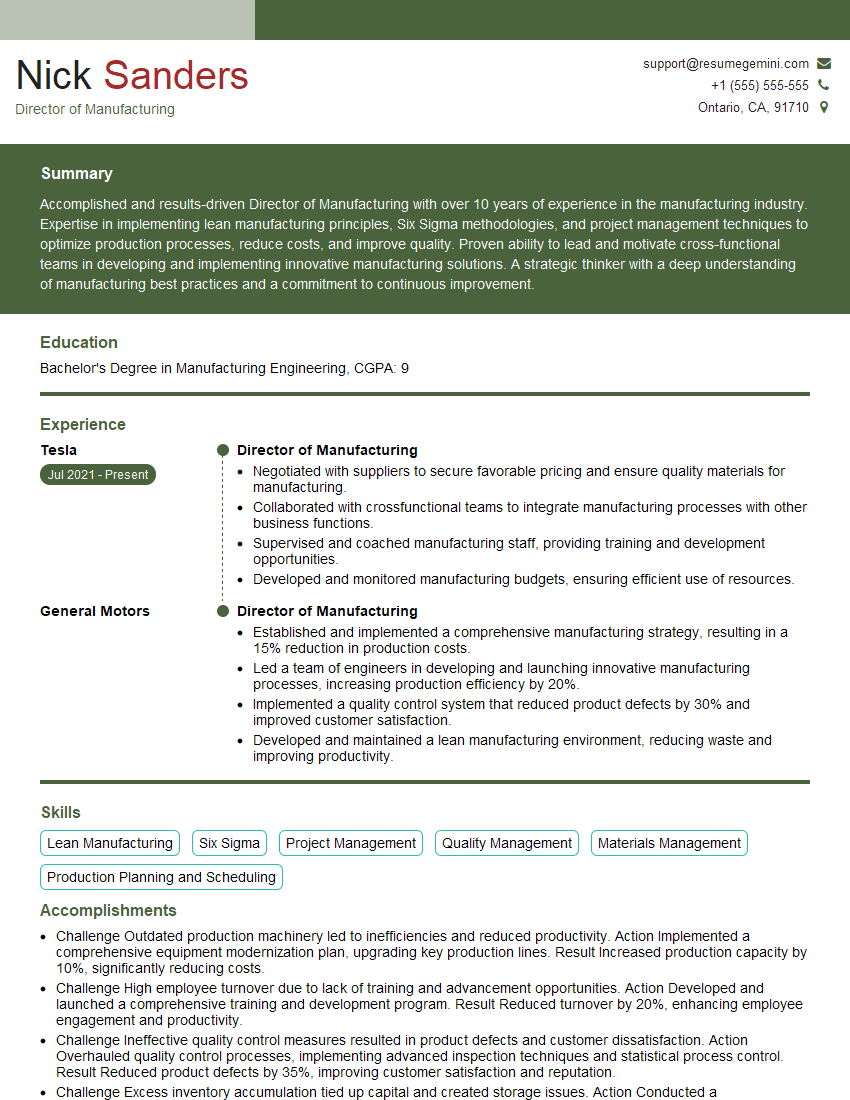
Director of Manufacturing Resume Sample
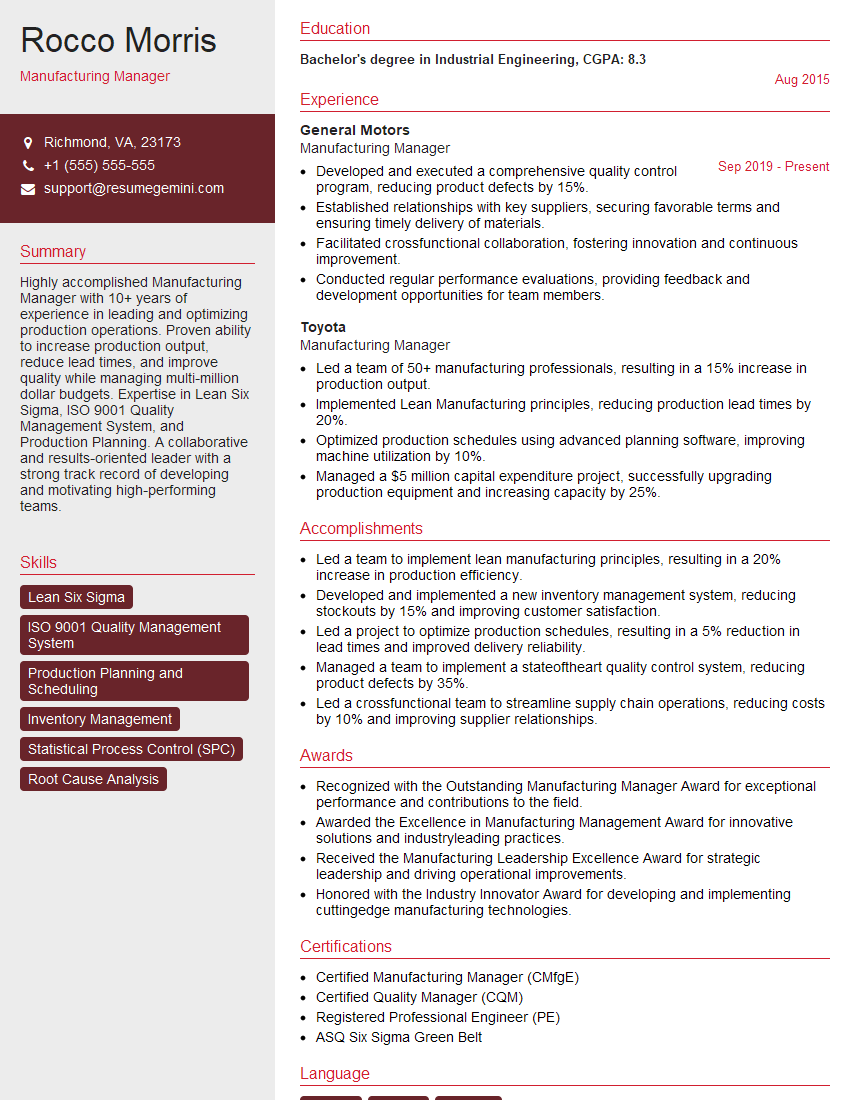
Manufacturing Manager Resume Sample
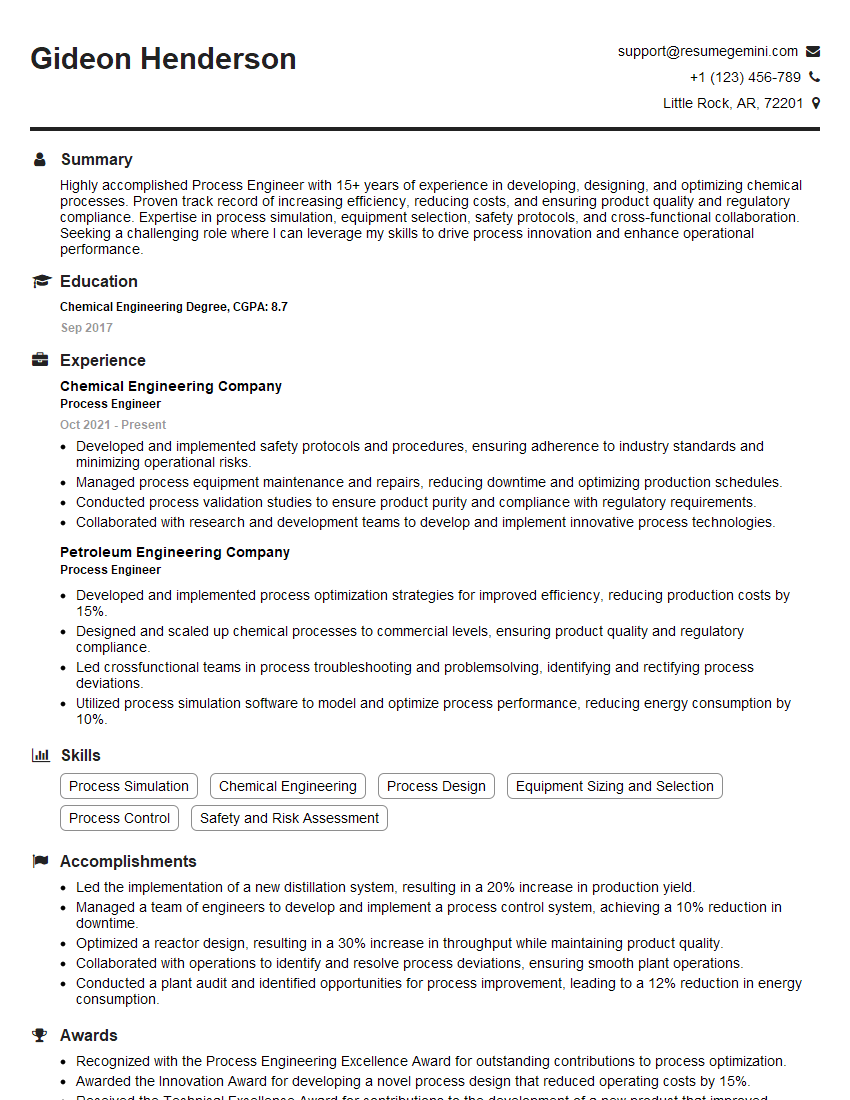
Process Engineer Resume Sample
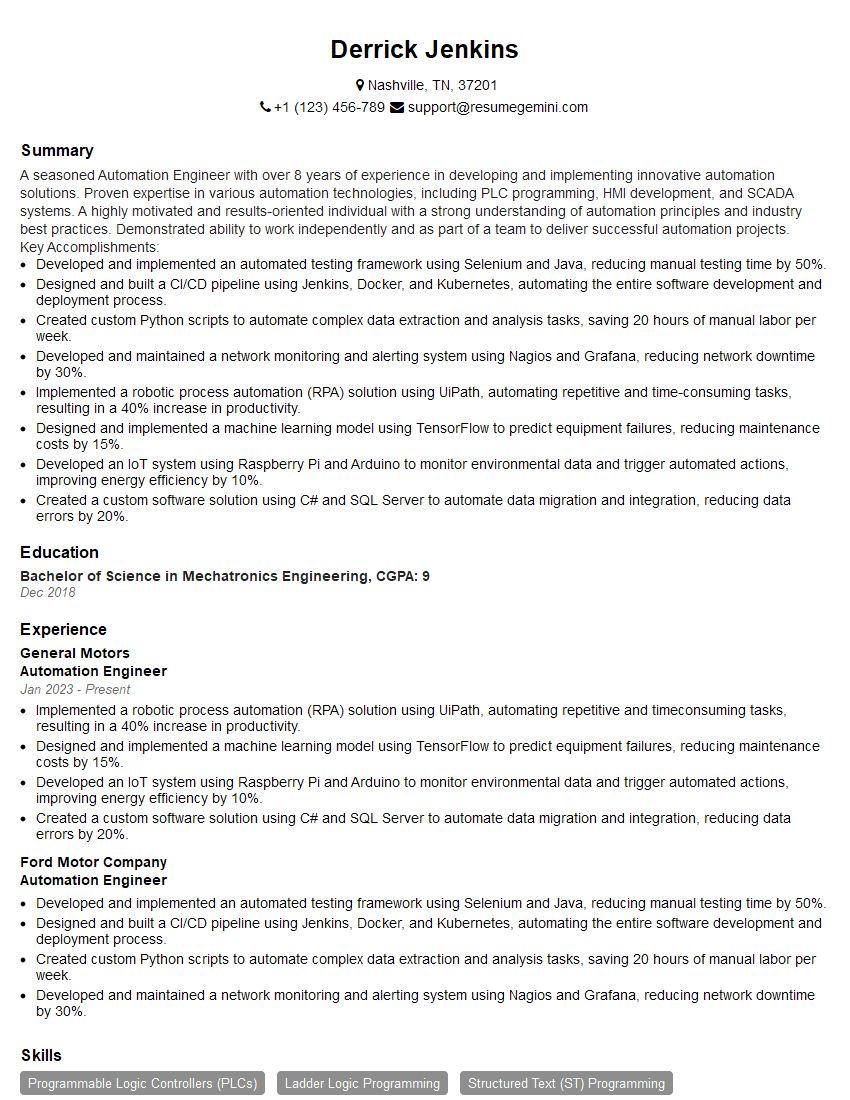
Automation Engineer Resume Sample
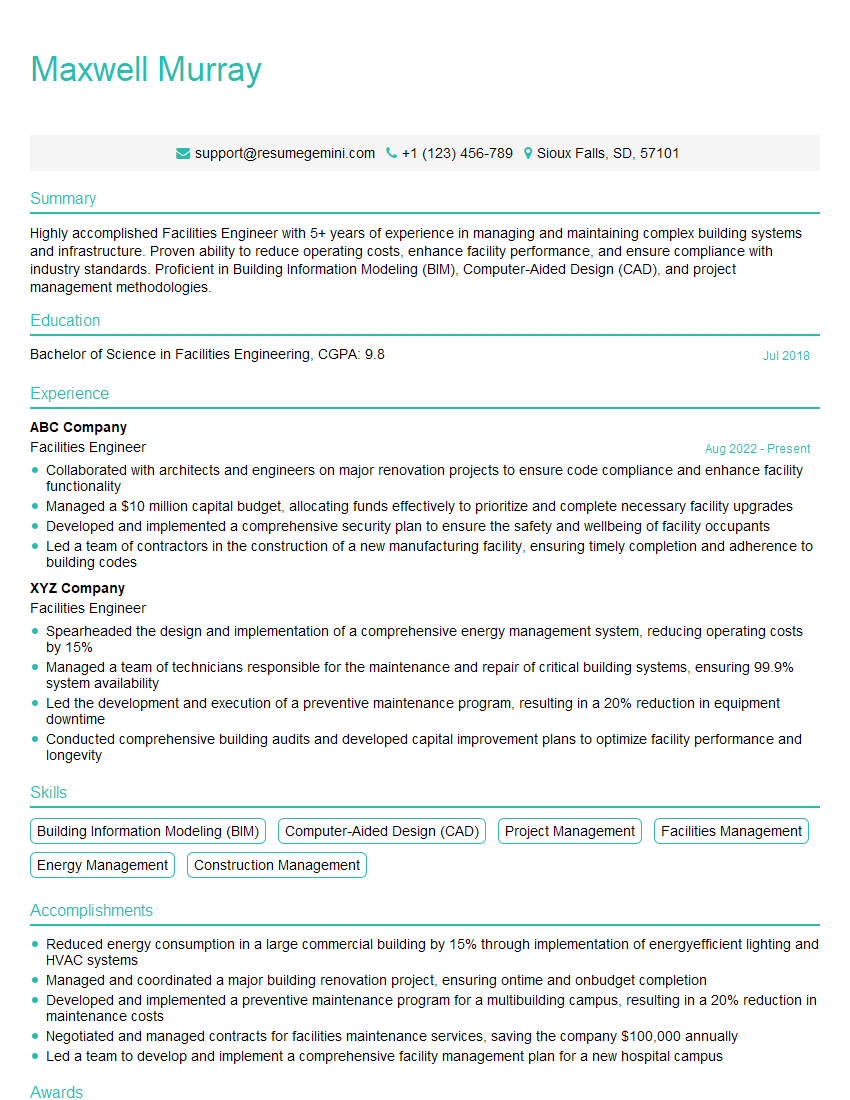
Facilities Engineer Resume Sample
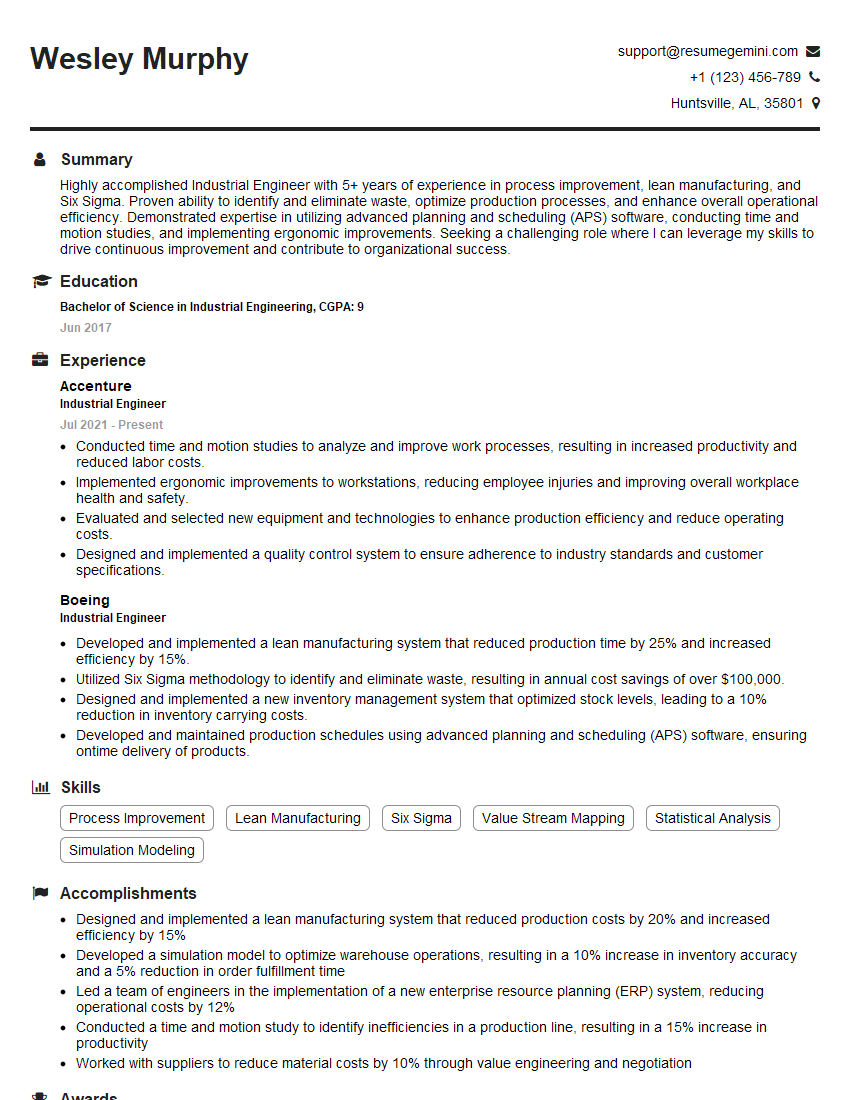
Industrial Engineer Resume Sample
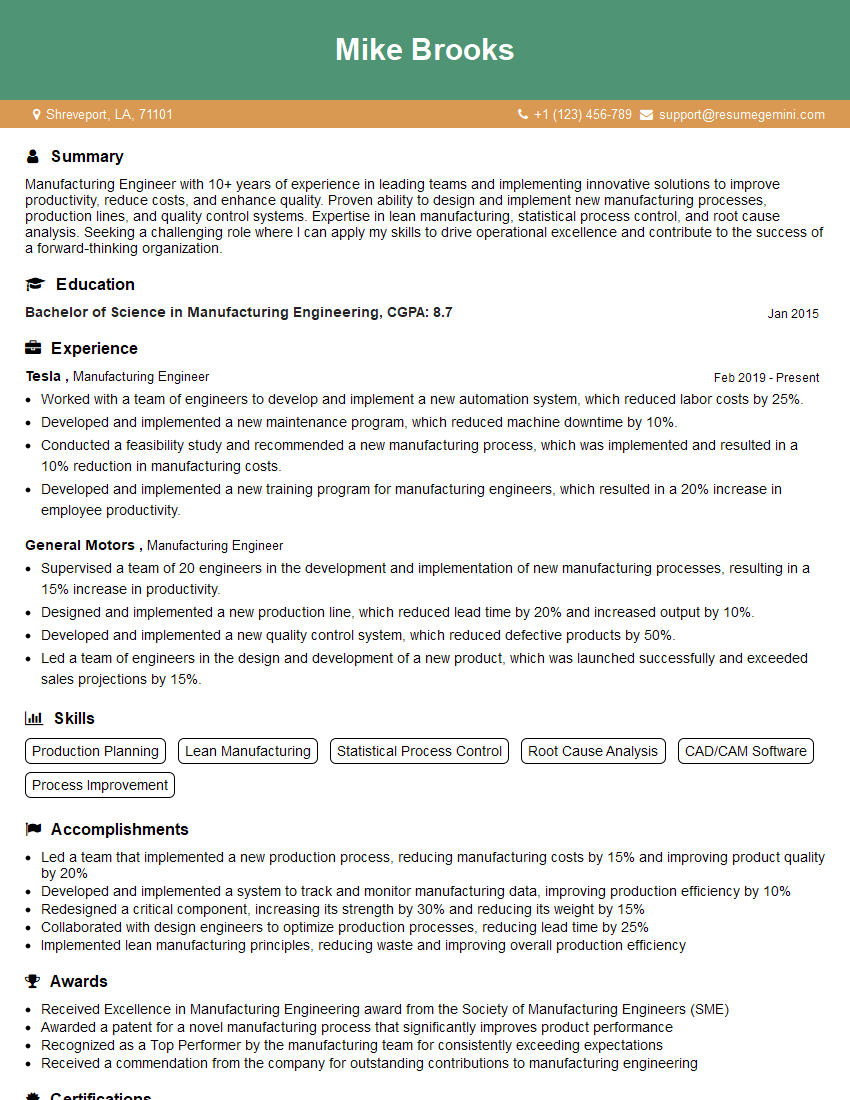
Manufacturing Engineer Resume Sample
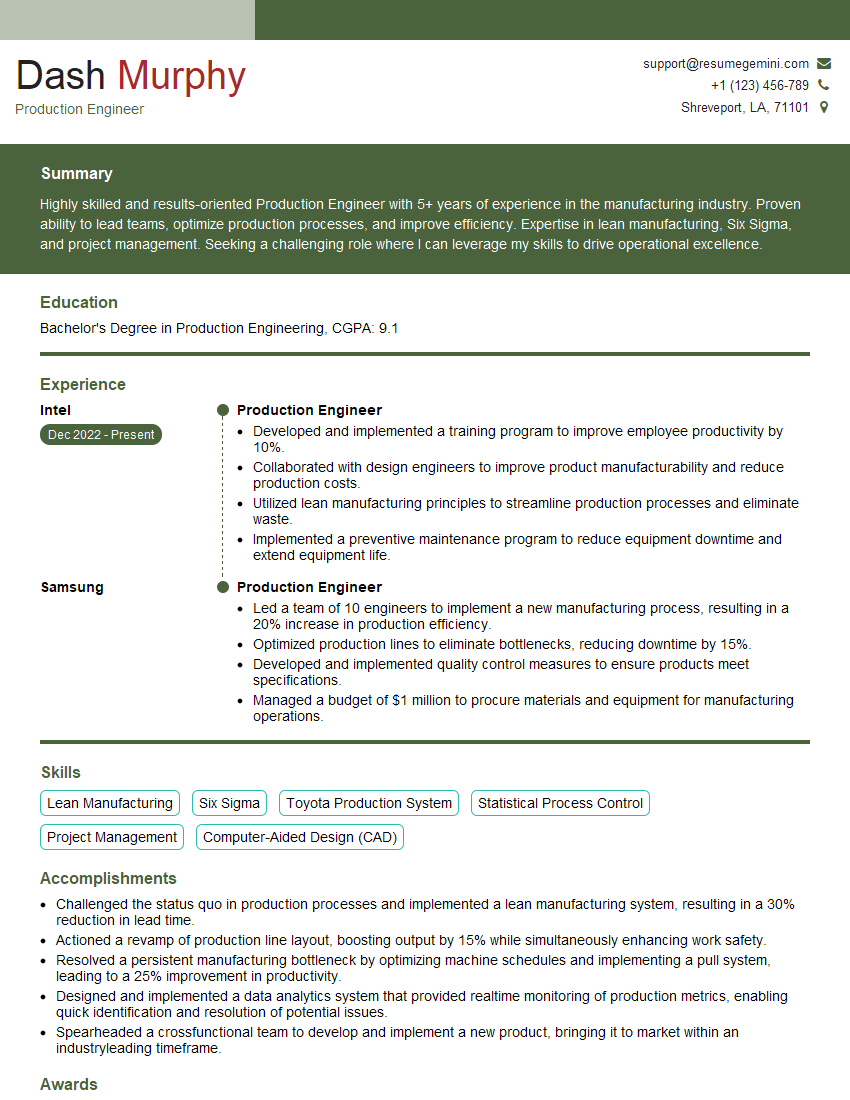
Production Engineer Resume Sample
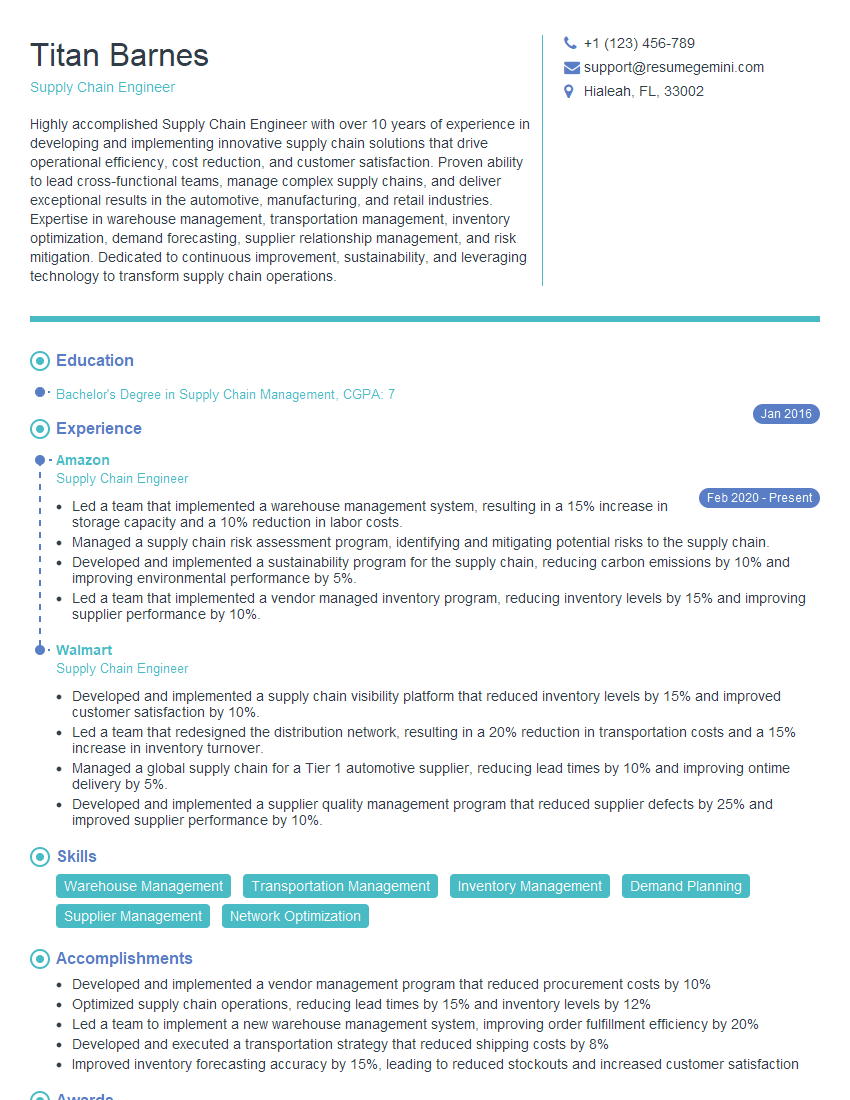
Supply Chain Engineer Resume Sample
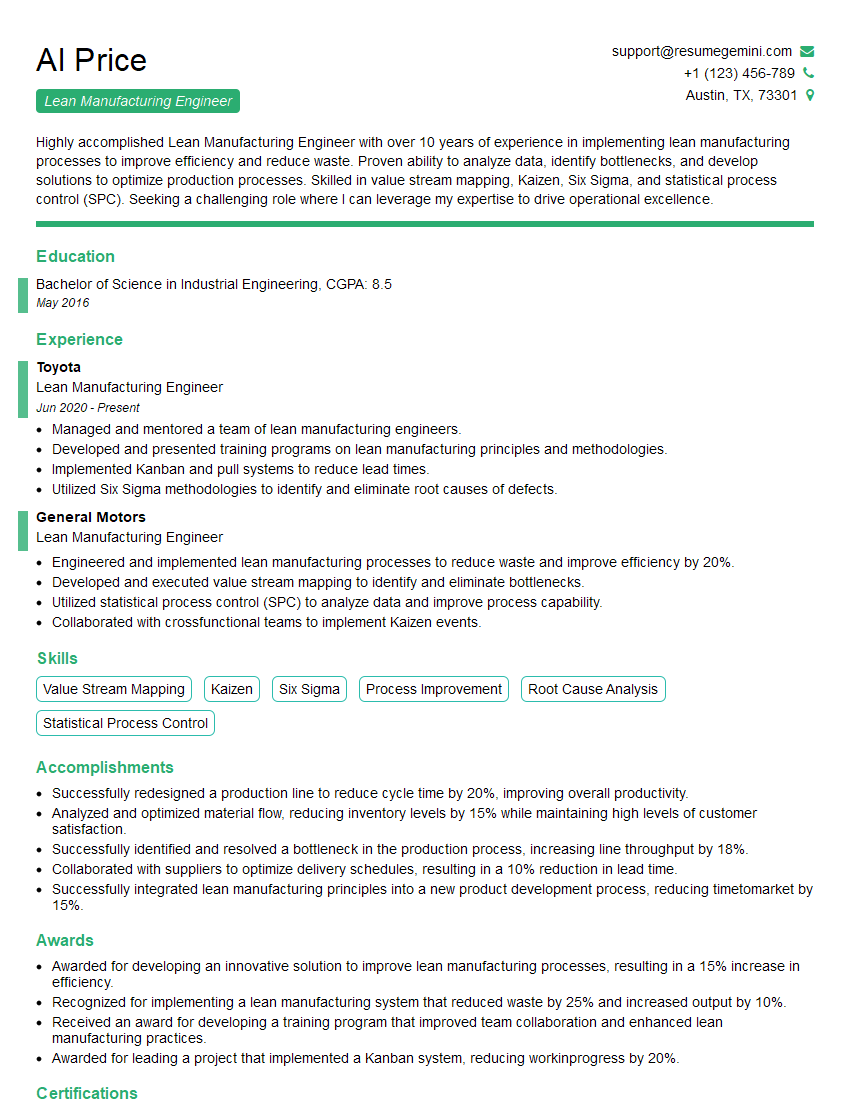
Lean Manufacturing Engineer Resume Sample
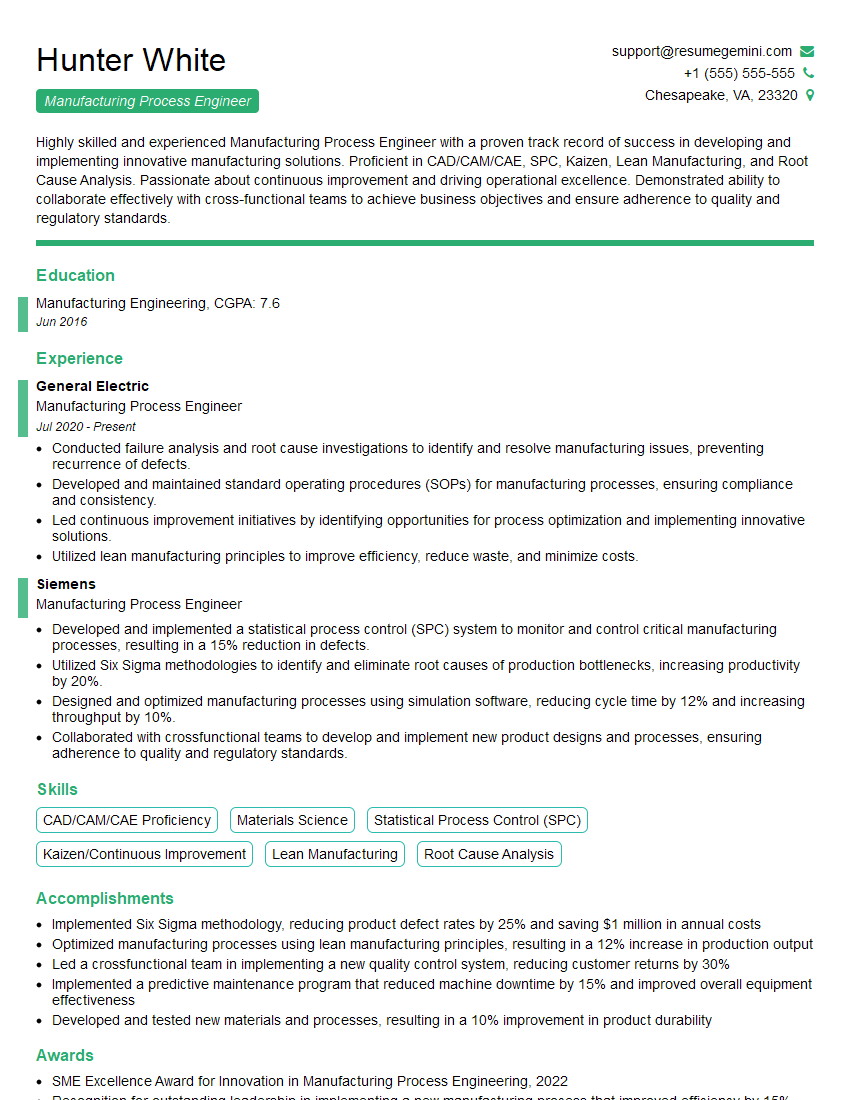
Manufacturing Process Engineer Resume Sample
Explore more articles
Users Rating of Our Blogs
Share Your Experience
We value your feedback! Please rate our content and share your thoughts (optional).
What Readers Say About Our Blog
Really detailed insights and content, thank you for writing this detailed article.
IT gave me an insight and words to use and be able to think of examples