Every successful interview starts with knowing what to expect. In this blog, we’ll take you through the top DetailedOriented interview questions, breaking them down with expert tips to help you deliver impactful answers. Step into your next interview fully prepared and ready to succeed.
Questions Asked in DetailedOriented Interview
Q 1. Describe a time you identified a critical error in a detailed report.
In a previous role, I was responsible for compiling a quarterly financial report. This involved consolidating data from multiple departments, verifying accuracy, and presenting the findings clearly. During the final review, I noticed a discrepancy in the projected revenue figures for the marketing department. The initial report showed a significantly higher number than what was reported in their individual departmental reports.
My attention to detail led me to investigate further. I meticulously compared the data entries, cross-referencing them with source documents like sales invoices and marketing campaign performance metrics. I discovered a simple transposition error: a digit had been incorrectly placed in one of the cells within the spreadsheet, leading to a large inflated figure. Correcting this seemingly small mistake resulted in a significant revision of the projected revenue and avoided a potentially misleading representation of the company’s overall financial performance.
This experience highlighted the critical importance of independent verification of data and the potential consequences of even seemingly minor inaccuracies in large reports.
Q 2. How do you ensure accuracy in your work when dealing with large datasets?
Ensuring accuracy with large datasets requires a multi-pronged approach. Firstly, I utilize data validation techniques at every stage of data processing. This includes checks for data type consistency, range validation, and plausibility checks. For example, if I’m working with age data, I would check for negative or unreasonably high values.
Secondly, I leverage automated data quality tools and techniques wherever possible. Tools can perform checks for duplicates, null values, and inconsistencies in a much more efficient manner than manual inspection. Furthermore, I leverage data visualization techniques to identify outliers and anomalies which might indicate errors.
Thirdly, I employ a systematic approach to documentation. Clear documentation of data sources, processing steps, and any transformations applied allows for easier debugging and verification of accuracy. This process also ensures that others can easily understand the methodology and reproduce the results independently.
Finally, peer review plays a crucial role. Having another set of eyes review my work, particularly the methodologies and conclusions, helps catch errors that may have escaped my attention.
Q 3. Explain your process for proofreading and editing documents.
My proofreading and editing process is methodical and iterative. I prefer to tackle it in stages to maximize effectiveness. First, I ensure a fresh perspective before starting: I take a short break before beginning to avoid mental fatigue.
Secondly, I perform a comprehensive review focusing on content accuracy, logical flow, and consistency of style and tone. I check for grammatical errors, spelling mistakes, and punctuation issues. I often read the document aloud to catch awkward phrasing and ensure a smooth reading experience.
Thirdly, I implement a ‘reverse’ reading method, working backwards from the last sentence to the first. This helps to check each sentence individually and spot inconsistencies. Following this, I use a spell check and grammar check tool as an additional layer of quality control.
Finally, I conduct a final review to make sure all corrections have been made and that the overall document is clear, concise, and error-free.
Q 4. Describe a situation where attention to detail prevented a problem.
During a project involving the design of a critical software component, I noticed a small, seemingly insignificant detail in the specifications: a missing comma in a conditional statement. Most people would have overlooked it. However, my attention to detail alerted me to the potential implications of this comma.
Had the comma been left out, the software would have interpreted the statement incorrectly, leading to critical errors and a system failure. This omission could have resulted in considerable financial loss and operational downtime. By pointing out this minor detail, I prevented a potentially disastrous outcome, demonstrating how even minor oversights can have significant repercussions.
Q 5. How do you handle conflicting information from multiple sources?
Handling conflicting information from multiple sources demands a structured and methodical approach. The first step involves identifying the source of the conflict. I document each source, including its reliability and potential biases. Then, I systematically evaluate each source’s credibility and look for evidence to support its claims. I also look for common threads or elements that might reconcile the differences. For instance, perhaps one source provides a more detailed explanation or a wider scope of data compared to another.
If the discrepancies cannot be easily resolved, I investigate further by consulting additional credible sources and seeking expert opinions where necessary. Ultimately, I might have to acknowledge the uncertainty and present the conflicting information transparently, highlighting the different perspectives and the limitations of the data. It is often better to acknowledge uncertainty and show a reasoned approach rather than drawing inaccurate conclusions based on incomplete or conflicting evidence.
Q 6. How do you prioritize tasks when facing a high volume of detail-heavy work?
Prioritizing tasks in a detail-heavy workload necessitates a structured approach. I typically start by classifying tasks based on their urgency and importance using methods like the Eisenhower Matrix (Urgent/Important). This helps me differentiate between tasks that need immediate attention and those that can be scheduled for later.
I then break down large, complex tasks into smaller, more manageable subtasks. This makes them less daunting and provides a sense of accomplishment as each subtask is completed. I also use time-blocking techniques, allocating specific time slots for high-focus work on detail-intensive tasks. I avoid multitasking, as it is known to be less effective and lead to more errors.
Finally, I utilize project management tools, such as to-do lists or Kanban boards, to track progress and ensure I’m staying on schedule. These systems help maintain organization and provide visual clarity of the remaining tasks and deadlines.
Q 7. Describe your approach to double-checking your work for errors.
My approach to double-checking involves a combination of techniques aimed at catching different types of errors. Firstly, I perform a thorough review of the work using a different method than the one initially used. For example, if I originally compiled data using a spreadsheet, I might then verify it by manually checking a sample of the data against its source.
Secondly, I utilize different tools and techniques, complementing the initial methods used. For example, after writing a report, I might use a grammar and spell checker, then read it aloud. I also encourage peer review, which provides a fresh perspective and helps in spotting overlooked errors.
Thirdly, I incorporate methodical checks specific to the task. This could involve verifying calculations, checking data consistency, or confirming that all required information is included. Finally, if time allows, I conduct a review after a short break for maximum efficacy.
Q 8. Have you ever had to correct a significant error made by someone else? How did you handle it?
In a previous role, a colleague inadvertently omitted a crucial step in a financial report, leading to a significant discrepancy. Instead of directly pointing out the error, I approached the situation diplomatically. I first thanked them for their hard work, then calmly explained the discrepancy using the data itself, highlighting the gap in the report’s logic. We reviewed the relevant procedures together, and I guided them through the corrective steps, focusing on the process rather than placing blame. This collaborative approach ensured the error was corrected accurately and, more importantly, prevented similar issues in the future. The outcome was not only a corrected report but also a strengthened working relationship built on mutual trust and learning.
Q 9. How do you organize your workspace to maintain accuracy and efficiency?
My workspace organization is paramount to maintaining accuracy and efficiency. I employ a combination of physical and digital strategies. Physically, I maintain a clean and clutter-free desk with dedicated zones for different tasks – a section for current projects, one for reference materials, and another for completed tasks. Digitally, I use a robust file management system, employing a clear naming convention and folder structure. This allows me to quickly locate any document or file I need. I also leverage project management software like Asana or Trello to keep track of deadlines and tasks. This two-pronged approach ensures everything is readily accessible and keeps my work environment conducive to focused and accurate work.
Q 10. How do you stay focused on details when working under pressure?
Working under pressure can make it challenging to maintain focus on details, but I have several strategies to mitigate this. First, I prioritize tasks and tackle the most detail-oriented aspects when my energy levels are highest. I break down complex tasks into smaller, more manageable chunks, making them less overwhelming. I use techniques like the Pomodoro Technique – working in focused bursts with short breaks – to maintain concentration. Furthermore, I routinely double-check my work, employing checklists and cross-referencing data to catch any potential oversights. Finally, mindful breathing exercises can significantly help in managing stress and enhancing concentration.
Q 11. Explain your method for tracking progress on complex projects.
Tracking progress on complex projects requires a structured approach. I typically begin by breaking down the project into smaller, well-defined tasks with clear deliverables. I use project management software, like Jira or Microsoft Project, to assign these tasks to specific timelines. I establish regular checkpoints, often weekly, to assess progress against the plan. These checkpoints involve reviewing completed tasks, identifying any roadblocks, and adjusting the schedule as needed. I also maintain detailed progress reports documenting completed tasks, outstanding issues, and potential risks. Visual aids, such as Gantt charts, help me visualize the project timeline and identify potential bottlenecks. This multi-faceted approach ensures a clear understanding of project status and allows for proactive adjustments.
Q 12. Describe your experience using tools or software designed to improve accuracy.
I’ve extensively used various tools to enhance accuracy. For data entry and analysis, I’m proficient in spreadsheet software such as Excel, leveraging its features for data validation, formula checks, and error detection. For complex datasets, I utilize database management systems like SQL, ensuring data integrity through constraints and validation rules. I’m also familiar with grammar and style checking tools such as Grammarly, which help to ensure accuracy in written communication. Finally, version control systems like Git are invaluable for collaborative projects, allowing me to track changes and revert to previous versions if needed.
Q 13. How do you manage your time effectively when working on tasks requiring close attention to detail?
Effective time management is crucial when working on detail-oriented tasks. I begin by estimating the time needed for each task realistically, factoring in potential delays. I prioritize tasks based on urgency and importance, tackling the most critical and detail-intensive tasks first. I avoid multitasking, focusing on one task at a time to enhance concentration. I incorporate regular short breaks to prevent burnout and maintain focus. The Pomodoro Technique works particularly well for me. Using a timer, I work intensely for 25 minutes, then take a 5-minute break. After four cycles, I take a longer break. This structured approach ensures I dedicate sufficient time to each task while avoiding fatigue.
Q 14. How do you ensure data integrity in your work?
Data integrity is paramount in my work. I ensure data accuracy through several methods. First, I always verify data sources, checking for inconsistencies or errors before using them. Second, I implement data validation rules, using techniques such as range checks and data type validation in spreadsheets and databases. Third, I regularly back up data to prevent loss. Fourth, I meticulously document all data transformations and manipulations to maintain a clear audit trail. Finally, I utilize checksums or hash functions where applicable to ensure data has not been corrupted during transfer or storage. This multifaceted approach guarantees that the data I utilize and produce remains reliable and trustworthy.
Q 15. Give an example of a time you noticed an inconsistency in data or information. What did you do?
During a recent project involving financial data analysis, I noticed an inconsistency in the reported revenue figures for Q3. One spreadsheet showed a total revenue of $1,250,000, while another, sourced from a different department, reported $1,245,000. This seemingly small discrepancy could have significant implications for forecasting and reporting.
My first step was to meticulously document the discrepancy, noting the source of each figure and the relevant date stamps. Then, I systematically investigated the potential causes. I cross-referenced the data with our accounting software and sales reports. I discovered a missing entry of $5,000 in one spreadsheet representing a late payment that hadn’t yet been fully processed into the main accounting system. After correcting this, both figures matched, ensuring the accuracy of our financial reporting.
Career Expert Tips:
- Ace those interviews! Prepare effectively by reviewing the Top 50 Most Common Interview Questions on ResumeGemini.
- Navigate your job search with confidence! Explore a wide range of Career Tips on ResumeGemini. Learn about common challenges and recommendations to overcome them.
- Craft the perfect resume! Master the Art of Resume Writing with ResumeGemini’s guide. Showcase your unique qualifications and achievements effectively.
- Don’t miss out on holiday savings! Build your dream resume with ResumeGemini’s ATS optimized templates.
Q 16. How do you handle ambiguity or uncertainty in instructions or data?
Ambiguity is a common challenge in data-driven roles. My approach involves a structured process to clarify uncertainties. I start by carefully reviewing the instructions or data, identifying any unclear sections. If the source of the ambiguity is internal (e.g., poorly defined task), I proactively communicate with the relevant team members to request clarification. If the ambiguity is in the data itself (e.g., missing values, conflicting entries), I use data validation techniques to identify possible causes and make informed assumptions based on the existing data structure, always documenting those assumptions.
For example, if an instruction stated ‘analyze sales data’, I would seek clarification: what specific timeframe? What key performance indicators (KPIs) should be analyzed? What format should the analysis take? Such detailed investigation helps me avoid misinterpretations and ensures a robust end result.
Q 17. How do you identify and address potential sources of error in your processes?
Identifying and addressing potential errors is paramount. I utilize a multi-pronged approach. Firstly, I implement rigorous data validation checks at every stage of my workflow. This could involve using tools to automatically flag inconsistencies, such as checking for duplicate entries or impossible values (e.g., negative sales figures). Secondly, I employ peer review – having a colleague independently verify my findings helps catch mistakes I might have overlooked. Thirdly, I regularly review and update my processes to incorporate lessons learned from previous errors.
For instance, if I’m working with a large dataset, I might create a validation script to check for data type consistency or missing values before proceeding with analysis. If an error is found, I thoroughly document it, including the root cause, the steps taken to correct it, and any preventative measures I’ll put in place to avoid similar errors in the future.
Q 18. How do you balance speed and accuracy in your work?
Balancing speed and accuracy is a crucial skill for detailed-oriented professionals. It’s not a trade-off; rather, it’s about optimizing workflows to achieve both. I prioritize accuracy; a rushed result with errors can cost more time in the long run than a slower, meticulous approach. However, I also strive for efficiency. I achieve this by meticulously planning my work, breaking down large tasks into smaller, manageable steps, and prioritizing tasks based on their criticality and dependencies. Furthermore, I utilize automation where possible (e.g., scripting, macros) to reduce the time spent on repetitive tasks while maintaining accuracy.
For example, when processing a large batch of invoices, I might use a script to automate data entry and validation, reducing the risk of human error while significantly speeding up the process.
Q 19. Describe a time you had to work with intricate or complex details. What was the outcome?
I once worked on a project involving the reconciliation of thousands of financial transactions from diverse sources. Each transaction had multiple attributes – date, amount, description, vendor, etc. – and slight discrepancies in any of these could result in significant errors. The complexity lay in identifying and resolving these inconsistencies. I used a combination of data sorting, filtering, and visual representation (using charts and graphs) to identify patterns and anomalies. I also developed a customized spreadsheet to streamline data comparison and track the resolution status of each issue.
The outcome was a completely reconciled dataset that was accurate and auditable. This was critical for financial reporting and regulatory compliance. The meticulous approach not only produced accurate results but also enhanced my skill in handling complex data and my ability to build efficient tools to facilitate complex tasks.
Q 20. How do you utilize checklists or other tools to maintain accuracy?
Checklists and other tools are essential for maintaining accuracy. I routinely use checklists for repetitive tasks to ensure consistency and reduce the chances of errors. For instance, when preparing a report, I would use a checklist that covers aspects such as data validation, source verification, formatting, and grammar checks. I also utilize templates and standardized procedures to ensure consistency across different projects and avoid overlooking important steps.
Furthermore, for complex tasks I often break them down into smaller, well-defined steps. This makes the process more manageable, less prone to errors, and aids in tracking progress. The systematic use of these tools helps guarantee a high level of quality and consistency in my work.
Q 21. How do you communicate effectively about details to colleagues or clients?
Effective communication of details is crucial. I ensure that my communication is clear, concise, and well-structured. I always use visual aids like graphs and charts where appropriate, as visuals greatly improve understanding, especially when dealing with complex datasets or analyses. I also prefer to use plain language avoiding technical jargon whenever possible, or I define jargon appropriately. For instance, when explaining a technical issue to a client, I would use simple analogies and avoid overwhelming them with technicalities. Lastly, I always welcome questions and encourage feedback to ensure mutual understanding and avoid misinterpretations.
For instance, if I’m explaining statistical findings to a non-technical audience, I’d use clear visual aids and avoid statistical formulas, instead focusing on the implications and insights derived from the data. I’d also encourage questions to ensure they fully grasp the information.
Q 22. Describe your method for reviewing and validating data.
My data review and validation method is a multi-step process designed to ensure accuracy and completeness. It begins with a thorough understanding of the data’s source, intended use, and expected format. I then employ a combination of techniques:
- Data Profiling: I analyze the data’s characteristics – including data types, distributions, and ranges – to identify potential anomalies or inconsistencies. For example, if I’m reviewing sales data, I’d check for negative sales figures, which would indicate an error.
- Data Cleansing: This involves addressing identified issues like missing values, outliers, and duplicates. Depending on the nature of the data and the context, I might fill in missing values using imputation techniques (like using the mean or median), flag outliers for further investigation, or remove duplicates.
- Cross-Validation: I compare the data against other reliable sources to verify its accuracy. For instance, if I’m verifying customer addresses, I’d cross-reference them with a known address database.
- Consistency Checks: I ensure consistency throughout the dataset. This involves checking for discrepancies between different fields or data points. For example, ensuring that the reported quantity and price in a sales record match the calculated total.
- Data Validation Rules: I often use predefined rules (either manually created or through automated tools) to check if the data adheres to specific constraints, like data type validation (e.g., ensuring a date field contains only valid dates), range checks (e.g., ensuring age values are within a reasonable range), or format checks (e.g., verifying phone numbers adhere to a particular format).
Finally, I document all validation steps and findings, making it easier for others to understand the process and reproduce the results. This meticulous approach minimizes errors and ensures data reliability.
Q 23. How do you approach problem-solving when dealing with highly detailed information?
When tackling problems involving highly detailed information, I find a structured approach is crucial. My strategy usually involves:
- Decomposition: Breaking down the complex problem into smaller, more manageable sub-problems. This makes the overall task less daunting and allows for focused attention on each part. For example, if I’m analyzing a complex financial statement, I’d start by examining each individual section (income statement, balance sheet, cash flow statement) separately before integrating the findings.
- Prioritization: Identifying the most critical details and addressing those first. Not all details are equally important; understanding the context and prioritizing based on impact is key.
- Visual Aids: Utilizing visual tools like spreadsheets, charts, or diagrams to organize and represent the data. Visualizations can reveal patterns and relationships that might be missed when looking at raw data.
- Systematic Review: Employing a systematic process to review the data, such as using checklists or templates to ensure nothing is overlooked.
- Documentation: Thorough documentation of my findings, methods, and rationale ensures clarity and facilitates collaboration with others.
Imagine analyzing a large dataset of customer transactions to identify fraudulent activity. By breaking it down into smaller subsets based on transaction types, locations, or time periods, I can more effectively pinpoint suspicious patterns. Using visual tools like heat maps can help identify geographical clusters of potentially fraudulent transactions.
Q 24. How do you deal with repetitive tasks that require meticulous attention to detail?
Repetitive tasks requiring meticulous attention demand strategies to maintain accuracy and efficiency. I avoid burnout and improve throughput by:
- Automation: Wherever possible, I automate repetitive tasks using scripting languages like Python or using features built into software applications. This frees up time for more complex and analytical work. For example, I might automate data entry using a macro or script if the data source is structured properly.
- Template Creation: I create templates or standardized procedures for frequently occurring tasks. This ensures consistency and reduces the likelihood of errors. Think of templates for reports, spreadsheets, or emails.
- Batch Processing: Instead of tackling each item individually, I often group similar tasks together and process them in batches. This increases efficiency and reduces mental fatigue. For example, processing a batch of invoices at once rather than processing one invoice at a time.
- Regular Breaks: Taking short, regular breaks during long periods of detail-oriented work helps to maintain focus and prevent errors. The Pomodoro Technique is a useful method.
- Cross-Checking: Regularly cross-checking my work at different stages helps to catch errors early on. For example, I will often perform multiple counts or double-check calculations.
By employing these techniques, I manage repetitive tasks effectively, ensuring both speed and quality.
Q 25. How do you handle interruptions while performing detail-oriented work?
Interruptions are a significant challenge when performing detail-oriented work. To mitigate their impact, I utilize several strategies:
- Dedicated Workspace: I create a dedicated workspace where I can focus without distractions. This includes minimizing noise and visual clutter.
- Time Blocking: I schedule specific blocks of time for focused work, during which I minimize or avoid all interruptions. I communicate this to colleagues.
- Note-Taking: Before pausing work due to an interruption, I jot down my current task and position, allowing me to quickly resume work without losing context.
- Communication: I clearly communicate my need for uninterrupted time to colleagues and clients, setting clear expectations.
- Mindfulness and Deep Work Techniques: Practicing mindfulness and other deep work techniques can enhance my focus and resilience in the face of interruptions.
It’s essential to manage interruptions proactively rather than reactively, as this prevents errors and ensures workflow efficiency.
Q 26. How do you learn from mistakes and improve your attention to detail?
Learning from mistakes is critical for improving attention to detail. My approach is a systematic one:
- Root Cause Analysis: When a mistake occurs, I conduct a thorough root cause analysis to understand the underlying reasons. This goes beyond simply identifying the error; it involves exploring the processes, systems, or factors that contributed to it.
- Documentation: I meticulously document errors, including the context, the impact, and the corrective actions taken. This helps in preventing similar mistakes in the future.
- Process Improvement: Based on my analysis, I identify opportunities to improve processes or systems to prevent similar errors. This may involve creating checklists, updating procedures, or implementing better quality control measures.
- Self-Reflection: I regularly reflect on my work to identify patterns or weaknesses in my attention to detail. This might involve reviewing my work against established standards or asking a colleague for feedback.
- Continuous Learning: I actively seek opportunities to expand my knowledge and skills, particularly in areas that require precise attention to detail.
For example, if I missed a critical data entry during a project, I’d analyze whether it was due to fatigue, inadequate process, or lack of clarity in the instructions. I’d then document the error, implement a double-checking procedure, and perhaps use automated tools to reduce manual entry.
Q 27. Describe your experience using quality control methodologies or standards.
Throughout my career, I’ve utilized various quality control methodologies, most notably Six Sigma principles and ISO 9001 standards.
- Six Sigma: I’ve applied DMAIC (Define, Measure, Analyze, Improve, Control) methodology to streamline processes and reduce errors. For instance, in a previous role, I used DMAIC to reduce data entry errors in a large database, resulting in a significant improvement in data accuracy. This involved defining the problem (high error rate), measuring the current error rate, analyzing the root causes, implementing corrective actions (e.g., improved training, automated data entry), and then monitoring the results to ensure sustained improvement.
- ISO 9001: My experience includes working in environments adhering to ISO 9001 standards for quality management. This involved meticulous documentation, process adherence, and regular audits to ensure consistent quality output. Understanding and adhering to these standards helped cultivate a strong focus on detail and process improvement.
- Other Methodologies: I’m also familiar with other quality control techniques such as Pareto analysis (identifying the 20% of factors causing 80% of the problems) and control charts (monitoring process stability) which I have used to identify and eliminate recurring issues impacting data accuracy and reporting.
My understanding and application of these methodologies ensure that my work consistently meets the highest standards of accuracy and reliability.
Key Topics to Learn for Detailed-Oriented Interview Success
- Attention to Detail: Understanding the nuances of meticulous work, error prevention, and quality assurance processes. Practical application: Discuss examples from past projects where attention to detail prevented errors or improved outcomes.
- Analytical Thinking: Developing strong analytical skills to identify patterns, solve problems, and make informed decisions. Practical application: Describe how you approach complex tasks, breaking them down into smaller, manageable steps and analyzing data to draw conclusions.
- Accuracy and Precision: Demonstrating the ability to consistently produce accurate and precise work, meeting specific requirements and deadlines. Practical application: Provide examples where you ensured accuracy in your work, such as data entry, report writing, or code development.
- Thoroughness and Completeness: Highlighting your commitment to completing tasks thoroughly, leaving no stone unturned. Practical application: Discuss situations where you went above and beyond to ensure a complete and well-rounded outcome.
- Organizational Skills: Demonstrating your ability to effectively manage time, prioritize tasks, and maintain organized systems for efficient workflow. Practical application: Explain your approach to managing multiple projects simultaneously and maintaining a clear and organized workspace.
- Process Improvement: Identifying opportunities to refine processes, enhance efficiency, and reduce errors. Practical application: Share experiences where you streamlined workflows, improved documentation, or suggested process enhancements.
- Effective Communication: Clearly and concisely communicating detailed information to various audiences, ensuring complete understanding. Practical application: Describe how you communicate complex technical details to non-technical stakeholders.
Next Steps
Mastering the art of being detail-oriented is crucial for career advancement across various industries. It demonstrates a commitment to excellence and a dedication to producing high-quality work. To significantly boost your job prospects, crafting an ATS-friendly resume is essential. This ensures your application gets noticed by recruiters and hiring managers. We highly recommend using ResumeGemini, a trusted resource for building professional and effective resumes. Examples of resumes tailored for highlighting detail-oriented skills are available to help you get started.

Project Manager Resume Sample

Compliance Officer Resume Sample
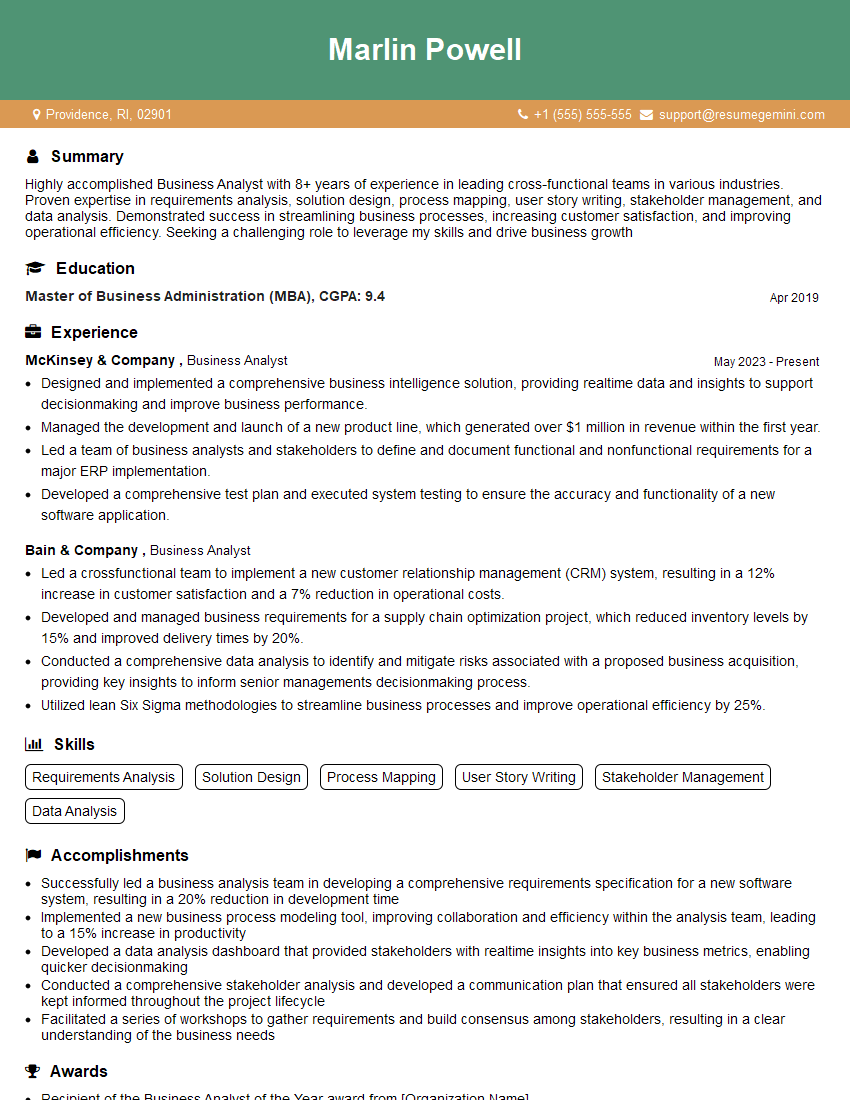
Business Analyst Resume Sample
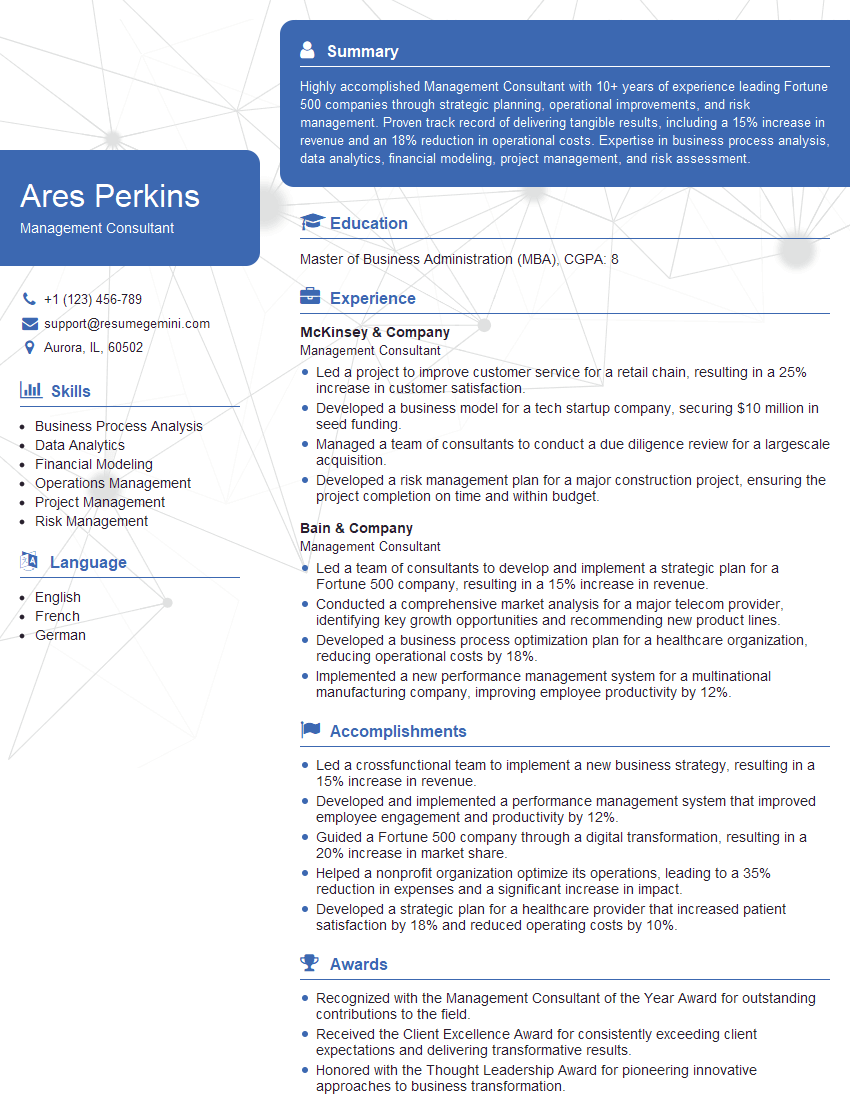
Management Consultant Resume Sample
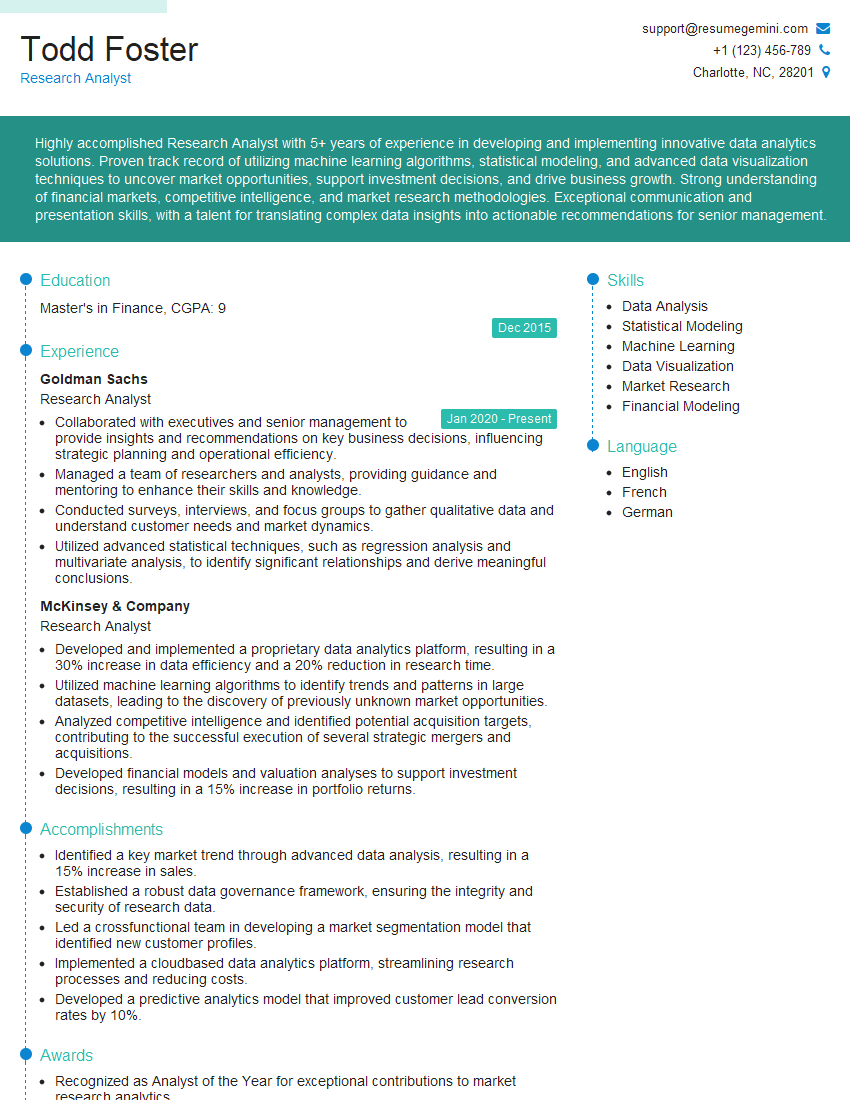
Research Analyst Resume Sample
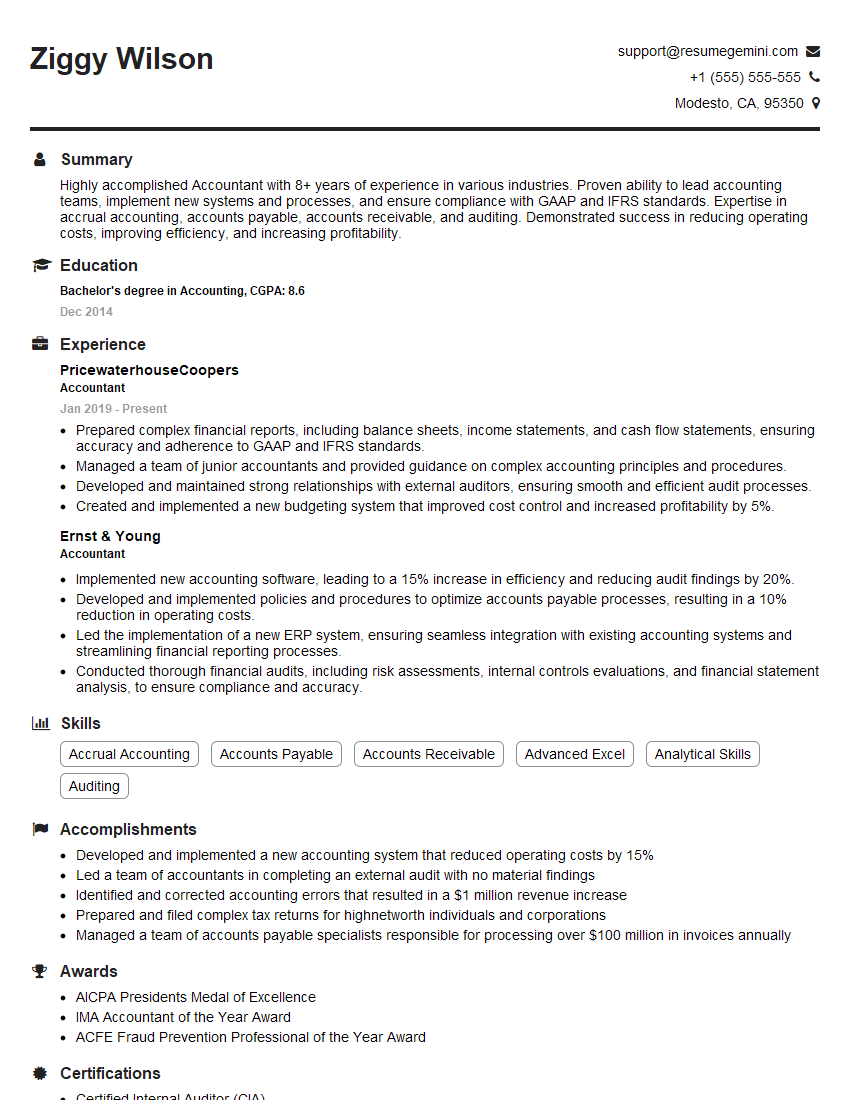
Accountant Resume Sample
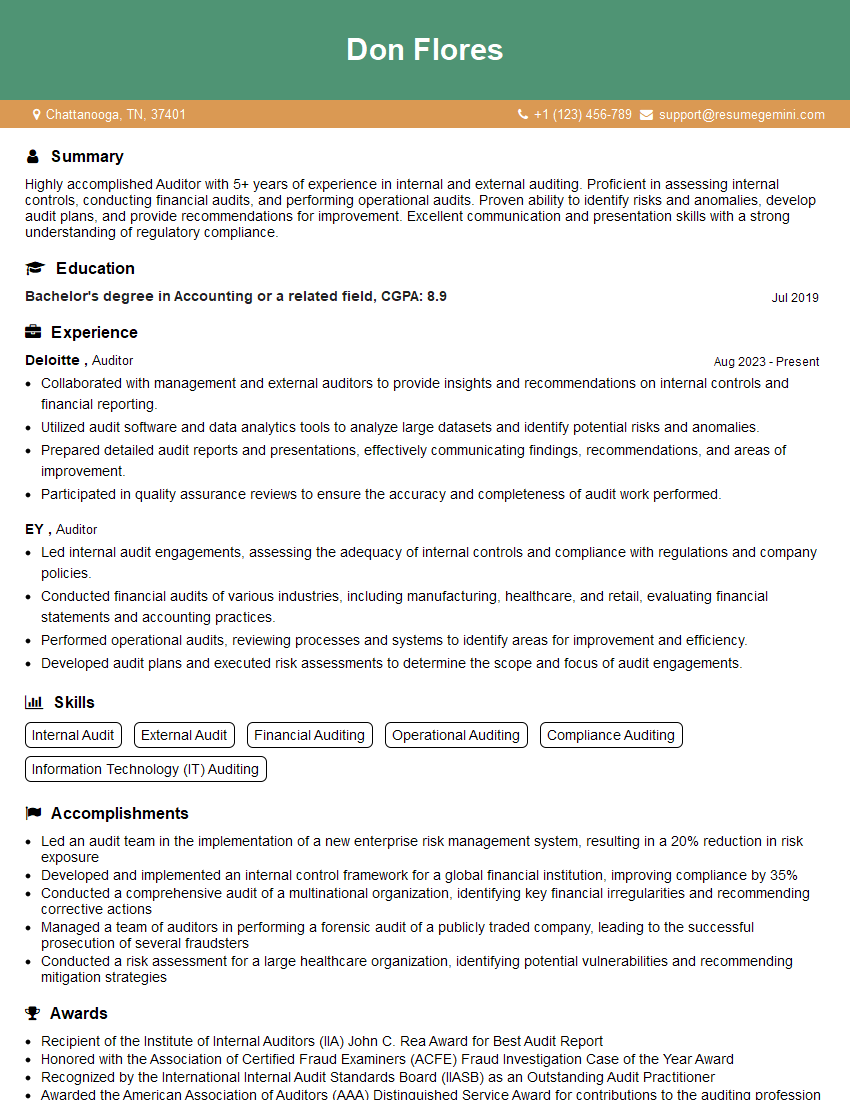
Auditor Resume Sample
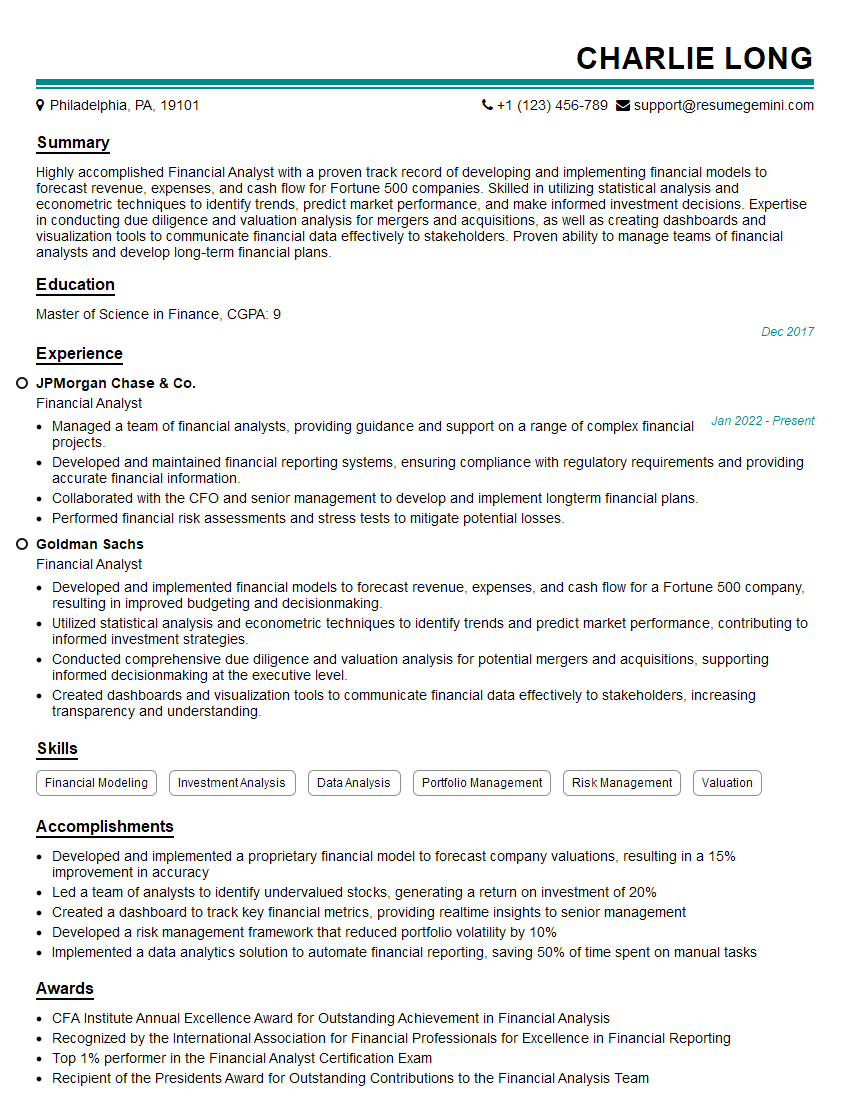
Financial Analyst Resume Sample
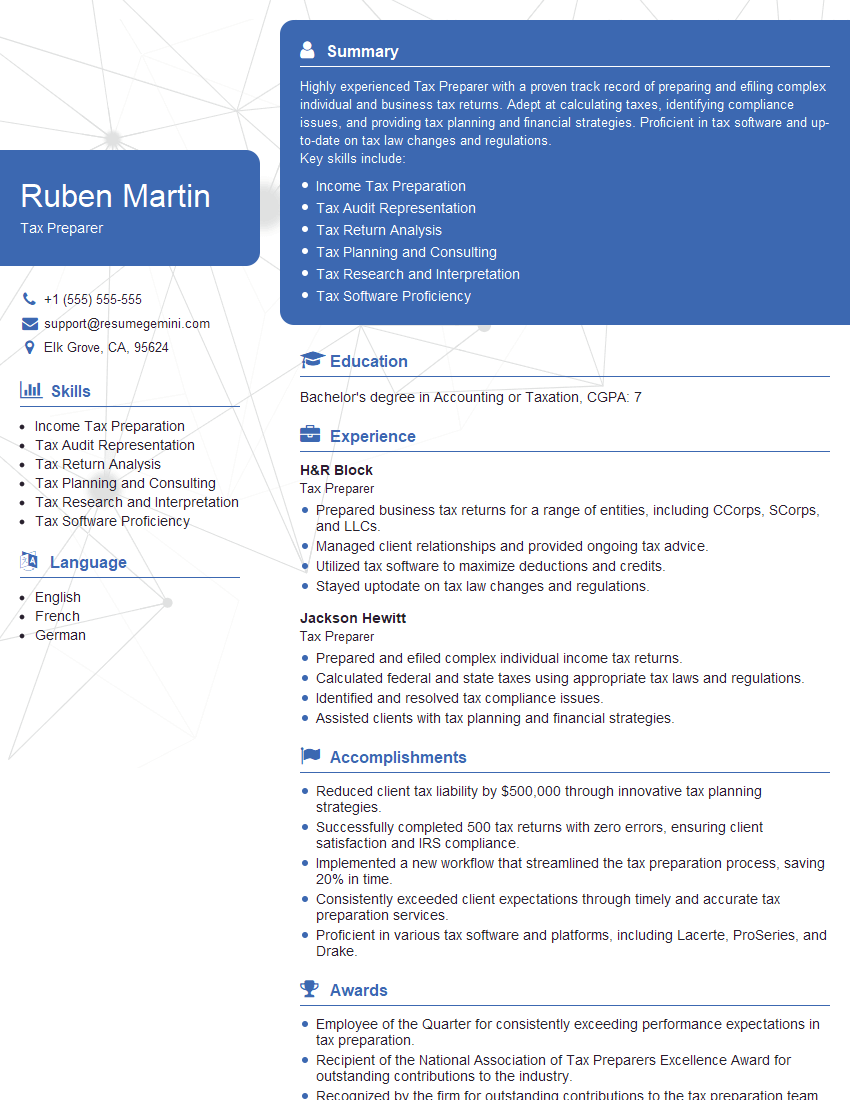
Tax Preparer Resume Sample
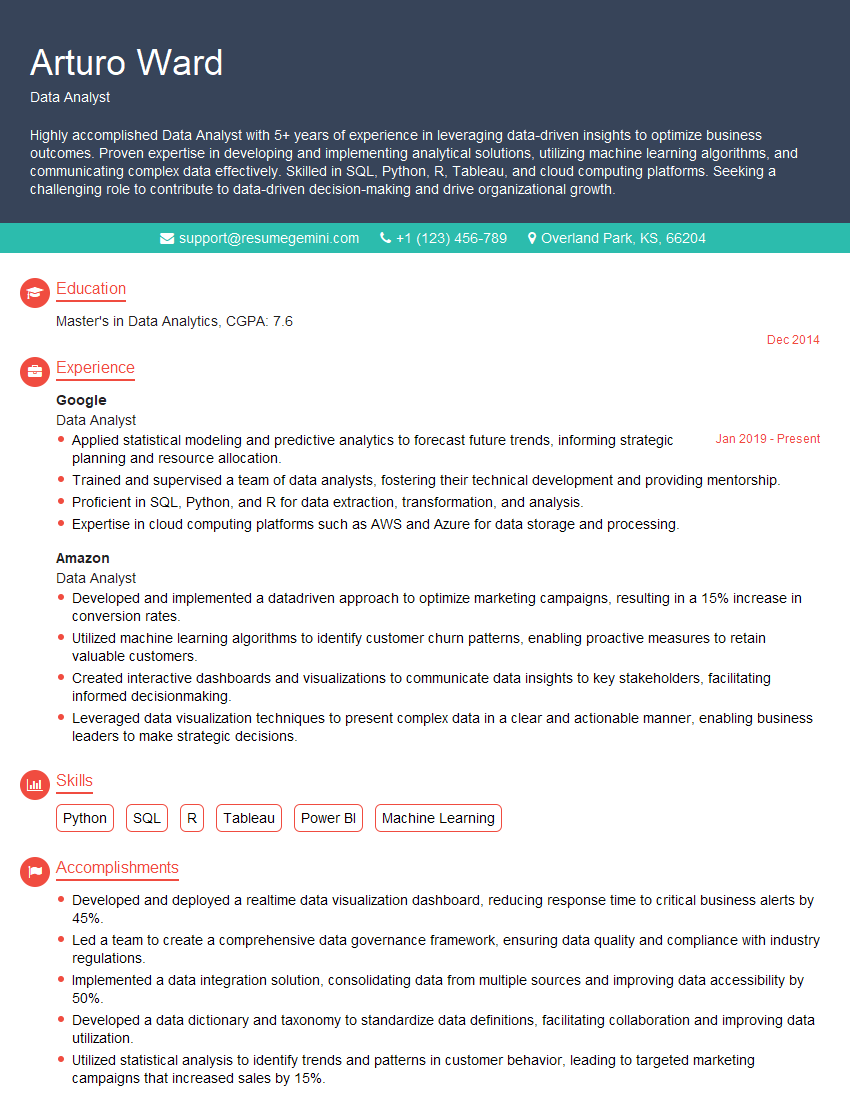
Data Analyst Resume Sample
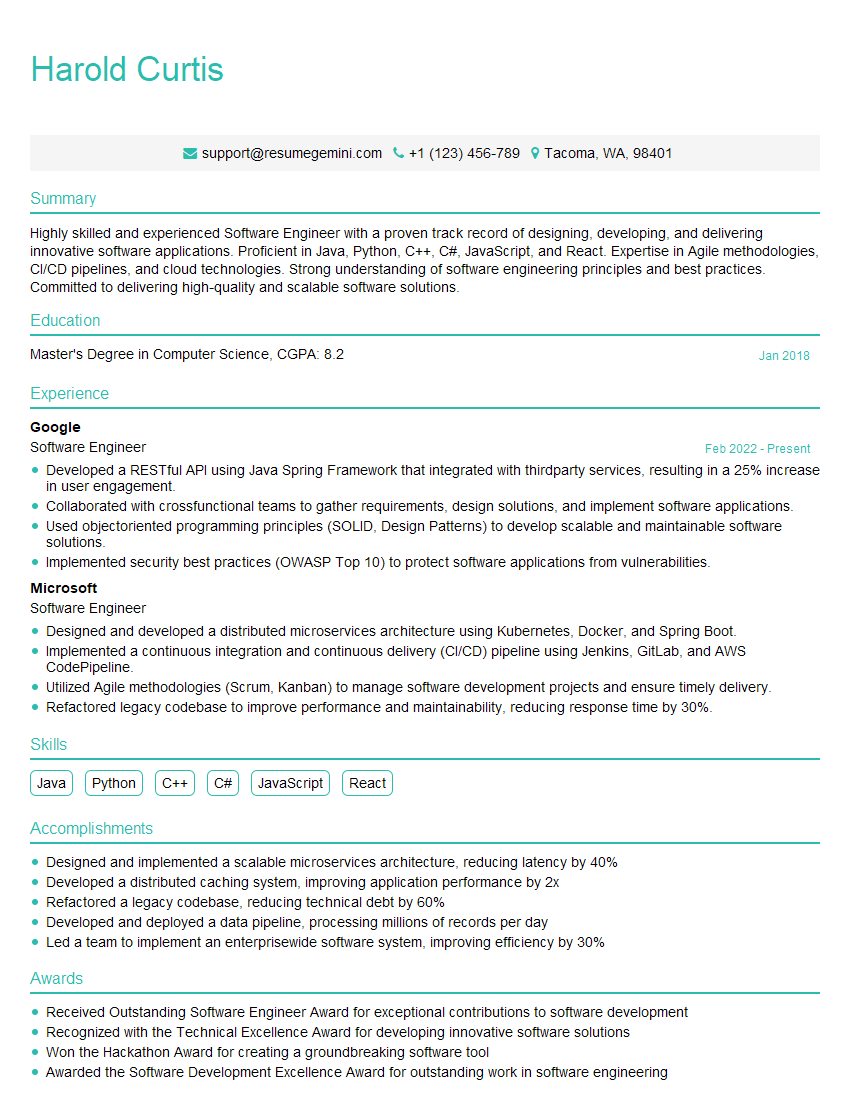
Software Engineer Resume Sample
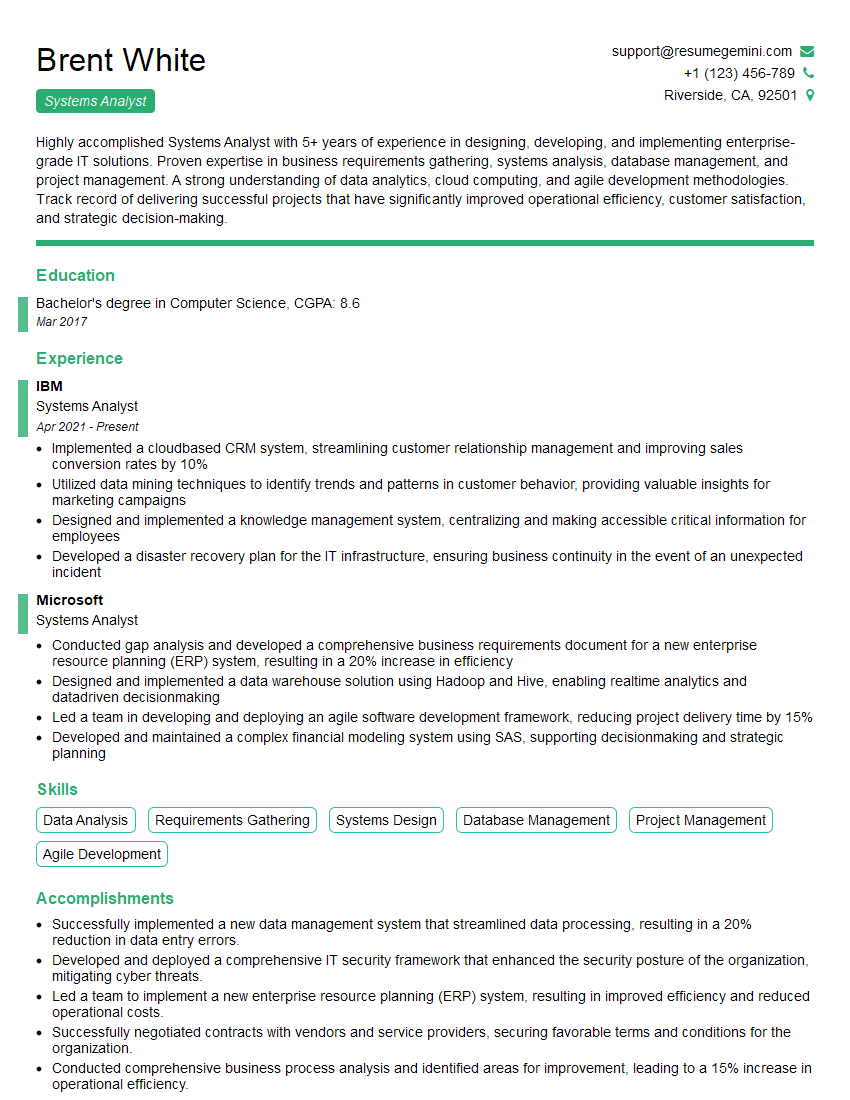
Systems Analyst Resume Sample
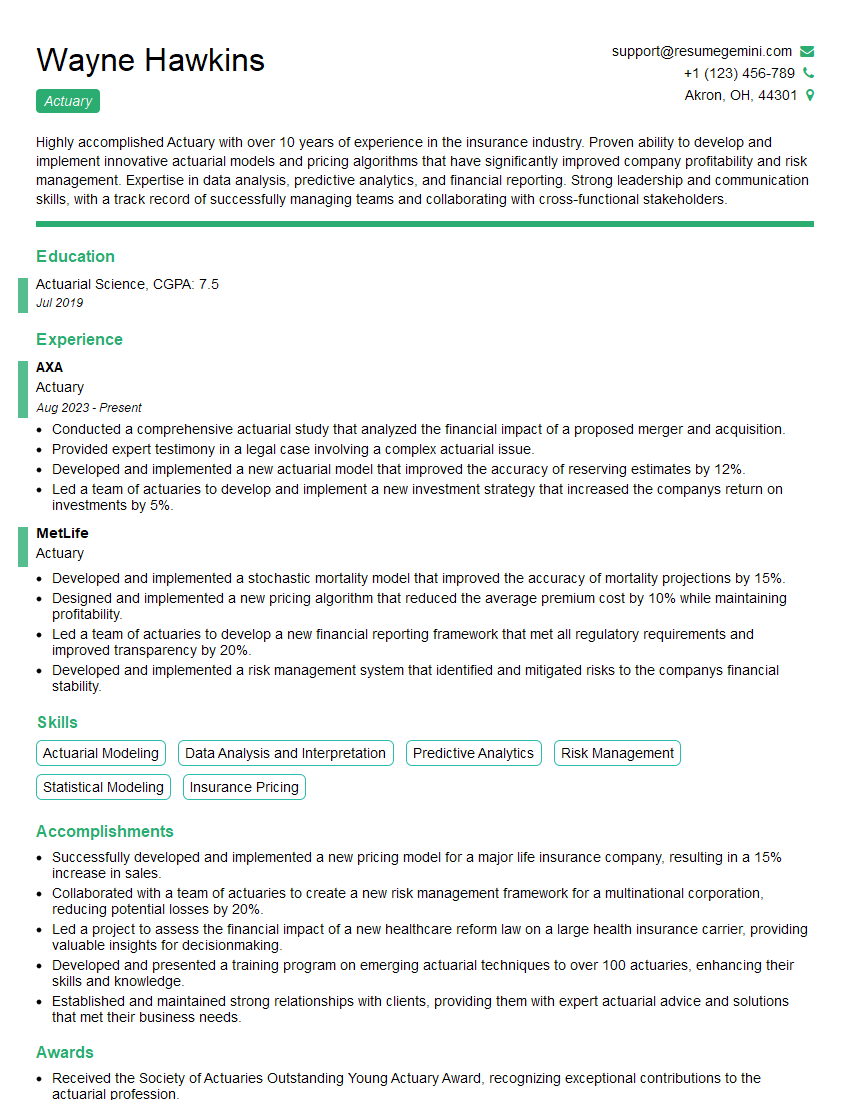
Actuary Resume Sample
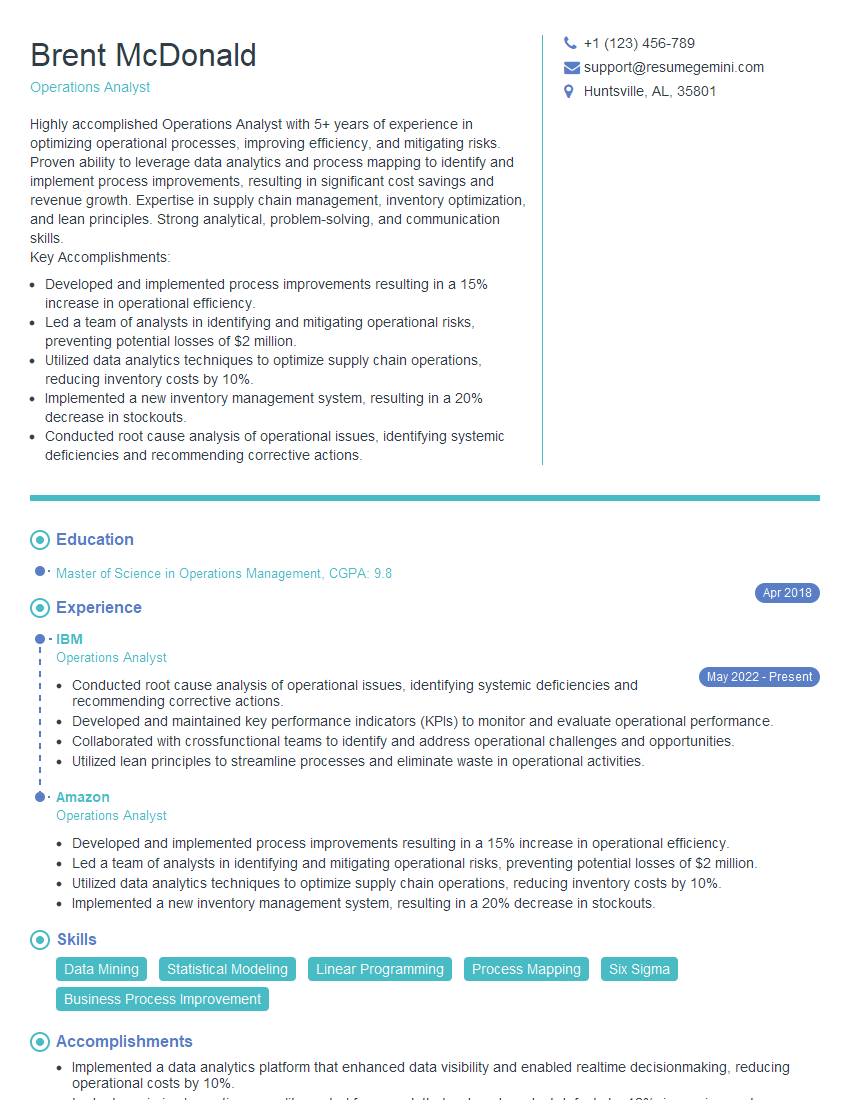
Operations Analyst Resume Sample
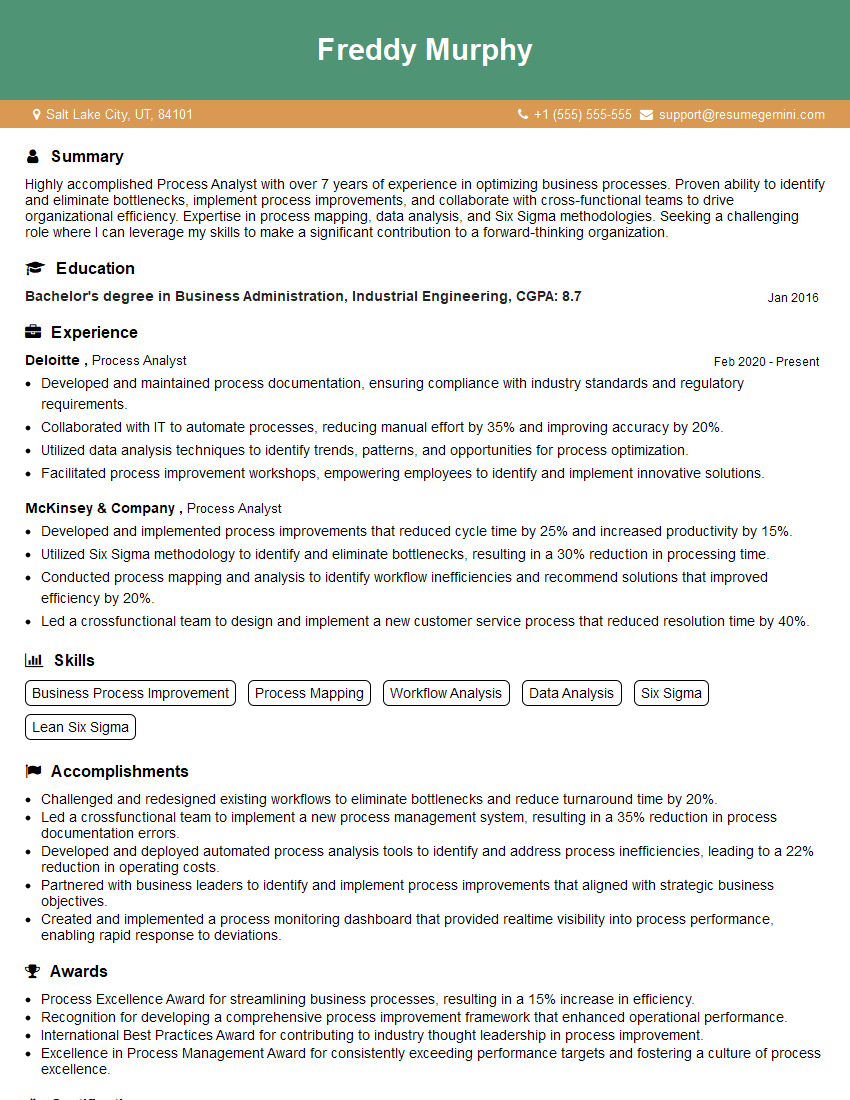
Process Analyst Resume Sample
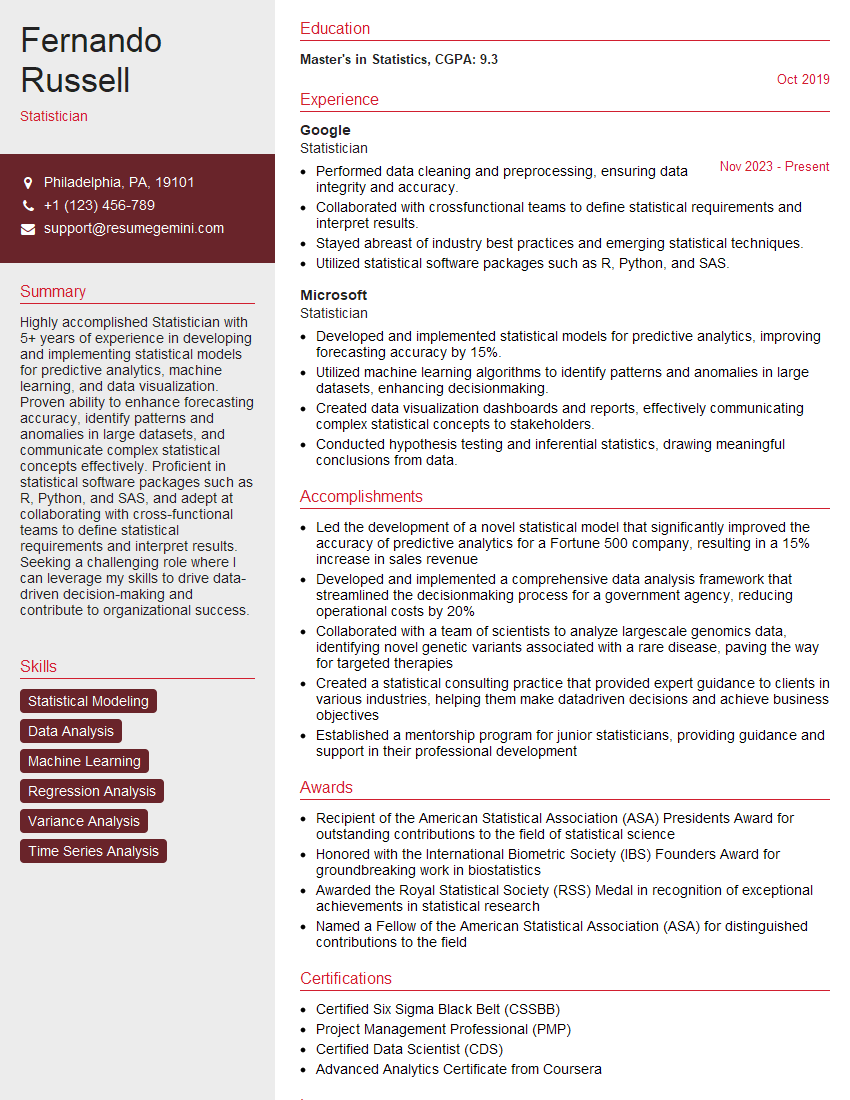
Statistician Resume Sample
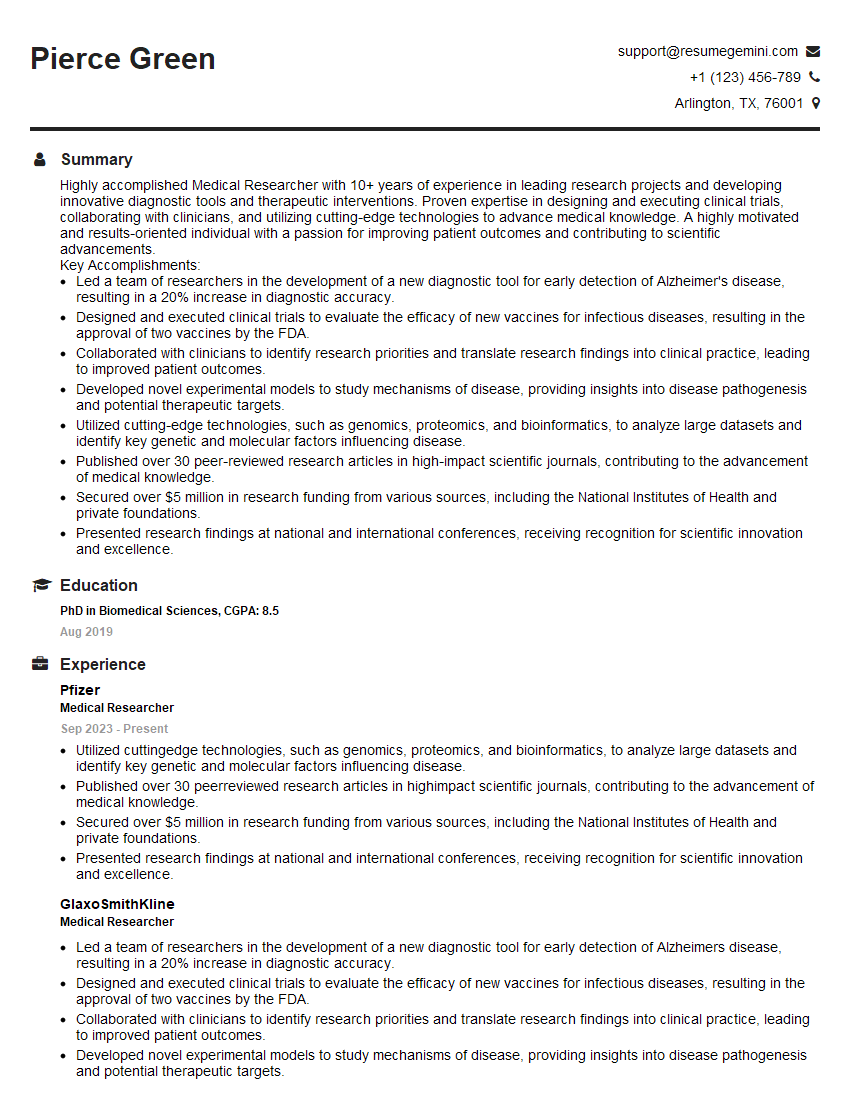
Medical Researcher Resume Sample
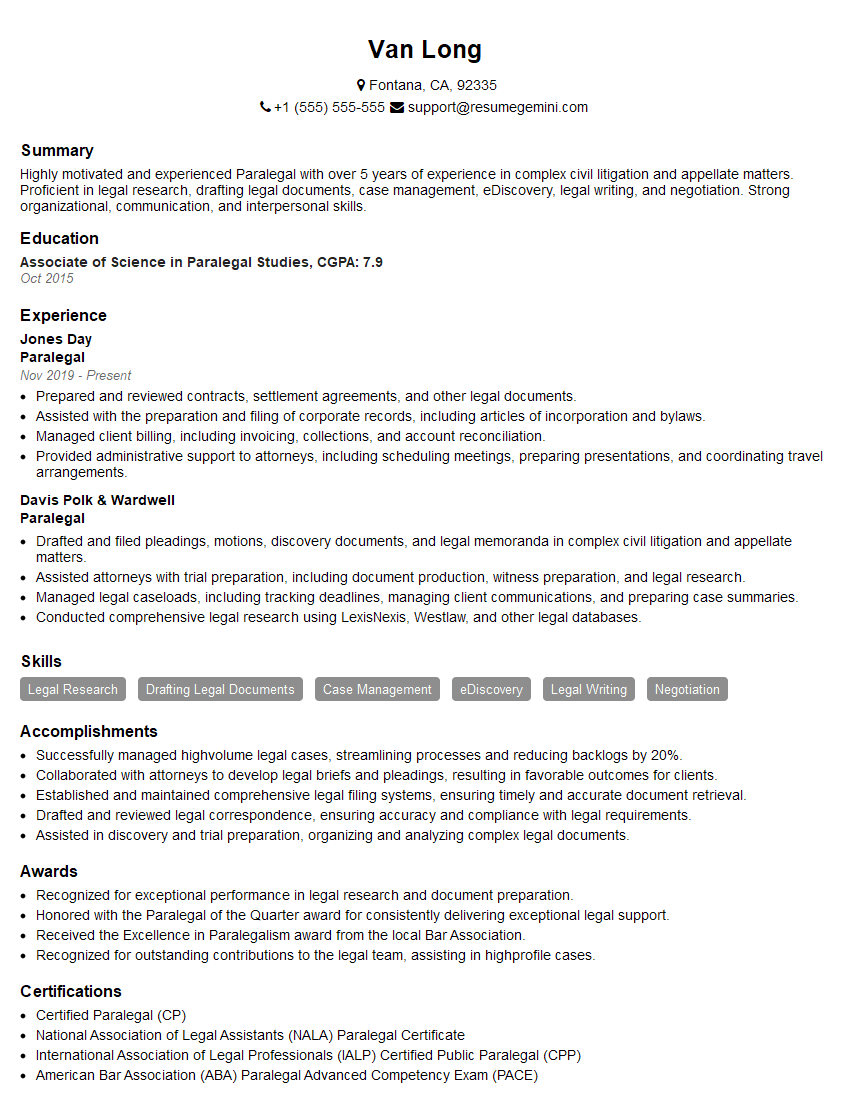
Paralegal Resume Sample
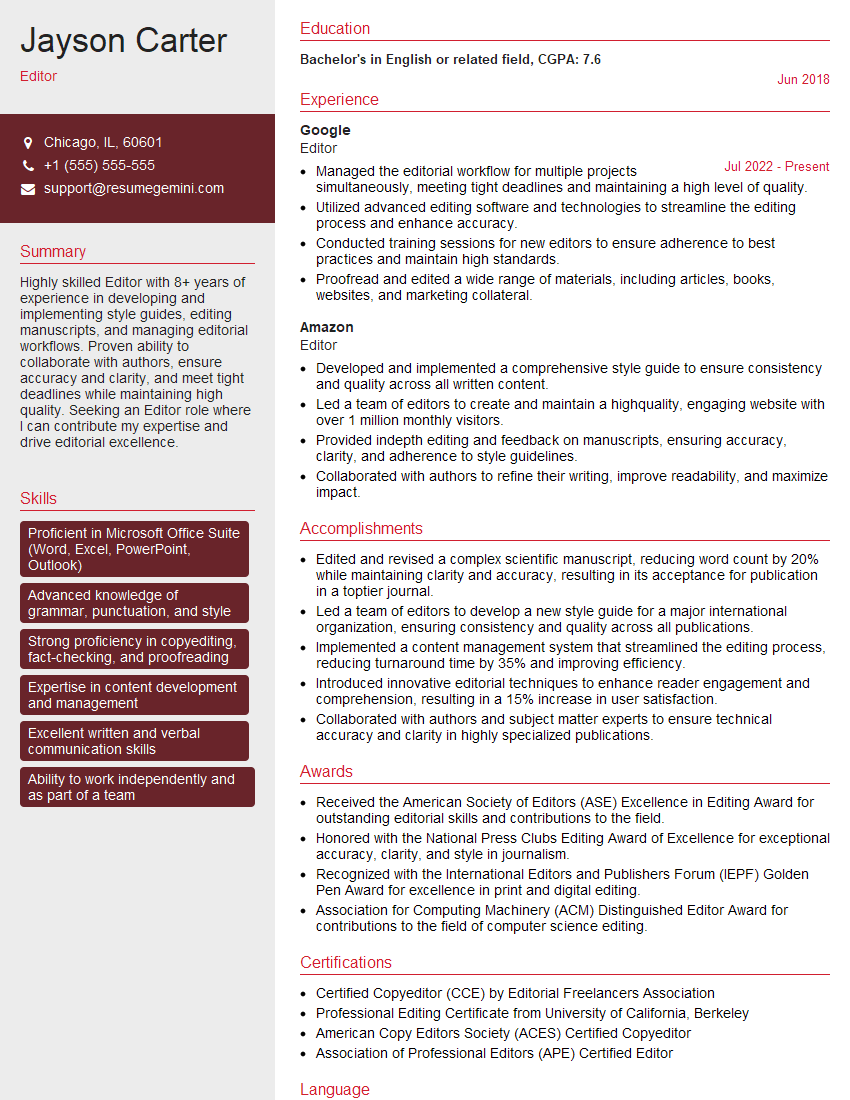
Editor Resume Sample
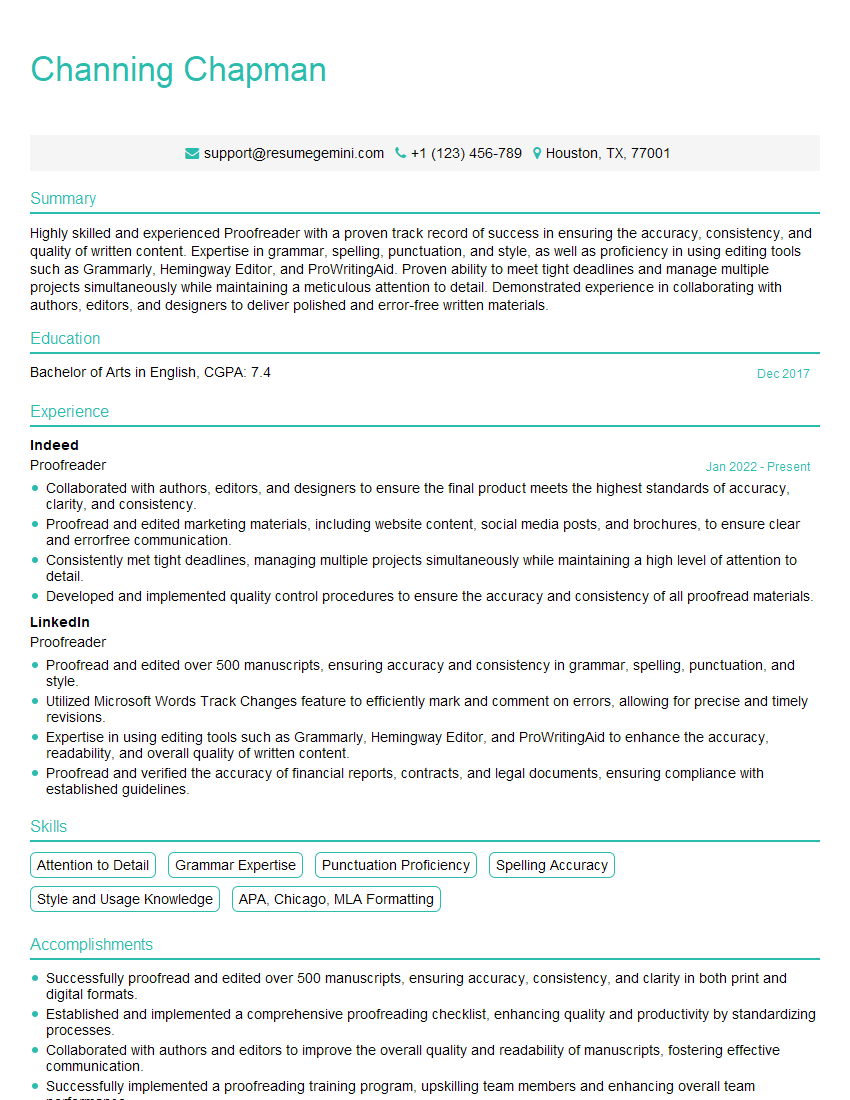
Proofreader Resume Sample

Technical Writer Resume Sample
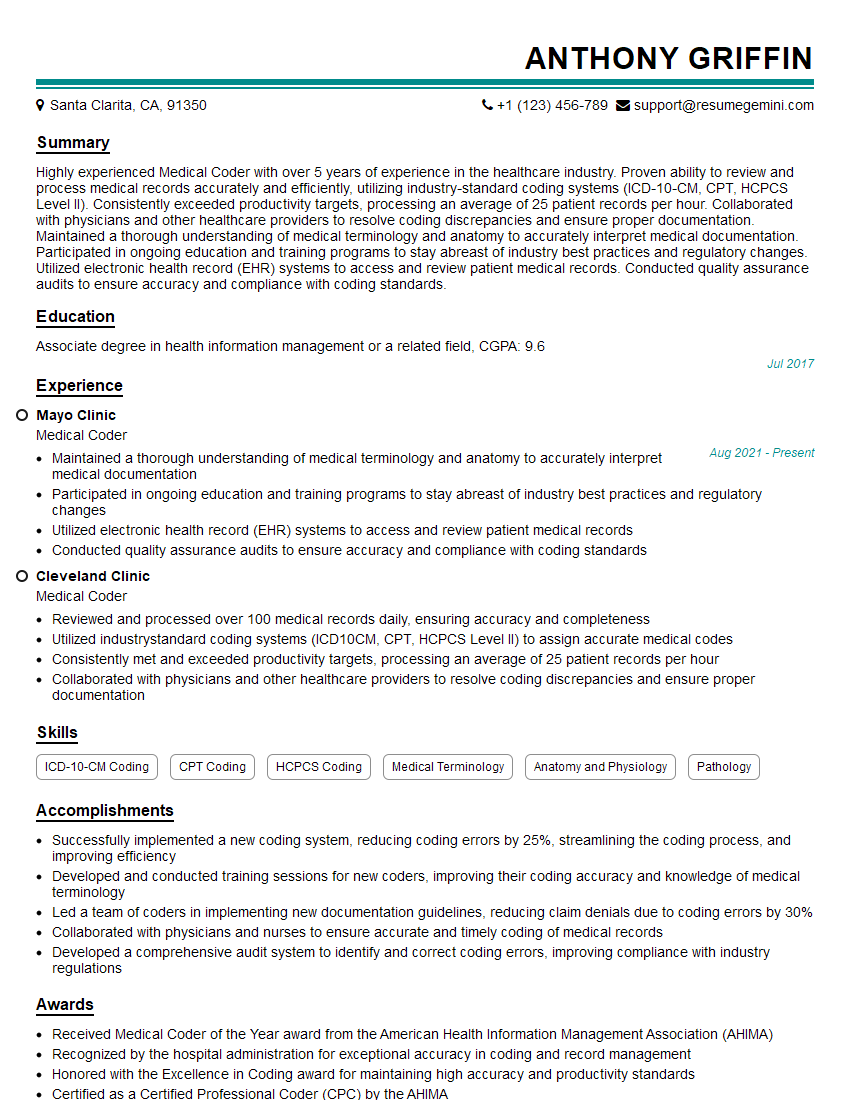
Medical Coder Resume Sample
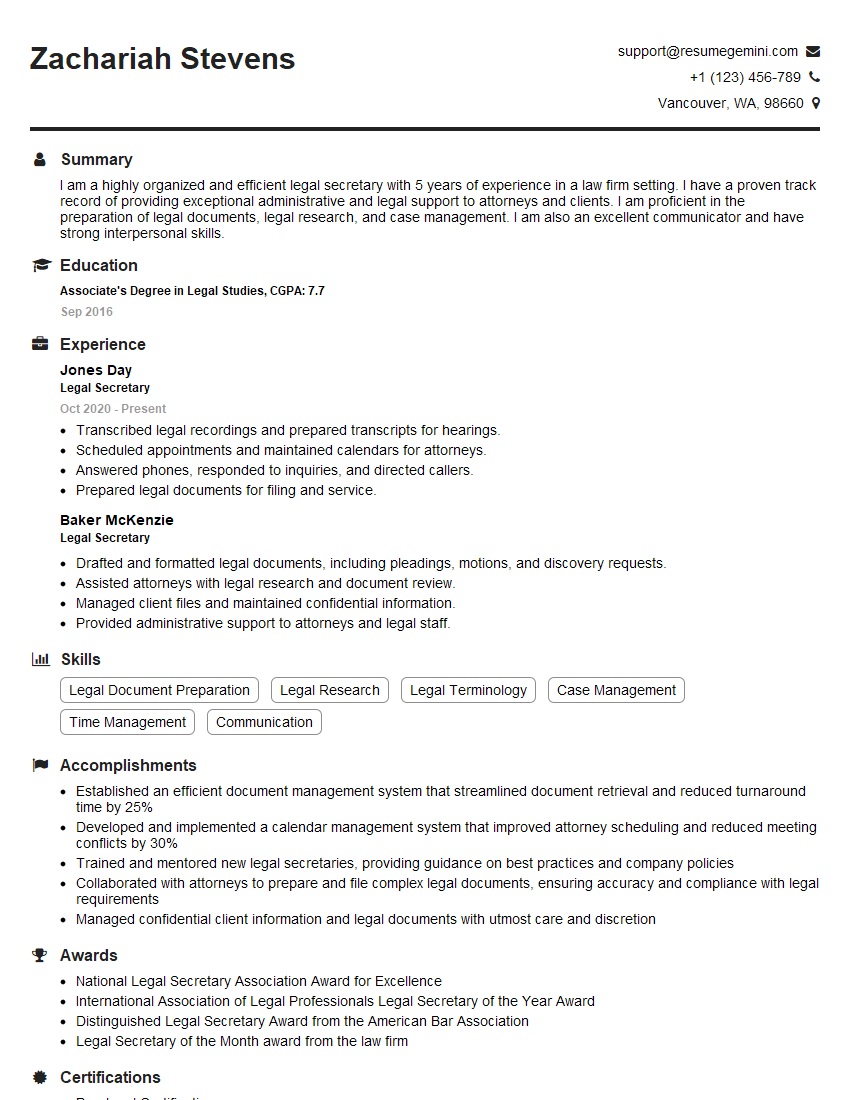
Legal Secretary Resume Sample
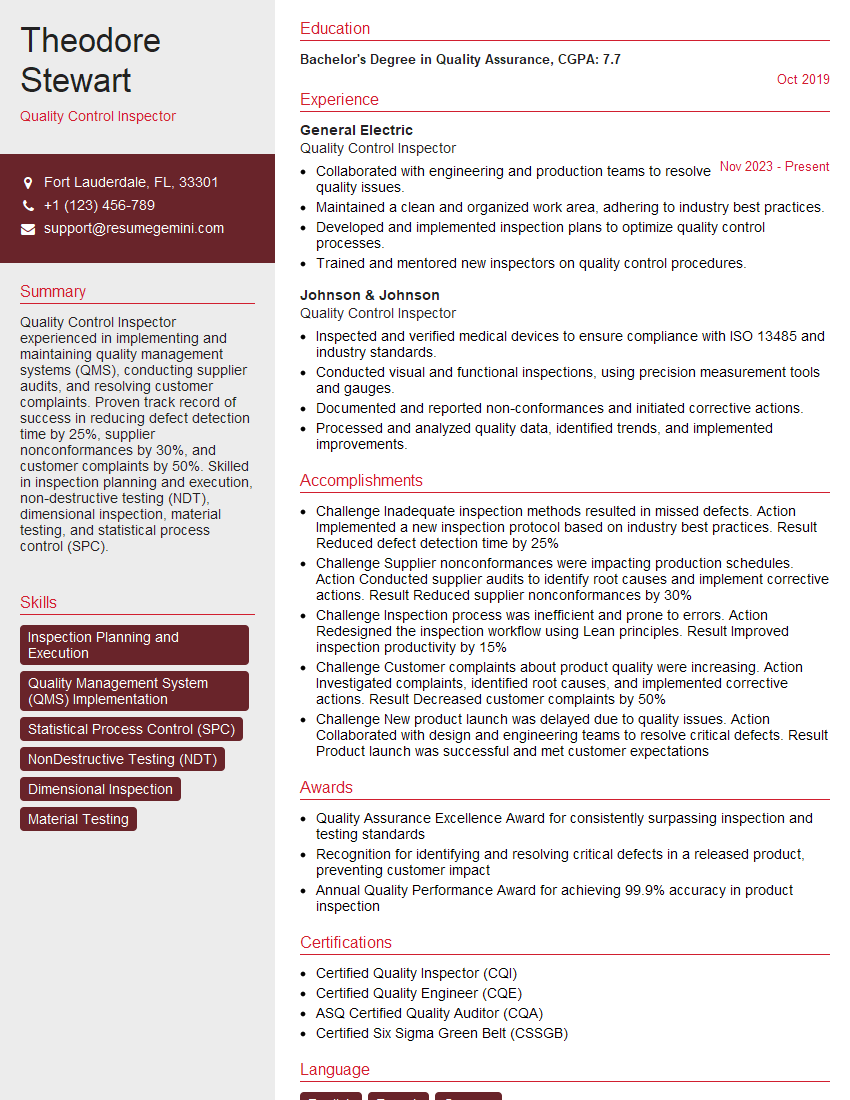
Quality Control Inspector Resume Sample
- Project Manager
- Compliance Officer
- Business Analyst
- Management Consultant
- Research Analyst
- Accountant
- Auditor
- Financial Analyst
- Tax Preparer
- Data Analyst
- Software Engineer
- Systems Analyst
- Actuary
- Operations Analyst
- Process Analyst
- Statistician
- Medical Researcher
- Paralegal
- Editor
- Proofreader
- Technical Writer
- Medical Coder
- Legal Secretary
- Quality Control Inspector
Explore more articles
Users Rating of Our Blogs
Share Your Experience
We value your feedback! Please rate our content and share your thoughts (optional).
What Readers Say About Our Blog
Really detailed insights and content, thank you for writing this detailed article.
IT gave me an insight and words to use and be able to think of examples