Unlock your full potential by mastering the most common DetailOriented and Organized interview questions. This blog offers a deep dive into the critical topics, ensuring you’re not only prepared to answer but to excel. With these insights, you’ll approach your interview with clarity and confidence.
Questions Asked in DetailOriented and Organized Interview
Q 1. Describe a time you identified an error in a complex document.
Identifying errors in complex documents requires a systematic approach. I typically start by understanding the document’s overall structure and purpose. Then, I use a combination of techniques. For example, I might use a checklist to ensure all required sections are present and complete. I also employ a cross-referencing method, verifying data consistency across different parts of the document. Finally, I perform a final review, looking for inconsistencies in formatting, grammar, and style.
In one instance, I was reviewing a lengthy financial report. While reviewing the profit and loss statements, I noticed a discrepancy between the total revenue reported and the sum of individual revenue streams. A deeper dive revealed a transposition error in one of the subsidiary company’s revenue figures. This seemingly minor error, if left uncorrected, could have significantly impacted the company’s financial analysis. My detailed review prevented a potentially costly oversight.
Q 2. How do you prioritize tasks when facing multiple deadlines?
Prioritizing tasks with multiple deadlines necessitates a structured approach. I typically employ a combination of methods. First, I list all tasks, assigning each a deadline and estimated time requirement. Then, I use a prioritization matrix, often employing the Eisenhower Matrix (urgent/important), to categorize tasks. Tasks labeled ‘urgent and important’ receive immediate attention, followed by ‘important but not urgent’. ‘Urgent but not important’ tasks are delegated if possible, and ‘neither urgent nor important’ are either scheduled or eliminated.
For instance, if I have a critical report due tomorrow and a less urgent presentation due next week, the report takes precedence. I break down large tasks into smaller, more manageable components, making them less daunting and easier to schedule. Regularly reviewing and adjusting my task list, based on progress and emerging priorities, is crucial for staying on track.
Q 3. Explain your approach to organizing large datasets.
Organizing large datasets requires a multifaceted strategy. The initial step involves understanding the data’s structure and content. This includes identifying the variables, their data types, and relationships between them. I often use data profiling tools to gain insights into the data’s quality and characteristics. Once I have a good understanding of the data, I then decide on the appropriate storage and organization method. This might involve using databases (SQL, NoSQL), cloud storage services, or data warehousing solutions depending on the nature and size of the data and its intended use.
For example, when dealing with customer data, I might organize it by customer ID, linking it to transactional and demographic information in a relational database for efficient querying and analysis. Proper indexing and data cleaning are essential to ensure data integrity and efficient retrieval. Documentation is key; I always maintain clear documentation detailing the data structure, fields, and any relevant metadata.
Q 4. How do you ensure accuracy in your work?
Ensuring accuracy is paramount in my work. I employ several strategies to achieve this. First, I always double-check my work, meticulously reviewing every step of my process. I use various verification methods, such as comparing results against expected values or using cross-checking techniques to validate data integrity. Additionally, I use automated tools where possible, as these reduce manual errors and increase efficiency.
For example, when working with spreadsheets, I utilize formulas and functions to automate calculations, minimizing the risk of manual input errors. If working with sensitive data, I apply stringent validation rules and regularly back up my work to prevent data loss. Finally, seeking peer review or a second opinion on critical work significantly enhances accuracy.
Q 5. Describe a time you had to maintain meticulous records.
Maintaining meticulous records is a fundamental aspect of many roles I’ve held. I’ve often been responsible for maintaining detailed financial records, project documentation, and research data. I utilize a combination of digital and physical methods, depending on the nature of the data. For digital records, I use version control systems and cloud-based storage solutions to ensure data security and accessibility. For physical records, I maintain a well-organized filing system with clear labeling and indexing.
In one project, I managed a detailed inventory of sensitive equipment. I implemented a barcoding system, integrating it with a database to track asset location, maintenance history, and usage. This system ensured complete traceability and minimized the risk of loss or misuse. The meticulous record-keeping facilitated audits and ensured accountability, which was crucial for regulatory compliance.
Q 6. How do you handle interruptions while working on a detailed task?
Handling interruptions while working on a detailed task requires proactive strategies. I believe in minimizing distractions by creating a dedicated workspace and communicating my availability to colleagues. When interrupted, I make a note of where I left off, noting the current context so I can efficiently resume work. I avoid multitasking and instead fully focus on the interrupting task before returning to the original task.
For example, if I’m working on a complex data analysis and someone requires immediate assistance, I’ll make a detailed note of my current position within the analysis before assisting them. Once the interruption is resolved, I review my notes, allowing me to quickly regain my focus and continue from where I left off. Timeboxing tasks can help minimize disruptions; dedicated time blocks ensure periods of uninterrupted concentration.
Q 7. What strategies do you use to manage your time effectively?
Effective time management is crucial for productivity. I utilize several strategies, including time blocking, prioritizing tasks, and using productivity tools. Time blocking involves scheduling specific tasks for dedicated time slots in my day. Prioritization, as discussed earlier, ensures that I tackle the most important tasks first. Productivity tools, such as task management software and calendar applications, help me visualize my workload, track progress, and manage deadlines effectively.
I avoid over-scheduling and build buffer time into my day to accommodate unexpected delays or interruptions. Regularly reviewing my schedule and adjusting priorities based on progress or emerging needs is critical. This structured approach helps me maintain focus, minimize stress, and achieve my goals efficiently.
Q 8. How do you ensure consistency in your work process?
Consistency in my work process stems from a structured approach built on established routines and clearly defined workflows. I leverage checklists, templates, and style guides to ensure uniformity across all tasks. Think of it like baking a cake – you wouldn’t change the recipe mid-way. Similarly, I meticulously follow established procedures to maintain quality and predictability. For example, before starting any project, I create a detailed project plan outlining all steps, timelines, and responsibilities. This serves as a guiding document, ensuring I remain consistent throughout the entire project lifecycle. I also regularly review my work against established standards to catch any deviations early on.
- Checklists: I use checklists for recurring tasks to avoid overlooking steps.
- Templates: Templates ensure consistency in document formatting and content structure.
- Style Guides: Adhering to style guides guarantees uniformity in writing, formatting, and visual elements.
Q 9. How do you identify and correct errors in your work?
Error identification and correction is a crucial part of my workflow. I employ a multi-layered approach that includes self-review, peer review, and automated checks where applicable. Think of it as a quality control process. My self-review involves meticulous checks against the project specifications and a thorough review of my work for accuracy, clarity, and completeness. I actively look for inconsistencies, logical errors, and potential issues. Then, I often seek peer review to get a fresh perspective and identify any blind spots I may have missed. Finally, I utilize automated tools like spell-checkers and grammar checkers to catch minor errors.
- Self-Review: A methodical review of my own work, comparing it against the project requirements.
- Peer Review: Seeking feedback from colleagues to identify potential errors or areas for improvement.
- Automated Checks: Utilizing software tools to catch grammatical errors, spelling mistakes, and inconsistencies.
Q 10. Describe your experience using project management software.
I have extensive experience using various project management software, including Asana, Trello, and Jira. My proficiency extends beyond simple task management; I leverage these tools for comprehensive project planning, collaboration, and progress tracking. For example, in a recent project using Asana, I created detailed task breakdowns, assigned responsibilities, set deadlines, and monitored progress using the Kanban board feature. The ability to visualize the workflow and track progress in real-time was extremely beneficial in keeping the project on schedule and within budget. I am also adept at using the reporting features to create progress updates for stakeholders.
- Asana: Experience in task management, Kanban boards, and progress reporting.
- Trello: Proficient in creating Kanban boards and managing workflows using cards and lists.
- Jira: Experience with issue tracking, sprint management, and agile methodologies.
Q 11. How do you handle conflicting priorities?
Conflicting priorities are inevitable in any fast-paced environment. My approach involves prioritizing tasks based on urgency and impact using a prioritization matrix. I identify the most critical tasks based on their deadline and potential consequences of delay. This might involve creating a matrix that scores tasks based on urgency and importance. Tasks with high urgency and high importance are tackled first. Open communication with stakeholders is also vital – I proactively discuss potential conflicts and jointly decide on the best course of action, ensuring everyone is on the same page. Sometimes, it might even involve re-negotiating deadlines or re-allocating resources.
- Prioritization Matrix: A framework to rank tasks based on urgency and importance.
- Open Communication: Proactively discussing conflicts and finding solutions collaboratively.
- Negotiation & Re-allocation: Adjusting deadlines or resources to address conflicting priorities.
Q 12. How do you track your progress on complex projects?
Tracking progress on complex projects requires a structured and methodical approach. I break down large projects into smaller, manageable tasks, each with its own deadline. I regularly monitor progress against these milestones, using project management software and creating progress reports. Regular meetings with the team are crucial to identify roadblocks and discuss solutions. Visual aids like Gantt charts or Kanban boards help in visualizing the overall progress and identifying potential bottlenecks. Additionally, I document every step of the process, ensuring a clear audit trail.
- Task Breakdown: Dividing large projects into smaller, manageable tasks.
- Progress Reports: Regular updates to monitor progress against milestones.
- Visual Aids: Using Gantt charts or Kanban boards to visualize progress.
- Documentation: Maintaining a detailed record of every step of the process.
Q 13. How do you delegate tasks to ensure they are completed accurately?
Effective delegation requires clear communication and trust. Before delegating a task, I ensure the person has the necessary skills and resources. I provide clear instructions, outlining expectations, deadlines, and any relevant documentation. Regular check-ins are essential to monitor progress and provide support. I also empower the individual to own the task and make decisions, fostering a sense of responsibility and ownership. Finally, acknowledging their contributions and providing feedback are crucial for building trust and improving future collaboration.
- Skill Assessment: Ensuring the individual has the required skills and resources.
- Clear Instructions: Providing detailed instructions, expectations, and deadlines.
- Regular Check-ins: Monitoring progress and offering support.
- Feedback & Recognition: Acknowledging contributions and providing constructive feedback.
Q 14. Explain your method for proofreading and editing documents.
My proofreading and editing method is a two-step process. First, I review the document for content accuracy and clarity, ensuring logical flow and consistent messaging. This step focuses on the big picture – the overall message and the effectiveness of the communication. The second step involves a meticulous check for grammatical errors, spelling mistakes, punctuation, and formatting inconsistencies. I often use a combination of manual review and automated tools to catch as many errors as possible. I also take breaks between reviews to ensure fresh eyes when approaching the document for the second time. This approach prevents me from overlooking minor but crucial details.
- Content Review: Checking for accuracy, clarity, logical flow, and consistent messaging.
- Technical Review: A detailed check for grammatical errors, spelling, punctuation, and formatting.
- Automated Tools: Using spell-checkers, grammar checkers, and style guides for assistance.
- Breaks & Fresh Eyes: Taking breaks to approach the review with a fresh perspective.
Q 15. How do you ensure the accuracy of data entry?
Ensuring data accuracy is paramount in any role requiring data entry. My approach is multifaceted and focuses on prevention and detection. Prevention starts with understanding the data source and format, verifying data integrity at the point of entry, and using appropriate data validation tools.
- Double-checking: I always double-check my entries, comparing them to the source documents. This simple step drastically reduces errors.
- Data validation rules: I leverage built-in validation rules within the system, such as required fields, data type checks (e.g., ensuring a date field only accepts valid dates), and range checks (e.g., ensuring age is within a reasonable range).
- Regular checks for inconsistencies: I perform regular checks to identify inconsistencies or anomalies in the data. This can involve using sorting, filtering, or summary functions to quickly highlight unusual entries.
- Using templates: If data is entered from multiple sources, consistent templates ensure uniformity and reduce transcription errors.
For example, when entering customer data, I’d use a template ensuring all required fields (name, address, phone number) are completed and that data formats are consistently applied. Any inconsistencies would immediately signal a need for correction.
Career Expert Tips:
- Ace those interviews! Prepare effectively by reviewing the Top 50 Most Common Interview Questions on ResumeGemini.
- Navigate your job search with confidence! Explore a wide range of Career Tips on ResumeGemini. Learn about common challenges and recommendations to overcome them.
- Craft the perfect resume! Master the Art of Resume Writing with ResumeGemini’s guide. Showcase your unique qualifications and achievements effectively.
- Don’t miss out on holiday savings! Build your dream resume with ResumeGemini’s ATS optimized templates.
Q 16. Describe your experience with data analysis tools.
My experience with data analysis tools spans several platforms, including spreadsheet software like Excel and Google Sheets, database management systems (DBMS) such as SQL Server and MySQL, and business intelligence (BI) tools like Tableau and Power BI.
In Excel, I’m proficient in using formulas like VLOOKUP and SUMIF for data manipulation and analysis. I also use pivot tables to summarize and analyze large datasets effectively. My experience with SQL involves writing queries to extract, transform, and load (ETL) data from relational databases. For example, I’ve used SQL to identify trends in sales data by querying sales records for specific periods or customer segments.
With BI tools like Tableau and Power BI, I can create interactive dashboards and visualizations that effectively communicate data insights. I’ve used these tools to present key performance indicators (KPIs) and identify trends, enabling data-driven decision-making within my past roles.
Q 17. How do you handle ambiguous instructions or unclear requirements?
Ambiguous instructions or unclear requirements are handled proactively by clarifying the situation before proceeding. This involves a multi-step approach:
- Seeking clarification: My first step is to directly ask clarifying questions to the person who provided the instructions. This avoids assumptions and ensures everyone is on the same page.
- Documenting the discussion: I meticulously document all conversations and clarifications received. This documentation provides a trail of understanding and minimizes future misunderstandings.
- Proposing solutions: If there are significant gaps, I propose possible interpretations or solutions, along with their pros and cons. This shows initiative and facilitates a collaborative decision-making process.
- Setting expectations: I set realistic expectations about timelines based on the clarity of the instructions. If clarification delays the project, I communicate that openly.
For example, if I were given instructions to “clean the data,” I would ask for specifics about what constitutes “clean” data – defining acceptable data quality, desired formatting, and acceptable levels of missing or inconsistent data. This process ensures all stakeholders are aligned and ensures the task is completed accurately and efficiently.
Q 18. How do you maintain accuracy under pressure?
Maintaining accuracy under pressure requires a structured approach and strong time management skills. My strategies include:
- Prioritization: I prioritize tasks based on urgency and importance, focusing on high-impact, high-accuracy tasks first.
- Breaking down tasks: I break down large tasks into smaller, manageable chunks. This approach helps to maintain focus and prevent feeling overwhelmed.
- Regular breaks: Taking short, regular breaks helps me maintain concentration and avoid errors caused by fatigue.
- Double-checking: Even under pressure, I prioritize double-checking my work. This might involve using a different method or having a colleague review critical sections.
- Utilizing tools: Using tools like checklists and templates helps streamline the process and reduces the chance of errors.
Think of it like a marathon, not a sprint. Maintaining a consistent pace and focusing on accuracy throughout is more effective than rushing and making mistakes that require more time and effort to fix later.
Q 19. How do you stay organized when working on multiple projects simultaneously?
Managing multiple projects simultaneously requires a robust organizational system. I rely on:
- Project management tools: I utilize project management software such as Asana or Trello to track tasks, deadlines, and progress across all projects. This visual representation of workload helps me manage time efficiently.
- Prioritization matrices: I use prioritization matrices (like Eisenhower Matrix) to categorize tasks based on urgency and importance, ensuring I focus on the most critical aspects first.
- Time blocking: I allocate specific blocks of time to each project. This focused approach helps prevent multitasking and promotes deep work on each project.
- Regular review: I regularly review my schedule and tasks to ensure I’m on track and adjust my plan as needed. This keeps me adaptable and prevents unforeseen delays.
- Clear communication: Open communication with stakeholders keeps everyone informed of progress and potential roadblocks, preventing misunderstandings.
For instance, I might dedicate Monday mornings to Project A, Tuesday afternoons to Project B, etc., ensuring that each project receives dedicated focus. This prevents mental juggling and improves overall efficiency and accuracy.
Q 20. Describe a time you improved a process to increase efficiency and accuracy.
In a previous role, we were manually entering sales data from various sources into a spreadsheet. The process was time-consuming, prone to errors, and lacked consistency. I identified this inefficiency and implemented a solution using a combination of tools and techniques:
- Data import: I created a standardized data import process, which included establishing a consistent data format for all sales records and then importing the data directly into the database.
- Automated validation: I incorporated automated data validation rules into the database to ensure data integrity during the import process.
- Data cleaning process: I created a robust data cleaning process to handle inconsistencies and inaccuracies in the source data. This included identifying and correcting or flagging outliers.
- Reporting and analysis: Finally, I moved reporting and analysis to a business intelligence tool, providing interactive dashboards for easy data interpretation and insights.
This streamlined process reduced data entry time by 70%, minimized manual errors, and significantly improved the quality and accessibility of sales data for decision-making. The project demonstrated my initiative and ability to analyze processes, identify inefficiencies and implement effective solutions for improved accuracy and efficiency.
Q 21. How do you handle feedback that points to an oversight in your work?
Receiving feedback highlighting an oversight is a valuable opportunity for learning and improvement. My approach is structured and focuses on understanding, correcting, and preventing future occurrences:
- Acknowledge the feedback: I acknowledge the feedback gracefully, thanking the person for bringing the oversight to my attention. This shows professionalism and a willingness to learn.
- Understand the error: I carefully analyze the feedback to understand the nature and scope of the oversight. This involves reviewing my work and the process to pinpoint exactly where the error occurred.
- Correct the error: I promptly correct the error, ensuring the corrected version is accurate and complete.
- Communicate the correction: I communicate the correction to the relevant stakeholders, explaining the steps taken to address the issue.
- Identify the root cause: I investigate the root cause of the error to determine if there are systemic issues or weaknesses in the process that need to be addressed to prevent similar errors in the future. This might involve process improvements or enhanced training.
For example, if I missed a critical deadline, I’d not only correct the delivered work but also analyze my time management to identify where I could have done better and implement a different approach next time. This demonstrates accountability and a commitment to continuous improvement.
Q 22. What systems do you use to ensure you meet deadlines?
Meeting deadlines reliably hinges on proactive planning and effective time management. I employ several systems to ensure consistent success. First, I utilize project management software like Asana or Trello to break down large tasks into smaller, manageable sub-tasks. This allows for better tracking of progress and identification of potential bottlenecks early on. Each sub-task is assigned a realistic deadline, contributing to the overall project completion date. Second, I leverage calendar applications with reminders and notifications to stay on schedule. This isn’t just about setting deadlines, but also scheduling dedicated blocks of time for focused work on specific tasks. Finally, I regularly review my progress against the planned schedule, adjusting as needed. This proactive monitoring and adjustment process allows me to address potential delays before they become significant problems. For example, on a recent marketing campaign, I used Trello to manage all the components—content creation, social media scheduling, email marketing—each with its own deadline and assigned team member. This visual representation and breakdown enabled efficient progress monitoring and timely completion.
Q 23. How do you use technology to improve your organization?
Technology plays a crucial role in enhancing my organizational skills. I primarily use cloud-based solutions for storage and collaboration. Tools like Google Drive or Dropbox allow for centralized document storage, easy access from any device, and seamless version control. This eliminates the risk of losing important files and ensures everyone works from the most updated version. Furthermore, I utilize automation tools where appropriate. For instance, Zapier can automate repetitive tasks like importing data from one platform to another or sending email notifications based on specific events. This frees up time to focus on more strategic and complex aspects of my work. Finally, I leverage data analytics tools to gain insights into trends and patterns in my work. This allows me to identify areas for improvement in my processes and make data-driven decisions, enhancing overall efficiency and organization. For example, using Google Analytics to analyze the performance of a marketing campaign helps me optimize future campaigns and improve ROI.
Q 24. Describe a time you had to make a difficult decision due to conflicting data.
In a previous project, we were analyzing sales data to determine the effectiveness of a new product launch. Initial reports from two different departments showed conflicting results—one suggested strong sales, the other indicated poor performance. This discrepancy was problematic as it could lead to incorrect strategic decisions. To resolve this, I systematically investigated the data sources. I discovered that one department’s data included pre-orders, while the other only counted fulfilled orders. This difference in data scope accounted for the conflicting conclusions. The solution was to create a unified data set that clearly distinguished between pre-orders and actual sales. This allowed us to accurately analyze the performance of the new product launch, avoiding potentially costly mistakes based on flawed information. This experience emphasized the critical need for thorough data verification and clear communication between departments to ensure consistent reporting.
Q 25. How do you ensure the quality of your work is consistently high?
Maintaining consistently high-quality work requires a multi-faceted approach. First, I meticulously review all my work before submission. This includes self-checking for accuracy, clarity, and completeness. Second, I leverage checklists and templates for recurring tasks to ensure consistency and reduce errors. Third, I proactively seek feedback from colleagues or supervisors, especially on complex or critical tasks. Constructive criticism provides valuable insights and allows me to improve my approach. Finally, I continuously seek opportunities to learn and enhance my skills. This includes attending workshops, reading industry publications, and staying updated on the latest best practices. For example, before submitting a critical report, I would create a checklist of items to verify: data accuracy, formatting consistency, clarity of language, and adherence to company style guidelines. This systematic approach dramatically reduces the chance of mistakes and ensures the report’s quality meets the highest standards.
Q 26. What are your strategies for double-checking your work?
My strategies for double-checking work are both systematic and tailored to the specific task. For numerical data, I often use multiple methods of calculation to verify results. This might involve using different formulas or software programs to arrive at the same answer. For written content, I typically employ a combination of proofreading tools like Grammarly and manual review, focusing on grammar, spelling, clarity, and logical flow. After completing a task, I often take a short break before revisiting it with fresh eyes. This allows me to identify errors I might have overlooked during the initial completion. Finally, if possible, I have a colleague review my work for an independent perspective. This multi-layered approach provides assurance that my work is error-free and meets the required quality standards.
Q 27. How do you approach problem-solving when dealing with intricate details?
When tackling intricate details, I use a structured problem-solving approach. First, I carefully break down the problem into smaller, more manageable components. This allows me to focus on individual aspects without feeling overwhelmed by the overall complexity. Second, I create a visual representation of the problem, such as a flowchart or mind map. This visual aid helps clarify relationships between different components and identify potential dependencies. Third, I systematically work through each component, meticulously documenting my findings and decisions. This detailed documentation helps to track progress and ensures nothing is overlooked. Finally, I perform thorough testing and validation at each stage to ensure accuracy and identify any potential issues early on. This structured approach, coupled with meticulous documentation, allows for efficient and accurate problem-solving, even with intricate details. For example, when debugging complex code, I use a debugger to step through the code line by line, inspecting variables and identifying the source of errors.
Q 28. How do you communicate complex information in a clear and concise manner?
Communicating complex information clearly and concisely requires careful planning and execution. I begin by identifying the key message I want to convey. Then, I organize the information logically, starting with the most important points and progressively moving towards supporting details. I avoid jargon and technical terms whenever possible, opting for simple and understandable language. I also use visual aids like charts, graphs, or diagrams to simplify complex data or concepts. Finally, I tailor my communication style to my audience, considering their level of understanding and background. This ensures the message is effectively received and understood. For example, when presenting financial data to a non-financial audience, I would use simple charts and avoid technical accounting terminology, instead focusing on the key financial implications.
Key Topics to Learn for Detail-Oriented and Organized Interviews
- Understanding Attention to Detail: Explore the nuances of meticulousness. Consider how you identify and address inconsistencies, errors, and omissions in various contexts (e.g., data analysis, project management, written communication).
- Practical Application of Detail-Orientation: Discuss examples where your attention to detail has led to positive outcomes. This could include preventing errors, improving quality, or contributing to successful project completion. Prepare to articulate the process, your role, and the measurable results.
- Demonstrating Organizational Skills: Showcase your ability to prioritize tasks, manage multiple projects simultaneously, and meet deadlines effectively. Highlight strategies you use for time management, task delegation, and resource allocation.
- Systemic Approaches to Organization: Discuss your preferred methods for organizing information (e.g., file systems, project management tools, note-taking systems). Explain how these systems contribute to your efficiency and accuracy.
- Problem-Solving Through Organization: Prepare examples illustrating how a methodical and organized approach helped you solve complex problems. Focus on your ability to break down large tasks into smaller, manageable steps.
- Adaptability and Flexibility: Interviewers often look for candidates who can adjust their organizational strategies as needed. Be prepared to discuss situations where you had to adapt your approach due to changing priorities or unexpected challenges.
Next Steps
Mastering detail-orientation and organizational skills is paramount for career advancement. Employers highly value individuals who can consistently deliver high-quality work, manage their time effectively, and contribute to a productive team environment. To significantly boost your job prospects, it’s crucial to create an ATS-friendly resume that highlights these skills effectively. ResumeGemini is a trusted resource to help you build a professional and impactful resume that showcases your strengths. Examples of resumes tailored to emphasize detail-oriented and organized skills are available to help you craft your own compelling narrative.

Operations Manager Resume Sample
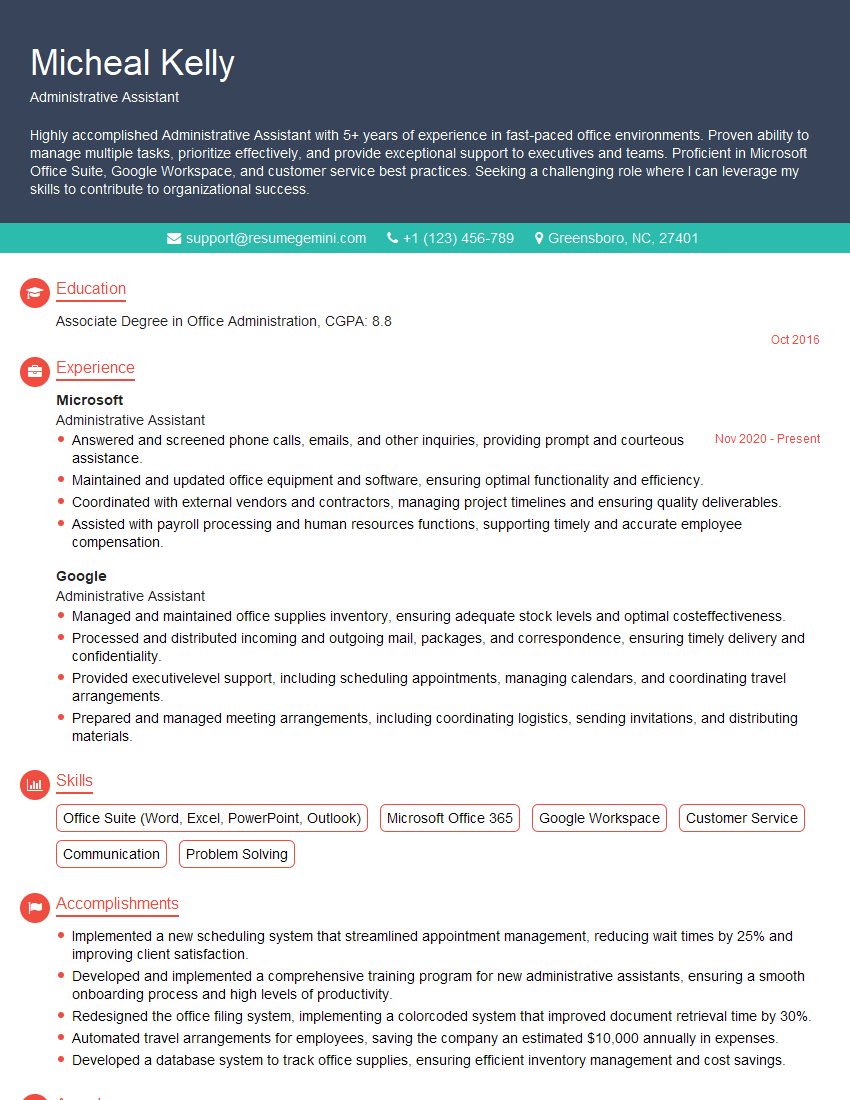
Administrative Assistant Resume Sample

Supply Chain Manager Resume Sample
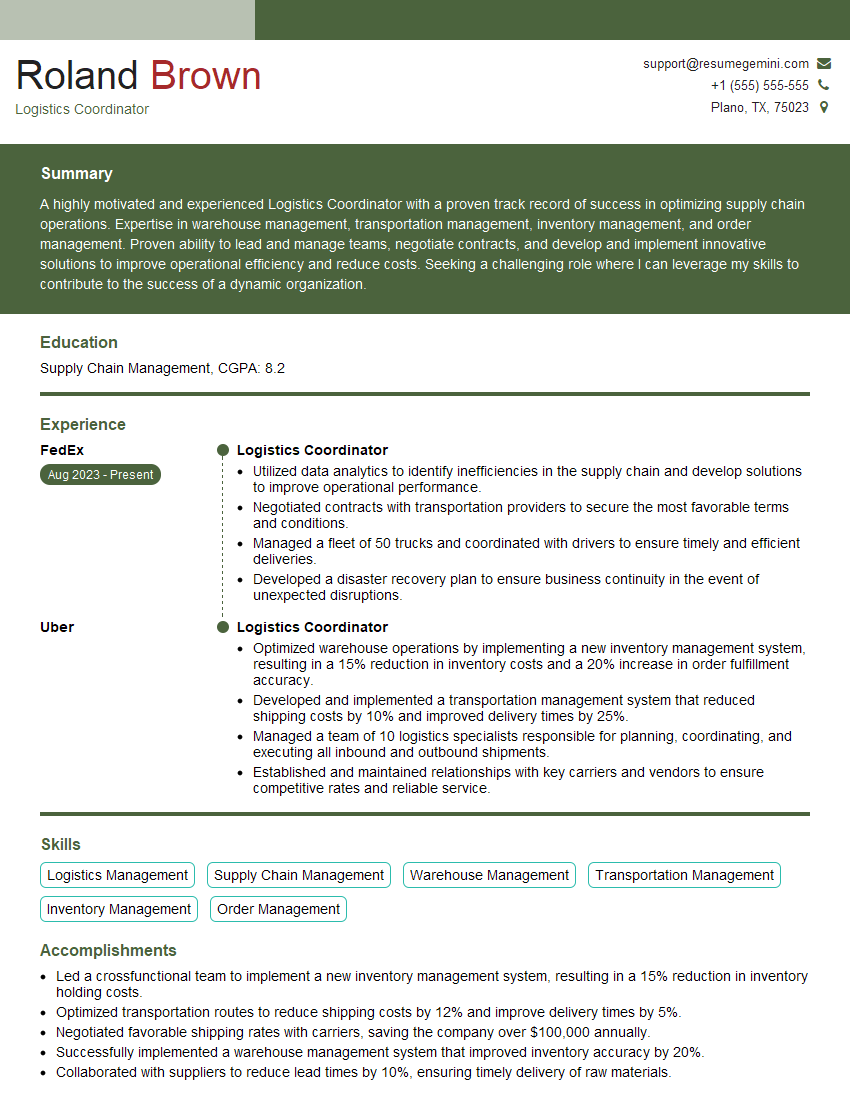
Logistics Coordinator Resume Sample
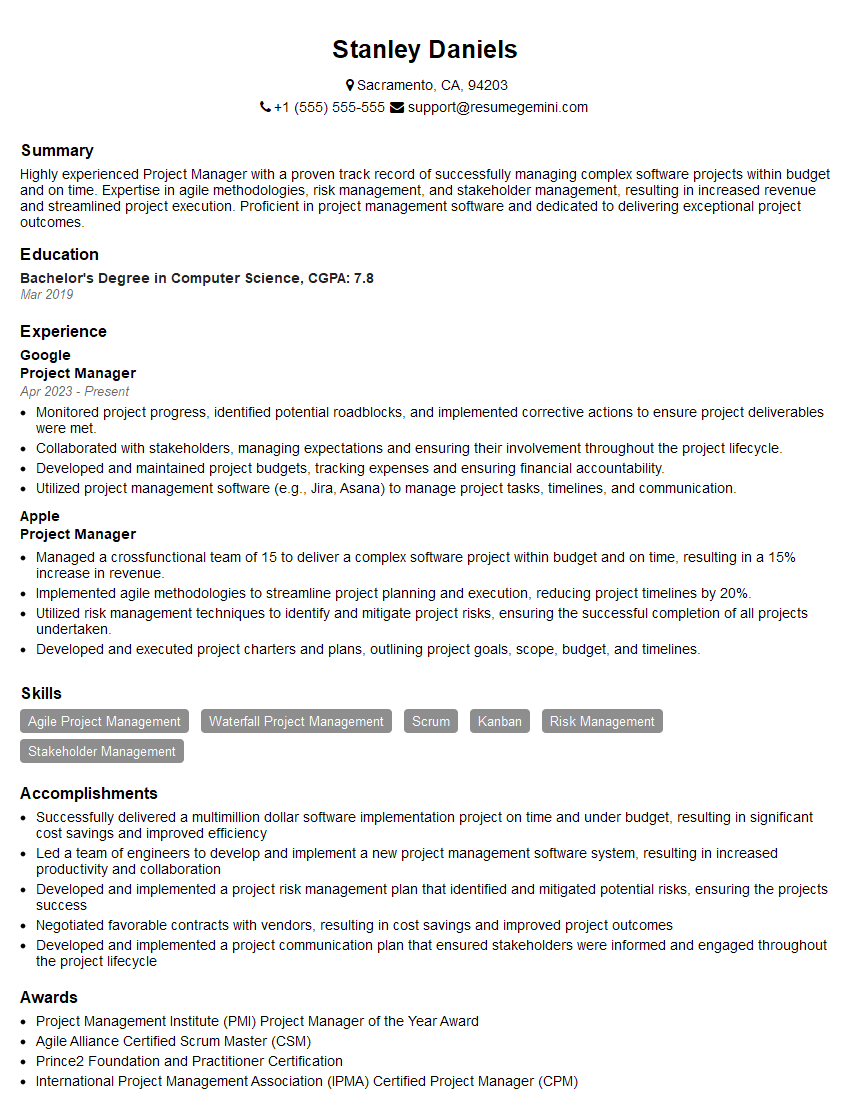
Project Manager Resume Sample

Compliance Officer Resume Sample
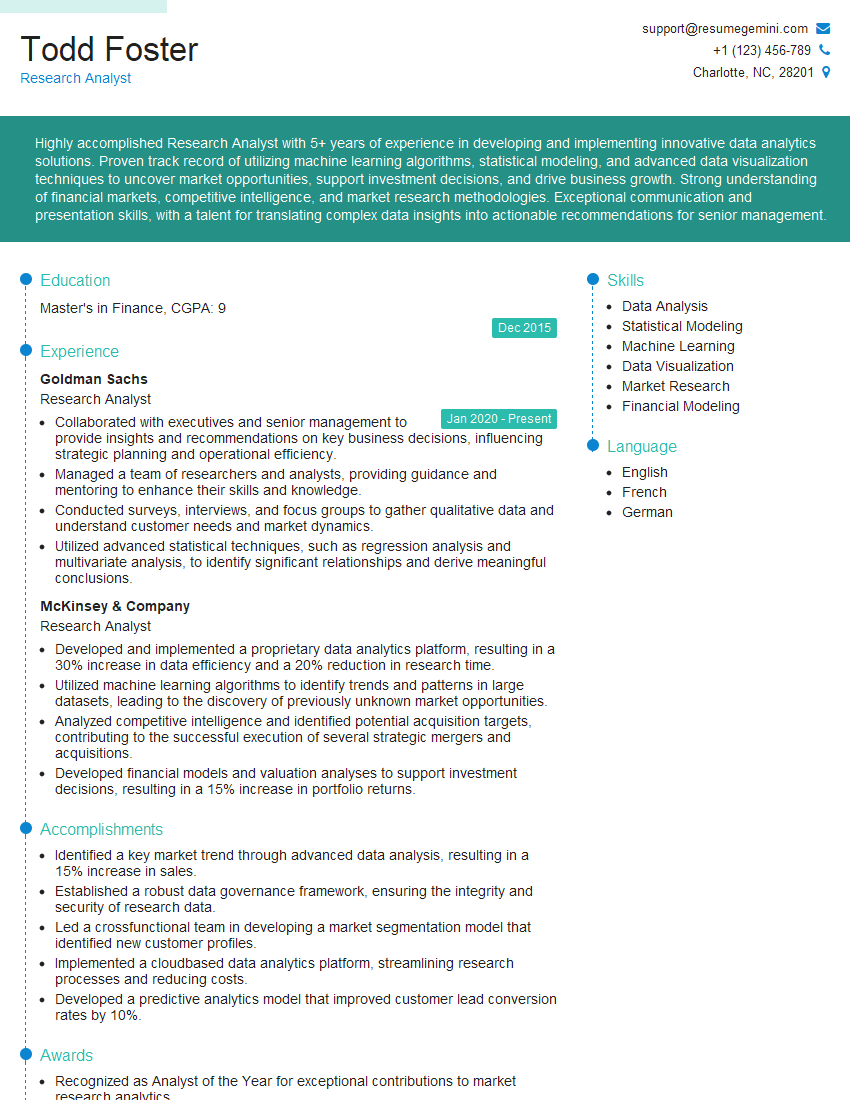
Research Analyst Resume Sample
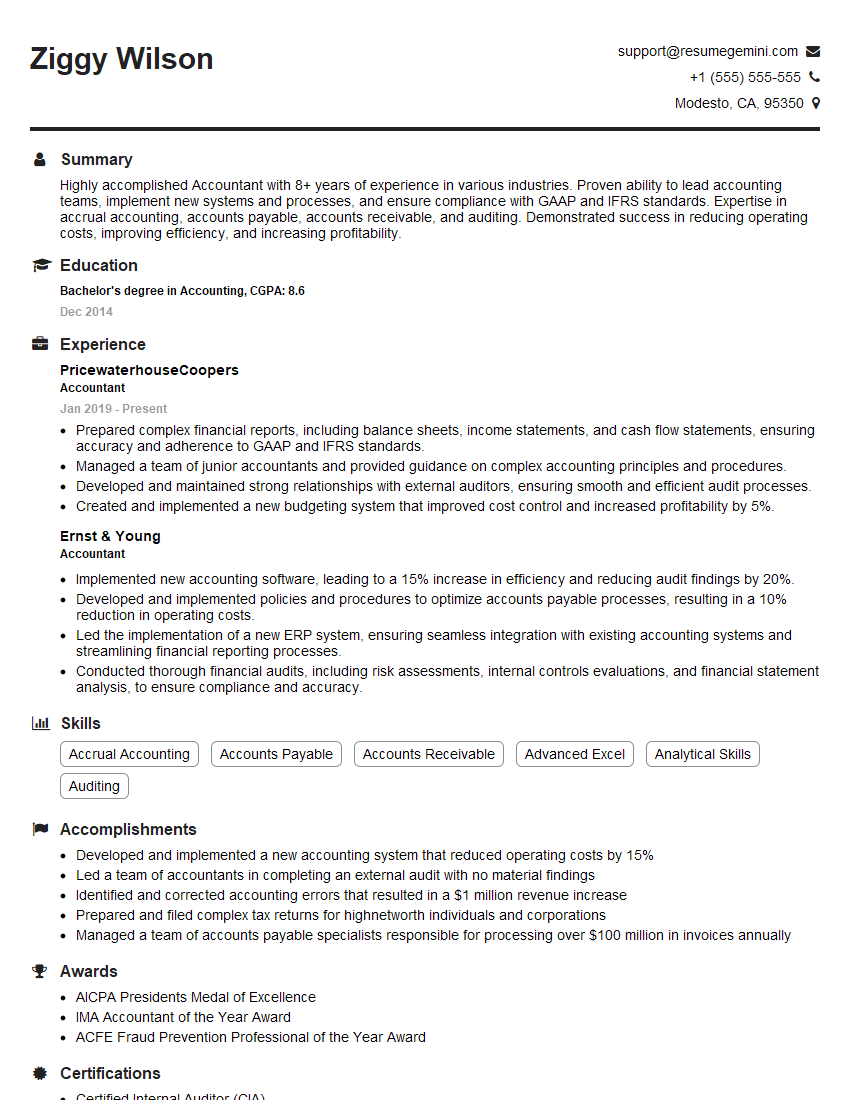
Accountant Resume Sample
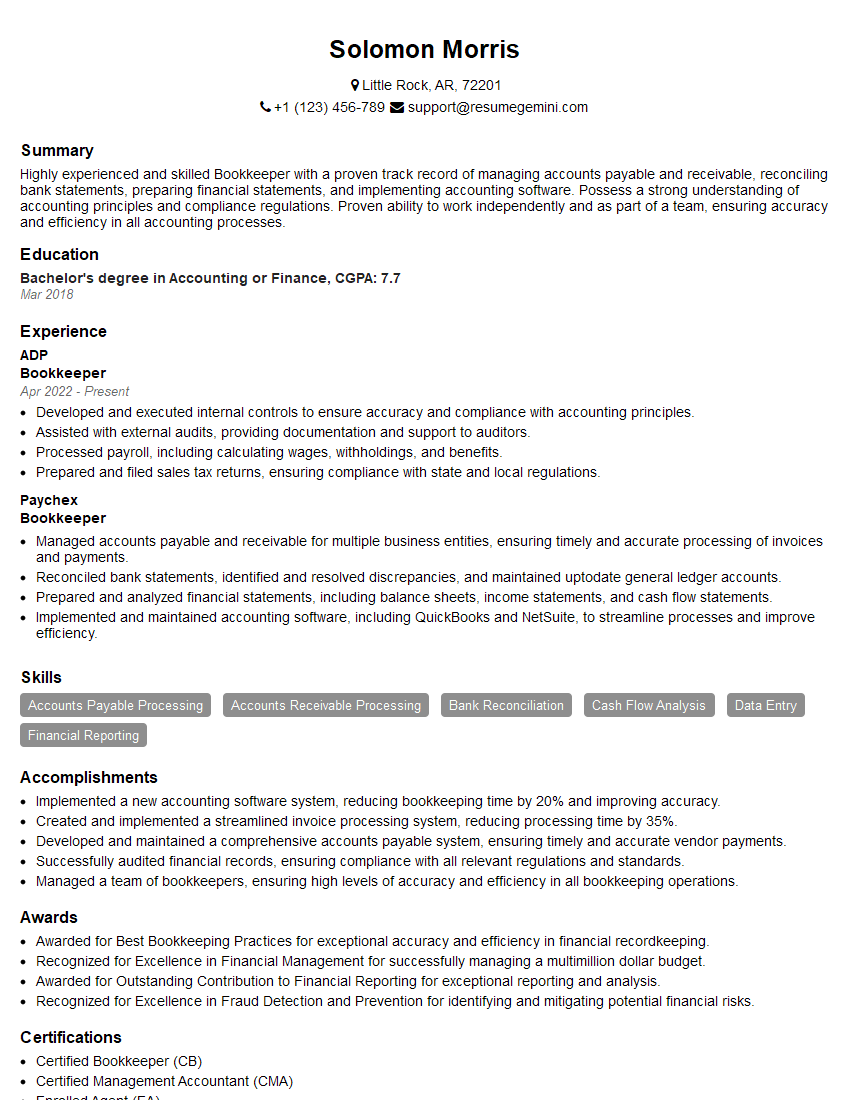
Bookkeeper Resume Sample
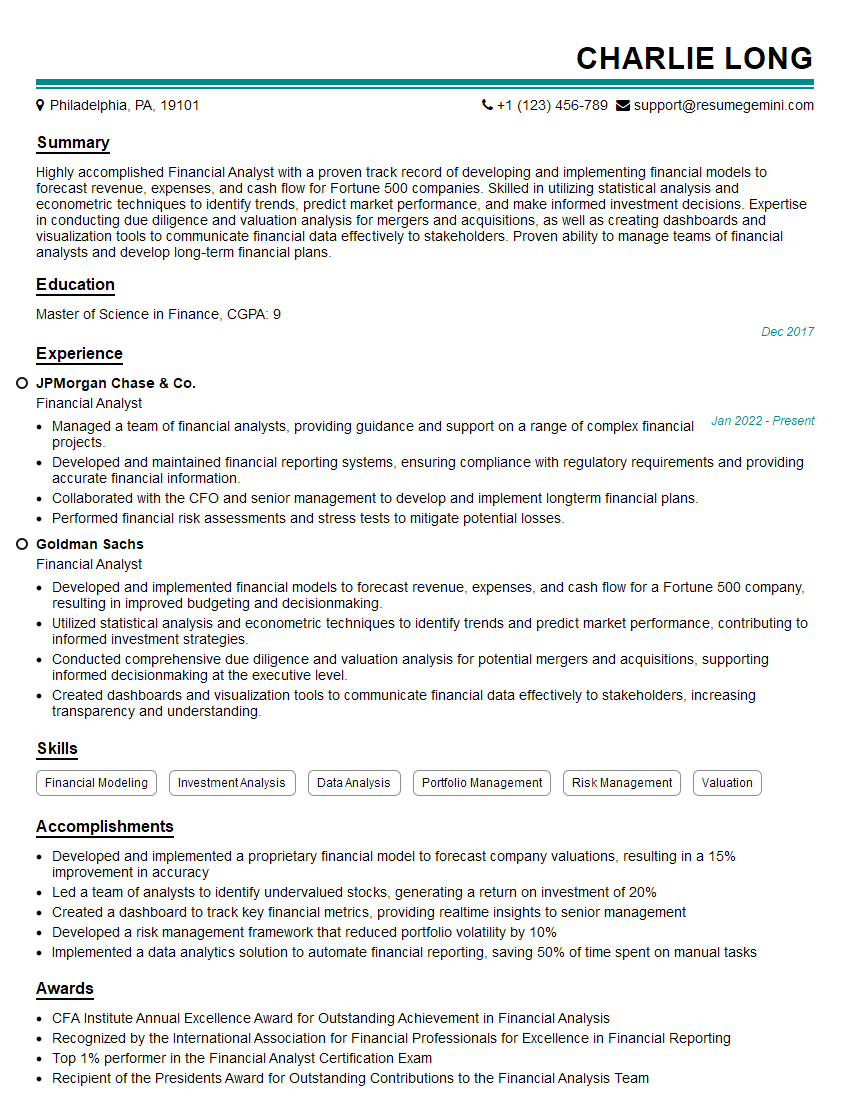
Financial Analyst Resume Sample
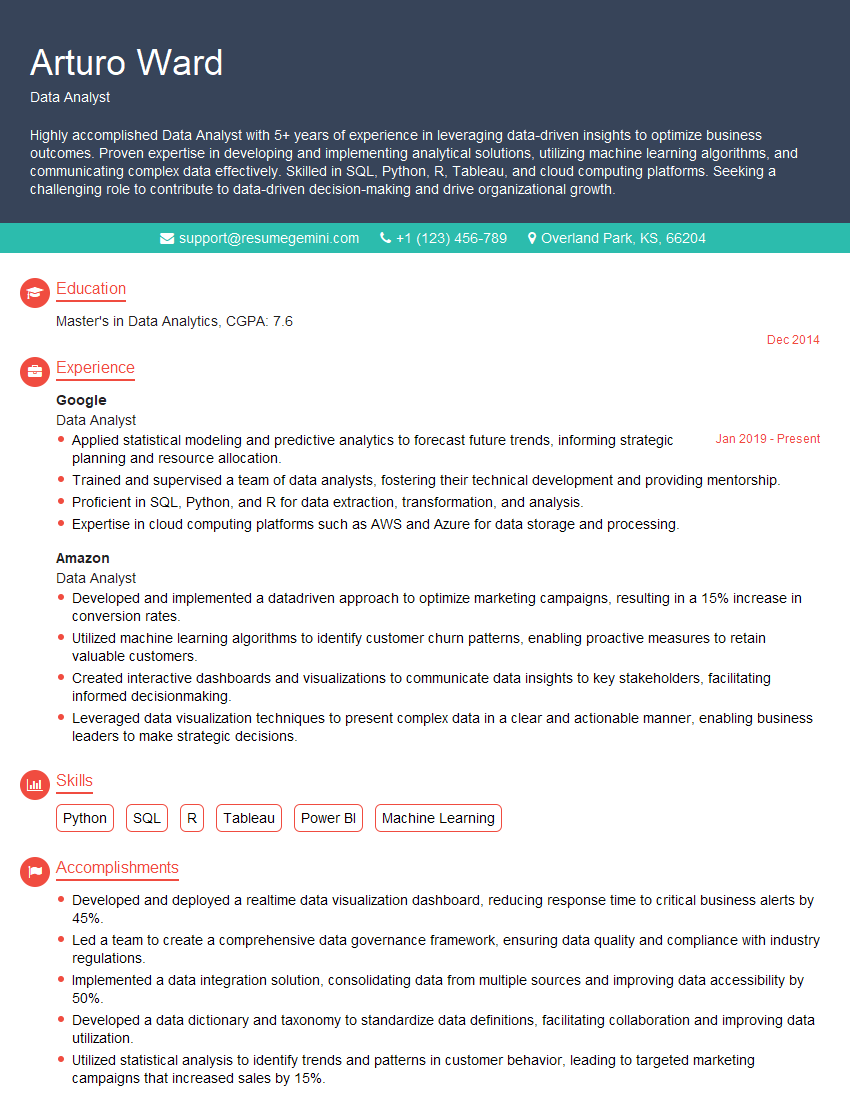
Data Analyst Resume Sample
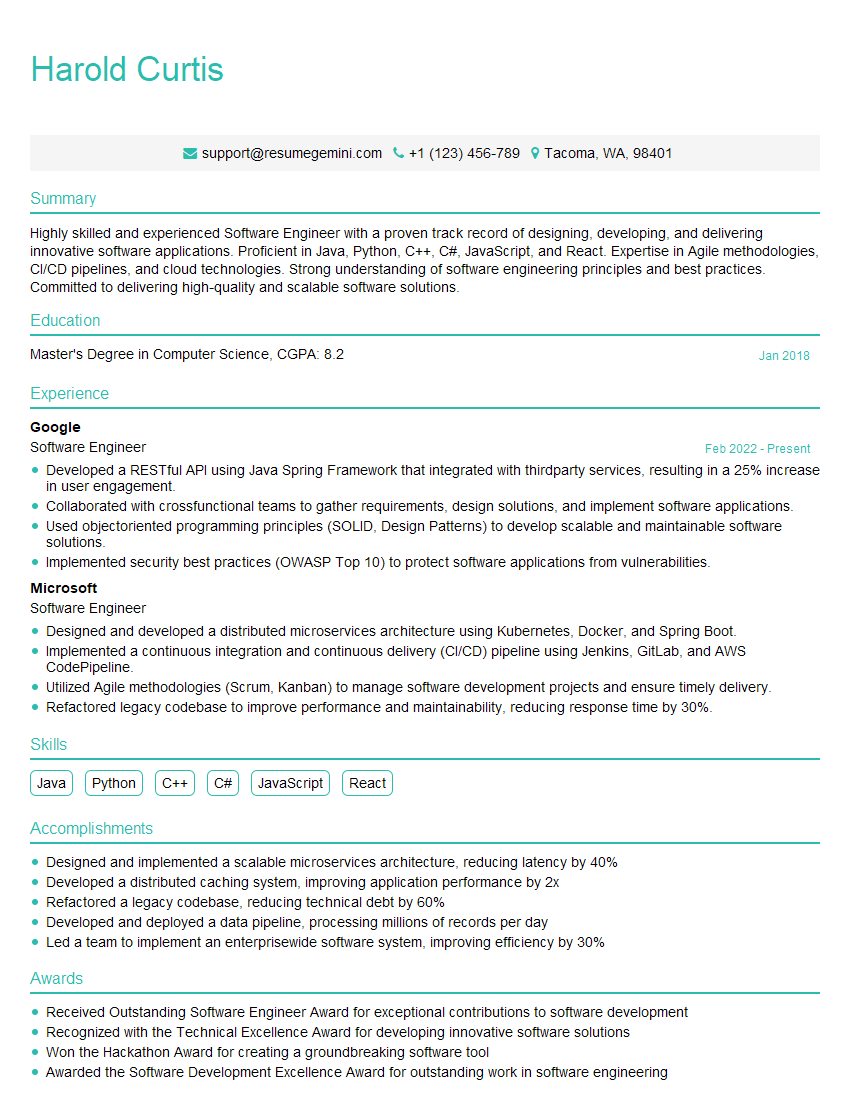
Software Engineer Resume Sample
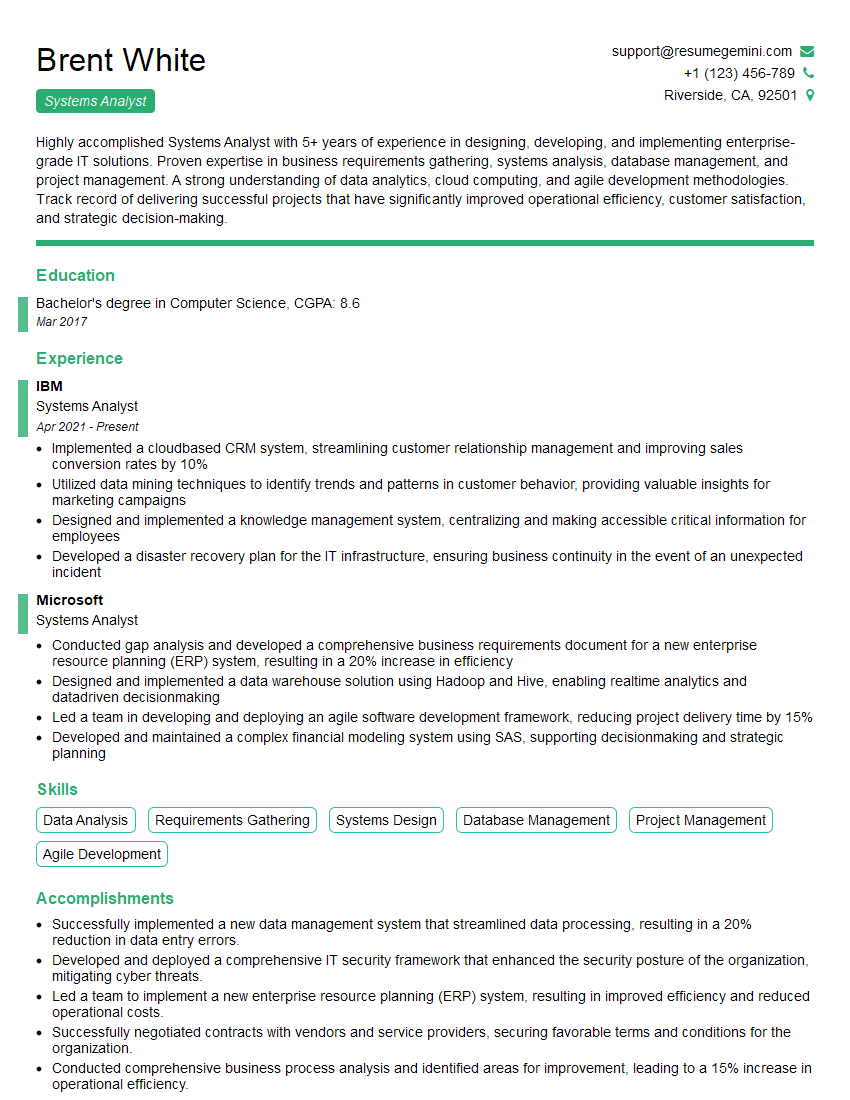
Systems Analyst Resume Sample
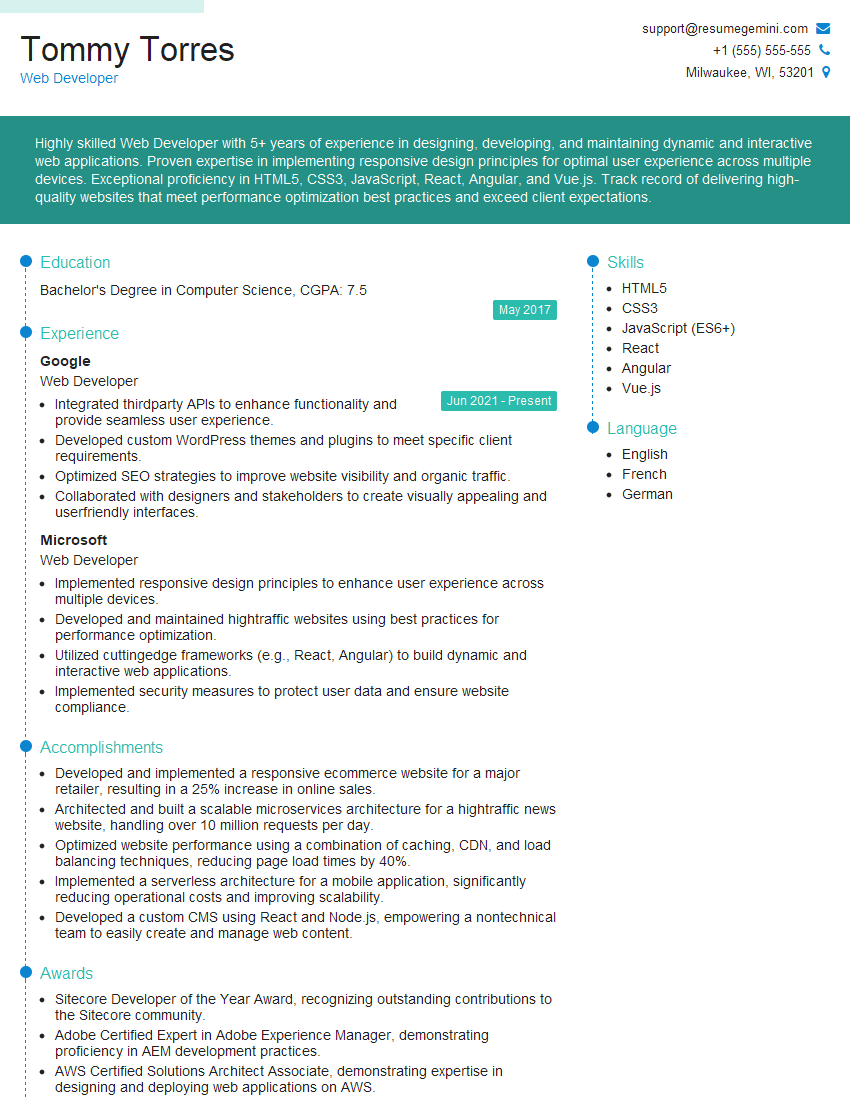
Web Developer Resume Sample
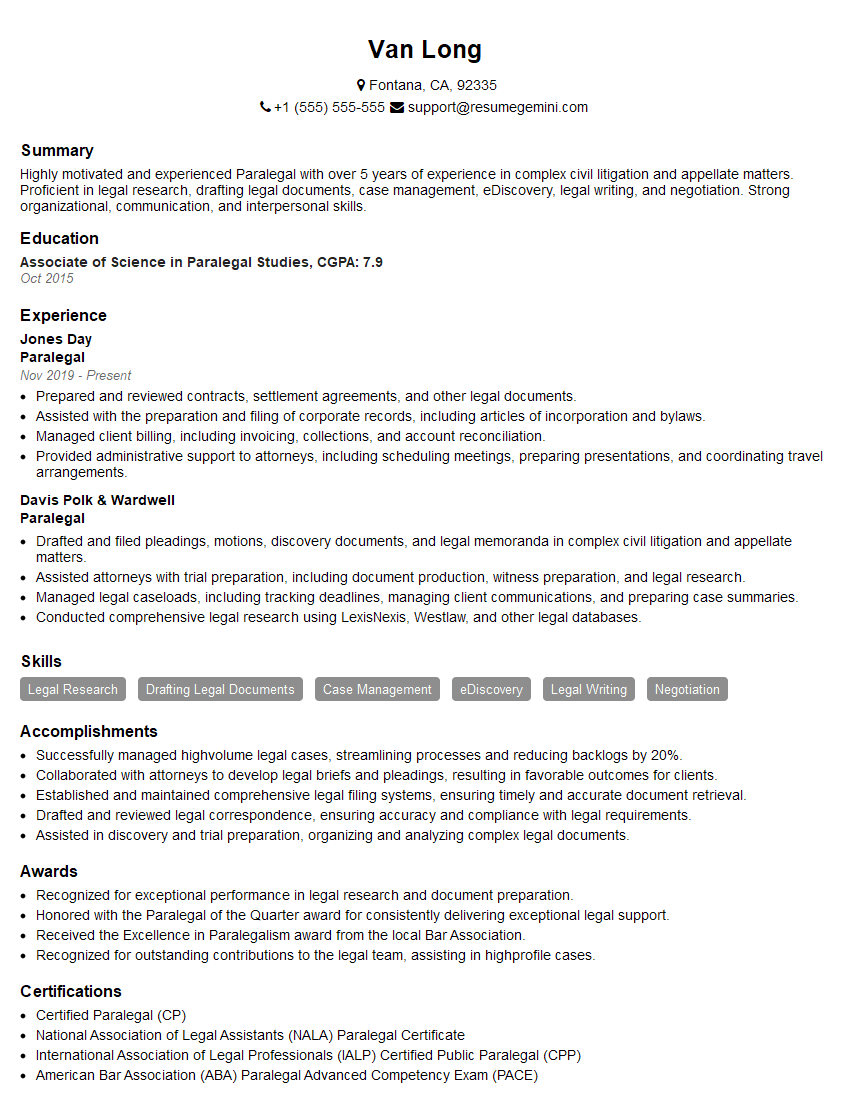
Paralegal Resume Sample
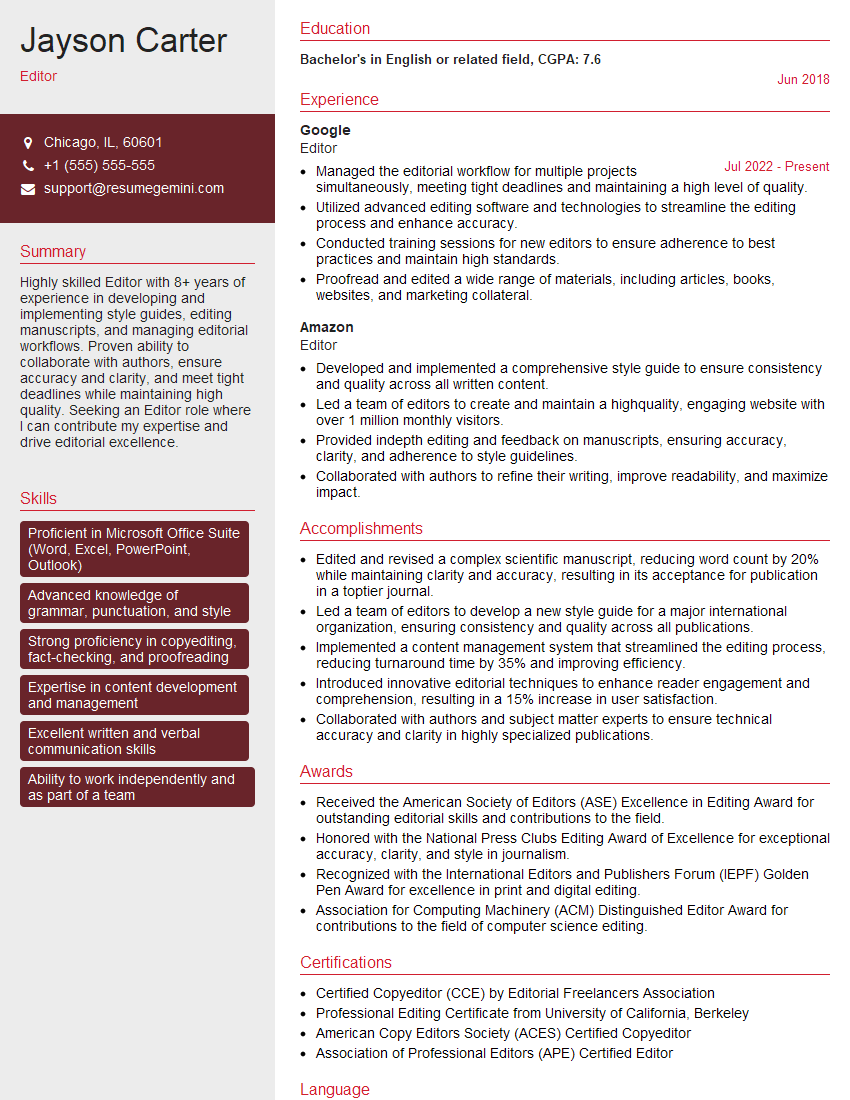
Editor Resume Sample
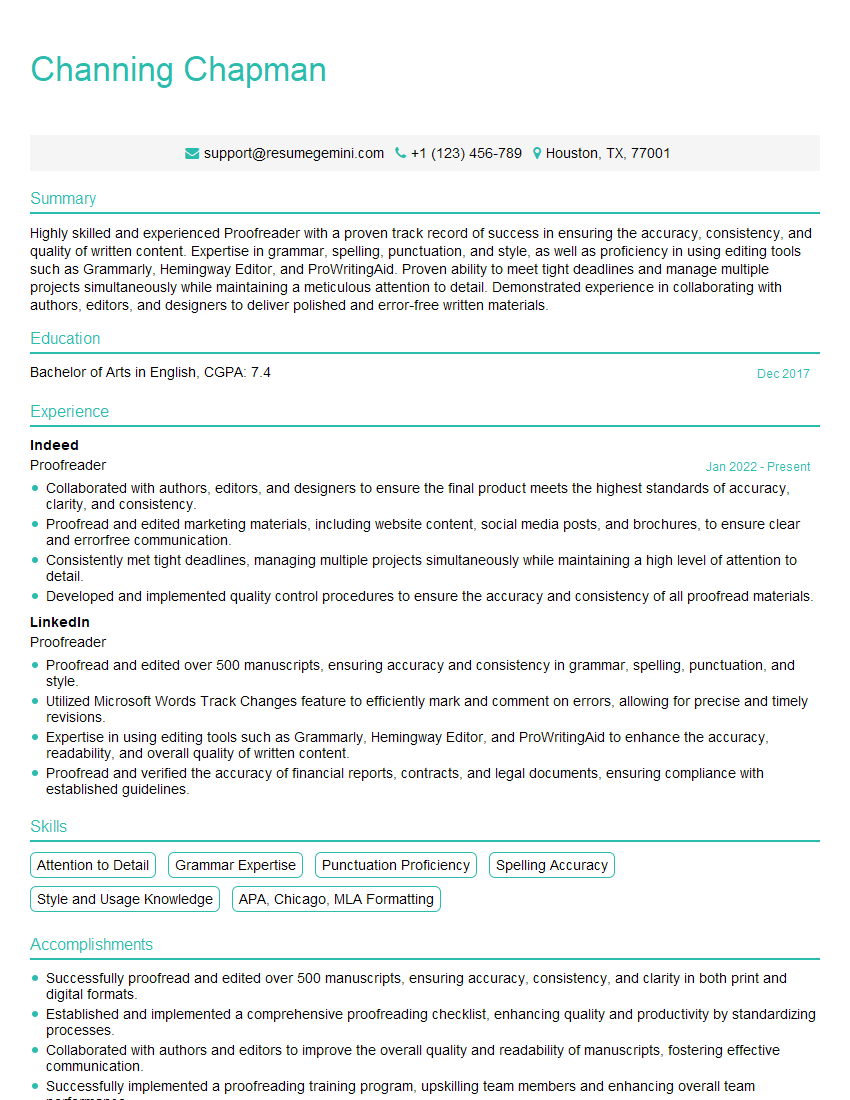
Proofreader Resume Sample

Technical Writer Resume Sample
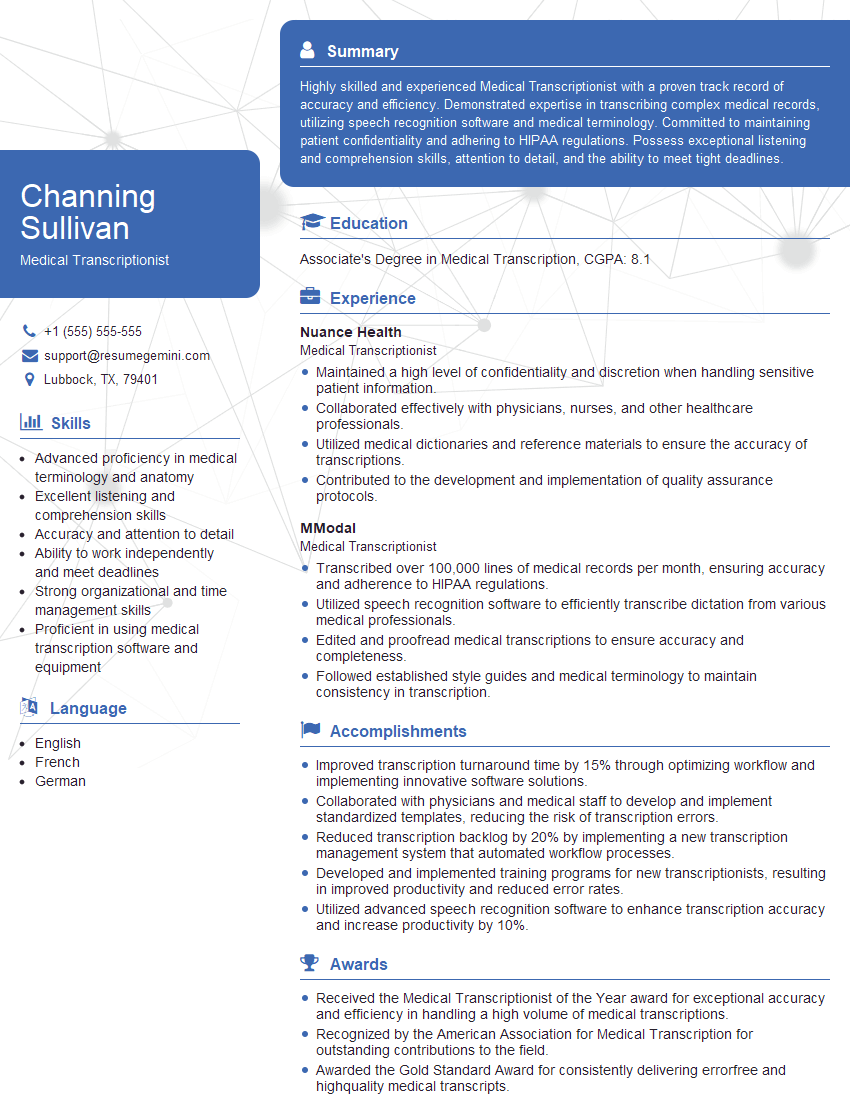
Medical Transcriptionist Resume Sample
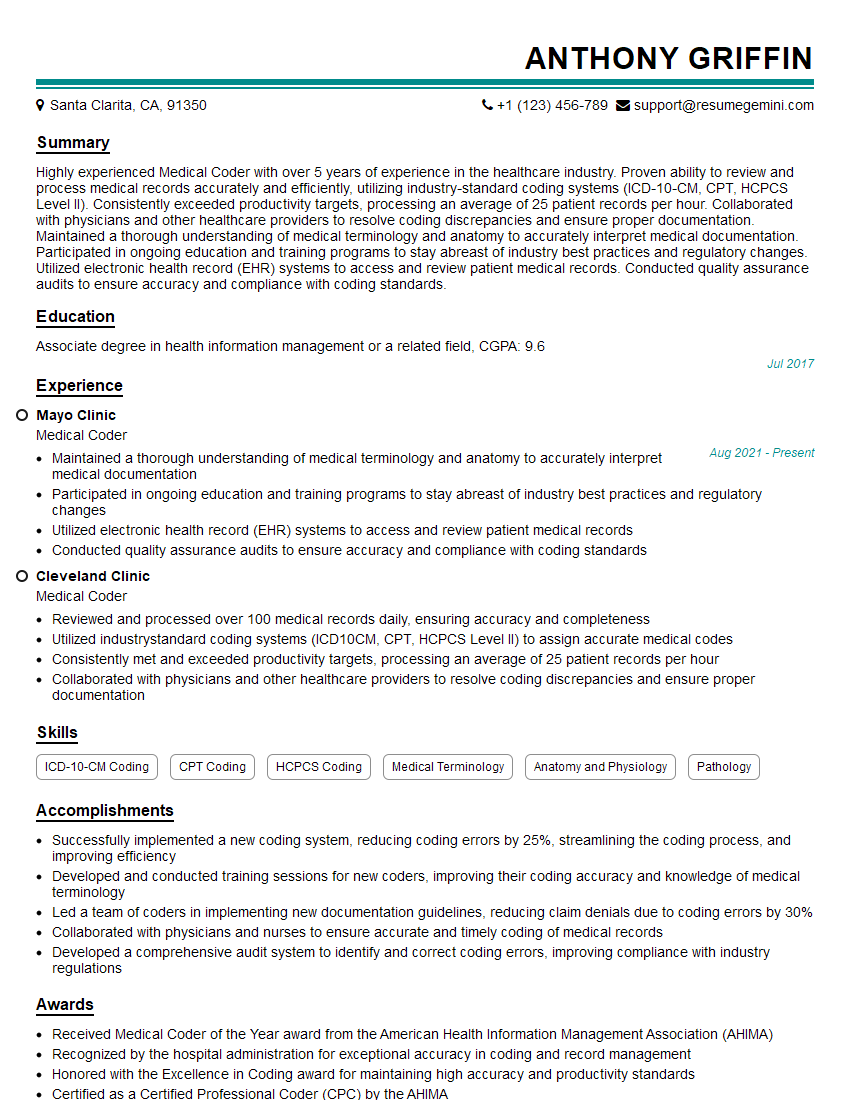
Medical Coder Resume Sample
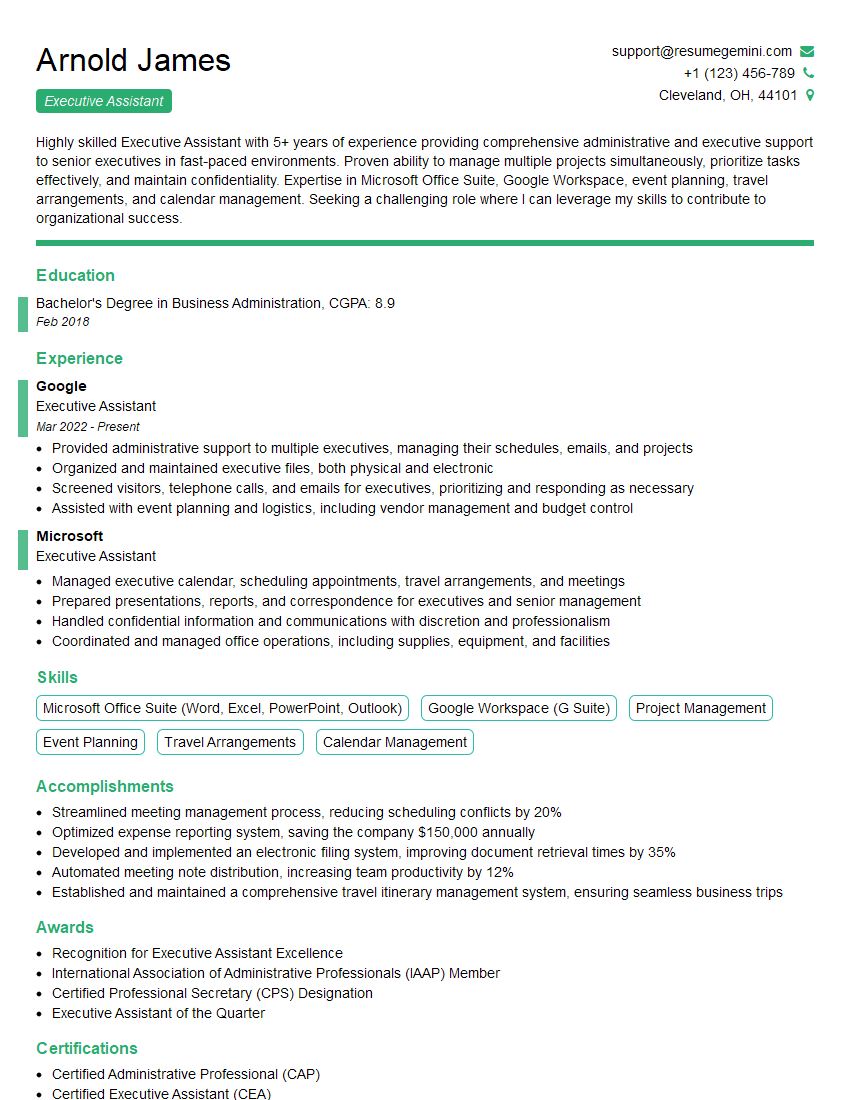
Executive Assistant Resume Sample
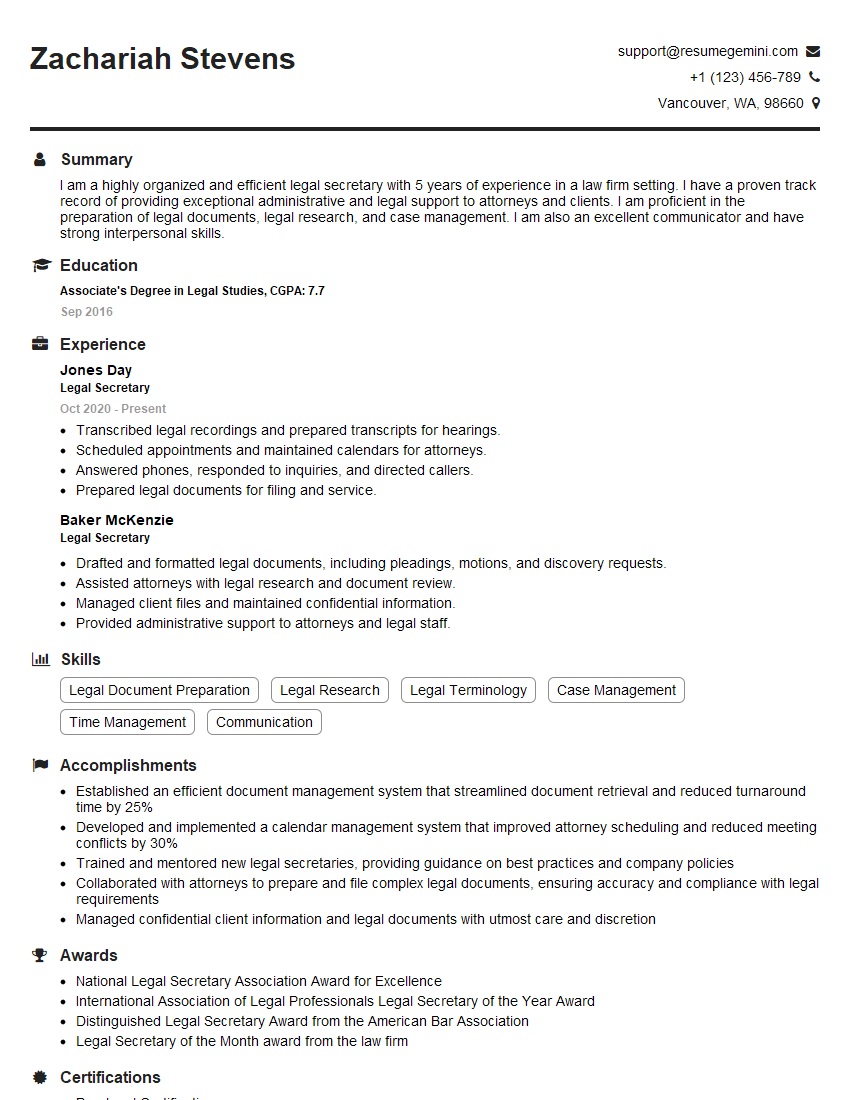
Legal Secretary Resume Sample
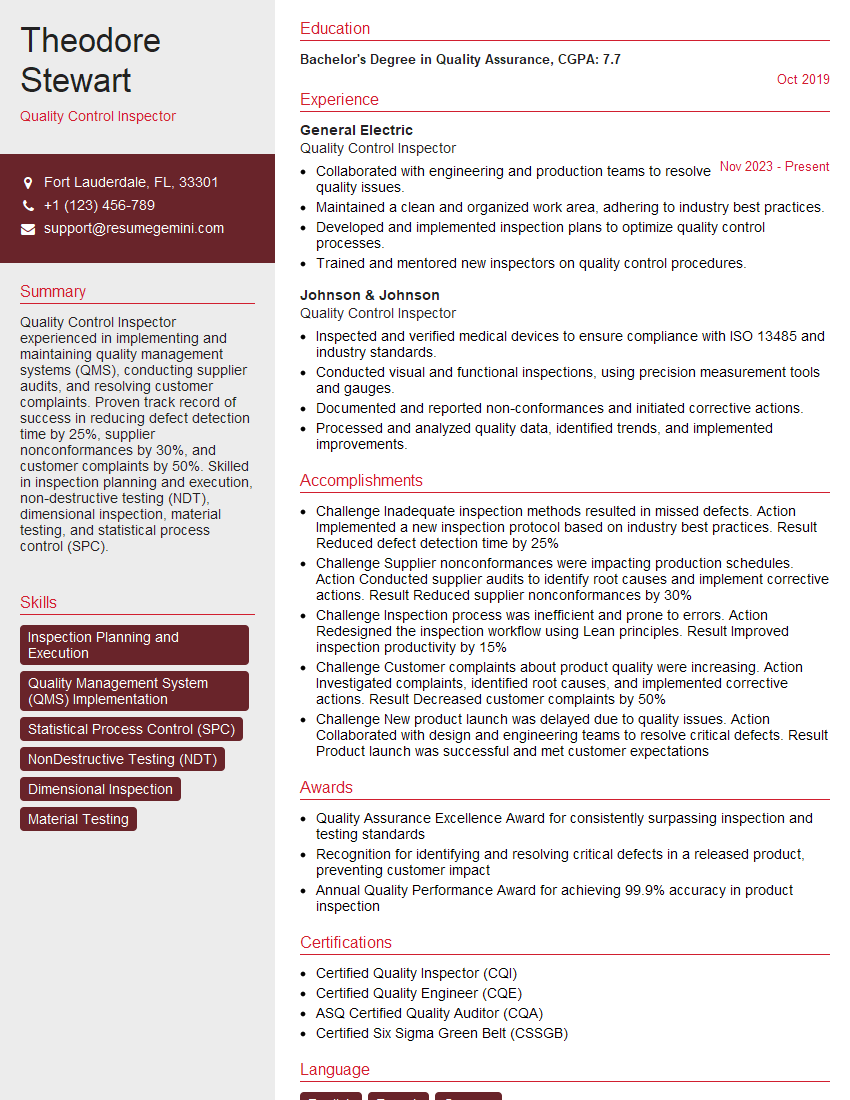
Quality Control Inspector Resume Sample
- Operations Manager
- Administrative Assistant
- Supply Chain Manager
- Logistics Coordinator
- Project Manager
- Compliance Officer
- Research Analyst
- Accountant
- Bookkeeper
- Financial Analyst
- Data Analyst
- Software Engineer
- Systems Analyst
- Web Developer
- Paralegal
- Editor
- Proofreader
- Technical Writer
- Medical Transcriptionist
- Medical Coder
- Executive Assistant
- Legal Secretary
- Quality Control Inspector
Explore more articles
Users Rating of Our Blogs
Share Your Experience
We value your feedback! Please rate our content and share your thoughts (optional).
What Readers Say About Our Blog
Really detailed insights and content, thank you for writing this detailed article.
IT gave me an insight and words to use and be able to think of examples