Interviews are opportunities to demonstrate your expertise, and this guide is here to help you shine. Explore the essential Disinfecting and Sterilization Techniques interview questions that employers frequently ask, paired with strategies for crafting responses that set you apart from the competition.
Questions Asked in Disinfecting and Sterilization Techniques Interview
Q 1. What are the differences between sterilization and disinfection?
Sterilization and disinfection are both crucial for controlling microbial contamination, but they differ significantly in their outcomes. Sterilization is the complete elimination or destruction of all forms of microbial life, including bacteria, viruses, fungi, and spores. Think of it as achieving absolute microbial cleanliness. Disinfection, on the other hand, reduces the number of viable microorganisms to a safe level, but it doesn’t necessarily eliminate all of them. It targets vegetative cells, but spores are often resistant. Imagine disinfection as significantly reducing the microbial load, making an item safe for handling or use, but not completely sterile.
For example, sterilizing surgical instruments ensures no microbes remain, preventing post-operative infections. Disinfecting a countertop reduces the bacterial count to a safe level, making it suitable for food preparation. The choice between sterilization and disinfection depends entirely on the intended use of the item and the level of microbial control needed.
Q 2. Explain the principles of autoclaving.
Autoclaving, or steam sterilization, relies on the principle of moist heat under pressure to kill microorganisms. The high pressure allows the steam to reach higher temperatures than boiling water (typically 121°C or 250°F), which is crucial for effective sterilization. This elevated temperature denatures proteins within microbial cells, leading to their inactivation and death. The pressure ensures that the steam penetrates effectively into the material being sterilized, reaching even the most difficult-to-reach areas.
Think of it like this: imagine you’re trying to cook a tough piece of meat. High heat (temperature) cooks it through, while pressure ensures even heat distribution (penetration) throughout the entire piece, ensuring it’s properly cooked. Autoclaving applies the same principle to kill microorganisms.
Q 3. Describe the different types of sterilization methods and their applications.
Several sterilization methods exist, each with its own applications:
- Moist Heat Sterilization (Autoclaving): Most effective and widely used for heat-stable items like surgical instruments, glassware, and liquids.
- Dry Heat Sterilization: Uses high temperatures (e.g., 160-170°C) for longer periods. Suitable for items that can withstand high temperatures but are not compatible with moist heat, such as glassware and metal instruments.
- Ethylene Oxide (ETO) Sterilization: A gas sterilization method for heat-sensitive and moisture-sensitive items like medical implants, plastics, and electronics. However, ETO is a carcinogenic gas and requires specialized equipment and safety protocols.
- Radiation Sterilization (Gamma or Electron Beam): Uses high-energy radiation to damage microbial DNA. Effective for large quantities of items and heat-sensitive products, but requires specialized facilities.
- Filtration Sterilization: Physically removes microorganisms from liquids or gases using membrane filters with small pore sizes. Primarily used for heat-sensitive liquids like some pharmaceutical solutions and media preparation.
The choice of method depends on factors such as the type of material being sterilized, its heat and moisture sensitivity, its size and shape, and the required sterility assurance level.
Q 4. What are the parameters for effective autoclave cycles (temperature, time, pressure)?
Effective autoclave cycles typically involve a combination of temperature, pressure, and time, carefully calibrated to ensure complete sterilization. Common parameters include:
- Temperature: 121°C (250°F) is the most common temperature. Higher temperatures can reduce cycle time, but may damage certain materials.
- Pressure: 15 psi (pounds per square inch) is the standard pressure used to maintain the 121°C temperature. This pressure is required to ensure the steam reaches the required temperature.
- Time: The holding time at 121°C typically ranges from 15 to 20 minutes, depending on the type and quantity of materials being sterilized. Larger loads or denser materials may require longer sterilization times to ensure complete penetration of the steam.
Deviation from these parameters can compromise sterilization effectiveness. Proper validation and monitoring are essential to guarantee sterilization success.
Q 5. How do you monitor and validate the effectiveness of sterilization processes?
Monitoring and validating the effectiveness of sterilization processes are critical steps to ensure patient safety and the integrity of sterilized products. Methods include:
- Physical Monitoring: This involves monitoring the pressure, temperature, and time parameters of the autoclave cycle using built-in gauges and recorders. This provides basic assurance that the cycle ran according to specifications.
- Chemical Indicators: These are color-changing strips or tapes placed inside packages or containers during sterilization. They change color to indicate that the package has been exposed to the required temperature and steam, but they don’t confirm actual microbial kill.
- Biological Indicators (BIs): These contain resistant bacterial spores (often Geobacillus stearothermophilus for moist heat) that are tested after sterilization to confirm that the cycle achieved the required level of microbial kill (discussed in more detail in the next answer). This is considered the gold standard for sterilization monitoring.
Regular validation tests using BIs, combined with physical monitoring, ensure consistent and reliable sterilization across all cycles.
Q 6. What are biological indicators and how are they used?
Biological indicators (BIs) are the gold standard for confirming the effectiveness of sterilization processes. They contain a known population of highly resistant bacterial spores (typically Geobacillus stearothermophilus for steam sterilization). After the sterilization cycle, the BIs are incubated. If the spores survive the cycle, they will grow, indicating that the sterilization process failed. If no growth is observed, it confirms that the sterilization process was effective in killing the highly resistant spores, providing assurance that all other less resistant microorganisms were also killed.
Imagine it as a ‘final exam’ for the sterilization process. If the highly resistant ‘students’ (spores) fail, it shows the process worked. BIs provide objective proof of sterilization, unlike physical or chemical indicators, offering a much higher level of confidence.
Q 7. Explain the importance of proper cleaning and pre-sterilization procedures.
Proper cleaning and pre-sterilization procedures are paramount to successful sterilization. They are not merely preparatory steps but integral parts of the sterilization process itself. Residual soil, organic matter, or biofilms can protect microorganisms from the sterilizing agent, rendering the sterilization process ineffective. Effective cleaning removes these protective layers, enabling the sterilizing agent to reach and inactivate microorganisms.
The process typically involves:
- Manual or automated cleaning: Using appropriate detergents and brushes or automated washer-disinfectors to remove debris.
- Rinsing: Thoroughly rinsing to remove all traces of detergent.
- Drying: Properly drying instruments to prevent corrosion or the formation of biofilms.
- Wrapping or packaging: Appropriate packaging for sterile storage is critical to protect sterilized items from recontamination.
Think of it as preparing a canvas before painting a masterpiece. A clean and prepared canvas is essential for a high-quality painting. Similarly, cleaning and pre-sterilization steps are essential for effective sterilization.
Q 8. What are the different types of disinfectants and their applications?
Disinfectants are agents that reduce the number of microorganisms on a surface or object to a safe level, while sterilization eliminates all forms of microbial life. There’s a wide variety of disinfectants, each with specific applications.
- Alcohols (e.g., ethanol, isopropanol): Effective against bacteria and some viruses, commonly used for skin disinfection and surface cleaning. Think of using hand sanitizer – that’s an alcohol-based disinfectant.
- Chlorine-based compounds (e.g., bleach): Broad-spectrum disinfectants effective against bacteria, viruses, and fungi. Used extensively in healthcare settings for surface disinfection and water treatment. However, they are corrosive and can damage some surfaces.
- Quaternary ammonium compounds (quats): These are less effective than bleach but gentler on surfaces and commonly found in household cleaners. They are effective against a range of bacteria and some viruses, often used for disinfecting floors and other surfaces.
- Hydrogen peroxide: A powerful oxidizing agent effective against a wide range of microorganisms, including spores. It’s used for surface disinfection and wound care but can be damaging to certain materials.
- Aldehydes (e.g., glutaraldehyde, formaldehyde): These are high-level disinfectants, meaning they can kill a wide range of microorganisms, including spores. They are often used for sterilizing medical instruments, though formaldehyde is less common due to its toxicity.
The choice depends on the specific application, the type of microorganisms to be controlled, and the material being disinfected. For example, you wouldn’t use bleach on delicate fabrics as it would cause damage.
Q 9. How do you determine the appropriate disinfectant for a given surface or instrument?
Selecting the right disinfectant involves careful consideration of several factors. First, identify the type of microorganisms you need to eliminate – bacteria, viruses, fungi, or spores. Then, consider the surface or instrument material. Some disinfectants can damage certain materials. Finally, check the manufacturer’s instructions for use and efficacy data.
For instance, if you need to disinfect a surgical instrument that must be sterile, a high-level disinfectant like glutaraldehyde would be necessary. However, for cleaning a countertop, a less potent disinfectant like a quat solution might be sufficient. Always refer to the product’s label for specific instructions and recommended contact times.
Q 10. What are the safety precautions associated with handling disinfectants and sterilants?
Handling disinfectants and sterilants requires strict adherence to safety precautions to prevent accidental exposure and potential harm. Always wear appropriate personal protective equipment (PPE), including gloves, eye protection, and a lab coat or gown.
- Ventilation: Work in a well-ventilated area to minimize inhalation of fumes.
- Proper dilution: Always dilute disinfectants according to the manufacturer’s instructions. Using a solution that is too concentrated can be harmful and using one that’s too weak won’t be effective.
- Avoid skin contact: Prevent skin contact by wearing gloves and washing hands thoroughly after use.
- Storage: Store disinfectants according to the manufacturer’s instructions. Keep them away from children and pets.
- Disposal: Dispose of used disinfectants and their containers properly according to local regulations.
Remember, even seemingly innocuous disinfectants can cause irritation or allergic reactions if not handled carefully.
Q 11. What are the common indicators of sterilization failure?
Sterilization failure can have serious consequences, so it’s crucial to identify indicators. These can include:
- Biological indicators (BIs): These are spore strips containing a known number of resistant microorganisms. If the spores survive the sterilization cycle, it indicates failure.
- Chemical indicators (CIs): These change color when exposed to certain sterilization parameters (temperature, steam, etc.). However, they only indicate that the process *occurred*, not necessarily that it was effective.
- Physical indicators: These might include a printer record from the sterilizer indicating the cycle parameters, but these alone don’t guarantee sterility.
- Spores surviving: A positive spore test showing surviving microorganisms after a sterilization cycle is a clear indication of failure.
- Unusual odors or visual contaminants: On instruments or packaging, this may signify improper sterilization or contamination during the packaging process.
A combination of indicators is typically used to ensure complete sterility assurance. It’s vital to thoroughly investigate any indication of failure to identify and correct the problem.
Q 12. How do you handle a sterilization cycle failure?
Handling a sterilization cycle failure requires a systematic approach:
- Identify the cause: Investigate all aspects of the cycle – sterilizer malfunction, improper loading, incorrect parameters, or contaminated items. Analyze BI and CI results.
- Isolate affected items: Remove and quarantine any items that were part of the failed cycle. Do not reuse them.
- Retest the sterilizer: If a sterilizer malfunction is suspected, schedule for maintenance or repair by a qualified technician and perform biological and chemical indicator tests to ensure proper function.
- Reprocess items: Once the cause is identified and resolved, reprocess all affected items using a validated sterilization method.
- Documentation: Meticulously document the failure, the investigation, corrective actions, and the results of reprocessing. This is crucial for quality control and traceability.
Remember, prioritizing safety is paramount. If you’re unsure about any aspect of troubleshooting, consult with a qualified sterilization expert.
Q 13. Explain the importance of proper packaging and handling of sterilized items.
Proper packaging and handling of sterilized items are essential for maintaining sterility and preventing recontamination. Packaging protects sterilized items from environmental contamination, providing a barrier to airborne particles, moisture, and microorganisms.
- Material choice: Packaging materials must be compatible with the sterilization method used. For example, paper-plastic pouches are commonly used for steam sterilization.
- Proper sealing: Ensure the package is securely sealed to maintain its barrier function.
- Indicators: Include chemical indicators on the package that change color when exposed to the sterilization process. These serve as a visual confirmation of sterilization.
- Storage: Sterilized items should be stored in a clean, dry environment, away from dust and moisture. Following expiry dates from the packaging is important.
- Handling: Handle sterilized packages carefully to avoid damage or contamination. Use aseptic techniques when opening packages to maintain sterility.
Imagine opening a surgical pack – improper handling could introduce bacteria to the previously sterile instruments, jeopardizing the patient’s safety. Therefore, thorough attention to detail is crucial.
Q 14. Describe the principles of aseptic technique.
Aseptic technique is a set of practices designed to prevent contamination by microorganisms. It’s fundamental in healthcare, pharmaceutical manufacturing, and food preparation. The core principles include:
- Hand hygiene: Thorough handwashing or using an alcohol-based hand rub is the first line of defense.
- Environmental cleaning and disinfection: Maintaining a clean and disinfected work area is essential to minimize the microbial load.
- Personal protective equipment (PPE): Wearing appropriate PPE such as gloves, gowns, masks, and eye protection, as needed, helps protect both the operator and the work area.
- Proper handling of sterile items: Using sterile techniques to handle sterile items, only touching sterile surfaces with sterile items to prevent contamination.
- Minimizing air movement: Air currents can carry airborne microorganisms, so minimizing movement and drafts around the sterile field is important.
- Proper disposal of waste: All contaminated waste must be disposed of properly to prevent spreading microorganisms.
Imagine a surgeon performing an operation – aseptic techniques are non-negotiable to prevent infection and ensure patient safety. The principles apply broadly to minimizing microbial contamination in a variety of situations.
Q 15. What are the different types of sterilization equipment and their maintenance requirements?
Sterilization equipment comes in various forms, each with unique maintenance needs. Let’s explore some key examples:
- Autoclaves (steam sterilizers): These use pressurized steam to kill microorganisms. Maintenance includes regular cleaning of the chamber and door seals, checking water levels and quality, and testing the pressure and temperature gauges. Failure to maintain these can lead to ineffective sterilization.
- Dry heat sterilizers: These use high temperatures to kill microorganisms. Maintenance involves cleaning the chamber, checking heating elements for functionality and ensuring proper air circulation. Overheating or uneven heat distribution can affect sterilization efficacy.
- Ethylene oxide (EtO) sterilizers: Used for heat-sensitive items, these sterilize using ethylene oxide gas. This process necessitates meticulous maintenance, including regular monitoring of gas concentration, proper aeration of sterilized items to remove residual gas, and careful handling of potentially hazardous gas.
- Plasma sterilizers: These use low-temperature, hydrogen peroxide plasma to sterilize. Maintenance involves checking the plasma generation system, ensuring proper air filtration, and monitoring the hydrogen peroxide levels. Contamination of the plasma chamber compromises sterilization effectiveness.
- Ultraviolet (UV) sterilizers: These use UV radiation to kill microorganisms. Maintenance includes cleaning the UV lamps and monitoring their intensity. UV lamps lose effectiveness over time, and replacement is critical.
Regular preventative maintenance schedules, thorough documentation of all maintenance activities, and adherence to manufacturer guidelines are paramount for all sterilization equipment to guarantee safety and efficacy.
Career Expert Tips:
- Ace those interviews! Prepare effectively by reviewing the Top 50 Most Common Interview Questions on ResumeGemini.
- Navigate your job search with confidence! Explore a wide range of Career Tips on ResumeGemini. Learn about common challenges and recommendations to overcome them.
- Craft the perfect resume! Master the Art of Resume Writing with ResumeGemini’s guide. Showcase your unique qualifications and achievements effectively.
- Don’t miss out on holiday savings! Build your dream resume with ResumeGemini’s ATS optimized templates.
Q 16. How do you ensure compliance with regulatory standards for sterilization?
Compliance with regulatory standards for sterilization is crucial for patient safety and legal reasons. This involves a multifaceted approach:
- Following established guidelines: Adherence to guidelines from organizations like the Association for the Advancement of Medical Instrumentation (AAMI) and the Centers for Disease Control and Prevention (CDC) is non-negotiable. These organizations provide detailed recommendations on sterilization processes, equipment maintenance, and monitoring practices.
- Implementing robust quality control: This involves regular monitoring and testing of the sterilization process itself. Biological indicators (spores of highly resistant microorganisms), chemical indicators (change color when exposed to sterilization parameters), and physical indicators (temperature and pressure gauges) are employed to validate the effectiveness of each sterilization cycle. Deviations require thorough investigation and corrective actions.
- Thorough documentation: Meticulous record-keeping is critical. This includes documenting every sterilization cycle, including parameters such as temperature, pressure, and exposure time, as well as the results of biological and chemical indicators. These records are essential for audits and investigations.
- Staff training and competency: All personnel involved in sterilization processes must receive thorough training on proper techniques, equipment operation, and quality control procedures. Regular competency assessments are vital to ensure ongoing proficiency.
- Regular audits and inspections: Internal and external audits play a vital role in identifying areas for improvement and ensuring consistent compliance with regulatory requirements.
Non-compliance can lead to serious consequences, including regulatory penalties, legal actions, and, most importantly, patient harm.
Q 17. What is the role of high-level disinfection in healthcare settings?
High-level disinfection (HLD) plays a vital role in healthcare settings by inactivating a wide range of microorganisms, including vegetative bacteria, most fungi, and viruses, but not necessarily bacterial spores. It’s used on semi-critical medical devices that come into contact with mucous membranes but do not penetrate sterile tissues.
For instance, endoscopes, which are inserted into body cavities, require HLD after each use to prevent the transmission of infectious agents. The process is a critical step in preventing healthcare-associated infections (HAIs).
Choosing the appropriate HLD method depends on the device material and the potential pathogens involved. Common HLD methods include immersion in liquid chemical sterilants (e.g., glutaraldehyde, ortho-phthalaldehyde) or exposure to high-level disinfectants using automated equipment.
Q 18. What are the differences between low-level, intermediate-level, and high-level disinfection?
Disinfection levels differ in their effectiveness against various microorganisms:
- Low-level disinfection: Kills most vegetative bacteria, some fungi, and enveloped viruses. It’s ineffective against bacterial spores or non-enveloped viruses. Examples include using disinfectants like phenolic compounds and quaternary ammonium compounds.
- Intermediate-level disinfection: Kills all vegetative bacteria, most fungi, and most viruses, including some non-enveloped viruses. However, it may not kill bacterial spores. Examples include isopropyl alcohol and some iodophors.
- High-level disinfection: Inactivates all vegetative microorganisms, fungi, and viruses, including non-enveloped viruses. While it doesn’t necessarily sterilize (kill bacterial spores), it achieves a level of disinfection close to sterilization. This is achieved through liquid chemical sterilants like glutaraldehyde or ortho-phthalaldehyde.
The selection of the appropriate level of disinfection depends on the item’s use and the risk of infection. Critical items require sterilization, while semi-critical items need HLD, and non-critical items only require low or intermediate-level disinfection.
Q 19. What are the challenges related to sterilization of endoscopes?
Sterilizing endoscopes presents unique challenges due to their complex design with multiple channels and lumens. These features can harbor microorganisms and make thorough cleaning and sterilization difficult.
- Difficult access for cleaning and disinfection: The narrow channels and lumens are hard to reach with traditional cleaning methods, leading to potential retention of microorganisms.
- Material compatibility: The materials used in endoscopes (e.g., plastics, metals) might be susceptible to damage from certain sterilization methods. Choosing an appropriate method that doesn’t compromise the integrity of the endoscope is crucial.
- Leakage potential: Any leaks or cracks in the endoscope can compromise sterilization and create potential pathways for infection.
- Automated endoscope reprocessors (AER): AERs are commonly used for endoscope reprocessing. These machines require regular maintenance and calibration to ensure effective cleaning and sterilization. Failure of any component can result in inadequate processing.
Proper cleaning, disinfection, and high-level disinfection protocols, along with regular maintenance and testing of AERs, are paramount to ensure the safe reuse of endoscopes. Careful attention to detail and adherence to manufacturer’s instructions are crucial.
Q 20. How do you prevent the spread of healthcare-associated infections through sterilization practices?
Preventing the spread of HAIs through sterilization practices requires a multi-pronged approach:
- Strict adherence to sterilization protocols: Thorough cleaning, appropriate disinfection or sterilization, and proper handling of instruments are essential.
- Regular monitoring and testing: Continuous monitoring of sterilization processes and equipment ensures efficacy and identifies any issues early on.
- Proper handling and storage of sterilized items: Sterile items must be handled with care to maintain sterility, stored appropriately to protect them from recontamination and used within their specified shelf life.
- Effective infection control practices: This includes hand hygiene, proper use of personal protective equipment (PPE), and environmental cleaning protocols.
- Regular staff training: Ongoing training of all healthcare personnel on proper sterilization and infection control practices is crucial to maintain a high standard of care.
By implementing and rigorously following these measures, healthcare facilities can significantly reduce the risk of HAIs and enhance patient safety. This is especially vital in areas like operating rooms and endoscopy suites where the risk of transmission is higher.
Q 21. Explain the concept of sterilization validation.
Sterilization validation is the process of scientifically proving that a sterilization method consistently achieves sterility. It’s not enough to assume a process works; it must be rigorously verified.
The process typically involves:
- Defining sterilization parameters: This includes specifying the method (steam, EtO, etc.), time, temperature, and other relevant factors.
- Selecting biological indicators (BIs): These are spore-forming microorganisms highly resistant to the chosen sterilization method. Their presence indicates the lack of sterilization.
- Conducting sterility tests: BIs are placed within representative packages of items being sterilized. After sterilization, the BIs are incubated to check for microbial growth. No growth indicates successful sterilization.
- Establishing a validation protocol: This outlines the procedures for conducting the tests, the acceptance criteria (e.g., no growth in BIs), and the frequency of testing.
- Documentation and reporting: All aspects of the validation process must be meticulously documented, including test results and any deviations.
Sterilization validation is not a one-time event but an ongoing process that involves periodic revalidation to ensure the continued effectiveness of the sterilization methods. It is crucial for maintaining quality, regulatory compliance, and, most importantly, patient safety.
Q 22. Describe your experience with different types of sterilization monitors (chemical, biological).
Sterilization monitoring is crucial to ensure the effectiveness of sterilization processes. Chemical indicators and biological indicators are used to verify that the required parameters (temperature, time, and steam penetration, for example) have been met within a sterilization cycle.
Chemical Indicators: These are simple, color-changing devices that respond to one or more physical conditions within the sterilizer, such as temperature and steam exposure. They are inexpensive and provide a first-level check. For example, a chemical indicator tape placed on a package will change color, indicating that the package has been exposed to steam, but not necessarily that it has been sterilized. More sophisticated multi-parameter chemical indicators provide a more comprehensive assessment.
Biological Indicators: These are the gold standard for sterilization monitoring. They contain a known quantity of resistant bacterial spores (typically Geobacillus stearothermophilus for steam sterilization and Bacillus atrophaeus for dry heat sterilization). After sterilization, the indicator is incubated, and the absence of growth indicates successful sterilization. A positive result, meaning spore growth, signifies a sterilization failure. This verifies the lethality of the process.
My experience includes extensive use of both types of indicators across various sterilization methods, including steam sterilization, dry heat sterilization, and ethylene oxide sterilization. I’m proficient in interpreting results and taking corrective actions based on the findings from both chemical and biological indicators. I’ve also worked with different types of biological indicators, including self-contained indicators and those requiring separate incubation.
Q 23. What is the significance of documentation in sterilization procedures?
Documentation in sterilization procedures is not just a regulatory requirement; it’s the cornerstone of ensuring patient safety and maintaining a traceable record of sterilization effectiveness. Comprehensive documentation allows for continuous improvement and facilitates effective troubleshooting. Think of it like a detailed flight recorder for a sterilization process.
Thorough documentation includes, but is not limited to:
- The identification of the items being sterilized.
- The type and settings of the sterilizer used.
- The readings from chemical and biological indicators.
- The date and time of sterilization.
- The initials or signatures of personnel involved.
- Any deviations from standard operating procedures and the corrective actions taken.
- The storage conditions of sterilized items.
Without meticulous documentation, tracing the origin of a sterilization failure or identifying potential process improvements is nearly impossible. This documentation allows for quick and easy verification that everything was completed according to protocol, improving accountability and ensuring patient safety.
Q 24. How do you manage and resolve sterilization equipment malfunctions?
Sterilization equipment malfunctions can have serious consequences, so prompt and effective troubleshooting is crucial. My approach is systematic and follows established protocols.
Safety First: Always prioritize the safety of personnel and isolate the malfunctioning equipment to prevent accidents.
Identify the Malfunction: Carefully assess the problem. Is there an error code displayed? Are there unusual noises or smells? What are the physical signs of the malfunction? Consult the equipment’s operating manual for troubleshooting guidance.
Basic Checks: Start with simple checks such as power supply, water supply (if applicable), and proper connections.
Documentation and Reporting: Record all observations, actions taken, and outcomes. Report the malfunction to the appropriate personnel (biomedical engineering, maintenance, etc.).
Preventative Maintenance: Regular preventative maintenance is critical in preventing malfunctions and ensuring equipment operates at peak efficiency.
Professional Assistance: If the problem persists after initial troubleshooting, contact a qualified service technician for professional repair.
For example, if a steam sterilizer fails to reach the desired temperature, I would first check the power supply, water supply, and air removal systems. I would then check for blockages or leaks in the steam lines and carefully monitor the pressure and temperature readings throughout the cycle. If the problem persists, I would initiate a service request with our biomedical engineering department.
Q 25. How do you ensure the safety of staff during sterilization procedures?
Ensuring staff safety is paramount in sterilization procedures. Exposure to certain sterilizing agents (e.g., ethylene oxide) or improperly handled equipment can lead to serious injuries. My approach includes:
Training and Competency: Comprehensive training on the safe handling of sterilizing agents, equipment, and materials. Regular competency assessments are vital to ensure staff maintain their skills and knowledge.
Personal Protective Equipment (PPE): Providing and ensuring the correct use of PPE, including gloves, gowns, eye protection, and respirators, as appropriate for the specific task and sterilizing agent.
Engineering Controls: Using well-maintained sterilization equipment with built-in safety features. This includes proper ventilation systems, particularly in areas where ethylene oxide is used.
Administrative Controls: Establishing standard operating procedures (SOPs) and adhering strictly to them. Implementing a robust system for reporting near misses, incidents, and accidents, so we can learn from them and prevent future occurrences. Regular safety audits further ensure compliance.
Emergency Preparedness: Having clear emergency response protocols and readily available emergency equipment. Regular staff training and drills prepare staff to handle any unexpected events.
A culture of safety, where reporting near misses is encouraged, is fundamental. Each person is responsible for their own safety and the safety of their colleagues. This is critical in a high-risk environment like sterilization.
Q 26. What is your understanding of the role of sterilization in infection prevention and control?
Sterilization plays a pivotal role in infection prevention and control by eliminating all forms of microbial life, including bacteria, viruses, fungi, and spores, from medical devices and equipment. It breaks the chain of infection and significantly reduces the risk of healthcare-associated infections (HAIs).
The impact of effective sterilization is profound: it protects patients from potentially deadly infections, decreases the length of hospital stays, and reduces healthcare costs. Without proper sterilization, surgical instruments could transmit infections, implants could become breeding grounds for pathogens, and patients would be at significantly greater risk. Therefore, sterilization is not just a procedure; it’s a critical component of maintaining a safe and healthy healthcare environment.
Q 27. Describe a situation where you had to troubleshoot a sterilization problem. What was the solution?
In one instance, we experienced consistently positive biological indicator results from our steam sterilizer, indicating sterilization failure. Our initial troubleshooting steps, focusing on the basic checks (power, water, and air removal), yielded no immediate results. This suggested a more complex problem.
Further investigation revealed that the sterilizer’s pressure sensor was malfunctioning, leading to inaccurate pressure readings and inadequate steam penetration. The result was that the actual temperature and pressure within the sterilizer never reached the parameters required for sterilization. After reporting the issue, a biomedical engineer repaired the pressure sensor. Following the repair and a subsequent validation process (including biological indicator testing), the sterilizer returned to normal functionality, and the issue was resolved.
This situation highlighted the importance of robust monitoring systems and having access to qualified support personnel when dealing with critical equipment malfunctions. A single failing component can have widespread consequences.
Q 28. What are your continuing education plans to stay current with sterilization best practices?
Maintaining currency in sterilization best practices is ongoing. My continuing education plans include:
Professional Certifications: Maintaining and updating my certifications (e.g., IAHCSMM certification) to stay abreast of regulatory changes and evolving best practices.
Professional Development Courses and Workshops: Attending relevant workshops and conferences on advanced sterilization techniques, new technologies, and emerging challenges.
Professional Publications and Journals: Staying informed through subscriptions to leading journals and publications in the field of sterilization and infection control.
Collaboration with Peers: Participating in professional networks and engaging with colleagues to share knowledge and best practices.
Manufacturer Training: Participating in training provided by manufacturers on new equipment and technologies.
Staying up-to-date is essential in this rapidly evolving field, and it directly translates to patient safety and enhanced sterilization practices.
Key Topics to Learn for Disinfecting and Sterilization Techniques Interview
- Principles of Disinfection and Sterilization: Understanding the differences between disinfection and sterilization, various levels of microbial control, and the factors influencing efficacy (e.g., contact time, concentration, temperature).
- Methods of Sterilization: Detailed knowledge of autoclaving, dry heat sterilization, ethylene oxide sterilization, and other methods. This includes understanding the parameters for each method (temperature, pressure, time) and their applications in various settings.
- Disinfection Methods: Familiarity with chemical disinfectants (e.g., alcohols, aldehydes, halogens), their mechanisms of action, appropriate uses, and limitations. Understanding the concept of disinfection efficacy testing.
- Aseptic Techniques: Practical application of aseptic techniques in various procedures, including surgical settings, laboratory work, and other healthcare environments. This should include understanding the importance of personal protective equipment (PPE).
- Monitoring and Validation: Understanding the importance of monitoring sterilization and disinfection processes to ensure efficacy. Familiarity with biological indicators, chemical indicators, and other monitoring methods.
- Equipment Maintenance and Safety: Knowledge of the proper operation, maintenance, and safety procedures related to sterilization and disinfection equipment (e.g., autoclaves, sterilizers).
- Regulatory Compliance and Standards: Understanding relevant regulations and standards (e.g., OSHA guidelines) related to disinfection and sterilization practices.
- Infection Control Principles: Understanding the chain of infection and how disinfection and sterilization techniques break the chain.
- Waste Management: Safe handling, disposal and decontamination of infectious waste generated during disinfection and sterilization processes.
- Troubleshooting common problems: Ability to identify and resolve issues related to sterilization and disinfection processes, such as equipment malfunctions or ineffective treatments.
Next Steps
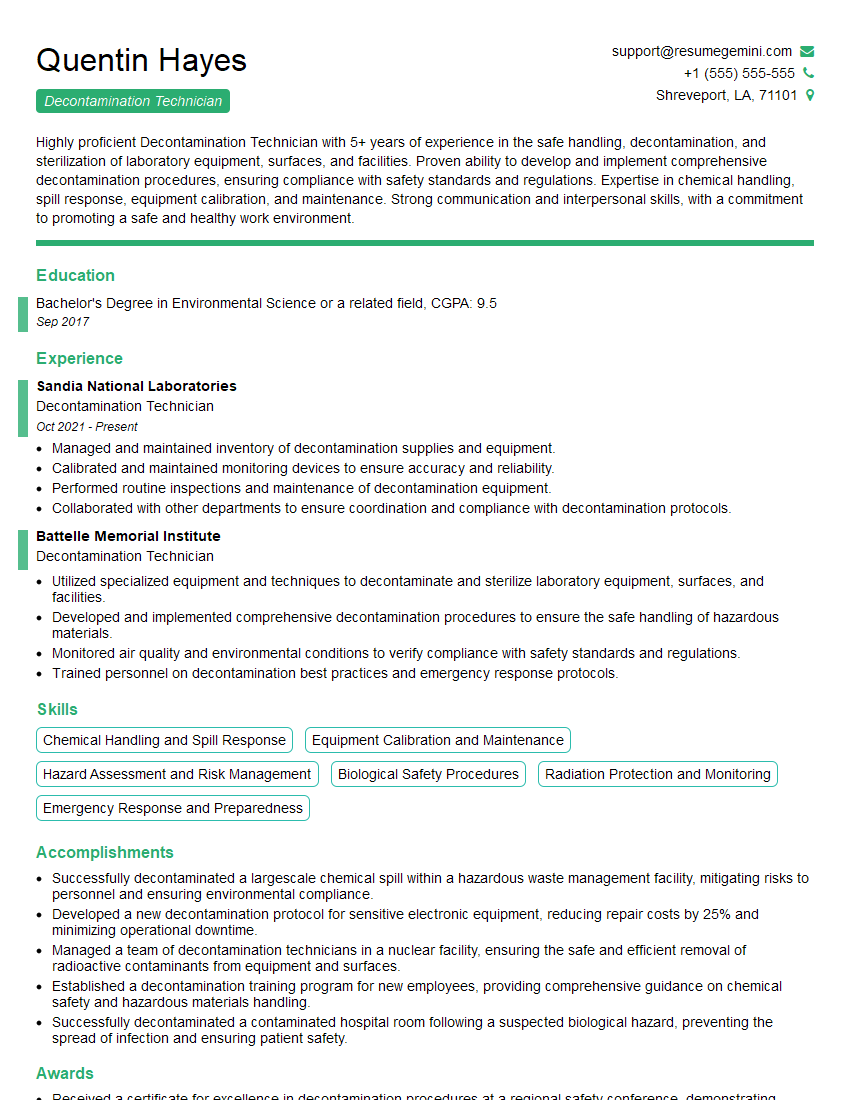
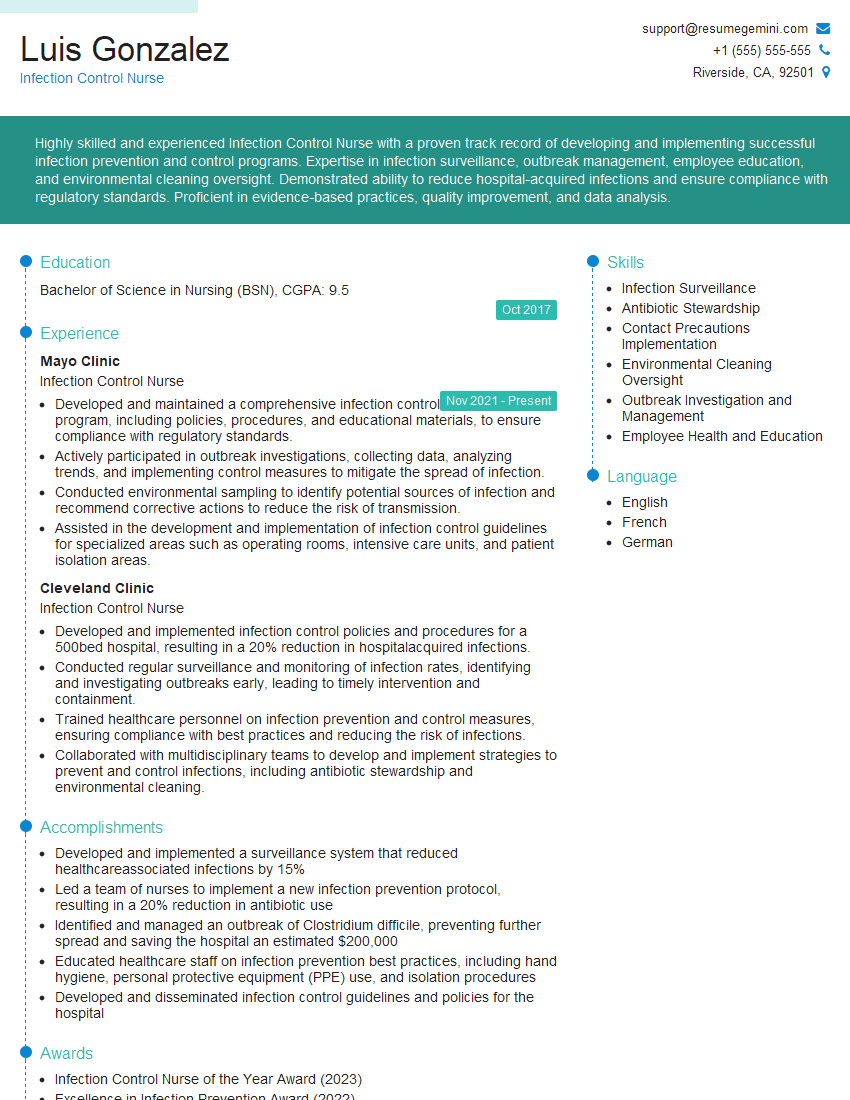
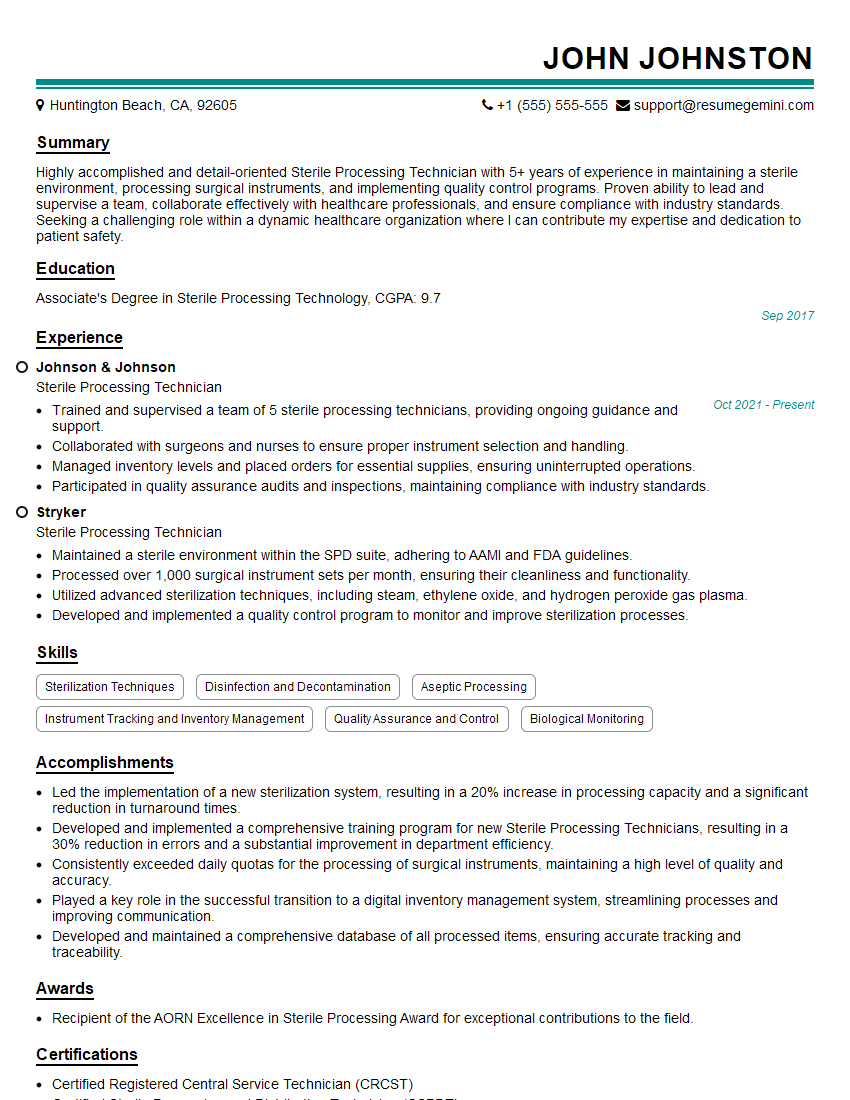
Mastering Disinfecting and Sterilization Techniques is crucial for a successful career in healthcare, research, or other related fields. It demonstrates a commitment to safety and efficiency, opening doors to advanced roles and higher earning potential. To maximize your job prospects, create an ATS-friendly resume that highlights your skills and experience effectively. ResumeGemini is a trusted resource that can help you build a professional and impactful resume tailored to your specific needs. We offer examples of resumes specifically designed for candidates in Disinfecting and Sterilization Techniques to guide you in the process.
Explore more articles
Users Rating of Our Blogs
Share Your Experience
We value your feedback! Please rate our content and share your thoughts (optional).
What Readers Say About Our Blog
Really detailed insights and content, thank you for writing this detailed article.
IT gave me an insight and words to use and be able to think of examples