Are you ready to stand out in your next interview? Understanding and preparing for Dock Door Safety Procedures interview questions is a game-changer. In this blog, we’ve compiled key questions and expert advice to help you showcase your skills with confidence and precision. Let’s get started on your journey to acing the interview.
Questions Asked in Dock Door Safety Procedures Interview
Q 1. Describe the different types of dock levelers and their safety features.
Dock levelers are crucial for bridging the gap between a loading dock and a truck trailer, ensuring safe and efficient loading and unloading. Several types exist, each with its safety features:
- Hydraulic Dock Levelers: These are the most common, using hydraulic cylinders to raise and lower a platform. Safety features include lip extensions that prevent gaps, emergency stop buttons, and load capacity sensors to prevent overloading. Imagine a scissor lift – that’s essentially what a hydraulic leveler is like.
- Mechanical Dock Levelers: These rely on a system of gears and levers. While simpler, they often lack the advanced safety features of hydraulic models. They’re less common now due to their lower safety margins and reliance on manual operation.
- Vehicle-Mounted Levelers: These are attached to the truck itself and used for situations where fixed dock levelers aren’t available. Safety features are minimal, emphasizing the operator’s awareness of the potential gap between the truck and the dock.
- Edge-of-Dock Levelers: Designed for applications where space is limited, these levelers extend from the dock’s edge and connect directly to the trailer. They generally have similar safety features to hydraulic levelers but may require more precise operation.
Regardless of the type, all dock levelers should be regularly inspected and maintained to ensure proper function and safety. A malfunctioning leveler is a significant safety hazard.
Q 2. Explain the importance of regular dock door inspections.
Regular dock door inspections are paramount for preventing accidents and ensuring efficient operations. Think of it as a routine medical checkup for your loading dock. Inspections identify potential problems before they lead to injuries or costly downtime. They should cover:
- Door seals and weatherstripping: Worn seals can compromise the climate control within the warehouse and create drafts that may cause workers to become ill.
- Door components: Check hinges, rollers, springs, and tracks for damage or wear. A broken component could lead to the door malfunctioning or even collapsing.
- Safety sensors and mechanisms: Confirm that the safety sensors (such as light curtains or pressure plates) are functioning correctly. These prevent accidents when someone or something enters the danger zone of the moving door.
- Levelers: Inspect for damage, leaks (in hydraulic models), and proper functionality. A malfunctioning leveler creates a large fall hazard.
- Dock bumpers: Ensure that they’re properly installed and in good condition to absorb impacts from trucks.
- Lighting: Adequate lighting is essential for safe nighttime and low-light operations.
A documented inspection schedule with clear check points will ensure consistent safety and prevent negligence.
Q 3. What are the common causes of dock door accidents?
Dock door accidents are unfortunately common, stemming from a variety of causes:
- Falls: Gaps between the trailer and the dock, inadequate levelers, or improper use of equipment can all cause falls. This is one of the most common causes of severe injuries.
- Crushes and strikes: Being struck by a moving vehicle or crushed between a vehicle and the dock are significant risks, especially with poorly designed traffic management or lack of communication.
- Equipment malfunctions: Malfunctioning dock levelers, doors, or other equipment can cause sudden and unexpected hazards.
- Lack of training and awareness: Employees who aren’t properly trained on safe dock procedures are much more likely to be involved in accidents. They may not be aware of the potential risks and safety measures.
- Poor lighting and visibility: Working in poorly lit conditions significantly increases the risk of accidents.
- Improper vehicle loading/unloading: This includes overloading, improper securing of the load, or reckless operation of machinery.
A combination of these factors often contributes to a single accident. The key is a multi-pronged approach to mitigation. Think of it like a complex equation – addressing each variable will decrease the overall risk.
Q 4. How do you prevent vehicle collisions at loading docks?
Preventing vehicle collisions at loading docks requires a layered approach:
- Clearly marked designated areas: Utilize bright paint, signage, and cones to define safe vehicle positioning areas. Imagine a well-organized parking lot – that’s the goal.
- Dock bumpers and guards: These provide a physical barrier to prevent trucks from crashing into the dock building.
- Traffic control systems: Implement traffic lights, warning signals, or designated personnel to direct traffic flow at the dock.
- Vehicle restraint systems: These secure the trailer to the dock, preventing accidental movement.
- Communication systems: Two-way radios or intercoms allow clear communication between drivers and dock workers. This reduces misunderstandings.
- Training and supervision: Proper training for both drivers and dockworkers on safe procedures significantly reduces risks.
- Improved Lighting: Sufficient lighting around the dock area increases visibility and reduces the risk of accidents during night or low-light conditions.
A comprehensive approach addressing all these areas will drastically reduce the risk of collisions. Each measure adds a layer of security to the process.
Q 5. What are the key components of a comprehensive dock safety program?
A comprehensive dock safety program isn’t just a checklist; it’s a culture of safety. It should include:
- Regular inspections and maintenance: This includes all equipment, from doors and levelers to lighting and traffic controls.
- Training programs: All employees involved in dock operations must receive thorough training on safe procedures.
- Emergency response plan: A clear plan outlining procedures for accidents, emergencies, and evacuations.
- Safety procedures and guidelines: Documented procedures for every aspect of dock operations, such as loading, unloading, and equipment usage.
- Personal Protective Equipment (PPE): Ensuring employees have and utilize appropriate PPE such as safety shoes, high-visibility vests, and hearing protection.
- Regular safety meetings and communication: A platform for addressing safety concerns, sharing near-miss experiences, and reinforcing safe practices.
- Incident reporting and investigation: A systematic process for reporting, investigating, and learning from accidents or near misses.
- Compliance with OSHA regulations: Ensure adherence to all relevant OSHA standards for dock safety.
Implementing and regularly reviewing this program fosters a safe working environment and protects both employees and the facility.
Q 6. Explain the procedures for securing a trailer to the dock.
Securing a trailer to the dock is a critical step in preventing accidents. The precise steps may vary slightly depending on the equipment available but generally involve:
- Proper positioning: Ensure the trailer is correctly aligned with the dock leveler and the gap is minimal.
- Dock leveler operation: Extend the leveler to bridge the gap safely, ensuring it’s properly locked in position.
- Vehicle restraint system engagement: Engage the vehicle restraint system, typically a wheel chock or a more advanced locking system. This prevents the trailer from rolling away.
- Trailer connection (if needed): If there’s a need for a physical connection to power or air lines, ensure it’s done safely and securely.
- Final inspection: Before commencing loading/unloading, visually inspect all connections and restraints to ensure they’re fully secure.
It’s crucial to ensure all personnel are clear of the moving equipment during these processes. Failure to properly secure a trailer can lead to dangerous accidents. Treat each connection as if your life depended on it – because it might.
Q 7. What are the OSHA regulations related to dock door safety?
OSHA (Occupational Safety and Health Administration) regulations related to dock door safety are primarily found within the General Industry Standards (29 CFR 1910). While there isn’t a single, specific section entirely dedicated to dock safety, several standards directly apply:
- 29 CFR 1910.132(a): This mandates the use of personal protective equipment (PPE) appropriate for the hazards present, which includes safety shoes, high-visibility clothing, and potentially more depending on specific dock activities.
- 29 CFR 1910.176(b)(2): This addresses the guarding of powered industrial trucks (forklifts), which are commonly used in dock operations.
- 29 CFR 1910.177(b): Addresses the requirement for adequate lighting in areas of loading/unloading and storage.
- 29 CFR 1910.22(a)(1): This mandates employers to provide safe and healthy working conditions, covering a broad range of aspects that directly relate to dock safety.
- 29 CFR 1910.23(a): Addresses the use of Guardrails and Handrails.
OSHA also promotes a proactive safety culture through training, hazard assessments, and incident reporting. Non-compliance can lead to significant penalties. It is essential for businesses to understand and implement these regulations.
Q 8. How do you handle a damaged dock door?
A damaged dock door is a serious safety hazard. Immediate action is crucial. First, we must ensure the area is completely secured and no one approaches the damaged door. This involves clearly visible signage, barricades, and possibly even temporarily shutting down the loading dock operation. Then, a thorough assessment of the damage is essential. This includes identifying the extent of the damage – is it just a minor dent, or is there structural compromise? Pictures are crucial for documentation. Following this assessment, we contact qualified maintenance personnel or the dock door’s manufacturer for repairs. The extent of the damage dictates the urgency; major structural damage requires immediate professional attention, whereas minor damage might allow for a scheduled repair. Throughout the repair process, the secured zone remains in place. For example, if the door’s hydraulic system is damaged, we’d ensure the power is completely cut to prevent accidental operation and injury.
Q 9. Describe the proper use of personal protective equipment (PPE) at the dock.
Personal Protective Equipment (PPE) is paramount at the dock. This includes, but is not limited to: high-visibility vests to ensure workers are seen by vehicle operators; steel-toed boots to protect feet from dropped objects or crushing; safety glasses or goggles to shield eyes from debris or flying objects; gloves to protect hands from cuts, abrasions, and chemical exposure; and hearing protection in noisy environments, such as when operating loading equipment. Proper use means wearing all appropriate PPE for the specific task and ensuring it’s in good condition. For instance, if loading chemicals, chemical-resistant gloves are required. Regular PPE inspections and employee training on proper use and maintenance are vital. We implement a ‘no PPE, no work’ policy to emphasize the importance of safety.
Q 10. What is the proper procedure for reporting a dock door accident?
Reporting a dock door accident is a systematic process. First, ensure the immediate safety of all involved; call emergency services if necessary. Then, secure the accident scene to prevent further incidents. Next, document everything: take pictures, get witness statements, and record the time, date, location, and nature of the accident. A detailed incident report needs to be completed, including the names of those involved, a description of the events leading to the accident, and any contributing factors (e.g., malfunctioning equipment, slippery surfaces). This report follows our established company procedure, often involving specific forms and reporting channels. The report is submitted to the appropriate supervisor and safety officer. Depending on the severity, regulatory bodies may also need to be notified. This methodical approach ensures accountability, prevents future occurrences and facilitates a thorough investigation.
Q 11. How do you train employees on dock door safety procedures?
Dock door safety training is a multifaceted approach. We begin with a comprehensive introduction to all hazards and safety regulations. This is followed by hands-on demonstrations of proper procedures, including safe operation of dock levelers, securing loads, and using PPE. We utilize role-playing scenarios to simulate real-life situations, such as responding to equipment malfunctions or near misses. Regular refresher courses and updated training materials ensure employees remain up-to-date with best practices and changes in regulations. We emphasize interactive participation, using quizzes and assessments to measure comprehension. For example, we use videos depicting common accidents to illustrate the real consequences of unsafe behavior. Finally, we encourage continuous feedback from employees to improve our training program.
Q 12. What are the safety concerns related to working at heights near dock doors?
Working at heights near dock doors presents significant risks, particularly when accessing or repairing upper door sections. Falls are a major concern. To mitigate these risks, we use fall protection systems such as harnesses, lifelines, and anchor points. Proper training in the use and inspection of this equipment is critical. We also implement measures like guardrails where possible and ensure appropriate lighting to improve visibility at heights. Regular inspections of the equipment and work areas are vital. We use the analogy of climbing a ladder; proper technique and safety precautions are non-negotiable to prevent a serious fall.
Q 13. How do you address weather-related hazards at the loading dock?
Weather-related hazards at the loading dock require proactive measures. In winter, ice and snow can create slippery conditions, demanding regular snow removal and de-icing. We might also use traction mats to improve footing. In rain, the risk of slips and falls increases; we’ll use absorbent materials to prevent pooling. Strong winds can pose a threat to both personnel and the door itself. We might need to temporarily halt operations during severe weather conditions, ensuring proper communication with drivers. Heat extremes require additional consideration, possibly including designated cooling areas for workers and strategies for avoiding heatstroke.
Q 14. What is your experience with dock door seals and their importance?
Dock door seals are crucial for energy efficiency and safety. They prevent drafts, reducing energy costs and maintaining a comfortable working environment. More importantly, they enhance safety by sealing gaps between the trailer and the dock, preventing accidental falls and improving security by preventing unauthorized access. We use a variety of seals, depending on the dock door type and the specific needs. Regular inspections are necessary to ensure seals are in good condition and effectively sealing the gaps. Damaged seals should be repaired or replaced promptly. For instance, a poorly maintained seal could allow pests or debris to enter the facility, causing further hazards. We prioritize the regular maintenance and replacement of dock door seals as a part of our proactive safety plan.
Q 15. Explain the role of dock bumpers in preventing accidents.
Dock bumpers are crucial safety devices that absorb the impact of loading docks and trucks, preventing damage to both and significantly reducing the risk of accidents. Think of them as giant shock absorbers. They’re typically made of durable materials like rubber or polyurethane, and are strategically placed to cushion the impact of a truck backing into the dock.
Without bumpers, the force of a truck colliding with the dock could cause serious damage to the building’s structure, equipment, and even injure personnel. The bumpers reduce this impact energy, preventing jarring movements that could cause the truck to shift unexpectedly and potentially injure workers. They also protect the dock leveler from damage, maintaining its operational functionality.
For example, imagine a truck slightly misjudging its position during docking. The bumpers would absorb the impact, preventing a potentially damaging and dangerous collision. Different bumper configurations exist to suit varying loading dock structures and truck types. Choosing the right bumper for your specific needs ensures optimal protection and safety.
Career Expert Tips:
- Ace those interviews! Prepare effectively by reviewing the Top 50 Most Common Interview Questions on ResumeGemini.
- Navigate your job search with confidence! Explore a wide range of Career Tips on ResumeGemini. Learn about common challenges and recommendations to overcome them.
- Craft the perfect resume! Master the Art of Resume Writing with ResumeGemini’s guide. Showcase your unique qualifications and achievements effectively.
- Don’t miss out on holiday savings! Build your dream resume with ResumeGemini’s ATS optimized templates.
Q 16. How do you manage traffic flow around loading docks to ensure safety?
Managing traffic flow around loading docks requires a multi-faceted approach emphasizing clear communication, designated areas, and visible signage. It’s all about creating a system that prevents congestion and conflicts between pedestrians, forklifts, and trucks.
- Designated Lanes and Pathways: Clearly marked lanes should guide trucks to their designated dock doors, while separate walkways should be established for pedestrians. This separation minimizes the risk of collisions.
- Traffic Control Devices: Traffic cones, barricades, and even temporary signage can direct traffic effectively, especially during peak loading times. Using these helps avoid congestion and prevents confusion among drivers and pedestrians.
- Communication Systems: Two-way radios or other communication systems enable dock personnel to coordinate truck movements and inform drivers of potential obstacles or delays. This reduces uncertainty and improves the overall workflow.
- Dock Scheduling: Implementing a streamlined scheduling system helps avoid the build-up of trucks at the loading dock and creates a more controlled traffic flow. Efficient planning is crucial for maintaining safety.
In one instance I worked at a distribution center where we implemented a color-coded system for truck parking, reducing confusion and improving efficiency.
Q 17. What are the different types of dock seals and their applications?
Dock seals are essential for maintaining a tight seal between the truck trailer and the dock, preventing energy loss and ensuring weather protection. Several types cater to different needs:
- Fabric Seals: These are the most common, made from heavy-duty fabric reinforced with vinyl or other durable materials. They offer good weather protection and are relatively inexpensive. They are suitable for most loading dock applications.
- Inflatable Seals: These seals inflate to create an airtight seal and are particularly effective at preventing drafts and maintaining a consistent temperature. They’re ideal for climate-controlled environments.
- Rigid Seals: Made of rigid materials like metal or foam, these seals offer superior durability but are less flexible than fabric seals. They often feature a lip to catch debris and prevent damage.
- Combination Seals: These integrate features from multiple seal types, offering a customized solution tailored to specific environmental needs. For example, a combination seal could incorporate a fabric seal for flexibility and a rigid section for extra protection.
The choice of dock seal depends on several factors such as the climate, the frequency of use, and the type of goods being handled. For example, a cold-storage facility will require a seal that provides excellent insulation, while a facility handling hazardous materials may prioritize durability and leak protection.
Q 18. Describe your experience with emergency procedures related to dock accidents.
Emergency procedures are paramount in dock operations. My experience includes developing and implementing comprehensive emergency response plans, conducting regular safety drills, and ensuring immediate access to emergency equipment.
A crucial aspect involves establishing clear communication channels between dock personnel, emergency services, and management. This includes pre-designated communication points, emergency contact lists, and clearly marked emergency exits.
One particular incident involved a forklift accident. Our immediate response included securing the area, rendering first aid, contacting emergency services, and initiating our established accident investigation protocol. Post-incident review was crucial in identifying areas for process improvement and further enhancing our safety measures.
Moreover, emergency training is an integral part of our safety protocols. This training covers first aid, CPR, and emergency response procedures, ensuring all dock workers are equipped to handle emergency situations safely and efficiently.
Q 19. How do you ensure proper lighting at the loading dock?
Proper lighting at the loading dock is critical for safety and efficiency. It reduces the risk of accidents by improving visibility and enhancing worker awareness of their surroundings. Insufficient lighting can lead to slips, trips, and falls, as well as collisions between trucks and equipment.
Adequate lighting should illuminate the entire dock area, including the loading bays, walkways, and surrounding areas. This includes strategically placed high-intensity lights to prevent shadows and reduce the risk of obscured hazards. Different lighting options include high-bay lights, low-bay lights, and even motion-sensor lights to minimize energy consumption. Regular maintenance and bulb replacement are also essential to maintain optimal lighting levels.
I’ve found that a combination of high-intensity area lights coupled with motion-activated pathway lighting offers the best combination of safety and energy efficiency.
Q 20. What is your experience with implementing and maintaining a lockout/tagout program for dock equipment?
Lockout/Tagout (LOTO) procedures are essential for preventing accidental energization or startup of dock equipment during maintenance or repair. My experience encompasses implementing and maintaining a robust LOTO program that complies with all relevant safety regulations.
This includes developing clear written procedures, providing thorough training to all personnel, regularly inspecting equipment, and ensuring proper documentation of all LOTO activities. We also use a standardized system of locks and tags to clearly identify which equipment is locked out and by whom.
For example, before any maintenance is performed on a dock leveler, a complete lockout/tagout procedure is followed. This ensures that the leveler is completely de-energized and cannot be accidentally activated, preventing potential injury to maintenance personnel.
Regular audits and training refreshers are vital to ensuring compliance and to keeping our personnel up-to-date on best practices.
Q 21. What are the potential hazards associated with improper use of dock equipment?
Improper use of dock equipment poses significant hazards, ranging from minor injuries to fatalities. Some potential hazards include:
- Forklift Accidents: Improper operation, overloading, or insufficient training can lead to collisions, tip-overs, and worker injuries.
- Dock Leveler Mishaps: Failure to properly secure the leveler or exceeding its weight capacity can cause accidents. Additionally, using a damaged leveler is extremely dangerous.
- Improper Hand Signals: Miscommunication between drivers and dockworkers due to poorly understood hand signals can lead to collisions and injuries.
- Strapping and Securing Accidents: Incorrectly securing loads can result in cargo shifting during transit and causing damage or injury.
- Falls from Height: A lack of guardrails or other fall protection measures can lead to serious injuries at elevated loading docks.
Regular safety inspections, comprehensive training, and strict adherence to operating procedures are crucial in mitigating these risks. A proactive safety culture is vital in ensuring the safe use of dock equipment.
Q 22. How do you identify and mitigate potential hazards at the loading dock?
Identifying and mitigating hazards at the loading dock is crucial for preventing accidents. My approach involves a systematic process combining proactive hazard identification and reactive mitigation.
- Proactive Hazard Identification: This includes regular visual inspections of the dock area, checking for things like uneven surfaces, damaged equipment (dock levelers, seals, restraints), inadequate lighting, and obstructions. I also consider the workflow – are there pinch points where forklifts and pedestrians might cross paths? Are there clear pathways designated? We also consider environmental factors, such as weather conditions that could create slippery surfaces.
- Reactive Mitigation: This involves immediate action to address any identified hazards. For example, if a dock leveler is malfunctioning, it’s immediately taken out of service and reported for repair. Spills are cleaned up immediately. Damaged equipment is tagged out-of-service and replaced or repaired promptly. I also ensure proper signage is always visible and in good condition, clearly indicating safety procedures and potential hazards.
For example, during a recent inspection, I noticed a significant crack in a dock leveler. This was immediately reported to maintenance, and the leveler was taken out of service until repaired, preventing potential falls or equipment damage.
Q 23. What is your approach to conducting safety audits of loading dock operations?
My approach to conducting safety audits of loading dock operations is thorough and multi-faceted. It involves a combination of observation, documentation, and interviews.
- Observation: I directly observe loading and unloading activities, paying close attention to worker behaviors, equipment usage, and adherence to safety procedures. This includes observing forklift operation, the use of dock levelers and restraints, and the overall cleanliness and organization of the dock area. I look for near misses as well, which are valuable indicators of potential future problems.
- Documentation Review: I review safety records, incident reports, maintenance logs, and training records. This helps identify trends and recurring issues.
- Interviews: I conduct interviews with dockworkers and supervisors to gather their perspectives on safety issues, identify concerns, and assess their understanding of safety procedures. This allows for a more comprehensive understanding of the existing challenges and fosters a culture of open communication regarding safety concerns.
The audit results are compiled into a report detailing findings, recommendations for improvements, and a timeline for implementing corrective actions. A follow-up audit is conducted to ensure that the recommendations have been effectively implemented.
Q 24. Describe your experience with different types of dock shelters.
My experience encompasses various types of dock shelters, each with its own advantages and disadvantages. I’ve worked with:
- Fabric Shelters: These are cost-effective and relatively easy to install, providing protection from the elements. However, they offer less protection against severe weather and may require more frequent maintenance.
- Rigid Shelters: These offer superior weather protection and durability compared to fabric shelters. They’re more expensive initially but can provide longer-term cost savings due to reduced maintenance needs.
- Inflatable Shelters: These are easy to install and remove, making them adaptable to changing needs. They are suitable for a wide range of dock sizes.
The choice of shelter depends on factors such as budget, climate, frequency of use, and the type of goods being handled. For example, a facility handling sensitive electronics might opt for a rigid shelter to offer maximum protection from moisture and temperature fluctuations. A facility with less stringent environmental requirements might choose a more cost-effective fabric shelter.
Q 25. Explain the importance of communication in preventing dock accidents.
Communication is paramount in preventing dock accidents. It forms the backbone of a robust safety culture. Effective communication ensures everyone is aware of potential hazards and understands the necessary safety procedures.
- Clear Procedures: Standardized and clearly communicated safety procedures are essential. These procedures should be easily understood by all workers, regardless of their language or literacy level. Visual aids, such as diagrams and videos, can be particularly helpful.
- Open Communication Channels: Creating open channels for reporting near misses and hazards is crucial. Workers should feel comfortable reporting incidents without fear of retribution. This could include suggestion boxes, regular safety meetings, and readily accessible reporting systems.
- Effective Training: Regular safety training is vital. Training should cover proper equipment operation, emergency procedures, and hazard identification. Refreshers should be provided periodically to reinforce knowledge.
- Coordination between Teams: Effective communication between drivers, dockworkers, and forklift operators is essential for safe and efficient loading/unloading. This includes clear hand signals, two-way radios, and pre-defined loading procedures.
For instance, a simple miscommunication about the placement of a load can lead to a serious accident. Clear, consistent communication prevents such scenarios.
Q 26. How do you handle potential conflicts between safety procedures and productivity goals?
Balancing safety and productivity is a constant challenge. My approach focuses on demonstrating that safety is not a barrier to productivity, but rather a critical component of it. Accidents lead to lost time, increased costs, and decreased morale – all negatively impacting productivity.
- Data-Driven Approach: We analyze data to identify areas where safety measures might be slowing down operations. This allows us to optimize procedures, improving both safety and efficiency.
- Ergonomic Design: Implementing ergonomic design principles to reduce physical strain on workers can enhance both safety and productivity. Fatigue is a major contributor to accidents.
- Investment in Technology: Investing in automated systems, such as automated guided vehicles (AGVs) and improved dock levelers, can enhance both safety and efficiency. This reduces the need for manual handling and minimizes the risk of accidents.
- Continuous Improvement: Regularly reviewing and improving safety procedures and operational workflows is a continuous cycle. This necessitates a feedback loop that incorporates the input of both management and dockworkers.
For example, implementing a new dock restraint system initially seemed to slow things down, but after a short training period, the reduction in accidents and associated downtime significantly offset the initial time investment and overall improved productivity.
Q 27. Describe your experience with using and maintaining dock restraints.
My experience with dock restraints includes selecting, installing, and maintaining a range of restraint systems, ensuring they are regularly inspected and maintained according to manufacturer guidelines and industry best practices.
- Selection: The type of restraint system chosen depends on the type of vehicle and load being handled. Considerations include weight capacity, ease of use, and compatibility with existing equipment.
- Installation: Correct installation is crucial for effectiveness. Improper installation can render restraints ineffective, increasing the risk of accidents.
- Maintenance: Regular inspections are crucial, checking for damage, wear and tear, and ensuring proper functionality. This includes verifying that all components are in good working order and that the restraints are correctly engaged before each loading and unloading operation. Any damaged equipment must be immediately replaced or repaired.
- Training: Providing thorough training to dockworkers on the proper use and maintenance of dock restraints is crucial. They must understand how to correctly engage and disengage the restraints.
For example, I recently oversaw the replacement of outdated wheel chocks with a more modern and efficient automated restraint system. This upgrade significantly improved safety and efficiency, reducing the risk of trailer roll-away and improving the speed of loading/unloading.
Q 28. How do you stay updated on the latest regulations and best practices in dock door safety?
Staying updated on the latest regulations and best practices in dock door safety is an ongoing process. I utilize several methods to maintain my expertise.
- Professional Organizations: I actively participate in professional organizations such as OSHA and relevant industry associations, attending conferences, webinars and workshops, and reviewing their publications. This provides insights into the latest safety standards and regulations.
- Industry Publications: I regularly read industry publications and journals focusing on logistics, warehousing, and occupational safety. These publications provide up-to-date information on new technologies, best practices, and accident prevention strategies.
- Regulatory Updates: I closely monitor changes in relevant regulations, ensuring that our procedures and practices comply with all applicable laws and standards. This includes staying updated on OSHA regulations and any local or state-specific requirements.
- Manufacturer Information: I regularly consult equipment manufacturers’ instructions and guidelines to ensure we are using and maintaining our equipment correctly and safely.
By combining these methods, I am confident in my ability to maintain a high level of expertise in dock door safety and implement the latest best practices.
Key Topics to Learn for Dock Door Safety Procedures Interview
- Understanding Dock Leveler Operation: Theoretical knowledge of different dock leveler types and their mechanisms, including safe operating procedures and potential hazards.
- Practical Application of Vehicle Restraint Systems: Demonstrate understanding of various restraint systems (wheel chocks, interlocking systems), their proper usage, and troubleshooting common malfunctions.
- Identifying and Mitigating Potential Hazards: Discuss common risks associated with dock doors (pinch points, falling objects, vehicle accidents) and practical preventative measures and emergency procedures.
- Dock Door Maintenance and Inspections: Explain the importance of regular inspections, identifying potential maintenance needs (worn seals, damaged components), and understanding the implications of neglecting maintenance.
- Emergency Response Procedures: Outline steps to take in case of accidents or emergencies involving dock doors, including reporting procedures and first aid response if applicable.
- Compliance with Regulations and Standards: Demonstrate familiarity with relevant safety regulations and industry best practices concerning dock door operations and maintenance.
- Communication and Teamwork in a Dock Environment: Discuss the importance of clear communication with drivers, warehouse staff, and supervisors to ensure safe dock operations.
- Personal Protective Equipment (PPE) and its Use: Explain the importance of appropriate PPE and its proper usage in a dock environment.
Next Steps
Mastering Dock Door Safety Procedures is crucial for career advancement in logistics and warehouse operations. It demonstrates a commitment to safety, a key attribute highly valued by employers. To significantly improve your job prospects, focus on building an ATS-friendly resume that highlights your skills and experience effectively. ResumeGemini is a trusted resource that can help you craft a professional and compelling resume tailored to the specific requirements of your target roles. Examples of resumes tailored to Dock Door Safety Procedures are available to guide your resume building process, ensuring your application stands out.
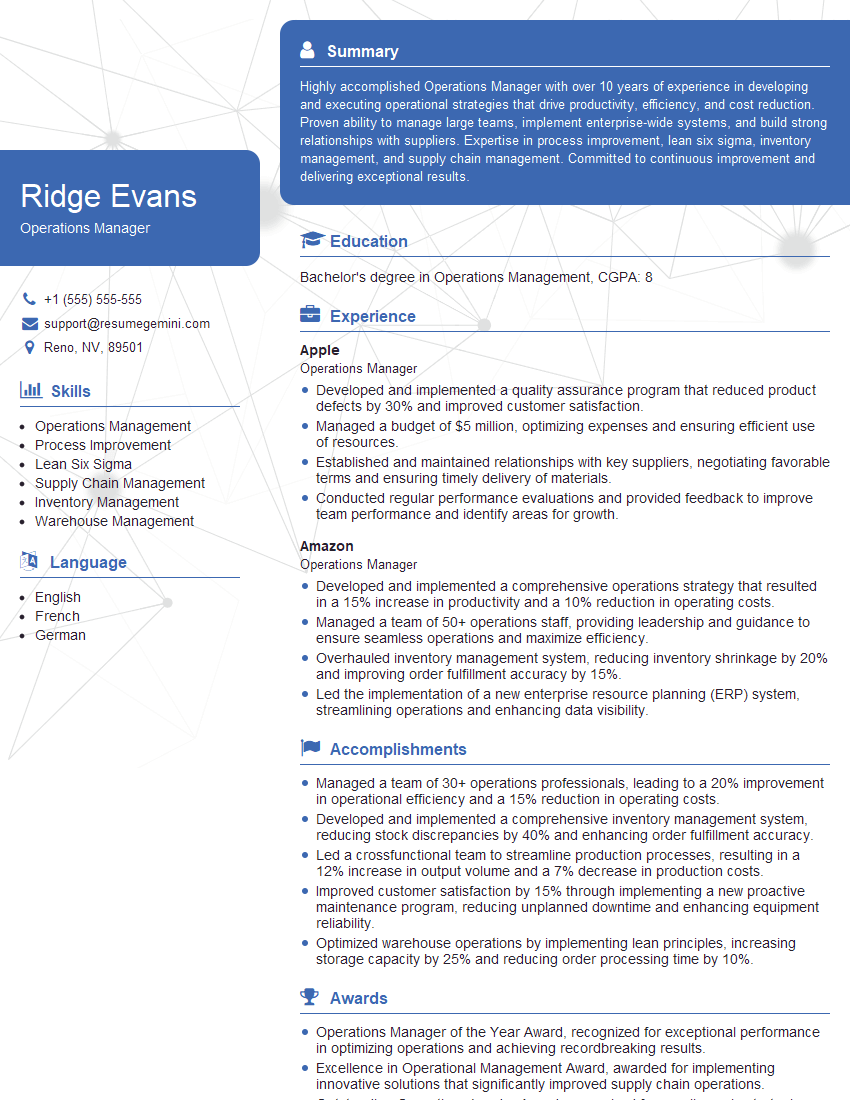
Operations Manager Resume Sample
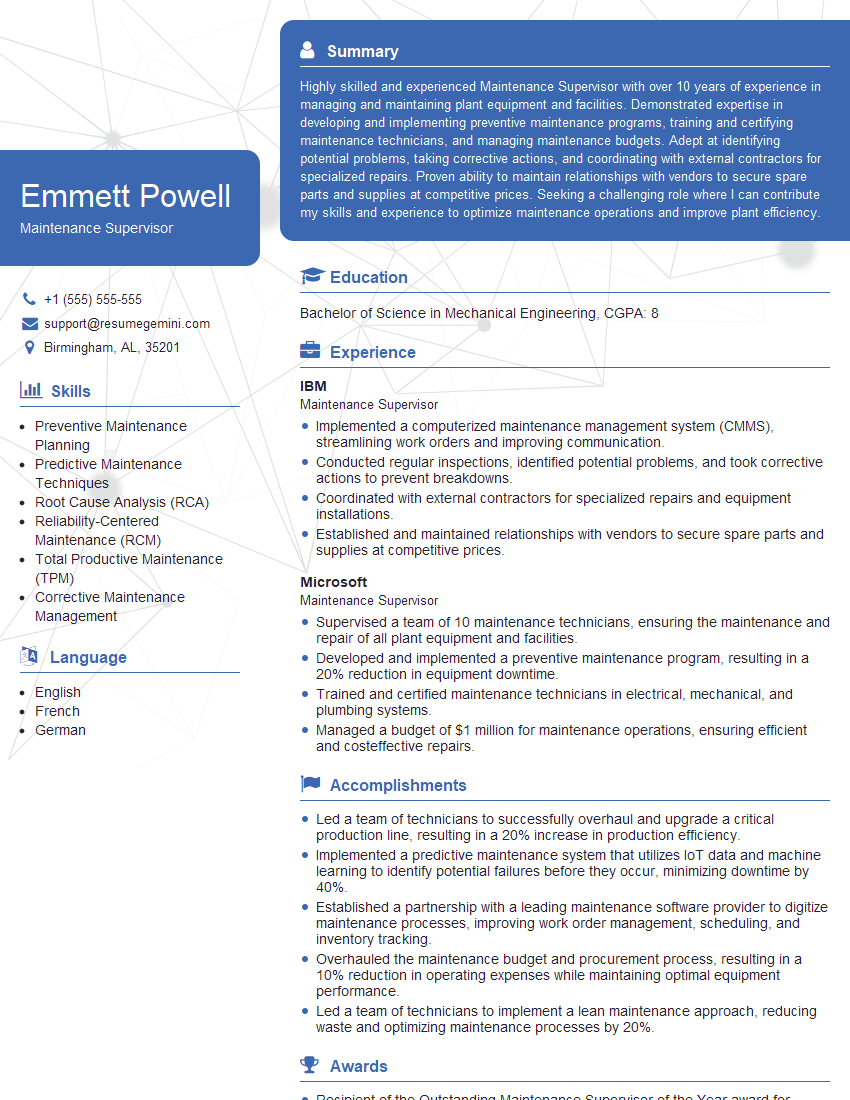
Maintenance Supervisor Resume Sample

Environmental Health and Safety Manager Resume Sample
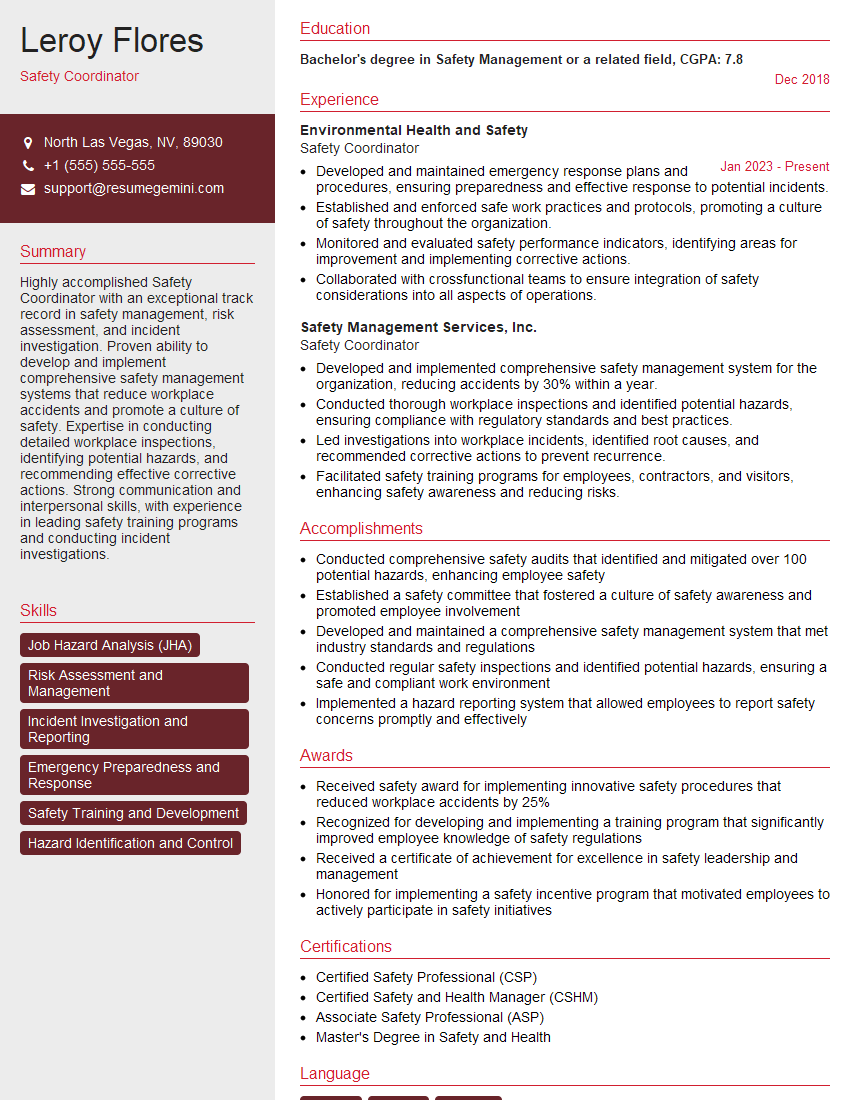
Safety Coordinator Resume Sample

Compliance Officer Resume Sample
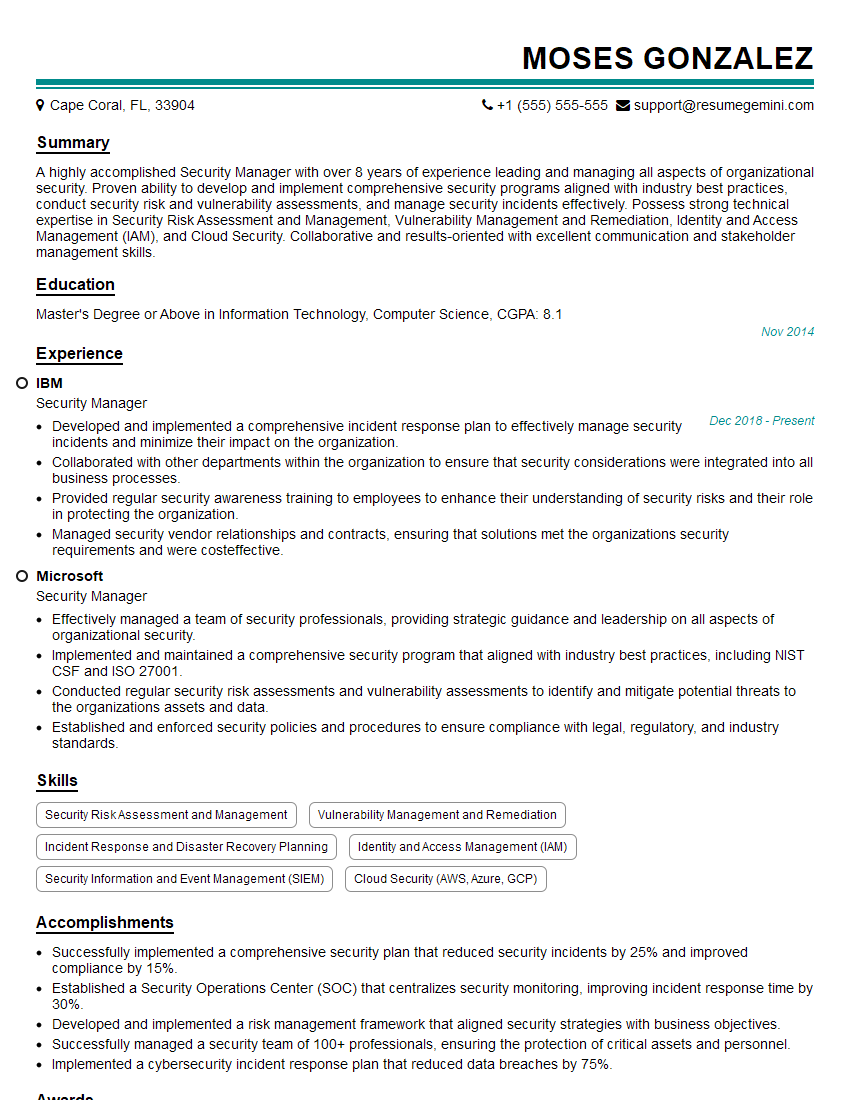
Security Manager Resume Sample

Loss Prevention Specialist Resume Sample

Health and Safety Manager Resume Sample
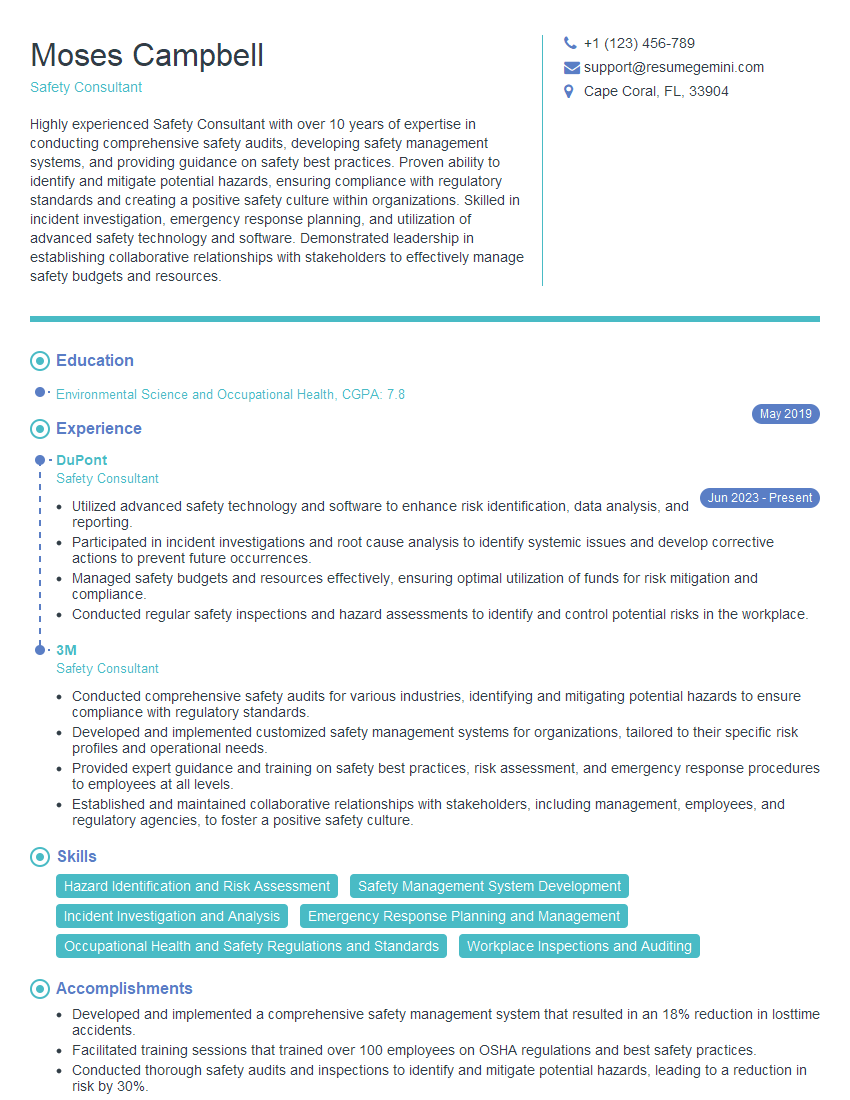
Safety Consultant Resume Sample
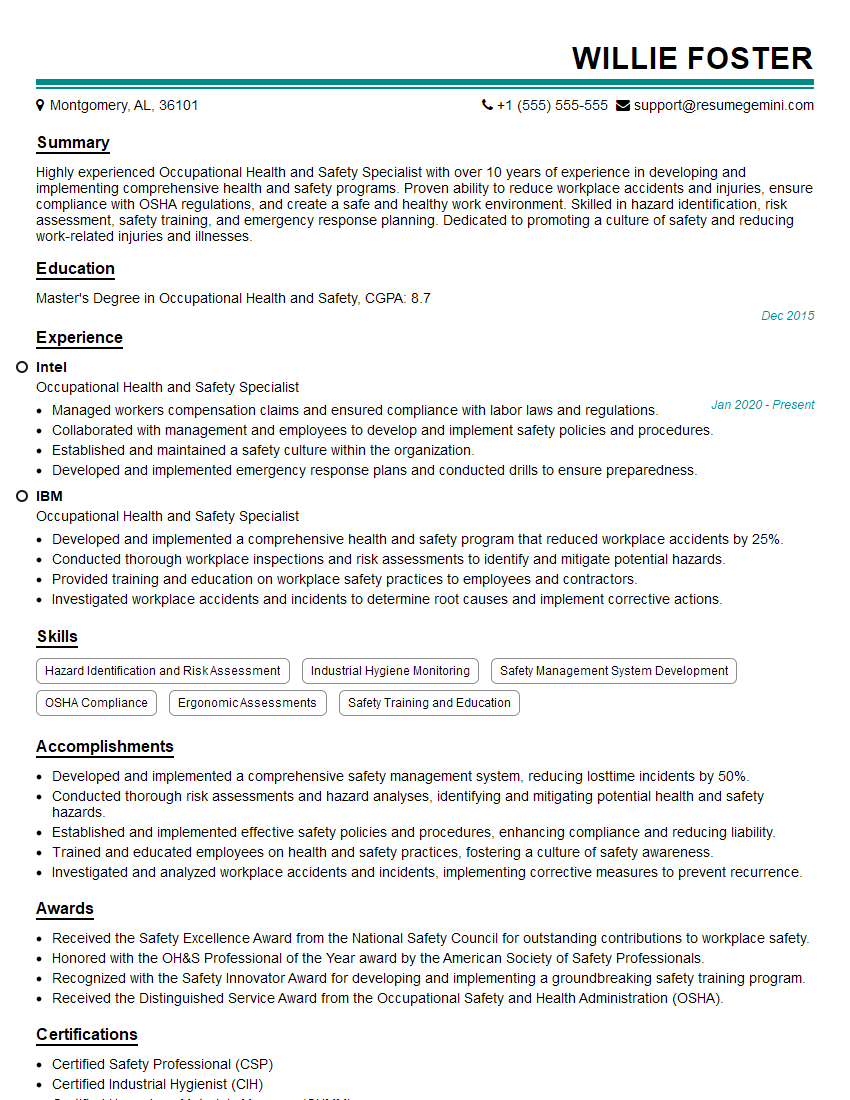
Occupational Health and Safety Specialist Resume Sample
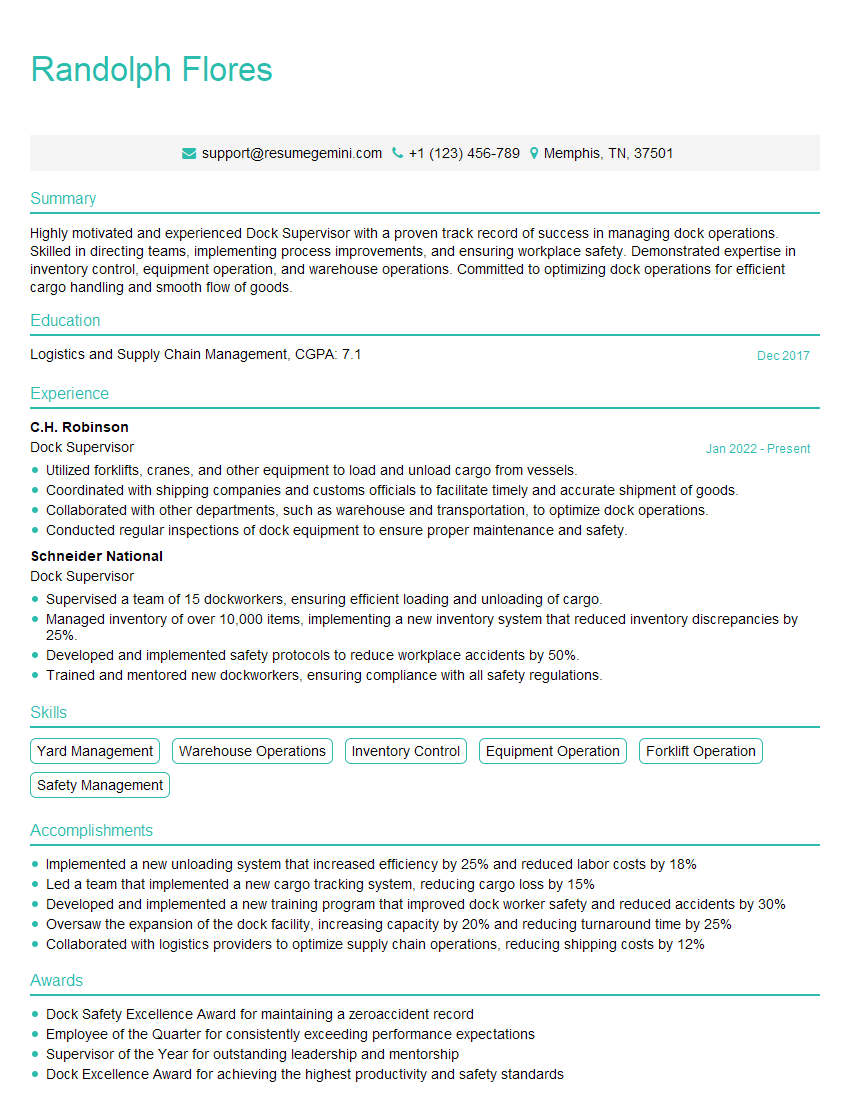
Dock Supervisor Resume Sample
Explore more articles
Users Rating of Our Blogs
Share Your Experience
We value your feedback! Please rate our content and share your thoughts (optional).
What Readers Say About Our Blog
Really detailed insights and content, thank you for writing this detailed article.
IT gave me an insight and words to use and be able to think of examples