Unlock your full potential by mastering the most common Dock Loading and Unloading interview questions. This blog offers a deep dive into the critical topics, ensuring you’re not only prepared to answer but to excel. With these insights, you’ll approach your interview with clarity and confidence.
Questions Asked in Dock Loading and Unloading Interview
Q 1. Describe your experience with different types of loading docks.
My experience encompasses a wide range of loading dock types, from basic ground-level docks to more advanced configurations. I’ve worked with:
- Level docks: These are the simplest, requiring minimal equipment and are suitable for smaller operations. I’ve managed loading and unloading at facilities utilizing these, focusing on efficient hand-truck operations and careful organization to prevent congestion.
- Ramp docks: These require more careful maneuvering, especially with heavier loads. My experience includes using ramps with various incline angles, adapting my techniques to ensure safety and efficiency. We often employed specialized equipment to navigate these ramps safely.
- Dock levelers: These are crucial for bridging the gap between the truck bed and the dock. I’m proficient in operating and maintaining various dock leveler types, ensuring they’re properly positioned and secured before each use to prevent accidents. This includes understanding weight limits and conducting regular safety checks.
- Hydraulic docks: I have experience with hydraulic docks, which offer smoother transitions and more efficient loading. Proper maintenance and understanding the hydraulic system are key to ensuring safe operation. I am familiar with troubleshooting minor hydraulic issues.
Understanding the specifics of each dock type is crucial for optimizing efficiency and minimizing the risk of accidents. For example, a poorly maintained dock leveler could lead to serious injuries, so regular inspections and maintenance are paramount in my approach.
Q 2. Explain your understanding of safe loading and unloading procedures.
Safe loading and unloading procedures are paramount to prevent accidents and damage. My approach is based on a systematic process:
- Pre-shift checks: This includes inspecting the dock area, equipment (forklifts, pallet jacks, etc.), and the condition of the cargo. Any hazards are immediately reported and addressed.
- Proper vehicle positioning: Ensuring trucks are correctly positioned at the dock, using chocks where necessary, prevents accidental movement during loading/unloading.
- Clear communication: Maintaining clear communication with the truck driver, warehouse staff, and other workers is essential to coordinate activities and avoid collisions.
- Load securing: Proper load securing techniques, such as using straps, wraps, and other securing devices, prevent shifting during transit and maintain structural integrity.
- Following OSHA guidelines: Strict adherence to Occupational Safety and Health Administration (OSHA) guidelines is non-negotiable. This involves wearing appropriate safety gear (hard hats, safety shoes, high-visibility vests), and following all safety protocols.
- Post-shift checks: A final inspection of the dock area and equipment is crucial to identify and address any potential problems before the next shift.
For instance, I once prevented a potential accident by noticing a loose plank on a dock leveler during the pre-shift inspection. This seemingly small issue could have resulted in a significant injury if overlooked.
Q 3. How do you prioritize tasks during peak loading/unloading periods?
During peak periods, efficient task prioritization is critical. I utilize a combination of strategies:
- Urgent orders first: Prioritizing orders with tight deadlines or those requiring expedited shipping ensures timely fulfillment.
- Full truckloads: Completing full truckloads efficiently minimizes the number of trips and maximizes loading space.
- Product grouping: Grouping similar products together streamlines loading and reduces unnecessary movement.
- Cross-docking: When applicable, cross-docking (transferring goods directly from one truck to another) significantly speeds up the process.
- Teamwork and Communication: Efficient communication and collaboration among team members are crucial. Clearly defined roles and responsibilities prevent bottlenecks and improve overall workflow.
Imagine a scenario with multiple outgoing shipments, some with imminent deadlines. By prioritizing those shipments and coordinating the efforts of multiple loading crews, I can ensure all deadlines are met without compromising safety.
Q 4. What safety measures do you take when operating a forklift or pallet jack?
Safety is always my top priority when operating forklifts or pallet jacks. My procedures include:
- Pre-operation checks: Thorough inspection of the equipment, including checking fluid levels, tire pressure, and overall functionality.
- Proper training and certification: I hold all necessary certifications and undergo regular refresher training to maintain proficiency.
- Safe operating procedures: Following all established safety guidelines, including maintaining appropriate speed, avoiding sharp turns, and ensuring clear visibility.
- Load stability: Ensuring loads are properly secured and balanced to prevent tipping.
- Pedestrian safety: Always being aware of and prioritizing the safety of pedestrians in the vicinity.
- Emergency procedures: Familiar with and able to execute emergency procedures in the event of malfunction or accident.
One instance I remember is when I noticed a potential hazard – a small oil leak on a forklift. I immediately reported the issue, took the forklift out of service, and prevented a potentially dangerous situation.
Q 5. Describe your experience with inventory management during loading/unloading.
Inventory management during loading/unloading is crucial for accuracy and efficiency. My experience includes:
- Real-time tracking: Utilizing inventory management systems to track goods throughout the loading and unloading process, ensuring accuracy in counts and locations.
- Cycle counting: Conducting regular cycle counts to verify inventory accuracy and identify discrepancies promptly.
- Barcode/RFID scanning: Utilizing barcode or RFID scanners for quick and accurate inventory tracking and verification.
- Data entry and reconciliation: Accurately entering data into the system and reconciling it with physical inventory to identify and resolve any differences.
- First-In, First-Out (FIFO) management: Applying FIFO methodology to ensure proper stock rotation and minimize waste, particularly for perishable goods.
For example, by using a real-time inventory system, I was able to quickly locate a misplaced shipment during a busy period, preventing a potential delay in order fulfillment.
Q 6. How do you handle damaged or missing goods during unloading?
Handling damaged or missing goods requires a methodical approach:
- Immediate documentation: Thoroughly documenting the damage or missing items, including taking photos and noting the quantity and condition of the affected goods.
- Reporting procedures: Following established procedures for reporting damaged or missing goods to the relevant parties (e.g., shipping company, warehouse manager).
- Damage assessment: Determining the extent of the damage and its potential impact on further handling or use.
- Claims process: Initiating the claims process with the appropriate carrier or supplier, providing all necessary documentation.
- Inventory adjustment: Adjusting the inventory records to reflect the damaged or missing goods.
In one instance, I discovered several damaged boxes during unloading. By meticulously documenting the damage with photos and a detailed report, I was able to ensure that a claim was successfully filed with the shipping company and the client was appropriately compensated.
Q 7. Explain your experience with different types of loading equipment.
My experience spans various loading equipment:
- Forklifts: Proficient in operating various types of forklifts (sit-down, stand-up, reach trucks), adhering to all safety protocols.
- Pallet jacks: Experienced in using manual and powered pallet jacks for efficient movement of palletized goods.
- Conveyors: Familiar with operating and maintaining conveyor systems for efficient movement of goods across different areas of the warehouse.
- Crane systems: Experience operating and overseeing the safe operation of overhead cranes for loading and unloading of heavy or oversized items.
- Loading ramps and dock levelers: Proficiency in using and maintaining loading ramps and dock levelers to bridge the gap between the truck and the dock.
Understanding the capabilities and limitations of each piece of equipment is crucial for selecting the most appropriate tool for the task and ensuring efficient and safe operation. For example, using a reach truck for high-stacked pallets significantly increases efficiency compared to manually moving them with a pallet jack.
Q 8. How do you ensure the efficient flow of goods during loading and unloading?
Efficient goods flow during loading and unloading hinges on meticulous planning and execution. It’s like orchestrating a complex symphony – every instrument (worker, equipment, process) must play in harmony. This involves optimizing space utilization within the loading dock, implementing clear communication protocols among the team, and leveraging technology to streamline the process.
- Pre-planning and scheduling: Knowing the exact order of loading and unloading, the quantity of each item, and the destination ensures smooth operations. For example, grouping items by destination minimizes handling and reduces the risk of misplacement.
- Designated work zones: Clearly defined areas for receiving, staging, and loading prevent congestion and confusion. Think of it like a well-organized kitchen – everything has its place.
- Efficient equipment usage: Utilizing forklifts, conveyors, and other machinery effectively speeds up the process and minimizes manual handling. This also means ensuring equipment is in good working order and operators are properly trained.
- Technology integration: Warehouse management systems (WMS) and transportation management systems (TMS) can automate many aspects, from tracking inventory to generating shipping documents, minimizing errors and delays.
For instance, in a previous role, we implemented a new WMS that reduced loading times by 15% by optimizing picking routes and automatically assigning loading docks based on destination and carrier.
Q 9. Describe your experience with various packaging and palletizing techniques.
My experience encompasses a wide range of packaging and palletizing techniques. This includes working with various packaging materials, such as corrugated boxes, shrink wrap, wooden crates, and specialized containers designed for fragile or hazardous goods. Palletizing techniques employed range from simple manual stacking to automated palletizing systems, depending on the product’s characteristics and order volume.
- Understanding Product Sensitivity: Certain products require specific handling. For example, fragile items demand careful packaging and palletizing to prevent damage during transit. This might involve using protective inserts, bubble wrap, or specialized bracing within the pallet.
- Pallet Types and Stability: Different pallet types are suitable for various loads and applications. Choosing the right pallet — wood, plastic, or even custom-designed — is critical for structural integrity and stability during transport.
- Load Optimization and Weight Distribution: Even weight distribution across the pallet is paramount to prevent tipping or damage. This involves strategically placing heavier items lower and distributing weight evenly across the pallet’s surface.
- Shrink Wrapping and Strapping: These techniques secure the load, preventing shifting or damage during transport. The choice between shrink wrap and strapping, or a combination of both, depends on the product’s characteristics and the level of protection required.
In a prior role, we switched to a more efficient palletizing system which reduced pallet damage by 20% and improved the overall efficiency of the loading process.
Q 10. How do you maintain accurate records of loaded and unloaded goods?
Maintaining accurate records is crucial for inventory management, tracking shipments, and ensuring accountability. This is usually done through a combination of manual and automated systems. The process begins with verifying the contents against the shipping manifest before loading and documenting the goods upon unloading.
- Scanning and Barcoding: Using barcode scanners and RFID technology speeds up the process and reduces manual data entry errors. Each item or pallet is scanned, and this data is automatically recorded in the WMS.
- Digital Manifests and Waybills: Electronic manifests and waybills eliminate manual paperwork and reduce the risk of lost or damaged documents. This allows for real-time tracking of shipments.
- Spreadsheet and Database Systems: While barcode scanning does most of the work, spreadsheets or specialized databases serve as a central repository for all loading and unloading data. This data can be used for inventory management, reporting, and auditing purposes.
- Regular Audits and Reconciliation: Regular audits of records help to identify and resolve any discrepancies before they escalate into bigger problems. This may involve physically checking inventory against the database records.
I’ve consistently used these methods to maintain accurate and up-to-date records, allowing for better inventory control and streamlined logistics.
Q 11. How do you handle discrepancies between shipping manifests and received goods?
Discrepancies between shipping manifests and received goods necessitate a methodical approach to identify the root cause and resolve the issue. It’s like detective work – you need to systematically investigate to find where the problem lies.
- Immediate Verification: The first step is to carefully compare the manifest with the received goods. This is often done at the time of unloading, using the barcode scanning system.
- Documentation and Reporting: All discrepancies are meticulously documented, noting the specific items, quantities, and any relevant observations. This documentation serves as a record of the issue and the steps taken to resolve it.
- Investigating the Source: The investigation involves checking different points in the supply chain – from the order placement to the loading and transportation process. This might include reviewing picking lists, checking for damage during transit, or contacting the shipper.
- Resolution and Follow-up: Once the cause of the discrepancy is identified, steps are taken to resolve it, which could involve adjustments to inventory records, contacting the shipper for replacements, or initiating damage claims.
For example, I once identified a discrepancy caused by a mislabeled pallet, resolving it by working with the shipper and adjusting our inventory records promptly. This ensured timely delivery to the customer and prevented further issues.
Q 12. Describe your experience working under pressure and meeting tight deadlines.
Working under pressure and meeting tight deadlines is a regular part of dock operations. I thrive in these environments, having developed strategies to manage time effectively and prioritize tasks.
- Prioritization and Time Management: I excel at prioritizing tasks based on urgency and importance, focusing on completing critical activities first. Effective time management techniques help to ensure timely completion of all tasks.
- Teamwork and Communication: Clear communication with the team is crucial. Ensuring everyone understands their roles and responsibilities minimizes delays and misunderstandings.
- Adaptability and Problem-Solving: Unexpected delays or problems can arise. I remain flexible and adaptable, quickly identifying solutions to keep the operation running smoothly.
- Proactive Approach: Instead of reacting to problems, I proactively anticipate potential challenges and develop contingency plans. This reduces stress and ensures efficient operations.
During a period of exceptionally high order volume, we exceeded expectations by effectively delegating tasks, maintaining clear communication, and focusing on process efficiency, ensuring all deadlines were met.
Q 13. What is your experience with different types of transportation vehicles?
My experience includes working with a diverse range of transportation vehicles, each presenting its unique characteristics and operational considerations.
- Semi-trailer Trucks: The most common, requiring efficient loading and securing of goods to prevent shifting during transit.
- Box Trucks: Smaller vehicles suitable for local deliveries, requiring careful space optimization to maximize capacity.
- Flatbed Trucks: Used for oversized or unusual cargo, requiring specialized handling and securing techniques.
- Refrigerated Trucks (reefers): Essential for temperature-sensitive goods, needing precise loading to maintain the cold chain.
- Intermodal Containers: Used for rail and sea transport, requiring careful loading and documentation procedures.
Understanding the capabilities and limitations of each vehicle type ensures efficient and safe loading and unloading operations. For instance, I had to adapt my procedures when loading a shipment onto a flatbed truck, employing special straps and bracing to secure the oversized cargo.
Q 14. How do you ensure the security of goods during loading and unloading?
Ensuring the security of goods during loading and unloading is paramount. This involves implementing measures to prevent theft, damage, and unauthorized access.
- Secure Dock Area: Restricting access to the dock area, using gates, fences, and security cameras, is fundamental. This limits unauthorized entry and reduces the risk of theft.
- Inventory Control: Accurate tracking of goods from the moment they arrive until they are loaded onto the vehicle minimizes opportunities for loss or theft.
- Surveillance Systems: Security cameras provide visual monitoring of the dock area, deterring theft and providing evidence in case of incidents.
- Employee Training: Training staff on security protocols, including proper handling of goods and reporting suspicious activities, is essential. Regular security awareness training keeps everyone alert.
- Secure Transportation: Working with reputable carriers and ensuring the goods are properly secured during transit is crucial for overall security.
In one instance, we implemented a new security system, including access control and improved surveillance, resulting in a significant reduction in incidents of theft and damage.
Q 15. How do you adapt to changing work schedules and priorities?
Adaptability is crucial in dock loading and unloading, where schedules and priorities shift constantly. I approach this by prioritizing tasks based on urgency and impact. For example, if a shipment with a tight deadline arrives, I’ll immediately coordinate with my team to prioritize its unloading, even if it means adjusting the planned sequence of operations. I use various tools to stay organized, like a digital task manager and regular communication with supervisors to understand changing priorities. I also proactively look for opportunities to optimize workflow, which allows for smoother transitions between different tasks and improved response to unexpected changes. For example, during a particularly busy period, I reorganized the staging area to streamline the movement of goods which drastically reduced loading times and improved efficiency.
Career Expert Tips:
- Ace those interviews! Prepare effectively by reviewing the Top 50 Most Common Interview Questions on ResumeGemini.
- Navigate your job search with confidence! Explore a wide range of Career Tips on ResumeGemini. Learn about common challenges and recommendations to overcome them.
- Craft the perfect resume! Master the Art of Resume Writing with ResumeGemini’s guide. Showcase your unique qualifications and achievements effectively.
- Don’t miss out on holiday savings! Build your dream resume with ResumeGemini’s ATS optimized templates.
Q 16. Describe your experience with using Warehouse Management Systems (WMS).
I have extensive experience with Warehouse Management Systems (WMS), including Manhattan Associates WMS and Blue Yonder WMS. My proficiency includes using WMS to manage inventory, track shipments, optimize storage locations, generate reports, and manage labor. I’m comfortable with the receiving process, using the system to verify incoming shipments against purchase orders, identify discrepancies, and report any damages or shortages. I also leverage the WMS to guide pickers and packers and efficiently assign tasks to improve warehouse throughput. For instance, using the system’s reporting features, I identified a bottleneck in the receiving process due to an inefficient scanning procedure, suggesting an adjustment to the process that reduced processing time by 15%.
Q 17. How do you communicate effectively with drivers and other warehouse staff?
Effective communication is paramount in this role. With drivers, I ensure clear communication about arrival times, unloading procedures, and any necessary paperwork. I use clear, concise language, avoiding jargon. For instance, I’ll confirm the number of pallets and their contents before unloading begins, and will point out any potential issues like damaged packaging, immediately. With warehouse staff, I maintain open and respectful communication, ensuring everyone is informed of their tasks and any changes in schedules. I use both verbal and visual communication (e.g., whiteboards for daily schedules, checklists for tasks) to keep everyone up-to-date. I also actively listen to feedback and concerns, fostering a collaborative team environment. During a recent situation involving a late delivery, I communicated effectively with both the driver and the receiving team, ensuring that the goods were unloaded safely and efficiently, minimizing disruption to the warehouse operations.
Q 18. What is your experience with manual loading and unloading?
I possess considerable experience in manual loading and unloading, involving a variety of goods, from small packages to large, heavy equipment. I understand the importance of proper lifting techniques to prevent injuries, always employing techniques that minimize strain. I use appropriate equipment like hand trucks, dollies, and pallet jacks as needed. I’m aware of the physical demands of the job and always maintain awareness of my physical limits and those of my colleagues. For example, when dealing with particularly heavy items, I’d always ensure that there are enough people available to help, and that we employ safe lifting procedures. Safety is always my top priority.
Q 19. How do you identify and report potential safety hazards on the loading dock?
Identifying and reporting safety hazards is a crucial aspect of my daily routine. I regularly inspect the loading dock area for potential problems, such as spills, obstructions, damaged equipment, inadequate lighting, and unsafe stacking practices. I meticulously check for any signs of damage to the dock levelers or the surrounding areas. If a potential hazard is identified, I immediately address it if possible (e.g., cleaning up a spill), and if not immediately rectifiable, I report it to my supervisor using the company’s established procedures, which often involve a formal reporting system or dedicated safety channels. A recent example involved spotting a faulty dock light, which I immediately reported to prevent accidents at night. I believe that proactive safety measures are paramount to a safe working environment.
Q 20. Explain your understanding of load weight and balance.
Understanding load weight and balance is crucial to prevent accidents and damage. This involves understanding the weight limits of the loading dock, the forklift, and the trucks themselves. Furthermore, it involves appropriately distributing weight within a truck or on a pallet to maintain stability and prevent tipping. I use scales to accurately weigh loads and ensure that they are within the permissible weight limits. Incorrect weight distribution could lead to instability during transport, resulting in accidents or damage to goods. I always adhere to the recommended weight distribution guidelines and ensure that heavy items are placed lower and centered in the vehicle to maintain balance.
Q 21. How do you prevent damage to goods during handling?
Preventing damage to goods is critical. This starts with careful handling during unloading, using appropriate equipment and techniques. I use protective materials like dunnage and padding to prevent damage during transit and storage. Proper stacking methods are crucial to avoid crushing or toppling. I inspect goods for any pre-existing damage before handling them, properly documenting and reporting any issues. I make sure that the correct handling procedures are followed for fragile or temperature-sensitive items. For example, when unloading electronics, I take extra care and use appropriate packaging to safeguard them from impacts and shocks. Regular training and adherence to best practices ensures minimal damage during handling.
Q 22. Describe your experience with different types of cargo securing techniques.
Cargo securing is paramount for safety and preventing damage during transit. My experience encompasses a wide range of techniques, tailored to the specific cargo type and mode of transport. This includes:
- Strapping: Using high-tensile straps to secure pallets and individual items. I’m proficient in using both manual and powered ratchet straps, ensuring proper tension and securing points to prevent shifting. For example, I’ve successfully secured oversized machinery using a combination of straps and blocking to prevent movement during long-haul transport.
- Shrink Wrapping: This method uses plastic film to tightly wrap pallets, protecting contents from moisture and theft while adding stability. I’m experienced in using both manual and automated shrink wrapping systems and am mindful of maintaining proper overlap for effective sealing.
- Blocking and Bracing: This involves using wooden blocks or other materials to fill void spaces and prevent shifting within a container or truck. I’m skilled in calculating required bracing and creating effective support structures for fragile or oddly-shaped cargo. For instance, I devised a custom blocking system using repurposed pallets to securely transport a load of delicate glassware.
- Dunnage: Utilizing materials like air bags, inflatable dunnage, or foam cushioning to fill gaps and absorb shocks. The choice of dunnage depends on the specific cargo and transport conditions. For example, I’ve used air bags to stabilize a load of heavy equipment within a container, preventing damage from shifting during transit.
My approach prioritizes safety, efficiency, and minimizing damage. I always assess the cargo and transport method before selecting the appropriate securing techniques, always adhering to best practices and relevant regulations.
Q 23. How do you manage multiple tasks simultaneously during peak hours?
Peak hours demand efficient multitasking. My strategy involves prioritizing tasks based on urgency and impact, often using a visual system, like a whiteboard, to track progress. I leverage technology where possible – for example, using a handheld scanner to expedite the checking-in process for drivers and the loading of goods, significantly reducing waiting times. Effective communication with the team is also crucial. I proactively inform my colleagues about potential delays or bottlenecks, fostering collaboration and preventing workflow disruption. Think of it like conducting an orchestra – each section (task) needs to play its part in harmony to achieve a smooth and efficient performance. By maintaining clear communication and using time-management techniques, I consistently manage multiple tasks without compromising accuracy or safety.
Q 24. Describe your experience with using scanners and other warehouse technology.
I am highly proficient in using various warehouse technologies, significantly enhancing efficiency and accuracy. This includes:
- RF Scanners: I’m skilled in using RF scanners to quickly and accurately track inventory, verify shipments, and manage receiving and dispatch processes. This reduces human error and speeds up the overall workflow.
- WMS (Warehouse Management Systems): I’m familiar with using WMS software to access real-time inventory data, manage orders, and optimize picking and loading strategies. I use this to identify potential bottlenecks and optimize workflows, leading to improved efficiency.
- Dock Management Systems: These systems help to schedule appointments, manage inbound and outbound shipments, and track the real-time status of loading bays. This improves coordination and minimizes delays.
My experience with these technologies has significantly improved my productivity and accuracy, contributing to a smoother and more efficient loading and unloading process. I’m always eager to learn and adapt to new technologies to enhance my performance.
Q 25. How do you maintain a clean and organized work environment on the loading dock?
Maintaining a clean and organized loading dock is crucial for safety and efficiency. My approach involves:
- 5S Methodology: I regularly apply the 5S methodology (Sort, Set in Order, Shine, Standardize, Sustain) to keep the dock organized and free of clutter. This ensures easy access to equipment and minimizes the risk of accidents.
- Regular Cleaning: I conduct regular sweeps, wipe downs, and spot cleaning to prevent spills and maintain a hygienic environment. This includes promptly cleaning up any spills or debris.
- Designated Storage Areas: I ensure all materials and equipment are stored in designated areas to prevent congestion and streamline workflows. This makes finding things quickly and easily, improving overall efficiency.
- Waste Management: I adhere to proper waste disposal procedures, separating recyclable materials from general waste and ensuring the proper disposal of hazardous materials.
A clean and organized dock not only enhances safety but also contributes to a more efficient workflow, boosting morale and reducing the risk of accidents.
Q 26. What is your experience with following regulatory compliance regarding loading and unloading?
Regulatory compliance is paramount in dock loading and unloading operations. I am thoroughly familiar with and consistently adhere to regulations related to:
- Weight Limits: I strictly observe weight limits for vehicles and loading docks to prevent structural damage and ensure safety. I regularly check vehicle weights and ensure that loads are distributed evenly.
- Hazardous Materials Handling: I have extensive experience in handling hazardous materials, including proper labeling, storage, and transportation procedures to meet all relevant regulations.
- Driver Hours of Service (HOS): I am mindful of driver hours of service regulations and ensure that drivers are not exceeding their permitted working hours. This is crucial for road safety and compliance.
- Safety Regulations: I adhere to all safety regulations, including the use of appropriate personal protective equipment (PPE) and safe operating procedures. This includes enforcing safety protocols regarding forklift operations and pedestrian safety around loading docks.
Staying updated on current regulations and implementing best practices are vital aspects of my work. A proactive approach to compliance ensures the safety of all personnel and prevents potential legal issues.
Q 27. How do you resolve conflicts or disagreements with drivers or other warehouse personnel?
Conflicts with drivers or warehouse personnel are addressed professionally and promptly. My approach focuses on:
- Open Communication: I initiate open and respectful dialogue to understand the source of the conflict. Active listening is critical to understanding each perspective.
- Finding Common Ground: I focus on finding solutions that benefit all parties involved. A collaborative approach often helps resolve issues more effectively.
- Mediation if Necessary: If a resolution cannot be reached directly, I seek assistance from a supervisor or manager to mediate the situation and find a fair solution.
- Documentation: I meticulously document all incidents, including the nature of the conflict, steps taken to resolve it, and the outcome. This ensures transparency and helps prevent future conflicts.
My goal is to maintain positive working relationships and to create a collaborative environment where everyone feels heard and respected.
Q 28. Describe a time you had to problem-solve a challenging loading/unloading situation.
During a particularly busy holiday season, a critical shipment of perishable goods arrived with severely damaged packaging. The initial assessment indicated significant spoilage. I had to quickly strategize a solution to minimize losses. My steps included:
- Immediate Assessment: I quickly assessed the extent of the damage and the condition of the goods.
- Prioritization: I prioritized the most severely damaged items for immediate processing to minimize further spoilage.
- Teamwork: I rallied the team to assist in the unloading and sorting of the goods, utilizing a more efficient unloading strategy.
- Communication: I contacted the supplier and our internal management to inform them of the situation and request guidance on further action.
- Salvage Operation: By carefully repackaging the undamaged items and prioritizing the most salvageable goods for immediate processing, we significantly minimized losses.
Through quick thinking, effective teamwork, and clear communication, we managed to salvage a significant portion of the shipment, minimizing financial losses and maintaining customer satisfaction. This experience highlighted the importance of adaptability, resourcefulness, and collaborative problem-solving under pressure.
Key Topics to Learn for Your Dock Loading and Unloading Interview
- Safety Procedures and Regulations: Understanding and adhering to OSHA regulations, safe lifting techniques, and hazard identification are crucial for a successful interview. Practical application includes describing your experience with safety protocols in previous roles.
- Equipment Operation and Maintenance: Familiarity with forklifts, pallet jacks, and other loading equipment, including basic maintenance and troubleshooting. Discuss your experience operating this equipment safely and efficiently, highlighting any certifications or specialized training.
- Loading and Unloading Techniques: Mastering efficient loading and unloading methods to minimize damage and maximize speed. This includes understanding different loading patterns, weight distribution, and securing cargo for transportation.
- Inventory Management and Tracking: Experience with inventory control systems, accurate record-keeping, and the ability to identify discrepancies. Practical examples might include explaining your process for verifying loads against manifests.
- Warehouse Organization and Layout: Demonstrate understanding of warehouse layouts, efficient space utilization, and the importance of clear pathways for safe movement of goods and equipment.
- Problem-Solving and Troubleshooting: Interviewers value candidates who can anticipate and resolve issues related to damaged goods, equipment malfunctions, or unexpected delays. Be prepared to discuss how you’ve handled such situations in the past.
- Teamwork and Communication: Highlight your ability to collaborate effectively with colleagues and communicate clearly with supervisors and other stakeholders.
Next Steps: Level Up Your Career
Mastering dock loading and unloading opens doors to numerous career advancements within logistics, warehousing, and supply chain management. To maximize your job prospects, it’s vital to present your skills and experience effectively. Crafting an ATS-friendly resume is key to getting your application noticed by potential employers. We strongly recommend using ResumeGemini to build a professional and impactful resume that showcases your abilities. ResumeGemini provides examples of resumes tailored to Dock Loading and Unloading positions, helping you craft the perfect application.

Operations Manager Resume Sample
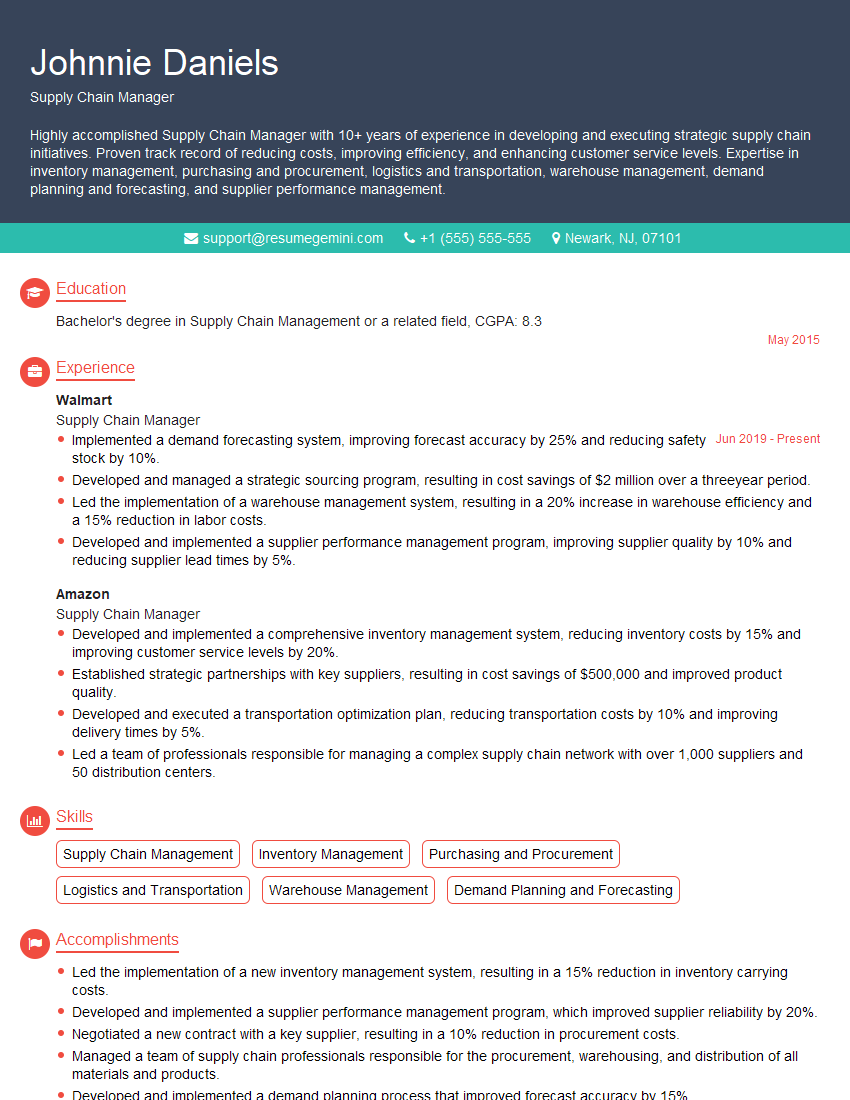
Supply Chain Manager Resume Sample
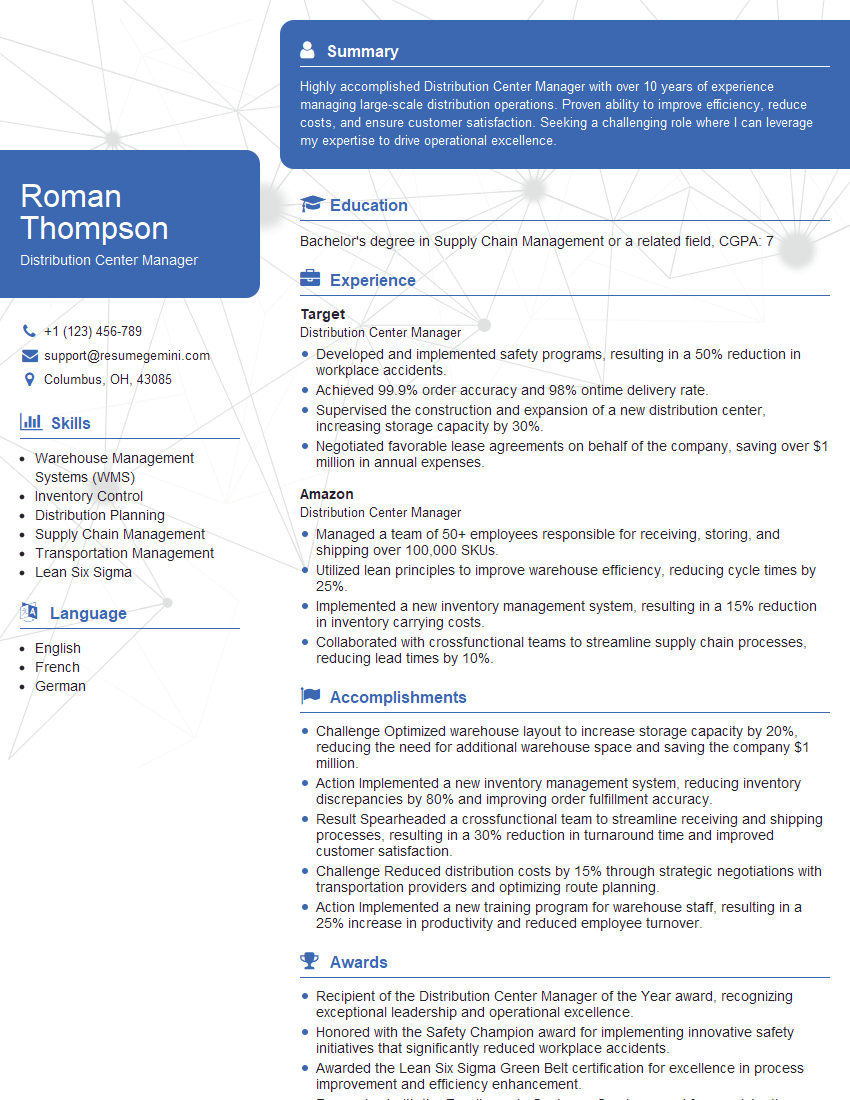
Distribution Center Manager Resume Sample
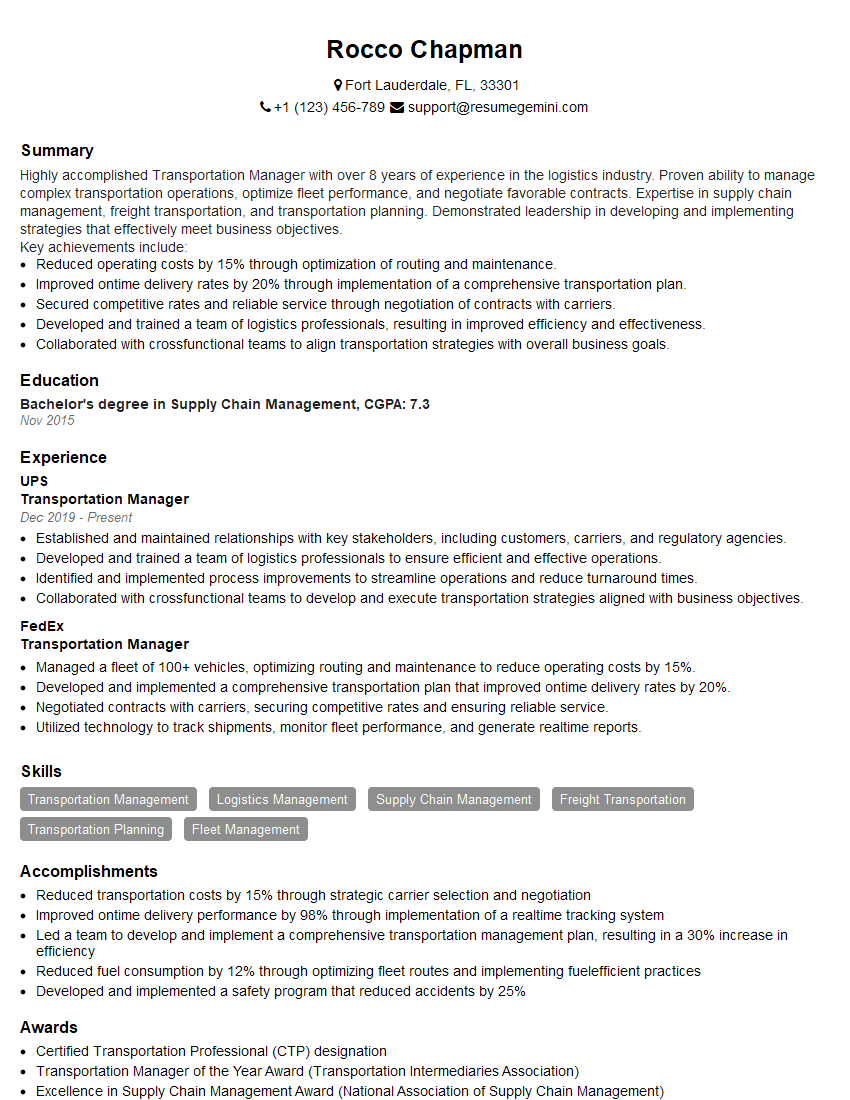
Transportation Manager Resume Sample

Warehouse Manager Resume Sample
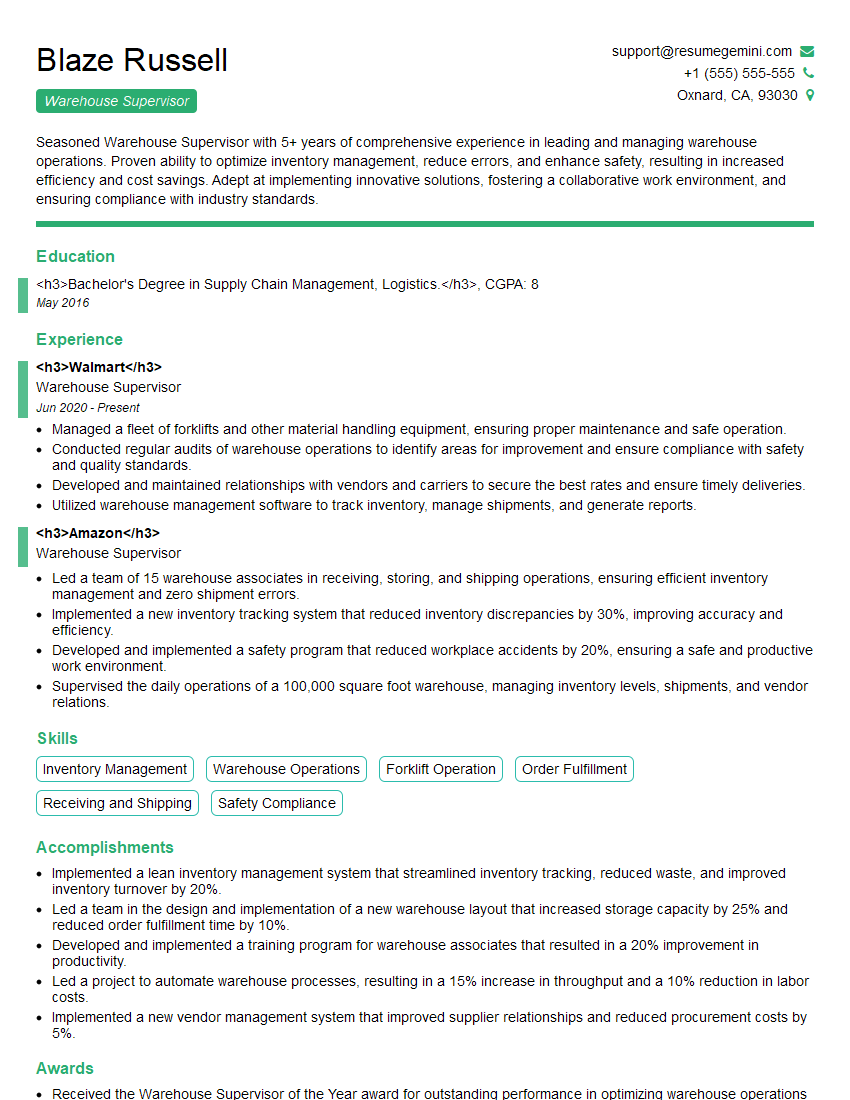
Warehouse Supervisor Resume Sample
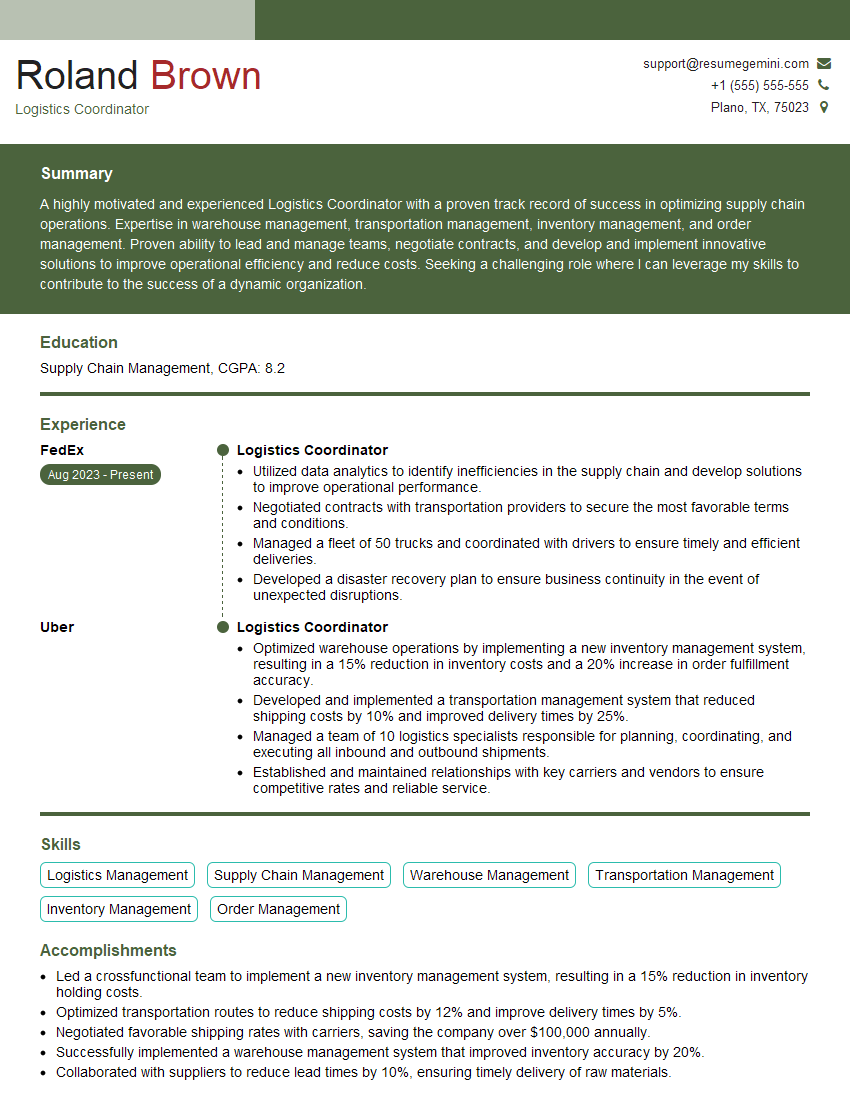
Logistics Coordinator Resume Sample

Inventory Control Specialist Resume Sample

Shipping and Receiving Clerk Resume Sample

Shipping and Receiving Supervisor Resume Sample
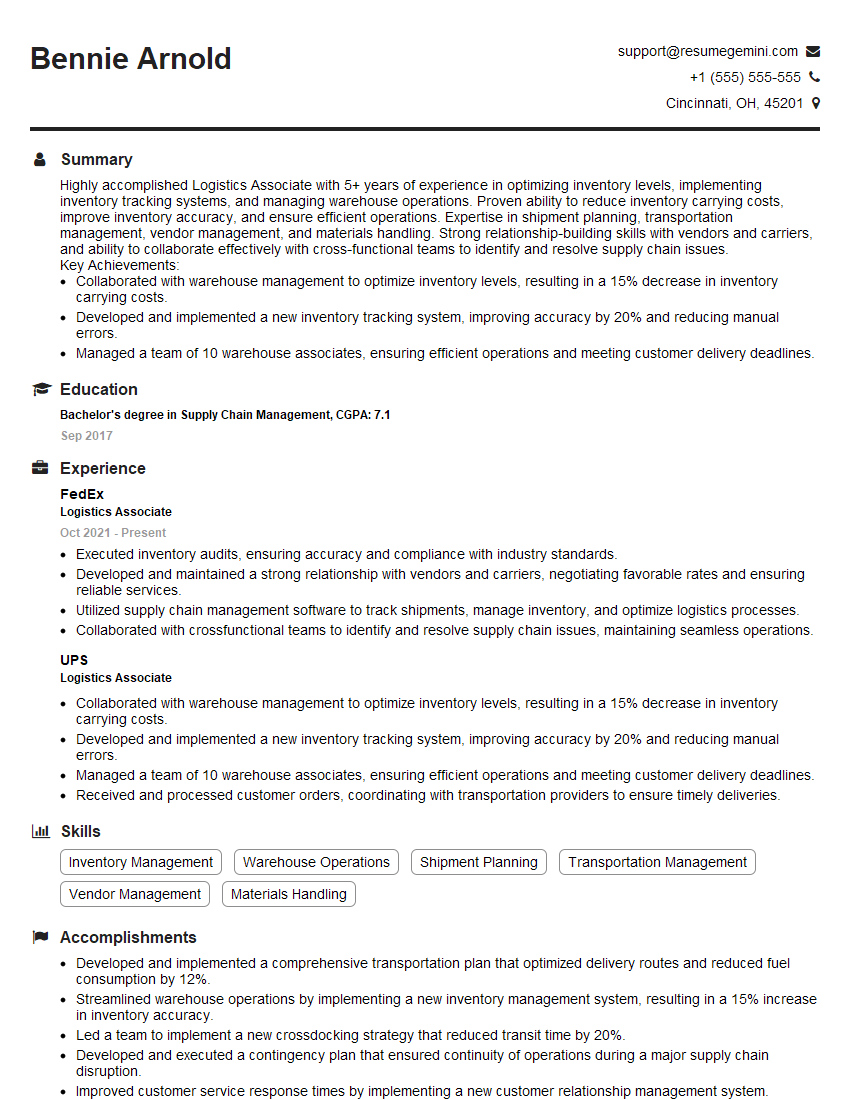
Logistics Associate Resume Sample
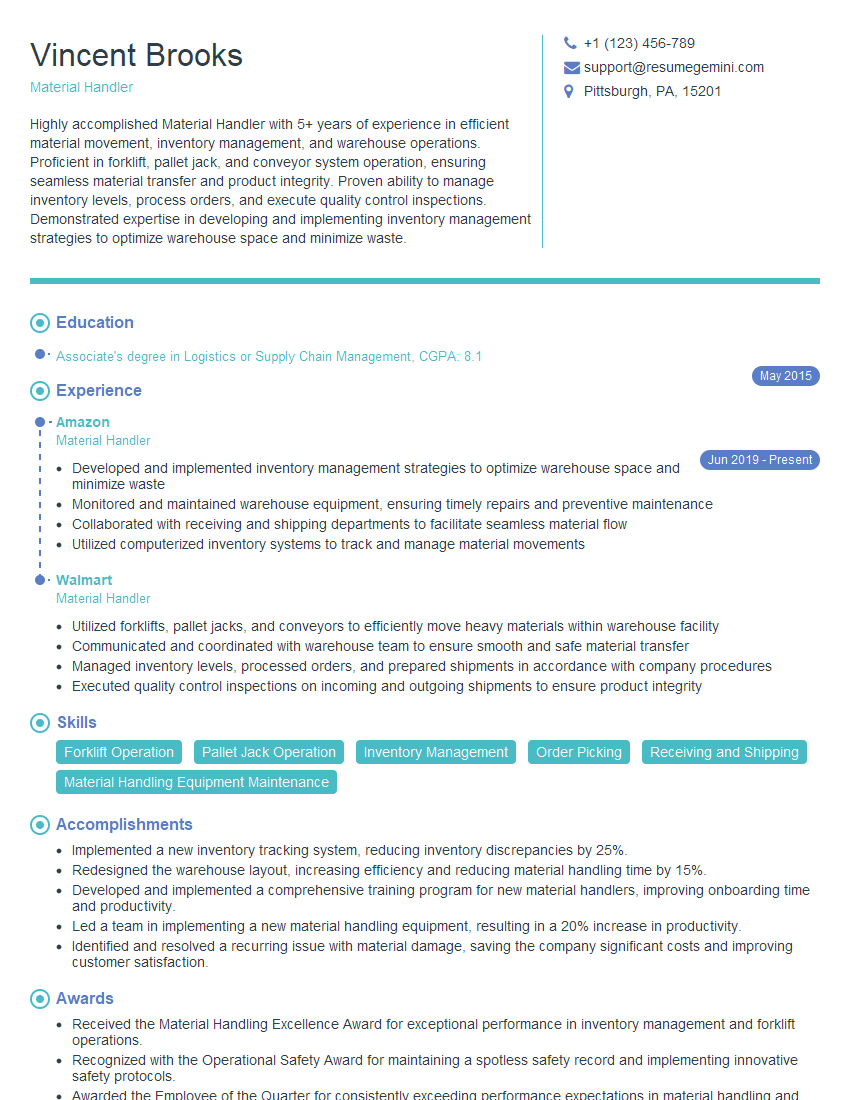
Material Handler Resume Sample
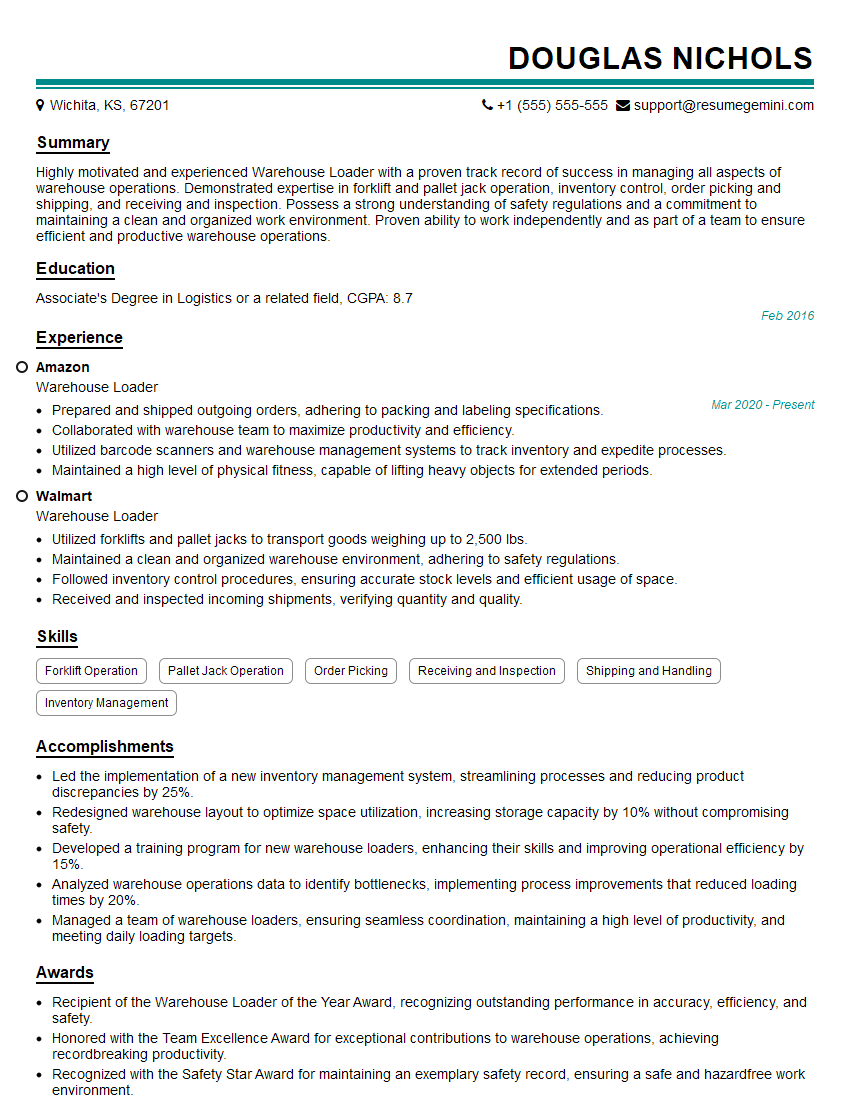
Warehouse Loader Resume Sample
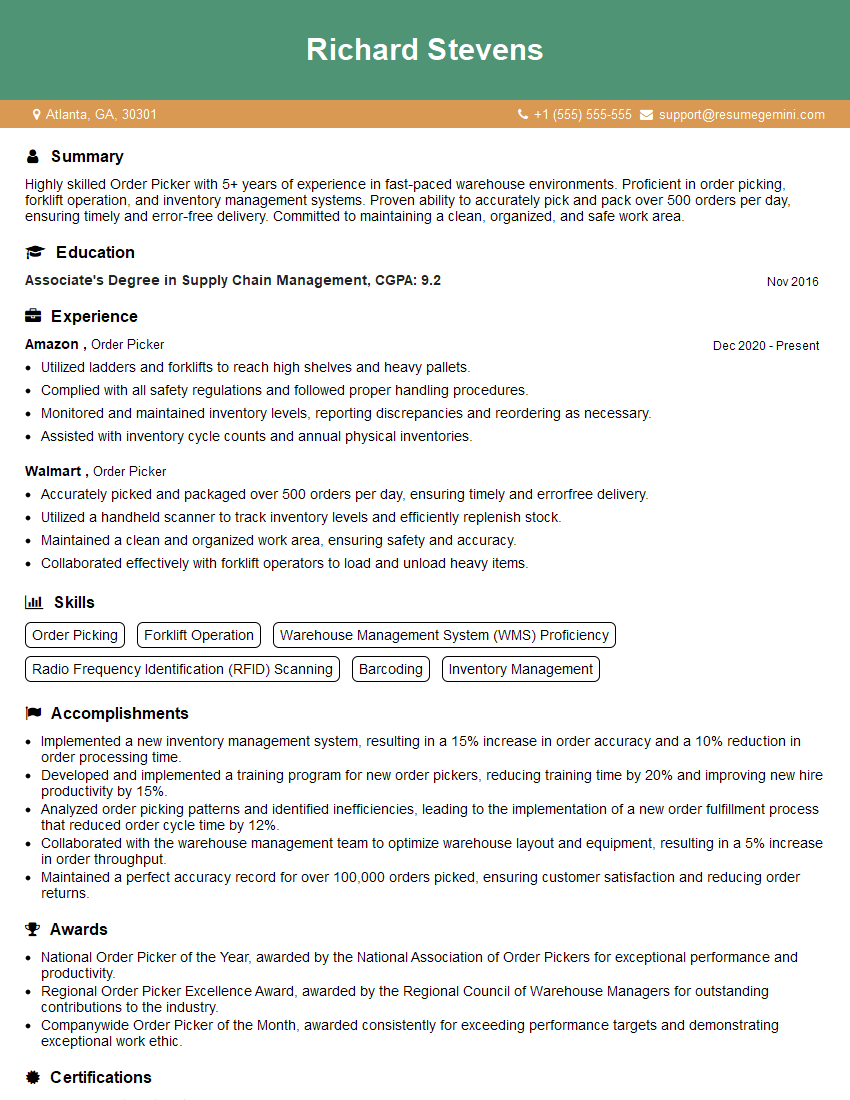
Order Picker Resume Sample
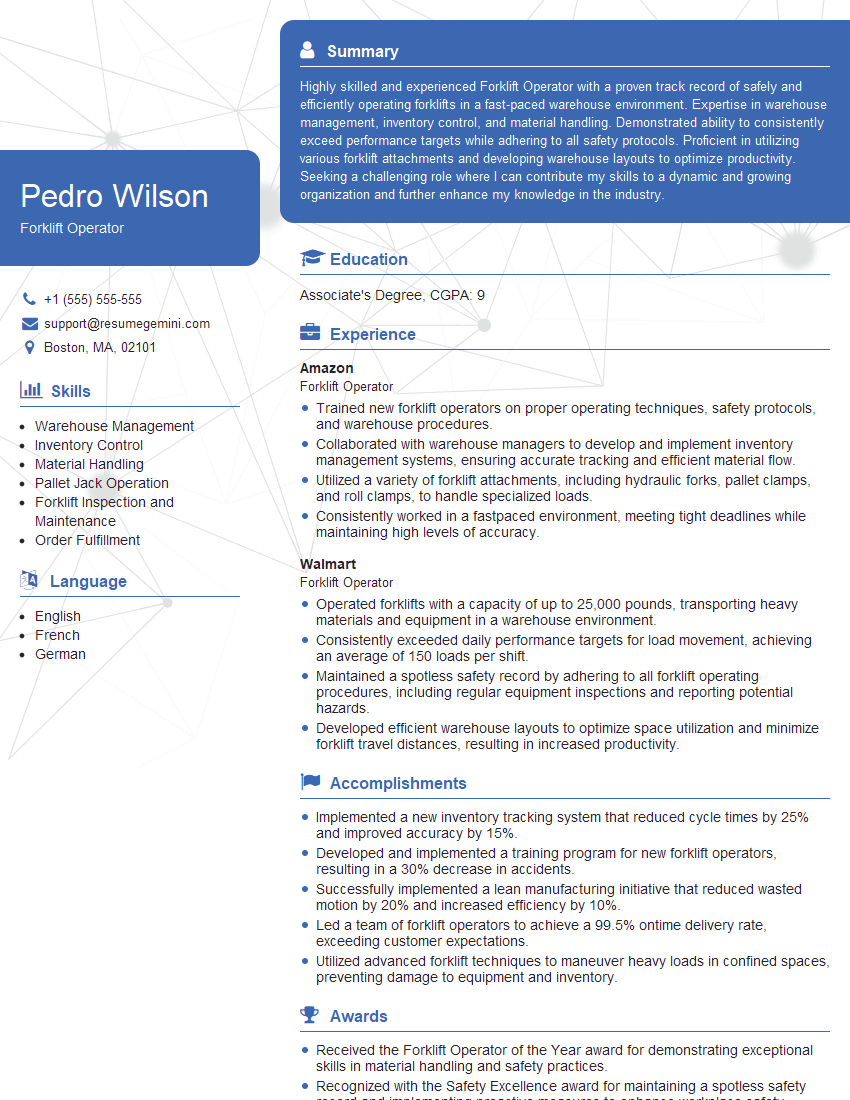
Forklift Operator Resume Sample
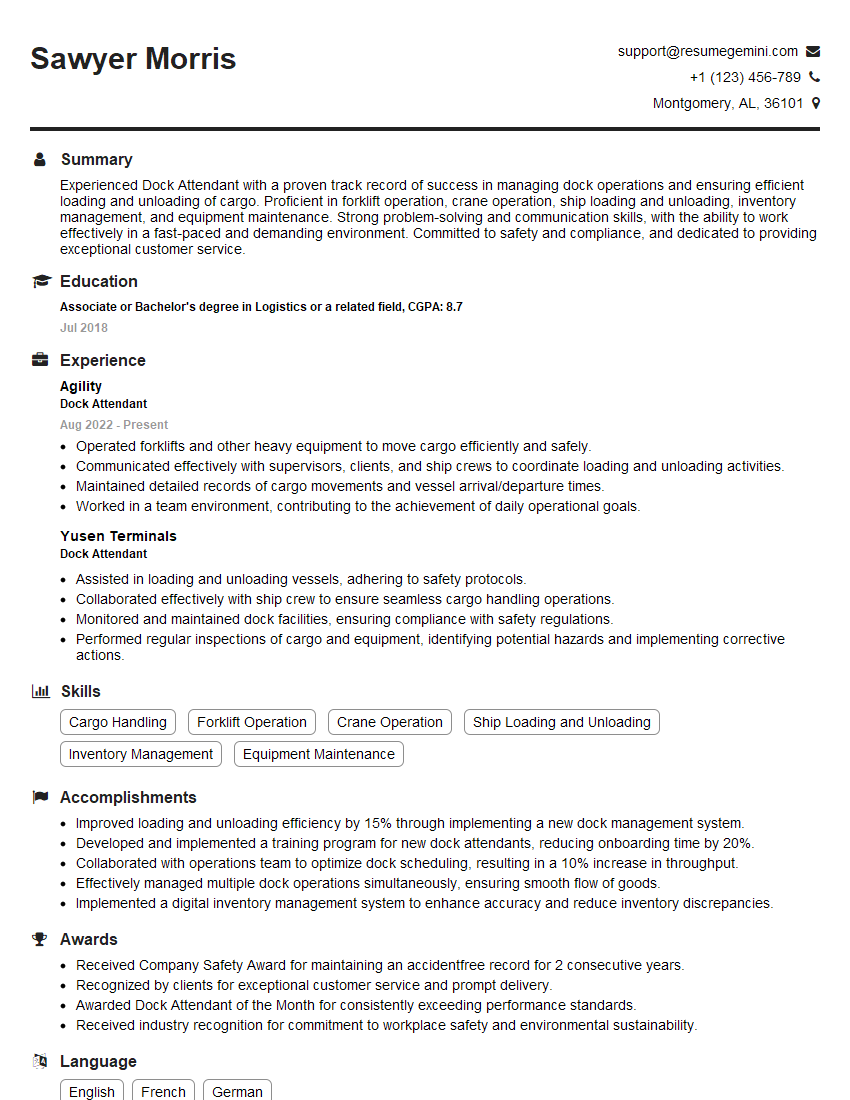
Dock Attendant Resume Sample
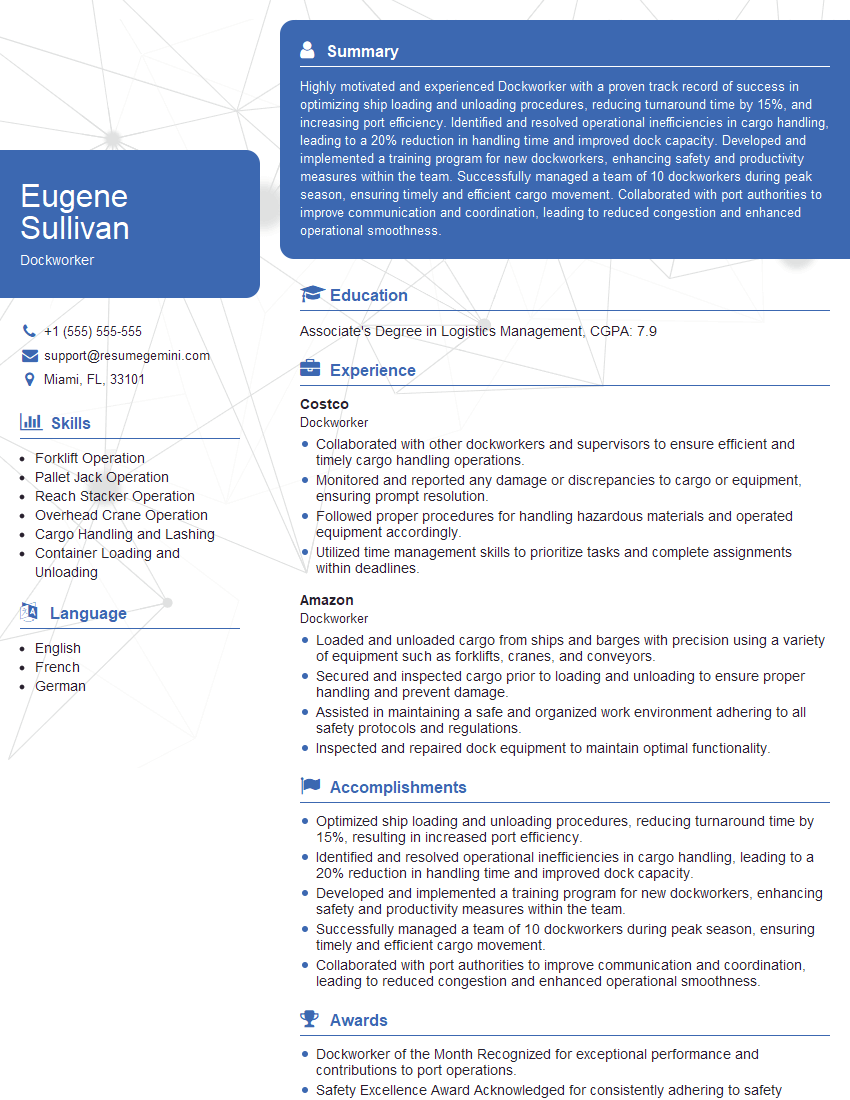
Dockworker Resume Sample
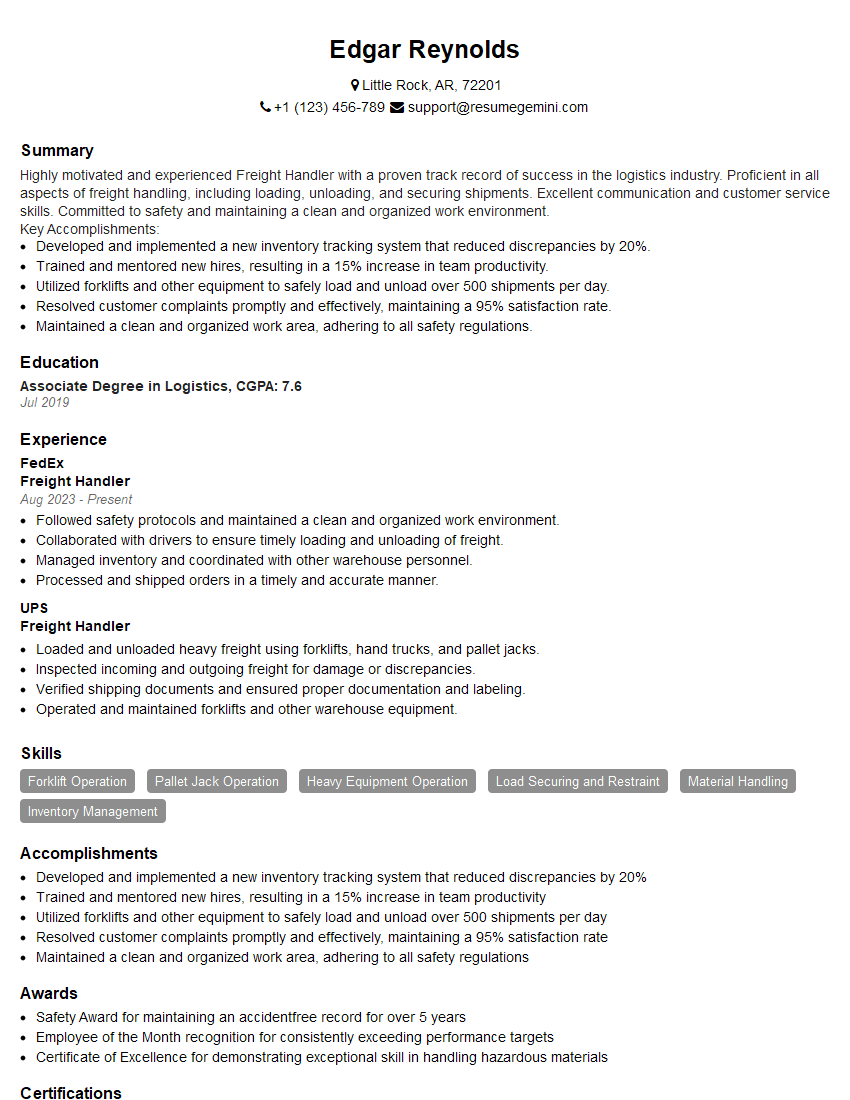
Freight Handler Resume Sample
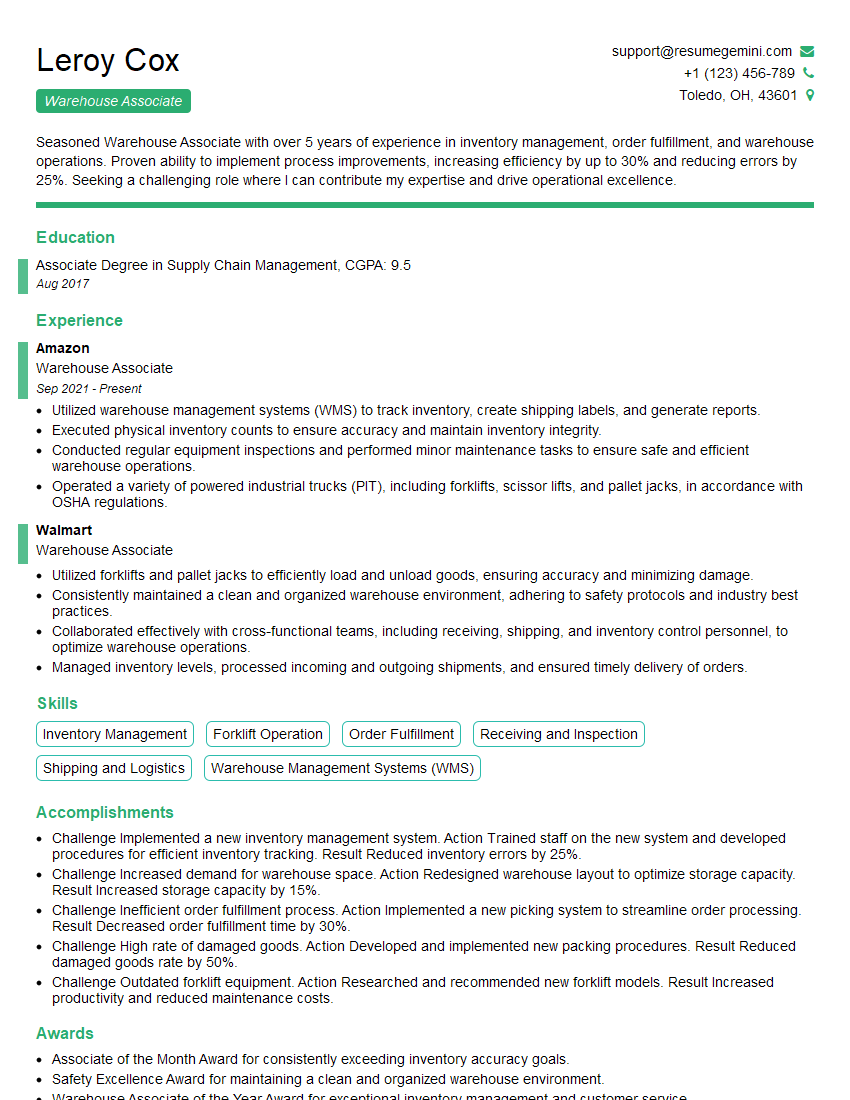
Warehouse Associate Resume Sample
- Operations Manager
- Supply Chain Manager
- Distribution Center Manager
- Transportation Manager
- Warehouse Manager
- Warehouse Supervisor
- Logistics Coordinator
- Inventory Control Specialist
- Shipping and Receiving Clerk
- Shipping and Receiving Supervisor
- Logistics Associate
- Material Handler
- Warehouse Loader
- Order Picker
- Forklift Operator
- Dock Attendant
- Dockworker
- Freight Handler
- Warehouse Associate
Explore more articles
Users Rating of Our Blogs
Share Your Experience
We value your feedback! Please rate our content and share your thoughts (optional).
What Readers Say About Our Blog
Really detailed insights and content, thank you for writing this detailed article.
IT gave me an insight and words to use and be able to think of examples