Feeling uncertain about what to expect in your upcoming interview? We’ve got you covered! This blog highlights the most important Educational Theory and Practice interview questions and provides actionable advice to help you stand out as the ideal candidate. Let’s pave the way for your success.
Questions Asked in Educational Theory and Practice Interview
Q 1. Explain the difference between constructivist and behaviorist learning theories.
Behaviorism and constructivism represent fundamentally different approaches to understanding how learning occurs. Behaviorism, pioneered by figures like Pavlov and Skinner, views learning as a change in observable behavior resulting from environmental stimuli. Learning is essentially a process of acquiring and modifying responses through conditioning – either classical (associating stimuli) or operant (reinforcement and punishment). Think of a dog learning to salivate at the sound of a bell (classical conditioning) or a child learning to raise their hand in class to get attention (operant conditioning).
In contrast, constructivism, championed by Piaget and Vygotsky, posits that learners actively construct their own understanding of the world through experience and reflection. Learning is not merely the passive absorption of information but an active process of building meaning and making connections. Constructivists emphasize the importance of prior knowledge, social interaction, and authentic learning experiences. For example, a constructivist approach to teaching fractions might involve having students manipulate physical objects to understand the concept, rather than simply memorizing formulas.
In essence, behaviorism focuses on observable behaviors and external stimuli, while constructivism emphasizes internal mental processes and the active role of the learner in constructing knowledge.
Q 2. Describe a time you had to adapt your teaching methods to meet the needs of diverse learners.
In a previous role teaching a mixed-ability 8th-grade science class, I encountered significant diversity in learning styles and prior knowledge. While some students grasped complex concepts quickly, others struggled with fundamental principles. Initially, my lessons were structured with a single pace and a uniform set of assignments. However, I realized this approach wasn’t effective for everyone.
To adapt, I implemented differentiated instruction. For students who grasped concepts quickly, I provided extension activities that involved research projects and designing experiments. For students who needed more support, I offered one-on-one tutoring sessions and provided simpler, more scaffolded assignments that broke down complex concepts into smaller, manageable parts. I also used a variety of instructional methods, including hands-on experiments, group discussions, visual aids, and technology-based simulations, to cater to different learning preferences. The result was a more engaging and inclusive learning environment where every student could succeed at their own pace and level.
Q 3. What are some effective strategies for differentiating instruction?
Differentiating instruction involves tailoring teaching methods to meet the diverse needs of learners. Effective strategies include:
- Content differentiation: Providing different levels of complexity or types of content to match student readiness. For example, offering advanced reading materials to high-achieving students while providing simplified versions to students who need extra support.
- Process differentiation: Varying the way students learn the material. This could involve offering choices in assignments, allowing students to work independently, in pairs, or in groups, or providing various learning activities like hands-on projects, research assignments, or technology-based learning.
- Product differentiation: Allowing students to demonstrate their learning in various ways. Instead of a single test, students might choose to present their findings through a poster, a presentation, or a written report.
- Learning environment differentiation: Creating a flexible classroom environment that caters to different learning styles and needs. This might involve providing quiet study spaces for focused learners and collaborative areas for group work.
By implementing these strategies, educators can ensure all students have access to the support they need to succeed, regardless of their background, learning style, or prior knowledge.
Q 4. How do you assess student learning and use that data to inform your teaching?
Assessment is a crucial component of effective teaching. I utilize a variety of assessment methods, including formative and summative assessments. Formative assessments, such as quizzes, exit tickets, and class discussions, are used continuously throughout the learning process to monitor student understanding and adjust instruction accordingly. Summative assessments, such as unit tests and projects, are used to evaluate student learning at the end of a unit or course.
I use the data collected from these assessments to inform my teaching in several ways. For example, if a formative assessment reveals that a significant portion of the class is struggling with a particular concept, I will revisit that concept, using different teaching methods or providing additional support. If summative assessments show that students are not meeting learning objectives, I will analyze the results to identify areas for improvement in my instruction or curriculum.
Data analysis also informs my future lesson planning and curriculum design, helping me tailor my teaching to better meet the needs of my students.
Q 5. Explain the importance of formative assessment in the learning process.
Formative assessment plays a vital role in the learning process because it provides ongoing feedback that helps both teachers and students monitor learning progress. Think of it as a ‘check-in’ during the learning journey, not just a final destination. Unlike summative assessments which focus on evaluating final learning outcomes, formative assessments are used to improve teaching and learning while it’s still happening.
The importance lies in its ability to:
- Identify learning gaps: Formative assessments quickly highlight areas where students are struggling, allowing teachers to address these issues promptly.
- Adjust instruction: Teachers can modify their teaching strategies based on formative assessment data, ensuring that instruction remains relevant and effective.
- Increase student engagement: Frequent feedback allows students to understand their progress and identify areas where they need to focus their efforts, enhancing their motivation and engagement.
- Promote self-regulation: Students become more aware of their own learning processes and develop self-regulatory skills, allowing them to take ownership of their learning.
Essentially, formative assessment acts as a dynamic feedback loop, continuously refining the teaching and learning process for better outcomes.
Q 6. Discuss the role of technology in enhancing student learning.
Technology can significantly enhance student learning when used effectively. It offers opportunities for:
- Increased Engagement: Interactive simulations, educational games, and multimedia resources can make learning more engaging and enjoyable for students.
- Personalized Learning: Adaptive learning platforms can tailor instruction to individual student needs and learning paces.
- Access to Information: The internet provides access to a vast amount of information, expanding learning opportunities beyond the textbook.
- Collaboration and Communication: Online platforms facilitate collaboration among students and communication between students and teachers.
- Development of 21st-Century Skills: Technology use helps students develop crucial skills like digital literacy, problem-solving, and critical thinking.
However, it’s crucial to use technology purposefully and thoughtfully, integrating it into the curriculum in ways that support learning objectives and avoid simply replacing traditional methods with digital equivalents. Critical evaluation of digital resources and responsible digital citizenship are also vital aspects of effective technology integration.
Q 7. How do you create a positive and inclusive classroom environment?
Creating a positive and inclusive classroom environment is paramount for effective learning. This involves fostering a sense of belonging, respect, and safety for all students. Key strategies include:
- Establishing clear expectations and rules: Collaboratively establishing classroom rules ensures students feel ownership and commitment to a positive learning environment. Consistency in applying rules is essential.
- Building relationships with students: Taking the time to get to know students individually and showing genuine interest in their lives creates a supportive and caring classroom atmosphere.
- Promoting positive interactions among students: Encouraging collaboration, teamwork, and peer support fosters a sense of community and belonging. Addressing bullying and conflict effectively is critical.
- Celebrating diversity: Valuing and celebrating the diverse backgrounds, experiences, and perspectives of all students creates an inclusive and welcoming environment. Incorporating diverse voices and perspectives in curriculum and activities is also crucial.
- Providing differentiated instruction: Adapting teaching methods and materials to meet the diverse learning needs of students ensures all students can succeed.
A positive and inclusive classroom empowers students to actively participate, take risks, and reach their full potential. It’s a place where everyone feels valued, respected, and supported.
Q 8. What are your strategies for managing classroom behavior?
Classroom management is built on a proactive, positive approach, focusing on preventing disruptive behavior rather than just reacting to it. My strategy is multifaceted and relies on establishing clear expectations, building positive relationships with students, and employing a range of effective techniques.
Establishing Clear Expectations: From day one, I collaboratively create and display classroom rules with my students, ensuring they understand the consequences of breaking them. This fosters a sense of ownership and shared responsibility. For example, we might use a simple visual chart with clear pictures and descriptions of acceptable behaviors.
Positive Reinforcement: I focus on rewarding positive behavior through verbal praise, acknowledging effort, and utilizing a class reward system. This strengthens desired behaviors and creates a more positive learning environment. For instance, I might use a ‘Caught Being Good’ system where students who exhibit exemplary behavior receive small rewards or privileges.
Non-Verbal Cues: Before resorting to verbal interventions, I use non-verbal cues like proximity control (moving closer to a disruptive student), eye contact, and gestures. This often prevents minor disruptions from escalating.
Redirection and Positive Language: When a student misbehaves, I redirect their attention to the task at hand using positive language. Instead of saying ‘Stop talking!’, I might say, ‘Let’s bring our focus back to the lesson.’
Restorative Practices: For more serious infractions, I employ restorative practices, focusing on repairing harm and restoring relationships. This might involve a conversation with the student to understand the reasons behind their behavior and collaboratively develop a plan to prevent future incidents.
Collaboration with Parents/Guardians: Open communication with parents/guardians is crucial. Regular updates, positive phone calls, and proactive communication when issues arise are vital components of effective classroom management.
Q 9. How do you address the needs of students with learning disabilities?
Addressing the needs of students with learning disabilities requires a differentiated instruction approach, tailored to each student’s unique learning profile and Individualized Education Program (IEP) or 504 plan. This involves a collaborative effort with specialists, parents, and the student themselves.
Understanding Individual Needs: I begin by thoroughly reviewing the student’s IEP or 504 plan, understanding their specific learning challenges, strengths, and accommodations.
Differentiated Instruction: This core principle involves adapting teaching methods, materials, and assessment strategies to meet individual needs. For example, a student with dyslexia might benefit from audiobooks, graphic organizers, or extra time on assignments. A student with ADHD might need a quiet workspace or frequent breaks.
Assistive Technology: Utilizing assistive technology such as text-to-speech software, speech-to-text software, or specialized learning apps can significantly enhance accessibility and learning outcomes.
Collaboration with Specialists: Close collaboration with special education teachers, therapists, and other professionals is essential to ensure the student receives comprehensive support.
Positive and Supportive Environment: Creating a classroom atmosphere that is inclusive, supportive, and celebrates diversity is paramount. This boosts students’ self-esteem and confidence, allowing them to thrive despite their challenges.
Regular Monitoring and Adjustments: Continuously monitoring the student’s progress and adapting strategies as needed is critical. This ensures that the interventions remain effective and beneficial.
Q 10. Describe your experience with developing and implementing curriculum.
Curriculum development is a dynamic process that demands a deep understanding of pedagogical principles, subject matter expertise, and the needs of the students. My experience involves several key phases:
Needs Assessment: I begin by assessing the students’ prior knowledge, skills, and interests. This involves reviewing curriculum standards, analyzing student data (e.g., assessment scores), and gathering input from students and parents.
Goal Setting: Based on the needs assessment, I define clear, measurable, achievable, relevant, and time-bound (SMART) learning objectives that align with curriculum standards and student needs.
Content Selection and Sequencing: I carefully select and sequence content to ensure a logical flow of information and to build upon prior knowledge. I incorporate a variety of learning resources, including textbooks, online materials, hands-on activities, and real-world examples.
Instructional Design: I design engaging and effective learning experiences using various instructional strategies such as inquiry-based learning, project-based learning, and collaborative learning. I also integrate technology appropriately to enhance the learning process.
Assessment and Evaluation: I develop assessments aligned with the learning objectives to measure student understanding and progress. These assessments incorporate a variety of methods, including formative and summative assessments, to provide a holistic picture of student learning.
Implementation and Reflection: After implementation, I reflect on the effectiveness of the curriculum and make adjustments based on student performance and feedback. This iterative process ensures continuous improvement and relevance.
For example, in a recent project, I developed a unit on climate change that incorporated student-led research projects, interactive simulations, and community engagement activities. This approach engaged students deeply and resulted in a significant improvement in their understanding of the topic.
Q 11. What is your understanding of Bloom’s Taxonomy and how do you apply it in your teaching?
Bloom’s Taxonomy is a hierarchical model that categorizes cognitive skills from basic to complex. It provides a framework for designing learning objectives and assessments that target various levels of thinking. The revised Bloom’s Taxonomy includes six cognitive levels:
Remembering: Retrieving, recognizing, and recalling relevant knowledge.
Understanding: Constructing meaning from oral, written, and graphic messages.
Applying: Carrying out or using a procedure through executing or implementing.
Analyzing: Breaking material into constituent parts and determining how the parts relate to one another and to an overall structure or purpose.
Evaluating: Making judgments based on criteria and standards.
Creating: Putting elements together to form a coherent or functional whole; reorganizing elements into a new pattern or structure.
I use Bloom’s Taxonomy to ensure that my teaching and assessments challenge students at different levels of cognitive complexity. For instance, a lesson on the American Revolution might involve:
Remembering: Students recall key dates and figures.
Understanding: Students explain the causes of the revolution.
Applying: Students analyze primary source documents to understand different perspectives.
Analyzing: Students compare and contrast the strategies of the British and American armies.
Evaluating: Students assess the effectiveness of different strategies used during the war.
Creating: Students create a presentation or a role-playing scenario depicting key events.
Q 12. Explain your approach to creating engaging and effective learning experiences.
Creating engaging and effective learning experiences hinges on understanding student learning styles, incorporating variety, and fostering a sense of relevance. My approach involves:
Student-Centered Learning: I design activities that actively involve students in the learning process, allowing for choice, collaboration, and inquiry.
Variety of Instructional Strategies: I utilize a range of strategies, including lectures, discussions, group work, hands-on activities, games, simulations, and technology-based tools to cater to different learning preferences.
Real-World Connections: I connect learning to real-world contexts and students’ lives, making the material relevant and meaningful. For example, a math lesson might involve solving problems related to budgeting or calculating discounts.
Technology Integration: I strategically use technology to enhance engagement and provide access to diverse learning resources. This might include interactive simulations, educational games, or collaborative online tools.
Authentic Assessment: I employ assessment methods that reflect real-world applications of knowledge and skills. This might include projects, presentations, performances, or portfolios.
Positive Learning Environment: Creating a safe, supportive, and inclusive classroom where students feel comfortable taking risks and expressing themselves is critical to maximizing engagement.
Q 13. How do you foster critical thinking and problem-solving skills in your students?
Fostering critical thinking and problem-solving skills requires a shift from rote memorization to active engagement with complex ideas. My strategies include:
Open-Ended Questions: I regularly pose open-ended questions that encourage students to analyze, evaluate, and synthesize information. This prompts them to think beyond simple recall.
Problem-Based Learning: I frequently use problem-based learning scenarios where students work collaboratively to solve complex, real-world problems. This develops their analytical and problem-solving skills.
Inquiry-Based Learning: I encourage students to ask questions, investigate topics, and form their own conclusions. This fosters a sense of ownership and curiosity.
Debates and Discussions: I organize class debates and discussions to encourage students to critically evaluate different perspectives and develop their argumentation skills.
Reflection Activities: I incorporate reflection activities that prompt students to consider their thought processes and learning strategies. This fosters metacognition, a crucial aspect of critical thinking.
Modeling Critical Thinking: I explicitly model critical thinking skills by thinking aloud during problem-solving activities and demonstrating how to analyze information objectively.
Q 14. What are your strategies for promoting collaboration and communication among students?
Promoting collaboration and communication among students is essential for creating a positive and productive learning environment. My strategies emphasize:
Cooperative Learning Activities: I regularly incorporate cooperative learning activities where students work together to achieve shared goals. This develops teamwork skills and promotes communication.
Think-Pair-Share: I frequently use the Think-Pair-Share strategy where students first think individually, then discuss their ideas with a partner, and finally share their findings with the class. This encourages participation and communication.
Group Projects: I assign group projects that require students to collaborate on a shared task, fostering teamwork, communication, and conflict resolution skills.
Classroom Discussions: I create opportunities for respectful classroom discussions where students share their ideas and listen to others’ perspectives. I model active listening and respectful communication.
Peer Feedback: I incorporate peer feedback activities where students provide constructive criticism to one another, enhancing their communication and collaboration skills.
Establishing Norms: I establish clear classroom norms for collaboration and communication, such as respecting others’ opinions, active listening, and constructive feedback. These norms are collaboratively developed with students.
Q 15. Discuss the importance of professional development for educators.
Professional development is crucial for educators because the field of education is constantly evolving. It’s not just about acquiring new skills; it’s about refining existing ones, staying abreast of research-based best practices, and adapting to the changing needs of students and society. Think of it as ongoing maintenance and upgrades for a highly complex system – the educational system itself.
- Enhanced teaching skills: Professional development provides opportunities to learn and implement new teaching methodologies, such as project-based learning or inquiry-based learning, resulting in more engaging and effective instruction.
- Improved student outcomes: By incorporating new knowledge and skills, educators can better cater to diverse learning styles, leading to improved student achievement and engagement.
- Increased teacher confidence and job satisfaction: Staying current and mastering new techniques boosts a teacher’s confidence and job satisfaction, making them more effective and enthusiastic educators.
- Integration of technology: Professional development helps educators integrate technology effectively into their classrooms, maximizing its potential for learning and collaboration.
- Addressing societal changes: Professional development allows educators to adapt their teaching to address evolving societal needs and challenges, such as promoting social-emotional learning or addressing issues of diversity and inclusion.
For example, participating in a workshop on differentiated instruction helped me tailor my lessons to meet the needs of diverse learners in my classroom, leading to a significant improvement in student performance.
Career Expert Tips:
- Ace those interviews! Prepare effectively by reviewing the Top 50 Most Common Interview Questions on ResumeGemini.
- Navigate your job search with confidence! Explore a wide range of Career Tips on ResumeGemini. Learn about common challenges and recommendations to overcome them.
- Craft the perfect resume! Master the Art of Resume Writing with ResumeGemini’s guide. Showcase your unique qualifications and achievements effectively.
- Don’t miss out on holiday savings! Build your dream resume with ResumeGemini’s ATS optimized templates.
Q 16. How do you stay current with best practices in education?
Staying current with best practices in education is an ongoing process, and I employ a multi-faceted approach. It’s like being a lifelong learner, actively seeking out new information and integrating it into my teaching philosophy.
- Professional journals and publications: I regularly read educational journals like the Journal of Educational Psychology and Educational Researcher to stay updated on the latest research and findings.
- Conferences and workshops: Attending conferences and workshops provides valuable opportunities to learn from experts and network with other educators.
- Online courses and webinars: Platforms like Coursera and edX offer a vast array of online courses and webinars on various educational topics, allowing me to learn at my own pace.
- Professional learning communities (PLCs): Engaging in PLCs allows for collaborative learning and the sharing of best practices among colleagues.
- Mentorship and collaboration: I actively seek mentorship from experienced educators and collaborate with colleagues to share ideas and strategies.
Recently, I participated in a webinar on the use of formative assessment techniques, which I successfully implemented to enhance my classroom instruction and improve student understanding.
Q 17. Describe your experience with using data to inform instructional decisions.
Data-driven decision making is integral to effective teaching. I use data to understand student learning, identify areas for improvement, and adjust my instruction accordingly. It’s like having a roadmap that guides me towards better teaching outcomes.
- Assessment data: I analyze assessment data, including formative and summative assessments, to identify student strengths and weaknesses.
- Student work samples: I review student work samples to gain insights into their understanding of concepts and their problem-solving skills.
- Attendance and engagement data: Tracking attendance and student engagement helps me identify any potential challenges or barriers to learning.
- Data visualization tools: I utilize tools like spreadsheets and graphs to visualize data and identify trends. For instance, I might create a bar graph to compare student performance on a particular unit across different learning styles.
For example, I recently noticed a pattern in my assessment data indicating that many students were struggling with a specific concept in algebra. Using this information, I redesigned my lesson plans to include more hands-on activities and differentiated instruction, which led to a noticeable improvement in student understanding.
Q 18. How do you communicate effectively with parents and guardians?
Effective communication with parents and guardians is essential for creating a strong home-school connection, vital for student success. It’s about building trust and fostering a partnership.
- Regular communication: I use a variety of methods to communicate regularly with parents and guardians, including email, phone calls, newsletters, and parent-teacher conferences.
- Positive and proactive communication: I focus on sharing positive news about student progress and achievements, alongside constructive feedback.
- Clear and concise communication: I strive to use clear and concise language to avoid misunderstandings.
- Active listening: I actively listen to parents’ and guardians’ concerns and perspectives.
- Accessibility and inclusivity: I ensure communication is accessible and inclusive to all parents and guardians, taking into account language barriers or other needs.
I recently used a parent-teacher conference to collaboratively set learning goals with a parent, addressing their concerns about their child’s progress in math. This collaborative approach fostered a stronger partnership and resulted in improved student outcomes.
Q 19. What is your philosophy of education?
My philosophy of education is centered on fostering a love of learning and empowering students to become critical thinkers, problem-solvers, and responsible citizens. It’s about nurturing the whole child—intellectually, emotionally, and socially.
I believe in creating a supportive and inclusive classroom environment where students feel safe to take risks, make mistakes, and learn from their experiences. I emphasize student-centered learning, where students are actively engaged in the learning process and have opportunities to personalize their learning. My teaching involves incorporating diverse learning activities, fostering collaborative learning, and using authentic assessments to measure student understanding. It’s not about rote memorization but about developing a deep understanding of concepts and applying that knowledge to real-world situations. I aim to inspire students to become lifelong learners, equipped to navigate the complexities of the world.
Q 20. Explain your understanding of Universal Design for Learning (UDL).
Universal Design for Learning (UDL) is a framework for creating flexible learning environments that cater to the diverse needs of all learners. It’s like designing a building with ramps and elevators, so everyone can access it, regardless of their physical abilities. UDL emphasizes providing multiple means of representation, action and expression, and engagement.
- Multiple means of representation: This involves providing information in various formats, such as text, audio, video, and visual aids, to cater to different learning styles and preferences.
- Multiple means of action and expression: This allows students to demonstrate their understanding in various ways, such as through writing, drawing, presentations, or projects, catering to varied skill sets.
- Multiple means of engagement: This focuses on creating a motivating and engaging learning environment that taps into students’ interests and provides choices and autonomy.
I use UDL principles in my classroom by providing options for how students access content, such as offering both written and audio materials. I also offer choices for how students demonstrate their understanding, allowing some to write essays while others create presentations or build models.
Q 21. How do you incorporate culturally responsive teaching practices into your instruction?
Culturally responsive teaching involves understanding and valuing the diverse cultural backgrounds of students and incorporating their experiences and perspectives into the curriculum. It’s about recognizing that students bring unique assets to the learning environment and using those assets to enhance teaching and learning. It’s like building a bridge between the student’s home culture and the classroom.
- Building relationships: I build strong relationships with my students by learning about their cultural backgrounds and experiences.
- Using culturally relevant materials: I incorporate culturally relevant materials and examples into my lessons to connect with students’ lives and interests.
- Incorporating diverse perspectives: I include diverse perspectives and voices in my teaching to challenge stereotypes and promote understanding.
- Utilizing varied teaching methodologies: I use a variety of teaching methodologies to cater to different learning styles and preferences.
- Creating an inclusive classroom environment: I create a classroom environment where all students feel valued and respected.
For example, when teaching about historical events, I incorporate stories and perspectives from different cultural groups, ensuring a more inclusive and representative understanding of the past. I also make an effort to incorporate student’s preferred learning styles into the classroom routine and teaching strategies.
Q 22. Describe your experience with working collaboratively with colleagues.
Collaboration is the cornerstone of effective education. My experience involves consistent teamwork, from co-planning engaging lessons with colleagues to participating in school-wide initiatives like curriculum development and professional development workshops. For instance, in my previous role, we developed a new interdisciplinary unit on sustainability, integrating science, social studies, and language arts. Each team member brought their expertise, and we regularly met to share resources, feedback, and refine the curriculum. This collaborative process fostered creative solutions and a richer learning experience for our students. We also utilized collaborative tools like Google Docs and shared online calendars to streamline communication and project management.
Another example is working with special education teachers to create individualized education programs (IEPs) for students with diverse learning needs. This requires careful coordination and communication to ensure the student receives appropriate support and accommodations.
Q 23. How do you handle conflict in the classroom or workplace?
Conflict is inevitable in any collaborative environment, but it’s how we handle it that matters. My approach prioritizes open communication and respectful dialogue. I believe in addressing conflicts directly, focusing on the issue at hand rather than making it personal. I encourage active listening, ensuring all parties feel heard and understood.
For example, if a disagreement arises over classroom management techniques, I would facilitate a discussion, focusing on the students’ needs and the effectiveness of different approaches. We would collaboratively brainstorm solutions that address everyone’s concerns, finding common ground to improve the learning environment. If the conflict involves a serious ethical breach, I would follow established school policies and procedures, seeking support from appropriate administrative channels.
Sometimes, mediation from a neutral third party can be beneficial in resolving workplace disputes. The goal is always to maintain a positive and productive working relationship while upholding the best interests of our students.
Q 24. What are some ethical considerations in educational practice?
Ethical considerations in education are paramount. They encompass fairness, equity, respect, and the responsible use of power. Some key ethical considerations include ensuring equitable access to quality education for all students, regardless of their background or learning differences. This involves addressing issues of bias in curriculum materials, assessment practices, and classroom interactions. Another critical aspect is maintaining student privacy and confidentiality, adhering to FERPA regulations and best practices for protecting sensitive information.
Furthermore, educators have an ethical obligation to maintain professional boundaries, avoiding conflicts of interest and fostering healthy relationships with students and colleagues. Intellectual honesty in research and teaching is also crucial, accurately representing information and avoiding plagiarism. Finally, we must create a safe and inclusive classroom environment where students feel respected and valued, regardless of their race, gender, religion, or sexual orientation. Ethical dilemmas can arise in various situations; for example, handling a suspected case of child abuse necessitates acting responsibly and following the mandated reporting procedures.
Q 25. How do you measure the effectiveness of your teaching?
Measuring teaching effectiveness is a multifaceted process that goes beyond simple standardized test scores. I employ a mixed-methods approach, combining quantitative and qualitative data to gain a comprehensive understanding of student learning and my impact. Quantitative data includes standardized test results, classroom assessments, and student performance on projects. These data points help track progress towards learning goals and identify areas for improvement.
However, quantitative data alone is insufficient. Qualitative data, gathered through observations, student feedback (surveys, focus groups, individual conversations), and self-reflection, provides a richer understanding of student engagement, learning strategies, and the overall classroom environment. For instance, I regularly analyze student work samples to identify patterns in understanding and misconceptions. Student feedback surveys help me gauge the effectiveness of instructional strategies and identify areas where I can improve clarity or engagement. Self-reflection helps me identify my own strengths and weaknesses, allowing for continuous professional growth.
Q 26. Describe your experience with using different assessment methods.
I utilize a variety of assessment methods to cater to diverse learning styles and provide a holistic view of student understanding. These include formative assessments like quizzes, exit tickets, and in-class activities, which provide ongoing feedback and inform instructional adjustments. Summative assessments like unit tests, projects, and presentations evaluate student learning at the end of a unit or course. I also incorporate authentic assessments, such as simulations, role-playing, and real-world problem-solving tasks, to gauge students’ ability to apply their knowledge and skills in meaningful contexts.
Furthermore, I use performance-based assessments, such as presentations or portfolios, to evaluate student learning in a way that is more aligned with real-world application. I also believe in utilizing self and peer assessments to enhance metacognitive skills and collaborative learning. The choice of assessment method depends on the learning objective and the specific needs of the students. The key is to provide students with varied opportunities to demonstrate their learning in ways that best suit their individual strengths.
Q 27. How do you ensure that your instruction is aligned with learning standards?
Aligning instruction with learning standards is crucial for ensuring all students receive a high-quality education. I start by thoroughly reviewing the relevant curriculum standards, understanding the specific knowledge and skills students are expected to acquire. I then design lesson plans, learning activities, and assessments that directly address these standards. I use the standards as a framework for developing my teaching materials and ensure that all activities contribute to student mastery of the targeted learning objectives.
For example, if the standard focuses on students’ ability to analyze primary source documents, my instruction would include specific lessons on analyzing historical documents, providing students with opportunities to practice this skill through various activities, and assessing their competency through relevant assignments. I also regularly review my teaching materials to ensure they are up-to-date and aligned with the latest curriculum standards. Collaboration with other teachers and participation in professional development opportunities help to stay informed about curriculum changes and best practices.
Q 28. What are your strengths and weaknesses as an educator?
My strengths as an educator include my passion for creating engaging and inclusive learning environments, my ability to differentiate instruction to meet diverse student needs, and my strong communication skills. I excel at building positive relationships with students and fostering a sense of community in my classroom. I am also a reflective practitioner, constantly seeking opportunities to improve my teaching methods.
An area where I am working on improvement is integrating technology more effectively into my teaching practice. While I utilize technology in my classroom, I am actively seeking professional development to enhance my skills in this area. Another area for growth is becoming even more adept at managing large classes effectively while still providing individualized attention to students. I am focusing on improving organizational skills and utilizing collaborative learning strategies more effectively to address this challenge.
Key Topics to Learn for Educational Theory and Practice Interview
- Constructivism: Understand its core principles and how they inform teaching methodologies. Explore diverse constructivist approaches and their practical applications in different learning environments.
- Behaviorism: Analyze its impact on classroom management and instructional design. Discuss the limitations and ethical considerations associated with behaviorist techniques.
- Social Cognitive Theory: Examine its relevance to collaborative learning and the role of modeling in shaping student behavior. Consider how to foster self-efficacy and promote student agency.
- Differentiated Instruction: Explore strategies for catering to diverse learners’ needs and abilities. Discuss practical methods for assessing and addressing individual learning styles and preferences.
- Assessment and Evaluation: Understand various assessment methods (formative and summative) and their appropriate uses. Analyze the ethical considerations and implications of assessment practices.
- Curriculum Development and Design: Explore principles of effective curriculum design, including alignment with standards and student needs. Discuss approaches to integrating technology and fostering critical thinking.
- Classroom Management: Analyze different approaches to classroom management and their effectiveness. Discuss strategies for creating a positive and productive learning environment.
- Inclusive Education: Examine principles of inclusive education and strategies for supporting students with diverse learning needs and disabilities.
- Educational Technology Integration: Discuss effective and ethical ways to integrate technology into teaching and learning. Explore the potential and limitations of various educational technologies.
- Research in Education: Understand basic research methodologies and their application in educational settings. Discuss the importance of evidence-based practices in teaching and learning.
Next Steps
Mastering Educational Theory and Practice is crucial for career advancement in education. A strong understanding of these concepts demonstrates your commitment to effective teaching and your ability to adapt to diverse learning contexts. To increase your job prospects, it’s vital to create an ATS-friendly resume that highlights your skills and experience effectively. ResumeGemini is a trusted resource that can help you build a professional and impactful resume tailored to the specific requirements of educational roles. Examples of resumes tailored to Educational Theory and Practice are available to guide you. Take the next step towards securing your dream position!
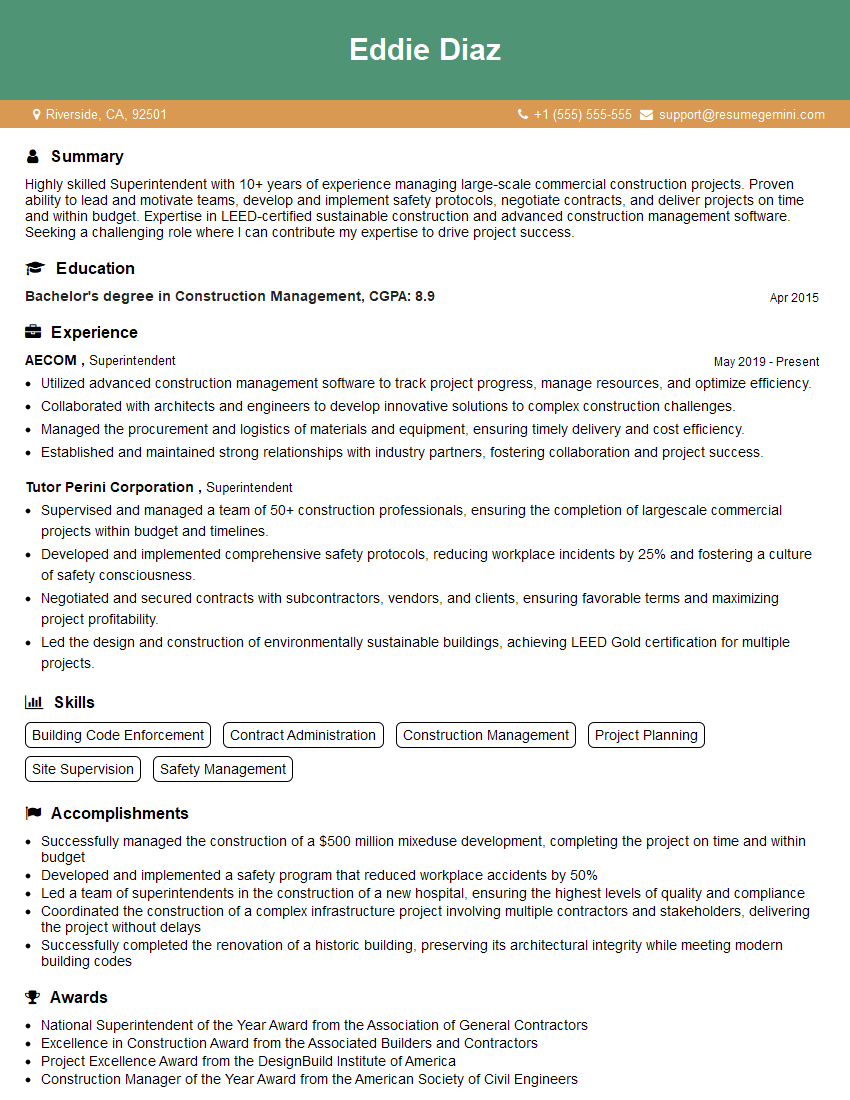
Superintendent Resume Sample
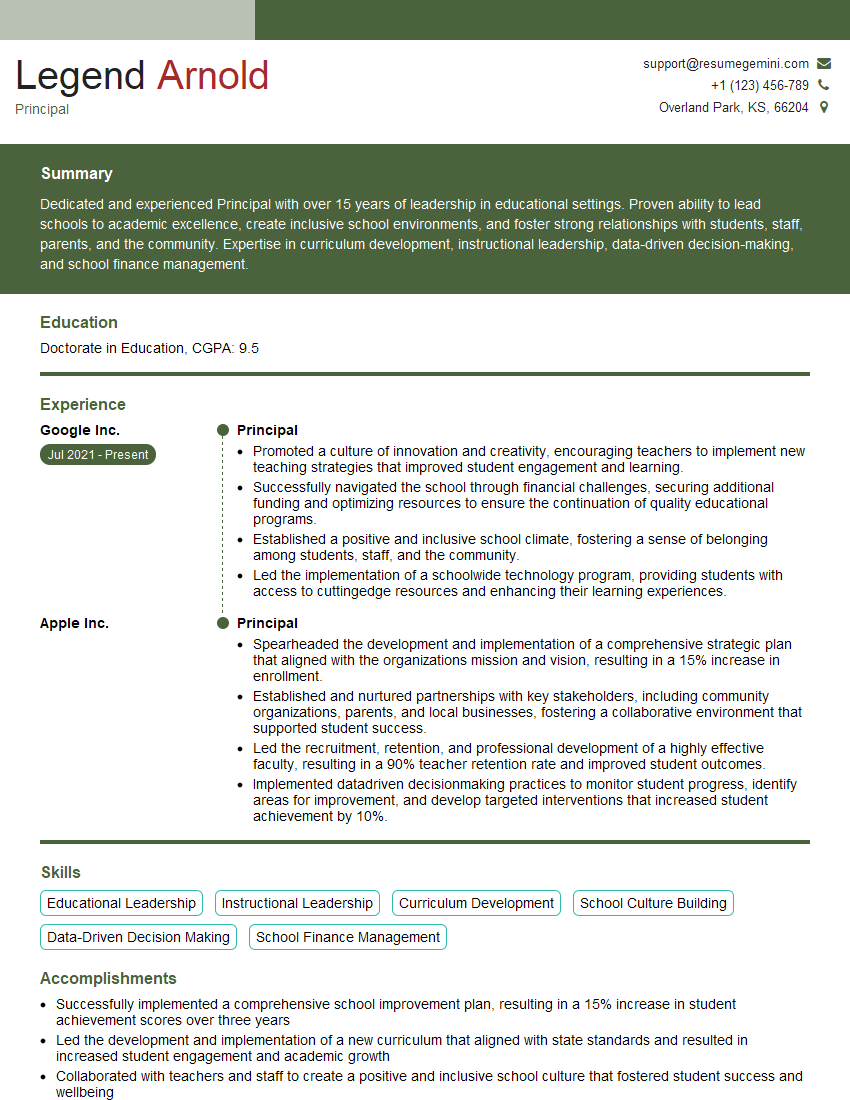
Principal Resume Sample

Special Education Director Resume Sample
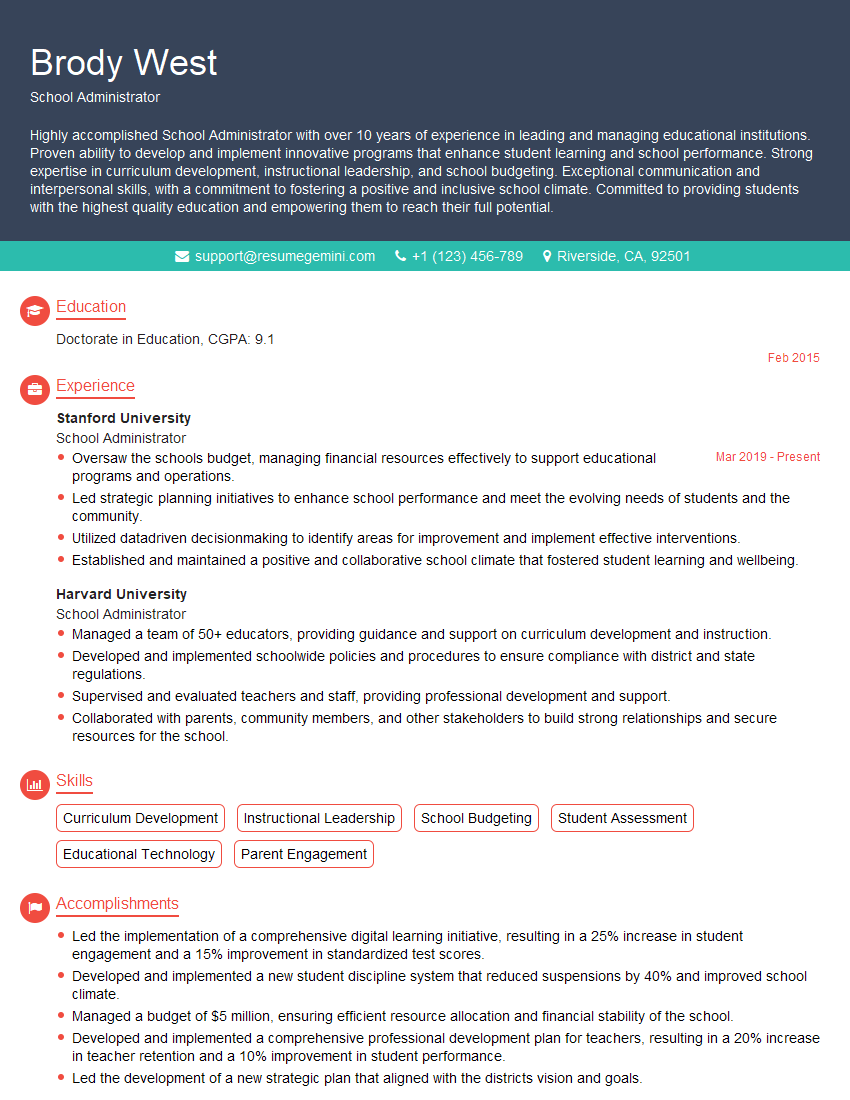
School Administrator Resume Sample
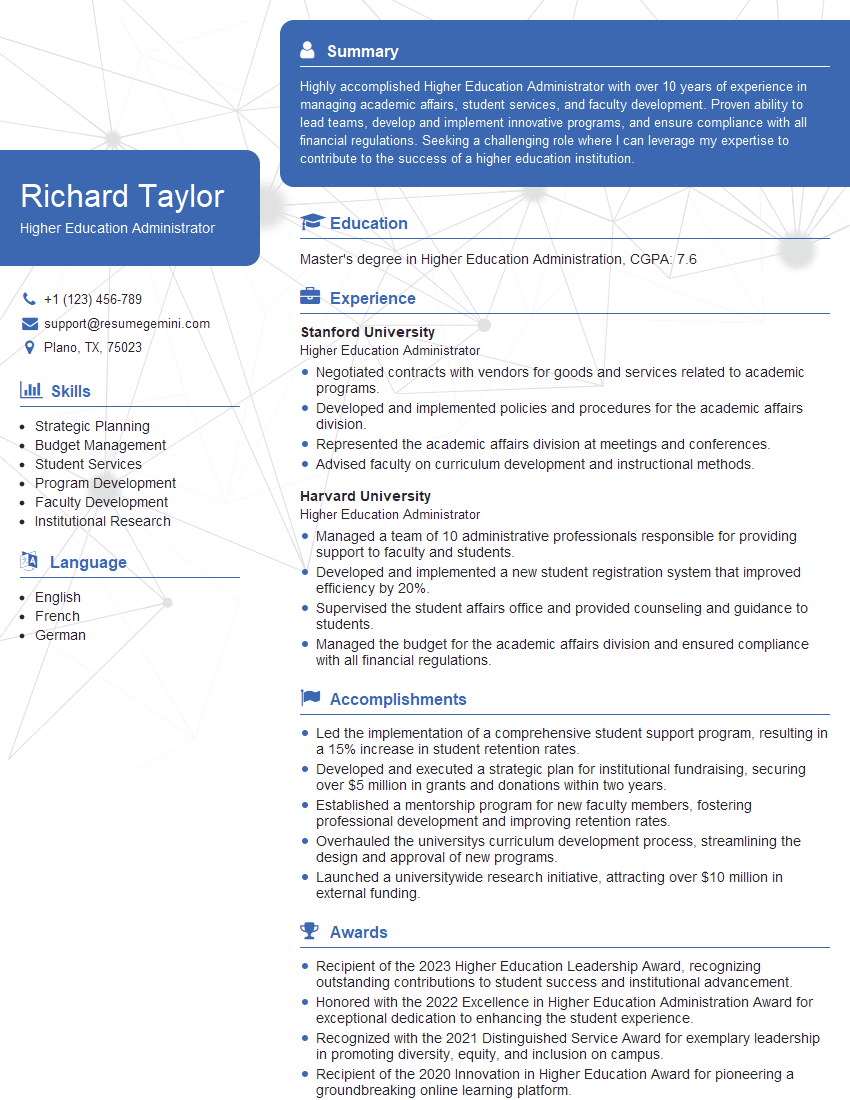
Higher Education Administrator Resume Sample

Curriculum Developer Resume Sample
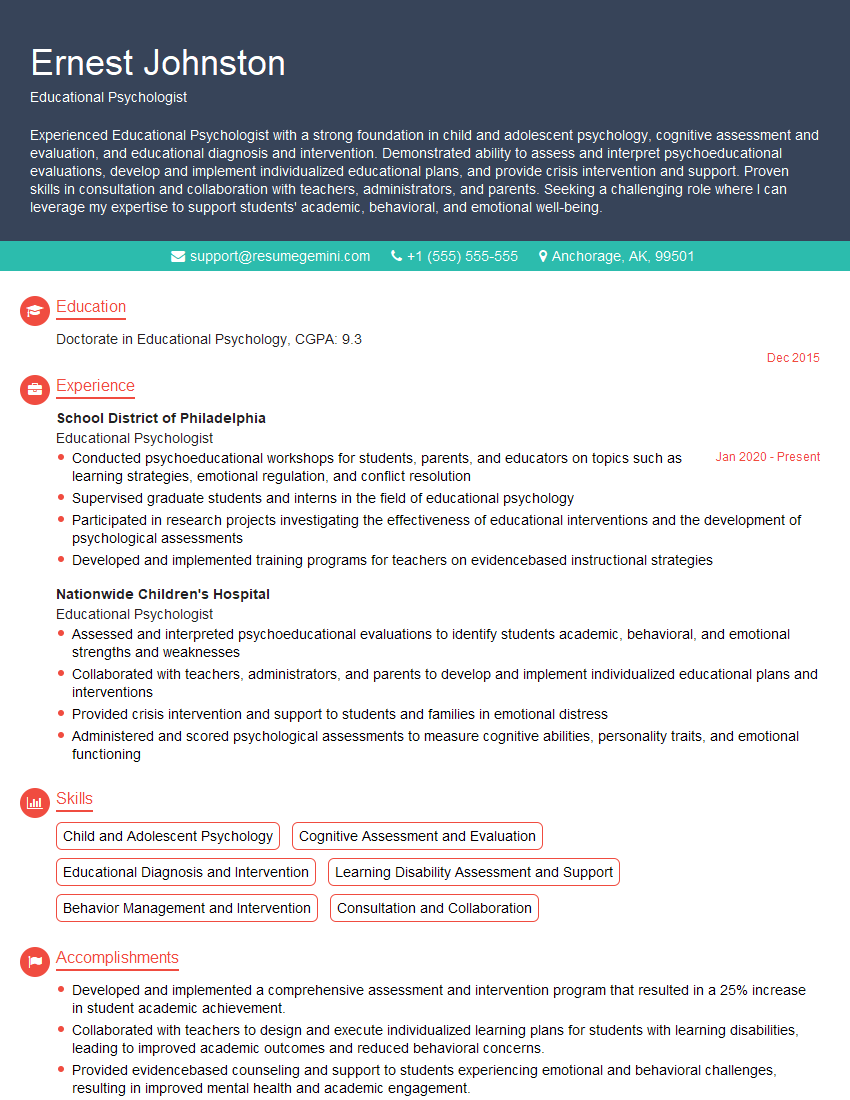
Educational Psychologist Resume Sample
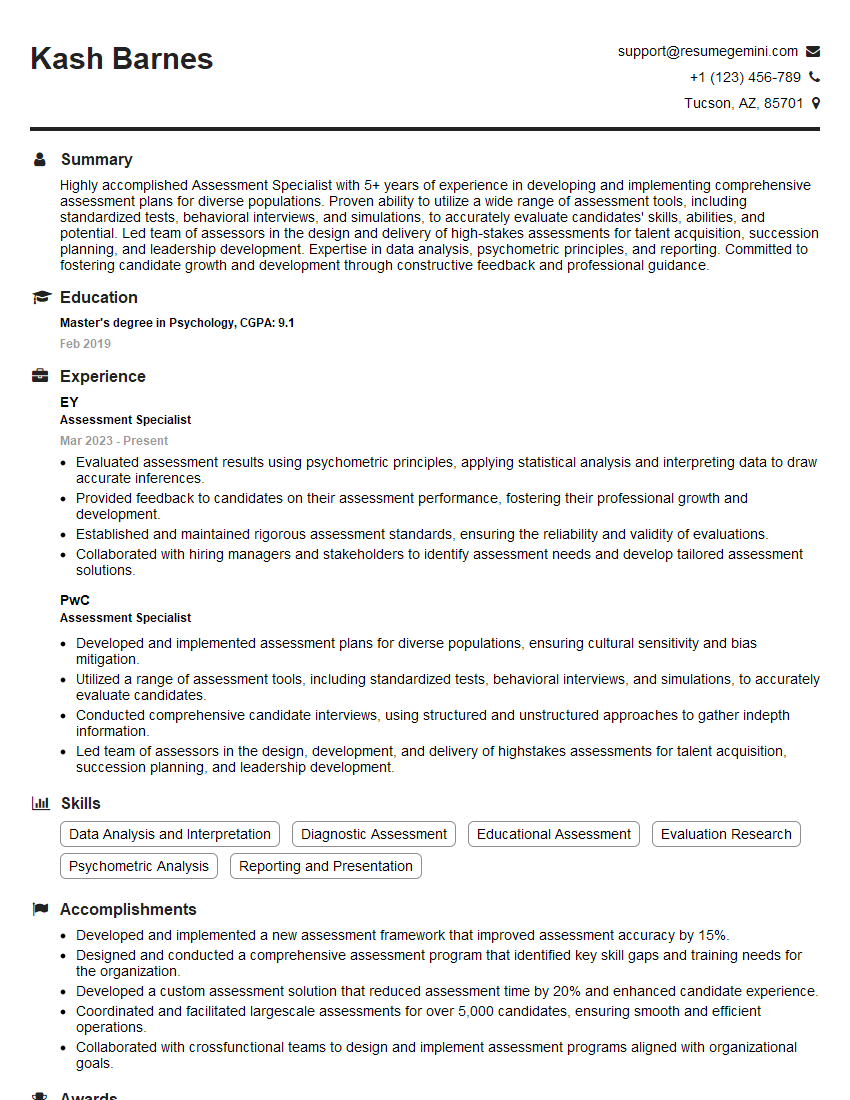
Assessment Specialist Resume Sample
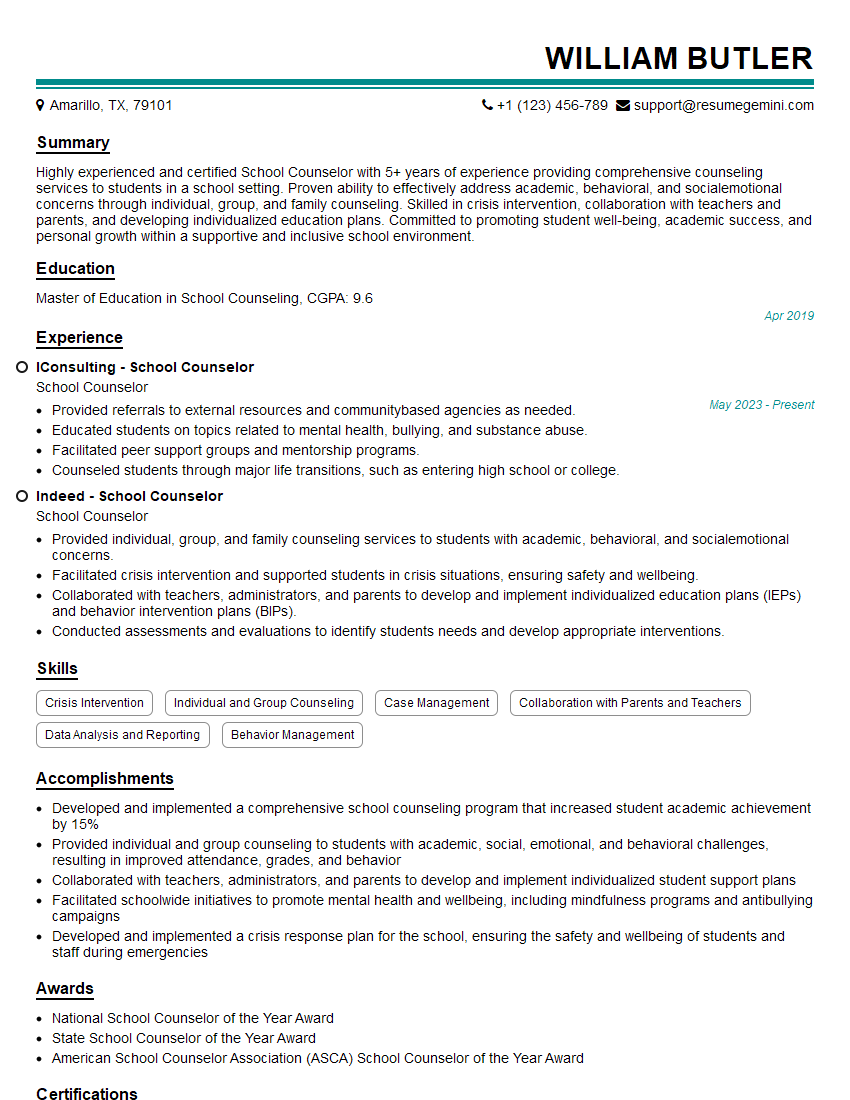
School Counselor Resume Sample
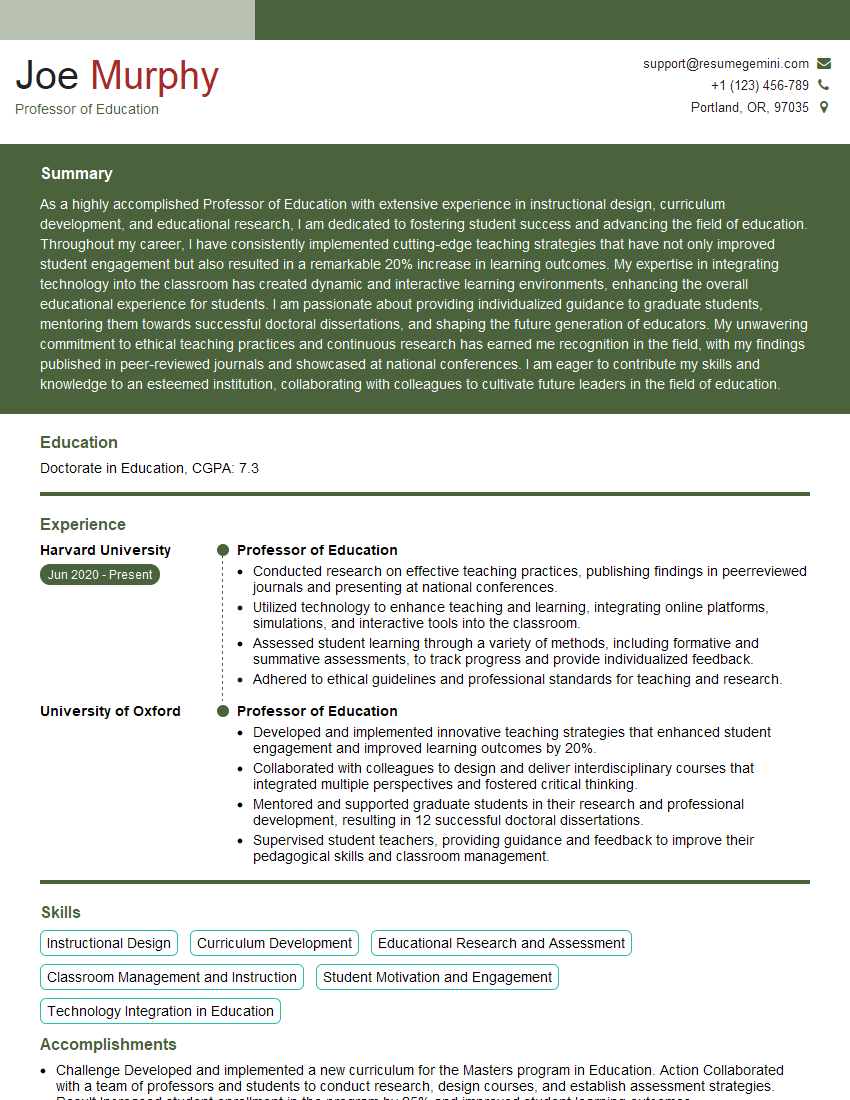
Professor of Education Resume Sample
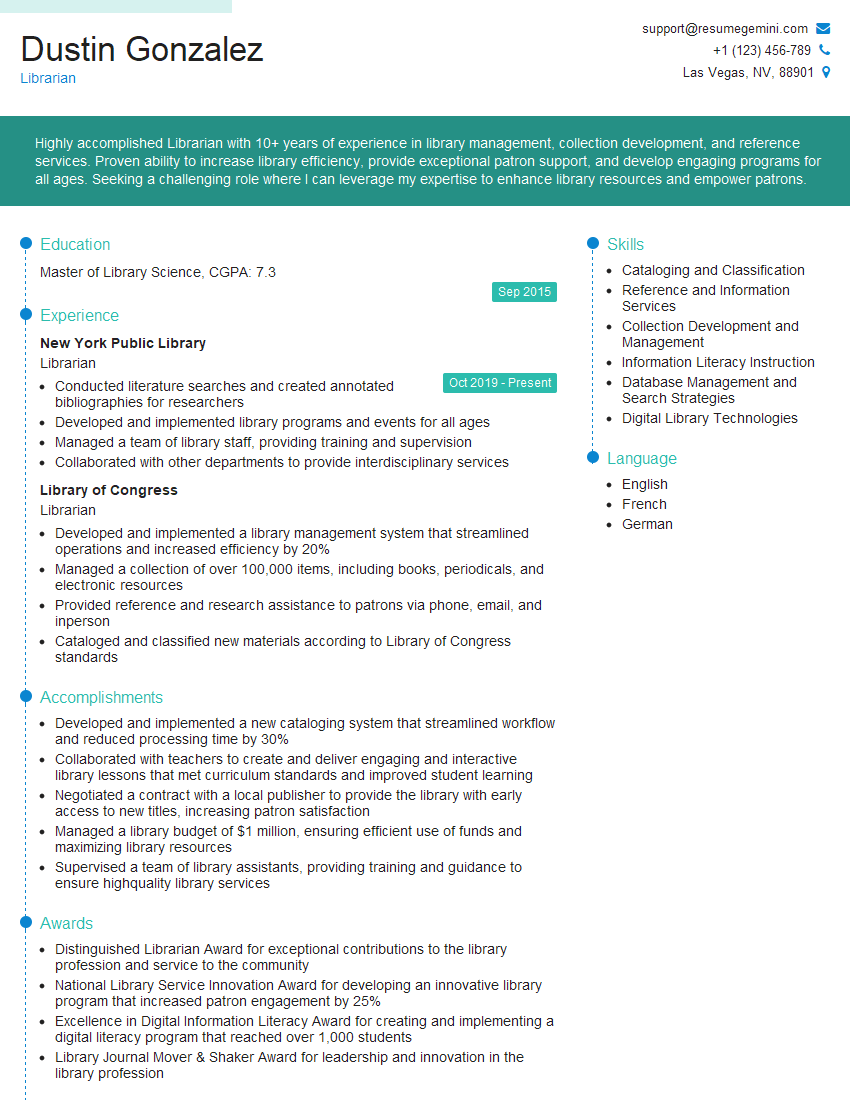
Librarian Resume Sample

Adult Education Instructor Resume Sample
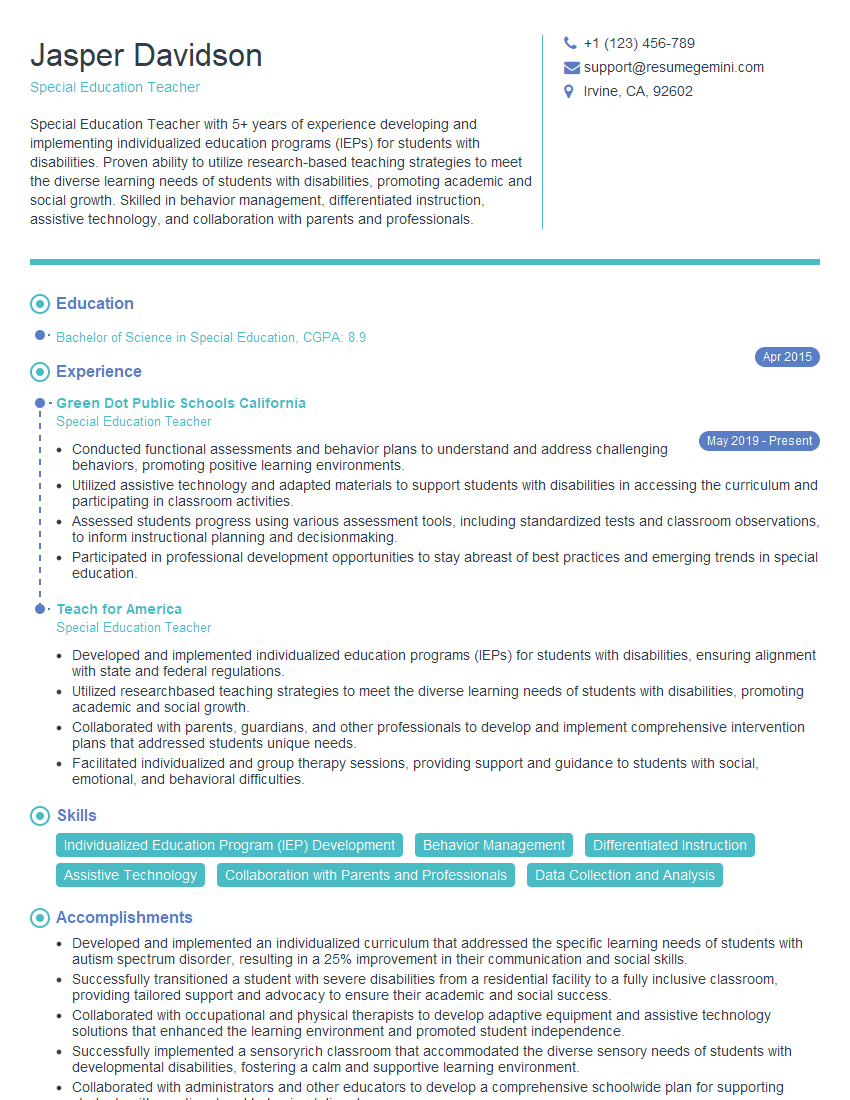
Special Education Teacher Resume Sample
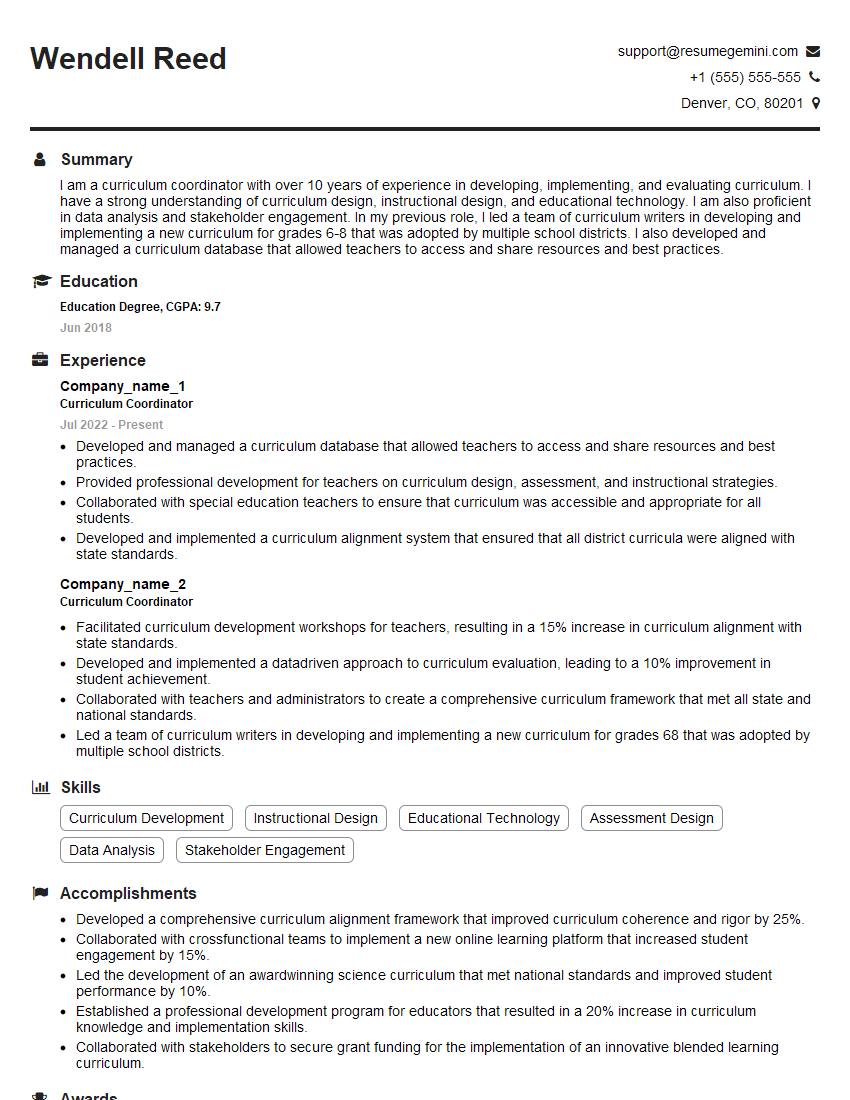
Curriculum Coordinator Resume Sample
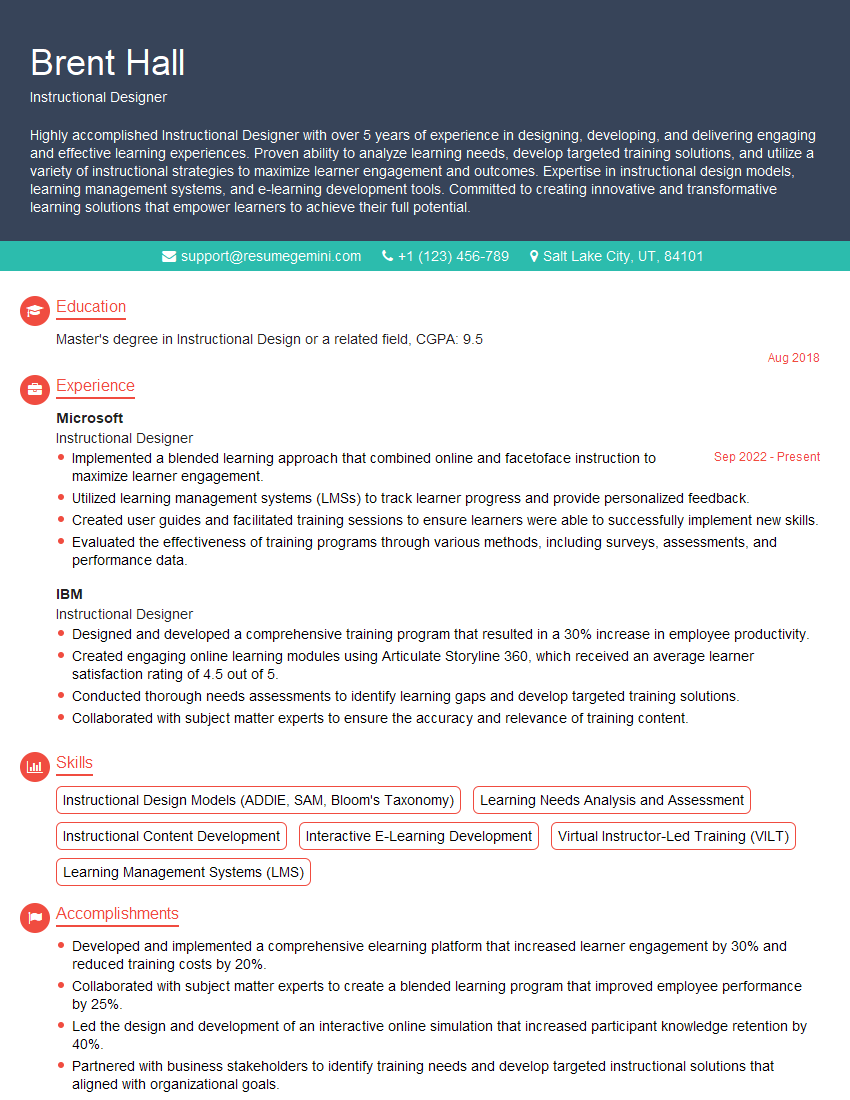
Instructional Designer Resume Sample
- Superintendent
- Principal
- Special Education Director
- School Administrator
- Higher Education Administrator
- Curriculum Developer
- Educational Psychologist
- Assessment Specialist
- School Counselor
- Professor of Education
- Librarian
- Adult Education Instructor
- Special Education Teacher
- Curriculum Coordinator
- Instructional Designer
Explore more articles
Users Rating of Our Blogs
Share Your Experience
We value your feedback! Please rate our content and share your thoughts (optional).
What Readers Say About Our Blog
Really detailed insights and content, thank you for writing this detailed article.
IT gave me an insight and words to use and be able to think of examples