The right preparation can turn an interview into an opportunity to showcase your expertise. This guide to Electrical system repair and maintenance interview questions is your ultimate resource, providing key insights and tips to help you ace your responses and stand out as a top candidate.
Questions Asked in Electrical system repair and maintenance Interview
Q 1. Explain the difference between AC and DC current.
The fundamental difference between AC (Alternating Current) and DC (Direct Current) lies in the direction of electron flow. In DC, electrons flow consistently in one direction, like water flowing down a river. This is what your batteries use. AC, on the other hand, periodically reverses its direction of electron flow, oscillating back and forth like a pendulum. This is the type of electricity supplied to most homes and businesses.
Think of it like this: DC is a steady stream, while AC is a wave. This difference impacts how the current is generated, transmitted, and used. DC is generally produced by batteries or solar panels, while AC is more efficiently generated in power plants and distributed across long distances through the electrical grid. AC’s ability to easily change voltage through transformers makes it significantly more efficient for long-distance transmission compared to DC.
The implications are significant: DC is simpler for powering low-voltage devices, while AC, with its ability to easily step up and down voltage, is essential for powering higher-voltage appliances and long-distance power transmission. In many industrial applications, you will find both used in the same system for different aspects of functionality.
Q 2. Describe your experience troubleshooting faulty electrical circuits.
Troubleshooting faulty electrical circuits involves a systematic approach. I begin by visually inspecting the circuit, looking for obvious issues like loose connections, damaged wires, or burned components. I’ve learned to identify tell-tale signs of overheating, such as discoloration or charring on insulation. Then, I use a multimeter to measure voltage, current, and resistance at various points in the circuit. This helps pinpoint where the fault lies.
For instance, I once worked on a factory assembly line where a motor suddenly stopped functioning. After a visual check revealed nothing, I used a multimeter to find a break in the wiring harness. The break was subtle, a tiny fracture in the insulation, not easily visible to the naked eye. Replacing that section of harness resolved the issue. Another time, a house I worked on suffered from sporadic power outages in a specific room. Careful circuit tracing and resistance measurements helped me identify a faulty connection in the switch, solving the problem once the switch was replaced. This methodical approach and attention to detail are critical in successful troubleshooting.
Q 3. How do you identify and resolve short circuits?
Short circuits occur when an unintended path of low resistance allows excessive current to flow, often leading to overheating and potential fire hazards. Identifying short circuits involves carefully using a multimeter to check for unusually low resistance between points that should be electrically isolated. I also use visual inspection to look for signs of arcing or burning at connections.
Resolving a short circuit requires carefully tracing the circuit to locate the fault. This might involve opening up junction boxes, inspecting wiring, and testing individual components. Once the short is located (often a damaged wire or a faulty component), it needs to be repaired or replaced, ensuring all connections are properly insulated to prevent future shorts. In some instances, a thermal imager is used to quickly spot overheating components that may be indicators of impending or present short circuits. Safety is paramount; the power must be isolated completely before working on any live circuits.
Q 4. What safety precautions do you follow when working with high-voltage systems?
Working with high-voltage systems demands rigorous adherence to safety protocols. These protocols are not suggestions but strictly enforced procedures for safety. The most crucial is to always ensure the power is completely isolated and locked out before commencing any work. I always use appropriate personal protective equipment (PPE), including insulated gloves, safety glasses, and arc flash protective clothing. I also regularly use voltage testers to verify that power is indeed off before beginning any repairs or maintenance. Furthermore, I always work with a partner when handling high-voltage systems, ensuring there’s a second person available for immediate assistance in case of an emergency. Proper training is vital and is something I continuously update and stay current on.
Q 5. Explain your experience with electrical testing equipment (e.g., multimeters, oscilloscopes).
I’m proficient in using a variety of electrical testing equipment. Multimeters are my everyday tool, used for measuring voltage, current, and resistance. I use oscilloscopes to analyze waveform shapes and identify signal anomalies. For instance, while troubleshooting a faulty motor control circuit, I might use an oscilloscope to examine the PWM (Pulse Width Modulation) signal to detect glitches or irregularities. Specialized equipment such as clamp meters, used for measuring current without breaking the circuit, and insulation testers are also integral to my work. My experience includes using various models of these instruments, giving me a comprehensive understanding of their capabilities and limitations.
Q 6. How do you interpret electrical schematics and blueprints?
Interpreting electrical schematics and blueprints is fundamental to my work. I understand how to read symbols representing various components (resistors, capacitors, inductors, transistors, etc.), understand wiring diagrams, and trace the flow of current within a circuit. My experience includes working with both hand-drawn and CAD-generated schematics of varying complexity. I’m familiar with different conventions for representing different systems and can use these documents to diagnose and solve problems. I can visualize the physical layout of a system based on a schematic and can determine the appropriate way to troubleshoot based on the specific type of system represented.
Q 7. Describe your experience with various types of electrical motors (AC, DC, servo).
My experience encompasses a wide range of electrical motors, including AC induction motors, DC brushed and brushless motors, and servo motors. AC induction motors are common in industrial settings; I understand their operation principles, including starting methods and common failure modes. DC motors, both brushed and brushless, are frequently used in robotics and automation; I’m proficient in their maintenance and troubleshooting. Servo motors, with their precise control capabilities, are used in sophisticated applications; I understand their control systems and the techniques for adjusting their parameters for optimal performance. I have experience with the different voltage and amperage requirements for these different types and can identify and diagnose specific motor malfunctions based on the type and its function within a system.
Q 8. How do you diagnose and repair problems with electrical control systems?
Diagnosing and repairing problems in electrical control systems requires a systematic approach. I begin by thoroughly understanding the system’s operational parameters and reviewing any existing documentation, such as schematics and wiring diagrams. This initial step allows me to identify potential points of failure. Next, I use a combination of techniques to pinpoint the problem. This might involve using multimeters to check voltages, currents, and resistances; logic analyzers to trace signals; and specialized software to monitor and interpret data from PLCs or other control devices.
For instance, I once worked on a system where a conveyor belt kept stopping unexpectedly. By meticulously checking the wiring, I found a loose connection at a sensor responsible for detecting belt jams. Tightening the connection immediately resolved the issue. In another case, a faulty temperature sensor was causing a manufacturing process to shut down prematurely. Identifying and replacing this faulty sensor restored normal operation. After identifying the fault, I always meticulously document the repair process, including the cause of the failure, the corrective actions taken, and any preventative measures implemented to avoid similar issues in the future.
Q 9. What is your experience with Programmable Logic Controllers (PLCs)?
I have extensive experience with Programmable Logic Controllers (PLCs), including programming, troubleshooting, and maintenance of various brands such as Allen-Bradley, Siemens, and Schneider Electric. My expertise spans ladder logic programming, function block diagrams, and structured text. I’m proficient in using programming software to create, modify, and debug PLC programs. My experience includes working with PLCs in various industrial settings, from simple machine control to complex process automation systems. For example, I designed and implemented a PLC program for a packaging line that improved efficiency by 15% by optimizing the timing of the various conveyor belts and robotic arms. In another project, I was able to quickly diagnose a PLC failure in a crucial manufacturing process by utilizing online diagnostics tools and remote access capabilities, resulting in minimal downtime. My approach emphasizes preventive maintenance through regular checks, software updates, and back-up strategies to minimize potential failures.
Q 10. Describe your experience with SCADA systems.
My experience with SCADA (Supervisory Control and Data Acquisition) systems includes working with various platforms, such as Wonderware, Ignition, and Rockwell FactoryTalk. My skills encompass system configuration, HMI (Human-Machine Interface) design, database management, and alarm handling. I understand the importance of ensuring data integrity and the efficient management of the large datasets involved in SCADA. I’m experienced in troubleshooting communication issues between PLCs, RTUs (Remote Terminal Units), and the SCADA master. For example, I resolved a recurring communication problem between the SCADA server and a remote pumping station by identifying and replacing a faulty modem and optimizing the communication settings. Another project involved designing and implementing a new SCADA system for a water treatment plant, which significantly improved monitoring and control capabilities. In all SCADA projects, I prioritize security to prevent unauthorized access and potential system compromises.
Q 11. Explain your understanding of electrical codes and safety regulations.
I have a thorough understanding of relevant electrical codes and safety regulations, including the National Electrical Code (NEC) and OSHA standards. I always prioritize safety in my work, adhering strictly to these regulations. This includes understanding lockout/tagout procedures, proper use of personal protective equipment (PPE), and recognizing potential hazards. I am familiar with arc flash analysis and the appropriate safety measures to mitigate the risks. My experience includes conducting safety audits and training others on safe electrical practices. I am adept at interpreting electrical drawings and specifications to ensure that all work is compliant with relevant regulations. For example, recently I identified a potential code violation during an inspection that would have resulted in significant safety issues. Addressing this early saved the company time, money and prevented potential accidents. My commitment to safety is paramount, as it is crucial to avoid workplace incidents and ensure compliance with all safety regulations.
Q 12. How do you perform preventative maintenance on electrical equipment?
Preventative maintenance is crucial for extending the lifespan of electrical equipment and minimizing unexpected downtime. My approach involves a scheduled program including regular inspections, cleaning, and testing. This includes visually inspecting equipment for signs of wear and tear, such as loose connections, corrosion, or overheating. I also perform functional tests to ensure the equipment is operating within its specifications using specialized testing equipment. For example, I regularly inspect motor bearings for signs of wear and grease levels, perform insulation resistance tests on motors and cables, and clean electrical contacts to prevent arcing and overheating. Another important aspect is the monitoring of environmental conditions, such as temperature and humidity, which can impact the performance and longevity of electrical equipment. Documentation is key to track maintenance activities and to develop a proactive plan of maintenance based on data analysis.
Q 13. Describe your experience with various types of wiring and cabling.
My experience encompasses a wide range of wiring and cabling, including various types of copper conductors (THHN, XHHW, etc.), fiber optic cables, and control cables. I understand the different applications and characteristics of each type of cable and can select the appropriate cable for a given application based on voltage, current carrying capacity, environmental conditions, and safety requirements. I am proficient in various wiring techniques, including conduit bending, termination, and splicing. For example, I recently worked on a project that required installing high-voltage cabling in a demanding industrial environment. I selected and installed appropriately rated cables, adhering to the strict safety guidelines and ensuring the integrity of the entire system. I am familiar with different cable management techniques to ensure a clean, organized, and safe electrical infrastructure.
Q 14. How do you troubleshoot and repair problems with lighting systems?
Troubleshooting lighting system problems usually involves a systematic approach that begins with visual inspection and identifying potential causes for failure. This may range from burnt-out bulbs or faulty ballasts to wiring issues or problems with the control system. I use a multimeter to test voltage at various points in the circuit to locate the point of failure. For example, if a section of lighting fixtures isn’t working, I might check the voltage at the breaker, at the junction box, and at each individual fixture. In more complex systems, I might need to analyze the control circuit for problems with the dimming system or occupancy sensors. I’ve found that understanding the specific type of lighting fixture (e.g., fluorescent, LED, HID) is crucial in effective troubleshooting. Knowing the ballast type and its operational characteristics is particularly important when dealing with fluorescent or HID lighting. For example, a flickering fluorescent light may simply need a new ballast whereas an LED light failure may point towards a problem in the power supply. My experience and skill in identifying such nuances leads to efficient resolution.
Q 15. Explain your experience with grounding and bonding.
Grounding and bonding are crucial for electrical safety. Grounding connects a circuit to the earth, providing a low-resistance path for fault currents to flow, preventing dangerous voltage buildup. Bonding connects conductive parts of a system to ensure they are at the same electrical potential, preventing voltage differences that could lead to shocks or fires.
In my experience, I’ve worked extensively on grounding systems for various applications, from residential installations where I’ve ensured proper grounding of outlets and appliances, to industrial settings where I’ve designed and implemented complex grounding grids for large machinery to mitigate the risk of electrical surges. One memorable project involved troubleshooting a grounding issue in an older manufacturing plant. Using a combination of ground resistance testing and visual inspection, we identified a corroded grounding rod and replaced it, eliminating the potential for hazardous electrical shocks. I am proficient in interpreting relevant codes and standards, such as the NEC (National Electrical Code), to guarantee compliance and safety.
Bonding, similarly, is a vital part of my work. For instance, I’ve bonded metal pipes and conduits in commercial buildings to the electrical system’s grounding electrode, preventing dangerous voltage differentials. I’ve also performed bonding on equipment enclosures to reduce the risk of electrical shock. Proper grounding and bonding are non-negotiable aspects of every electrical project I undertake.
Career Expert Tips:
- Ace those interviews! Prepare effectively by reviewing the Top 50 Most Common Interview Questions on ResumeGemini.
- Navigate your job search with confidence! Explore a wide range of Career Tips on ResumeGemini. Learn about common challenges and recommendations to overcome them.
- Craft the perfect resume! Master the Art of Resume Writing with ResumeGemini’s guide. Showcase your unique qualifications and achievements effectively.
- Don’t miss out on holiday savings! Build your dream resume with ResumeGemini’s ATS optimized templates.
Q 16. What is your experience with power distribution systems?
My experience with power distribution systems spans a wide range, from low-voltage residential circuits to high-voltage industrial installations. I’m familiar with various distribution methods, including radial, loop, and ring systems. I’ve worked on projects involving the design, installation, maintenance, and troubleshooting of these systems.
For example, I recently worked on a project upgrading the power distribution system in a large office building. This involved replacing aging components, optimizing the system layout to improve efficiency, and ensuring compliance with the latest safety codes. It required detailed planning, careful execution, and a thorough understanding of load calculations, voltage drop, and protective device coordination. The project also involved working with other trades, such as HVAC and construction, to coordinate our work and ensure a seamless installation. I understand the importance of proper sizing of conductors, protective devices, and transformers to ensure reliable and safe operation.
Another significant experience involved troubleshooting a power outage in a manufacturing facility. By systematically examining the distribution system, checking circuit breakers, transformers, and cables, I identified a faulty transformer as the source of the problem. Replacing it quickly minimized production downtime and prevented further damage.
Q 17. How do you ensure the safety of yourself and others while performing electrical work?
Safety is paramount in electrical work. My approach is based on a multi-layered safety strategy encompassing preventative measures, proper procedures, and equipment. Before undertaking any electrical task, I always perform a thorough risk assessment, identifying potential hazards and implementing appropriate control measures.
- Lockout/Tagout Procedures: I rigorously follow lockout/tagout procedures to de-energize circuits before working on them, preventing accidental energization and ensuring the safety of myself and others.
- Personal Protective Equipment (PPE): I consistently use appropriate PPE, including insulated gloves, safety glasses, and arc flash protective clothing, depending on the voltage and task.
- Proper Tools and Equipment: I ensure all tools and testing equipment are properly rated for the voltage and are in good working order to prevent equipment failure and potential hazards.
- Compliance with Codes: I adhere strictly to all relevant safety codes and standards, such as the NEC, OSHA regulations, and any applicable industry-specific guidelines.
Moreover, I regularly attend safety training to stay updated on best practices and new technologies. I believe a proactive approach to safety is essential in minimizing risks and creating a safe working environment for everyone.
Q 18. Describe your experience with troubleshooting and repairing electrical panels.
Troubleshooting and repairing electrical panels requires a systematic and methodical approach. I begin by visually inspecting the panel for any obvious signs of damage, such as loose connections, burnt components, or signs of overheating. Then, I use testing equipment, like multimeters and clamp meters, to measure voltage, current, and resistance to identify the faulty components.
For example, I recently repaired an electrical panel experiencing intermittent tripping of a circuit breaker. After a thorough inspection, I found a loose neutral connection causing high resistance and excessive heat, leading to the breaker tripping. Tightening the connection resolved the issue. In other instances, I have identified and replaced faulty circuit breakers, receptacles, and other components within the panel.
I’m experienced in working with various types of electrical panels, from simple residential panels to more complex industrial control panels. My approach emphasizes accuracy and thoroughness, ensuring the panel is functioning correctly and safely after repairs.
Q 19. How do you handle emergency situations involving electrical equipment?
My response to electrical emergencies prioritizes safety and efficient resolution. The first step is always to ensure the safety of myself and others by de-energizing the affected equipment, if possible, and clearing the area. Then, I assess the situation to determine the extent of the problem and potential hazards.
For example, if I encounter a fire caused by an electrical fault, I would immediately call emergency services and follow established fire safety protocols. If it’s a power outage, I would systematically check the power distribution system to identify the source and implement appropriate corrective measures. My experience allows me to quickly identify the problem and take action, prioritizing safety and minimizing further damage.
Clear communication with colleagues and emergency responders is critical during emergencies. Providing accurate information about the situation is crucial for a coordinated and effective response.
Q 20. Explain your experience with different types of transformers.
I’ve worked with various transformer types, including power transformers, distribution transformers, instrument transformers (current and potential transformers), and isolation transformers. Each type has its specific application and characteristics.
Power transformers are used for stepping up or stepping down voltage in high-power applications. I’ve worked on maintaining and troubleshooting large power transformers in substations. Distribution transformers are smaller and used to step down voltage for distribution to homes and businesses. I’ve handled their installation, maintenance, and replacement in various projects. Instrument transformers are used for measurement and protection purposes. I’m familiar with their applications in metering and relaying systems.
My understanding extends to their operating principles, including the use of magnetic induction to transfer power between circuits. I’m also familiar with transformer testing techniques, such as measuring winding resistance, insulation resistance, and performing ratio tests. Safety considerations, such as appropriate safety clearances and handling procedures for high-voltage transformers, are always prioritized.
Q 21. What is your experience with electrical power generation systems?
My experience with electrical power generation systems includes working with both conventional and renewable sources. I’ve worked on projects involving diesel generators, gas turbines, and solar photovoltaic (PV) systems. My understanding encompasses the entire generation process, from the prime mover to the generation of electricity and its distribution to the grid.
For example, I was involved in the commissioning of a new solar PV array at a remote facility. This involved verifying the correct installation of the panels, inverters, and other components, performing safety checks, and integrating the system into the existing power distribution infrastructure. With diesel generators, I’ve performed preventative maintenance, including oil changes, filter replacements, and load testing to ensure reliability.
I’m familiar with the relevant safety standards and procedures for working with power generation equipment. Understanding power generation principles and their integration with distribution networks is vital for ensuring a reliable and safe electricity supply.
Q 22. Describe your experience with motor control centers (MCCs).
Motor Control Centers (MCCs) are the backbone of industrial electrical systems, housing and protecting the control circuitry for numerous electric motors. My experience encompasses the full lifecycle: from installation and commissioning to preventative maintenance and troubleshooting. I’m proficient in identifying and resolving issues related to various components, including circuit breakers, starters (magnetic, solid-state), contactors, and overload relays.
For instance, I recently worked on an MCC upgrade project where we replaced outdated magnetic starters with modern solid-state versions. This improved the system’s efficiency, reduced maintenance needs, and enhanced motor protection. I’m familiar with different MCC architectures, including those using programmable logic controllers (PLCs) for advanced control and monitoring. My experience also extends to safety procedures, lockout/tagout protocols, and adherence to relevant electrical codes.
Furthermore, I’m skilled in performing preventative maintenance tasks such as inspecting wiring, tightening connections, cleaning contactors, and testing the functionality of protective devices. This proactive approach significantly minimizes downtime and extends the lifespan of the equipment.
Q 23. How do you manage multiple tasks and prioritize work effectively?
Managing multiple tasks effectively requires a structured approach. I utilize a combination of techniques, including prioritizing tasks based on urgency and impact, creating detailed schedules, and leveraging project management tools. I break down large projects into smaller, manageable tasks, setting realistic deadlines for each. I find that employing time-blocking helps me stay focused and avoid getting bogged down in less critical activities.
For example, when dealing with concurrent maintenance requests and a major upgrade project, I prioritize immediate safety concerns, then address time-sensitive tasks impacting production, and finally, tackle the longer-term upgrade project. Regular review and adjustment of my schedule ensures that I remain adaptive and efficient even with changing priorities.
Q 24. Explain your experience with different types of circuit breakers.
My experience encompasses various circuit breaker types, including molded-case, air circuit breakers (ACBs), and vacuum circuit breakers (VCBs). Molded-case breakers are common in smaller applications, offering simple protection for branch circuits. ACBs are more suitable for larger industrial settings, providing higher interrupting capacity. VCBs, known for their superior performance and long life, are often employed in high-voltage applications.
Each type has specific characteristics and applications. I understand the importance of selecting the correct breaker based on factors such as voltage, amperage, interrupting capacity, and the type of load being protected. I’m also experienced in testing circuit breakers to ensure they are functioning correctly and meet safety standards using both manual and automated testing equipment. Troubleshooting faulty breakers involves systematic checks: visually inspecting for damage, testing the trip mechanism, and verifying the proper coordination with upstream protective devices.
Q 25. How do you stay up-to-date with the latest advancements in electrical technology?
Staying current in the rapidly evolving field of electrical technology is crucial. I achieve this through a multi-pronged approach. I actively participate in professional organizations like IEEE (Institute of Electrical and Electronics Engineers), attending conferences and workshops to learn about the latest advancements in technologies like smart grids, renewable energy integration, and advanced motor control techniques.
Furthermore, I regularly subscribe to industry publications and online resources, keeping abreast of new regulations and best practices. I also invest in ongoing professional development, taking courses and obtaining relevant certifications to enhance my expertise and keep my skills sharp. Continuous learning is an integral part of maintaining my professional competence.
Q 26. Describe a time you had to troubleshoot a complex electrical problem.
I once encountered a complex problem involving intermittent power outages in a critical manufacturing process. Initially, the issue seemed straightforward – a tripped breaker. However, resetting the breaker repeatedly only offered temporary relief, indicating an underlying fault. I systematically investigated the entire power distribution system, checking for loose connections, faulty wiring, and potential ground faults using specialized testing equipment, including a clamp meter and a megger.
After thorough inspection, I discovered a deteriorated section of underground cable causing intermittent short circuits. Replacing the damaged section solved the problem, preventing costly production downtime and potential safety hazards. This experience reinforced the importance of methodical troubleshooting, comprehensive testing, and the value of never assuming a problem is simple until all possibilities are explored.
Q 27. What are your salary expectations for this role?
Based on my experience and the requirements of this role, my salary expectations are in the range of [Insert Salary Range]. However, I am flexible and open to discussing this further, considering the specific responsibilities and compensation package offered.
Q 28. Do you have any questions for me?
Yes, I have a few questions. First, can you elaborate on the specific technologies and systems used in this role? Secondly, what are the company’s training and development opportunities for employees? Finally, what are the long-term career progression prospects within the company?
Key Topics to Learn for Electrical System Repair and Maintenance Interviews
- Safety Procedures and Regulations: Understanding and applying relevant safety codes (e.g., NFPA 70E) and lockout/tagout procedures is crucial for both practical work and interview success. This demonstrates your commitment to a safe work environment.
- Troubleshooting Techniques: Develop your ability to diagnose faults in electrical systems using multimeters, oscilloscopes, and other diagnostic tools. Be prepared to discuss your methodical approach to identifying and resolving problems.
- Electrical Drawings and Schematics: Proficiency in reading and interpreting electrical blueprints, schematics, and wiring diagrams is essential for understanding system layouts and performing repairs. Practice interpreting complex diagrams.
- Motor Control Systems: Gain a solid understanding of various motor control systems (e.g., starters, VFDs), their operation, troubleshooting, and maintenance. Be ready to discuss practical experience with different motor types.
- Power Distribution Systems: Familiarize yourself with the principles of power distribution, including transformers, circuit breakers, and protective devices. Understanding how power flows through a system is critical.
- Preventive Maintenance: Demonstrate your understanding of scheduled maintenance tasks, their importance in preventing failures, and how to document these procedures. This shows initiative and a proactive approach to maintenance.
- Electrical Components and Their Function: Develop a strong understanding of the function and operation of various electrical components, including resistors, capacitors, inductors, and semiconductors. Be able to explain their roles within a system.
- Problem-Solving and Analytical Skills: Highlight your ability to approach complex problems methodically, using logical reasoning and diagnostic tools to identify root causes and implement effective solutions. This is a highly valued skill.
Next Steps
Mastering electrical system repair and maintenance opens doors to rewarding and challenging career opportunities with excellent growth potential. To maximize your job prospects, creating a strong, ATS-friendly resume is paramount. ResumeGemini is a trusted resource that can help you build a professional and impactful resume, significantly increasing your chances of landing your dream job. Examples of resumes tailored to the Electrical System Repair and Maintenance field are available to guide you through the process.
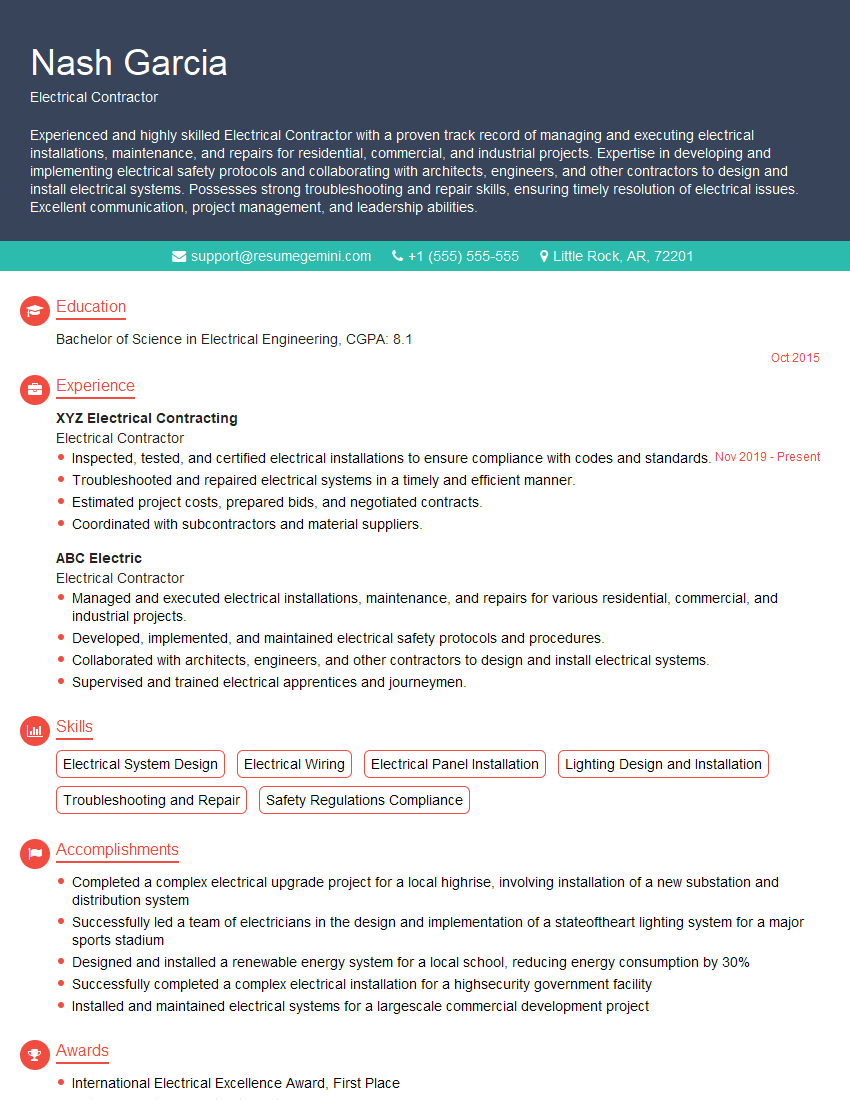
Electrical Contractor Resume Sample
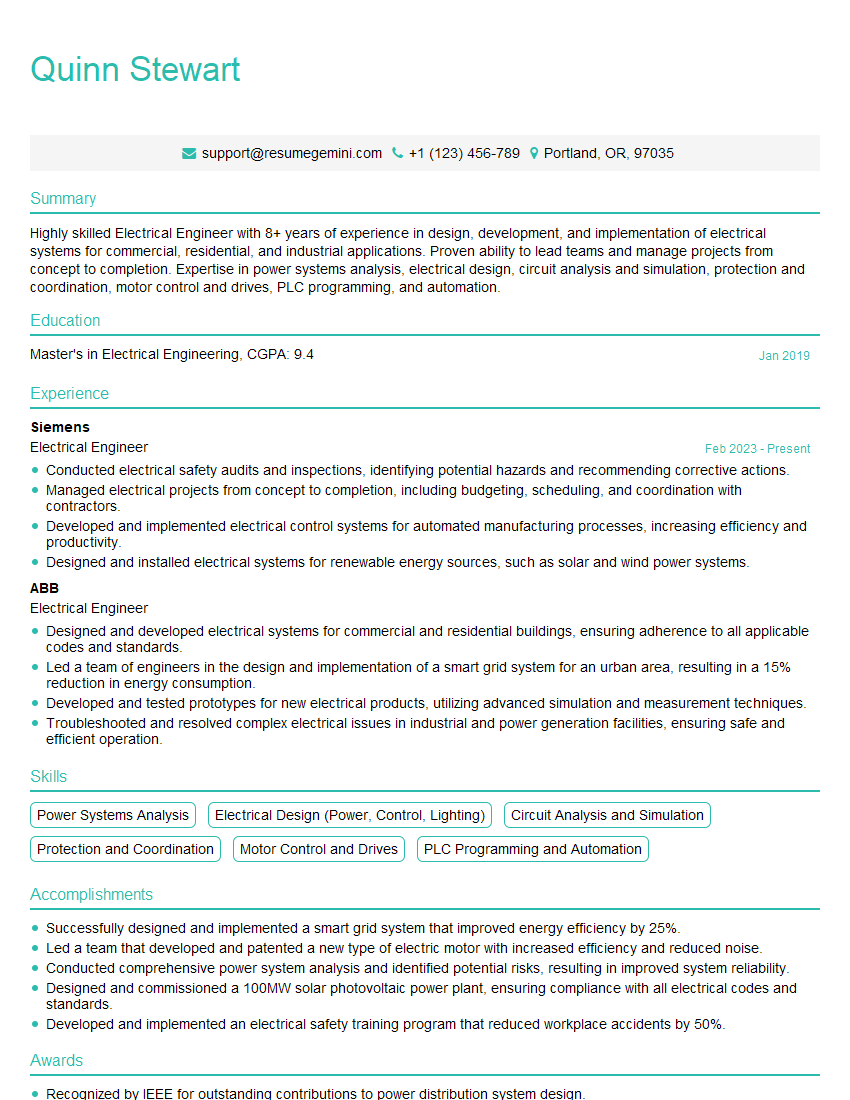
Electrical Engineer Resume Sample
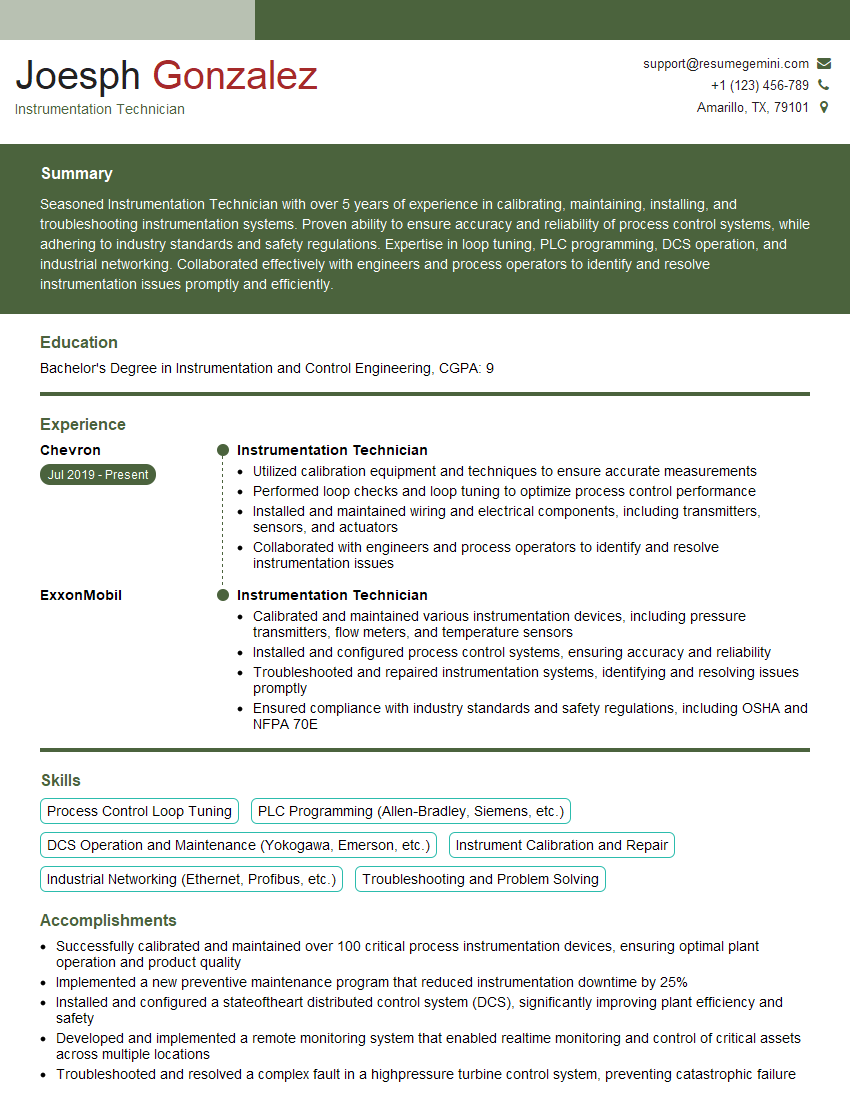
Instrumentation Technician Resume Sample
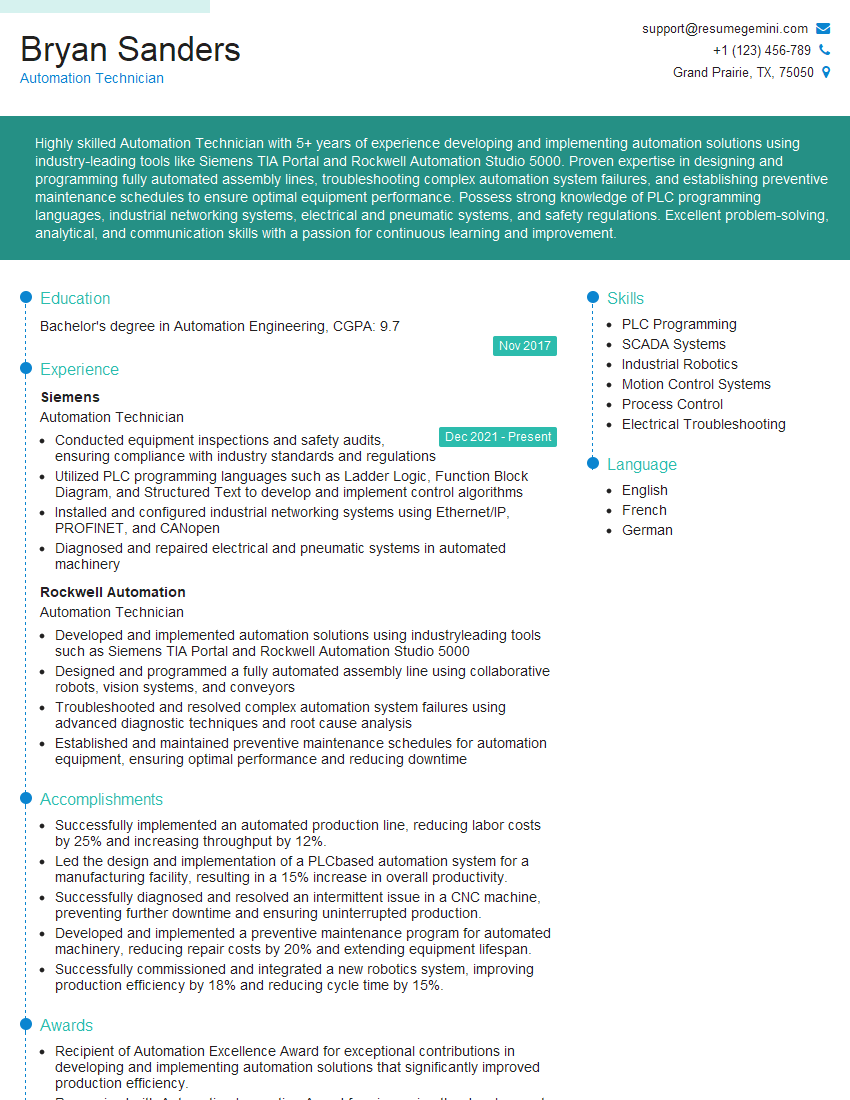
Automation Technician Resume Sample
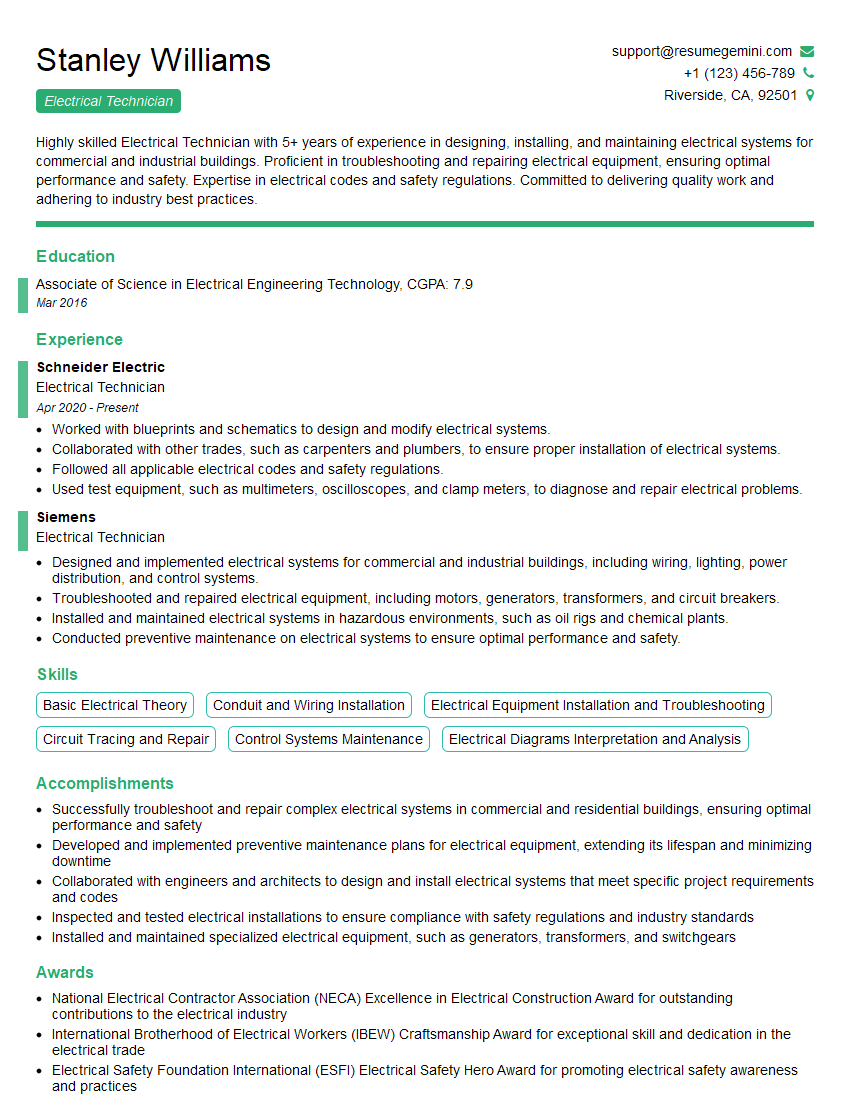
Electrical Technician Resume Sample
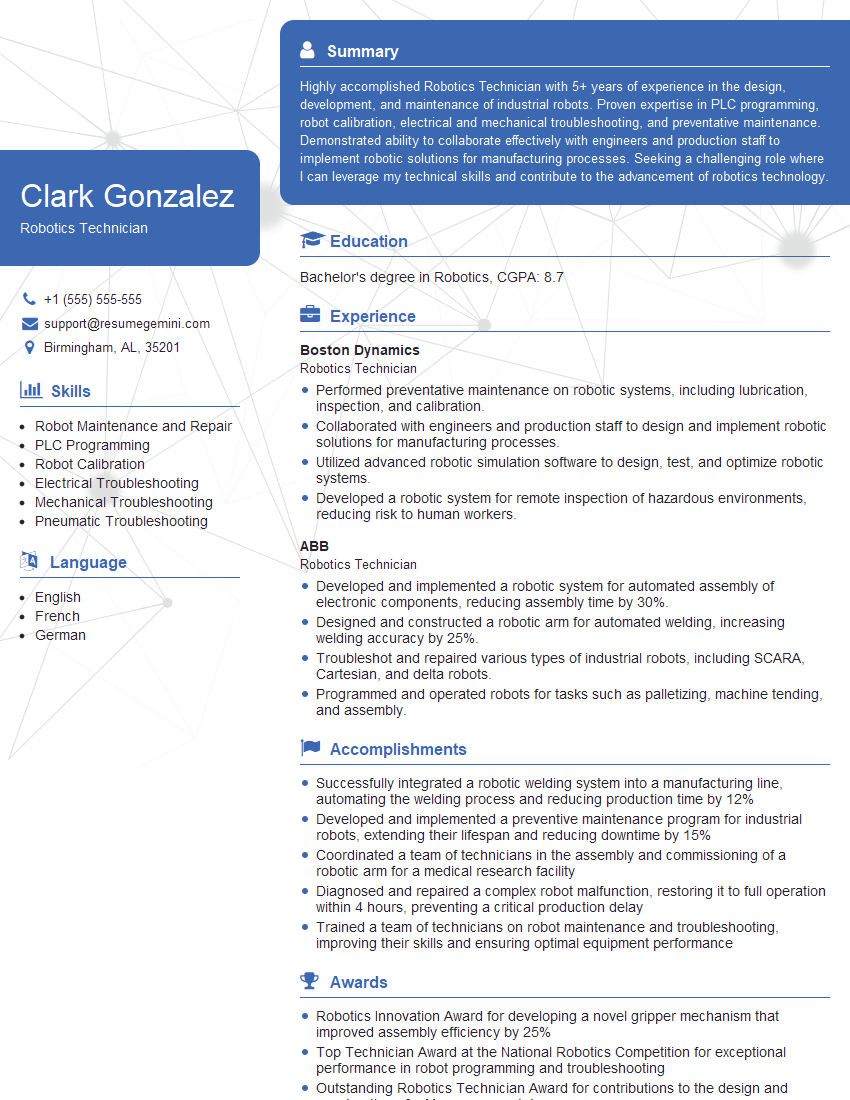
Robotics Technician Resume Sample
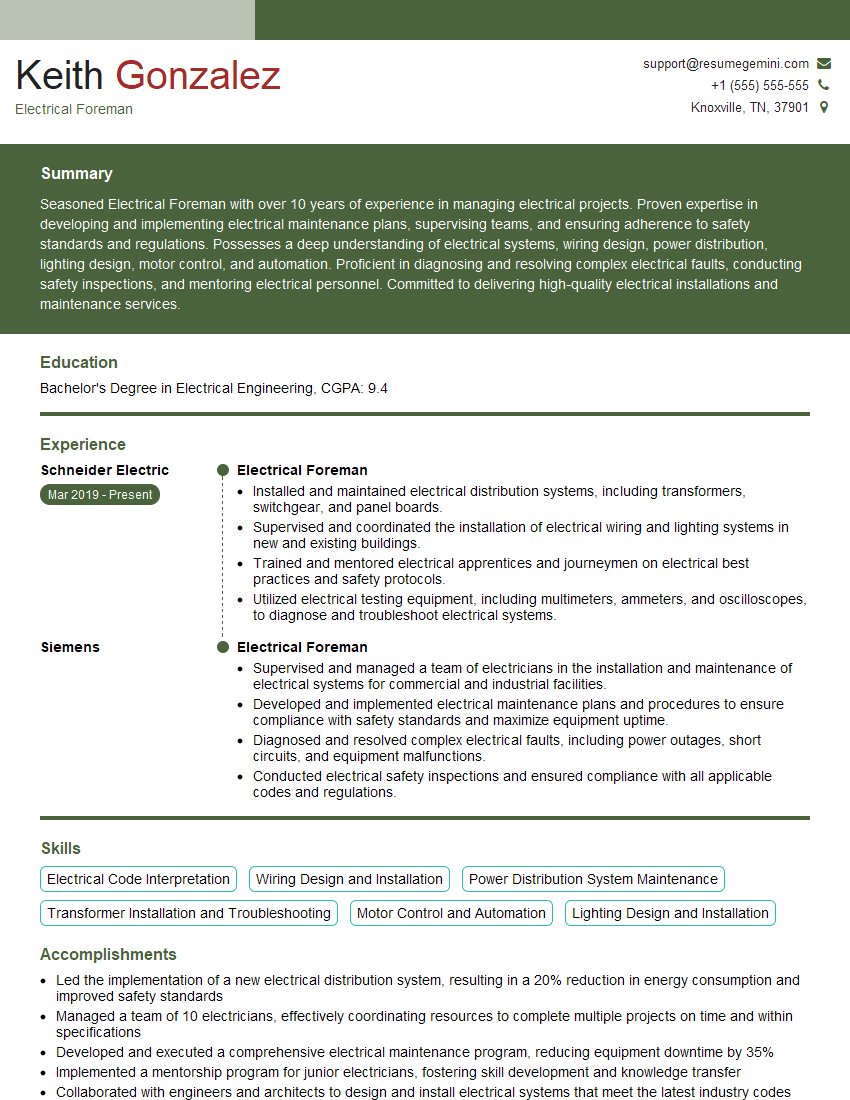
Electrical Foreman Resume Sample
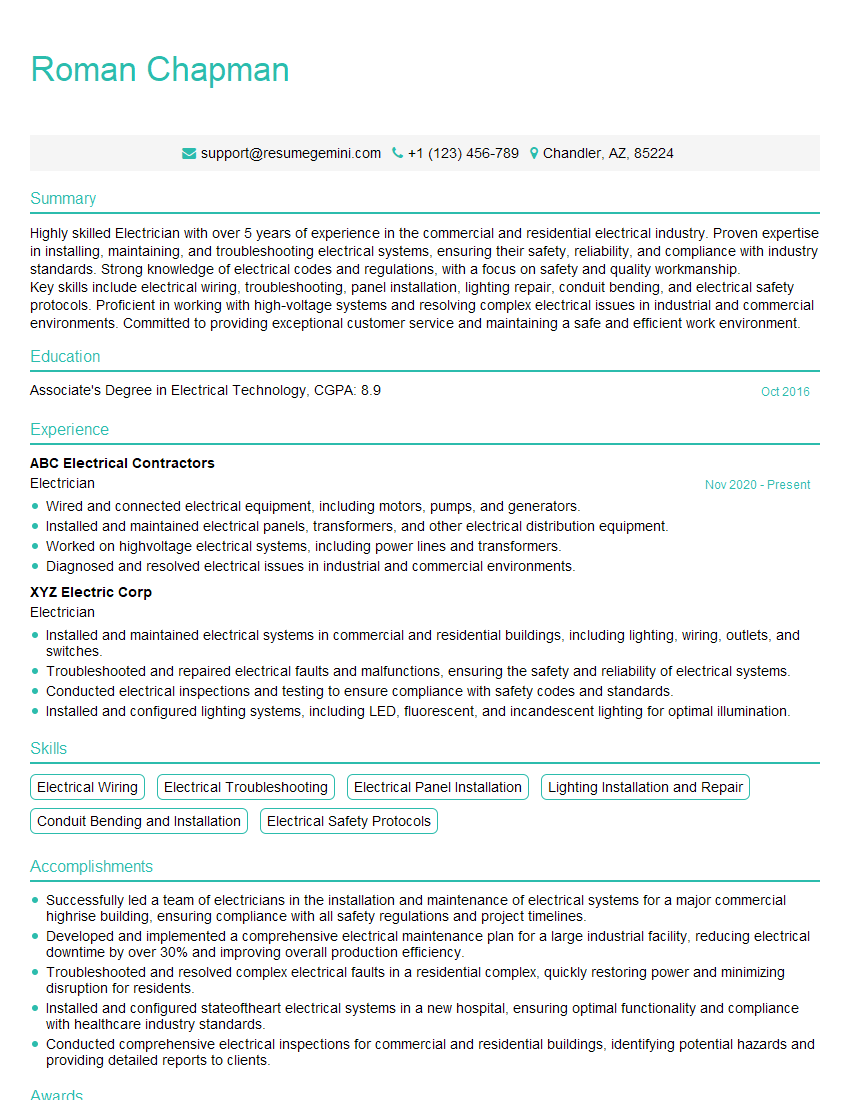
Electrician Resume Sample
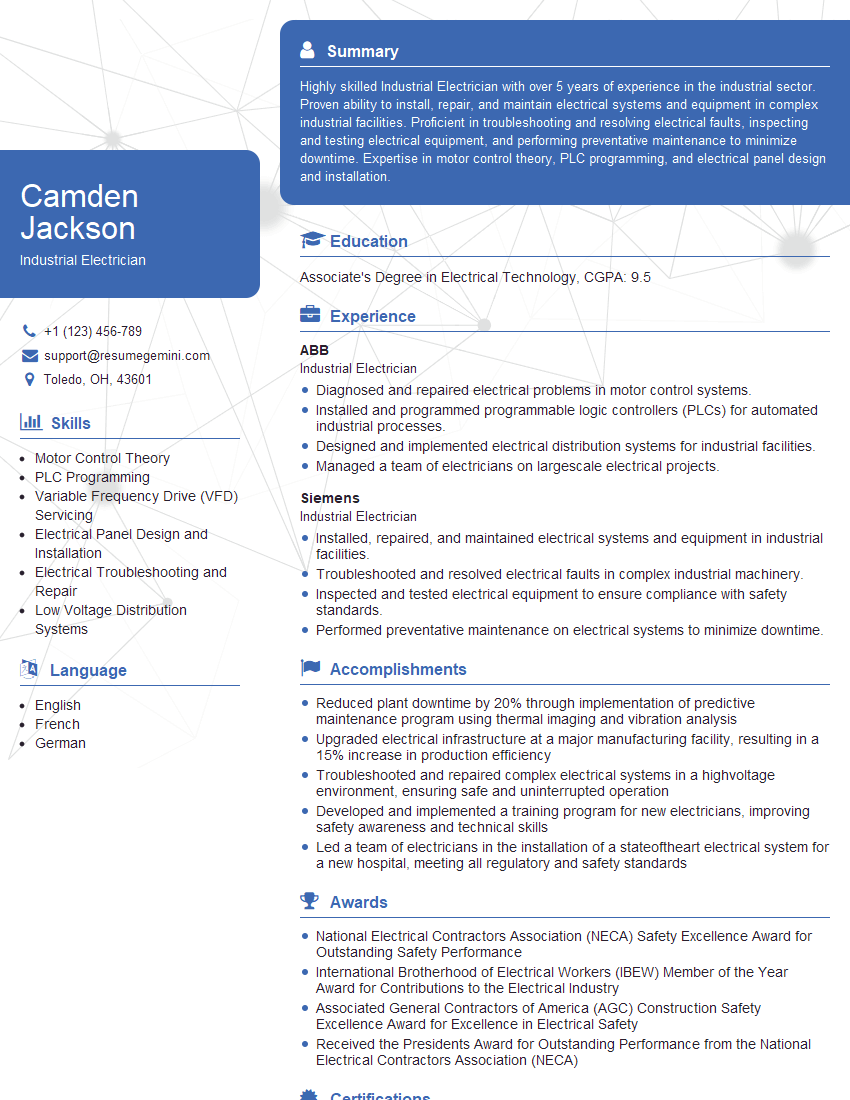
Industrial Electrician Resume Sample
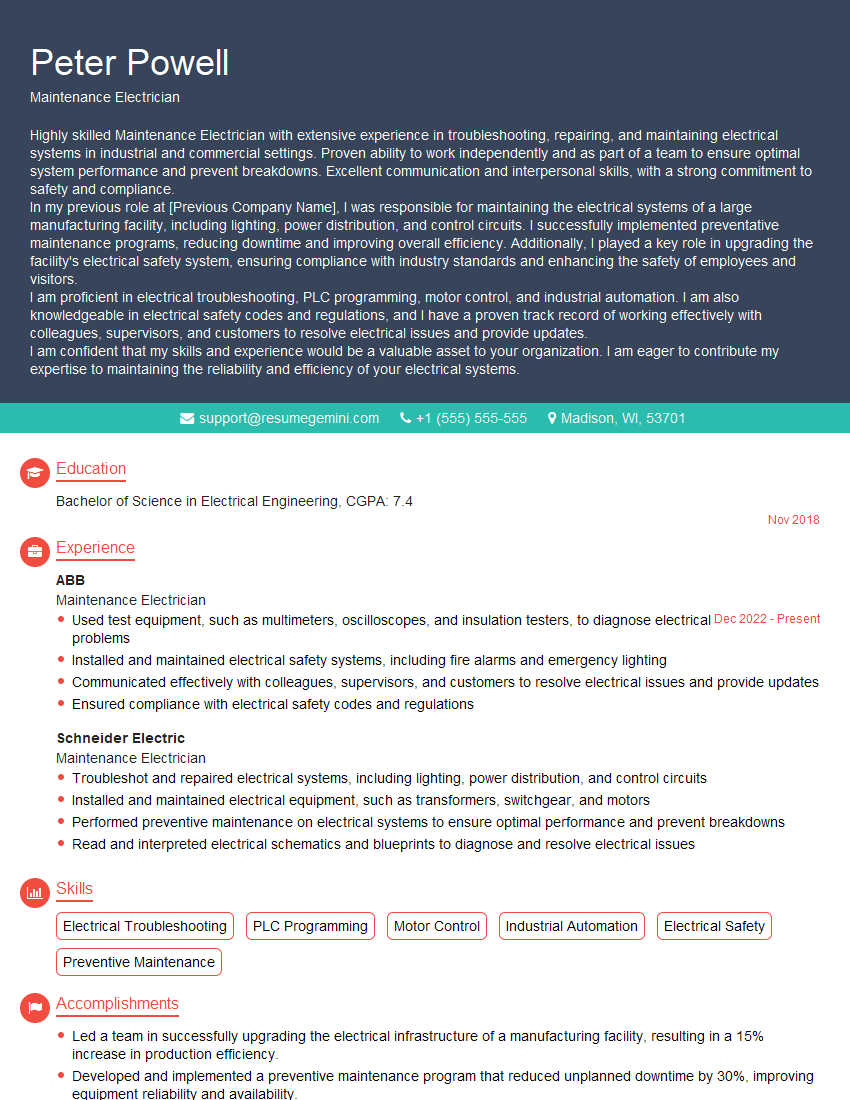
Maintenance Electrician Resume Sample
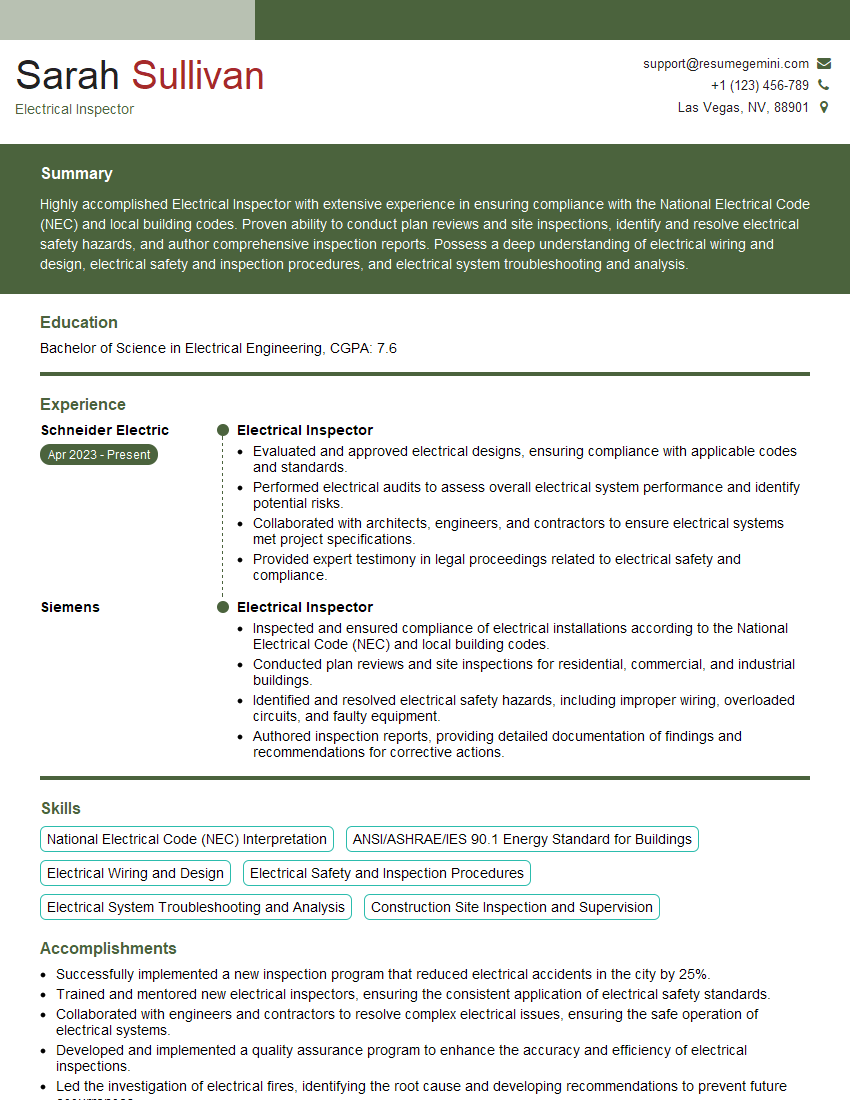
Electrical Inspector Resume Sample
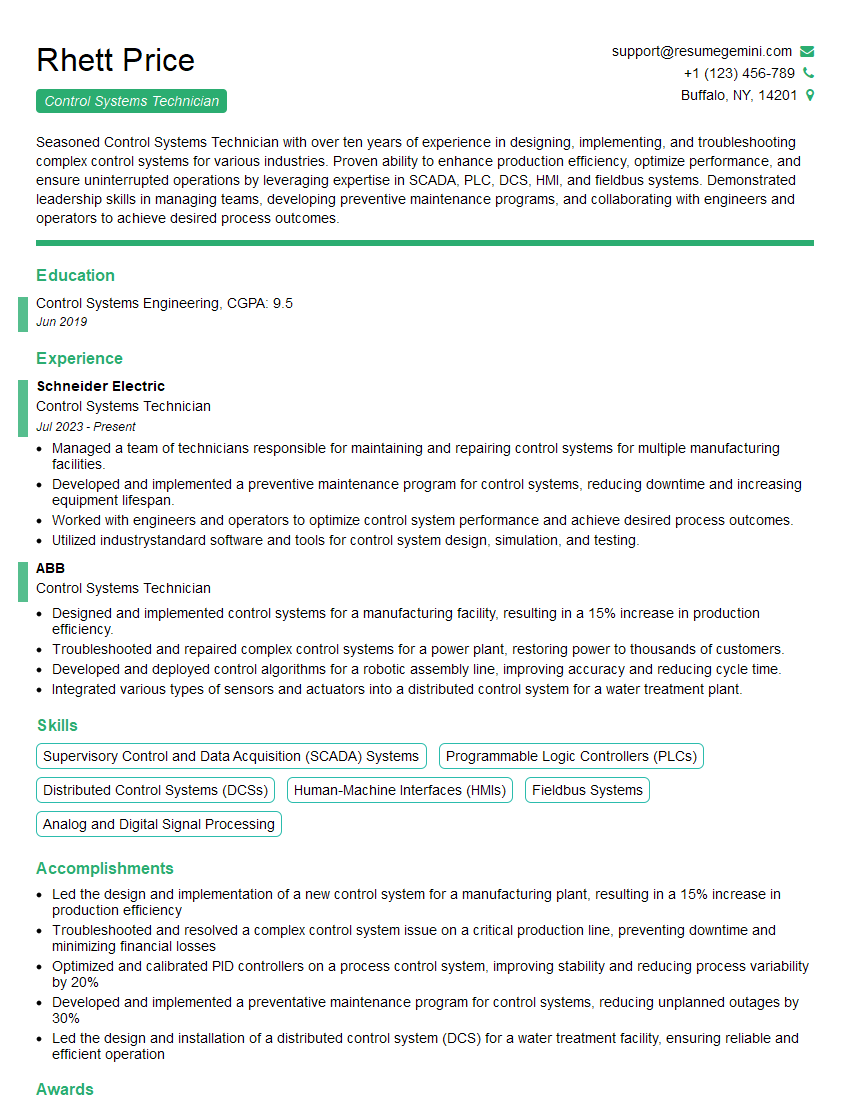
Control Systems Technician Resume Sample
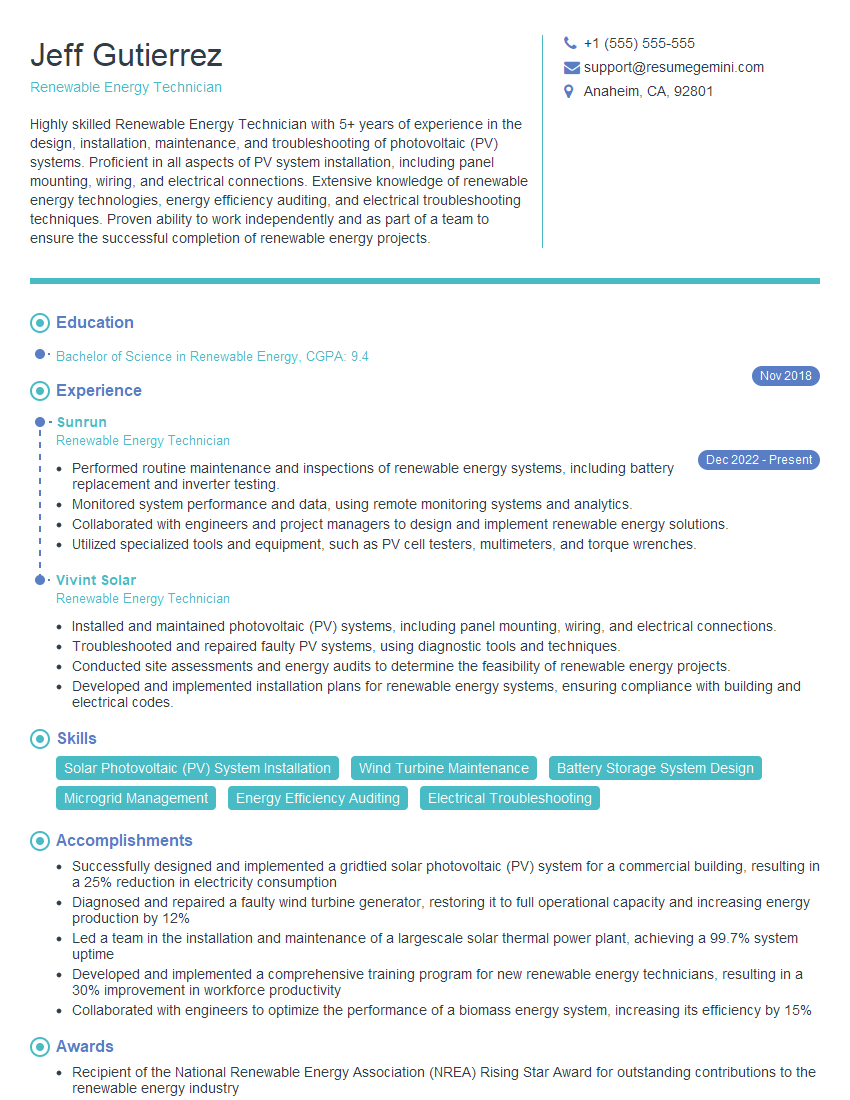
Renewable Energy Technician Resume Sample
Explore more articles
Users Rating of Our Blogs
Share Your Experience
We value your feedback! Please rate our content and share your thoughts (optional).
What Readers Say About Our Blog
Really detailed insights and content, thank you for writing this detailed article.
IT gave me an insight and words to use and be able to think of examples