Every successful interview starts with knowing what to expect. In this blog, we’ll take you through the top Equipment Operation and Handling interview questions, breaking them down with expert tips to help you deliver impactful answers. Step into your next interview fully prepared and ready to succeed.
Questions Asked in Equipment Operation and Handling Interview
Q 1. Describe your experience operating a forklift.
My forklift operating experience spans over eight years, encompassing various models and working environments. I’ve handled everything from standard counterbalanced forklifts to reach trucks and order pickers in warehouse, manufacturing, and construction settings. I’m proficient in loading, unloading, stacking, and transporting materials efficiently and safely. For instance, in my previous role at Acme Manufacturing, I was responsible for the timely movement of raw materials and finished goods, consistently meeting production deadlines. My experience includes working with various load capacities and navigating tight spaces with precision.
Q 2. What safety procedures do you follow when operating heavy machinery?
Safety is paramount when operating heavy machinery. My safety procedures begin with a thorough pre-operational inspection (detailed in the next answer). Beyond that, I always adhere to the following:
- Personal Protective Equipment (PPE): I consistently wear safety glasses, steel-toe boots, and a high-visibility vest, even when operating indoors. In specific situations, hearing protection and gloves are also mandatory.
- Load Stability: I ensure loads are properly secured and evenly distributed to prevent tipping. I never exceed the forklift’s weight capacity and I’m mindful of the center of gravity.
- Awareness of Surroundings: I constantly scan my surroundings, being aware of pedestrians, other equipment, and obstacles. I use horns and lights appropriately to signal my intentions.
- Safe Operating Speeds: I adjust my speed based on the conditions and the load I’m carrying, and I always reduce speed when navigating corners or tight spaces.
- Following Regulations: I meticulously follow all company safety regulations and any specific guidelines for the area where I am operating.
Think of it like driving a car – you wouldn’t drive recklessly; the same principles apply to forklift operation, but with significantly higher stakes.
Q 3. How do you perform pre-operational checks on equipment?
Pre-operational checks are critical for safe and efficient equipment operation. My checklist includes:
- Fluid Levels: Checking engine oil, hydraulic fluid, and coolant levels.
- Tires: Inspecting tire pressure and condition for any damage or wear.
- Brakes: Testing brake functionality and responsiveness.
- Lights and Horns: Verifying the proper operation of all lights and the horn.
- Steering and Controls: Ensuring smooth and responsive steering and control operation.
- Leaks: Checking for any hydraulic or fuel leaks.
- Attachments: If using attachments, I ensure they are securely mounted and in good working order.
- Safety Devices: Inspecting seat belts, seat condition, and any other safety devices like backup alarms.
I document any issues found, reporting them to my supervisor before commencing operation. Think of it as a pre-flight checklist for an airplane – critical to ensuring a safe and successful operation.
Q 4. Explain your experience with preventative maintenance on equipment.
Preventative maintenance is vital for extending the lifespan and ensuring the safe operation of equipment. My experience includes performing routine maintenance tasks such as:
- Lubrication: Regularly lubricating moving parts according to the manufacturer’s recommendations.
- Fluid Changes: Changing engine oil, hydraulic fluid, and coolant at recommended intervals.
- Tire Inspections and Rotations: Regularly inspecting tire pressure and condition, performing rotations as needed.
- Battery Maintenance (for electric forklifts): Checking battery levels, ensuring proper charging, and keeping the battery terminals clean.
- Cleanliness: Keeping the forklift clean and free of debris to prevent damage and ensure optimal performance.
I also carefully document all maintenance activities and promptly report any unusual wear or potential issues. Proactive maintenance is far cheaper and safer than reactive repairs.
Q 5. Describe a time you had to troubleshoot a malfunctioning piece of equipment.
During a busy shift, the hydraulic lift on my forklift started to malfunction. It wouldn’t raise to its full height. My first step was to shut down the machine and assess the situation. I checked the hydraulic fluid level – it was low. I then checked for leaks, locating a small one near a hydraulic hose. Next, I carefully added hydraulic fluid and observed the leak. It seemed minor so I contacted my supervisor. We decided to run it briefly to determine the severity of the leak; after confirming the leak was relatively slow, we cautiously finished the shift before the mechanics repaired the hose. It highlights the importance of thorough pre-operational checks, being observant of unusual operation, and always knowing your limitations.
Q 6. How do you handle unexpected situations or emergencies during operation?
Unexpected situations require quick thinking and decisive action. My approach involves:
- Immediate Assessment: Quickly evaluate the situation to identify the problem and potential hazards.
- Safety First: Secure the area and prioritize the safety of myself and others. This might involve stopping operations, activating emergency lights, or warning others.
- Communication: Clearly communicate the situation to my supervisor and relevant personnel. This ensures a coordinated response.
- Problem Solving: Based on my training and experience, I try to resolve the issue if possible and safe to do so. Otherwise, I follow established emergency procedures.
- Documentation: I carefully document the incident, including the cause, actions taken, and outcomes.
For example, if I encountered a fire, I would immediately shut down the equipment, evacuate the area, and activate the nearest fire alarm before contacting emergency services.
Q 7. What are the different types of forklift attachments and their uses?
Forklift attachments greatly expand their versatility. Some common types include:
- Side Shifters: Allow for lateral movement of the forks, facilitating precise placement of pallets in tight spaces.
- Paper Roll Clamps: Designed for securely handling rolls of paper or other similar materials.
- Carriage Forks: Provide adjustable fork widths for handling various sized items.
- Rotators: Allow for the rotation of the forks, enabling easy handling of unusually oriented objects.
- Push-Pull Attachments: Useful for handling long and bulky objects.
- Bale Clamps: Specific for handling large, compressed bales of materials.
The choice of attachment depends entirely on the nature of the material being handled. Using the right attachment ensures efficient and safe operation.
Q 8. What is your experience with load capacity and weight distribution?
Understanding load capacity and weight distribution is fundamental to safe equipment operation. Load capacity refers to the maximum weight a piece of equipment can safely lift or carry, while weight distribution involves how that weight is balanced across the equipment’s base. Improper weight distribution can lead to instability and tipping.
For instance, imagine loading a truck. Knowing the truck’s load capacity (printed on the side or in the manual) prevents overloading. Even if the total weight is within the capacity, if the heavier items are all concentrated on one side, the truck could tip. Proper weight distribution involves evenly spreading the load to maintain balance. I always use a checklist to verify both the total weight and the distribution before moving any load. In my previous role, I prevented an accident by noticing uneven weight distribution on a flatbed trailer loaded with steel beams. I had the crew redistribute them before moving the trailer.
In construction, I’ve used load capacity charts for cranes and forklifts extensively. These charts illustrate the maximum safe load for various boom lengths and radii for cranes, or for different fork positions with forklifts. Accurate load calculations combined with careful weight distribution are essential for preventing accidents.
Q 9. How do you ensure the safe transport and handling of materials?
Safe transport and handling hinge on meticulous planning and execution. It starts with a thorough risk assessment. This includes identifying potential hazards, like uneven terrain, obstructions, and weather conditions. Next, appropriate equipment is selected based on the load’s size, weight, and fragility. Securement is paramount; using the right straps, chains, or other fastening devices to prevent shifting during transport is crucial.
For example, when transporting fragile equipment, we use specialized padding and bracing. When moving heavy machinery, we employ low-bed trailers or specialized transport vehicles and always ensure the load is properly secured with appropriate tie-downs. We also establish clear communication between the driver, spotters, and anyone else involved in the movement. I insist on pre-movement checks, visual inspections of securing mechanisms, and a final walk-around before any movement begins.
Furthermore, understanding the route is vital. We choose the route that minimizes risks, avoiding low-hanging obstacles or narrow passages. Speed limits are strictly followed, and the terrain is assessed for potential challenges. We also ensure all necessary permits or approvals are in place before transporting materials.
Q 10. Explain your knowledge of relevant safety regulations and standards (OSHA, etc.)
My understanding of OSHA (Occupational Safety and Health Administration) regulations and other relevant safety standards is extensive. I’m familiar with regulations pertaining to crane operation, lockout/tagout procedures, fall protection, personal protective equipment (PPE), hazard communication, and confined space entry. I also know the importance of regular equipment inspections and the documentation needed to prove compliance.
For example, OSHA regulations dictate specific training requirements for operating various equipment types. I have completed all the necessary certifications for all equipment I have operated. I understand the importance of pre-shift inspections, the documentation requirements, and the procedures needed if a deficiency is found. OSHA standards also outline strict requirements for load securing during transport. We maintain comprehensive records of inspections and safety training to ensure compliance. Understanding and adhering to these regulations isn’t just about avoiding fines; it’s about protecting the lives and safety of everyone on the job site.
Beyond OSHA, I’m aware of and have experience with industry-specific standards and best practices. Regular updates on safety procedures are part of my professional development.
Q 11. How familiar are you with different types of cranes and their applications?
I have extensive experience with various types of cranes and their applications. My experience includes:
- Tower Cranes: Used on large construction sites for lifting heavy materials to significant heights. I understand the setup, operation, and safety precautions associated with these tall, powerful machines.
- Mobile Cranes: Versatile machines that can be moved easily between job sites. My familiarity extends to understanding their weight capacities, boom lengths, and safe operating procedures in diverse settings.
- Overhead Cranes: Common in factories and warehouses, these cranes move materials horizontally along tracks. I’m knowledgeable about their load limits, speed control, and the safety measures required when operating them in an industrial environment.
- Gantry Cranes: Similar to overhead cranes but with a more rigid structure, often used for outdoor lifting operations. I’ve also worked with these and am capable of setting up and safely operating this type of equipment.
The selection of the appropriate crane depends on factors like the load’s weight, height, and reach, as well as the job site’s layout. Each crane type has its limitations and operational requirements. I’m skilled in matching the right crane to the job for optimal safety and efficiency.
Q 12. Describe your experience with operating excavators or backhoes.
I possess significant experience operating both excavators and backhoes. These machines are indispensable in earthmoving, digging, and material handling tasks. My expertise extends to:
- Safe Operation: I’m adept at performing pre-operational checks, understanding the machine’s controls and capabilities, and using proper techniques to avoid damage to the equipment or the environment.
- Precise Control: Operating these machines requires precision to avoid damaging underground utilities or other structures. I am skilled at precise digging and grading.
- Various Attachments: I’m familiar with a variety of attachments, such as buckets, rippers, and hammers, and know how to select and use them appropriately for the specific task.
- Maintenance: I’m familiar with basic maintenance tasks to ensure optimal performance and prolong the lifespan of these machines.
For example, during a recent project, I used an excavator to carefully dig a trench for a new pipeline, ensuring that we did not damage any nearby cables or water pipes. This required careful consideration of the terrain and skillful operation of the excavator. In another situation, I used a backhoe to load construction debris, demonstrating how I understand the operational considerations and limits of the machine.
Q 13. How do you maintain accurate records of equipment usage and maintenance?
Maintaining accurate records of equipment usage and maintenance is crucial for safety, efficiency, and compliance. I utilize various methods to ensure accurate record-keeping:
- Logbooks: Detailed logbooks document each equipment use, including operator name, date, hours of operation, tasks performed, fuel consumption, and any maintenance or repairs.
- Digital Maintenance Systems: I’m proficient in using computerized maintenance management systems (CMMS) to track scheduled maintenance, repairs, and parts inventory.
- Inspection Checklists: Pre- and post-operational checklists are meticulously filled out to record the equipment’s condition and any identified issues.
- Data Analysis: I can analyze equipment usage data to identify trends, optimize maintenance schedules, and improve operational efficiency.
These records are essential for identifying potential problems early on, preventing costly breakdowns, and ensuring compliance with safety regulations. I’m committed to maintaining comprehensive and accessible records.
Q 14. What is your understanding of load stability and how to prevent tipping?
Load stability is a critical aspect of safe equipment operation. It refers to the equipment’s ability to remain upright and balanced while carrying a load. Factors affecting load stability include:
- Center of Gravity: The higher the center of gravity, the less stable the load. Careful placement of loads is therefore vital.
- Weight Distribution: Even distribution of weight over the support base is essential for stability. Uneven distribution increases the risk of tipping.
- Ground Conditions: Uneven or soft ground can compromise stability. Always assess the ground before placing or moving loads.
- Load Securement: Proper securing of loads prevents shifting during transport, maintaining stability.
Preventing tipping involves several strategies. For example, always check the ground for stability. Avoid lifting or transporting loads beyond the equipment’s rated capacity. Never exceed the maximum load limit. When using a crane, properly position outriggers and choose the correct crane configuration. We never operate equipment on unstable ground or slopes without taking the necessary precautions. When loading trucks, use chocks to prevent them from rolling away. Proper load distribution and securement are also essential for preventing tipping and accidents.
Q 15. What are the signs of potential equipment failure and how do you address them?
Identifying potential equipment failure is crucial for preventing accidents and costly repairs. It’s like noticing a persistent cough – it’s a warning sign that something’s not right. Signs can be subtle or obvious. Subtle signs might include unusual noises (knocking, squealing, grinding), decreased performance (reduced speed, power loss), unusual vibrations, or changes in fluid levels (oil, coolant, hydraulic fluid). Obvious signs could be smoke, leaks, or complete equipment shutdown.
Addressing these signs involves a systematic approach: First, immediately stop operation and secure the area to prevent accidents. Then, perform a visual inspection, checking for leaks, damage, or loose connections. If possible, consult the equipment’s manual for troubleshooting guidance or contact a qualified mechanic. Never attempt repairs beyond your skill level. For example, if you notice a leak in a hydraulic line, don’t attempt to fix it yourself; instead, report it immediately to your supervisor. If unusual noises persist after a visual inspection, the equipment might need professional maintenance. Document all findings and report them promptly, detailing the observed signs and the actions taken.
Career Expert Tips:
- Ace those interviews! Prepare effectively by reviewing the Top 50 Most Common Interview Questions on ResumeGemini.
- Navigate your job search with confidence! Explore a wide range of Career Tips on ResumeGemini. Learn about common challenges and recommendations to overcome them.
- Craft the perfect resume! Master the Art of Resume Writing with ResumeGemini’s guide. Showcase your unique qualifications and achievements effectively.
- Don’t miss out on holiday savings! Build your dream resume with ResumeGemini’s ATS optimized templates.
Q 16. How do you communicate effectively with other team members during operations?
Effective communication is the backbone of safe and productive equipment operation. Think of a construction site as an orchestra – everyone needs to be in sync. I use a multi-pronged approach:
- Clear and concise language: Avoid jargon; use plain language everyone understands. For example, instead of saying “The articulation joint needs adjustment,” I’d say, “The arm needs to be realigned.”
- Visual cues: Hand signals are essential when operating near other equipment or personnel, especially in noisy environments. We use standardized hand signals to ensure everyone understands what’s happening.
- Two-way communication: Before starting a task, I confirm instructions with my team. I also actively listen to their feedback and concerns. For example, if a team member voices concern about the ground stability, I’ll immediately assess the situation and adjust the operation plan.
- Technology: Utilizing radios or other communication devices ensures constant communication, especially across large work areas.
- Pre-shift meetings: These meetings clarify tasks, safety protocols, and potential hazards, promoting a shared understanding and teamwork.
Q 17. Explain your experience with different types of terrain and their impact on operation.
Experience with varied terrain is critical for efficient and safe equipment operation. Different terrains present unique challenges.
- Level ground: This is generally the easiest to navigate, offering predictable stability and traction. However, even level ground can have hidden issues like soft spots or uneven surfaces.
- Slopes: Operating on slopes requires extra caution due to the risk of rollovers or slides. Understanding the equipment’s stability limits, using appropriate techniques like counter-balancing, and always working uphill are crucial.
- Rough terrain: This can involve uneven surfaces, rocks, or mud. Specialized equipment and techniques are needed. For example, operating a tracked vehicle is often safer on uneven terrain compared to a wheeled vehicle.
- Muddy or wet conditions: These reduce traction and can lead to getting stuck. Using appropriate tire pressure and techniques to avoid excessive wheel slip is necessary.
Q 18. Describe your experience with operating equipment in confined spaces.
Operating equipment in confined spaces demands extra vigilance and precision. Safety is paramount.
- Space awareness: Understanding the equipment’s dimensions and its clearance requirements within the confines of the space is critical. I’ll always ensure I have sufficient clearance to avoid collisions.
- Visibility: Confined spaces can limit visibility, so using spotters is essential. Clear communication with the spotter is key.
- Maneuverability: Precision in controlling the equipment is vital to prevent damage to both the equipment and the surroundings. Slow, deliberate movements are necessary.
- Environmental factors: Confined spaces may have limited ventilation, requiring extra attention to safety regulations. I always check for potential hazards like gas leaks before starting work.
- Emergency procedures: Having a clear evacuation plan and well-defined communication procedures are crucial in case of unexpected events.
Q 19. How do you prioritize safety versus productivity during equipment operation?
Safety always takes precedence over productivity. While meeting deadlines is important, compromising safety is never an option. It’s not a zero-sum game; safety often improves productivity in the long run by preventing accidents, downtime, and injuries.
- Risk assessment: Before starting any task, I conduct a thorough risk assessment, identifying potential hazards and developing mitigation strategies. This might include using additional safety equipment, modifying the operation plan, or halting work if risks are too high.
- Regular maintenance: Well-maintained equipment is safer and more productive. I’m diligent in conducting regular pre-operational checks and reporting any maintenance needs promptly.
- Following safety protocols: I strictly adhere to all company safety regulations and use appropriate personal protective equipment (PPE) at all times.
- Communication: Open communication about safety concerns with my team and supervisors is vital. If I see a potential hazard, I will stop work immediately and report it.
Q 20. What is your experience with GPS-guided equipment operation?
My experience with GPS-guided equipment operation is extensive. I’m proficient in using GPS systems for tasks such as precision grading, automated steering, and surveying.
- Accuracy: GPS technology significantly improves the accuracy of operations, leading to less waste and higher quality work. For instance, in grading, GPS ensures consistent slopes and elevations, reducing rework.
- Efficiency: Automated steering reduces operator workload and increases efficiency, allowing for longer operating times without operator fatigue.
- Data collection: GPS systems collect valuable data about the operation, providing insights into productivity and efficiency, helping to improve future operations.
- Types of systems: I’m familiar with various GPS systems, including those integrated with machine control systems. My experience includes using GPS systems on excavators, bulldozers, and graders.
Q 21. How familiar are you with different types of fuels and their impact on equipment performance?
Understanding different fuel types and their impact on equipment performance is essential for efficient and responsible operation.
- Diesel: This is commonly used in heavy equipment due to its high energy density and relatively low cost. However, using the wrong grade of diesel can affect performance and damage the engine.
- Gasoline: Less common in heavy equipment, gasoline is usually used in smaller machines. It offers high power output but also has higher volatility and flammability risks.
- Biofuels: These are increasingly used as a more environmentally friendly alternative to conventional fuels. However, their compatibility with various engines needs to be carefully considered.
- Fuel quality: Using contaminated or low-quality fuel can lead to decreased engine performance, increased maintenance, and damage to engine components. Regular fuel filtration and quality checks are necessary.
Q 22. Describe your experience with using specialized equipment software or systems.
Throughout my career, I’ve extensively utilized specialized equipment software and systems, ranging from Computer-Aided Dispatch (CAD) for efficient task assignment to sophisticated diagnostic tools for troubleshooting equipment malfunctions. For example, on a large construction project, we employed a fleet management system that tracked equipment location, operational hours, and maintenance schedules in real-time. This system significantly improved efficiency by optimizing equipment utilization and preventing costly downtime. Another example involves using specialized software to program and monitor the operation of CNC machines, ensuring precision and accuracy in manufacturing processes. My proficiency extends to various software applications including those that manage preventative maintenance, track fuel consumption, and generate detailed operational reports.
Q 23. What is your experience with operating equipment in adverse weather conditions?
Operating equipment in adverse weather conditions requires heightened awareness and adherence to strict safety protocols. I have significant experience working in rain, snow, fog, and high winds. For instance, during a winter road maintenance project, I operated a snow plow in blizzard conditions, prioritizing slow and steady driving to ensure both safety and effectiveness. Key adaptations for adverse weather include reduced speed, increased following distance, enhanced visibility measures (using additional lights or adjusting mirrors), and frequent equipment checks to prevent malfunctions caused by moisture or extreme temperatures. Furthermore, understanding the limitations of the equipment under such conditions is crucial for safe and efficient operation, always prioritizing safety over speed or productivity.
Q 24. How do you handle workplace conflicts related to equipment usage?
Workplace conflicts regarding equipment usage are usually addressed through clear communication and a collaborative approach. My strategy involves first actively listening to all parties involved to understand their perspectives and concerns. Then, I facilitate a discussion to identify the root cause of the conflict, which might range from scheduling issues to unclear operating procedures. I strive to find a mutually acceptable solution that considers everyone’s needs and ensures efficient equipment usage. For example, if two teams need access to the same piece of equipment, we collaboratively create a shared schedule or explore alternative equipment options. If the conflict stems from safety violations, I reinforce safety protocols and provide necessary training.
Q 25. Explain your understanding of the different types of hydraulic systems used in equipment.
Hydraulic systems are fundamental to many types of heavy equipment. I’m familiar with various types including open-center and closed-center systems. Open-center systems use a constant flow of hydraulic fluid, and the implement only uses the fluid it needs, while the excess is returned to the tank. Closed-center systems, on the other hand, only use the hydraulic fluid that’s necessary and maintains a constant pressure throughout. I understand the components of these systems, such as pumps, valves, actuators, and filters, and how they interact to generate power for lifting, digging, or other functions. My experience includes troubleshooting hydraulic leaks, diagnosing pump failures, and understanding the importance of regular fluid changes and filter replacements to ensure optimal system performance and safety.
Q 26. How do you ensure compliance with environmental regulations during equipment operation?
Compliance with environmental regulations is paramount during equipment operation. This involves understanding and adhering to rules regarding fuel storage and handling, preventing oil spills, and minimizing noise pollution. I always make sure that all equipment is properly maintained to minimize emissions and leaks. Before any operation, I check for potential environmental impacts and take preventative measures like using spill containment kits. I am also knowledgeable about local environmental regulations, including proper disposal of waste fluids and materials. For example, I’ve ensured all fuel spills during operation were cleaned up using absorbent materials and reported according to company protocol. Regular maintenance checks further contribute to compliance, ensuring the equipment is operating at peak efficiency, reducing emissions and environmental impact.
Q 27. What is your experience with training others on safe equipment operation?
I have extensive experience training others on safe equipment operation. My training approach incorporates both theoretical instruction and hands-on practice, emphasizing safety protocols and proper operating procedures. I start by assessing the trainee’s existing knowledge and skill level, then tailor the training accordingly. For instance, when training new operators on forklift operation, I start with classroom instruction covering safety regulations, pre-operational checks, and maneuvering techniques. This is followed by supervised practice sessions, where I closely monitor the trainee’s performance and provide feedback. I emphasize the importance of regular maintenance, proper lifting techniques, and hazard awareness. Throughout the training process, I encourage questions and ensure the trainee is comfortable and confident before operating equipment independently. The aim is to foster a safety-conscious work environment.
Q 28. Describe your experience with managing equipment inventory and repairs.
Managing equipment inventory and repairs requires a systematic approach. I utilize various methods including spreadsheets and inventory management software to track equipment location, maintenance schedules, and repair history. I regularly inspect equipment to identify potential problems and schedule preventative maintenance to minimize costly repairs. When equipment malfunctions, I assess the severity of the damage and determine the best course of action, whether it’s a minor repair or a complete overhaul. This includes obtaining quotes from repair shops, coordinating repairs, and managing the budget accordingly. I also ensure that all equipment is appropriately stored and maintained to prolong its lifespan. This proactive approach optimizes equipment performance, reduces downtime, and controls costs effectively. For example, a preventive maintenance program I designed decreased equipment downtime by 15% in the first year.
Key Topics to Learn for Equipment Operation and Handling Interview
- Safety Procedures and Regulations: Understanding and applying relevant safety protocols, including pre-operation checks, emergency procedures, and hazard identification. Practical application involves demonstrating knowledge of OSHA or industry-specific safety regulations.
- Equipment Specifics: Detailed knowledge of the operation and maintenance of various types of equipment (e.g., forklifts, cranes, excavators). This includes understanding their mechanical components, functionalities, and limitations. Practical application involves describing your experience with specific equipment and troubleshooting minor issues.
- Operational Techniques: Mastering efficient and safe operation techniques, including loading, unloading, maneuvering, and material handling procedures. Practical application involves explaining your approach to optimizing efficiency and minimizing risk in various operational scenarios.
- Preventive Maintenance: Understanding the importance of regular maintenance, including identifying potential issues, performing basic checks, and knowing when to call for professional assistance. Practical application involves describing your experience with preventative maintenance schedules and procedures.
- Troubleshooting and Problem Solving: Ability to diagnose and address common equipment malfunctions, utilizing problem-solving skills and decision-making to ensure safe and efficient operation. Practical application involves detailing how you’ve addressed equipment issues in the past, highlighting your analytical and problem-solving skills.
- Load Capacity and Stability: Understanding the principles of load capacity, weight distribution, and maintaining equipment stability to prevent accidents. Practical application involves demonstrating knowledge of safe load limits and techniques for handling unbalanced loads.
- Communication and Teamwork: Effective communication with colleagues and supervisors, contributing to a safe and productive team environment. Practical application involves describing your experience collaborating with others during equipment operation.
Next Steps
Mastering Equipment Operation and Handling opens doors to diverse and rewarding career opportunities with excellent growth potential. Building a strong and ATS-friendly resume is crucial for showcasing your skills and experience to potential employers. ResumeGemini is a trusted resource that can help you craft a professional and impactful resume that highlights your qualifications. We provide examples of resumes tailored to Equipment Operation and Handling to guide you through the process. Take the next step in your career journey – build a resume that gets noticed!
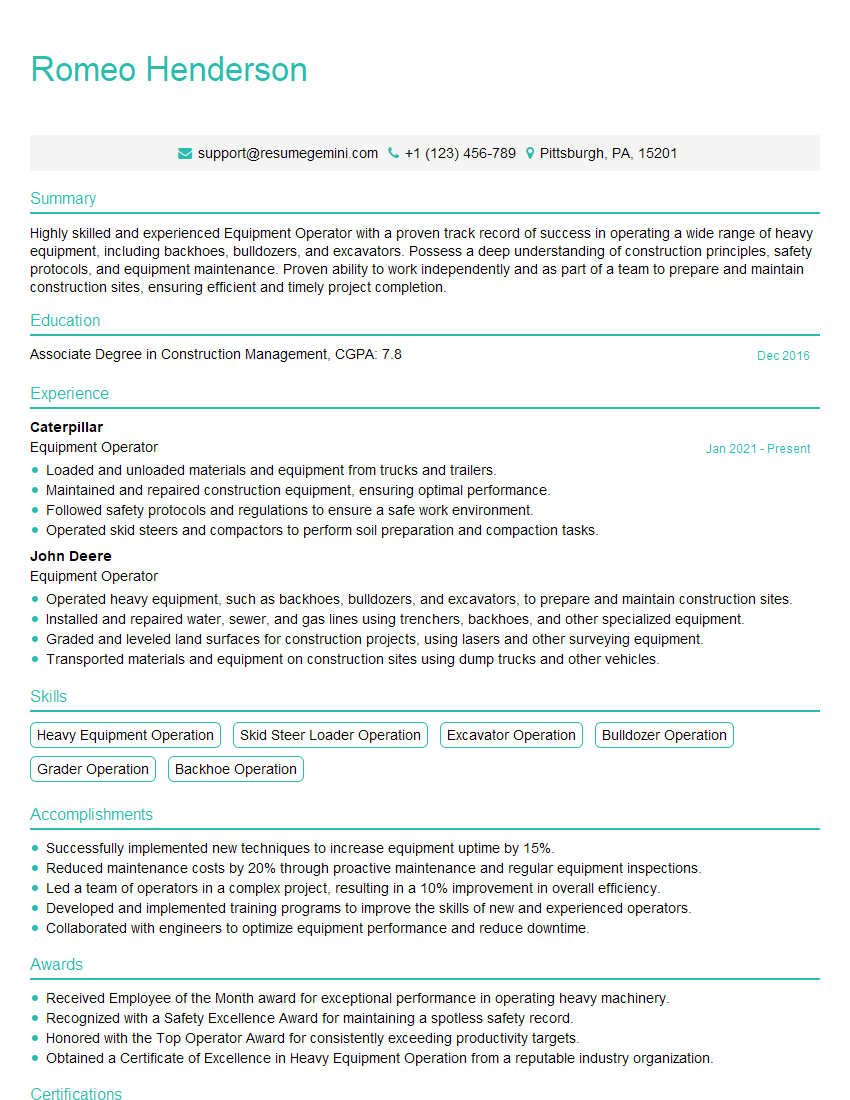
Equipment Operator Resume Sample
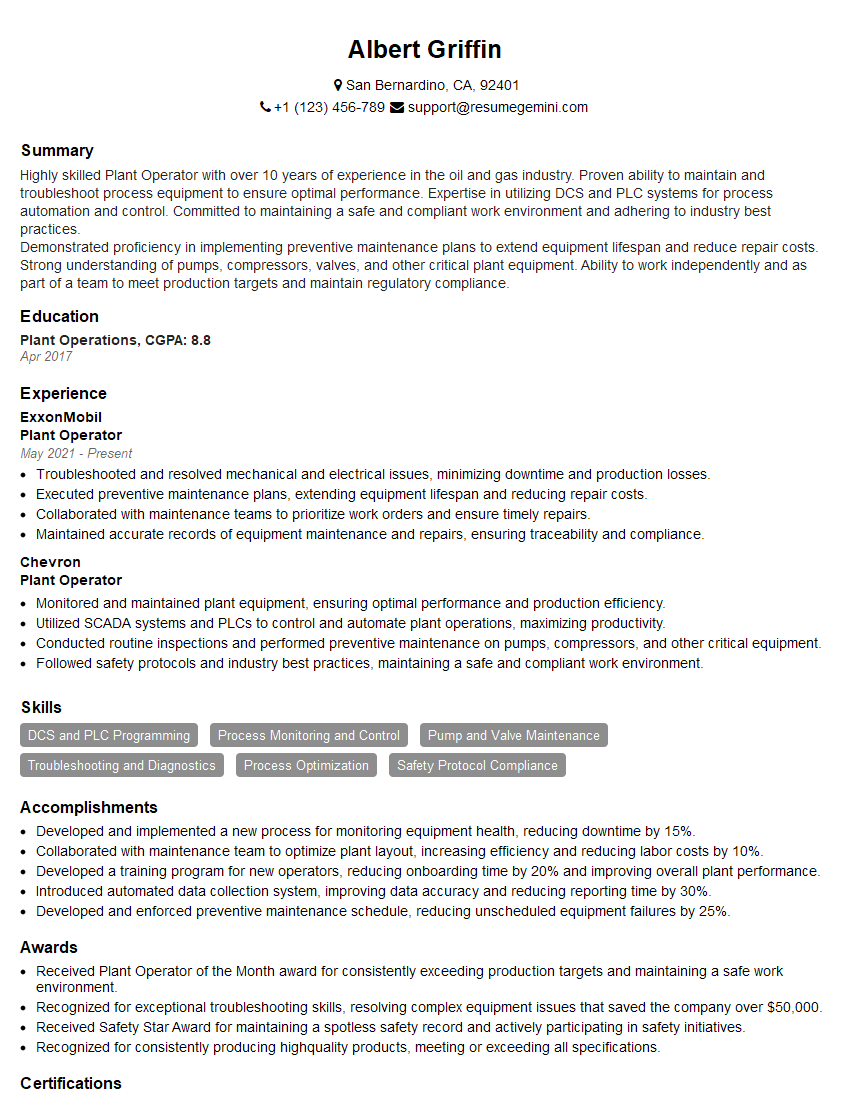
Plant Operator Resume Sample

Crane Operator Resume Sample
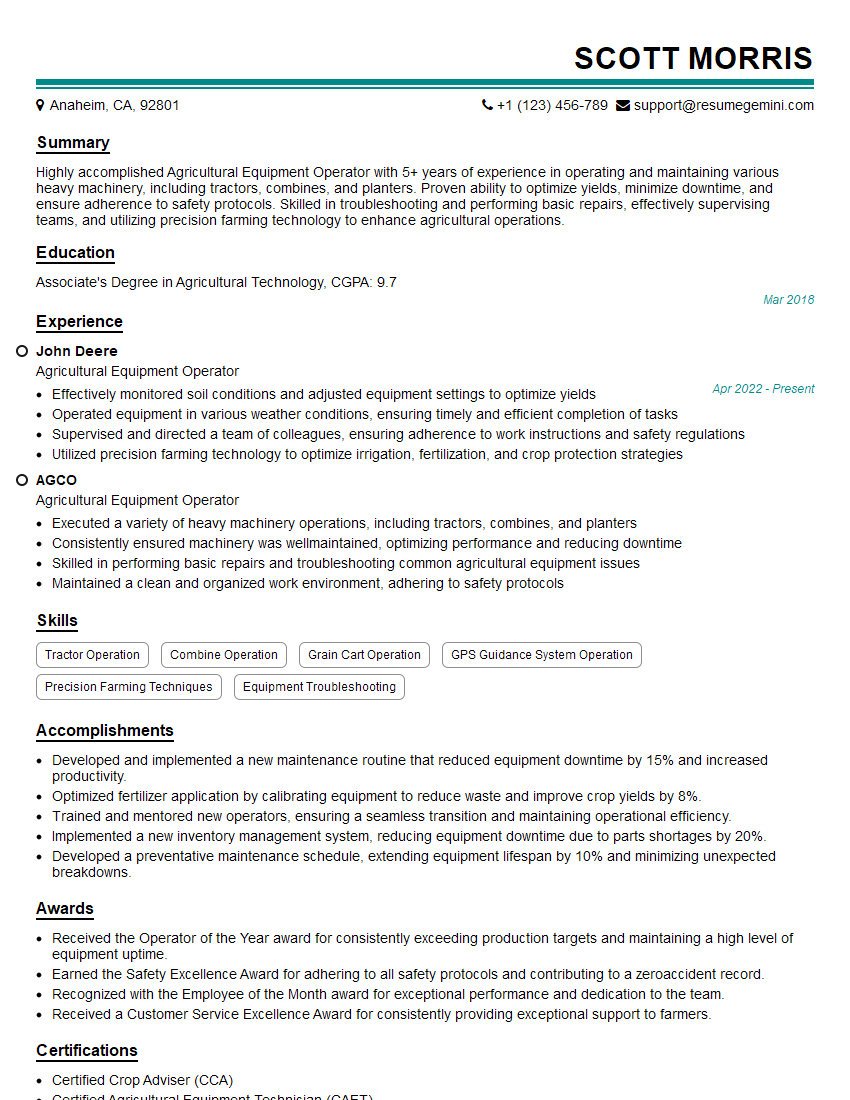
Agricultural Equipment Operator Resume Sample
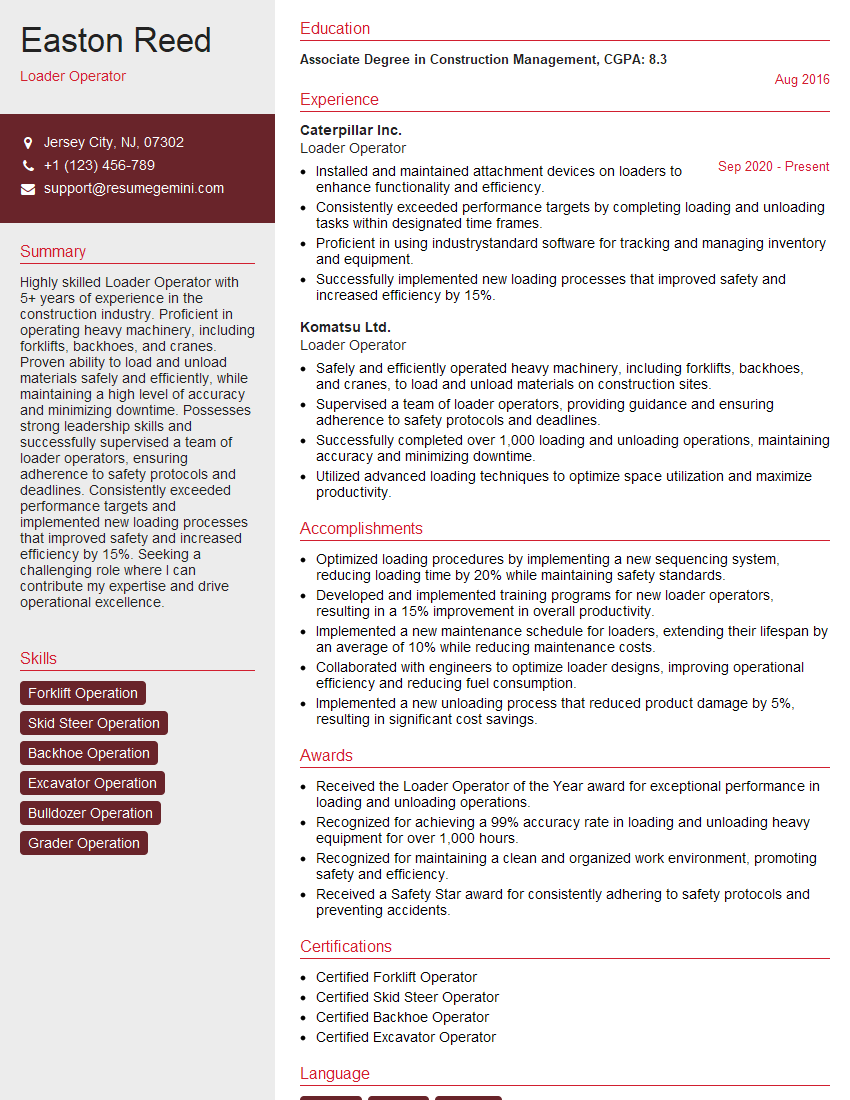
Loader Operator Resume Sample

Heavy Equipment Operator Resume Sample
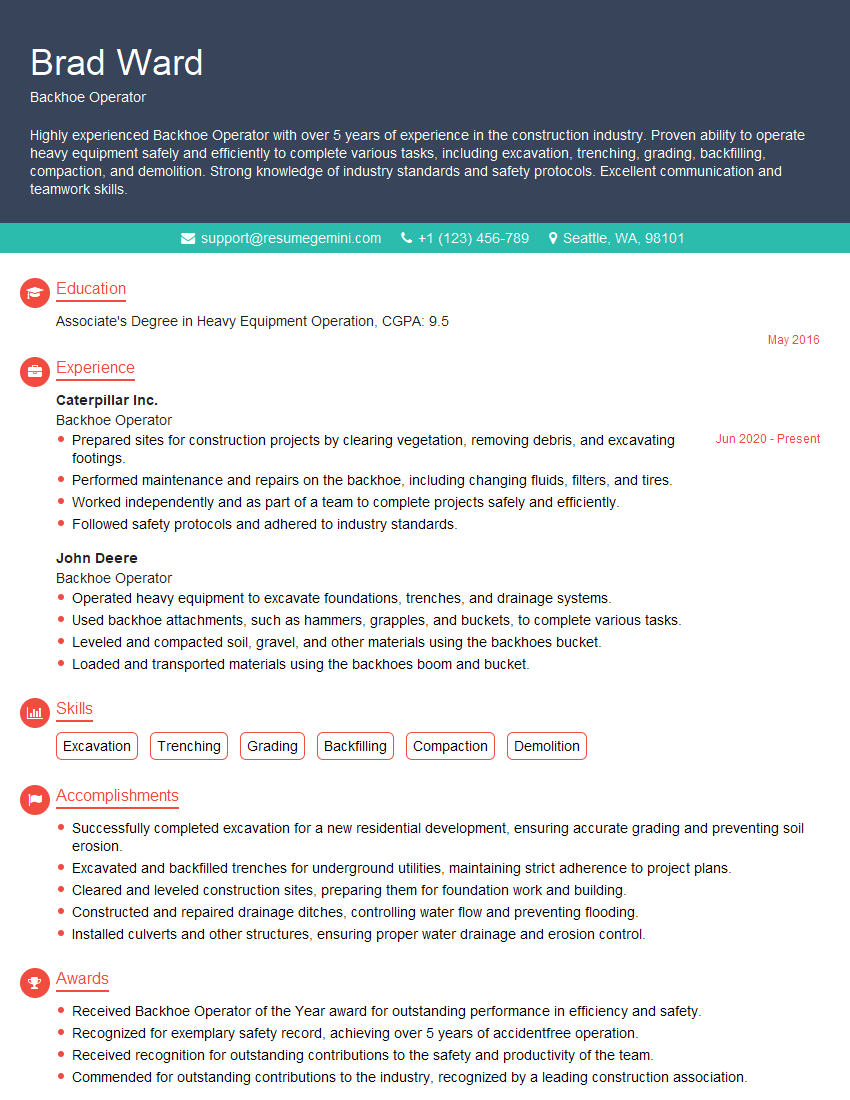
Backhoe Operator Resume Sample
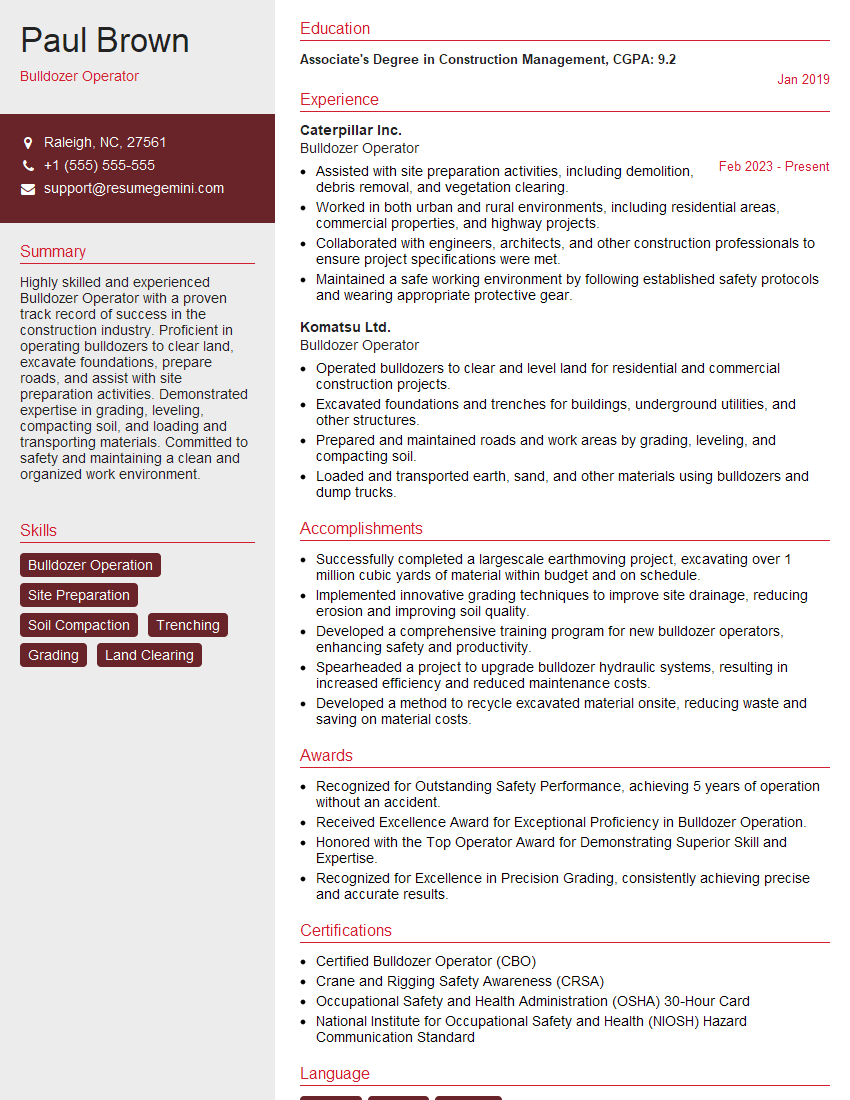
Bulldozer Operator Resume Sample
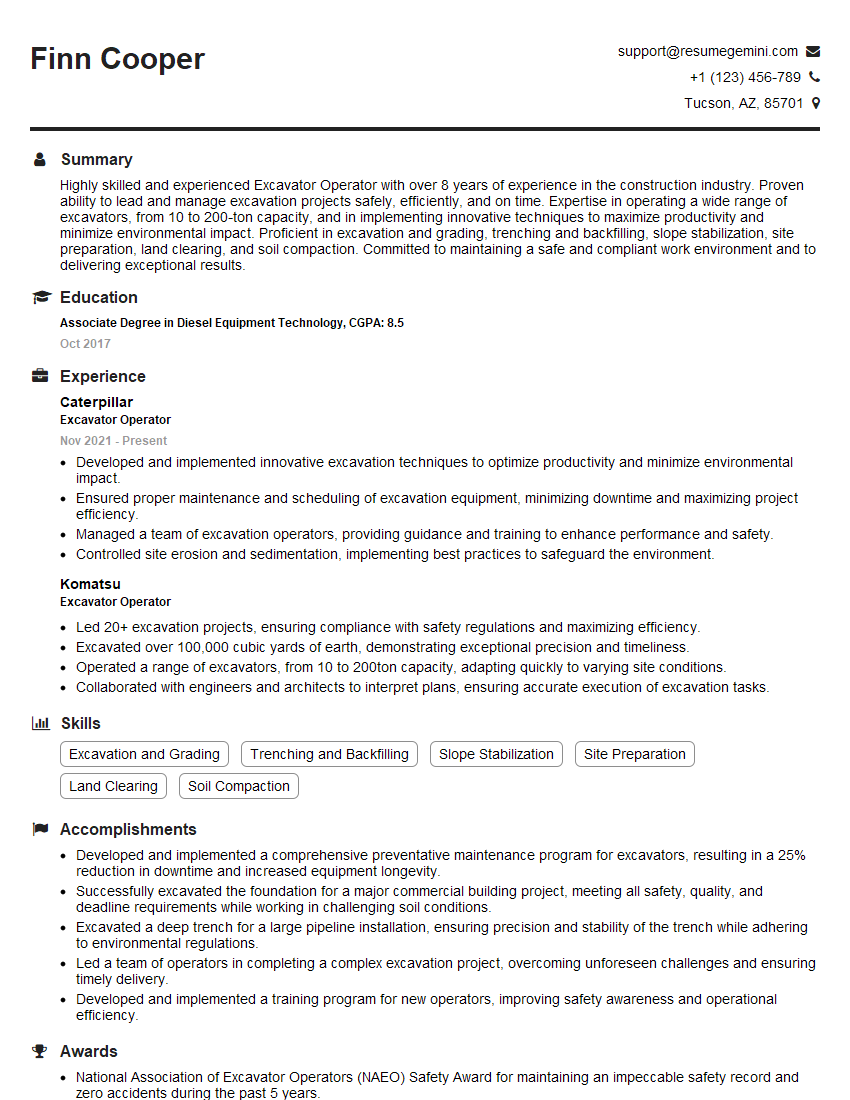
Excavator Operator Resume Sample
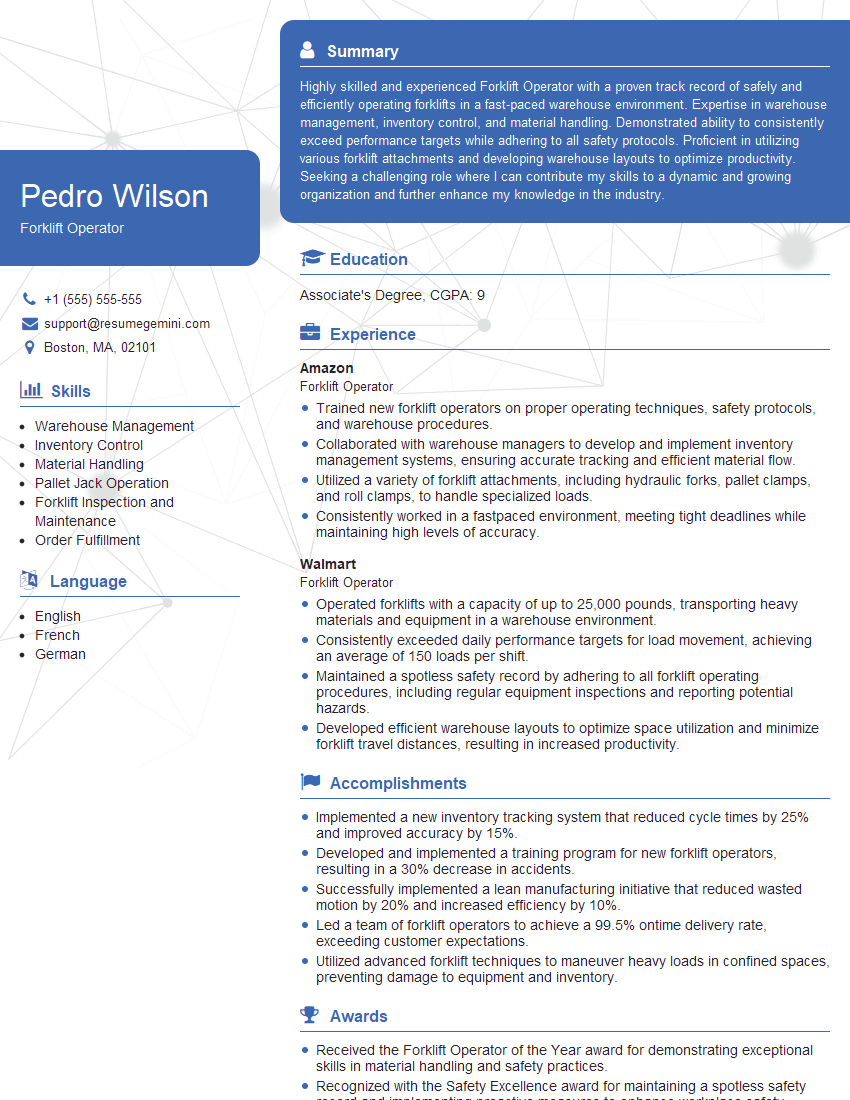
Forklift Operator Resume Sample
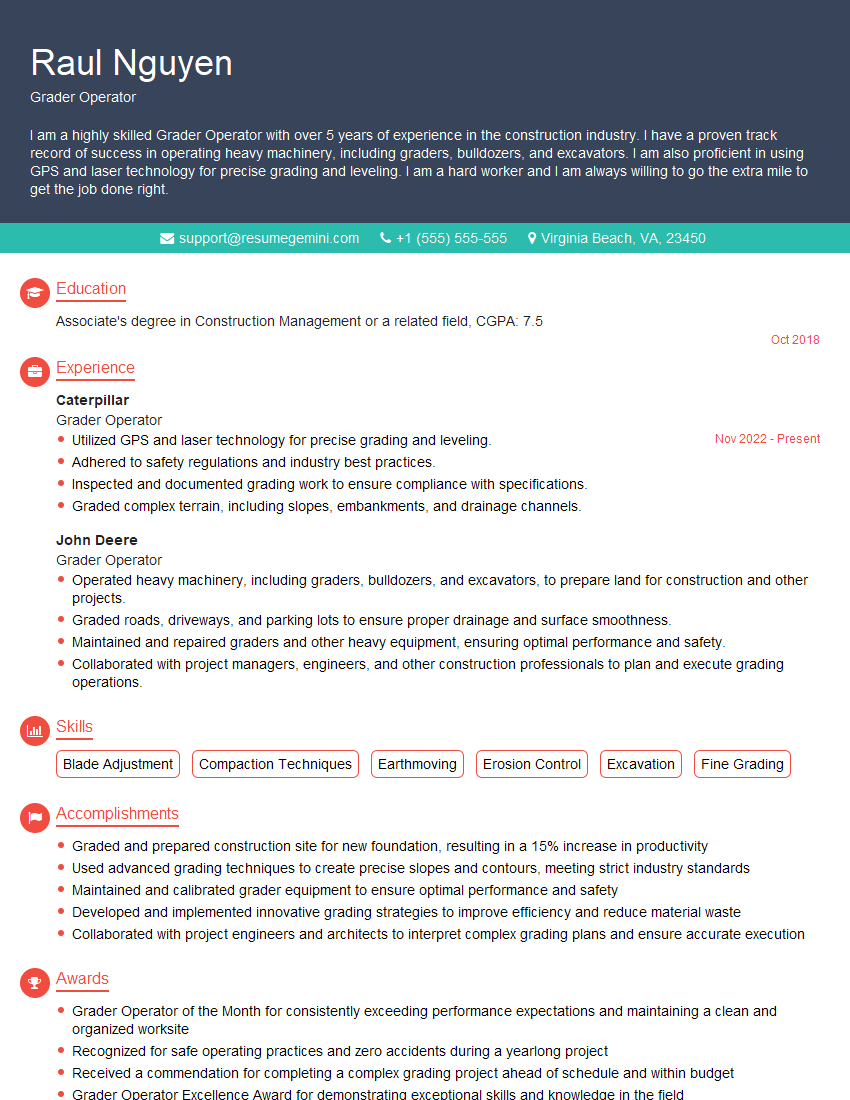
Grader Operator Resume Sample
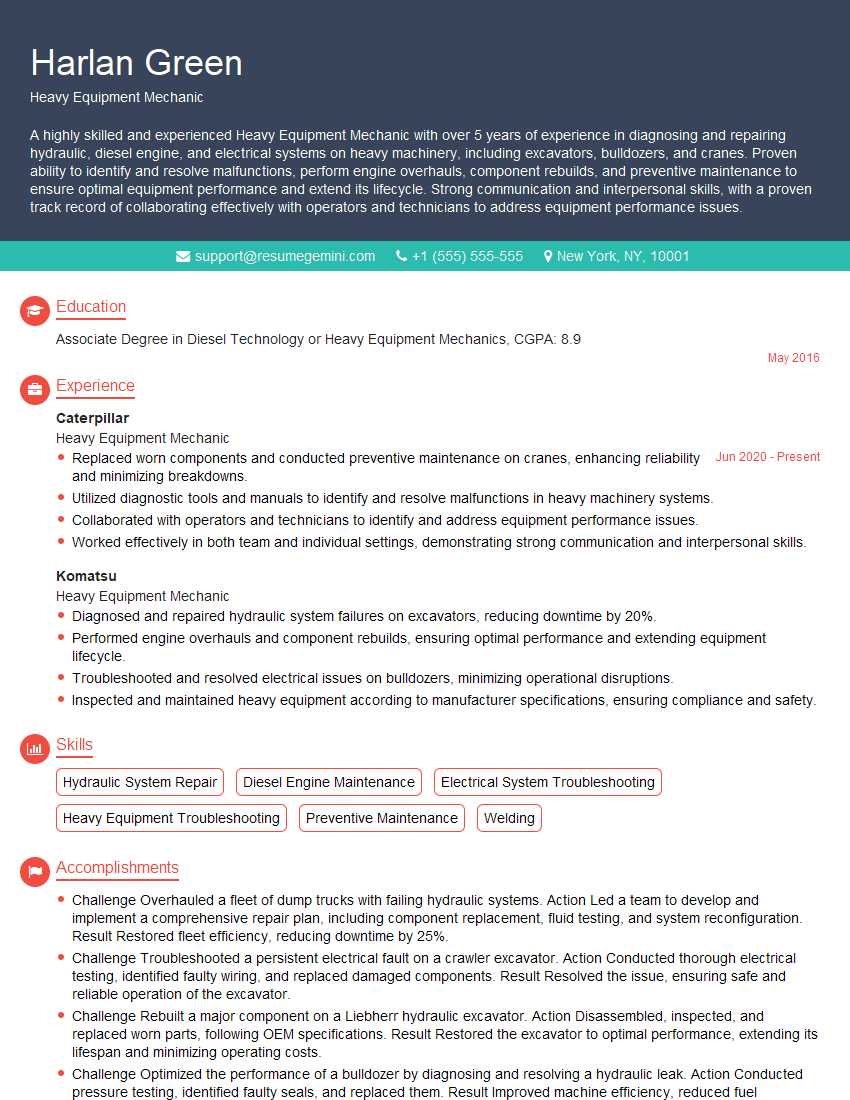
Heavy Equipment Mechanic Resume Sample
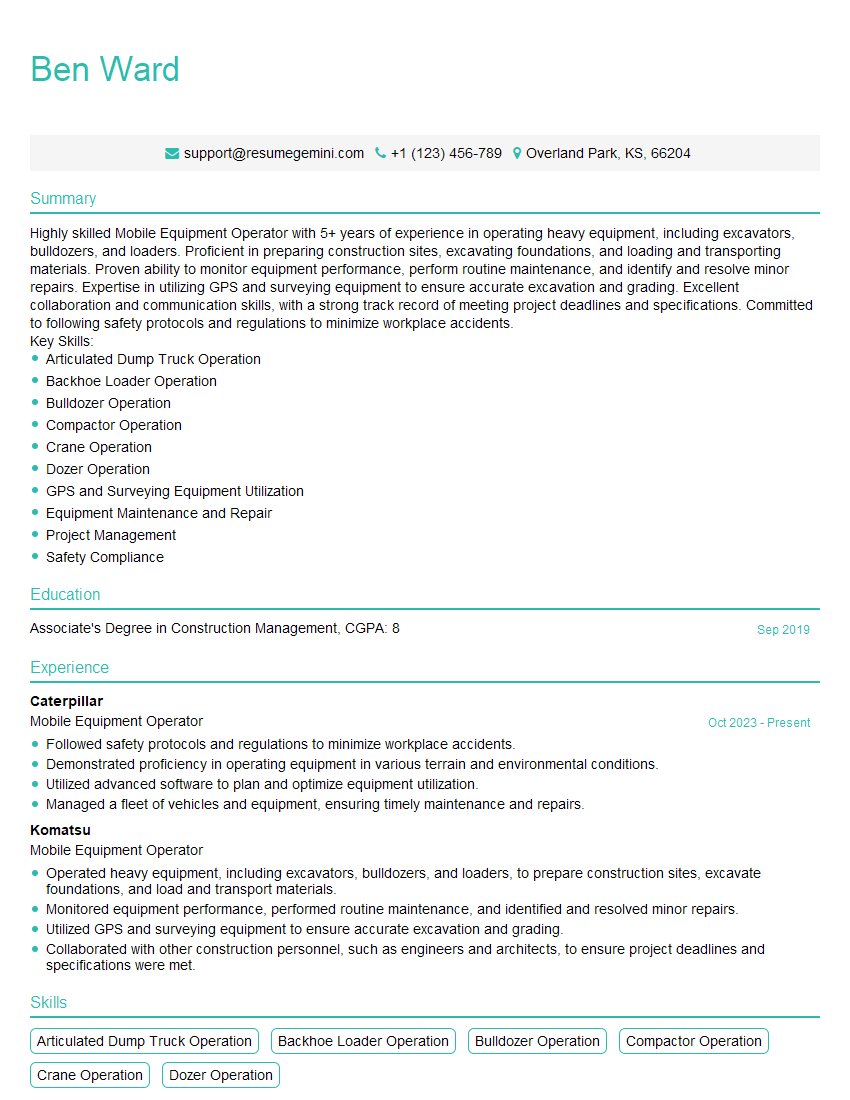
Mobile Equipment Operator Resume Sample
Explore more articles
Users Rating of Our Blogs
Share Your Experience
We value your feedback! Please rate our content and share your thoughts (optional).
What Readers Say About Our Blog
Really detailed insights and content, thank you for writing this detailed article.
IT gave me an insight and words to use and be able to think of examples