Unlock your full potential by mastering the most common Exhibition and Storage interview questions. This blog offers a deep dive into the critical topics, ensuring you’re not only prepared to answer but to excel. With these insights, you’ll approach your interview with clarity and confidence.
Questions Asked in Exhibition and Storage Interview
Q 1. Describe your experience managing exhibition logistics.
Managing exhibition logistics involves orchestrating the complex process of transporting, installing, and dismantling exhibits. It’s like a meticulously planned choreography, where every piece—from artwork to lighting—must arrive on time and in perfect condition. My experience spans various scales, from small gallery installations to large international trade shows.
- Pre-show planning: This includes securing transportation, coordinating with venues for rigging and access, and creating detailed timelines. For example, I once managed the transport of fragile porcelain sculptures across continents, requiring custom-made crates and temperature-controlled shipping.
- On-site execution: This involves overseeing the installation team, ensuring exhibits are displayed correctly according to the design plan, and liaising with the venue staff. I remember a show where we had to adapt the lighting quickly due to unexpected architectural features.
- Post-show dismantling: This stage is equally critical, ensuring exhibits are safely packed, transported, and stored. We developed a color-coded system for packing crates to streamline the process and prevent misplacement.
Successful logistics hinge on meticulous planning, strong communication, and the ability to troubleshoot unforeseen issues quickly and effectively. It’s a blend of project management, problem-solving, and logistical expertise.
Q 2. How do you ensure the security of stored exhibits?
Exhibit security is paramount. We employ a multi-layered approach, combining physical security measures with robust procedural controls. Think of it as a fortress with multiple gates.
- Physical Security: This includes secure storage facilities with alarm systems, 24/7 surveillance (CCTV), controlled access points with keycard systems or biometric verification, and robust locks on storage units.
- Procedural Controls: We maintain detailed inventory records, with each item meticulously documented, including its location and condition. Access to the storage facility is restricted, with clear protocols for entry and exit. Regular inspections are performed to ensure the integrity of the security systems. We also conduct thorough background checks on staff with access to the storage area.
- Environmental Control: Certain exhibits require specific environmental conditions. Climate control prevents damage from fluctuations in temperature and humidity. This is particularly important for artwork or artifacts sensitive to light.
A comprehensive security system considers every aspect, from the physical environment to the human element, to protect the exhibits from theft, damage, or loss.
Q 3. What inventory management systems are you familiar with?
My experience encompasses several inventory management systems, ranging from simple spreadsheets to sophisticated database solutions. The choice depends on the scale and complexity of the inventory.
- Spreadsheet Software (Excel, Google Sheets): Suitable for smaller collections, these allow for basic tracking of items, their location, and condition.
- Database Management Systems (DBMS): These are more powerful solutions for managing larger and more complex inventories. They offer features like search capabilities, reporting functionalities, and integration with other systems. Examples include FileMaker Pro, Access, and more robust enterprise solutions.
- Specialized Museum Software: These systems are designed specifically for museums and archives, providing features optimized for managing collections, including provenance tracking, condition reports, and loan management. PastPerfect Museum Software is a prime example.
- Cloud-based Inventory Management Systems: These offer accessibility from multiple locations and often include features such as barcoding, RFID tracking and robust data backup.
The key is to choose a system that provides the level of functionality and scalability needed for the specific requirements of the collection.
Q 4. Explain your experience with climate-controlled storage.
Climate-controlled storage is essential for preserving the condition of many exhibits, especially those sensitive to temperature and humidity fluctuations. Think of it as creating a stable microclimate to safeguard delicate items.
My experience includes working with facilities that maintain precise temperature and humidity levels, typically within a narrow range, often using sophisticated HVAC (Heating, Ventilation, and Air Conditioning) systems with sensors and monitoring capabilities. For example, I oversaw the relocation of a collection of antique maps to a climate-controlled vault, requiring careful monitoring of temperature and humidity during transit to prevent warping or damage.
These facilities often employ measures to control light exposure, as UV radiation can damage certain materials over time. The level of climate control required depends entirely on the sensitivity of the items being stored, with some requiring more stringent parameters than others.
Q 5. How do you handle damaged or lost exhibition items?
Handling damaged or lost items requires a systematic approach, combining documentation, investigation, and insurance claims (where applicable).
- Documentation: Thorough documentation is critical. This includes photographs, condition reports, and detailed descriptions of the damage or loss. This documentation serves as evidence for insurance claims and future reference.
- Investigation: If damage or loss occurs, a thorough investigation is crucial to determine the cause. This may involve reviewing security footage, interviewing staff, and examining the handling procedures. The goal is to prevent similar incidents in the future.
- Insurance Claims: In many cases, insurance coverage protects against loss or damage. A complete and accurate claim, supported by the documentation, maximizes the chances of a successful settlement.
- Restoration: If damage is repairable, we engage qualified professionals for restoration. This involves carefully assessing the extent of the damage and developing a conservation plan.
The goal is not only to address the immediate issue but also to learn from the experience and improve future handling and storage procedures.
Q 6. What are your methods for preventing theft in storage?
Preventing theft requires a proactive and multi-faceted strategy that combines technology, procedures, and human oversight. It’s about creating a deterrent effect and making it difficult for thieves to operate.
- Physical Security Measures: This includes sturdy locks, alarm systems, motion detectors, and security cameras. We utilize different types of locks and security systems on different storage areas, based on the value and vulnerability of the contents.
- Access Control: Restricting access to authorized personnel only, using keycard systems or biometric access controls, is fundamental.
- Regular Inspections: Conducting regular inspections of the storage facility, checking security systems, and verifying the inventory, is an essential measure to detect any irregularities promptly.
- Staff Training: Training staff on security procedures, awareness of suspicious activity, and the importance of reporting any security breaches is crucial. We conduct regular training programs and drills to reinforce safety procedures.
- Inventory Management: A well-maintained, accurate inventory system helps to deter theft and facilitates the detection of missing items.
Layered security approaches are far more effective than relying on a single measure.
Q 7. Describe your experience with exhibition installation and dismantling.
Exhibition installation and dismantling are crucial phases demanding precision and efficiency. It’s a delicate balance of artistry and logistics.
- Installation: This begins with carefully unpacking and inspecting each exhibit. It then involves the precise placement of items according to the design plan. This includes careful consideration of lighting, wall placement, and any special requirements each item might have. We use detailed floor plans and checklists to ensure a smooth process.
- Dismantling: This is a reverse process of installation, but just as critical. Exhibits are carefully packed according to established procedures. Each item needs to be handled with care and documented before storage.
- Teamwork: Both phases require a skilled and coordinated team. Clear communication is essential to ensure efficient workflow. For example, we utilize a communication platform that tracks individual tasks, responsibilities, and team progress in real time.
- Risk Assessment: We conduct a thorough risk assessment before both installation and dismantling, identifying potential hazards and developing mitigation strategies to ensure the safety of the team and the exhibits. This might include identifying areas needing extra care or having specific equipment for handling large or fragile pieces.
Efficient installation and dismantling processes not only ensure the safety and integrity of the exhibits but also streamline the overall exhibition process.
Q 8. How do you prioritize tasks during a busy exhibition setup?
Prioritizing tasks during a busy exhibition setup is crucial for success. I employ a multi-pronged approach, starting with a detailed project plan that breaks down all tasks into smaller, manageable components. This plan includes clear timelines and dependencies, ensuring a smooth workflow. I utilize a critical path method, identifying the most crucial tasks that must be completed on time to avoid delays. For example, if installing the main exhibit piece is dependent on the completion of electrical work, I ensure the electrical work takes priority. Then, I use a prioritization matrix, often a combination of urgency and importance, to rank tasks. High-urgency, high-importance tasks (like final exhibit checks before opening) are tackled first, while lower-priority tasks (like final brochures printing) are scheduled accordingly. Finally, regular progress meetings help me to adapt my priorities and address any unexpected issues or challenges that may arise, helping to keep everything on track and minimize stress.
Q 9. What health and safety protocols do you follow in exhibition and storage environments?
Health and safety is paramount in both exhibition and storage environments. We adhere to strict protocols including regular safety inspections of the premises to ensure compliance with local regulations and industry best practices. This includes checking for hazards such as electrical issues, fire hazards, and potential tripping hazards. For exhibitions, we have comprehensive risk assessments covering potential dangers to visitors and staff. For example, we make sure heavy exhibits are adequately secured, appropriate emergency exits are clearly marked, and evacuation plans are in place and regularly practiced. In storage, we strictly manage environmental conditions like temperature and humidity to preserve artifacts, regularly checking for pests and implementing appropriate pest control measures to avoid damaging the items. Staff are provided with appropriate personal protective equipment (PPE), such as gloves and masks when handling certain materials, and are trained in safe handling procedures.
Q 10. Explain your understanding of different storage solutions for various artifacts.
Choosing the right storage solution depends entirely on the artifact. For delicate artifacts like paintings, climate-controlled storage with acid-free materials is crucial to prevent damage from light, humidity, and pests. This might involve specialized cabinets with controlled environments. For larger, less fragile objects like sculptures, sturdy racks and protective padding might suffice, but environmental controls are still important. We utilize a variety of storage solutions, including:
- Climate-controlled vaults: For high-value or sensitive items.
- Custom-built storage units: Tailored to the specific dimensions and needs of individual pieces.
- Acid-free archival boxes and containers: For paper documents and delicate artifacts.
- Pallets and racking systems: For larger and more durable objects.
Q 11. How do you track the movement of exhibition pieces?
Tracking the movement of exhibition pieces requires a robust system. We utilize a combination of physical and digital methods. Each piece is given a unique identification number, meticulously documented with high-resolution images, condition reports, and any special handling instructions. A detailed inventory database is kept, updated every step of the way, from initial acquisition through transportation, installation, display, and return to storage. This database often includes location details (using barcodes or RFID tags), insurance details, and a chain of custody tracking all personnel who have handled the piece. This ensures accountability and provides a clear audit trail, minimizing the risk of loss or damage. During transit, secure transportation methods are utilized with specialized handling crews, and the journey is documented for complete traceability.
Q 12. What software or tools do you use for exhibition project management?
Several software solutions greatly assist in exhibition project management. We primarily use project management software like Asana or Monday.com to track tasks, deadlines, and team assignments. This allows for real-time collaboration and provides a central hub for all project-related communication. We also integrate inventory management software to meticulously track the location, status, and condition of each exhibition piece, streamlining our logistical processes. For instance, we utilize specialized museum collection management software that includes features for cataloging, image management, condition reporting, and loan tracking. This comprehensive approach ensures efficiency and minimizes the risk of errors.
Q 13. Describe your experience with budgeting and cost control for exhibitions.
Budgeting and cost control are critical. We begin with a detailed budget proposal, outlining all anticipated costs – from venue rental and insurance to design, fabrication, transportation, and marketing. Regular budget reviews ensure we stay within our allocated funds. Contingency planning is crucial; we always allocate a certain percentage to account for unexpected expenses. We utilize various cost-saving strategies, including negotiating with vendors, seeking sponsorships, and optimizing logistical plans to minimize transportation costs. For instance, we might choose to rent rather than purchase certain equipment or explore alternative shipping options. Transparent communication with stakeholders is crucial to keep them informed about the project’s financial status, allowing for timely adjustments and preventing cost overruns.
Q 14. How do you ensure the proper documentation and cataloging of exhibits?
Proper documentation and cataloging are essential for preservation, research, and insurance purposes. We employ a multi-layered approach. Each exhibit undergoes a thorough documentation process, beginning with high-resolution photography and detailed condition reports. This includes capturing any existing damage or wear. We use specialized software, as mentioned earlier, to create a detailed digital record of each item, including its history, provenance, and current location. This digital catalog is frequently backed up to secure cloud storage. Physical records are kept in acid-free archival materials, stored in climate-controlled environments. Furthermore, all documentation, including condition reports, maintenance logs, and transportation records, are meticulously maintained to create a comprehensive record of the item’s journey through the exhibition process and beyond. This system ensures the long-term preservation of the collection’s history.
Q 15. How do you maintain accurate inventory records?
Maintaining accurate inventory records is crucial for efficient exhibition and storage operations. It ensures accountability, prevents loss or damage, and streamlines logistics. My approach involves a multi-layered system.
Database Management: I utilize a robust database system (e.g., FileMaker Pro, Access, or specialized museum collections software) to record detailed information for each item, including unique identifiers, descriptions, condition reports, location details (both in storage and during exhibition), and associated documentation. This database allows for easy searching, filtering, and reporting.
Barcoding/RFID Tagging: Each item is assigned a unique barcode or RFID tag, enabling quick and accurate scanning during inventory checks. This significantly reduces manual errors and speeds up the process.
Regular Inventory Audits: Scheduled physical inventory checks are conducted to verify the database accuracy. These audits also serve as opportunities to assess the condition of the items and identify any potential issues.
Condition Reporting: Detailed condition reports are created and updated regularly. These reports document any existing damage or deterioration, allowing us to track changes over time and implement preventative measures.
Digital Photography/Documentation: High-quality photographs and detailed descriptions are kept for each item, serving as visual records and aiding in identification and condition assessment. This documentation is particularly crucial for insurance purposes.
For example, in a recent exhibition of antique clocks, our database allowed us to quickly locate specific pieces for display, track their loan agreements, and generate reports on their condition throughout the exhibition’s run. The barcoding system enabled efficient inventory checks before and after the exhibit, ensuring no pieces were lost or damaged.
Career Expert Tips:
- Ace those interviews! Prepare effectively by reviewing the Top 50 Most Common Interview Questions on ResumeGemini.
- Navigate your job search with confidence! Explore a wide range of Career Tips on ResumeGemini. Learn about common challenges and recommendations to overcome them.
- Craft the perfect resume! Master the Art of Resume Writing with ResumeGemini’s guide. Showcase your unique qualifications and achievements effectively.
- Don’t miss out on holiday savings! Build your dream resume with ResumeGemini’s ATS optimized templates.
Q 16. What is your experience with handling fragile or valuable artifacts?
Handling fragile or valuable artifacts demands meticulous care and specialized techniques. My experience includes working with a wide range of delicate objects, from ancient pottery to contemporary sculptures.
Specialized Handling Procedures: We develop specific handling procedures for each artifact based on its material, fragility, and size. This often involves the use of appropriate protective equipment like gloves, acid-free tissue paper, and custom-made crates.
Environmental Control: Maintaining stable temperature and humidity levels in both storage and exhibition spaces is crucial. Fluctuations can lead to cracking, warping, or other forms of damage. We use climate-controlled environments and monitor environmental conditions closely.
Secure Transportation: The transportation of fragile artifacts requires specialized vehicles and secure packaging to minimize risks of damage during transit. We collaborate with experienced art handlers and transport companies.
Insurance and Risk Management: Thorough insurance coverage and detailed risk assessments are necessary to mitigate potential loss or damage. We work with insurance brokers specializing in art and artifact insurance.
For instance, during the transport of a collection of 18th-century porcelain, we utilized custom-fitted crates with shock-absorbing material and temperature-controlled trailers to prevent damage. Each piece was individually wrapped and documented throughout the entire process.
Q 17. Describe your approach to risk assessment in exhibition and storage operations.
Risk assessment is a critical part of exhibition and storage operations. It helps identify and mitigate potential hazards before they cause damage or injury. My approach follows a systematic process:
Hazard Identification: We systematically identify potential hazards, including environmental risks (temperature, humidity, pests), security risks (theft, vandalism), and handling risks (accidental damage). Brainstorming sessions involving all relevant personnel are very useful here.
Risk Evaluation: We assess the likelihood and severity of each identified hazard. This involves considering the vulnerability of the artifacts and the potential consequences of each risk.
Risk Mitigation: We develop strategies to reduce the likelihood and impact of identified risks. These strategies might include environmental controls, security measures (alarms, surveillance), improved handling procedures, and emergency response planning.
Monitoring and Review: The risk assessment process is not a one-time event but an ongoing process. We regularly monitor and review our risk mitigation strategies and update them as needed.
For example, when preparing for an exhibition in a seismically active area, our risk assessment identified earthquake damage as a major concern. We implemented mitigation strategies including specialized seismic-resistant display cases and emergency protocols for securing exhibits.
Q 18. How do you manage relationships with external vendors and contractors?
Building and maintaining strong relationships with external vendors and contractors is essential for successful exhibition and storage operations. My approach emphasizes:
Clear Communication: We maintain open and transparent communication with vendors and contractors, providing clear instructions and expectations. This involves providing detailed project specifications, timelines, and relevant information.
Selection Criteria: We establish clear criteria for selecting vendors and contractors, considering factors like experience, reputation, insurance coverage, and adherence to industry best practices.
Contract Management: We utilize well-defined contracts that clearly outline responsibilities, payment terms, and dispute resolution procedures. This helps to avoid misunderstandings and conflicts.
Regular Monitoring: We monitor the performance of vendors and contractors closely to ensure adherence to agreed-upon standards. This involves regular site visits and communication.
For instance, when selecting a transportation company for a valuable art collection, we reviewed their insurance coverage, safety record, and experience in handling delicate items before finalizing the contract. Regular communication ensured smooth logistics throughout the transportation process.
Q 19. What is your experience with environmental monitoring in storage facilities?
Environmental monitoring in storage facilities is crucial for preserving artifacts. My experience includes implementing and managing comprehensive environmental monitoring systems. These systems typically involve:
Sensors and Data Loggers: We use sensors to monitor temperature, humidity, light levels, and other environmental parameters in storage areas. Data loggers continuously record these parameters, providing a detailed record of environmental conditions over time. This data is analyzed to ensure conditions are within the optimal range for the stored artifacts.
Alarm Systems: Alarm systems are installed to alert us to any deviations from acceptable environmental parameters. This allows for prompt intervention to prevent potential damage.
Environmental Control Systems: We utilize HVAC systems, dehumidifiers, and other climate control equipment to maintain stable environmental conditions. These systems are regularly inspected and maintained to ensure proper functioning.
Regular Calibration and Maintenance: Regular calibration and maintenance of monitoring equipment are crucial to ensure accuracy and reliability.
In one case, our environmental monitoring system alerted us to a sudden increase in humidity levels in a storage area. Prompt intervention prevented damage to a collection of sensitive archival materials by activating the dehumidifiers.
Q 20. How do you communicate effectively with colleagues and stakeholders during an exhibition?
Effective communication is essential for a successful exhibition. My approach focuses on clear, proactive, and multi-faceted communication strategies.
Pre-Exhibition Briefing: We hold comprehensive briefings with all team members before the exhibition opens, outlining roles, responsibilities, and emergency procedures. This ensures everyone is informed and prepared.
Daily Check-ins: Daily check-ins and communication channels (e.g., email, instant messaging) maintain open communication during the exhibition. This allows us to address issues promptly and efficiently.
Regular Reporting: We provide regular reports to stakeholders (e.g., museum directors, sponsors) on the progress of the exhibition and any issues encountered. This keeps everyone informed and enables proactive problem-solving.
Open Communication Channels: Multiple communication channels are available to facilitate communication among the team and external stakeholders. This ensures clear communication, no matter the urgency of the issue.
For example, during a high-profile exhibition, our daily check-in meetings helped us address a minor display issue before it escalated into a significant problem. The proactive nature of communication ensured a smooth and successful exhibition.
Q 21. Describe your experience with disaster preparedness and recovery planning.
Disaster preparedness and recovery planning are critical for protecting collections. My experience involves developing and implementing comprehensive plans that cover a range of potential disasters.
Risk Assessment: We conduct a thorough risk assessment to identify potential disasters, such as fire, flood, earthquake, or theft. This assessment informs the development of appropriate mitigation strategies.
Emergency Response Plan: We develop a detailed emergency response plan outlining procedures for various disaster scenarios. This includes evacuation procedures, communication protocols, and roles and responsibilities for team members.
Security Systems: We utilize security systems, such as fire alarms, security cameras, and intrusion detection systems, to deter and respond to security threats.
Backup and Offsite Storage: We maintain backups of important documents and digital records in offsite locations. Valuable artifacts may also be stored offsite to protect against potential disasters. This could involve climate-controlled vaults in different geographical locations.
Recovery Plan: We have a detailed recovery plan that outlines steps for restoring operations after a disaster. This involves procedures for assessing damage, restoring environmental conditions, and repairing or replacing damaged items.
For instance, our disaster preparedness plan includes detailed procedures for evacuating artifacts in the event of a fire, including specific routes, transport methods, and designated safe locations. Regular drills ensure staff proficiency in implementing these procedures.
Q 22. How do you comply with relevant regulations and industry standards in exhibition and storage?
Compliance in exhibition and storage is paramount. It involves adhering to a multifaceted set of regulations and industry best practices, varying depending on the type of items being stored and exhibited (e.g., artwork, historical artifacts, scientific specimens). This includes understanding and following health and safety regulations, environmental protection laws, and specific guidelines regarding the handling and preservation of different materials. For example, handling hazardous materials requires adherence to OSHA regulations, including proper labeling, storage, and disposal procedures. Similarly, exhibiting artwork might involve complying with environmental controls to prevent damage from fluctuating temperatures and humidity, often dictated by museum standards like those established by the American Alliance of Museums. We meticulously document all compliance procedures, ensuring complete traceability. Regular audits and internal reviews guarantee continued adherence to these standards.
- Health and Safety Regulations: Following OSHA guidelines for workplace safety, especially regarding handling heavy objects and hazardous materials.
- Environmental Controls: Maintaining optimal temperature and humidity levels for sensitive exhibits and stored items.
- Insurance and Liability: Having adequate insurance coverage to protect against loss or damage.
- Security Protocols: Implementing robust security measures to protect exhibits and stored items from theft or damage.
Q 23. How do you optimize storage space and utilize it efficiently?
Optimizing storage space is crucial for efficiency and cost-effectiveness. We employ several strategies: first, a thorough inventory of all items is conducted, classifying them by size, fragility, and storage requirements. This allows for the implementation of a space-maximizing storage system; this often involves using vertical space efficiently with high shelving, specialized racking systems for irregular shapes, and mobile shelving units to access a greater volume of items in a smaller footprint. Regular inventory checks are also important to identify and eliminate redundancies or obsolete items to free up valuable space. Proper labeling and organization are essential to ensure easy access and retrieval. We even use software to track inventory and optimize space allocation, allowing for dynamic adjustments based on current needs.
For example, in one project, we reduced storage space needs by 40% by implementing a modular shelving system and removing outdated materials. This system allows us to quickly reconfigure the space as exhibition needs change.
Q 24. What is your experience with different types of display cases and their appropriate use?
My experience encompasses a wide range of display cases, each suited to particular items and exhibition needs. For instance, climate-controlled display cases with UV filtration are essential for preserving delicate artwork and historical documents, protecting them from light damage and environmental degradation. Cases made of inert materials, like acid-free materials for archival purposes, prevent chemical reactions that could harm exhibits. Interactive display cases, featuring touchscreens or multimedia components, are utilized to enhance the visitor experience and provide additional information. Simple, sturdy cases serve well for durable, less sensitive items. The selection of the appropriate display case depends on a careful assessment of the exhibits’ specific requirements, considering factors like material compatibility, environmental sensitivity, and desired presentation style.
- Climate-controlled cases: For light-sensitive and environmentally sensitive items.
- Interactive cases: To enhance visitor engagement and provide additional information.
- Security cases: For high-value or easily stolen items.
- Custom-designed cases: For unique or oversized items.
Q 25. How do you handle requests for access to stored items?
Requests for access to stored items are handled with a structured, secure process. Requests must be submitted formally, outlining the reason for access and the specific items needed. This helps us maintain an audit trail. Upon approval (often requiring authorization from relevant stakeholders), access is granted under controlled conditions with a designated staff member present to oversee the process. The retrieval and handling of the items are documented meticulously, ensuring their safe return to storage. Security cameras and access logs help maintain a high level of security. If the items require special handling, we ensure the requester is adequately trained and provided with all necessary safety equipment.
Q 26. Explain your approach to resolving conflicts related to exhibition logistics.
Conflicts in exhibition logistics are inevitable, but I approach them systematically. Open communication is key; I facilitate discussions between all stakeholders to identify the root of the problem. A collaborative approach allows us to explore various solutions together, leveraging the expertise of all involved parties. Compromise and flexibility are often needed. When deadlines are at stake, prioritizing tasks and re-allocating resources strategically is often crucial. In situations where a resolution cannot be reached easily, mediating and facilitating open communication can help facilitate a solution. Thorough documentation of all decisions made is important for accountability and future reference.
For example, in a recent project, a conflict arose between the curator and the exhibition designer regarding the layout. By facilitating open communication and finding common ground, we were able to create a design that satisfied both parties and improved the overall visitor experience.
Q 27. What are your strengths and weaknesses related to exhibition and storage management?
My strengths lie in my organizational skills, my attention to detail, and my problem-solving abilities. I thrive in structured environments and excel at managing multiple projects simultaneously. I’m adept at coordinating logistics, managing teams, and ensuring that all aspects of an exhibition or storage operation are efficiently executed. I also possess strong communication skills that enable me to effectively collaborate with colleagues, clients, and other stakeholders.
A potential area for improvement is my delegation skills. While I’m capable of handling numerous tasks independently, I recognize the value of effectively delegating responsibilities to team members to foster their growth and increase overall efficiency. I am actively working on improving my ability to trust and empower others within my team.
Q 28. Describe a challenging situation you faced in exhibition and storage and how you overcame it.
One challenging situation involved a last-minute change in the exhibition layout just days before the opening. A major structural component of the exhibit unexpectedly failed, necessitating a complete redesign of that section. This threatened to derail the entire opening. We immediately convened a meeting with all relevant parties (designers, contractors, curators, and our own team). We systematically assessed the issue, exploring different solutions, such as temporary replacements or adjusting the display flow. A revised plan was drawn up and approved quickly. Through dedicated overtime work and excellent coordination with contractors, we successfully implemented the changes on time. This required strong leadership, problem-solving skills, effective communication, and collaborative teamwork, demonstrating resilience under pressure.
Key Topics to Learn for Exhibition and Storage Interview
- Exhibition Logistics: Understanding the entire exhibition lifecycle, from initial planning and site selection to dismantling and post-show analysis. This includes budgeting, scheduling, and vendor management.
- Storage Solutions & Management: Exploring various storage options (on-site, off-site, climate-controlled), inventory management systems, and optimizing storage space for efficiency and security. Consider the implications of different storage types for various exhibit materials.
- Health & Safety Regulations: Familiarize yourself with relevant health and safety regulations pertaining to exhibition setup, dismantling, and storage, including risk assessments and emergency procedures.
- Exhibition Design & Build: Grasping the principles of effective exhibition design, including space planning, visual merchandising, and the integration of technology. Understand the practical applications of these principles in a real-world setting.
- Transportation & Handling: Learn about the safe and efficient transportation of exhibition materials, including proper packaging, handling techniques, and insurance considerations. Consider the challenges of international shipping.
- Inventory Control & Tracking: Mastering inventory management techniques, including barcoding, RFID tagging, and database management systems to ensure accurate tracking of assets throughout the exhibition lifecycle and storage period.
- Budgeting & Cost Control: Developing a strong understanding of budgeting principles and cost control strategies to manage exhibition and storage expenses effectively.
- Problem-Solving & Decision-Making: Prepare to discuss your approach to problem-solving in scenarios involving unexpected issues, equipment malfunctions, or logistical challenges during exhibitions and within the storage process.
Next Steps
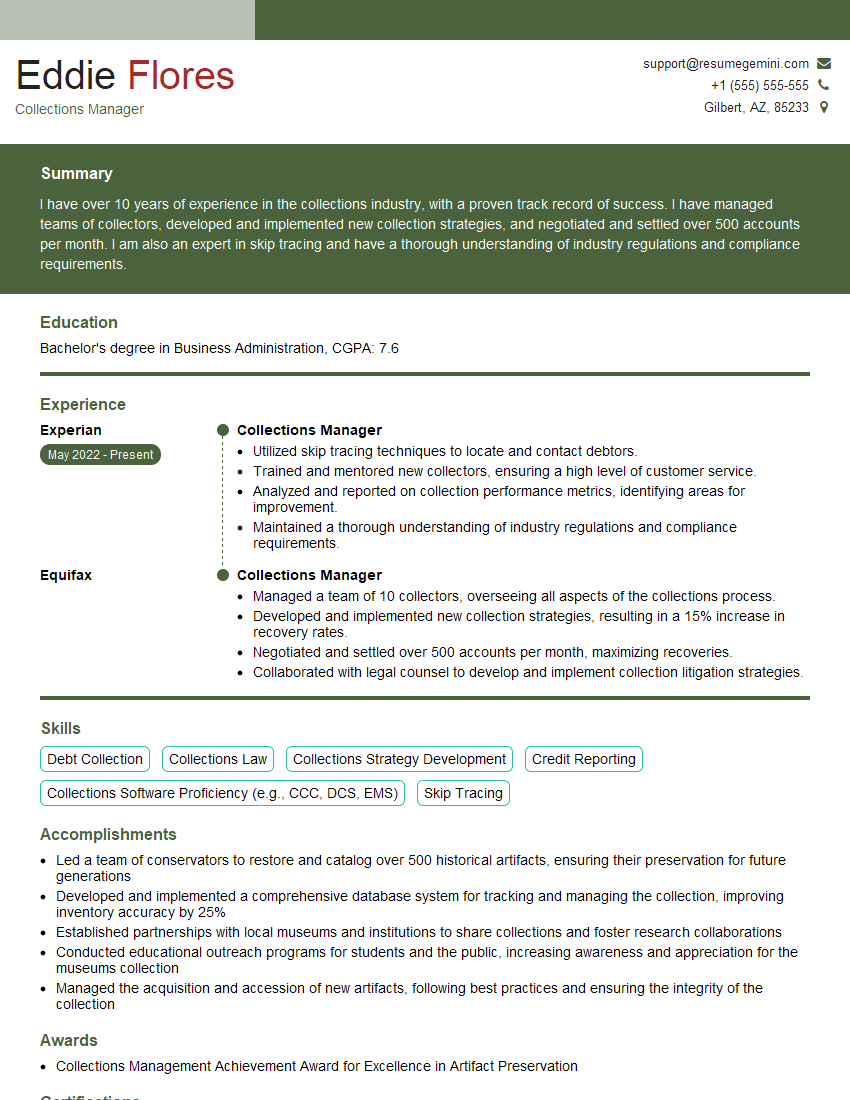
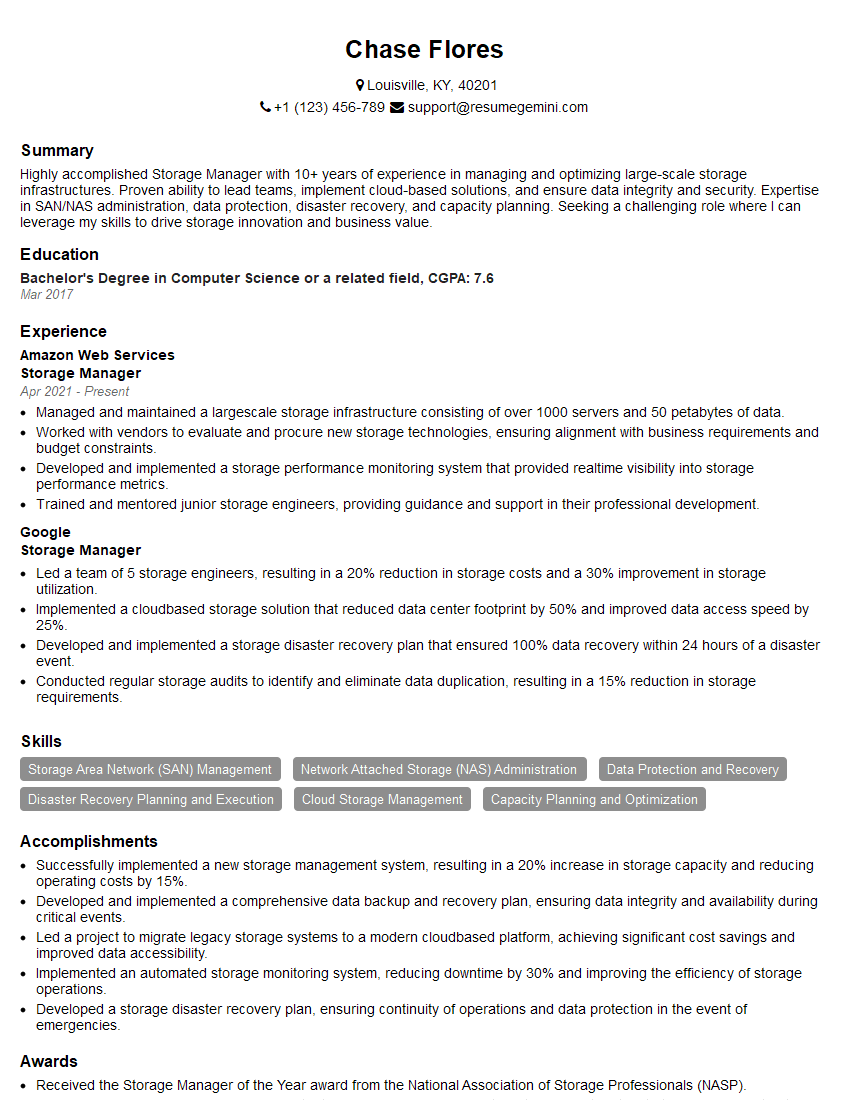
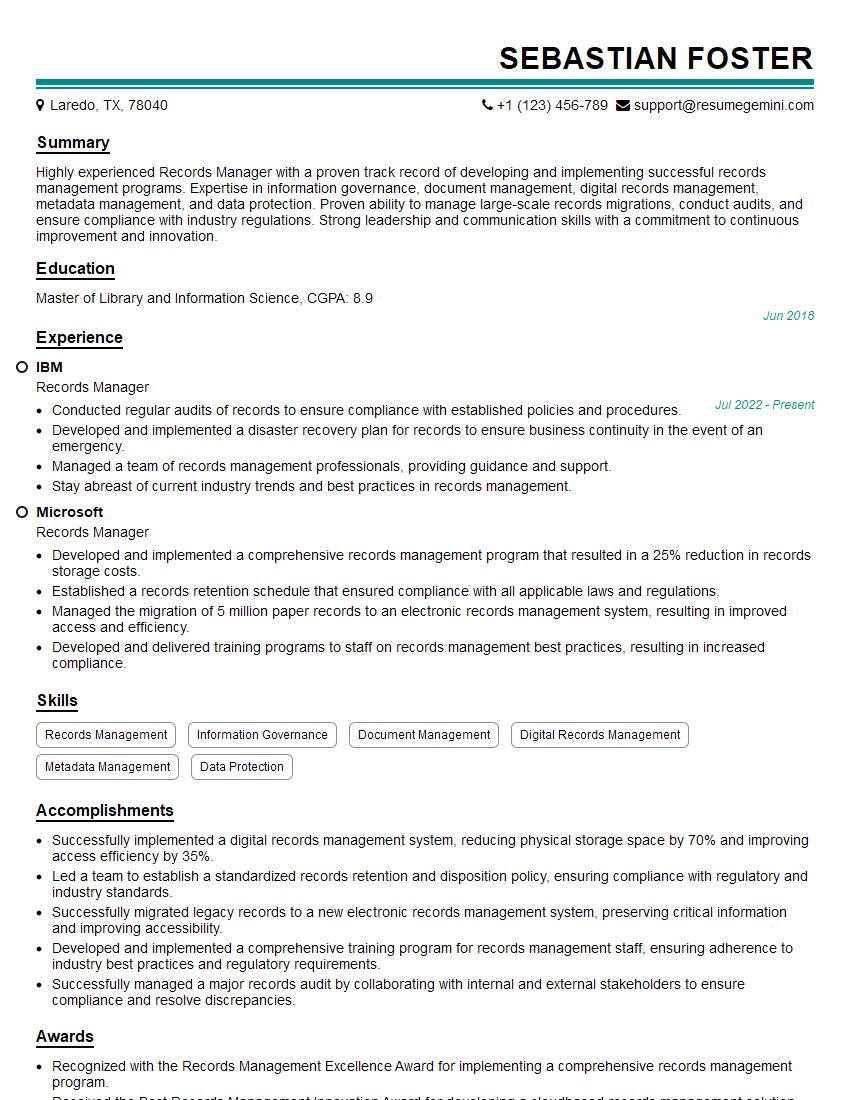
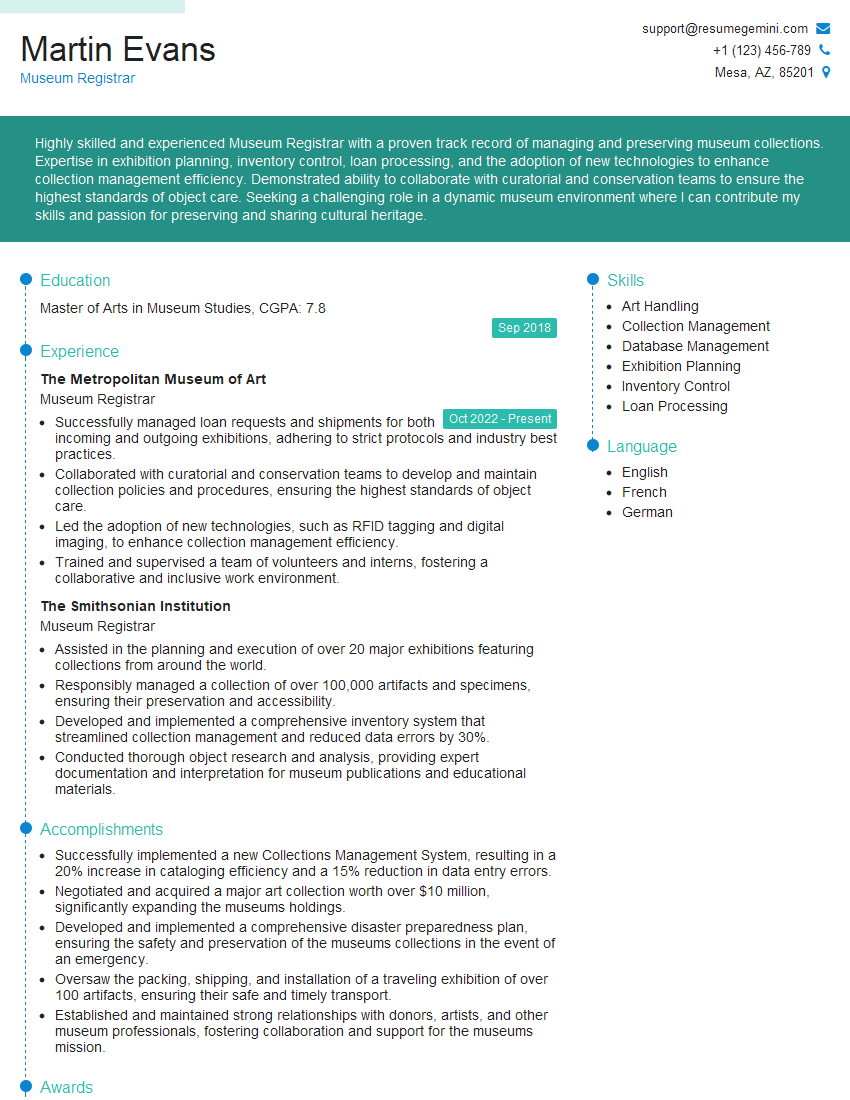
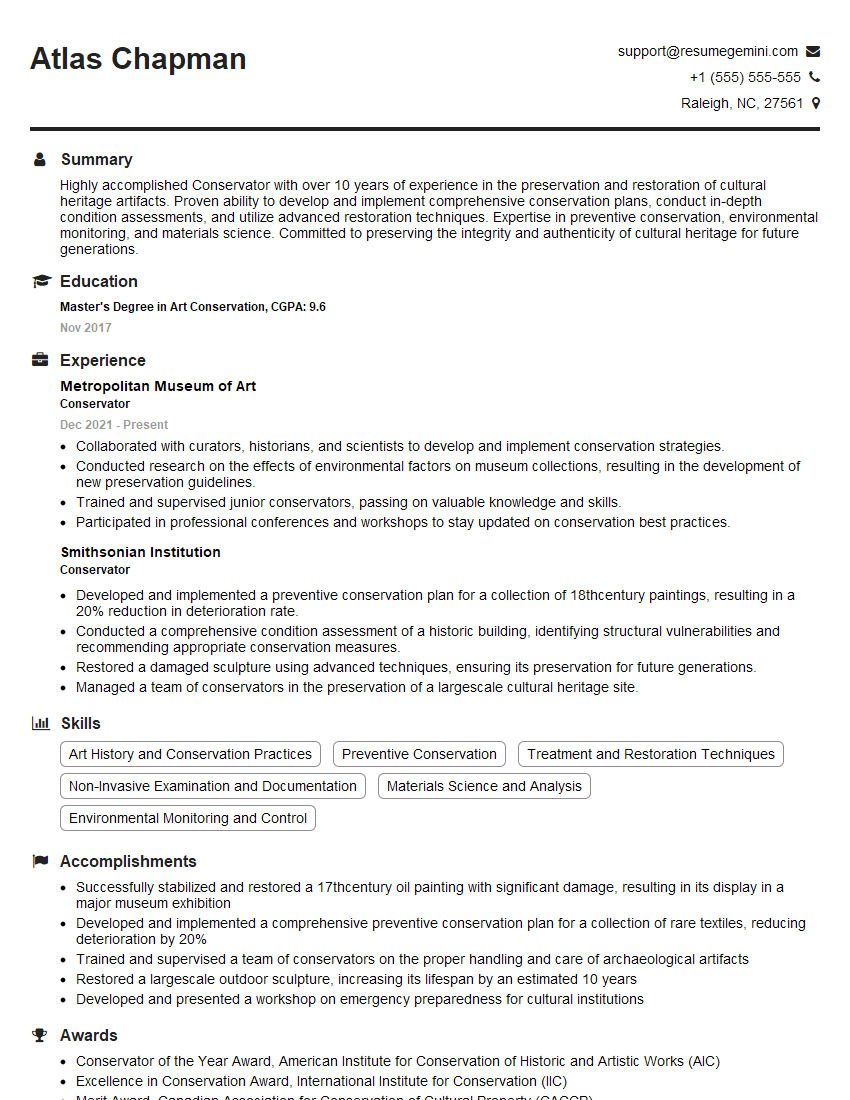
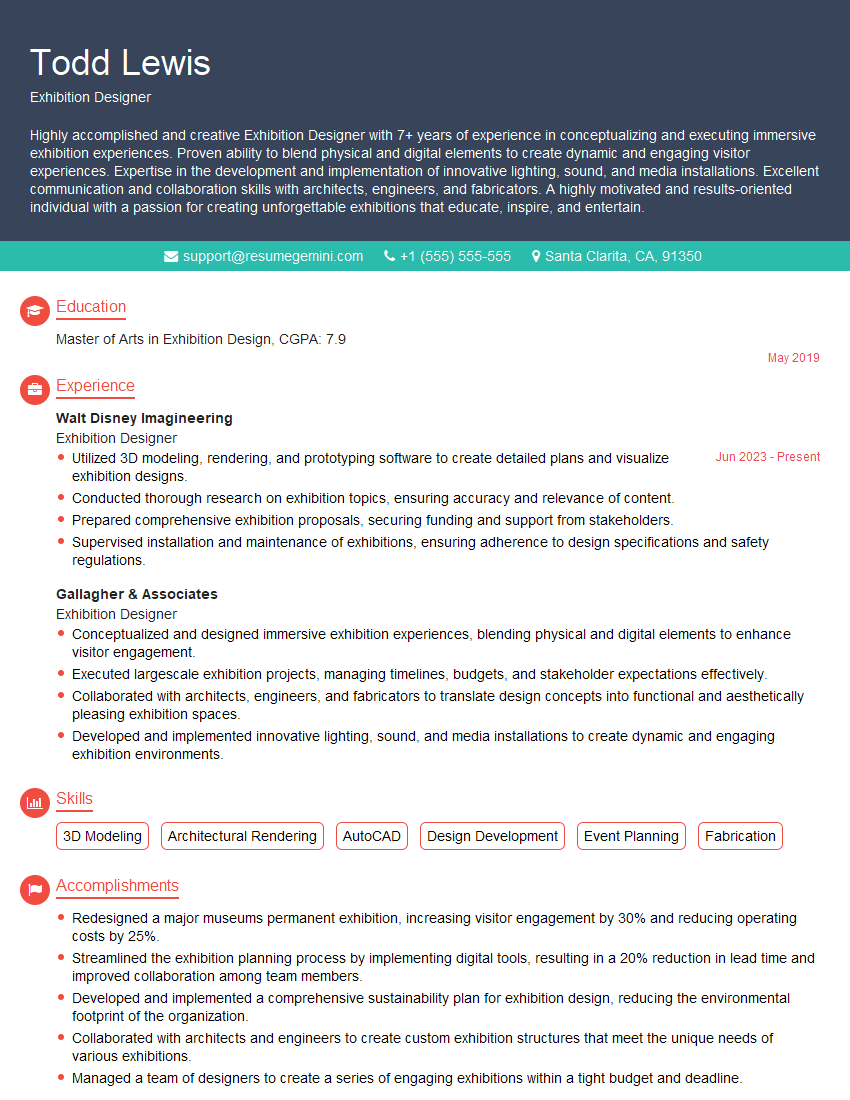
Mastering the intricacies of Exhibition and Storage management is crucial for career advancement in this dynamic field. A strong understanding of these topics will significantly enhance your job prospects and allow you to contribute effectively to a team. To maximize your chances of landing your dream role, it’s vital to craft a compelling and ATS-friendly resume that showcases your skills and experience effectively. We recommend using ResumeGemini, a trusted resource for building professional resumes, to help you create a standout document. Examples of resumes tailored to the Exhibition and Storage industry are available to guide you.
Explore more articles
Users Rating of Our Blogs
Share Your Experience
We value your feedback! Please rate our content and share your thoughts (optional).
What Readers Say About Our Blog
Really detailed insights and content, thank you for writing this detailed article.
IT gave me an insight and words to use and be able to think of examples