Interviews are opportunities to demonstrate your expertise, and this guide is here to help you shine. Explore the essential Expense reports interview questions that employers frequently ask, paired with strategies for crafting responses that set you apart from the competition.
Questions Asked in Expense reports Interview
Q 1. What are the common types of expense reports?
Expense reports categorize spending for reimbursement or accounting purposes. Common types include:
- Concur Expense Reports: Used for tracking expenses incurred during business travel, often involving airfare, accommodation, and per diem allowances. Think of it as the comprehensive travel expense report.
- Project-Based Expense Reports: These detail costs associated with specific projects. For instance, a marketing campaign might have a separate report tracking expenses like advertising and printing.
- Employee Reimbursement Reports: These cover various employee expenses, from client entertainment to office supplies, within a set company policy.
- Mileage Expense Reports: Specifically used to track expenses related to business travel using personal vehicles, often calculated using a per-mile rate.
- Corporate Card Expense Reports: These reports reconcile expenses charged to company credit cards, automatically pulling in transactions. A very efficient way to track expenses if your organization uses corporate cards.
Q 2. Explain the process of creating an expense report from start to finish.
Creating an expense report is a straightforward process, but accuracy is key. Here’s a step-by-step guide:
- Gather Receipts: Collect all receipts and documentation for expenses. Remember, a picture of a receipt is usually fine; it’s the data that matters.
- Check Company Policy: Review your company’s expense policy for allowed expenses, reimbursement rates, and submission deadlines. This ensures compliance and avoids potential issues.
- Complete the Report: Use your company’s preferred method (online portal, spreadsheet, etc.). Accurately record dates, descriptions, vendors, and amounts for each expense. Be meticulous; it’s easy to miss a line item.
- Attach Supporting Documentation: Upload or attach all necessary receipts and other documents. Make sure they’re clearly legible; if you can’t read the receipt, your accountant won’t either.
- Review and Submit: Carefully review the completed report for accuracy. Submit the report through the designated channels before the deadline.
- Follow-up: Track the status of your expense report to ensure timely processing and reimbursement.
Q 3. What are the key elements of a compliant expense report?
A compliant expense report needs these key elements:
- Detailed Itemization: Each expense must be clearly described, with sufficient detail to justify the cost.
- Original Receipts: Unless your company utilizes a receipt-less system, attach original or clear photocopies of receipts.
- Dates of Expense: Precise dates for each expense are critical for accurate accounting.
- Business Purpose: Explain how each expense relates to company business. This is crucial for audit purposes.
- Compliance with Policy: The report must adhere to all company expense policies, including expense limits and approval procedures.
- Employee Signature: Most often, an employee signature attests to the accuracy and legitimacy of the expenses claimed.
Missing any of these could result in delays or rejection of your report.
Q 4. How do you handle discrepancies in expense reports?
Discrepancies in expense reports require thorough investigation. My approach involves:
- Identifying the Discrepancy: Pinpoint the exact difference between reported expenses and approved amounts.
- Reviewing Supporting Documentation: Carefully check receipts and other documents to verify the claimed expenses.
- Contacting the Employee: If discrepancies exist, contact the employee to clarify any inconsistencies, such as a missing receipt or incorrect amount.
- Reconciling the Report: Work with the employee to correct the report and resolve any outstanding issues.
- Documentation: Maintain detailed records of the investigation and resolution process to ensure proper accounting and prevent future discrepancies.
Transparency and clear communication with the employee are key to a smooth resolution.
Q 5. What are some common expense report errors, and how can they be prevented?
Common expense report errors and prevention strategies:
- Missing Receipts: Always keep receipts in an organized manner, using digital tools or a physical filing system.
Prevention: Use a receipt-scanning app or a dedicated folder for receipts. - Incorrect Dates: Ensure all dates are accurately recorded.
Prevention: Use the date function on your phone or digital expense tracker. - Vague Descriptions: Provide specific details about each expense to avoid ambiguity.
Prevention: Write clear and concise descriptions, e.g., ‘Dinner with Client X at Restaurant Y’ instead of ‘Dinner’. - Policy Violations: Review your company’s expense policy carefully to avoid exceeding limits or claiming unallowable expenses.
Prevention: Familiarize yourself with the policy and refer to it often. - Mathematical Errors: Double-check all calculations to avoid mistakes.
Prevention: Use spreadsheet software or a calculator to verify totals.
Q 6. Describe your experience with different expense report software.
I’ve worked with various expense report software, including Concur, Expensify, and SAP Concur. Each offers unique features:
- Concur: A robust solution with excellent integration capabilities, ideal for larger organizations. It shines in automation and reporting.
- Expensify: User-friendly with a focus on mobile accessibility. Great for smaller businesses and individuals who need a simpler system.
- SAP Concur: A comprehensive enterprise-grade platform with advanced features for managing travel and expenses.
My experience helps me appreciate the strengths and weaknesses of each, allowing me to advise on optimal software choices for various needs.
Q 7. How do you ensure the accuracy of expense reports?
Ensuring accuracy is paramount. My strategies include:
- Regular Audits: Conducting periodic audits of expense reports helps identify patterns of errors or inconsistencies.
- Data Validation: Employing data validation techniques within expense reporting systems flags potential inaccuracies.
- Automated Checks: Leveraging software with automated checks for policy compliance and mathematical errors significantly minimizes mistakes.
- Managerial Review: Establishing a process where managers review reports before submission catches errors before they reach accounting.
- Training and Communication: Providing clear training to employees on expense report procedures and regularly communicating policy updates reduces errors stemming from misunderstanding.
A combination of these strategies ensures a high level of accuracy and prevents financial irregularities.
Q 8. How do you track and reconcile expenses?
Tracking and reconciling expenses involves a multi-step process ensuring accuracy and compliance. It begins with meticulous record-keeping. I utilize expense tracking software or spreadsheets to log each expense, including date, vendor, amount, payment method, and a brief description. This allows for easy categorization and analysis.
Next, I reconcile these records with bank and credit card statements. This comparison highlights any discrepancies – missing receipts, duplicate entries, or unauthorized transactions. Any inconsistencies are investigated thoroughly, contacting vendors for clarification if necessary. This verification process is critical for identifying errors and preventing fraud. Finally, I prepare a summary report that outlines all expenses, categorizations, and any adjustments made during reconciliation, providing a clear audit trail.
For example, imagine a business trip. I’d meticulously record each expense – flight tickets, hotel stays, meals, taxis – detailing every transaction. I then cross-check these entries against my credit card statement and bank statements. If an expense is missing from one of the statements, I’d investigate to locate the missing receipt or documentation, ensuring complete and accurate reporting.
Q 9. Explain your understanding of expense report policies and procedures.
Expense report policies and procedures are the company’s guidelines for managing expenses. They outline what types of expenses are reimbursable, acceptable payment methods, required documentation (receipts, invoices), expense limits, and the approval process. Understanding these policies is paramount to prevent errors, delays, and potential financial irregularities.
A robust policy will typically include sections on eligible expenses (travel, meals, supplies, etc.), limits on per diem and other allowances, a detailed explanation of required documentation (original receipts, itemized bills), the process for submitting the report (electronic submission, paper forms), the approval workflow (managerial approval, accounting review), and consequences for non-compliance. Adhering to these policies not only ensures accurate reporting but also mitigates risk for the company and the employee.
Q 10. How do you manage multiple expense reports simultaneously?
Managing multiple expense reports simultaneously requires a highly organized and systematic approach. I use project management techniques, prioritizing reports based on deadlines and urgency. I often employ color-coding or tagging systems within my expense tracking software to categorize reports and track their progress. For example, I might use different colors for different projects or clients.
Utilizing software that allows for batch processing, if available, significantly streamlines the process. This could involve uploading multiple receipts at once and automatically populating certain expense fields. Creating a detailed schedule, assigning specific time blocks for handling each report, ensures all deadlines are met while maintaining accuracy. Regular progress reviews and proactive communication with approvers and colleagues regarding any challenges helps minimize delays and potential issues.
Q 11. What is your experience with auditing expense reports?
My experience with auditing expense reports involves a thorough review of all submitted claims, ensuring compliance with company policies and procedures. This includes verifying the authenticity of receipts, comparing expenses to approved budgets, checking for duplicate entries, and identifying any potential inconsistencies or irregularities.
Auditing may involve both sampling techniques (reviewing a percentage of reports) and more targeted reviews (focus on high-value claims or those from specific individuals or departments). The process also involves comparing the expense report data with other relevant company records, such as purchase orders or contracts. Flagged discrepancies are then investigated further, possibly requiring additional documentation or follow-up with the employee. A detailed audit trail is meticulously maintained, documenting all findings and the steps taken to resolve any issues, creating a record for compliance and internal controls.
Q 12. How do you handle expense reports that exceed the company’s policy?
When an expense report exceeds the company’s policy, a thorough justification is required. I initiate a conversation with the employee to understand the circumstances. Did unforeseen events necessitate the extra expenditure? Were there any mitigating factors? Documentation supporting the justification is essential – contracts, revised project scopes, or unforeseen circumstances necessitating the additional expenses.
Based on the justification and supporting documentation, I might escalate the report to higher management for approval. If the additional costs were unavoidable and deemed justifiable, an exception to the policy might be granted. However, if the exceeding expenses were deemed unnecessary or due to negligence, I would engage in a discussion aimed at remedying the situation and preventing similar occurrences. Transparency and clear communication are crucial in addressing this situation.
Q 13. What is your process for reviewing and approving expense reports?
My process for reviewing and approving expense reports involves a multi-step approach ensuring compliance and accuracy. First, I verify that all required documentation is included – original receipts, invoices, and any supporting information. Then, I carefully check for completeness and accuracy, comparing the report to company policies and the provided documentation. I also look for any irregularities, potential errors, or discrepancies, cross-referencing the details with bank statements or other company records.
Once the report is deemed accurate and compliant, I provide approval (electronic or written) and ensure the proper accounting codes are assigned for accurate processing. If any issues are identified, I would communicate them to the employee, requesting corrections or additional documentation. This collaborative approach promotes accuracy and timely processing.
Q 14. How do you identify and resolve expense report fraud?
Identifying and resolving expense report fraud requires a combination of proactive measures and investigative skills. Proactive measures include implementing strong internal controls, regularly reviewing expense reports for anomalies, and educating employees on expense policies and procedures. Red flags include unusually high expenses, frequent requests for reimbursements, unusual spending patterns, and missing or forged receipts.
Investigative steps involve gathering evidence, interviewing relevant individuals, and potentially involving internal audit or external investigators. Analysis of spending patterns using data analytics can highlight unusual trends. For example, comparing an employee’s reported expenses with others in similar roles can uncover potential inconsistencies. If fraud is confirmed, appropriate disciplinary action is taken, in accordance with company policies and potentially legal requirements.
Q 15. What are your preferred methods for expense reporting data entry?
My preferred methods for expense report data entry prioritize efficiency and accuracy. I’m highly proficient with various methods, adapting to the specific needs of each situation. For example, I excel at using automated expense reporting software that integrates directly with company credit cards and accounting systems. This eliminates manual data entry and minimizes errors. I also have extensive experience with mobile apps designed for expense tracking, allowing for real-time entry of receipts and expenses while on the go. For situations where software integration isn’t feasible, I can effectively use spreadsheets (like Excel or Google Sheets) with carefully designed templates to ensure consistent data structure and ease of import into accounting systems. The key is to maintain organized, detailed records regardless of the method employed, adhering to company policy and best practices.
Career Expert Tips:
- Ace those interviews! Prepare effectively by reviewing the Top 50 Most Common Interview Questions on ResumeGemini.
- Navigate your job search with confidence! Explore a wide range of Career Tips on ResumeGemini. Learn about common challenges and recommendations to overcome them.
- Craft the perfect resume! Master the Art of Resume Writing with ResumeGemini’s guide. Showcase your unique qualifications and achievements effectively.
- Don’t miss out on holiday savings! Build your dream resume with ResumeGemini’s ATS optimized templates.
Q 16. Describe your experience with different expense reimbursement methods.
I have extensive experience with various expense reimbursement methods, each with its own set of advantages and disadvantages. I’m familiar with direct reimbursement, where employees are reimbursed directly for their expenses after submitting receipts. This method is straightforward but can be time-consuming. I’ve also worked with corporate credit cards, which streamline expense tracking and simplify reconciliation, and expense management software which further automates the process and enhances reporting capabilities. I’ve also experienced using a combination of these methods, such as using a corporate card for larger expenses and direct reimbursement for smaller, more frequent purchases. Choosing the most efficient and compliant method depends on company policies, the volume of expenses, and the level of automation available.
Q 17. How familiar are you with expense report compliance regulations?
Compliance is paramount in expense reporting. I possess a strong understanding of various regulations, including the Foreign Corrupt Practices Act (FCPA), the Sarbanes-Oxley Act (SOX), and other relevant internal controls and guidelines. My experience encompasses ensuring proper documentation for all expenses, accurately categorizing expenses according to company policy, and adhering to strict guidelines for gift-giving and entertainment expenses. I am adept at identifying and mitigating potential compliance risks, including detecting and reporting any possible instances of fraud or abuse. Maintaining accurate records and keeping abreast of any changes in regulations is a critical part of my process. I regularly review and update my knowledge base to ensure compliance with evolving regulations.
Q 18. What is your experience with expense report data analysis?
Expense report data analysis is a crucial aspect of financial management. My experience includes using data analysis techniques to identify trends, anomalies, and potential areas of improvement. I’m proficient in using various tools, including spreadsheets, data visualization software (e.g., Tableau, Power BI), and database query languages (e.g., SQL) to extract meaningful insights from expense data. For instance, I can analyze spending patterns by department, identify cost-saving opportunities, and detect potential fraudulent activities. I can also create reports that summarize expense trends, providing valuable information for budgeting and forecasting. I always ensure data privacy and security while conducting such analysis.
Q 19. How do you handle late expense reports?
Handling late expense reports requires a proactive and communicative approach. I begin by understanding the reason for the delay – whether it’s due to unforeseen circumstances, a lack of understanding of the process, or perhaps a systemic issue. I then work with the employee to resolve the issue, ensuring they have the necessary resources and support to submit the report accurately and promptly. If the delay is due to a lack of understanding of the policy, I provide additional training and clarification. Persistent late submissions might require a review of processes or policies to prevent recurrence. However, the focus remains on supportive guidance rather than punitive measures, while maintaining adherence to deadlines for processing and reimbursement.
Q 20. How do you prioritize expense report processing based on urgency?
Prioritizing expense report processing based on urgency is a critical skill. My approach involves a multi-faceted strategy that prioritizes reports based on factors like deadlines (e.g., employee travel reimbursements, urgent vendor payments), policy compliance risks (e.g., reports with potentially questionable expenses), and overall workflow management. For instance, reports with imminent deadlines or significant financial implications are prioritized, while others are processed in a sequential manner based on their submission date. This involves utilizing a ticketing system or a similar tool to manage and track the reports effectively. Transparency in communication to the employees regarding processing times is vital.
Q 21. Describe your experience with expense report automation tools.
I have extensive experience with various expense report automation tools, including those that integrate with accounting software (e.g., QuickBooks, Xero), corporate credit cards, and receipt scanning apps. These tools significantly streamline the process, reducing manual data entry, improving accuracy, and accelerating reimbursement times. I’m familiar with the features of various platforms, ranging from basic expense tracking apps to sophisticated enterprise-level solutions. My experience includes implementing, configuring, and training users on these tools. I can assess the needs of the organization and recommend appropriate solutions to enhance efficiency and compliance in expense reporting.
Q 22. What is your experience with expense reconciliation software?
My experience with expense reconciliation software spans several years and various platforms. I’m proficient in using software like Expensify, Concur, and SAP Concur, handling everything from initial expense entry and receipt scanning to automated coding, approval workflows, and final reconciliation with accounting systems. I’m comfortable working with both cloud-based and on-premise solutions and understand the intricacies of integrating these systems with our accounting software. For example, in a previous role, I streamlined our expense report process by migrating from a manual, spreadsheet-based system to Expensify, resulting in a 40% reduction in processing time and a significant decrease in errors. This involved training staff, customizing the software to our specific needs (e.g., configuring expense categories and approval workflows), and integrating it with our accounting system for seamless data transfer.
Q 23. How do you ensure data privacy and security related to expense reports?
Data privacy and security are paramount when handling expense reports. We adhere to strict protocols to protect sensitive employee information. This includes using encrypted systems for data storage and transmission, implementing strong access controls (role-based permissions), and adhering to all relevant data privacy regulations, such as GDPR and CCPA. Regular security audits and employee training on data security best practices are also critical. For instance, access to expense report data is limited to authorized personnel, and all data is encrypted both in transit and at rest. Additionally, we implement multi-factor authentication to prevent unauthorized access. We also maintain detailed audit trails for all expense report activities for accountability and compliance.
Q 24. How do you handle reimbursements for international travel expenses?
Handling international travel expenses requires careful attention to detail and compliance with various tax and accounting regulations. We ensure that all expenses are properly documented with original receipts and clearly categorized according to local laws and company policy. Currency conversion rates are carefully tracked and applied, ensuring accuracy. We often use specialized travel expense management tools that handle currency conversion automatically and facilitate the generation of reports that comply with international tax regulations. For example, if an employee travels to the UK, we need to ensure we properly account for VAT and any other applicable taxes. This might involve obtaining specific documentation, such as VAT invoices, and correctly classifying the expenses in our accounting software. We must also be mindful of per diem rates and foreign exchange policies.
Q 25. Explain your understanding of indirect vs direct expenses.
Direct expenses are directly attributable to a specific project, product, or service. Think of the cost of materials used in manufacturing a product or the salary of an employee directly involved in a project. Indirect expenses, conversely, support the overall business operation but aren’t easily tied to a single project. Examples include rent, utilities, and administrative salaries. The difference is crucial for accurate cost allocation and profitability analysis. Imagine a construction company building a house: direct costs include lumber, bricks, and the carpenter’s wages; indirect costs include the company’s office rent and administrative staff salaries. Distinguishing between these two types is vital for accurate budgeting, project costing, and financial reporting.
Q 26. Describe your experience working with different accounting software related to expenses.
I have extensive experience with various accounting software solutions, including QuickBooks, Xero, and NetSuite, focusing on expense management modules. I’m familiar with their features, such as expense tracking, receipt management, and integration with other accounting functions. My experience includes configuring these systems to match our specific business needs, creating custom reports, and troubleshooting issues. For example, I implemented a workflow in QuickBooks Online that automatically coded certain expense types based on pre-defined rules, saving significant time and reducing manual errors. This involved creating custom rules within the software to categorize expenses based on vendor names, account codes, or specific keywords.
Q 27. How do you handle expense reports with missing receipts?
Expense reports with missing receipts require a thorough investigation. Our company policy emphasizes the importance of retaining receipts, but we understand that occasional omissions can happen. In such cases, we first attempt to obtain the missing receipt from the employee. If that’s not possible, we may allow reimbursement based on supporting documentation, like bank statements or credit card statements, but with a more rigorous review process. For higher-value expenses, we may require additional justification or documentation. The goal is to strike a balance between ensuring accountability and understanding that occasional errors happen. We also provide clear guidelines to employees on what constitutes acceptable supporting documentation in the absence of a receipt.
Q 28. What are your strategies for improving expense report processes?
Improving expense report processes requires a multifaceted approach. My strategies include:
- Automation: Implementing automated workflows for approvals, coding, and reconciliation to minimize manual effort and errors.
- Mobile Expense Reporting: Utilizing mobile apps to enable employees to submit expense reports on the go, improving efficiency and accuracy.
- Receipt Capture Technology: Employing optical character recognition (OCR) technology to automate data entry from receipts and reduce manual data entry.
- Employee Training and Education: Providing comprehensive training to employees on expense report policies and procedures to ensure compliance and reduce errors.
- Regular Audits and Reviews: Conducting periodic reviews of expense report processes to identify areas for improvement and ensure compliance with regulations.
Key Topics to Learn for Expense Reports Interview
- Expense Report Policies and Procedures: Understanding different company policies, reimbursement guidelines, and approval workflows. Practical application includes analyzing a sample policy and identifying potential compliance issues.
- Expense Tracking and Categorization: Mastering effective methods for tracking expenses, accurately categorizing them (e.g., travel, meals, entertainment), and maintaining detailed records. Practical application includes creating a sample expense report from a given set of receipts.
- Expense Report Software and Systems: Familiarity with various expense management software (e.g., Concur, Expensify) and their functionalities. Practical application includes describing the workflow within a specific system and its benefits.
- Data Entry and Accuracy: Understanding the importance of accurate data entry, minimizing errors, and ensuring compliance with accounting standards. Practical application includes identifying potential errors in a sample expense report and suggesting corrections.
- Auditing and Reconciliation: Understanding the process of auditing expense reports for accuracy and compliance, and reconciling them with financial statements. Practical application includes describing the steps involved in a typical audit process.
- Fraud Prevention and Detection: Recognizing common expense report fraud schemes and implementing strategies to prevent and detect them. Practical application includes analyzing scenarios to identify potential fraudulent activities.
- Reporting and Analysis: Understanding how expense reports contribute to overall financial reporting and analysis. Practical application includes interpreting expense data to identify trends and areas for cost savings.
Next Steps
Mastering expense report processes is crucial for career advancement in finance, accounting, and administrative roles. A strong understanding of these processes demonstrates attention to detail, organizational skills, and compliance expertise – highly valued attributes in today’s job market. To significantly enhance your job prospects, create an ATS-friendly resume that highlights your relevant skills and experience. ResumeGemini is a trusted resource to help you build a professional and impactful resume. Examples of resumes tailored to expense report roles are available to guide you.
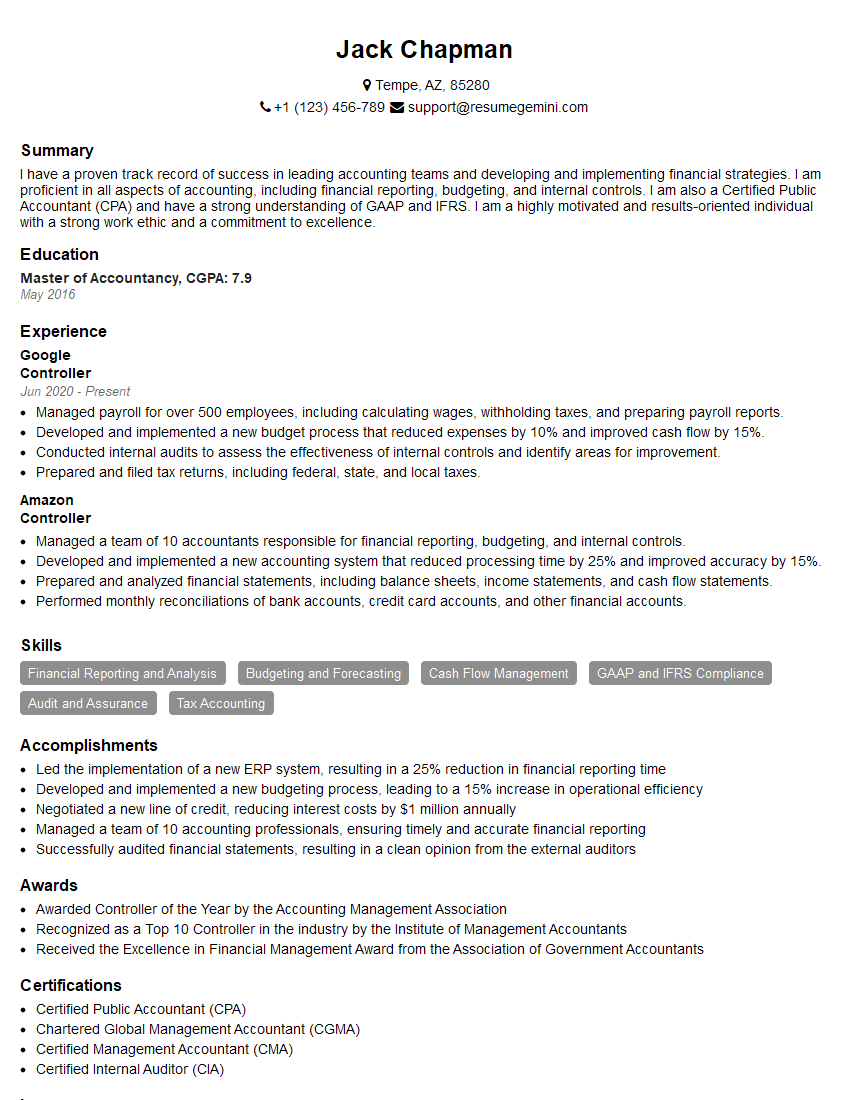
Controller Resume Sample
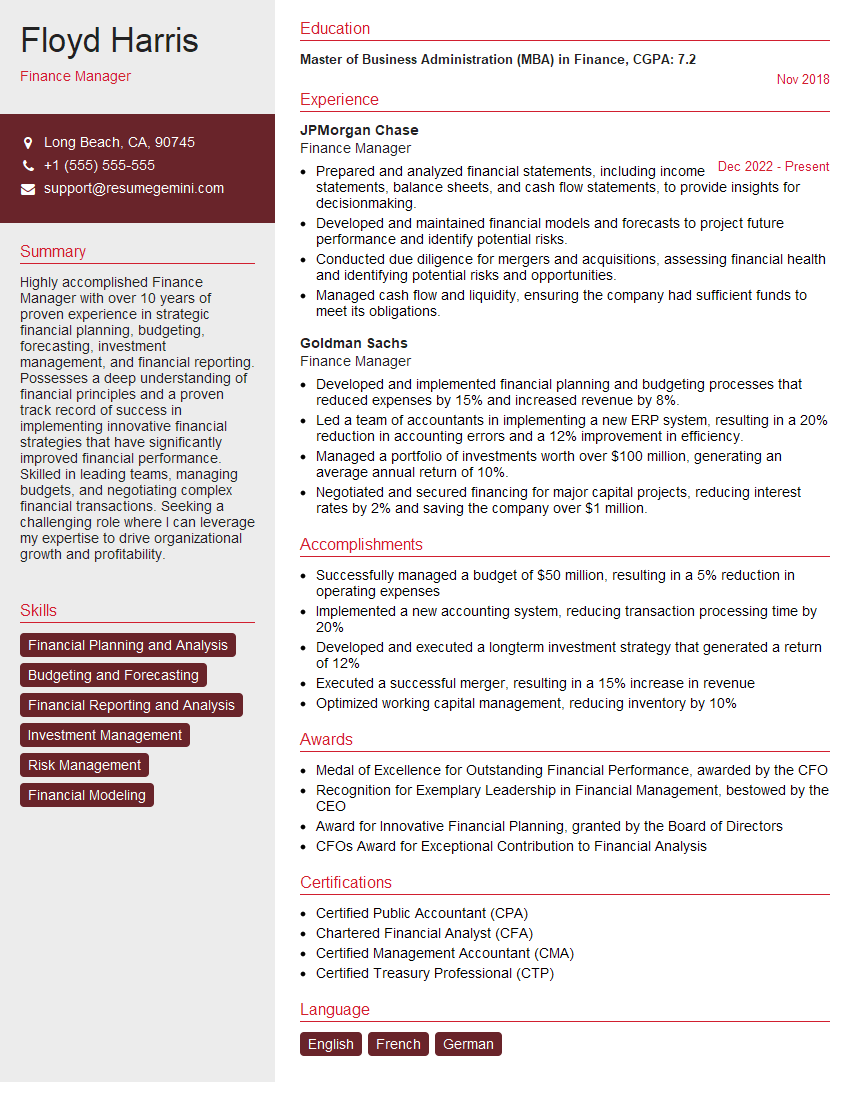
Finance Manager Resume Sample
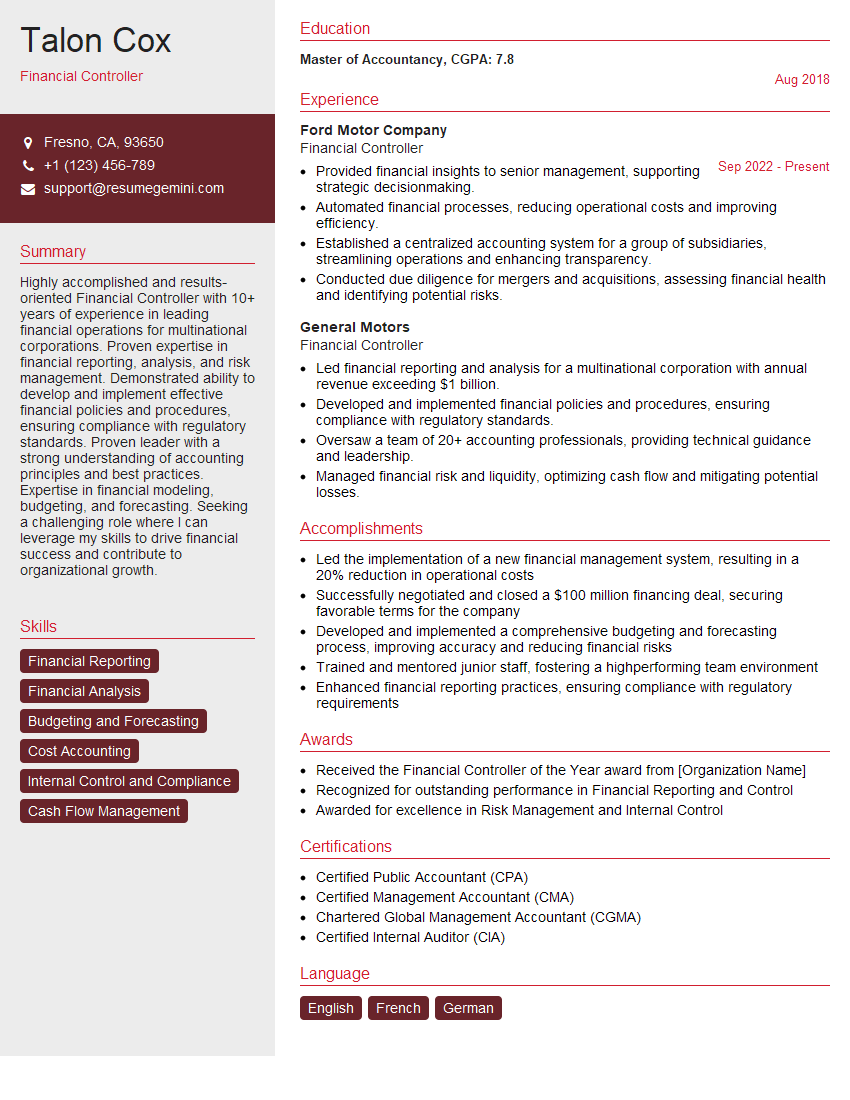
Financial Controller Resume Sample
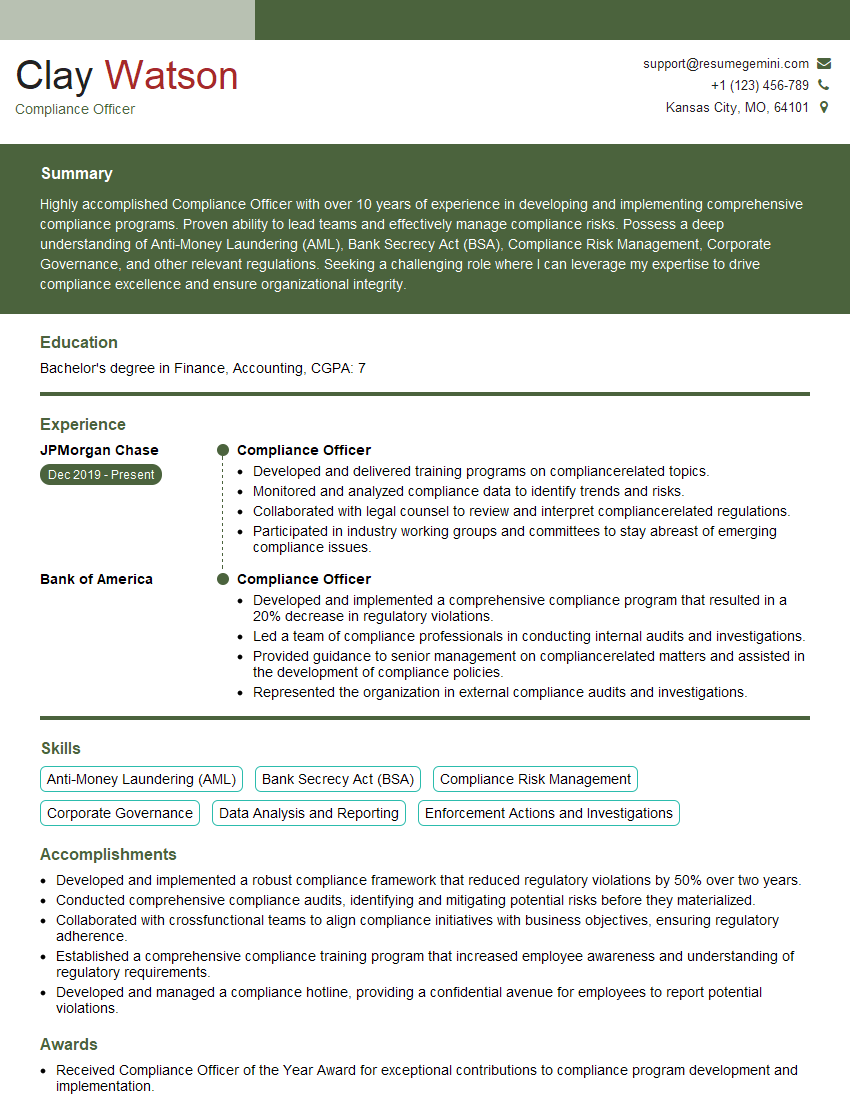
Compliance Officer Resume Sample
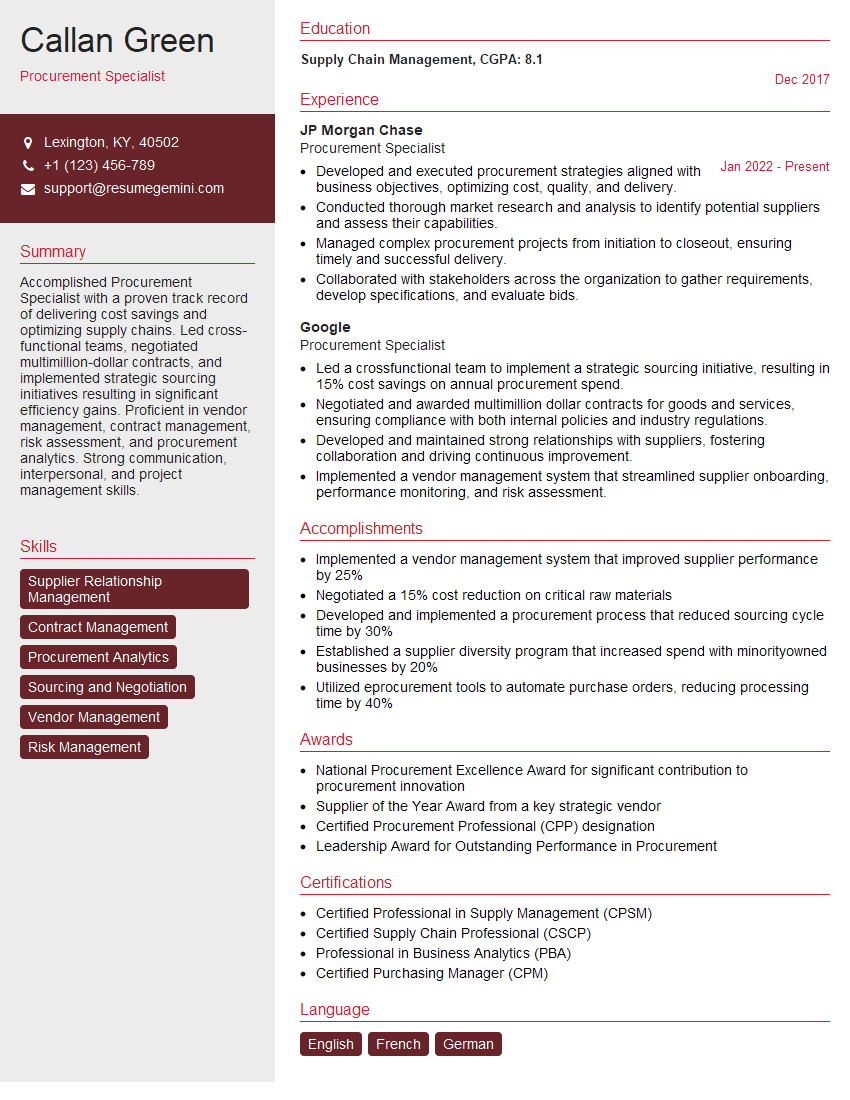
Procurement Specialist Resume Sample
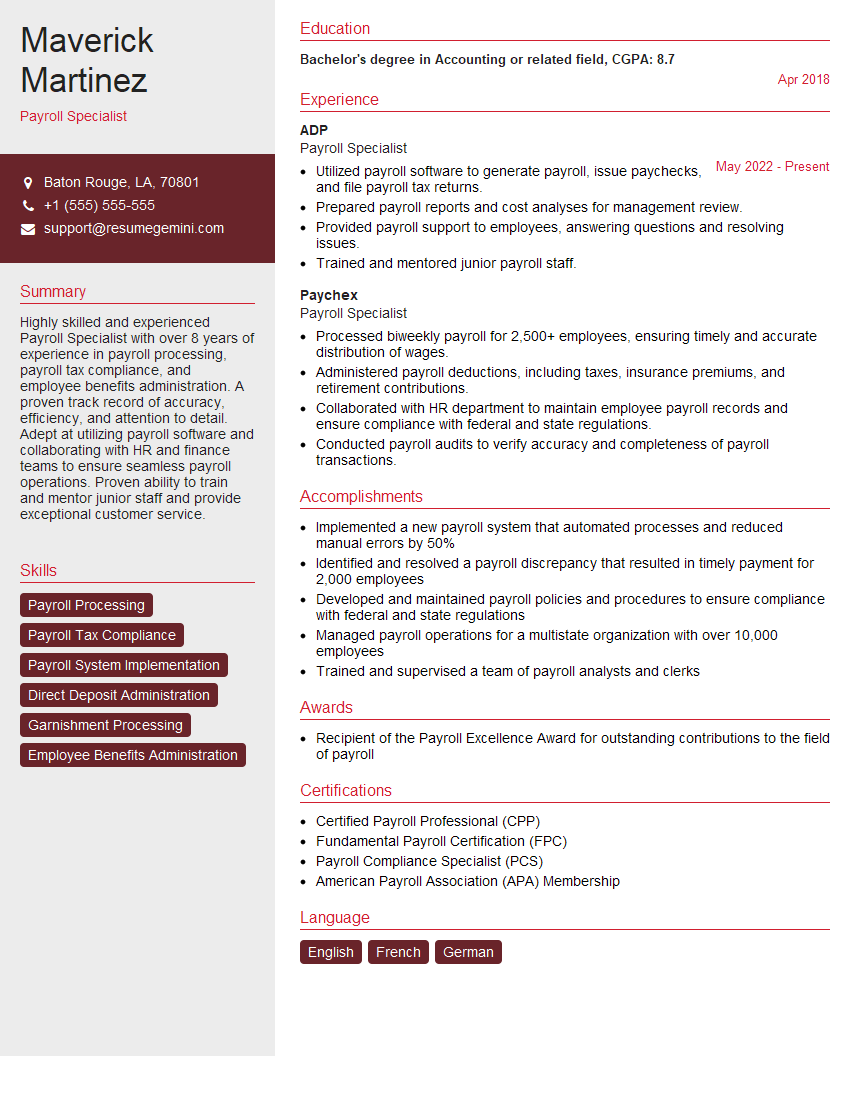
Payroll Specialist Resume Sample
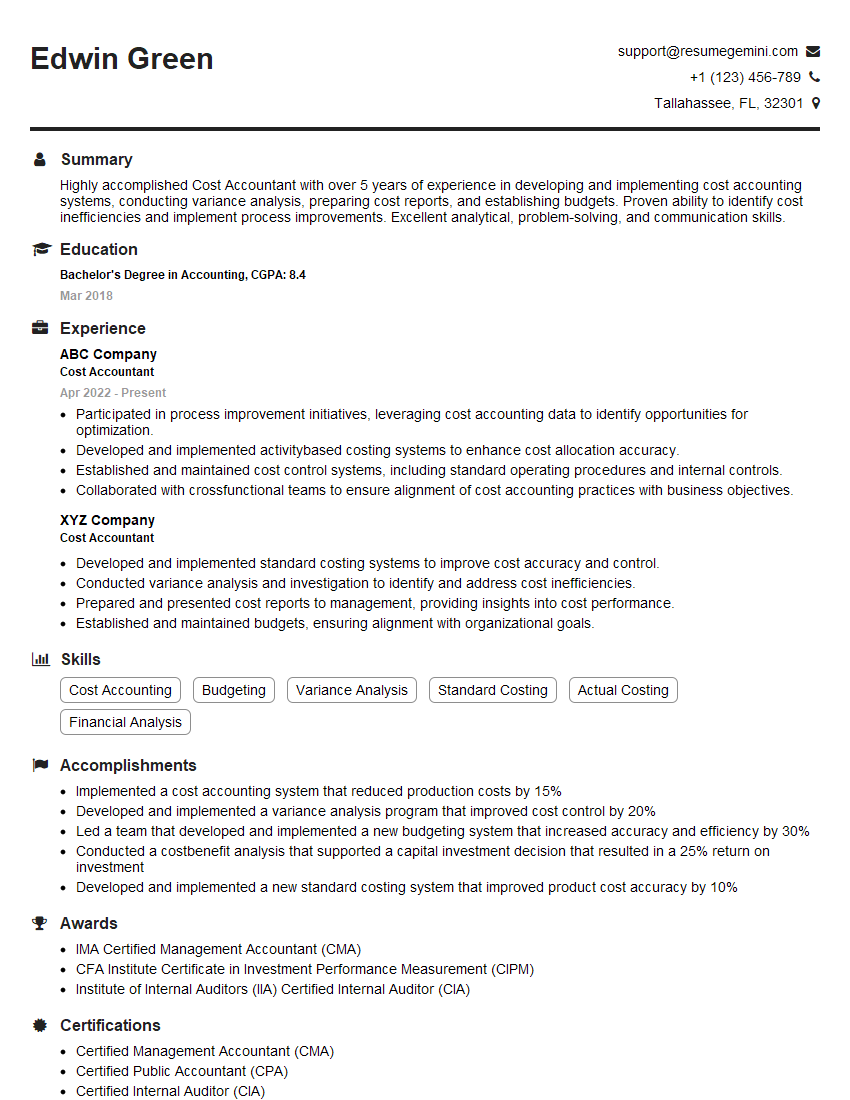
Cost Accountant Resume Sample
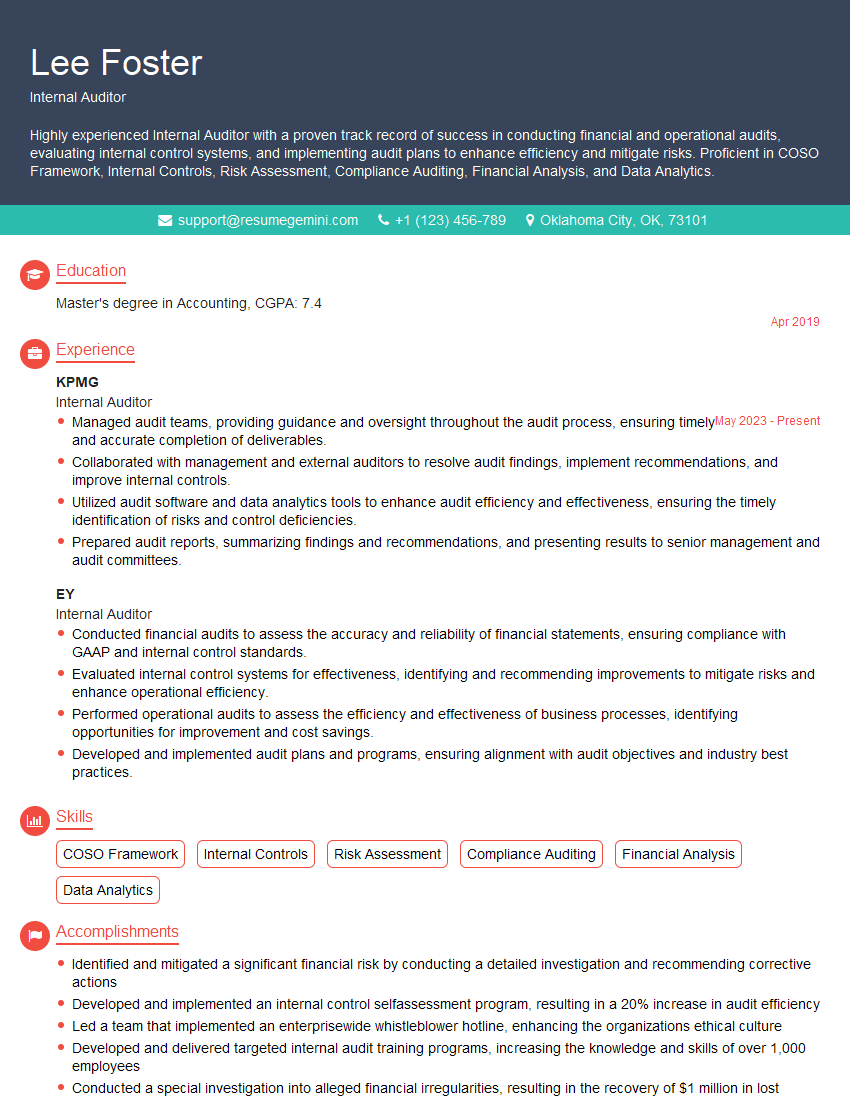
Internal Auditor Resume Sample
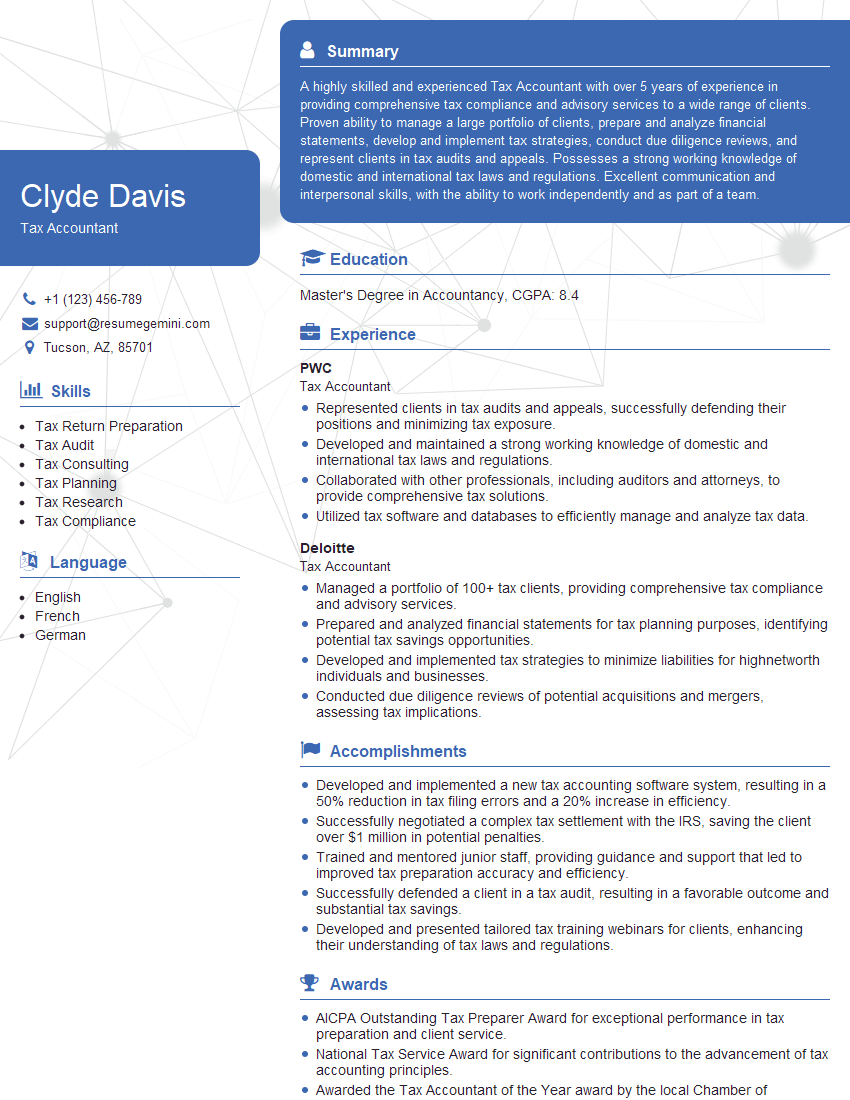
Tax Accountant Resume Sample
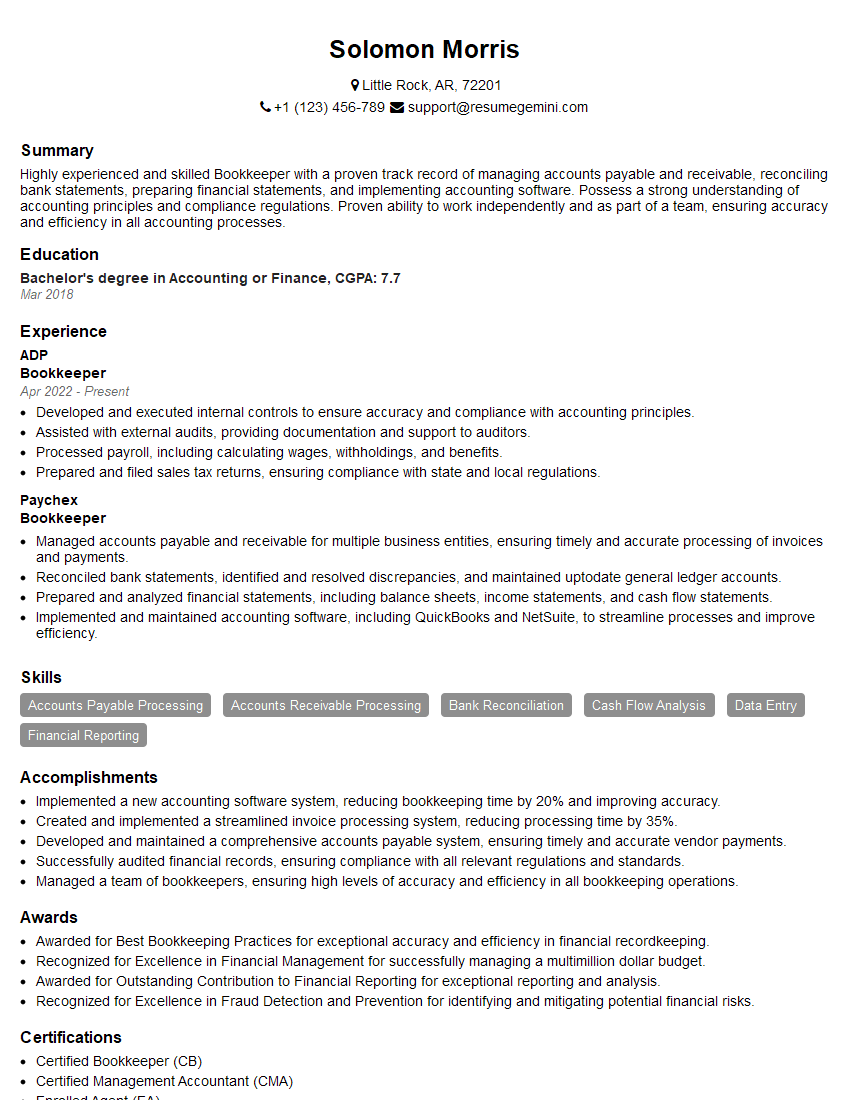
Bookkeeper Resume Sample
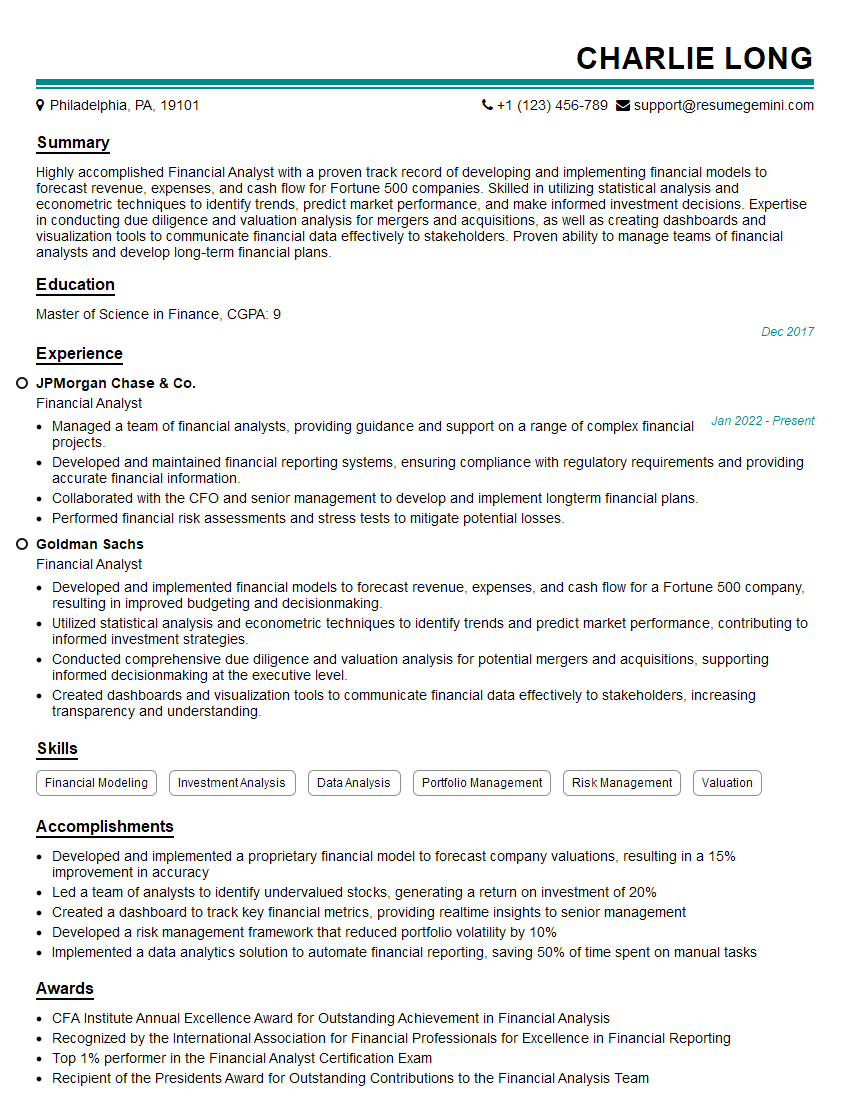
Financial Analyst Resume Sample
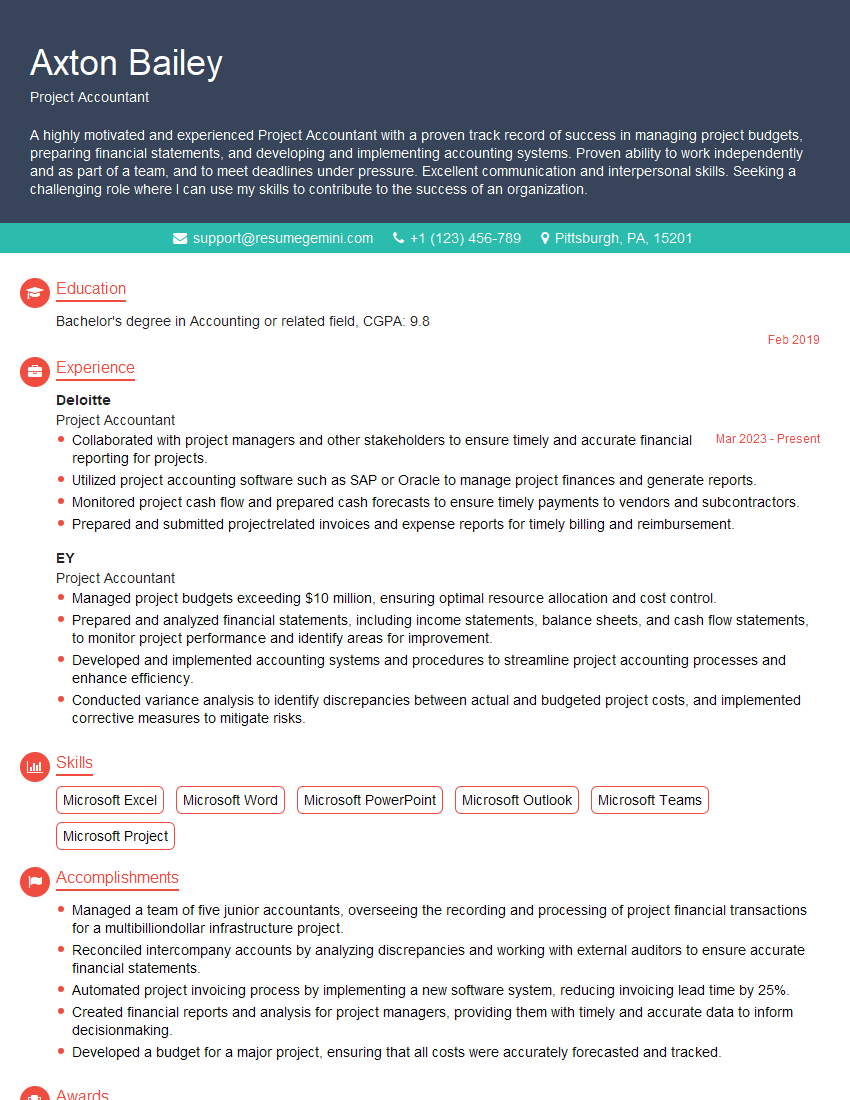
Project Accountant Resume Sample
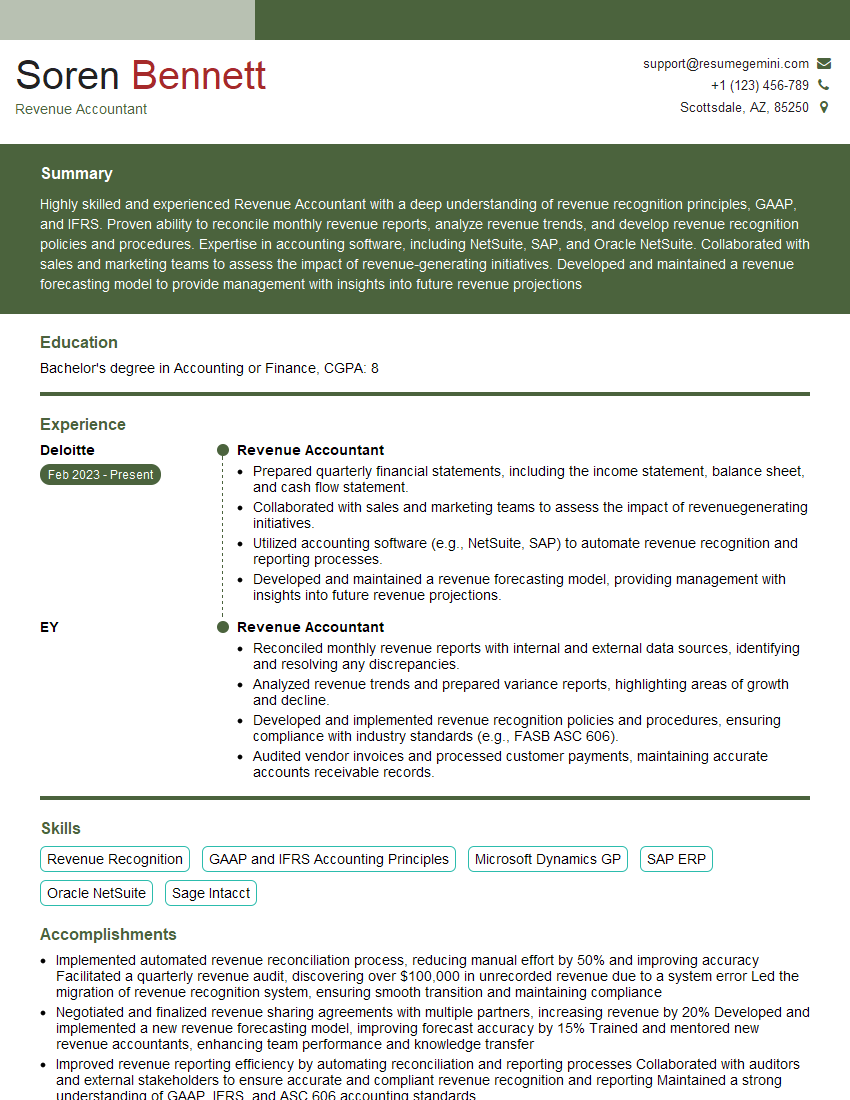
Revenue Accountant Resume Sample
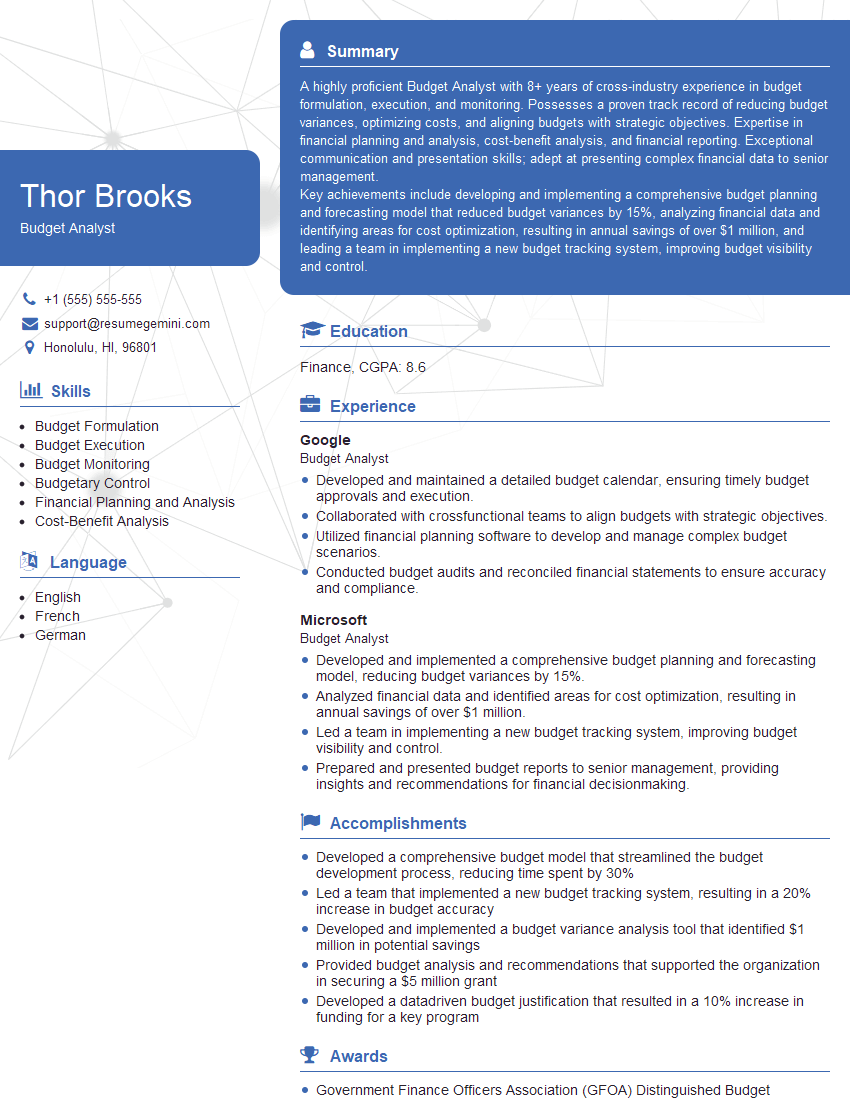
Budget Analyst Resume Sample
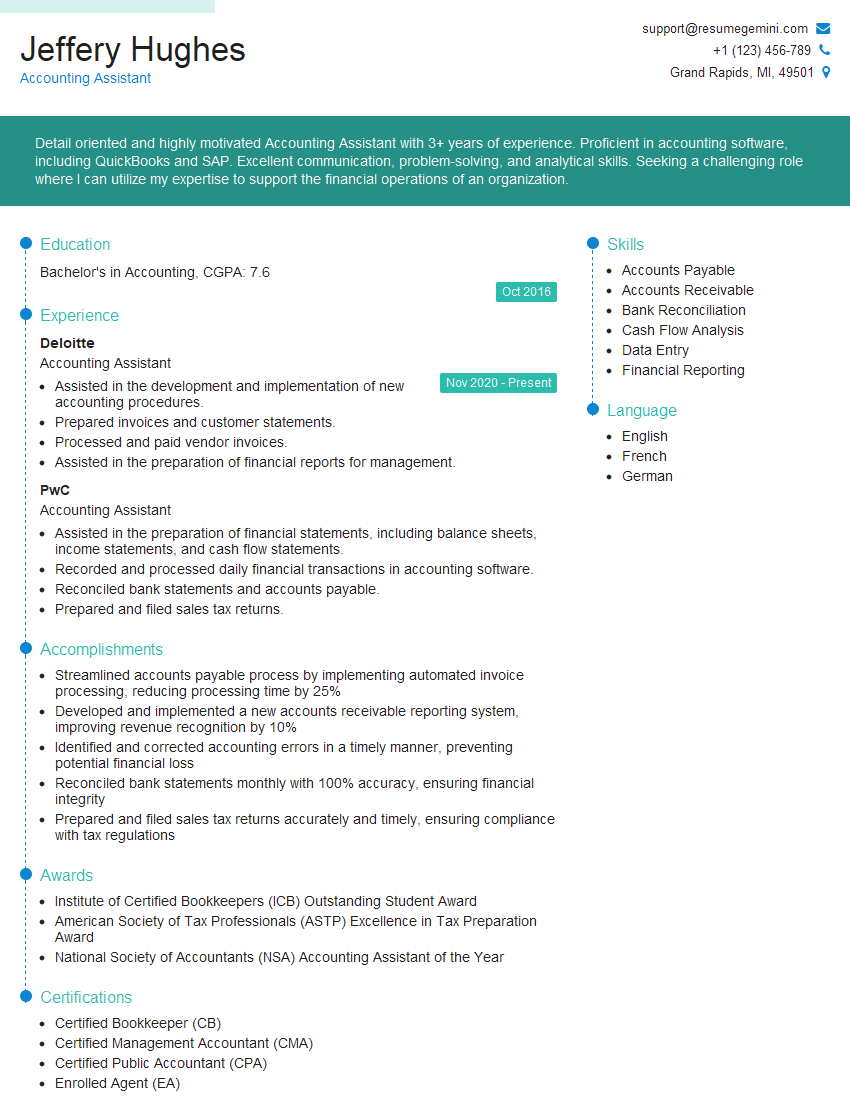
Accounting Assistant Resume Sample
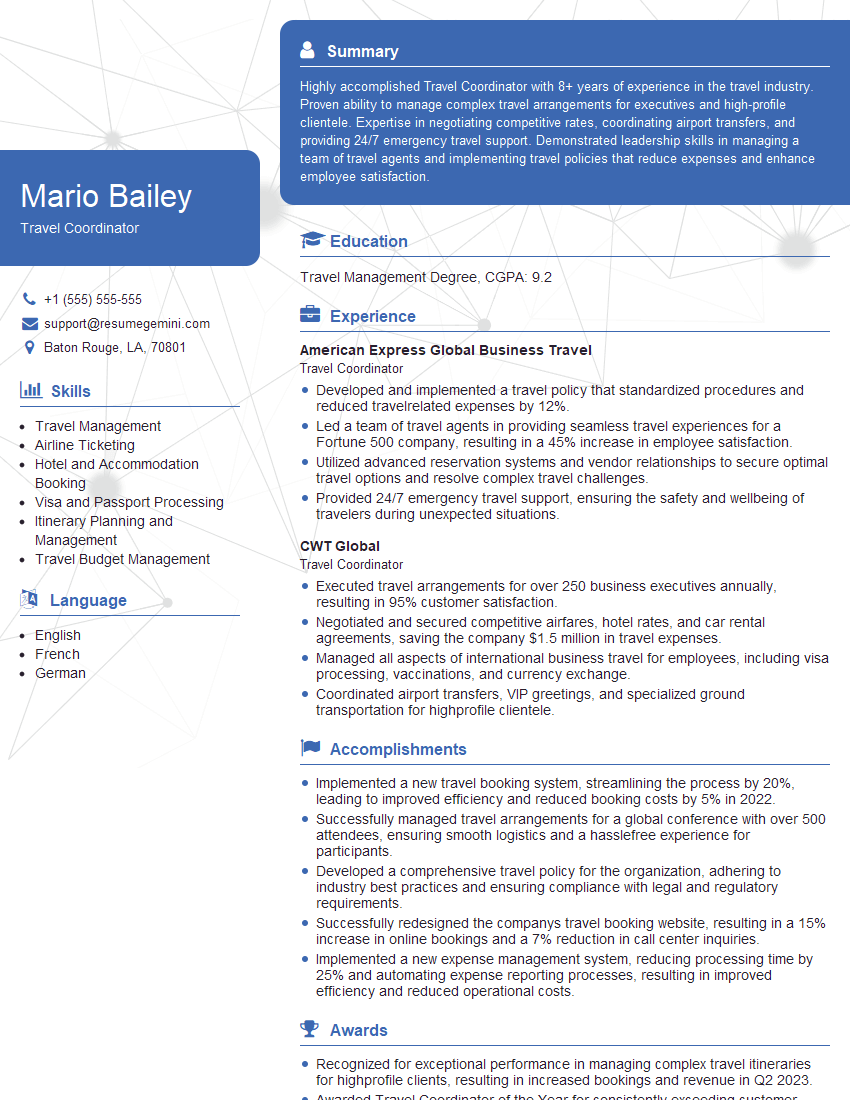
Travel Coordinator Resume Sample
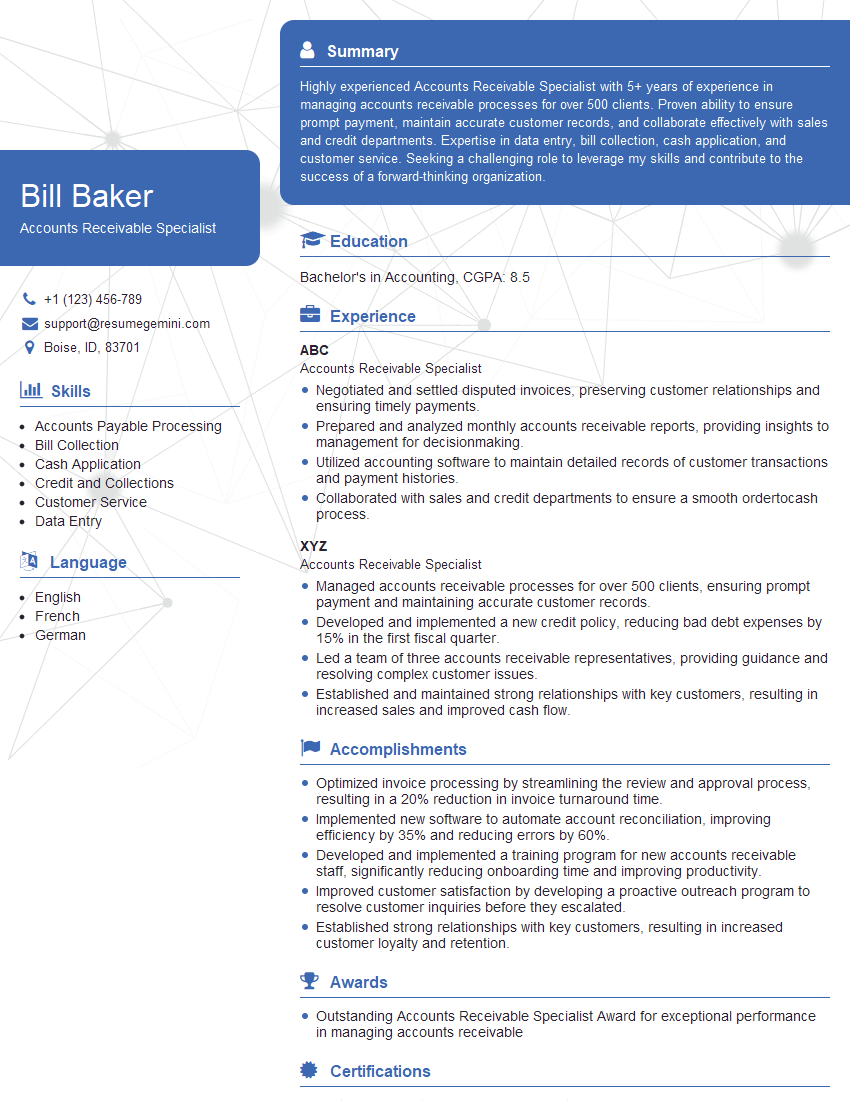
Accounts Receivable Specialist Resume Sample
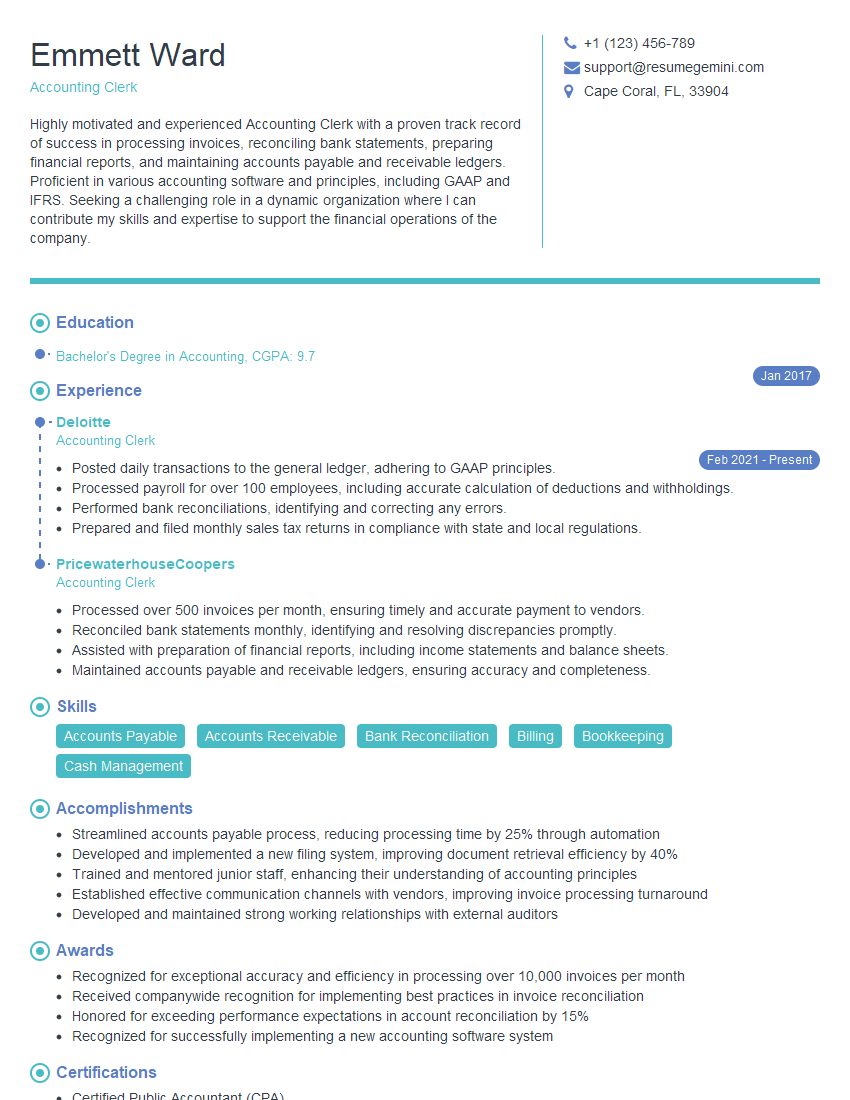
Accounting Clerk Resume Sample
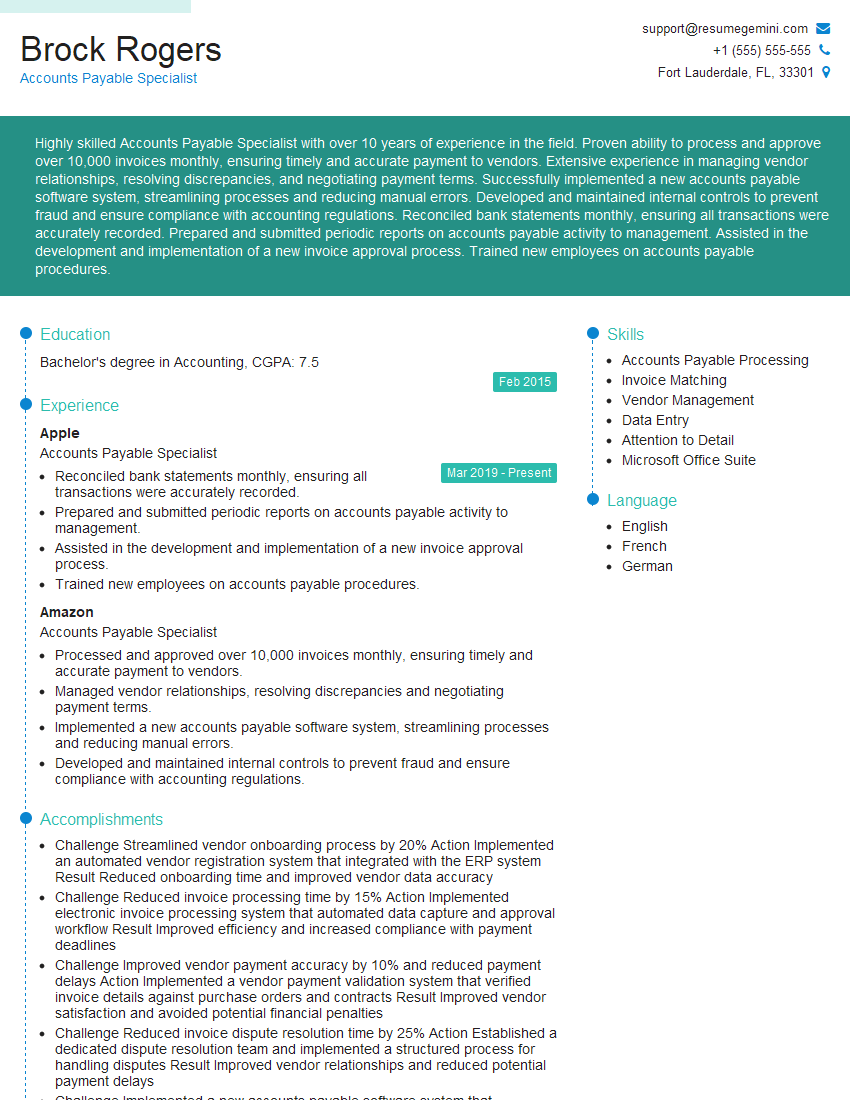
Accounts Payable Specialist Resume Sample
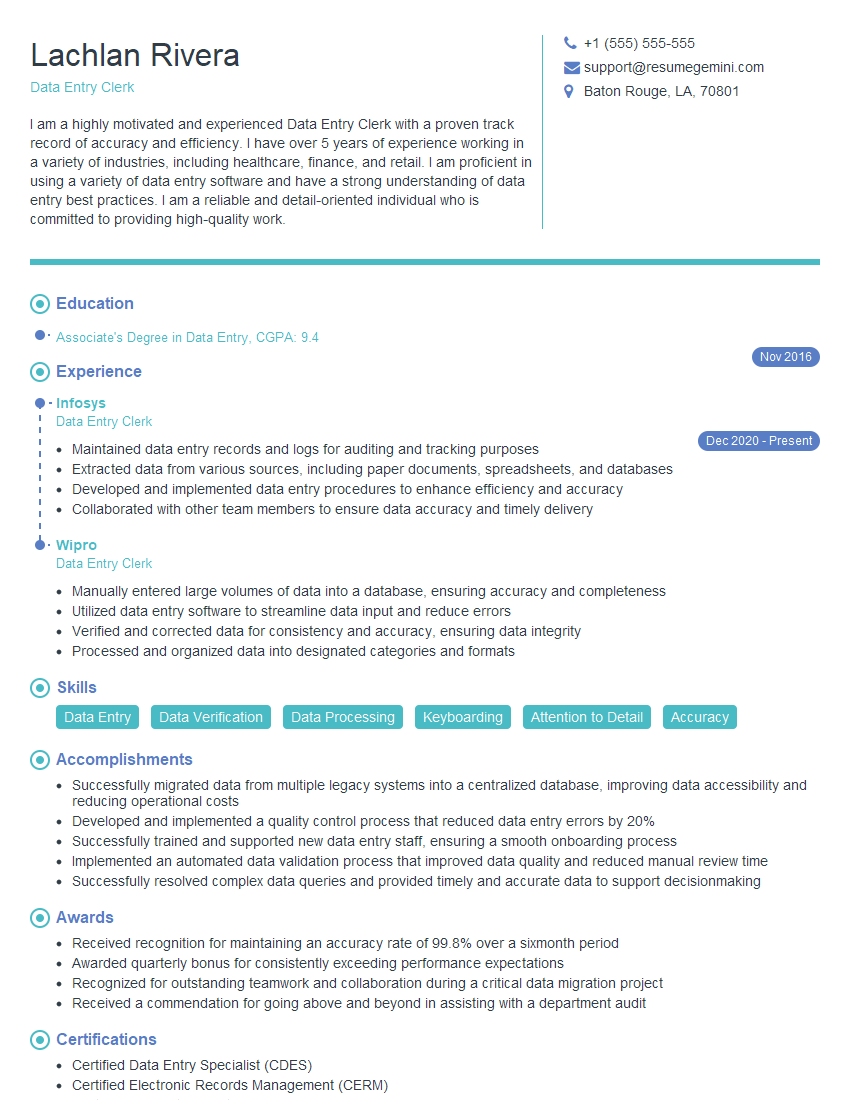
Data Entry Clerk Resume Sample
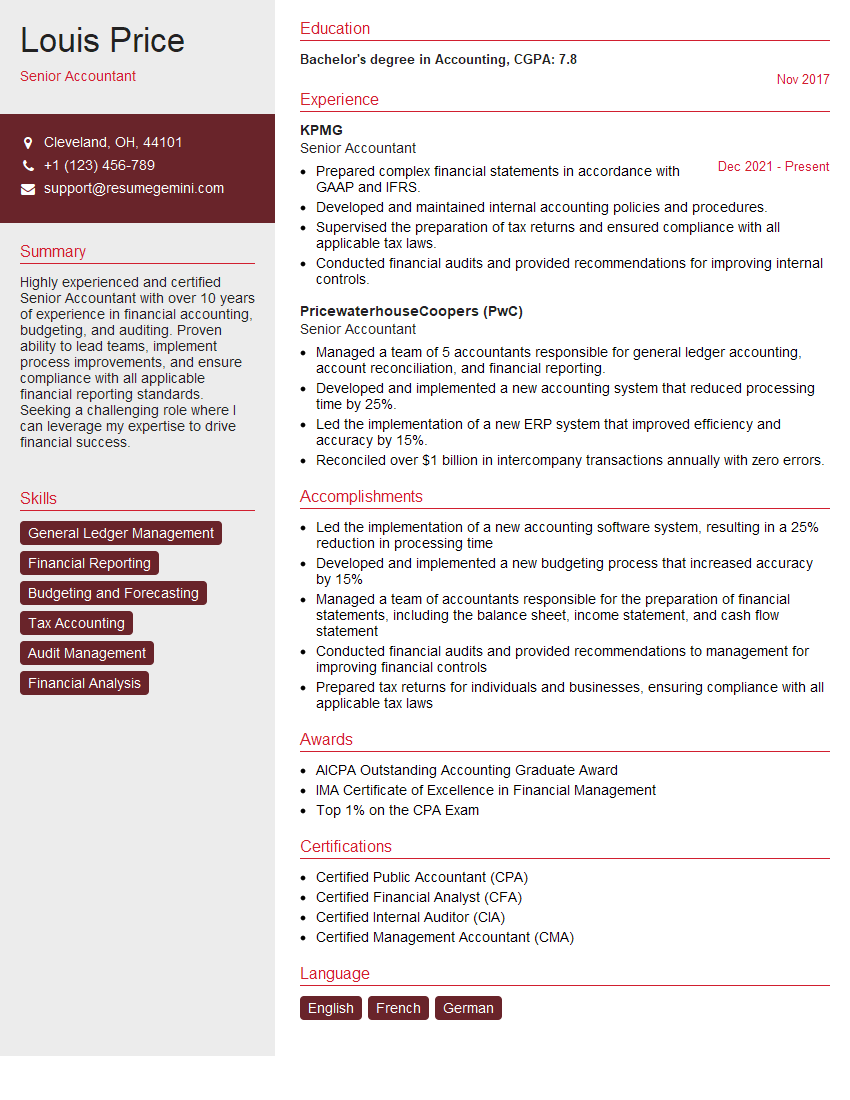
Senior Accountant Resume Sample
- Controller
- Finance Manager
- Financial Controller
- Compliance Officer
- Procurement Specialist
- Payroll Specialist
- Cost Accountant
- Internal Auditor
- Tax Accountant
- Bookkeeper
- Financial Analyst
- Project Accountant
- Revenue Accountant
- Budget Analyst
- Accounting Assistant
- Travel Coordinator
- Accounts Receivable Specialist
- Accounting Clerk
- Accounts Payable Specialist
- Data Entry Clerk
- Senior Accountant
Explore more articles
Users Rating of Our Blogs
Share Your Experience
We value your feedback! Please rate our content and share your thoughts (optional).
What Readers Say About Our Blog
Really detailed insights and content, thank you for writing this detailed article.
IT gave me an insight and words to use and be able to think of examples