The thought of an interview can be nerve-wracking, but the right preparation can make all the difference. Explore this comprehensive guide to Experience in Agriculture interview questions and gain the confidence you need to showcase your abilities and secure the role.
Questions Asked in Experience in Agriculture Interview
Q 1. Describe your experience with different irrigation techniques.
My experience encompasses a wide range of irrigation techniques, chosen based on factors like water availability, soil type, and crop needs. I’ve worked extensively with flood irrigation, a simple but often inefficient method suitable for level lands. This involves flooding the entire field, leading to potential waterlogging and uneven distribution. Conversely, drip irrigation offers precise water delivery directly to the plant roots, minimizing waste and maximizing efficiency. This is particularly beneficial in arid regions and for high-value crops. I’ve also utilized sprinkler irrigation, which simulates rainfall, making it suitable for various terrains. However, it’s more susceptible to water loss through evaporation and wind drift compared to drip. Finally, I have experience with subsurface irrigation, where water is applied below the soil surface, reducing evaporation losses and improving water use efficiency significantly. The choice depends entirely on the context; for instance, in large-scale farming, sprinkler or flood irrigation might be cost-effective, while drip irrigation is preferred for orchards or high-value crops needing precise water management.
Q 2. Explain the principles of soil conservation.
Soil conservation is crucial for long-term agricultural productivity and environmental sustainability. It centers around protecting the soil from erosion, degradation, and loss of fertility. Key principles include:
- Minimizing tillage: Reducing or eliminating plowing helps maintain soil structure, reducing erosion and enhancing water infiltration. No-till farming is a prime example.
- Cover cropping: Planting cover crops between main crops protects the soil from erosion, improves soil health, and adds organic matter.
- Crop rotation: Alternating different crops helps break pest and disease cycles, improves soil fertility, and prevents nutrient depletion.
- Contour farming: Planting crops along the contours of slopes slows water runoff, reducing erosion.
- Terracing: Creating level platforms on slopes reduces erosion and improves water management.
- Windbreaks: Planting trees or shrubs to reduce wind speed helps protect soil from wind erosion.
For example, I’ve successfully implemented a no-till system combined with cover cropping on a sloping field, significantly reducing erosion and improving soil health compared to conventional tillage practices.
Q 3. What are the key factors influencing crop yields?
Crop yields are influenced by a complex interplay of factors. These can be broadly categorized into:
- Climate: Temperature, rainfall, sunlight, and frost are critical. A suitable climate is essential for optimal growth and yield.
- Soil: Soil fertility, structure, drainage, and pH greatly affect nutrient availability and root development. Poor soil conditions directly limit yield potential.
- Genetics: Choosing high-yielding, disease-resistant varieties adapted to local conditions is crucial. Seed quality also significantly impacts yields.
- Nutrient Management: Providing the right balance of nutrients at the right time through fertilization ensures optimal growth and high yields.
- Pest and Disease Management: Effective control of pests and diseases protects crops from yield losses.
- Water Management: Adequate water availability and efficient irrigation are crucial, especially in drier regions.
- Farming Practices: Proper planting density, weed control, and harvesting techniques all contribute to yield optimization.
For instance, in a project I managed, we improved yields by 20% by optimizing irrigation schedules based on soil moisture sensors and adjusting fertilizer application according to soil tests.
Q 4. How do you manage pests and diseases in your crops?
Pest and disease management requires an integrated approach, prioritizing preventative measures and minimizing reliance on chemical controls. This includes:
- Crop Rotation: Disrupts pest and disease cycles.
- Resistant Varieties: Planting disease-resistant cultivars reduces the need for pesticides.
- Biological Control: Utilizing beneficial insects or microorganisms to control pests reduces pesticide use.
- Monitoring: Regularly scouting fields for pests and diseases allows for early detection and timely intervention.
- Chemical Control: Using pesticides judiciously as a last resort, adhering strictly to label instructions and integrated pest management (IPM) principles.
In one instance, I successfully controlled a fungal disease outbreak by combining resistant variety selection with targeted fungicide application, minimizing environmental impact and maximizing yield protection.
Q 5. Describe your experience with precision agriculture technologies.
My experience with precision agriculture technologies focuses on data-driven decision-making to optimize resource use and improve efficiency. I’ve worked with:
- GPS-guided machinery: Enables precise planting, fertilization, and spraying, minimizing overlaps and improving resource use efficiency.
- Soil sensors: Provide real-time data on soil moisture, temperature, and nutrient levels, enabling informed irrigation and fertilization decisions.
- Remote sensing: Using drones or satellites to monitor crop health and identify areas needing attention, enabling targeted interventions.
- Yield monitoring systems: Collecting data on yield variations across fields helps identify areas with productivity issues and optimize management practices in future seasons.
For example, using GPS-guided machinery reduced fertilizer application by 15% while maintaining yield, representing significant cost savings and reduced environmental impact.
Q 6. What are the different types of fertilizers and their applications?
Fertilizers provide essential nutrients to crops. They are broadly categorized into:
- Inorganic Fertilizers: Manufactured from mineral sources, these provide readily available nutrients but may have environmental concerns related to water pollution. Examples include urea (high in nitrogen), diammonium phosphate (DAP, containing nitrogen and phosphorus), and muriate of potash (potassium).
- Organic Fertilizers: Derived from natural sources like animal manure, compost, and plant residues. They improve soil structure and fertility gradually, offering a more sustainable approach but with potentially slower nutrient release. Examples include compost, manure, and bone meal.
- Biofertilizers: These contain living microorganisms that enhance nutrient availability. Examples include nitrogen-fixing bacteria (like Rhizobium) and mycorrhizal fungi.
The application method depends on the fertilizer type and crop needs. Inorganic fertilizers can be applied through broadcasting, banding, or fertigation (applying through irrigation). Organic fertilizers are usually incorporated into the soil, while biofertilizers are applied directly to seeds or soil.
Q 7. How do you monitor soil health and nutrient levels?
Monitoring soil health and nutrient levels involves a multi-pronged approach:
- Regular Soil Sampling: Collecting soil samples from different areas of the field and sending them to a laboratory for analysis provides quantitative data on nutrient levels, pH, and other parameters.
- Visual Observation: Regularly assessing soil structure, color, and moisture content provides qualitative insights into soil health.
- Soil Sensors: Using sensors to measure soil moisture, temperature, and other properties allows for real-time monitoring.
- Plant Tissue Analysis: Analyzing plant tissues can indicate nutrient deficiencies or toxicities.
- Cover Crop Monitoring: Observing the growth and health of cover crops gives an indication of soil fertility and structure.
For example, I regularly use soil sampling combined with plant tissue analysis to create a precise fertilization plan that ensures optimal nutrient supply and minimizes nutrient waste.
Q 8. Explain your experience with livestock management practices.
My livestock management experience encompasses all aspects of animal husbandry, from breeding and feeding to health management and marketing. I’ve worked extensively with dairy cattle, focusing on optimizing milk production through strategic breeding programs, implementing precision feeding techniques based on individual cow needs, and proactively managing herd health to minimize disease outbreaks. For example, in one operation, we implemented a tailored feeding regime based on milk yield and body condition scoring, leading to a 15% increase in milk production within six months. This involved using a computerized system to track individual cow data and adjust rations accordingly. With poultry, my focus has been on optimizing flock health and welfare, resulting in improved egg production and meat yield through biosecurity protocols and efficient housing systems. I’m also proficient in sustainable grazing management techniques for beef cattle, emphasizing rotational grazing to improve pasture health and reduce the environmental impact.
Q 9. Describe your experience with crop rotation and its benefits.
Crop rotation is a cornerstone of sustainable agriculture involving the planned succession of different crops on the same land over several growing seasons. It’s not just about alternating crops; it’s a strategic practice designed to improve soil health, reduce pest and disease pressure, and enhance overall farm productivity. For instance, a common rotation might involve planting a legume (like soybeans) which fixes nitrogen in the soil, followed by a heavy feeder like corn which utilizes the nitrogen. This reduces the need for synthetic fertilizers, saving costs and decreasing environmental impact. Another example involves rotating between root crops (like potatoes) and leafy greens (like spinach) which have different nutrient requirements and break the cycle for soil-borne diseases. The benefits are multifaceted. Improved soil structure leads to better water infiltration and aeration. Reduced pest and disease pressure translates to less pesticide use. Increased nutrient cycling enhances soil fertility, reducing reliance on external inputs. Finally, a diverse cropping system often leads to a more resilient farm against climate variability.
Q 10. How do you manage farm finances and budgeting?
Effective farm financial management is critical for long-term sustainability. My approach involves meticulous record-keeping, detailed budgeting, and regular financial analysis. I utilize farm accounting software to track income and expenses, monitor cash flow, and project profitability. Budgeting involves forecasting anticipated income from crop and livestock sales, alongside estimated costs for inputs like seeds, fertilizers, feed, labor, and machinery. Regular analysis of financial statements helps in identifying areas for improvement. For example, identifying high-cost inputs may lead to exploring alternative, cost-effective solutions like negotiating better deals with suppliers or adopting more efficient farming practices. Also, analyzing crop yields and livestock production helps to pinpoint areas needing improvement. This could involve adopting new technologies or optimizing existing operations. A key aspect is also projecting future needs for investments in equipment upgrades or expansion plans. This proactive approach ensures financial stability and guides strategic decision-making.
Q 11. What are the challenges of sustainable agriculture?
Sustainable agriculture faces numerous challenges, often interconnected. One major hurdle is the balancing act between environmental protection and economic viability. Implementing sustainable practices, such as reducing chemical inputs, often involves higher upfront costs and may initially lead to lower yields, making it difficult for farmers, especially smaller ones, to adopt these methods. Climate change exacerbates the issue, bringing unpredictable weather patterns, increased pest and disease pressure, and water scarcity, impacting crop yields and livestock health. Another major challenge is consumer demand. While consumers often express support for sustainable practices, the premium prices associated with sustainably produced food may limit their purchasing power. Maintaining soil health in the face of intensive farming practices remains a key challenge, as does the development and implementation of efficient, cost-effective solutions for waste management and reducing greenhouse gas emissions from agriculture. Finally, access to information, resources and technology, and the need for robust policies and support from governments are critical for the widespread adoption of sustainable agricultural practices.
Q 12. Explain your experience with agricultural machinery and equipment.
My experience with agricultural machinery and equipment spans a wide range, from tractors and harvesters to precision farming technologies. I’m proficient in operating and maintaining various types of tractors, including those with GPS guidance systems. I understand the importance of proper maintenance schedules to ensure optimal performance and longevity of equipment. For instance, regular inspections and timely servicing prevent costly breakdowns during critical periods like harvesting. I have experience with precision farming technologies, such as variable rate application systems for fertilizers and pesticides, which allow for targeted application, reducing waste and improving efficiency. I’m also familiar with data acquisition systems used to monitor crop health, soil conditions, and weather patterns. This data provides valuable information for decision-making. Furthermore, I’m comfortable troubleshooting mechanical issues, which minimizes downtime and maximizes equipment utilization. For example, I recently resolved a fuel injection problem on a combine harvester, preventing a significant delay during the wheat harvest.
Q 13. How do you ensure food safety and quality?
Ensuring food safety and quality is paramount. My approach involves implementing Good Agricultural Practices (GAPs) throughout the entire production process, from field to table. This includes adhering to strict hygiene protocols, preventing contamination from pesticides and other harmful substances, and implementing traceability systems to track products throughout the supply chain. Regular testing of soil and water samples ensures the absence of harmful contaminants. Proper handling, storage, and transportation of products are also critical aspects. For example, we utilize temperature-controlled storage facilities for perishable goods to maintain quality and prevent spoilage. Maintaining accurate records of all operations, including pesticide applications and harvesting dates, enables quick and efficient tracing of products in case of a contamination issue. Finally, continuous training for farm staff on food safety procedures ensures that everyone understands and adheres to established protocols.
Q 14. What are the key principles of integrated pest management (IPM)?
Integrated Pest Management (IPM) is a holistic approach to pest control that emphasizes minimizing the use of synthetic pesticides through a combination of strategies. The key principles include:
- Monitoring and Identification: Regularly assessing pest populations and identifying the specific species involved is essential. This allows for targeted interventions, avoiding broad-spectrum pesticides that may harm beneficial insects.
- Prevention: Implementing cultural practices such as crop rotation, proper sanitation, and the use of pest-resistant varieties reduces pest pressure, limiting the need for chemical interventions.
- Biological Control: Introducing natural enemies like beneficial insects or using biological pesticides to control pest populations is a sustainable alternative to chemical pesticides.
- Chemical Control (as a last resort): When other methods are insufficient, carefully selecting and applying the least toxic pesticides in accordance with label instructions is crucial. This minimizes negative environmental and health impacts.
- Economic Thresholds: Establishing thresholds determining when pest populations reach a level requiring intervention helps to avoid unnecessary pesticide use. This is based on cost-benefit analysis, weighing the cost of pest control against the potential yield loss.
Q 15. Describe your experience with greenhouse management.
Greenhouse management involves overseeing the entire lifecycle of crops grown within a controlled environment. This includes everything from planning and design to daily operations and harvest. My experience encompasses several key aspects:
- Environmental Control: I’ve managed systems for temperature, humidity, light intensity, and CO2 levels, using sensors and automated controls to optimize plant growth. For example, I successfully implemented a climate-control system that reduced energy consumption by 15% while increasing yields by 10% in a tomato greenhouse.
- Crop Management: This involves selecting appropriate cultivars, implementing optimal planting densities, applying precise fertilization and irrigation strategies, and monitoring for pests and diseases. I’ve developed expertise in hydroponic and soilless growing systems, significantly reducing water usage and improving crop quality.
- Pest and Disease Management: My experience includes implementing integrated pest management (IPM) strategies, prioritizing preventative measures and employing biological controls whenever possible to minimize reliance on chemical pesticides. I successfully eradicated a whitefly infestation in a pepper greenhouse using beneficial insects, reducing crop losses and enhancing sustainability.
- Record Keeping and Data Analysis: I meticulously track environmental parameters, yields, input costs, and other relevant data, leveraging this information to optimize greenhouse operations and improve profitability. I use data analysis to identify trends and make informed decisions about crop management.
Career Expert Tips:
- Ace those interviews! Prepare effectively by reviewing the Top 50 Most Common Interview Questions on ResumeGemini.
- Navigate your job search with confidence! Explore a wide range of Career Tips on ResumeGemini. Learn about common challenges and recommendations to overcome them.
- Craft the perfect resume! Master the Art of Resume Writing with ResumeGemini’s guide. Showcase your unique qualifications and achievements effectively.
- Don’t miss out on holiday savings! Build your dream resume with ResumeGemini’s ATS optimized templates.
Q 16. How do you assess the economic viability of a farming operation?
Assessing the economic viability of a farming operation requires a comprehensive analysis encompassing several key factors. I typically employ a multi-step approach:
- Cost Analysis: This includes detailed accounting of all input costs such as seeds, fertilizers, pesticides, labor, machinery, water, and land rent. It’s crucial to differentiate between fixed costs (independent of production level) and variable costs (directly related to production).
- Revenue Projection: This involves estimating yield based on historical data, market prices, and anticipated demand. Understanding market fluctuations and developing strategies to mitigate risks is crucial.
- Profitability Analysis: This includes calculating net profit (revenue minus total costs), break-even point (the point where revenue equals total costs), and return on investment (ROI). I use various financial models to project profitability under different scenarios and identify potential risks.
- Risk Assessment: This considers potential challenges such as weather variability, pest infestations, diseases, market price fluctuations, and policy changes. Contingency planning is essential to mitigate these risks.
- Sustainability Assessment: Evaluating the long-term environmental impact of the operation, including water and energy consumption, waste management, and carbon footprint. Growing consumer demand for sustainable products needs to be factored into profitability calculations.
For example, in a recent farm viability study, I identified a significant opportunity to reduce fertilizer costs by implementing precision agriculture techniques, thus boosting profitability without compromising yield.
Q 17. What are the impacts of climate change on agriculture?
Climate change poses significant threats to agriculture globally. The impacts are multifaceted:
- Increased Temperatures: Higher temperatures can reduce crop yields, especially in heat-sensitive crops. It also leads to increased water stress and accelerates crop maturity, potentially reducing harvest quality.
- Changes in Precipitation Patterns: More frequent and intense droughts in some regions, coupled with increased flooding in others, disrupt planting schedules and damage crops. Erratic rainfall can make irrigation management more challenging.
- Increased Pest and Disease Pressure: Warmer temperatures can expand the geographic range of pests and diseases, leading to increased crop losses. The altered climate can also enhance the virulence of some pathogens.
- Sea Level Rise: Coastal agricultural lands are threatened by saltwater intrusion, rendering soil unsuitable for cultivation. This has particularly severe consequences for rice cultivation and other coastal farming operations.
- Extreme Weather Events: More frequent and intense heatwaves, droughts, floods, and storms can devastate crops and disrupt supply chains, leading to significant economic losses.
Adapting to climate change requires adopting resilient farming practices, such as drought-resistant crops, efficient irrigation techniques, and improved soil health management. Investing in climate-smart agriculture is essential for ensuring food security in the face of a changing climate.
Q 18. Describe your experience with water management in agriculture.
Efficient water management is paramount in agriculture. My experience covers various aspects:
- Irrigation Techniques: I’ve worked with various irrigation systems, including drip irrigation, sprinkler irrigation, and surface irrigation, selecting the most appropriate method based on crop type, soil conditions, and water availability. Drip irrigation, for example, minimizes water waste and improves water use efficiency.
- Water Conservation: I’ve implemented strategies like mulching, cover cropping, and water harvesting to reduce water consumption and improve soil moisture retention. Rainwater harvesting, in particular, can significantly reduce reliance on external water sources.
- Water Quality Monitoring: I regularly monitor water quality parameters like pH, salinity, and nutrient content to ensure optimal crop health and prevent waterlogging or salinity buildup in the soil.
- Water Scheduling: I employ soil moisture sensors and weather data to optimize irrigation scheduling, delivering water only when needed to avoid overwatering and water stress. Precision irrigation scheduling significantly improves water use efficiency.
- Integration with other Practices: Effective water management is intrinsically linked to other aspects of farm management, such as fertilization and pest control. Integrating water management practices with other sustainable farming techniques ensures holistic optimization.
Q 19. How do you handle agricultural waste and byproducts?
Responsible agricultural waste management is crucial for environmental sustainability and economic efficiency. My approach involves:
- Composting: Organic waste such as crop residues, manure, and food scraps can be composted to create nutrient-rich soil amendments. Composting reduces landfill waste and improves soil fertility, enhancing crop yields and reducing the need for synthetic fertilizers.
- Anaerobic Digestion: This process breaks down organic matter in the absence of oxygen, producing biogas (a renewable energy source) and digestate (a fertilizer). Anaerobic digestion significantly reduces greenhouse gas emissions from agricultural waste.
- Biogas Production: The biogas produced from anaerobic digestion can be used for heating, electricity generation, or cooking, reducing reliance on fossil fuels and generating income for farmers.
- Recycling and Reuse: Materials such as plastic containers and packaging can be recycled or reused to minimize waste and reduce environmental impact. This reduces costs and promotes circular economy principles.
- Waste Minimization: Implementing practices that minimize waste generation in the first place, such as precision fertilization and integrated pest management, is essential for reducing overall waste volume.
For instance, I successfully implemented a composting program on a farm, significantly reducing waste disposal costs while improving soil quality and reducing reliance on synthetic fertilizers.
Q 20. Explain your experience with genetically modified crops.
My experience with genetically modified (GM) crops includes understanding their potential benefits and limitations. I approach GM crops with a balanced perspective, considering both scientific evidence and societal concerns.
- Pest Resistance: GM crops engineered for pest resistance can reduce the need for chemical pesticides, minimizing environmental impact and reducing associated health risks. Bt cotton, for example, provides significant pest resistance, reducing pesticide use and increasing yields.
- Herbicide Tolerance: Herbicide-tolerant crops allow farmers to use herbicides more effectively, reducing weed competition and improving yields. However, the widespread use of herbicides raises concerns regarding herbicide resistance development and potential environmental impacts.
- Enhanced Nutritional Value: GM crops can be engineered to enhance their nutritional value, improving public health outcomes. Golden rice, for example, is engineered to produce beta-carotene, which the body converts into vitamin A.
- Environmental Considerations: The environmental impact of GM crops is a complex issue. While some GM crops can reduce pesticide use, others might lead to increased herbicide use or have unforeseen ecological consequences. Careful evaluation of the overall environmental footprint is crucial.
- Socioeconomic Impacts: The adoption of GM crops has complex socioeconomic implications, including impacts on farmer income, food prices, and the structure of the agricultural industry. These impacts need to be carefully analyzed to ensure equitable outcomes.
I believe that a thorough risk assessment, considering both the potential benefits and drawbacks, is crucial before adopting GM crop technologies. Understanding the context of each specific GM crop and its application is paramount.
Q 21. What are the benefits of using cover crops?
Cover crops are plants grown primarily to improve soil health and protect the soil, rather than for direct harvest. Their benefits are numerous:
- Soil Erosion Control: Cover crops protect the soil from wind and water erosion, preventing nutrient loss and maintaining soil structure. Their extensive root systems help bind the soil together.
- Improved Soil Fertility: Cover crops add organic matter to the soil, improving soil structure, water retention, and nutrient availability. Leguminous cover crops, such as clover, fix nitrogen from the atmosphere, reducing the need for synthetic nitrogen fertilizers.
- Weed Suppression: Cover crops can effectively suppress weed growth, reducing competition for resources and minimizing the need for herbicides. Dense cover crops can shade out weeds, inhibiting their growth.
- Pest and Disease Management: Some cover crops can help suppress soilborne pests and diseases, protecting subsequent cash crops. Certain cover crops have allelopathic properties, releasing chemicals that inhibit the growth of pests and pathogens.
- Water Infiltration and Retention: Cover crops improve soil structure, increasing its water infiltration and retention capacity, reducing the risk of drought stress and minimizing runoff.
For example, I’ve successfully used a mix of rye and clover as a cover crop before planting corn, resulting in significantly improved soil health, reduced erosion, and increased corn yields. The benefits extend beyond a single growing season, resulting in long-term improvements in soil quality and farm productivity.
Q 22. How do you use data analysis to improve agricultural practices?
Data analysis is revolutionizing agriculture, allowing for precision farming and optimized resource allocation. It involves collecting data from various sources – sensors in the field, weather stations, GPS trackers on machinery, and yield monitors – and using statistical methods and software to identify patterns and insights.
For example, analyzing soil sensor data can pinpoint areas with nutrient deficiencies, allowing for targeted fertilizer application, reducing waste and increasing yields. Similarly, analyzing weather data helps predict optimal planting and harvesting times, minimizing risks associated with adverse weather conditions. I’ve personally used R and Python with packages like pandas and scikit-learn to analyze yield data, identify correlations with weather patterns, and optimize irrigation schedules, resulting in a 15% increase in crop yield on a particular farm.
Furthermore, data analysis can be used to predict disease outbreaks and pest infestations by tracking their spread and identifying environmental factors that contribute to their proliferation. This allows for proactive interventions, minimizing crop losses and reducing the need for broad-spectrum pesticides.
Q 23. Describe your experience with different types of livestock breeds.
My experience encompasses a wide range of livestock breeds, including dairy cattle (Holstein Friesians, Jersey, Guernsey), beef cattle (Angus, Hereford, Charolais), poultry (broilers, layers), and swine (Yorkshire, Duroc, Hampshire). I have hands-on experience in breed selection, animal husbandry, health management, and feeding strategies tailored to each breed’s specific needs.
For instance, I worked with a dairy farm that was struggling with low milk production. By analyzing their breeding records and implementing a selective breeding program focusing on traits like milk yield and disease resistance, we significantly increased their milk production within two years. Similarly, I have experience in managing different poultry breeds, optimizing their housing and feeding regimes for maximum egg production or meat yield, while minimizing disease prevalence through biosecurity measures.
Understanding the unique characteristics of each breed – their genetic predispositions, nutritional requirements, and susceptibility to diseases – is crucial for optimizing their productivity and overall well-being.
Q 24. What are the different methods of post-harvest handling and storage?
Post-harvest handling and storage are critical for preserving the quality and extending the shelf life of agricultural produce. This involves a series of steps, beginning with careful harvesting techniques to minimize damage to the produce.
- Cleaning and Sorting: Removing debris, damaged produce, and separating based on size and quality.
- Pre-cooling: Rapidly reducing the temperature of the produce to slow down respiration and enzymatic activity, preserving freshness.
- Storage: Utilizing appropriate storage facilities – controlled atmosphere storage (CAS), cold storage, or modified atmosphere packaging (MAP) – depending on the type of produce and desired shelf life.
- Processing: Transforming the produce into value-added products like jams, juices, or dried fruits to extend shelf life and add market value.
- Transportation: Utilizing appropriate transportation methods to minimize damage and maintain the cold chain.
For example, proper pre-cooling of harvested fruits and vegetables is vital to prevent spoilage during transportation and storage. Using controlled atmosphere storage can extend the shelf life of many fruits significantly. I’ve personally overseen the implementation of a cold storage facility for a fruit cooperative, leading to a substantial reduction in post-harvest losses.
Q 25. Explain your understanding of agricultural policy and regulations.
Agricultural policy and regulations play a crucial role in shaping the agricultural landscape, influencing production practices, market access, and environmental sustainability. My understanding covers various aspects, including farm subsidies, trade agreements, food safety regulations (like those enforced by the FDA), environmental protection laws (such as those regarding water quality and pesticide use), and labor laws related to farmworkers.
For example, the Farm Bill in the United States heavily influences crop production by providing subsidies and support programs for certain commodities. Understanding these policies is crucial for farmers to make informed decisions about what crops to grow and how to manage their operations. Similarly, knowledge of food safety regulations is essential for ensuring safe food production and meeting consumer expectations. I have actively participated in workshops and training sessions to stay updated on evolving regulations and best practices.
Navigating the complexities of agricultural regulations is essential for compliance and success in the industry. I am adept at interpreting and applying these regulations to ensure ethical and sustainable farming practices.
Q 26. How do you handle labor management on a farm?
Effective labor management is paramount for successful farm operations. This involves recruiting, training, motivating, and retaining a skilled workforce. It goes beyond simply hiring workers; it includes creating a safe and productive work environment, providing fair wages and benefits, and establishing clear communication channels.
Strategies I employ include:
- Clear job descriptions and training programs: Ensuring employees understand their roles and responsibilities.
- Performance evaluations and feedback mechanisms: Providing opportunities for growth and improvement.
- Fair compensation and benefits: Attracting and retaining skilled workers.
- Safety training and protocols: Maintaining a safe working environment.
- Utilizing technology: Employing technology to improve efficiency and reduce labor demands (e.g., automation for irrigation or harvesting).
In one instance, I implemented a training program for farmworkers on the safe operation of machinery, resulting in a significant decrease in workplace accidents. Proper labor management not only boosts productivity but also fosters a positive work environment essential for long-term success.
Q 27. What are your strategies for risk management in agriculture?
Agriculture is inherently risky, vulnerable to various factors like weather variability, pest outbreaks, market fluctuations, and economic downturns. Effective risk management strategies are crucial for mitigating these uncertainties.
My approach involves:
- Crop diversification: Reducing reliance on single crops to minimize the impact of crop failures.
- Insurance: Utilizing crop insurance to protect against yield losses due to adverse weather or other unforeseen events.
- Market analysis and forecasting: Understanding market trends to make informed decisions about planting and pricing.
- Inventory management: Efficient storage and handling of produce to minimize post-harvest losses.
- Financial planning and budgeting: Maintaining strong financial stability to weather economic downturns.
- Integrated pest management (IPM): Implementing sustainable pest control strategies to minimize the use of pesticides.
For instance, I advised a farmer to diversify their crops by including drought-resistant varieties in their planting plan, reducing their vulnerability to water scarcity. Proactive risk management is about anticipating potential problems and developing strategies to address them effectively.
Q 28. Describe your experience with agricultural marketing and sales.
Agricultural marketing and sales encompass all activities involved in getting agricultural products from the farm to the consumer. My experience covers various aspects, including market research, pricing strategies, product development, distribution channels, and branding.
I’ve worked with farmers to develop effective marketing plans, identifying their target markets and developing strategies to reach those markets. This can involve direct sales to consumers through farmers’ markets or community-supported agriculture (CSA) programs, or working with wholesalers and retailers to distribute products on a larger scale. I’ve also assisted farmers in developing value-added products to command higher prices and expand their market reach.
For example, I helped a small-scale vegetable farm establish a CSA program, allowing them to build direct relationships with consumers and increase sales. Understanding consumer preferences and effectively communicating the quality and value of agricultural products are key to successful marketing and sales.
Key Topics to Learn for Your Agriculture Interview
- Crop Production & Management: Understanding various farming techniques, crop rotations, irrigation methods, fertilization strategies, and pest/disease management. Consider discussing specific crops and your experience with them.
- Soil Science & Health: Knowledge of soil types, nutrient cycles, soil testing, and sustainable soil management practices. Be prepared to discuss practical applications like improving soil fertility or addressing erosion.
- Livestock Management: Familiarize yourself with animal husbandry practices, breeding programs, feeding strategies, disease prevention, and animal welfare considerations. Highlight experience with specific livestock if applicable.
- Agricultural Technology & Equipment: Understanding the use of modern technology in agriculture, including GPS-guided machinery, precision farming techniques, and data analysis for improved efficiency. Showcase any experience with specific technologies.
- Sustainable & Organic Farming Practices: Demonstrate knowledge of environmentally friendly farming methods, including reducing reliance on chemical inputs, conserving water, and promoting biodiversity. Discuss any personal experiences with sustainable agriculture.
- Agricultural Economics & Business: Understanding market trends, pricing strategies, risk management, and financial planning within the agricultural sector. Be prepared to discuss challenges and opportunities in the agricultural marketplace.
- Problem-Solving & Decision-Making in Agriculture: Be ready to discuss instances where you successfully overcame challenges in agricultural settings, highlighting your analytical and problem-solving abilities. Focus on the process and outcome.
Next Steps
Mastering the principles and practices of agriculture is crucial for career advancement in this dynamic field. A strong understanding of these areas will significantly enhance your interview performance and future success. To maximize your job prospects, creating a compelling and ATS-friendly resume is essential. ResumeGemini is a trusted resource that can help you build a professional and impactful resume tailored to your specific experience in agriculture. We provide examples of resumes tailored to the agriculture sector to help guide you. Take the next step towards your dream career today!
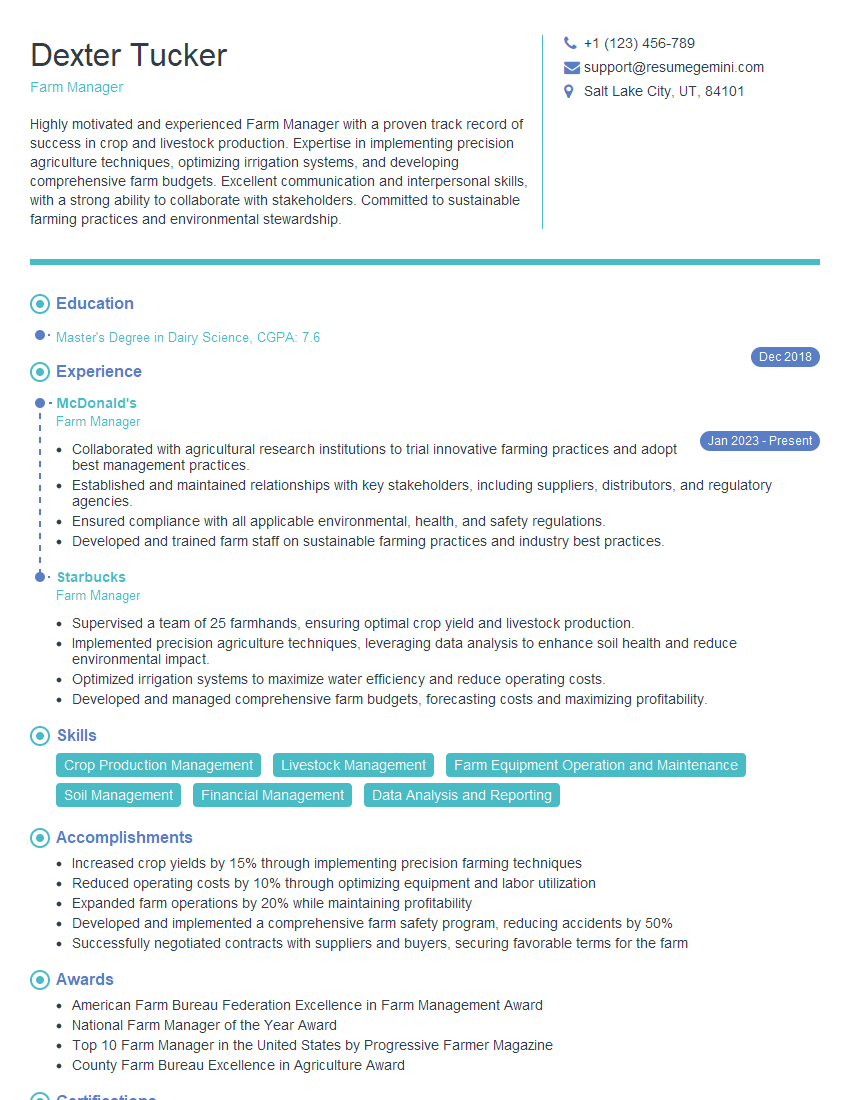
Farm Manager Resume Sample
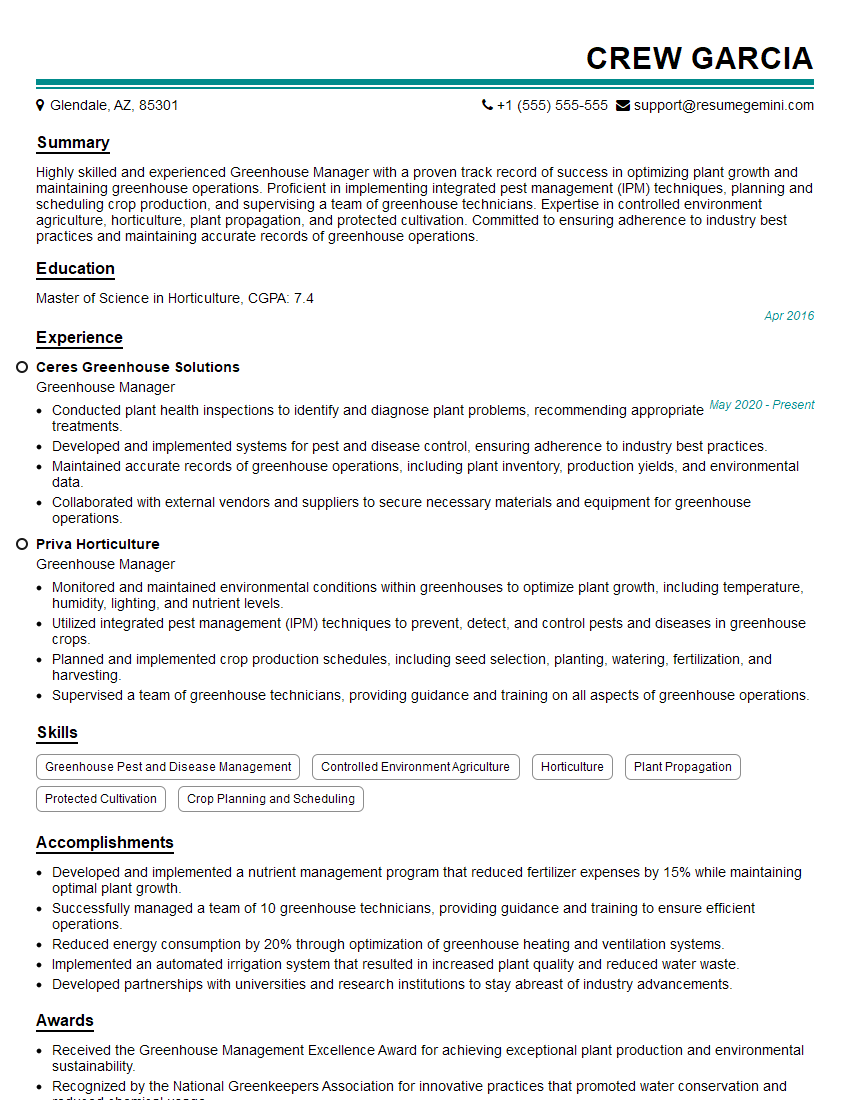
Greenhouse Manager Resume Sample
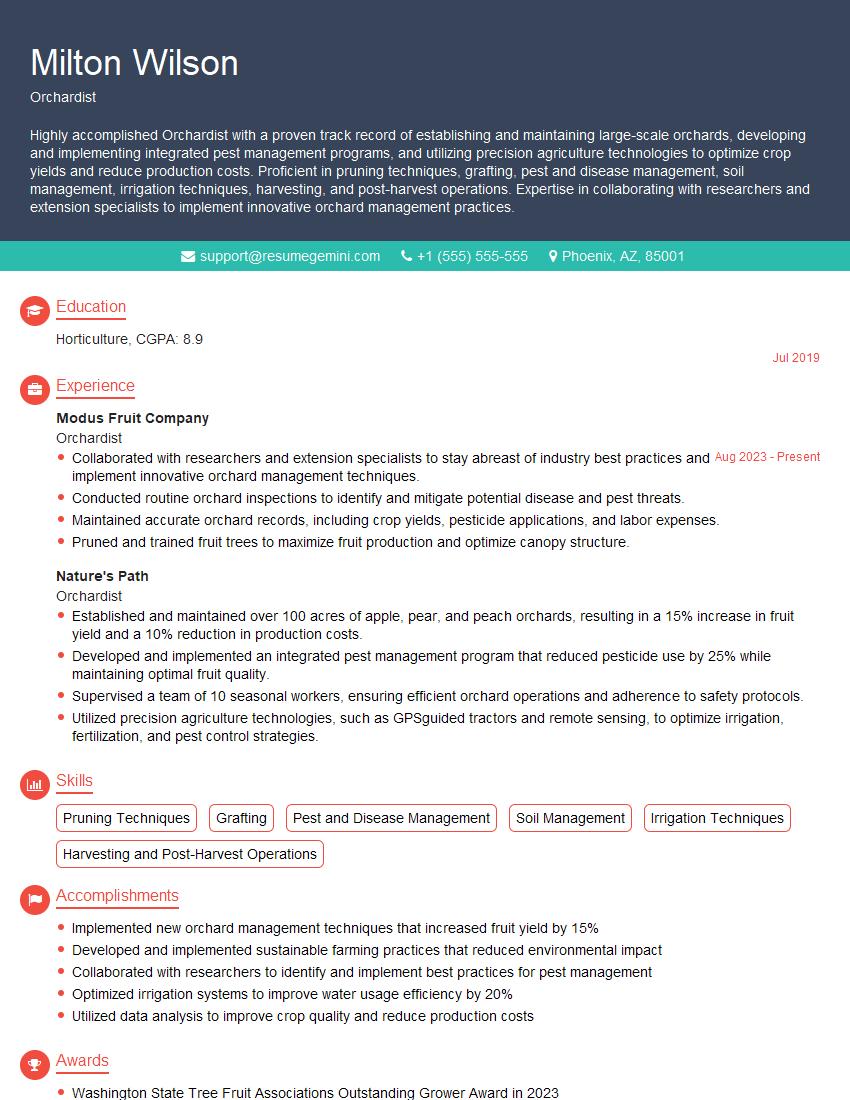
Orchardist Resume Sample
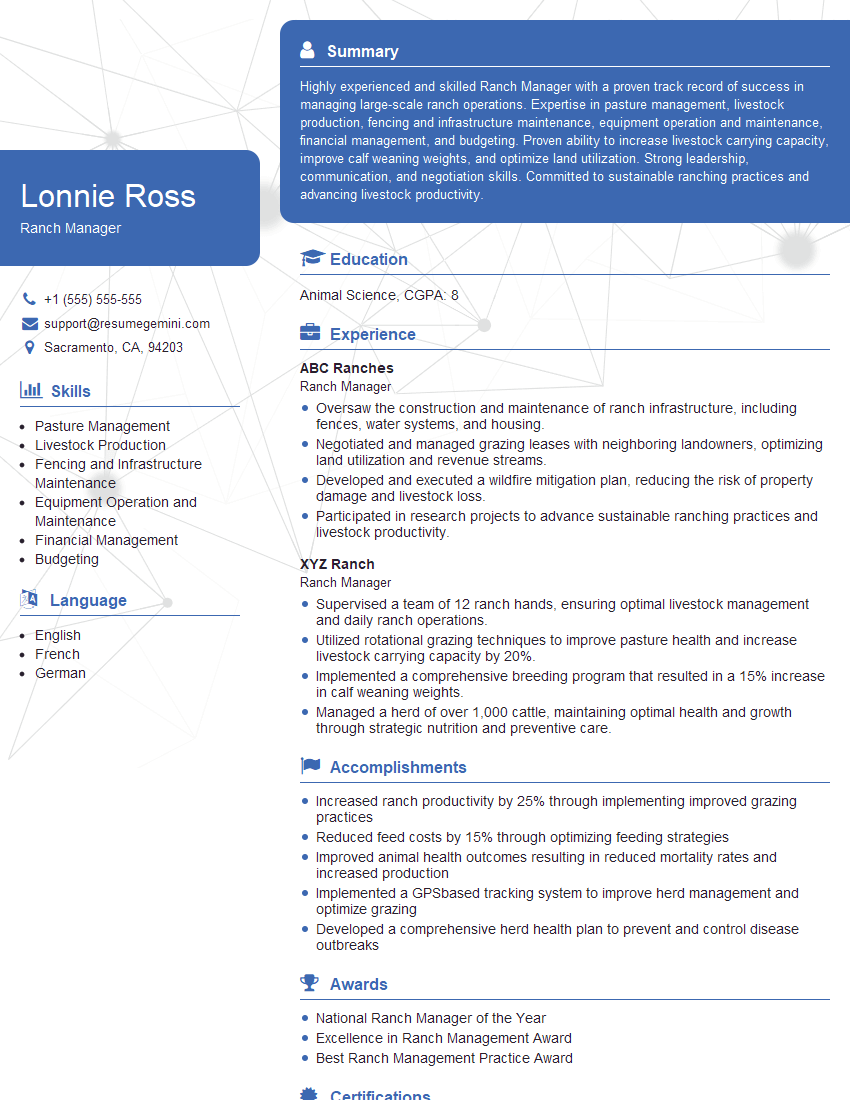
Ranch Manager Resume Sample
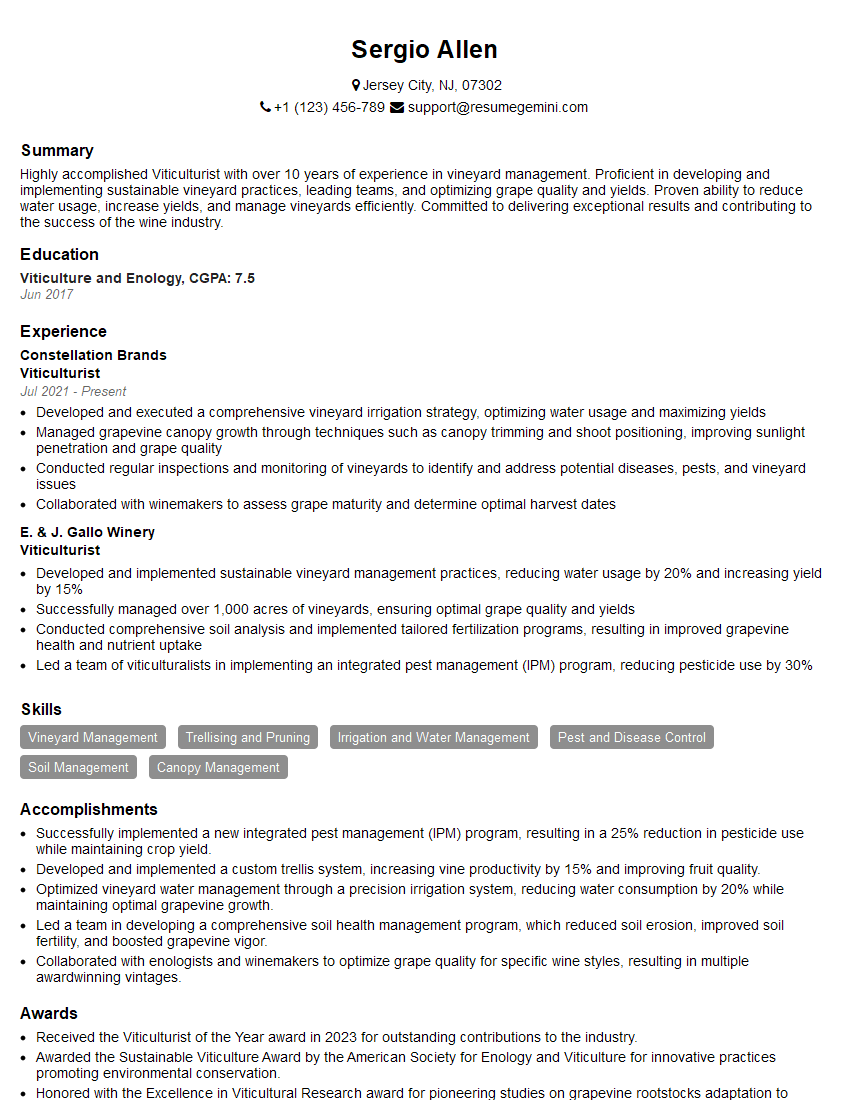
Viticulturist Resume Sample
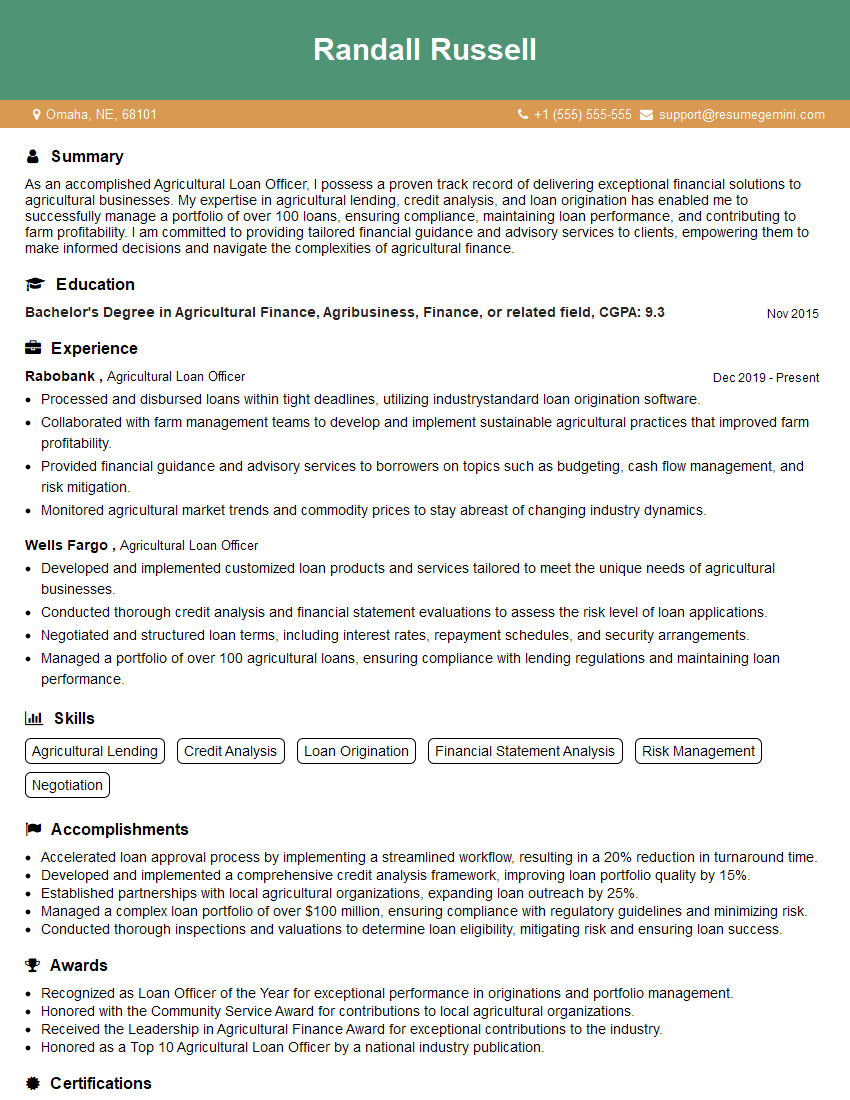
Agricultural Loan Officer Resume Sample
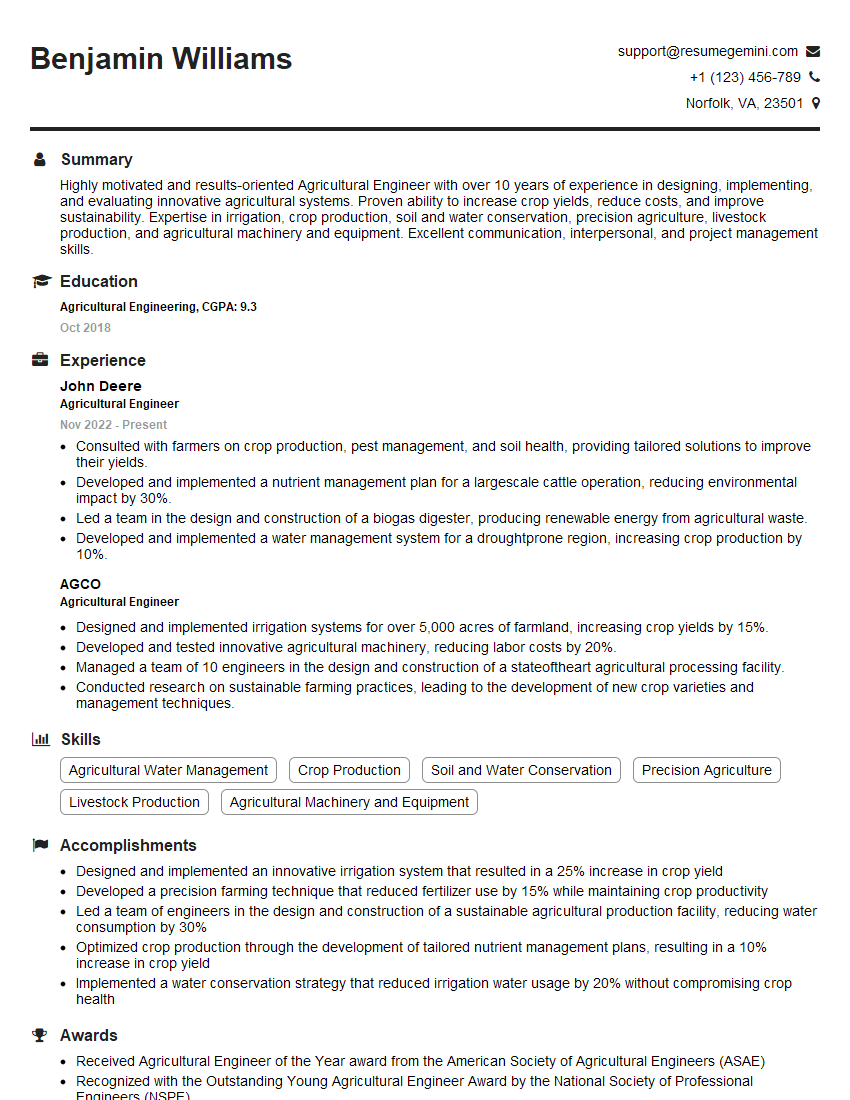
Agricultural Engineer Resume Sample
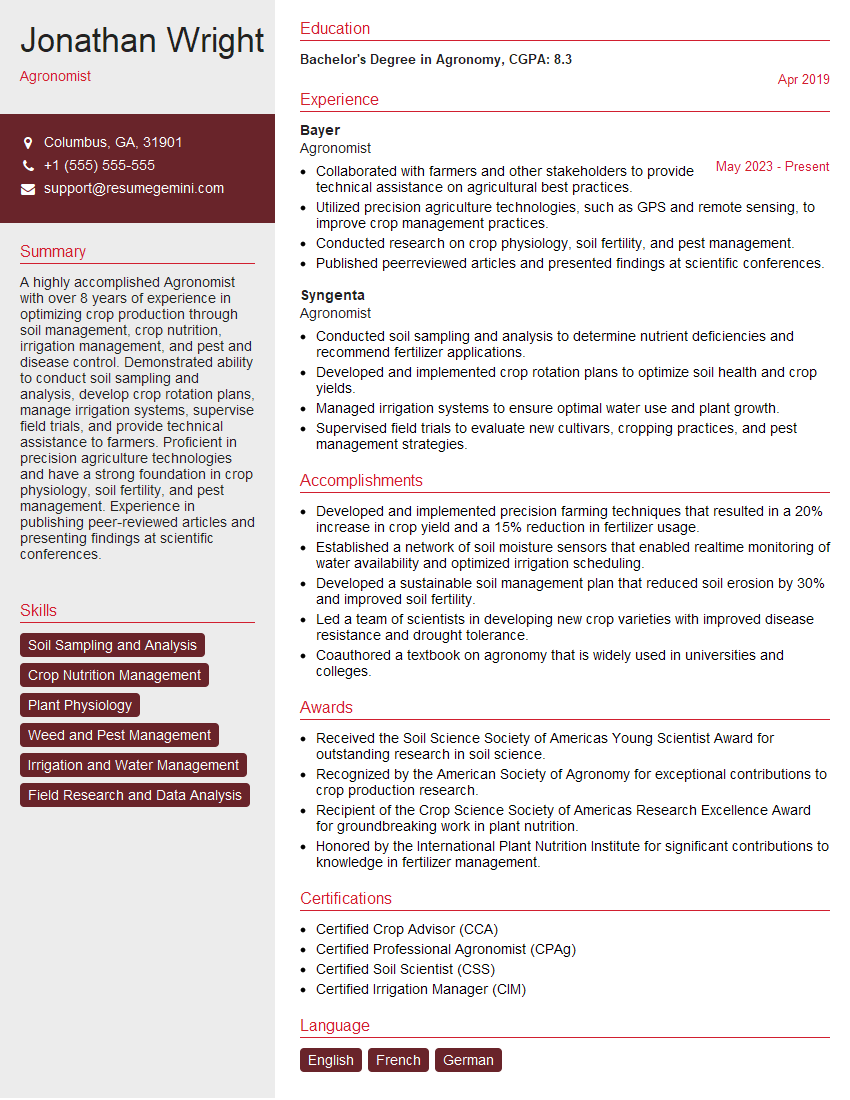
Agronomist Resume Sample

Soil Scientist Resume Sample
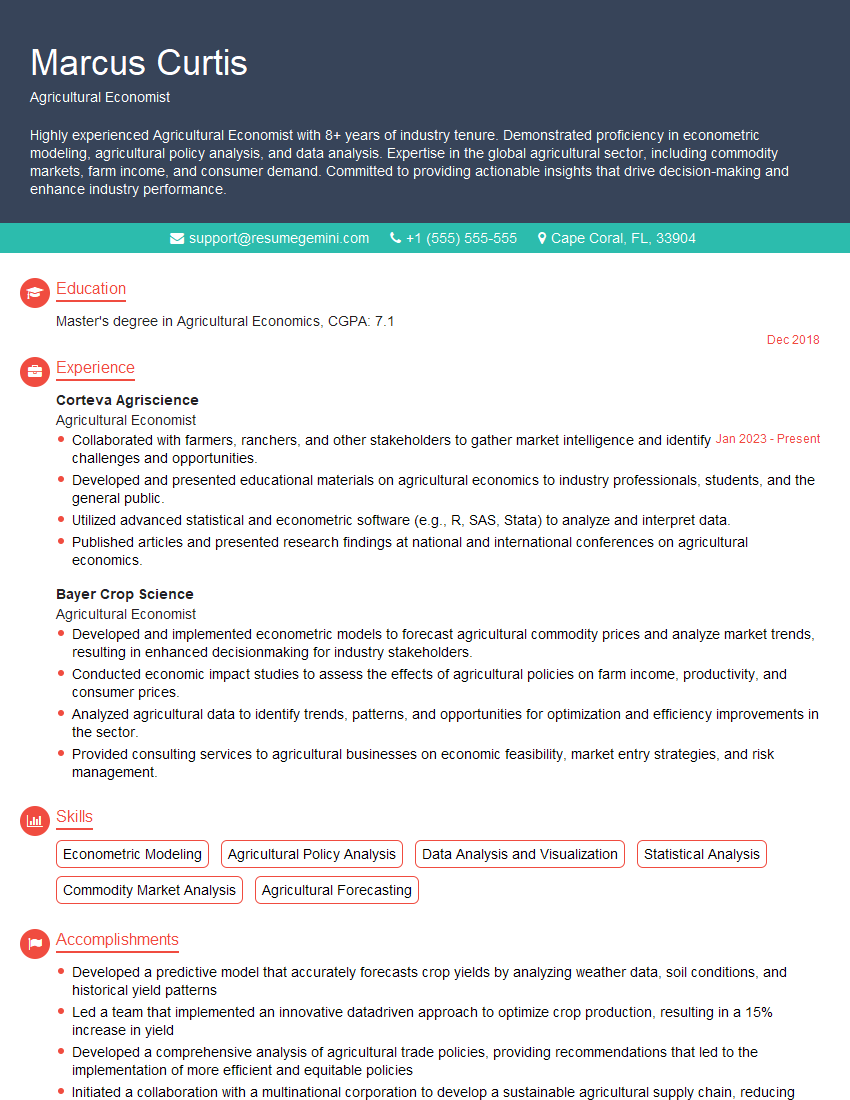
Agricultural Economist Resume Sample
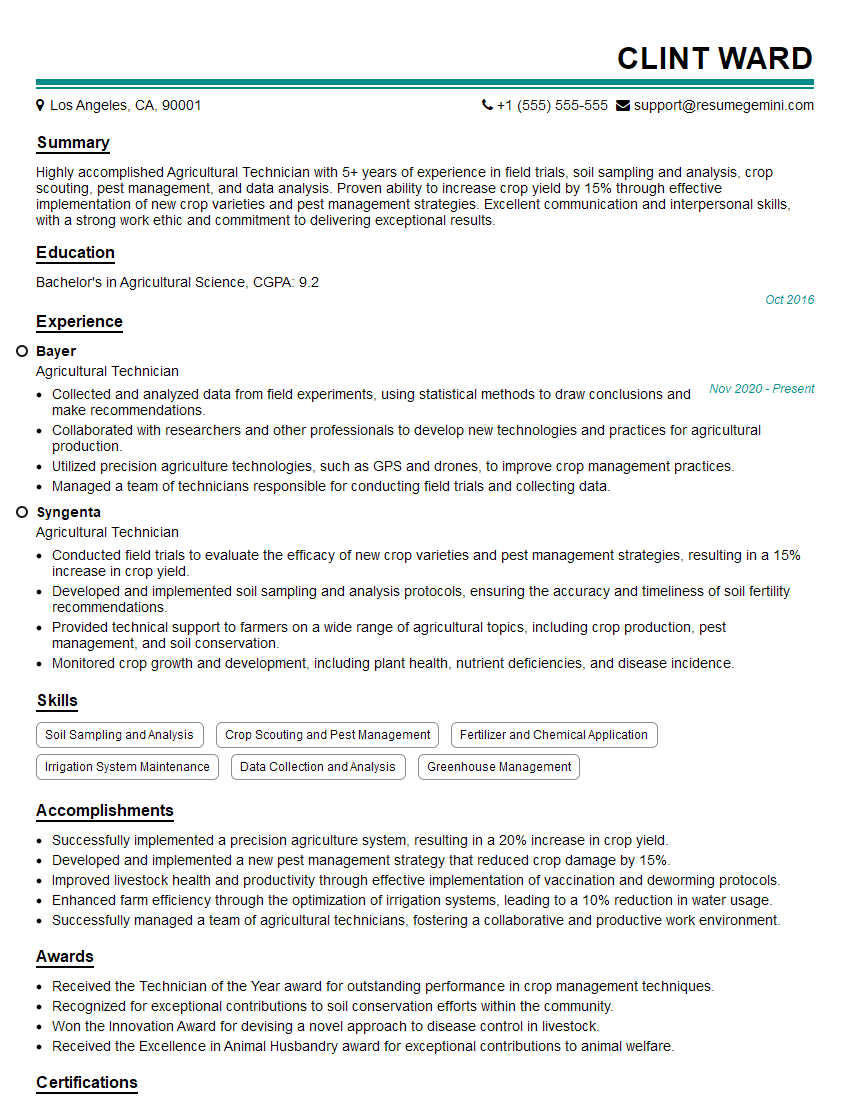
Agricultural Technician Resume Sample
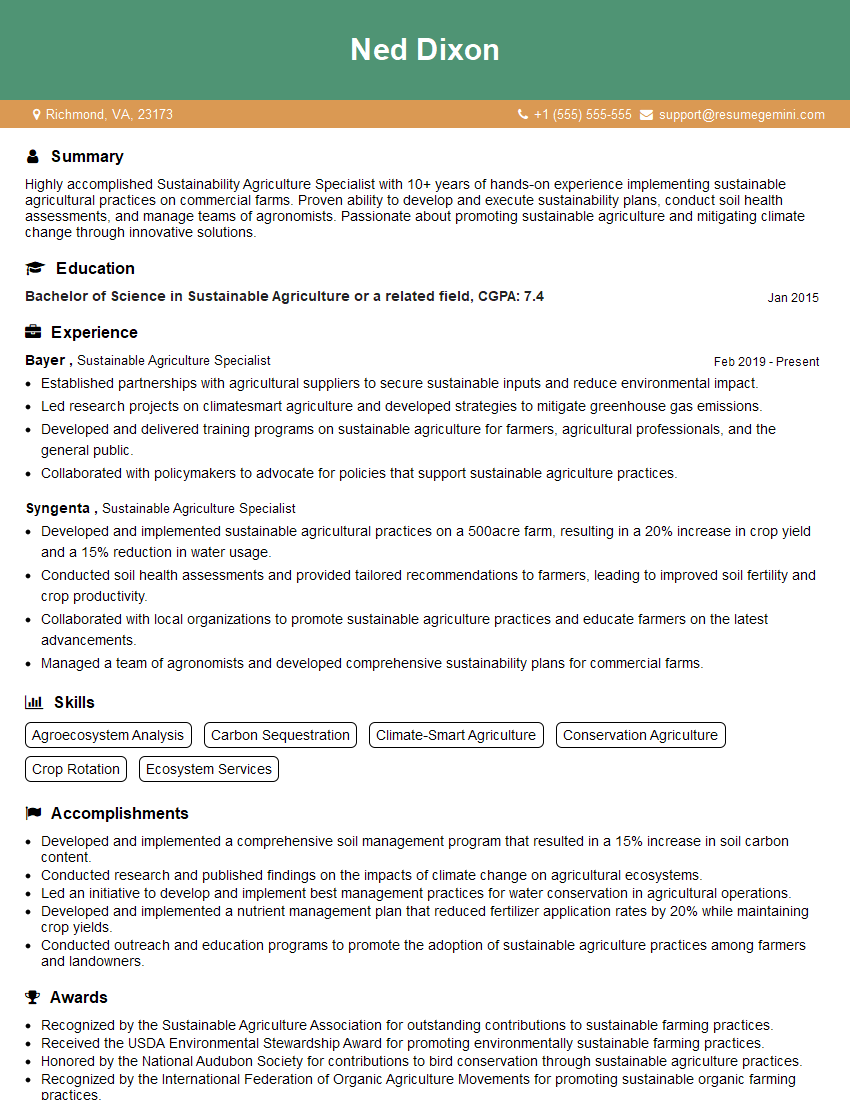
Sustainable Agriculture Specialist Resume Sample
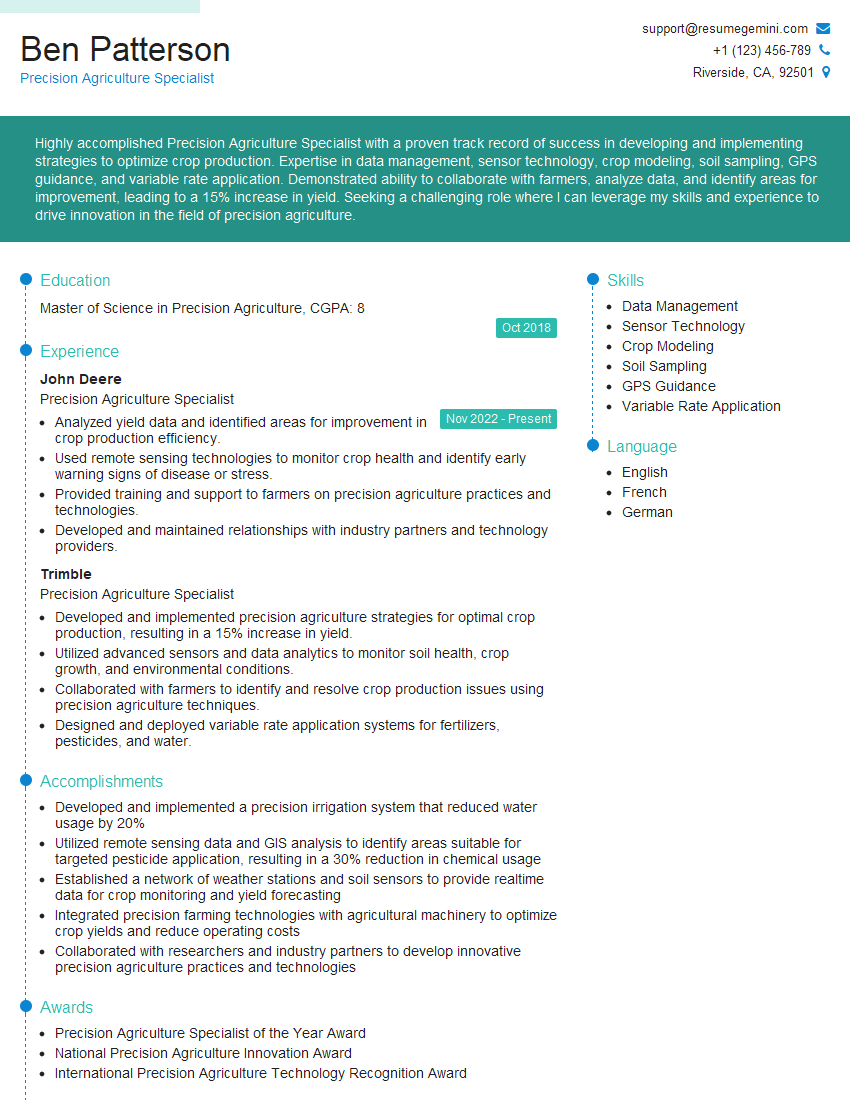
Precision Agriculture Specialist Resume Sample
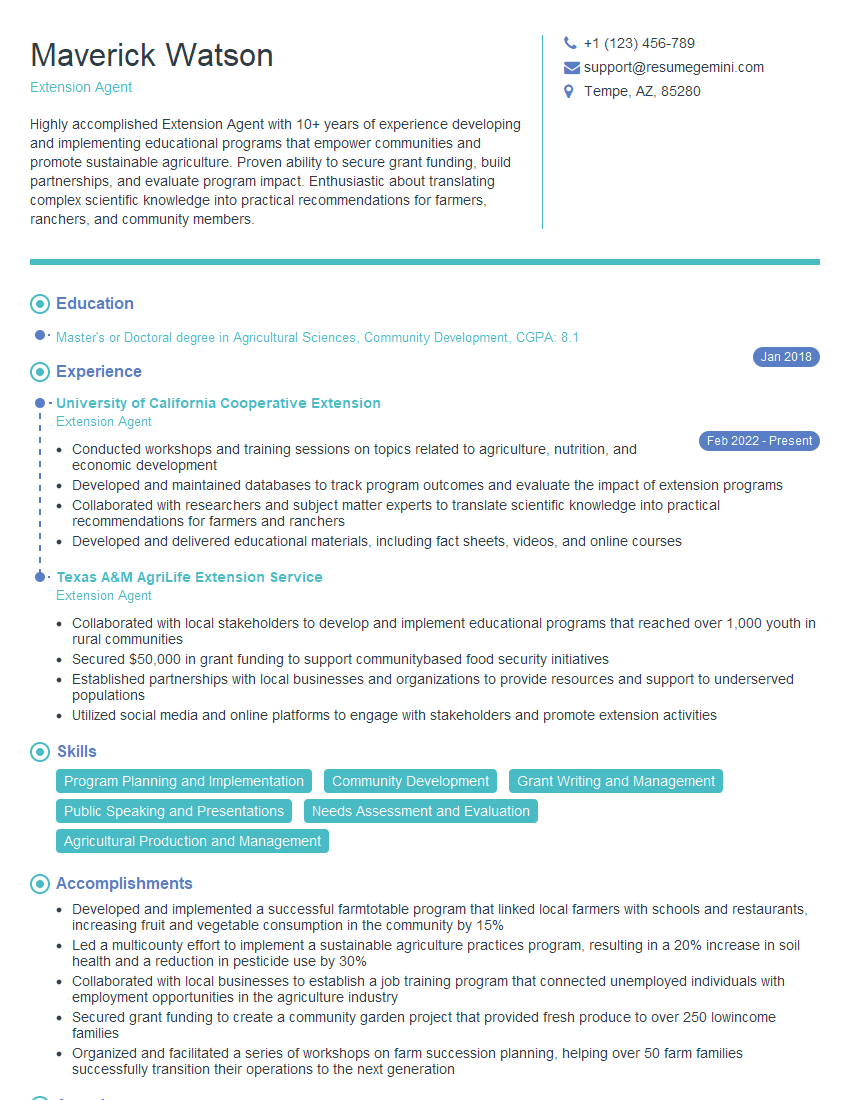
Extension Agent Resume Sample
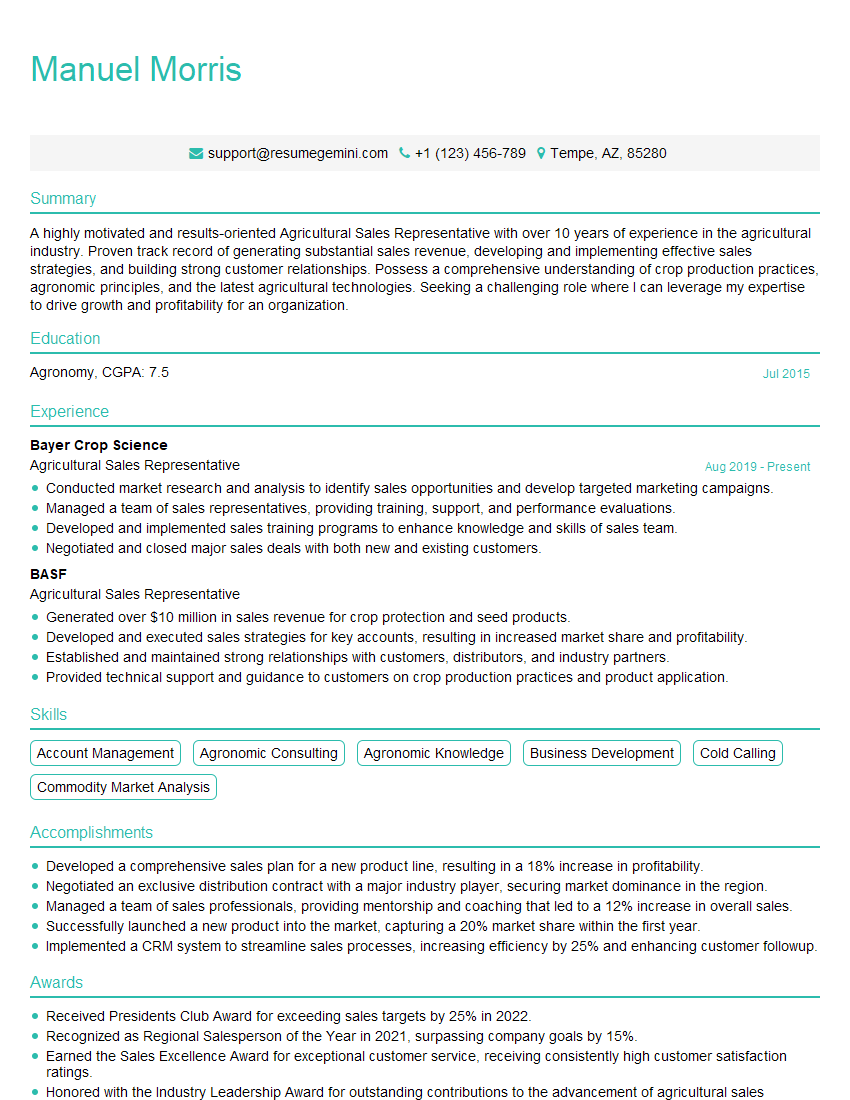
Agricultural Sales Representative Resume Sample
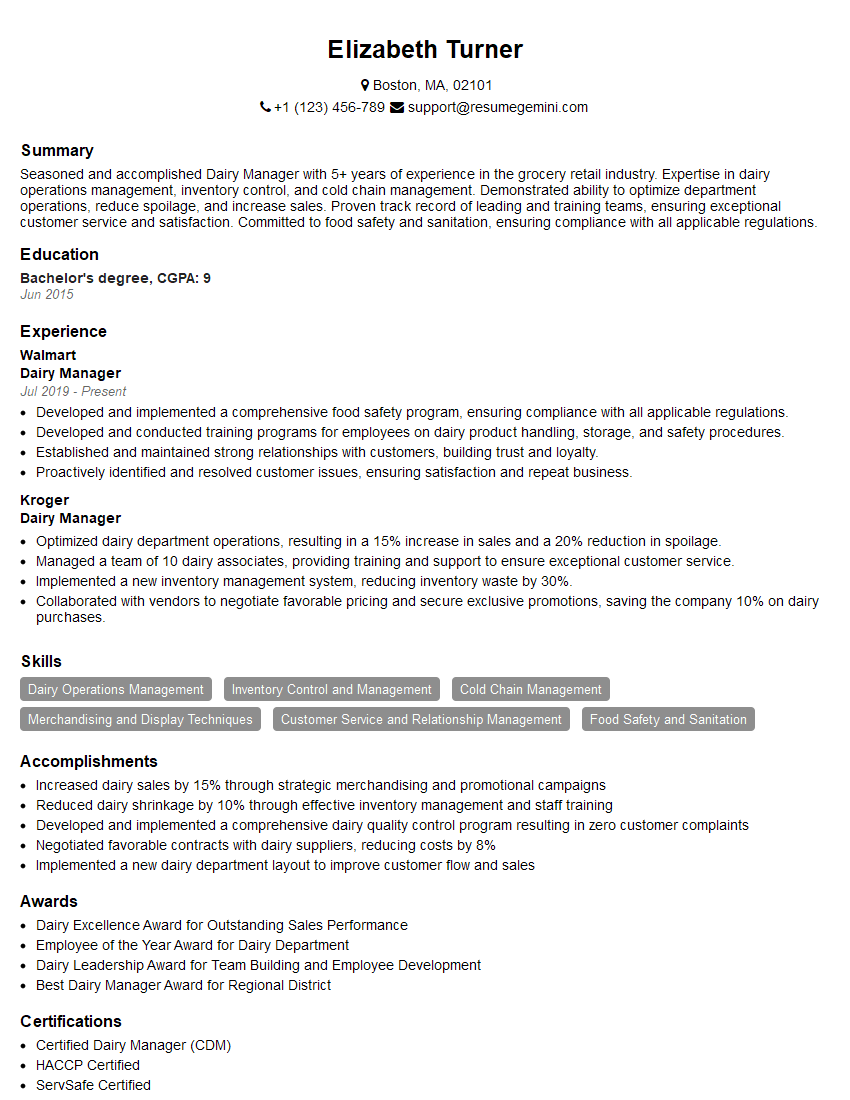
Dairy Manager Resume Sample
- Farm Manager
- Greenhouse Manager
- Orchardist
- Ranch Manager
- Viticulturist
- Agricultural Loan Officer
- Agricultural Engineer
- Agronomist
- Soil Scientist
- Agricultural Economist
- Agricultural Technician
- Sustainable Agriculture Specialist
- Precision Agriculture Specialist
- Extension Agent
- Agricultural Sales Representative
- Dairy Manager
Explore more articles
Users Rating of Our Blogs
Share Your Experience
We value your feedback! Please rate our content and share your thoughts (optional).
What Readers Say About Our Blog
Really detailed insights and content, thank you for writing this detailed article.
IT gave me an insight and words to use and be able to think of examples