Are you ready to stand out in your next interview? Understanding and preparing for Experience in Laboratory Testing interview questions is a game-changer. In this blog, we’ve compiled key questions and expert advice to help you showcase your skills with confidence and precision. Let’s get started on your journey to acing the interview.
Questions Asked in Experience in Laboratory Testing Interview
Q 1. Describe your experience with different laboratory testing methodologies.
My experience encompasses a wide range of laboratory testing methodologies, spanning various analytical techniques. I’m proficient in both wet chemistry methods like titrations (acid-base, redox, complexometric) and spectrophotometry (UV-Vis, atomic absorption), and instrumental techniques such as chromatography (HPLC, GC) and mass spectrometry (LC-MS, GC-MS). For example, I’ve extensively used HPLC for analyzing pharmaceutical compounds, ensuring purity and potency. In environmental testing, I’ve employed GC-MS to detect and quantify volatile organic compounds in water samples. My experience also includes immunoassay techniques like ELISA for detecting specific proteins or antibodies, a critical skill in clinical diagnostics.
- Titration: Determining the concentration of a solution by reacting it with a solution of known concentration.
- Spectrophotometry: Measuring the absorbance or transmission of light through a solution to determine the concentration of an analyte.
- Chromatography: Separating components of a mixture based on their different affinities for a stationary and mobile phase.
- Mass Spectrometry: Identifying and quantifying molecules based on their mass-to-charge ratio.
I am always keen to learn and adapt to new methodologies; keeping abreast of advancements in the field is crucial for optimal results and staying competitive.
Q 2. Explain the importance of quality control in laboratory testing.
Quality control (QC) in laboratory testing is paramount for ensuring the reliability and validity of results. It’s a systematic process that minimizes errors and maintains the accuracy and precision of the analyses. Without robust QC, results could be inaccurate or misleading, leading to incorrect diagnoses, faulty research findings, or flawed product quality assessments. Think of it like calibrating a scale before weighing ingredients for a recipe – you need to know your measuring tool is working correctly.
QC involves several key aspects:
- Using control samples: These are samples with known concentrations of the analyte being measured. Analyzing control samples alongside the unknowns helps assess the accuracy and precision of the test method.
- Regular calibration and maintenance of equipment: Equipment needs regular calibration and preventative maintenance to ensure accurate measurements. Think of it like regularly servicing your car to prevent mechanical failures.
- Proficiency testing: Participating in external quality assurance programs (EQAs) where unknown samples are sent to multiple labs for analysis, and the results are compared. This allows for inter-laboratory comparison and identifies potential biases.
- Documentation: Meticulous record-keeping of all procedures, results, and QC data is essential for traceability and auditability. A comprehensive audit trail is critical for good laboratory practice (GLP).
Q 3. How do you ensure the accuracy and precision of laboratory results?
Ensuring the accuracy and precision of laboratory results is achieved through a multi-faceted approach that begins even before the sample reaches the lab. It’s a commitment to every step of the process, from sample collection and preparation to data analysis and reporting. Accuracy refers to how close a measured value is to the true value, while precision refers to how close repeated measurements are to each other.
- Proper sample handling and preparation: Avoiding contamination, using appropriate storage conditions, and following standardized sample preparation methods are crucial for accurate results.
- Calibration of equipment: Regular calibration and maintenance of instruments ensures their accuracy and reliability.
- Use of appropriate methodologies: Selecting the right analytical techniques based on the nature of the sample and the analyte is critical.
- Employing internal and external QC checks: Using control samples and participating in EQAs helps to identify and correct any systematic errors.
- Statistical analysis of data: Applying statistical methods to identify outliers and assess the precision and accuracy of the results.
For example, in a clinical laboratory, a deviation from expected values in QC samples might prompt a review of the entire analytical process, possibly revealing a faulty reagent or instrument malfunction, ensuring patient results are reliable.
Q 4. What are the common sources of error in laboratory testing, and how do you mitigate them?
Common sources of error in laboratory testing can be broadly categorized into pre-analytical, analytical, and post-analytical errors. Understanding these helps in implementing effective mitigation strategies.
- Pre-analytical errors: These occur before the actual analysis, such as incorrect sample collection, inadequate preservation, or improper labeling. Mitigation: Standardized procedures, proper training of personnel, and clear sample collection guidelines.
- Analytical errors: These errors occur during the testing process itself, including instrument malfunction, reagent degradation, or calculation mistakes. Mitigation: Regular calibration and maintenance of equipment, use of high-quality reagents, and quality control measures.
- Post-analytical errors: These occur after the analysis, such as data entry errors, incorrect reporting, or misinterpretation of results. Mitigation: Double-checking data entry, using automated systems for data transfer, and clear reporting guidelines.
For example, a pre-analytical error might be a hemolyzed blood sample affecting certain biochemical tests. An analytical error could be a faulty spectrophotometer leading to inaccurate absorbance readings. A post-analytical error could be a transcription error in reporting a patient’s test result.
Q 5. Describe your experience with laboratory equipment maintenance and troubleshooting.
My experience with laboratory equipment maintenance and troubleshooting is extensive. I’m familiar with various types of equipment, from basic analytical balances and spectrophotometers to sophisticated HPLC and GC-MS systems. I understand the importance of preventative maintenance schedules to prevent breakdowns and ensure optimal performance.
My approach involves:
- Preventive maintenance: Following manufacturer’s instructions for regular cleaning, calibration, and preventative maintenance of equipment.
- Troubleshooting: Identifying the source of malfunctions by systematically checking all aspects of the system, from power supply to software settings and reagent quality. I often use diagnostic tools and manufacturer’s documentation to guide the process.
- Calibration: Regular calibration using certified standards ensures accurate measurements.
- Record-keeping: Maintaining detailed logs of all maintenance activities, repairs, and calibrations.
For example, when an HPLC system showed unusual peak broadening, I systematically checked the column pressure, flow rate, gradient profile, and finally discovered a partially clogged column. Replacing the column resolved the issue.
Q 6. How do you handle unexpected results or discrepancies in laboratory data?
Handling unexpected results or discrepancies requires a systematic and thorough investigation. It’s crucial to maintain objectivity and avoid jumping to conclusions. My approach involves:
- Reviewing the entire process: Checking all stages of the process, from sample collection to data analysis, to identify potential sources of error.
- Repeating the analysis: Repeating the test using a fresh sample and reagents to confirm the result.
- Checking QC data: Examining control sample results to see if there’s a pattern indicating an issue with the analytical method.
- Investigating equipment function: Assessing the functionality of the instruments used in the analysis.
- Consulting with colleagues: Seeking expert advice when needed.
- Documenting the findings: Clearly documenting all steps taken during the investigation and the conclusions reached.
If a discrepancy persists despite these steps, further investigation might involve external validation or using an alternative analytical method. Maintaining a detailed record is critical for identifying systemic issues or potential improvements to the laboratory’s procedures.
Q 7. Explain your understanding of laboratory safety regulations and protocols.
I have a thorough understanding of laboratory safety regulations and protocols, including OSHA, GLP, and relevant ISO standards. Safety is paramount in a laboratory environment, and I’m committed to working safely and responsibly. My understanding includes:
- Chemical safety: Proper handling, storage, and disposal of hazardous chemicals, including the use of personal protective equipment (PPE).
- Biological safety: Working with infectious agents following established biosafety protocols.
- Radiation safety: Safe handling and use of radioactive materials.
- Electrical safety: Safe use of electrical equipment and awareness of potential hazards.
- Waste disposal: Proper segregation and disposal of laboratory waste according to regulations.
- Emergency procedures: Knowledge of emergency procedures, including fire safety, spill response, and first aid.
I’m also familiar with the importance of regular safety training and the need to follow established safety procedures consistently. Adherence to these regulations and protocols is not just a matter of compliance; it’s crucial for protecting the health and safety of myself and my colleagues.
Q 8. Describe your experience with different types of laboratory samples.
My experience encompasses a wide range of laboratory samples, from routine blood and urine specimens to more specialized samples like tissue biopsies, cerebrospinal fluid, and environmental samples. In my previous role at Acme Diagnostics, I routinely handled hundreds of samples daily, ensuring proper labeling, storage, and processing according to established protocols. For example, blood samples required immediate centrifugation to separate serum or plasma, while tissue biopsies needed specific fixation procedures to preserve cellular morphology. Environmental samples, such as water or soil, demanded different pre-treatment methods before analysis, often involving filtration or extraction techniques. The key is meticulous attention to detail to avoid sample contamination and degradation, which could compromise the accuracy of test results. Dealing with diverse sample types also involves understanding the specific requirements and limitations of each analysis.
Q 9. How do you interpret and report laboratory results?
Interpreting and reporting lab results is a crucial step that requires a deep understanding of the analytical methods employed and their limitations. This involves not just looking at the numerical values obtained but also considering factors such as the patient’s clinical history, medications they are taking, and potential sources of error. For instance, a slightly elevated white blood cell count might be insignificant in a healthy individual but could indicate infection in a patient with a compromised immune system. Reporting requires clarity and conciseness. We use standardized report formats, ensuring all relevant information, including the test name, result values, units, reference ranges, and any relevant flags or comments, are included. Any deviations from expected results, or values outside the reference range, are always carefully reviewed and flagged for medical professionals’ attention. It is our responsibility to ensure the report is both accurate and easily understandable to the recipient.
Q 10. Explain your experience with LIMS (Laboratory Information Management Systems).
I have extensive experience with LIMS, specifically using Cerner Millennium in my previous role. LIMS is the backbone of efficient laboratory operations. I’m proficient in using LIMS for tasks such as sample accessioning, test ordering, result entry, quality control data management, and report generation. I’ve used LIMS to track samples from the time they arrive in the lab until the results are reported. This includes managing test workflows, scheduling tests, assigning tasks to technicians, and monitoring turnaround times. My experience also includes using LIMS to generate various reports, such as quality control charts and performance indicators, helping to identify areas for improvement in lab processes. I am familiar with the importance of LIMS data integrity and have followed strict protocols to ensure accurate and reliable data entry. In one instance, I identified a software glitch in the LIMS system that was causing inaccurate calculation of some results – a timely discovery preventing potential misdiagnosis and showcasing my proactive approach to quality assurance.
Q 11. How do you manage your workload and prioritize tasks in a busy laboratory environment?
In a busy lab, effective workload management is paramount. I employ a combination of strategies, including prioritizing tasks based on urgency and clinical impact. STAT (statim) requests, requiring immediate attention, always take precedence. I also use a task management system, often a digital Kanban board, to visualize my workload, track progress, and re-allocate tasks as needed. Effective communication is crucial; I regularly communicate with colleagues and supervisors about my workload, potential bottlenecks, and any anticipated delays. Proactive identification of potential delays allows for efficient re-prioritization and prevents unnecessary delays in reporting results. Time management skills are essential, including breaking down large tasks into smaller, manageable steps, and setting realistic deadlines. I always aim for a balance between efficiency and accuracy; rushing can lead to errors, which would undermine the entire process. Delegation is another important skill, and I am comfortable assigning tasks based on individual skill sets and available resources.
Q 12. Describe your experience with proficiency testing and external quality assessments.
Proficiency testing and external quality assessments are essential for maintaining the accuracy and reliability of laboratory results. My experience includes participating in numerous proficiency testing programs provided by organizations like CAP (College of American Pathologists). This involves receiving blind samples and running them alongside routine specimens. Results are then submitted for comparison with other labs, providing an objective assessment of our performance. We carefully review any discrepancies and conduct internal investigations to identify and correct any systemic errors in our procedures or equipment calibration. External quality assessments allow for continuous improvement and ensure that our laboratory operates at the highest standards, contributing to the trust and confidence placed upon us by healthcare providers and patients. A successful track record in these assessments demonstrates a commitment to maintaining quality and adherence to best practices.
Q 13. What is your experience with validating new laboratory methods or assays?
Validating new laboratory methods or assays is a rigorous process that ensures the accuracy, precision, and reliability of the new test before it is implemented for routine use. This often involves a multi-stage process, including analytical validation (assessing accuracy, precision, linearity, limit of detection, and limit of quantitation) and clinical validation (comparing the new method to an established method using patient samples). I’ve been involved in several validation studies, meticulously documenting every step of the process. This includes selecting appropriate reference materials, developing and following strict protocols, and analyzing data using statistical methods. The goal is to demonstrate that the new method is comparable to existing methods, if any, and meets pre-defined acceptance criteria. Proper documentation of the entire validation process is crucial for regulatory compliance and demonstrating the reliability of the new assay. It is a time-consuming process but essential for ensuring the quality and integrity of the results produced by the new method.
Q 14. How do you ensure the confidentiality and security of patient data?
Confidentiality and security of patient data are of utmost importance. We adhere to strict HIPAA regulations and internal policies to protect sensitive information. This involves ensuring that only authorized personnel have access to patient data, using secure electronic systems for data storage and transmission, and employing appropriate security measures to prevent unauthorized access or breaches. Access to patient information is strictly controlled through password-protected systems and role-based access controls. Any breaches or suspected breaches are reported immediately, and appropriate corrective actions are taken. All paper records are stored in secure, locked areas, and disposal of patient information is done securely to prevent unauthorized access. Continuous training on data privacy and security is vital for all laboratory personnel, ensuring everyone understands their responsibilities in protecting patient confidentiality.
Q 15. Describe your experience with troubleshooting equipment malfunctions.
Troubleshooting equipment malfunctions is a crucial aspect of laboratory work. My approach is systematic and involves a combination of practical skills and theoretical understanding. I first identify the problem by carefully observing the equipment’s behavior – is it displaying an error code? Are there unusual sounds or smells? Then, I consult the equipment’s manual for troubleshooting guides and error codes. This often points to a specific cause, such as a clogged filter, a faulty sensor, or a software glitch.
For instance, I once worked on a HPLC (High-Performance Liquid Chromatography) system that was producing erratic peak shapes. By systematically checking the system’s components – pump pressure, column integrity, detector sensitivity, and mobile phase – I traced the issue to a partially blocked injector valve. A simple cleaning resolved the problem. If the manual doesn’t provide a solution, I leverage my experience with similar equipment to diagnose the problem and initiate repair or contact qualified technical support. Ultimately, the goal is to resolve the malfunction quickly and safely, minimizing disruption to the workflow and ensuring data integrity.
Career Expert Tips:
- Ace those interviews! Prepare effectively by reviewing the Top 50 Most Common Interview Questions on ResumeGemini.
- Navigate your job search with confidence! Explore a wide range of Career Tips on ResumeGemini. Learn about common challenges and recommendations to overcome them.
- Craft the perfect resume! Master the Art of Resume Writing with ResumeGemini’s guide. Showcase your unique qualifications and achievements effectively.
- Don’t miss out on holiday savings! Build your dream resume with ResumeGemini’s ATS optimized templates.
Q 16. How do you maintain a clean and organized laboratory workspace?
Maintaining a clean and organized laboratory workspace is paramount for safety, efficiency, and accurate results. My approach is based on a combination of proactive measures and consistent practices. Before starting any experiment, I always ensure the workspace is clean and decluttered. This involves wiping down surfaces with appropriate disinfectants, organizing reagents and equipment logically, and disposing of waste properly. I label all containers clearly and use color-coded systems for different reagents or sample types to minimize confusion. Furthermore, I regularly clean and maintain instruments according to their manufacturer’s instructions. This extends to sterilizing equipment where necessary.
Think of it like a well-organized kitchen – you can find what you need quickly and work efficiently. This organized approach helps to prevent cross-contamination, accidental spills, and reduces the risk of errors. For example, I color-code my pipettes by volume to prevent accidentally using the wrong pipette for a given reagent, and consistently follow the ‘clean-as-you-go’ principle.
Q 17. What is your experience with regulatory compliance in laboratory testing?
Regulatory compliance is fundamental in laboratory testing. Throughout my career, I’ve adhered strictly to guidelines like GLP (Good Laboratory Practice) and GMP (Good Manufacturing Practice), depending on the specific testing environment. I understand the importance of maintaining accurate records, properly calibrating instruments, and following established Standard Operating Procedures (SOPs). This includes adhering to safety regulations, using appropriate personal protective equipment (PPE), and managing hazardous waste according to regulations.
For example, in a previous role, I was responsible for ensuring our laboratory maintained ISO 17025 accreditation, which necessitates regular audits and meticulous documentation of every step of the testing process. This involved participating in internal audits, maintaining detailed records of equipment calibration and maintenance, and ensuring all personnel were adequately trained in the relevant regulations and SOPs. Non-compliance can lead to inaccurate results and compromise the validity of the entire study.
Q 18. Describe your experience working with different types of laboratory instruments.
My experience encompasses a broad range of laboratory instruments. I am proficient in operating and maintaining various types of analytical instrumentation, including spectrophotometers (UV-Vis, Fluorescence), chromatography systems (HPLC, GC), electrophoresis systems (SDS-PAGE, capillary electrophoresis), and PCR machines. I’m also familiar with more basic equipment such as balances, centrifuges, autoclaves, and microscopes. My experience extends to both the operation and the maintenance of these instruments – including troubleshooting, calibration, and preventative maintenance schedules.
For instance, I’ve extensively used HPLC for quantifying various compounds in biological samples, ensuring accurate calibration and mobile phase preparation for optimal separation. I have also independently maintained and calibrated a spectrophotometer, ensuring its accuracy and reliability for routine measurements.
Q 19. How familiar are you with different laboratory techniques like ELISA, PCR, or chromatography?
I am very familiar with ELISA (Enzyme-Linked Immunosorbent Assay), PCR (Polymerase Chain Reaction), and various chromatography techniques.
- ELISA: I have extensive experience performing ELISA assays for various applications, including detecting antibodies and antigens in biological samples. I understand the principles of direct, indirect, and sandwich ELISAs, and I’m adept at optimizing assay protocols for sensitivity and specificity.
- PCR: I’m proficient in performing both standard and real-time PCR, including designing primers, setting up reactions, and analyzing data. This includes understanding the different types of PCR, such as qPCR and RT-PCR, and their respective applications.
- Chromatography: My experience covers various chromatography techniques, including HPLC (High-Performance Liquid Chromatography) and GC (Gas Chromatography). I’m skilled in method development, data analysis, and troubleshooting issues related to peak separation and quantification.
These techniques are crucial for various applications, from disease diagnosis to environmental monitoring.
Q 20. Explain your experience with preparing reagents and solutions.
Preparing reagents and solutions accurately is critical for reliable results. I meticulously follow established protocols and use appropriate techniques to ensure the quality and purity of all reagents. This includes accurate weighing of solids, precise measuring of liquids, and proper mixing techniques to ensure homogeneity. I always carefully label all containers with the reagent’s name, concentration, date of preparation, and expiry date, if applicable. Furthermore, I understand the importance of using high-purity solvents and maintaining a clean and sterile environment during preparation.
For example, when preparing a buffer solution, I use calibrated balances and volumetric glassware, ensuring that the final concentration is accurate. I always double-check my calculations and measurements to prevent errors. Inaccurate reagent preparation can lead to significant deviations in experimental results.
Q 21. How do you document and track laboratory procedures and results?
Documentation and tracking are integral parts of maintaining data integrity and traceability in laboratory settings. I utilize Electronic Laboratory Notebooks (ELNs) or other suitable laboratory information management systems (LIMS) to meticulously record all procedures, results, and observations. This includes detailed descriptions of experimental protocols, equipment used, reagent information, raw data, and any relevant calculations. All entries are dated and time-stamped, and any deviations from the standard procedure are clearly documented and justified.
Moreover, I am familiar with various data analysis software and techniques for handling, processing, and visualizing experimental data. For example, I might use spreadsheet software like Excel or specialized software for statistical analysis or chromatogram processing. The detailed documentation enables reproducibility, facilitates data analysis, and helps to comply with regulatory requirements.
Q 22. Describe your experience with calibrating and maintaining laboratory equipment.
Calibrating and maintaining laboratory equipment is crucial for ensuring accurate and reliable results. It involves a series of steps to verify that equipment is functioning within its specified tolerances. This process typically begins with a review of the equipment’s operating manual to understand the manufacturer’s recommended calibration procedures and frequency.
- Regular Checks: I routinely perform visual inspections for any signs of damage or wear and tear. For example, I check for cracks in glassware, corrosion on metal parts, or loose connections.
- Calibration Procedures: Calibration itself varies greatly depending on the equipment. For instance, a spectrophotometer might be calibrated using certified standards with known absorbance values. A balance might be calibrated using certified weights. I meticulously document all calibration steps, including the date, time, results, and any corrective actions taken.
- Preventive Maintenance: Beyond calibration, preventive maintenance is essential. This could include cleaning lenses, replacing filters, lubricating moving parts, or replacing worn components. I follow a rigorous maintenance schedule to ensure the longevity and accuracy of the equipment. I’ve encountered instances where neglecting regular cleaning of a centrifuge led to inaccurate results, so this step is non-negotiable.
- Record Keeping: All calibration and maintenance activities are meticulously recorded and archived. This allows for traceability and helps identify potential issues before they impact experimental results. Good record-keeping is paramount for maintaining compliance with regulatory standards and internal quality control policies.
My experience encompasses calibrating a wide array of equipment including spectrophotometers, analytical balances, autoclaves, incubators, and pH meters, across various laboratory settings. This hands-on experience has given me a deep understanding of the intricacies of different types of equipment and their specific calibration needs.
Q 23. How do you handle stressful situations in the laboratory?
Stressful situations in a laboratory setting are common, ranging from equipment malfunctions to tight deadlines. My approach to managing stress involves a combination of proactive measures and effective problem-solving techniques.
- Prioritization: In a crisis, I prioritize tasks based on urgency and impact. I focus on addressing the most critical issues first, often delegating tasks where appropriate or seeking assistance from colleagues. For instance, if a critical piece of equipment malfunctions during a crucial experiment, I immediately assess the situation, alert the relevant personnel, and initiate troubleshooting steps while seeking a backup solution.
- Systematic Approach: I approach problem-solving systematically, breaking down complex issues into smaller, more manageable steps. This helps to reduce feelings of being overwhelmed. For example, troubleshooting a malfunctioning instrument involves systematically checking power supply, connections, and software settings before concluding that a repair might be needed.
- Teamwork: Laboratory work is often a team effort. I value open communication and collaboration to resolve issues effectively. Consulting with more experienced colleagues is a valuable tool. I’ve often relied on senior technicians to help me troubleshoot challenging equipment issues.
- Maintaining composure: I recognize that maintaining composure in stressful situations is vital. I take deep breaths, stay focused, and remain calm. This allows me to make clear decisions and prevent mistakes.
Ultimately, effective time management and proactive preventative measures are key to minimizing stressful situations and maximizing efficiency in the lab setting.
Q 24. Describe your experience with data analysis and interpretation.
Data analysis and interpretation are critical aspects of my role. It’s more than just crunching numbers; it’s about understanding the context of the data and drawing meaningful conclusions. My experience includes using statistical software packages (such as SPSS or GraphPad Prism), as well as performing manual calculations depending on the specific tests and assays involved.
- Data Cleaning: The process begins with data cleaning – identifying and handling outliers, missing data, or inconsistencies. This often involves visualizing the data using graphs and charts to identify patterns and potential problems.
- Statistical Analysis: Depending on the experimental design, I use appropriate statistical tests to determine the significance of the results. I frequently employ t-tests, ANOVA, or regression analysis. I am careful to select the appropriate tests and understand their assumptions.
- Interpretation: Once the statistical analysis is complete, the most important step is interpretation. I consider the results within the context of the research question, considering potential limitations and confounding factors. I ensure my interpretation is supported by the data and is scientifically sound.
- Reporting: Finally, I clearly and concisely communicate the findings in reports or presentations. This involves using tables, graphs, and figures effectively to illustrate the data and conclusions.
For instance, in a recent project analyzing the efficacy of a new drug, I used ANOVA to compare drug treatment groups and a control group. The statistical analysis showed a significant difference between the groups, which I then interpreted in the context of the research, considering potential factors that might have influenced the results.
Q 25. How do you stay updated on the latest advances in laboratory testing?
Staying updated in the rapidly evolving field of laboratory testing requires a multi-pronged approach.
- Professional Journals and Publications: I regularly read peer-reviewed journals such as Clinical Chemistry and The Journal of Laboratory and Clinical Medicine to keep abreast of the latest research and advancements in diagnostic techniques.
- Conferences and Workshops: Attending conferences and workshops provides opportunities for networking with other professionals and learning about cutting-edge technologies and methodologies. I particularly value hands-on training offered at workshops.
- Online Resources: I utilize online resources such as reputable websites of professional organizations (e.g., the American Association for Clinical Chemistry) and online courses to expand my knowledge in specific areas.
- Continuing Education: Participation in continuing education programs is crucial for maintaining professional certifications and staying up-to-date on best practices. Many institutions offer such programs related to specific laboratory techniques and regulations.
This continuous learning is essential for ensuring I apply the most accurate and efficient techniques in my work. For example, recent advancements in molecular diagnostics have dramatically changed how certain diseases are diagnosed, so staying updated on these advancements is crucial for my professional practice.
Q 26. What are your strengths and weaknesses as a laboratory technician?
My strengths lie in my meticulous attention to detail, my proficiency in various laboratory techniques, and my strong problem-solving skills. I am also a highly organized and efficient worker, able to manage multiple tasks simultaneously. I thrive in team settings and am always eager to learn new skills and techniques.
A weakness I am actively working on is delegation. While I can manage multiple tasks effectively, I sometimes struggle to delegate tasks, preferring to handle everything myself. I’m actively working on this by becoming more comfortable trusting my colleagues and recognizing the benefits of teamwork.
Q 27. What are your salary expectations?
My salary expectations are in line with the market rate for experienced laboratory technicians with my qualifications and experience in this region. I am open to discussing a competitive compensation package that reflects my contributions to the team.
Q 28. Do you have any questions for me?
Yes, I have a few questions. First, could you describe the specific laboratory procedures and technologies used in this role? Second, what are the opportunities for professional development and advancement within the company? Finally, could you tell me more about the team dynamics and working environment?
Key Topics to Learn for Experience in Laboratory Testing Interview
- Laboratory Safety and Regulations: Understanding and adhering to safety protocols, including handling hazardous materials and waste disposal procedures. Practical application: Describing your experience with specific safety regulations (e.g., OSHA, GLP).
- Analytical Techniques and Instrumentation: Proficiency in various analytical techniques (e.g., chromatography, spectroscopy, electrophoresis) and the operation and maintenance of related instrumentation. Practical application: Explaining troubleshooting experiences with specific equipment and how you resolved them.
- Quality Control and Assurance: Implementing quality control measures, interpreting data, and ensuring the accuracy and reliability of results. Practical application: Describing your role in maintaining quality control charts or implementing corrective actions.
- Data Analysis and Interpretation: Analyzing experimental data, drawing conclusions, and presenting findings effectively. Practical application: Explaining how you interpreted complex data sets and communicated your findings to colleagues or supervisors.
- Method Validation and Development: Understanding the principles of method validation and developing or optimizing laboratory methods. Practical application: Detailing your experience with method validation studies and documenting results.
- Record Keeping and Documentation: Maintaining accurate and detailed laboratory records, complying with regulatory requirements. Practical application: Describing your experience with electronic laboratory notebooks (ELNs) or other record-keeping systems.
- Troubleshooting and Problem-Solving: Identifying and resolving issues related to equipment malfunctions, experimental errors, or unexpected results. Practical application: Providing specific examples of problems you solved in the lab and the steps you took.
Next Steps
Mastering these key areas of laboratory testing experience is crucial for career advancement, opening doors to more senior roles and specialized opportunities within the field. A strong, ATS-friendly resume is essential for showcasing your skills and experience to potential employers. To create a resume that truly highlights your qualifications, we recommend using ResumeGemini. ResumeGemini provides a powerful tool for building professional resumes, ensuring your application stands out from the competition. Examples of resumes tailored to experience in laboratory testing are available to help guide you.
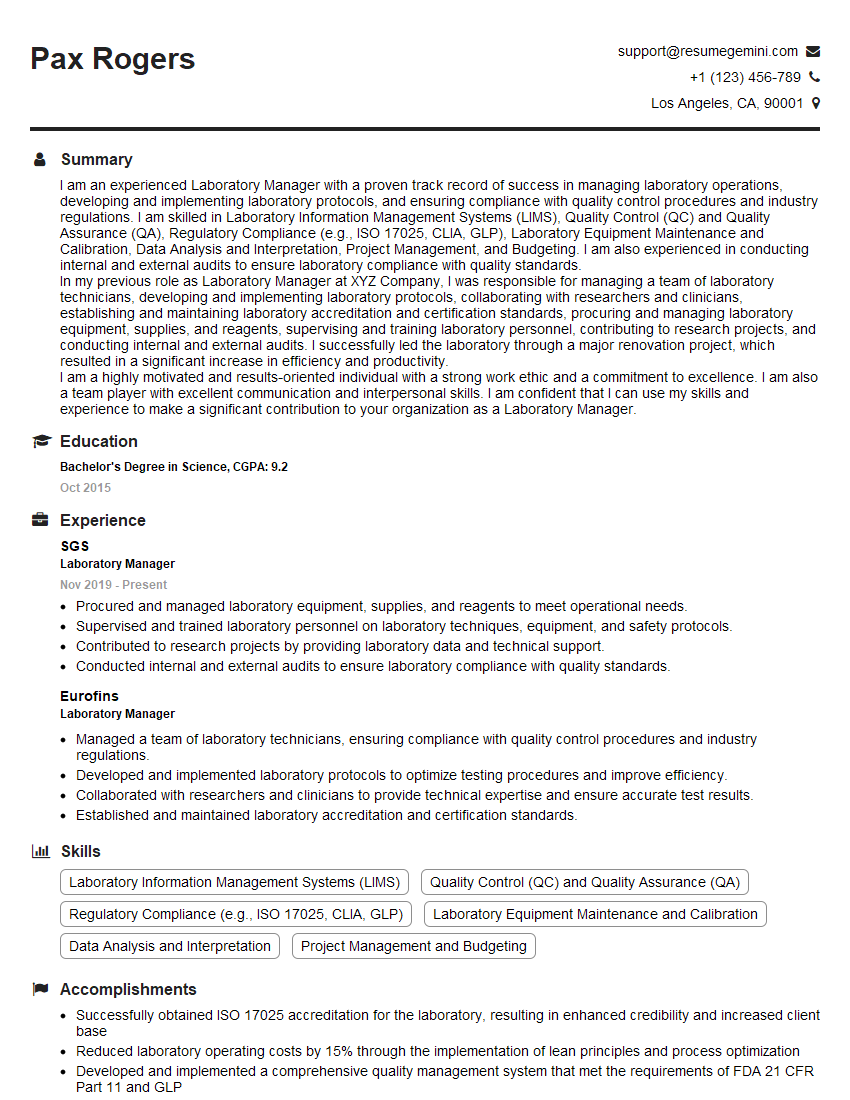
Laboratory Manager Resume Sample
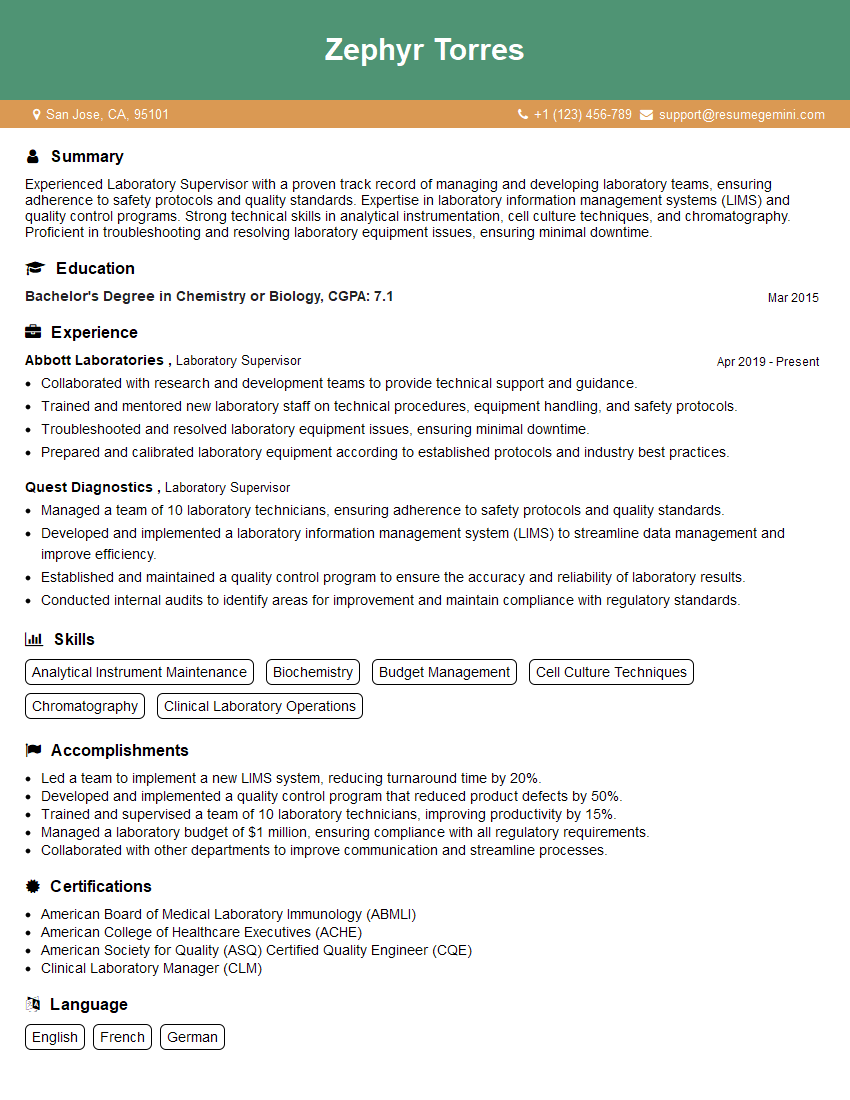
Laboratory Supervisor Resume Sample
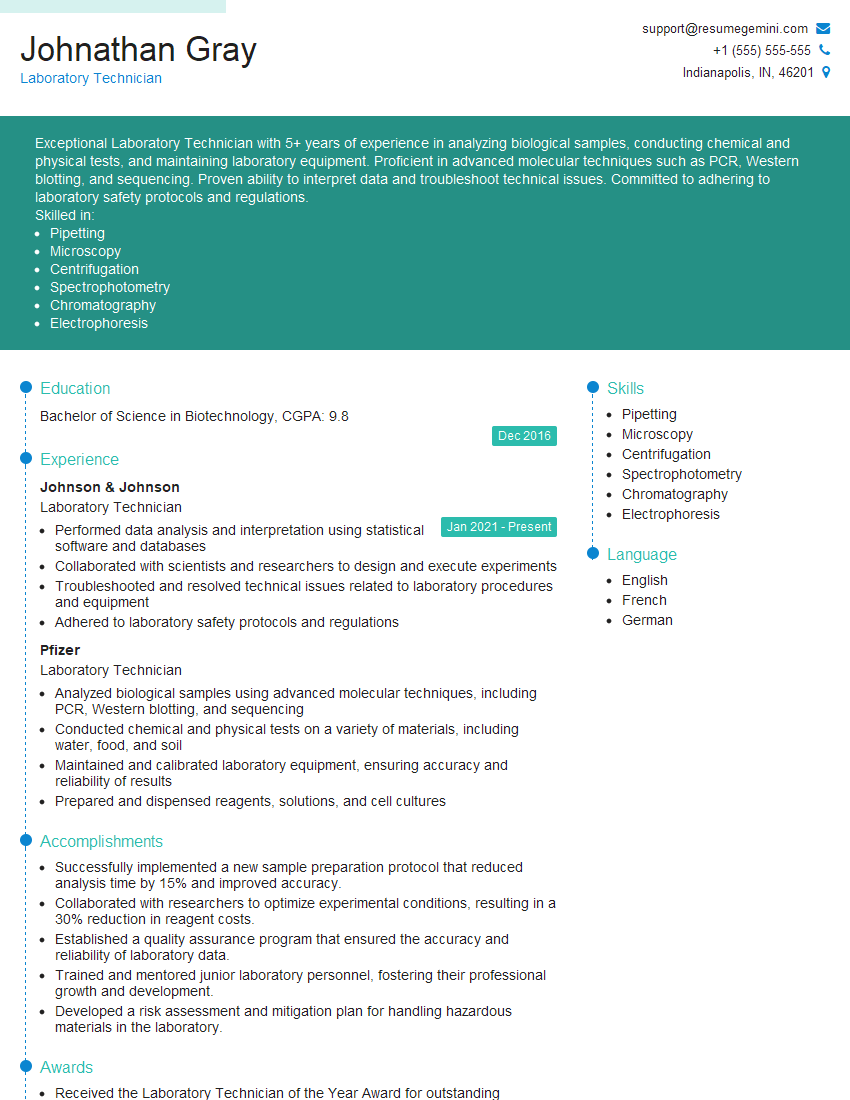
Laboratory Technician Resume Sample
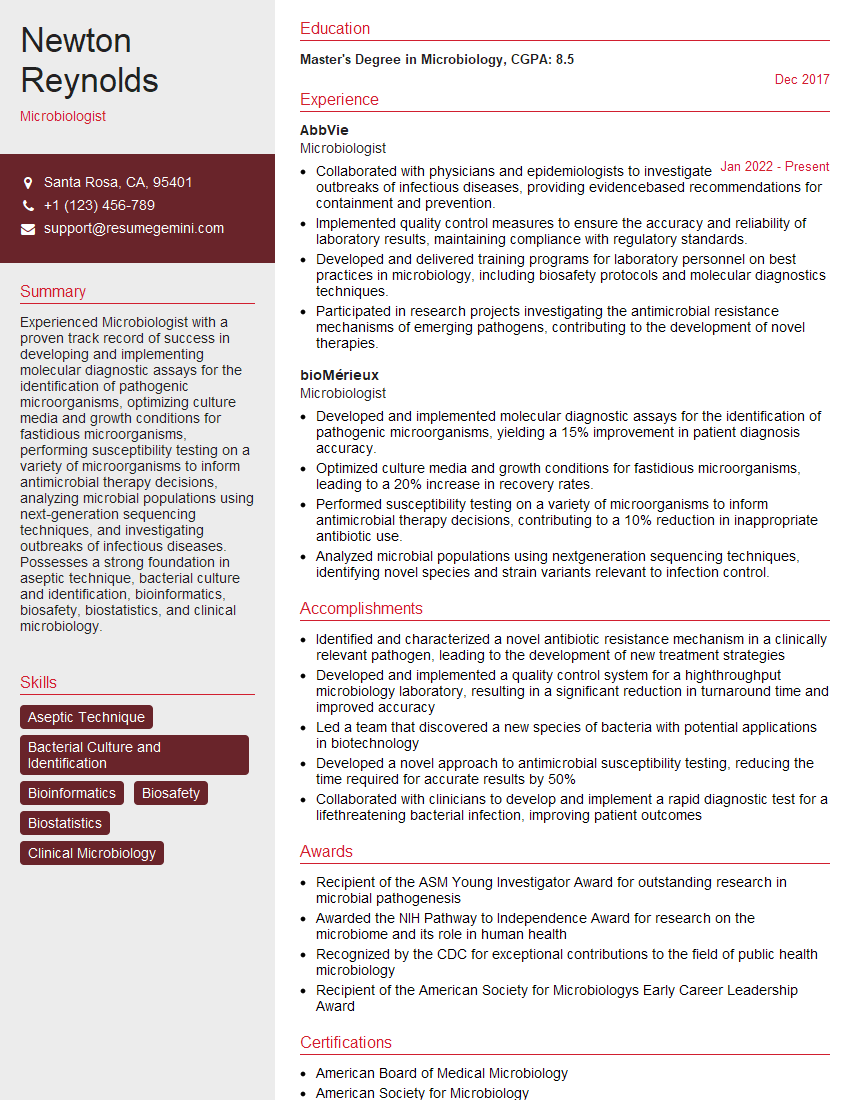
Microbiologist Resume Sample
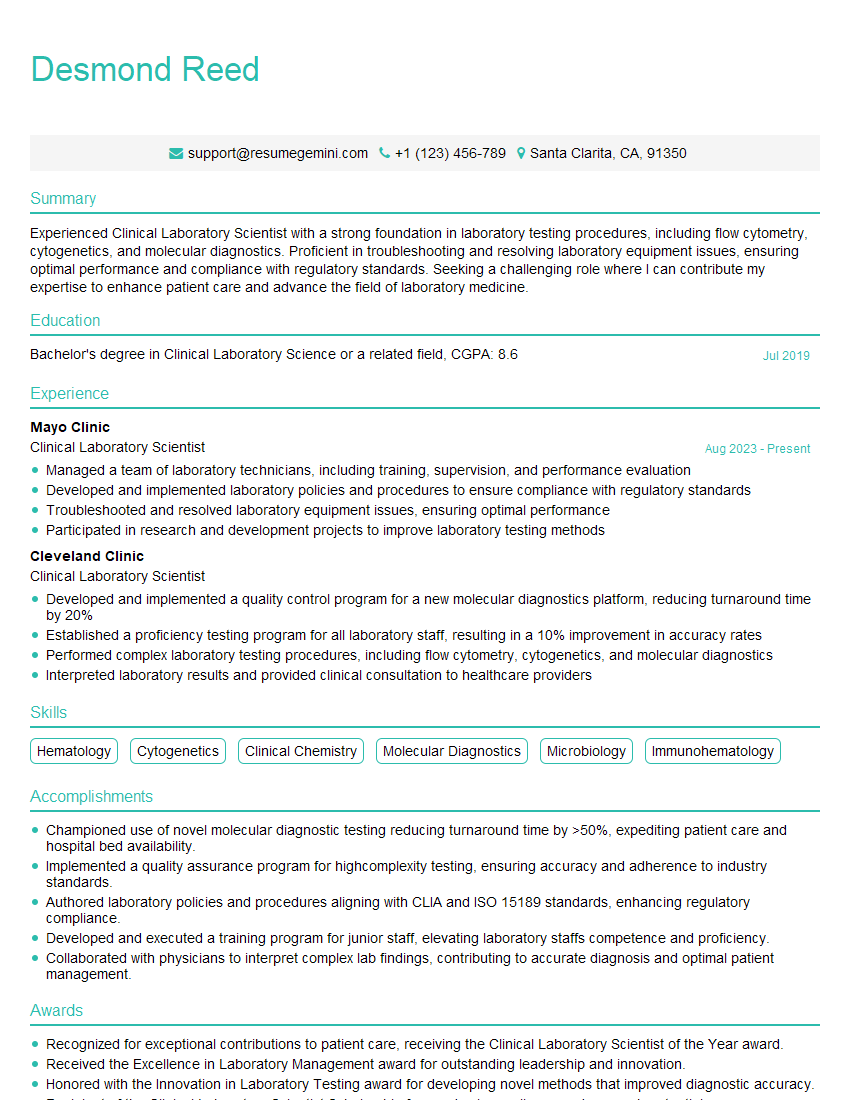
Clinical Laboratory Scientist Resume Sample
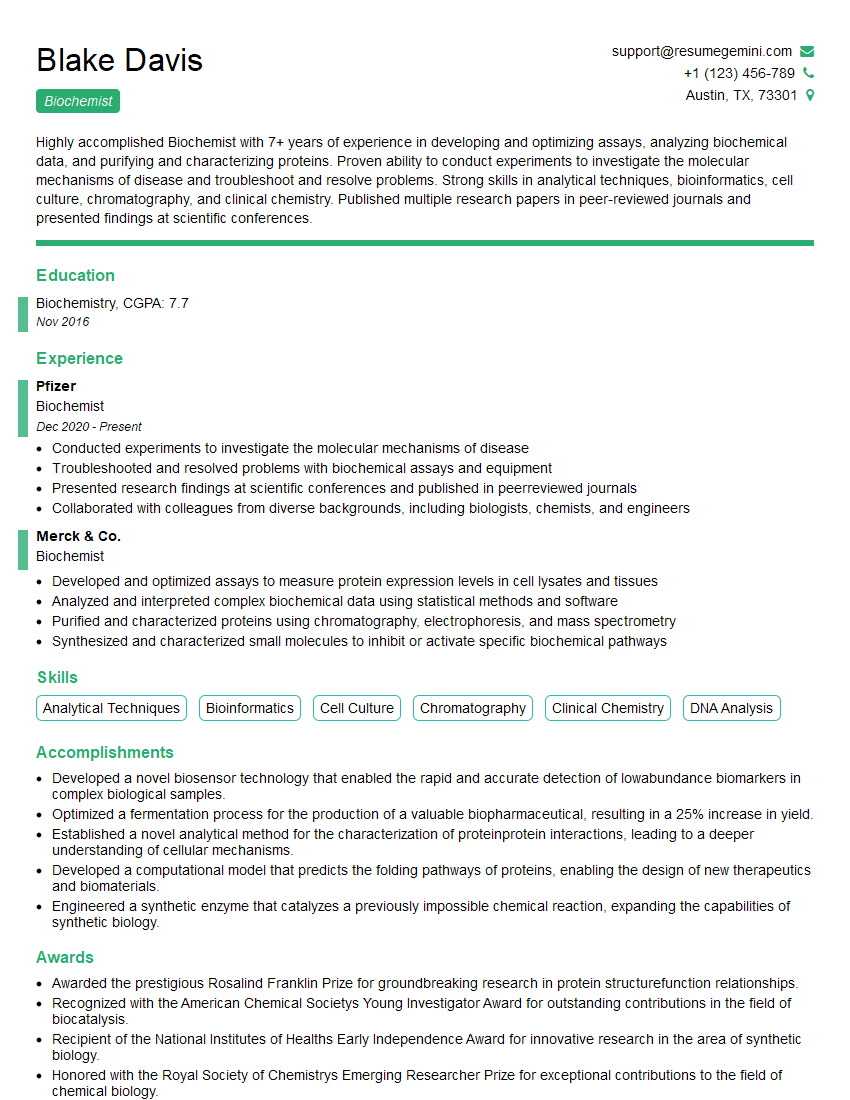
Biochemist Resume Sample
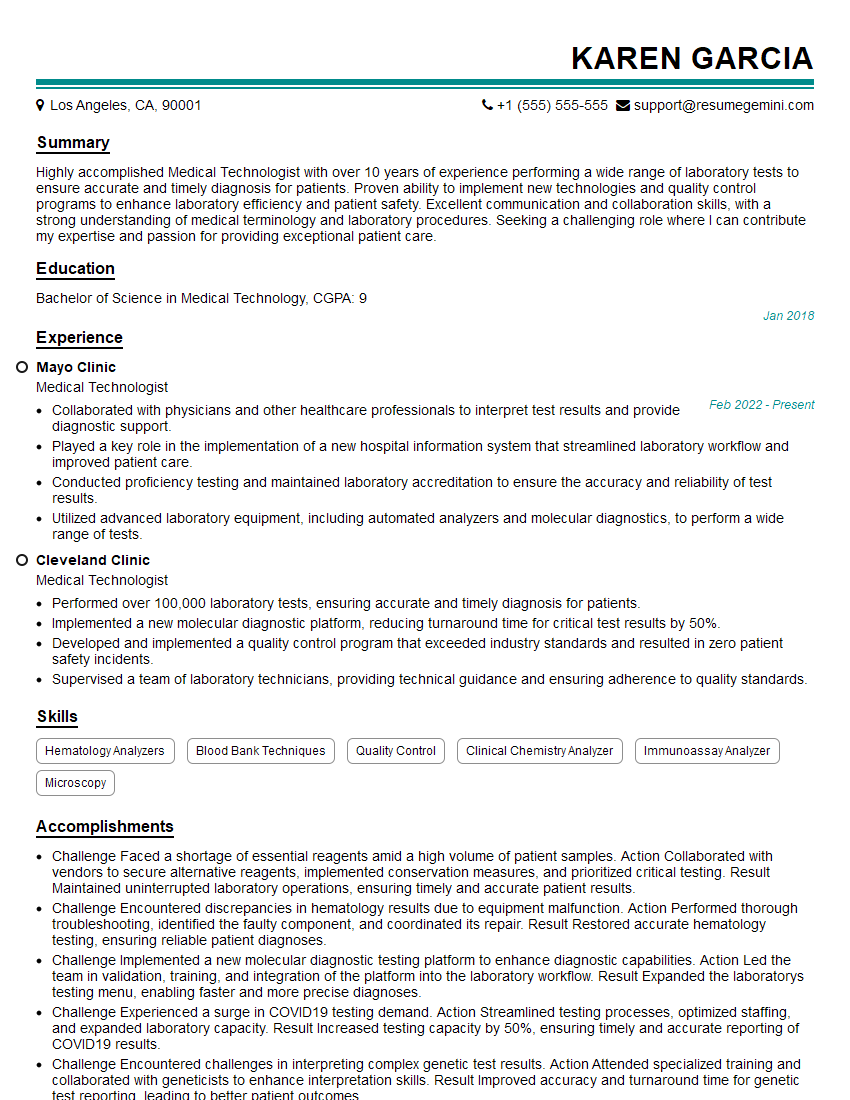
Medical Technologist Resume Sample
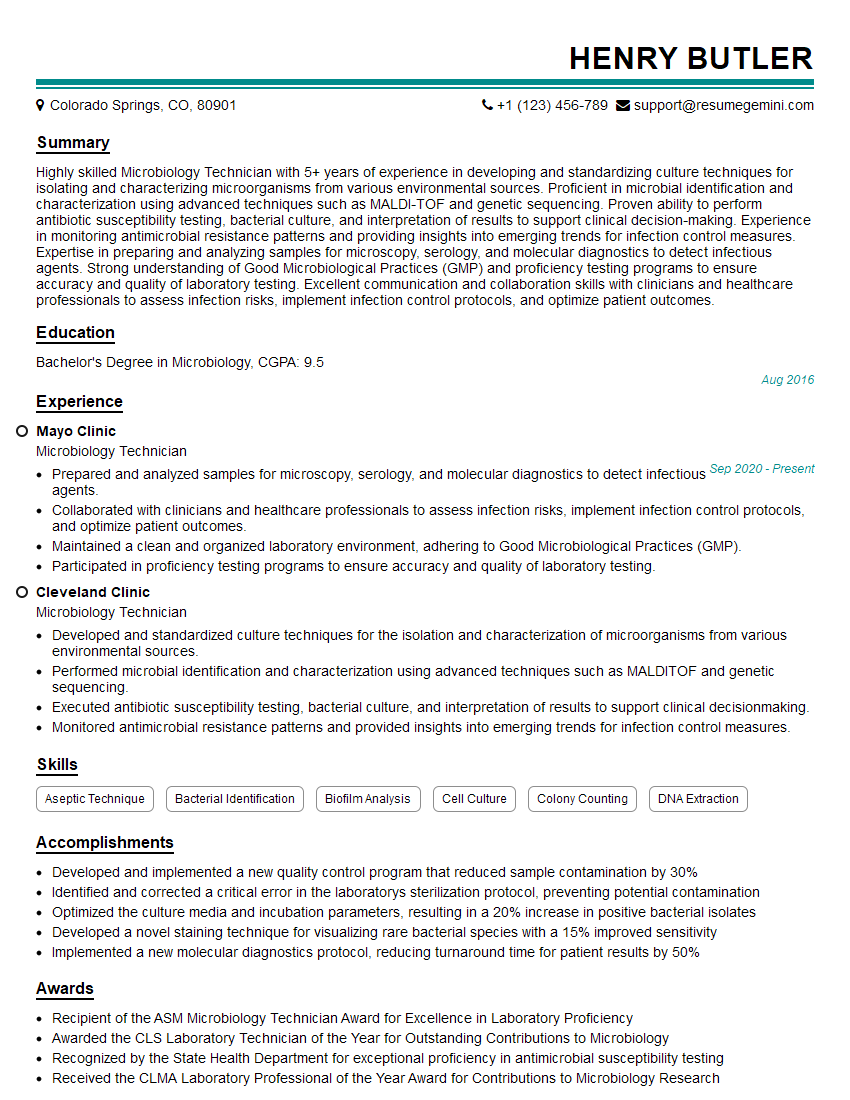
Microbiology Technician Resume Sample
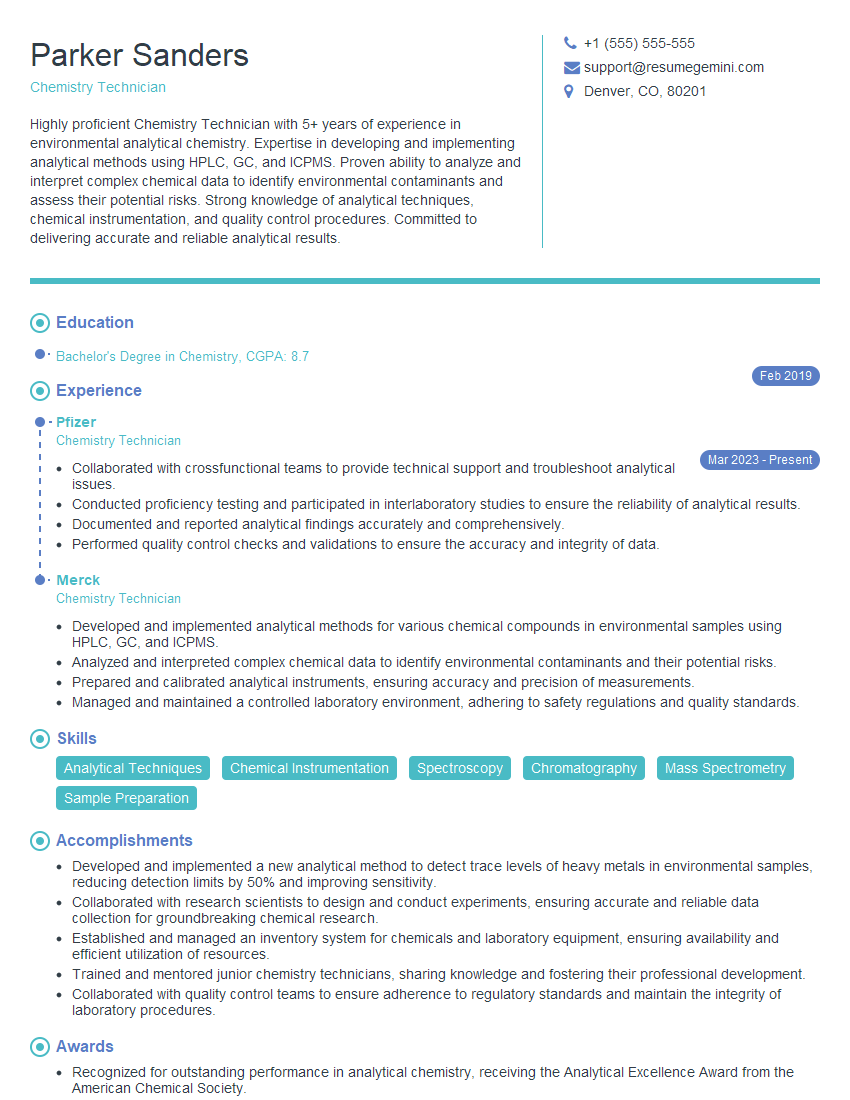
Chemistry Technician Resume Sample
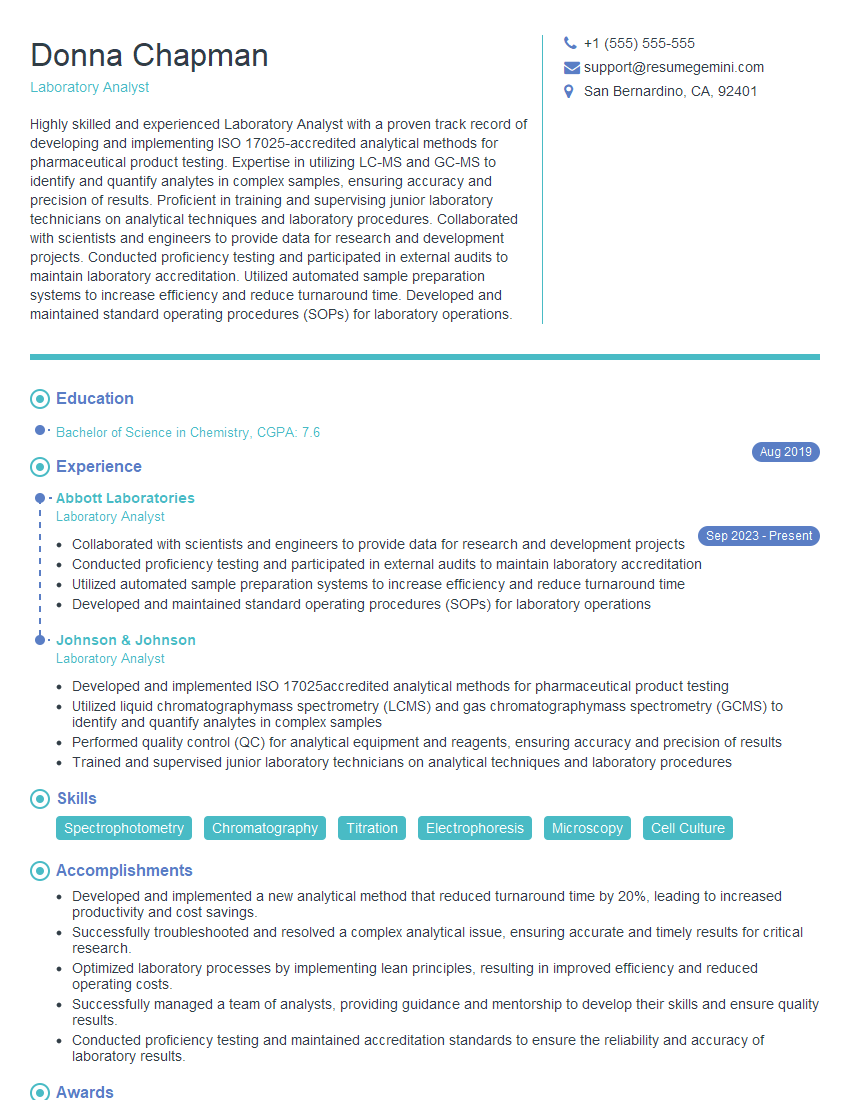
Laboratory Analyst Resume Sample
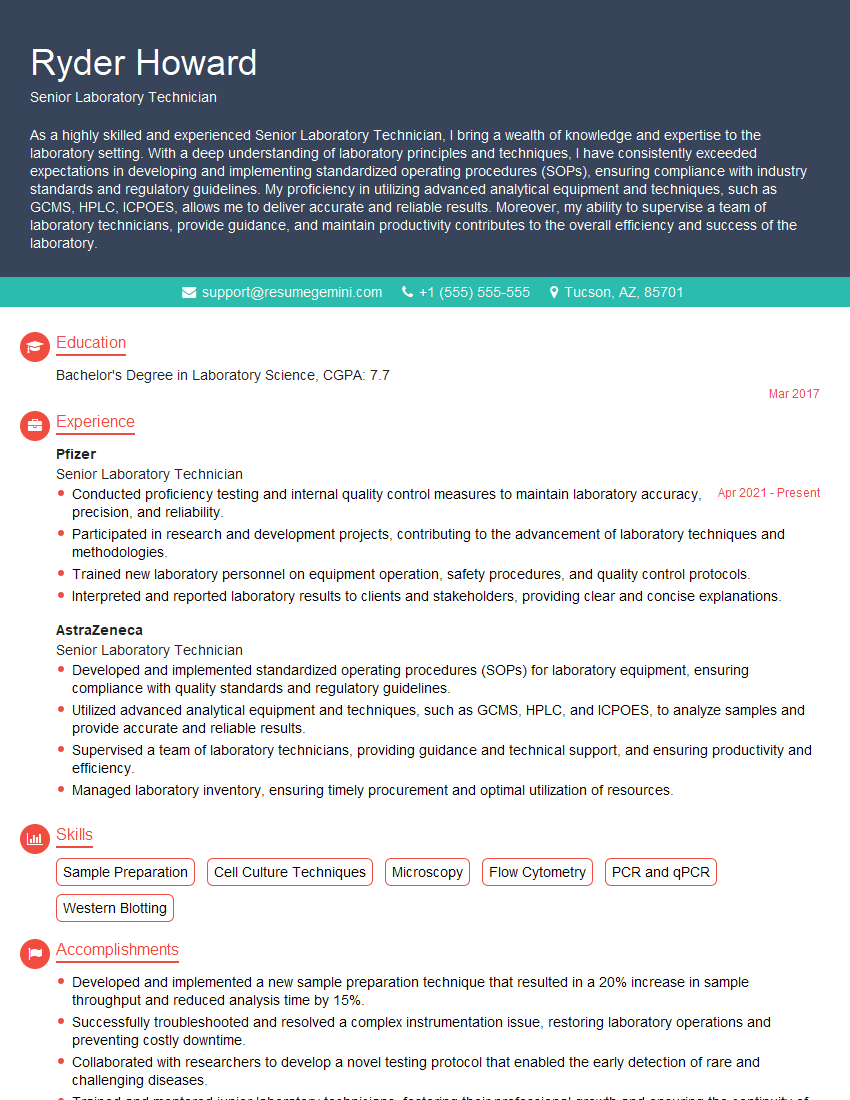
Senior Laboratory Technician Resume Sample
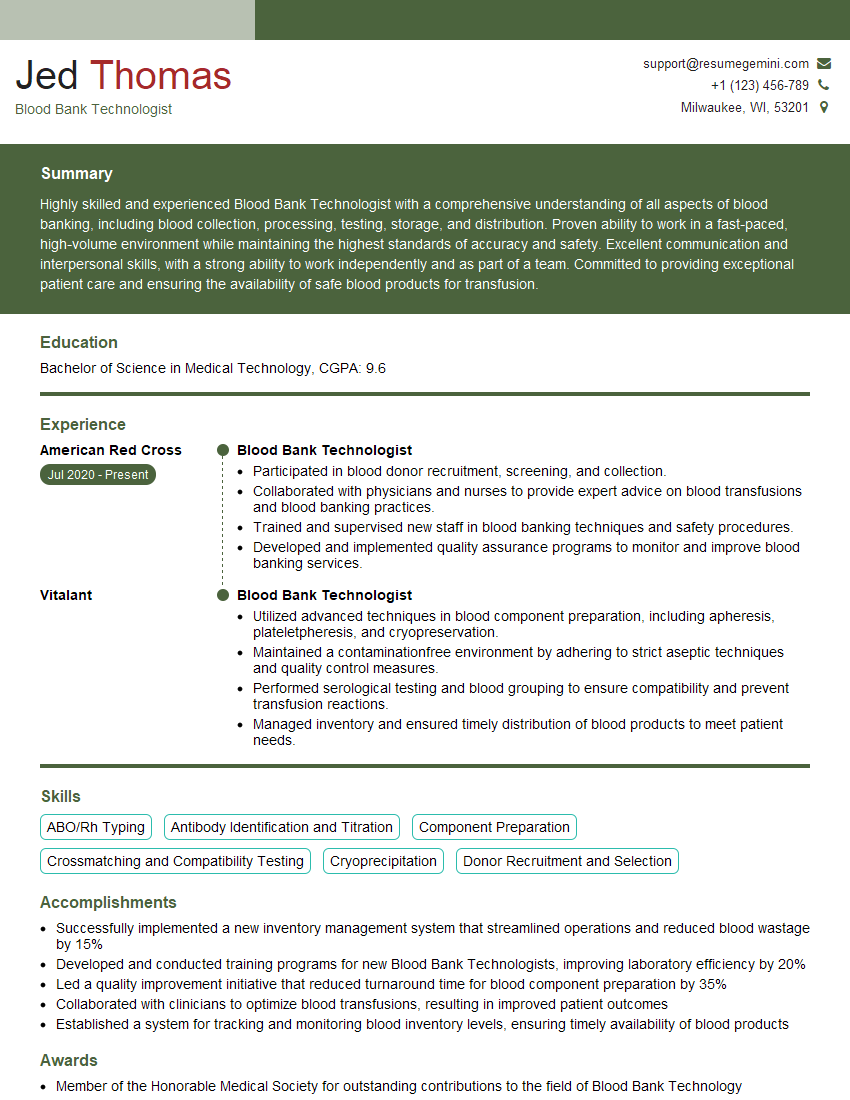
Blood Bank Technologist Resume Sample
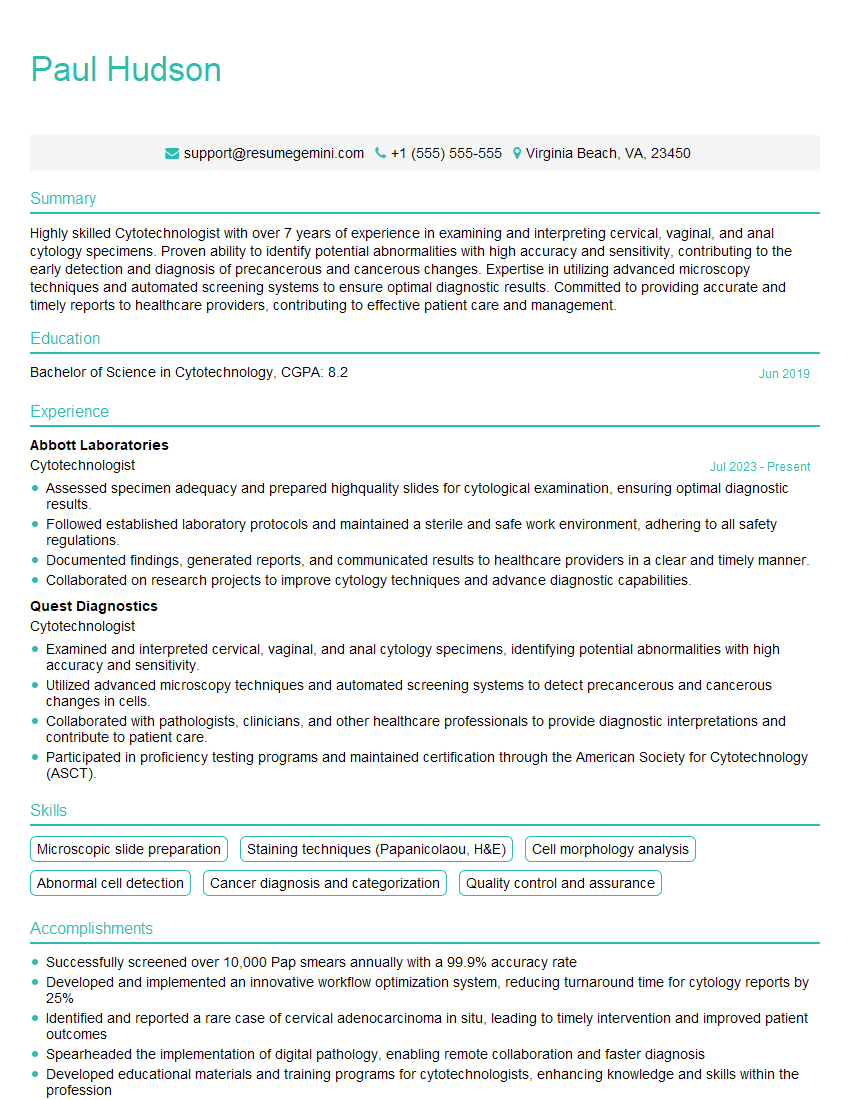
Cytotechnologist Resume Sample
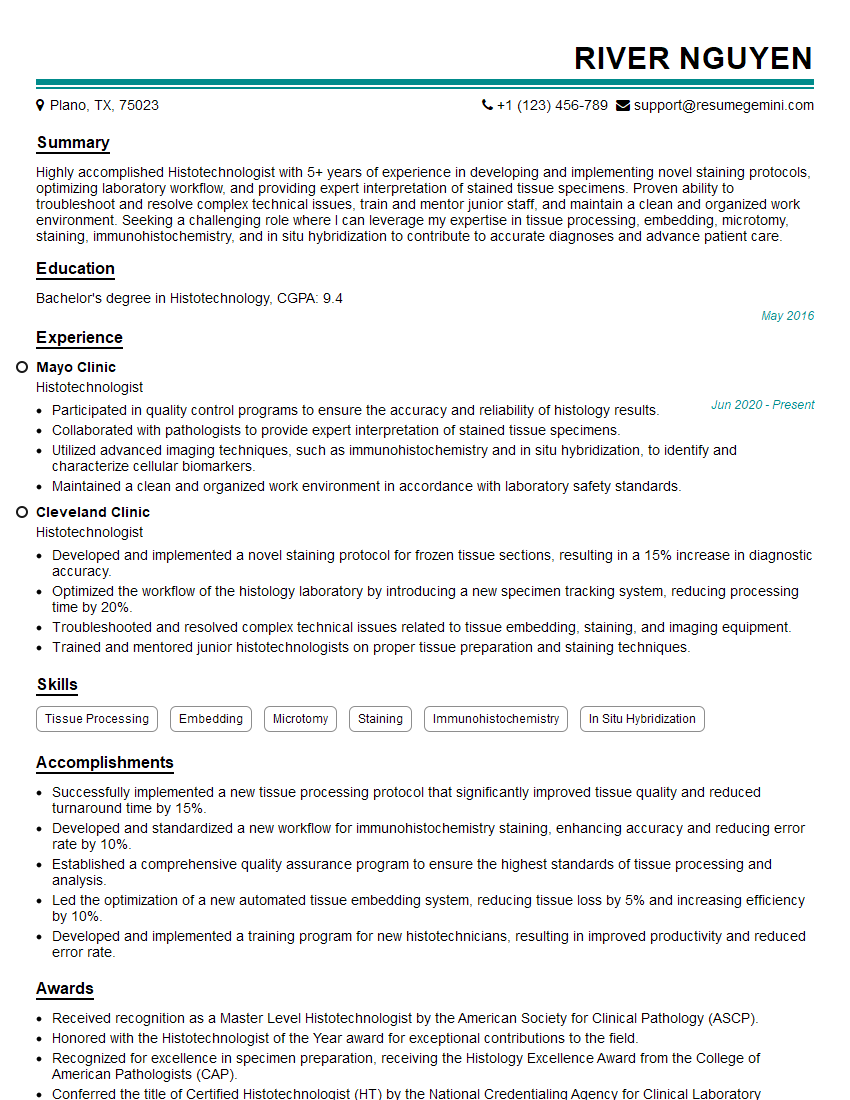
Histotechnologist Resume Sample
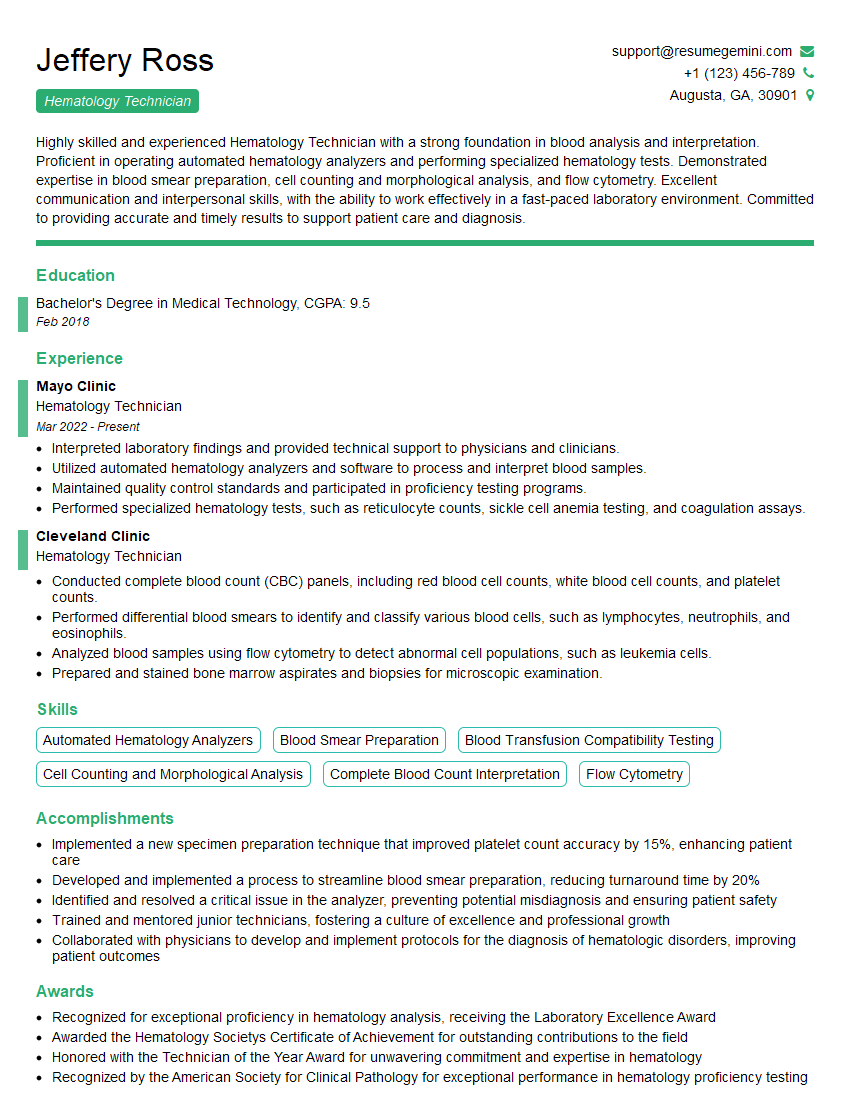
Hematology Technician Resume Sample
- Laboratory Manager
- Laboratory Supervisor
- Laboratory Technician
- Microbiologist
- Clinical Laboratory Scientist
- Biochemist
- Medical Technologist
- Microbiology Technician
- Chemistry Technician
- Laboratory Analyst
- Senior Laboratory Technician
- Blood Bank Technologist
- Cytotechnologist
- Histotechnologist
- Hematology Technician
Explore more articles
Users Rating of Our Blogs
Share Your Experience
We value your feedback! Please rate our content and share your thoughts (optional).
What Readers Say About Our Blog
Really detailed insights and content, thank you for writing this detailed article.
IT gave me an insight and words to use and be able to think of examples