The right preparation can turn an interview into an opportunity to showcase your expertise. This guide to Experience in using metalworking tools interview questions is your ultimate resource, providing key insights and tips to help you ace your responses and stand out as a top candidate.
Questions Asked in Experience in using metalworking tools Interview
Q 1. Describe your experience with different types of metalworking lathes.
My experience with metalworking lathes spans across various types, from simple engine lathes to more complex CNC (Computer Numerical Control) lathes. I’m proficient in operating both manual and automated lathes, understanding their unique capabilities and limitations. With manual lathes, I’m adept at setting up the machine, selecting appropriate tooling, and precisely controlling speed and feed rates to achieve the desired tolerances. For example, I’ve successfully turned shafts to exacting dimensions using a manual lathe, requiring careful monitoring of the workpiece and frequent adjustments. My experience with CNC lathes involves programming the machine using G-code, setting up tooling and workholding fixtures, and monitoring the automated machining process to ensure quality and efficiency. A recent project involved using a CNC lathe to create a complex camshaft, requiring precise control over multiple axes and complex tooling paths. The difference between the two is mainly in precision and speed; manual lathes require a skilled hand and lots of patience for high-precision work, whereas CNC lathes offer a faster, more repeatable process when programmed correctly.
Q 2. What safety precautions do you take when operating metalworking machinery?
Safety is paramount in any metalworking environment. Before operating any machinery, I always ensure that all guards are in place and functioning correctly. I meticulously inspect tooling for damage and wear before use, discarding any suspect tools. Proper personal protective equipment (PPE) is non-negotiable; this includes safety glasses, hearing protection, and appropriate clothing (long sleeves, closed-toe shoes). I always maintain a clean and organized workspace to prevent accidents caused by tripping or falling objects. Furthermore, I strictly adhere to the machine’s operating instructions and never attempt to operate equipment I’m not fully trained on. Before starting any operation, I perform a thorough risk assessment identifying potential hazards and implementing mitigating controls. A specific example: before operating a lathe, I always double-check that the chuck is securely tightened and the workpiece is firmly clamped before engaging the power. This prevents potentially catastrophic consequences from things such as a workpiece becoming dislodged.
Q 3. Explain the process of milling a specific part.
Let’s say we need to mill a simple aluminum bracket. First, I would create a detailed drawing specifying the dimensions and tolerances of the part. This drawing would then be used to program the CNC milling machine or to plan the cuts on a manual mill. Next, I would select the appropriate milling cutter, considering the material (aluminum), desired finish, and the geometry of the part. Aluminum is relatively soft, so I might choose a high-speed steel (HSS) end mill. I’d then mount the workpiece securely in the vise or other appropriate workholding device. The machining process would involve several steps: roughing, to remove excess material quickly; semi-finishing, to refine the surface and get closer to the final dimensions; and finishing, to achieve the desired surface finish and tolerances. Each step involves adjusting the feed rate and depth of cut according to the cutter’s capabilities and the material’s properties. Throughout the process, regular checks using measuring instruments such as calipers and micrometers are crucial to ensure that the part is within the specified tolerances. After machining, I would inspect the finished part to check for any defects before proceeding to deburring and other final processes.
Q 4. What are the different types of welding processes you are familiar with?
My welding experience encompasses several processes, including Shielded Metal Arc Welding (SMAW), commonly known as stick welding; Gas Metal Arc Welding (GMAW), or MIG welding; Gas Tungsten Arc Welding (GTAW), or TIG welding; and resistance welding. SMAW is useful for outdoor applications, often in situations where portability is important. MIG is highly productive and efficient for joining many metals, while TIG is ideal for high-quality welds, especially on thinner materials where precision is key. Resistance welding finds application in mass production for joining similar materials using heat generated from electrical resistance. I’ve employed each of these methods in various projects, selecting the appropriate process based on factors such as material thickness, joint design, required weld quality, and available equipment.
Q 5. How do you select the appropriate welding rod for a given material?
Selecting the correct welding rod is critical for achieving a strong and sound weld. The choice depends primarily on the base material being welded. For example, when welding mild steel, I’d use an E6013 electrode (a type of stick electrode) for all-position welding, offering good penetration and ease of use. For stainless steel, a 308L filler metal (often in a MIG wire form) would be appropriate, ensuring compatibility and avoiding corrosion. The diameter of the rod is also a factor, influenced by the thickness of the material. Thicker materials require larger diameter rods to ensure sufficient penetration, while thin materials require smaller diameters to prevent burn-through. Finally, the electrode coating, in stick welding, influences the weld’s properties like arc stability and penetration. Improper rod selection can result in weak welds, porosity, and cracking, compromising the structural integrity of the joint.
Q 6. Describe your experience with sheet metal fabrication techniques.
My experience with sheet metal fabrication includes a range of techniques, from shearing and punching to bending and rolling. I’m proficient in using various sheet metal tools, including power shears, punch presses, brake presses, and rolling machines. I’ve worked with different materials, including mild steel, stainless steel, and aluminum. For example, I’ve fabricated numerous enclosures and housings using a combination of shearing, punching, bending, and riveting. I’m familiar with different joint designs and the importance of proper material selection to meet strength, corrosion resistance, and other design specifications. I’m comfortable using CAD software to design sheet metal parts and create detailed fabrication drawings. This also includes understanding and using design parameters for bend allowance and other sheet metal characteristics.
Q 7. What are the common problems encountered during metal casting?
Several common problems can occur during metal casting. One is porosity, where gas bubbles become trapped in the solidified metal, leading to weakness and reduced mechanical properties. This can be caused by improper mold venting or excessive moisture in the molding sand. Another issue is shrinkage, which occurs as the metal cools and solidifies, causing internal stresses and potential cracking. This can be mitigated through proper mold design and the use of appropriate gating systems. Inclusions, which are foreign particles embedded within the cast metal, can also be a problem, causing defects and reducing quality. These can originate from contaminants in the molten metal or from the mold itself. Lastly, improper mold filling can lead to cold shuts, where two streams of molten metal fail to fuse completely, forming a weak point in the casting. Addressing these problems requires careful control of the entire casting process, from mold making to metal preparation and pouring.
Q 8. How do you measure tolerances in metalworking?
Measuring tolerances in metalworking is crucial for ensuring parts meet the required specifications. It involves using various precision measuring instruments to determine the dimensions and variations within those dimensions. The tolerance itself is the permissible deviation from a specified dimension.
We typically use tools like:
- Micrometers: These provide extremely accurate measurements down to thousandths of an inch or micrometers, ideal for precise checks on smaller parts.
- Calipers: Useful for measuring both internal and external dimensions of parts, offering a good balance of accuracy and speed. Vernier calipers offer greater precision than simple dial calipers.
- Gauge blocks: These are highly accurate reference standards used to calibrate other measuring tools and check dimensions indirectly.
- Coordinate Measuring Machines (CMMs): For complex parts, a CMM uses probes to scan and measure three-dimensional geometries with exceptional precision.
For example, a blueprint might specify a shaft diameter of 1 inch ± 0.005 inches. This means the acceptable diameter range is 0.995 inches to 1.005 inches. Any measurement outside this range would be considered outside tolerance and the part would likely be rejected.
Q 9. Explain the importance of proper tool maintenance.
Proper tool maintenance is paramount in metalworking for several reasons: it ensures accuracy, safety, extends tool life, and improves the quality of the finished product. Neglecting maintenance leads to inaccurate cuts, increased wear and tear, potential accidents, and ultimately, costly downtime.
My maintenance routine typically includes:
- Regular cleaning: Removing chips and debris after each use is essential to prevent damage and ensure the tools function correctly. Compressed air and appropriate cleaning solvents are invaluable.
- Lubrication: Applying appropriate lubricants to moving parts of tools extends their life and reduces wear. This is especially important for machines like lathes and mills.
- Sharpness inspection and sharpening: Cutting tools lose their edge over time. Regular inspection and professional sharpening are crucial for maintaining accuracy and efficiency. Dull tools require more force and generate more heat, leading to poor surface finishes and potential breakage.
- Storage: Proper storage prevents rust and damage. Tools should be stored in a dry, clean environment, ideally in protective cases or racks.
I remember once, I neglected to clean a milling cutter properly. The residual metal chips caused a significant vibration during the next operation, leading to a subpar finish and near-miss accident. Since then, I’ve been meticulous about cleaning.
Q 10. How do you troubleshoot common issues with CNC machines?
Troubleshooting CNC machines requires a systematic approach. It involves identifying the problem, isolating the cause, and implementing the correct solution. My troubleshooting strategy involves:
- Safety First: Always ensure the machine is powered down and locked out before any troubleshooting begins.
- Review the Error Messages: Modern CNC machines display error messages that provide valuable clues to the problem.
- Check the Obvious: Inspect for loose connections, broken wires, or obstructions in the machine’s path.
- Verify Tooling: Ensure that the correct tools are selected and properly seated. Check for tool wear or damage.
- Check Workpiece Holding: Verify that the workpiece is securely clamped and properly aligned.
- Review the Program: Examine the CNC program for errors in toolpaths, speeds, or feeds.
- Check the Coolant System: Insufficient coolant can lead to tool wear and overheating.
- Check Spindles and Motors: Listen for unusual noises or vibrations.
For instance, if a machine suddenly stops mid-operation with a ‘low coolant’ alarm, the solution is obvious – refill the coolant tank. If the error persists, however, it requires a deeper inspection to ensure the sensor itself is functioning correctly.
Q 11. What experience do you have with CAD/CAM software?
I have extensive experience with various CAD/CAM software packages, including Mastercam, Fusion 360, and SolidWorks CAM. My experience covers the entire workflow, from 3D modeling and design to generating CNC toolpaths. I’m proficient in creating various machining strategies including:
- Turning: Generating toolpaths for lathe operations, including roughing, finishing, and facing.
- Milling: Creating toolpaths for different milling strategies such as face milling, pocket milling, and contour milling.
- Drilling: Generating toolpaths for drilling holes of various sizes and depths.
In a recent project, I used Mastercam to design and generate toolpaths for a complex aerospace component. This required optimization for machining time, tool life and surface finish. My proficiency in CAM software enabled me to create efficient and precise toolpaths, resulting in a high-quality part within the allocated time frame.
Q 12. Describe your experience with different types of cutting tools.
My experience encompasses a wide range of cutting tools, each suited to different materials and machining operations. This includes:
- End Mills: Used for milling operations, available in various designs (ball nose, square, etc.) for different applications.
- Drills: Used for creating holes, available in different types (twist drills, core drills, etc.) depending on the material and hole size.
- Taps and Dies: Used for creating internal and external threads.
- Turning Tools: Various types of turning tools (facing tools, grooving tools, boring bars, etc.) are used on lathe machines.
- Reaming Tools: Used to enlarge and accurately size holes.
The selection of the cutting tool depends on several factors, including the material being machined, the desired surface finish, and the type of machining operation. For instance, a high-speed steel (HSS) end mill might be suitable for machining aluminum, while a carbide end mill would be preferred for harder materials such as steel.
Q 13. How do you read and interpret blueprints?
Reading and interpreting blueprints is fundamental to metalworking. Blueprints provide detailed information on the dimensions, tolerances, materials, and manufacturing processes required to produce a part. My approach involves:
- Understanding the Views: Blueprints usually include multiple views (top, front, side) to represent the three-dimensional shape of a part.
- Interpreting Dimensions and Tolerances: Accurate measurement interpretation is crucial. I pay close attention to dimensions, tolerances, and annotations.
- Identifying Materials and Finishes: Blueprints specify the material to be used and the required surface finish.
- Understanding Manufacturing Notes: Any additional manufacturing instructions are carefully noted.
- Checking for Revisions: Always check the revision history to ensure I’m working with the latest version.
For example, a symbol indicating a surface finish might specify a roughness value, which dictates the level of smoothness required. I’ll use appropriate tools and techniques to achieve that exact finish.
Q 14. What are your experience with different types of metal alloys?
My experience includes working with a variety of metal alloys, each possessing unique properties that influence the machining process. This includes:
- Steel: A common material with many grades, ranging from mild steel to high-strength alloys. Machining parameters need adjusting depending on the steel’s hardness and composition. High-speed steel or carbide cutting tools are typically required.
- Aluminum: A lightweight and easily machinable material, often used in aerospace and automotive applications. Aluminum alloys can be softer or harder depending on the alloying elements.
- Titanium: A strong and lightweight material with high corrosion resistance, frequently used in aerospace applications. Machining titanium requires specialized tools and techniques due to its high strength and tendency to work-harden.
- Stainless Steel: Known for its corrosion resistance, stainless steel can be challenging to machine due to its hardness and tendency to work-harden. Special cutting fluids are often necessary.
Choosing the right cutting tool and parameters is essential when working with different alloys. For instance, machining titanium requires specialized carbide cutting tools and a significantly lower cutting speed compared to machining aluminum.
Q 15. Explain the process of heat treating metals.
Heat treating is a crucial process in metalworking that modifies a metal’s physical properties, like hardness, strength, and ductility, by controlling its microstructure. It involves heating the metal to a specific temperature, holding it there for a certain time, and then cooling it at a controlled rate. This alters the arrangement of atoms within the metal’s crystalline structure.
The process typically involves several stages:
- Heating: The metal is heated to a specific temperature range, often within a furnace, to allow for atomic rearrangement. The temperature varies depending on the type of metal and the desired properties.
- Soaking: The metal is held at the temperature for a period, allowing the atoms to fully redistribute and achieve the desired microstructure. This time is crucial for uniformity.
- Cooling: The metal is cooled, which can be done quickly (quenching) or slowly (annealing), drastically influencing the final properties. Quenching in oil or water produces a hard, brittle metal, while slow cooling leads to a softer, more ductile one.
Example: A common heat treatment is hardening and tempering steel. Steel is heated to austenitizing temperature, quenched to harden it, and then tempered to reduce brittleness, resulting in a strong yet resilient material suitable for tools and components.
Career Expert Tips:
- Ace those interviews! Prepare effectively by reviewing the Top 50 Most Common Interview Questions on ResumeGemini.
- Navigate your job search with confidence! Explore a wide range of Career Tips on ResumeGemini. Learn about common challenges and recommendations to overcome them.
- Craft the perfect resume! Master the Art of Resume Writing with ResumeGemini’s guide. Showcase your unique qualifications and achievements effectively.
- Don’t miss out on holiday savings! Build your dream resume with ResumeGemini’s ATS optimized templates.
Q 16. How do you ensure the quality of your metalworking output?
Ensuring quality in metalworking relies on a multifaceted approach that begins with careful planning and extends through every stage of the process. It’s about precision, consistency, and attention to detail.
- Material Selection: Choosing the right metal for the job is paramount. Understanding material properties and their suitability for the intended application is essential.
- Precise Measurement: Utilizing accurate measuring instruments, like calipers, micrometers, and dial indicators, is crucial for ensuring dimensional accuracy.
- Process Control: Maintaining consistent machining parameters such as cutting speed, feed rate, and depth of cut is vital for achieving uniform results and preventing defects.
- Regular Inspection: Frequent visual inspection during machining, and dimensional checks at various stages, allows for early detection and correction of any errors.
- Quality Control Tests: Depending on the application, destructive or non-destructive testing (NDT) methods may be employed. Examples include hardness testing, tensile strength tests, or ultrasonic inspection to verify the quality and integrity of the finished product.
Example: In a recent project involving the manufacture of precision parts, I implemented a system of regular in-process inspections, incorporating a statistical process control (SPC) chart to track dimensions and identify any deviations early, resulting in a significant reduction in scrap and rework.
Q 17. What are your experience with different types of surface finishing techniques?
My experience encompasses a range of surface finishing techniques, each serving a specific purpose in enhancing the aesthetics, durability, and functionality of metal components.
- Polishing: Used to achieve a smooth, high-luster finish, improving appearance and reducing friction. Mechanical polishing, using abrasives, is commonly employed.
- Electroplating: Applying a thin layer of a different metal (e.g., chrome, nickel, zinc) via electrolysis enhances corrosion resistance, wear resistance, or aesthetics.
- Powder Coating: Applying a dry powder coating that is then cured with heat offers excellent corrosion protection and a wide variety of colors and textures.
- Anodizing: An electrochemical process that creates a thick, hard oxide layer on aluminum, boosting its durability and corrosion resistance. This process is particularly suitable for aerospace and architectural applications.
- Sandblasting: A technique using compressed air to propel abrasive particles against the metal surface, creating a textured finish or removing imperfections. This is often used for creating a matte finish or preparing a surface for painting.
Example: For a recent project involving custom motorcycle parts, I used a combination of polishing and chrome plating to achieve a highly polished, corrosion-resistant finish, which met the client’s specific aesthetic requirements.
Q 18. How do you manage your time effectively in a fast-paced metalworking environment?
Effective time management in a fast-paced metalworking environment is crucial for maintaining productivity and meeting deadlines. My approach centers around prioritization, planning, and efficient workflow.
- Prioritization: I use a system of ranking tasks based on urgency and importance, focusing on high-priority jobs first to ensure timely completion.
- Detailed Planning: Before starting any project, I create a detailed plan, outlining all the necessary steps, required tools, and estimated time for each task.
- Efficient Workflow: I optimize my workflow by minimizing unnecessary movements and ensuring that all tools and materials are readily available. Lean manufacturing principles guide my approach.
- Multitasking (Smartly): I strategically multitask, focusing on complementary tasks that can be done concurrently without compromising quality or safety.
- Continuous Improvement: I regularly review my methods, identifying areas for improvement and adjusting my approach accordingly to maximize efficiency.
Example: During a period of high demand, I optimized our workflow by implementing a Kanban system, which visualized the flow of work, identified bottlenecks, and helped us streamline our production process, reducing lead times significantly.
Q 19. Describe a time you had to troubleshoot a complex metalworking problem.
During a project involving the fabrication of a complex die casting mold, we encountered an unexpected issue: a significant warping of the mold after the initial heat treatment. This rendered the mold unusable.
Troubleshooting involved a systematic approach:
- Identify the Problem: We accurately documented the warping and its extent using measuring instruments.
- Analyze the Cause: We reviewed the heat treatment parameters, material specifications, and the mold’s design, searching for any potential contributing factors.
- Develop Hypotheses: We hypothesized that uneven heating or improper cooling during the heat treatment process might be responsible.
- Test Hypotheses: We performed further tests, carefully monitoring the temperature and cooling rates during subsequent heat treatments on test pieces.
- Implement Solutions: Based on our findings, we adjusted the heat treatment process, implementing more controlled heating and cooling procedures, using insulation to achieve greater temperature uniformity.
- Verification: We manufactured a new mold using the revised process, rigorously checking for warping. The solution was successful and we avoided any further project delays.
The experience underscored the importance of a systematic approach to troubleshooting, involving careful observation, data analysis, and iterative problem-solving.
Q 20. How do you work effectively as part of a team in a metalworking setting?
Effective teamwork in metalworking requires clear communication, mutual respect, and a shared commitment to achieving common goals. My approach focuses on collaboration, shared responsibility, and open communication.
- Clear Communication: I ensure that all team members are fully informed about project goals, timelines, and individual responsibilities.
- Shared Responsibility: I believe in a collaborative environment where team members share the responsibility for success and openly discuss challenges.
- Open Communication: I encourage open dialogue, actively seeking input from team members and offering my support and expertise.
- Conflict Resolution: I aim to address disagreements proactively, fostering a culture of respectful dialogue and finding mutually agreeable solutions.
- Mutual Support: I assist colleagues when needed, offering my skills and knowledge to overcome obstacles and ensure the team’s success.
Example: During a particularly challenging project, I worked closely with our design engineers and quality control team, facilitating open communication and ensuring that we collectively solved problems and met the project requirements successfully.
Q 21. What are your experience with different types of measuring instruments?
My experience with measuring instruments is extensive, encompassing a wide range of tools crucial for accurate and efficient metalworking. I am proficient in using:
- Vernier Calipers: Precise measurement of linear dimensions, internal and external diameters.
- Micrometers: High precision measurement for extremely fine tolerances.
- Dial Indicators: Used for checking surface flatness, roundness, and runout.
- Height Gauges: Precise height measurement for setup and inspection.
- Angle Gauges: Measuring angles with accuracy.
- Optical Comparators: Inspecting parts for dimensional accuracy and surface finish against templates.
- Coordinate Measuring Machines (CMMs): For three-dimensional measurement of complex parts, offering high accuracy and automation capabilities.
Example: In a recent quality control inspection, I used a CMM to verify the dimensional accuracy of a complex part, ensuring that it met stringent tolerance requirements before shipment to the customer.
Q 22. Describe your experience working with different types of metalworking machines.
My experience encompasses a wide range of metalworking machines. I’m proficient in operating CNC milling machines, where I’ve programmed and executed complex parts using software like Mastercam. This involves setting up tooling, selecting appropriate cutting parameters (feed rate, depth of cut, spindle speed) to ensure precision and efficiency. I’ve also extensively used CNC lathes for turning operations, creating cylindrical and complex shaped parts from bar stock or castings. Manual milling machines and lathes are also within my skill set, requiring a higher degree of manual dexterity and precise hand-eye coordination. Furthermore, I have experience with press brakes for bending sheet metal, ensuring accurate angles and consistent bends. Finally, I’m familiar with welding equipment, including MIG and TIG welders, for joining metal components.
- CNC Milling: I once machined a highly intricate aluminum part with extremely tight tolerances using a 5-axis CNC mill. The project required careful toolpath programming and meticulous attention to detail to achieve the required accuracy.
- CNC Lathe: I’ve worked on production runs of stainless steel shafts, optimizing the machining process to maximize efficiency and minimize waste.
Q 23. What are the different types of metalworking processes you are familiar with?
My familiarity with metalworking processes is extensive, covering both subtractive and additive manufacturing techniques. Subtractive processes include milling (removing material to create a desired shape), turning (rotating a workpiece against a cutting tool), drilling (creating holes), sawing (cutting metal using blades), grinding (removing material using abrasive wheels), and shaping (forming metal using specialized tools like hammers and anvils). Additive processes, though less extensively used in my past roles, include techniques such as welding (joining metal pieces together), brazing (joining metal using a filler metal with a lower melting point), and soldering (similar to brazing, but typically used for lower melting point metals).
I am also experienced in various secondary operations including heat treating (altering metal properties through controlled heating and cooling), surface finishing (processes like polishing and plating to enhance appearance and durability), and quality control (inspection using measuring instruments like calipers and micrometers).
Q 24. How do you maintain a clean and safe workspace?
Maintaining a clean and safe workspace is paramount in metalworking. My approach is proactive and systematic. Firstly, I meticulously clean up chips and debris after each operation, using a brush and compressed air to remove loose particles. Secondly, I ensure that all tools and equipment are properly stored in designated locations to prevent accidents. Thirdly, I regularly inspect machines for any signs of damage or wear, reporting any issues immediately. Safety protocols are strictly followed, including the proper use of personal protective equipment (PPE) such as safety glasses, hearing protection, and appropriate clothing. Machine guards are always in place and operational, and I ensure all safety interlocks are functioning correctly. Finally, I maintain a well-organized workspace, which helps prevent trips and falls.
Think of it like this: a tidy workspace is a safe workspace. Proactive maintenance prevents accidents before they happen.
Q 25. What are your experience with using hand tools in metalworking?
Hand tools are fundamental in metalworking, offering precision and flexibility that machines sometimes lack. I’m skilled in using a variety of hand tools, including files (for shaping and smoothing surfaces), hacksaws (for cutting metal), chisels (for shaping and removing material), punches (for creating holes), and various wrenches and screwdrivers for assembly and disassembly. I’m proficient in using measuring tools like calipers, micrometers, and rulers to ensure accurate dimensions. My experience with hand tools extends to working with sheet metal, including using shears, punches, and mallets for shaping and forming operations.
For instance, I once used a combination of files and a hammer to carefully shape a custom bracket, ensuring a precise fit.
Q 26. Describe a time you had to adapt to changing priorities in metalworking project.
In one project, we were manufacturing a batch of custom brackets. The initial design specifications were precise, and we were progressing according to plan. However, halfway through, the client requested a significant modification to the design, altering several key dimensions and requiring a different material. This necessitated a complete re-evaluation of the machining process. I quickly adapted by working closely with the design team and re-programming the CNC machines to accommodate the changes. We also had to source the new material quickly. By effectively communicating with the team and utilizing my problem-solving skills, we successfully delivered the modified brackets on time, despite the unexpected change in priorities.
Q 27. What are your career goals within the metalworking industry?
My career goals involve progressing into a supervisory role within the metalworking industry. I’m eager to leverage my experience and skills to lead a team, optimizing production processes and mentoring less experienced metalworkers. I aim to continuously expand my knowledge by staying abreast of advancements in technology and techniques, potentially specializing in a particular area such as advanced CNC programming or robotics in manufacturing.
Q 28. What are your strengths and weaknesses as a metalworker?
My strengths lie in my problem-solving abilities, my meticulous attention to detail, and my proficiency in operating a wide range of metalworking machines. I’m also a quick learner and adapt easily to new technologies and challenges. My experience with both manual and CNC machining gives me a broad skill set. A weakness I’m working on is delegation. While I’m comfortable handling all aspects of a project myself, I recognize the importance of effectively delegating tasks to improve team efficiency in a supervisory role. I’m actively working on developing my leadership and communication skills to overcome this.
Key Topics to Learn for Experience in using Metalworking Tools Interview
- Safety Procedures and Regulations: Understanding and adhering to all relevant safety protocols when operating metalworking machinery. This includes proper PPE usage and emergency procedures.
- Types of Metalworking Tools & Their Applications: Familiarity with various tools such as lathes, milling machines, grinders, welding equipment, and hand tools. Understanding their specific applications and limitations.
- Material Selection and Properties: Knowledge of different metals (steel, aluminum, brass, etc.), their properties (strength, hardness, machinability), and how these properties influence tool selection and machining parameters.
- Machining Processes: Understanding various machining processes like turning, milling, drilling, grinding, and their practical applications. Knowing the difference between various cutting techniques and their suitability for different materials.
- Measurement and Precision: Proficiency in using measuring instruments (calipers, micrometers) to ensure accuracy and precision in metalworking operations. Understanding tolerances and their importance.
- Troubleshooting and Problem-Solving: Ability to identify and resolve common problems encountered during metalworking, such as tool wear, machine malfunctions, and dimensional inaccuracies. This includes understanding diagnostic techniques and preventative maintenance.
- Blueprint Reading and Interpretation: Ability to read and interpret engineering drawings and blueprints to understand specifications and create metal components accurately.
- Quality Control and Inspection: Understanding quality control processes and techniques used to ensure the final product meets the required specifications.
Next Steps
Mastering metalworking skills opens doors to exciting career opportunities in manufacturing, engineering, and skilled trades. A strong resume is crucial for showcasing your expertise and landing your dream job. Creating an ATS-friendly resume that highlights your practical experience and technical skills is key to getting noticed by recruiters. ResumeGemini is a trusted resource to help you build a professional and impactful resume that stands out. Examples of resumes tailored to highlight experience in using metalworking tools are available to help you create your perfect application.
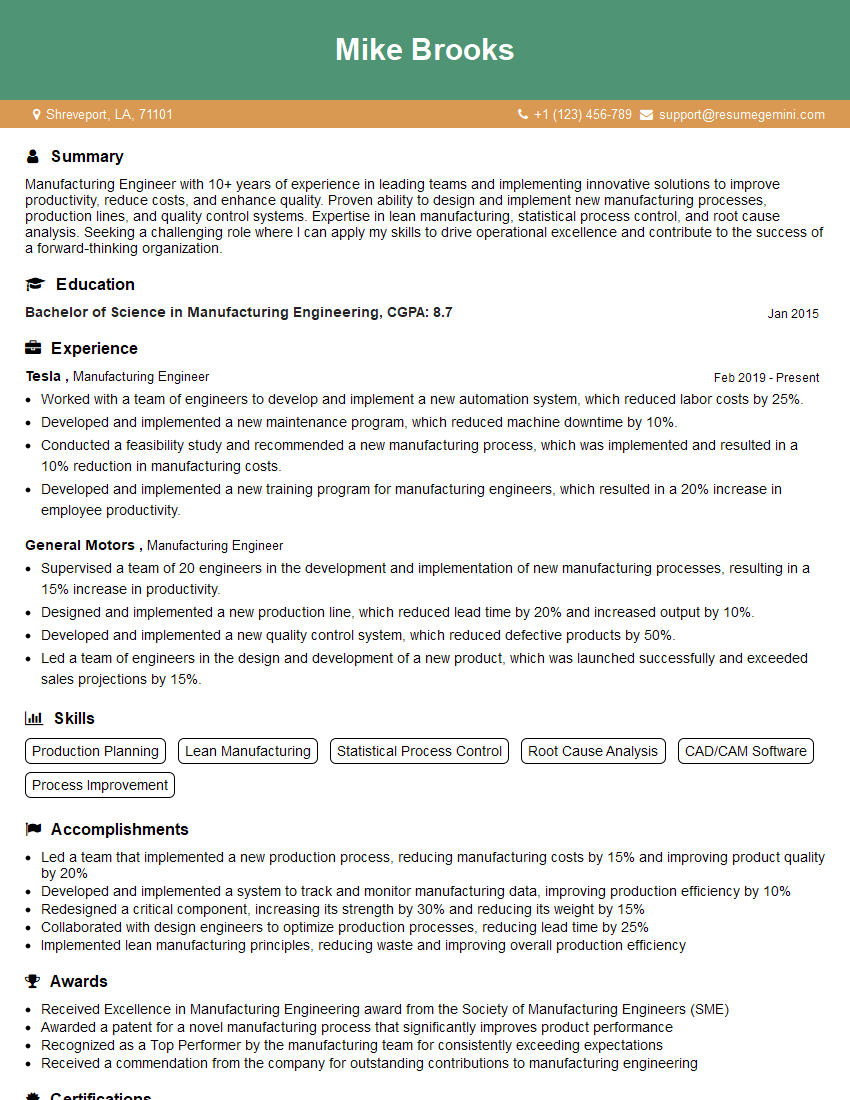
Manufacturing Engineer Resume Sample

Metallurgist Resume Sample

Welding Engineer Resume Sample
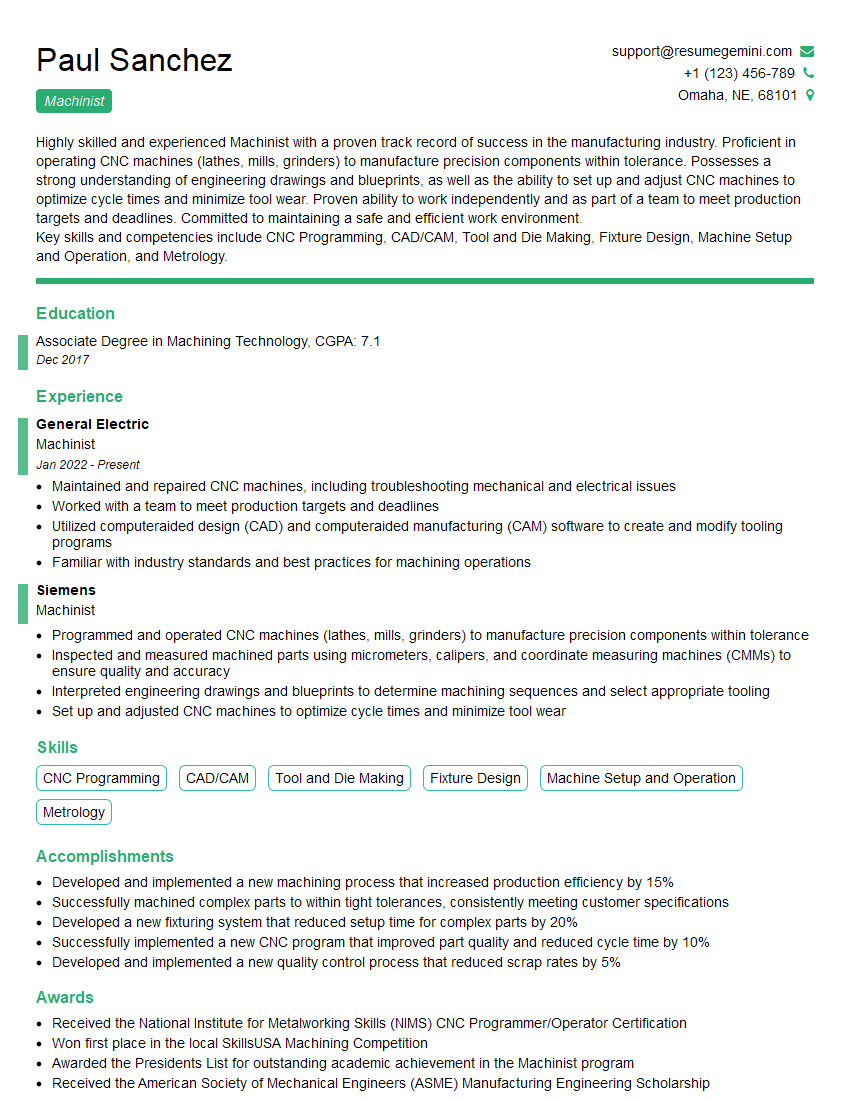
Machinist Resume Sample
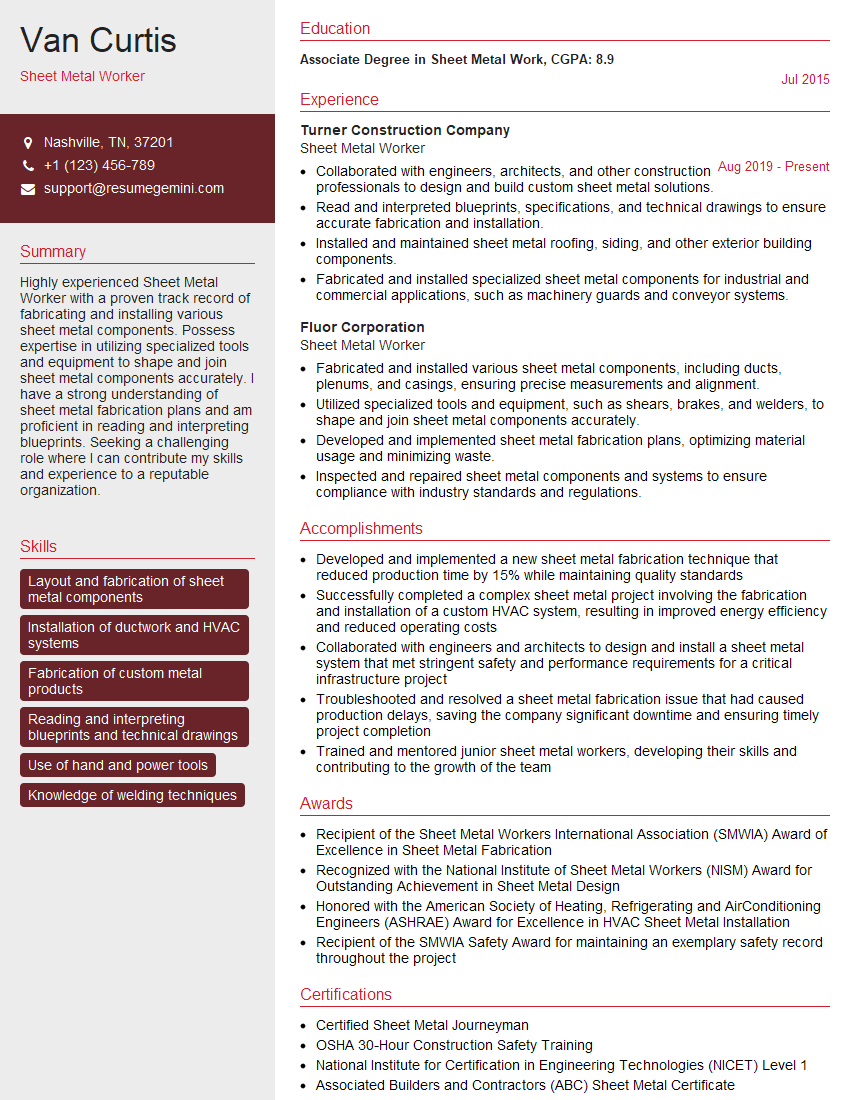
Sheet Metal Worker Resume Sample
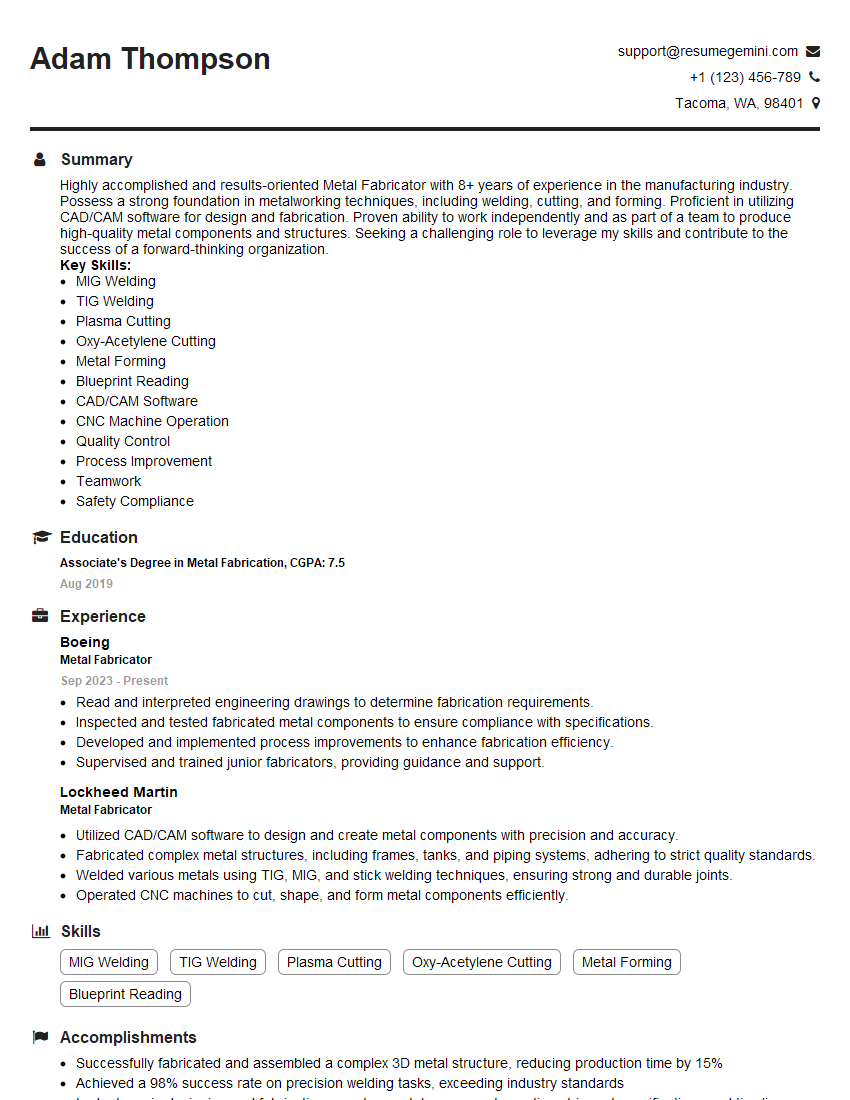
Metal Fabricator Resume Sample

Welder Resume Sample
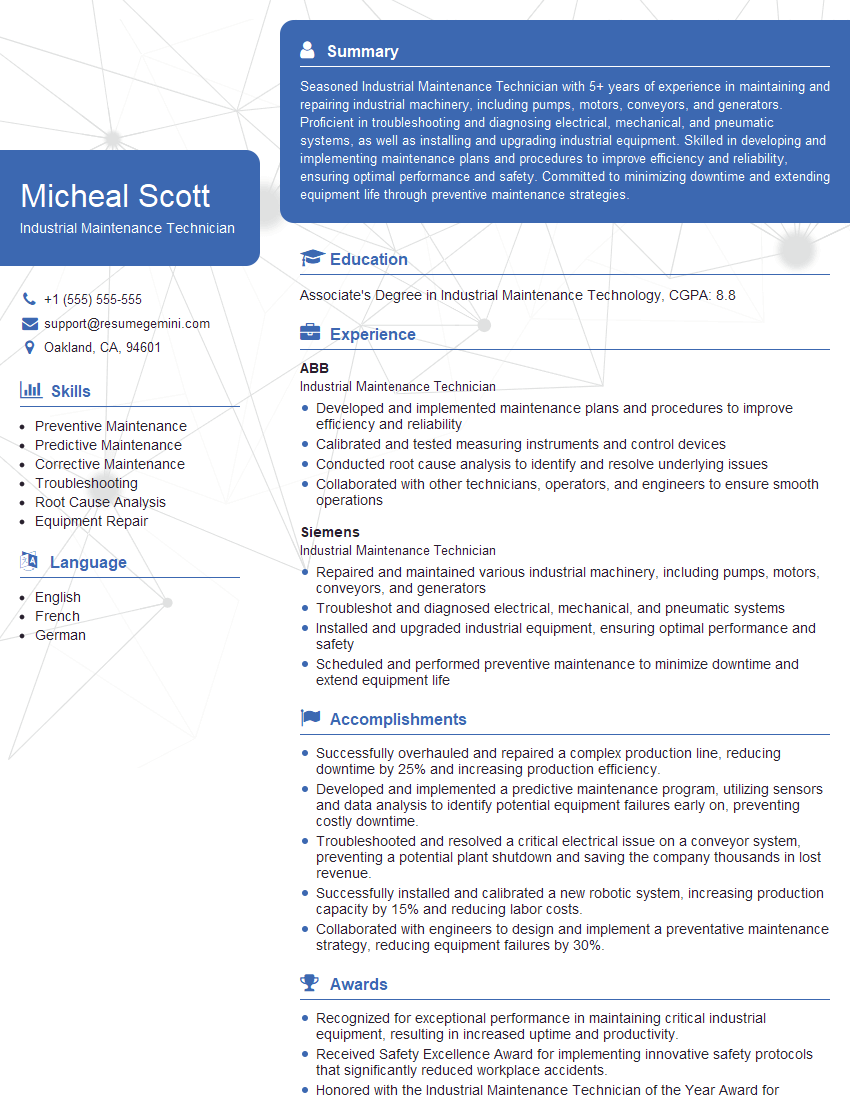
Industrial Maintenance Technician Resume Sample
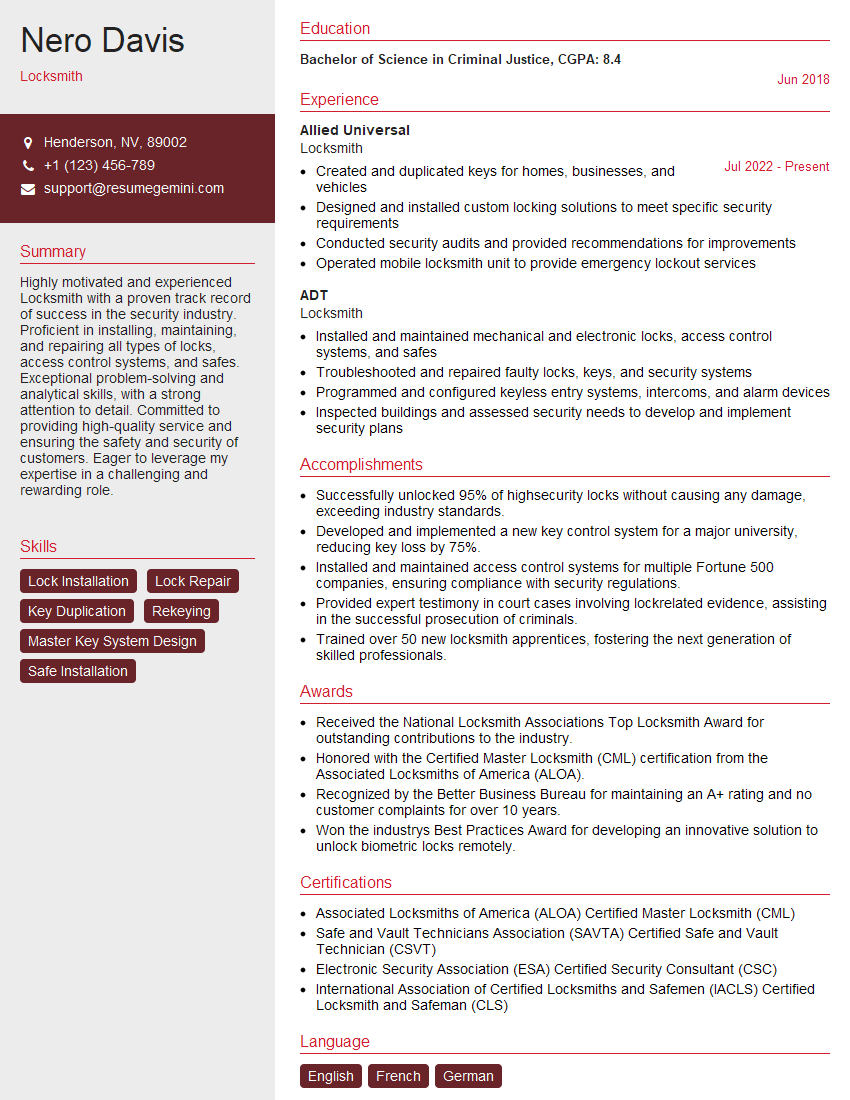
Locksmith Resume Sample
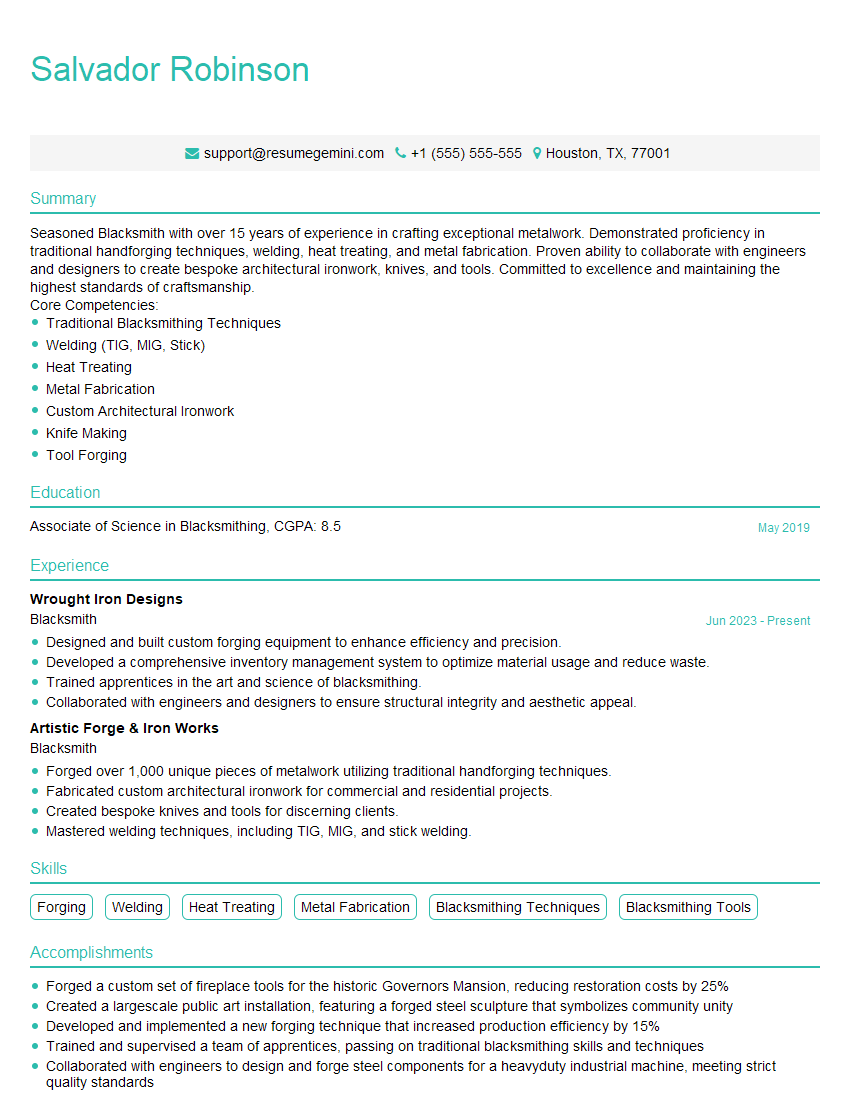
Blacksmith Resume Sample

Metal Finisher Resume Sample
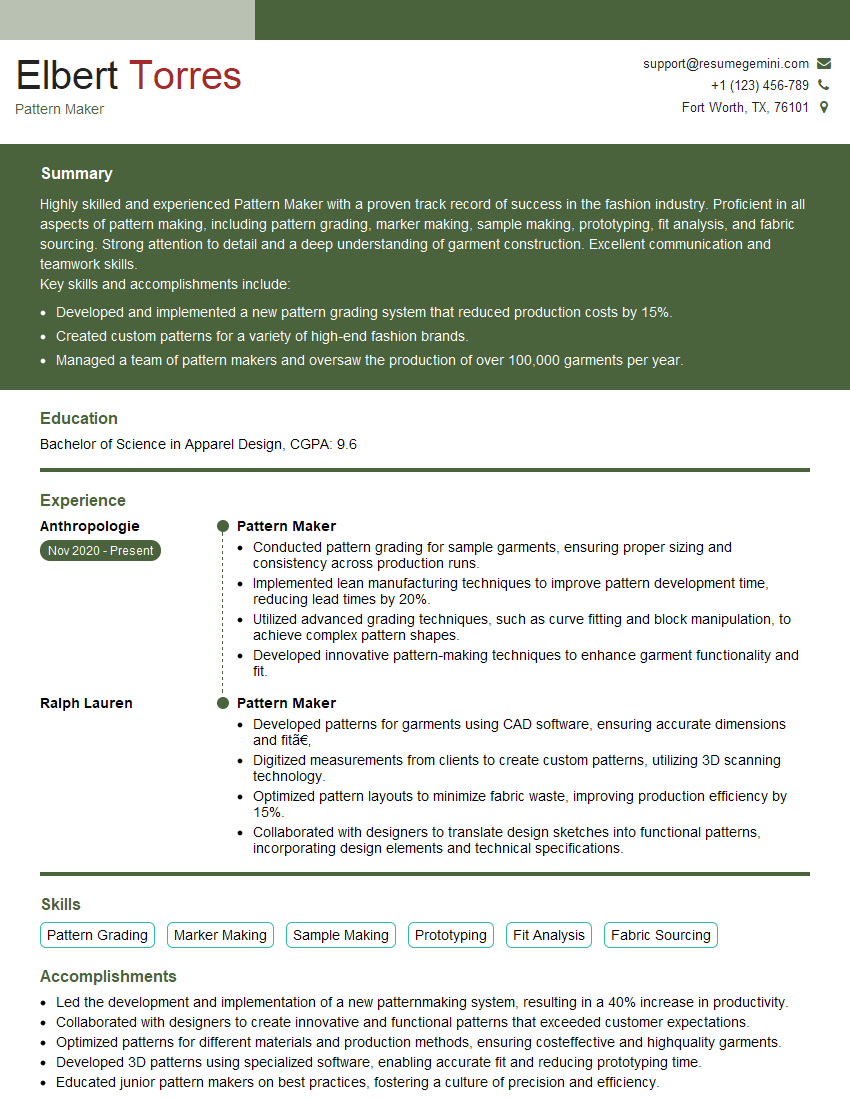
Pattern Maker Resume Sample
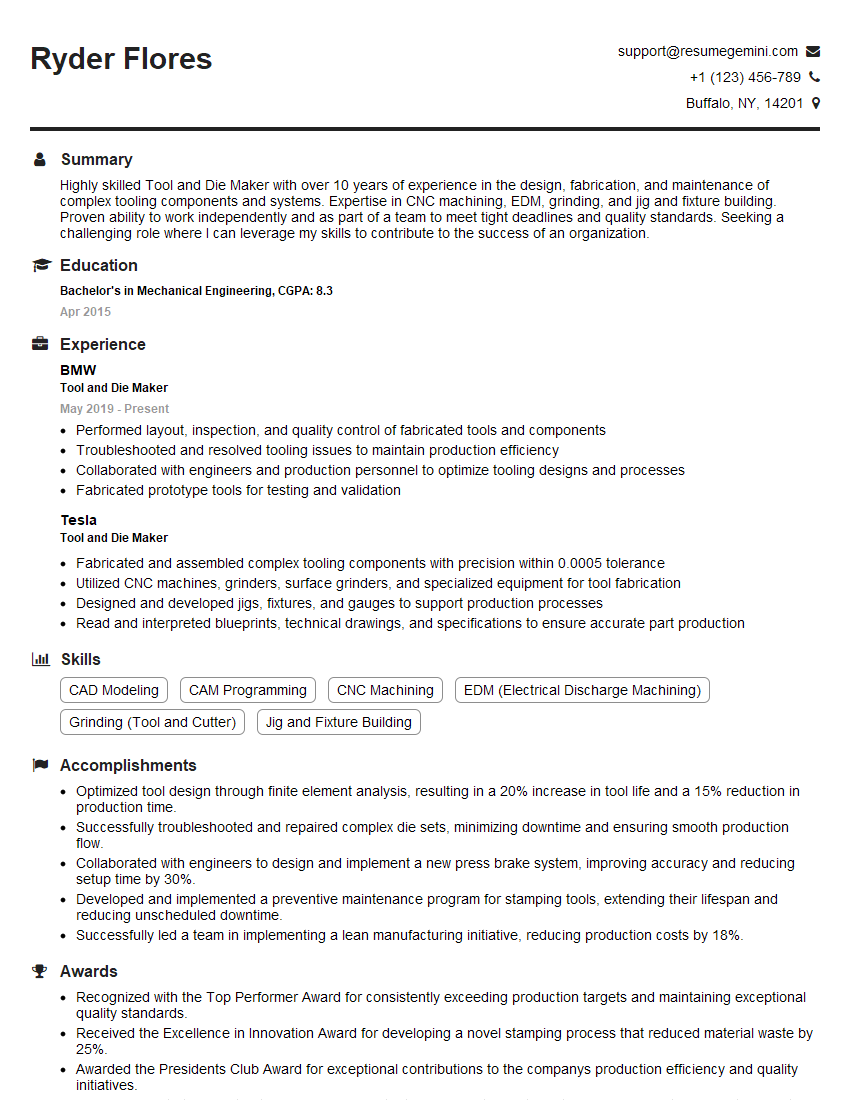
Tool and Die Maker Resume Sample
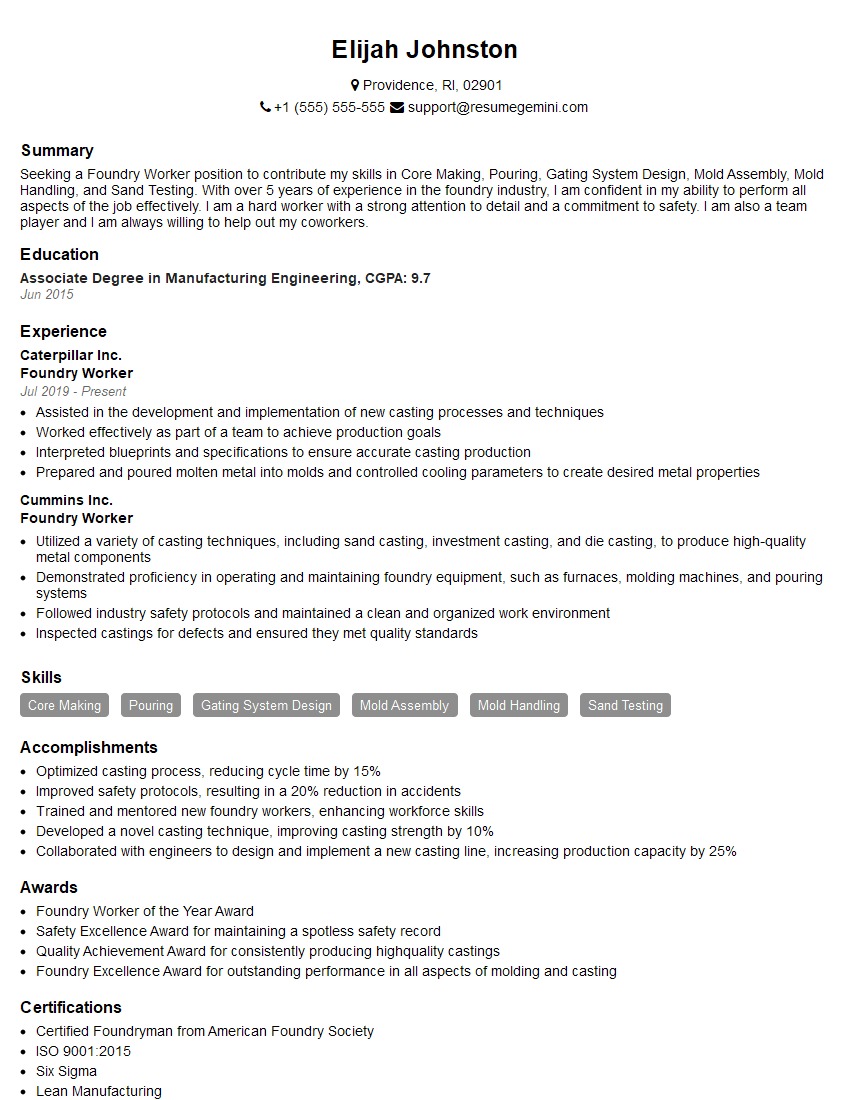
Foundry Worker Resume Sample
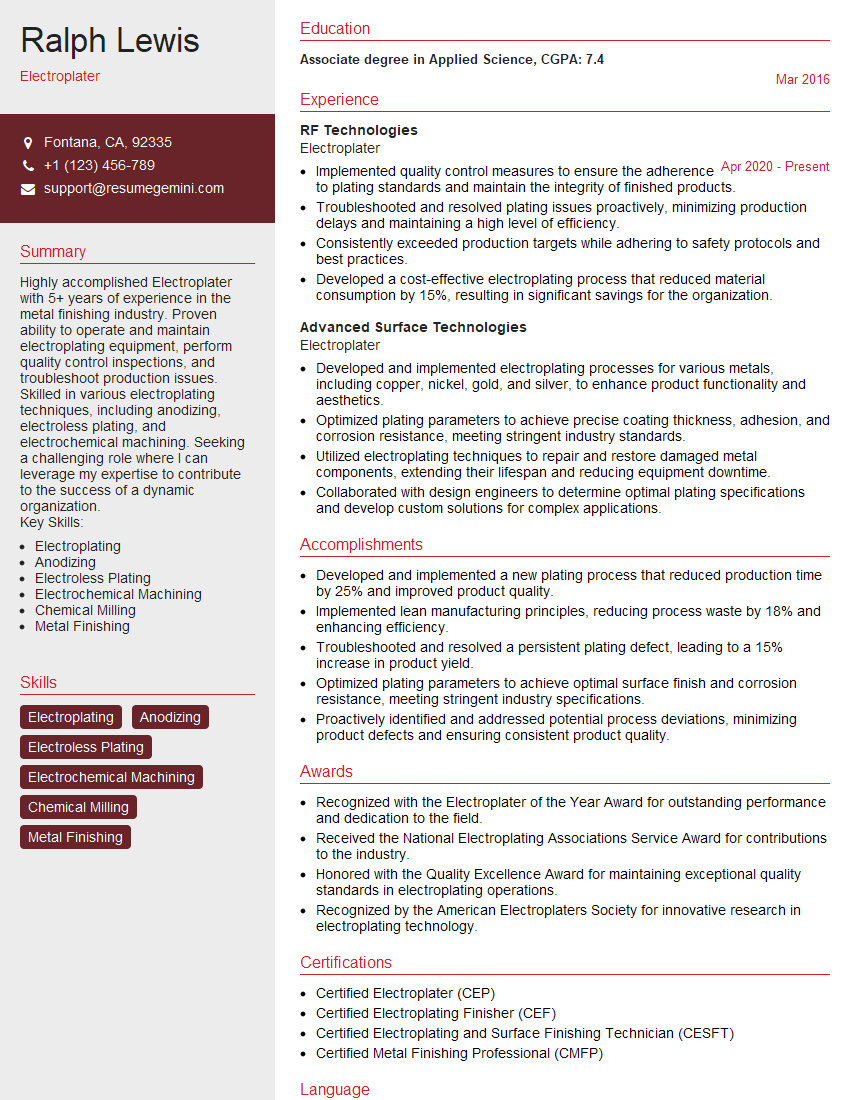
Electroplater Resume Sample

Jewelry Maker Resume Sample
Explore more articles
Users Rating of Our Blogs
Share Your Experience
We value your feedback! Please rate our content and share your thoughts (optional).
What Readers Say About Our Blog
Really detailed insights and content, thank you for writing this detailed article.
IT gave me an insight and words to use and be able to think of examples