Every successful interview starts with knowing what to expect. In this blog, we’ll take you through the top Experience with a variety of clients and industries interview questions, breaking them down with expert tips to help you deliver impactful answers. Step into your next interview fully prepared and ready to succeed.
Questions Asked in Experience with a variety of clients and industries Interview
Q 1. Describe your experience working with clients from different industries.
My experience spans a diverse range of industries, including technology, healthcare, finance, and non-profit organizations. This exposure has allowed me to develop a versatile approach to client management, recognizing that each sector presents unique challenges and opportunities. For example, working with a tech startup demands a fast-paced, agile strategy, whereas a healthcare client necessitates a meticulous, regulatory-compliant approach. The key is adaptability.
- Technology: I’ve worked with several tech startups, focusing on rapid growth strategies and market penetration.
- Healthcare: My experience includes projects involving HIPAA compliance and patient data privacy, requiring a rigorous approach to data security.
- Finance: I’ve partnered with financial institutions, needing to be acutely aware of regulatory frameworks and risk mitigation strategies.
- Non-profit: Working with NGOs, I focused on maximizing impact and resource allocation to achieve social good, often dealing with limited budgets.
Q 2. How have you adapted your approach to client management based on industry differences?
My approach to client management is highly adaptable. It’s not a one-size-fits-all solution. I tailor my strategy based on the industry’s specific characteristics, such as regulatory requirements, communication styles, and decision-making processes. For instance:
- Regulatory Compliance: In healthcare, meticulous documentation and adherence to HIPAA regulations are paramount. In finance, meeting SEC regulations is crucial.
- Communication Styles: Tech companies often favor quick, informal communication. In contrast, financial institutions may prefer more formal and detailed reports.
- Decision-Making Processes: Startups often involve rapid decision-making by smaller teams, while large corporations might have longer approval cycles with multiple stakeholders.
I leverage industry-specific knowledge and best practices to build trust and achieve project goals efficiently.
Q 3. Explain a situation where you had to quickly learn about a new industry to serve a client.
A client in the renewable energy sector approached me for a marketing campaign. Although I had experience in marketing, I lacked specific knowledge of solar energy technology and its target market. I immediately started a crash course, reading industry reports, attending webinars, and networking with professionals in the field.
I focused on understanding:
- The Technology: I learned the different types of solar panels, energy storage solutions, and the overall energy generation process.
- The Market: I researched customer demographics, buying behaviors, and competitive landscape.
- The Regulations: I studied relevant government incentives and regulations impacting the renewable energy industry.
This intensive learning process enabled me to create a targeted and effective marketing campaign that resonated with the client’s target audience, resulting in a successful project launch.
Q 4. How do you identify and manage conflicting priorities among diverse client needs?
Managing conflicting priorities among diverse client needs requires a structured approach. I begin by clearly defining all client objectives and prioritizing them collaboratively. This involves:
- Prioritization Matrix: We use a matrix to rank objectives based on urgency and importance. This helps visualize trade-offs and makes informed decisions together.
- Open Communication: Transparent and honest communication is critical. I proactively discuss potential conflicts and explore solutions collaboratively.
- Realistic Expectations: Setting realistic expectations and timelines upfront prevents misunderstandings and keeps the project on track.
- Regular Check-ins: Frequent check-ins allow for proactive adjustments to the plan based on progress and evolving needs.
This systematic approach ensures that all client needs are addressed efficiently, even when faced with competing priorities.
Q 5. Describe a time you had to overcome a cultural barrier while working with a client.
While working with a Japanese client, I encountered a communication challenge. Their indirect communication style contrasted with my more direct approach. Initially, my direct feedback was interpreted as impolite.
I addressed this by:
- Researching Cultural Nuances: I researched Japanese business etiquette and communication styles.
- Observing and Adapting: I closely observed how my colleagues and the client interacted. This helped me adapt my communication to be more culturally sensitive.
- Seeking Clarification: I proactively sought clarification whenever needed, ensuring I understood expectations correctly, even if it meant asking more questions.
By demonstrating cultural sensitivity and actively adapting my communication style, I built a strong and trusting relationship with the client, leading to a successful project outcome.
Q 6. How do you build and maintain strong relationships with clients from various backgrounds?
Building strong client relationships across diverse backgrounds requires empathy, active listening, and cultural sensitivity. I focus on:
- Building Rapport: Starting with informal conversations to understand their perspectives and backgrounds.
- Active Listening: Paying close attention to their needs and concerns, showing genuine interest.
- Clear and Concise Communication: Tailoring my communication style to match their preferences and understanding their cultural norms.
- Consistent Follow-up: Regular communication and follow-up to maintain engagement and build trust.
- Celebrating Successes: Acknowledging accomplishments together to foster a positive and collaborative relationship.
By consistently demonstrating respect and understanding, I’ve cultivated lasting relationships with clients from diverse backgrounds.
Q 7. What strategies do you use to effectively communicate complex information to diverse audiences?
Communicating complex information to diverse audiences requires a multi-faceted approach. I use the following strategies:
- Visual Aids: Using charts, graphs, and infographics to simplify complex data and make it easily digestible.
- Storytelling: Framing information in a narrative format makes it more engaging and memorable.
- Analogies and Metaphors: Using relatable examples to explain abstract concepts.
- Multiple Channels: Delivering information through various channels (e.g., presentations, reports, email) to cater to different learning styles.
- Tailoring Language: Adjusting the language and tone to match the audience’s level of understanding and background.
- Feedback and Iteration: Seeking feedback to refine communication and ensure effective comprehension.
By employing these methods, I make complex information accessible and understandable, regardless of the audience’s background.
Q 8. How do you handle situations where client expectations are unclear or unrealistic?
Unclear or unrealistic client expectations are a common challenge. My approach is proactive and collaborative. I begin by actively listening to understand their vision, asking clarifying questions to uncover the underlying needs. This often involves asking ‘why’ repeatedly to delve deeper than surface-level requests. For example, if a client says they need a website ‘done quickly,’ I’d ask, ‘What constitutes ‘quickly’ in your timeframe? What are the most critical features needed for launch?’
If expectations are unrealistic given the project scope, budget, or timeline, I present a clear and transparent explanation. I offer alternative solutions or adjusted timelines, emphasizing the importance of realistic goals. I might suggest prioritizing features using a MoSCoW method (Must have, Should have, Could have, Won’t have) to collaboratively manage expectations and focus on delivering the most vital aspects first. I’ll always document these discussions and agreed-upon revisions for clarity and future reference.
Visual aids, like Gantt charts or project roadmaps, can help illustrate the constraints and demonstrate the impact of scope changes. The goal is to establish a shared understanding and a collaborative approach to problem-solving, turning a potential conflict into a productive discussion. This ensures the client feels heard and understood, leading to a better working relationship and a more successful outcome.
Q 9. Describe your experience managing projects with clients from different time zones.
Managing projects across time zones requires meticulous planning and clear communication. I’ve worked with clients across various global locations, including Europe, Asia, and North America. My strategies focus on minimizing misunderstandings and maximizing efficiency. First, we establish clear communication protocols. This includes deciding on the preferred communication channels (email, instant messaging, video conferencing), specifying response times within each time zone, and establishing regularly scheduled meetings considering everyone’s working hours.
Project management tools like Asana or Trello are crucial. These platforms allow for asynchronous communication, enabling updates and progress tracking regardless of time differences. Detailed documentation is key, ensuring everyone has access to the same information, even if they’re unavailable during certain hours. For example, using a centralized project repository (e.g., a shared drive or cloud storage) prevents version control issues and keeps everyone informed. I also try to anticipate potential delays caused by time zone differences, scheduling buffer time for responses and potential communication lag.
Building strong rapport is essential. Knowing the client’s time zone allows me to schedule calls and send messages at convenient times. Showing understanding and consideration for their working hours creates a positive and efficient collaboration, even across vast distances.
Q 10. How do you measure the success of your work with diverse clients?
Measuring success with diverse clients requires a multifaceted approach. It goes beyond simply completing a project on time and within budget. Success is defined by meeting and exceeding client expectations, contributing to their business goals, and fostering a positive working relationship. Key metrics include:
- Client Satisfaction: This is measured through regular feedback sessions, surveys, and post-project reviews. A high level of satisfaction indicates successful project delivery and a strong client relationship.
- Key Performance Indicators (KPIs): Depending on the project, KPIs could include website traffic, conversion rates, sales growth, user engagement, or specific functional improvements. These provide quantifiable evidence of the project’s impact.
- Return on Investment (ROI): For projects where financial impact is central, tracking ROI is crucial to demonstrate the value delivered.
- Qualitative Feedback: Gathering anecdotal evidence, testimonials, and case studies allows a more holistic understanding of the project’s value and long-term impact.
For example, with a marketing campaign, success isn’t just about the number of ads served but the resulting increase in leads, brand awareness, or sales. By combining quantitative data with qualitative feedback, I get a comprehensive understanding of the project’s overall effectiveness from the client’s perspective.
Q 11. What are some common challenges you face when working with clients from different industries?
Working across different industries presents unique challenges. Each industry has its own jargon, terminology, and specific requirements. For example, the technical language used in a software project is vastly different from the creative concepts involved in a marketing campaign. Understanding the nuances of each industry requires constant learning and adaptation.
Another challenge is managing differing levels of technical expertise. Some clients have a deep understanding of the project’s technical aspects, while others rely entirely on my expertise. Adapting communication styles and technical explanations accordingly is crucial for successful collaboration. For instance, using plain language and visual aids when explaining complex technical issues to less technical clients helps ensure everyone is on the same page.
Furthermore, regulatory compliance and industry-specific standards vary widely. Navigating these differences requires careful planning and thorough research. For example, medical device projects need to adhere to stringent regulatory standards, whereas marketing campaigns may involve compliance with advertising laws and data protection regulations. Being mindful of these variations from the start ensures the project’s success and avoids potential legal issues.
Q 12. How do you prioritize tasks when faced with competing deadlines from multiple clients?
Prioritizing tasks with competing deadlines requires a structured approach. I typically use a combination of techniques, including:
- Project Prioritization Matrix: I use a matrix to rank tasks based on urgency and importance. This allows me to focus on the most critical tasks first.
- Time Blocking: Allocating specific time slots for each task ensures focused work and prevents multitasking, improving efficiency and productivity.
- Communication: Openly communicating with all clients about deadlines and potential conflicts is critical. Proactive communication helps manage expectations and prevents misunderstandings.
- Agile Methodologies: For complex projects, using agile methodologies allows for flexible task prioritization and adaptation as new information emerges.
For instance, if I have a high-priority deadline for Client A and a lower-priority deadline for Client B, I’ll focus my efforts on Client A’s task first, ensuring timely completion. This doesn’t mean neglecting Client B; I would openly communicate the prioritization, explaining the reason and providing a realistic revised timeline. Transparency and clear communication are vital in these situations to maintain positive client relationships.
Q 13. Describe your experience using different project management methodologies across different industries.
My experience spans various project management methodologies, including Waterfall, Agile (Scrum, Kanban), and Hybrid approaches. The choice of methodology depends on the project’s specifics, client preferences, and industry standards.
Waterfall is suitable for projects with well-defined requirements and minimal anticipated changes. I’ve used this in projects with predictable scopes, such as some software development or infrastructure projects. Agile, particularly Scrum, is ideal for projects with evolving requirements and a need for iterative development and frequent feedback. This has been particularly useful in marketing and web development projects where user feedback is essential. Kanban is excellent for managing workflows and visualizing task progress, which I’ve incorporated into various projects requiring continuous improvement and streamlined processes.
Sometimes, a hybrid approach is most effective, combining elements of different methodologies. For example, I might use Waterfall for the initial phases of a project, focusing on planning and requirements gathering, then transition to Agile for the development and testing phases, allowing for flexibility and responsiveness to client feedback. The key is adapting the methodology to fit the unique demands of each project and client, rather than rigidly adhering to one particular framework.
Q 14. How do you handle client feedback, both positive and negative?
Handling client feedback, both positive and negative, is crucial for building strong relationships and continuous improvement. Positive feedback is celebrated and used to reinforce successful strategies. I acknowledge the feedback, express gratitude, and use it to boost team morale and identify areas of strength. I’ll share the positive comments with the team to highlight their achievements and motivate continued excellent work.
Negative feedback requires a more nuanced approach. I listen actively without interrupting, focusing on understanding the client’s perspective and concerns. I acknowledge their feelings and avoid becoming defensive. This often involves asking clarifying questions to understand the root cause of the dissatisfaction. Once I fully understand the issue, I collaboratively work towards a resolution. This might involve proposing solutions, adjusting the project plan, or offering additional support. It’s important to document all feedback and the actions taken in response to it to ensure continuous improvement in future projects.
Regardless of the nature of the feedback, my aim is to maintain open communication, demonstrate a commitment to addressing concerns, and ensure the client feels heard and valued. This builds trust and solidifies the client-consultant relationship, fostering long-term collaborations.
Q 15. How do you ensure consistent high-quality service across various client engagements?
Ensuring consistent high-quality service across diverse client engagements relies on a robust framework encompassing standardized processes, rigorous quality control, and ongoing professional development. Think of it like baking a cake – you need a consistent recipe (processes), regular checks to ensure it’s baking correctly (quality control), and continuous improvement in your baking skills (professional development).
Standardized Processes: We utilize project management methodologies like Agile or Waterfall, adapting them to each client’s specific needs. This ensures a predictable workflow, from initial consultations to final deliverables. Key steps, like client communication, task assignments, and quality reviews, are clearly defined and documented.
Rigorous Quality Control: Multiple layers of review are built into our processes. This includes peer reviews, internal audits, and client sign-offs at key milestones. This helps catch errors early and ensures the final product meets the agreed-upon standards of quality.
Ongoing Professional Development: We invest heavily in training and development for our team. This includes workshops on industry best practices, software proficiency, and client relationship management skills. Staying updated on industry trends is crucial for delivering cutting-edge solutions.
For example, when working with a fintech company and a healthcare provider simultaneously, the underlying project management principles remain consistent, but the specific tools and communication strategies are tailored to the industry context. This allows us to maintain quality while catering to the unique needs of each client.
Career Expert Tips:
- Ace those interviews! Prepare effectively by reviewing the Top 50 Most Common Interview Questions on ResumeGemini.
- Navigate your job search with confidence! Explore a wide range of Career Tips on ResumeGemini. Learn about common challenges and recommendations to overcome them.
- Craft the perfect resume! Master the Art of Resume Writing with ResumeGemini’s guide. Showcase your unique qualifications and achievements effectively.
- Don’t miss out on holiday savings! Build your dream resume with ResumeGemini’s ATS optimized templates.
Q 16. Describe a time you had to negotiate a contract with a challenging client.
In one instance, we were negotiating a contract with a large manufacturing client who insisted on an unrealistically short timeline and a significantly reduced budget. This presented a challenge because delivering high-quality work within their constraints would have been extremely difficult and potentially compromised our standards.
My approach involved a collaborative, data-driven negotiation. I presented a detailed breakdown of the project scope, highlighting the resources and time required for each phase. I supported this with data from similar projects, demonstrating that their proposed timeline and budget were not feasible for the desired outcome. I also offered alternative solutions, such as adjusting the project scope to fit their budget or extending the timeline to ensure quality. Through open communication and demonstrating the value of our expertise, we ultimately reached an agreement that balanced their needs with ours.
The key was focusing on mutual understanding. Instead of pushing back directly, I focused on finding a solution that worked for both parties. This approach built trust and ultimately led to a successful partnership.
Q 17. How do you identify potential risks when working with new clients or in new industries?
Identifying potential risks when engaging with new clients or industries requires a proactive and thorough approach. It’s like exploring uncharted territory; you need a map (due diligence) and a compass (risk assessment).
Due Diligence: Before embarking on any project, we conduct extensive research on the client and their industry. This involves analyzing their financial stability, market position, regulatory landscape, and past performance. We also review their previous collaborations and seek client references.
Risk Assessment: Based on the due diligence, we identify and assess potential risks. These could include technical challenges, regulatory hurdles, financial instability of the client, or unforeseen market changes. We then assign probability and impact scores to each risk to prioritize mitigation strategies.
Mitigation Strategies: For each identified risk, we develop specific mitigation strategies. These could include contingency planning, risk transfer through insurance, or adjusting project scope to manage potential challenges. We document these strategies and regularly review them throughout the project lifecycle.
For instance, when entering a new industry like renewable energy, we would spend time understanding the regulatory landscape, technological advancements, and market trends. This allows us to anticipate potential challenges and proactively develop mitigation strategies.
Q 18. Explain your experience in developing and presenting client proposals.
Developing and presenting client proposals is a crucial step in securing new business. It’s about crafting a compelling narrative that showcases our understanding of the client’s needs and demonstrates how we can deliver exceptional value. Imagine a proposal as a story – it needs a strong beginning (understanding the client’s problem), a compelling middle (our proposed solution), and a satisfying ending (the benefits and call to action).
Understanding Client Needs: We begin by thoroughly understanding the client’s business goals, challenges, and desired outcomes. This requires active listening, insightful questioning, and potentially conducting market research.
Crafting the Proposal: The proposal itself needs to be clear, concise, and visually appealing. It should articulate our understanding of the client’s situation, detail our proposed solutions, outline a project timeline and budget, and highlight our qualifications and experience. We use data and case studies to support our claims.
Presenting the Proposal: The presentation is crucial for engaging the client and securing their buy-in. It should be tailored to the audience, highlighting the key benefits of our proposed solution and addressing potential concerns. We encourage interactive dialogue and answer questions thoroughly.
For example, when proposing a digital transformation strategy for a retail client, we would highlight the potential for increased efficiency, cost savings, and improved customer engagement, supported by relevant case studies and quantifiable data.
Q 19. How do you maintain confidentiality and data security when working with diverse clients?
Maintaining confidentiality and data security is paramount. We treat client data as if it were our own, implementing robust measures to protect it from unauthorized access, use, disclosure, disruption, modification, or destruction. This involves a combination of technical and procedural safeguards, a bit like a layered security system for a high-value asset.
Data Encryption: We employ strong encryption protocols for both data in transit and at rest. This means that data is scrambled during transmission and stored in an unreadable format, making it inaccessible to unauthorized individuals.
Access Control: We implement strict access control measures, limiting access to client data to authorized personnel only. This includes using strong passwords, multi-factor authentication, and role-based access control (RBAC).
Data Loss Prevention (DLP): We utilize DLP tools and strategies to prevent sensitive data from leaving our controlled environment. This includes monitoring data movement, blocking unauthorized transfers, and educating employees on data security best practices.
Compliance: We adhere to relevant data protection regulations such as GDPR, CCPA, and HIPAA, depending on the client’s location and the type of data being handled.
For example, when working with a healthcare provider, we would adhere to HIPAA regulations, ensuring the strictest standards for protecting patient health information (PHI). This includes implementing secure servers, secure data storage practices, and rigorous training for our employees on HIPAA compliance.
Q 20. Describe your approach to problem-solving in situations with diverse client needs.
My approach to problem-solving with diverse client needs involves a structured, collaborative process. It’s like assembling a jigsaw puzzle with many different pieces; you need a strategy for organizing the pieces and a method for putting them together.
Understanding the Problem: I begin by actively listening to the client to fully understand their needs and the specific problem they’re facing. This involves asking clarifying questions, seeking diverse perspectives, and empathizing with their situation.
Brainstorming Solutions: I facilitate a collaborative brainstorming session to explore various potential solutions. This includes involving relevant team members and, where appropriate, the client themselves. We consider both short-term and long-term solutions, weighing their potential benefits and risks.
Evaluating Solutions: Once we have a range of potential solutions, we evaluate them based on feasibility, cost-effectiveness, and alignment with client goals. This may involve using decision-making frameworks or data analysis to inform our choice.
Implementing and Monitoring: The chosen solution is implemented in a controlled manner, with regular monitoring and adjustments as needed. We keep open communication with the client, providing regular updates and seeking feedback.
For example, when a client experienced conflicting needs between marketing and sales teams, we facilitated workshops to clarify roles and responsibilities, develop shared goals, and implement improved communication strategies. The solution involved not just a technical fix but also a cultural shift within the client organization.
Q 21. How do you leverage industry best practices to improve client outcomes?
Leveraging industry best practices is critical for enhancing client outcomes. It’s like using a proven recipe to ensure a delicious meal – you can adapt it to your preferences, but the fundamentals remain the same.
Research and Analysis: We continuously research and analyze industry best practices, staying abreast of the latest trends and advancements in our field. This involves reviewing industry reports, attending conferences, and networking with other professionals.
Adaptation and Implementation: We carefully adapt and implement relevant best practices to each client engagement, considering their specific context and needs. This might involve adopting new technologies, implementing optimized processes, or utilizing proven methodologies.
Measurement and Evaluation: We track key performance indicators (KPIs) to measure the effectiveness of our solutions and identify areas for improvement. This data-driven approach allows us to refine our strategies and consistently deliver superior results.
For example, adopting Agile methodologies for project management has significantly improved our ability to deliver value incrementally, adapt to changing requirements, and foster closer collaboration with clients. By measuring client satisfaction and project outcomes using data, we continuously improve our services and ensure consistent delivery of high-value solutions.
Q 22. How do you stay updated on industry trends across various sectors?
Staying updated on industry trends across diverse sectors requires a multi-pronged approach. It’s not enough to simply read one trade publication; you need a holistic strategy.
Industry Publications and Research Reports: I subscribe to a variety of leading industry publications, both print and online, tailored to the specific sectors my clients operate in. For example, for clients in the healthcare sector, I follow publications like the Journal of the American Medical Association and industry-specific market research reports. For clients in finance, I might rely on publications like the Wall Street Journal and reports from firms like McKinsey.
Conferences and Webinars: Attending industry conferences and webinars is crucial for networking and learning directly from experts. This allows me to stay abreast of the latest innovations and challenges facing different sectors.
Online Communities and Forums: Participating in relevant online communities, LinkedIn groups, and industry-specific forums allows me to engage in discussions and learn from the experiences of others. This provides a valuable pulse on current trends and emerging issues.
Networking: Building and maintaining relationships with individuals across various industries is paramount. This includes attending industry events, connecting with professionals on LinkedIn, and engaging in regular conversations with colleagues and clients.
By combining these methods, I ensure I maintain a comprehensive understanding of the ever-evolving landscape of various industries, enabling me to provide the most relevant and valuable services to my clients.
Q 23. Describe a time you had to resolve a conflict between client expectations and internal resources.
One time, a client in the technology sector wanted a comprehensive marketing campaign launched within a significantly shorter timeframe than our internal resources realistically allowed. Their expectations were driven by a critical product launch, and they were adamant about the timeline.
To resolve this conflict, I employed a structured approach:
Clearly Defined the Problem: I first held a meeting with the client and my internal team to clearly articulate the challenge – the disparity between their desired timeline and our capacity. I emphasized the potential risks of compromising quality if we rushed the process.
Brainstorming Solutions: We collectively brainstormed alternative solutions. This included prioritizing key campaign elements, exploring the possibility of bringing in external resources for specific tasks (like graphic design), and adjusting the scope of the campaign slightly.
Negotiation and Compromise: Through open and honest dialogue, we reached a compromise. We agreed on a slightly revised timeline, prioritizing the most crucial campaign components while acknowledging the need to maintain high-quality deliverables.
Transparent Communication: Throughout the process, I maintained transparent communication with both the client and my internal team. This prevented misunderstandings and ensured everyone was on the same page.
This collaborative approach ensured the client understood the limitations while still feeling heard. The revised timeline allowed us to deliver a successful campaign without compromising quality or team morale.
Q 24. How do you identify and develop opportunities for upselling or cross-selling to your clients?
Identifying upselling and cross-selling opportunities requires a deep understanding of the client’s needs and business objectives. It’s not about aggressively pushing additional services; it’s about identifying opportunities where our offerings can provide additional value.
Active Listening and Needs Assessment: I start by actively listening during client interactions, paying close attention to their expressed needs, pain points, and future plans. This often reveals opportunities to offer complementary services or enhance their existing solutions.
Regular Check-ins and Performance Reviews: Conducting regular check-ins with clients allows me to monitor their progress and identify areas where we could provide further support. Performance reviews offer a great opportunity to discuss their needs and how our other services could enhance their results.
Value-Based Selling: I focus on presenting the value proposition of additional services rather than just the price. I demonstrate how these services can contribute to achieving their goals, leading to improved ROI.
Tailored Proposals: When I identify an opportunity, I create a tailored proposal that specifically addresses the client’s needs. This demonstrates a personalized approach and increases the likelihood of a successful upsell or cross-sell.
For example, a client initially using our basic marketing analytics service might benefit from our advanced reporting and predictive modeling capabilities, which would be presented as an enhancement to their existing service – an upsell. Or, a client using our social media management might be interested in our website design services – a cross-sell.
Q 25. What are your strategies for managing client relationships remotely?
Managing client relationships remotely requires a proactive and strategic approach. Effective communication and technology are key.
Regular Communication: I schedule regular check-ins through video conferencing, email, and instant messaging. The frequency depends on the client’s needs and project complexities.
Project Management Tools: Utilizing project management software like Asana or Trello facilitates seamless collaboration, task management, and progress tracking, keeping everyone informed.
Virtual Meeting Etiquette: I adhere to professional virtual meeting etiquette, ensuring clear communication and timely responses. This helps foster a strong working relationship, regardless of distance.
Personalized Touches: Even remotely, I try to personalize interactions with clients. This could be sending a personalized email on their birthday or sharing relevant industry articles related to their business.
Technology Proficiency: Proficiency with various communication platforms and project management tools is essential to ensure efficient and effective remote collaboration.
By prioritizing these strategies, I ensure that remote collaboration is as smooth and effective as in-person interactions.
Q 26. How do you measure client satisfaction and use that feedback to improve service?
Measuring client satisfaction and using feedback to improve service is an ongoing process. It involves multiple methods to gather comprehensive data.
Client Surveys: Regularly sending out short, targeted surveys after project completion allows me to gauge overall satisfaction and identify specific areas for improvement. These can be simple NPS (Net Promoter Score) surveys or more detailed questionnaires.
Feedback Forms: Providing easy-to-access feedback forms on my website and within project portals allows clients to offer continuous feedback.
Regular Check-ins: During regular check-in calls, I actively solicit feedback on the service received. This provides real-time insights and allows me to address issues promptly.
Review Platforms: Monitoring reviews on platforms like Google My Business or Yelp provides valuable insights into public perception.
Data Analysis: Analyzing the collected feedback helps pinpoint recurring issues, satisfaction trends, and areas requiring immediate attention. This data informs service improvements and proactive measures.
For instance, if several clients mention a lack of clarity in our reporting, I’ll implement training for my team to improve reporting quality and clarity. This iterative feedback loop ensures continuous improvement in service delivery.
Q 27. Describe your experience with different client relationship management (CRM) systems.
I’ve had experience with several CRM systems, including Salesforce, HubSpot, and Zoho CRM. Each system has its strengths and weaknesses, and the best choice depends on specific needs and organizational structure.
Salesforce: A robust and comprehensive system, excellent for managing large client bases and complex sales processes. Its customization options are extensive, but it can have a steeper learning curve.
HubSpot: A user-friendly system, particularly well-suited for marketing automation and managing inbound leads. Its integration with other marketing tools is a significant advantage.
Zoho CRM: A more affordable option, ideal for small and medium-sized businesses. It offers a good balance of features and ease of use.
My experience spans using these systems for contact management, lead tracking, sales pipeline management, and reporting. I understand the importance of selecting the right CRM to optimize workflow and improve client management efficiency. My ability to adapt to different platforms makes me a flexible asset in any organization.
Q 28. How do you handle situations where you have to deliver difficult news to a client?
Delivering difficult news to a client requires empathy, professionalism, and a well-structured approach. The key is to be transparent, honest, and prepared to offer solutions.
Preparation: Before contacting the client, gather all the necessary information and anticipate potential questions or concerns. Having a clear and concise explanation of the situation is crucial.
Empathetic Approach: Begin the conversation by acknowledging the client’s feelings and expressing understanding of the impact of the news. Empathy is crucial in building trust and maintaining the relationship.
Clear and Concise Communication: Deliver the news directly and honestly, avoiding jargon or ambiguous language. Be factual and avoid making excuses.
Solutions and Mitigation: Offer solutions or mitigation strategies whenever possible. Show the client that you’re actively working to resolve the issue and minimize the impact.
Follow-up: Following up with the client to address any remaining questions or concerns is essential. Demonstrate ongoing commitment to the relationship.
For example, if a project is delayed, I would explain the reasons for the delay clearly, offer a revised timeline, and potentially suggest alternative solutions to minimize disruption to the client’s operations. The focus is always on maintaining a strong, trusting client relationship, even in challenging situations.
Key Topics to Learn for Experience with a Variety of Clients and Industries Interview
- Adaptability and Flexibility: Discuss how you’ve tailored your approach to different client needs and industry-specific challenges. Think about examples demonstrating your ability to quickly understand new environments and adjust your strategies accordingly.
- Communication & Collaboration Across Diverse Teams: Highlight your experience working with individuals from various backgrounds and expertise levels. Showcase your ability to communicate complex information clearly and build strong working relationships.
- Problem-Solving in Varied Contexts: Prepare examples demonstrating your ability to identify and solve problems unique to different industries. Focus on your analytical skills and the methodologies you employed to overcome obstacles.
- Industry Knowledge & Awareness: Demonstrate your understanding of the nuances and common challenges within different industries you’ve worked with. Show how you leveraged this knowledge to deliver successful outcomes.
- Project Management in Dynamic Environments: Explain how you managed projects involving multiple clients or stakeholders with differing priorities. Emphasize your ability to prioritize tasks, manage deadlines, and maintain clear communication throughout the project lifecycle.
- Client Relationship Management (CRM): Discuss your experience building and maintaining strong relationships with clients. Share examples of how you exceeded client expectations and fostered long-term partnerships.
Next Steps
Mastering the art of showcasing your experience across diverse clients and industries is crucial for career advancement. It demonstrates versatility, adaptability, and a breadth of skills highly valued by employers. To significantly increase your job prospects, create an ATS-friendly resume that highlights these key achievements. ResumeGemini is a trusted resource to help you build a professional and impactful resume that gets noticed. We provide examples of resumes tailored to highlight experience with a variety of clients and industries, helping you present your skills and experience effectively. Take the next step towards your dream job; craft a compelling resume that showcases your unique abilities.
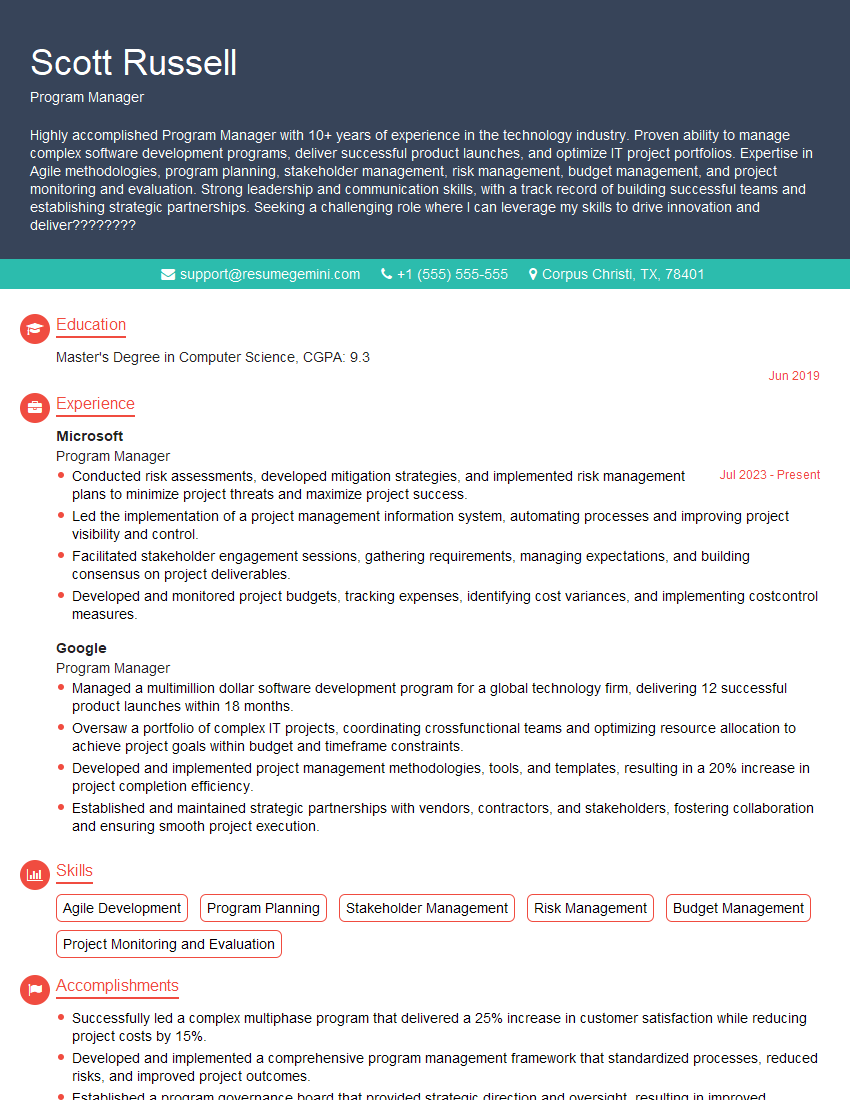
Program Manager Resume Sample
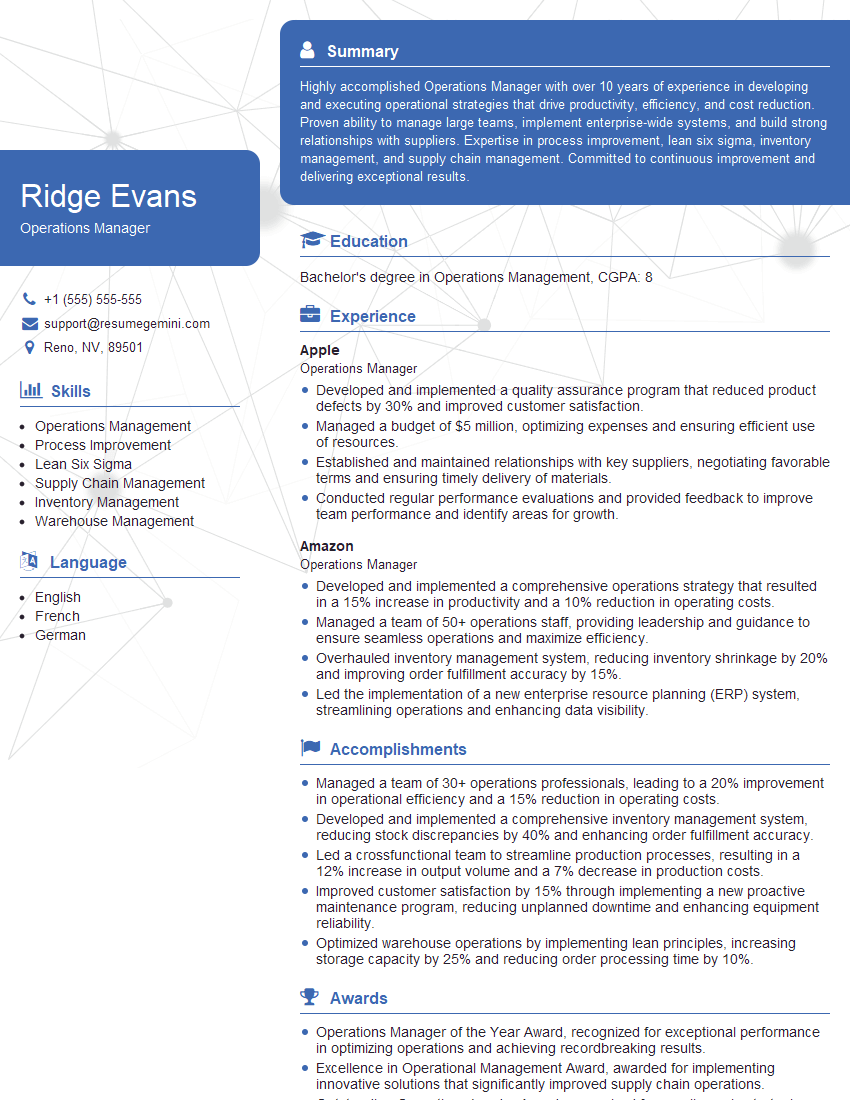
Operations Manager Resume Sample
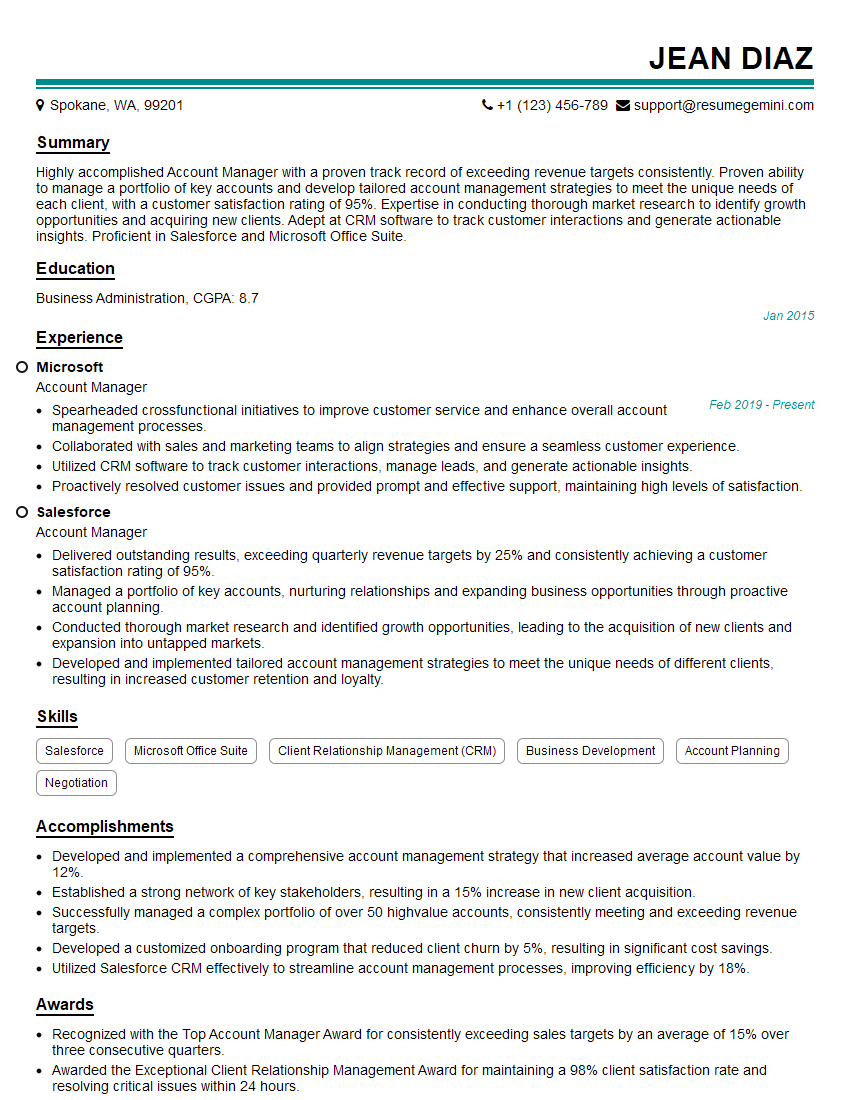
Account Manager Resume Sample
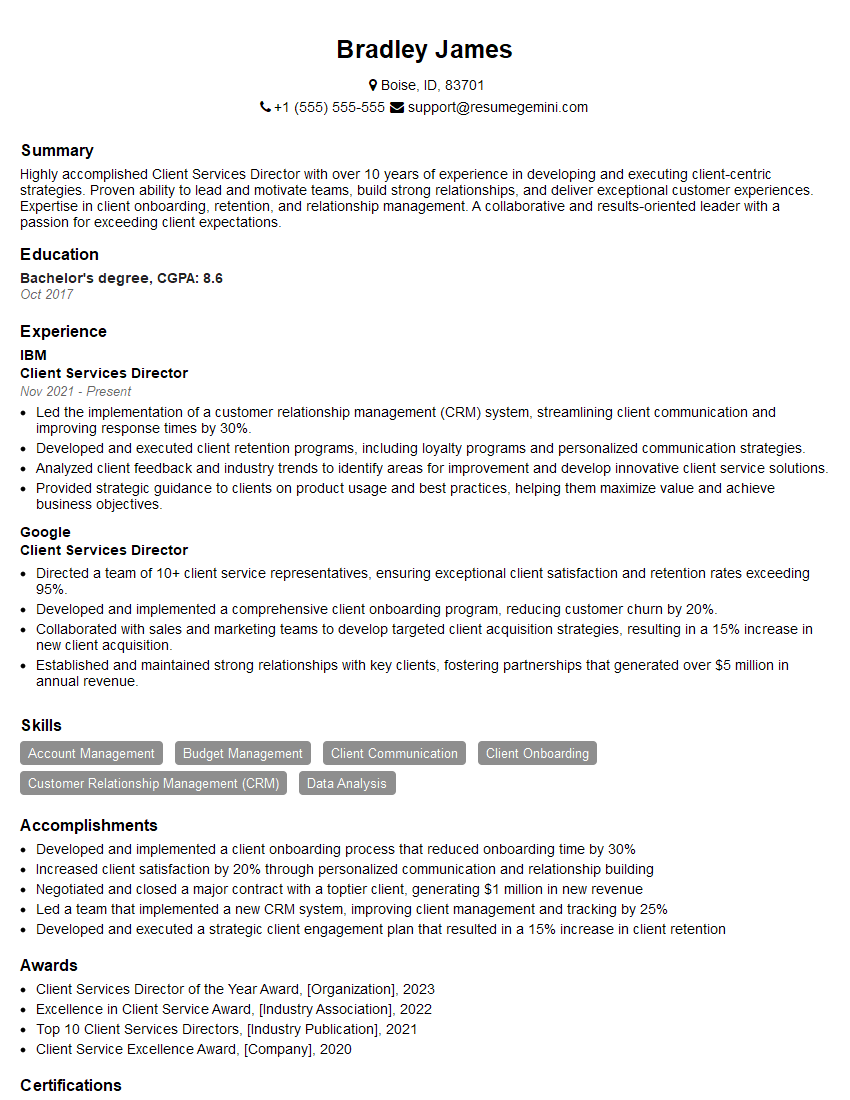
Client Services Director Resume Sample
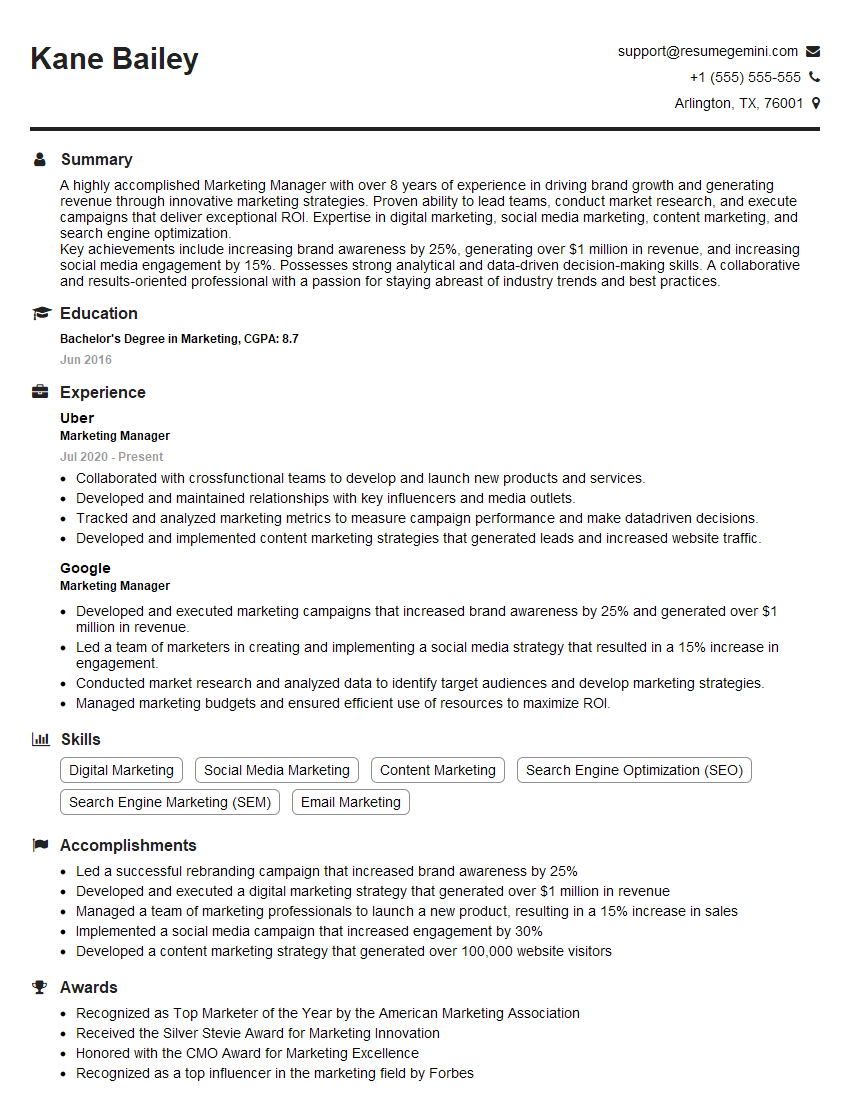
Marketing Manager Resume Sample
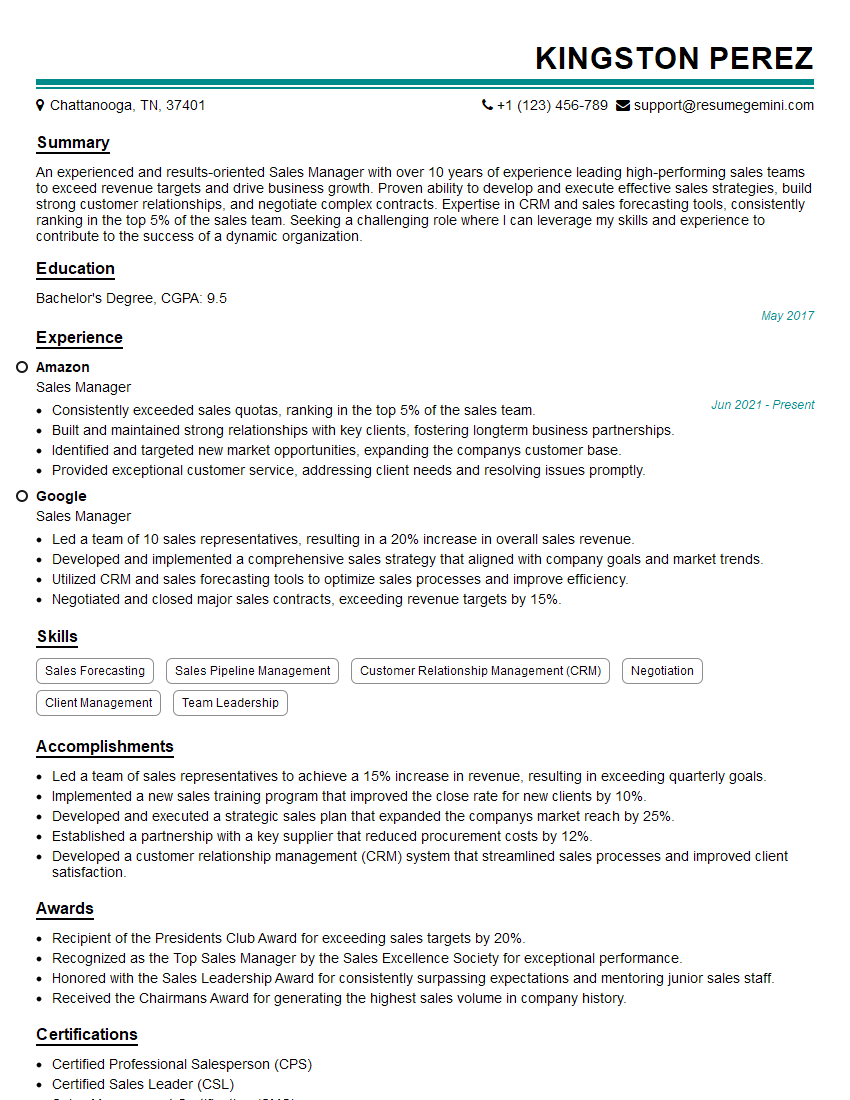
Sales Manager Resume Sample
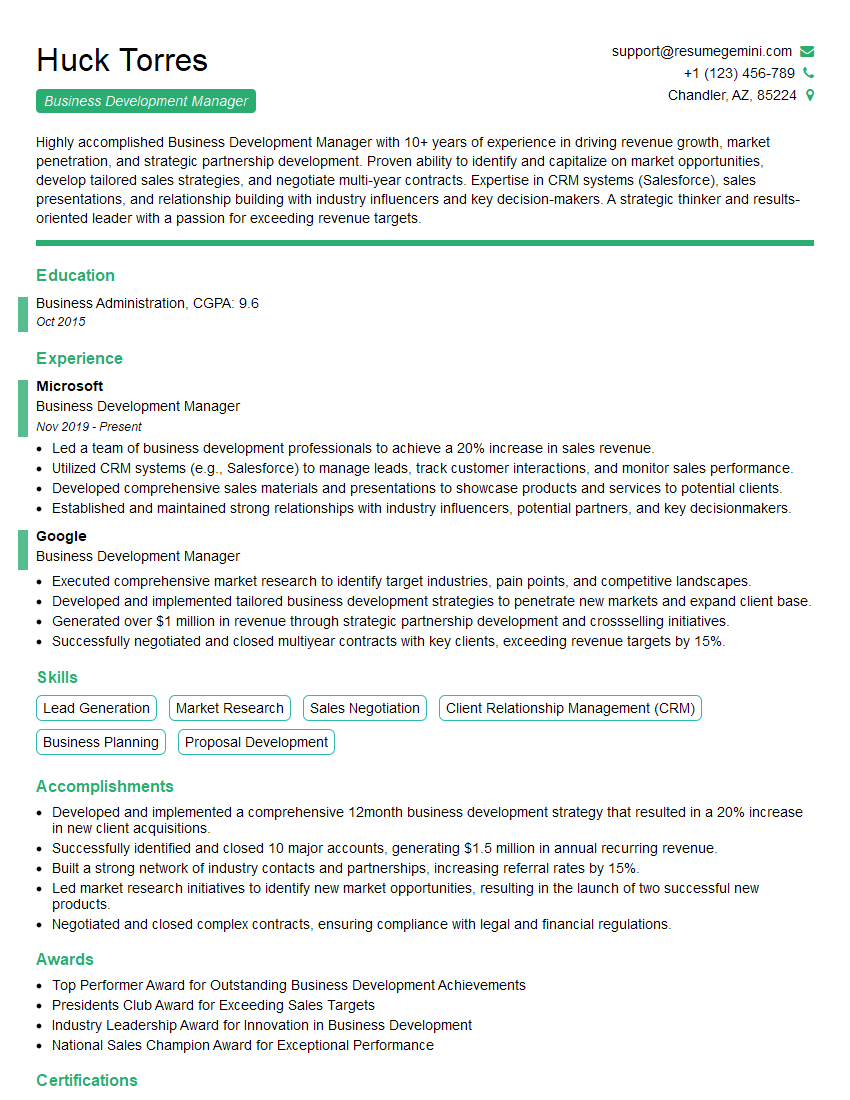
Business Development Manager Resume Sample
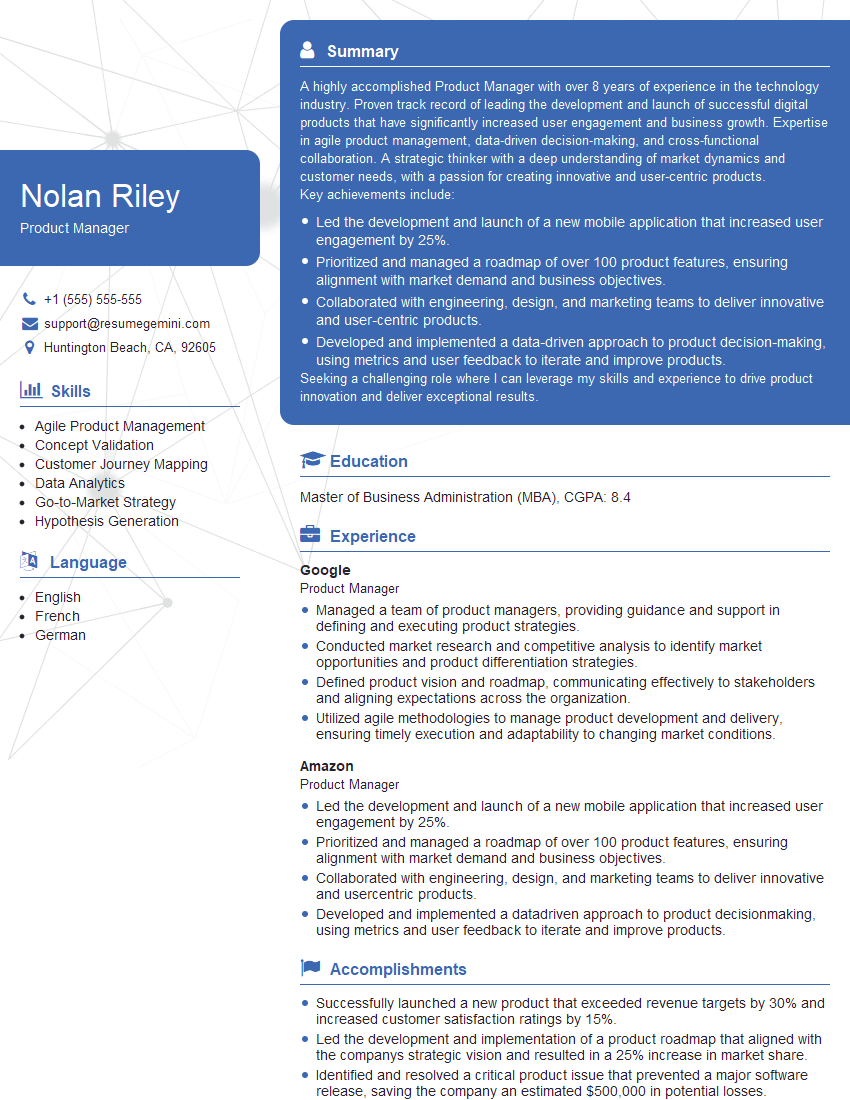
Product Manager Resume Sample
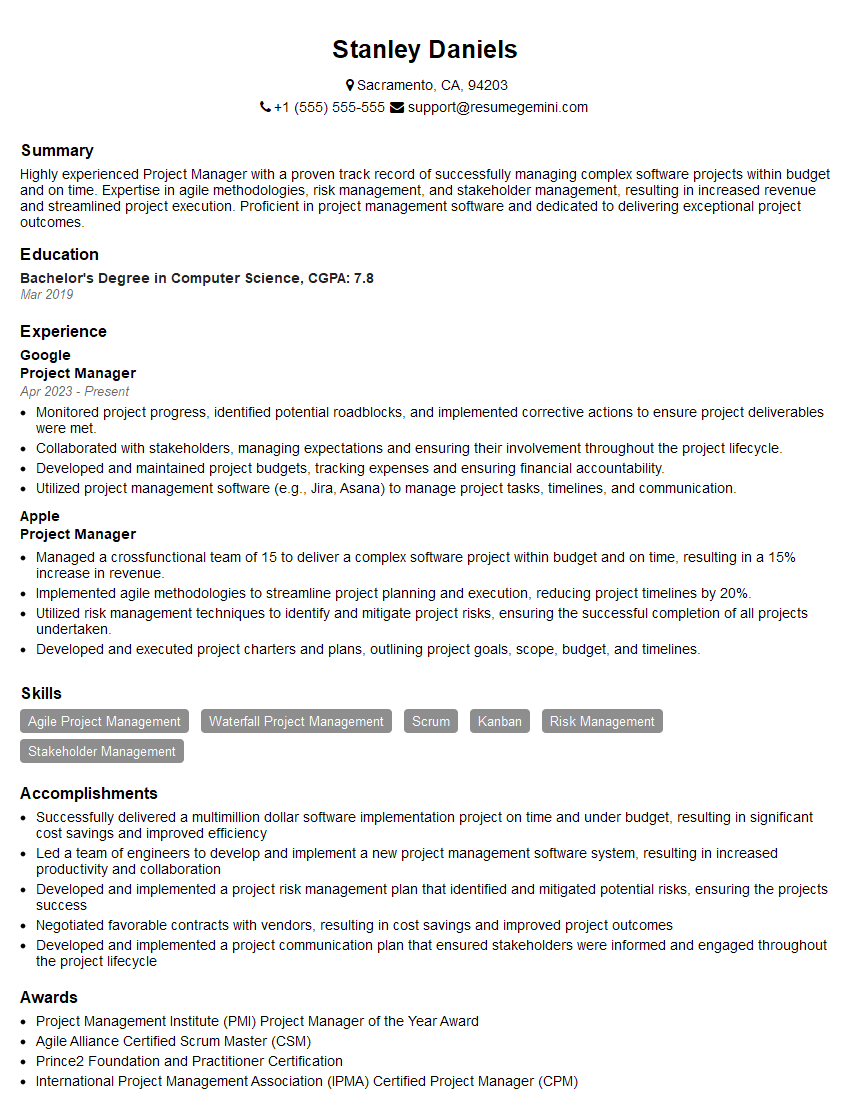
Project Manager Resume Sample
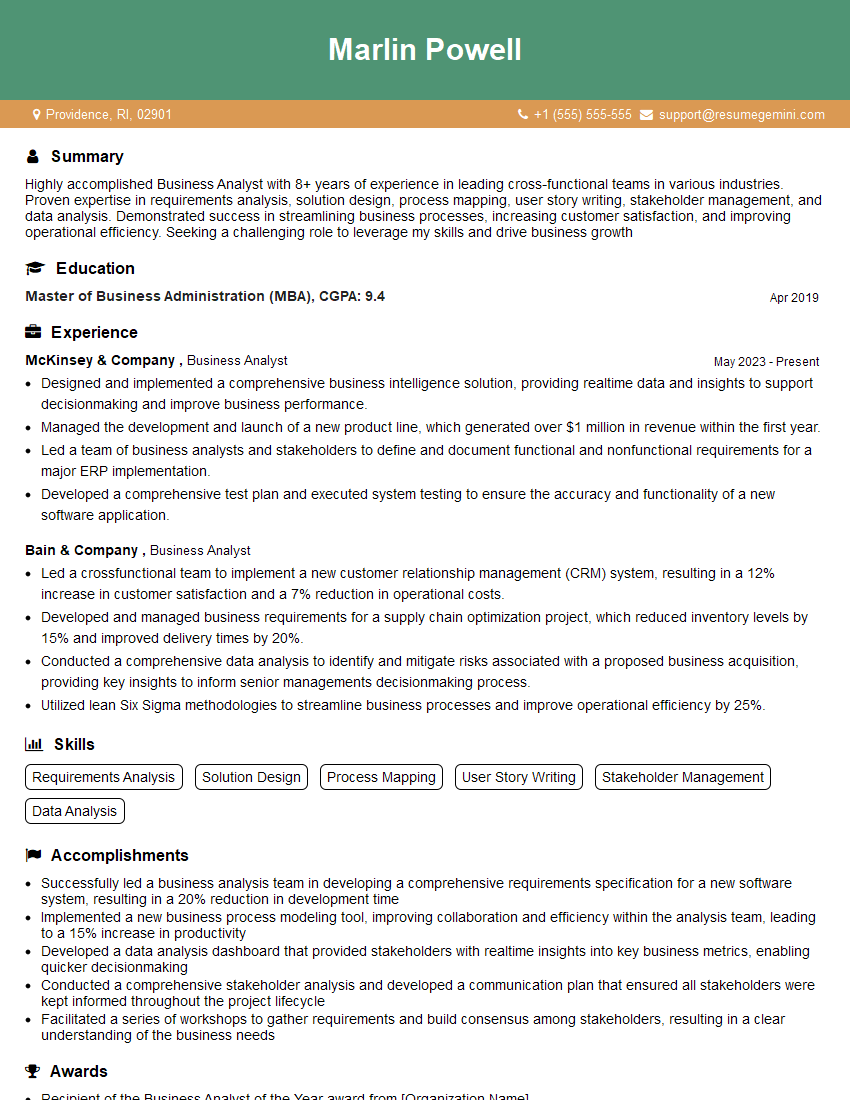
Business Analyst Resume Sample
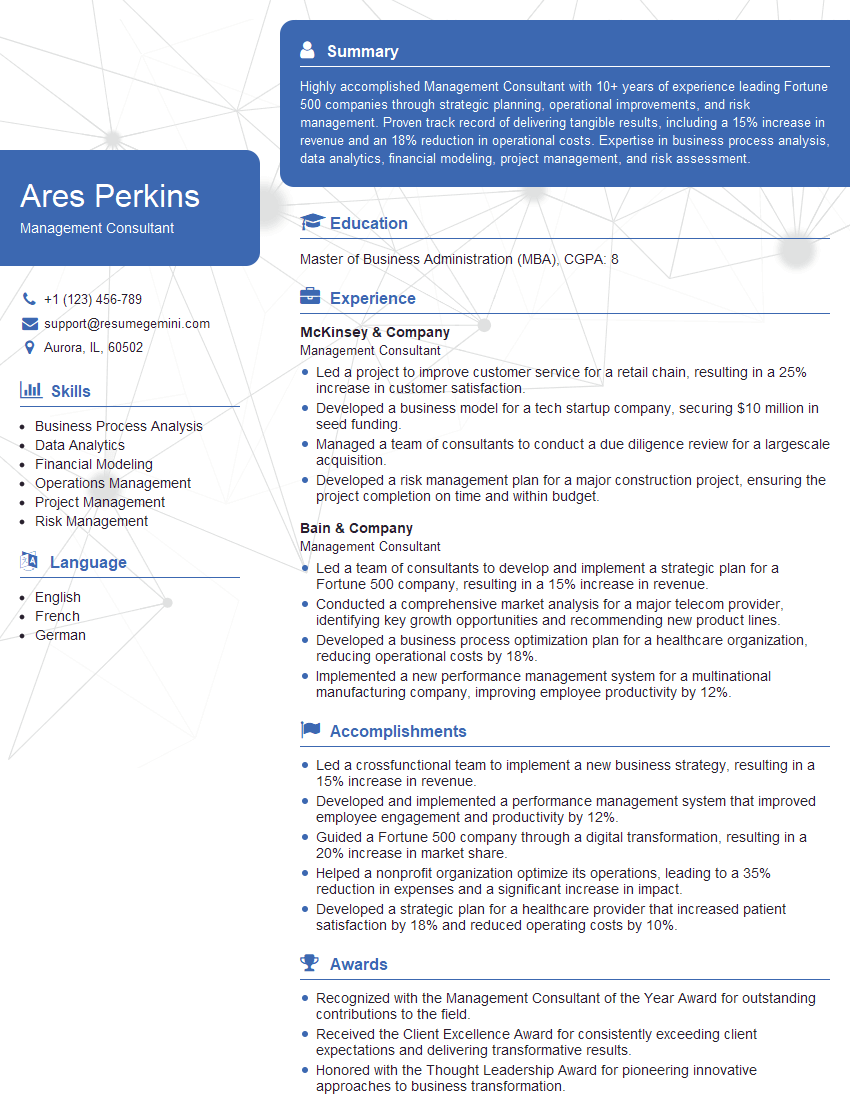
Management Consultant Resume Sample
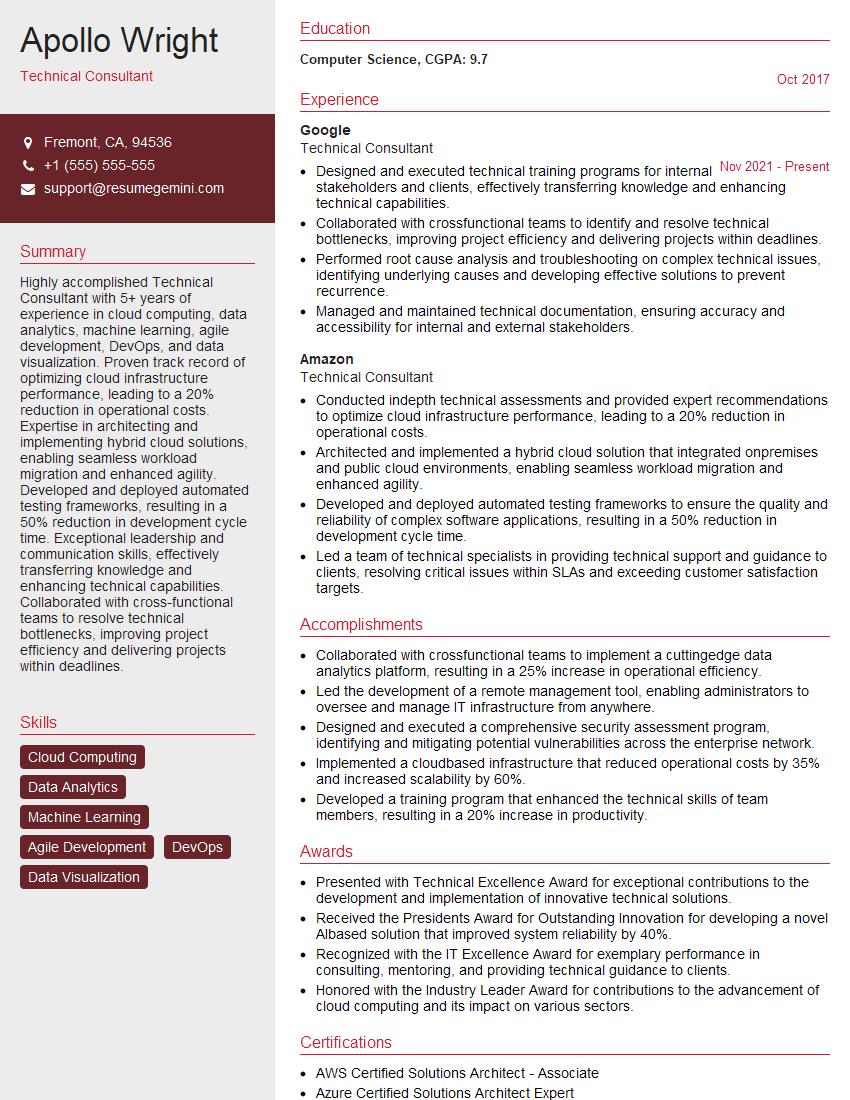
Technical Consultant Resume Sample
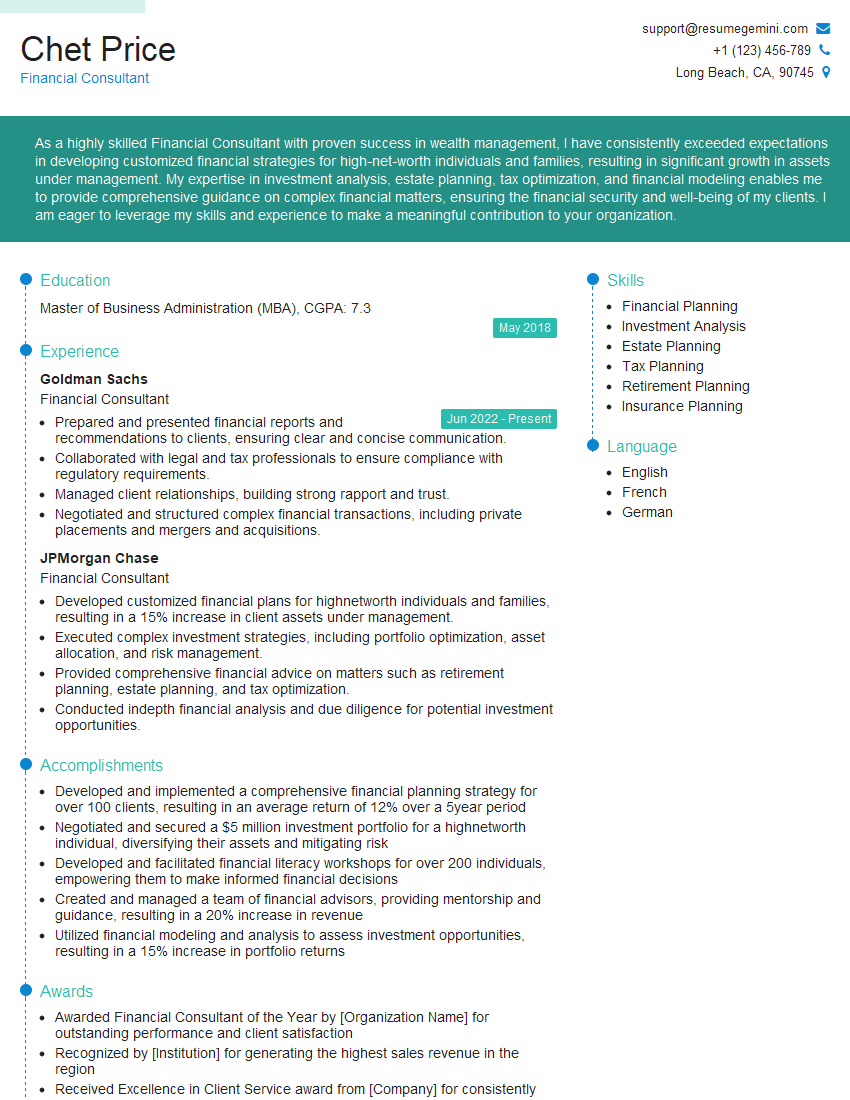
Financial Consultant Resume Sample
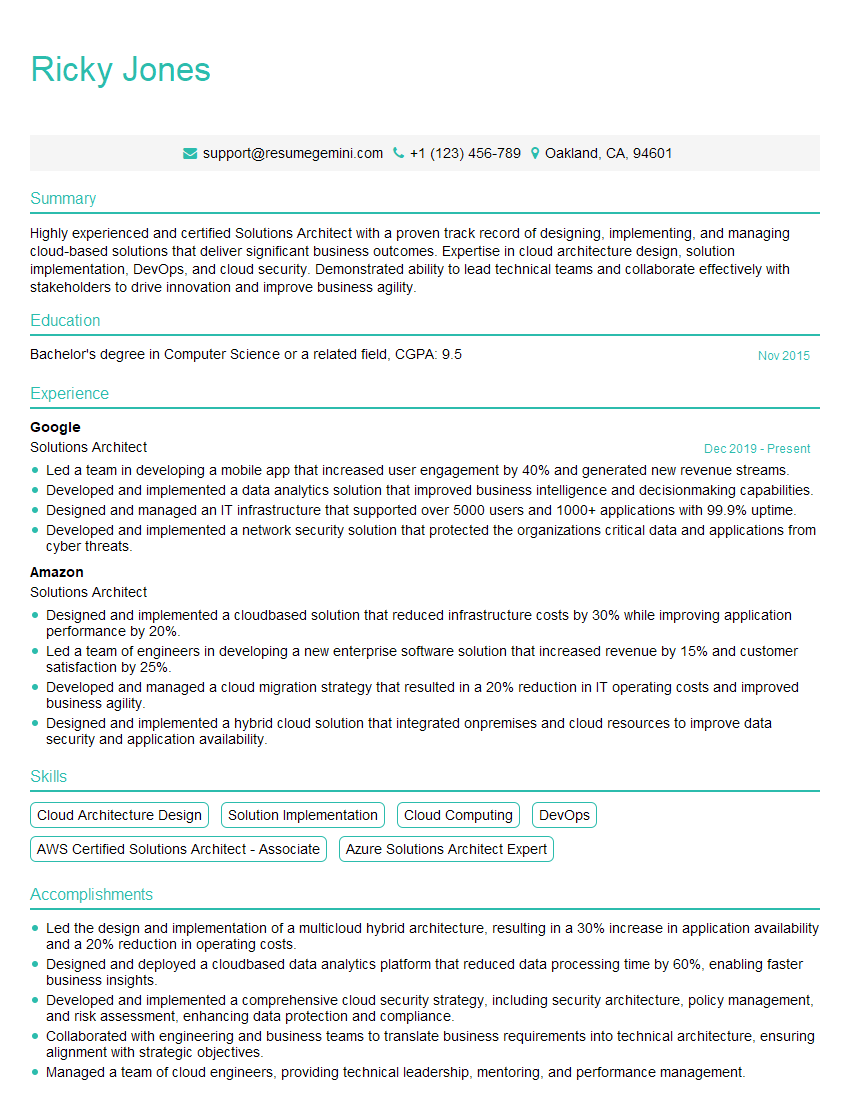
Solutions Architect Resume Sample
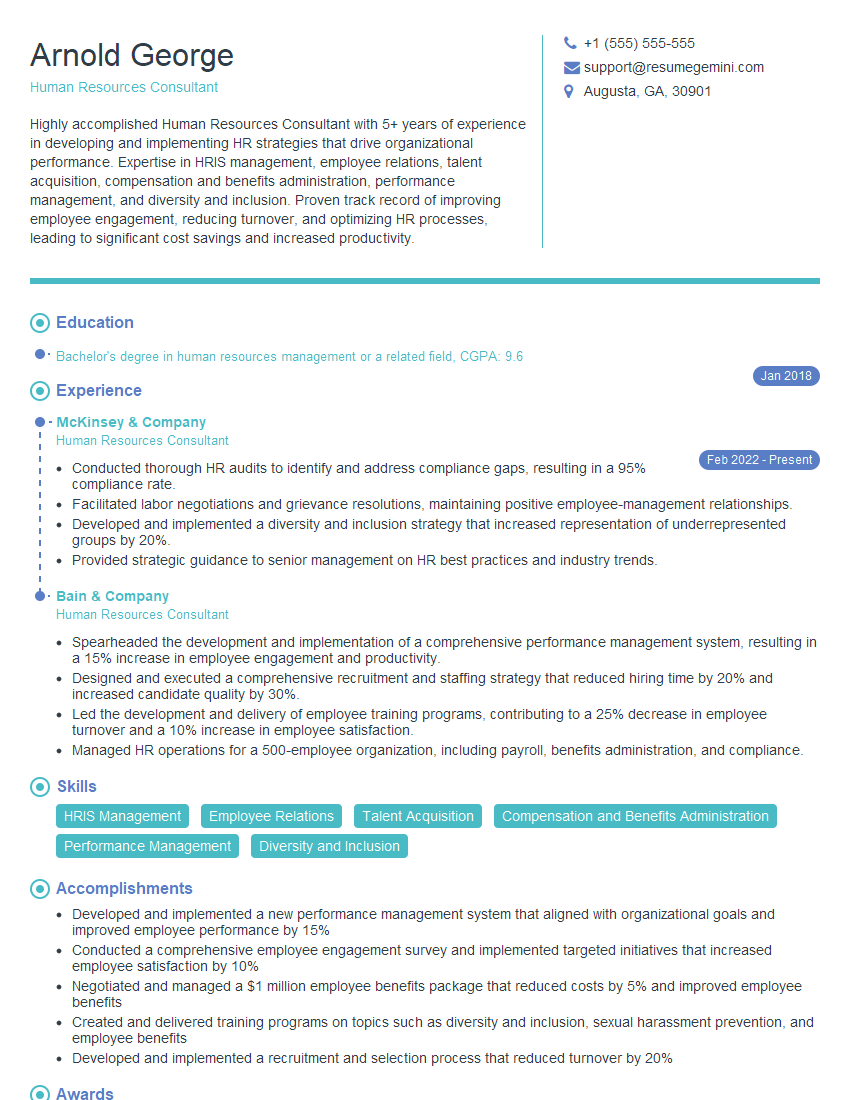
Human Resources Consultant Resume Sample
Explore more articles
Users Rating of Our Blogs
Share Your Experience
We value your feedback! Please rate our content and share your thoughts (optional).
What Readers Say About Our Blog
Really detailed insights and content, thank you for writing this detailed article.
IT gave me an insight and words to use and be able to think of examples