Cracking a skill-specific interview, like one for Experience with content creation and curation, requires understanding the nuances of the role. In this blog, we present the questions you’re most likely to encounter, along with insights into how to answer them effectively. Let’s ensure you’re ready to make a strong impression.
Questions Asked in Experience with content creation and curation Interview
Q 1. Explain your content creation process from ideation to publication.
My content creation process is a meticulous blend of creativity and strategy. It begins with ideation, where I brainstorm topics based on market research, audience analysis, and keyword research. I use mind maps and brainstorming sessions to generate a range of ideas, filtering them based on relevance, feasibility, and potential impact. Once a topic is selected, I move into the planning phase, outlining the key message, target audience, and desired outcome. This includes choosing the appropriate content format – a blog post, video, infographic, etc. – based on the topic and audience. The next step is creation, where I write, film, or design the content, ensuring it’s engaging, informative, and consistent with the brand voice. This stage often involves several rounds of revisions and editing. Optimization is crucial; I incorporate SEO best practices, ensuring the content is easily discoverable online. Finally, the content undergoes a final review before publication across the relevant channels. For example, a blog post about sustainable living might start with brainstorming ideas like eco-friendly products, reducing carbon footprint, or zero-waste living. After choosing a specific angle, I’d research, write, edit, optimize it for SEO, and then publish it on the company blog and share it on social media.
Q 2. Describe your experience with different content formats (blog posts, videos, infographics, etc.).
I’m proficient in creating a diverse range of content formats. Blog posts allow for in-depth exploration of topics, ideal for providing comprehensive information and building thought leadership. I’ve written numerous blog posts on diverse subjects, from marketing strategies to technological advancements. Videos are excellent for demonstrating processes, conveying complex information visually, and connecting with audiences on a more personal level. I have experience producing explainer videos, product demos, and interview-style videos. Infographics are powerful tools for presenting data and key information concisely and attractively. I have created infographics to simplify complex data sets and make information easily digestible. Beyond these, I’ve also worked with podcasts, social media posts, email newsletters, and interactive content like quizzes and polls. Each format requires a different approach; for example, a video script demands a different writing style than a blog post.
Q 3. How do you identify and prioritize content topics?
Identifying and prioritizing content topics is a strategic process. I use a multi-faceted approach, starting with keyword research to understand what audiences are searching for. Tools like SEMrush and Ahrefs help me identify relevant keywords with high search volume and low competition. Next, I analyze competitor content to see what’s working for them and identify gaps in the market. I also leverage audience insights gathered from surveys, social media analytics, and customer feedback. This helps me understand their interests, pain points, and information needs. Finally, I consider business objectives, aligning content topics with broader marketing goals such as lead generation, brand awareness, or customer retention. Prioritization is based on a combination of factors: potential reach, relevance to the target audience, alignment with business goals, and resource availability. For example, a high-priority topic might be one with high search volume, addresses a key audience pain point, and directly supports a sales campaign.
Q 4. How do you measure the success of your content?
Measuring content success involves a holistic approach that goes beyond simple vanity metrics. While metrics like website traffic, social media engagement (likes, shares, comments), and email open rates are important indicators, I also focus on key performance indicators (KPIs) aligned with business objectives. This might include lead generation, conversion rates, brand mentions, and customer satisfaction scores. For instance, if a content piece aims to generate leads, I’d track the number of form submissions or downloads resulting from that content. I also use analytics tools like Google Analytics and social media analytics platforms to monitor performance over time and identify trends. Analyzing this data allows me to refine my content strategy, optimize future content, and demonstrate the return on investment (ROI) of my efforts. Furthermore, qualitative feedback like comments, reviews, and social media mentions provide valuable insights into audience perception and content effectiveness.
Q 5. What tools and technologies do you use for content creation and curation?
My content creation and curation workflow relies on a range of tools and technologies. For writing and editing, I use tools like Google Docs and Grammarly. For visual content, I utilize Canva and Adobe Creative Suite. Video editing is done using Adobe Premiere Pro or Final Cut Pro. For SEO optimization, I rely on tools like SEMrush and Ahrefs. Social media scheduling and management are handled with tools like Hootsuite or Buffer. For content curation, I use Feedly to aggregate relevant content from various sources. I also utilize content management systems (CMS) like WordPress to publish and manage content efficiently. The specific tools employed depend on the project’s requirements and scope.
Q 6. How do you ensure brand consistency across all content channels?
Maintaining brand consistency across all content channels is crucial for building a strong brand identity. This involves developing a comprehensive brand style guide that outlines guidelines for voice, tone, visuals (logo, colors, fonts), and messaging. This guide serves as a reference point for all content creators. I ensure that every piece of content, regardless of format, adheres to these guidelines. This includes using consistent branding elements, maintaining a consistent tone of voice, and conveying the same core brand message. Regular brand audits help identify inconsistencies and areas for improvement. Collaboration and communication among the content team are essential to ensure everyone is on the same page and understands the brand guidelines. For example, our brand voice might be described as friendly, informative, and authoritative. Every blog post, social media update, and video script would reflect this tone.
Q 7. Describe your experience with SEO best practices for content creation.
SEO best practices are integrated into every stage of my content creation process. I begin with keyword research to identify relevant terms and phrases that target audiences use when searching for information. This informs the topic selection and content structure. I carefully optimize on-page elements, including titles, meta descriptions, headings, and image alt text, to incorporate relevant keywords naturally. I focus on creating high-quality, informative, and engaging content that satisfies user search intent. Internal and external linking is essential for improving website navigation and building authority. I also ensure content is mobile-friendly and loads quickly to enhance user experience. Data analytics inform ongoing SEO optimization. By tracking keyword rankings, organic traffic, and other relevant metrics, I can identify areas for improvement and refine my SEO strategy over time. For example, a blog post about ‘best running shoes’ would incorporate relevant keywords throughout the content while ensuring it provides valuable information to runners.
Q 8. How do you handle content repurposing and syndication?
Content repurposing and syndication are crucial for maximizing the reach and impact of your content. Repurposing involves transforming existing content into new formats, while syndication involves distributing that content across multiple platforms.
My approach starts with analyzing existing high-performing content. For example, a successful blog post could be repurposed into:
- Short social media posts highlighting key takeaways.
- An infographic summarizing the data presented.
- A short video explaining the main points.
- A podcast episode discussing the topic in more detail.
Syndication then involves strategically distributing this original and repurposed content. This might involve submitting articles to relevant online publications, sharing on social media channels, or embedding content on partner websites. The key is to tailor the content to each platform’s audience and format. For instance, a lengthy blog post might be summarized for Twitter, whereas a video could thrive on YouTube and Instagram.
I always track the performance of repurposed and syndicated content to identify what resonates best with different audiences and refine future strategies. This data-driven approach ensures that our efforts are efficient and effective.
Q 9. How do you stay up-to-date with content trends and best practices?
Staying current in the dynamic world of content creation requires a multifaceted approach. I actively engage in several strategies:
- Following industry influencers and publications: I subscribe to newsletters, follow thought leaders on social media, and regularly read industry blogs and publications like Content Marketing Institute, Neil Patel’s blog, and others relevant to my niche.
- Attending webinars and conferences: These events offer invaluable insights into the latest trends, tools, and best practices directly from industry experts.
- Analyzing competitor content: I regularly analyze the content of successful competitors to understand their strategies and identify opportunities for improvement.
- Using content analysis tools: Tools like BuzzSumo and Google Trends help me identify trending topics and understand keyword performance.
- Monitoring social media trends: Paying close attention to trending hashtags and conversations on platforms like Twitter, Instagram, and LinkedIn helps me gauge audience interests and preferences.
By combining these methods, I maintain a deep understanding of current trends and adapt my content strategy accordingly.
Q 10. How do you manage content across multiple platforms?
Managing content across multiple platforms requires a well-organized and strategic approach. I utilize a combination of tools and techniques:
- Centralized Content Repository: A cloud-based system (like Google Drive or Dropbox) houses all content assets, ensuring easy access and version control.
- Social Media Management Tools: Platforms like Hootsuite or Buffer enable scheduling and publishing content across various channels efficiently. This streamlines the process and ensures consistent brand messaging.
- Content Calendar: A meticulously planned content calendar outlines the content schedule for each platform, considering audience preferences and platform-specific best practices.
- Cross-Promotion Strategies: I actively promote content across various platforms, linking back to central resources where appropriate. For example, a blog post might be teased on Twitter, and a YouTube video might include a call to action to read the accompanying blog post.
- Analytics Tracking: I use platform-specific analytics to monitor content performance, enabling me to adjust my strategy based on data insights. This allows for data-driven decision-making to optimize future content.
This integrated approach ensures consistency, efficiency, and maximum impact across all chosen platforms.
Q 11. How do you collaborate with other teams (design, marketing, etc.) on content projects?
Collaboration is fundamental to successful content creation. I’ve always worked effectively with diverse teams by emphasizing clear communication and a shared vision.
My process typically involves:
- Regular Team Meetings: We hold regular brainstorming sessions and progress updates to keep everyone informed and aligned on project goals.
- Project Management Tools: Using tools like Asana or Trello enables efficient task assignment, progress tracking, and feedback sharing.
- Clearly Defined Roles and Responsibilities: Each team member has clearly defined responsibilities to avoid duplication and confusion. For example, the design team handles visual elements, the marketing team focuses on strategy and promotion, and I handle the content strategy and writing.
- Open Communication Channels: I maintain open communication throughout the process, ensuring transparency and addressing questions or concerns promptly. This could involve using instant messaging, email, or project management platforms.
- Constructive Feedback: I encourage open and constructive feedback from all team members. This collaborative approach ensures that the final product meets the highest standards.
By fostering a collaborative and transparent environment, we deliver high-quality content that aligns with our overall marketing objectives.
Q 12. Describe your experience with content calendars and editorial plans.
Content calendars and editorial plans are indispensable tools for maintaining consistency and efficiency in content creation. My experience involves developing detailed plans that align with overall business objectives.
My approach includes:
- Keyword Research and Topic Brainstorming: I begin by conducting thorough keyword research to identify relevant topics that resonate with our target audience. This process involves brainstorming sessions, analyzing competitor strategies, and utilizing keyword research tools like SEMrush and Ahrefs.
- Content Pillars and Themes: I identify core content pillars to establish a clear thematic structure around which individual pieces of content can be organized.
- Content Format Selection: I determine the most appropriate content formats for each topic, considering audience preferences and platform suitability (blog posts, infographics, videos, social media updates, etc.).
- Scheduling and Timeline Development: I develop a detailed content calendar with specific dates and deadlines for each content piece, taking into account resource availability and seasonal trends.
- Content Performance Tracking and Optimization: I regularly monitor content performance using analytics dashboards and adjust the editorial plan as needed, based on data-driven insights.
By utilizing a well-defined content calendar and editorial plan, we ensure a consistent flow of high-quality content that supports our business goals.
Q 13. How do you handle feedback and criticism on your content?
Feedback and criticism are essential for continuous improvement in content creation. I approach feedback with a professional and open mind, viewing it as an opportunity for growth.
My approach to handling feedback involves:
- Actively Soliciting Feedback: I actively seek feedback from colleagues, stakeholders, and the audience through surveys, polls, and social media engagement.
- Analyzing Feedback Objectively: I carefully review feedback, separating constructive criticism from personal opinions. I focus on identifying recurring patterns and actionable insights.
- Prioritizing Constructive Feedback: I prioritize constructive criticism over subjective opinions, focusing on feedback that helps improve content clarity, accuracy, or engagement.
- Implementing Changes Strategically: I implement changes based on the feedback received, always considering the overall impact on content quality and consistency. This might involve revisions, additions, or even complete overhauls depending on the feedback.
- Documenting Improvements: I document all changes made based on feedback to track the evolution of content and ensure continuous improvement.
By embracing constructive criticism and actively seeking diverse perspectives, I strive to create better, more effective content that meets and exceeds expectations.
Q 14. Describe a time you had to create content under tight deadlines.
I once had to create a comprehensive marketing campaign, including website copy, social media posts, and email newsletters, for a product launch within a very tight deadline—just two weeks. The pressure was on, but I leveraged my experience and organizational skills to succeed.
My strategy involved:
- Prioritization: I identified the most critical tasks and focused on those first. This involved creating a prioritized task list to ensure I tackled the most important elements initially.
- Teamwork: I collaborated closely with the design and marketing teams, leveraging their expertise to accelerate the process. Clear communication was crucial at this stage.
- Efficient Workflow: I streamlined my workflow, using templates and pre-written content where possible. This helped save time without sacrificing quality.
- Time Blocking: I allocated specific time blocks to each task, working in focused sprints to maximize productivity.
- Quality Control Checks: Even with the tight timeline, I maintained a quality control process, ensuring the final product met the high standards required.
Although challenging, the experience reinforced the importance of efficient planning, clear communication, and focused execution, even under significant time constraints. The launch was successful, demonstrating the power of efficient time management and effective teamwork under pressure.
Q 15. How do you identify and address plagiarism in your content?
Plagiarism is a serious issue in content creation. My approach involves a multi-pronged strategy to detect and prevent it. Firstly, I utilize plagiarism detection software like Copyscape or Grammarly Premium during the editing phase. These tools scan the content against a vast database of existing online material, highlighting any potential matches. Secondly, I always verify sources rigorously. This means meticulously citing all information, ensuring that paraphrasing is original and avoids simply replacing a few words. If I find a significant overlap, I either rewrite the section entirely from my own understanding or remove it entirely, favoring original thought. For example, if a particular statistic is quoted, I will trace it back to the original source and ensure the accurate citation. Finally, I cultivate a strong ethical foundation in my content creation practices, prioritizing originality and transparency in my work. If unintentional plagiarism occurs, it’s crucial to acknowledge and rectify the issue promptly, maintaining integrity.
Career Expert Tips:
- Ace those interviews! Prepare effectively by reviewing the Top 50 Most Common Interview Questions on ResumeGemini.
- Navigate your job search with confidence! Explore a wide range of Career Tips on ResumeGemini. Learn about common challenges and recommendations to overcome them.
- Craft the perfect resume! Master the Art of Resume Writing with ResumeGemini’s guide. Showcase your unique qualifications and achievements effectively.
- Don’t miss out on holiday savings! Build your dream resume with ResumeGemini’s ATS optimized templates.
Q 16. What is your preferred content management system (CMS)?
While many CMS platforms offer excellent functionality, my preferred system is WordPress. Its versatility, coupled with the extensive range of plugins and themes available, makes it ideal for diverse content needs. For instance, I’ve used WordPress to manage everything from simple blogs to complex e-commerce websites. Its user-friendly interface also facilitates smooth collaboration with other team members. The open-source nature of WordPress ensures flexibility and continuous improvement, with a large community providing support and resources. Other CMS systems like Drupal or Joomla are also excellent, but WordPress’s balance of ease of use, extensive functionality, and broad community support makes it my preferred choice for most projects.
Q 17. Describe your experience with content analytics and reporting.
Content analytics is critical for assessing performance and making data-driven decisions. My experience encompasses using platforms like Google Analytics, Adobe Analytics, and even custom-built dashboards. I’m proficient in interpreting key metrics such as page views, bounce rate, time on page, and conversion rates. For example, a high bounce rate on a landing page might indicate a problem with the page’s design or messaging. Using this information, I’ve improved content performance by A/B testing different headlines or restructuring content to enhance user engagement. I also generate reports that visually represent these findings using tools like Google Data Studio, providing clear insights into campaign effectiveness and areas for improvement. These reports are crucial for demonstrating ROI and guiding future content strategies.
Q 18. How do you ensure your content is accessible to all users?
Creating accessible content is paramount. My approach involves following WCAG (Web Content Accessibility Guidelines) principles, ensuring content is usable by people with disabilities. This includes using alt text for all images, providing captions and transcripts for videos, ensuring sufficient color contrast, and structuring content with proper headings and semantic HTML. For example, using header tags (, , etc.) not only helps organize content but also makes it more accessible to screen readers. I also focus on using plain language, avoiding complex jargon. Regularly testing content with assistive technologies is crucial to guarantee its accessibility across different devices and browsers. By prioritizing accessibility, we ensure a more inclusive digital experience for everyone.
Q 19. How do you manage content version control?
Version control is essential for collaborative projects and maintaining content integrity. I primarily use Git and GitHub (or similar platforms like Bitbucket) to manage content versions. This allows me to track changes, revert to previous versions if necessary, and collaborate efficiently with team members. Each content update is treated as a commit, providing a clear history of modifications. Branching allows simultaneous work on different versions without interfering with the main version. For example, a new feature can be developed on a separate branch and merged back into the main branch once it’s ready. This method ensures a structured approach to managing content revisions and prevents any accidental loss of previous drafts.
Q 20. Describe your experience with content audits.
Content audits are a systematic review of existing content, aimed at identifying areas for improvement. My process involves analyzing content for accuracy, relevance, completeness, and SEO performance. I use spreadsheets or dedicated CMS plugins to categorize content based on various criteria like topic, keyword, publication date, and performance metrics. For example, an audit might reveal outdated information or underperforming pages. This data allows for strategic decision-making. Based on the findings, I recommend actions like updating outdated content, removing irrelevant pieces, consolidating similar materials, or optimizing underperforming content for better SEO. These audits are valuable for ensuring the content remains current, relevant, and aligned with business objectives.
Q 21. Explain your understanding of content strategy and its importance.
Content strategy is the blueprint for creating and managing all content for a specific purpose. It’s not merely about writing; it encompasses planning, creation, distribution, and analysis. A solid content strategy defines target audiences, identifies their needs, sets measurable goals, and outlines a plan to achieve them. For instance, a content strategy might aim to increase brand awareness through blog posts and social media engagement or drive sales through targeted email campaigns. Without a well-defined strategy, content creation becomes disjointed and ineffective. A strong content strategy ensures that every piece of content contributes to a larger, unified goal, leading to increased efficiency, better ROI, and a stronger brand presence. It’s a continuous cycle of planning, execution, analysis, and refinement.
Q 22. How do you curate content from various sources while maintaining originality?
Curating content from diverse sources while maintaining originality requires a strategic approach that blends synthesis, analysis, and creative interpretation. It’s not simply about aggregating information; it’s about adding value.
- Deep Dive & Synthesis: I begin by thoroughly understanding the source material. Instead of simply paraphrasing, I analyze the core message and identify key insights. I then synthesize this information, weaving together different perspectives to create a new, coherent narrative. Think of it like a chef using various ingredients to create a unique dish – the ingredients are familiar, but the final product is original.
- Adding My Unique Voice: My personal perspective, experiences, and expertise are crucial. I inject my own interpretations and analyses, offering unique insights not found in the original sources. This could involve connecting seemingly disparate ideas, offering a critical perspective, or adding a personal anecdote to make the content relatable.
- Proper Attribution: Always cite sources meticulously. This not only gives credit where it’s due but also enhances the credibility of my work. Using a consistent citation style maintains professionalism and avoids accusations of plagiarism.
- Example: Let’s say I’m curating content on the impact of social media. I might draw on research articles for statistical data, blog posts for anecdotal evidence, and interviews for expert opinions. However, my final piece won’t simply be a compilation of these sources. I’ll synthesize this information, adding my own analysis on trends, potential future implications, and perhaps even a personal reflection on my own experiences with social media.
Q 23. How do you deal with conflicting information from different sources?
Conflicting information is a common challenge in content curation. Addressing it effectively requires critical thinking and a commitment to accuracy.
- Identify and Analyze the Conflict: The first step is to clearly identify the conflicting points. What are the different claims? What evidence supports each claim?
- Evaluate the Sources: Assess the credibility and authority of each source. Consider the author’s expertise, potential biases, and the reputation of the publication. Fact-checking websites and cross-referencing with multiple reputable sources can be invaluable.
- Seek Resolution: If possible, attempt to resolve the conflict by identifying the source of the discrepancy. Is it due to differing methodologies, outdated information, or perhaps a misinterpretation? If the conflict remains irresolvable, acknowledge the discrepancy and present both sides fairly, highlighting the uncertainty.
- Prioritize Accuracy and Transparency: If a definitive answer can’t be found, prioritize transparency. Let readers know that there are differing perspectives on the issue, and explain why a conclusion can’t be drawn definitively. It’s better to admit uncertainty than to present misinformation as fact.
Q 24. Describe your experience working with content guidelines and style guides.
Working with content guidelines and style guides is fundamental to consistent and high-quality content creation. I’m proficient in adhering to various style guides, including AP Style, Chicago Manual of Style, and company-specific guidelines.
- Understanding the ‘Why’: I believe understanding the *reasoning* behind a style guide is as important as following its rules. This allows for more informed decision-making when faced with ambiguous situations.
- Consistency and Brand Voice: Style guides ensure consistency in tone, style, and formatting, contributing to a cohesive brand identity. I meticulously follow the specifications for voice and tone, ensuring the content aligns with the overall brand message.
- Practical Application: In my previous role, we used a detailed style guide that included specifications for headline capitalization, sentence structure, image formatting, and even the preferred font. Adhering to these guidelines ensured a professional and consistent online presence.
- Adaptation: I’m adept at adapting to different style guides and quickly learning new requirements, ensuring seamless integration into diverse projects and collaborative environments. I’m comfortable using tools like Grammarly and other writing assistants to adhere to style and grammar requirements.
Q 25. How do you create engaging and shareable content?
Creating engaging and shareable content requires a multi-faceted approach focusing on both content quality and strategic promotion.
- Compelling Narrative: I strive to tell compelling stories, using strong headlines, engaging introductions, and a clear, concise writing style. Humanizing the content by using relatable examples, personal anecdotes, or incorporating humor (where appropriate) enhances engagement.
- Visual Appeal: High-quality visuals, such as images, videos, and infographics, are crucial for capturing attention in a visually saturated world. I ensure that all visuals are relevant, high-resolution, and properly formatted.
- Interactive Elements: Incorporating interactive elements like quizzes, polls, or Q&A sessions can significantly boost engagement and encourage participation.
- Strategic Promotion: Simply creating great content isn’t enough. I utilize various promotional strategies, including social media marketing, email marketing, and search engine optimization (SEO) to increase visibility and reach a wider audience.
- Example: In a recent project, I created an infographic outlining the benefits of a particular product. The visually appealing design, combined with concise and informative text, resulted in high social media shares and significant website traffic.
Q 26. How do you optimize content for search engines (SEO)?
Optimizing content for search engines (SEO) is a critical aspect of content creation. My approach is data-driven and focuses on creating high-quality, relevant content that caters to both users and search engine algorithms.
- Keyword Research: I begin with thorough keyword research using tools like SEMrush or Ahrefs to identify relevant keywords with high search volume and low competition. I focus on long-tail keywords which are more specific and often have less competition.
- On-Page Optimization: This includes optimizing title tags, meta descriptions, header tags (H1-H6), and image alt text with relevant keywords. I ensure that the content is well-structured, easy to read, and naturally incorporates keywords.
- Content Quality: High-quality, original, and informative content is paramount for SEO success. The focus is always on providing value to the user, not just stuffing keywords.
- Off-Page Optimization: This involves building high-quality backlinks from reputable websites. This signals to search engines that the content is authoritative and trustworthy.
- Example: For a blog post about ‘best hiking trails near Denver’, I’d research relevant keywords like ‘Denver hiking trails’, ‘easy Denver hikes’, ‘best hiking trails Colorado’, and incorporate them naturally throughout the text and meta-data, ensuring a user-friendly and optimized reading experience.
Q 27. How do you handle negative comments or feedback on your content?
Handling negative comments or feedback requires professionalism, empathy, and a commitment to constructive dialogue.
- Respond Promptly and Professionally: Addressing negative comments promptly shows that you value your audience’s feedback. I always respond in a calm, respectful manner, even if the comment is aggressive or unfair.
- Acknowledge and Validate Concerns: Even if you disagree with the criticism, acknowledge the user’s feelings and validate their concerns. This demonstrates empathy and willingness to engage in a productive conversation.
- Offer Solutions or Clarifications: If the criticism is valid, offer a solution or clarification. If the criticism is unfounded, politely and respectfully explain your position, providing evidence to support your claims.
- Learn from Criticism: Use negative feedback as an opportunity for learning and improvement. Analyze the criticism to identify areas where the content or process could be improved.
- Example: If someone commented, ‘This article is inaccurate,’ I might respond, ‘Thank you for your feedback. I apologize if any information was misleading. Could you please specify which section you found inaccurate so I can investigate further?’
Q 28. How do you adapt your content creation strategies to different target audiences?
Adapting content creation strategies to different target audiences is crucial for effective communication. I tailor my approach based on factors such as age, demographics, interests, technical expertise, and cultural background.
- Audience Research: Before starting any content creation project, I conduct thorough audience research to understand their needs, preferences, and communication styles. This might involve analyzing demographics, conducting surveys, or reviewing existing content that resonates with the target audience.
- Language and Tone: I adapt my language and tone to match the audience’s communication style. A piece targeted at teenagers will have a different tone and style than one targeting senior citizens or professionals.
- Content Format: The choice of content format (e.g., blog post, infographic, video, social media update) depends on the audience and their preferred methods of consuming information. For example, younger audiences may respond better to short videos and social media posts, while older audiences might prefer longer-form blog posts.
- Content Themes and Topics: The topics and themes I address are tailored to the audience’s interests and needs. I might focus on different aspects of a product or service based on the specific audience’s priorities.
- Example: If creating content for a financial product, I’d use simpler language and avoid jargon for a younger audience, while offering more detailed information and technical analysis for financial professionals.
Key Topics to Learn for Experience with Content Creation and Curation Interview
- Content Strategy Development: Understanding the process of defining target audiences, setting content goals, and creating a cohesive content calendar. Practical application: Explain how you’ve developed a content strategy that resulted in measurable improvements (e.g., increased engagement, lead generation).
- Content Creation Techniques: Mastering various content formats (blog posts, social media updates, videos, infographics) and adapting your style to different platforms and audiences. Practical application: Describe your experience creating content for various channels and the tools you utilized.
- Content Curation Best Practices: Identifying, selecting, and sharing relevant and valuable content from reputable sources. Highlighting your ability to add value and context to curated content. Practical application: Explain how you’ve curated content to build an engaged community or support a specific marketing campaign.
- SEO Optimization and Content Promotion: Implementing SEO strategies to improve content visibility and using various channels (social media, email marketing) to promote your work. Practical application: Describe your experience optimizing content for search engines and achieving higher rankings.
- Content Performance Analysis and Reporting: Tracking key metrics (engagement, reach, conversions) to measure content effectiveness and make data-driven improvements. Practical application: Showcase examples of how you analyzed content performance and adjusted your strategy accordingly.
- Content Management Systems (CMS): Demonstrating proficiency in using popular CMS platforms (WordPress, Drupal, etc.) to manage and publish content efficiently. Practical application: Describe your experience with different CMS platforms and highlight your technical skills.
- Collaboration and Teamwork: Highligting your ability to collaborate effectively with designers, developers, and marketing teams to produce high-quality content. Practical application: Describe a collaborative project and your role in ensuring successful content delivery.
Next Steps
Mastering content creation and curation is crucial for career advancement in today’s digital landscape. These skills are highly sought after across various industries, opening doors to exciting opportunities and professional growth. To maximize your job prospects, crafting an ATS-friendly resume is essential. ResumeGemini can help you build a professional resume that showcases your unique skills and experience effectively. ResumeGemini provides examples of resumes tailored to content creation and curation roles to help you get started. Invest in building a strong resume – it’s your first impression on potential employers.
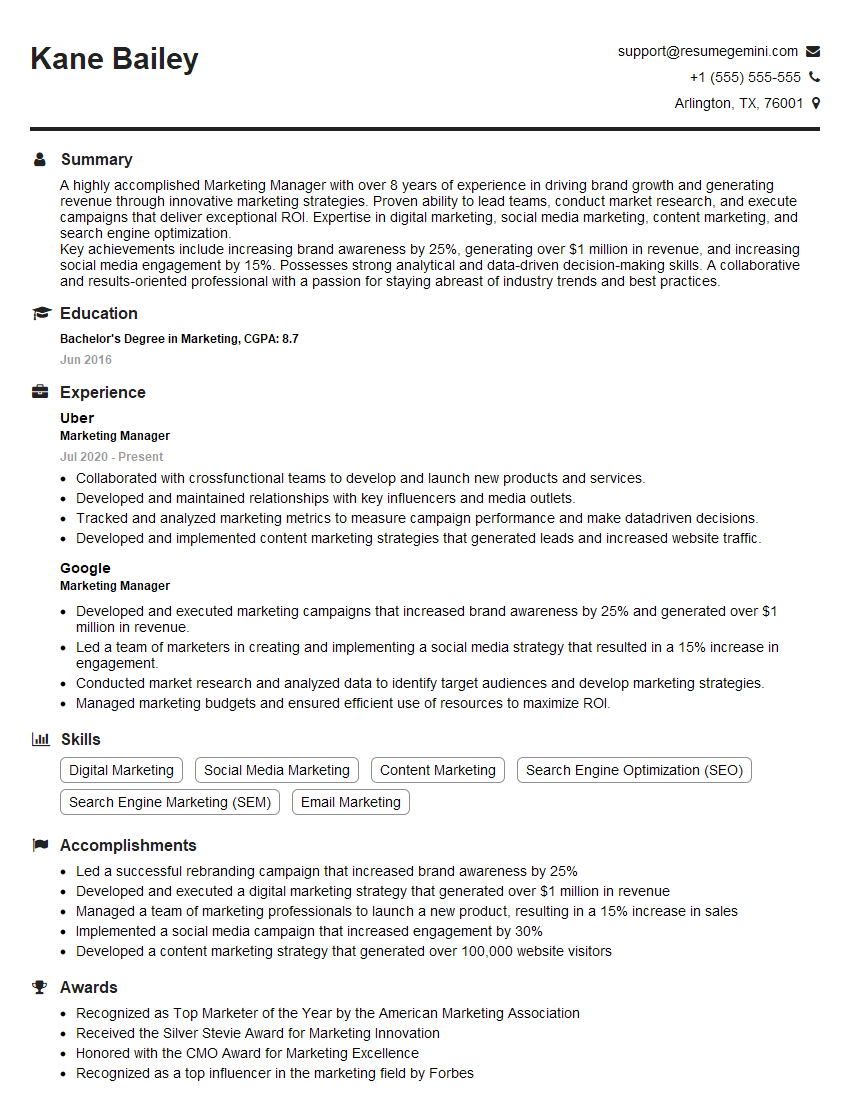
Marketing Manager Resume Sample
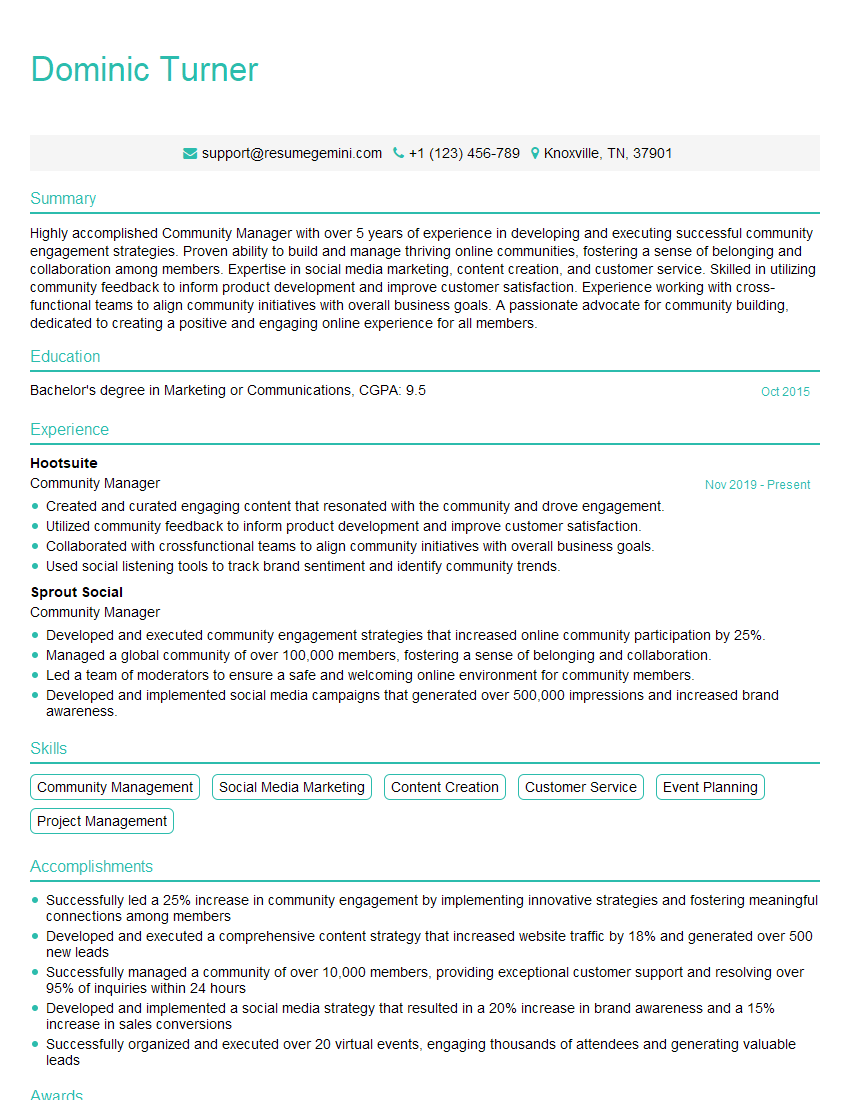
Community Manager Resume Sample

Social Media Manager Resume Sample
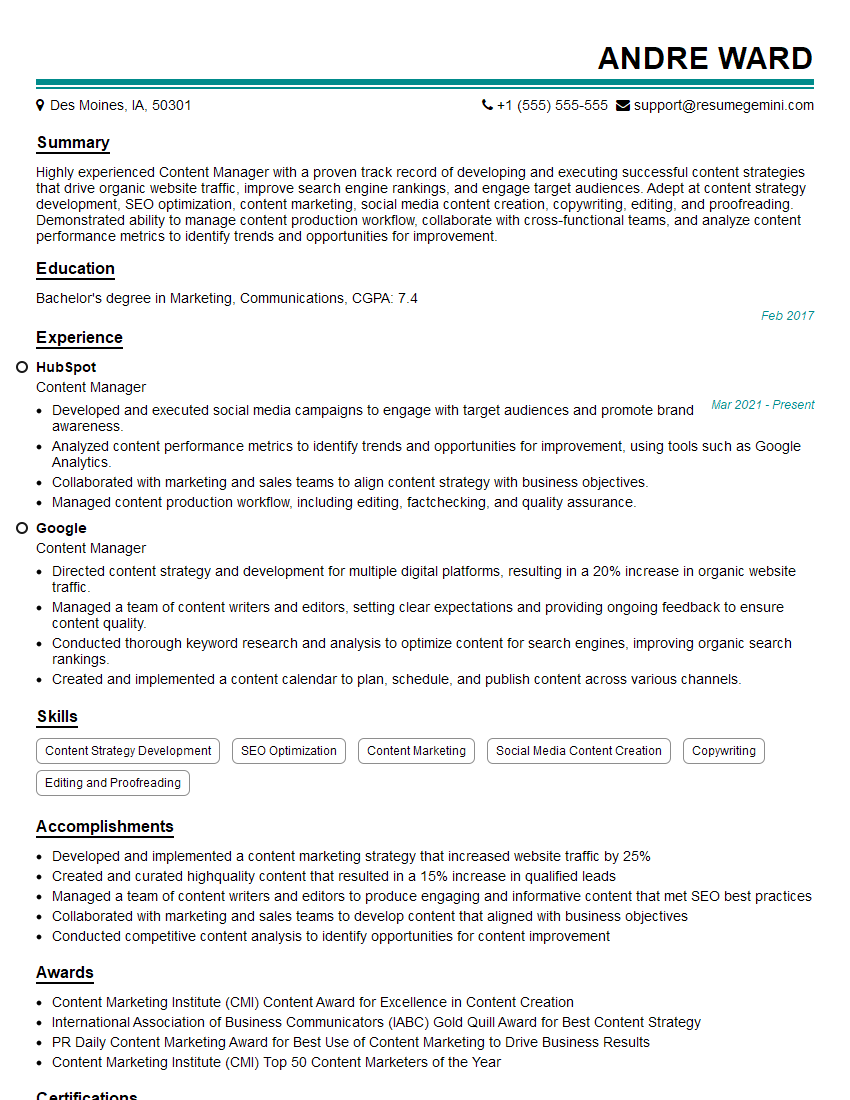
Content Manager Resume Sample

Information Architect Resume Sample

Content Strategist Resume Sample
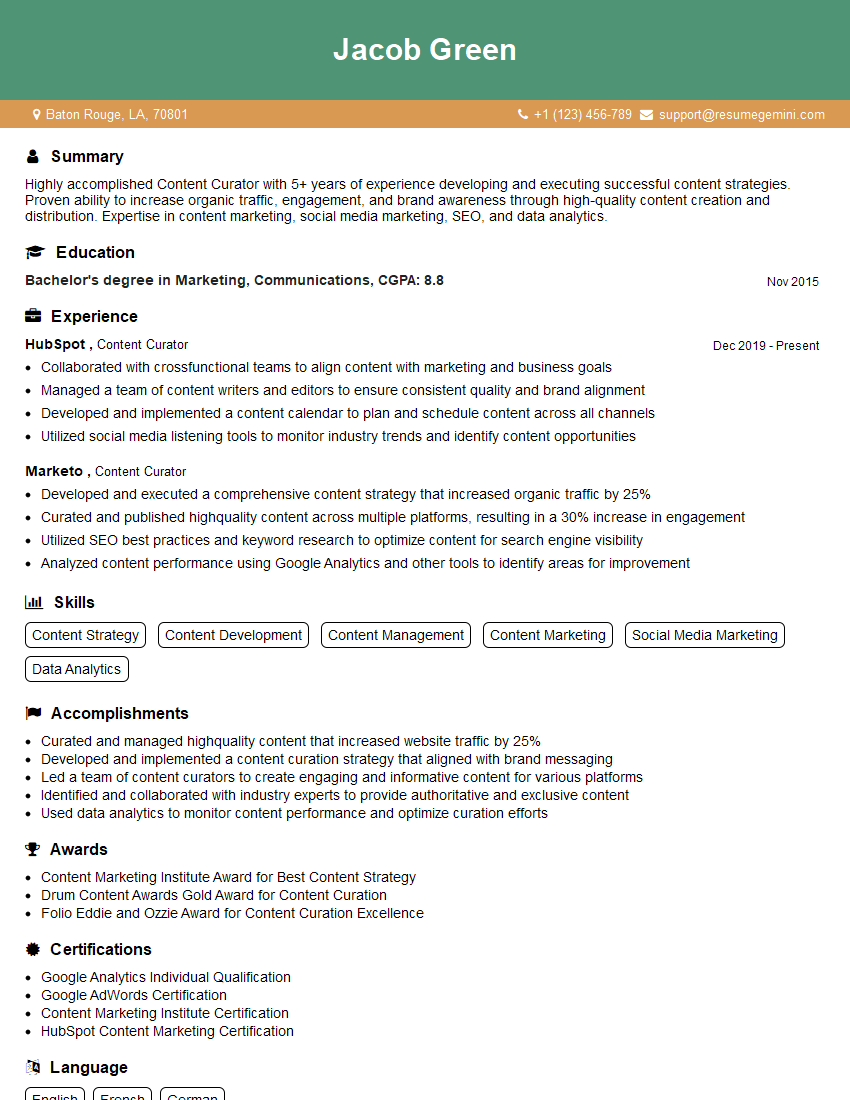
Content Curator Resume Sample
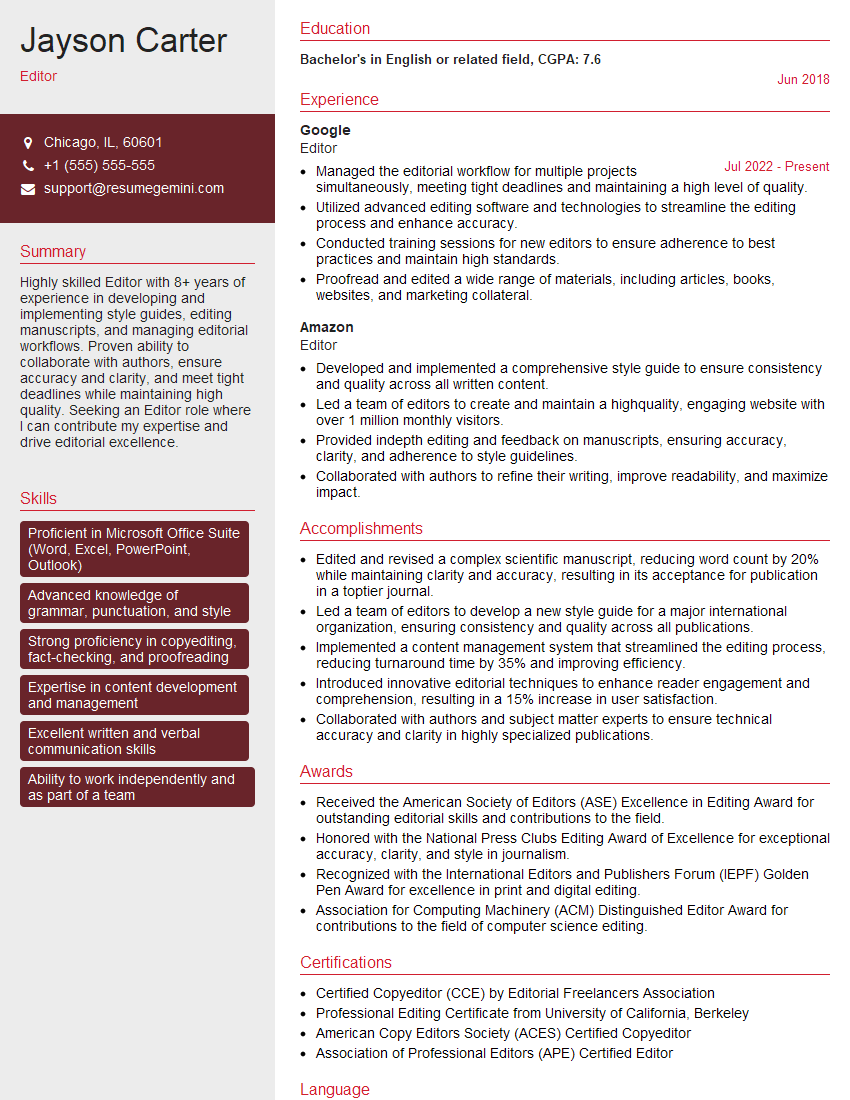
Editor Resume Sample
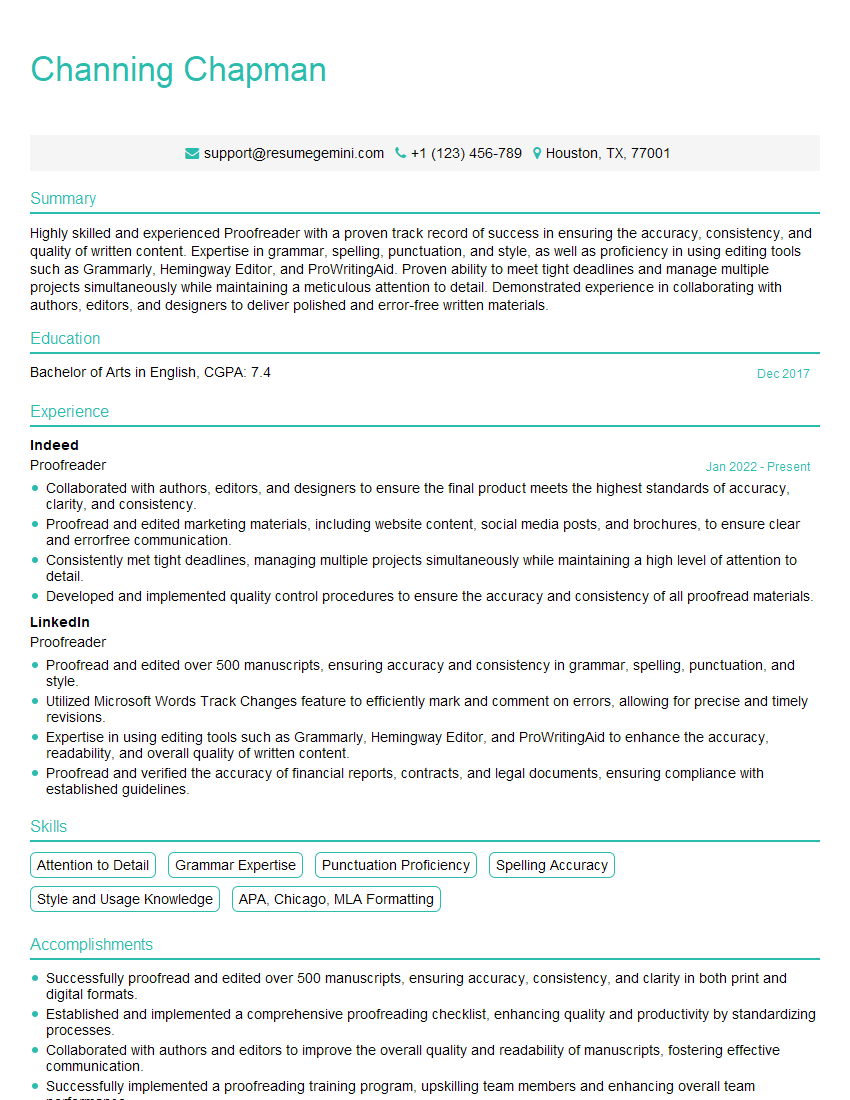
Proofreader Resume Sample

Technical Writer Resume Sample

Copywriter Resume Sample
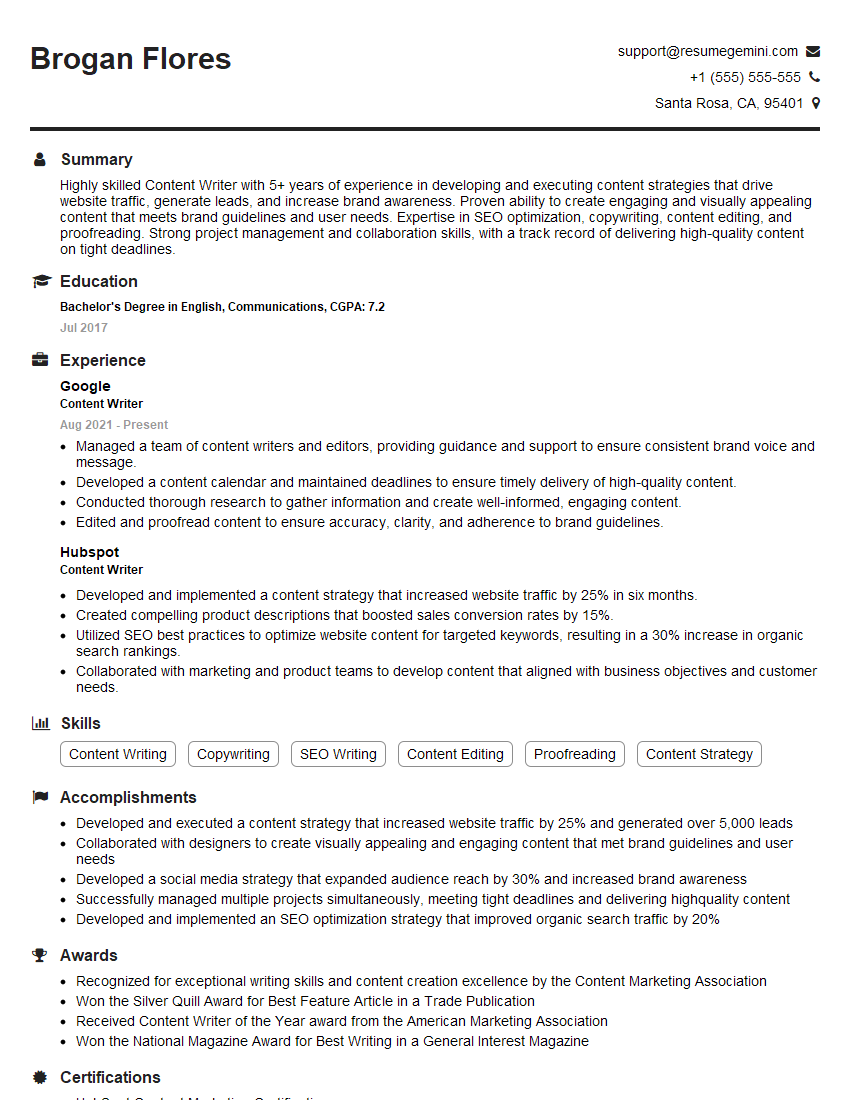
Content Writer Resume Sample

Content Creator Resume Sample
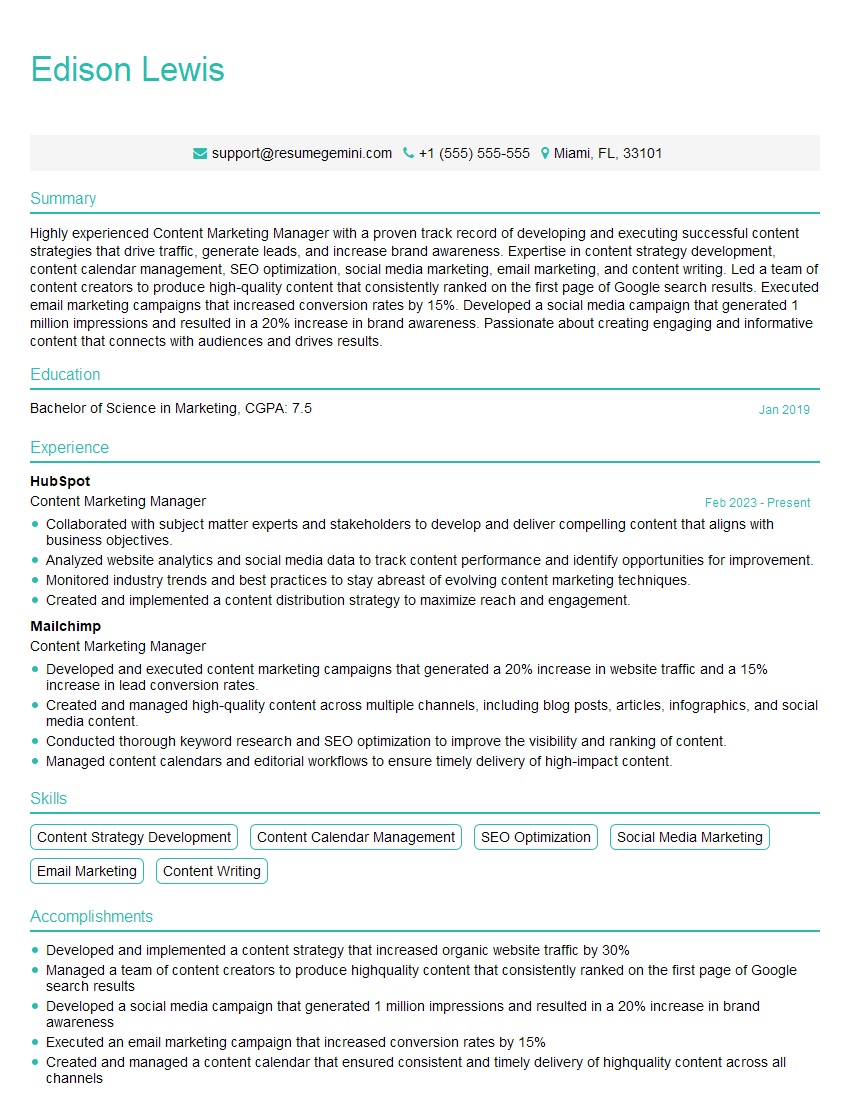
Content Marketing Manager Resume Sample
Explore more articles
Users Rating of Our Blogs
Share Your Experience
We value your feedback! Please rate our content and share your thoughts (optional).
What Readers Say About Our Blog
Really detailed insights and content, thank you for writing this detailed article.
IT gave me an insight and words to use and be able to think of examples