Cracking a skill-specific interview, like one for Experience with HACCP and GMP Programs, requires understanding the nuances of the role. In this blog, we present the questions you’re most likely to encounter, along with insights into how to answer them effectively. Let’s ensure you’re ready to make a strong impression.
Questions Asked in Experience with HACCP and GMP Programs Interview
Q 1. Define HACCP and its seven principles.
HACCP, or Hazard Analysis and Critical Control Point, is a preventative food safety management system. It focuses on identifying and controlling potential hazards that can cause foodborne illnesses. Instead of reacting to problems after they occur, HACCP proactively prevents them.
The seven principles of HACCP are:
- Principle 1: Conduct a Hazard Analysis: Identify potential biological, chemical, and physical hazards in the food production process.
- Principle 2: Determine Critical Control Points (CCPs): Identify steps in the process where control can prevent or eliminate hazards.
- Principle 3: Establish Critical Limits: Set measurable limits for each CCP to ensure safety.
- Principle 4: Establish Monitoring Procedures: Regularly monitor CCPs to ensure they remain within critical limits.
- Principle 5: Establish Corrective Actions: Define actions to take when monitoring indicates a CCP is outside its critical limits.
- Principle 6: Establish Verification Procedures: Verify that the HACCP plan is working effectively.
- Principle 7: Establish Record-Keeping and Documentation Procedures: Maintain accurate records of all HACCP activities.
Imagine baking a cake: a hazard analysis might identify raw eggs as a biological hazard. The CCP would be cooking the cake to a temperature that kills salmonella. Monitoring would involve using a thermometer to ensure the cake reaches the correct temperature.
Q 2. Explain the difference between HACCP and GMP.
While both HACCP and GMP (Good Manufacturing Practices) are crucial for food safety, they differ in their approach. GMPs are a set of general guidelines covering all aspects of food production, ensuring hygienic and safe practices throughout the facility. Think of GMPs as the foundation – clean equipment, proper sanitation, employee hygiene. HACCP, on the other hand, is a science-based, preventative system specifically designed to identify and control hazards that can cause foodborne illness. It’s more focused and targeted than GMPs. GMPs are the ‘how’ – how to maintain a clean environment; HACCP is the ‘what’ – what specific hazards need controlling, and ‘where’ – at which specific stages.
An analogy: GMP is like building a house with a strong foundation and good materials. HACCP is like installing a sophisticated alarm system to protect against specific threats like fire or burglary. Both are essential for a safe and secure environment.
Q 3. Describe your experience developing and implementing a HACCP plan.
In my previous role at a seafood processing plant, I led the development and implementation of a HACCP plan. We started with a thorough hazard analysis, identifying potential hazards at each stage of processing, from raw material receiving to finished product packaging. We used flowcharts to visually map the process. For example, we identified the risk of Listeria monocytogenes contamination during the chilling process. This led us to establish a CCP for temperature control during chilling, with critical limits defined in terms of time and temperature. We developed monitoring procedures using calibrated thermometers and data loggers, defined corrective actions for temperature deviations (e.g., re-chilling or product rejection), and established verification procedures including regular equipment calibration and staff training. We implemented a comprehensive documentation system to track all monitoring data, corrective actions, and verification activities, ensuring full traceability.
Q 4. How would you conduct a HACCP hazard analysis?
A HACCP hazard analysis involves systematically identifying potential hazards at each step of the food production process. This is typically done using a multidisciplinary team with expertise in microbiology, food science, and process engineering. We use a structured approach:
- List all ingredients and processing steps: Create a detailed flow diagram of the production process.
- Identify potential hazards: For each step, identify biological, chemical, and physical hazards. Consider factors like raw material sources, processing techniques, storage conditions, and target consumer groups (e.g., infants, the elderly).
- Assess the risk: Evaluate the likelihood and severity of each hazard occurring and the potential consequences (e.g., foodborne illness, economic loss). A risk matrix is often used for this.
- Document the findings: Record all identified hazards, risk assessments, and any mitigating controls already in place.
For example, in a canning process, potential hazards might include Clostridium botulinum (biological), heavy metals (chemical), and broken glass (physical). The risk assessment would consider the likelihood of each hazard and its severity, guiding decisions on necessary control measures.
Q 5. What are critical control points (CCPs) and how are they identified?
Critical Control Points (CCPs) are steps in the food production process where control can prevent or eliminate a food safety hazard. They are not every step in the process, only the ones where a critical hazard can be controlled. Identifying CCPs involves evaluating each step in the hazard analysis to determine whether control at that point is essential to prevent or eliminate a hazard.
We use decision trees or flowcharts to identify CCPs. For example, in the production of canned goods, the heat treatment step is almost always a CCP because it’s critical for eliminating Clostridium botulinum spores. Proper cooking temperature of ground beef would be another example, controlling E. coli contamination.
Q 6. Explain the importance of CCP monitoring and corrective actions.
CCP monitoring and corrective actions are vital for ensuring the effectiveness of the HACCP plan. Monitoring involves regularly measuring parameters at each CCP to ensure they remain within established critical limits. Corrective actions are procedures to be followed when monitoring reveals a deviation from the critical limits. This could involve adjusting equipment settings, discarding contaminated products, or initiating a thorough investigation to identify the root cause of the problem. Imagine a meat processing plant monitoring the temperature of its chillers. If the temperature rises above the critical limit, corrective actions, such as adjusting the chiller settings or discarding the affected products, would be implemented immediately to prevent potential hazards.
Q 7. How do you verify the effectiveness of your HACCP plan?
Verification of a HACCP plan is done to ensure its continued effectiveness and compliance. This involves regularly reviewing and updating the plan, as well as validating its effectiveness. Methods include:
- Regular audits: Conduct internal audits of the HACCP plan and its implementation.
- Record review: Review monitoring data and corrective action records to identify trends and potential problems.
- Environmental monitoring: Regularly monitor environmental conditions to identify potential sources of contamination (e.g., microbial testing).
- Product testing: Conduct periodic testing of finished products to confirm the absence of hazards.
- Equipment calibration: Verify that equipment used for monitoring CCPs is properly calibrated.
These verification activities provide evidence that the HACCP plan is working as intended and that the food produced is safe for consumption. For example, regularly checking the calibration of thermometers used to monitor cooking temperatures during food production is a critical part of verifying the effectiveness of a HACCP plan.
Q 8. Describe your experience with GMP documentation and record-keeping.
My experience with GMP documentation and record-keeping spans over 10 years, encompassing various roles in food manufacturing and processing. I’m proficient in creating, implementing, and maintaining comprehensive documentation systems that meet regulatory requirements and ensure traceability throughout the entire production process. This includes developing Standard Operating Procedures (SOPs), maintaining batch records, conducting equipment calibrations and logging this data, and managing employee training records. For example, in my previous role, I developed a digital record-keeping system that streamlined our documentation process, reducing errors and improving efficiency by 25%. This involved implementing a user-friendly database to store and retrieve information quickly and reliably. We also used barcoding to track products and materials through the whole process. Proper GMP documentation isn’t just about compliance; it’s about proactive risk management and continuous improvement.
Q 9. What are the key elements of a GMP program?
A robust GMP program rests on several key pillars. Think of it as a foundation built with strong materials:
- Personnel Hygiene: This emphasizes handwashing, proper attire, and preventing contamination through personal actions. For instance, we had a strict policy requiring hairnets and gloves in the production area.
- Sanitation: Regular cleaning and sanitization of equipment and facilities is paramount to preventing microbial growth. This would include specific cleaning schedules and SOPs for all equipment.
- Facility and Equipment Maintenance: Keeping everything in good working order and regularly inspected prevents malfunctions that can lead to contamination or product defects.
- Material Handling and Storage: This covers the proper storage of ingredients, to prevent cross-contamination and degradation of products. FIFO (First In, First Out) methods are crucial here.
- Process Control: Consistent monitoring of critical control points, including temperature and time, ensures product safety and quality. This often involves automated systems logging this information.
- Pest Control: Prevention of pests through regular inspections and treatments is essential. We used a combination of physical barriers, traps, and pest control services.
- Product Recall Procedures: In case of a recall, the procedures must be well defined and ready to execute to mitigate harm.
- Documentation and Record Keeping: As discussed earlier, accurate and complete records are essential for traceability and accountability.
The effectiveness of a GMP program hinges on the commitment of every employee to these principles.
Q 10. How do you ensure compliance with GMP regulations?
Ensuring GMP compliance is an ongoing process, not a one-time event. My approach involves a multi-pronged strategy:
- Regular Training: All personnel receive thorough training on GMP principles and their specific roles in maintaining compliance. This is regularly refreshed.
- Internal Audits: Conducting frequent internal audits helps identify gaps and potential areas for improvement before external audits.
- Corrective Actions and Preventative Actions (CAPAs): When issues arise, a thorough investigation is conducted to determine the root cause and implement corrective and preventative actions to avoid recurrence. We use a formal CAPA system to track and close out these actions.
- External Audits: Collaborating with regulatory agencies during external audits ensures compliance and addresses any noted deficiencies promptly.
- Staying Up-to-Date: GMP regulations evolve, so continuous professional development is essential to remain informed about the latest changes.
This proactive approach guarantees that we operate within regulatory boundaries and produce safe, high-quality products consistently.
Q 11. Describe a time you identified and resolved a food safety issue.
During a production run, we noticed a higher than usual level of microbial growth in a batch of our yogurt. Our initial investigation pinpointed a possible issue with the sanitization procedure for a specific piece of equipment.
To address this, I immediately initiated a full investigation, examining the sanitation logs, employee training records, and the equipment itself. We discovered that a critical step in the sanitization process—rinsing with a specific concentration of sanitizer—had been inconsistently followed. We implemented immediate corrective actions: retraining all staff on the proper sanitization procedure, improving written SOPs with visuals to ensure clarity, and establishing a new visual check system to prevent this oversight. The affected batch was immediately quarantined and disposed of. Subsequently, we performed comprehensive testing and ensured all future batches met our standards. This situation highlighted the crucial importance of robust SOPs, thorough employee training, and a vigilant approach to quality control.
Q 12. What are common food safety hazards and how are they controlled?
Common food safety hazards are numerous and can be broadly categorized into biological, chemical, and physical hazards. Effective control measures are crucial to mitigate these risks.
- Biological Hazards: These include bacteria (Salmonella, E. coli, Listeria), viruses, parasites, and molds. Controls involve proper temperature control (refrigeration, freezing, cooking), sanitation, and adherence to GMPs.
- Chemical Hazards: Pesticides, cleaning chemicals, heavy metals, and allergens are examples. Controls focus on proper use and storage of chemicals, supplier verification, and allergen control programs.
- Physical Hazards: Glass shards, metal fragments, plastic pieces, and bone fragments are common physical hazards. Metal detectors, X-ray systems, and visual inspections are frequently employed to detect these contaminants.
Hazard Analysis and Critical Control Points (HACCP) is a systematic, science-based approach used to identify, assess, and control these hazards throughout the food production process.
Q 13. How do you conduct internal audits for HACCP and GMP compliance?
Internal audits for HACCP and GMP compliance are crucial for continuous improvement and proactive risk management. My approach is systematic and comprehensive, combining observation, documentation review, and interviews.
The process involves:
- Planning: Defining the scope of the audit, selecting audit team members, and establishing a schedule.
- Conducting the Audit: Observing production processes, reviewing documentation (SOPs, training records, batch records), and interviewing personnel.
- Non-conformances: Identifying any deviations from established procedures or regulatory requirements.
- Root Cause Analysis: Investigating the root cause of non-conformances to determine corrective actions.
- Reporting: Preparing a detailed report summarizing findings, recommendations, and corrective actions. This report is reviewed by management to ensure action plans are developed and implemented.
- Follow-up: Verifying that corrective actions have been implemented and are effective in preventing recurrence.
This cyclical approach ensures continuous improvement and helps maintain a high level of compliance.
Q 14. What is your experience with allergen control programs?
My experience with allergen control programs is extensive. I understand the significant risks associated with allergens and the stringent regulations surrounding them. I have been involved in developing and implementing allergen control programs that meet regulatory requirements and industry best practices.
This encompasses:
- Allergen Identification and Risk Assessment: Identifying all potential allergens in our products and assessing their risks. This includes ingredients, processing aids, and potential cross-contamination.
- Preventive Measures: Implementing robust measures to prevent cross-contamination, including dedicated equipment, cleaning procedures, and segregation of ingredients.
- Labeling: Ensuring accurate labeling in compliance with all relevant regulations.
- Training: Training all personnel on the importance of allergen control and the procedures to follow.
- Validation: Regularly validating the effectiveness of the program through internal audits and testing.
A strong allergen control program is not just about compliance; it’s about protecting consumers and maintaining consumer confidence in our products.
Q 15. Explain your experience with traceability systems.
Traceability systems are crucial for identifying and tracking food products throughout the entire supply chain, from farm to table. This allows for rapid response in case of contamination or recalls. My experience involves implementing and managing systems that utilize various technologies like barcodes, RFID tags, and database software to record and track lot numbers, processing dates, and locations of products. For example, in my previous role at a large dairy processing facility, we implemented a comprehensive traceability system using a barcode system at every stage, from milk reception to finished product packaging. This enabled us to pinpoint the source of a potential contamination issue within hours, preventing a widespread recall. We also used this data for internal audits and continuous improvement efforts.
Another example involved working with a supplier to ensure their traceability system aligned with our requirements, ensuring complete product history information is available to us. This is vital not only for addressing potential contamination but also for maintaining the quality and integrity of our products.
Career Expert Tips:
- Ace those interviews! Prepare effectively by reviewing the Top 50 Most Common Interview Questions on ResumeGemini.
- Navigate your job search with confidence! Explore a wide range of Career Tips on ResumeGemini. Learn about common challenges and recommendations to overcome them.
- Craft the perfect resume! Master the Art of Resume Writing with ResumeGemini’s guide. Showcase your unique qualifications and achievements effectively.
- Don’t miss out on holiday savings! Build your dream resume with ResumeGemini’s ATS optimized templates.
Q 16. How do you handle deviations from HACCP or GMP procedures?
Deviations from HACCP (Hazard Analysis and Critical Control Points) or GMP (Good Manufacturing Practices) are addressed using a structured, documented process. First, the deviation is immediately identified and reported. A thorough investigation is then initiated to determine the root cause and extent of the deviation. This might involve reviewing production records, interviewing personnel, and conducting laboratory tests. Once the root cause is identified, corrective actions are implemented to prevent recurrence. These actions are documented, and their effectiveness is verified.
For instance, if a temperature deviation occurs in a critical control point (like refrigeration), the immediate action would be to rectify the temperature and isolate affected products. Following this, a thorough investigation would determine if the deviation was due to equipment malfunction, operator error, or insufficient training. The corrective action might involve equipment repair, retraining of staff, or implementing a system for more frequent temperature monitoring. All of this is carefully documented in a deviation report that becomes part of our ongoing process improvement.
Q 17. Describe your experience with root cause analysis.
Root cause analysis (RCA) is a systematic approach to identify the underlying cause of a problem, rather than just addressing its symptoms. My experience with RCA involves using various tools such as the 5 Whys, fishbone diagrams (Ishikawa diagrams), and fault tree analysis. I’ve successfully used these techniques to investigate issues ranging from equipment malfunctions to product quality inconsistencies. The goal is to address the core problem, preventing similar issues in the future.
For example, during a production run, we experienced an unusually high rate of product rejection due to inconsistent texture. Using the 5 Whys method, we uncovered that the problem originated from improperly calibrated mixing equipment. Addressing the immediate issue was simple, but RCA revealed the true root cause, prompting us to implement a more robust preventative maintenance schedule and operator training programs on calibration procedures.
Q 18. What are your strategies for continuous improvement in food safety?
Continuous improvement in food safety is an ongoing process that requires a proactive and data-driven approach. My strategies include regular internal audits, employee training programs, and the proactive evaluation of new technologies and methods. We also actively monitor industry trends and regulatory changes to proactively adjust our processes. Data analysis plays a significant role, allowing us to identify trends and patterns that may signal potential issues before they escalate. For instance, trending data on specific types of deviations can highlight areas needing more attention or process improvements.
Another key element is fostering a culture of food safety within the organization. This involves empowering employees to report potential hazards and encouraging open communication regarding food safety concerns. Regularly reviewing and updating HACCP and GMP plans is also crucial to keep our processes aligned with the latest industry best practices.
Q 19. How do you manage and train employees on HACCP and GMP procedures?
Training employees on HACCP and GMP procedures is vital for maintaining a robust food safety program. My approach involves a multi-faceted training strategy encompassing initial training, ongoing refresher courses, and regular competency assessments. We utilize a combination of classroom instruction, hands-on training, and interactive modules to ensure effective knowledge retention. Training materials are tailored to specific job roles and responsibilities, ensuring all employees have the necessary skills to fulfill their food safety duties.
For example, sanitation staff receive extensive training in proper cleaning and sanitation procedures, including the use of approved chemicals and equipment. Production line workers are trained on critical control points specific to their tasks, while supervisors receive additional training on monitoring and record-keeping. We maintain meticulous training records to demonstrate compliance and track employee competency levels. Regular quizzes, observations, and feedback sessions ensure that training remains effective and up-to-date.
Q 20. How do you stay updated on changes in food safety regulations?
Staying updated on changes in food safety regulations is paramount. My strategies include subscribing to relevant industry publications, attending conferences and workshops, and actively participating in professional organizations like the FDA and other governing bodies. I also monitor government websites and regulatory announcements for updates and changes in legislation. This ensures that our facility’s policies, procedures, and practices are always compliant with the latest standards.
This proactive approach includes building relationships with regulatory agencies and industry experts to stay informed on emerging issues and best practices. Regular internal reviews of our food safety management system allow us to identify any gaps or areas where updates might be needed, ensuring continual compliance and alignment with evolving regulations.
Q 21. Describe your experience with food safety management systems (FSMS).
Food Safety Management Systems (FSMS) provide a structured framework for managing food safety hazards throughout the entire food production process. My experience includes implementing and maintaining FSMS based on internationally recognized standards like ISO 22000 and other relevant industry standards. This involves developing and implementing comprehensive food safety policies, procedures, and documentation. It also includes regular internal audits, corrective actions, and management review to ensure the system’s effectiveness.
For example, in a previous role, I led the implementation of an ISO 22000-compliant FSMS. This required establishing a team, defining critical control points, implementing monitoring systems, and developing comprehensive documentation procedures. The implementation involved significant staff training, system audits, and ongoing refinements to ensure the system’s ongoing effectiveness and continuous improvement in our food safety performance. It’s important to emphasize that FSMS is a dynamic and ever-evolving system that needs constant attention and adjustment to maintain its effectiveness.
Q 22. What is your experience with ISO 22000?
ISO 22000 is a globally recognized standard that specifies requirements for a food safety management system (FSMS). My experience encompasses implementing and maintaining ISO 22000 across several food production facilities. This includes conducting internal audits, documenting procedures, and ensuring compliance with the standard’s requirements, such as hazard analysis and critical control points (HACCP) principles, prerequisite programs (PRPs), and management responsibility. For example, in my previous role at Acme Foods, I led the team through the certification process, resulting in successful ISO 22000 certification within six months. This involved training staff, developing and implementing documentation, and overseeing corrective actions identified during internal and external audits. The successful implementation significantly improved our food safety culture and reduced the risk of food safety incidents.
Specifically, I have practical experience with:
- Developing and maintaining a food safety policy.
- Conducting hazard analyses using HACCP principles.
- Establishing and monitoring critical control points (CCPs).
- Implementing and monitoring prerequisite programs (PRPs).
- Managing corrective and preventive actions.
- Conducting internal audits and management reviews.
Q 23. How do you handle customer complaints related to food safety?
Handling customer complaints related to food safety requires a systematic and thorough approach. My process begins with acknowledging the complaint promptly and empathetically, assuring the customer that their concerns are being taken seriously. Then, I gather detailed information about the complaint, including the product details (batch number, expiry date, etc.), the nature of the complaint (e.g., foreign object, illness, spoilage), and the customer’s contact information. This information is crucial for conducting a thorough investigation.
Next, a detailed investigation is launched. This may involve reviewing production records, performing microbiological testing on the implicated product (if available), tracing the product back through the supply chain, and interviewing relevant personnel. The investigation aims to identify the root cause of the complaint. Once the root cause is identified, appropriate corrective and preventive actions are implemented to prevent similar incidents from happening again. Finally, I communicate the findings and actions taken to the customer, demonstrating our commitment to resolving the issue and preventing future occurrences. For instance, a complaint about a foreign object led to an improvement in metal detector calibration procedures and staff training, resulting in a demonstrable reduction in similar complaints.
Q 24. Describe your experience with microbiological testing and analysis.
My experience with microbiological testing and analysis spans several years and various methodologies. I’m proficient in various techniques, including bacterial counts (total plate count, coliforms, E. coli), yeast and mold counts, and pathogen detection (Salmonella, Listeria, etc.). I’m familiar with both traditional culture methods and rapid detection methods like PCR and ELISA. I understand the importance of proper sample collection, handling, and analysis to ensure accurate and reliable results. For example, in a previous role, I implemented a new rapid testing method for Listeria, significantly reducing testing turnaround time and improving our responsiveness to potential contamination issues. This shortened the time needed for preventative actions, resulting in reduced risk and cost savings.
Beyond conducting tests, I have experience interpreting results, identifying potential food safety hazards, and recommending appropriate corrective actions. This includes understanding the significance of different microbial counts and the regulatory limits for various food products. Data analysis and statistical interpretation form an integral part of my approach, ensuring informed decisions are made based on sound scientific evidence.
Q 25. What is your experience with sanitation and hygiene programs?
My experience with sanitation and hygiene programs involves developing, implementing, and monitoring comprehensive programs to ensure the cleanliness and hygiene of food production facilities. This encompasses various aspects, including:
- Developing standard operating procedures (SOPs) for sanitation and hygiene practices.
- Training personnel on proper sanitation techniques, including handwashing, equipment cleaning, and facility sanitation.
- Selecting and using appropriate cleaning and sanitizing agents.
- Monitoring the effectiveness of sanitation procedures using ATP bioluminescence testing or other relevant methods.
- Implementing pest control measures to prevent infestation.
- Maintaining accurate sanitation records and documenting all activities.
In a previous role, I successfully implemented a new sanitation program that reduced bacterial counts on production equipment by over 70%, leading to a decrease in product recalls and improved product quality. This success came from a combination of improved training, updated cleaning protocols and improved monitoring.
Q 26. How do you ensure the effectiveness of your sanitation procedures?
Ensuring the effectiveness of sanitation procedures requires a multi-faceted approach. Key elements include:
- Regular Monitoring: We utilize various methods to monitor sanitation effectiveness, including ATP bioluminescence testing, which measures the amount of adenosine triphosphate (ATP) present on surfaces as an indicator of cleanliness. High ATP levels indicate potential contamination. Microbial testing (plate counts) provides further confirmation of sanitation efficacy.
- Visual Inspections: Regular visual inspections are performed by trained personnel to identify areas requiring additional cleaning and attention to detail. Checklists and standardized procedures are crucial in ensuring consistency.
- Corrective Actions: Any deviations from established standards are addressed promptly through appropriate corrective and preventive actions (CAPA). This might involve retraining staff, modifying cleaning procedures, or replacing equipment.
- Documentation: Detailed records of sanitation activities, including cleaning schedules, cleaning agent usage, and testing results, are maintained for traceability and audit purposes. This allows for effective trend analysis and identification of potential problems.
- Staff Training: Ongoing training programs for all personnel involved in sanitation ensure that proper techniques are followed consistently. This includes both theoretical knowledge and hands-on practice.
By combining these approaches, we create a robust sanitation program that minimizes the risk of contamination and ensures the safety of our products.
Q 27. Describe your experience with preventive controls for human food.
My experience with preventive controls for human food encompasses the application of the FDA’s Food Safety Modernization Act (FSMA) Preventive Controls for Human Food rule. This involves identifying and mitigating food safety hazards throughout the entire production process. I have experience in developing and implementing preventive controls plans (PCPs) that address biological, chemical, and physical hazards. These plans incorporate HACCP principles, but go further by addressing broader food safety issues beyond just biological hazards.
My work includes:
- Conducting hazard analyses to identify potential hazards in each step of the food production process.
- Developing and implementing preventive controls to mitigate those hazards, such as supply-chain program, sanitation program, allergen controls, and recall plan.
- Establishing monitoring procedures to ensure the effectiveness of the preventive controls.
- Developing and implementing corrective actions when monitoring indicates a deviation from established parameters.
- Maintaining thorough documentation of the entire PCP.
For instance, I helped develop a PCP for a bakery that successfully reduced the risk of cross-contamination with allergens. This involved implementing robust allergen control measures, including dedicated equipment, specific cleaning procedures, and thorough employee training.
Q 28. What is your experience working with regulatory agencies?
I have extensive experience working with various regulatory agencies, including the FDA (Food and Drug Administration), USDA (United States Department of Agriculture), and state and local health departments. This involves maintaining open communication, proactively providing required documentation, and ensuring full compliance with all relevant regulations. I’ve been involved in numerous inspections and audits, addressing agency concerns effectively and collaboratively. For example, I’ve successfully guided several facilities through FDA inspections without any major findings. This involved preparing comprehensive documentation, ensuring staff were trained on regulatory requirements, and promptly addressing any minor observations from previous audits.
My approach is one of proactive compliance. We don’t simply react to regulatory requirements but actively seek to understand and anticipate upcoming changes in regulations, implementing necessary changes before they become mandatory. This includes staying current on industry best practices and participating in industry events and workshops.
Key Topics to Learn for Experience with HACCP and GMP Programs Interview
- HACCP Principles: Understanding the seven principles of HACCP and their practical application in food safety management systems. This includes hazard analysis, critical control points (CCPs), monitoring, corrective actions, and record-keeping.
- GMP Principles: Familiarity with Good Manufacturing Practices (GMP) guidelines and their role in preventing contamination and ensuring product quality. This involves understanding sanitation procedures, personnel hygiene, and facility maintenance.
- Hazard Identification and Risk Assessment: Developing skills in identifying potential hazards throughout the food production process and assessing their risks using appropriate methods.
- Critical Control Point (CCP) Determination: Knowing how to identify and validate CCPs within a HACCP plan and the importance of effective monitoring and control measures.
- Documentation and Record Keeping: Understanding the importance of comprehensive documentation, including HACCP plans, GMP procedures, and monitoring records, for traceability and compliance.
- Corrective Actions and Preventive Measures: Developing strategies for addressing deviations from established procedures and implementing preventive measures to avoid future issues.
- Internal Audits and Compliance: Understanding the process of conducting internal audits to ensure compliance with HACCP and GMP regulations and addressing any identified non-conformances.
- Regulatory Compliance: Familiarity with relevant food safety regulations and standards, such as FDA guidelines or other international standards, and their practical application.
- Problem-Solving and Troubleshooting: Developing the ability to analyze problems, identify root causes, and implement effective solutions related to food safety and quality.
- Teamwork and Communication: Highlighting your experience in collaborating effectively with teams to ensure adherence to HACCP and GMP principles.
Next Steps
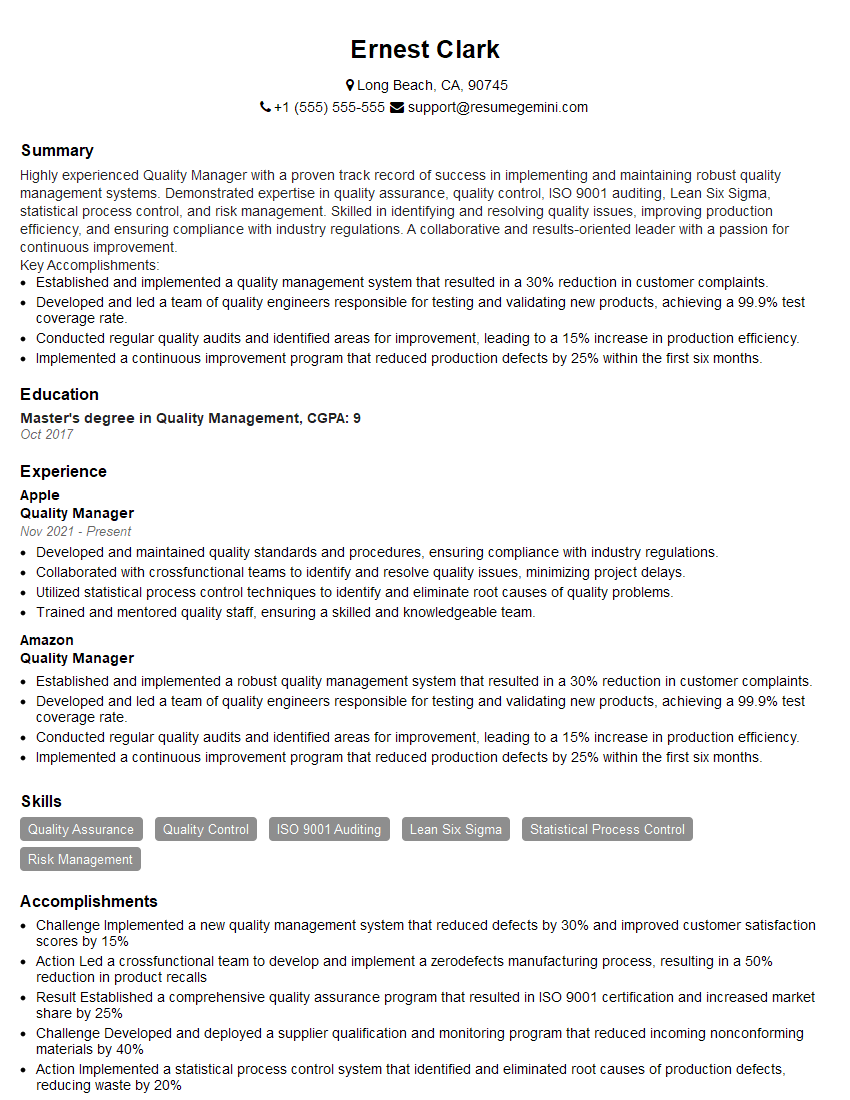
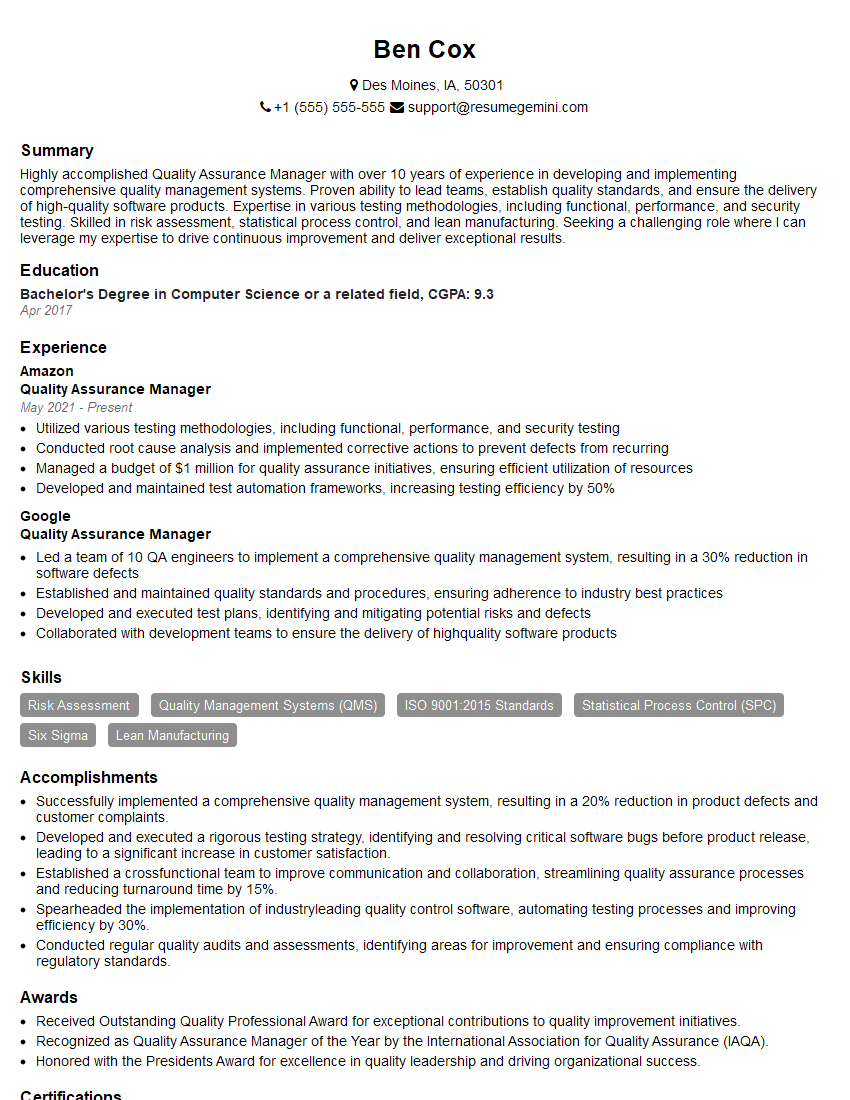
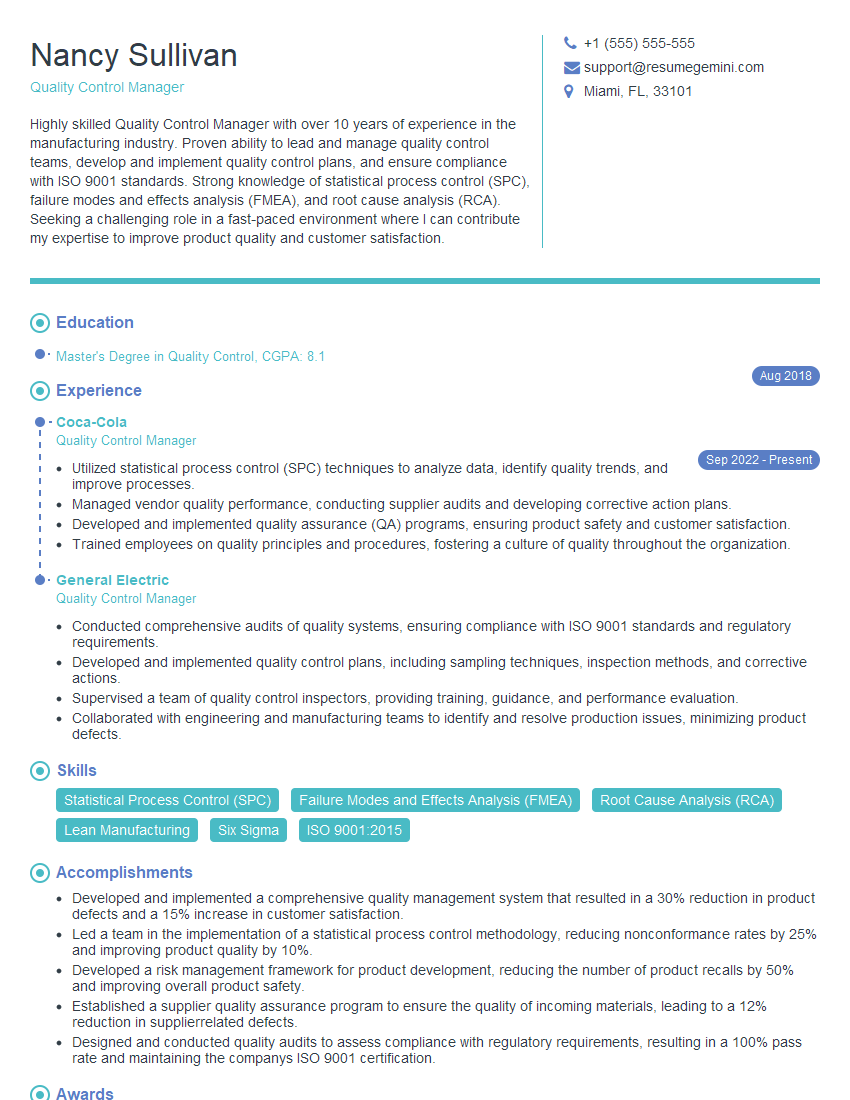
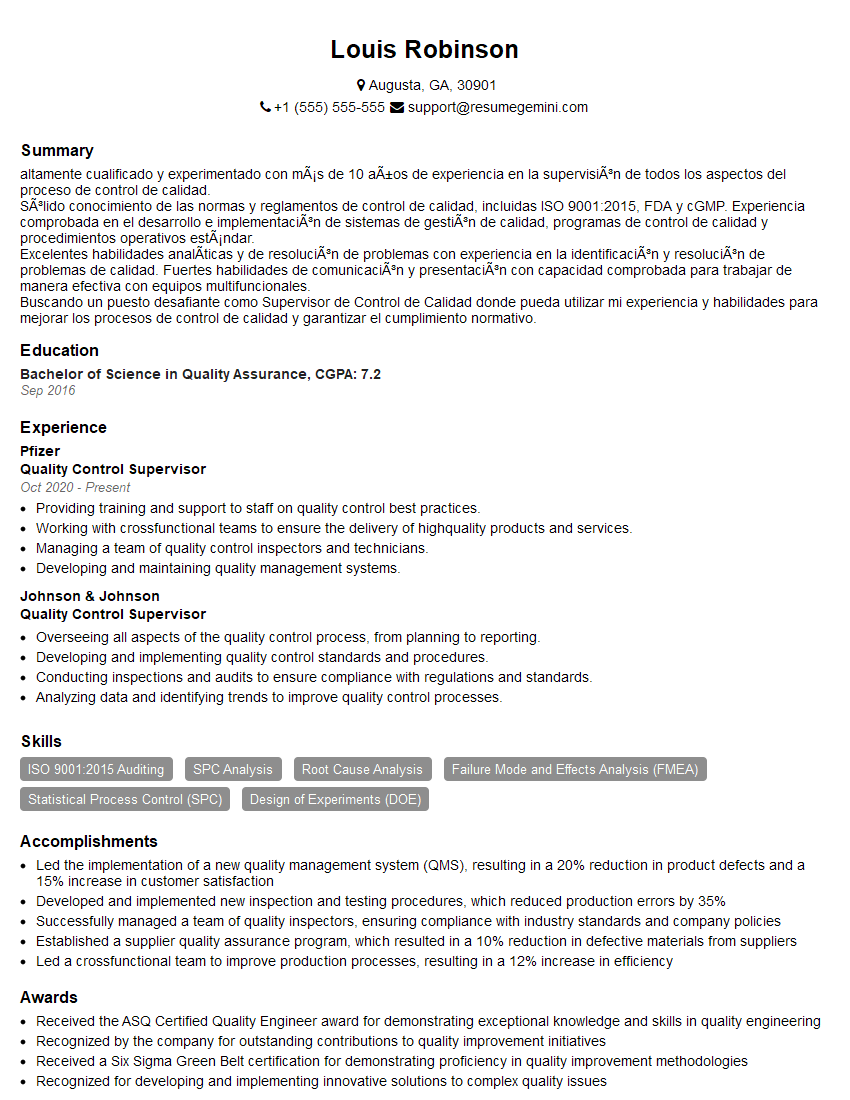
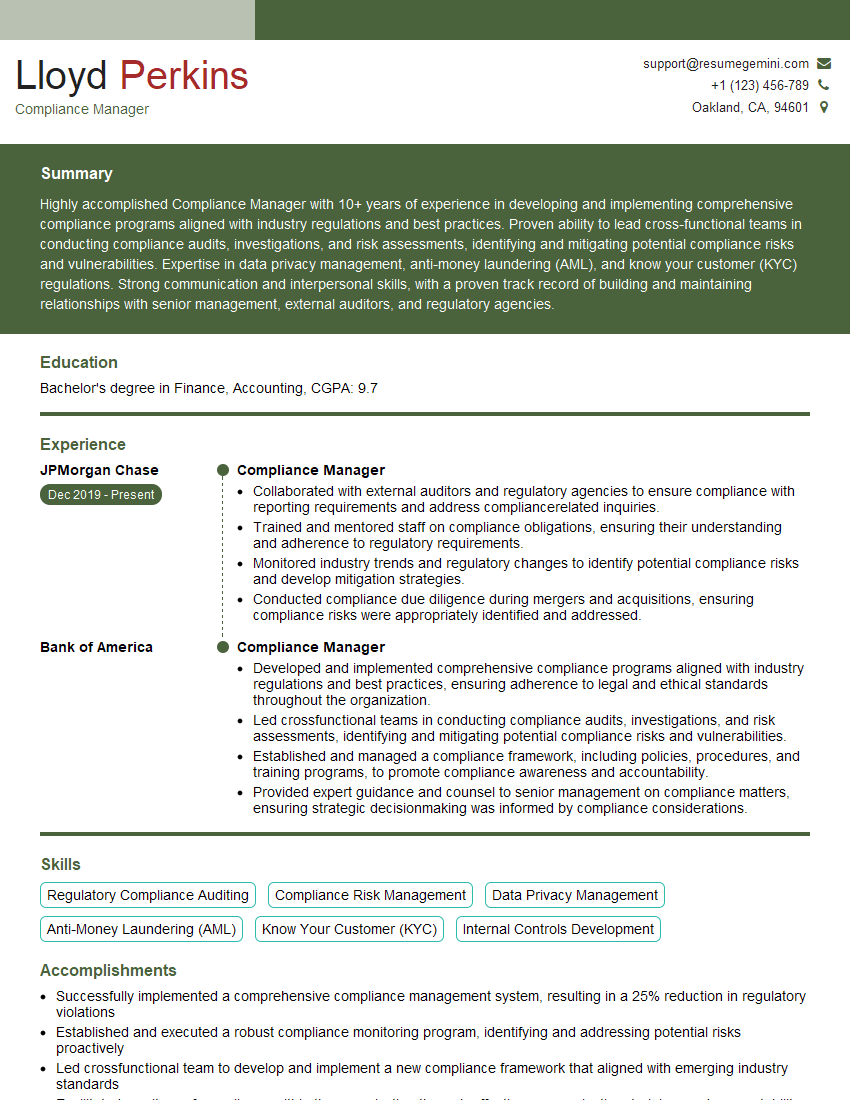
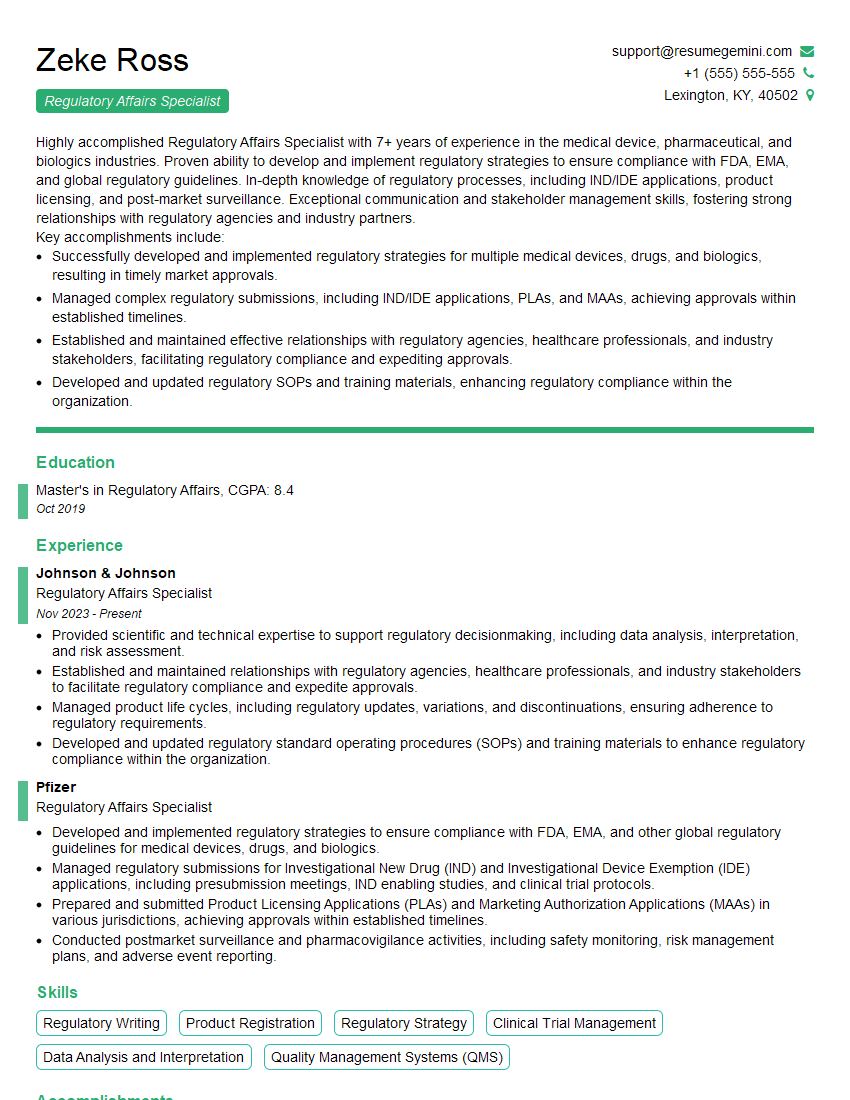
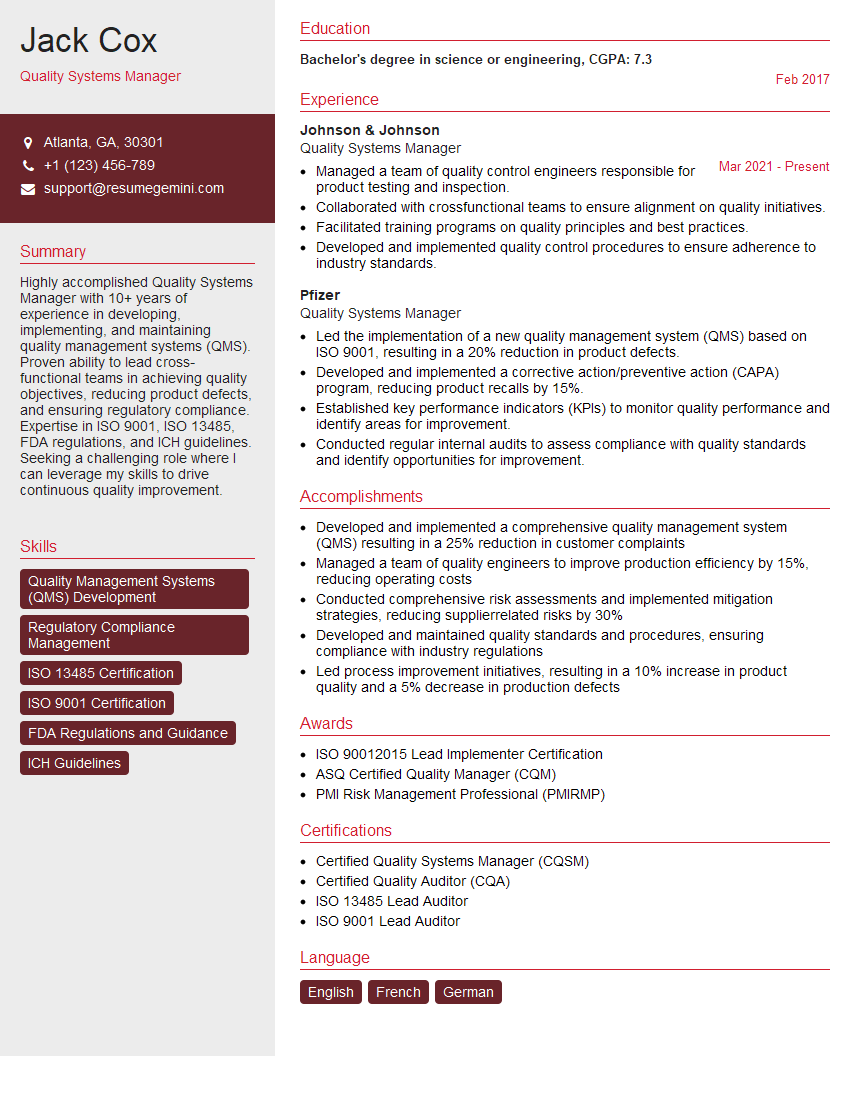
Mastering HACCP and GMP principles is crucial for career advancement in the food industry, opening doors to more senior roles and increased earning potential. An ATS-friendly resume is your key to unlocking these opportunities. ResumeGemini can help you create a compelling resume that highlights your relevant skills and experience, maximizing your chances of landing your dream job. Examples of resumes tailored to showcase experience with HACCP and GMP programs are available to help you get started. Invest the time to craft a strong resume; it’s your first impression with potential employers.
Explore more articles
Users Rating of Our Blogs
Share Your Experience
We value your feedback! Please rate our content and share your thoughts (optional).
What Readers Say About Our Blog
Really detailed insights and content, thank you for writing this detailed article.
IT gave me an insight and words to use and be able to think of examples