Are you ready to stand out in your next interview? Understanding and preparing for Experience with Multimodal Transportation interview questions is a game-changer. In this blog, we’ve compiled key questions and expert advice to help you showcase your skills with confidence and precision. Let’s get started on your journey to acing the interview.
Questions Asked in Experience with Multimodal Transportation Interview
Q 1. Explain the advantages and disadvantages of different multimodal transport modes (e.g., rail, road, sea, air).
Multimodal transport leverages different modes like rail, road, sea, and air to optimize shipping. Each mode has its strengths and weaknesses.
- Sea:
- Advantages: High capacity, cost-effective for long distances.
- Disadvantages: Slow transit times, susceptible to weather delays, port congestion.
- Rail:
- Advantages: High capacity, relatively cost-effective, less susceptible to weather than road.
- Disadvantages: Limited accessibility, slower than road for shorter distances, infrastructure limitations in some regions.
- Road:
- Advantages: Flexible, door-to-door service, faster for shorter distances.
- Disadvantages: Lower capacity compared to rail or sea, higher costs for long distances, susceptible to traffic and weather.
- Air:
- Advantages: Fastest transit time, ideal for time-sensitive goods.
- Disadvantages: Highest cost per unit, limited capacity, environmental impact.
Example: Shipping electronics from Asia to Europe might involve sea freight for the long ocean journey, followed by rail transport to an inland distribution center, and finally road transport for last-mile delivery. This combines the cost-effectiveness of sea freight with the speed and flexibility of road and rail for specific legs.
Q 2. Describe your experience with Incoterms and their impact on multimodal transportation.
Incoterms (International Commercial Terms) define responsibilities between buyer and seller in international trade. They are crucial in multimodal transport as they clarify who handles what at each stage, impacting costs and liability. For example, using CIF (Cost, Insurance, and Freight) means the seller is responsible for getting the goods to the named port of destination, including insurance. Using FOB (Free On Board) shifts the responsibility to the buyer after the goods are loaded on the vessel at the port of shipment. Misinterpretations can lead to costly disputes. I’ve successfully navigated complex Incoterm applications, ensuring seamless transitions between transport modes and clearly defining responsibilities to prevent conflicts.
Example: In a recent project, using Incoterms DAP (Delivered at Place), the seller bore full responsibility for the shipment until it reached the buyer’s designated warehouse, irrespective of the multiple modes used. This clarified the responsibility for customs clearance and potential damages during transit.
Q 3. How do you optimize routes and schedules for multimodal shipments?
Route and schedule optimization for multimodal shipments involves considering several factors using specialized software and expertise. I employ a multi-step approach:
- Route Mapping: Identify all possible routes using mapping software integrating real-time data (traffic, weather). Consider transit times, cost per mode, and infrastructure limitations.
- Mode Selection: Choose the optimal combination of modes based on cost, speed, and cargo characteristics (e.g., perishable goods requiring air freight).
- Schedule Generation: Create a detailed schedule considering connection times between modes, potential delays, and customs procedures. Buffer time is crucial to mitigate unforeseen issues.
- Cost Analysis: Compare different route/mode combinations and select the most cost-effective option while meeting time constraints.
- Real-time Monitoring: Employ tracking systems to monitor the shipment’s progress and adjust the schedule if necessary to respond to unexpected events like delays.
Example: For a time-sensitive shipment, I might choose air freight for the initial leg, followed by road transport for final delivery, even if it’s slightly more expensive, prioritizing speed over cost.
Q 4. What are the key challenges in managing international multimodal transportation?
Managing international multimodal transportation presents numerous challenges:
- Documentation: Complex documentation requirements vary across countries and modes, requiring meticulous attention.
- Customs Procedures: Navigating diverse customs regulations and procedures can be time-consuming and prone to errors.
- Communication: Coordinating multiple carriers and stakeholders across different time zones and languages requires effective communication strategies.
- Risk Management: Potential risks include theft, damage, delays, and unforeseen events like natural disasters.
- Liability: Determining liability in case of damage or loss can be complex when multiple parties are involved.
- Security: Ensuring security throughout the entire journey is paramount, requiring adherence to strict security protocols.
Effective risk mitigation strategies, strong communication, and a thorough understanding of international regulations are crucial for success.
Q 5. How do you handle customs procedures and documentation for multimodal shipments?
Handling customs procedures and documentation is critical. My approach involves:
- Pre-shipment Planning: Gathering all necessary documentation (commercial invoice, packing list, bill of lading, certificates of origin) well in advance.
- Classification: Correctly classifying goods according to the Harmonized System (HS) code to determine applicable tariffs and regulations.
- Duty Calculation: Calculating import duties and taxes accurately to avoid delays and penalties.
- Brokerage: Utilizing customs brokers for efficient handling of customs procedures, particularly beneficial in unfamiliar jurisdictions.
- Compliance: Ensuring strict adherence to all relevant regulations and providing all required documentation to customs authorities.
- Post-clearance: Monitoring the release of goods and ensuring accurate tracking of the entire process.
Example: For shipments to the EU, I always ensure the correct EUR1 certificate is obtained to benefit from preferential tariffs.
Q 6. Explain your experience with different types of containers used in multimodal transport.
Various container types are used in multimodal transport, each suited to specific cargo:
- Dry Freight Containers (20ft, 40ft): Standard containers for general cargo.
- Refrigerated Containers (Reefer Containers): Maintain controlled temperature for perishable goods.
- Open-Top Containers: Allow for loading and unloading from the top.
- Flatrack Containers: Used for oversized cargo.
- Tank Containers: Transport liquids and gases.
- Special Purpose Containers: Designed for specific needs, like hazardous materials.
Selecting the right container type is crucial for cargo safety and efficiency. I have extensive experience selecting and managing different container types, ensuring their suitability for the specific goods and transport modes involved.
Q 7. How do you manage risk and ensure the security of goods during multimodal transportation?
Risk management and security are paramount. My strategies involve:
- Insurance: Securing appropriate cargo insurance to cover potential losses or damages.
- Tracking: Using GPS tracking systems to monitor the shipment’s location and identify potential deviations.
- Security Measures: Implementing appropriate security measures, such as seals and tamper-evident devices.
- Carrier Selection: Choosing reliable and reputable carriers with a strong security record.
- Contingency Planning: Developing contingency plans to address potential disruptions or emergencies.
- Regular Audits: Conducting regular audits of security protocols and procedures to identify areas for improvement.
Example: For high-value goods, we might utilize specialized security containers with advanced monitoring systems and security escorts for particularly vulnerable segments of the route.
Q 8. Describe your experience with tracking and tracing shipments in a multimodal environment.
Tracking and tracing shipments in multimodal transportation requires a robust system that integrates data from various carriers and modes. Imagine a shipment traveling by truck, then train, and finally by ship – each leg has its own tracking information. My experience involves utilizing technology to consolidate this disparate data into a single, unified view. This includes leveraging Transportation Management Systems (TMS) that offer real-time visibility, providing accurate location updates, estimated time of arrival (ETA), and potential delays. I’m proficient in using APIs to integrate data from different carriers’ tracking systems, creating a comprehensive dashboard for clients to monitor their shipments’ progress. For example, in a recent project involving the movement of electronics from Asia to Europe, I implemented a system that not only tracked the container’s location but also monitored environmental conditions (temperature, humidity) ensuring product integrity. This involved custom integrations with specialized sensors and data logging systems.
Q 9. How do you negotiate rates and contracts with carriers for multimodal transportation?
Negotiating rates and contracts with carriers for multimodal transport is a strategic process that involves understanding market dynamics, carrier capabilities, and client requirements. It’s not just about finding the lowest price; it’s about finding the best value proposition. I start by clearly defining the scope of service: origin and destination, cargo type, volume, transit time, and any special handling requirements. Then, I collect quotes from multiple carriers, comparing not only price but also service quality, reliability, and their track record. A key strategy is building strong relationships with carriers, negotiating volume discounts, and leveraging my understanding of their operational constraints. For instance, I’ve successfully negotiated preferential rates for a client by committing to consistent high-volume shipments over a year, ensuring they could optimize their route planning and resource allocation. Contractual agreements are always carefully reviewed to ensure clear terms and conditions, including liability clauses and dispute resolution mechanisms.
Q 10. What software or technology are you familiar with for managing multimodal transportation?
I have extensive experience with various software and technologies for managing multimodal transportation. This includes leading Transportation Management Systems (TMS) like Oracle Transportation Management (OTM), SAP TM, and Blue Yonder. These platforms provide functionalities for shipment planning, execution, tracking, and reporting. Furthermore, I’m familiar with Electronic Data Interchange (EDI) for seamless data exchange with carriers and customs brokers. I also use Geographic Information Systems (GIS) software for route optimization and visualization. For smaller scale operations, I’ve effectively utilized cloud-based solutions offering similar functionalities, sometimes customizing them with add-ons based on the requirements of the project. In addition to this, I utilize specialized software for documentation management, ensuring regulatory compliance and accurate record-keeping. Data analytics tools are also part of my toolkit, assisting in identifying areas for cost reduction and service improvement.
Q 11. How do you handle delays or disruptions in multimodal transport operations?
Handling delays or disruptions in multimodal transport requires a proactive and decisive approach. The first step is identifying the cause of the delay – whether it’s weather, port congestion, customs issues, or mechanical failure. Once identified, a plan of action is created which could involve rerouting the shipment, utilizing alternative carriers, negotiating extensions with clients, and closely coordinating with all parties involved. For example, when a port strike delayed a shipment of perishable goods, I swiftly rerouted the cargo via an inland waterway, incurring additional costs but mitigating substantial losses. Transparent communication with the client is critical, providing regular updates and exploring mitigation strategies. In cases involving damaged goods, I ensure proper documentation is collected to facilitate insurance claims, working with the client and the carrier to resolve the matter fairly and efficiently.
Q 12. Explain your experience with different types of multimodal transport documents (e.g., Bill of Lading).
My experience encompasses various multimodal transport documents, with a strong emphasis on the Bill of Lading (B/L). The B/L serves as a contract of carriage, a receipt for goods, and a document of title. I understand the different types of B/Ls – straight B/Ls (non-negotiable), order B/Ls (negotiable), and sea waybills. I am also familiar with other crucial documents such as the Air Waybill (AWB) for air freight, the Combined Transport Convention (CMR) for road transport, and customs documentation. Understanding the nuances of these documents is crucial for ensuring smooth customs clearance and preventing delays. For instance, an incorrectly filled out customs declaration can lead to significant delays and penalties. Therefore, I pay close attention to detail when preparing and reviewing these documents, always ensuring accuracy and compliance with international regulations.
Q 13. How do you ensure compliance with regulations and safety standards in multimodal transportation?
Compliance with regulations and safety standards is paramount in multimodal transportation. I ensure adherence to international conventions like the International Maritime Organisation (IMO) codes for sea freight, the International Air Transport Association (IATA) regulations for air freight, and relevant road transport regulations. This involves staying updated on changes in legislation and implementing best practices to mitigate risks. Furthermore, I’m familiar with various safety certifications and audits, ensuring that carriers comply with environmental standards and operate within the legal framework. For instance, I’ve implemented a system to track and verify that all carriers utilized have the required permits and licenses, safeguarding against potential legal and operational issues. This proactive approach minimizes risks and protects the client’s reputation and interests.
Q 14. Describe your experience with cost optimization strategies for multimodal transportation.
Cost optimization is a key focus in multimodal transportation. Strategies involve leveraging my expertise in negotiation, route optimization, and technology. This can include consolidating shipments to take advantage of volume discounts, optimizing routes based on real-time data and considering factors like fuel costs and tolls, selecting the most cost-effective modes of transport for specific legs of a journey, and exploring alternative carriers. Data analytics play a vital role in identifying cost inefficiencies and recommending suitable measures. For example, by analyzing historical shipping data, I identified an opportunity to switch from air freight to sea freight for a non-time-sensitive product, resulting in significant cost savings for the client without compromising delivery timelines. Moreover, I’ve actively pursued partnerships with carriers offering competitive and reliable services, and I regularly review contracts to ensure they remain cost-effective.
Q 15. How do you measure the performance and efficiency of multimodal transportation operations?
Measuring the performance and efficiency of multimodal transportation operations requires a holistic approach, considering various Key Performance Indicators (KPIs). We don’t just look at one metric; instead, we build a dashboard of indicators to get a comprehensive picture.
- On-Time Delivery Rate: This is a fundamental KPI, measuring the percentage of shipments delivered on or before the scheduled delivery date. A low rate suggests issues with scheduling, routing, or unforeseen delays.
- Transit Time: Tracking the total time a shipment takes to reach its destination reveals potential bottlenecks. We analyze this time across each leg of the journey (road, rail, sea, air) to pinpoint areas for improvement.
- Cost per Unit: This KPI helps in evaluating the overall efficiency of the operation. We meticulously track all costs associated with each mode of transport, handling, storage, and insurance to optimize expenses.
- Freight Damage Rate: Minimizing cargo damage is crucial. We track the number of damaged shipments relative to the total number shipped and investigate the root cause to improve packaging or handling procedures.
- Customer Satisfaction: Ultimately, efficient operations translate to happy customers. We regularly solicit feedback to gauge satisfaction levels and address any concerns.
For example, in a recent project involving the transport of perishable goods from South America to Europe, we implemented a real-time tracking system. This not only improved our on-time delivery rate by 15% but also reduced transit time by 2 days, leading to a significant decrease in spoilage.
Career Expert Tips:
- Ace those interviews! Prepare effectively by reviewing the Top 50 Most Common Interview Questions on ResumeGemini.
- Navigate your job search with confidence! Explore a wide range of Career Tips on ResumeGemini. Learn about common challenges and recommendations to overcome them.
- Craft the perfect resume! Master the Art of Resume Writing with ResumeGemini’s guide. Showcase your unique qualifications and achievements effectively.
- Don’t miss out on holiday savings! Build your dream resume with ResumeGemini’s ATS optimized templates.
Q 16. How do you select the optimal mode of transport for a given shipment?
Selecting the optimal mode of transport is a complex decision-making process that involves careful consideration of several factors. It’s not a one-size-fits-all solution; the best mode depends entirely on the specific shipment.
- Cost: Each mode has its own cost structure. Sea freight is generally the most economical for large volumes over long distances, while air freight is fastest but most expensive.
- Transit Time: Time sensitivity is a key consideration. Air freight offers the fastest transit time, followed by road, rail, and sea freight.
- Cargo Type and Dimensions: Certain goods are better suited to specific modes. Fragile items might require air freight, while bulky goods are often more efficiently transported by sea or rail.
- Distance and Accessibility: The distance between origin and destination dictates the feasibility of different modes. Accessibility of infrastructure (roads, ports, railways) plays a vital role.
- Reliability and Risk: Different modes have varying levels of reliability and risk associated with them. Sea freight, for instance, is susceptible to weather delays, while road freight can face traffic congestion.
We use a multi-criteria decision-making process, often employing software tools to weigh these factors and arrive at an optimal solution. For example, for a time-sensitive shipment of electronics components, air freight would be the preferred choice, despite its higher cost. Conversely, transporting large quantities of raw materials over long distances would favor sea freight.
Q 17. Describe your experience with different types of cargo handling equipment.
My experience encompasses a wide range of cargo handling equipment across various modes of transport.
- Port Operations: I’m familiar with container cranes, reach stackers, forklifts, and straddle carriers used for loading and unloading containers in ports.
- Rail Transportation: My experience includes working with gantry cranes, railcar movers, and specialized equipment for handling different types of railcars.
- Road Transportation: I’m proficient with various types of forklifts, pallet jacks, and loading docks equipment for efficient handling of goods in warehouses and distribution centers.
- Air Transportation: I’ve worked with specialized conveyor belts, baggage handling systems, and loading bridges used in airports.
In one project involving the transport of oversized wind turbine components, we utilized specialized heavy-lift cranes and modular trailers to ensure safe and efficient handling throughout the multimodal journey.
Q 18. How do you manage inventory levels throughout the multimodal transportation process?
Managing inventory levels throughout multimodal transportation is crucial for efficient operations and minimizing storage costs. This involves a combination of strategies.
- Real-Time Tracking: Using GPS and other tracking technologies provides visibility into the location and status of shipments at all times, allowing for accurate inventory management.
- Warehouse Management Systems (WMS): Integration of WMS with Transportation Management Systems (TMS) provides a centralized view of inventory across different locations, from origin to destination.
- Predictive Modeling: Sophisticated forecasting models can help anticipate demand and optimize inventory levels based on historical data and sales forecasts.
- Collaboration with Stakeholders: Regular communication with carriers and customers keeps everyone informed about shipment status, allowing for proactive adjustments to inventory levels.
For example, during a project involving the transportation of automotive parts, we used a predictive analytics tool to optimize inventory levels at distribution centers, reducing storage costs by 12% while maintaining a high level of order fulfillment.
Q 19. How do you collaborate with different stakeholders (e.g., carriers, customers, customs brokers) in multimodal transportation?
Effective collaboration with various stakeholders is paramount in multimodal transportation. Clear communication, shared goals, and well-defined roles are essential.
- Carriers: Regular communication with carriers is crucial for coordinating schedules, tracking shipments, and resolving any unforeseen issues. We utilize standardized communication protocols and regularly review performance metrics.
- Customers: Keeping customers informed about shipment status and proactively addressing any concerns builds trust and strengthens relationships. We use online portals and regular updates to maintain transparency.
- Customs Brokers: Close collaboration with customs brokers is essential for navigating complex customs regulations. We provide them with accurate documentation and ensure compliance with all relevant laws.
- Technology: Collaborative platforms and shared databases facilitate information exchange and streamline communication processes.
In a recent project involving international shipments, we established a dedicated communication portal for all stakeholders, enabling real-time information sharing and significantly reducing delays caused by communication bottlenecks.
Q 20. Explain your experience with using Transportation Management Systems (TMS).
Transportation Management Systems (TMS) are indispensable tools in multimodal transportation. They provide a centralized platform for managing various aspects of the transportation process.
- Route Optimization: TMS software helps identify the most efficient routes, considering factors like distance, traffic, and cost.
- Shipment Tracking: Real-time tracking of shipments enables proactive monitoring and identification of potential delays.
- Carrier Management: TMS simplifies the process of selecting and managing carriers, negotiating rates, and monitoring performance.
- Documentation Management: The system helps in managing and tracking all relevant shipping documents, reducing paperwork and potential errors.
- Reporting and Analytics: TMS provides detailed reports and analytics on various KPIs, helping in performance evaluation and improvement.
We extensively use a TMS platform that integrates with our warehouse management and customer relationship management systems. This integration provides a holistic view of the transportation process, enhancing efficiency and reducing costs. For instance, our TMS automatically selects the most cost-effective carrier based on pre-defined parameters, saving us considerable expense.
Q 21. How do you handle claims and disputes related to multimodal transportation?
Handling claims and disputes in multimodal transportation requires a systematic and thorough approach.
- Documentation Review: The first step is to thoroughly review all relevant documentation, including bills of lading, insurance policies, and other supporting documents.
- Investigation: A thorough investigation is conducted to determine the cause of the damage or delay. This may involve examining the cargo, reviewing carrier records, and interviewing relevant parties.
- Communication with Stakeholders: Open communication with all stakeholders (carriers, customers, insurance companies) is crucial to resolve the issue fairly and efficiently.
- Negotiation and Mediation: We strive to resolve disputes through negotiation and mediation whenever possible. This often involves compromise from both parties to reach an agreeable solution.
- Legal Action: If negotiation and mediation fail, legal action may be necessary to protect our interests and those of our clients. We only resort to this as a last resort.
In a recent case involving damaged goods, we meticulously documented the damage, investigated the cause (improper handling by a carrier), and successfully negotiated a settlement with the carrier’s insurance company, minimizing financial losses for our client.
Q 22. Describe your experience with different types of freight insurance.
Freight insurance is crucial in multimodal transportation to mitigate risks associated with damage, loss, or delay of goods during transit. I have extensive experience with various types, including:
- Cargo insurance: This covers the value of the goods themselves against various perils like fire, theft, or accidental damage. I’ve used this extensively, negotiating coverage limits and deductibles based on the value and nature of the cargo, for example, insuring high-value electronics with broader coverage than standard pallets of raw materials.
- All-risks insurance: Provides the broadest protection, covering a wide range of unforeseen events. I’ve found this particularly useful for complex multimodal shipments with multiple legs and various modes of transport.
- Institute Cargo Clauses (ICC): These standardized clauses define the extent of coverage, offering options like ICC A (most comprehensive), ICC B (intermediate), and ICC C (limited). Selecting the appropriate clause is critical based on risk assessment and cost considerations. I’ve frequently guided clients on the best ICC option based on their specific needs and budget.
- Liability insurance: Covers the transporter’s liability for damage or loss caused by their negligence. This is an essential element for protecting the logistics provider against potential claims.
In my experience, carefully assessing the risks involved in each shipment—considering factors such as the value of the goods, the mode of transport, the route, and the inherent fragility of the goods—is key to selecting the appropriate insurance coverage and minimizing potential financial losses.
Q 23. How do you forecast demand and plan capacity for multimodal transportation?
Demand forecasting and capacity planning in multimodal transportation is a complex process, but crucial for efficiency and profitability. My approach involves a multi-pronged strategy:
- Historical Data Analysis: I begin by analyzing historical shipment data, considering seasonality, trends, and economic factors to identify patterns and predict future demand. This could involve using time series analysis or statistical modeling.
- Market Research and Intelligence: Keeping abreast of industry trends, economic forecasts, and anticipated changes in consumer demand is vital. Trade publications, market reports, and collaboration with industry partners provide valuable insights.
- Customer Relationship Management (CRM): Close collaboration with clients allows me to understand their future shipping plans, which helps refine forecasts and anticipate potential spikes or dips in demand.
- Simulation and Modeling: Sophisticated software tools enable me to simulate different scenarios and test the impact of various capacity planning decisions. This helps optimize resource allocation and minimize risks.
- Capacity Allocation: Once the demand is forecasted, I allocate capacity across different modes of transport (rail, road, sea, air) based on cost-effectiveness, transit times, and capacity constraints.
For example, anticipating peak demand during the holiday season, I would proactively secure additional container space or rail cars to prevent delays and ensure on-time delivery. The aim is always to balance cost optimization with ensuring sufficient capacity to meet demand reliably.
Q 24. What are your strategies for managing capacity constraints in multimodal transportation?
Capacity constraints are inevitable in multimodal transportation. My strategies for managing them include:
- Diversification of Transportation Modes: Utilizing different modes (e.g., shifting from road to rail for long distances) provides flexibility and reduces reliance on a single constrained mode.
- Negotiating Contracts: Securing long-term contracts with transportation providers guarantees capacity and often offers favorable rates.
- Dynamic Routing and Scheduling: Utilizing advanced software and real-time tracking allows for rerouting shipments to avoid congested areas and optimize delivery times.
- Improved Inventory Management: Streamlining inventory processes, such as implementing just-in-time delivery, reduces the demand for storage and transportation capacity.
- Collaboration and Network Optimization: Working closely with partners and leveraging a robust transportation network allows for sharing resources and utilizing excess capacity within the network.
For instance, during a period of severe road congestion, I might reroute shipments via rail, increasing transit time slightly but avoiding significant delays. The key is proactive monitoring and flexibility in adapting to changing conditions.
Q 25. How do you stay up-to-date with industry best practices and technological advancements in multimodal transportation?
Staying current in the dynamic multimodal transportation sector requires a multi-faceted approach:
- Industry Publications and Conferences: Regularly reading trade journals, attending industry conferences and workshops (like those hosted by organizations focused on logistics and supply chain management) allows me to stay abreast of the latest trends and best practices.
- Professional Development: I actively pursue professional certifications and training courses to enhance my knowledge and skills in areas like supply chain optimization and advanced logistics software.
- Networking and Collaboration: Maintaining strong relationships with peers and industry experts enables the exchange of valuable insights and knowledge sharing.
- Technology Monitoring: I actively follow the development of new technologies, such as blockchain for enhanced traceability and AI-powered route optimization tools, assessing their potential impact on multimodal transportation.
For example, by attending a recent conference on sustainable logistics, I learned about the use of autonomous trucking and its implications for long-haul transportation, allowing me to consider how this technology might impact future capacity planning.
Q 26. Describe your experience with implementing sustainable practices in multimodal transportation.
Implementing sustainable practices is paramount in multimodal transportation. My experience includes:
- Optimizing Routes and Utilizing Efficient Modes: Choosing routes that minimize mileage and prioritizing rail or water transport over road transport for long distances significantly reduces fuel consumption and emissions.
- Promoting Intermodal Transportation: Combining different modes of transport—for example, using rail for long distances and road for shorter distances—optimizes efficiency and minimizes environmental impact compared to relying solely on road transport.
- Using Fuel-Efficient Vehicles: Selecting vehicles with improved fuel efficiency and employing eco-driving techniques reduces fuel consumption and emissions.
- Carbon Offset Programs: Participating in carbon offset programs helps compensate for unavoidable emissions.
- Investing in Sustainable Technologies: Exploring and adopting new technologies such as electric or hydrogen-powered vehicles and utilizing real-time data analytics to optimize fuel efficiency.
For instance, by shifting a significant portion of our long-haul shipments from trucks to trains, we were able to achieve a considerable reduction in CO2 emissions and demonstrate a commitment to environmentally responsible transportation.
Q 27. How do you ensure data accuracy and integrity in multimodal transportation operations?
Data accuracy and integrity are foundational to efficient multimodal transportation operations. My approach focuses on several key areas:
- Data Validation and Cleaning: Implementing robust data validation processes at each stage of data entry ensures accuracy and consistency. This includes checks for data completeness, consistency, and plausibility.
- Real-time Tracking and Monitoring: Utilizing GPS tracking and other real-time data sources provides up-to-the-minute information on shipment location and status, minimizing discrepancies and errors.
- Data Standardization and Integration: Employing standardized data formats and integrating different data sources into a central system allows for seamless data flow and avoids inconsistencies.
- Data Governance and Security: Establishing clear data governance policies and implementing strong security measures protects data integrity and prevents unauthorized access or modification.
- Regular Audits and Reconciliation: Conducting periodic audits and reconciling data against various sources ensures accuracy and identifies any potential discrepancies. This can include comparing data from different systems or cross-referencing with physical inventories.
For example, using a centralized data platform with automated data validation rules helped us reduce data entry errors by 70%, significantly improving the accuracy of our shipment tracking and reporting.
Key Topics to Learn for Experience with Multimodal Transportation Interview
- Modes of Transportation: Understanding the strengths and weaknesses of various modes (road, rail, sea, air) and their interconnectivity within multimodal systems.
- Logistics & Supply Chain Management: Practical application of multimodal transportation in optimizing supply chains, including route planning, inventory management, and cost analysis.
- Freight Consolidation & Deconsolidation: Techniques for efficient handling of goods across different modes, minimizing handling and transit times.
- Documentation & Regulatory Compliance: Understanding and applying relevant international and national regulations, customs procedures, and documentation requirements for multimodal shipments.
- Technology & Tracking: Familiarity with technologies used in multimodal transportation, such as GPS tracking, RFID, and transportation management systems (TMS).
- Risk Management & Security: Identifying and mitigating potential risks associated with multimodal transport, including theft, damage, and delays. Developing contingency plans.
- Cost Optimization Strategies: Analyzing and optimizing costs across different modes of transport, considering factors like fuel, labor, and insurance.
- Intermodal Terminals & Infrastructure: Understanding the role and functionality of intermodal terminals and the necessary infrastructure for efficient transfer between modes.
- Sustainability & Environmental Impact: Awareness of the environmental impact of different transportation modes and strategies for minimizing carbon footprint.
- Problem-solving & Case Studies: Ability to analyze real-world scenarios involving multimodal transportation challenges and propose effective solutions.
Next Steps
Mastering multimodal transportation expertise is crucial for career advancement in logistics, supply chain, and international trade. A strong understanding of these concepts significantly enhances your marketability and opens doors to exciting opportunities. To maximize your job prospects, create an ATS-friendly resume that effectively highlights your skills and experience. ResumeGemini is a trusted resource to help you build a professional and impactful resume. Examples of resumes tailored to showcasing Experience with Multimodal Transportation are available to help guide you.
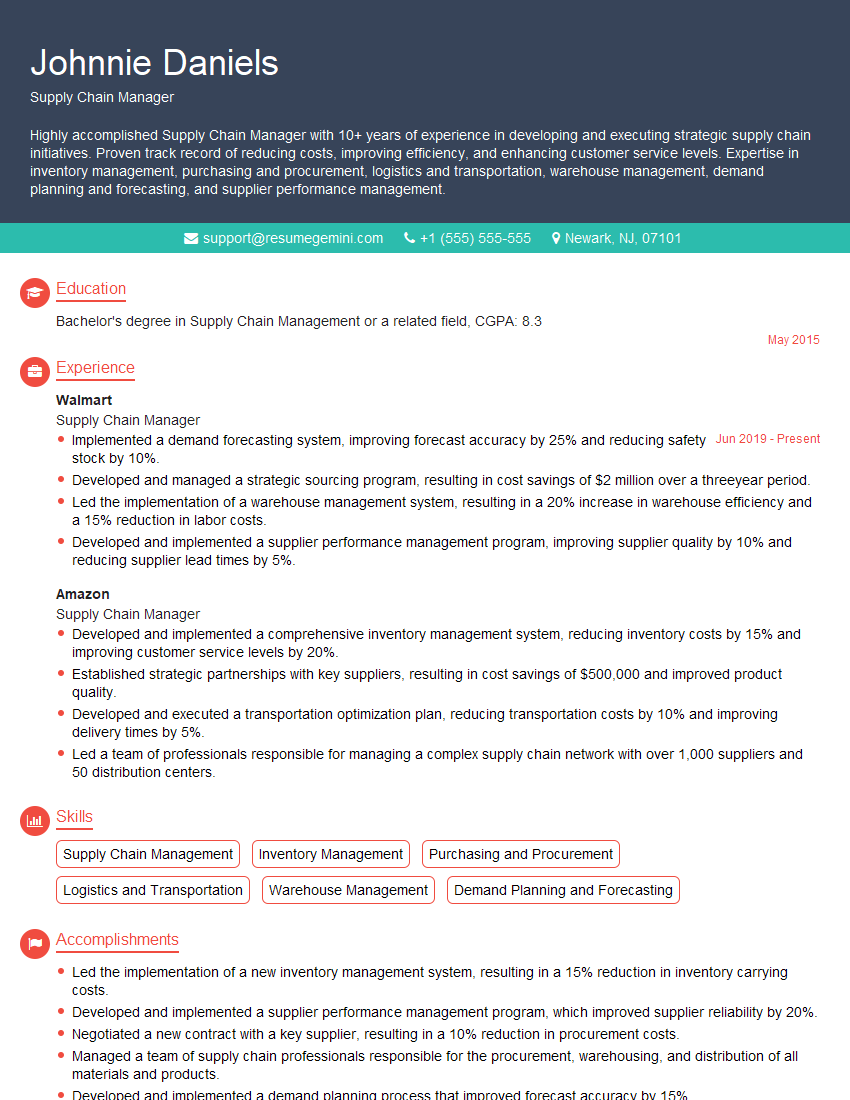
Supply Chain Manager Resume Sample
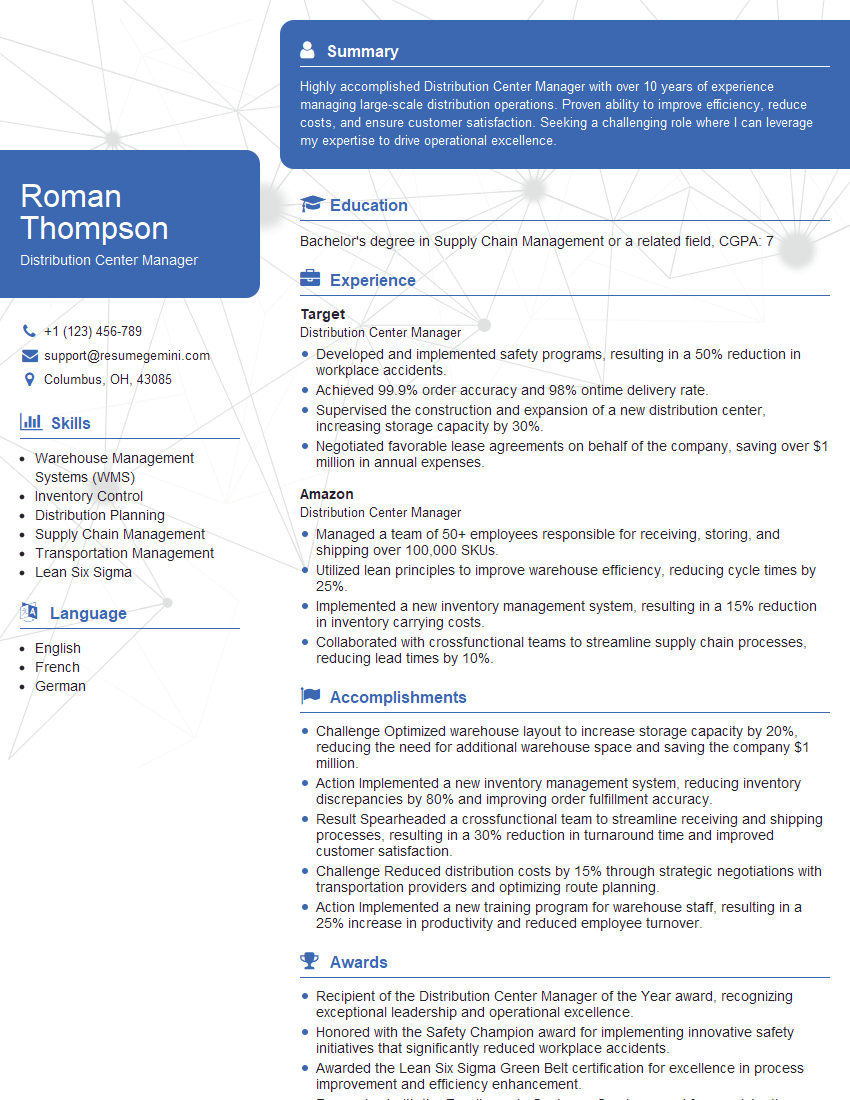
Distribution Center Manager Resume Sample
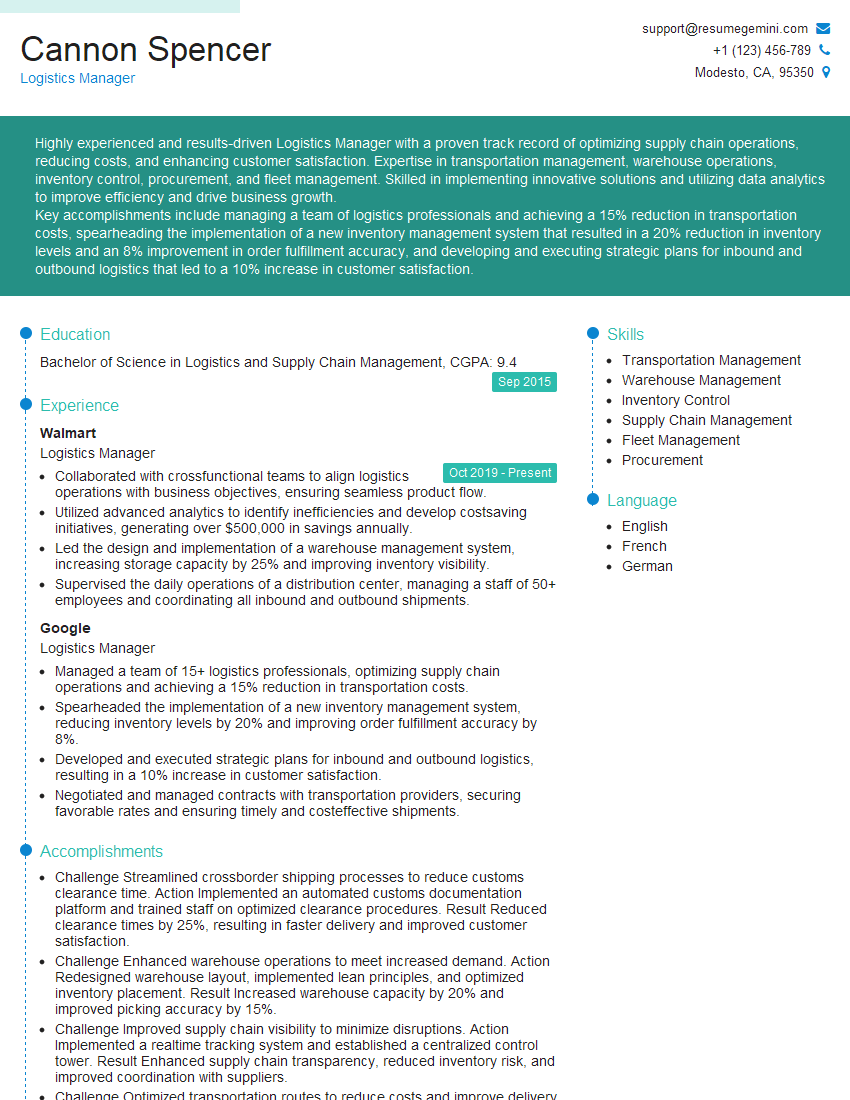
Logistics Manager Resume Sample
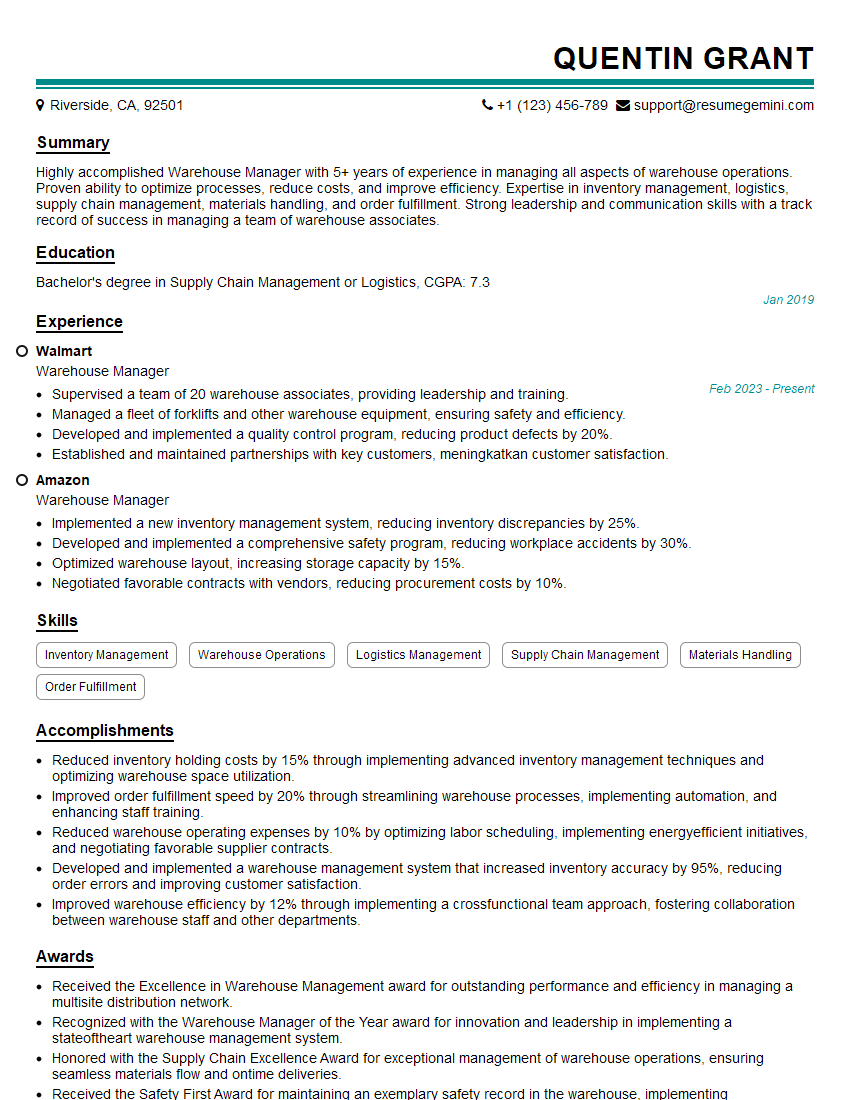
Warehouse Manager Resume Sample
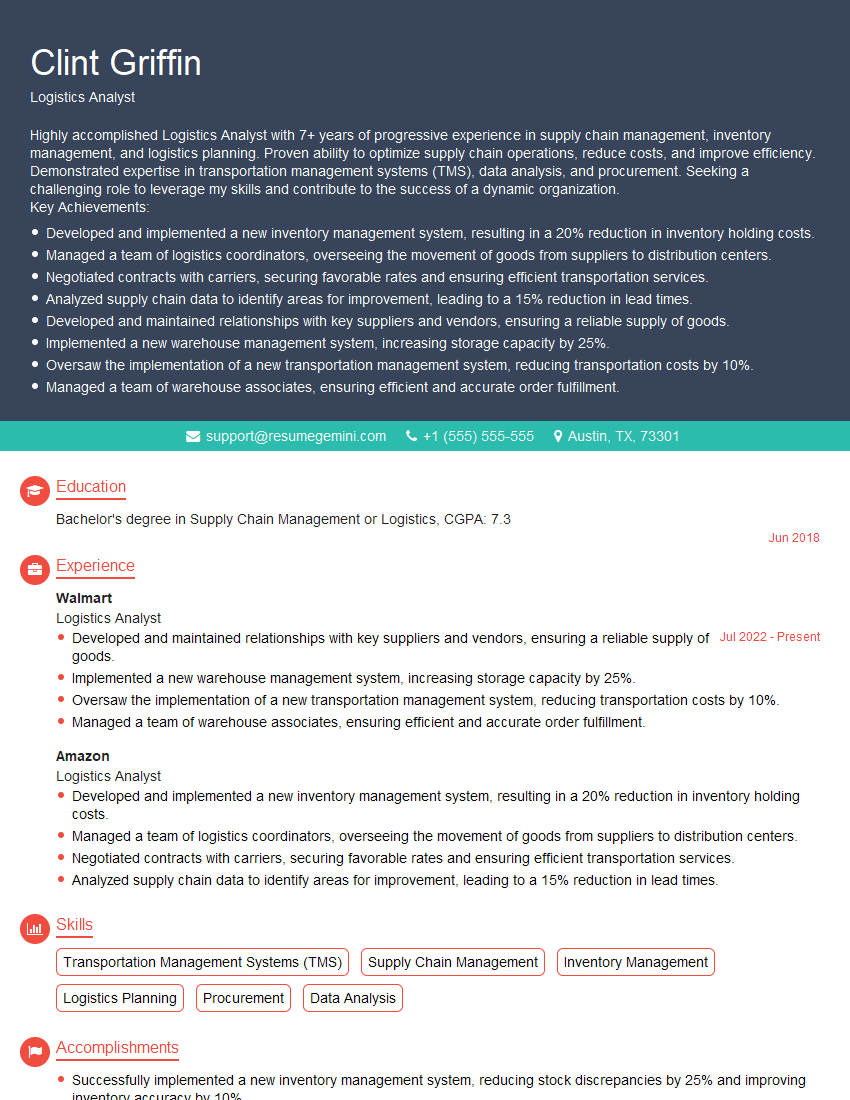
Logistics Analyst Resume Sample
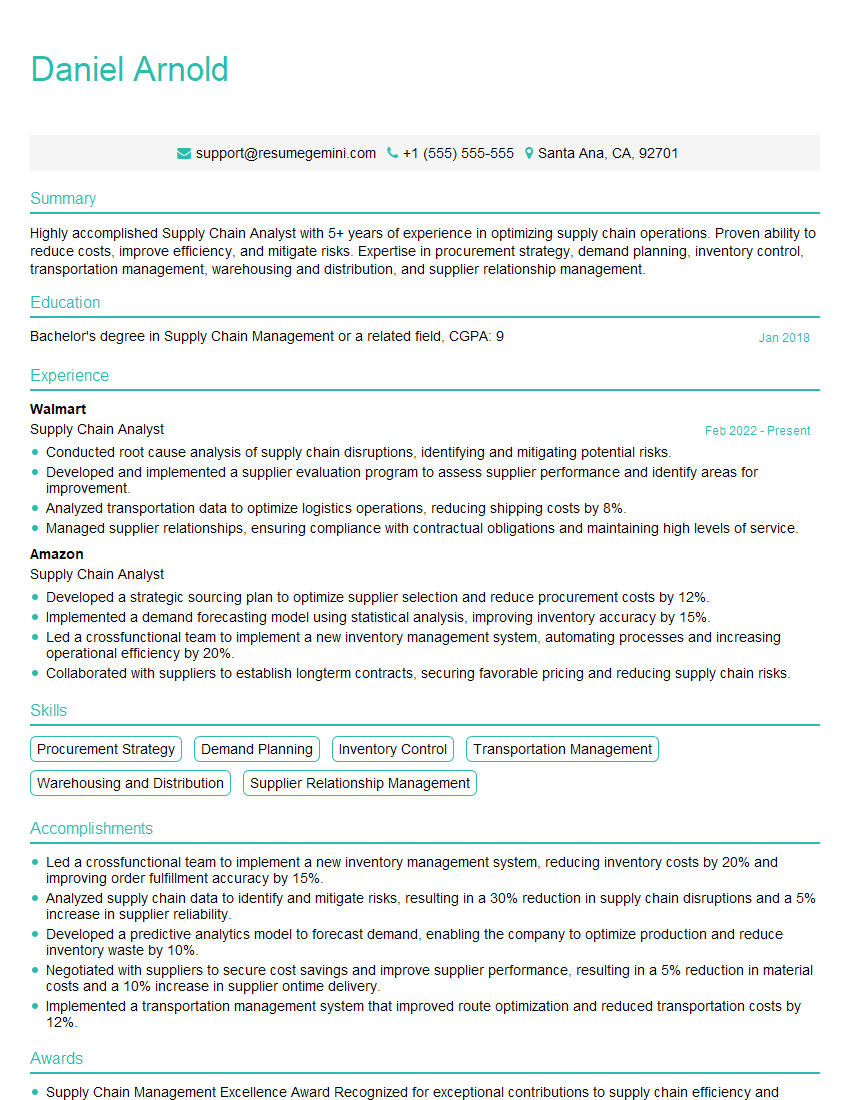
Supply Chain Analyst Resume Sample
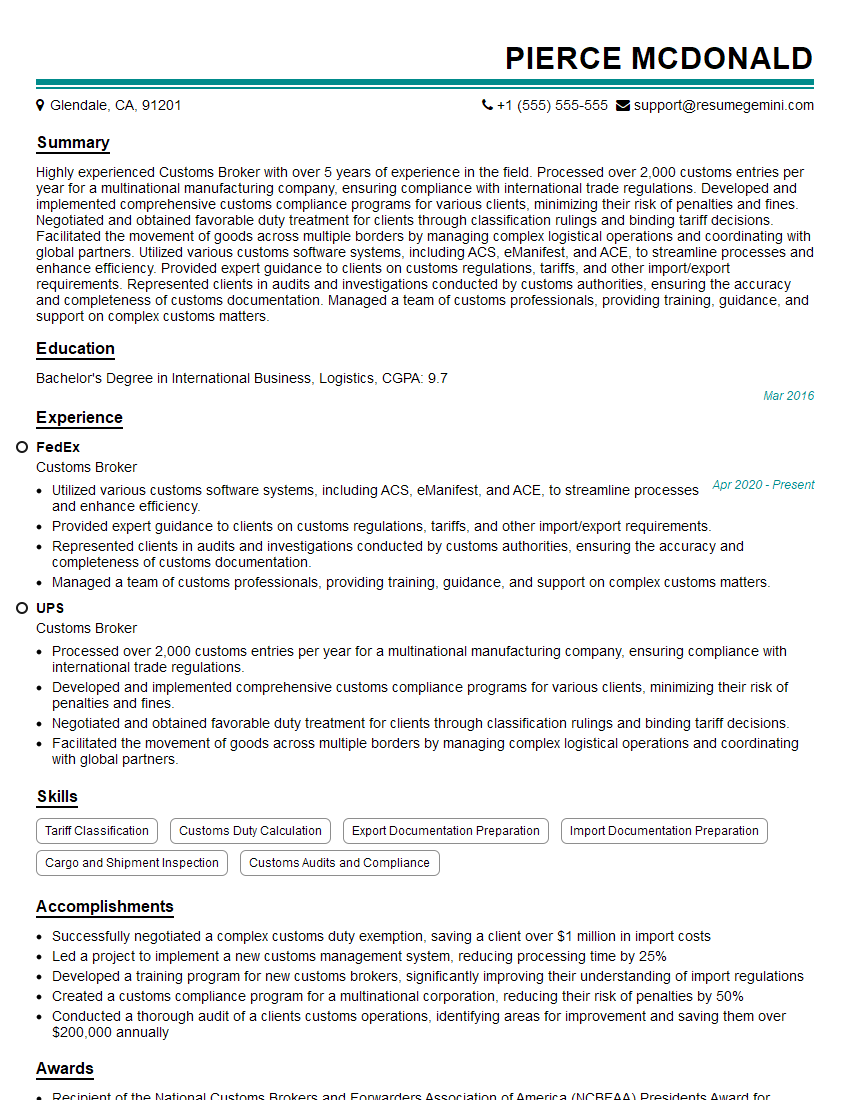
Customs Broker Resume Sample
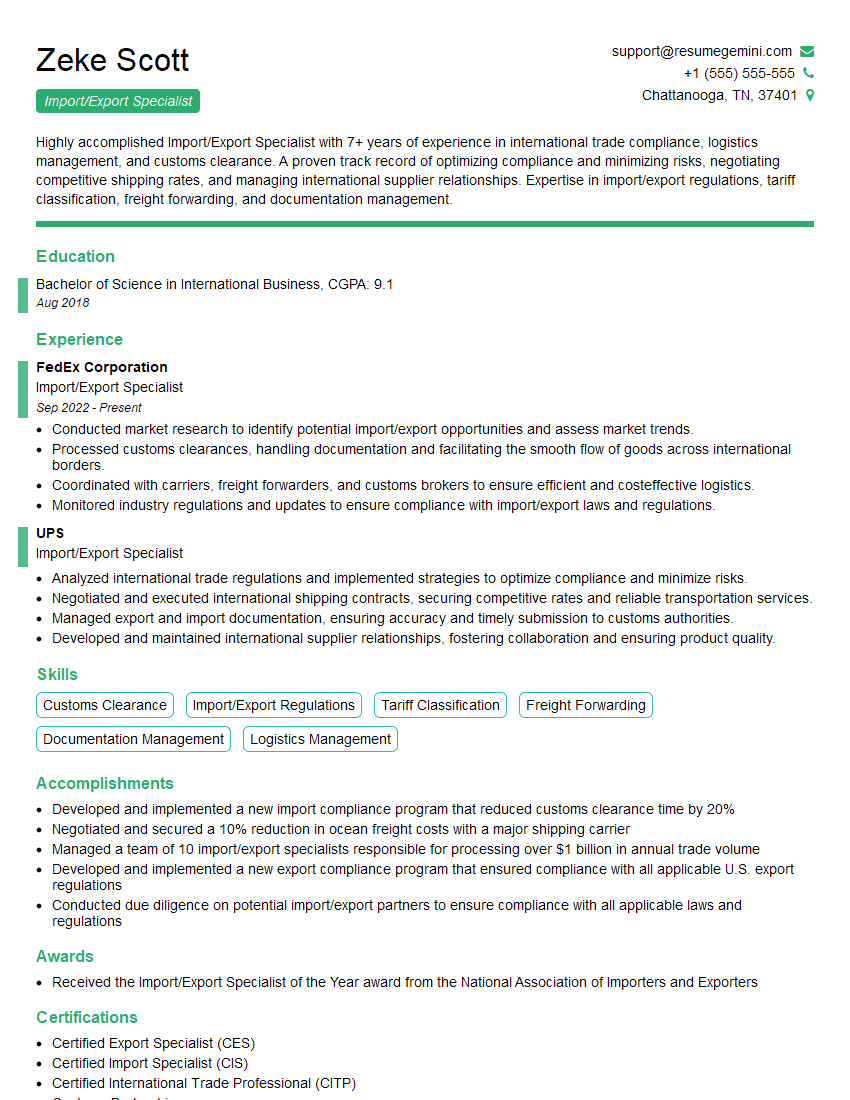
Import/Export Specialist Resume Sample
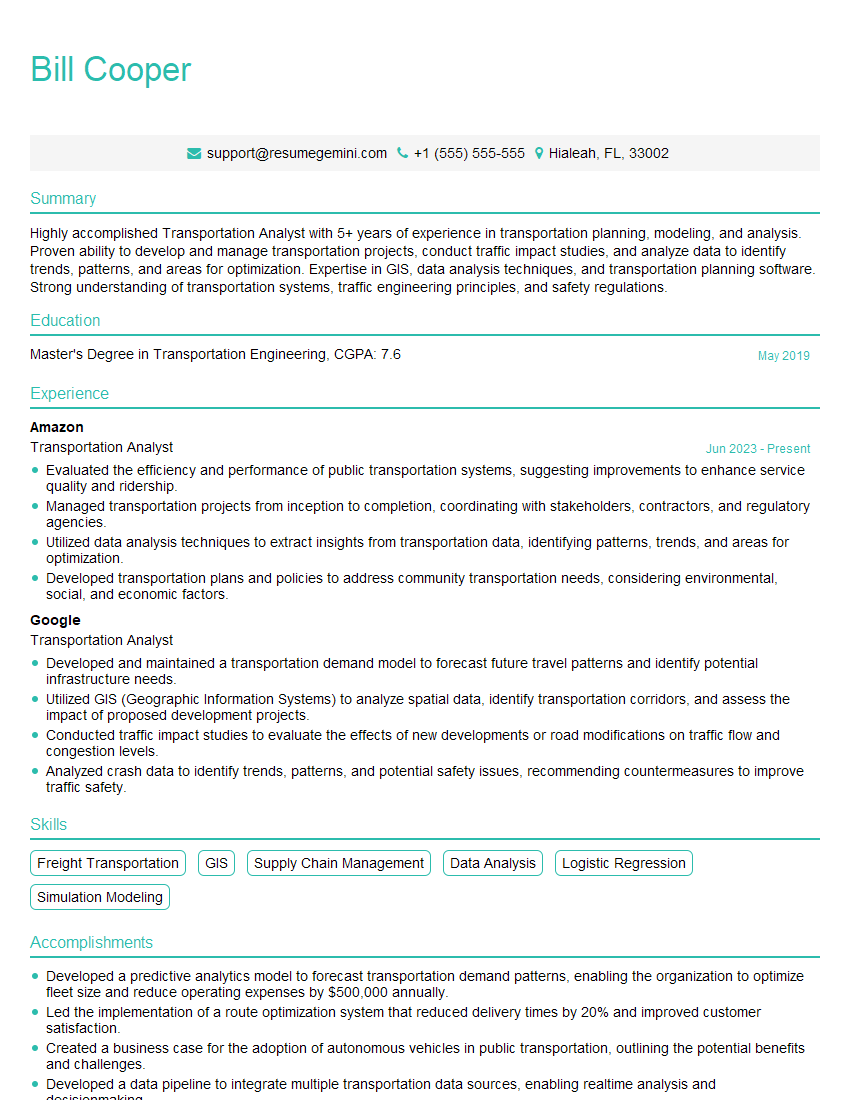
Transportation Analyst Resume Sample
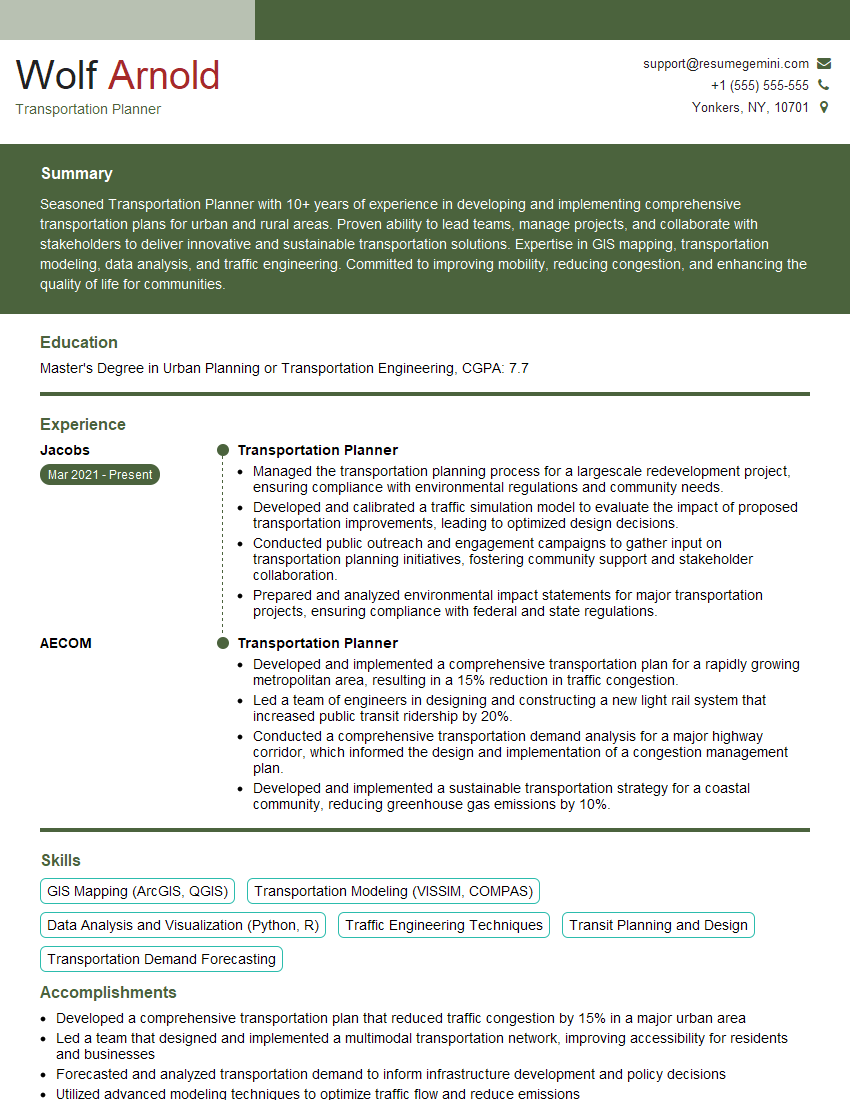
Transportation Planner Resume Sample
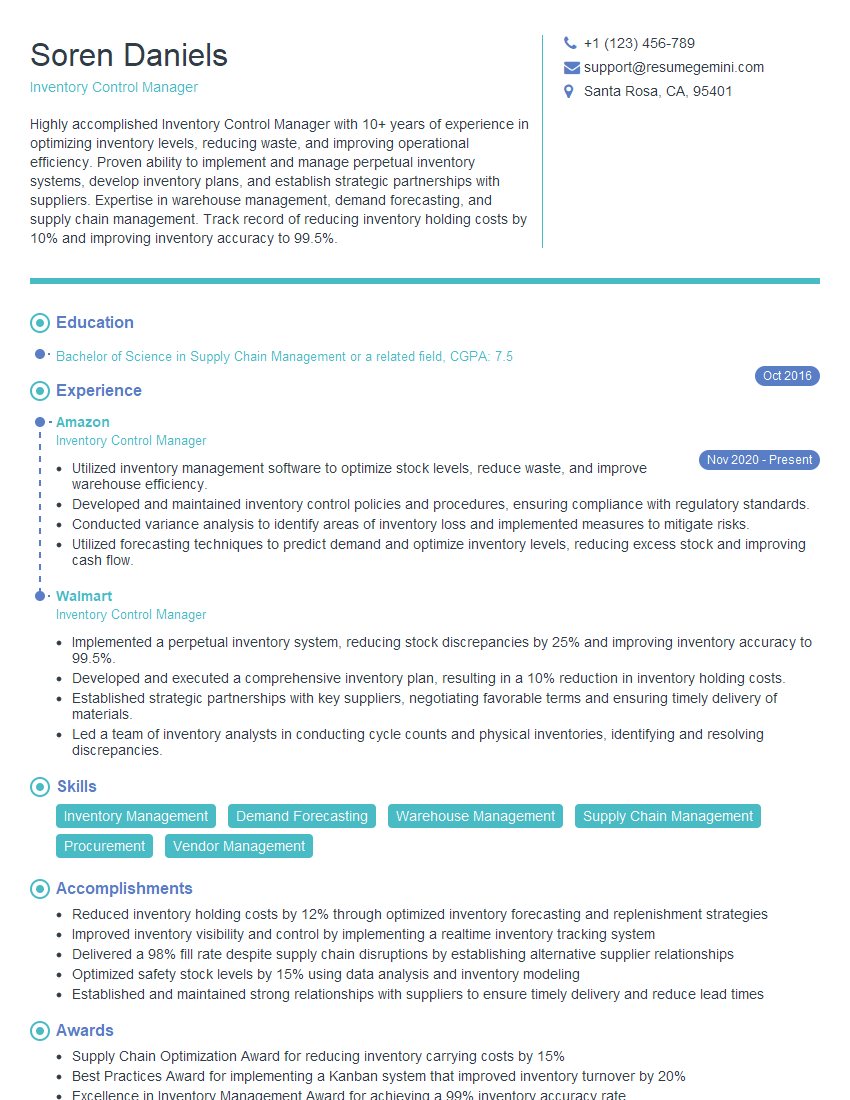
Inventory Control Manager Resume Sample
Explore more articles
Users Rating of Our Blogs
Share Your Experience
We value your feedback! Please rate our content and share your thoughts (optional).
What Readers Say About Our Blog
Really detailed insights and content, thank you for writing this detailed article.
IT gave me an insight and words to use and be able to think of examples