Interviews are more than just a Q&A session—they’re a chance to prove your worth. This blog dives into essential Experience with Postal Regulations and Compliance interview questions and expert tips to help you align your answers with what hiring managers are looking for. Start preparing to shine!
Questions Asked in Experience with Postal Regulations and Compliance Interview
Q 1. What are the key differences between First-Class Mail and Priority Mail?
The key difference between First-Class Mail and Priority Mail lies primarily in speed and service guarantees. First-Class Mail is the most economical option for letters, postcards, and large envelopes, offering a relatively slower delivery time with no guaranteed delivery date. Think of it as the standard, everyday mail service. Priority Mail, on the other hand, is a faster service, promising delivery within 1-3 business days, depending on the origin and destination. It also offers more robust tracking and insurance options, making it suitable for time-sensitive or valuable items. For example, sending a birthday card would use First-Class Mail, whereas shipping a package containing fragile goods would benefit from the speed and insurance of Priority Mail.
- First-Class Mail: Slower, less expensive, no guaranteed delivery date.
- Priority Mail: Faster, more expensive, guaranteed delivery date, better tracking and insurance.
Q 2. Explain the process of obtaining a USPS permit.
Obtaining a USPS permit, also known as a Mailing Permit, allows businesses to send large volumes of mail at discounted rates. The process typically involves:
- Application: Complete the required application form (PS Form 3575) and submit it to your local post office.
- Payment: Pay the necessary fees.
- Approval: The USPS will review your application and, if approved, issue you a permit number and imprint specifications.
- Imprint: You must use your assigned permit imprint on all mailings to receive the discounted rates.
- Compliance: Maintain accurate mailing records and ensure adherence to all USPS regulations.
Think of it like getting a business license – it allows you to operate within the USPS system more efficiently and cost-effectively, benefiting from bulk mail discounts.
Q 3. Describe your experience with hazardous materials shipping regulations.
My experience with hazardous materials shipping regulations is extensive. I’m intimately familiar with the regulations set forth by the Department of Transportation (DOT) and the International Air Transport Association (IATA), as well as their interaction with USPS guidelines. This includes understanding the different hazard classes, proper packaging requirements, labeling protocols, and documentation needed for compliant shipping. For instance, I’ve handled shipments containing lithium batteries, which require specific packaging to prevent fire hazards. Failure to comply can lead to significant fines, delays, and even safety incidents. A key aspect of my work involves staying updated on any changes or updates to these regulations, ensuring all shipments adhere to the most current standards.
I’ve personally overseen the development and implementation of comprehensive hazardous materials shipping programs for clients, ensuring full compliance and minimizing risk.
Q 4. How do you ensure compliance with international postal regulations?
Ensuring compliance with international postal regulations requires meticulous attention to detail and a thorough understanding of the destination country’s specific rules. This involves researching and understanding the customs regulations, prohibited items, required documentation (e.g., customs forms, commercial invoices), and labeling requirements for each country. For example, shipping electronics to the European Union necessitates adherence to the CE marking requirements and potentially other country-specific certifications. I utilize online resources provided by postal administrations worldwide and consult with international shipping specialists to verify regulations before processing any international shipments.
Failure to comply can result in delays, seizure of goods, and significant financial penalties. Proactive research and thorough preparation are key.
Q 5. What are the implications of incorrect labeling on postal shipments?
Incorrect labeling on postal shipments can have severe consequences. It can lead to delays, misdirection, and even the return or destruction of the shipment. Incorrectly declaring the contents or failing to adhere to specific labeling requirements for hazardous materials can result in significant fines and legal repercussions. For example, if a package containing fragile items is not labeled appropriately, it might be mishandled, causing damage. If a hazardous material is improperly labeled, it could pose a safety risk and lead to severe penalties. Clear, concise, and accurate labeling is crucial for smooth and safe delivery.
Q 6. How would you handle a situation where a shipment is delayed due to a regulatory issue?
If a shipment is delayed due to a regulatory issue, my approach is systematic and focused on resolution. First, I would identify the specific regulatory issue causing the delay. Then, I would thoroughly review all documentation associated with the shipment to pinpoint any potential errors or omissions. I would then contact the relevant regulatory authority (e.g., the USPS, customs agency) to understand the situation and explore options for resolution. This might involve providing additional documentation, correcting labeling errors, or appealing a decision. I’d keep the shipper informed every step of the way, providing regular updates and exploring alternative solutions if necessary, such as expedited shipping options or rerouting.
Clear communication and proactive problem-solving are essential in such situations to mitigate further delays and ensure customer satisfaction.
Q 7. What are the current postage rates for different mail classes?
Postage rates are dynamic and change frequently. It’s crucial to consult the official USPS website for the most up-to-date information. However, generally speaking, First-Class Mail rates depend on weight and distance, while Priority Mail rates are based on weight and zone. For example, a standard First-Class letter within the U.S. will cost less than a larger envelope, and both will cost less than a Priority Mail package, which will be higher if it goes a longer distance. Additionally, there are specific rates for other mail classes like Parcel Select, Media Mail, and Package Services, each with its own pricing structure. Always refer to the official USPS website or postage calculator for accurate, current rates.
Q 8. Explain your understanding of the USPS Mail Security regulations.
USPS Mail Security regulations are crucial for ensuring the safety and security of the mail stream. They cover a wide range of areas, from preventing the transmission of hazardous materials to protecting against mail theft and fraud. A key aspect is the prohibition of sending certain items, such as explosives, flammable materials, and certain types of weapons. There are also strict regulations around the packaging and labeling of potentially hazardous materials. For example, liquids must be securely sealed in leak-proof containers, and packages containing hazardous materials must be clearly marked with appropriate labels and hazard class information. Beyond prohibited items, regulations also address mail security in terms of preventing tampering and fraud. This involves measures such as using tamper-evident packaging and employing strategies to prevent mail theft. Failure to comply can result in significant fines and potential criminal charges.
For instance, I once worked with a client who was unknowingly shipping materials that were considered hazardous under USPS regulations. We had to immediately halt the shipment, re-package the materials according to regulations, and obtain the necessary permits. This emphasized the importance of thorough knowledge and proactive risk assessment in handling mailings.
Q 9. Describe your experience with customs documentation and regulations.
My experience with customs documentation and regulations is extensive. I’ve handled everything from simple customs declarations for small packages to complex documentation for large shipments of commercial goods. This includes preparing accurate and complete customs forms (like the CN22 or CN23 for smaller shipments and the commercial invoice for larger ones), ensuring compliance with specific country regulations regarding import/export restrictions, and managing the proper classification of goods using the Harmonized System (HS) codes. I understand the importance of accurate descriptions, values, weights, and country of origin to ensure smooth customs clearance and avoid delays or penalties. This also includes understanding the specific requirements for things like certificates of origin, licenses, and other permits.
I recall a scenario where a client shipped a shipment of antique furniture without the correct documentation. This resulted in significant delays and additional fees as the shipment was held up in customs. This experience highlighted the critical need for meticulous attention to detail and proactive preparation when handling international shipments.
Q 10. How familiar are you with the different types of mail services offered by USPS?
I’m very familiar with the diverse mail services offered by USPS. My knowledge encompasses the various classes of mail, including First-Class Mail, Priority Mail, Priority Mail Express, Package Services, and specialized services like Certified Mail and Registered Mail. I understand the differences in speed, cost, tracking capabilities, and insurance options for each service. For example, First-Class Mail is the most economical option for letters and lightweight packages, while Priority Mail Express offers the fastest delivery, with guaranteed delivery times. I also have a good grasp of the nuances of each service, such as the weight and size restrictions, acceptable packaging guidelines, and the requirements for additional services like return receipts or signature confirmations. This broad knowledge allows me to advise clients on the most efficient and cost-effective mailing solutions for their specific needs.
- First-Class Mail: Letters, postcards, large envelopes
- Priority Mail: Packages up to 70 lbs
- Priority Mail Express: Fastest delivery, up to 70 lbs
- Parcel Select: For large volumes of packages
Q 11. How would you ensure the accuracy and completeness of postal manifest information?
Ensuring the accuracy and completeness of postal manifest information is paramount for efficient mail processing and tracking. My approach involves a multi-step process: First, I verify that all package information—including weight, dimensions, destination address, and contents description—matches the actual shipment. Second, I use postal software and systems to generate and review the manifest, checking for any discrepancies or missing information. Third, I conduct a final audit before submission, comparing the manifest data against the physical packages to identify any errors. I also employ quality control checks such as barcode verification to minimize errors and ensure compliance with USPS regulations. These procedures help avoid delays, incorrect delivery, and potential penalties. In addition, I maintain meticulous records, keeping all manifest information organized and readily accessible for audits or future reference.
For example, I developed a system using spreadsheets linked to barcode scanners that cross-references all the data during the manifest creation. This significantly minimized the occurrence of errors, making the process more efficient and accurate.
Q 12. Describe your experience with postal auditing and tracking systems.
My experience with postal auditing and tracking systems is extensive. I’m proficient in utilizing various tracking tools and software provided by the USPS, including the USPS Tracking website, Click-N-Ship, and other third-party integration systems. I’m able to interpret tracking information, identify any delays or irregularities, and troubleshoot delivery issues. Moreover, my experience extends to internal auditing processes, ensuring compliance with postal regulations and identifying areas for process improvement. I understand how to analyze postal data to identify trends, patterns, and potential areas of risk. This includes understanding the concepts of postage reconciliation and conducting periodic audits to compare mailed volume against postage expenditure.
For instance, I once used tracking data to pinpoint a recurring delivery issue related to a specific postal route. By analyzing the data, we identified the cause of the problem and worked with USPS management to resolve the issue efficiently.
Q 13. What are the penalties for non-compliance with postal regulations?
Penalties for non-compliance with postal regulations can be significant and vary depending on the severity and nature of the violation. These penalties can include civil penalties, in the form of fines, which can range from relatively small amounts for minor infractions to substantial sums for more serious violations like sending prohibited items or engaging in mail fraud. In more serious cases, criminal charges can be filed, leading to far more severe consequences, including imprisonment and substantial fines. Furthermore, repeated violations can result in the suspension or revocation of mailing privileges, significantly impacting a business’s operations.
For example, knowingly sending hazardous materials without proper labeling and packaging could result in substantial fines and potential criminal charges. Similarly, engaging in mail fraud could lead to severe penalties including jail time.
Q 14. How do you stay updated on changes in postal regulations and best practices?
Staying updated on changes in postal regulations and best practices is a continuous process. I regularly consult the official USPS website for updates, circulars, and notices. I also subscribe to industry newsletters and publications that cover postal regulatory changes and best practices. Moreover, I actively participate in industry conferences and workshops to network with other professionals and learn about emerging trends. Maintaining memberships in relevant professional organizations provides valuable access to resources and updates. Finally, I maintain a professional network with USPS officials to obtain timely updates and clarifications on evolving regulations.
This multi-faceted approach ensures I remain abreast of all pertinent changes, which is crucial for maintaining compliance and offering clients the most current and effective guidance.
Q 15. Explain your understanding of the process of filing postal appeals.
Filing a postal appeal involves a multi-step process, typically initiated when you disagree with a decision made by the postal service, such as a lost package claim denial or a service issue. It usually begins with a formal written complaint outlining the issue, supporting documentation (proof of postage, tracking information, etc.), and a clear explanation of the desired resolution. The initial appeal is often directed to the local post office. If the resolution isn’t satisfactory, further appeals may be made to higher authorities within the postal service, possibly involving a formal appeal process with specific deadlines and forms. The complexity and length of the process varies depending on the nature of the complaint and the postal service’s regulations. For instance, appealing a lost package claim might require submitting a detailed claim form with tracking details and proof of purchase, while a service complaint might involve documenting repeated failures in delivery.
Imagine you sent a valuable package via registered mail and it never arrived. You’d start with a complaint to your local post office, providing the tracking number and proof of postage. If their initial investigation fails to resolve the issue, you would proceed to escalate the matter through their formal appeal channels, presenting additional evidence like witness statements or photos if available. It is crucial to keep meticulous records of all communication, documents, and dates throughout the entire appeal process.
Career Expert Tips:
- Ace those interviews! Prepare effectively by reviewing the Top 50 Most Common Interview Questions on ResumeGemini.
- Navigate your job search with confidence! Explore a wide range of Career Tips on ResumeGemini. Learn about common challenges and recommendations to overcome them.
- Craft the perfect resume! Master the Art of Resume Writing with ResumeGemini’s guide. Showcase your unique qualifications and achievements effectively.
- Don’t miss out on holiday savings! Build your dream resume with ResumeGemini’s ATS optimized templates.
Q 16. How do you ensure data security in relation to mailing information?
Data security concerning mailing information is paramount. We must adhere strictly to privacy regulations like GDPR and CCPA, safeguarding customer data such as addresses, contents descriptions (where applicable), and any other personal information associated with mail. This involves multiple layers of protection. Firstly, physical security measures like secure storage of mail and data, restricted access to systems, and regular audits are crucial. Secondly, technological safeguards such as encryption of data both in transit and at rest, strong password policies, and intrusion detection systems are essential. Thirdly, we implement rigorous internal processes, training employees on data privacy best practices, and establishing strict protocols for data handling and disposal. Any data breaches must be handled immediately and reported to the relevant authorities according to established procedures. In essence, it’s about building a robust multi-layered defense to ensure confidentiality, integrity, and availability of sensitive information.
For example, when handling a bulk mailing campaign, customer data is never stored in plain text. It’s encrypted using industry-standard algorithms. Access to the database is limited to authorized personnel with appropriate security clearances. Regular penetration testing and vulnerability assessments identify and address security weaknesses proactively. This ensures compliance with data protection laws and maintains customer trust.
Q 17. Describe your experience with the management of returned mail.
Managing returned mail efficiently requires a well-defined system for processing and analyzing the reasons for returns. This begins with a robust system for tracking returned mail, often involving the use of barcodes and automated systems. Once returned, mail is sorted by reason (e.g., incorrect address, recipient refused, addressee unknown). This data is then analyzed to identify trends and potential issues with address accuracy, mailing lists, or other logistical aspects. Corrective actions might include updating mailing lists, verifying addresses, or adjusting delivery methods. Returned mail may also require further action such as contacting the sender for instructions or forwarding it to a new address if possible. Efficient management of returned mail can significantly improve mailing efficiency and reduce costs by minimizing unnecessary postage and handling.
Imagine a large marketing campaign. A high volume of returned mail indicates problems with the mailing list. By categorizing the returns, we identify the most frequent reasons. Perhaps many addresses are outdated. We then implement procedures to update our database, possibly employing address verification services, and re-engage with customers whose mail was returned due to an incorrect address. Proper management not only minimizes waste but also preserves customer relationships and improves campaign performance.
Q 18. How do you handle sensitive mail items (e.g. medical records)?
Handling sensitive mail, like medical records, demands the highest level of security and confidentiality. This starts with secure packaging and handling procedures, ensuring the mail is clearly marked as confidential and handled with the utmost care throughout the entire mail stream. Specific protocols are put in place to ensure only authorized personnel have access, and chain of custody is meticulously documented. This might involve special handling instructions, restricted access areas, and possibly even specialized secure mail containers. Disposal of sensitive mail after it’s been processed requires secure shredding or other destruction methods complying with data privacy regulations. These procedures are carefully documented and regularly audited to maintain compliance and minimize risks. The goal is to treat sensitive mail with the same level of security as if we were handling it within a strictly controlled hospital setting.
For instance, a medical facility sending patient records would utilize secure packaging marked ‘Confidential Medical Records – Do Not Bend’. We might use a courier with specialized secure transport methods or even a private postal service that is particularly known for handling sensitive data. Once received, access would be strictly controlled, and the mail would be processed and disposed of according to stringent confidentiality guidelines.
Q 19. What is your experience with postal barcode and scanning systems?
My experience with postal barcode and scanning systems is extensive. I’m familiar with various barcode symbologies used for mail sorting and tracking, such as Intelligent Mail barcode (IMB) for US mail and other international standards. I understand the role of barcode scanners in automating mail processing, improving efficiency, and enabling accurate tracking. I’ve worked with systems that integrate barcode data with other tracking systems, providing real-time visibility into the mail’s journey. I know how to troubleshoot issues related to barcode quality, scanner malfunctions, and data integration problems. This experience includes working with both manual and automated sorting systems, understanding their limitations and capabilities. Understanding these systems is crucial for efficient postal operations and effective tracking.
For example, I’ve used IMB data to analyze delivery times and identify areas for process improvement. If we experienced a high number of mis-sorts, analyzing the barcode data can pinpoint bottlenecks in the automated processing lines, allowing for targeted corrective action. Similarly, tracking individual mailpieces through a delivery network using scanning data is essential for managing customer expectations and resolving delivery issues quickly.
Q 20. What are the requirements for insuring international shipments?
Insuring international shipments involves several key considerations. Firstly, the value of the shipment directly impacts the insurance options. Higher-value items often necessitate more comprehensive coverage. Secondly, the nature of the goods plays a significant role, as some items have inherent risks and may require specialized insurance or may be prohibited altogether. Thirdly, the destination country’s regulations and customs requirements influence insurance needs. Certain countries may have specific restrictions or requirements regarding insured shipments. Fourthly, the choice of shipping method affects insurance availability and cost. Faster and more secure shipping methods generally come with higher insurance premiums. Finally, the insurer will typically require detailed information about the contents, value, and destination of the shipment to assess the risk and determine the appropriate coverage level and premium. It is important to select insurance that covers potential loss, damage, or delay based on the specific circumstances and risks of the shipment.
For example, shipping a valuable antique requires more thorough documentation and higher insurance coverage compared to sending a low-value item. Insurance should consider potential damage during transit, customs delays, or even loss due to unforeseen circumstances. The choice of an international carrier and the type of insurance coverage are crucial elements that must be carefully considered before initiating the shipment.
Q 21. Describe your experience with different postal tracking methods.
My experience encompasses various postal tracking methods, ranging from basic tracking numbers offering limited information to sophisticated GPS tracking for high-value items. I’m familiar with using tracking numbers to monitor shipments online, receiving updates on location and status. I understand the limitations of different tracking systems and know how to interpret tracking information to determine the current status and expected delivery time. I’ve worked with various carrier tracking portals and integrated tracking data into internal systems for better monitoring and management of shipments. Experience also includes using different tracking technologies, such as barcodes, RFID tags, and GPS devices, each offering varying levels of accuracy and detail. This knowledge enables me to select the most suitable tracking method for different shipment types and customer needs.
For example, I might use a basic tracking number for standard mail, offering updates on key points in its journey, such as ‘in transit’ or ‘arrived at destination facility’. For a high-value shipment, real-time GPS tracking would provide much greater detail and peace of mind, allowing us to monitor its location continuously. Understanding the differences between tracking capabilities helps us match the appropriate technology to the shipment’s importance and the customer’s requirements.
Q 22. How do you address customer complaints related to postal services?
Addressing customer complaints regarding postal services requires a systematic and empathetic approach. First, I actively listen to understand the issue fully, ensuring I capture all relevant details, such as tracking numbers, dates, and the nature of the problem (e.g., delayed delivery, damaged package, lost mail). Then, I investigate the complaint thoroughly using available tracking information and internal systems.
Depending on the nature of the complaint, I might need to contact the relevant postal carrier for further investigation. Transparency is key; I keep the customer informed of my progress and any delays in resolving their issue. Once the investigation is complete, I provide a detailed explanation, offer a sincere apology if warranted, and explore options for resolution, such as reimbursement, replacement, or expedited shipping. Documentation of the entire process is crucial for future reference and to improve our service delivery.
For example, if a customer reports a damaged package, I would first review the tracking information to determine if any damage was noted during transit. I would then contact the carrier, provide them with the tracking information and customer details, and follow up to get an update. Finally, I’d inform the customer of the outcome and the steps taken to resolve the situation, which might include filing a claim with the carrier or offering a refund/replacement.
Q 23. What is your experience with implementing postal compliance training programs?
My experience in implementing postal compliance training programs involves developing and delivering comprehensive training materials tailored to the specific needs of the organization and its employees. This includes designing training modules that cover various aspects of postal regulations, including domestic and international mail classes, packaging guidelines, hazardous materials regulations, and customs documentation requirements. I leverage a multi-faceted approach combining online modules, interactive workshops, and hands-on exercises to ensure effective knowledge transfer.
For instance, I once developed a training program for a large e-commerce company focusing on reducing returns due to incorrect addressing. The program included interactive simulations of address verification and packaging best practices. Post-training assessments and ongoing support were implemented to ensure sustained compliance. The program resulted in a significant reduction in returned packages, ultimately lowering costs and improving customer satisfaction.
Q 24. Explain the process of setting up a new mailroom or postal service.
Setting up a new mailroom or postal service requires a well-defined plan encompassing several crucial stages. First, a thorough needs assessment is conducted to determine the volume of mail, the types of services required (e.g., inbound, outbound, special handling), and the available space. Based on this assessment, I would specify the necessary equipment, such as mail sorters, scales, postage meters, and appropriate storage solutions.
Next, I would establish efficient workflows, including clear procedures for receiving, processing, sorting, and dispatching mail. This would involve designing a layout that optimizes workflow and minimizes movement. Crucially, the mailroom needs to comply with all relevant postal regulations, including safety and security standards. I would ensure appropriate staff training is provided on the new systems and processes. Finally, I’d implement a system for tracking mail volume and expenses to continually monitor efficiency and identify areas for improvement. For example, I might implement a barcode scanning system for accurate tracking and reporting.
Q 25. What are your strategies for reducing postal costs while maintaining compliance?
Reducing postal costs while maintaining compliance requires a strategic approach focusing on optimizing processes and leveraging available technologies. One effective strategy is to analyze mail volume and patterns to identify opportunities for consolidation and bulk mail discounts. This may involve shifting to more cost-effective mail classes, such as First-Class Mail or Parcel Select, depending on the mail piece characteristics and speed requirements. Another strategy involves implementing a robust mail preparation process to avoid postage penalties related to incorrect addressing or packaging.
Utilizing postal software and online tools for postage calculations and automated label generation can also lead to cost savings and efficiency gains. Negotiating contracts with postal carriers to secure volume discounts or special rates is also critical. Finally, regular review of postal expenses and performance metrics helps to identify and rectify areas for improvement. For instance, comparing the costs associated with different carriers for specific shipments allows for informed choices and potential cost reductions.
Q 26. Describe your proficiency in postal software and technology.
I am proficient in a range of postal software and technologies, including postage meters (e.g., Pitney Bowes, FP Mailing Systems), mailing list management software, and various shipping label generation systems integrated with major carriers (FedEx, UPS, USPS). My experience extends to using postal tracking and reporting software, which allows for comprehensive monitoring of mail shipments and cost analysis. I am also familiar with different Address Verification Systems (AVS) to minimize incorrect addresses and returned mail.
I’m adept at using software to generate customized reports, analyzing data on postal spending, and identifying areas for improvement. This proficiency enables me to make informed decisions regarding mail processing, optimize workflows, and ultimately reduce costs. For instance, using data analytics from our mailing software, I identified a pattern of incorrect zip codes in a specific region, allowing us to implement a targeted training program for staff and resulting in a significant decrease in returned mail.
Q 27. How do you ensure your mailroom is efficient and well-organized?
Maintaining an efficient and well-organized mailroom involves implementing a systematic approach focused on several key areas. Firstly, a clear and logical layout is essential, with designated zones for receiving, sorting, processing, and dispatching mail. Clear signage and labeling are crucial for easy navigation and to ensure staff understand the workflow. Secondly, proper storage solutions are needed to accommodate different mail types and volumes, while ensuring easy access and retrieval. This could involve using shelves, bins, and other storage systems optimized for the space.
Regular cleaning and maintenance are essential to prevent clutter and ensure the safety of equipment and staff. Implementing a system for tracking incoming and outgoing mail helps in monitoring efficiency and identifying bottlenecks. This might involve using barcodes or tracking numbers. Finally, training staff on best practices in mail handling, including proper sorting techniques, packaging guidelines, and safety procedures is crucial for optimal efficiency and compliance. For example, a color-coded system for sorting mail based on priority or destination can significantly improve workflow.
Q 28. What are your experience with different postal carriers (e.g. FedEx, UPS)?
My experience encompasses working with various postal carriers, including FedEx, UPS, and USPS, across numerous projects. This includes understanding their respective service offerings, rate structures, and compliance requirements. I am familiar with their online tracking and reporting systems, enabling efficient monitoring of shipments and proactive issue resolution. Furthermore, I have experience negotiating contracts with these carriers to secure optimal pricing and service level agreements (SLAs) tailored to our specific needs.
For example, when shipping internationally, I leverage my understanding of each carrier’s customs documentation requirements to ensure compliant and timely delivery. I also analyze the cost-effectiveness of each carrier based on factors such as delivery speed, cost, and insurance options. This allows me to select the most appropriate carrier for each shipment, optimizing both cost and efficiency. I maintain strong working relationships with representatives from each carrier to ensure smooth operations and prompt resolution of any issues.
Key Topics to Learn for Experience with Postal Regulations and Compliance Interview
- Domestic Mail Classes: Understanding the differences between First-Class Mail, Priority Mail, Parcel Select, and other classes, including their respective regulations and pricing structures. Practical application: Determining the most cost-effective and timely shipping method for various packages.
- International Mail: Familiarity with customs regulations, prohibited items, and documentation requirements for international shipping. Practical application: Accurately completing customs forms and ensuring compliance with destination country regulations.
- Mail Preparation and Handling: Proper addressing techniques, package labeling, and the use of postage meters or online postage services. Practical application: Minimizing delays and ensuring efficient mail processing.
- Postal Service Regulations and Compliance: Knowledge of relevant USPS (or equivalent international postal service) rules and regulations, including weight and size restrictions, hazardous materials handling, and prohibited items. Practical application: Avoiding penalties and ensuring adherence to all applicable regulations.
- Tracking and Tracing: Utilizing tracking numbers and systems to monitor shipments, manage exceptions, and resolve delivery issues. Practical application: Proactive identification and resolution of delivery problems.
- Compliance and Auditing: Understanding internal controls and procedures to ensure compliance with postal regulations. Practical application: Conducting regular audits to identify and correct any non-compliance issues.
- Addressing Challenges and Problem-Solving: Developing strategies to handle shipping delays, lost packages, and other related issues. Practical application: Implementing effective solutions and minimizing negative impact on clients.
Next Steps
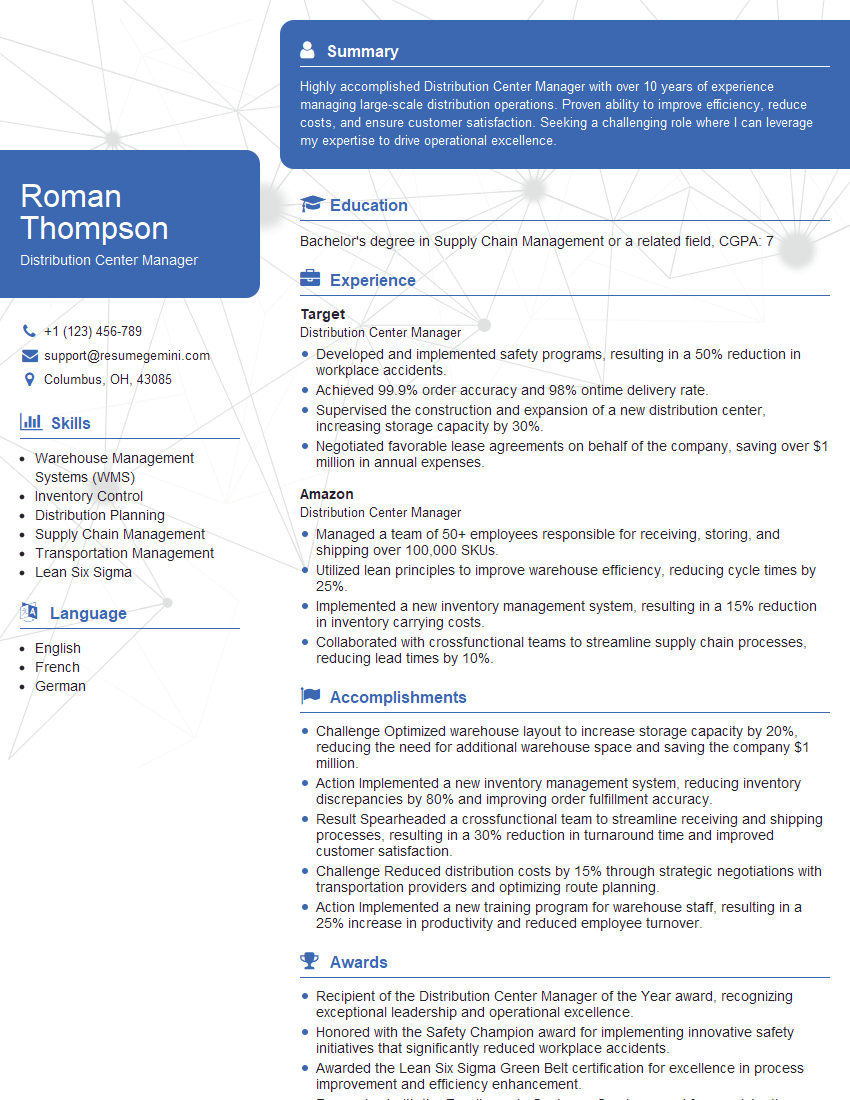
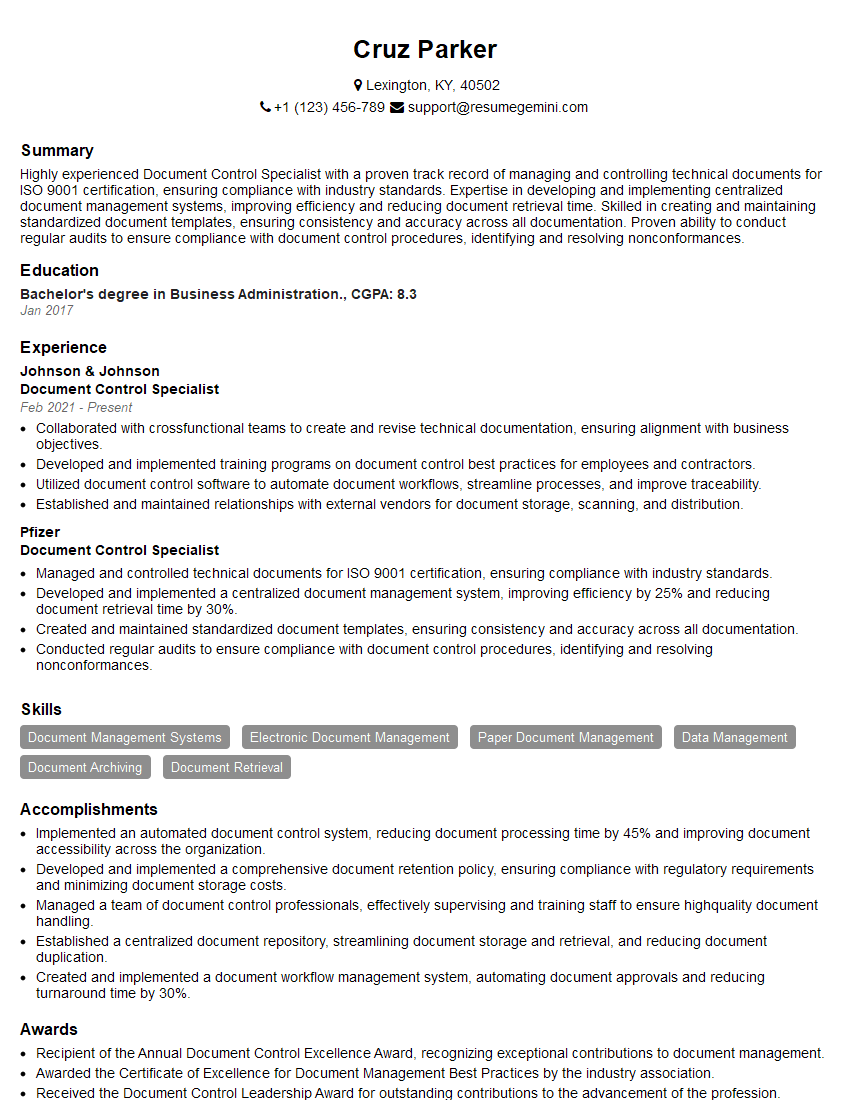
Mastering postal regulations and compliance is crucial for career advancement in logistics, supply chain management, and related fields. A strong understanding of these concepts demonstrates your reliability and attention to detail – highly valued qualities in any professional setting. To significantly enhance your job prospects, create an ATS-friendly resume that highlights your expertise. ResumeGemini is a trusted resource that can help you build a professional and impactful resume tailored to your skills and experience. Examples of resumes tailored to Experience with Postal Regulations and Compliance are available through ResumeGemini to guide you in crafting your perfect application.
Explore more articles
Users Rating of Our Blogs
Share Your Experience
We value your feedback! Please rate our content and share your thoughts (optional).
What Readers Say About Our Blog
Really detailed insights and content, thank you for writing this detailed article.
IT gave me an insight and words to use and be able to think of examples