Every successful interview starts with knowing what to expect. In this blog, we’ll take you through the top Experience with Work Order Management interview questions, breaking them down with expert tips to help you deliver impactful answers. Step into your next interview fully prepared and ready to succeed.
Questions Asked in Experience with Work Order Management Interview
Q 1. Explain your experience with different Work Order Management systems (CMMS, etc.)
Throughout my career, I’ve worked extensively with various Work Order Management (WOM) systems, including Computerized Maintenance Management Systems (CMMS) like UpKeep, Fiix, and IBM Maximo. My experience spans from implementing these systems in new organizations to optimizing existing deployments. I’ve worked with both cloud-based and on-premise solutions, gaining a deep understanding of their functionalities and limitations. For instance, in my previous role at Acme Corp, we migrated from a legacy, on-premise CMMS to a cloud-based solution (UpKeep), resulting in a 20% reduction in work order processing time due to improved accessibility and real-time data updates. I’m proficient in configuring these systems, customizing workflows, defining user roles and permissions, and integrating them with other enterprise systems like ERP and inventory management solutions. I understand the nuances of different system architectures and am adept at troubleshooting issues and ensuring optimal system performance.
Each system has unique strengths; for example, UpKeep excels in its user-friendliness and mobile accessibility, while IBM Maximo provides comprehensive functionality suited for large-scale enterprises with complex maintenance needs. My experience allows me to select and implement the most appropriate system based on an organization’s specific requirements and budget. I can also effectively train and support users on the selected platform.
Q 2. Describe your process for prioritizing work orders.
Prioritizing work orders requires a systematic approach that balances urgency, impact, and resource availability. I typically use a combination of methods to ensure efficiency and effectiveness. First, I classify work orders based on their severity (e.g., critical, high, medium, low) using a predefined scale. Critical work orders, such as equipment failures impacting production, take immediate precedence.
Next, I consider the potential impact of delaying a work order. For example, a non-critical maintenance task that could lead to a larger problem if ignored may be prioritized over a less impactful one. I use a weighted scoring system, often incorporating factors like downtime cost, safety risks, and business impact, to objectively rank work orders. This is commonly done using a matrix. Finally, I factor in technician availability and skill sets. A high priority work order requiring specialized skills might be delayed slightly if the required technician is currently unavailable. This entire process is often aided by the CMMS system which allows for sophisticated prioritization rules and automated assignment.
For example, at Beta Industries, we implemented a weighted scoring system that prioritized work orders based on a combination of severity (50%), impact (30%), and cost of downtime (20%). This resulted in a significant improvement in our ability to proactively address critical issues, and reduced costly downtime events.
Q 3. How do you handle urgent or emergency work orders?
Handling urgent or emergency work orders necessitates immediate action and clear communication. My process typically involves the following steps:
- Immediate Acknowledgement: The system should instantly notify the relevant personnel, and I ensure prompt acknowledgement of the request.
- Rapid Assessment: A quick assessment of the situation is crucial to determine the severity and scope of the problem.
- Resource Allocation: The most qualified and available technician is immediately assigned. This may involve calling in additional personnel or subcontractors, if needed.
- Real-time Monitoring: Close monitoring of the progress and updates on the repair.
- Post-Incident Review: After the emergency is resolved, a thorough review of the incident is performed to identify potential preventative measures. This could lead to adjustments in preventative maintenance schedules, or training improvements.
In one instance, a critical server failure threatened to halt production. By quickly mobilizing the on-call team and utilizing remote access diagnostics, we were able to restore the server within an hour, minimizing downtime and preventing significant financial loss. This success highlights the importance of well-defined emergency procedures and a readily available team of skilled technicians.
Q 4. What metrics do you use to measure the effectiveness of your work order management process?
Measuring the effectiveness of a work order management process involves tracking key metrics that reflect efficiency, effectiveness, and cost. The specific metrics utilized depend on the organizational goals. However, some common and crucial metrics I track include:
- Mean Time To Repair (MTTR): This measures the average time taken to resolve a work order. A lower MTTR indicates higher efficiency.
- Work Order Backlog: Tracking the number of outstanding work orders helps identify bottlenecks and prioritize tasks.
- First-Time Fix Rate: This metric shows the percentage of work orders resolved on the first attempt, minimizing repeat visits and improving efficiency.
- Technician Utilization Rate: This measures the percentage of time technicians are actively working on work orders, highlighting areas for improved scheduling and resource allocation.
- Customer Satisfaction (CSAT): Feedback from clients on the timeliness and quality of work order completion is crucial for demonstrating value.
- Cost per Work Order: Analyzing this metric helps identify areas for cost reduction and optimization.
Regular monitoring and analysis of these metrics allow for data-driven decisions to improve the overall work order management process. I use data visualization tools to present these metrics in a clear and understandable manner to stakeholders. This facilitates informed decision-making and helps to prioritize improvements.
Q 5. How do you ensure accuracy and completeness of work order information?
Ensuring accuracy and completeness of work order information is fundamental to effective work order management. My approach focuses on several key areas:
- Standardized Forms: Using clearly defined and consistently formatted work order forms minimizes ambiguity and ensures all necessary information is captured.
- Data Validation: Implementing data validation rules within the CMMS system helps prevent errors during data entry, such as incorrect equipment IDs or missing information.
- Mandatory Fields: Defining mandatory fields for critical information, such as problem description, location, and priority level ensures completeness.
- Workflow Approvals: Implementing approval workflows ensures accuracy by having designated individuals review and approve critical work order details.
- Regular Audits: Conducting periodic audits of work order data helps identify inconsistencies and areas for improvement in data entry processes.
- Training: Providing comprehensive training to all users on proper work order procedures and data entry practices is essential.
For example, at Gamma Corp., we implemented a system of mandatory fields, data validation rules, and workflow approvals, which reduced data entry errors by 30%. This improvement streamlined our work order processing and ensured more accurate information was available for analysis and reporting.
Q 6. Explain your experience with work order scheduling and dispatching.
Work order scheduling and dispatching requires careful planning and optimization to ensure efficient resource utilization and timely completion. My approach involves:
- Skill-Based Routing: Matching work orders with technicians possessing the necessary skills and certifications.
- Geographic Optimization: Grouping work orders geographically to minimize travel time and maximize technician efficiency.
- Real-Time Tracking: Utilizing GPS tracking to monitor technician location and progress, enabling dynamic adjustments to schedules as needed.
- Automated Scheduling: Leveraging the CMMS’s scheduling capabilities to automate work order assignments and optimize technician routes.
- Communication: Establishing clear communication channels between dispatchers and technicians to provide real-time updates and address any unforeseen issues.
At Delta Solutions, we implemented a dynamic scheduling system that considered technician skills, geographic location, and real-time traffic data. This improved our technician utilization rate by 15% and reduced average response times to work orders.
Q 7. How do you manage and track technician performance related to work orders?
Managing and tracking technician performance related to work orders involves a multi-faceted approach combining qualitative and quantitative measures. I utilize the following methods:
- Key Performance Indicators (KPIs): Tracking KPIs such as MTTR, first-time fix rate, and customer satisfaction ratings provides objective performance data.
- Performance Reviews: Conducting regular performance reviews with technicians to discuss their performance, identify areas for improvement, and provide constructive feedback.
- Training and Development: Providing opportunities for skill development and training to enhance technician capabilities and improve performance.
- Incentive Programs: Implementing incentive programs to reward high-performing technicians and motivate continuous improvement.
- Peer Reviews: Encouraging peer feedback and collaboration to foster a culture of continuous improvement.
For example, at Epsilon Inc., we implemented a performance dashboard that tracked key technician metrics, allowing for identification and rewarding of top performers and providing early intervention for underperforming technicians. This resulted in improved overall team performance and higher customer satisfaction.
Q 8. Describe your process for resolving work order discrepancies or conflicts.
Resolving work order discrepancies starts with clear communication and a well-defined escalation path. When conflicts arise – for example, a discrepancy between reported damage and technician assessment – I initiate a collaborative process. This involves:
- Documentation: Thoroughly documenting all conflicting information, including timestamps, involved parties, and supporting evidence (photos, videos).
- Verification: Independently verifying the facts by reviewing existing data, speaking with stakeholders (e.g., requester, technician, supervisor), and if necessary, conducting a site visit.
- Mediation: Facilitating a discussion between conflicting parties to understand perspectives and find common ground. This often involves active listening and identifying the root cause of the discrepancy.
- Decision Making: Based on gathered evidence and discussion, a decision is made. This may involve adjusting the work order, creating a new one, or escalating the issue to a higher authority for resolution. Transparency is key – all parties are kept informed of the process and the final decision.
- Follow-up: Following up to ensure the resolution is effective and to prevent similar issues in the future. This could involve updating relevant processes or training personnel.
For instance, if a technician reports a different fault than the original work order described, I’d review the technician’s notes, compare them to the initial request, and potentially discuss this with both parties to understand the discrepancy. This ensures a fair and accurate resolution, preventing misunderstandings and unnecessary rework.
Q 9. How do you handle incomplete or missing information on work orders?
Incomplete or missing information on work orders is a common challenge, but it can be mitigated through proactive measures. My approach involves:
- Immediate Follow-up: As soon as I identify a missing piece of information, I reach out to the requester or relevant personnel to obtain the necessary details. This prevents delays and ensures the work order can be processed efficiently.
- Template and Checklist Use: Utilizing comprehensive work order templates with pre-defined fields ensures all crucial information is captured consistently. Checklists can further guide requesters to provide all the needed data.
- Automated Reminders: Implementing automated reminders for missing information can be highly effective. Systems can be configured to automatically send notifications if required fields are empty.
- Default Values: For less critical fields, default values can be established to minimize the chance of missing information and streamline the process. However, it’s important to ensure these defaults are appropriate and don’t lead to inaccuracies.
- Escalation: If efforts to obtain missing information are unsuccessful, I escalate the issue to the appropriate supervisor or manager to determine the best course of action. This could involve closing the work order as incomplete or seeking alternate methods to obtain the required data.
Think of it like baking a cake – you can’t bake a successful cake if key ingredients are missing. Similarly, a work order can’t be successfully completed without all the necessary information. My goal is to identify missing ingredients early and efficiently obtain them.
Q 10. How do you ensure compliance with safety regulations in work order management?
Safety is paramount in any work order management system. My approach to ensuring compliance includes:
- Integrating Safety Procedures: Work order templates include mandatory safety checkboxes and fields. Technicians are required to acknowledge relevant safety protocols before starting work. For example, before electrical work can begin, there’s a mandatory checkbox for lockout/tagout procedures.
- Training and Documentation: Regular safety training is provided to all staff involved in work order management. Safety protocols and procedures are clearly documented and easily accessible.
- Regular Audits and Inspections: Regular audits and site inspections ensure work is being performed according to safety regulations. This includes reviewing completed work orders for adherence to safety procedures.
- Risk Assessment: A detailed risk assessment is conducted for high-risk work orders, identifying potential hazards and developing mitigation strategies. This might involve specific permits or additional safety personnel.
- Incident Reporting: A robust incident reporting system is in place to capture and investigate any safety-related incidents, allowing for corrective actions and process improvements.
Imagine a construction site – without proper safety measures, the risk of accidents significantly increases. Similarly, neglecting safety protocols in work order management can lead to injuries, equipment damage, and legal issues. My priority is to create a safe and compliant working environment.
Q 11. What is your experience with reporting and analytics related to work orders?
I have extensive experience using reporting and analytics to gain insights from work order data. This involves:
- Key Performance Indicators (KPIs): Tracking key metrics like work order completion time, backlog, technician efficiency, and cost per work order. This data helps identify areas for improvement and measure the effectiveness of implemented strategies.
- Data Visualization: Utilizing dashboards and reports to visually represent key performance indicators. This allows for quick identification of trends and anomalies.
- Predictive Analytics: Leveraging data to predict future needs and resource allocation. This could involve forecasting work order volume based on historical data or identifying equipment prone to failure.
- Root Cause Analysis: Employing data analysis techniques to pinpoint the root causes of delays, inefficiencies, or recurring issues. This informs targeted interventions to improve processes and reduce future problems.
- Reporting for Stakeholders: Generating customized reports for different stakeholders, including management, technicians, and clients, to communicate key findings and progress.
For example, by analyzing work order completion times, I might identify bottlenecks in the approval process or insufficient training for technicians. This allows for data-driven decisions to improve overall efficiency.
Q 12. How do you use technology to improve work order management efficiency?
Technology plays a vital role in enhancing work order management efficiency. My experience includes leveraging:
- Computerized Maintenance Management Systems (CMMS): Using CMMS software to streamline work order creation, assignment, tracking, and completion. This reduces manual effort and improves accuracy.
- Mobile Apps: Employing mobile applications for technicians to access work orders, update progress, and submit reports in real-time. This eliminates paperwork and improves communication.
- Automated Workflows: Implementing automated workflows to route work orders, assign tasks, and trigger notifications based on pre-defined rules. This optimizes resource allocation and reduces manual intervention.
- Integration with IoT Devices: Connecting work order management systems with Internet of Things (IoT) devices for predictive maintenance. This enables proactive identification and resolution of potential issues before they escalate.
- Business Intelligence (BI) Tools: Utilizing BI tools to analyze data and generate insights that help improve efficiency and optimize resource allocation.
Imagine replacing a paper-based system with a CMMS – the efficiency gains are dramatic. Real-time updates, automated reminders, and data-driven decision-making dramatically improve the process.
Q 13. Describe your experience with integrating work order management with other systems.
Integrating work order management with other systems is crucial for a holistic view of operations. My experience includes integration with:
- Enterprise Resource Planning (ERP) Systems: Integrating with ERP systems to connect work orders with inventory, procurement, and financial modules. This provides a comprehensive view of costs and resource utilization.
- Customer Relationship Management (CRM) Systems: Connecting work orders with customer interactions to provide better service and track customer satisfaction.
- Human Resource (HR) Systems: Integrating with HR systems to manage technician schedules, skills, and certifications. This ensures the right resources are allocated to work orders.
- Geographic Information Systems (GIS): Integrating with GIS systems to visually represent work orders on a map, improving dispatching and resource allocation, particularly useful for field service operations.
- Project Management Software: Integrating with project management software to align work orders with larger projects, enabling better tracking of project progress and costs.
For example, integration with an ERP system allows us to automatically update inventory levels after a work order is completed, preventing stock shortages and improving supply chain management.
Q 14. How do you manage work order costs and budgets?
Managing work order costs and budgets requires a multi-faceted approach:
- Budgeting and Forecasting: Developing detailed budgets and forecasts based on historical data, projected work volume, and resource costs.
- Cost Tracking and Reporting: Implementing a system to track actual costs against the budget. This involves monitoring labor costs, materials, and other expenses associated with each work order.
- Variance Analysis: Regularly analyzing variances between budgeted and actual costs to identify areas of overspending or underperformance.
- Cost Optimization Strategies: Implementing strategies to reduce costs, such as negotiating better rates with suppliers, optimizing resource allocation, and improving technician efficiency.
- Regular Reviews and Adjustments: Conducting regular budget reviews and making necessary adjustments based on performance and changing circumstances.
Think of it like managing a household budget – careful planning, tracking expenses, and identifying areas for savings are crucial to staying within budget. Similarly, in work order management, proactive cost management is essential for maintaining profitability and controlling expenses.
Q 15. What are the key performance indicators (KPIs) you monitor for work order management?
Key Performance Indicators (KPIs) in work order management are crucial for tracking efficiency and identifying areas for improvement. They provide a quantifiable measure of success. I typically monitor a range of KPIs, categorized for clarity:
- Time-related KPIs: These focus on the speed and efficiency of the entire work order lifecycle. Examples include average time to resolution, first-time fix rate (percentage of work orders resolved on the first attempt), and work order completion time.
- Cost-related KPIs: These track the financial aspects of work order management. Examples are the average cost per work order, cost of materials, and labor costs.
- Efficiency KPIs: These measure how effectively resources are utilized. Examples include technician utilization rate (percentage of time technicians spend actively working on orders), backlog of work orders, and the number of work orders completed per technician.
- Customer Satisfaction KPIs: These reflect customer experience. Examples include customer satisfaction surveys related to the timeliness and quality of service, and the number of repeat work orders for the same issue.
By regularly analyzing these KPIs, I can identify bottlenecks, optimize processes, and make data-driven decisions to improve overall work order management.
Career Expert Tips:
- Ace those interviews! Prepare effectively by reviewing the Top 50 Most Common Interview Questions on ResumeGemini.
- Navigate your job search with confidence! Explore a wide range of Career Tips on ResumeGemini. Learn about common challenges and recommendations to overcome them.
- Craft the perfect resume! Master the Art of Resume Writing with ResumeGemini’s guide. Showcase your unique qualifications and achievements effectively.
- Don’t miss out on holiday savings! Build your dream resume with ResumeGemini’s ATS optimized templates.
Q 16. How do you improve communication and collaboration related to work order management?
Effective communication and collaboration are the cornerstones of successful work order management. My approach is multifaceted:
- Centralized Communication Platform: I leverage a centralized system (e.g., a dedicated work order management software) to ensure all stakeholders—technicians, dispatchers, supervisors, and clients—have access to real-time updates on work orders. This avoids information silos and confusion.
- Defined Communication Protocols: Clear protocols for reporting progress, escalating issues, and requesting updates are vital. This could involve using standardized email templates, regular team meetings, and instant messaging for urgent matters.
- Regular Feedback Loops: I foster a culture of open communication by actively soliciting feedback from technicians and other stakeholders. This helps identify pain points and areas needing improvement.
- Training on Communication Skills: Training programs focusing on clear and concise communication, active listening, and conflict resolution are essential for improving team collaboration.
For example, in a past role, implementing a daily stand-up meeting significantly improved communication among technicians, leading to a 15% reduction in work order resolution time.
Q 17. Describe your experience with different types of work orders (preventive, corrective, etc.).
My experience encompasses a wide range of work order types:
- Preventive Maintenance (PM) Work Orders: These are scheduled tasks designed to prevent equipment failures. I’ve managed PM schedules, optimized maintenance routes, and ensured adherence to manufacturer’s recommendations. For example, I implemented a computerized maintenance management system (CMMS) to schedule and track PM work orders for a large manufacturing facility, resulting in a significant reduction in unplanned downtime.
- Corrective Maintenance Work Orders: These address equipment failures or malfunctions. I have experience prioritizing these based on urgency and impact, dispatching the appropriate technicians, and managing the repair process, including parts procurement and follow-up.
- Emergency Work Orders: These handle urgent situations requiring immediate attention. I’ve established procedures for rapid response and escalation, ensuring immediate action to minimize disruptions and potential safety hazards.
- Request Work Orders: These are generated by clients or internal departments for non-maintenance tasks, such as minor repairs or installations. I’ve streamlined the request process, ensuring clear communication and prompt execution.
My experience with diverse work order types enables me to efficiently manage diverse needs and resources effectively.
Q 18. Explain your approach to problem-solving in work order management.
My problem-solving approach in work order management is systematic and data-driven:
- Identify the Problem: Clearly define the issue; gather data to understand its scope and impact.
- Analyze the Root Cause: Investigate the underlying cause of the problem. This might involve reviewing work order history, interviewing technicians, or analyzing equipment performance data.
- Develop Solutions: Brainstorm potential solutions, considering their feasibility, cost, and impact.
- Implement the Solution: Choose the best solution and implement it, ensuring proper documentation and communication.
- Monitor and Evaluate: Track the effectiveness of the solution and make adjustments as needed. Key KPIs help measure the success.
For instance, when facing consistently high costs for a particular type of work order, I investigated and found that a specific part was failing prematurely. By switching to a higher-quality part, we reduced costs significantly.
Q 19. How do you handle conflicts between different departments or stakeholders regarding work orders?
Conflicts between departments or stakeholders are inevitable. I address them through:
- Facilitation: I act as a neutral facilitator, bringing conflicting parties together to openly discuss their concerns and perspectives.
- Collaborative Problem-Solving: We work together to identify the root cause of the conflict and collaboratively develop mutually acceptable solutions.
- Prioritization and Trade-offs: Sometimes, compromises are necessary. I help stakeholders prioritize their needs and make informed trade-offs.
- Escalation Protocol: If the conflict cannot be resolved at the operational level, I have an established protocol for escalating the issue to higher management for mediation.
- Clear Communication: Maintaining clear and open communication throughout the process is key to resolving conflicts effectively.
By promoting a collaborative environment and focusing on finding common ground, I can effectively manage conflicts and prevent them from impacting work order completion.
Q 20. How do you ensure that work orders are completed on time and within budget?
Ensuring on-time and within-budget work order completion requires a proactive and organized approach:
- Accurate Work Order Estimation: Thorough estimation of time and resources needed for each work order is crucial. This involves considering factors like complexity, required materials, and technician expertise.
- Effective Scheduling: Efficient scheduling ensures technicians are allocated optimally to handle the workload within deadlines. This might involve using scheduling software or optimizing work routes.
- Real-time Monitoring: Tracking work order progress in real-time helps identify potential delays early on, allowing for proactive interventions.
- Resource Allocation: Proper allocation of resources, including technicians, parts, and tools, is essential to prevent delays and cost overruns.
- Budget Control: Regularly monitoring expenditures against the budget helps identify and address potential cost overruns.
For example, I once implemented a system for real-time tracking of work order progress, which led to a 10% improvement in on-time completion rates.
Q 21. What is your experience with training technicians on work order procedures?
Training technicians is crucial for efficient work order management. My approach involves:
- Structured Training Programs: I develop comprehensive training programs covering work order procedures, software usage, safety protocols, and troubleshooting techniques. This could include online modules, hands-on training, and shadowing experienced technicians.
- Regular Refresher Courses: To keep technicians updated on new procedures, technologies, and best practices, I conduct regular refresher courses.
- On-the-Job Coaching and Mentorship: Pairing new technicians with experienced mentors for hands-on guidance and support accelerates their learning curve.
- Performance Feedback and Evaluation: Regular performance evaluations, combined with constructive feedback, help identify areas for improvement and ensure technicians meet performance standards.
- Documentation and Resources: Comprehensive documentation, including step-by-step guides and troubleshooting manuals, is available to technicians for reference.
By investing in technician training, I ensure they possess the skills and knowledge to execute work orders efficiently and effectively, ultimately improving overall work order management performance.
Q 22. Describe your experience with implementing or improving work order processes.
Implementing and improving work order processes involves a systematic approach focusing on efficiency, accuracy, and customer satisfaction. My experience includes streamlining workflows using various methodologies. For example, in a previous role at a large manufacturing facility, we transitioned from a paper-based system to a cloud-based work order management (WOM) software. This involved a phased approach: first, we meticulously mapped out existing processes to identify bottlenecks. Then, we configured the software to mirror the optimized workflow, ensuring all relevant data fields (e.g., equipment ID, maintenance type, priority level) were accurately captured. Finally, we trained employees on the new system through hands-on workshops and ongoing support. The result was a 25% reduction in work order completion time and a significant improvement in maintenance scheduling accuracy.
In another project, I focused on improving the efficiency of a field service team. By implementing a mobile-first strategy (discussed further in question 5), and integrating the WOM system with a GPS tracking system, we drastically reduced travel time between service calls, leading to a 15% increase in the number of service calls completed per day.
Q 23. How do you ensure data integrity in your work order management system?
Data integrity is paramount in any WOM system. My strategies focus on prevention and detection. Prevention involves robust data entry validation rules within the system. For instance, we’d implement mandatory fields for critical information like equipment ID and detailed descriptions. Data type validation ensures only appropriate data (e.g., numbers for quantities, dates for scheduled completion) is entered. We also utilize automated workflows to verify data consistency—for example, cross-checking reported parts used against inventory levels. Detection involves regular data audits, comparing system records against physical inventory and other external data sources. This involves reviewing a sample of completed work orders to identify any discrepancies or inconsistencies. Any anomalies are investigated and corrected, with processes adjusted as needed to prevent future occurrences. Finally, access control is crucial. Only authorized personnel have the permissions to modify data, with all changes tracked through an audit trail.
Q 24. What are your strategies for preventing work order backlogs?
Preventing work order backlogs requires a proactive approach. First, accurate forecasting of workload is essential. This involves analyzing historical data on work order volume and completion times to predict future demand. Then, resources (personnel, parts, equipment) need to be strategically allocated based on this forecast. Prioritization is key; critical work orders are flagged and addressed promptly. We often employ a tiered prioritization system (e.g., critical, high, medium, low) to ensure urgent tasks are handled first. Regular monitoring of the work order queue, using dashboards and reports, allows for early identification of potential bottlenecks. This proactive monitoring allows us to intervene quickly, re-allocate resources, or adjust schedules to prevent a significant backlog from building. Finally, continuous improvement efforts focus on identifying and eliminating root causes of delays, such as inefficient processes, lack of training, or inadequate communication.
Q 25. How do you handle customer complaints or concerns related to work orders?
Handling customer complaints regarding work orders requires a structured, empathetic approach. The first step involves promptly acknowledging the complaint and expressing understanding of the customer’s frustration. This is often done through a direct phone call or email, expressing sincere apologies for any inconvenience caused. Next, a thorough investigation is conducted to understand the root cause of the issue. This may involve reviewing the work order history, communicating with the technicians involved, and potentially conducting an on-site assessment. Based on the findings, a resolution is offered, which may involve rescheduling the work, repairing any errors, or providing a refund or credit. The customer is kept informed throughout the process. Finally, we gather feedback to identify areas for improvement and prevent similar issues from arising in the future. This might involve internal process adjustments or additional training for technicians.
Q 26. What is your experience with using mobile devices for work order management?
Mobile devices are instrumental in modern work order management. My experience with mobile WOM involves implementing and managing systems that enable technicians to access, update, and complete work orders in real-time from the field. This typically includes custom mobile apps that integrate with the main WOM system, allowing technicians to view assigned work orders, update their status, capture photos and videos of completed work, and access relevant documentation. The use of GPS tracking allows for real-time monitoring of technician location and efficient dispatching of work orders. Mobile data entry ensures accuracy and eliminates the need for manual data entry upon returning to the office. In one project, the implementation of a mobile-first approach reduced administrative overhead by 40% and improved communication between technicians and dispatchers.
Q 27. How do you ensure that all necessary resources are available for completing work orders?
Ensuring resource availability for work order completion requires careful planning and monitoring. This begins with identifying all necessary resources for each work order type – personnel with specific skills, parts, tools, and equipment. This information is often included within the work order itself. Then, we develop a resource allocation plan, assigning resources based on skill sets, availability, and proximity to the work location. Real-time monitoring of resource utilization helps identify potential shortages early on. This might involve dashboards showing technician schedules, parts inventory levels, and equipment status. Proactive measures, such as ordering parts in advance or scheduling technician training, are taken to prevent resource constraints. A robust system for tracking resource availability (such as inventory management systems for parts) is vital. If a shortage occurs, we employ contingency plans – for example, obtaining parts from alternative suppliers or adjusting schedules to utilize available resources efficiently.
Q 28. Describe your experience with managing inventory related to work order fulfillment.
Managing inventory related to work order fulfillment is crucial for efficient operations. This involves integrating the WOM system with an inventory management system to track parts and materials needed for repairs. We typically implement a system of minimum stock levels for frequently used parts to ensure sufficient supply. Automated notifications alert us when inventory falls below the threshold, allowing for timely reordering. Accurate tracking of parts usage through the WOM system helps ensure inventory accuracy and facilitates cost accounting. Regular inventory audits are conducted to reconcile physical inventory with system records. Processes are in place for handling obsolete or damaged parts, such as disposal or recycling. In one instance, implementing an automated inventory management system along with a robust WOM system resulted in a 10% reduction in inventory holding costs and a 5% increase in work order completion rate.
Key Topics to Learn for Experience with Work Order Management Interview
- Work Order Lifecycle: Understanding the complete process from creation and assignment to completion and closure, including all stages and statuses.
- Prioritization and Scheduling: Discuss strategies for prioritizing work orders based on urgency, impact, and resource availability. Explain how you’ve used scheduling tools and techniques to optimize workflow.
- Work Order Management Systems (WOMS): Demonstrate familiarity with various WOMS platforms (mention specific ones if you have experience – e.g., ServiceMax, FieldAware). Highlight your experience with their functionalities such as reporting, analytics, and integration with other systems.
- Resource Allocation and Management: Explain your approach to assigning technicians or resources to work orders considering skills, availability, and geographical location.
- Performance Monitoring and Reporting: Discuss key performance indicators (KPIs) related to work order management and how you’ve used data to identify areas for improvement and track efficiency.
- Problem Solving and Troubleshooting: Describe instances where you’ve effectively solved complex work order issues, escalated problems appropriately, and implemented preventative measures.
- Communication and Collaboration: Highlight your experience communicating with clients, technicians, and other stakeholders to ensure efficient work order management and customer satisfaction. Explain how you handled conflicts or delays.
- Mobile Work Order Management: Discuss your experience with using mobile applications for managing work orders in the field, including data entry and updates.
- Inventory Management Integration: Explain how work order management integrates with inventory systems to ensure parts are available for repairs and maintenance.
Next Steps
Mastering work order management is crucial for career advancement in many technical and operational roles. Demonstrating a strong understanding of these concepts significantly boosts your interview performance and opens doors to exciting opportunities. To maximize your job prospects, create an ATS-friendly resume that effectively showcases your skills and experience. ResumeGemini is a trusted resource for building professional resumes, and we offer examples of resumes tailored to highlight experience with Work Order Management. Invest in crafting a compelling resume to present yourself as the ideal candidate.
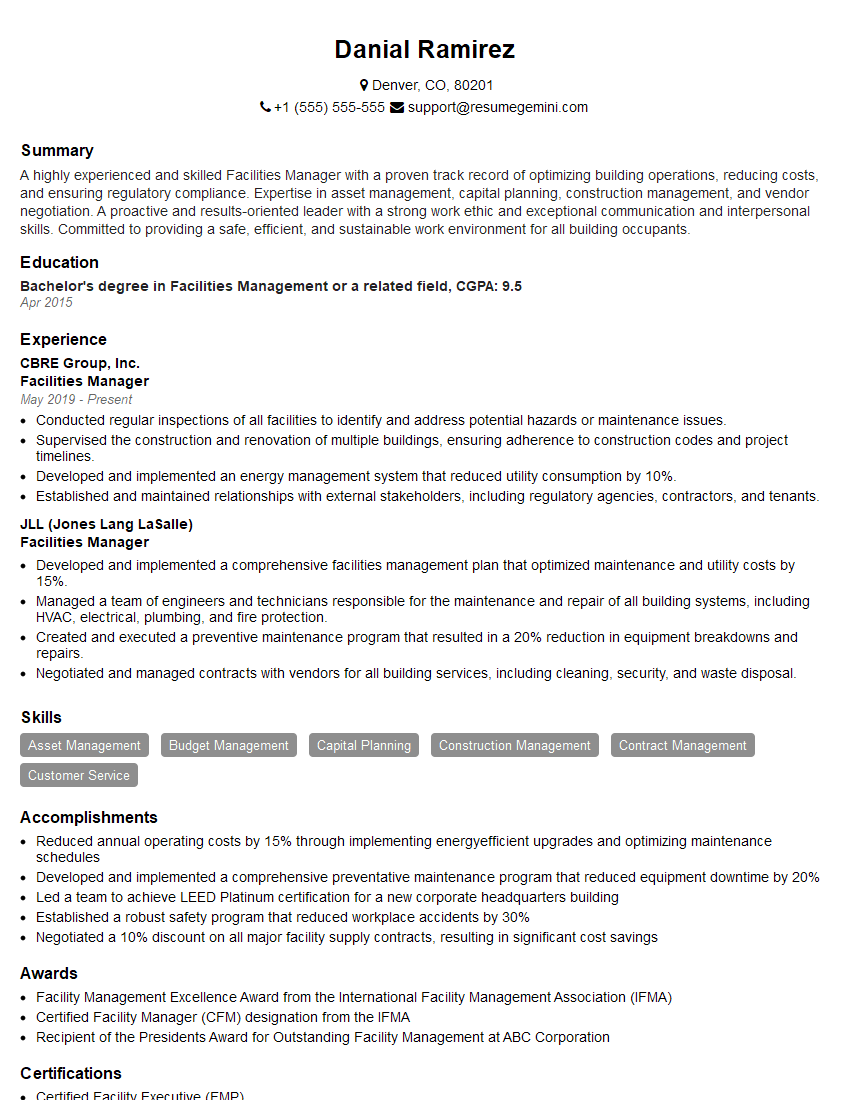
Facilities Manager Resume Sample

Operations Manager Resume Sample
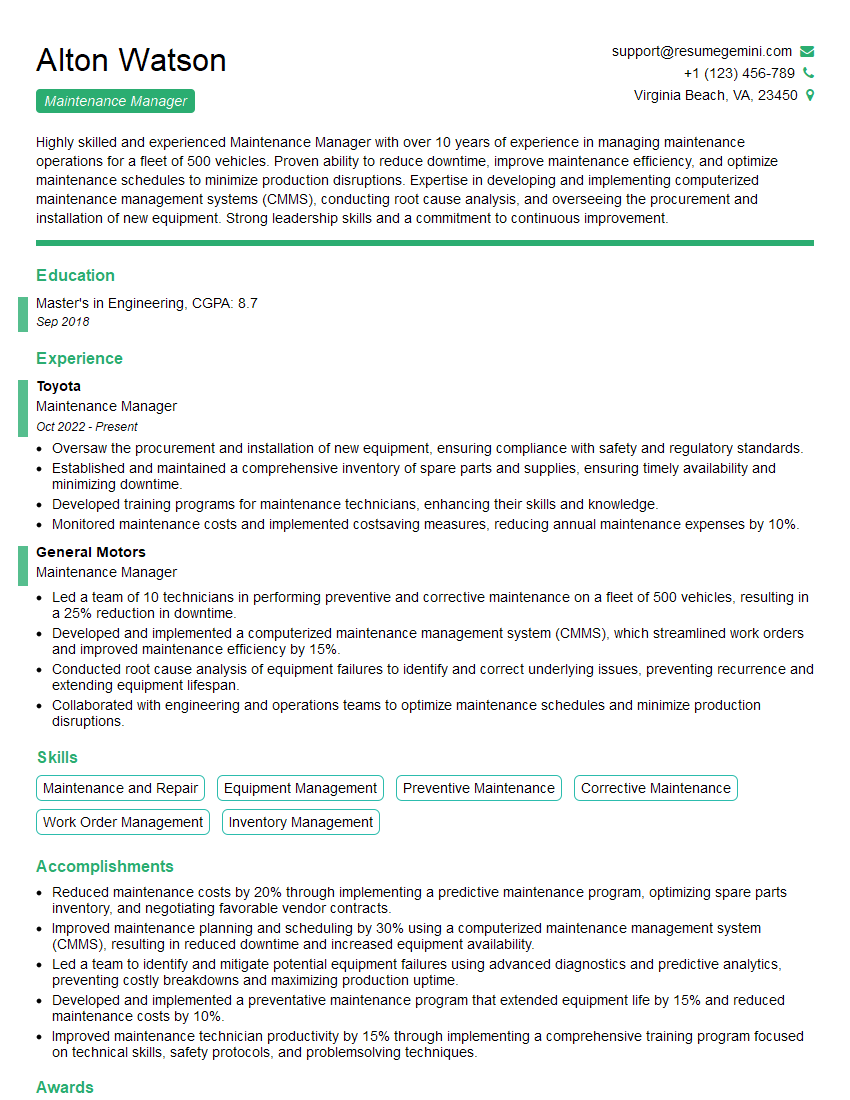
Maintenance Manager Resume Sample
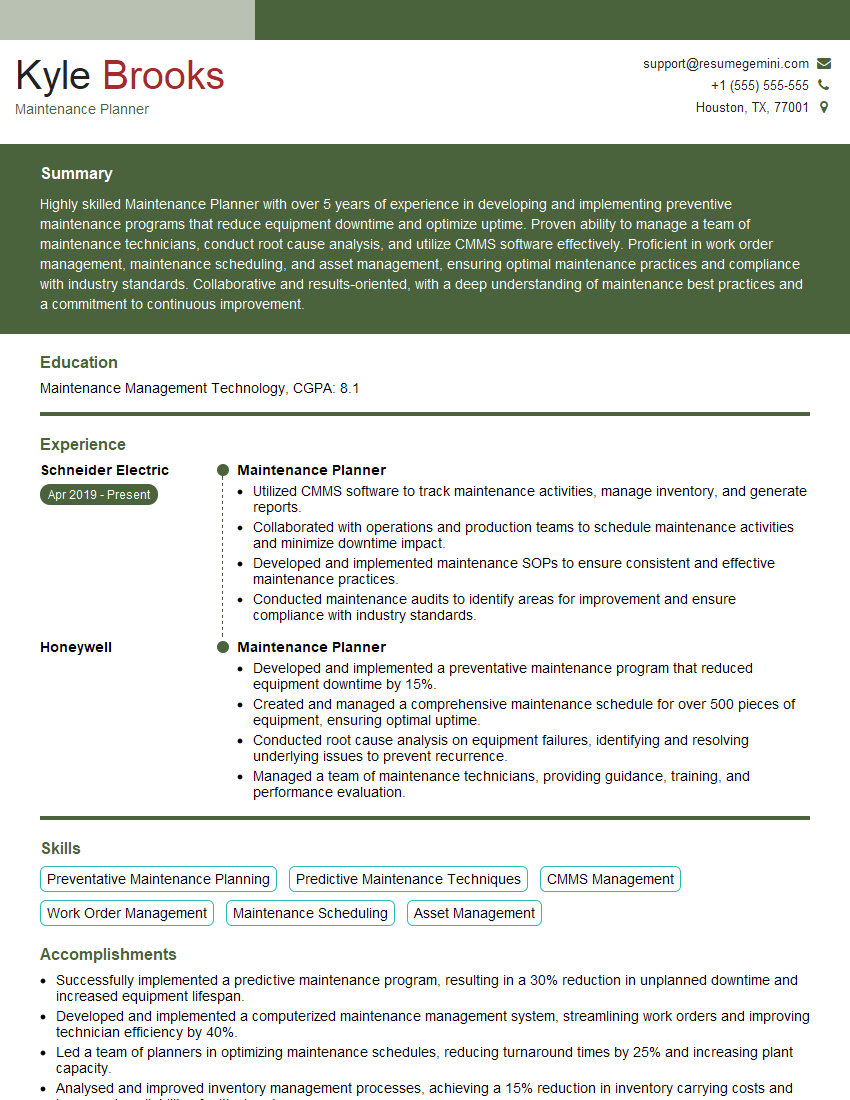
Maintenance Planner Resume Sample

Scheduling Coordinator Resume Sample
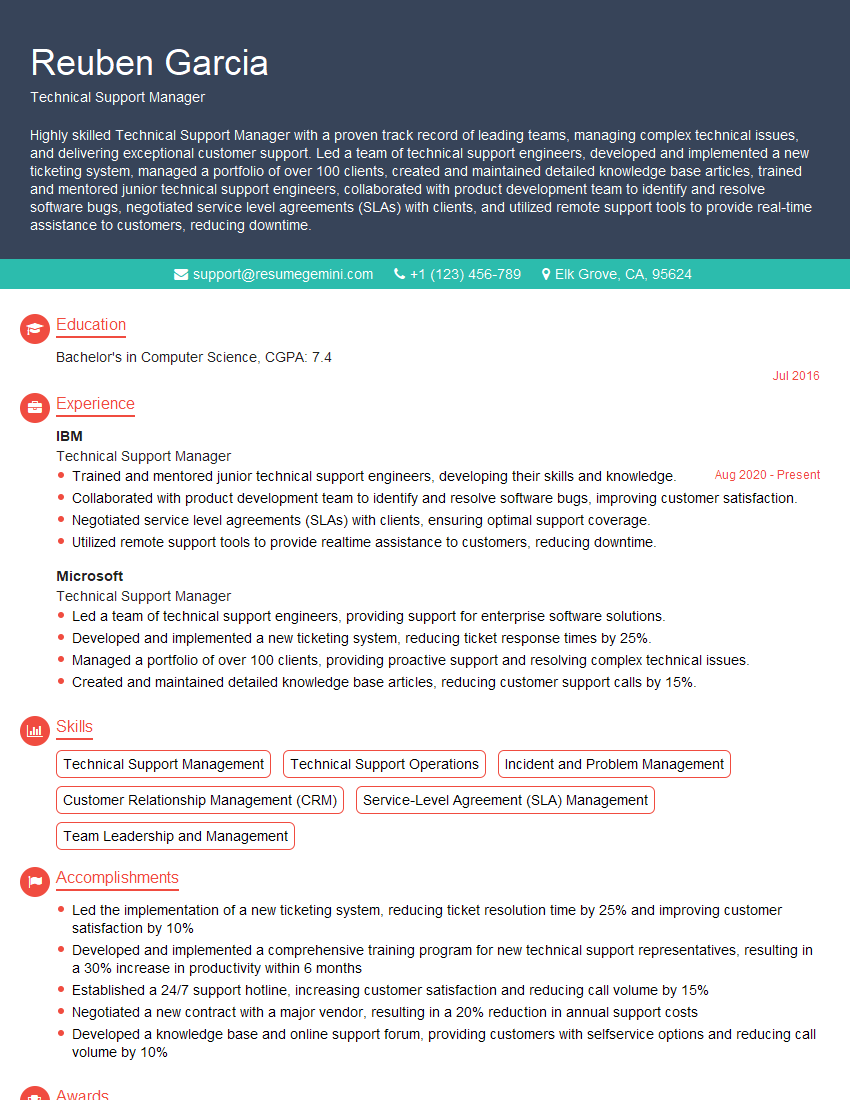
Technical Support Manager Resume Sample
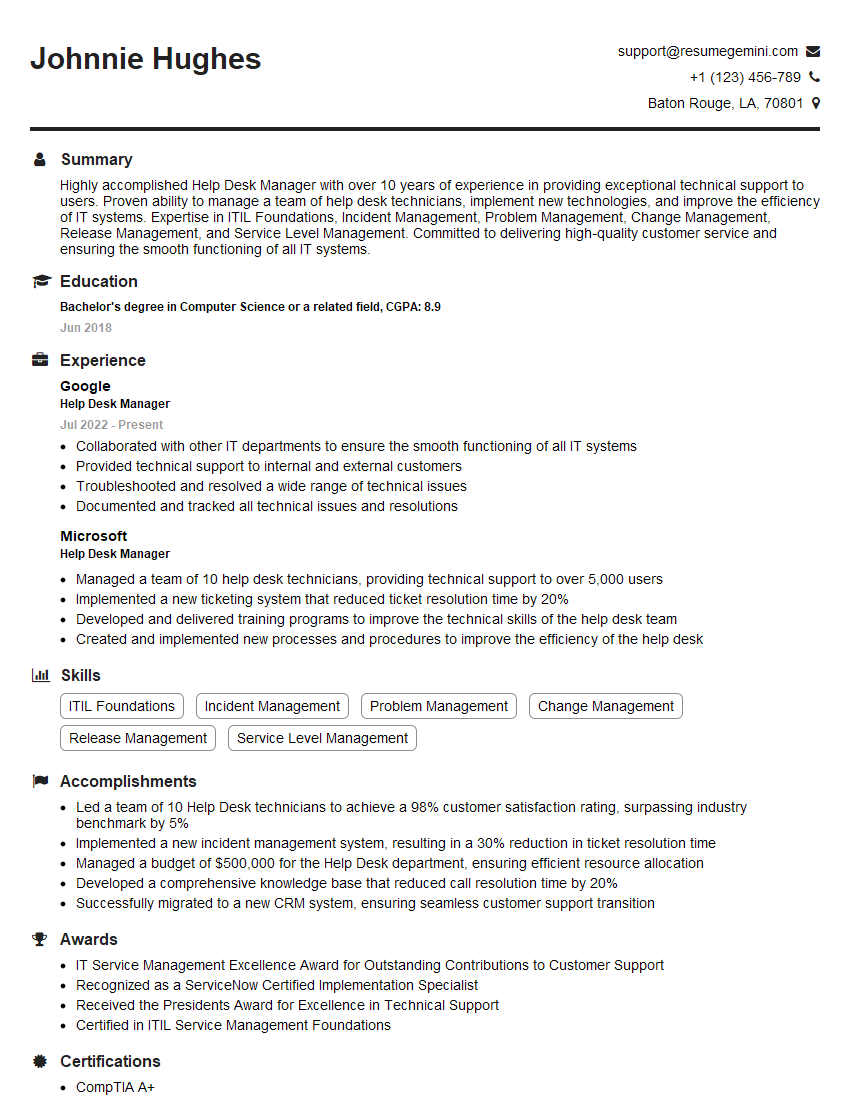
Help Desk Manager Resume Sample
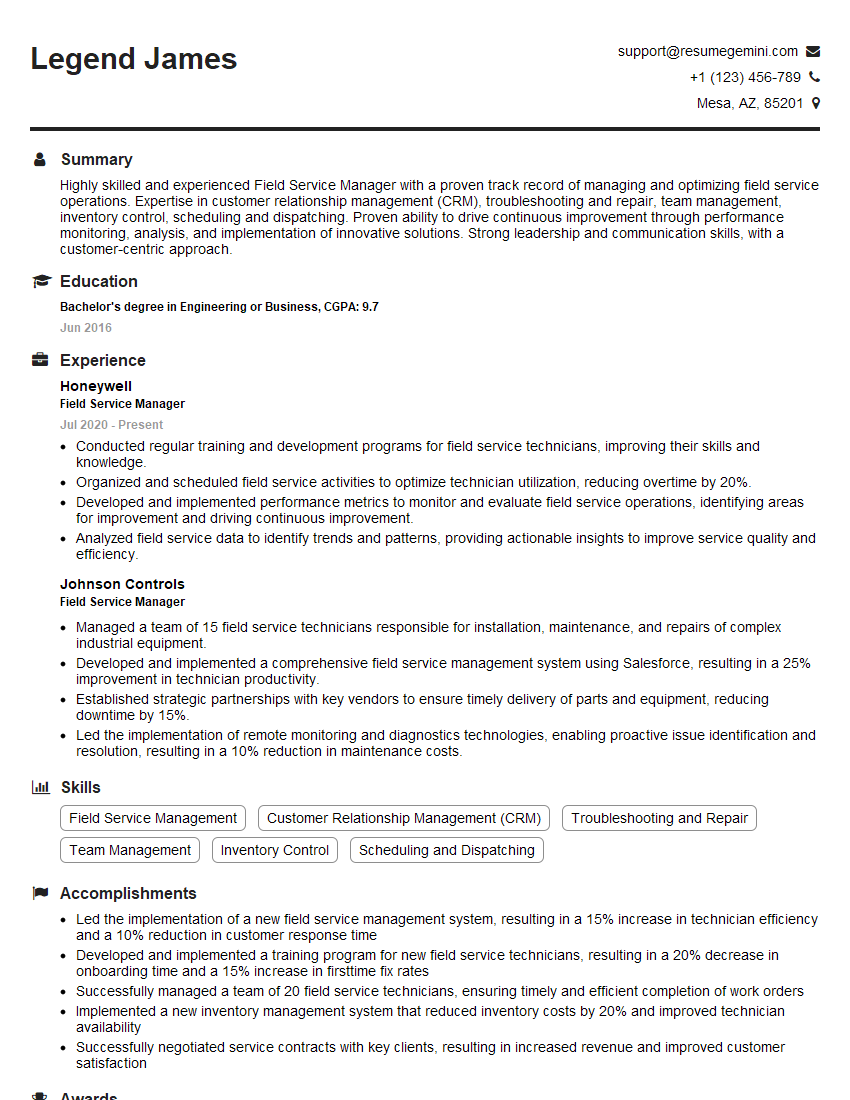
Field Service Manager Resume Sample
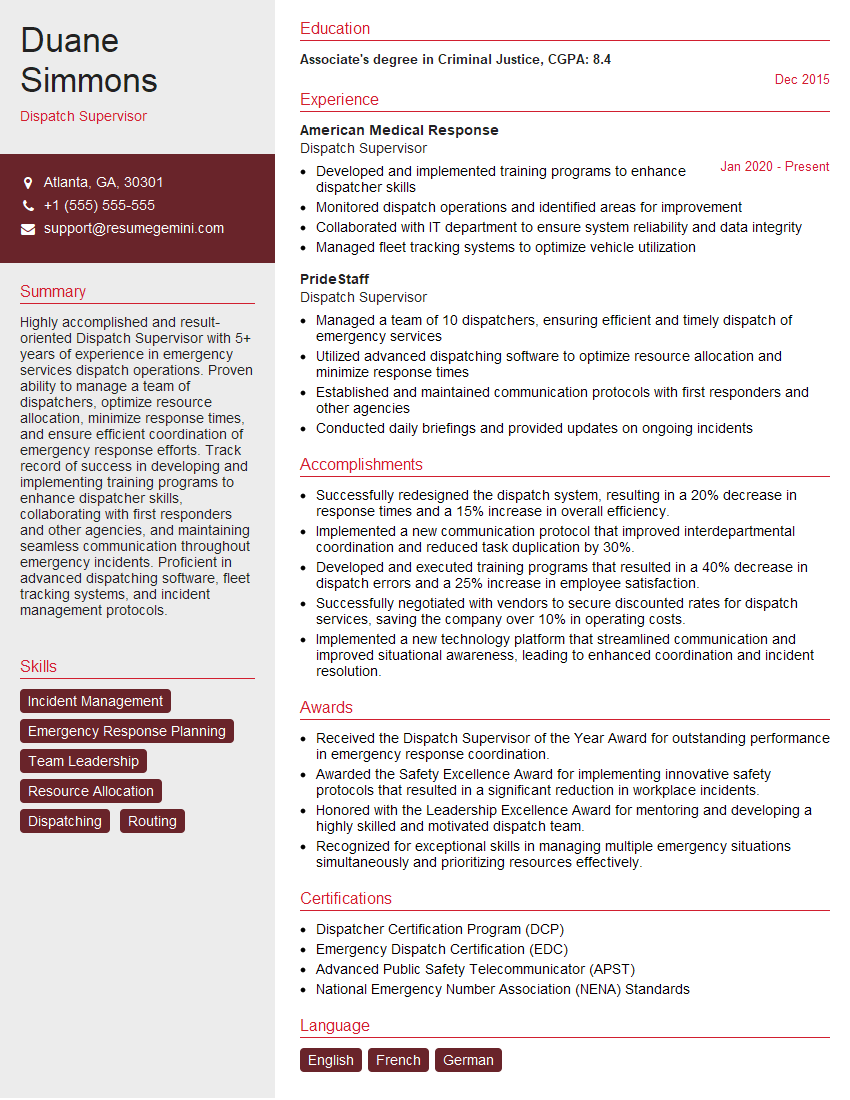
Dispatch Supervisor Resume Sample
Explore more articles
Users Rating of Our Blogs
Share Your Experience
We value your feedback! Please rate our content and share your thoughts (optional).
What Readers Say About Our Blog
Really detailed insights and content, thank you for writing this detailed article.
IT gave me an insight and words to use and be able to think of examples