The thought of an interview can be nerve-wracking, but the right preparation can make all the difference. Explore this comprehensive guide to Expertise in Data Interpretation and Reporting interview questions and gain the confidence you need to showcase your abilities and secure the role.
Questions Asked in Expertise in Data Interpretation and Reporting Interview
Q 1. Explain the difference between descriptive, predictive, and prescriptive analytics.
The three types of analytics – descriptive, predictive, and prescriptive – represent a progression in data analysis sophistication. Think of them as stages in a detective story.
- Descriptive Analytics: This is the ‘what happened’ stage. It summarizes past data to understand trends and patterns. Imagine a police detective reviewing crime scene photos and witness statements – they’re describing the event. Examples include calculating average sales, creating sales charts, and identifying the top-performing products. It uses tools like SQL queries, data aggregation, and summary statistics.
- Predictive Analytics: This is the ‘what might happen’ stage. It uses historical data and statistical modeling to forecast future outcomes. Our detective might use crime data to predict where future robberies are likely to occur. Techniques include regression analysis, machine learning algorithms (like linear regression or logistic regression), and time series analysis. For example, predicting customer churn, estimating future revenue, or assessing credit risk.
- Prescriptive Analytics: This is the ‘what should we do’ stage. It uses optimization techniques and simulations to recommend actions that will achieve a desired outcome. Our detective uses the prediction of robbery locations to deploy officers strategically to prevent crime. Examples include recommending optimal pricing strategies, suggesting personalized product recommendations, or optimizing supply chain logistics. It uses techniques like linear programming, simulation, and decision trees.
In short: descriptive answers ‘what happened’, predictive answers ‘what might happen’, and prescriptive answers ‘what should we do’.
Q 2. Describe your experience with data visualization tools.
I have extensive experience with a variety of data visualization tools, catering to different needs and data sizes. My proficiency includes:
- Tableau: I leverage Tableau’s powerful features for creating interactive dashboards and visualizations for large datasets. I’ve used it extensively to build compelling reports for executive presentations, highlighting key performance indicators (KPIs) and trends in an easily digestible format. For instance, I recently used Tableau to visualize sales performance across different regions, revealing seasonal patterns and areas needing focused attention.
- Power BI: This is another strong tool in my arsenal, particularly helpful for integrating data from various sources and creating visually appealing reports for business intelligence. I’ve used Power BI to design self-service reporting dashboards, empowering business users to explore and analyze data independently. One example is the development of a dashboard tracking marketing campaign effectiveness, enabling real-time adjustments based on data-driven insights.
- Python libraries (Matplotlib, Seaborn): For more customized visualizations and programmatic control, I utilize Python libraries like Matplotlib and Seaborn. I’ve created insightful visualizations directly from statistical analyses, tailoring charts to very specific requirements. For example, creating custom scatter plots to investigate the correlation between variables in a regression analysis.
My choice of tool depends on the specific project requirements – the dataset size, the complexity of the analysis, and the target audience for the reports. I prioritize creating visualizations that are both aesthetically pleasing and effectively communicate data insights.
Q 3. How do you handle missing data in a dataset?
Handling missing data is crucial for maintaining data integrity and obtaining reliable results. The approach depends on the nature and extent of missing data. There’s no one-size-fits-all solution; careful consideration is vital.
- Understanding the Missingness: First, I investigate *why* the data is missing. Is it Missing Completely at Random (MCAR), Missing at Random (MAR), or Missing Not at Random (MNAR)? This informs my strategy.
- Methods for Handling Missing Data:
- Deletion: Listwise deletion (removing entire rows with missing values) is simple but can lead to significant data loss, especially with many variables. Pairwise deletion (using available data for each analysis) can create inconsistencies. I use this cautiously and only when the missing data is minimal and truly random.
- Imputation: This replaces missing values with estimated ones. Methods include:
- Mean/Median/Mode Imputation: Simple, but can distort the distribution, especially for skewed data.
- Regression Imputation: Predicts missing values using a regression model based on other variables.
- K-Nearest Neighbors (KNN) Imputation: Finds the ‘k’ closest data points to those with missing values and averages their values to impute the missing data point.
- Multiple Imputation: Creates multiple plausible imputed datasets and analyzes them, providing a measure of uncertainty due to the imputation.
- Model Selection: Some machine learning algorithms can handle missing data directly (e.g., tree-based models). Choosing such a model might eliminate the need for imputation.
I choose the best method based on the nature of the missing data and the impact it might have on my analysis. I always document the chosen method and justify my decision.
Q 4. What are some common data quality issues and how do you address them?
Data quality issues can significantly impact analysis results. Addressing them is paramount for trustworthy insights.
- Inconsistent Data: Data may be formatted differently (e.g., dates in multiple formats), leading to errors. I address this through data cleaning and standardization, using tools and scripts to ensure consistency.
- Missing Values: As discussed earlier, missing values require careful handling through imputation or deletion techniques. The approach depends on the nature of the missingness and the chosen analytical methods.
- Duplicate Data: Duplicate entries can skew analyses. I use data deduplication techniques to identify and remove or consolidate duplicates based on suitable keys.
- Outliers: Extreme values can disproportionately influence analyses. I detect and handle them using the methods described in the next answer.
- Incorrect Data Types: Incorrect data types (e.g., numbers stored as text) can prevent calculations. I use data type validation and conversion to resolve this.
- Errors in Data Entry: Human error can introduce mistakes. I implement data validation checks and use profiling techniques to identify anomalies and errors in data entry.
My process involves profiling the data initially to identify these issues, then systematically addressing each one before proceeding with any analysis. I also employ automated data validation checks within my data pipelines to prevent these issues from reappearing.
Q 5. Explain your approach to identifying outliers in a dataset.
Identifying outliers is essential for accurate analysis. They can represent genuine anomalies or data errors.
- Visual Inspection: Box plots, scatter plots, and histograms are visually effective for spotting outliers. These methods offer an intuitive first look at data dispersion.
- Statistical Methods:
- Z-score: Measures how many standard deviations a data point is from the mean. Points with a Z-score exceeding a threshold (e.g., 3) are often considered outliers.
- Interquartile Range (IQR): Calculates the difference between the 75th and 25th percentiles. Data points outside a range of 1.5 * IQR below the first quartile or above the third quartile are considered potential outliers.
- Clustering Methods: Techniques like DBSCAN can identify data points far removed from clusters of similar points.
- Machine Learning Techniques: Isolation Forest and One-Class SVM are designed to identify anomalous data points.
My approach involves a combination of visual inspection and statistical methods. I don’t automatically remove outliers; I investigate whether they represent genuine anomalies or errors. If they are errors, they’re corrected or removed. If genuine anomalies, their impact on the analysis is assessed before deciding on a course of action (e.g., keeping them, transforming them, or using robust statistical methods less sensitive to outliers).
Q 6. How would you explain complex data findings to a non-technical audience?
Explaining complex data findings to a non-technical audience requires clear communication and a focus on the ‘so what?’ factor. I use several strategies:
- Use Simple Language: Avoid jargon and technical terms. Translate complex concepts into plain English.
- Visual Aids: Charts, graphs, and infographics are essential. A picture can be worth a thousand words, making complex data easy to understand.
- Analogies and Metaphors: Use relatable examples to illustrate concepts. For instance, explain standard deviation using the concept of the average height of students in a class.
- Focus on the Story: Frame the findings within a narrative. This helps the audience connect with the information and remember the key takeaways.
- Highlight Key Insights: Focus on the most important findings, avoiding overwhelming the audience with details.
- Interactive Presentations: Involve the audience, answer questions, and encourage discussion.
For example, instead of saying ‘the regression analysis revealed a statistically significant positive correlation between advertising spend and sales with a p-value of 0.01’, I might say ‘we found that for every dollar increase in advertising, sales increased by X dollars, and this is a highly reliable finding’. I would then visually support this using a simple chart.
Q 7. What statistical methods are you familiar with and how have you applied them?
My statistical toolkit is extensive and I have applied these methods in numerous projects:
- Descriptive Statistics: Mean, median, mode, standard deviation, variance, percentiles – fundamental for understanding data distribution. I used these to summarize customer demographics and purchasing behavior in a recent market research project.
- Inferential Statistics: Hypothesis testing (t-tests, ANOVA, Chi-square tests), confidence intervals – to draw conclusions about a population based on a sample. I applied t-tests to compare the effectiveness of two different marketing campaigns.
- Regression Analysis: Linear regression, logistic regression, multiple regression – to model relationships between variables. I used multiple regression to predict customer lifetime value based on various customer attributes.
- Time Series Analysis: ARIMA, exponential smoothing – to forecast trends in time-dependent data. I forecasted monthly sales for a retail company using exponential smoothing.
- Clustering: K-means, hierarchical clustering – to group similar data points. I used K-means to segment customers based on their purchasing behavior.
The specific method used depends heavily on the research question and the nature of the data. My experience involves choosing the appropriate statistical test or model, interpreting the results, and communicating them clearly, always ensuring the methodology’s appropriateness to the context.
Q 8. Describe your experience with SQL and database querying.
My SQL experience is extensive, spanning over seven years. I’m proficient in writing complex queries to extract, transform, and load (ETL) data from various relational databases like MySQL, PostgreSQL, and SQL Server. I’m comfortable working with large datasets and optimizing queries for performance. I routinely use advanced SQL functionalities including window functions, common table expressions (CTEs), and stored procedures to achieve efficient data manipulation. For example, in a previous role, I used a CTE to recursively traverse a hierarchical data structure representing a company’s organizational chart, enabling me to calculate the total number of direct and indirect reports for each manager. This significantly improved the efficiency compared to using multiple joins. Another example involved optimizing a slow-running query that processed millions of records by creating an index on critical columns, resulting in a query execution time reduction from over an hour to under five minutes.
I also possess experience with database design principles, including normalization and schema design. I understand the importance of creating efficient and maintainable database structures to support effective data analysis and reporting.
Q 9. How do you determine the appropriate statistical test for a given scenario?
Choosing the right statistical test depends heavily on the type of data you have (categorical, continuous, etc.), the research question you are asking, and the assumptions you can reasonably make about your data. It’s a bit like choosing the right tool for a job – you wouldn’t use a hammer to screw in a screw.
- For comparing means of two groups: If your data is normally distributed and the variances are equal, a t-test is appropriate. If the variances are unequal, a Welch’s t-test should be used. If the data isn’t normally distributed, a Mann-Whitney U test (non-parametric) is a suitable alternative.
- For comparing means of more than two groups: ANOVA (Analysis of Variance) is commonly used if data is normally distributed. The Kruskal-Wallis test is the non-parametric equivalent.
- For analyzing relationships between variables: Correlation analysis (Pearson’s r for continuous data, Spearman’s rho for non-parametric data) measures the strength and direction of a linear relationship. Regression analysis helps predict the value of one variable based on the value of another (or others).
- For analyzing categorical data: Chi-squared tests are frequently employed to examine the association between categorical variables.
Before selecting a test, I always carefully consider the data’s characteristics and the research question. I also use diagnostic tools to check assumptions, such as normality tests and plots to visualize the data distribution. This ensures the chosen test provides reliable and valid results.
Q 10. Explain your experience with data cleaning and transformation techniques.
Data cleaning and transformation are critical steps in any data analysis project. Think of it as preparing ingredients before you cook – you wouldn’t use spoiled ingredients to make a good meal! My experience encompasses a wide array of techniques.
- Handling Missing Values: I employ various strategies, including imputation (replacing missing values with estimated ones based on other data points, such as mean, median, or more sophisticated methods like k-Nearest Neighbors), removal of rows/columns with excessive missing data, or using algorithms that can handle missing data directly.
- Outlier Detection and Treatment: I use box plots, scatter plots, and statistical methods (e.g., Z-scores) to identify outliers. Outliers might be genuine data points or errors; I carefully investigate each case to determine the best course of action – removing them, transforming them (e.g., using logarithmic transformations), or retaining them if they are truly representative data points.
- Data Transformation: I frequently perform transformations to improve data normality, scale data appropriately for analysis (e.g., standardization or normalization), or create new variables (e.g., deriving interaction terms or ratios). Examples include log transformations for skewed data and one-hot encoding for categorical variables.
- Data Consistency: I ensure data consistency by standardizing formats (e.g., dates, currencies), addressing inconsistencies in naming conventions, and correcting typographical errors.
I use tools like Python libraries (Pandas, NumPy) and SQL to efficiently execute these techniques. The specific approach I take always depends on the nature of the data and the project’s objectives.
Q 11. How do you interpret regression analysis results?
Interpreting regression analysis results involves understanding the coefficients, p-values, R-squared, and other statistics. Let’s break it down.
- Coefficients: These indicate the change in the dependent variable associated with a one-unit change in the independent variable, holding other variables constant. A positive coefficient implies a positive relationship, while a negative coefficient signifies a negative relationship.
- P-values: These assess the statistical significance of the coefficients. A low p-value (typically below 0.05) indicates that the effect of the independent variable on the dependent variable is statistically significant, meaning it’s unlikely to be due to chance.
- R-squared: This represents the proportion of variance in the dependent variable explained by the independent variables in the model. A higher R-squared indicates a better fit of the model. However, it’s crucial to avoid overfitting; a high R-squared doesn’t automatically mean the model is good for prediction.
- Adjusted R-squared: This is a modified version of R-squared that adjusts for the number of independent variables in the model, penalizing the inclusion of unnecessary variables.
- Residual Analysis: Examining residuals (the differences between observed and predicted values) helps assess model assumptions (e.g., linearity, constant variance, normality). Unusual patterns in residuals might indicate problems with the model.
In practice, I go beyond just looking at numbers; I also visualize the results using graphs (e.g., scatter plots, residual plots) to gain a better understanding of the relationships between variables and the model’s performance.
Q 12. What are the key performance indicators (KPIs) you have tracked in previous roles?
The KPIs I’ve tracked vary depending on the role and industry, but some common ones include:
- Customer Acquisition Cost (CAC): The cost of acquiring a new customer. Lower CAC is generally better.
- Customer Lifetime Value (CLTV): The predicted revenue generated by a customer over their entire relationship with the company. A higher CLTV is desirable.
- Conversion Rate: The percentage of website visitors or leads who complete a desired action (e.g., purchase, signup). Improving conversion rates is a key objective.
- Website Traffic and Engagement Metrics: These include metrics such as unique visitors, bounce rate, time on site, and pages per visit, providing insights into website performance and user behavior.
- Sales Growth and Revenue: Monitoring sales figures and revenue growth is fundamental for assessing the overall performance of a business.
- Marketing ROI: Measuring the return on investment for marketing campaigns helps assess the efficiency of marketing efforts.
In addition to these common KPIs, I’ve also tracked more specialized metrics, such as churn rate (for subscription-based businesses) and Net Promoter Score (NPS) for measuring customer satisfaction. The specific KPIs used are always strategically chosen based on the business’s goals and objectives.
Q 13. Describe a time you had to analyze a large dataset to solve a problem.
In a previous role, I was tasked with analyzing a large dataset (over 10 million rows) of customer transaction data to identify patterns in customer purchasing behavior and predict future sales. This involved several steps:
- Data Exploration and Cleaning: I began by exploring the data using descriptive statistics and visualizations to understand its structure and identify any missing values or outliers. I addressed these issues using the techniques described earlier.
- Feature Engineering: I created new features from the existing data, such as customer segmentation based on purchase frequency and average order value. This allowed me to create more effective predictive models.
- Model Selection and Training: I experimented with various machine learning models (regression, time series models) to predict future sales. I used techniques like cross-validation to evaluate model performance and prevent overfitting.
- Model Evaluation and Interpretation: Once I selected the best-performing model, I rigorously evaluated its performance using metrics such as RMSE (Root Mean Squared Error) and MAE (Mean Absolute Error). I also interpreted the model’s coefficients to understand the factors driving sales.
- Communication of Results: Finally, I presented the findings and their business implications to stakeholders through clear visualizations and reports.
This project highlighted the importance of a structured approach to data analysis, efficient data handling techniques, and the ability to translate complex statistical results into actionable business insights.
Q 14. How do you identify trends and patterns in data?
Identifying trends and patterns in data involves a combination of techniques, both visual and analytical.
- Visual Exploration: I use various visualization techniques, such as line charts (for time series data), scatter plots (for relationships between variables), and heatmaps (for visualizing correlations), to visually identify patterns and trends. These visual explorations often uncover insights not immediately apparent from numerical summaries.
- Statistical Analysis: I employ statistical methods, including time series decomposition (to separate trends, seasonality, and residuals), correlation analysis, and regression analysis, to quantify and validate the trends and patterns identified visually.
- Data Aggregation and Summarization: I frequently aggregate and summarize data to reveal overall trends. For example, I might group data by time periods, geographic location, or customer segments to identify trends at different levels of granularity.
- Machine Learning Techniques: In complex scenarios with large datasets, I might leverage machine learning algorithms, such as clustering or anomaly detection, to identify hidden patterns and trends.
The specific methods I choose depend on the nature of the data and the type of patterns I’m trying to uncover. It’s often an iterative process involving several cycles of exploration, analysis, and refinement. The key is to look for patterns consistently, with a keen eye and strong analytical skills.
Q 15. What are your preferred methods for data storytelling?
Data storytelling is the art of communicating data insights clearly and engagingly. It’s about transforming raw numbers into a compelling narrative that resonates with the audience and drives action. My preferred methods focus on simplicity, clarity, and visual appeal. I begin by identifying the key message I want to convey, then select the most appropriate visual representation (charts, graphs, maps) to illustrate the data effectively. I prioritize using clear and concise language, avoiding jargon, and tailoring the story to the specific audience and their level of understanding. For example, when presenting to executives, I focus on high-level trends and key performance indicators (KPIs), whereas when presenting to analysts, I can delve into greater detail and methodology.
- Visualizations: I use a variety of charts and graphs, selecting the best fit for the data and message. For example, a line chart effectively shows trends over time, while a bar chart is ideal for comparisons.
- Narrative Structure: I structure my presentations like a story, with a clear beginning, middle, and end. I start with a compelling hook, present the data in a logical order, and end with a clear conclusion and actionable insights.
- Interactive Dashboards: For complex datasets, interactive dashboards allow the audience to explore the data at their own pace and discover insights for themselves.
In one project, I used interactive dashboards to show the impact of a new marketing campaign on website traffic and conversion rates. This allowed stakeholders to explore different segments and understand the campaign’s effectiveness in detail.
Career Expert Tips:
- Ace those interviews! Prepare effectively by reviewing the Top 50 Most Common Interview Questions on ResumeGemini.
- Navigate your job search with confidence! Explore a wide range of Career Tips on ResumeGemini. Learn about common challenges and recommendations to overcome them.
- Craft the perfect resume! Master the Art of Resume Writing with ResumeGemini’s guide. Showcase your unique qualifications and achievements effectively.
- Don’t miss out on holiday savings! Build your dream resume with ResumeGemini’s ATS optimized templates.
Q 16. What experience do you have with A/B testing and its interpretation?
A/B testing, or split testing, is a powerful method for comparing two versions of something (e.g., a webpage, email, ad) to determine which performs better. My experience encompasses designing A/B tests, collecting and analyzing the results, and drawing statistically sound conclusions. I’m proficient in using statistical software (such as R or Python) to analyze the data, ensuring that any observed differences are statistically significant and not due to random chance.
Interpreting A/B test results involves understanding statistical significance (p-value) and effect size. A low p-value (typically below 0.05) indicates that the observed difference is unlikely due to chance, while the effect size quantifies the magnitude of the difference. It’s crucial to consider both factors when evaluating the results. For example, a statistically significant difference might be negligible in practical terms if the effect size is very small.
I have extensive experience in using A/B testing tools like Optimizely and Google Optimize. In a recent project, we used A/B testing to optimize the landing page of a client’s website. By testing different headlines, calls to action, and image placements, we were able to increase conversion rates by 15%, a significant improvement driven by data-backed decisions.
Q 17. How do you communicate data-driven insights to influence business decisions?
Communicating data-driven insights effectively is crucial for influencing business decisions. My approach involves tailoring my communication style to the audience, focusing on the implications of the findings, and presenting actionable recommendations. I avoid overwhelming the audience with technical details; instead, I highlight the key takeaways and their impact on the business objectives.
- Clear and Concise Messaging: I use plain language, avoiding jargon and technical terms whenever possible. I focus on the ‘so what?’ aspect, explaining the implications of the data for the business.
- Visual Aids: Charts, graphs, and dashboards are invaluable tools for communicating complex information quickly and effectively.
- Storytelling: I weave a narrative around the data, highlighting the key findings and their context.
- Actionable Recommendations: I always end my presentations with clear and specific recommendations, outlining the steps the business should take to capitalize on the insights.
For example, in a recent presentation to a marketing team, I used a dashboard to show how different marketing channels were performing. I highlighted the most effective channels, suggesting an increased budget allocation for those areas and a reduction in underperforming ones. This data-driven approach resulted in a significant improvement in marketing ROI.
Q 18. Explain your understanding of different data types (categorical, numerical, etc.).
Understanding data types is fundamental to effective data analysis. Different data types require different analytical approaches. Broadly, data can be categorized as numerical or categorical.
- Numerical Data: This represents quantities and can be further subdivided into:
- Continuous: Data that can take on any value within a range (e.g., height, weight, temperature).
- Discrete: Data that can only take on specific values (e.g., the number of cars in a parking lot).
- Categorical Data: This represents qualities or characteristics and can be further subdivided into:
- Nominal: Data that represents categories without any inherent order (e.g., colors, gender).
- Ordinal: Data that represents categories with a meaningful order (e.g., customer satisfaction ratings (low, medium, high)).
Recognizing the data type is crucial for selecting appropriate statistical methods. For example, you wouldn’t use the average to analyze nominal data like favorite colors. Instead, you might analyze the frequency of each color.
Q 19. Describe your experience with different data visualization techniques (charts, graphs, dashboards).
Data visualization is key to communicating insights effectively. My experience spans various techniques, tailoring my choices to the data and the audience. I am proficient in creating charts, graphs, and dashboards using tools like Tableau, Power BI, and data visualization libraries in Python (e.g., Matplotlib, Seaborn).
- Bar Charts and Column Charts: Useful for comparing different categories.
- Line Charts: Ideal for showing trends over time.
- Pie Charts: Effective for showing proportions of a whole.
- Scatter Plots: Useful for exploring relationships between two variables.
- Heatmaps: Excellent for visualizing correlations or densities.
- Dashboards: Combine multiple visualizations into a single, interactive view, providing a comprehensive overview of the data.
In a previous role, I developed an interactive dashboard for a retail company, showing sales performance across different product categories, regions, and time periods. This allowed executives to quickly identify trends, pinpoint areas for improvement, and make data-driven decisions about inventory management and marketing campaigns.
Q 20. What is your experience with data warehousing and ETL processes?
Data warehousing and ETL (Extract, Transform, Load) processes are essential for managing and analyzing large datasets. I have experience working with various data warehousing solutions and understand the complexities of ETL processes. Data warehousing involves consolidating data from multiple sources into a centralized repository for analysis and reporting. ETL processes are critical for cleaning, transforming, and loading this data into the warehouse in a consistent and usable format.
I’m familiar with cloud-based data warehousing solutions like Snowflake and Amazon Redshift, and I understand the importance of designing efficient ETL pipelines using tools like Informatica PowerCenter or Apache Kafka. In one project, I designed and implemented an ETL pipeline to consolidate data from various marketing platforms into a central data warehouse, enabling more comprehensive marketing performance analysis.
Q 21. How do you ensure data accuracy and reliability?
Data accuracy and reliability are paramount. My approach to ensuring this involves a multi-faceted strategy that begins at the data source and continues throughout the entire analytical process.
- Data Source Validation: I meticulously verify the credibility and accuracy of the data sources. This involves checking data quality metrics, examining data dictionaries, and confirming data integrity.
- Data Cleaning and Transformation: I employ rigorous data cleaning techniques to handle missing values, outliers, and inconsistencies. I use various methods like imputation, outlier removal, and data standardization to ensure data quality.
- Data Validation Checks: Throughout the analysis process, I incorporate checks to verify the accuracy of calculations, transformations, and results. This might involve cross-checking data with other sources or performing sanity checks to identify anomalies.
- Documentation: I maintain comprehensive documentation of the data sources, cleaning steps, and analysis methodologies. This ensures transparency and facilitates reproducibility of the results.
- Version Control: Utilizing version control systems allows for tracking changes to the data and the code, enabling easy rollback if needed and enhancing collaboration.
For example, in a project involving customer data, I identified inconsistencies in the address fields which could have led to inaccurate targeting in marketing campaigns. By cleaning and standardizing the data, I ensured the accuracy and reliability of subsequent analysis and ultimately improved the effectiveness of the campaigns.
Q 22. How familiar are you with data mining techniques?
Data mining techniques are crucial for extracting valuable insights from large datasets. My familiarity spans various methods, including:
- Association Rule Mining (Apriori, FP-Growth): Discovering relationships between variables, like identifying products frequently purchased together in a supermarket.
- Classification (Decision Trees, Support Vector Machines, Logistic Regression): Predicting categorical outcomes, such as classifying customers as high or low risk based on their spending habits.
- Clustering (K-Means, Hierarchical Clustering): Grouping similar data points, such as segmenting customers into distinct groups based on demographics and purchase history.
- Regression (Linear Regression, Polynomial Regression): Predicting continuous outcomes, such as forecasting sales based on marketing spend.
I’m proficient in applying these techniques using programming languages like Python (with libraries like scikit-learn and pandas) and R. I also have experience in selecting the appropriate technique based on the data characteristics and the business problem at hand. For instance, in one project, I used association rule mining to uncover hidden patterns in online shopping behavior that led to a 15% increase in targeted advertising effectiveness.
Q 23. How do you handle conflicting data sources?
Handling conflicting data sources requires a systematic approach. It starts with identifying the source of the conflict – is it due to data entry errors, differences in definitions, or inconsistencies in measurement?
- Data Profiling: I begin by thoroughly profiling each data source to understand its structure, data types, and quality. This helps identify inconsistencies and potential problems early on.
- Data Cleaning: I then cleanse the data by correcting errors, handling missing values (through imputation or removal), and standardizing data formats. Techniques include outlier detection and removal, data transformation (logarithmic or standardization), and fuzzy matching for similar but not identical entries.
- Data Reconciliation: Where conflicts remain, I investigate the root cause. If it’s due to differing definitions, I’ll work with stakeholders to establish a common understanding. If it’s due to errors, I prioritize the most reliable source, documenting my rationale. Sometimes, I might need to create a new, reconciled dataset by merging or combining data sources after careful consideration and validation.
- Data Integration: Finally, I use techniques such as database joins or data merging functions within programming languages to combine the data into a cohesive structure, ensuring consistency and accuracy. This often includes creating new variables reflecting the reconciled data for analysis.
For example, when working with customer data from two different systems, I once discovered discrepancies in customer addresses. By profiling the data, I found that one system used abbreviated state names while the other used full names. I standardized the data to resolve the conflict, leading to a more accurate customer database for marketing campaigns.
Q 24. Describe your experience with different reporting tools (e.g., Tableau, Power BI).
I have extensive experience with various reporting tools, including Tableau and Power BI. My proficiency extends beyond basic visualization to advanced analytics and dashboard creation.
- Tableau: I’m adept at using Tableau’s drag-and-drop interface to create interactive dashboards and visualizations, leveraging its powerful data blending and calculated field capabilities to deliver impactful insights. I’ve utilized Tableau’s mapping features for geographic analysis and its advanced charting options for complex data representation.
- Power BI: Similarly, I’m proficient in Power BI’s data modeling features, DAX (Data Analysis Expressions) for creating custom calculations, and its robust connectivity to various data sources. I’ve used Power BI to develop interactive reports, allowing users to drill down into data and explore trends.
In past projects, I’ve used both tools to create reports that effectively communicate key performance indicators (KPIs), identify trends, and support data-driven decision-making. For example, I built a Tableau dashboard that visualized sales performance across different regions, allowing sales managers to quickly identify underperforming areas and implement targeted strategies.
Q 25. How do you prioritize tasks when analyzing multiple datasets?
Prioritizing tasks when analyzing multiple datasets requires a strategic approach. I usually follow these steps:
- Define Objectives: Clearly define the overall goals and the specific questions each dataset aims to answer. This provides context and helps guide prioritization.
- Data Assessment: Evaluate the size, quality, and relevance of each dataset. Larger, more complex datasets might require more time and resources, influencing prioritization.
- Urgency and Importance: Determine the urgency and importance of each task, using a matrix that considers both factors. High-urgency, high-importance tasks should be prioritized.
- Dependencies: Identify any dependencies between tasks. For example, analysis of one dataset might be required before another can be analyzed.
- Resource Allocation: Allocate resources (time, tools, personnel) efficiently to ensure that the most important tasks are completed effectively and on time.
For instance, if I have datasets related to marketing campaigns, customer behavior, and product performance, I would prioritize analyzing the customer behavior data first, as it could inform the marketing campaign analysis and provide insights for product improvements. This approach ensures a well-structured analysis workflow.
Q 26. Explain your understanding of hypothesis testing.
Hypothesis testing is a crucial statistical method used to determine whether there’s enough evidence to support a claim (hypothesis) about a population based on sample data. The process typically involves:
- Formulating a Hypothesis: Defining a null hypothesis (H0), representing the status quo or no effect, and an alternative hypothesis (H1), representing the claim to be tested.
- Selecting a Significance Level (α): This is the probability of rejecting the null hypothesis when it’s true (Type I error). Commonly, α is set at 0.05 (5%).
- Collecting and Analyzing Data: Gathering sample data and calculating relevant test statistics (e.g., t-statistic, z-statistic, chi-square statistic).
- Determining the p-value: This is the probability of observing the obtained results (or more extreme results) if the null hypothesis is true. A low p-value suggests evidence against the null hypothesis.
- Making a Decision: If the p-value is less than the significance level (α), we reject the null hypothesis in favor of the alternative hypothesis; otherwise, we fail to reject the null hypothesis.
Example: A company wants to test if a new advertising campaign increases sales. H0: The campaign has no effect on sales; H1: The campaign increases sales. By collecting sales data before and after the campaign and performing a t-test, they can determine if there’s statistically significant evidence to support the claim that the campaign increased sales.
Q 27. How do you assess the statistical significance of your findings?
Assessing the statistical significance of findings relies on the p-value, as discussed in hypothesis testing. However, it’s crucial to consider other factors:
- Effect Size: The p-value only indicates statistical significance; it doesn’t necessarily mean the effect is practically significant. A large effect size indicates a substantial difference or relationship, even if the p-value is only marginally significant.
- Confidence Intervals: These provide a range of plausible values for the population parameter being estimated. Narrower confidence intervals suggest greater precision in the estimate.
- Multiple Comparisons: When conducting multiple hypothesis tests, the chance of finding a statistically significant result by chance increases. Adjustments (like Bonferroni correction) are needed to control the overall Type I error rate.
- Assumptions of Tests: Statistical tests rely on certain assumptions (e.g., normality of data, independence of observations). Violations of these assumptions can affect the validity of the results.
Simply relying on a low p-value without considering effect size, confidence intervals, and the context of the data can be misleading. A comprehensive assessment is crucial for drawing reliable conclusions.
Q 28. How do you ensure your data analysis is ethical and unbiased?
Ensuring ethical and unbiased data analysis is paramount. My approach encompasses:
- Data Source Transparency: Clearly identifying and documenting the sources of data used. This helps ensure that biases inherent in the data are acknowledged and addressed.
- Fair Representation: Avoiding selective reporting or focusing only on results that support a particular narrative. All findings, positive and negative, should be presented objectively.
- Addressing Bias: Actively looking for and mitigating potential biases in data collection, analysis, and interpretation. This includes considering sampling bias, measurement bias, and confirmation bias.
- Privacy and Confidentiality: Protecting the privacy and confidentiality of individuals whose data is being used. Data anonymization and secure data handling practices are essential.
- Contextual Understanding: Interpreting results within the broader context of the problem and considering factors that may influence the findings.
For example, if analyzing survey data, I’d ensure the sample is representative of the population to reduce sampling bias. I’d also be transparent about any limitations of the data and any potential biases that may affect the interpretation of the results. Ethical and unbiased data analysis fosters trust and builds confidence in the findings.
Key Topics to Learn for Expertise in Data Interpretation and Reporting Interview
- Data Cleaning and Preprocessing: Understanding techniques like handling missing values, outlier detection, and data transformation is crucial for accurate analysis. Practical application includes using tools like Python’s Pandas library for efficient data cleaning.
- Descriptive Statistics: Mastering measures of central tendency (mean, median, mode), dispersion (variance, standard deviation), and distribution (skewness, kurtosis) allows for a comprehensive understanding of your data. Apply this knowledge to interpret and present key findings effectively.
- Data Visualization: Learn to create compelling and informative visualizations using tools like Tableau or Power BI. Explore various chart types (bar charts, line graphs, scatter plots) and choose the most appropriate visualization for different datasets and audiences.
- Inferential Statistics: Gain a solid understanding of hypothesis testing, confidence intervals, and regression analysis to draw conclusions and make predictions based on your data. Practice applying these techniques to real-world scenarios.
- Report Writing and Presentation: Develop strong communication skills to effectively present your findings to both technical and non-technical audiences. Practice structuring your reports logically, using clear language, and supporting your claims with evidence.
- Data Storytelling: Learn to weave a narrative around your data, highlighting key trends and insights in a way that is engaging and easy to understand. This involves identifying patterns, drawing conclusions, and communicating them effectively.
- Specific Software Proficiency: Depending on the role, demonstrate proficiency in relevant tools like SQL, R, Python (with libraries like Pandas, NumPy, Matplotlib, Seaborn), Tableau, Power BI, or other business intelligence platforms.
Next Steps
Mastering data interpretation and reporting skills is paramount for career advancement in today’s data-driven world. These skills are highly sought after across various industries, opening doors to exciting opportunities and higher earning potential. To maximize your job prospects, it’s essential to create an ATS-friendly resume that highlights your key accomplishments and skills effectively. ResumeGemini is a trusted resource that can help you build a professional and impactful resume tailored to your specific experience. Examples of resumes tailored to Expertise in Data Interpretation and Reporting are available to help guide your process.
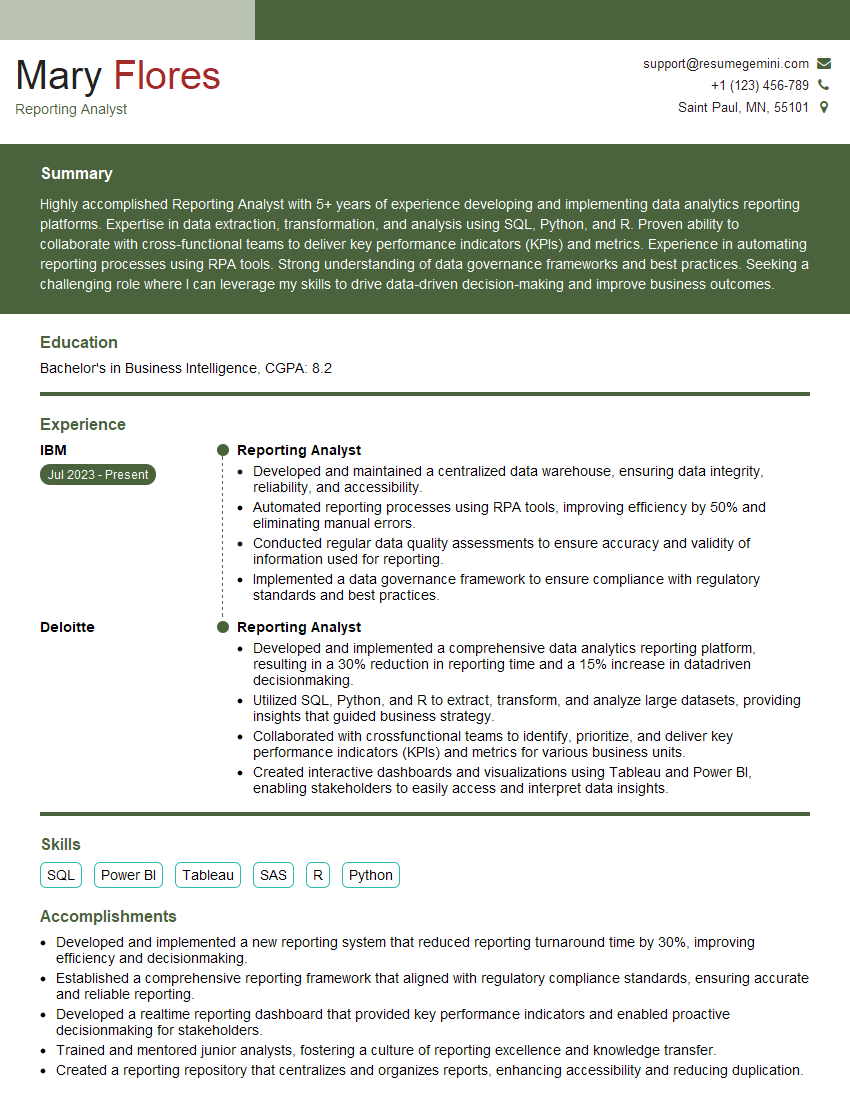
Reporting Analyst Resume Sample
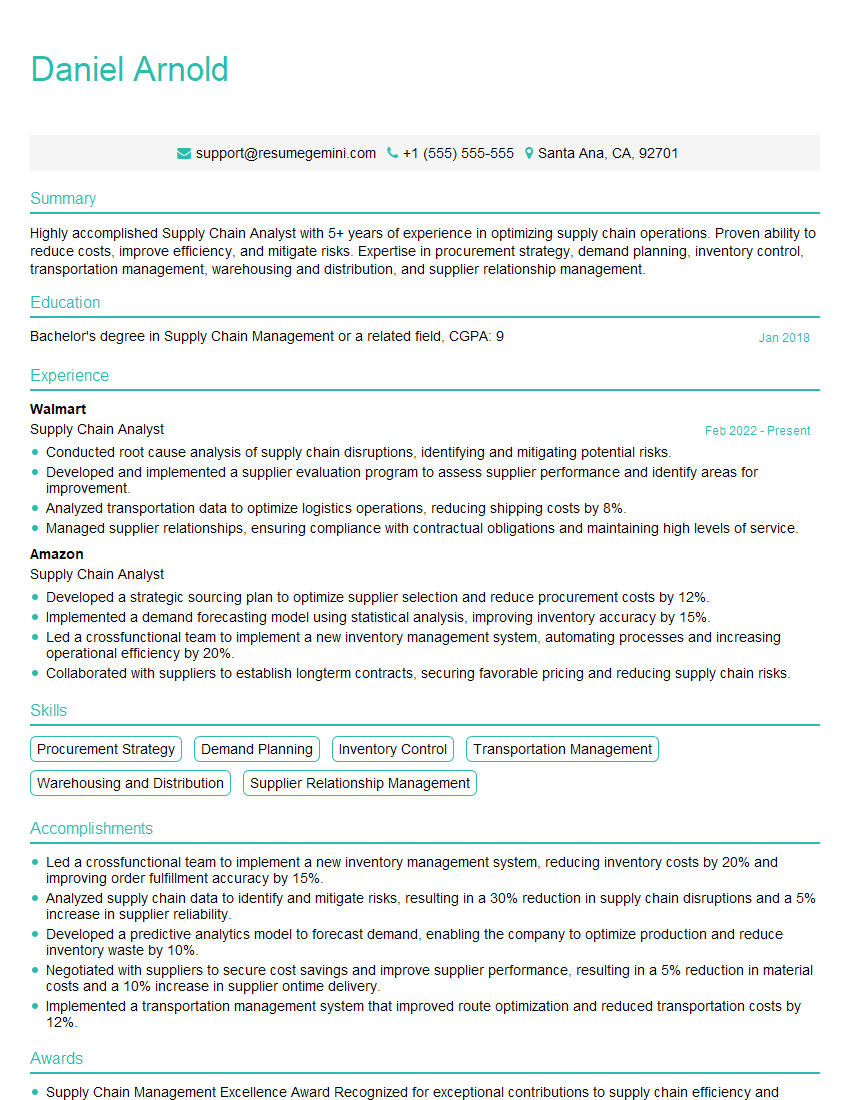
Supply Chain Analyst Resume Sample
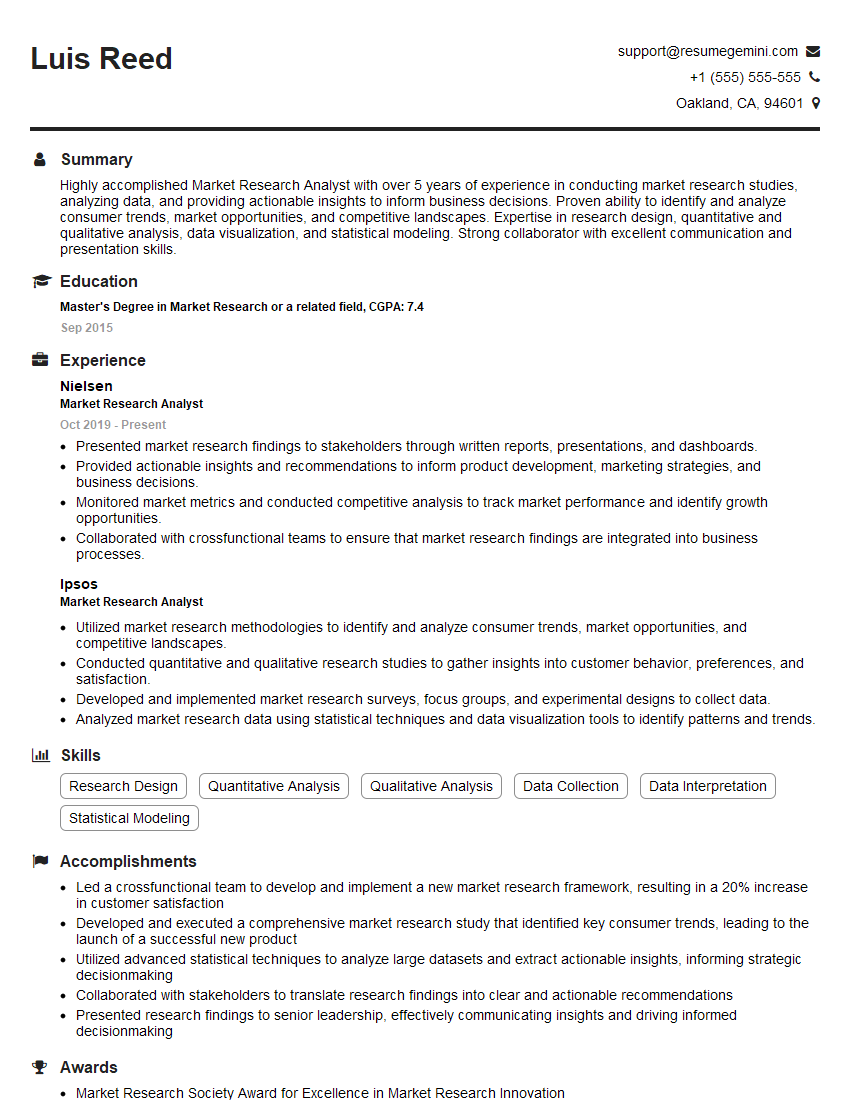
Market Research Analyst Resume Sample
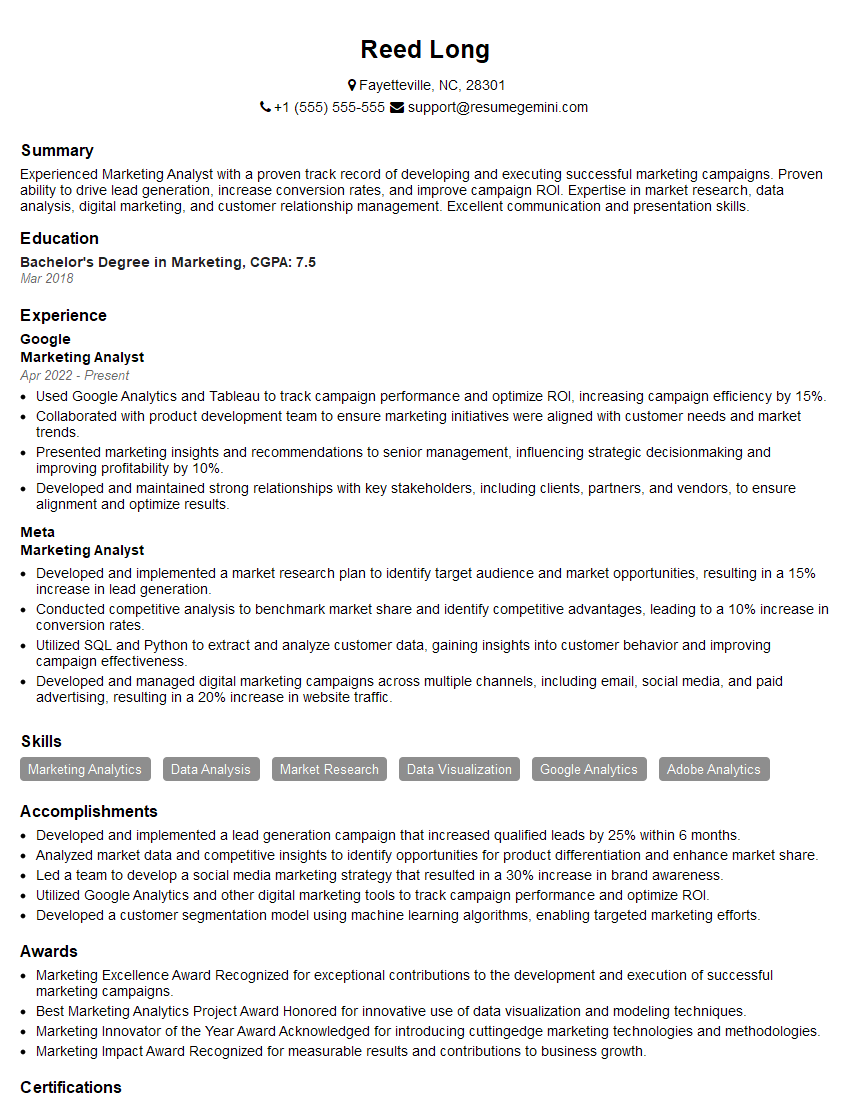
Marketing Analyst Resume Sample
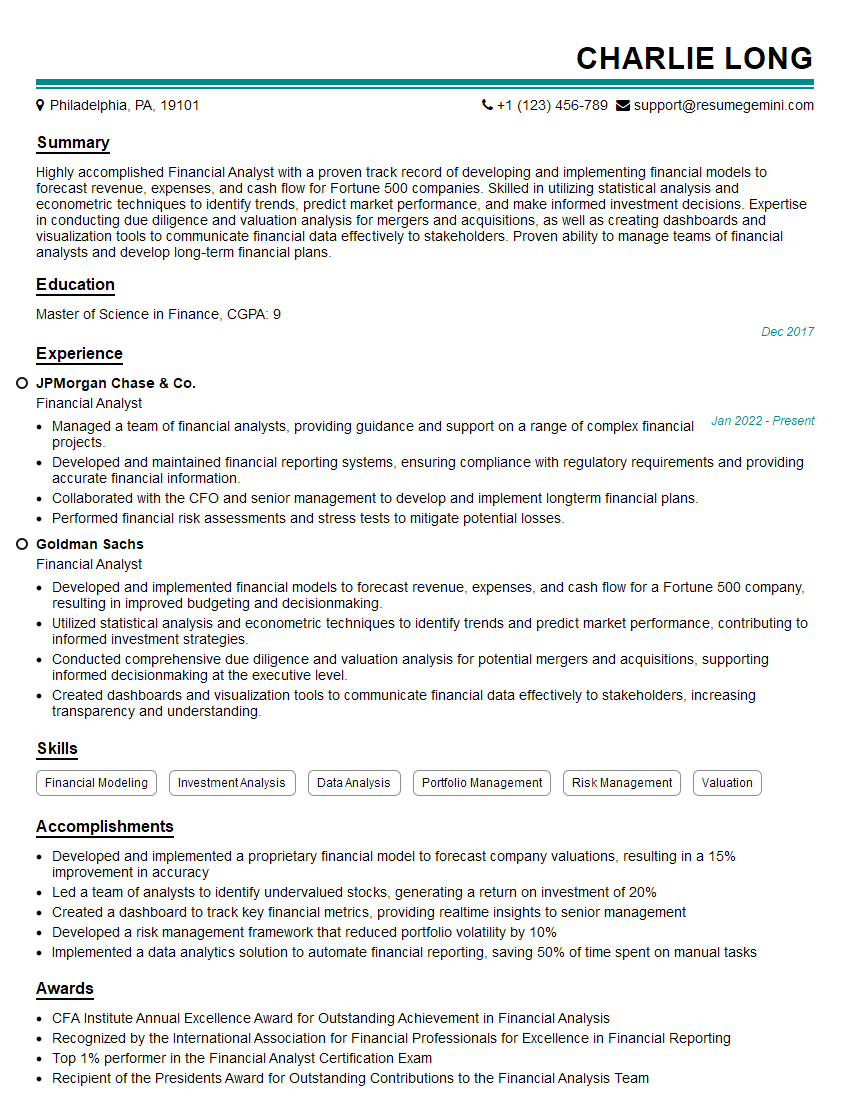
Financial Analyst Resume Sample
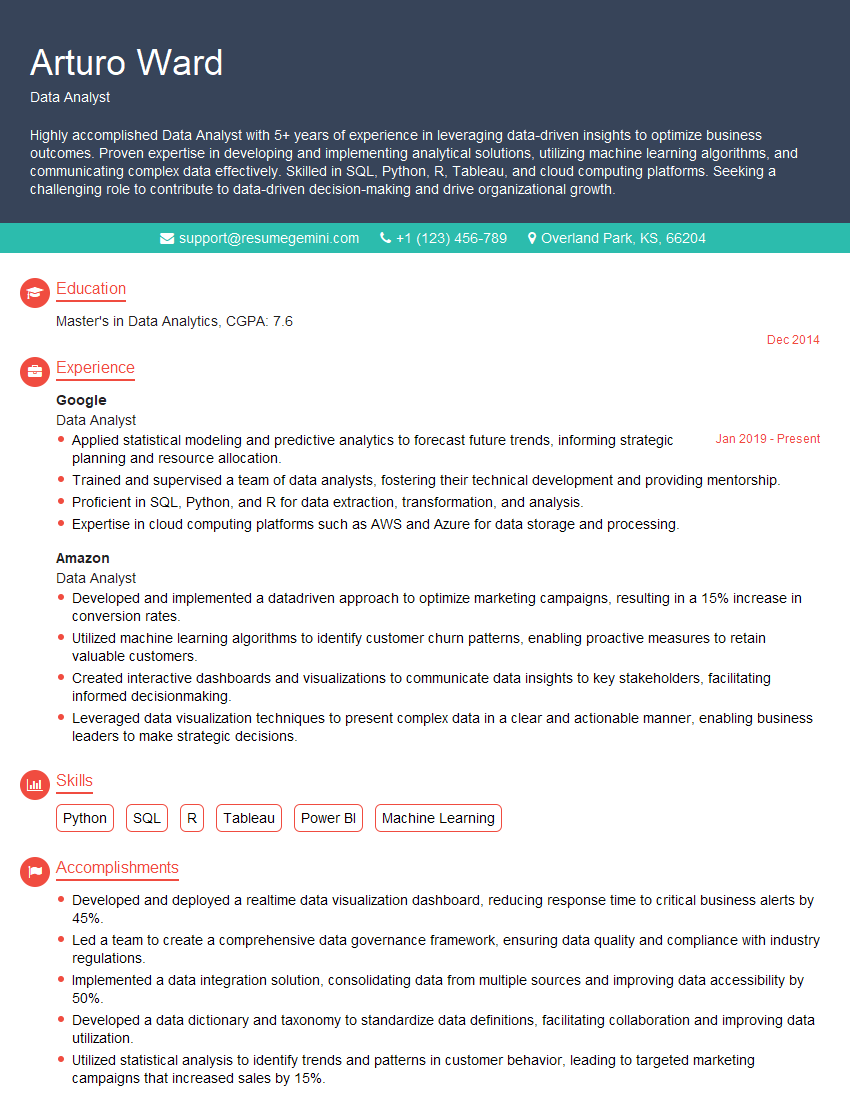
Data Analyst Resume Sample
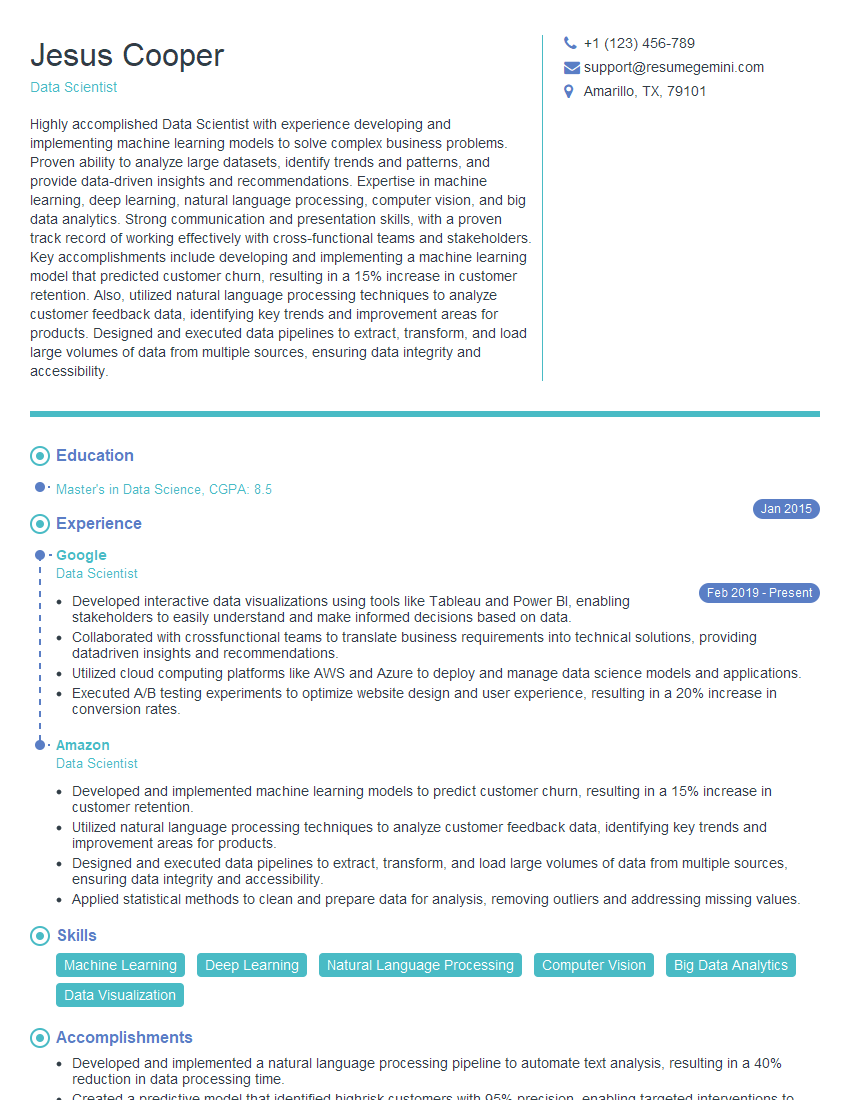
Data Scientist Resume Sample
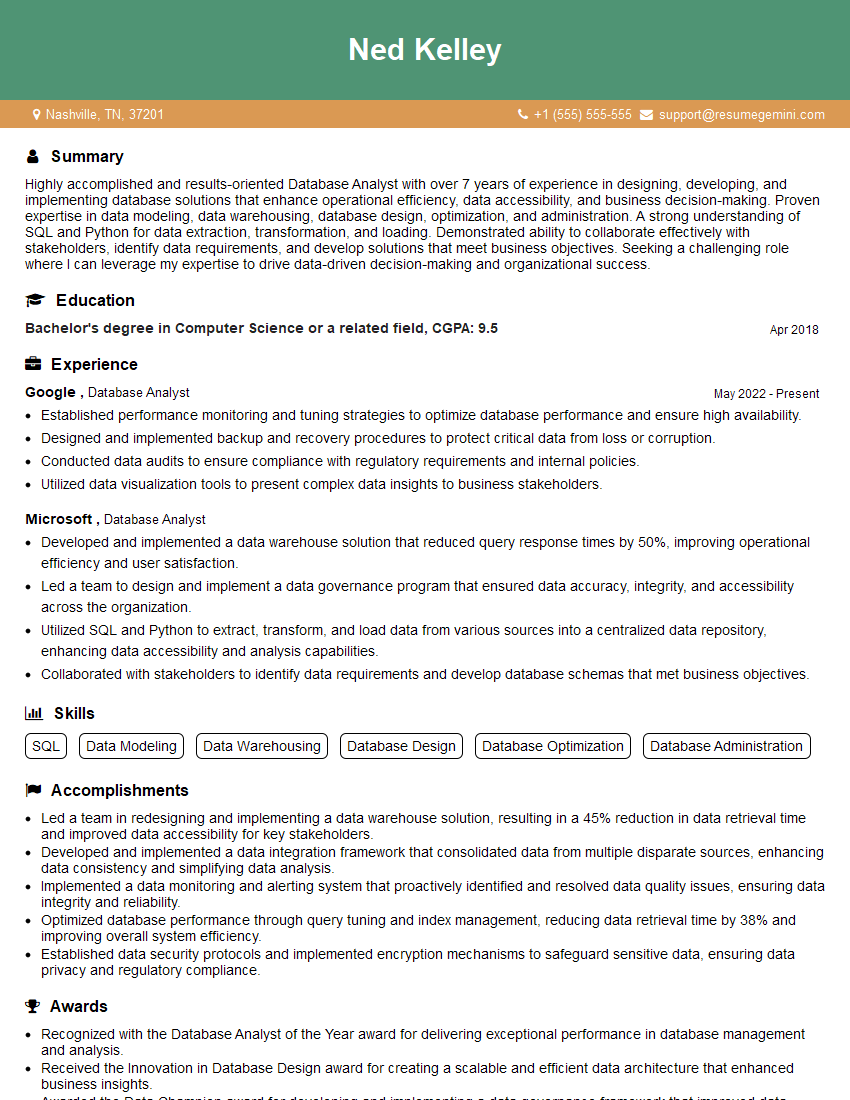
Database Analyst Resume Sample
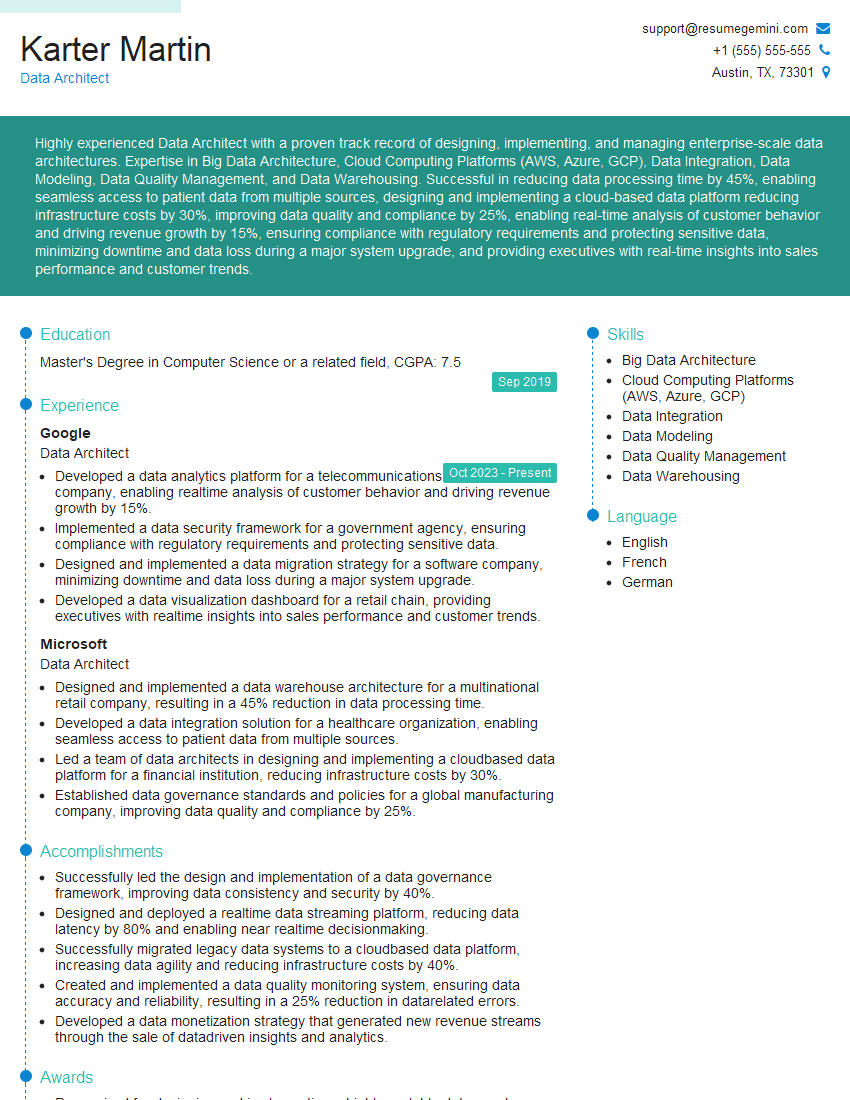
Data Architect Resume Sample
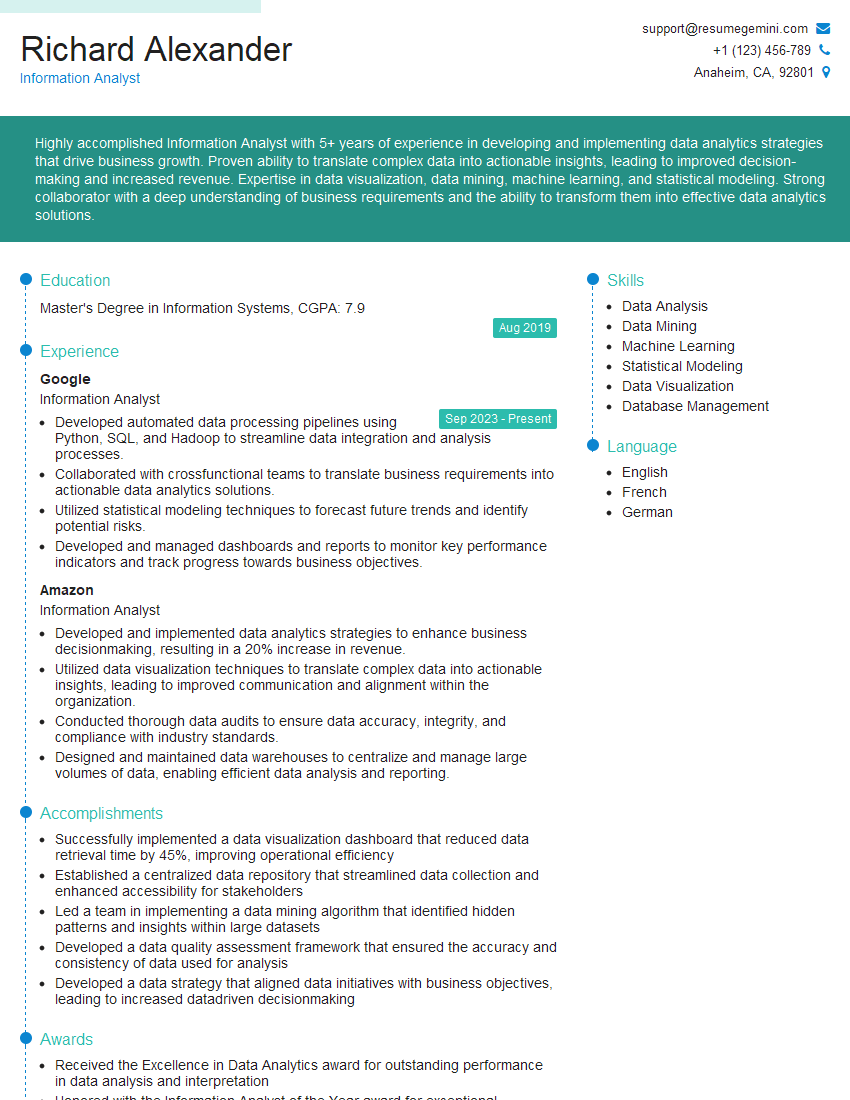
Information Analyst Resume Sample
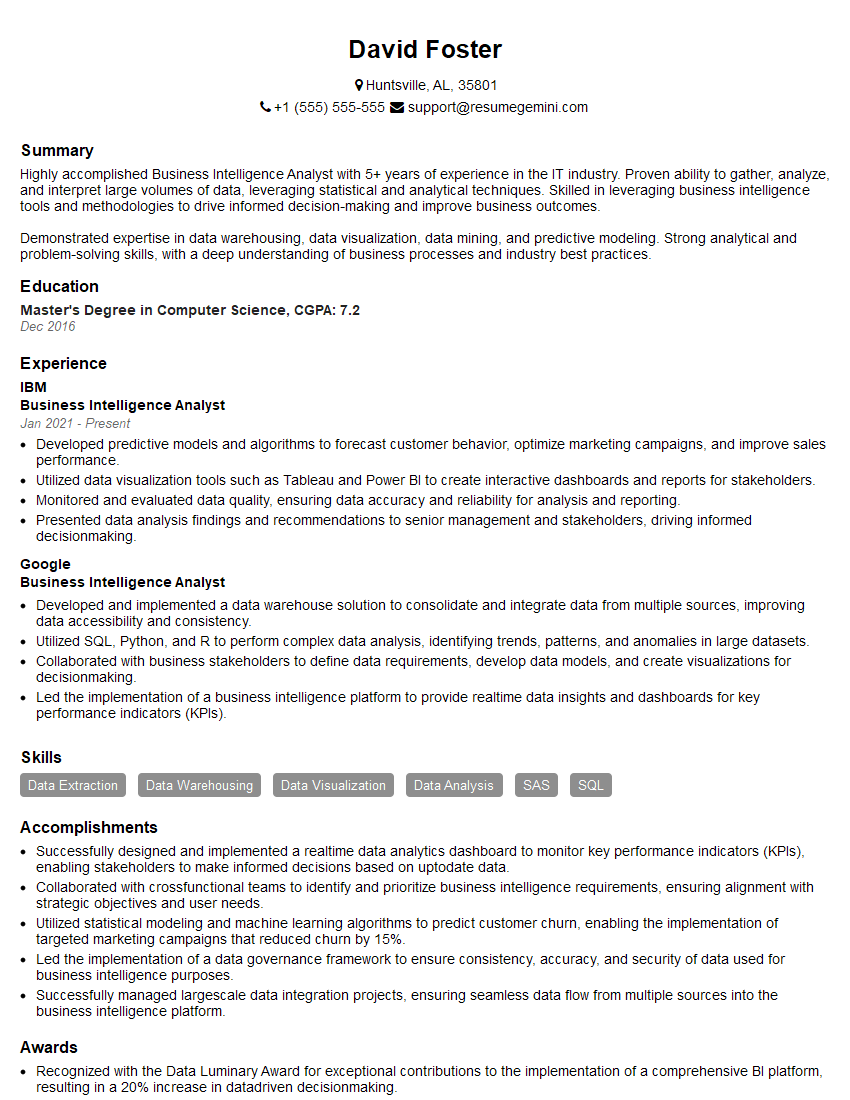
Business Intelligence Analyst Resume Sample
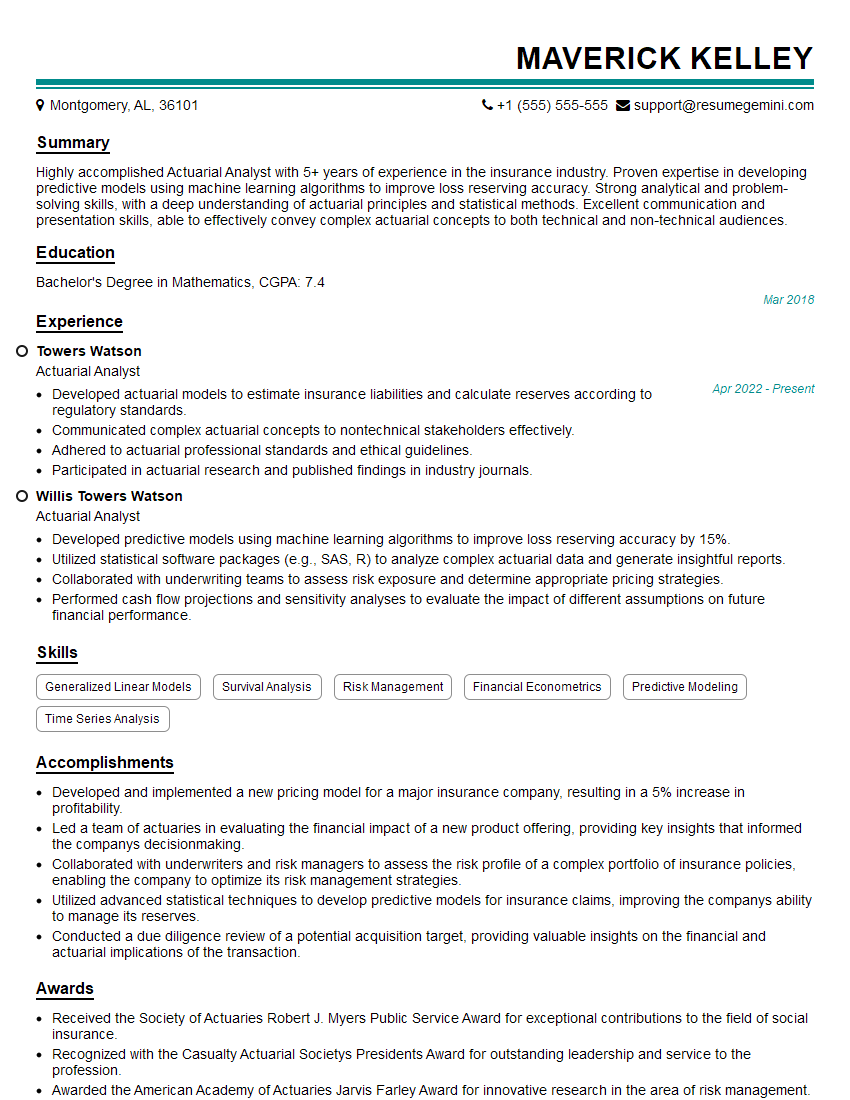
Actuarial Analyst Resume Sample
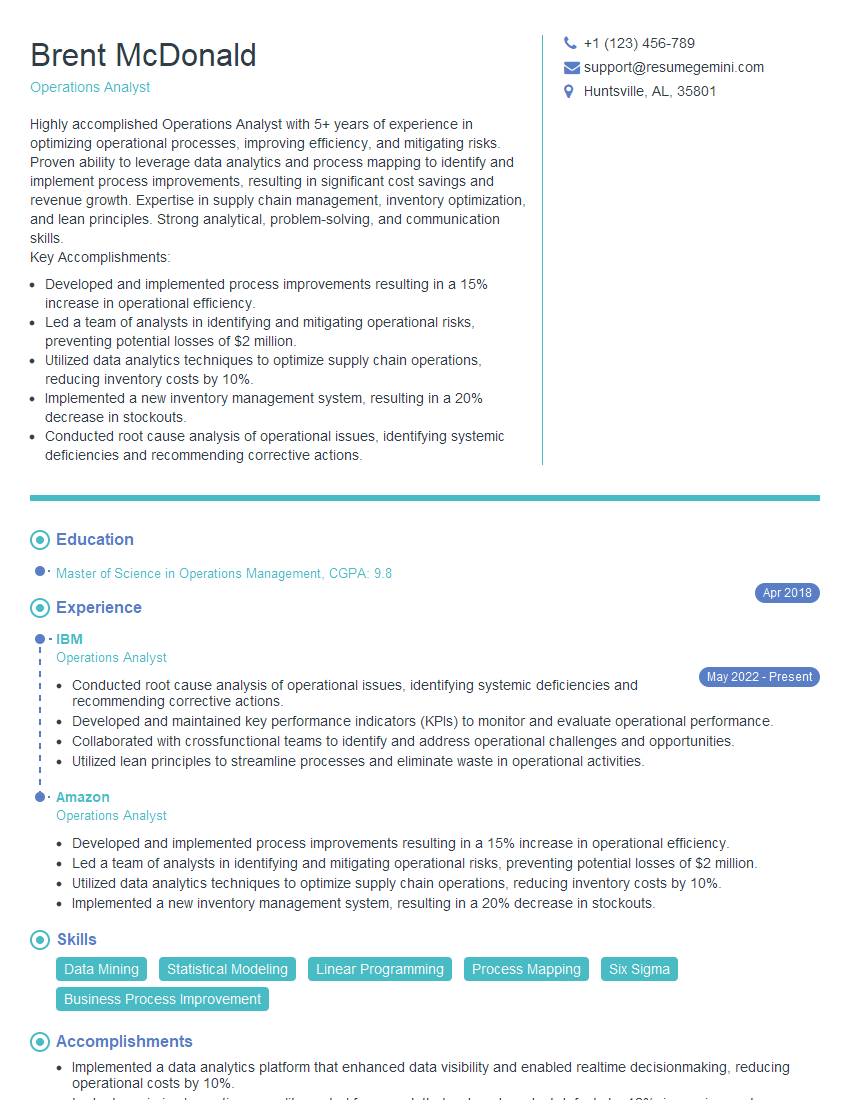
Operations Analyst Resume Sample
Explore more articles
Users Rating of Our Blogs
Share Your Experience
We value your feedback! Please rate our content and share your thoughts (optional).
What Readers Say About Our Blog
Really detailed insights and content, thank you for writing this detailed article.
IT gave me an insight and words to use and be able to think of examples