Cracking a skill-specific interview, like one for Familiarity with Product Safety Standards, requires understanding the nuances of the role. In this blog, we present the questions you’re most likely to encounter, along with insights into how to answer them effectively. Let’s ensure you’re ready to make a strong impression.
Questions Asked in Familiarity with Product Safety Standards Interview
Q 1. What are the key differences between ISO 9001 and ISO 14001?
ISO 9001 and ISO 14001 are both internationally recognized standards, but they focus on different aspects of an organization’s management system. ISO 9001 focuses on quality management, ensuring consistent product quality and customer satisfaction. ISO 14001, on the other hand, focuses on environmental management, aiming to minimize the environmental impact of an organization’s operations.
- ISO 9001: Concentrates on processes, resource management, product conformity, and continual improvement. It’s about ensuring your products consistently meet customer requirements and specified standards.
- ISO 14001: Centers on legal compliance, pollution prevention, and resource efficiency. It’s about minimizing your environmental footprint and improving environmental performance.
Think of it this way: ISO 9001 is about making a great product, while ISO 14001 is about making the product with minimal environmental harm. A company could be certified under both standards, demonstrating a commitment to both quality and environmental responsibility. For example, a manufacturer of electronics might use ISO 9001 to ensure consistent quality control in their manufacturing process while simultaneously implementing ISO 14001 to manage waste and reduce energy consumption.
Q 2. Explain the importance of a Hazard Analysis and Critical Control Points (HACCP) plan.
A Hazard Analysis and Critical Control Points (HACCP) plan is a systematic, preventative approach to food safety. It identifies potential hazards that could compromise food safety and puts in place controls to prevent or eliminate these hazards. It’s crucial because it shifts the focus from reacting to contamination to proactively preventing it.
The importance of HACCP lies in its ability to:
- Prevent hazards: By identifying potential problems beforehand, you can implement measures to stop them from ever occurring.
- Ensure traceability: The plan helps track ingredients and products, allowing for rapid identification and removal of contaminated items.
- Reduce risks: By systematically assessing hazards and implementing controls, you significantly reduce the chances of foodborne illnesses.
- Enhance consumer confidence: A well-implemented HACCP plan demonstrates a commitment to food safety, building trust among consumers.
For example, in a canned food manufacturing plant, a HACCP plan might identify the heat sterilization process as a critical control point (CCP) to eliminate harmful bacteria. The plan would specify temperature and time requirements for sterilization, monitoring procedures, and corrective actions to take if the CCP isn’t met. This proactive approach minimizes the risk of foodborne illness linked to improper sterilization.
Q 3. Describe your experience with conducting risk assessments for products.
My experience with conducting product risk assessments involves a structured approach using various methods, including Failure Mode and Effects Analysis (FMEA), Fault Tree Analysis (FTA), and HAZOP (Hazard and Operability Study). I’ve worked across diverse product categories, from children’s toys to medical devices.
In a recent project assessing the safety of a children’s toy, we used FMEA to systematically analyze each component and manufacturing process. We identified potential failures (like a small part detaching), their effects (child choking hazard), and assigned severity levels. This allowed us to prioritize the necessary safety measures, such as robust design changes and rigorous testing.
Another project involved a medical device, where we employed HAZOP. We systematically reviewed the device’s operational phases, identifying potential deviations from normal operation and assessing their associated risks. For example, we considered scenarios such as power failure and software malfunction, developing mitigation strategies to ensure patient safety.
The process always involves documenting findings, developing mitigation strategies, and performing risk reduction measures. The goal is to minimize risks to an acceptable level, taking into account applicable standards and regulations.
Q 4. How familiar are you with CE marking and its implications?
CE marking is a mandatory conformity marking for products sold within the European Economic Area (EEA). It indicates that the product meets the essential requirements of relevant EU directives and has been assessed accordingly. It’s not a certification itself, but a declaration by the manufacturer that the product complies.
The implications of CE marking are significant:
- Legal Compliance: It’s a legal requirement for placing many products on the EEA market; failure to comply can lead to significant penalties.
- Market Access: It provides access to the large EEA market. Products without CE marking are illegal to sell in EEA countries.
- Consumer Protection: It ensures a minimum level of safety and performance for consumers, enhancing trust and confidence.
- Manufacturer Responsibility: It places the onus on the manufacturer to ensure conformity, including appropriate testing and documentation.
For example, a manufacturer of electrical appliances must ensure their product meets the requirements of the Low Voltage Directive (LVD) before affixing the CE marking. This involves testing the product to demonstrate compliance with safety standards and preparing the necessary technical documentation.
Q 5. What are your experiences with different product safety testing standards (e.g., UL, ASTM)?
I have extensive experience with various product safety testing standards, including UL (Underwriters Laboratories), ASTM International (American Society for Testing and Materials), and IEC (International Electrotechnical Commission) standards. These standards provide specific test methods and criteria for assessing the safety and performance of a wide range of products.
UL standards are widely recognized in North America for electrical safety, covering everything from appliances to wiring. ASTM standards encompass a broad spectrum of materials and products, including building materials, plastics, and textiles, focusing on testing methods and performance characteristics. IEC standards are international standards covering electrical and electronic products, influencing many national standards worldwide.
For instance, when assessing the safety of a power adapter, I would refer to relevant UL and IEC standards, ensuring that it meets requirements for electrical insulation, dielectric strength, and temperature rise. For a child’s toy, I would use relevant ASTM standards to check for small parts, flammability, and toxicity.
My experience includes interpreting these standards, selecting the appropriate tests, and overseeing the testing processes to ensure compliance.
Q 6. Describe your process for identifying and mitigating product safety hazards.
My process for identifying and mitigating product safety hazards follows a systematic approach:
- Hazard Identification: This involves thoroughly reviewing the product design, manufacturing process, intended use, and potential misuse. Techniques like FMEA, HAZOP, and checklists are used to identify potential hazards.
- Risk Assessment: Once hazards are identified, I assess their likelihood and severity. This involves considering factors like frequency of occurrence, potential consequences, and exposure levels. This usually leads to a risk matrix.
- Risk Mitigation: Based on the risk assessment, I develop strategies to reduce or eliminate hazards. This could involve design modifications, improved manufacturing processes, warning labels, or user instructions.
- Verification and Validation: After implementing mitigation strategies, verification and validation steps ensure the effectiveness of the implemented measures. This can involve testing, simulations, or reviews.
- Documentation: The entire process, including identified hazards, risk assessments, mitigation strategies, and verification results, is meticulously documented.
For example, if a hazard analysis reveals a risk of electric shock in an appliance, mitigation strategies might involve improved insulation, grounding, and a fuse or circuit breaker. Post-mitigation testing would verify the effectiveness of these measures in preventing electric shock.
Q 7. How do you ensure compliance with relevant regulations and standards?
Ensuring compliance with relevant regulations and standards is a continuous process. My approach involves:
- Regular Monitoring: I stay updated on changes in regulations and standards through subscriptions to relevant bodies and publications. This ensures we are always aware of the latest requirements.
- Gap Analysis: I regularly conduct gap analyses to compare our existing product safety management systems against the latest regulations and standards. This helps us identify any areas where improvement is needed.
- Testing and Certification: We utilize independent testing laboratories to verify compliance. Obtaining relevant certifications demonstrates our commitment to meeting regulatory requirements.
- Internal Audits: Regular internal audits assess the effectiveness of our processes and identify areas for improvement.
- Record Keeping: Maintaining comprehensive records of tests, certifications, and audits is crucial for demonstrating compliance to authorities.
For instance, if a new safety regulation is introduced, we’d conduct a gap analysis to determine its impact on our products and processes. This would lead to design modifications, updated instructions, or additional testing to ensure we meet the new requirements.
Q 8. Explain your experience with conducting failure mode and effects analysis (FMEA).
Failure Mode and Effects Analysis (FMEA) is a systematic approach to identify potential failure modes in a product or process and assess their potential effects. It’s a proactive risk management tool used throughout the product lifecycle. My experience involves leading and participating in FMEA teams, facilitating workshops, and using FMEA software to document findings.
In a recent project involving the development of a new medical device, I led a cross-functional team through a detailed FMEA. We meticulously documented each component, identified potential failure modes (e.g., sensor malfunction, software glitch, material degradation), assessed their severity, occurrence, and detection probabilities, and calculated the Risk Priority Number (RPN). This allowed us to prioritize mitigation strategies, such as improved component selection, enhanced software testing, and stricter quality control procedures. We even created a visual representation of the FMEA using a Risk Matrix to highlight areas requiring immediate action. This resulted in a significant reduction in potential risks before the product even entered the manufacturing phase.
Another project involved a FMEA on a children’s toy. We focused on choking hazards, identifying small parts that could detach and be ingested. The FMEA process led to design modifications and rigorous testing to ensure compliance with relevant safety standards, such as those set by the CPSC. This proactive approach helped prevent potential injuries and product recalls.
Q 9. How would you handle a situation where a product defect poses a safety risk?
Discovering a product defect posing a safety risk requires immediate and decisive action. The first step is to immediately halt further production and distribution of the affected product. This is crucial to prevent further harm. A thorough investigation then commences to determine the root cause of the defect. This involves collecting data, reviewing design specifications, manufacturing processes, and testing results.
We’d then assemble a crisis management team involving engineering, quality control, legal, and marketing to coordinate responses. A recall plan is developed and executed following all relevant regulatory guidelines, such as those from the CPSC or FDA, depending on the product and the nature of the risk. Communication with customers is key – transparency regarding the defect and the steps being taken to rectify the situation is paramount. We would prioritize customer safety by providing clear instructions on how to return the defective product and address any potential immediate risks.
Once the root cause is determined, corrective and preventative actions (CAPA) are implemented to prevent future occurrences. This may involve design modifications, improved manufacturing processes, enhanced quality control procedures, or even employee retraining. Thorough documentation of all actions taken is crucial for future reference and to demonstrate due diligence to regulatory authorities.
Q 10. What are your experience levels working with different safety standards for different products?
My experience spans a range of safety standards across diverse product categories. I’m proficient in standards relevant to medical devices (e.g., ISO 13485, FDA 21 CFR Part 820), toys (ASTM F963), electrical appliances (UL, IEC), and consumer products (CPSC 16 CFR). Understanding the nuances of each standard is critical for ensuring compliance and mitigating risks effectively.
For instance, working with medical devices requires a far more rigorous approach than with, say, a household item. The regulatory scrutiny is higher, and the consequences of non-compliance are more severe. The depth of documentation and testing required for a medical device are vastly different from those of a toy. This experience has honed my ability to quickly adapt to the specific requirements of any given product and regulatory environment. I’m adept at identifying and interpreting applicable standards, conducting gap analysis, and developing robust compliance programs.
Q 11. Describe your experience with documenting and tracking product safety issues.
Documenting and tracking product safety issues is fundamental to maintaining a safe and compliant operation. I employ a multi-faceted approach using a combination of electronic and physical documentation systems. We utilize a dedicated product safety database to log all reported incidents, including details about the product, the nature of the incident, and any injuries or damages.
This database enables efficient tracking of recurring issues, facilitating trend analysis and the identification of potential systemic problems. We also maintain detailed records of investigations, corrective actions, and preventative measures. All documentation is version-controlled and readily accessible to authorized personnel. This rigorous documentation not only helps us proactively address safety concerns but also serves as vital evidence in the event of legal actions or regulatory audits. We’ve successfully used this system to track and resolve safety issues related to a faulty power supply in a range of electronics, which ultimately resulted in a proactive recall and improved product reliability.
Q 12. How do you stay current with evolving product safety standards and regulations?
Staying current with evolving product safety standards and regulations is an ongoing process. I actively participate in industry conferences and workshops to network and learn about the latest developments and best practices. I subscribe to relevant newsletters and journals published by organizations like UL, ANSI, and regulatory bodies such as the FDA and CPSC.
Regularly reviewing updates to standards and regulations is critical. I also maintain a network of contacts within the regulatory community and utilize online resources to ensure I stay abreast of any changes. I leverage online training platforms to update my knowledge on specific standards and attend webinars presented by industry experts. Proactive monitoring is crucial to ensure our products remain compliant and safe. We conduct regular internal audits to identify potential gaps and ensure adherence to the latest requirements.
Q 13. Explain your understanding of the legal liabilities associated with product safety failures.
Product safety failures carry significant legal liabilities, ranging from fines and product recalls to lawsuits and reputational damage. Companies can face legal action from consumers, regulatory bodies, and even other businesses. The severity of these liabilities depends on several factors, including the severity of the harm caused by the product defect, the company’s knowledge of the defect, and the steps taken to address the issue.
For example, if a company knowingly sells a defective product that causes serious injury or death, they could face substantial fines, criminal charges, and extensive civil litigation. Even if the company was unaware of the defect, they could still be held liable if they failed to implement adequate safety measures during design, manufacturing, or distribution. Understanding these legal risks is paramount in our decision-making process. We prioritize proactive risk management strategies and meticulous documentation to mitigate these potential liabilities.
Q 14. How familiar are you with different regulatory bodies (e.g., FDA, CPSC)?
I possess a strong working familiarity with various regulatory bodies. My experience includes working directly with the FDA (Food and Drug Administration) on medical device submissions and navigating their stringent regulations. I’m also well-versed in the regulations and guidelines set forth by the CPSC (Consumer Product Safety Commission) for consumer products and toys.
Other regulatory bodies I’m familiar with include those focused on specific industries or regions. Understanding the differences in their regulations and requirements is crucial for ensuring global compliance. For instance, the requirements for electrical safety in Europe (CE marking) differ from those in North America (UL certification). My knowledge allows me to navigate these different regulatory landscapes effectively. I leverage this knowledge to ensure our products meet all applicable safety standards and regulations worldwide.
Q 15. Describe your experience with root cause analysis in product safety investigations.
Root cause analysis (RCA) in product safety investigations is crucial for identifying the fundamental reasons behind a safety incident, preventing its recurrence, and improving product design and manufacturing processes. It’s not about assigning blame, but understanding the system failures that led to the event.
My experience involves utilizing various RCA methodologies, including the ‘5 Whys’, fault tree analysis, and fishbone diagrams. For example, in one investigation involving a malfunctioning medical device, we used the ‘5 Whys’ to progressively drill down from the initial failure (device shutdown) to the root cause: a faulty capacitor sourced from an unqualified supplier. This led to a complete overhaul of our supplier qualification process.
Another case involved a child’s toy. Using fault tree analysis, we mapped out all possible failure modes and identified a critical design flaw as the root cause of a choking hazard. This resulted in a product redesign and strengthened our design review process.
Career Expert Tips:
- Ace those interviews! Prepare effectively by reviewing the Top 50 Most Common Interview Questions on ResumeGemini.
- Navigate your job search with confidence! Explore a wide range of Career Tips on ResumeGemini. Learn about common challenges and recommendations to overcome them.
- Craft the perfect resume! Master the Art of Resume Writing with ResumeGemini’s guide. Showcase your unique qualifications and achievements effectively.
- Don’t miss out on holiday savings! Build your dream resume with ResumeGemini’s ATS optimized templates.
Q 16. What are your experience levels with different product recall procedures?
My experience encompasses the entire spectrum of product recall procedures, from voluntary recalls initiated by the company to mandatory recalls enforced by regulatory bodies. This includes experience with different types of recalls – Class I (serious health risk), Class II (temporary or reversible health problems), and Class III (low risk of health problems).
I’ve been involved in every stage: from initial incident reporting and investigation, to risk assessment, recall strategy development (including communication plans and distribution channels), and implementation. I’m familiar with the regulatory requirements for reporting recalls to agencies such as the FDA (in the US) and the EU’s RAPEX system. A specific example involved a large-scale recall of a consumer electronic device due to a fire hazard. This required meticulous coordination with distributors, retailers, and regulatory agencies to efficiently and effectively retrieve affected products from the market and mitigate further risks.
Q 17. How would you develop and implement a product safety management system?
Developing and implementing a robust product safety management system (PSMS) requires a structured approach. It begins with a comprehensive hazard analysis, identifying all potential hazards associated with the product throughout its lifecycle. This is followed by risk assessment, evaluating the likelihood and severity of each hazard. Based on this assessment, risk control measures are implemented, including design changes, warnings, and instructions for safe use.
- Hazard identification: Techniques like Failure Modes and Effects Analysis (FMEA) and Hazard and Operability studies (HAZOP) are used.
- Risk assessment: This involves quantifying the risk using a suitable matrix (e.g., likelihood x severity).
- Risk control: Implementing measures to eliminate or reduce risks. This could include redesigning the product, adding safety features, providing clear warnings and instructions, or implementing training programs.
- Monitoring and review: Regularly reviewing the PSMS to ensure its effectiveness and making necessary adjustments based on new information or incidents.
A well-defined PSMS includes documented procedures, regular audits, and ongoing employee training. Think of it as a continuous improvement cycle aimed at proactively preventing safety incidents.
Q 18. Describe your experience with auditing product safety compliance.
Auditing product safety compliance involves a systematic examination of a company’s processes and practices to ensure they meet relevant safety standards and regulations. This typically involves reviewing documentation, conducting on-site inspections, and interviewing personnel. My experience includes conducting both internal audits (to monitor our own compliance) and external audits (for clients).
The audit process usually follows a checklist based on established standards (e.g., ISO 14971 for medical devices, IEC 60601-1 for electrical medical equipment) and relevant regulations. I focus on evaluating aspects like hazard analysis, risk assessment, design controls, manufacturing processes, testing procedures, and post-market surveillance. A recent audit identified a gap in a client’s post-market surveillance program, highlighting the need for enhanced reporting and tracking of adverse events. This resulted in improved incident reporting systems and a more proactive approach to safety.
Q 19. Explain the importance of communication in product safety management.
Effective communication is the cornerstone of a successful product safety management system. It ensures that information flows seamlessly between various stakeholders – from design engineers and manufacturers to regulatory agencies and consumers. Clear and timely communication is essential for all phases of the product lifecycle.
Open communication channels prevent misunderstandings and facilitate the swift resolution of safety issues. For example, promptly communicating product defects to consumers can prevent serious injuries or fatalities. Likewise, effective internal communication among teams keeps everyone informed about safety-related updates and potential risks, preventing duplication of effort and ensuring everyone works towards the same goal. Think of it as a network ensuring that everyone is ‘on the same page’.
Q 20. How do you ensure the effective training of employees on product safety procedures?
Ensuring effective employee training on product safety procedures is paramount. Training must be tailored to the specific roles and responsibilities of each employee, encompassing all aspects of product safety, from hazard identification to incident reporting. Training should be interactive, engaging, and regularly updated to reflect changes in regulations, standards, or best practices.
Our training programs use a combination of methods, including online modules, hands-on workshops, and case studies. We also conduct regular refresher courses and quizzes to reinforce learning and assess employees’ understanding. For instance, our manufacturing staff receives specialized training on safe handling of hazardous materials, while engineers participate in advanced courses on risk assessment and design for safety. This ensures a culture of safety within the organization.
Q 21. What are your experiences working with international product safety standards?
My experience working with international product safety standards is extensive, covering a range of standards across various industries. I’m proficient in navigating the intricacies of different regulatory frameworks in regions such as the European Union (CE marking), North America (FDA regulations), and Asia (e.g., CCC certification in China). I’m familiar with the key differences in requirements, testing procedures, and documentation needed for global product compliance.
Understanding these variations is crucial for companies aiming for international market access. For example, a medical device must meet different requirements depending on the target market. Navigating these global requirements, from initial design to post-market surveillance, requires a thorough understanding of the relevant international standards and regulations, and often, the engagement of specialized testing laboratories and certification bodies.
Q 22. Describe your experience creating product safety documentation.
Creating robust product safety documentation is paramount to ensuring compliance and mitigating risk. My experience encompasses the entire lifecycle, from initial design risk assessments to final product declarations of conformity. This includes developing comprehensive safety plans, outlining hazard analysis procedures (like Failure Mode and Effects Analysis or FMEA), preparing test protocols and reports, and generating user manuals that clearly communicate safety instructions. I’m proficient in utilizing various standards and regulations, such as those set forth by the ISO, UL, and IEC, to ensure my documentation is thorough and legally sound.
For example, in a recent project involving a new line of children’s toys, I developed a detailed safety plan that included specific testing protocols to meet EN 71 requirements (European safety standards for toys). This involved coordinating with our testing lab, meticulously documenting the test results, and incorporating those results into a final technical file which could be readily audited by regulatory bodies. This process ensured that the documentation was not only complete but also demonstrably verifiable.
I also have experience creating documentation for CE marking (Conformité Européenne), demonstrating compliance with EU directives, and for other regional certifications, such as those required for the US and Canadian markets. My approach always prioritizes clarity and user-friendliness, ensuring that both internal teams and external stakeholders can easily understand the safety protocols and related information.
Q 23. How do you balance product safety with production costs and timelines?
Balancing product safety with production costs and timelines is a constant challenge. It’s a delicate tightrope walk, and prioritizing safety should always come first. However, this doesn’t mean safety and efficiency are mutually exclusive. Effective management involves proactive planning and collaboration across multiple teams. We establish clear safety targets at the design phase, implementing risk assessments to identify potential hazards early on. This early identification allows for cost-effective mitigation strategies compared to rectifying problems later.
For example, choosing safer, although potentially more expensive, materials during the initial design phase might seem costly in the short term. However, it drastically reduces the likelihood of recalls, litigation, and reputational damage down the road – costs far outweighing the initial investment. Similarly, incorporating robust safety testing into the development timeline prevents delays later on, as we can proactively address any issues during development rather than in the critical stages of production and launch.
This approach requires effective communication and collaboration between the engineering, manufacturing, and legal teams. We prioritize a culture of proactive safety awareness, empowering every team member to flag potential concerns. Regular project reviews and risk assessments allow for necessary adjustments without sacrificing the overall product timeline, finding an optimal balance between speed and safety.
Q 24. Explain your experience with using safety data sheets (SDS).
Safety Data Sheets (SDS) are indispensable tools for managing hazardous materials. My experience includes creating, updating, and interpreting SDSs for a variety of products, ensuring they comply with Globally Harmonized System of Classification and Labelling of Chemicals (GHS) standards. I understand the importance of accurate and complete information regarding chemical composition, hazards, handling, storage, and emergency response protocols.
For instance, when working with a new adhesive containing volatile organic compounds (VOCs), I played a crucial role in ensuring the SDS included detailed information about VOC levels, necessary ventilation requirements, and appropriate personal protective equipment (PPE) needed for safe handling. This included checking and verifying the information provided by our chemical supplier to ensure accuracy and thoroughness. I also ensured that our team was adequately trained on the proper interpretation and use of the SDS, embedding the correct safety protocols into our day-to-day operation.
Beyond simply utilizing SDSs, I’m also involved in ensuring their accessibility to all relevant personnel, from production workers to shipping and receiving staff, and creating training materials to reinforce the safety information contained within.
Q 25. Describe a time you identified a safety issue that wasn’t initially apparent.
During the development of a new power tool, the initial design review highlighted potential electrical hazards, but a secondary risk wasn’t immediately apparent: the vibration generated during prolonged use. While the initial safety testing focused on electrical integrity, it initially overlooked the potential for hand-arm vibration syndrome (HAVS) from prolonged use.
This was identified during a user-testing phase, where participants reported discomfort and numbness after extended operation. We recognized this was a significant safety concern, necessitating a redesign of the handle to reduce vibration and potentially incorporating a vibration dampening system. The initial oversight highlighted the importance of not just focusing on the most obvious hazards, but conducting comprehensive ergonomic evaluations alongside other safety assessments, and proactively soliciting feedback from potential end-users.
This experience solidified the importance of incorporating user feedback throughout the product development cycle, and understanding the potential for latent safety risks that might not be immediately evident through traditional testing methods alone.
Q 26. How do you prioritize product safety risks based on severity and likelihood?
Prioritizing product safety risks requires a structured approach. We typically use a risk matrix that considers both the severity of the potential harm and the likelihood of the hazard occurring. This allows for a quantitative assessment of the overall risk level.
Severity is rated based on the potential consequences of an incident: minor injury, serious injury, or fatality. Likelihood is assessed based on factors such as frequency of use, exposure level, and the effectiveness of existing safeguards. A common rating scale ranges from 1 to 5 for both severity and likelihood, resulting in a risk score that helps prioritize which hazards need immediate attention. For example, a hazard with high severity (5) and high likelihood (5) would receive a risk score of 25, necessitating immediate corrective action, while a hazard with low severity (1) and low likelihood (1) might receive a score of 1 and can be addressed later.
This matrix helps us allocate resources effectively to address the most critical safety concerns first. This matrix, combined with a regular risk review process, allows for dynamic adaptation as new information becomes available or as design changes are implemented.
Q 27. What is your experience with conducting and interpreting product safety testing results?
I have extensive experience in conducting and interpreting product safety testing results, ranging from mechanical testing (e.g., strength, durability, impact resistance) to electrical safety testing (e.g., insulation resistance, leakage current). I understand the relevant test standards and can assess whether test results meet specified requirements. My expertise includes analyzing data to identify trends and potential areas of concern, even when results are not immediately obvious.
For instance, in testing a new type of power cord, slight variations in insulation resistance across multiple samples initially appeared insignificant. However, through statistical analysis, I identified a trend indicating a potential weakness in the manufacturing process. This enabled us to address the issue before it escalated into a significant safety concern.
Beyond simply interpreting the raw data, I can correlate testing results with the overall product design and manufacturing process to identify root causes of potential failures. My proficiency in using statistical software and my understanding of various testing methodologies (e.g., destructive vs. non-destructive testing) allow me to draw accurate and actionable conclusions from the data. This includes generating clear and concise reports that effectively communicate the findings and recommendations to both technical and non-technical audiences.
Q 28. How do you ensure that suppliers are meeting your product safety requirements?
Ensuring suppliers meet our product safety requirements is crucial for maintaining the safety and quality of our products. We utilize a multi-faceted approach. First, we carefully select our suppliers based on their reputation, certifications (e.g., ISO 9001, ISO 14001), and demonstrated commitment to safety. This due diligence includes thorough audits of their facilities and manufacturing processes.
Secondly, we incorporate clear and detailed safety requirements into our supplier contracts, specifying the relevant safety standards and testing procedures that must be met. We require them to provide certificates of conformity and test reports demonstrating compliance with those standards. Regular audits and inspections are conducted to monitor compliance. We also encourage open communication and collaboration with our suppliers to proactively identify and address any potential safety concerns. In case of non-compliance, we have a clear escalation process involving corrective action plans and potentially transitioning to a new supplier.
Furthermore, we regularly review our supplier performance based on objective metrics, including safety records and the quality of their provided materials and services. This systematic and rigorous approach ensures that we are continually working with suppliers who are committed to upholding the highest safety standards. This proactive management strategy ultimately translates to improved product safety and reduced risk.
Key Topics to Learn for Familiarity with Product Safety Standards Interview
- Understanding Relevant Regulations: Grasp the key regulations and standards applicable to your industry (e.g., ISO, CE marking, UL, FDA). Focus on understanding the core principles behind these standards, not just rote memorization.
- Hazard Identification and Risk Assessment: Learn how to effectively identify potential hazards associated with products and perform risk assessments to mitigate those hazards. Practice applying different risk assessment methodologies.
- Testing and Compliance Procedures: Familiarize yourself with common testing procedures and methods used to ensure product safety and compliance with relevant standards. Understand the documentation required.
- Design for Safety: Explore how safety considerations are integrated into the product design process from the initial concept stage. Understand the importance of preventative measures.
- Material Safety Data Sheets (MSDS) and Chemical Regulations: Learn how to interpret and apply information from MSDS to ensure safe handling and use of materials in product development and manufacturing.
- Incident Reporting and Investigation: Understand the process for reporting and investigating product safety incidents, including root cause analysis and corrective actions.
- Ethical Considerations and Responsible Product Stewardship: Understand the ethical responsibilities associated with ensuring product safety and the long-term impact of product choices.
Next Steps
Mastering Familiarity with Product Safety Standards is crucial for career advancement in many industries, demonstrating your commitment to quality, safety, and ethical practices. A strong resume is key to showcasing this expertise to potential employers. Building an ATS-friendly resume increases your chances of getting your application noticed. ResumeGemini is a trusted resource that can help you craft a professional and impactful resume tailored to your skills and experience. We provide examples of resumes specifically tailored to highlight Familiarity with Product Safety Standards, giving you a head start in your job search.
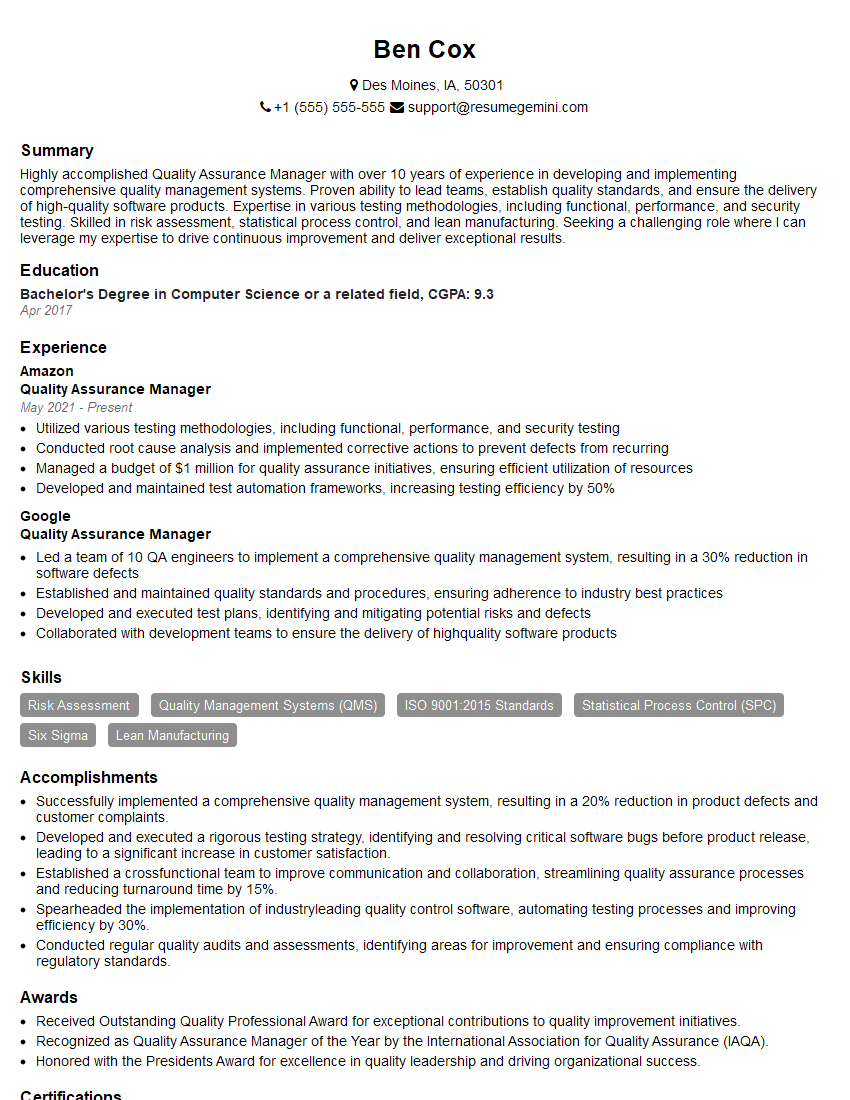
Quality Assurance Manager Resume Sample
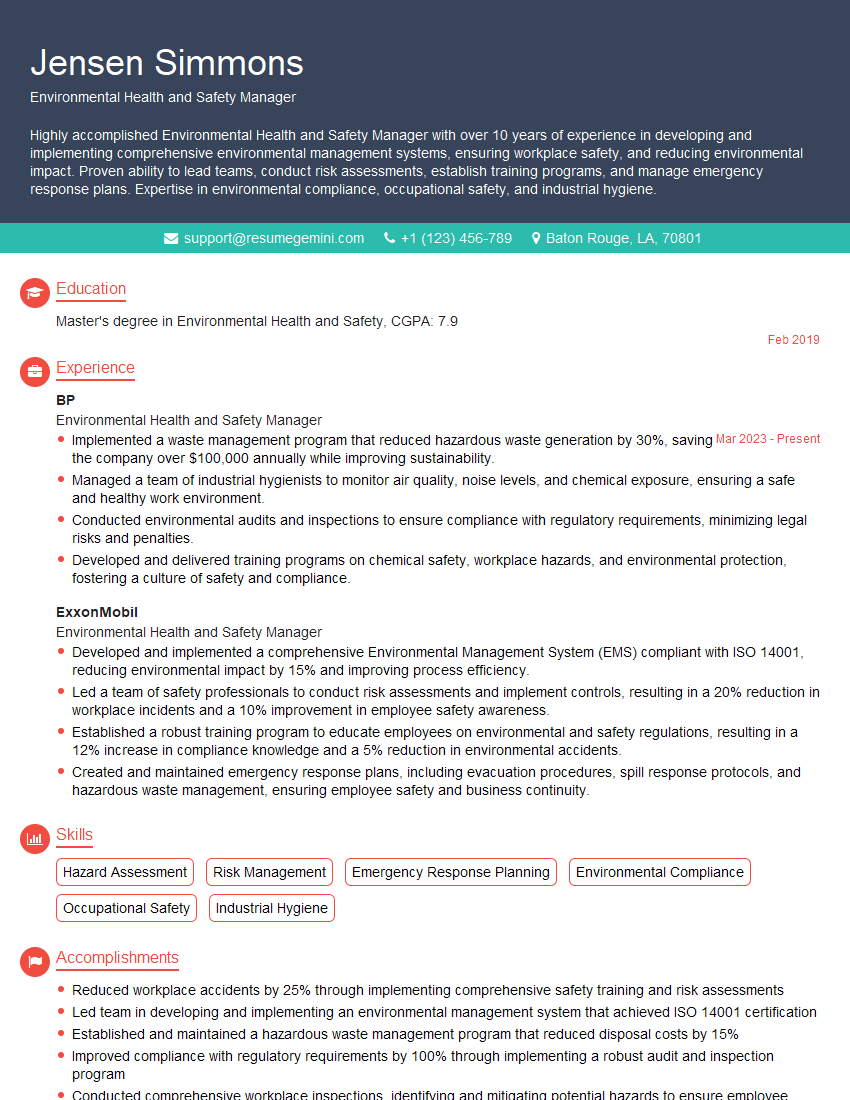
Environmental Health and Safety Manager Resume Sample
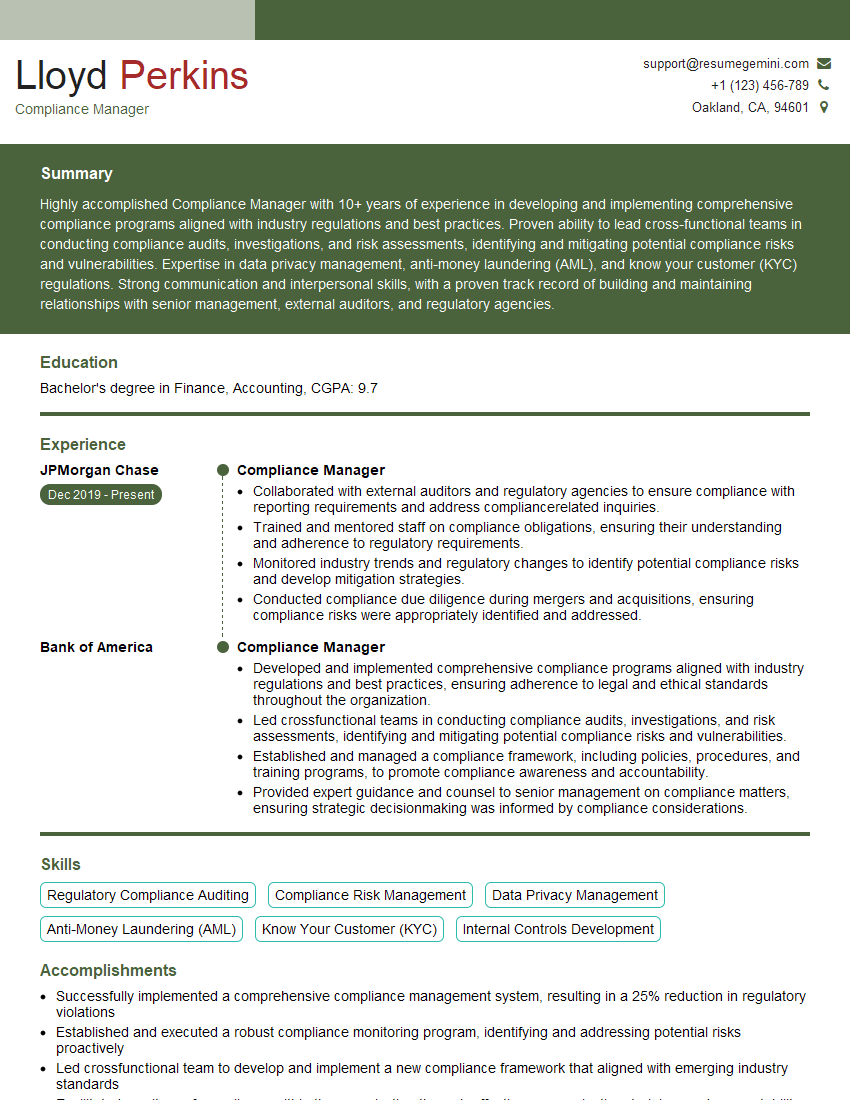
Compliance Manager Resume Sample
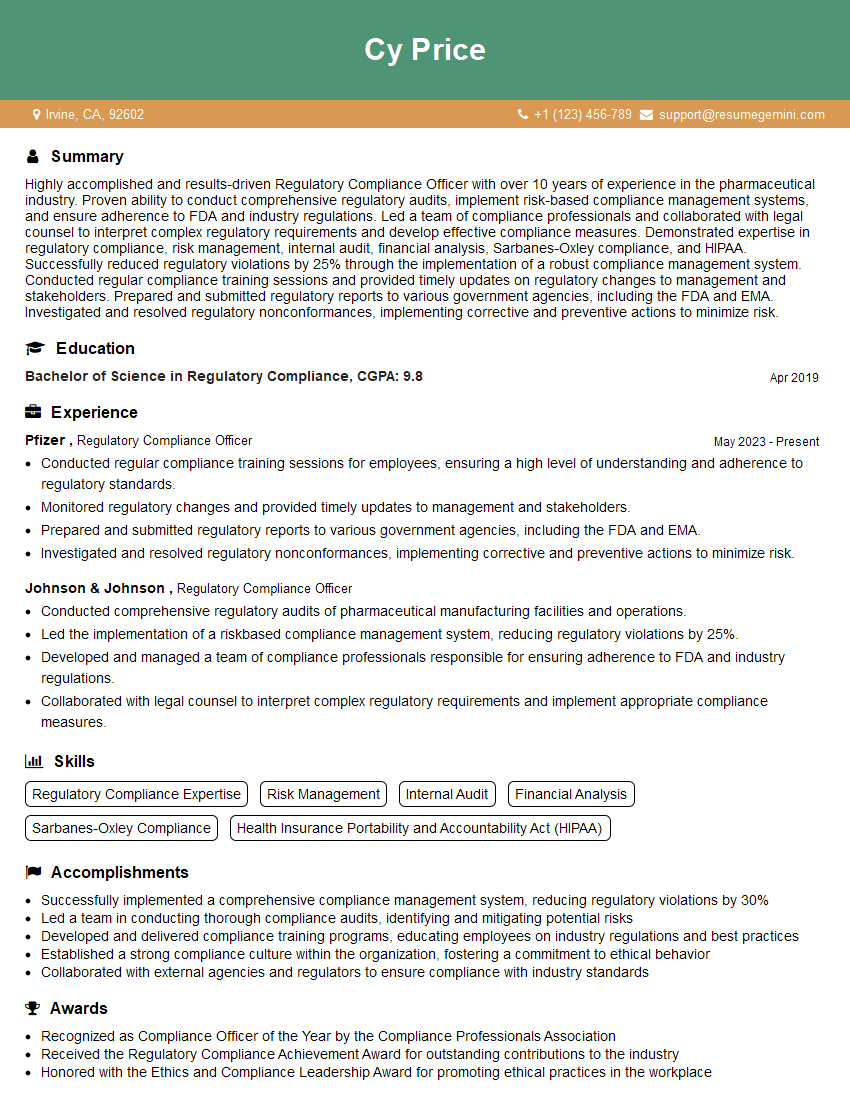
Regulatory Compliance Officer Resume Sample
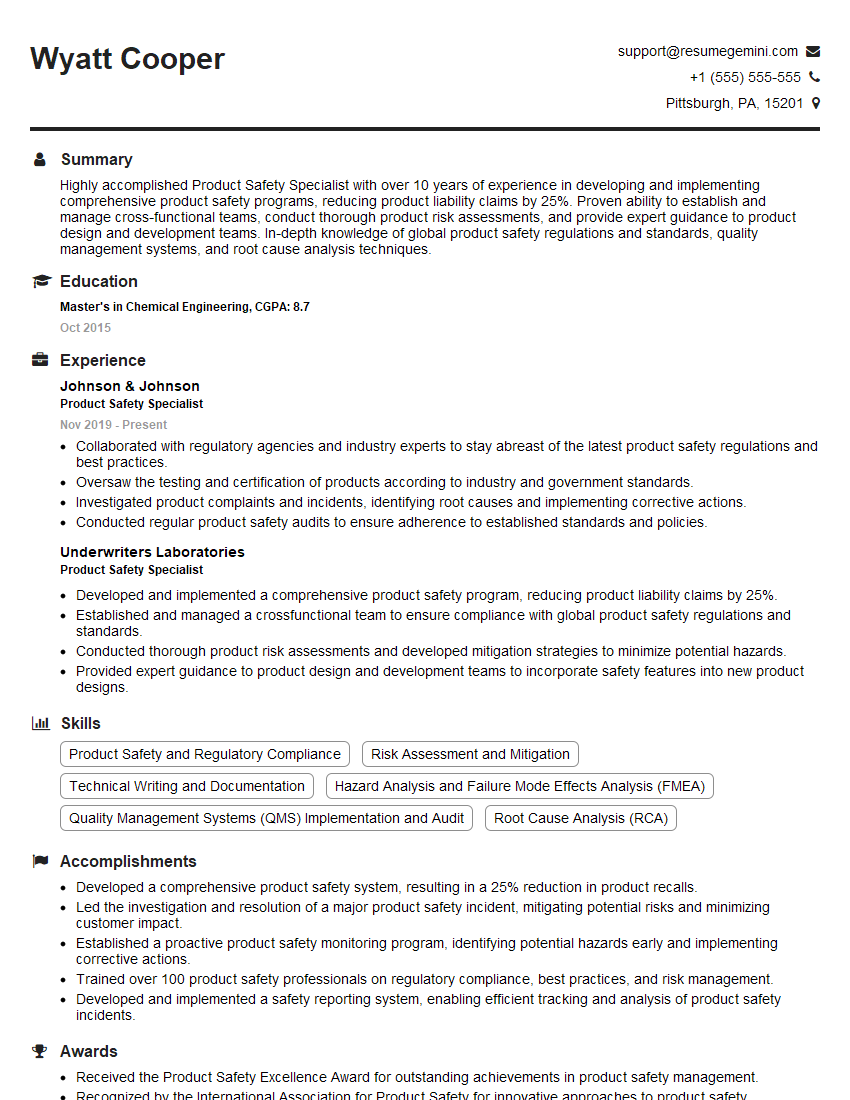
Product Safety Specialist Resume Sample
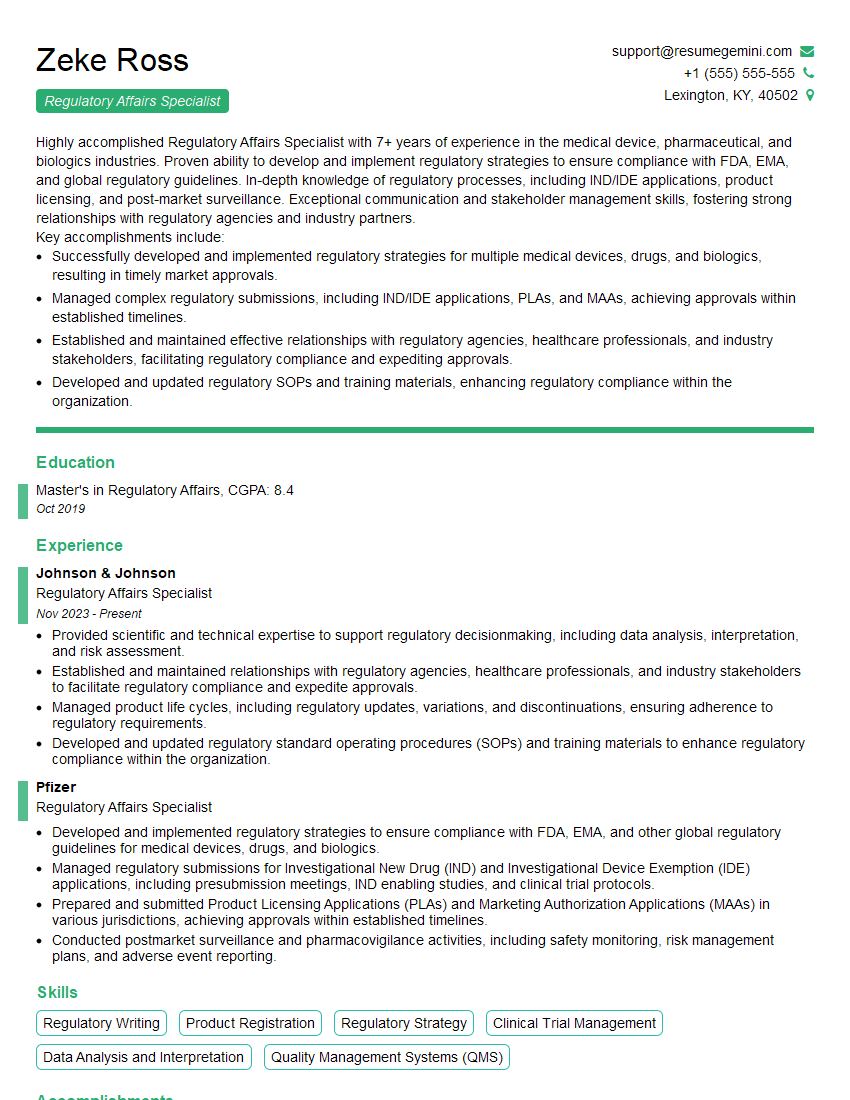
Regulatory Affairs Specialist Resume Sample
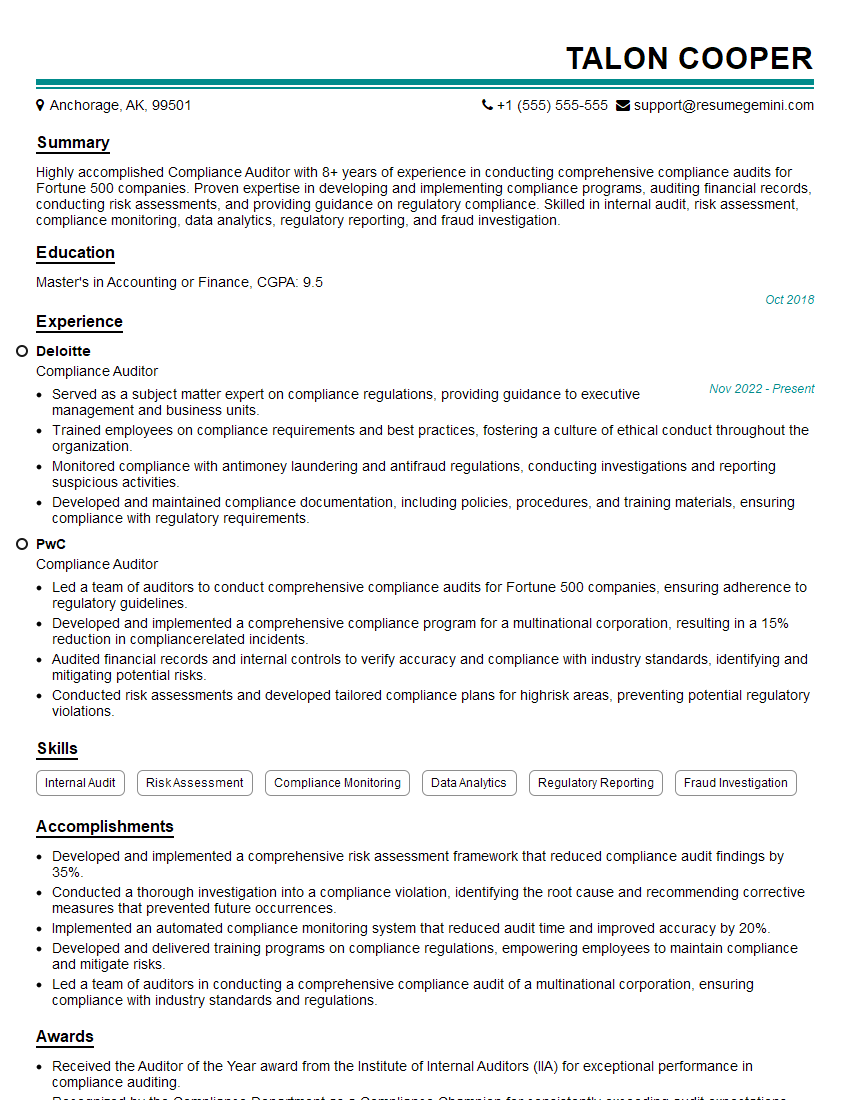
Compliance Auditor Resume Sample

Risk Management Specialist Resume Sample
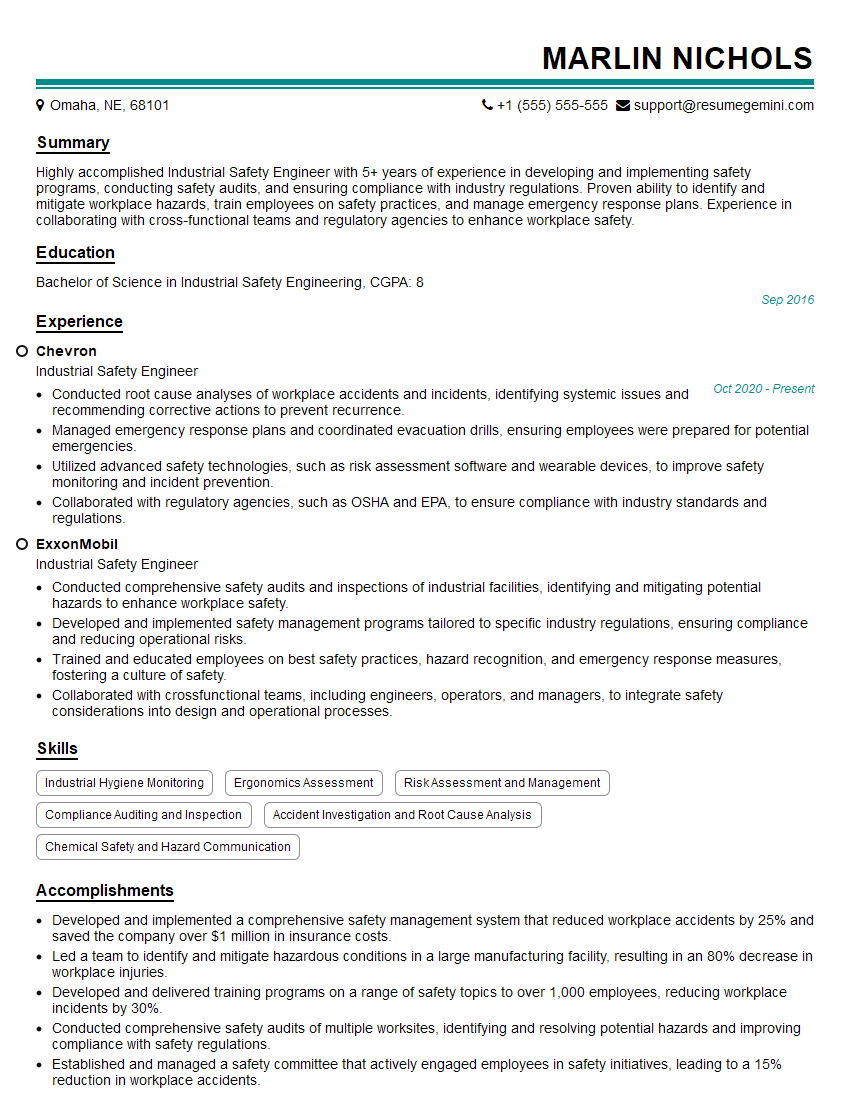
Industrial Safety Engineer Resume Sample
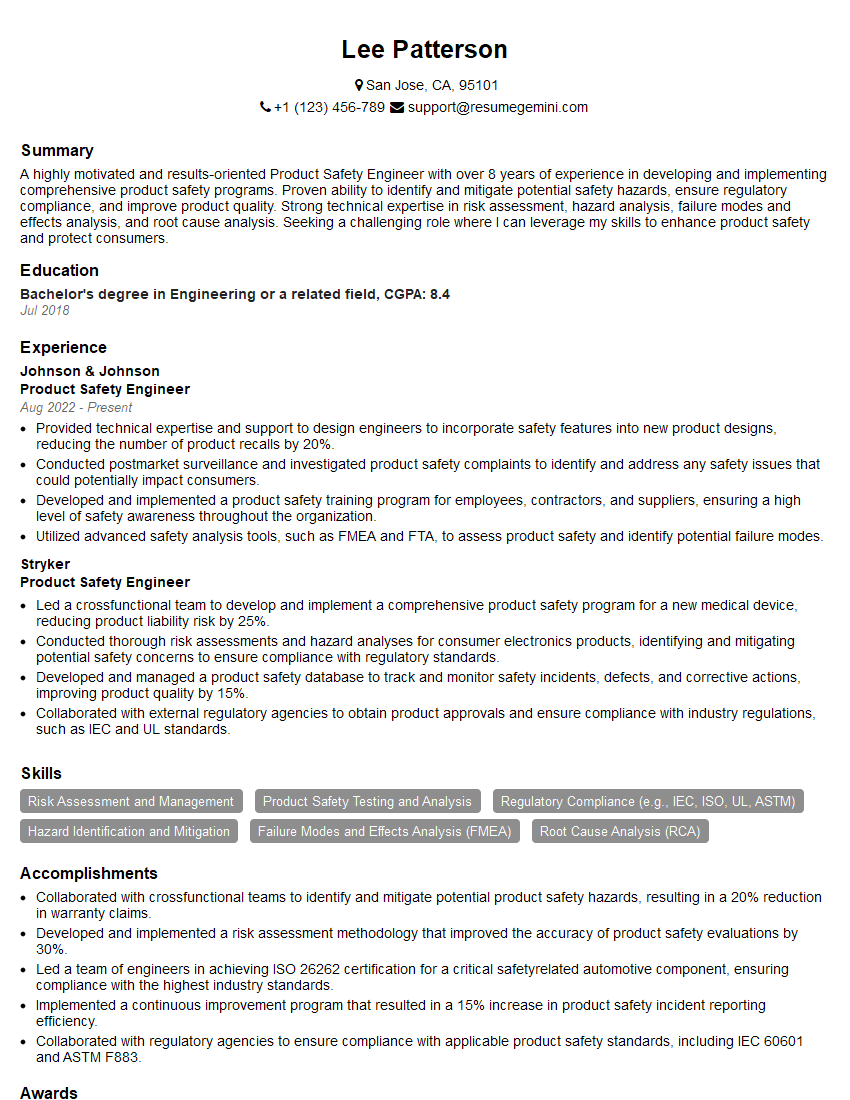
Product Safety Engineer Resume Sample
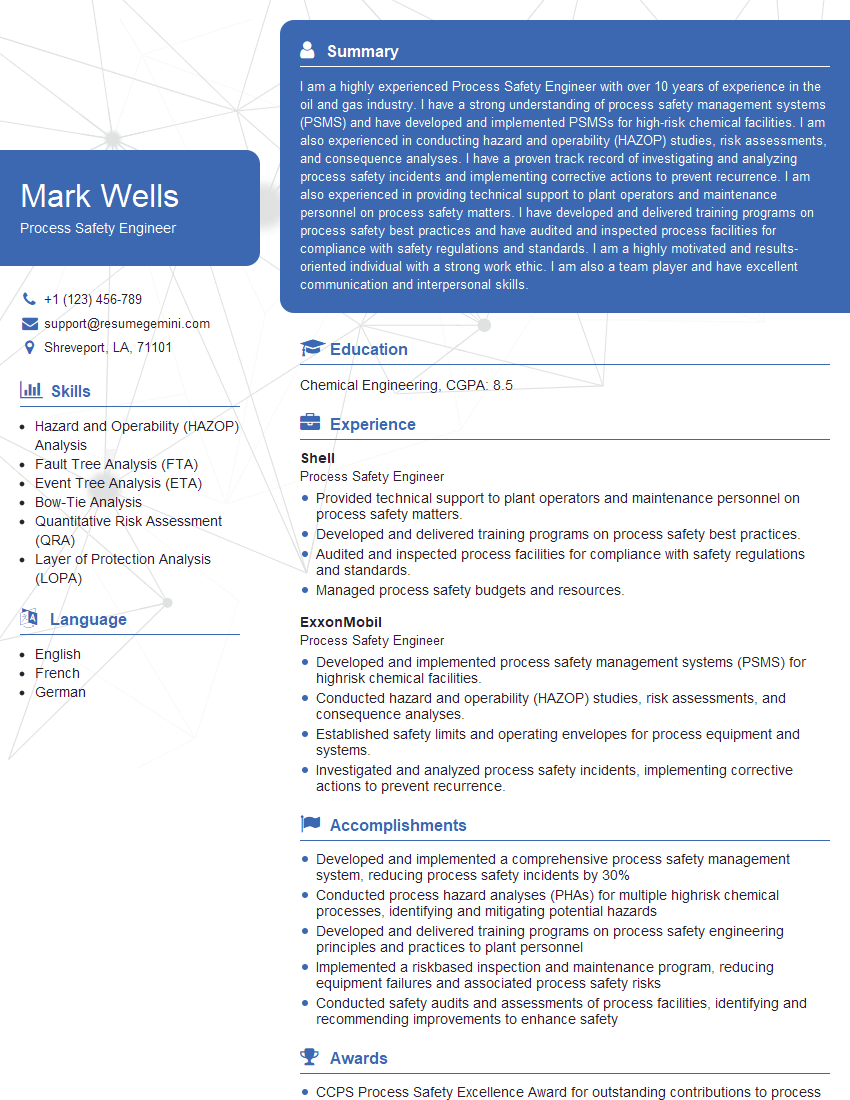
Process Safety Engineer Resume Sample
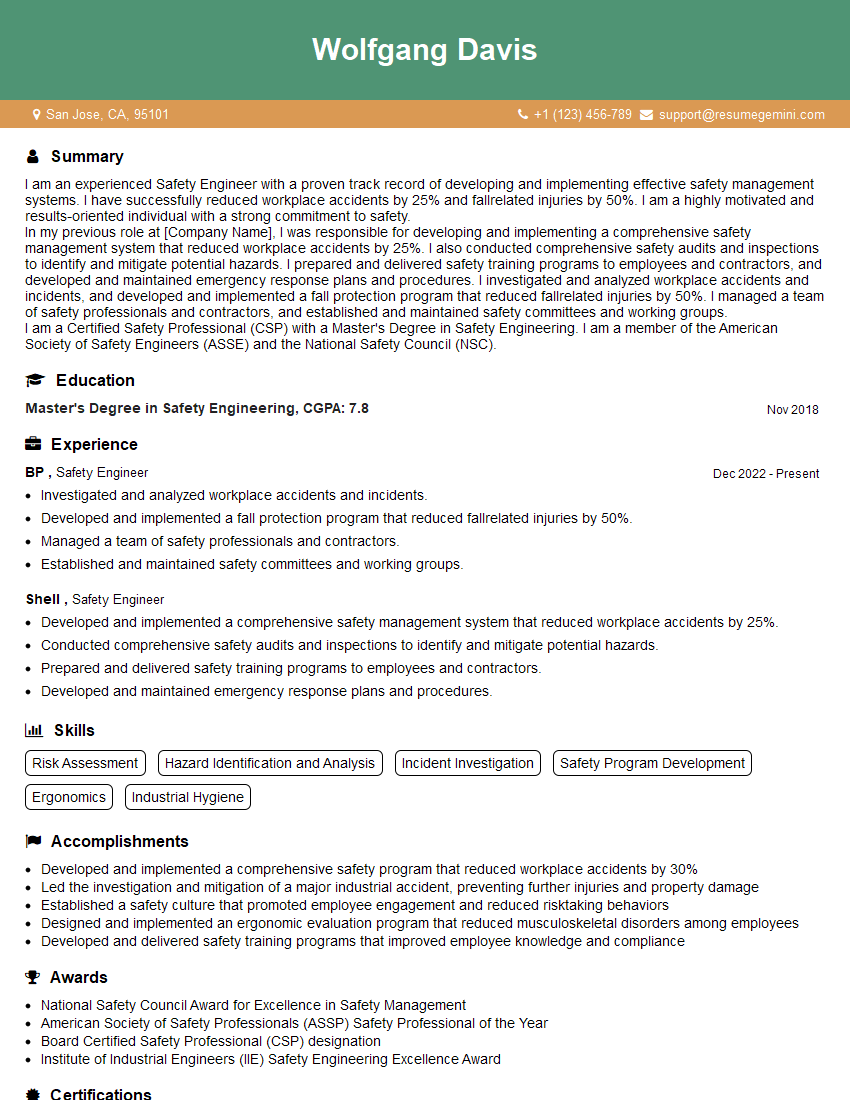
Safety Engineer Resume Sample
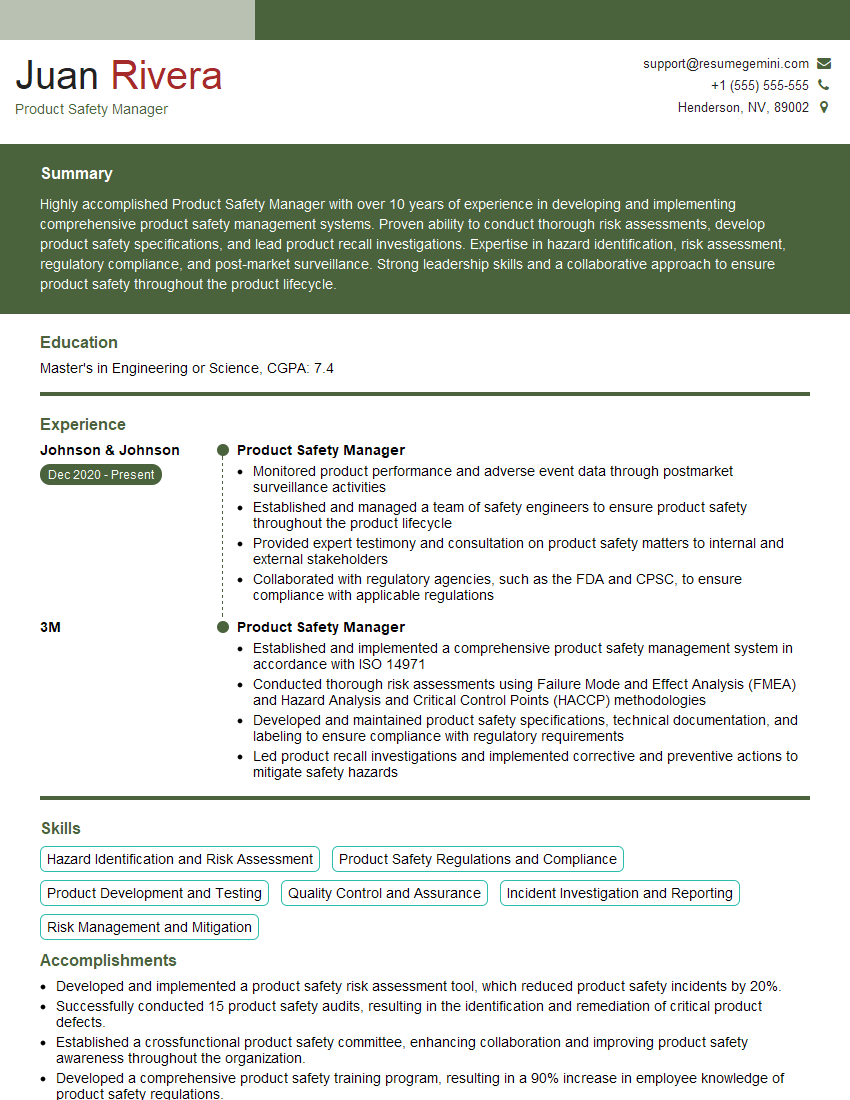
Product Safety Manager Resume Sample
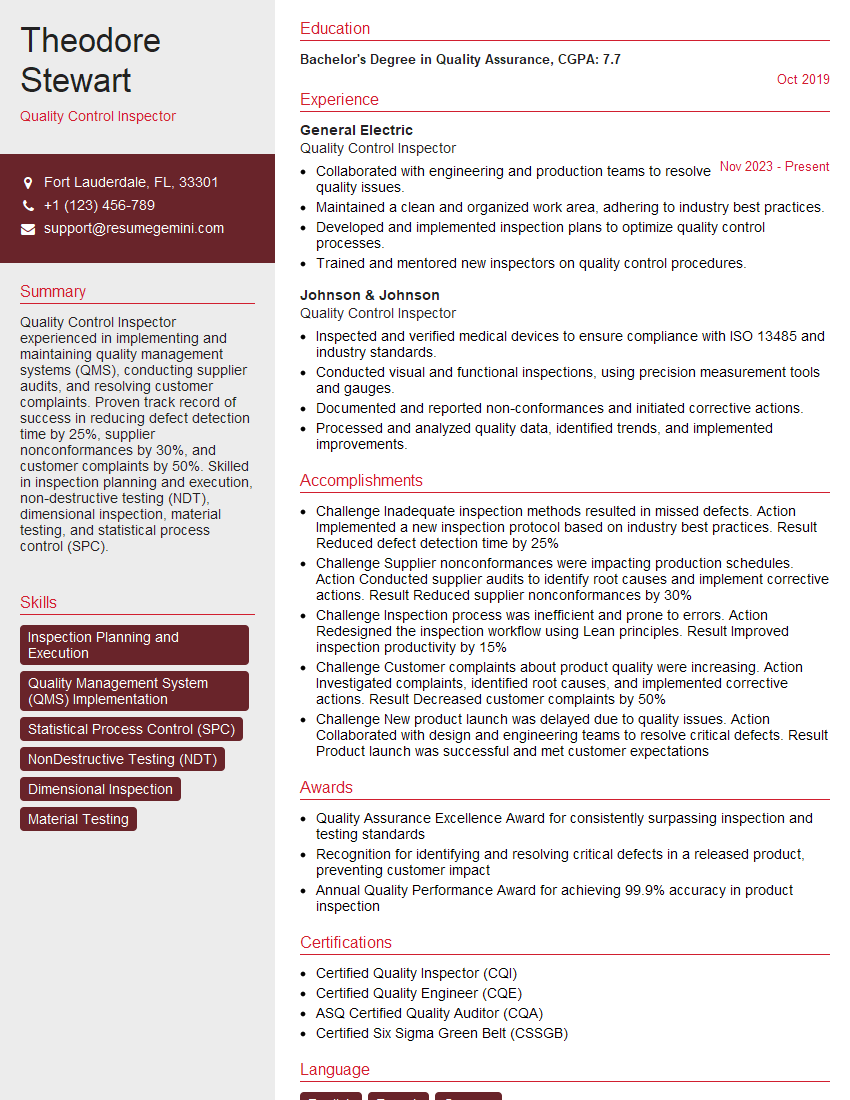
Quality Control Inspector Resume Sample
- Quality Assurance Manager
- Environmental Health and Safety Manager
- Compliance Manager
- Regulatory Compliance Officer
- Product Safety Specialist
- Regulatory Affairs Specialist
- Compliance Auditor
- Risk Management Specialist
- Industrial Safety Engineer
- Product Safety Engineer
- Process Safety Engineer
- Safety Engineer
- Product Safety Manager
- Quality Control Inspector
Explore more articles
Users Rating of Our Blogs
Share Your Experience
We value your feedback! Please rate our content and share your thoughts (optional).
What Readers Say About Our Blog
Really detailed insights and content, thank you for writing this detailed article.
IT gave me an insight and words to use and be able to think of examples