Every successful interview starts with knowing what to expect. In this blog, we’ll take you through the top Fault Detection and Isolation Techniques interview questions, breaking them down with expert tips to help you deliver impactful answers. Step into your next interview fully prepared and ready to succeed.
Questions Asked in Fault Detection and Isolation Techniques Interview
Q 1. Explain the difference between fault detection and fault isolation.
Fault detection and fault isolation (FDI) are two crucial steps in ensuring the safe and reliable operation of any system. Think of it like diagnosing a car problem: Fault detection is like noticing something’s wrong – the car is making a strange noise, or the engine light is on. Fault isolation goes further, pinpointing the exact cause – is it a faulty spark plug, a low tire pressure, or something more complex?
Fault detection simply confirms the presence of a malfunction. It answers the question: “Is there a fault present?” Fault isolation, on the other hand, identifies the specific component or subsystem causing the malfunction. It answers: “What is causing the fault and where is it located?” While they are distinct steps, effective FDI systems often seamlessly integrate both processes.
Q 2. Describe various fault detection techniques (e.g., model-based, data-driven).
Several techniques are employed for fault detection, broadly categorized into model-based and data-driven approaches.
- Model-based FDI: These techniques rely on a mathematical model of the system’s normal behavior. Any deviation from this model indicates a potential fault. Examples include analytical redundancy (using multiple sensors to cross-check measurements), parity space techniques (checking consistency of sensor readings against expected relationships), and observer-based methods (estimating system states and comparing them to actual measurements).
- Data-driven FDI: These methods use historical data to learn patterns of normal and faulty behavior. Machine learning algorithms like neural networks, support vector machines, and k-nearest neighbors are commonly used. They can identify subtle anomalies that may be difficult to capture using model-based techniques. For example, a neural network could be trained to recognize vibrations that precede bearing failure in a motor.
- Knowledge-based FDI: These methods rely on expert knowledge and rules to detect faults. They are often used in conjunction with model-based or data-driven techniques and are particularly helpful when dealing with complex systems where detailed models are difficult to obtain.
Q 3. What are the advantages and disadvantages of model-based FDI?
Model-based FDI offers several advantages, but also has limitations:
- Advantages:
- Physically intuitive: Provides insights into the system’s underlying physics, making fault diagnosis more understandable.
- Strong theoretical foundation: Well-established mathematical frameworks ensure robustness and reliability under certain conditions.
- Suitable for systems with well-defined models: When accurate system models are available, it leads to precise and reliable fault detection.
- Disadvantages:
- Model accuracy dependence: Performance is highly dependent on the accuracy of the system model. Imperfect models can lead to false positives or false negatives.
- Computational complexity: Can be computationally expensive for large or complex systems.
- Difficult to handle model uncertainties: Modeling uncertainties and parameter variations can significantly impact performance.
Q 4. What are the advantages and disadvantages of data-driven FDI?
Data-driven FDI also presents a unique set of advantages and disadvantages:
- Advantages:
- Handles complex systems well: Effective for systems with complex or unknown dynamics where precise models are difficult to obtain.
- Adaptability: Can adapt to changing system behaviors and environmental conditions.
- Can detect subtle faults: Can identify subtle anomalies not easily captured by model-based techniques.
- Disadvantages:
- Data dependency: Requires large amounts of high-quality data for training. Insufficient or noisy data can lead to poor performance.
- Lack of physical insight: The ‘black box’ nature of many machine learning algorithms provides less physical insight into the fault mechanisms.
- Explainability: Interpreting the results can be challenging, especially with complex models like deep neural networks. Understanding *why* a fault was detected can be difficult.
Q 5. Explain the concept of observability in the context of FDI.
Observability, in the context of FDI, refers to the ability to estimate the internal states of a system from its available outputs (sensor measurements). A system is considered fully observable if all its internal states can be determined uniquely from the output measurements. If a fault affects a part of the system that is unobservable, it becomes difficult, if not impossible, to detect or isolate that fault.
Imagine a complex chemical plant with many interconnected reactors and sensors. If a critical sensor malfunctioning within a poorly observable reactor goes undetected, it can lead to dangerous consequences. Good system design and careful sensor placement are crucial for ensuring high observability and enabling effective FDI.
Q 6. Explain the concept of controllability in the context of FDI.
Controllability, in the context of FDI, refers to the ability to influence the system’s behavior by manipulating its inputs (control signals). In FDI, controllability becomes important when using active fault detection methods where the system’s inputs are purposely manipulated to reveal potential faults. A fault affecting an uncontrollable part of the system may be difficult to detect because the system’s behavior cannot be altered in a way to highlight the fault.
Consider a robotic arm with multiple joints. If a fault arises in a specific joint that cannot be independently controlled (maybe because of a mechanical blockage), detecting the fault becomes more challenging, even with sophisticated sensors.
Q 7. How do you handle sensor noise and uncertainty in FDI?
Sensor noise and uncertainty are inherent challenges in FDI. Several techniques are employed to mitigate their effects:
- Filtering techniques: Kalman filters, moving average filters, and other signal processing methods are used to reduce noise and estimate the true sensor readings.
- Robust FDI methods: These techniques are designed to be less sensitive to noise and uncertainty. Examples include H-infinity filtering and robust observer designs.
- Redundancy: Using multiple sensors to measure the same variable allows for cross-checking and averaging, reducing the impact of individual sensor errors. A simple approach is to take the median instead of the average to mitigate outlier effects from a bad sensor.
- Statistical methods: Statistical analysis of sensor data, including hypothesis testing and outlier detection, can help identify and deal with noisy or unreliable readings.
- Data fusion: Combining data from multiple sensors and sources can improve the accuracy and reliability of fault detection. Methods like Bayesian networks are useful here.
The specific approach depends on the nature of the noise, the system’s dynamics, and the desired level of accuracy.
Q 8. Describe different types of redundancy used in FDI systems.
Redundancy in Fault Detection and Isolation (FDI) systems is crucial for achieving reliable fault diagnosis. It involves incorporating multiple sensors, actuators, or processing units to provide backup in case of failures. Different types exist, each with trade-offs in cost, complexity, and performance.
- Hardware Redundancy: This is the most straightforward approach. Multiple identical components (sensors, actuators, etc.) perform the same function. If one fails, others take over. Think of a flight control system using triplicate sensors and voting logic to determine the actual value.
- Analytical Redundancy: This uses multiple measurements from different sensors or mathematical models to infer the state of a system. Inconsistent results indicate a fault. For instance, using measurements of pressure, temperature, and flow rate in a pipeline to infer if a valve is stuck. A discrepancy amongst calculations from these sources suggests a fault.
- Software Redundancy: This involves having multiple independent software algorithms perform the same task. If one algorithm detects a fault, the others are checked for confirmation. This is less common than hardware or analytical redundancy, used mostly for critical software components and often involving different programming languages or development methodologies to minimize common failure modes.
- Temporal Redundancy: This uses data from the same sensor or actuator over time to detect anomalies. Consistent readings, say of a temperature sensor, support normal operation, whilst a sudden, significant change may indicate a fault. This is valuable for detecting gradual degradation or intermittent faults.
The choice of redundancy type depends on the specific application, cost constraints, and required reliability. A system might employ a combination of these types for optimal fault tolerance.
Q 9. Explain the role of fault diagnosis in a maintenance strategy.
Fault diagnosis plays a pivotal role in a proactive maintenance strategy, shifting from reactive repair to predictive maintenance. By identifying faults early, maintenance can be scheduled optimally, preventing catastrophic failures and minimizing downtime. This reduces overall maintenance costs and improves system availability.
Imagine a manufacturing plant. Instead of waiting for a machine to completely fail, causing production halt, a well-designed FDI system can detect subtle anomalies—a slightly elevated vibration, a small change in current—indicating impending failure. Maintenance can be planned during a less critical production period, preventing costly downtime. This proactive approach reduces repair costs, avoids production disruptions, and ensures consistent product quality.
Q 10. How do you assess the performance of an FDI system?
Assessing the performance of an FDI system is a multifaceted process involving both quantitative and qualitative metrics. A key aspect is evaluating its ability to accurately detect and isolate faults. This typically involves rigorous testing under various operating conditions, including normal operation and simulated or actual faults.
We assess using:
- Fault Detection Rate: The percentage of actual faults correctly detected.
- Fault Isolation Rate: The percentage of correctly identified fault locations.
- False Positive Rate: The percentage of false alarms generated when no fault exists.
- False Negative Rate: The percentage of actual faults missed.
- Computational Efficiency: How quickly the system processes data and provides results. This is essential for real-time applications.
- Robustness: Its ability to function correctly in the presence of noise and uncertainties.
These metrics can be obtained through simulations, offline analysis of historical data, or real-time testing. The specific testing methodology and metrics are tailored to the application and its specific requirements.
Q 11. What metrics are used to evaluate the effectiveness of FDI?
The effectiveness of an FDI system is judged using several metrics, often presented as a trade-off. Some key metrics include:
- Detection Rate (DR): Percentage of actual faults correctly identified.
- Isolation Rate (IR): Percentage of correctly identified fault locations among detected faults.
- False Alarm Rate (FAR): Percentage of false alarms generated when no fault is present. A high FAR leads to distrust and unnecessary maintenance.
- Missed Detection Rate (MDR): Percentage of actual faults not detected, resulting in potential catastrophic failures.
- Average Time to Detection (ATTD): Average time taken by the system to detect a fault after its occurrence. Shorter times are desirable for swift responses.
Ideally, we aim for high DR and IR, and low FAR and MDR. However, there’s often a trade-off: systems designed for high detection sensitivity might generate more false alarms. The optimal balance is dependent on the specific application’s risk tolerance and cost implications.
Q 12. Explain the concept of false positives and false negatives in FDI.
False positives and false negatives are critical error types in FDI. They represent misclassifications impacting the system’s reliability.
- False Positive (Type I Error): The FDI system indicates a fault when none exists. This leads to unnecessary maintenance, downtime, and wasted resources. Imagine a fire alarm going off when there’s no fire—it disrupts operations and may lead to complacency if repeated.
- False Negative (Type II Error): The FDI system fails to detect an actual fault. This is far more serious as it can lead to equipment damage, safety hazards, or system failures. A faulty brake sensor going undetected in a car, for example, has severe consequences.
Minimizing both is vital for a robust FDI system, but the acceptable levels depend on the application’s criticality. A higher tolerance for false positives might be accepted in a less critical system compared to a safety-critical system where false negatives are far more detrimental.
Q 13. How do you deal with false positives and false negatives in FDI?
Dealing with false positives and false negatives requires a multi-pronged approach, focusing on both algorithmic improvements and operational strategies.
- Improve Algorithm Design: Refine algorithms to reduce sensitivity to noise and uncertainties. Techniques like robust statistics, adaptive filtering, and machine learning can enhance accuracy and minimize errors.
- Data Preprocessing: Thoroughly clean and filter sensor data to reduce noise and outliers, which can trigger false positives. This involves techniques like smoothing, outlier rejection, and data normalization.
- Redundancy and Cross-Validation: Employ multiple independent FDI methods for cross-validation. Agreement between multiple systems reduces the likelihood of both false positives and negatives.
- Adaptive Thresholds: Use adaptive thresholds that adjust based on operating conditions to reduce false alarms. For example, a temperature sensor’s threshold might be different during peak hours of operation.
- Expert System Integration: Combine FDI algorithms with expert systems that use human knowledge and experience to validate or override FDI decisions. A human operator can review flagged alerts and decide whether they warrant investigation.
The specific strategy depends on the FDI system’s complexity, the nature of the faults being detected, and the overall risk tolerance.
Q 14. Describe your experience with different FDI algorithms (e.g., Kalman filter, parity space).
My experience encompasses various FDI algorithms, each with strengths and weaknesses depending on the application.
- Kalman Filter: I’ve extensively used Kalman filters for state estimation and fault detection in dynamic systems. They are particularly effective in dealing with noisy measurements and model uncertainties. For example, I applied a Kalman filter to detect anomalies in a robotic arm’s movement by estimating its position and velocity based on noisy sensor data. Any significant deviation from the estimated trajectory triggered a fault alert.
- Parity Space Methods: I’ve employed parity space approaches for residual generation and fault isolation in systems with known mathematical models. These methods effectively detect inconsistencies between predicted and measured outputs. A project involved using parity equations to detect faults in a power grid by analyzing the discrepancies between power flows predicted from a grid model and actual measurements.
- Model-Based Methods: I have significant experience with model-based FDI techniques, using first-principle models to generate residuals that are sensitive to specific faults. This has involved developing analytical models for various systems and designing FDI schemes based on these models. For example, a project involved developing a model-based FDI scheme to detect faults in a chemical process plant by creating a dynamic model of the plant using mass and energy balances.
- Data-Driven Methods: In recent projects, I’ve leveraged data-driven methods, such as machine learning, for FDI. These methods are particularly valuable in systems with complex or unknown models. For instance, I used neural networks and support vector machines to detect anomalies in manufacturing processes based on historical operational data.
The selection of the optimal algorithm depends on factors such as the system’s complexity, the availability of a precise model, the nature of the faults, the computational resources available and the desired performance levels. Often a hybrid approach, combining multiple techniques, provides the best results.
Q 15. Explain how you would design an FDI system for a specific application.
Designing a Fault Detection and Isolation (FDI) system begins with a thorough understanding of the specific application. Think of it like building a detective agency for your machinery: you need to know who the suspects (potential faults) are, what clues (sensor data) they leave behind, and how to deduce their guilt (isolate the fault). This involves several key steps:
- System Modeling: Create a detailed model of the system, including its components, their interconnections, and their behavior under normal and faulty conditions. This could involve using block diagrams, state-space models, or even physics-based simulations, depending on the complexity. For example, in a chemical plant, this might involve modeling the flow rates, pressures, and temperatures in different reactor vessels and connecting pipes.
- Fault Definition: Identify the potential faults you want to detect and isolate. This often requires expertise in the specific application domain and knowledge of common failure modes. For instance, in a robotic arm, faults could include motor failures, sensor malfunctions, or communication errors.
- Sensor Selection: Choose appropriate sensors to capture relevant data. The type and placement of sensors are critical to successful fault detection. Consider factors like measurement accuracy, noise levels, cost, and physical limitations. In a power grid, you might use current and voltage transformers at key substations.
- Algorithm Selection: Select suitable FDI algorithms based on the system model, fault characteristics, and available sensor data. This could involve model-based methods like parity equations, observer-based approaches, or data-driven techniques like machine learning (e.g., neural networks, support vector machines). The choice depends on factors like computational resources, data availability, and the desired level of accuracy.
- Implementation and Testing: Implement the chosen algorithms in software or hardware and rigorously test the FDI system using simulations and real-world data. This is crucial to ensure the system’s reliability and performance under various operating conditions. Testing should include scenarios with known faults injected into the system.
- Integration and Monitoring: Integrate the FDI system with the overall control system and establish procedures for monitoring its performance and responding to detected faults. This might involve integrating with a Supervisory Control and Data Acquisition (SCADA) system or Distributed Control System (DCS).
A well-designed FDI system will not only detect faults but also accurately isolate them to the faulty component, minimizing downtime and ensuring safe operation.
Career Expert Tips:
- Ace those interviews! Prepare effectively by reviewing the Top 50 Most Common Interview Questions on ResumeGemini.
- Navigate your job search with confidence! Explore a wide range of Career Tips on ResumeGemini. Learn about common challenges and recommendations to overcome them.
- Craft the perfect resume! Master the Art of Resume Writing with ResumeGemini’s guide. Showcase your unique qualifications and achievements effectively.
- Don’t miss out on holiday savings! Build your dream resume with ResumeGemini’s ATS optimized templates.
Q 16. Describe your experience with different software tools used for FDI.
My experience with FDI software tools spans various platforms and programming languages. I’ve worked extensively with MATLAB/Simulink, a powerful environment for system modeling, simulation, and algorithm development. Its toolboxes, like the Control System Toolbox and the Signal Processing Toolbox, are invaluable for implementing and analyzing FDI algorithms. For example, I’ve used Simulink to build detailed models of a wind turbine and then designed a model-based FDI system within the same environment to detect sensor faults.
I’m also proficient in Python, particularly using libraries like Scikit-learn and TensorFlow/Keras for data-driven FDI approaches. Python’s flexibility and the vast ecosystem of machine learning libraries make it ideal for developing complex FDI algorithms. In one project, I employed a recurrent neural network (RNN) in Python to detect anomalies in a network of interconnected sensors monitoring a large industrial plant.
Furthermore, I have hands-on experience with commercial software packages specifically designed for FDI applications, often integrated within larger process control systems. These often provide user-friendly interfaces for configuring FDI algorithms and visualizing diagnostic results.
Q 17. How do you integrate FDI with other systems (e.g., SCADA, DCS)?
Integrating FDI with SCADA and DCS systems is crucial for real-time fault detection and response. It’s like adding a sophisticated diagnostic tool to a doctor’s arsenal. The FDI system acts as an intelligent assistant, providing real-time information about the health of the process. The integration typically involves:
- Data Acquisition: The FDI system receives sensor data from the SCADA or DCS system through established communication protocols (e.g., OPC, Modbus). This data acts as the input for the FDI algorithms.
- Algorithm Execution: The FDI algorithms are executed on a dedicated computer or embedded system, processing the received data and generating diagnostic results.
- Alert Generation: Upon detecting a fault, the FDI system generates alerts that are communicated to the SCADA or DCS system. This can trigger actions like alarms, operator notifications, or automated control responses.
- Visualization: The diagnostic results are displayed on the SCADA or DCS human-machine interface (HMI) to provide operators with a clear understanding of the detected fault and its location. This aids rapid troubleshooting.
The level of integration can vary, ranging from simple alarm generation to more sophisticated automated responses. For example, the FDI system could automatically adjust control parameters to mitigate the impact of a detected fault before it escalates into a major problem. This seamless flow of information allows for faster reaction times and improved safety.
Q 18. What are some common challenges in implementing FDI systems?
Implementing FDI systems presents several challenges. These can be broadly categorized into:
- Data Quality: Noisy or incomplete sensor data can significantly degrade the performance of FDI algorithms. This necessitates robust data pre-processing techniques. Think of trying to solve a mystery with blurry photographs – you need clear evidence.
- Model Uncertainty: Mathematical models of complex systems are often simplifications of reality. Discrepancies between the model and the actual system can lead to false alarms or missed detections. This emphasizes the need for robust and adaptive FDI algorithms.
- Computational Complexity: Advanced FDI algorithms can be computationally intensive, especially for large-scale systems. Real-time performance might require optimized algorithms or specialized hardware.
- Cost: The cost of sensors, software, and hardware can be substantial, especially for complex systems. Finding a balance between cost and performance is crucial.
- Integration Challenges: Integrating FDI systems with existing SCADA and DCS infrastructure can be complex, requiring careful planning and coordination.
- Fault Masking: Multiple faults occurring simultaneously can mask each other, making it difficult to isolate the root cause. Advanced fault diagnosis techniques are necessary to handle such scenarios.
Addressing these challenges requires a multidisciplinary approach, involving expertise in control engineering, signal processing, computer science, and the specific application domain.
Q 19. How do you handle complex systems with multiple interacting components?
Handling complex systems with multiple interacting components requires a structured approach. Imagine a car engine: many parts work together, and a problem in one can affect others. We use decomposition and hierarchical methods to manage this complexity:
- Decomposition: Breaking down the complex system into smaller, more manageable subsystems. Each subsystem can then be analyzed and modeled separately, simplifying the FDI design process.
- Hierarchical FDI: Implementing a multi-level FDI architecture. This involves detecting faults at different levels of abstraction: a high-level system-level FDI might detect a general problem, while lower-level subsystem-specific FDI units pinpoint the exact faulty component. For example, a high-level FDI might detect a drop in overall production, while a lower-level FDI within a specific machine reveals a faulty motor.
- Fault Propagation Analysis: Understanding how faults propagate through the system. This helps in designing FDI algorithms that can effectively isolate faults even when multiple components are affected. This can be achieved through simulations or using graph-based methods.
- Data Fusion: Combining information from multiple sensors and subsystems to improve fault detection and isolation. This improves robustness and reduces false positives.
These techniques allow for the development of manageable and effective FDI systems even for highly complex and interconnected systems.
Q 20. Describe your experience with different types of sensors and actuators.
My experience with sensors and actuators encompasses a wide range of technologies, including:
- Temperature Sensors: Thermocouples, RTDs (Resistance Temperature Detectors), and thermistors for measuring temperature in various applications, from industrial processes to environmental monitoring.
- Pressure Sensors: Strain gauge-based pressure sensors, piezoelectric sensors, and capacitive sensors, used in diverse applications like process control and aerospace.
- Flow Sensors: Orifice plates, Venturi meters, and ultrasonic flow meters for measuring fluid flow rates in industrial pipelines and other fluid handling systems.
- Level Sensors: Ultrasonic, capacitive, and radar-based level sensors for measuring liquid levels in tanks and reservoirs.
- Actuators: Electric motors (DC, AC servo motors, stepper motors), pneumatic actuators, and hydraulic actuators, all used for controlling various processes and machinery.
The choice of sensor and actuator depends heavily on factors like the application’s requirements (accuracy, range, speed), environmental conditions, cost, and safety considerations. For example, in a high-temperature environment, a thermocouple might be preferred over a thermistor. Selecting the right sensor and actuator is paramount for the successful implementation of an FDI system.
Q 21. Explain the importance of data pre-processing in FDI.
Data pre-processing is fundamental to the success of any FDI system. Think of it as preparing ingredients before cooking: chopping vegetables, cleaning meat – it’s crucial for a delicious meal. Poor data quality can lead to inaccurate fault detection and isolation.
Common pre-processing steps include:
- Noise Filtering: Removing noise from sensor data using techniques like moving average filters, Kalman filters, or wavelet transforms. This improves the accuracy and reliability of the FDI algorithms.
- Data Scaling and Normalization: Scaling data to a common range to prevent variables with larger magnitudes from dominating the analysis. Normalization ensures that all variables contribute equally to the fault detection process.
- Outlier Detection and Removal: Identifying and removing outlier data points that can significantly affect the performance of FDI algorithms. This could involve statistical methods or data visualization.
- Data Smoothing: Smoothing noisy data to reveal underlying trends and patterns. This can be achieved using techniques like moving averages or spline interpolation.
- Feature Extraction: Extracting relevant features from the raw sensor data that are sensitive to faults. This might involve using techniques like principal component analysis (PCA) or time-frequency analysis.
Proper data pre-processing not only improves the accuracy of FDI algorithms but also reduces computational burden and improves robustness. It’s an essential step that ensures the FDI system’s effectiveness.
Q 22. How do you ensure the safety and reliability of an FDI system?
Ensuring the safety and reliability of a Fault Detection and Isolation (FDI) system is paramount, as these systems are often critical in safety-critical applications like aerospace, automotive, and power generation. It’s a multi-faceted approach involving several key strategies:
- Redundancy and Fault Tolerance: Employing redundant sensors, actuators, and processing units is crucial. If one component fails, the others can take over, preventing complete system failure. This might involve using triple modular redundancy (TMR) where three independent units perform the same function, and a majority vote decides the correct output.
- Robust Algorithm Design: The FDI algorithms themselves must be robust against noise, uncertainty, and model inaccuracies. This involves techniques like Kalman filtering to estimate states and parameters even with noisy measurements, or using robust control methods that account for uncertainties in the system model.
- Regular Testing and Validation: Rigorous testing is essential, including simulations under various fault conditions and real-world testing. This ensures the FDI system correctly identifies and isolates faults within acceptable timeframes. Testing should also include scenarios that stress the system, such as sensor saturation or actuator limitations.
- Safety Mechanisms: Implementing fail-safe mechanisms, like automatic shutdown procedures if a critical fault is detected, is crucial for safety. These mechanisms must be carefully designed to prevent unintended consequences and ensure a safe state during a failure.
- Human-in-the-Loop: While automation is valuable, a human operator should have the ability to override the FDI system in critical situations or for complex fault analysis. The system’s interface should provide clear, actionable information to the operator.
For example, in an aircraft, multiple independent flight control systems are employed, along with FDI algorithms to detect and isolate any anomalies, ensuring the continued safe operation of the aircraft even if one system malfunctions.
Q 23. How do you handle situations where FDI fails?
FDI system failures can have serious consequences, highlighting the need for robust design and fallback strategies. When an FDI system fails, the response depends on the severity and type of failure:
- Graceful Degradation: Design the system to degrade gracefully, meaning the system continues to operate at a reduced capacity rather than completely failing. This could involve switching to a simpler, less accurate FDI algorithm or relying on manual intervention.
- Fault Detection of the FDI System: Meta-level FDI – monitoring the performance and health of the FDI system itself – can detect its failures. This might involve checking for inconsistencies in its output or comparing its results with other independent systems.
- Fallback Strategies: Develop alternative strategies to handle faults when the primary FDI system fails. This might involve using heuristic rules, predefined fault responses, or human intervention. The selection of the fallback strategy should prioritize safety and system stability.
- Root Cause Analysis: A thorough root cause analysis is crucial after an FDI system failure. This investigation identifies the cause of failure to improve system design and prevent future occurrences. This often involves reviewing system logs, sensor data, and operator reports to understand the circumstances surrounding the failure.
Imagine an autonomous vehicle whose FDI system fails. A well-designed system might revert to a safe mode, slowing down or pulling over, while alerting the human operator. A post-mortem analysis would pinpoint the reasons for the FDI system failure, perhaps a software bug or a sensor malfunction.
Q 24. How do you validate and verify an FDI system?
Validation and verification (V&V) of an FDI system is a critical step to ensure its reliability and accuracy. This process uses a combination of techniques to demonstrate that the system meets its requirements:
- Requirements Analysis: Define precise and measurable requirements for the FDI system, specifying its performance under different fault scenarios.
- Simulation: Extensive simulations under diverse conditions, including fault injection, allow for evaluation before deployment in real-world systems. These simulations often employ high-fidelity models of the system being monitored.
- Hardware-in-the-Loop (HIL) Testing: Integrating the FDI system with a simulated physical environment allows for testing under realistic conditions, further validating its performance before deployment on the real system. This approach often employs real-time simulation of the plant to test the FDI algorithm in a closed-loop fashion.
- Real-World Testing: Once the system passes simulated tests, real-world testing in a controlled environment is performed. This process might involve introducing known faults and observing the system’s response.
- Formal Methods: In safety-critical applications, formal methods such as model checking can be used to mathematically prove specific properties of the FDI system, such as its ability to detect all critical faults within a certain time limit.
For instance, a power grid FDI system would undergo rigorous simulations and potentially real-world testing on a smaller grid segment before full deployment, verifying its ability to quickly and accurately pinpoint faults in the power distribution network.
Q 25. What are some future trends in fault detection and isolation?
The field of fault detection and isolation is constantly evolving, driven by advancements in technology and the increasing demand for more reliable and autonomous systems. Some key future trends include:
- Artificial Intelligence (AI) and Machine Learning (ML): AI and ML techniques, particularly deep learning, offer the potential for more accurate and adaptive FDI systems. These algorithms can learn complex patterns from data and identify faults that traditional methods may miss. This allows for the detection of subtle faults that could lead to catastrophic failure later.
- Data-Driven FDI: Utilizing large datasets from various sensors and operational conditions will become increasingly crucial to improving FDI accuracy. Techniques such as data analytics and big data processing can extract meaningful insights from this data, improving diagnostic capabilities.
- Cyber-Physical Systems (CPS) Security: With the increasing connectivity of systems, securing FDI systems from cyberattacks is becoming vital. This requires incorporating security measures into the design and implementation of FDI systems to protect against malicious attacks that could disrupt system operations.
- Integration with Digital Twins: Digital twins, virtual representations of physical systems, provide an excellent environment for testing and validating FDI algorithms. This integration can accelerate the development and deployment of reliable FDI systems.
- Explainable AI (XAI): As AI and ML become more prevalent, the need for explainable AI is growing. XAI aims to make the decision-making process of AI-based FDI systems transparent and understandable, fostering trust and enabling better human-machine interaction.
For example, AI-powered FDI in manufacturing could detect anomalies in equipment performance far earlier than traditional methods, leading to preventive maintenance and minimizing downtime.
Q 26. Describe your experience with root cause analysis techniques.
Root cause analysis (RCA) is a critical skill in my work. I have extensive experience using various techniques, including:
- 5 Whys: A simple yet powerful technique involving repeatedly asking “why” to uncover the root cause of a problem. This method is particularly useful for simple problems but may not be sufficient for complex system failures.
- Fishbone Diagram (Ishikawa Diagram): A visual tool that helps organize potential causes of a problem into categories (e.g., people, equipment, materials, methods, environment). This provides a structured approach to brainstorming possible causes.
- Fault Tree Analysis (FTA): A top-down, deductive approach that models the various combinations of events that can lead to a system failure. FTA is particularly suitable for complex systems with multiple failure modes and interactions between components.
- Event Tree Analysis (ETA): A bottom-up, inductive approach that analyzes the consequences of an initiating event based on the possible responses and actions taken. ETA is useful in assessing the potential impact of various failures and evaluating safety-related decisions.
In a recent project involving a malfunctioning robotic arm, I used a combination of 5 Whys and a fishbone diagram to uncover the root cause, tracing the problem from a failed motor to a faulty wiring harness caused by improper installation.
Q 27. How do you communicate technical information to non-technical audiences?
Communicating technical information to non-technical audiences requires careful planning and clear articulation. My approach involves:
- Avoid Jargon: Replace technical terms with simpler, easily understandable language. Use analogies and metaphors to explain complex concepts in a relatable way.
- Visual Aids: Use diagrams, charts, and other visual aids to enhance understanding and make the information more engaging. A picture is often worth a thousand words.
- Storytelling: Frame the information within a narrative structure to make it more memorable and relatable. This helps non-technical audiences connect with the information on an emotional level.
- Focus on the Big Picture: Avoid getting bogged down in technical details; instead, highlight the key takeaways and their implications. Prioritize the most important aspects and present them in a simple and clear fashion.
- Active Listening and Feedback: Engage actively with the audience, seeking feedback and adapting the communication style based on their understanding and questions. Encourage questions and provide clear, concise answers.
For instance, when explaining the impact of a sensor failure in a manufacturing plant to management, I’d focus on the financial losses and potential safety risks, using clear visuals and avoiding detailed technical explanations of the FDI algorithms involved.
Q 28. How do you stay up-to-date with the latest advancements in FDI?
Staying current in the rapidly evolving field of FDI requires a proactive approach:
- Professional Societies and Conferences: Actively participating in professional societies like the IEEE and attending conferences related to control systems, automation, and diagnostics keeps me abreast of the latest research and trends.
- Academic Journals and Publications: Regularly reading relevant academic journals and publications, including reviewing recent conference papers, allows me to track groundbreaking advancements in the field. This provides a deeper understanding of the theoretical foundations and new techniques.
- Online Resources and Courses: Utilizing online resources such as research databases, technical blogs, and online courses helps maintain a broad view of current trends and technological developments.
- Industry Publications and News: Following industry-specific publications and news keeps me aware of practical applications and challenges in implementing FDI systems in real-world settings. This provides a practical context for the latest research.
- Networking: Connecting and collaborating with other researchers and practitioners through conferences, online forums, and professional networks enhances my understanding and provides exposure to different perspectives and challenges.
By consistently engaging with these resources, I ensure my knowledge base remains current and relevant to the cutting-edge challenges in fault detection and isolation.
Key Topics to Learn for Fault Detection and Isolation Techniques Interview
- Fundamentals of Fault Detection: Understanding fault types (hardware, software, environmental), failure modes, and their impact on system performance. Explore various fault models and their assumptions.
- Diagnostic Techniques: Mastering techniques like signature analysis, built-in self-tests (BIST), and fault injection for identifying and isolating faults. Consider both hardware and software diagnostic approaches.
- Signal Processing and Data Analysis: Applying signal processing techniques (e.g., filtering, spectral analysis) to identify anomalies in sensor data. Develop proficiency in data visualization and interpretation for efficient fault analysis.
- Model-Based Diagnosis: Utilizing system models (e.g., functional, behavioral) to simulate fault behavior and predict their effects. Learn about model-based reasoning and diagnostic algorithms.
- Artificial Intelligence (AI) in Fault Detection: Explore the applications of machine learning and deep learning for automated fault detection and prediction. Understand the strengths and limitations of AI-based approaches.
- Practical Applications: Examine case studies in specific industries (e.g., aerospace, automotive, manufacturing) to understand the practical application of these techniques in real-world scenarios. Focus on problem-solving methodologies used in each case.
- Troubleshooting and Root Cause Analysis: Develop a systematic approach to troubleshooting complex systems and determining the root cause of failures. Practice effective communication of findings.
Next Steps
Mastering Fault Detection and Isolation Techniques is crucial for career advancement in various high-tech fields. These skills are highly sought after, opening doors to challenging and rewarding roles with significant growth potential. To maximize your job prospects, creating a strong, ATS-friendly resume is essential. ResumeGemini is a trusted resource to help you build a professional and impactful resume that showcases your expertise in Fault Detection and Isolation Techniques. We provide examples of resumes tailored to this specific field to guide you in crafting the perfect application. Invest time in perfecting your resume – it’s your first impression on potential employers.
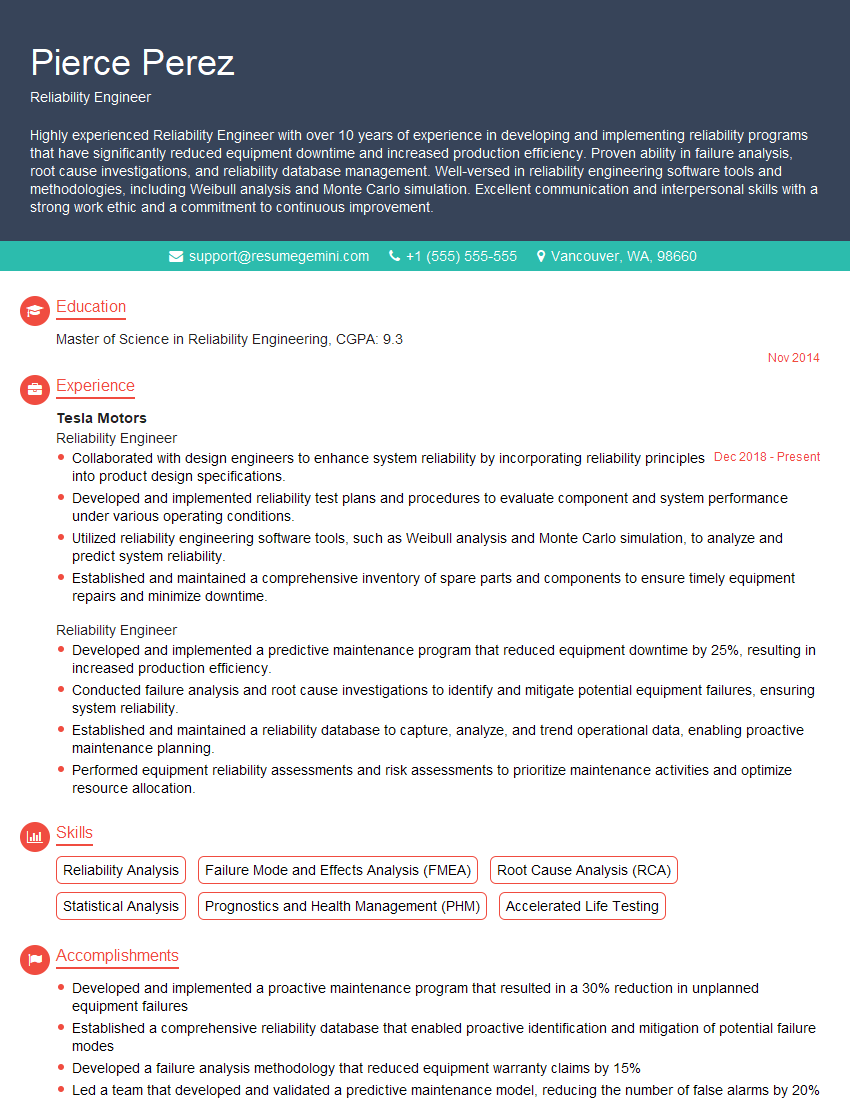
Reliability Engineer Resume Sample
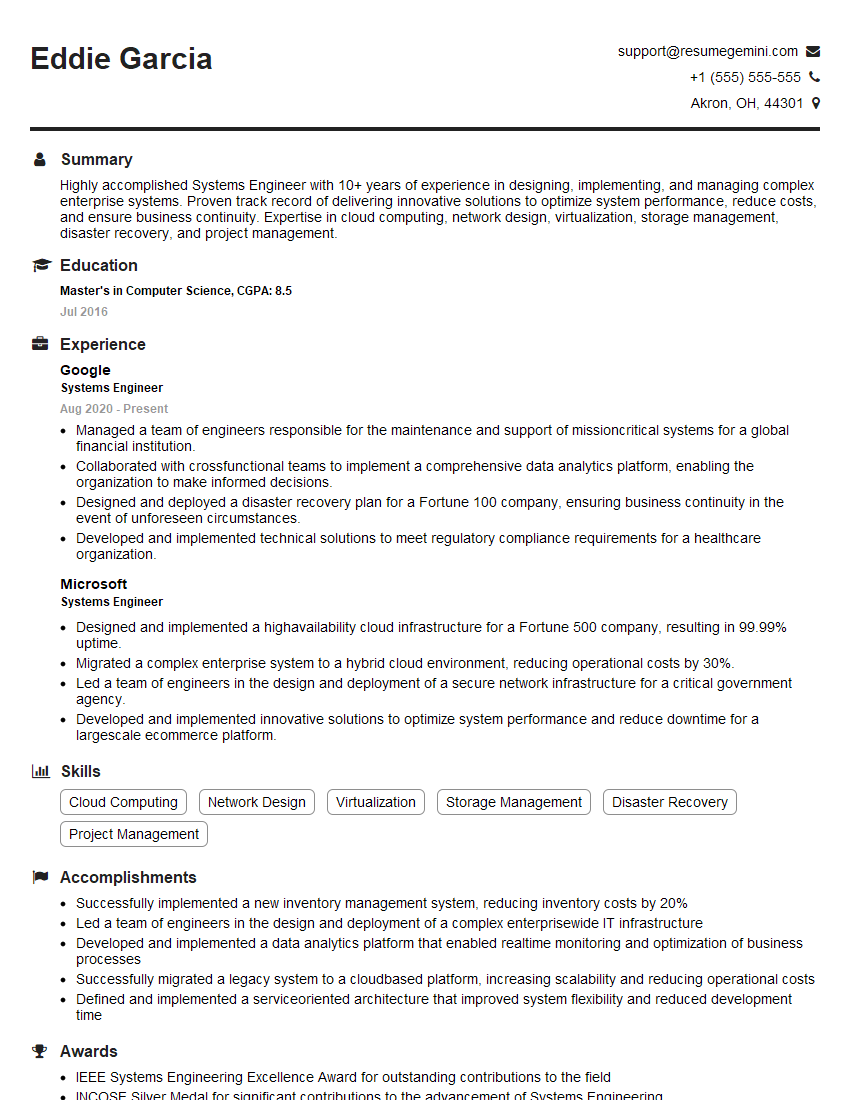
Systems Engineer Resume Sample
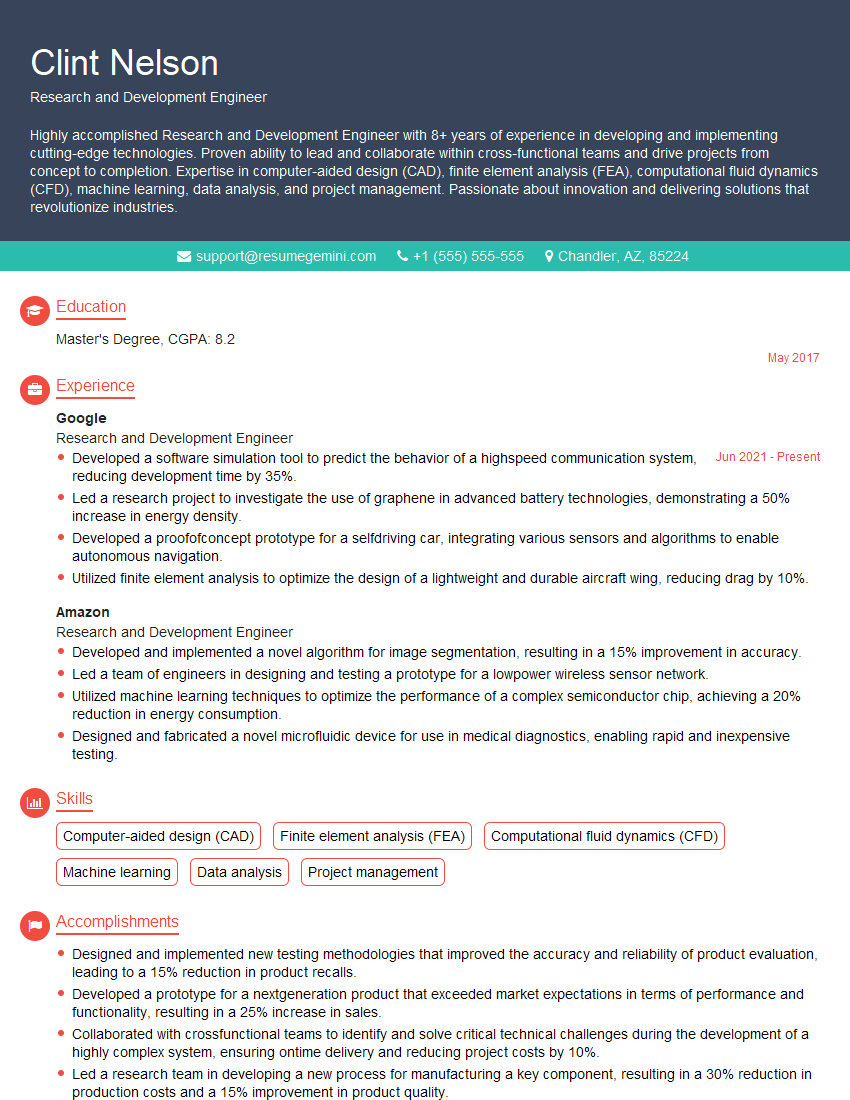
Research and Development Engineer Resume Sample
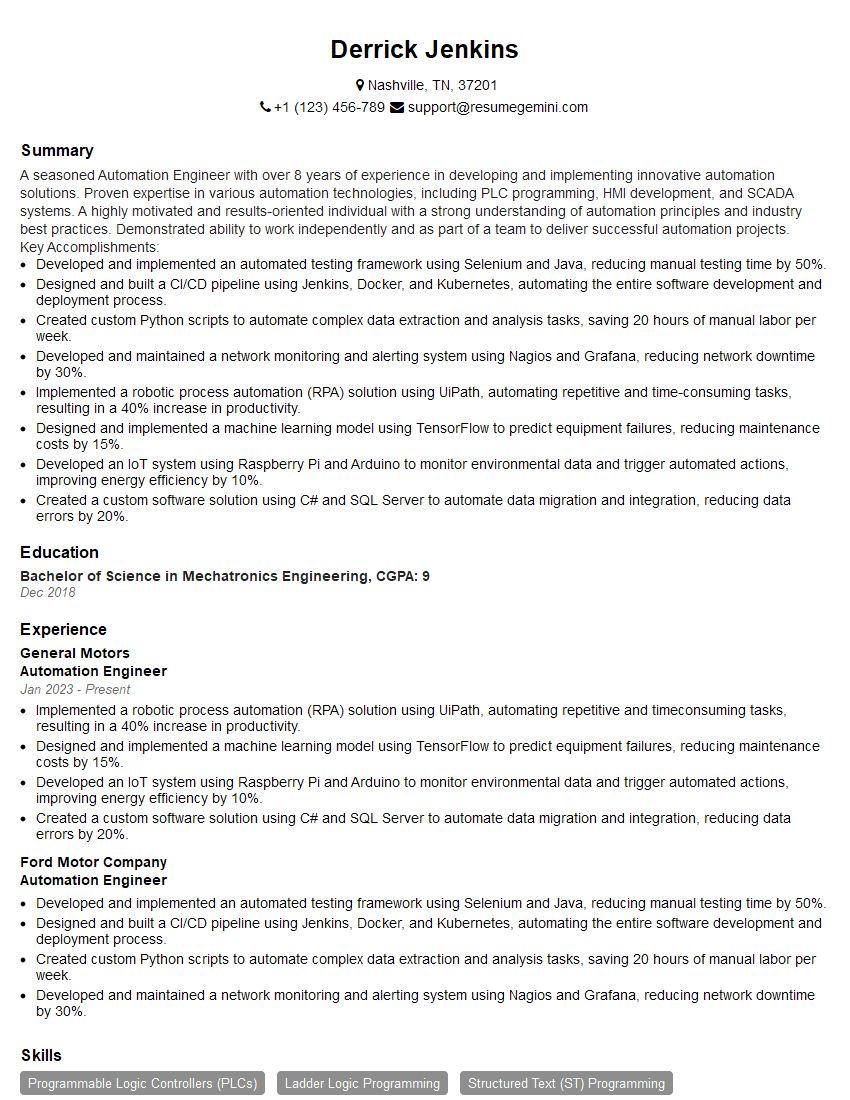
Automation Engineer Resume Sample

Technical Support Engineer Resume Sample
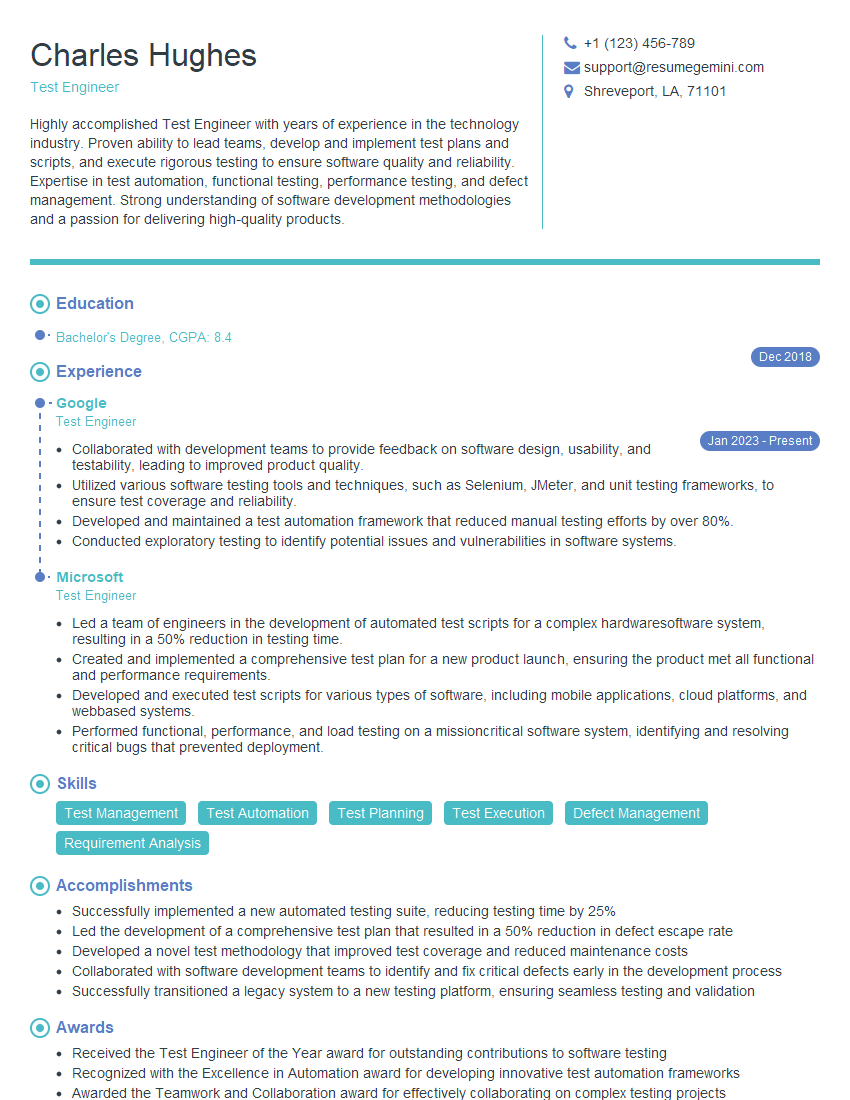
Test Engineer Resume Sample
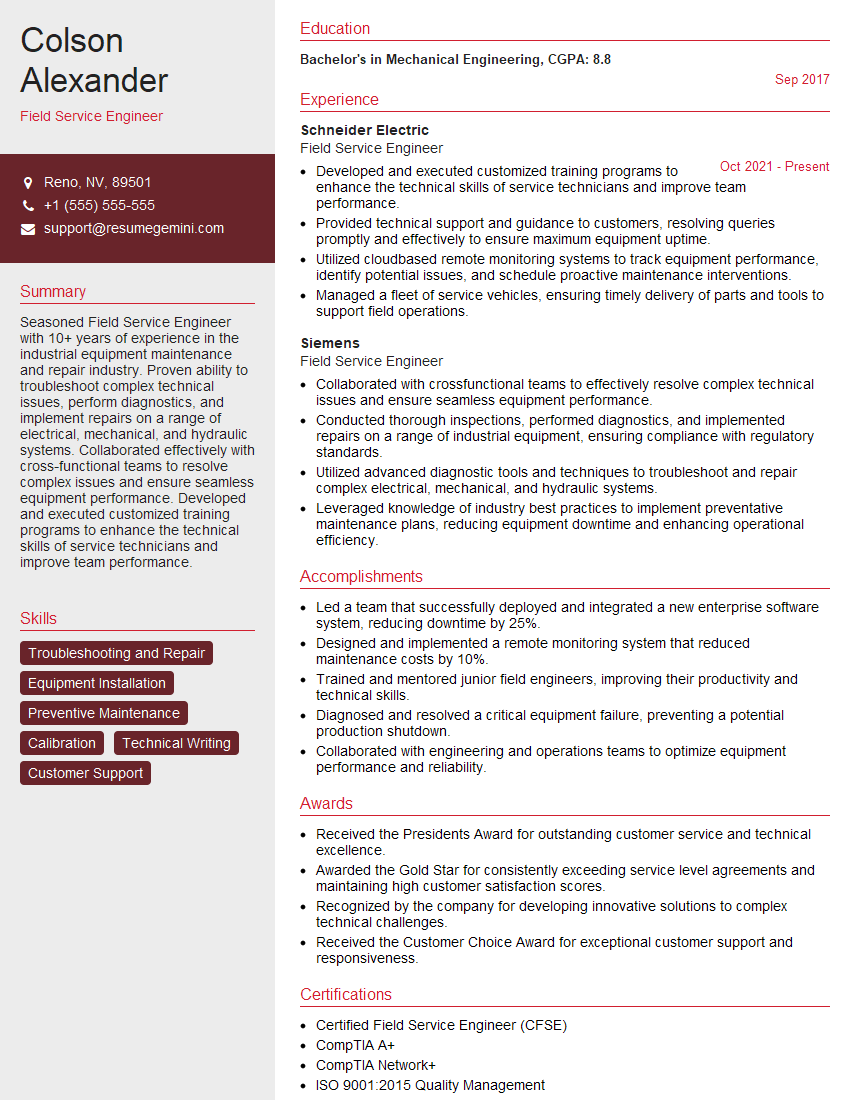
Field Service Engineer Resume Sample
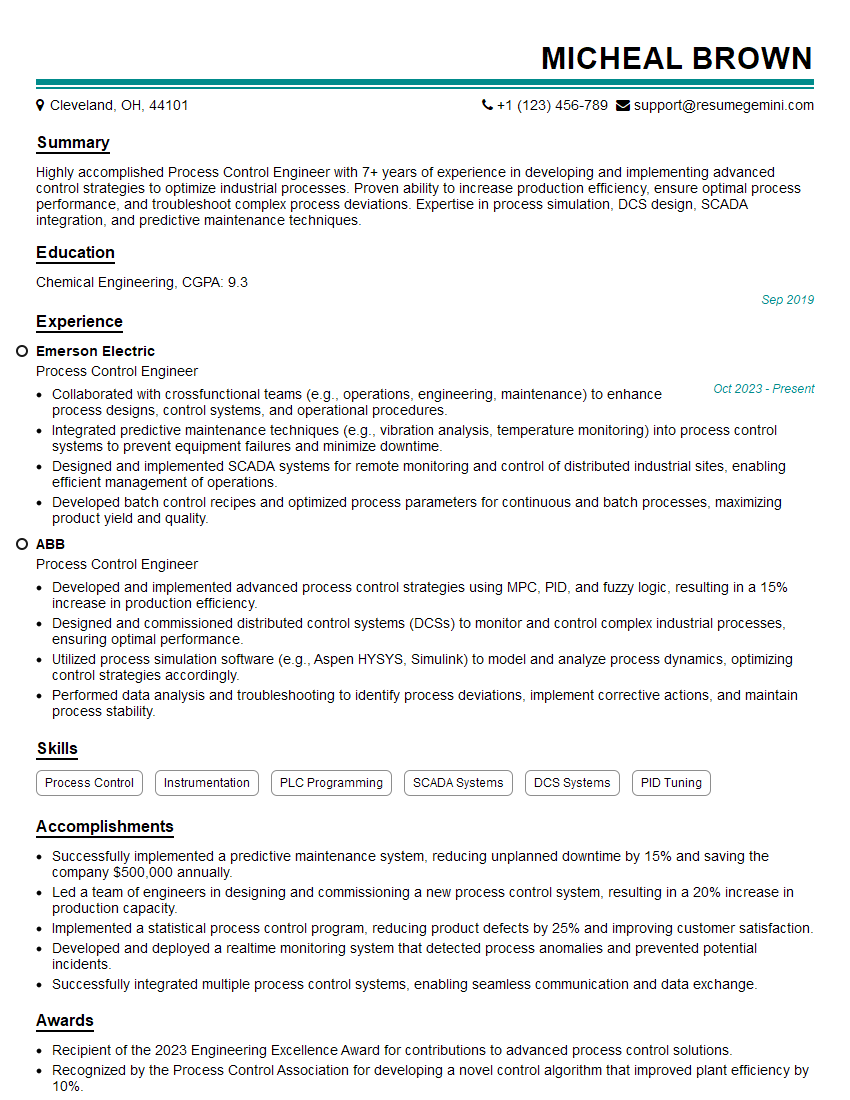
Process Control Engineer Resume Sample
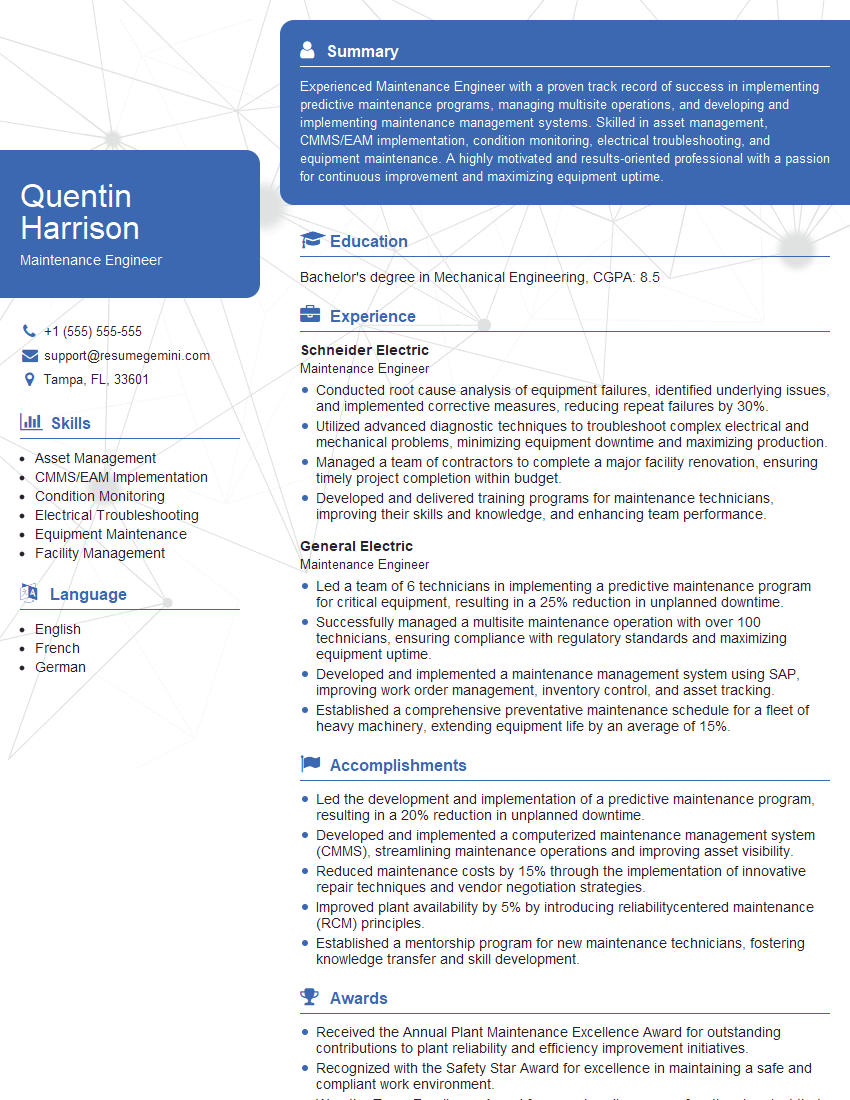
Maintenance Engineer Resume Sample
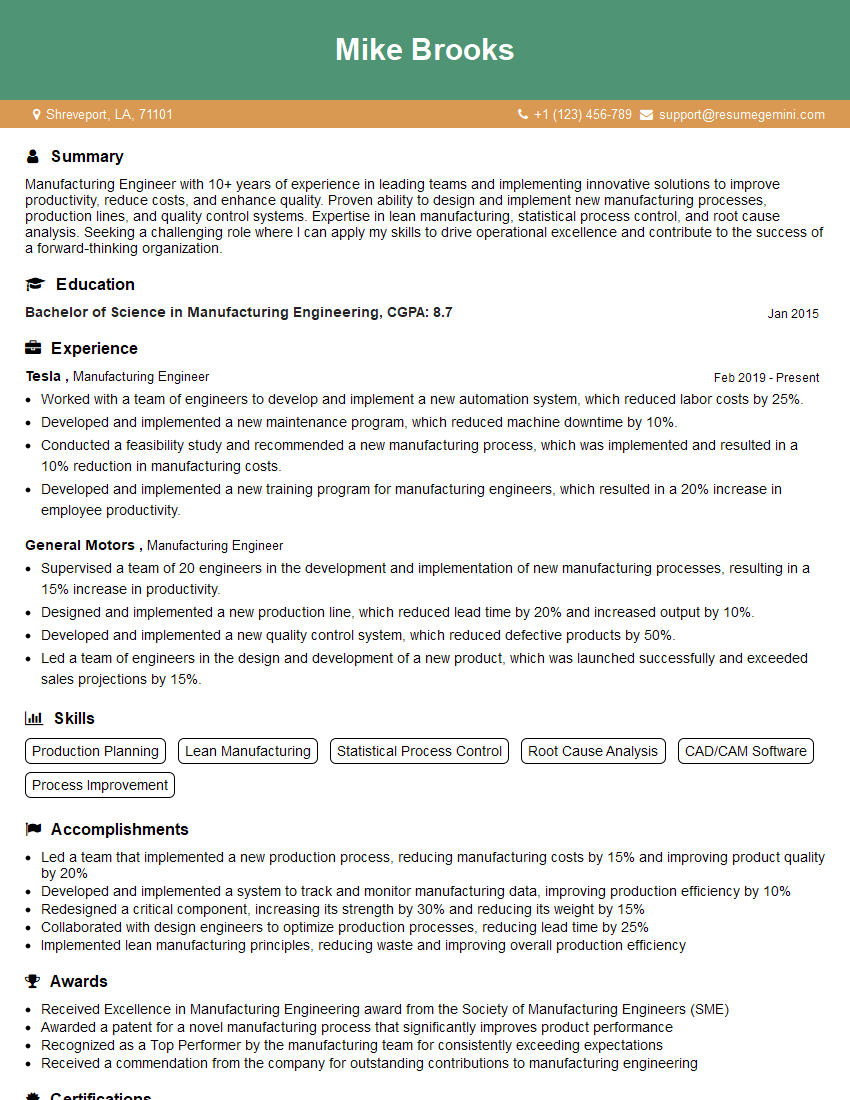
Manufacturing Engineer Resume Sample
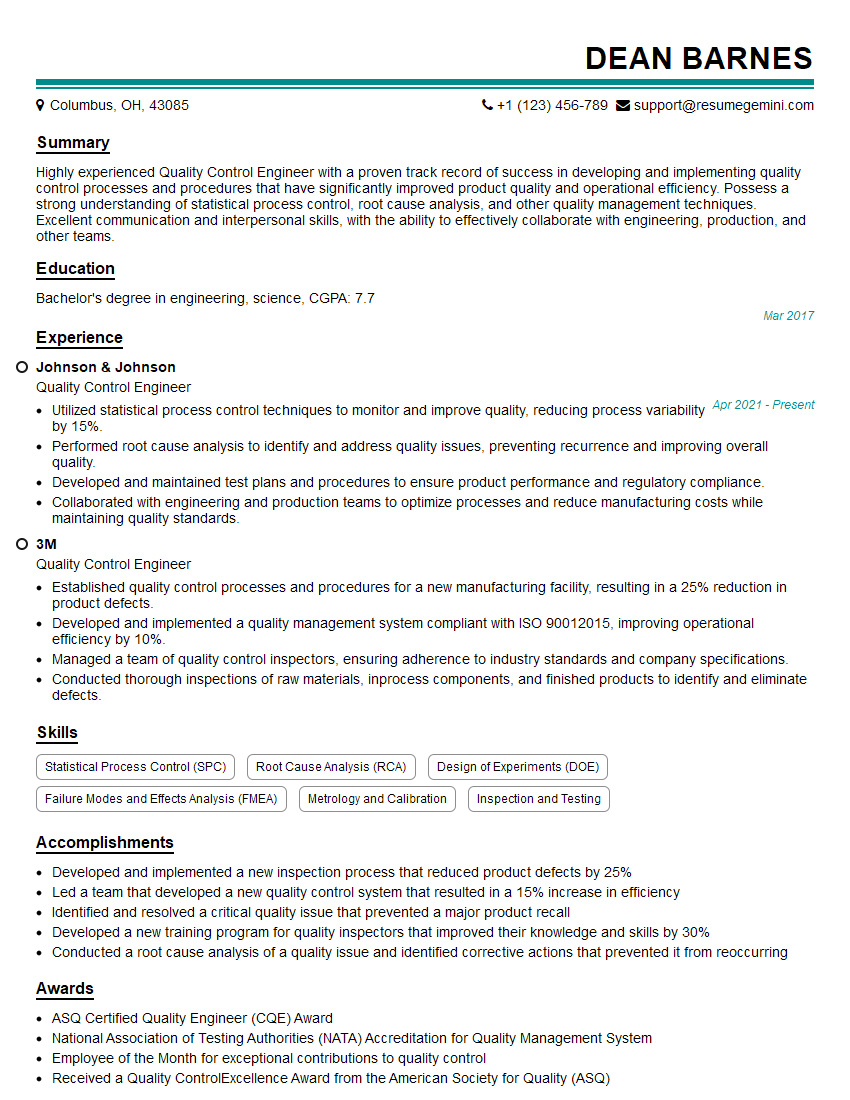
Quality Control Engineer Resume Sample
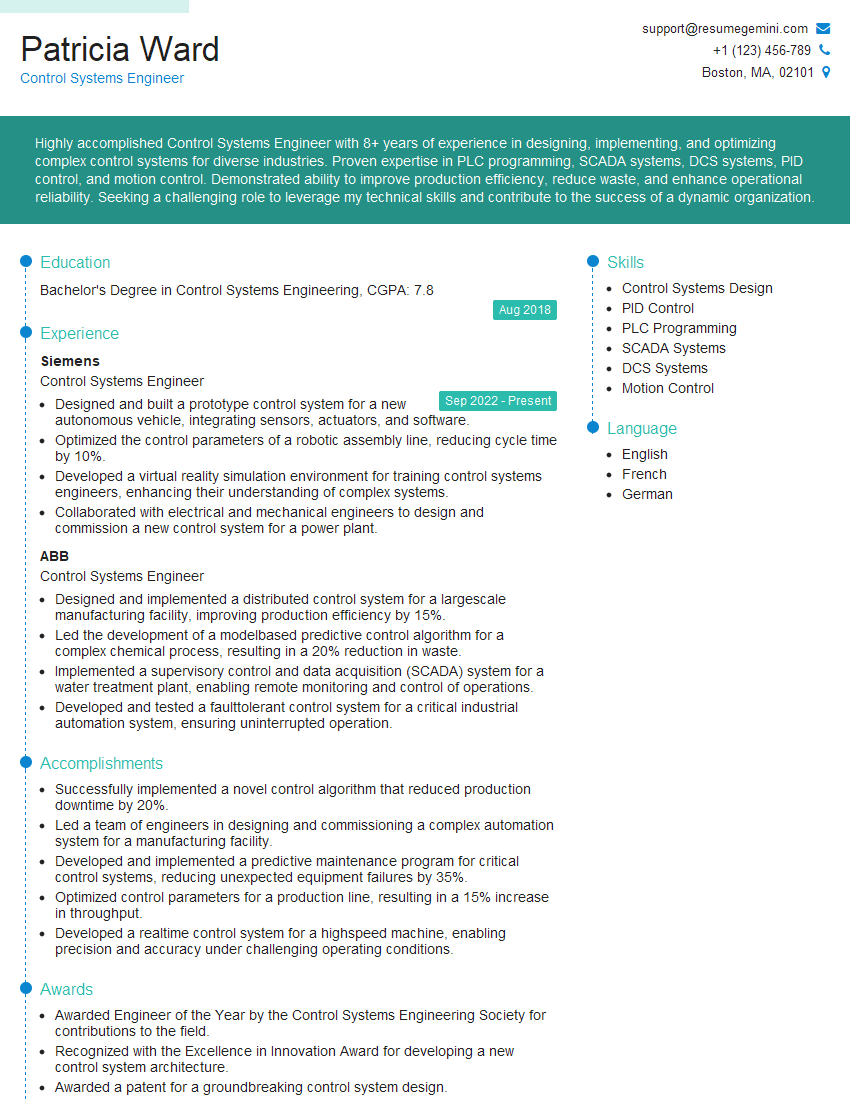
Control Systems Engineer Resume Sample
Explore more articles
Users Rating of Our Blogs
Share Your Experience
We value your feedback! Please rate our content and share your thoughts (optional).
What Readers Say About Our Blog
Really detailed insights and content, thank you for writing this detailed article.
IT gave me an insight and words to use and be able to think of examples