Interviews are opportunities to demonstrate your expertise, and this guide is here to help you shine. Explore the essential Field Note Taking interview questions that employers frequently ask, paired with strategies for crafting responses that set you apart from the competition.
Questions Asked in Field Note Taking Interview
Q 1. What methods do you use to ensure accuracy in field note-taking?
Accuracy in field note-taking is paramount. My approach involves a multi-layered strategy focusing on meticulous observation, clear recording, and verification. This starts with preparing beforehand; I ensure I have the right equipment – whether pen and paper or a digital recorder – and a clear understanding of the data to be collected. During data collection, I focus on detailed descriptions, using precise language and avoiding generalizations. I employ methods such as cross-checking my observations with multiple sources whenever possible and using established measurement tools for quantifiable data. For instance, instead of writing “many birds,” I’d note “approximately 25 house sparrows observed.” Immediately after an observation, I review and edit my notes to correct any errors or omissions. Regularly reviewing and comparing notes helps catch inconsistencies early.
Q 2. How do you handle conflicting information or observations during data collection?
Conflicting information is inevitable in field work. My approach involves a systematic investigation. First, I carefully document all conflicting observations, noting the source and context of each. Then, I analyze the discrepancies. This could involve revisiting the location, consulting additional resources, or seeking clarification from other observers or experts if feasible. If the conflict can’t be resolved, I explicitly state the discrepancy in my notes, including my rationale for any decision made regarding which observation to prioritize (if a decision is necessary). For example, if one observation contradicts another due to a change in conditions, I would record both observations and note the temporal change that likely accounts for the discrepancy.
Q 3. Describe your experience with different note-taking formats (e.g., digital vs. paper).
I’m proficient in both digital and paper-based note-taking. Paper offers immediacy and simplicity, perfect for quick sketches or when technology is unavailable. I prefer a waterproof, bound notebook for durability. Digital methods, using tablets or laptops, allow for easier organization, searching, and sharing of data. Software like OneNote or Evernote provides robust organizational features. My choice depends on the context. For example, during a rapid biodiversity survey, a paper notebook might be preferable to avoid the technological hiccups. For long-term research involving extensive data analysis, I rely on digital tools for their efficiency.
Q 4. How do you prioritize information when taking notes in a fast-paced environment?
In fast-paced environments, prioritization is crucial. I focus on the most critical information relevant to my research objectives. This requires pre-planning; defining key variables and parameters ahead of time helps me focus on essential data points during fieldwork. I use abbreviations and shorthand to quickly record observations while ensuring clarity. For example, I might use established abbreviations for common species. I also utilize a hierarchical structure in my notes, prioritizing essential information while still noting secondary observations. Immediately after a high-intensity data collection period, I review and expand on my shorthand notes for better clarity.
Q 5. Explain your approach to organizing and indexing field notes for easy retrieval.
Organizing and indexing field notes is critical for data retrieval and analysis. For paper notes, I use a consistent numbering and date-stamp system, creating a detailed index for each notebook. Digital notes benefit from robust tagging and keyword systems. I use a consistent naming convention for files (e.g., YYYYMMDD_Location_Project). I also categorize notes based on location, date, subject, and research questions. This structured approach allows for quick retrieval of specific information, saving valuable time during analysis. Furthermore, I regularly back up my digital notes to a cloud service and external hard drives.
Q 6. How do you ensure the confidentiality and security of sensitive information collected in the field?
Confidentiality and security are paramount. When dealing with sensitive information, I follow ethical guidelines and any relevant regulations. This includes anonymizing personal data whenever possible and using secure storage methods. For paper notes, I use locked filing cabinets or secure storage containers. For digital notes, I utilize password-protected files and encrypted storage solutions. Access to data is strictly limited to authorized personnel. I always obtain informed consent when collecting data involving human subjects and ensure compliance with relevant privacy legislation.
Q 7. What software or tools are you proficient in for managing and analyzing field data?
I am proficient in several software tools for managing and analyzing field data. These include spreadsheet software like Microsoft Excel and Google Sheets for data entry and basic statistical analysis. For more advanced analysis, I use statistical software packages such as R and SPSS. Geographic Information Systems (GIS) software, such as ArcGIS, is used for spatial data analysis and visualization. I am also experienced using qualitative data analysis software such as NVivo for analyzing interview transcripts or other qualitative field notes. The selection of software depends on the specific nature of the data and research questions.
Q 8. How do you handle unexpected situations or challenges during field data collection?
Unexpected situations are par for the course in field research. My approach involves a combination of preparedness and adaptability. Before entering the field, I always have a contingency plan, considering potential problems and outlining alternative strategies. For example, if I’m conducting interviews and my subject unexpectedly changes the topic, I’ll adjust my questioning to stay relevant while still capturing the key information. If technical issues arise, like a recorder malfunctioning, I immediately switch to a backup method, such as detailed hand-written notes. The key is to remain calm, assess the situation quickly, and implement the most appropriate solution to ensure data integrity.
I also build in flexibility into my schedule. This allows me to adjust my approach as needed. For instance, if an unexpected event occurs that impacts my planned observations, I’ll note the event and its impact in my field notes, acknowledging the disruption and explaining any changes to my data collection methods. This transparency is crucial for maintaining the credibility and accuracy of the research.
Q 9. Describe your experience with different data collection methods (e.g., interviews, observations, surveys).
My experience spans various data collection methods. Interviews are a cornerstone of my work, requiring strong communication and active listening skills. I employ structured interviews with predetermined questions for consistency, but remain adaptable to allow for spontaneous follow-up questions when needed. Observations involve meticulous recording of behaviors, interactions, and environmental details. I use structured observation forms to organize my notes, but also allow for open-ended observations to capture unanticipated events. Surveys are useful for gathering large amounts of quantitative data from a broader population. I carefully design surveys to avoid bias and ensure clear and concise questions. For example, I recently used a combination of these methods to study the impact of a new park on community engagement. Interviews with park users provided qualitative insights into their experiences, observations revealed patterns of use and interaction, and a survey provided quantitative data on user demographics and satisfaction.
Q 10. How do you maintain objectivity and avoid bias while taking field notes?
Maintaining objectivity is paramount in field note-taking. I actively work to mitigate personal bias by employing several strategies. First, I strive to keep my notes descriptive rather than interpretive. I record what I observe without imposing my own interpretations or judgments. Second, I use precise language, avoiding emotionally charged words or subjective terms. For example, instead of writing “the community was unhappy,” I might write, “many residents expressed concerns about noise levels.” Third, I regularly review my notes to identify any potential biases and make corrections as necessary. I also find it helpful to discuss my observations with a colleague to gain a different perspective and identify potential blind spots in my own interpretations.
Q 11. How do you ensure the completeness and consistency of your field notes?
Completeness and consistency are critical for reliable field notes. I ensure completeness by using a structured approach. This includes pre-designed forms or templates for structured observations and interviews, detailed checklists, and time-stamped entries. I regularly review my notes during and after each data collection session to ensure nothing is missing. Consistency is maintained by using a standardized format and style. I always record the date, time, location, and the specific methods used. This creates a consistent audit trail throughout the entire research process. For example, I might use a coding system to categorize observations or create a standardized format for recording interview responses. This consistent structure is crucial for accurate data analysis and ensures other researchers can easily understand and interpret my notes.
Q 12. How do you deal with incomplete or missing data in your field notes?
Dealing with incomplete or missing data requires careful consideration. I first try to identify the reason for the incompleteness. Was it a technical problem? Did I miss something during data collection? Was information withheld? Depending on the situation, I might try to recover the missing data by revisiting the site, recontacting participants, or reviewing other relevant documentation. If recovering the data isn’t possible, I clearly document the missing information and explain why it’s missing. It’s crucial to acknowledge data gaps in the final report to avoid misinterpretations. I will also assess the impact of the missing data on the overall analysis. If the missing data significantly affects the conclusions, I might need to adjust the research scope or methodology.
Q 13. Describe a time you had to adapt your note-taking methods to a new situation.
During a recent study on wildlife behavior in a remote area, my initial plan was to use a traditional notebook and pen. However, the terrain was extremely difficult to navigate, and carrying bulky equipment presented a significant challenge. I quickly adapted by switching to a smaller, waterproof notebook and using voice recording to supplement my written notes. This allowed me to capture observations quickly and accurately without hindering my movement through the challenging environment. I later transcribed the voice recordings, ensuring that all information was meticulously documented. This experience highlighted the importance of flexibility and adaptability in field research and showcased how quickly one must assess and respond to unexpected situations.
Q 14. How do you ensure your field notes are legible and understandable to others?
Legibility and understandability are essential. I use clear handwriting, and if handwriting isn’t strong, I always type my notes. I employ a consistent formatting style with clear headings, subheadings, and bullet points to improve readability. I date and time-stamp all entries to provide context. I use concise language and avoid jargon. If abbreviations or acronyms are used, I maintain a key to define them. For example, if I use ‘PW’ I will state that it stands for ‘Park Worker’ in a legend at the beginning of my notes. When working collaboratively, I share a style guide with colleagues and maintain consistent terminology throughout the project. This ensures that my notes are not only easily accessible for myself in the future, but also for anyone else reviewing them or collaborating on the project.
Q 15. How familiar are you with different types of field note templates or structures?
My familiarity with field note templates extends across various structures, each tailored to specific research needs. I’m proficient with simple linear notes, ideal for quick observations; structured templates with pre-defined categories for consistent data collection; and more complex, narrative-style notes suitable for in-depth qualitative studies. For example, in ecological fieldwork, a structured template might include columns for species, location coordinates, count, and behavioral observations. In contrast, ethnographic research often benefits from free-flowing narrative notes capturing the context and nuances of interactions. I also leverage digital tools offering customizable templates, enabling the integration of multimedia like photos or audio recordings.
- Linear Notes: Simple, chronological record of observations. Example: 10:00 AM – Observed 3 deer grazing near the creek.
- Structured Templates: Pre-defined fields for consistent data entry. Example: A table with columns for Date, Time, Location, Species Observed, Behavior, and Notes.
- Narrative Notes: Rich descriptions capturing context and nuances. Example: “The air was thick with the smell of pine as I approached the clearing. A family of deer, seemingly undisturbed, grazed peacefully…”
Career Expert Tips:
- Ace those interviews! Prepare effectively by reviewing the Top 50 Most Common Interview Questions on ResumeGemini.
- Navigate your job search with confidence! Explore a wide range of Career Tips on ResumeGemini. Learn about common challenges and recommendations to overcome them.
- Craft the perfect resume! Master the Art of Resume Writing with ResumeGemini’s guide. Showcase your unique qualifications and achievements effectively.
- Don’t miss out on holiday savings! Build your dream resume with ResumeGemini’s ATS optimized templates.
Q 16. How do you integrate field notes with other data sources for comprehensive analysis?
Integrating field notes with other data sources is crucial for comprehensive analysis. I employ several strategies depending on the project’s needs. For instance, GPS data can be linked to specific entries within my field notes, geo-locating observations on a map. Sensor data, such as temperature or humidity readings, can also be integrated, adding a quantitative dimension to qualitative observations. Database software or spreadsheet programs are then invaluable in organizing and analyzing this combined dataset. Imagine studying bird migration: field notes on bird sightings, combined with GPS coordinates and weather data from a meteorological station, provide a much richer understanding of migration patterns than any single data source alone.
In one project involving soil analysis, I combined field notes detailing soil composition and texture at various locations with laboratory results of soil samples collected at those same locations. This allowed for a cross-referencing that greatly improved the accuracy and detail of my analysis.
Q 17. Explain your process for reviewing and revising field notes after data collection.
My review and revision process begins immediately after data collection. I aim to review notes within 24 hours, while memories are fresh, adding context and clarifying ambiguous entries. This initial review helps to identify gaps in information, inconsistencies, or areas needing further investigation. Later, I engage in a more thorough review, organizing notes chronologically or thematically, depending on the research question. This involves expanding on abbreviations, clarifying jargon, ensuring consistency in terminology, and coding data for easier analysis. This iterative process allows for refinement and a better understanding of the collected data. For example, I might use color-coding to categorize different types of observations within a narrative note, making it easier to analyze different aspects of the data later.
Q 18. How do you handle errors or omissions in your field notes?
Handling errors or omissions requires careful attention. If I identify an error, I correct it, clearly noting the change and date of the correction (e.g., strikethrough the original entry and write the correction above it, dated). For omissions, if possible, I return to the field site to collect the missing information. If that’s not feasible, I document the omission and its potential impact on the analysis, acknowledging the limitations in my final report. Transparency is key; acknowledging limitations strengthens the reliability of the research.
Q 19. Describe your experience with using GPS or other location-based technologies for data collection.
I have extensive experience using GPS devices and other location-based technologies. I regularly use handheld GPS units to record precise coordinates of observation points, enhancing the accuracy and reproducibility of my data. Smartphone apps with GPS capabilities are also invaluable for quick location recording. I frequently integrate these coordinates directly into my digital field notes, using software that allows for geo-referencing. In one wildlife study, I used a combination of GPS and time-lapse photography to monitor animal activity in a specific area. The GPS data allowed me to precisely locate the camera traps, ensuring the accuracy of the resulting data.
Q 20. How do you ensure the quality and reliability of your field notes?
Ensuring quality and reliability hinges on meticulous record-keeping and a systematic approach. This includes using clear and consistent terminology, maintaining accurate timestamps, and regularly backing up my data. I also prioritize legible handwriting if using pen and paper, or proper file management if using digital tools. Peer review of a subset of notes can also help identify potential biases or inconsistencies. A detailed methodology section in any resulting report explains the data collection process, allowing for scrutiny and evaluation of the notes’ reliability. Consider it like a scientific experiment; rigorous methods bolster confidence in the results.
Q 21. How do you manage large volumes of field notes efficiently?
Managing large volumes of field notes efficiently necessitates a well-organized system. I utilize digital tools extensively, employing database software or cloud-based platforms to store, organize, and search notes quickly. Proper file naming conventions and tagging systems are essential for easy retrieval. I frequently use keywords and indexing to categorize data, making analysis significantly easier. Imagine conducting a large-scale ecological survey: a structured database allows me to easily filter and analyze data based on species, location, date, or any other relevant criteria. Regular data backups are critical to avoid loss of information.
Q 22. What are the ethical considerations involved in field note-taking?
Ethical considerations in field note-taking are paramount. They revolve around protecting the privacy and dignity of the individuals being observed. This includes obtaining informed consent whenever possible, ensuring anonymity or pseudonymity when reporting findings, and being mindful of the potential for misinterpretation or bias in your observations.
- Informed Consent: Before observing individuals, especially in sensitive contexts like vulnerable populations or marginalized communities, it’s crucial to obtain their informed consent. This means explaining the purpose of the observation, how the data will be used, and their right to withdraw at any time. For example, if studying classroom dynamics, you would need the school’s and parents’ permission, as well as explaining the process to students.
- Anonymity and Confidentiality: Protecting the identity of participants is crucial. Instead of using real names, employ pseudonyms. If any identifying information is included, ensure its security and appropriate anonymization techniques are applied before dissemination. For example, instead of writing “John Doe struggled with the task,” you might write “Participant A exhibited difficulty with the task.”
- Avoiding Bias: Researchers can inadvertently introduce bias through their observations. Being aware of your own potential biases – preconceived notions or perspectives – is crucial. Regularly reflecting on your interpretations and employing rigorous methods can mitigate bias. For example, if you’re observing a group meeting and have a pre-existing negative opinion on one participant, you need to consciously challenge this bias in your notes.
Q 23. How do you maintain focus and concentration during long periods of field observation?
Maintaining focus during prolonged field observations requires a multi-pronged approach. It’s a skill honed through practice and self-awareness.
- Structured Observation Schedule: Planning your observation with a clear schedule and defined objectives helps prevent mind-wandering. Breaking down the observation into smaller, manageable chunks can make it less daunting.
- Mindfulness and Breaks: Incorporating short, mindful breaks helps to reset your concentration. Stepping away from the observation setting for a few minutes, even to stretch or have a quick snack, can greatly improve focus.
- Note-Taking Strategies: Developing efficient note-taking methods is vital. Using symbols, abbreviations, or a shorthand system can improve the speed and efficiency of note-taking, making it less mentally taxing.
- Physical Comfort: Ensuring a comfortable environment is paramount. This includes factors like appropriate seating, good lighting, and a comfortable temperature.
For example, during ethnographic fieldwork studying a community festival, I would allocate specific time slots for observing different aspects, taking short breaks between observations, and utilizing a pre-defined coding system to record my notes efficiently.
Q 24. Describe your experience with using audio or video recording to supplement field notes.
Audio and video recording can greatly supplement field notes, providing a richer, more detailed record of events. However, it’s important to use them ethically and responsibly.
In my experience, audio recording has been particularly useful for capturing nuanced conversations and verbal interactions, while video recording helps document non-verbal cues like body language and spatial arrangements. I’ve used both in various research projects, including studying team dynamics in a workplace setting and observing interactions in a natural habitat.
However, it’s vital to remember that recordings can introduce challenges: they may miss subtle details that written notes can capture, require significant time for transcription and analysis, and necessitate careful storage and management to protect participant confidentiality.
Q 25. How do you ensure the accuracy of transcribed data from audio or video recordings?
Accuracy in transcribing audio or video data is crucial. This requires meticulous attention to detail and employing several strategies:
- Multiple Listenings/Viewings: Transcribing should involve multiple passes to ensure accuracy. The first pass focuses on capturing the general meaning, while subsequent passes aim to refine accuracy and identify any gaps.
- Time-Stamping: Time-stamping transcriptions is important for referencing specific sections and facilitates cross-referencing with other data or observations.
- Verification: Independent verification of transcriptions, where another researcher reviews a sample of the work, is a strong quality control measure.
- Transcription Software: Using reliable transcription software can enhance speed and accuracy, although human review and verification are still essential.
For instance, when transcribing an interview, I’d listen to it multiple times, noting down timestamps alongside the text, and then have a colleague review a portion of the transcription to check for accuracy.
Q 26. How do you handle sensitive or confidential information collected through audio or video recording?
Handling sensitive or confidential information recorded through audio or video requires strict adherence to ethical guidelines and data protection regulations.
- Data Encryption and Anonymization: All recordings should be encrypted and securely stored. Furthermore, before transcription and analysis, all identifying information should be removed or anonymized.
- Access Control: Limiting access to the recordings and transcripts only to authorized personnel is vital. Passwords and secure storage mechanisms are essential.
- Informed Consent Revisited: Participants should be explicitly informed about the storage, use, and potential disclosure of recorded data. This information should be included in the informed consent process.
- Data Destruction: A clear plan for secure data destruction should be established upon completion of the research project.
For example, any recordings collected during a study involving individuals disclosing personal medical information would need to be securely encrypted, stored in a password-protected system, and anonymized before any analysis could take place. After the study, these recordings would be permanently deleted.
Q 27. What strategies do you use to overcome writer’s block or fatigue while taking field notes?
Writer’s block and fatigue are common challenges during prolonged field note-taking. Overcoming them necessitates a strategic approach.
- Regular Breaks: Short breaks are crucial for preventing burnout. These breaks can involve physical activity, mindfulness exercises, or simply stepping away from the writing process.
- Change of Scenery: A change of environment can stimulate creativity. Moving to a different location to write, even temporarily, can help.
- Dictation: If handwriting is proving difficult, consider dictating your notes. This can be especially helpful when experiencing fatigue.
- Mind Mapping and Outlining: If facing writer’s block, use mind mapping or outlining to structure your thoughts and overcome the initial hurdle.
- Reflection and Review: Reviewing previously written notes can often trigger new insights and inspire further writing.
Personally, I find that a short walk during fieldwork helps refresh my mind and combat fatigue. If writer’s block strikes, I use mind mapping to organize my observations before beginning to write.
Key Topics to Learn for Field Note Taking Interview
- Active Listening & Comprehension: Understanding the nuances of spoken information and identifying key details crucial for accurate note-taking.
- Note-Taking Methods & Styles: Exploring various techniques like Cornell Notes, mind mapping, and shorthand to optimize note-taking efficiency and clarity. Practical application: Choosing the best method for different contexts (e.g., fast-paced meetings vs. detailed lectures).
- Organization & Structure: Developing a system for organizing notes, including clear headings, subheadings, and visual aids to enhance readability and retrieval.
- Data Synthesis & Summarization: Converting raw notes into concise, accurate summaries, highlighting key findings and conclusions.
- Technology & Tools: Familiarity with note-taking software and apps, as well as voice recording and transcription tools to support efficient note-taking in various settings. Practical application: Demonstrating proficiency with at least one note-taking tool and its relevant features.
- Accuracy & Attention to Detail: Emphasizing the importance of precision and avoiding errors in recording information. Problem-solving: Discussing strategies to manage distractions and ensure accuracy in challenging environments.
- Legal and Ethical Considerations: Understanding confidentiality, data privacy, and proper attribution when dealing with sensitive information.
- Post-Note Taking Processes: Reviewing, editing, and organizing notes for future reference, including the use of indexing and tagging systems.
Next Steps
Mastering field note-taking is crucial for success in many professions, demonstrating your ability to accurately capture and synthesize information, a highly valued skill in today’s dynamic work environment. To increase your job prospects, creating a strong, ATS-friendly resume is essential. We highly recommend using ResumeGemini to build a professional resume that showcases your skills and experience effectively. ResumeGemini offers valuable tools and resources, and we provide examples of resumes tailored to the field of Field Note Taking to guide you. Invest time in crafting a compelling resume; it’s your first impression with potential employers.
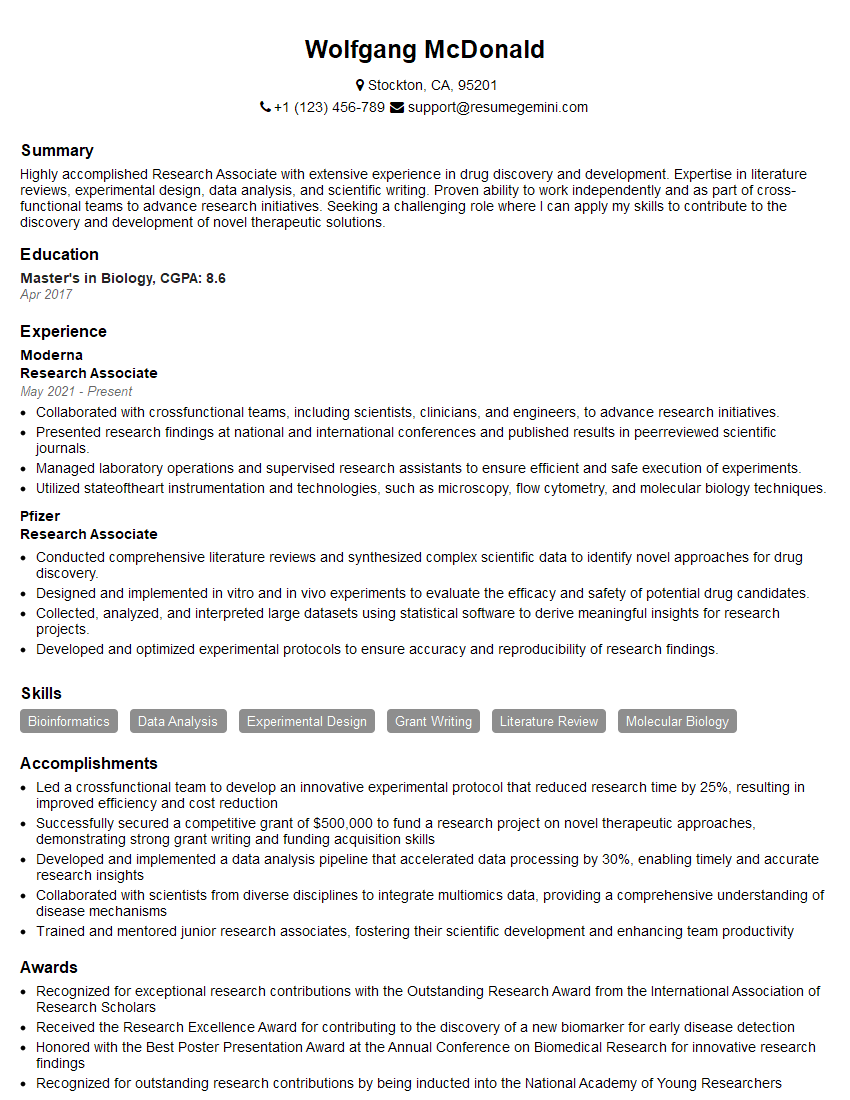
Research Associate Resume Sample

Compliance Officer Resume Sample
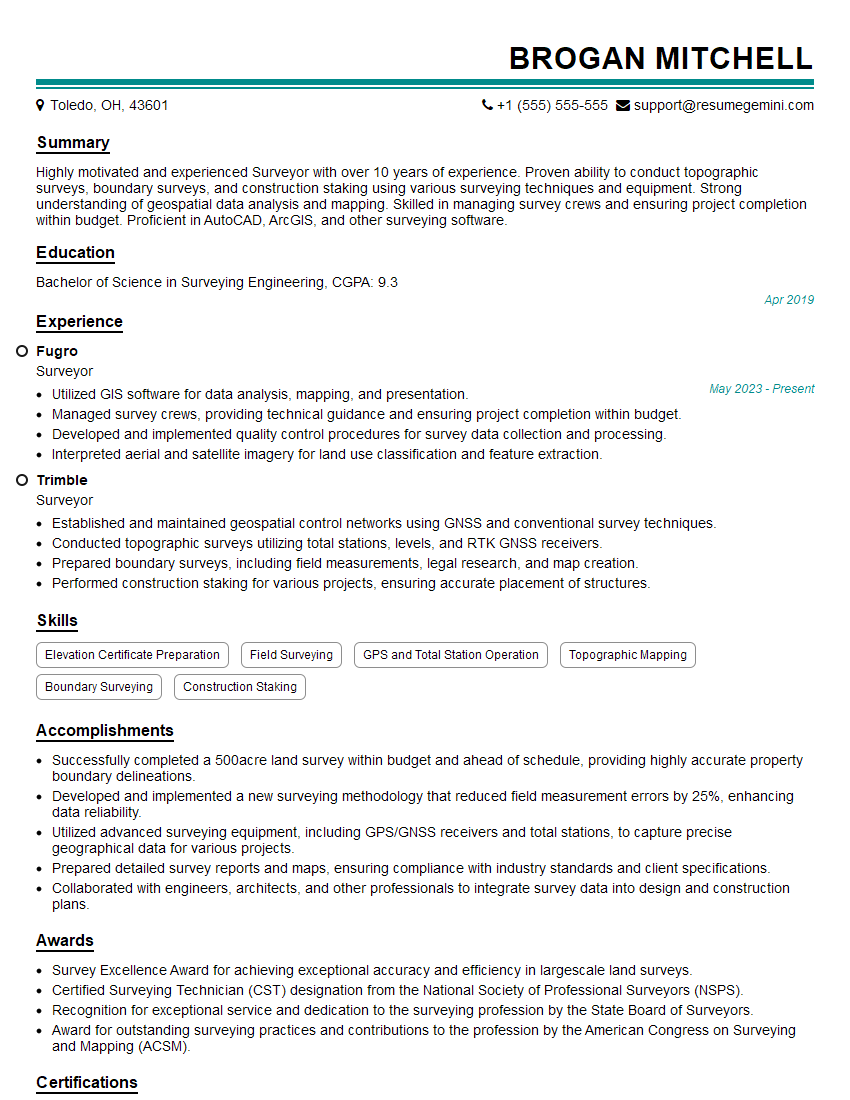
Surveyor Resume Sample
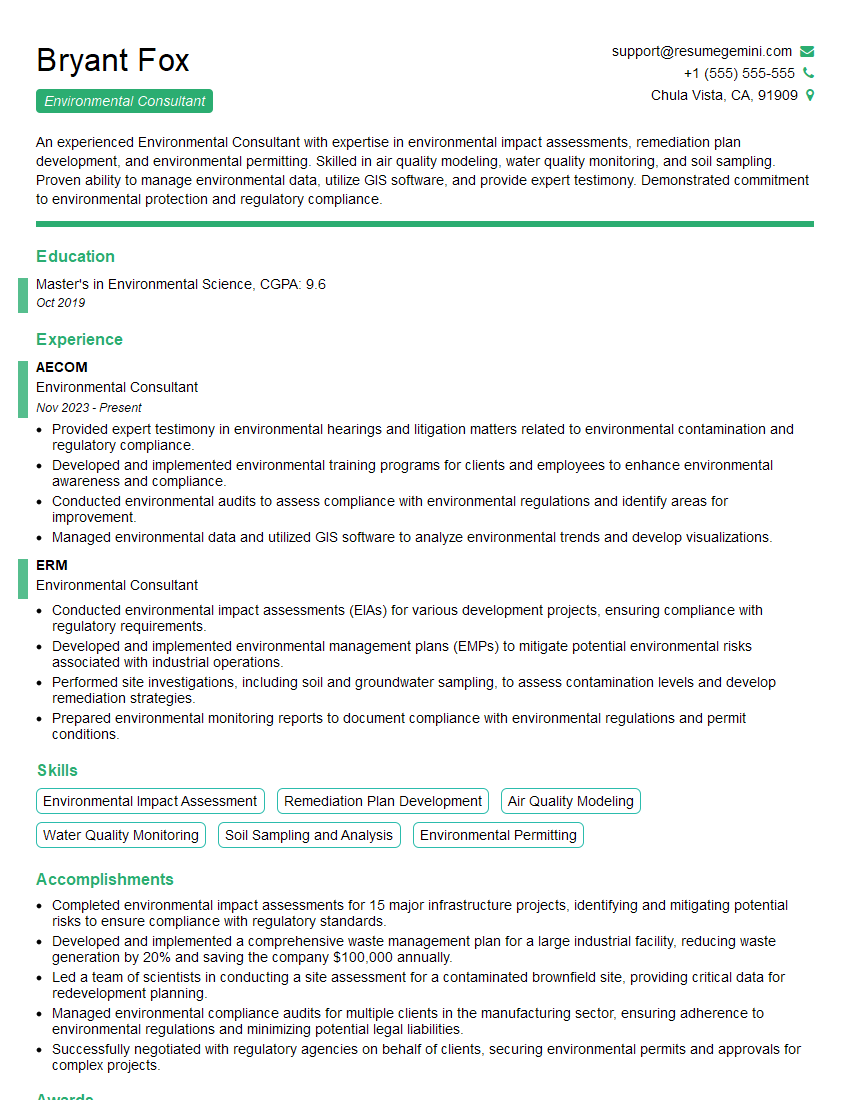
Environmental Consultant Resume Sample

Construction Inspector Resume Sample
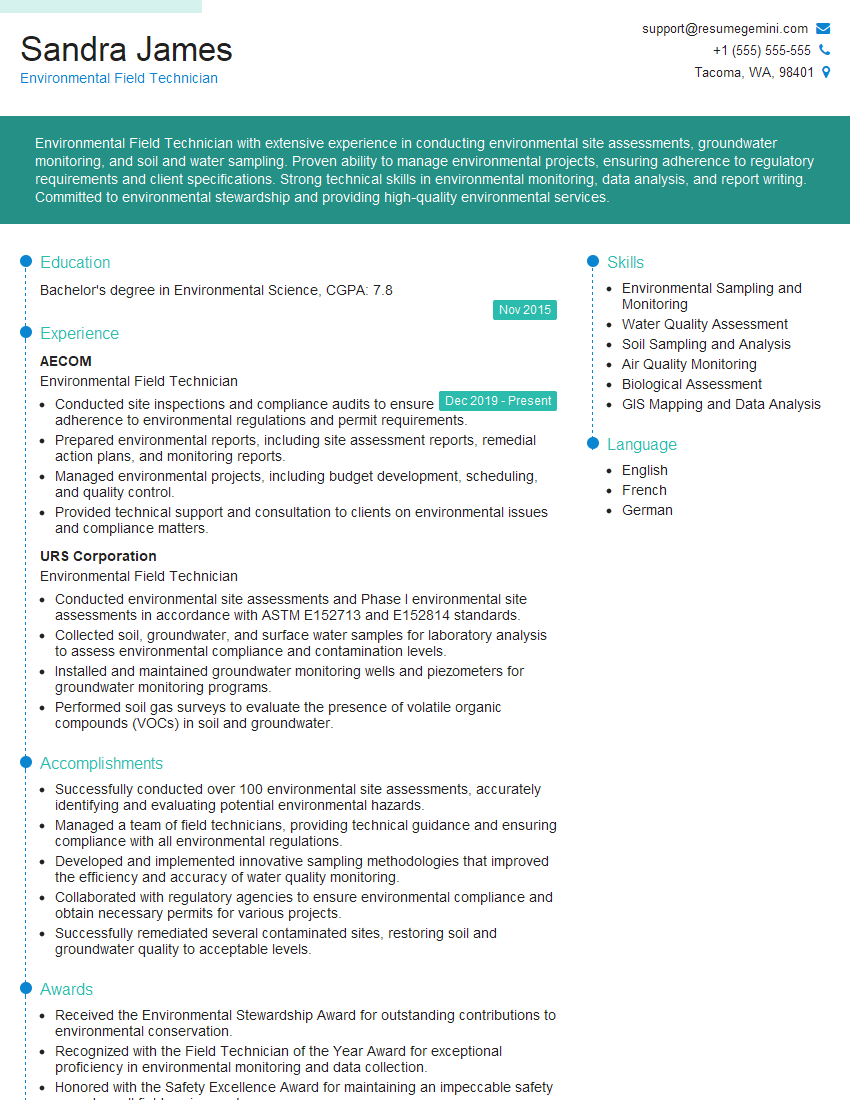
Environmental Field Technician Resume Sample

Wildlife Biologist Resume Sample
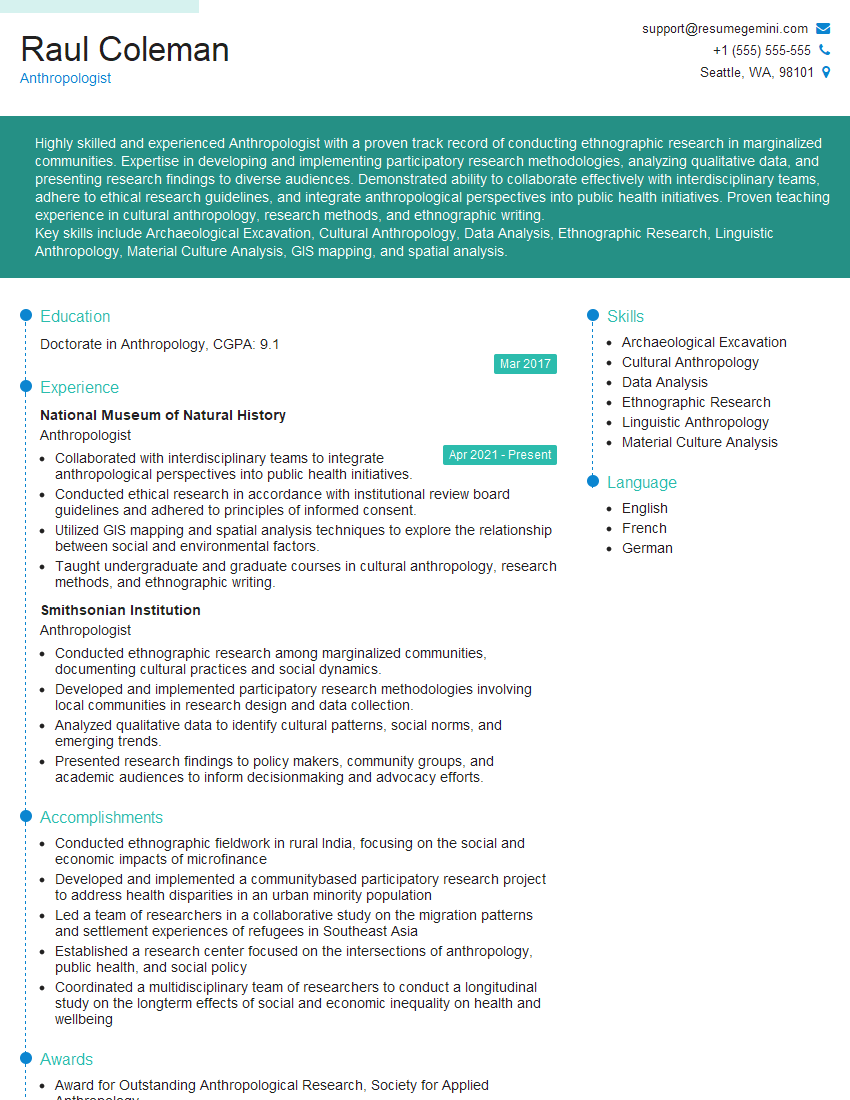
Anthropologist Resume Sample
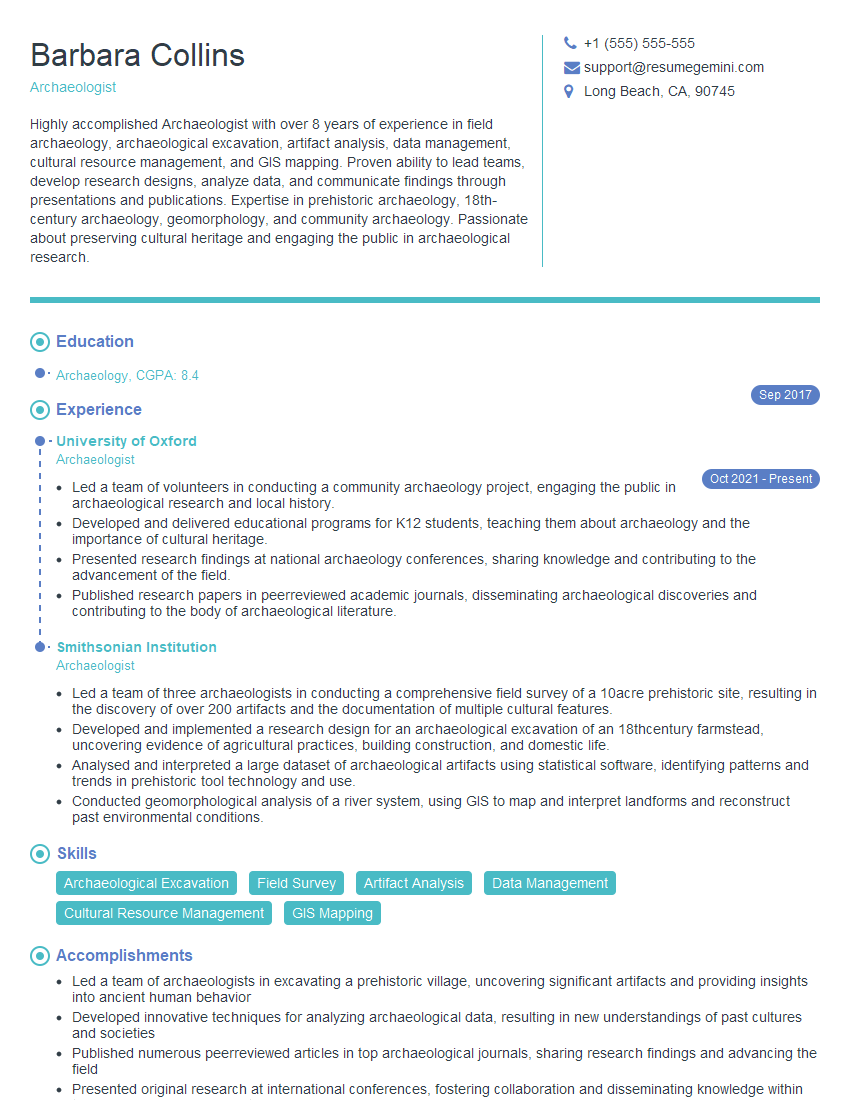
Archaeologist Resume Sample
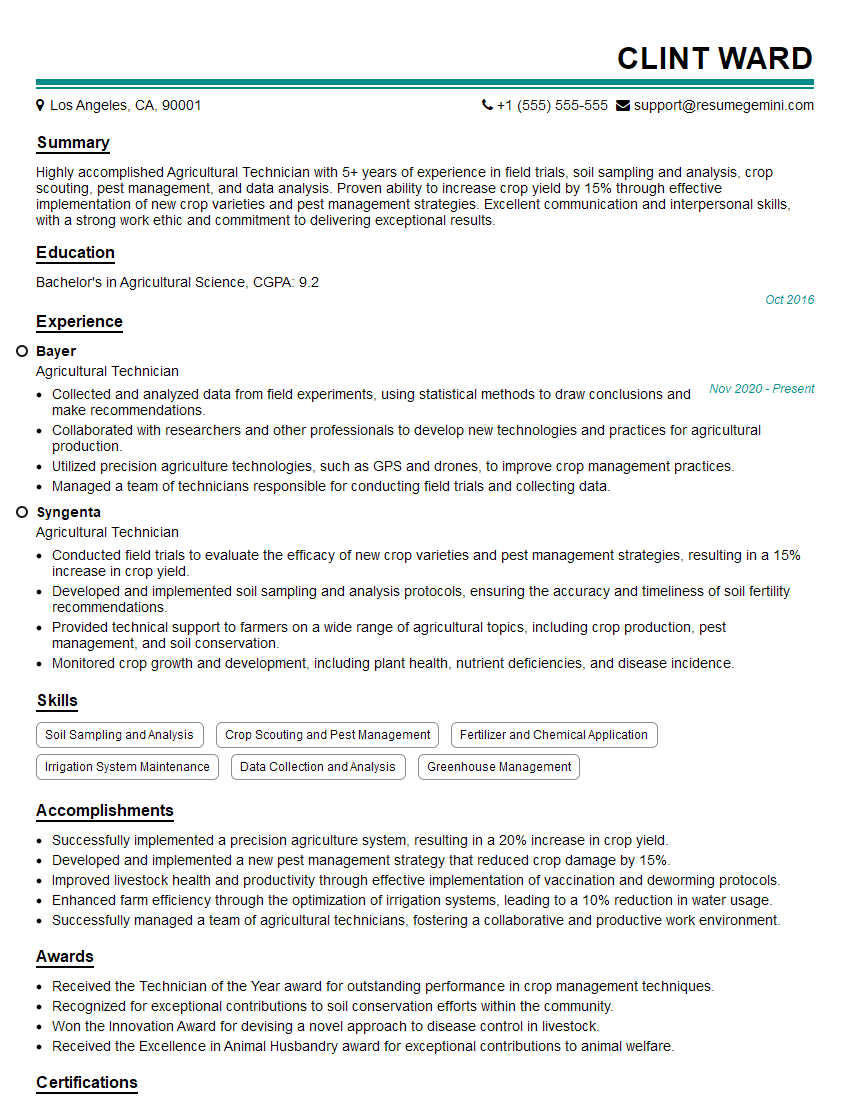
Agricultural Technician Resume Sample
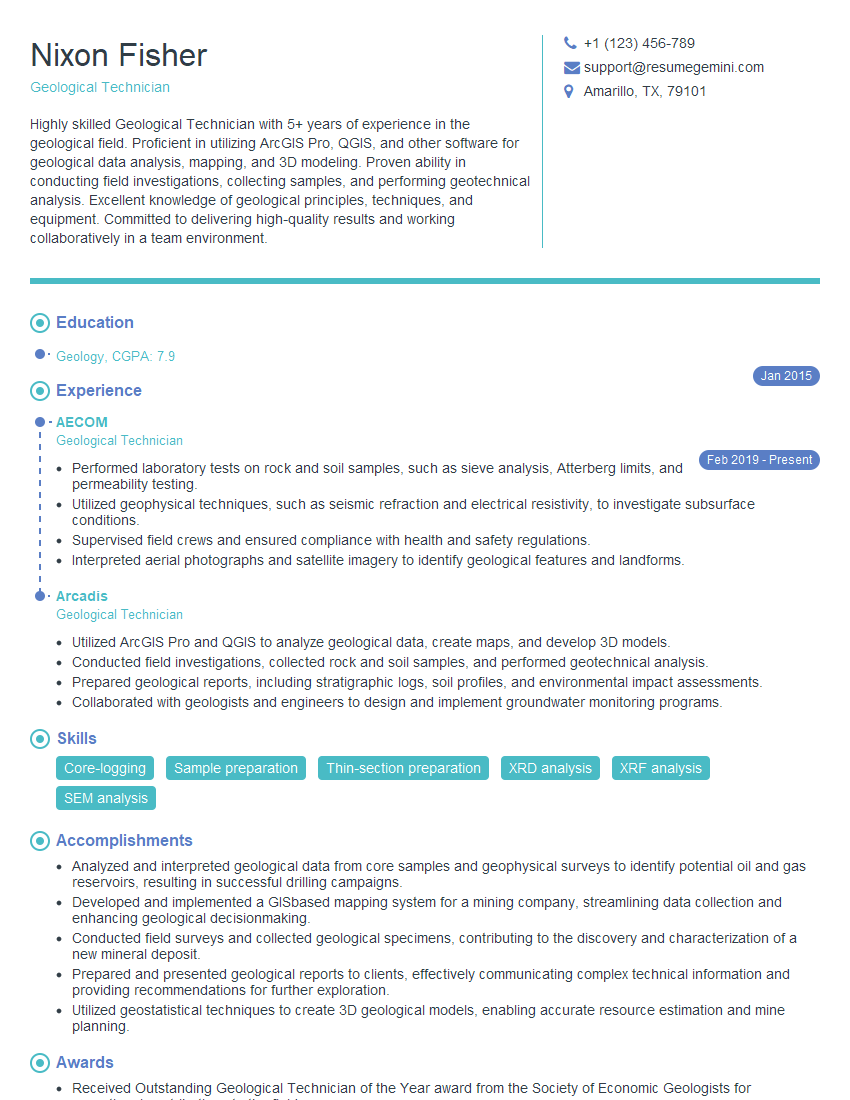
Geological Technician Resume Sample
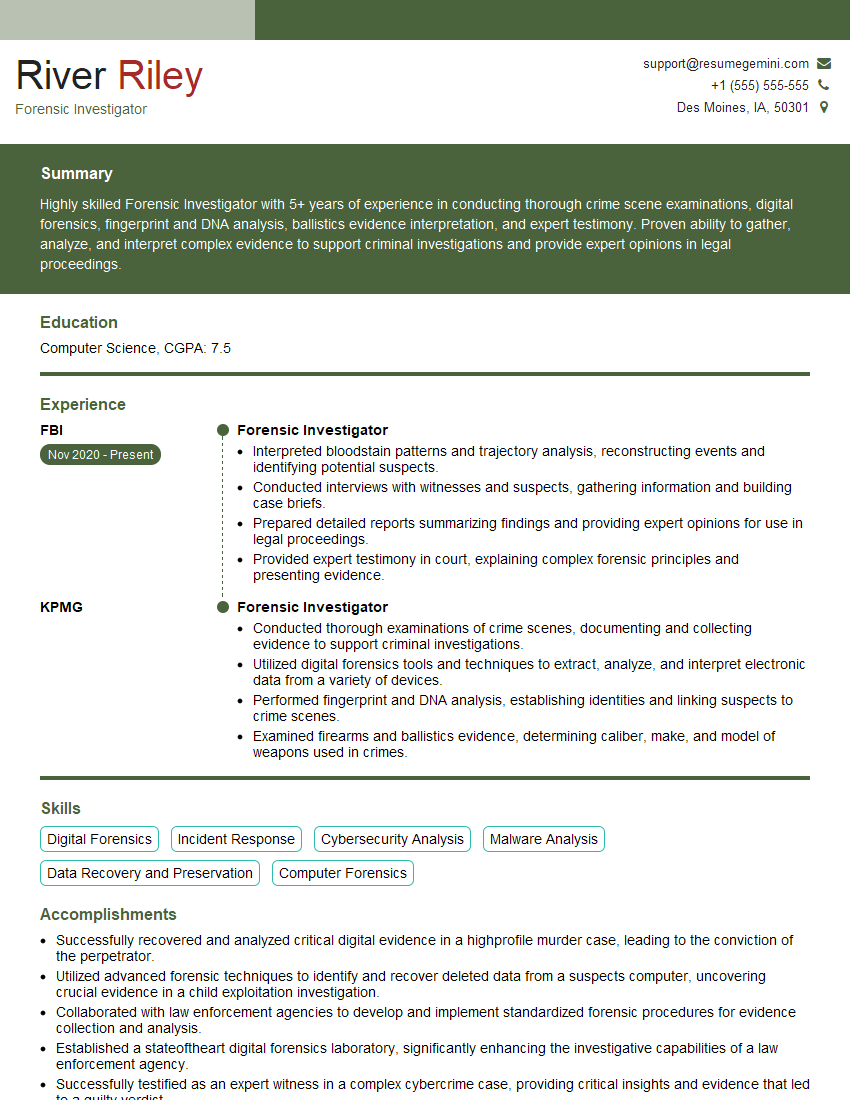
Forensic Investigator Resume Sample
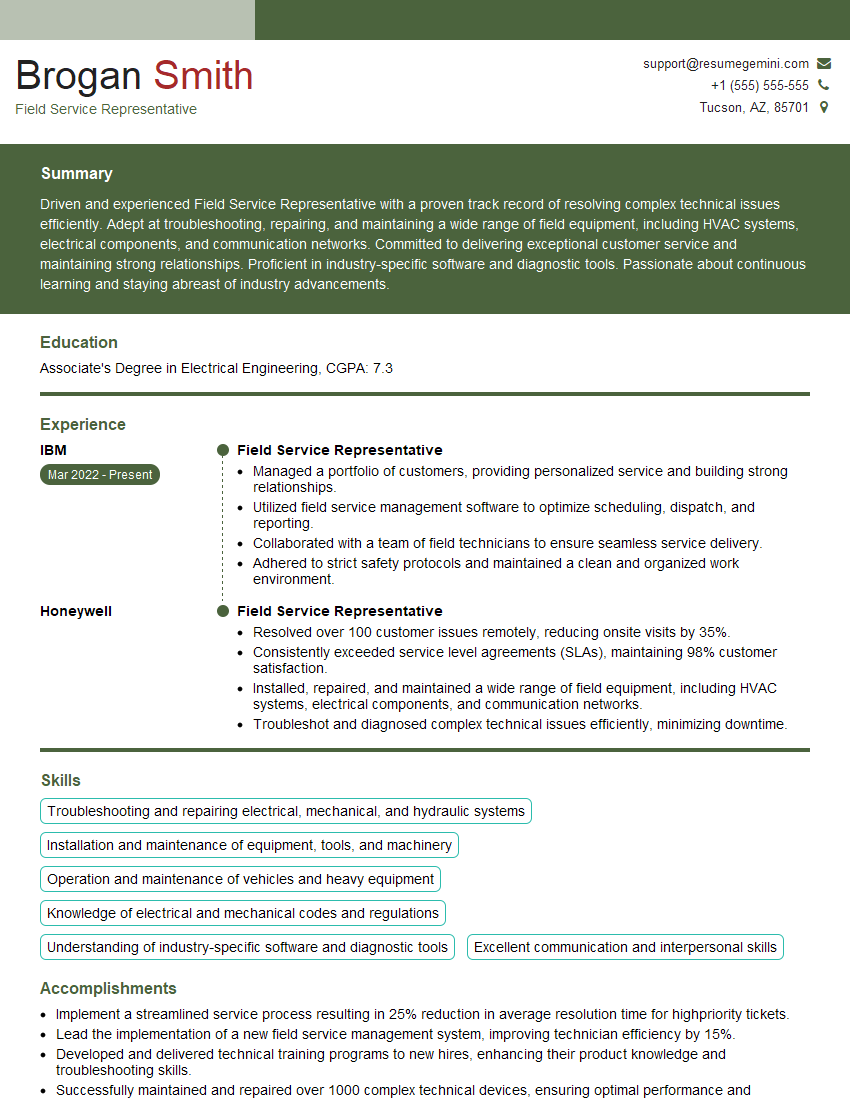
Field Service Representative Resume Sample
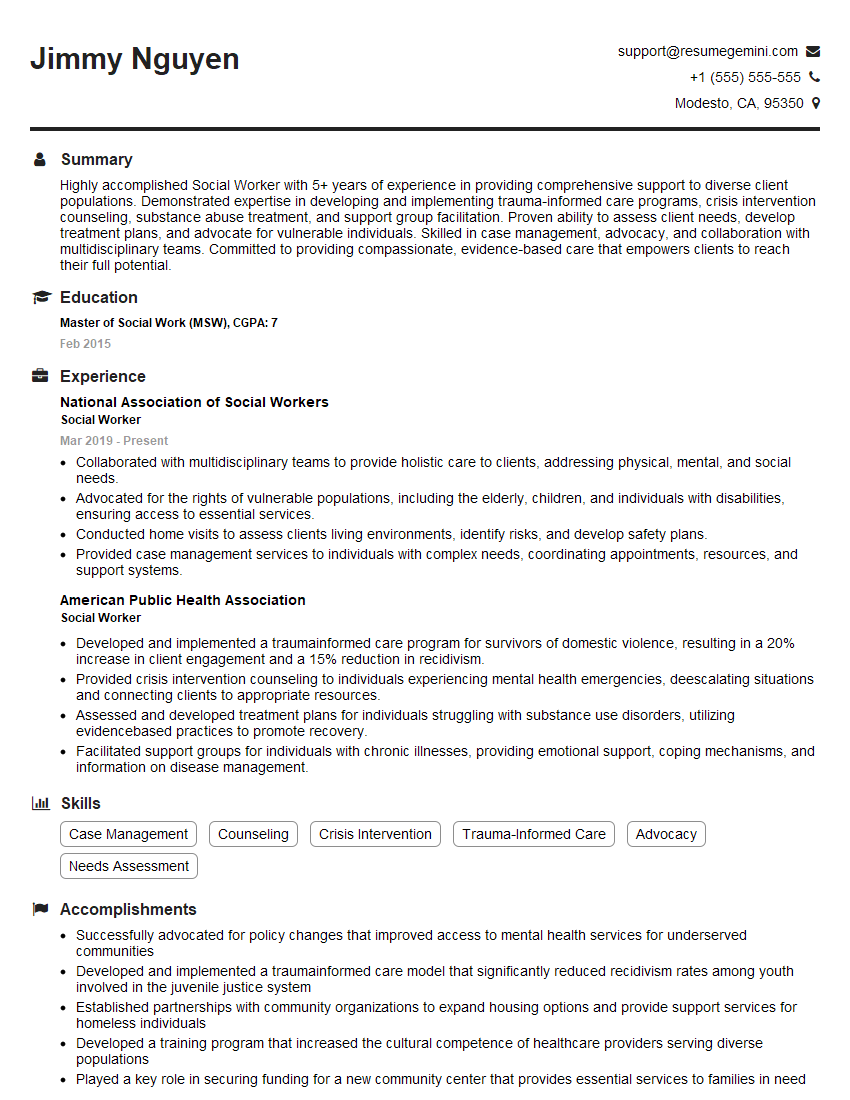
Social Worker Resume Sample
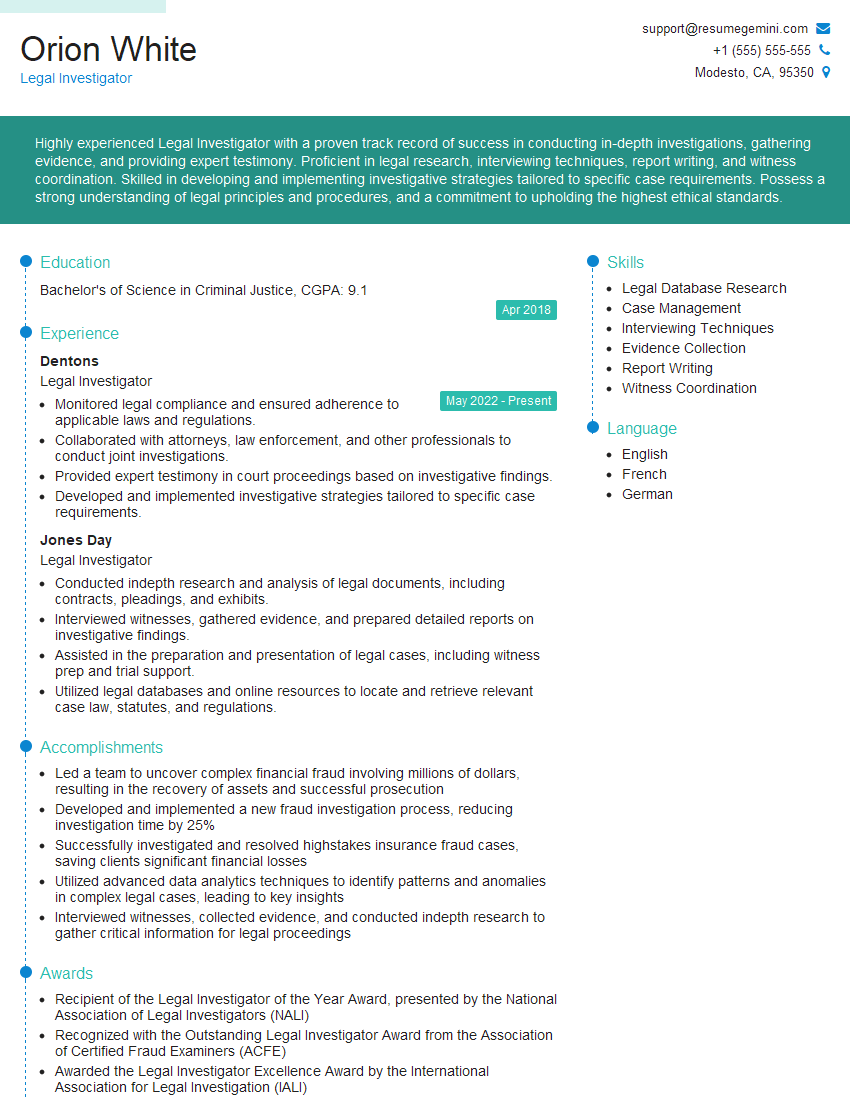
Legal Investigator Resume Sample
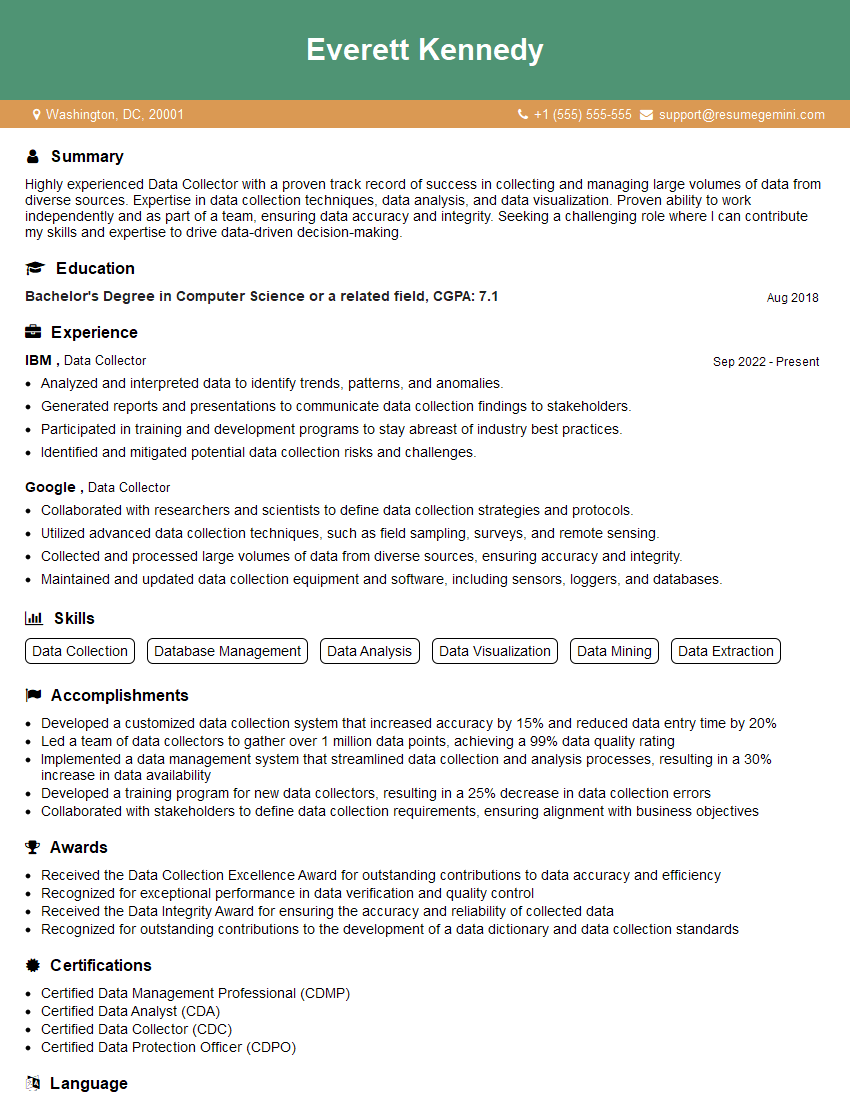
Data Collector Resume Sample

Quality Control Inspector Resume Sample
- Research Associate
- Compliance Officer
- Surveyor
- Environmental Consultant
- Construction Inspector
- Environmental Field Technician
- Wildlife Biologist
- Anthropologist
- Archaeologist
- Agricultural Technician
- Geological Technician
- Forensic Investigator
- Field Service Representative
- Social Worker
- Legal Investigator
- Data Collector
- Quality Control Inspector
Explore more articles
Users Rating of Our Blogs
Share Your Experience
We value your feedback! Please rate our content and share your thoughts (optional).
What Readers Say About Our Blog
Really detailed insights and content, thank you for writing this detailed article.
IT gave me an insight and words to use and be able to think of examples