Unlock your full potential by mastering the most common Financial Terminology interview questions. This blog offers a deep dive into the critical topics, ensuring you’re not only prepared to answer but to excel. With these insights, you’ll approach your interview with clarity and confidence.
Questions Asked in Financial Terminology Interview
Q 1. Define ‘amortization’ and explain its relevance in loan repayment.
Amortization is the process of gradually paying off a loan over a period of time by making regular payments that cover both principal and interest. Think of it like slowly chipping away at a debt. Each payment reduces the outstanding principal balance, while a portion goes towards the interest accrued on the loan. The amortization schedule, typically provided at the loan’s inception, details the breakdown of each payment into principal and interest components for the loan’s lifetime.
Its relevance in loan repayment is crucial for managing debt effectively. A fixed amortization schedule provides predictability and allows borrowers to track their progress towards complete loan repayment. This structured approach helps avoid accumulating excessive interest and allows for better financial planning.
Example: Imagine a 30-year mortgage. Initially, a larger portion of your monthly payment goes towards interest, with a smaller portion applied to the principal. Over time, this balance shifts, and a larger part of each payment goes towards reducing the principal as the loan nears maturity.
Q 2. What is the difference between ‘depreciation’ and ‘amortization’?
Both depreciation and amortization represent the allocation of the cost of an asset over its useful life, but they apply to different types of assets.
- Depreciation applies to tangible assets, such as buildings, machinery, or equipment, that lose value over time due to wear and tear, obsolescence, or other factors. It reflects the decline in the asset’s value.
- Amortization, on the other hand, applies to intangible assets, such as patents, copyrights, or loans. It systematically spreads the cost of the intangible asset or loan over its useful life. For loans, this useful life is the repayment period.
Key Difference: Depreciation deals with the decline in the value of a physical asset, while amortization deals with the systematic write-off of the cost of an intangible asset or loan.
Q 3. Explain the concept of ‘present value’ and its calculation.
Present value (PV) is the current worth of a future sum of money or stream of cash flows given a specified rate of return. Essentially, it answers the question: ‘How much money would I need to invest today to receive a specific amount in the future?’
The calculation involves discounting future cash flows back to their present value using a discount rate that reflects the time value of money (the idea that money available now is worth more than the same amount in the future due to its potential earning capacity). The formula is:
PV = FV / (1 + r)^nWhere:
- PV = Present Value
- FV = Future Value
- r = Discount rate (interest rate or rate of return)
- n = Number of periods (years, months, etc.)
Example: If you expect to receive $110 in one year and your discount rate is 10%, the present value is $110 / (1 + 0.1)^1 = $100. This means that $100 invested today at a 10% return would be worth $110 in one year.
Q 4. What is the difference between ‘equity’ and ‘debt’ financing?
Equity and debt financing are two primary ways businesses raise capital.
- Equity financing involves selling ownership shares (equity) in the company to investors. These investors become shareholders and have a claim on the company’s profits and assets. Equity financing doesn’t require repayment, but it dilutes ownership.
- Debt financing involves borrowing money from lenders (banks, bondholders, etc.). This creates a debt obligation that must be repaid with interest over a specified period. Debt financing doesn’t dilute ownership but increases financial risk due to the obligation to repay.
Example: A startup might raise equity financing by selling shares to venture capitalists, while a large corporation might issue bonds to raise debt financing for a new project.
Q 5. Define ‘net present value (NPV)’ and its significance in investment decisions.
Net Present Value (NPV) is a financial metric that calculates the difference between the present value of cash inflows and the present value of cash outflows over a period of time. It’s used to analyze the profitability of a potential investment or project.
A positive NPV indicates that the project is expected to generate more value than it costs, making it a potentially worthwhile investment. Conversely, a negative NPV suggests the project will likely result in a net loss. A NPV of zero implies that the project’s inflows and outflows are equal in value.
Significance: NPV is crucial for investment decisions because it accounts for the time value of money, allowing for a more accurate comparison of projects with different cash flow patterns and durations. Projects with higher NPVs are generally preferred.
Q 6. Explain the concept of ‘internal rate of return (IRR)’ and its use in project evaluation.
Internal Rate of Return (IRR) is the discount rate that makes the net present value (NPV) of all cash flows from a particular project equal to zero. In simpler terms, it’s the rate of return an investment is expected to generate.
Use in Project Evaluation: The IRR is used to assess the profitability of a potential investment or project. A higher IRR generally indicates a more attractive investment. Companies often set a minimum acceptable rate of return (hurdle rate), and only projects exceeding this rate are considered.
Example: If a project has an IRR of 15%, it means the project is expected to generate a 15% return on investment. If the company’s hurdle rate is 10%, the project would be considered acceptable.
Q 7. What is ‘working capital’ and how is it managed?
Working capital represents the difference between a company’s current assets (cash, accounts receivable, inventory) and its current liabilities (accounts payable, short-term debt). It’s essentially the money available to fund day-to-day operations.
Management: Effective working capital management is vital for a company’s financial health. This involves optimizing the levels of current assets and liabilities to ensure sufficient liquidity while minimizing unnecessary investment in working capital. Key strategies include:
- Inventory management: Maintaining optimal inventory levels to meet demand without tying up excessive capital.
- Accounts receivable management: Efficiently collecting payments from customers to reduce the time money is tied up in receivables.
- Accounts payable management: Negotiating favorable payment terms with suppliers to extend payment timelines.
- Cash management: Maintaining sufficient cash reserves to meet operational needs and unexpected expenses.
Proper working capital management helps companies maintain a healthy cash flow, meet their short-term obligations, and take advantage of growth opportunities.
Q 8. Explain the difference between ‘gross profit’ and ‘net profit’.
Gross profit and net profit are both measures of a company’s profitability, but they represent different stages of the profit calculation. Think of it like this: gross profit is your profit *before* you pay all your bills, while net profit is what’s left *after* all expenses are considered.
Gross Profit: This is the revenue generated from sales minus the direct costs of goods sold (COGS). COGS includes the raw materials, direct labor, and manufacturing overhead directly attributable to producing the goods or services sold. It’s a measure of how efficiently a company is managing its core operations.
Gross Profit = Revenue - Cost of Goods Sold (COGS)
Net Profit (or Net Income): This is the bottom line. It’s calculated by subtracting *all* expenses—including operating expenses (rent, salaries, marketing), interest expense, and taxes—from the gross profit. Net profit represents the true profitability of the business after all costs have been accounted for.
Net Profit = Gross Profit - Operating Expenses - Interest Expense - Taxes
Example: Imagine a bakery. They sell $10,000 worth of bread (Revenue). The cost of flour, sugar, yeast, and the baker’s wages directly related to bread production is $4,000 (COGS). Their gross profit is $6,000 ($10,000 – $4,000). However, they also have rent, utilities, and salaries for other staff totaling $3,000 in operating expenses. After paying these, their net profit is $3,000 ($6,000 – $3,000), assuming no interest or taxes for simplicity.
Q 9. What are the key components of a balance sheet?
The balance sheet is a snapshot of a company’s financial position at a specific point in time. It follows the fundamental accounting equation: Assets = Liabilities + Equity.
- Assets: These are what a company owns, including current assets (cash, accounts receivable, inventory) and non-current assets (property, plant, equipment, intangible assets).
- Liabilities: These are what a company owes to others, including current liabilities (accounts payable, short-term debt) and non-current liabilities (long-term debt).
- Equity: This represents the owners’ stake in the company. It includes retained earnings (profits reinvested in the business) and contributed capital (money invested by shareholders).
Imagine a balance sheet as a scale. The assets must always balance with the liabilities and equity. If a company acquires a new asset (e.g., a building), it needs to balance this by either increasing its liabilities (taking out a loan) or increasing its equity (through additional investment).
Q 10. What are the key components of an income statement?
The income statement, also known as the profit and loss (P&L) statement, shows a company’s financial performance over a period of time (e.g., a quarter or a year). It reveals how much revenue a company generated and what its expenses were during that period.
- Revenue: This is the income generated from sales of goods or services.
- Cost of Goods Sold (COGS): The direct costs associated with producing goods or services sold (as discussed earlier).
- Gross Profit: Revenue minus COGS.
- Operating Expenses: Expenses incurred in running the business, such as rent, salaries, marketing, and administrative costs.
- Operating Income: Gross profit minus operating expenses.
- Other Income/Expenses: Income or expenses not directly related to core operations (e.g., interest income, investment losses).
- Net Income (or Net Profit): The bottom line; the profit after all expenses and taxes are deducted.
A well-structured income statement helps investors and stakeholders understand a company’s profitability and its efficiency in managing its resources.
Q 11. What are the key components of a cash flow statement?
The cash flow statement tracks the movement of cash both into and out of a company over a period. It’s crucial because profit on an income statement doesn’t necessarily mean cash in the bank – a company can be profitable but still have cash flow problems.
- Operating Activities: Cash flows from the company’s core business operations (e.g., cash received from customers, cash paid to suppliers).
- Investing Activities: Cash flows related to investments in long-term assets (e.g., purchasing equipment, selling securities).
- Financing Activities: Cash flows related to how the company raises and repays capital (e.g., issuing debt, repurchasing shares, paying dividends).
The cash flow statement is divided into these three sections to provide a complete picture of where a company’s cash is coming from and where it’s going. It helps assess the company’s liquidity (ability to meet short-term obligations) and its ability to fund future growth.
Q 12. What is ‘earnings per share (EPS)’ and how is it calculated?
Earnings per share (EPS) is a crucial metric that shows the portion of a company’s profit allocated to each outstanding share of common stock. It’s a key indicator of a company’s profitability and is widely used by investors to evaluate investment opportunities.
EPS = (Net Income - Preferred Dividends) / Weighted Average Number of Outstanding Shares
Net Income: The company’s profit after all expenses and taxes.
Preferred Dividends: Dividends paid to preferred shareholders (if any); these are paid before common shareholders.
Weighted Average Number of Outstanding Shares: The average number of shares outstanding during the period, accounting for any changes in the number of shares throughout the year. This is crucial for accuracy, especially if the company issued or repurchased shares during the year.
Example: A company reports a net income of $1 million, with no preferred dividends, and a weighted average of 10 million outstanding shares. Its EPS is $0.10 ($1,000,000 / 10,000,000).
Q 13. What is ‘return on equity (ROE)’ and what does it indicate?
Return on equity (ROE) measures a company’s profitability relative to its shareholders’ equity. It shows how efficiently a company uses its shareholders’ investments to generate profit.
ROE = Net Income / Shareholders' Equity
A higher ROE generally indicates better management of shareholder investments and stronger profitability. However, it’s essential to consider other factors and compare ROE to industry averages and competitors. An unusually high ROE might signal unsustainable practices or unusual accounting treatments, while a low ROE might suggest inefficiencies or weak performance.
Example: If a company has a net income of $500,000 and shareholder’s equity of $2 million, its ROE is 25% ($500,000 / $2,000,000).
Q 14. What is ‘return on assets (ROA)’ and how is it interpreted?
Return on assets (ROA) is a financial ratio that indicates how efficiently a company is using its assets to generate earnings. It’s a measure of profitability relative to the size of the company’s assets.
ROA = Net Income / Total Assets
A higher ROA suggests that the company is using its assets effectively to generate profits. Like ROE, comparing a company’s ROA to industry averages and competitors’ ROAs is crucial for meaningful interpretation. A low ROA might signal inefficiencies in asset utilization or a need to improve operational strategies.
Example: If a company has a net income of $1 million and total assets of $5 million, its ROA is 20% ($1,000,000 / $5,000,000).
Q 15. Explain the concept of ‘liquidity’ and its importance.
Liquidity refers to the ease with which an asset can be converted into cash without a significant loss in value. It’s a crucial concept because it measures how quickly an entity can meet its short-term obligations. A highly liquid asset, like a government bond, can be sold quickly and easily for its fair market value. Conversely, an illiquid asset, such as real estate, might take considerable time and effort to sell, potentially resulting in a price reduction to attract a buyer.
The importance of liquidity is multifaceted. For businesses, sufficient liquidity ensures they can pay suppliers, employees, and other creditors on time, preventing disruptions to operations. For investors, liquidity determines how easily they can buy or sell investments without significant price impact. Think about needing to sell stocks urgently – if the market is illiquid for that particular stock, you may face losses to secure a quick sale. Insolvency often stems from a lack of liquidity, even if a company is fundamentally solvent.
- Example: A company with high liquidity can easily handle unexpected expenses or take advantage of sudden investment opportunities.
- Example: A company with low liquidity might face financial distress if a major customer delays payment, highlighting the importance of maintaining sufficient cash reserves and readily marketable assets.
Career Expert Tips:
- Ace those interviews! Prepare effectively by reviewing the Top 50 Most Common Interview Questions on ResumeGemini.
- Navigate your job search with confidence! Explore a wide range of Career Tips on ResumeGemini. Learn about common challenges and recommendations to overcome them.
- Craft the perfect resume! Master the Art of Resume Writing with ResumeGemini’s guide. Showcase your unique qualifications and achievements effectively.
- Don’t miss out on holiday savings! Build your dream resume with ResumeGemini’s ATS optimized templates.
Q 16. What is ‘solvency’ and how is it assessed?
Solvency, on the other hand, reflects a company’s ability to meet its long-term obligations. It assesses whether a company’s assets exceed its liabilities, indicating its long-term financial viability. Unlike liquidity, which focuses on short-term obligations, solvency considers the company’s overall financial health and its capacity to endure over time. A solvent company is one that possesses sufficient assets to cover its debts even in the long run.
Solvency is assessed through various financial ratios and analyses. Key indicators include the debt-to-equity ratio (total debt divided by total equity), which shows how much a company is financed by debt versus equity, and the times interest earned ratio (earnings before interest and taxes divided by interest expense), revealing the ability to pay interest obligations. A high debt-to-equity ratio and a low times interest earned ratio can signal solvency concerns. Analyzing the company’s cash flow statement, specifically its ability to generate positive operating cash flow, is also crucial in assessing solvency.
Imagine a business with substantial assets like property but also a large amount of long-term debt. Analyzing solvency helps determine whether they can manage their debt burden consistently over time, indicating their ability to service loans and avoid bankruptcy.
Q 17. What are different types of financial ratios and their uses?
Financial ratios are powerful tools that provide insights into a company’s financial health and performance by expressing relationships between different line items on the financial statements (balance sheet, income statement, cash flow statement). They are categorized into several types, each serving a unique purpose:
- Profitability Ratios: These ratios measure a company’s ability to generate earnings. Examples include Gross Profit Margin (Gross Profit/Revenue), Net Profit Margin (Net Income/Revenue), and Return on Equity (Net Income/Shareholder Equity).
- Liquidity Ratios: These assess a company’s ability to meet short-term obligations. Examples include the Current Ratio (Current Assets/Current Liabilities) and the Quick Ratio ((Current Assets – Inventory)/Current Liabilities).
- Solvency Ratios: These gauge a company’s ability to meet long-term obligations. Examples include the Debt-to-Equity Ratio (Total Debt/Total Equity) and the Times Interest Earned Ratio (EBIT/Interest Expense).
- Efficiency Ratios: These measure how effectively a company manages its assets and liabilities. Examples include Inventory Turnover (Cost of Goods Sold/Average Inventory) and Accounts Receivable Turnover (Revenue/Average Accounts Receivable).
- Market Value Ratios: These ratios assess market performance and investor sentiment. Examples include Price-to-Earnings Ratio (Market Price per Share/Earnings per Share) and Market-to-Book Ratio (Market Capitalization/Book Value).
Financial analysts use these ratios to compare a company’s performance against its competitors, industry benchmarks, and its own historical performance. They form an integral part of credit analysis, investment decisions, and internal performance monitoring.
Q 18. Explain the difference between ‘market capitalization’ and ‘book value’.
Market capitalization and book value represent two distinct ways of valuing a company.
Market Capitalization is the total market value of a company’s outstanding shares. It’s calculated by multiplying the current market price per share by the total number of outstanding shares. It reflects what the market believes the company is worth. For instance, if a company has 100 million shares outstanding trading at $50 per share, its market capitalization is $5 billion.
Book Value, on the other hand, represents the net asset value of a company as reported on its balance sheet. It is calculated as total assets minus total liabilities. It represents the company’s net worth from an accounting perspective. Book value is often lower than market capitalization, especially for growing companies whose future potential isn’t fully reflected in their current assets.
The difference between market capitalization and book value highlights the distinction between market perception and accounting reality. Market capitalization reflects investor sentiment and expectations regarding future growth, whereas book value reflects the historical cost of assets less liabilities.
Q 19. What is a ‘dividend’ and how does it affect shareholder value?
A dividend is a distribution of a portion of a company’s earnings to its shareholders. It’s a way for companies to return profits to investors. Dividends are usually paid out on a quarterly or annual basis, and the amount is determined by the company’s board of directors.
Dividends affect shareholder value in several ways. Firstly, they provide a direct cash return on investment. This is particularly attractive to income-seeking investors. Secondly, the payment of dividends often signals a company’s financial health and stability, boosting investor confidence and potentially increasing the share price. However, the payment of dividends also reduces the company’s retained earnings, which could otherwise be reinvested in the business to fund growth and increase future profitability. Thus, there’s always a trade-off between dividend payouts and reinvestment in growth opportunities. For example, a rapidly expanding tech company might prioritize reinvestment over high dividend payouts to accelerate growth, while a mature utility company might favor consistent dividend payments.
Q 20. What is ‘dilution’ in the context of equity financing?
Dilution, in the context of equity financing, refers to a reduction in the ownership percentage of existing shareholders due to the issuance of new shares. This occurs when a company raises capital by issuing additional shares, thereby increasing the total number of outstanding shares. The existing shareholders’ ownership stake is diluted because their shares now represent a smaller proportion of the company’s total shares.
Dilution can occur through various financing activities, such as issuing new shares in a public offering, issuing shares to employees (stock options), or issuing shares to acquire another company. The degree of dilution depends on the number of new shares issued relative to the existing shares. For instance, issuing a large number of new shares will significantly dilute the existing shareholders’ ownership compared to issuing only a small number.
While dilution reduces the ownership percentage, it’s not always negative. If the company uses the funds raised through issuing new shares to invest in successful projects or acquisitions that boost the company’s value, then the overall value of each share may increase, offsetting the reduced ownership.
Q 21. Explain the concept of ‘due diligence’ in a financial transaction.
Due diligence is a comprehensive investigation and verification process conducted before entering into a significant financial transaction. It involves scrutinizing all aspects of the target company, asset, or investment to identify and assess any potential risks and liabilities. The goal is to ensure the deal is as represented and to mitigate potential losses.
In the context of a merger or acquisition, due diligence might include examining the target company’s financial statements, reviewing legal documents, assessing the company’s operations, conducting environmental audits, and interviewing key personnel. For an investment in a private company, due diligence focuses on understanding the business model, management team, financial projections, competitive landscape, and regulatory environment.
A thorough due diligence process typically involves a team of specialists, including financial analysts, legal experts, and industry consultants. The findings of the due diligence investigation are crucial in determining whether to proceed with the transaction and negotiating favorable terms. Neglecting due diligence can lead to costly mistakes and significant financial losses.
Q 22. What is ‘hedging’ and how is it used to manage risk?
Hedging is a risk management strategy employed to reduce financial losses associated with fluctuations in the price of an asset. Think of it as insurance for your investments. Instead of betting on a single outcome, you’re mitigating potential losses by taking an offsetting position. For example, an airline expecting to buy significant quantities of jet fuel in the future might hedge against rising fuel prices by purchasing fuel futures contracts. If the price of fuel rises, the gains on the futures contracts will offset the increased cost of fuel. Conversely, if the price of fuel falls, the airline will lose money on the futures contracts, but this loss will be partially offset by the lower cost of fuel. The goal isn’t to make a profit from the hedge, but to protect against potential losses.
Different hedging strategies exist, depending on the specific risk and the available instruments. These can include futures contracts, options, swaps, and even forward contracts. The effectiveness of hedging depends heavily on correctly identifying the risk and choosing an appropriate hedging instrument.
Q 23. What is ‘financial leverage’ and what are its implications?
Financial leverage refers to the use of debt to finance a company’s assets. Imagine you’re buying a house. If you pay entirely in cash, you have no leverage. However, if you take out a mortgage (debt), you’re using leverage. The higher the proportion of debt to equity, the higher the leverage.
Leverage magnifies both profits and losses. If a company’s investments perform well, the return on equity (ROE) will be amplified by leverage, leading to higher profits for shareholders. Conversely, if investments underperform, the losses will also be amplified, potentially leading to financial distress or bankruptcy. Think of it like a seesaw; the more weight you put on one side (debt), the bigger the movement (profit or loss) on the other side (equity).
The implications of financial leverage include increased risk, higher potential returns, and changes in the company’s cost of capital. A company must carefully manage its leverage to avoid excessive risk.
Q 24. Explain the concept of ‘capital structure’ and its optimization.
Capital structure refers to the way a company finances its assets using a combination of debt and equity. This is a crucial decision as it impacts the company’s cost of capital, risk profile, and overall value. For example, a company might finance its operations with a mix of bank loans (debt), bonds (debt), and equity (shares sold to investors).
Capital structure optimization aims to find the optimal mix of debt and equity that maximizes the company’s value. This involves considering factors such as the company’s risk tolerance, tax rates, industry norms, and access to capital markets. A company with stable cash flows and low risk might choose higher levels of debt, taking advantage of the tax benefits of interest expense. Conversely, a highly volatile company might prefer a conservative capital structure with less debt to mitigate bankruptcy risk. There is no universally optimal capital structure; it depends on the specific circumstances of the company.
The process of optimizing capital structure often involves complex financial modeling and analysis, evaluating different scenarios and their potential impact on the company’s value.
Q 25. What is ‘interest rate risk’ and how can it be managed?
Interest rate risk is the risk that changes in interest rates will negatively impact the value of an asset or investment. For example, rising interest rates typically lead to lower bond prices, as investors can obtain higher yields on newly issued bonds. Conversely, falling interest rates usually increase bond prices.
Managing interest rate risk involves several strategies. One approach is to adjust the duration of the portfolio. Duration is a measure of a bond’s sensitivity to interest rate changes. A shorter duration generally implies less sensitivity to interest rate changes. Another approach is using derivatives, such as interest rate swaps or futures contracts, to hedge against unfavorable interest rate movements. Diversification across different maturities and types of fixed-income securities can also mitigate interest rate risk. Careful monitoring of interest rate forecasts and economic indicators is crucial for effective management.
Q 26. What is a ‘derivative’ and explain its common uses.
A derivative is a financial contract whose value is derived from an underlying asset or index. The underlying asset could be anything from a stock or bond to a commodity like gold or oil, or even a weather index. Derivatives themselves don’t have intrinsic value; their value is contingent upon the value of the underlying asset.
Common uses of derivatives include hedging, speculation, and arbitrage. Hedging, as discussed earlier, involves using derivatives to offset potential losses from adverse movements in the underlying asset. Speculation involves using derivatives to bet on the future direction of the underlying asset, seeking to profit from price movements. Arbitrage involves exploiting price discrepancies between related assets, using derivatives to profit from the difference. Examples of derivatives include futures contracts, options, swaps, and forwards.
Q 27. What is ‘market risk’ and how does it impact investment portfolios?
Market risk, also known as systematic risk, is the risk of losses in an investment due to factors affecting the overall market, rather than company-specific issues. These factors include economic downturns, changes in interest rates, inflation, geopolitical events, and investor sentiment. Market risk is inherent to investing in any asset with a market price.
Market risk impacts investment portfolios by potentially reducing their value. During market downturns, almost all assets tend to fall in value, resulting in portfolio losses. The impact depends on the portfolio’s composition and the extent of market decline. A portfolio heavily weighted towards stocks will be more susceptible to market risk than a portfolio with a substantial allocation to bonds or other less volatile assets.
Managing market risk involves diversification across asset classes, geographic regions, and sectors. Employing a long-term investment horizon and rebalancing the portfolio periodically can also help mitigate market risk.
Q 28. Explain the concept of ‘systematic risk’ vs. ‘unsystematic risk’.
Systematic risk, as mentioned above, refers to market-wide risks that affect all investments to varying degrees. It’s essentially the risk that is inherent to the market itself and cannot be diversified away. Examples include changes in interest rates, recessions, and major geopolitical events. These risks affect the entire market, regardless of the specific assets held.
Unsystematic risk, on the other hand, is specific to a particular company or industry. It’s the risk that can be reduced or eliminated through diversification. Examples include the risk of a specific company’s product failing, a change in management, or a strike by employees. By diversifying investments across multiple companies and sectors, an investor can significantly reduce their exposure to unsystematic risk. If one company performs poorly, the losses can be offset by the gains from others.
Understanding the difference between systematic and unsystematic risk is crucial for building a well-diversified portfolio that manages risk effectively.
Key Topics to Learn for Financial Terminology Interview
- Financial Statement Analysis: Understanding balance sheets, income statements, and cash flow statements. Practical application: Identifying key financial health indicators and trends for a company.
- Key Financial Ratios: Learning profitability, liquidity, solvency, and efficiency ratios. Practical application: Assessing a company’s performance and risk profile.
- Valuation Methods: Exploring Discounted Cash Flow (DCF) analysis, comparable company analysis, and precedent transactions. Practical application: Determining the intrinsic value of a company or asset.
- Capital Budgeting: Understanding Net Present Value (NPV), Internal Rate of Return (IRR), and Payback Period. Practical application: Evaluating the profitability of potential investments.
- Risk Management: Exploring various types of financial risk and mitigation strategies. Practical application: Identifying and addressing potential threats to financial stability.
- Investment Banking Terminology: Understanding concepts like mergers and acquisitions (M&A), leveraged buyouts (LBOs), and initial public offerings (IPOs). Practical application: Participating in deal discussions and analysis.
- Accounting Principles (GAAP & IFRS): Familiarity with Generally Accepted Accounting Principles and International Financial Reporting Standards. Practical application: Interpreting financial statements accurately.
Next Steps
Mastering financial terminology is crucial for career advancement in finance. A strong grasp of these concepts demonstrates your expertise and opens doors to exciting opportunities. To further enhance your job prospects, focus on building an ATS-friendly resume that highlights your relevant skills and experience. ResumeGemini is a trusted resource to help you craft a compelling and effective resume. We provide examples of resumes tailored to financial terminology roles to guide you through the process. Let us help you make a lasting impression on potential employers.
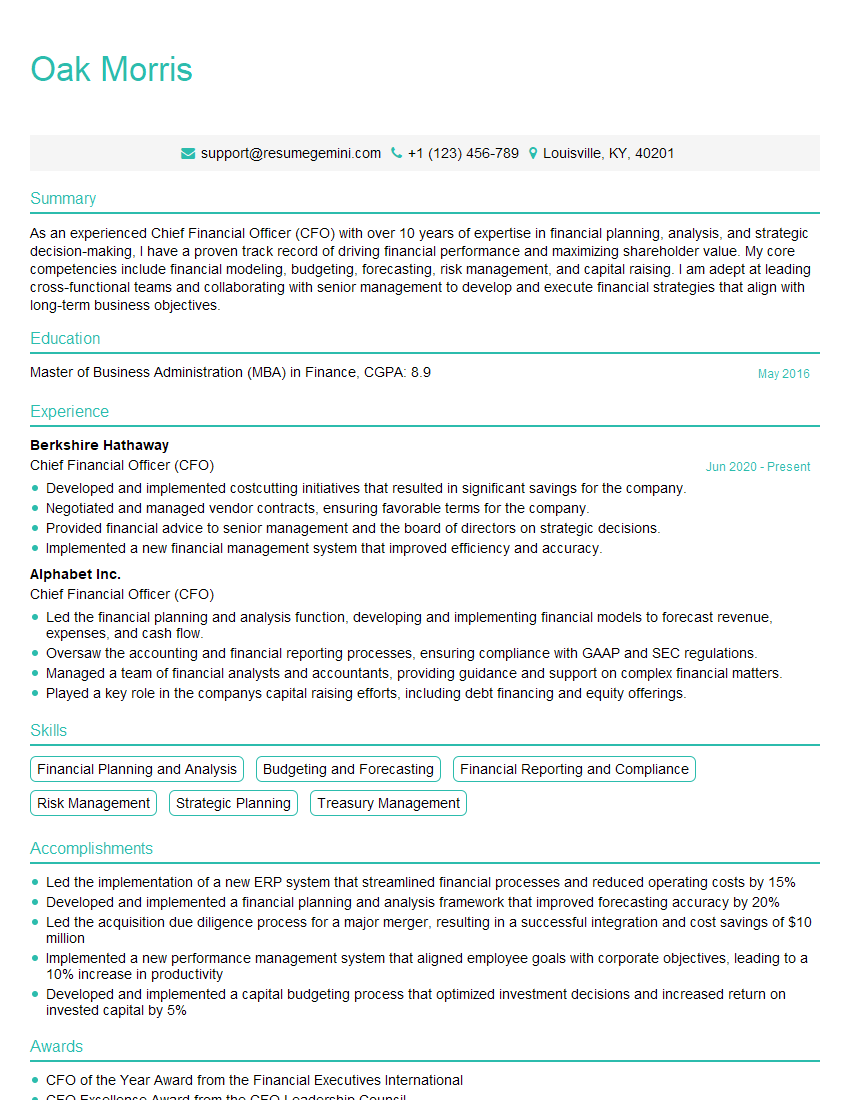
Chief Financial Officer (CFO) Resume Sample
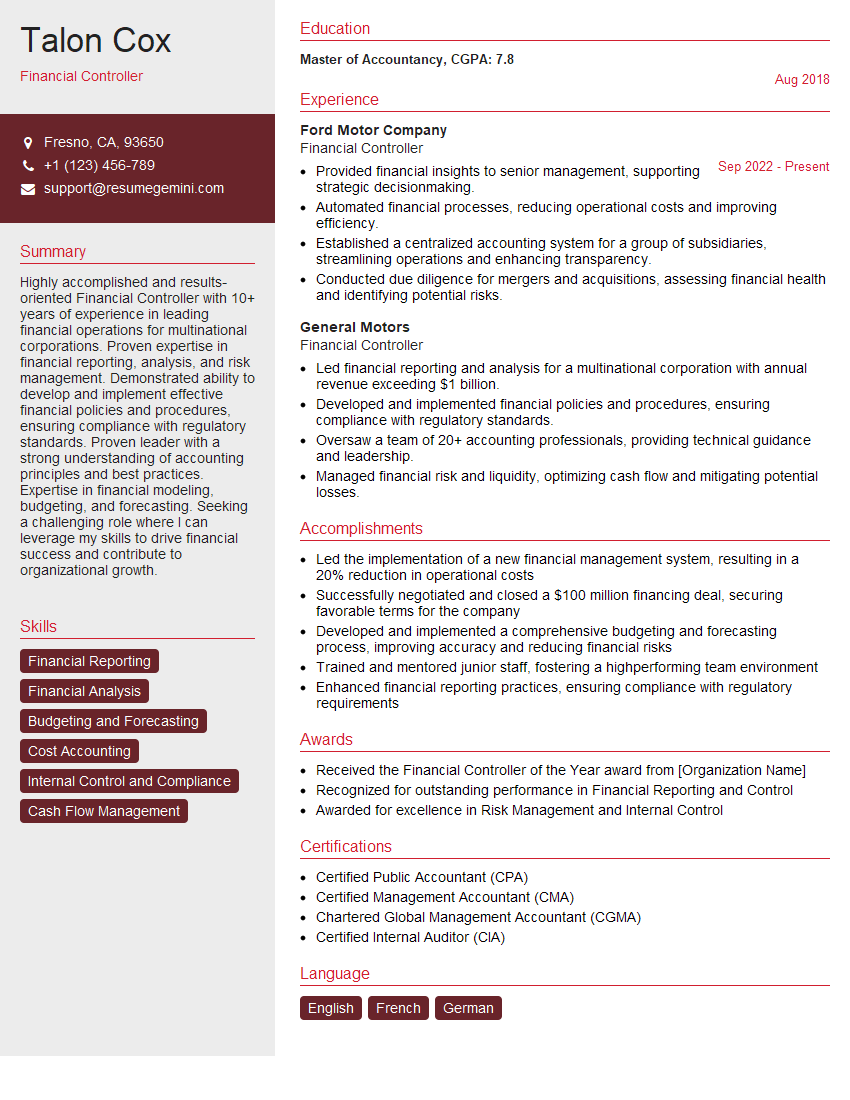
Financial Controller Resume Sample
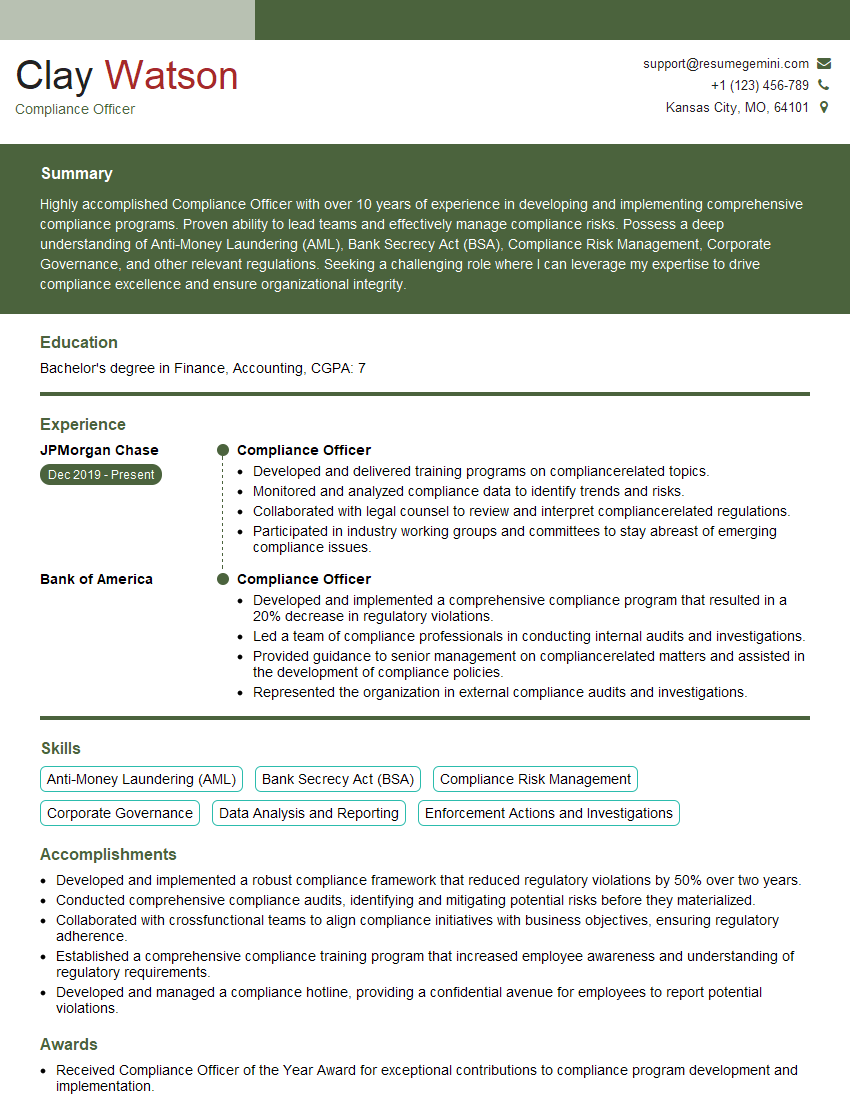
Compliance Officer Resume Sample
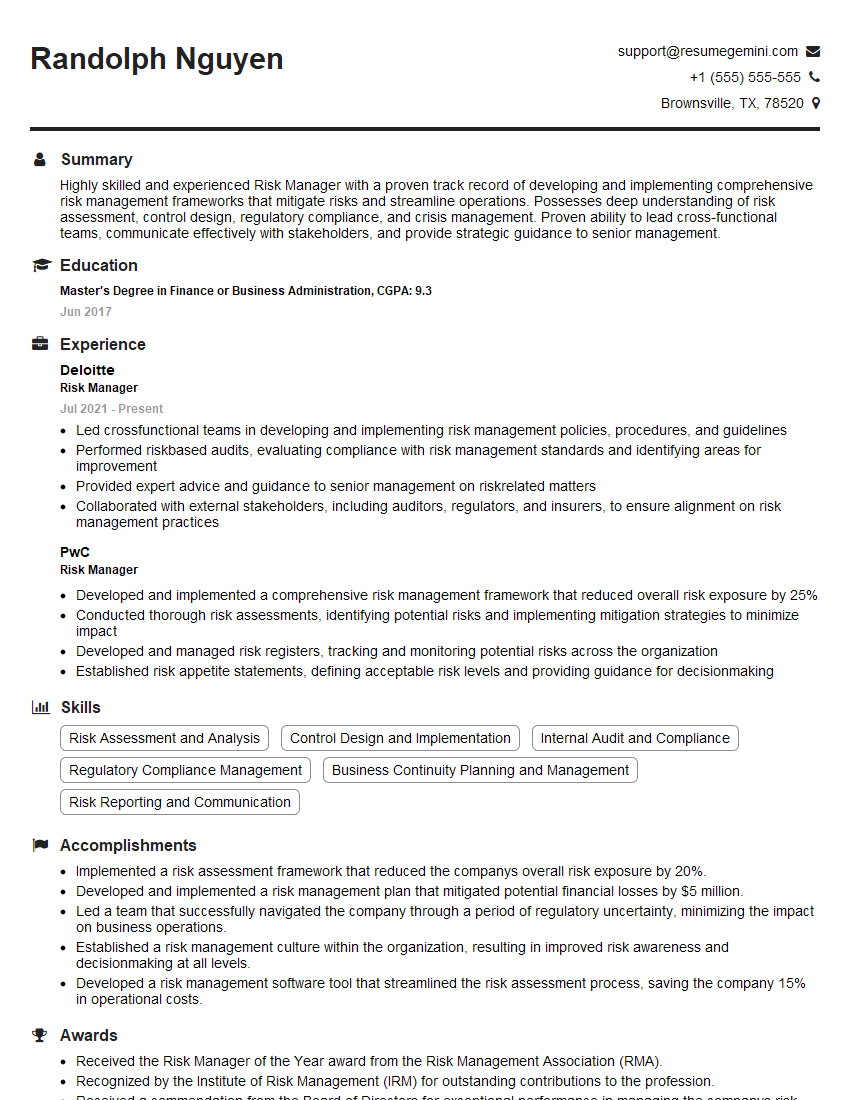
Risk Manager Resume Sample
Portfolio Manager Resume Sample
Internal Auditor Resume Sample
Tax Accountant Resume Sample
Certified Public Accountant (CPA) Resume Sample
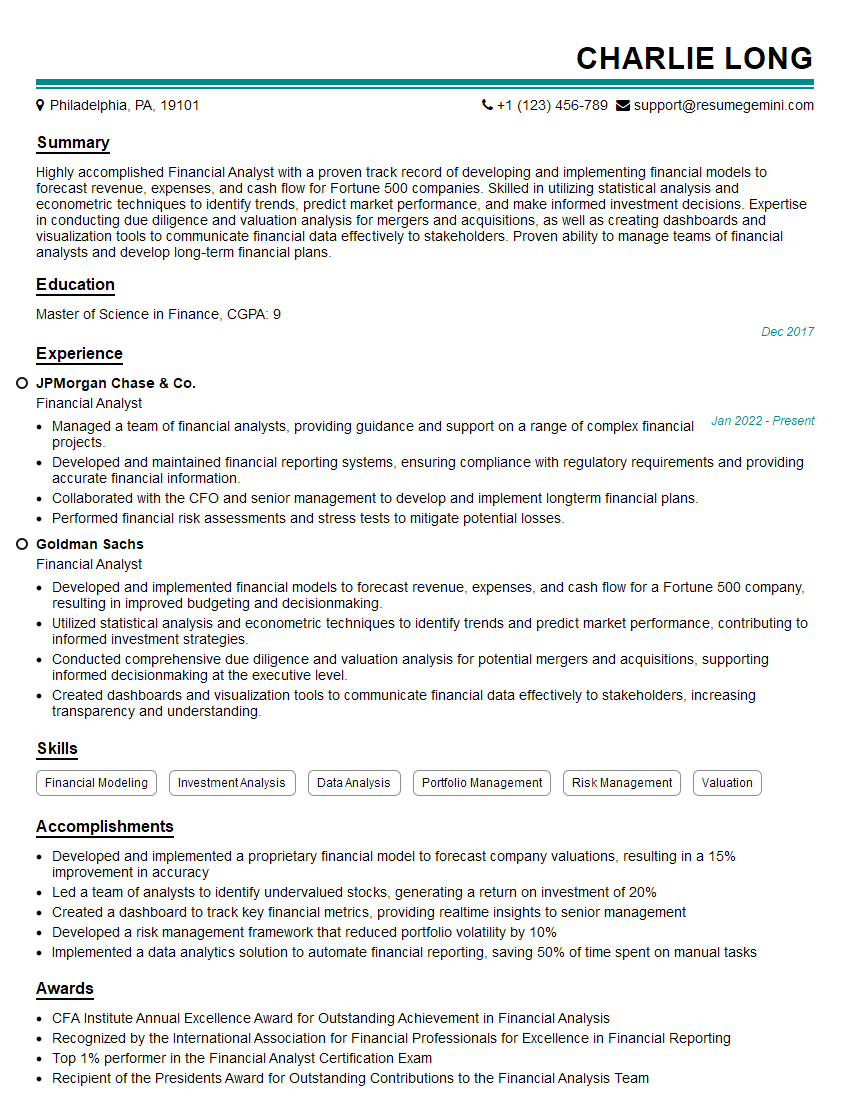
Financial Analyst Resume Sample
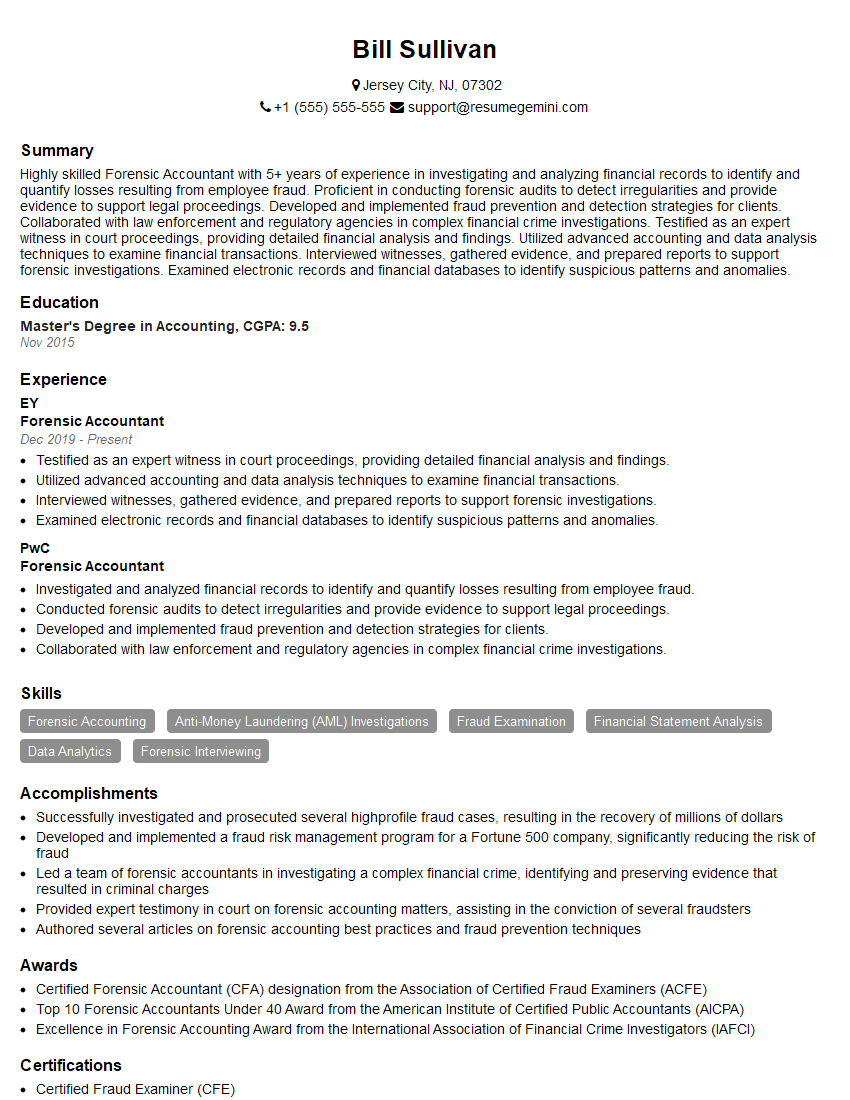
Forensic Accountant Resume Sample
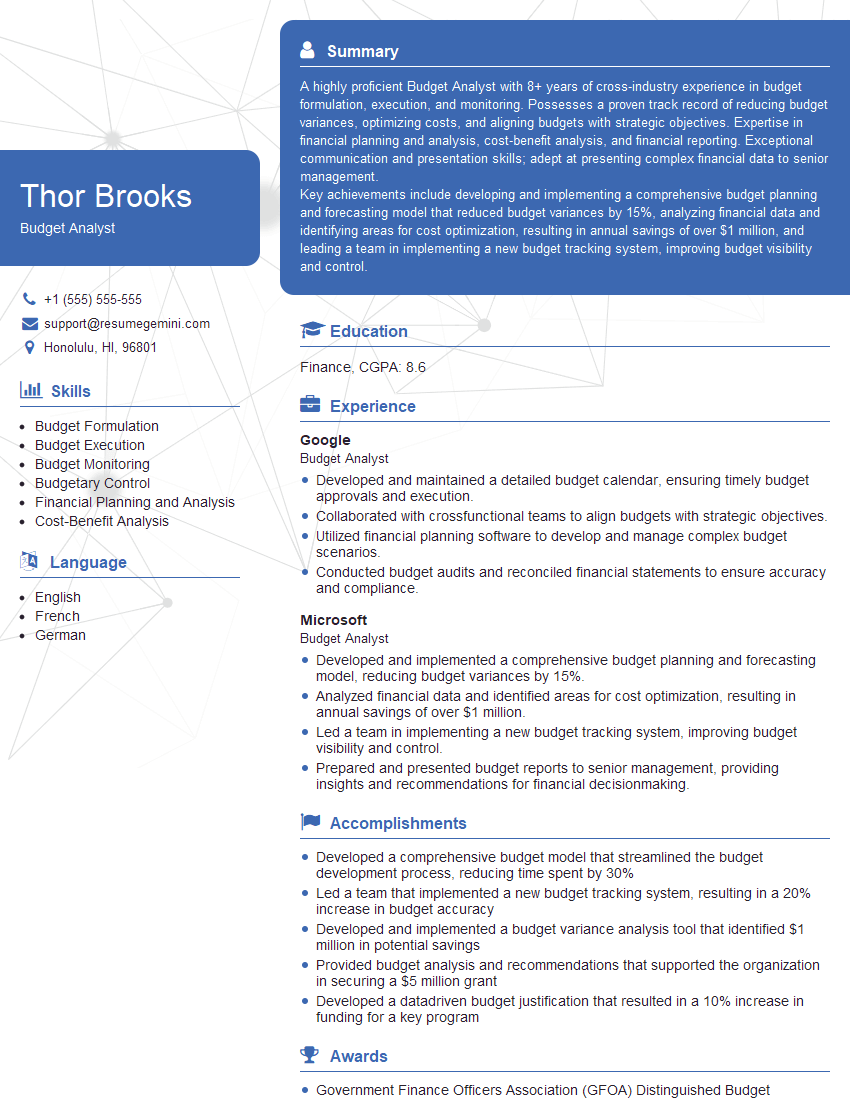
Budget Analyst Resume Sample
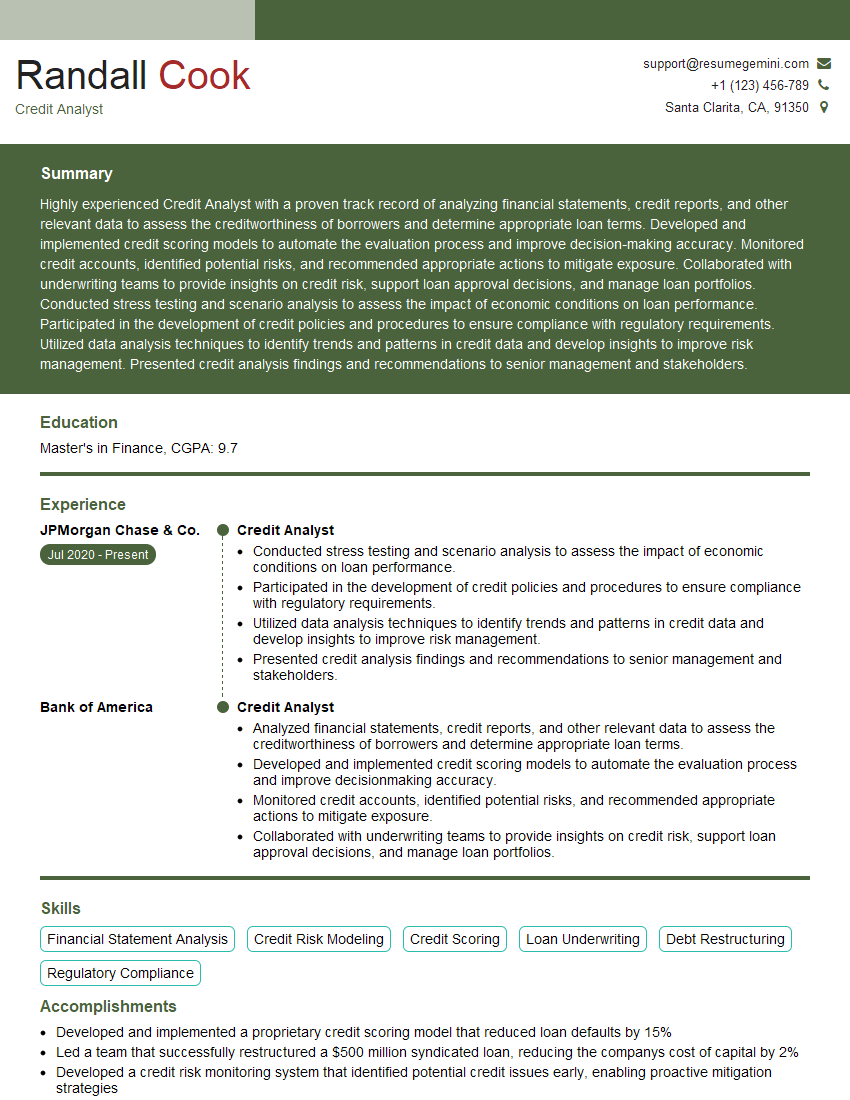
Credit Analyst Resume Sample
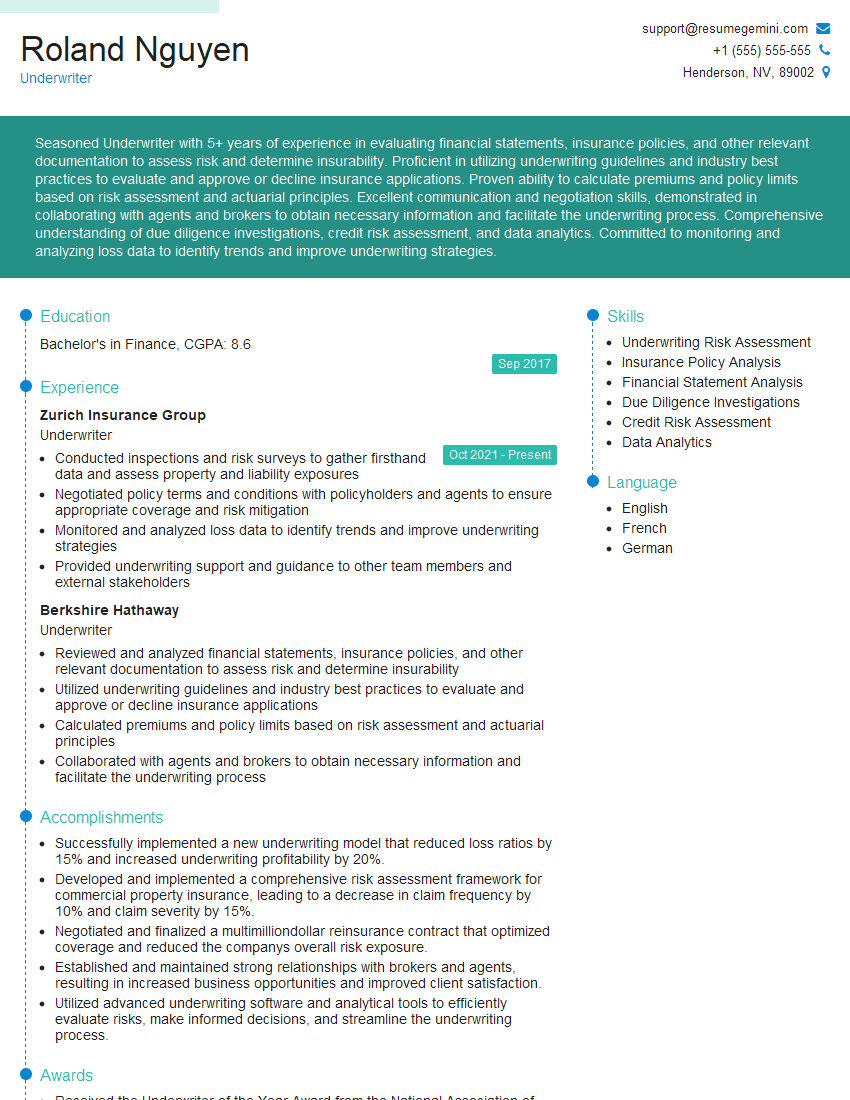
Underwriter Resume Sample
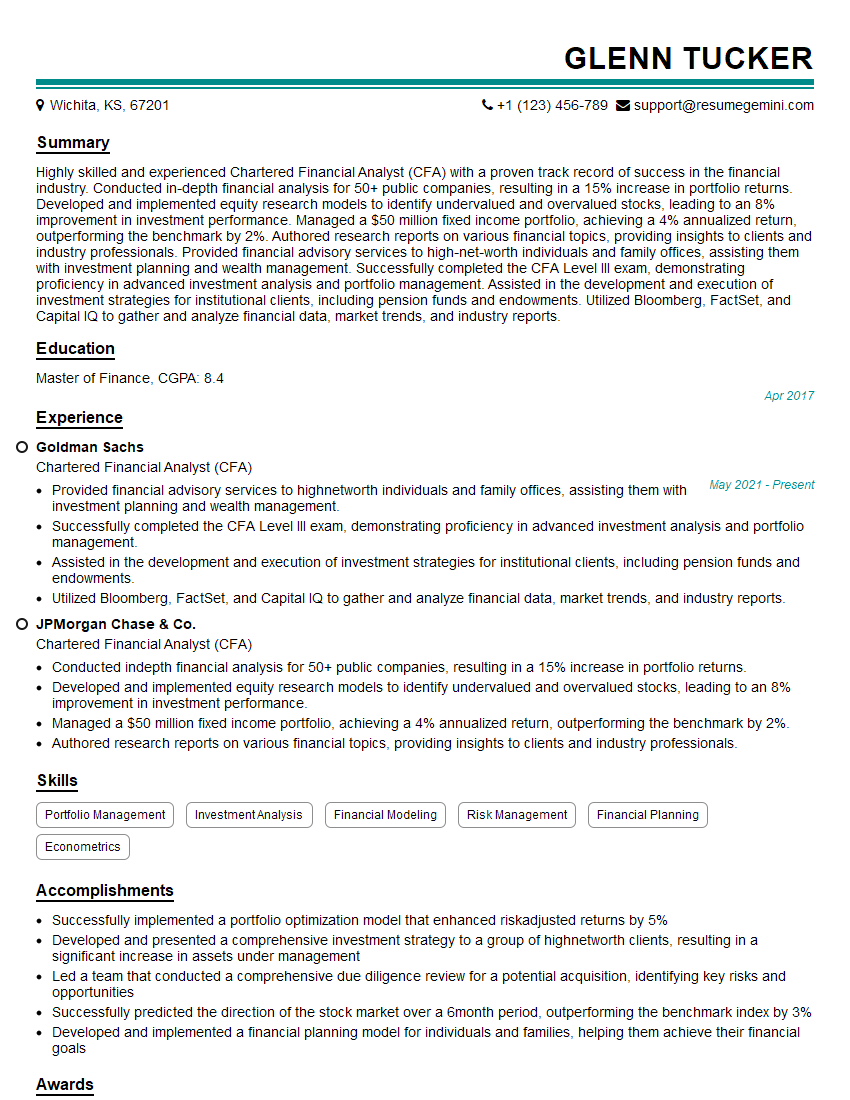
Chartered Financial Analyst (CFA) Resume Sample
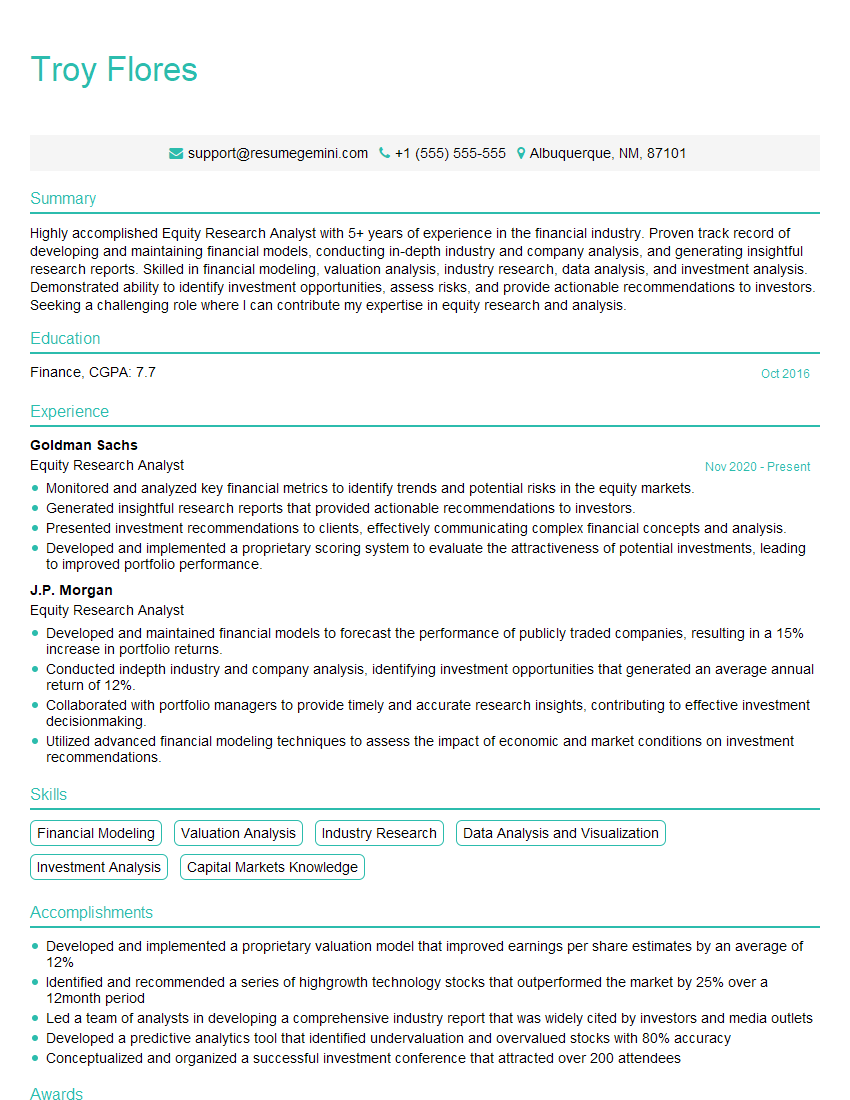
Equity Research Analyst Resume Sample
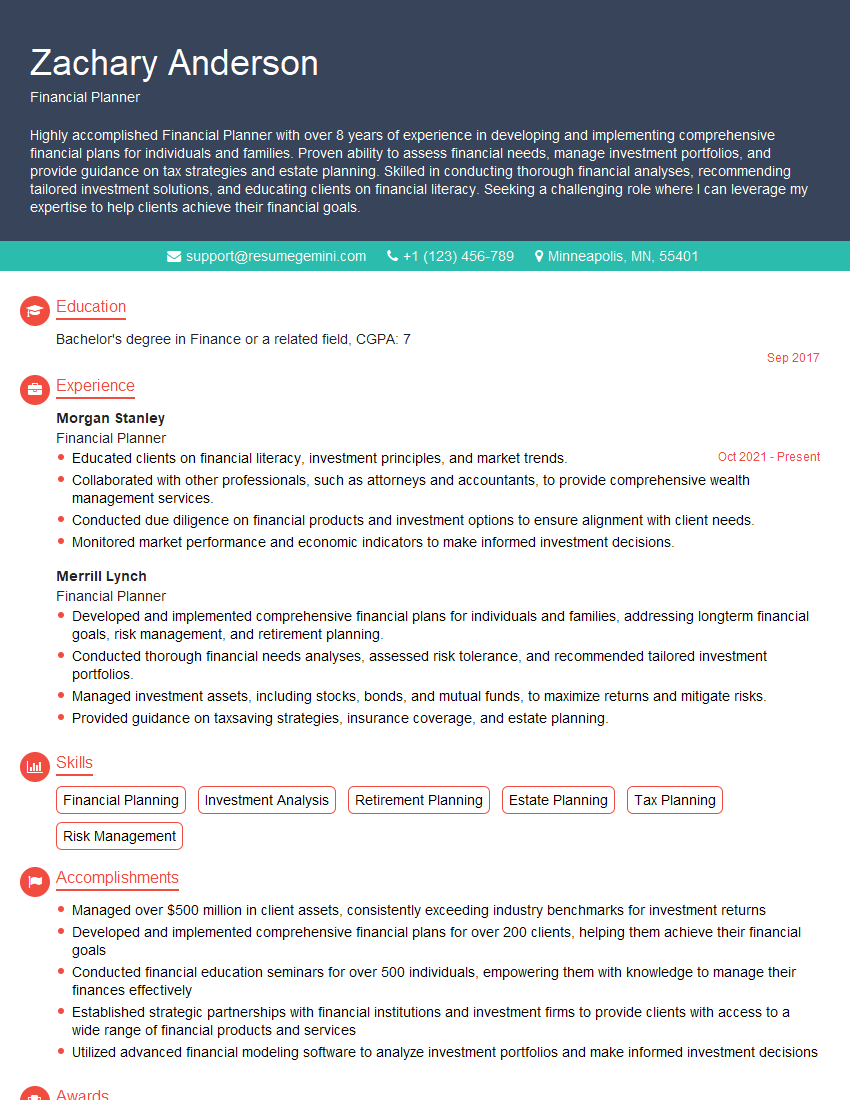
Financial Planner Resume Sample
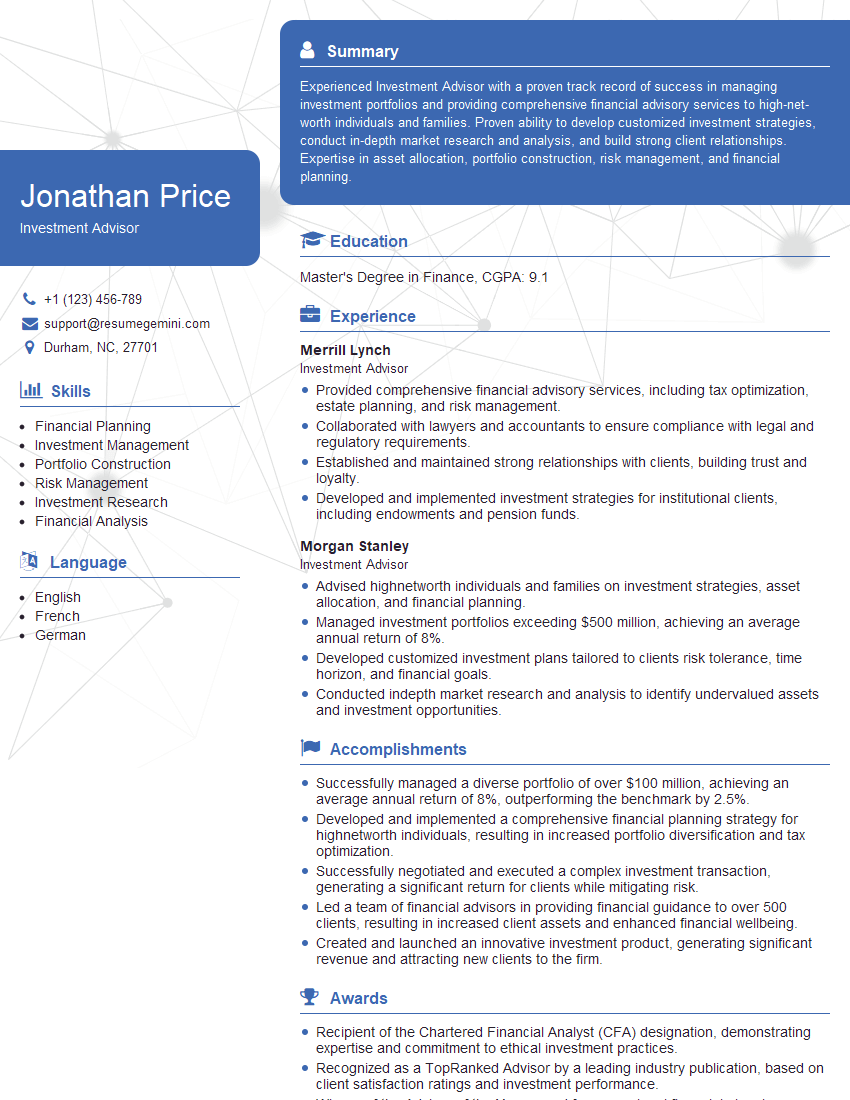
Investment Advisor Resume Sample
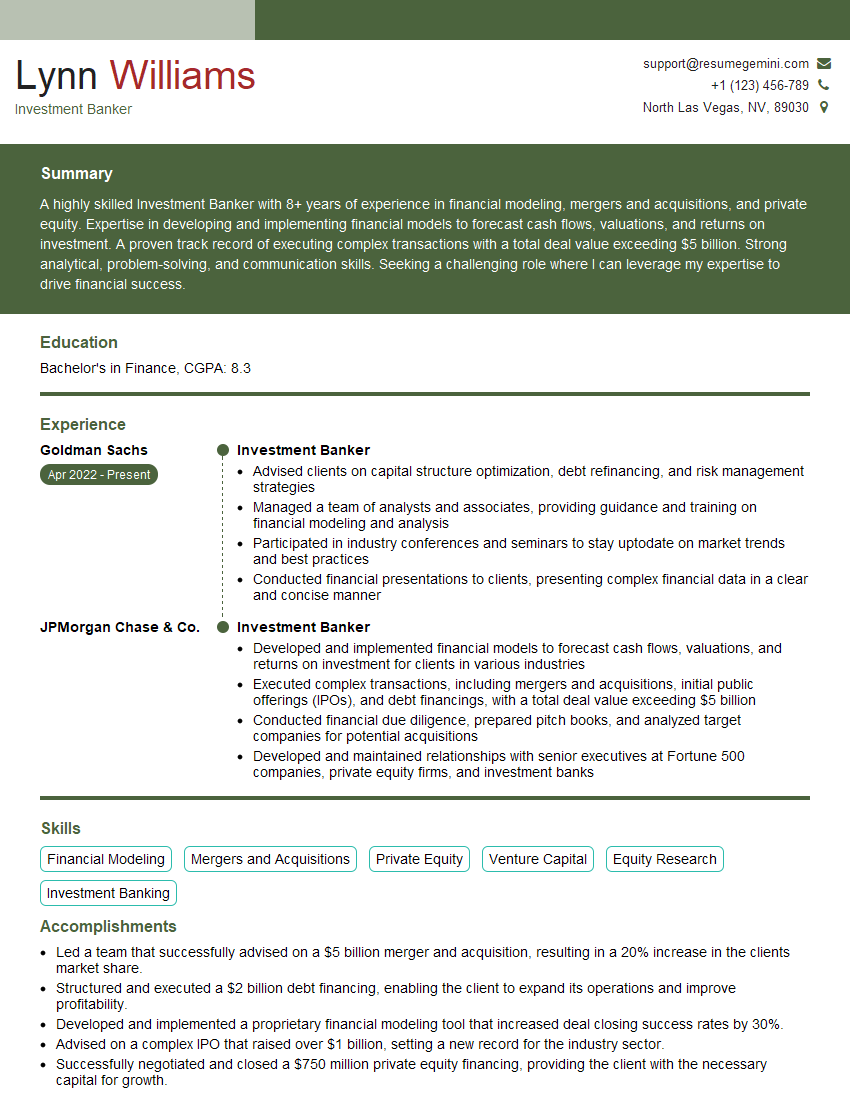
Investment Banker Resume Sample
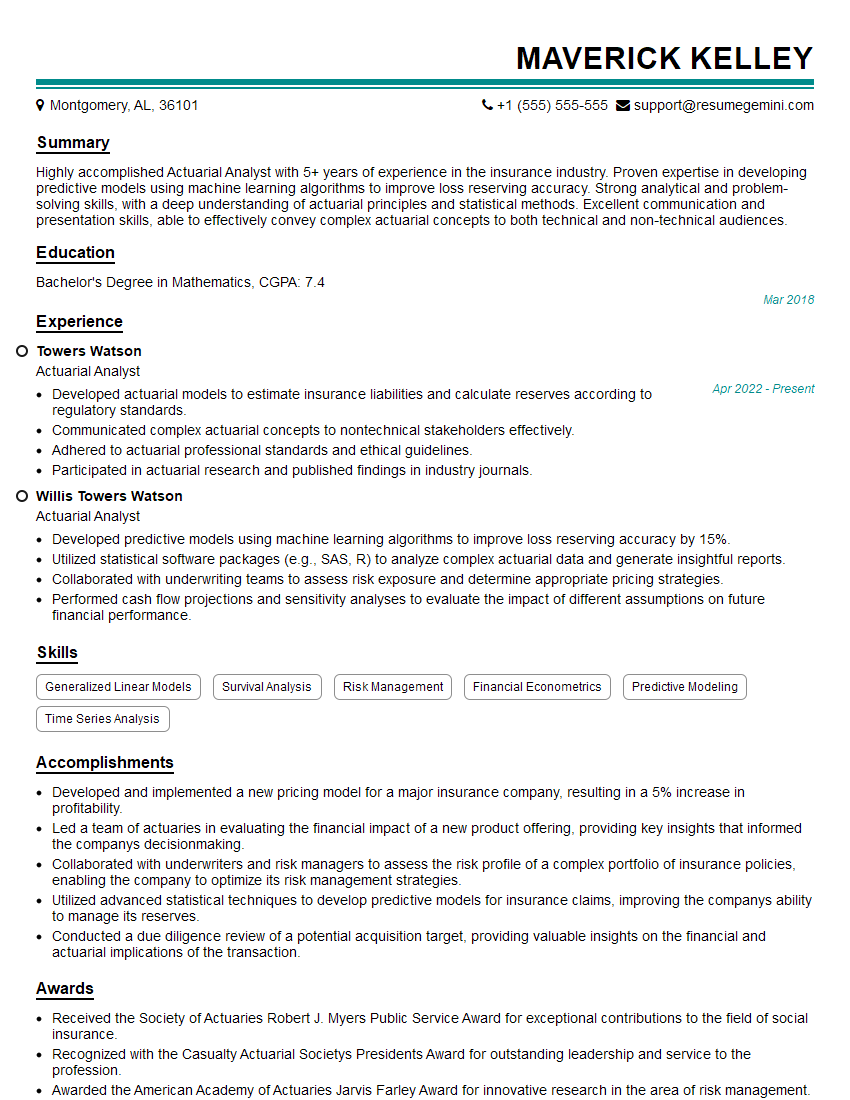
Actuarial Analyst Resume Sample
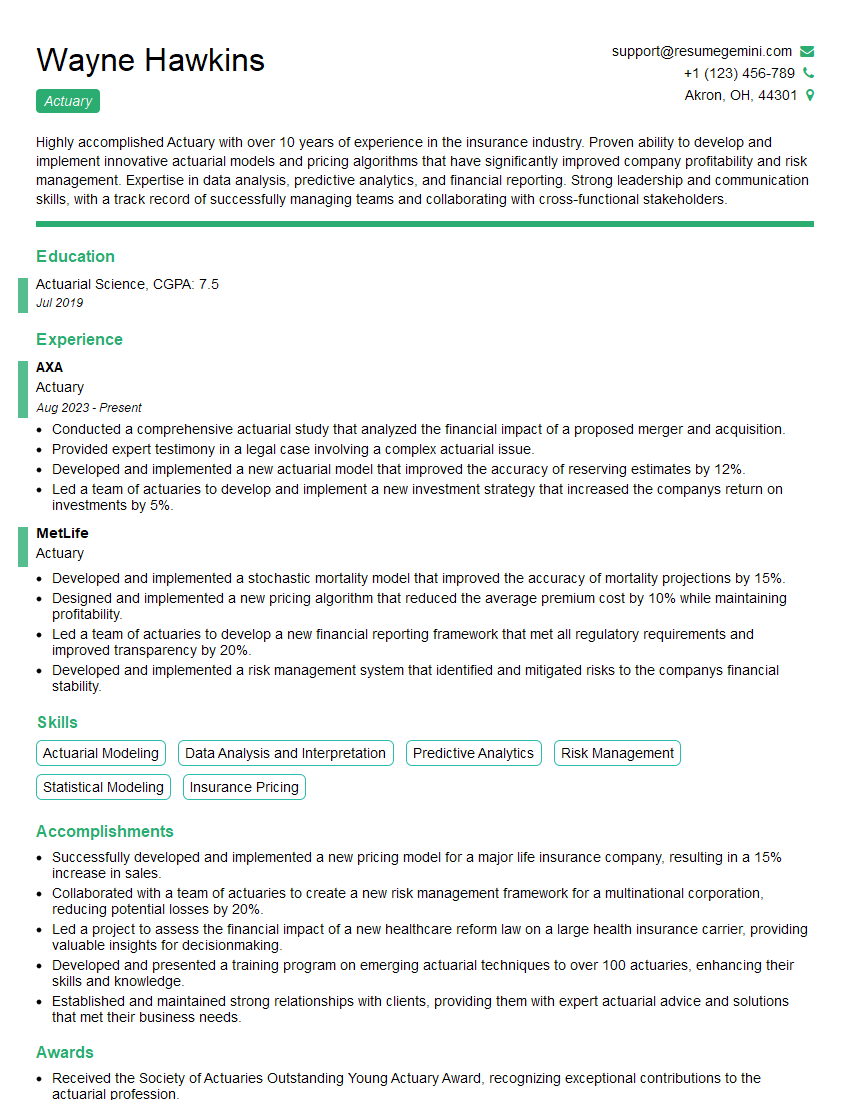
Actuary Resume Sample
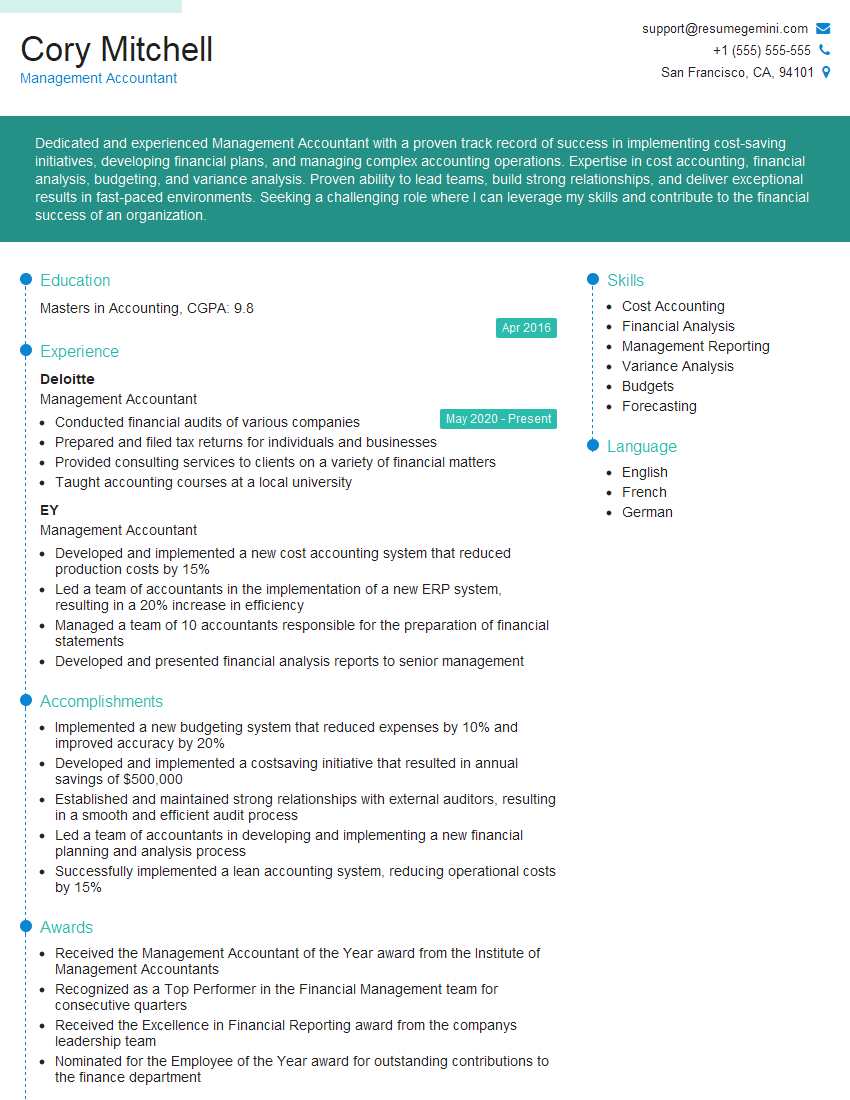
Management Accountant Resume Sample
- Chief Financial Officer (CFO)
- Financial Controller
- Compliance Officer
- Risk Manager
- Portfolio Manager
- Internal Auditor
- Tax Accountant
- Certified Public Accountant (CPA)
- Financial Analyst
- Forensic Accountant
- Budget Analyst
- Credit Analyst
- Underwriter
- Chartered Financial Analyst (CFA)
- Equity Research Analyst
- Financial Planner
- Investment Advisor
- Investment Banker
- Actuarial Analyst
- Actuary
- Management Accountant
Explore more articles
Users Rating of Our Blogs
Share Your Experience
We value your feedback! Please rate our content and share your thoughts (optional).
What Readers Say About Our Blog
Really detailed insights and content, thank you for writing this detailed article.
IT gave me an insight and words to use and be able to think of examples