Feeling uncertain about what to expect in your upcoming interview? We’ve got you covered! This blog highlights the most important Food Inspection Techniques interview questions and provides actionable advice to help you stand out as the ideal candidate. Let’s pave the way for your success.
Questions Asked in Food Inspection Techniques Interview
Q 1. Describe your experience with HACCP principles and implementation.
HACCP, or Hazard Analysis and Critical Control Points, is a systematic preventative approach to food safety. It’s not just about reacting to problems; it’s about identifying and preventing them before they occur. My experience includes leading HACCP plan development and implementation across various food processing facilities, from small-scale bakeries to large-scale meat processing plants. This involved conducting hazard analyses, identifying critical control points (CCPs), establishing critical limits for each CCP, and developing monitoring procedures. For example, in a bakery, a CCP might be the baking temperature, with a critical limit of 165°C to ensure Salmonella inactivation. I’ve also been responsible for verifying the effectiveness of the HACCP plan through regular monitoring and record-keeping, and for conducting internal audits to identify areas for improvement. I’m proficient in using HACCP software for data analysis and report generation, ensuring traceability and compliance.
Furthermore, I have a strong understanding of the seven principles of HACCP: 1. Conduct a hazard analysis; 2. Determine critical control points (CCPs); 3. Establish critical limits; 4. Establish monitoring procedures; 5. Establish corrective actions; 6. Establish verification procedures; and 7. Establish record-keeping and documentation procedures. I’ve successfully integrated HACCP principles into existing food safety management systems and trained staff in its proper implementation.
Q 2. Explain the importance of GMPs (Good Manufacturing Practices) in food safety.
Good Manufacturing Practices (GMPs) are a set of guidelines that ensure the production of safe and high-quality food products. They’re the foundation of any food safety program, encompassing everything from facility design and equipment maintenance to employee hygiene and sanitation. Think of GMPs as the overall environment that supports food safety, while HACCP is the specific system for managing hazards. For example, GMPs would dictate that a facility must be clean and well-maintained, with appropriate pest control measures in place. Employees would be required to wear appropriate clothing and follow strict handwashing protocols. Equipment would need to be properly sanitized between uses. Failure to follow GMPs significantly increases the risk of contamination, resulting in foodborne illnesses, product recalls, and reputational damage. A facility failing to maintain proper sanitation, for instance, could easily lead to cross-contamination between raw and cooked foods, resulting in a serious food safety hazard.
Q 3. How do you identify and address potential food contamination sources?
Identifying potential food contamination sources requires a multi-pronged approach. It starts with a thorough understanding of the entire production process, from raw material sourcing to finished product packaging. This involves visual inspections of facilities and equipment for cleanliness, assessing employee hygiene practices, and reviewing supply chain documentation for potential risks. For instance, identifying a supplier with a history of pest infestations would be a major concern. We utilize various tools such as environmental monitoring (sampling surfaces for microorganisms), allergen testing, and metal detectors to identify potential contaminants. I also implement robust traceability systems that allow us to quickly isolate and remove any contaminated batches of products. If contamination is identified, corrective actions need to be swiftly implemented, addressing the root cause and preventing recurrence. This might include retraining staff, improving sanitation protocols, or switching suppliers.
Q 4. What are the common microbiological hazards found in food production?
Common microbiological hazards in food production include bacteria like Salmonella, E. coli, Listeria monocytogenes, and Staphylococcus aureus; viruses like Norovirus and Hepatitis A; and parasites such as Toxoplasma gondii. These microorganisms can contaminate food at various stages, from the farm to the consumer’s table. Salmonella, for example, can be found in raw poultry and eggs, while Listeria can survive in refrigerated environments, posing a risk in ready-to-eat products. Understanding the specific hazards associated with different food types and processing methods is crucial for effective control measures. For instance, implementing temperature controls throughout the production process is critical to prevent the growth of these pathogens.
Q 5. What are your methods for conducting a thorough food safety audit?
A thorough food safety audit involves a systematic review of all aspects of a food facility’s operations, to assess its compliance with relevant regulations and standards. My approach involves a combination of documentary review, facility inspections, and interviews with personnel. The documentary review includes examining HACCP plans, GMP procedures, training records, and traceability documentation. Facility inspections focus on the physical condition of the facility, equipment hygiene, pest control measures, and sanitation practices. Interviews are conducted with staff at all levels to assess their knowledge of food safety procedures and identify any areas of concern. The audit process is based on a checklist designed to ensure that no aspect of the food safety system is overlooked. Findings are documented with photographs and supporting evidence, and a comprehensive report is generated with recommendations for corrective actions. Follow-up audits are conducted to ensure that the identified issues have been addressed effectively.
Q 6. Describe your experience with various food inspection methodologies.
My experience encompasses a wide range of food inspection methodologies, including visual inspections, microbiological testing, chemical analysis, and sensory evaluations. Visual inspections are a fundamental part of assessing hygiene, cleanliness, and the condition of equipment and facilities. Microbiological testing involves taking samples of food products and environmental surfaces to detect the presence of harmful microorganisms. Chemical analysis is used to detect the presence of contaminants such as pesticides, heavy metals, and toxins. Sensory evaluation involves assessing the appearance, aroma, taste, and texture of food products to identify potential defects or spoilage. I’m also experienced with using rapid diagnostic tests for quicker detection of pathogens. Each methodology serves a specific purpose and complements others to build a comprehensive picture of a food product’s safety and quality. For example, visual inspection might reveal evidence of improper storage, prompting further microbiological testing.
Q 7. How do you interpret and apply food safety regulations and standards?
Interpreting and applying food safety regulations and standards requires a deep understanding of relevant laws, codes, and guidelines. This involves staying up-to-date on changes and revisions in regulations. I am familiar with national and international standards, such as those set by the FDA, USDA, and Codex Alimentarius. I use this knowledge to conduct audits, assess compliance, and develop food safety management systems. For example, understanding the requirements of FSMA (Food Safety Modernization Act) allows me to guide food businesses in implementing preventative controls, and ensuring that their operations meet these stringent requirements. Furthermore, I understand the implications of non-compliance and can help organizations avoid potential legal issues and reputational damage. Staying informed about evolving food safety concerns and best practices is a continuous process requiring ongoing professional development.
Q 8. Explain your understanding of food labeling regulations.
Food labeling regulations are crucial for ensuring consumer safety and providing accurate information about food products. These regulations dictate what information must be included on a label, such as the product name, list of ingredients, net weight, nutritional facts, allergen information, and manufacturer’s contact details. The specifics vary by country and jurisdiction, but the overall aim is to prevent deception and empower consumers to make informed choices. For example, the U.S. Food and Drug Administration (FDA) and the European Union (EU) have stringent regulations regarding the labeling of genetically modified organisms (GMOs) and allergens.
Understanding these regulations requires awareness of different labeling requirements for various types of food, including fresh produce, processed foods, and supplements. Non-compliance can lead to significant penalties, recalls, and reputational damage for food businesses. I’ve personally handled numerous cases involving incorrect allergen labeling and misrepresentation of nutritional content, working with businesses to rectify these issues and ensure compliance. I’m proficient in interpreting and applying the specific labeling requirements for different countries and regions.
Q 9. How do you handle non-compliance issues during a food inspection?
Handling non-compliance during a food inspection involves a systematic approach. First, I thoroughly document the specific infraction using photos and detailed notes. I then calmly explain the violation to the establishment’s management, outlining the relevant regulations and potential consequences. The severity of the non-compliance dictates the next steps. Minor issues, such as a slightly unclean surface, might involve providing on-the-spot guidance and a follow-up inspection. More serious violations, like improper food storage temperatures or evidence of pest infestation, may require immediate corrective actions and, in some cases, temporary closure until the issues are resolved. I meticulously document all interactions, corrective actions taken, and any agreed-upon timelines for improvement.
For example, I once discovered a significant temperature issue in a meat processing facility, where the refrigeration system was malfunctioning. This was a major health risk, so I immediately issued a temporary closure order and worked with the facility to rectify the issue. This involved ensuring their repair work complied with safety standards and only allowing them to reopen after comprehensive inspection and verification of compliant temperatures.
Q 10. What is your experience with food recall procedures?
My experience with food recall procedures is extensive, encompassing all stages from initial identification of the problem to the final resolution. I’ve been involved in recalls triggered by various factors, including contamination, mislabeling, and undeclared allergens. The process typically begins with a thorough investigation to pinpoint the source and scope of the problem, often involving analysis of production records, ingredient sourcing, and distribution patterns. I’ve collaborated with regulatory agencies and the food establishment to develop a detailed recall strategy, which includes notifying distributors, retailers, and consumers. This involves coordinating communication, tracing affected products, and ensuring effective removal from the market.
A memorable experience involved a recall of a popular bakery product due to undeclared nuts. We collaborated with the bakery to promptly identify the affected batches, develop clear communication materials for consumers, and establish a system for receiving and processing returned products. This involved close communication with the regulatory bodies and thorough documentation of all steps, ensuring traceability throughout the process. Successful recall management requires exceptional communication, organizational skills, and meticulous record-keeping.
Q 11. How do you ensure the accuracy and reliability of food testing results?
Ensuring the accuracy and reliability of food testing results is paramount. This starts with using properly calibrated and validated equipment, adhering to strict laboratory protocols, and employing experienced and certified technicians. We use appropriate quality control measures, such as including blank samples and positive/negative controls, to ensure that the results are accurate and free from interference.
Furthermore, we follow chain-of-custody procedures diligently to maintain the integrity of the samples from collection to analysis. This includes proper labeling, storage, and transport. Regular audits of the laboratory procedures and equipment ensure the ongoing accuracy and reliability of the testing process. For example, we routinely calibrate our microbiology equipment to ensure consistent colony counts. If any anomalies are detected, a full investigation is initiated to understand the reason and implement corrective actions.
Q 12. Describe your experience with different types of food testing equipment.
My experience encompasses a wide range of food testing equipment, including:
- Microbiological analyzers: These instruments, such as automated colony counters and microbial identification systems (e.g., MALDI-TOF), are essential for detecting and identifying microorganisms in food samples.
- Spectrophotometers: Used for various analyses, including measuring color, turbidity, and assessing the concentration of specific compounds.
- Chromatography systems (HPLC, GC): Essential for separating and identifying components within complex food matrices, useful in pesticide residue detection or analysis of nutritional content.
- pH meters: Used to measure the acidity or alkalinity of food samples, crucial for food safety and preservation.
- Moisture analyzers: Used to determine the water content of foods, a critical factor affecting shelf life and safety.
Proficiency with these instruments involves understanding their operational principles, performing calibrations and maintenance, interpreting results, and troubleshooting potential issues. I’m comfortable operating and maintaining a variety of equipment and am always up-to-date on the latest technologies in food testing.
Q 13. How do you maintain accurate records and documentation during inspections?
Maintaining accurate records and documentation during inspections is crucial for accountability and traceability. This involves using standardized forms and checklists, meticulously recording observations, and clearly documenting any non-compliance issues. Photographs and video recordings are often used to provide visual evidence of conditions. All documentation must be legible, complete, and signed and dated by the inspector and, where appropriate, the establishment’s representative.
I utilize digital tools to streamline the record-keeping process, enhancing efficiency and accessibility. Secure storage of the records is also critical, ensuring compliance with data privacy regulations. The detailed records serve as a comprehensive audit trail, which are vital for future inspections, investigations, and potential litigation. For instance, my digital records incorporate GPS coordinates for each inspection location and timestamped images of any critical findings.
Q 14. Explain your proficiency in using food safety software or databases.
I’m proficient in utilizing various food safety software and databases. My experience includes working with software designed for:
- Traceability and recall management: Software used to track food products throughout the supply chain, allowing for quick identification and recall of contaminated products.
- Laboratory Information Management Systems (LIMS): These software solutions manage laboratory data, tracking samples, tests, and results, ensuring data integrity and compliance.
- Hazard Analysis and Critical Control Points (HACCP) software: Software that supports the development, implementation, and documentation of HACCP plans, essential for food safety management systems.
My experience goes beyond simply using the software. I understand the underlying principles of data management, data integrity, and the importance of secure storage. I also understand how to extract meaningful insights from the data generated by these systems to improve food safety practices. For example, I’ve used LIMS data to identify trends in microbial contamination, leading to improvements in sanitation protocols at a food processing plant.
Q 15. How do you effectively communicate food safety concerns to various stakeholders?
Effective communication of food safety concerns is crucial for preventing outbreaks and maintaining public trust. My approach involves tailoring my message to the specific audience and using clear, concise language. For example, when communicating with food handlers, I use simple, direct language, focusing on practical steps they can take to improve hygiene and prevent contamination. With management, I might use data-driven reports and focus on the potential financial and reputational consequences of non-compliance. I always aim for a two-way conversation, ensuring their understanding and addressing any questions or concerns.
- For food handlers: I use visual aids, demonstrations, and checklists to reinforce key food safety practices.
- For management: I present findings with data-driven reports, emphasizing potential risks and outlining corrective actions. I also involve them in developing a plan to implement these changes.
- For regulatory bodies: I provide detailed and accurate reports, documenting all findings and actions taken.
This multi-faceted approach ensures that everyone understands the concerns, their role in addressing them, and the potential repercussions of inaction.
Career Expert Tips:
- Ace those interviews! Prepare effectively by reviewing the Top 50 Most Common Interview Questions on ResumeGemini.
- Navigate your job search with confidence! Explore a wide range of Career Tips on ResumeGemini. Learn about common challenges and recommendations to overcome them.
- Craft the perfect resume! Master the Art of Resume Writing with ResumeGemini’s guide. Showcase your unique qualifications and achievements effectively.
- Don’t miss out on holiday savings! Build your dream resume with ResumeGemini’s ATS optimized templates.
Q 16. Describe a situation where you had to resolve a food safety issue.
During an inspection of a seafood processing plant, I discovered several critical violations, including improper temperature control of shellfish and inadequate handwashing facilities. This posed a significant risk of bacterial contamination. I immediately informed the plant manager, explaining the seriousness of the violations and the potential health consequences. We worked collaboratively to create a corrective action plan. This included immediately discarding the compromised shellfish, implementing a new temperature monitoring system, and improving handwashing facilities. I also conducted follow-up inspections to ensure that the corrective actions were implemented effectively and that the plant was operating within regulatory guidelines. The plant manager was initially hesitant but ultimately appreciated the proactive approach and the supportive guidance provided to rectify the situation. We maintained open communication, and they demonstrated a commitment to resolving the issues and preventing future incidents. This highlights the importance of fostering collaboration and open communication to prevent major food safety issues.
Q 17. How do you prioritize tasks during a busy inspection schedule?
Prioritizing tasks during a busy inspection schedule requires a systematic approach. I use a risk-based methodology. I start by identifying the highest-risk establishments based on factors like the type of food handled, past inspection history, and the potential for widespread contamination. For instance, facilities producing ready-to-eat foods or handling vulnerable populations (e.g., hospitals, nursing homes) would be prioritized. I also consider the urgency of potential hazards—for example, imminent threats like imminent spoilage need immediate attention. I use a combination of scheduling tools and checklists to ensure efficient time management and ensure that all critical aspects of each inspection are covered.
Think of it like a triage system in a hospital; the most critical cases get immediate attention, while other tasks are handled according to their level of importance.
Q 18. What are your strategies for managing stressful situations during inspections?
Stressful situations during inspections are inevitable. My strategies for managing them revolve around maintaining a calm and professional demeanor, focusing on the task at hand, and utilizing effective communication. I practice deep breathing techniques to manage my stress levels. I also break down complex situations into smaller, manageable tasks. If I encounter resistance or hostility, I maintain a respectful and professional approach. I use active listening techniques to understand concerns and defuse tension. Documentation is key; I meticulously document every step of the inspection process, including any challenges encountered and the steps taken to address them. Thorough preparation before the inspection greatly reduces stress during the actual process. Having a clear plan and knowing what to expect helps to instill confidence and reduces anxiety.
Q 19. How do you stay updated on current food safety regulations and best practices?
Staying updated on food safety regulations and best practices is an ongoing process. I subscribe to relevant journals and newsletters from organizations such as the FDA and USDA. I attend workshops, conferences, and training courses regularly. I actively participate in professional organizations like the International Association for Food Protection (IAFP) to network with other professionals and stay abreast of current trends. I also actively review regulatory updates published online. This multi-pronged approach ensures that I remain knowledgeable and adaptable to changes in the field.
Q 20. What are the key differences between various food safety certifications (e.g., ISO 22000, SQF)?
While both ISO 22000 and SQF are food safety management systems, they differ in scope and approach. ISO 22000 is a globally recognized standard that focuses on establishing a food safety management system (FSMS) based on the Hazard Analysis and Critical Control Points (HACCP) principles. It’s more broadly applicable to any organization in the food chain. SQF (Safe Quality Food) is a more comprehensive standard that encompasses food safety and quality, encompassing a wider range of operational aspects, including supply chain management, and it’s particularly popular in the retail and food service sectors. Both are valuable, but the choice depends on specific organizational needs and target markets. ISO 22000 provides a framework; SQF adds a more detailed and comprehensive structure for food safety and quality.
Q 21. Describe your experience with allergen control and management.
Allergen control and management are critical aspects of food safety. My experience involves conducting thorough inspections to verify the implementation of allergen control programs. This includes assessing the facility’s procedures for preventing cross-contamination, such as dedicated equipment and separate processing areas for allergen-containing ingredients. I check labeling accuracy to ensure that allergen information is clearly displayed. I also review training records for employees to ensure they are aware of allergen handling procedures and the potential consequences of cross-contamination. A key aspect is verifying that the facility has robust cleaning and sanitation procedures in place to prevent allergen residue. I’ve encountered situations where facilities lacked adequate segregation of ingredients or proper cleaning protocols, leading to the implementation of corrective actions to prevent potential allergic reactions in consumers. This includes recommending physical separation of allergen-containing ingredients, implementing stringent cleaning procedures between production runs, and staff retraining.
Q 22. How do you assess the effectiveness of a food safety management system?
Assessing the effectiveness of a food safety management system (FSMS) involves a multifaceted approach, going beyond simply checking for compliance. It’s about understanding whether the system is truly preventing foodborne illnesses and ensuring consistent safe food production. I utilize a combination of methods, including:
- Document Review: Thoroughly examining the written FSMS, including HACCP plans, Standard Operating Procedures (SOPs), and training records, to verify their completeness, accuracy, and adherence to relevant regulations and best practices. For example, I’d check if the HACCP plan identifies all potential hazards and includes effective control measures.
- On-site Observation: Directly observing food handling practices, sanitation procedures, and employee behavior to identify areas of strength and weakness. This includes checking temperature controls, handwashing practices, and proper use of personal protective equipment (PPE).
- Interviews: Engaging with staff at all levels to assess their understanding of the FSMS, their ability to follow procedures, and their awareness of food safety hazards. This helps to identify training gaps or areas where communication needs improvement.
- Verification Activities: Reviewing records of temperature monitoring, pest control, and cleaning and sanitation activities. Consistency and thoroughness are crucial indicators. I’d examine the data for trends and anomalies, to determine if the system is working as intended.
- Traceability Verification: Testing the facility’s ability to trace food products through all stages of production, to swiftly identify and mitigate contamination risks if needed. A mock recall scenario helps to determine if the system is effective.
By combining these methods, I gain a holistic understanding of the FSMS’s effectiveness, allowing for the identification of areas for improvement and the implementation of corrective actions.
Q 23. What are your experience with pest control measures in food facilities?
My experience with pest control in food facilities encompasses a wide range of strategies, focusing on preventative measures and integrated pest management (IPM). IPM minimizes pesticide use while maximizing effectiveness. This approach emphasizes sanitation and exclusion as the first lines of defense.
- Sanitation: Regular and thorough cleaning and sanitation of the facility, eliminating food debris and other attractants. This includes proper waste disposal, sealing cracks and crevices, and maintaining clean equipment.
- Exclusion: Preventing pest entry through measures such as sealing openings in walls and floors, using screens on windows and doors, and maintaining tight-fitting doors.
- Monitoring: Implementing a comprehensive pest monitoring program to identify pest activity early. This involves using traps, sticky boards, and regular visual inspections.
- Integrated Pest Management: Strategically applying pesticides only when necessary and in accordance with regulations and best practices, after attempting non-chemical methods.
In my experience, the most effective pest control strategies are those that are proactive, emphasizing prevention rather than simply reacting to infestations. For example, I once worked with a facility that was experiencing a persistent rodent problem. By implementing a comprehensive IPM program including improved sanitation, exclusion measures, and targeted pesticide applications, we were able to effectively control the rodent population and prevent future infestations.
Q 24. How do you ensure the proper handling and storage of food samples?
Proper handling and storage of food samples are crucial to maintaining their integrity and ensuring accurate testing results. My procedures prioritize minimizing contamination and spoilage.
- Chain of Custody: Maintaining a detailed chain of custody, documenting every step of the sample handling process, from collection to testing and disposal. This ensures sample traceability and integrity.
- Appropriate Containers: Using clean, sterile, and appropriately sized containers for each sample type, ensuring proper labeling and identification.
- Temperature Control: Maintaining the correct temperature throughout the sampling and storage process, using appropriate refrigeration or freezing as needed. This prevents spoilage and bacterial growth.
- Transportation: Transporting samples using insulated containers or coolers with ice packs to maintain temperature and prevent damage during transit.
- Storage Conditions: Storing samples in a designated area, under appropriate temperature and humidity conditions, to ensure sample stability and prevent contamination.
For example, when collecting perishable samples, I would use pre-chilled insulated containers, ensuring they are quickly transported to the laboratory, adhering strictly to the recommended temperature range for each specific sample. Any deviation from these protocols is meticulously documented.
Q 25. Describe your understanding of food spoilage and its prevention.
Food spoilage is the undesirable deterioration of food quality due to microbial growth, enzymatic activity, or chemical changes. It renders food unsafe or unpalatable. Prevention hinges on understanding the causes and implementing control measures.
- Microbial Growth: Bacteria, yeasts, and molds are the primary culprits. Controlling temperature, moisture, and pH levels restricts their growth. For instance, refrigeration inhibits bacterial growth.
- Enzymatic Activity: Enzymes naturally present in food can cause changes in color, texture, and flavor. Blanching (brief heating) inactivates enzymes in many fruits and vegetables.
- Chemical Changes: Oxidation and other chemical reactions can degrade food quality. Appropriate packaging, like vacuum sealing, prevents oxidation.
Prevention involves utilizing techniques like proper temperature control, appropriate packaging, and good sanitation practices. Failure to adequately address these factors can lead to rapid spoilage, resulting in significant economic loss and potential health hazards. A classic example is leaving milk out at room temperature – it spoils quickly due to bacterial growth.
Q 26. Explain your knowledge of different food preservation techniques.
Food preservation techniques aim to extend shelf life and maintain food safety. They broadly fall into several categories:
- Low Temperature Methods: Refrigeration and freezing slow down microbial growth and enzymatic activity. Refrigeration is suitable for short-term storage, while freezing allows for longer preservation.
- High Temperature Methods: Pasteurization and sterilization use heat to kill microorganisms. Pasteurization reduces microbial load, while sterilization eliminates virtually all microorganisms.
- Water Removal Methods: Drying, dehydration, and concentration reduce water activity, inhibiting microbial growth. Examples include sun-drying, freeze-drying, and making jams.
- Chemical Methods: Using preservatives like salt, sugar, vinegar, and various chemical additives to inhibit microbial growth and extend shelf life. Pickling and canning often employ these methods.
- Other Methods: Fermenting, irradiation, and high-pressure processing are alternative methods that leverage different principles to preserve food. Fermentation uses beneficial bacteria to alter food’s composition, preserving it while also adding flavors.
The choice of method depends on the type of food, desired shelf life, and sensory attributes. For example, fruits and vegetables are often preserved using freezing or canning, while meat products might be preserved through refrigeration, freezing, or curing.
Q 27. How do you handle situations with resistance from facility personnel during an inspection?
Handling resistance during an inspection requires a diplomatic yet firm approach, prioritizing safety and compliance. My strategy involves:
- Clear Communication: Clearly explaining the purpose of the inspection, the regulations being assessed, and the potential consequences of non-compliance in a professional and non-confrontational manner. I focus on collaboration rather than accusation.
- Active Listening: Understanding the facility’s perspective and addressing their concerns to build trust and rapport. Sometimes, resistance stems from misunderstandings or fear of repercussions.
- Evidence-Based Approach: Presenting objective evidence, such as documentation and observations, to support my findings. A neutral, factual approach minimizes defensiveness.
- Escalation Protocol: If resistance persists despite efforts at collaboration, I’d follow established protocols for escalating the situation to supervisors or regulatory authorities. This ensures accountability and reinforces compliance.
- Documentation: Meticulously documenting all interactions, findings, and corrective actions. This documentation serves as a record of the inspection and aids in resolving any disagreements.
One instance I recall involved a facility manager initially resistant to providing access to certain areas. By explaining the necessity of these inspections for consumer safety and presenting the regulations clearly, I was able to gain cooperation. It required patience and understanding, but ultimately, a collaborative approach proved most effective.
Q 28. What are your salary expectations for this role?
My salary expectations are commensurate with my experience, qualifications, and the responsibilities associated with this role. Based on my research of similar positions in this industry and my extensive experience in food inspection, I am targeting a salary range of [Insert Salary Range]. I am open to discussing this further, and I am confident that my contributions will significantly benefit your organization.
Key Topics to Learn for Food Inspection Techniques Interview
- Hazard Analysis and Critical Control Points (HACCP): Understanding the principles of HACCP, including hazard identification, critical control point determination, and monitoring procedures. Practical application includes designing and implementing HACCP plans for various food processing environments.
- Sanitation and Hygiene Practices: Knowledge of proper sanitation procedures, including cleaning, sanitizing, and pest control methods in food processing facilities. Practical application involves inspecting facilities for compliance with sanitation regulations and identifying potential contamination sources.
- Foodborne Illness Prevention: Understanding the causes, prevention, and control of foodborne illnesses. Practical application includes identifying food safety hazards and implementing corrective actions to mitigate risks.
- Food Microbiology: Familiarity with common foodborne pathogens, their growth characteristics, and detection methods. Practical application includes interpreting microbiological test results and assessing the safety of food products.
- Food Labeling and Regulations: Knowledge of federal and state regulations pertaining to food labeling, ingredient declarations, and nutritional information. Practical application includes verifying the accuracy and compliance of food labels.
- Inspection Procedures and Documentation: Understanding the proper procedures for conducting food inspections, including data collection, record-keeping, and report writing. Practical application includes conducting thorough inspections and documenting findings accurately.
- Regulatory Compliance: Familiarity with relevant food safety regulations (e.g., FDA, USDA). Practical application involves evaluating a facility’s adherence to these regulations and identifying areas for improvement.
- Problem-Solving and Critical Thinking: Ability to analyze situations, identify root causes of food safety problems, and develop effective solutions. This includes evaluating inspection findings and determining appropriate corrective actions.
Next Steps
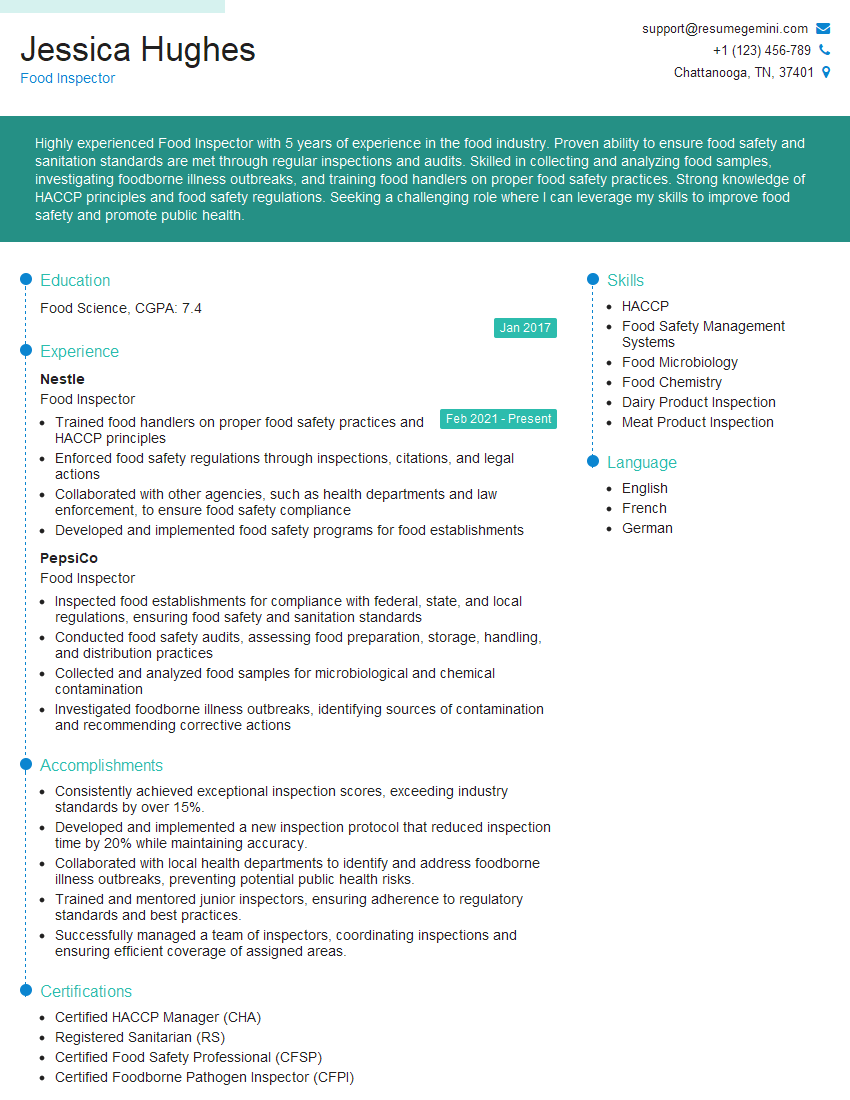
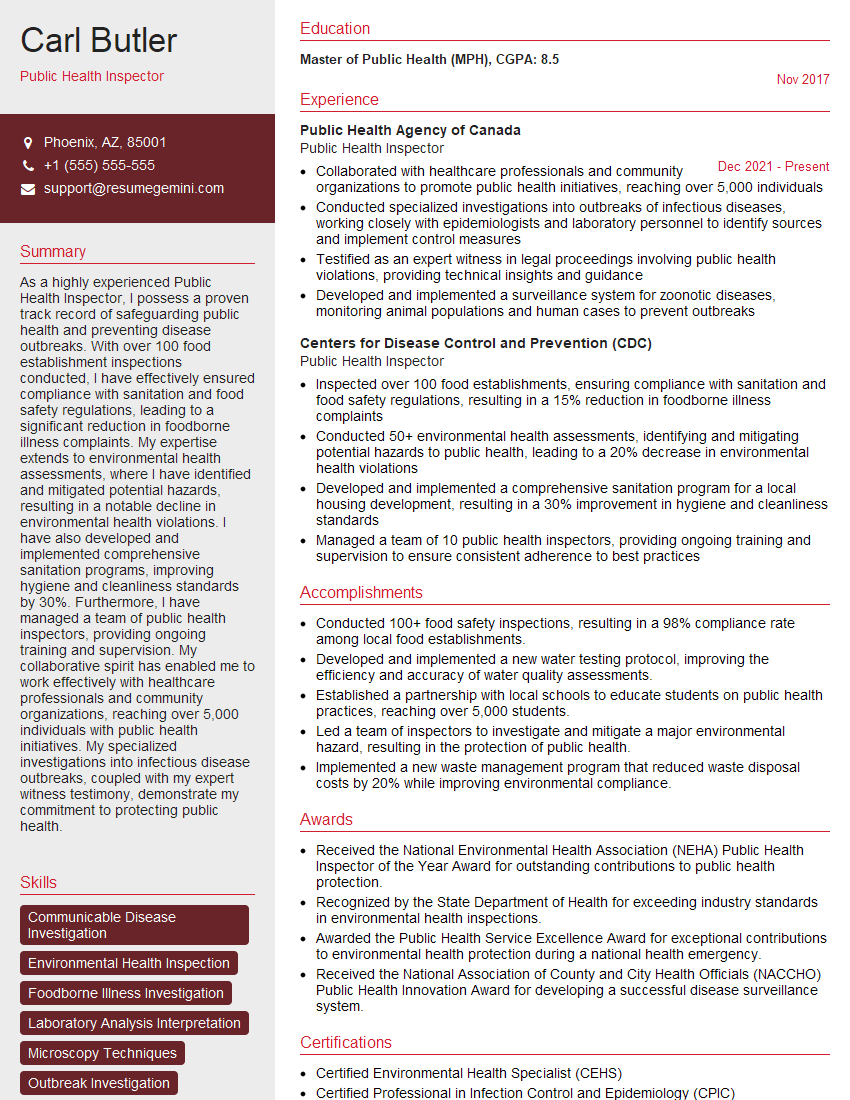
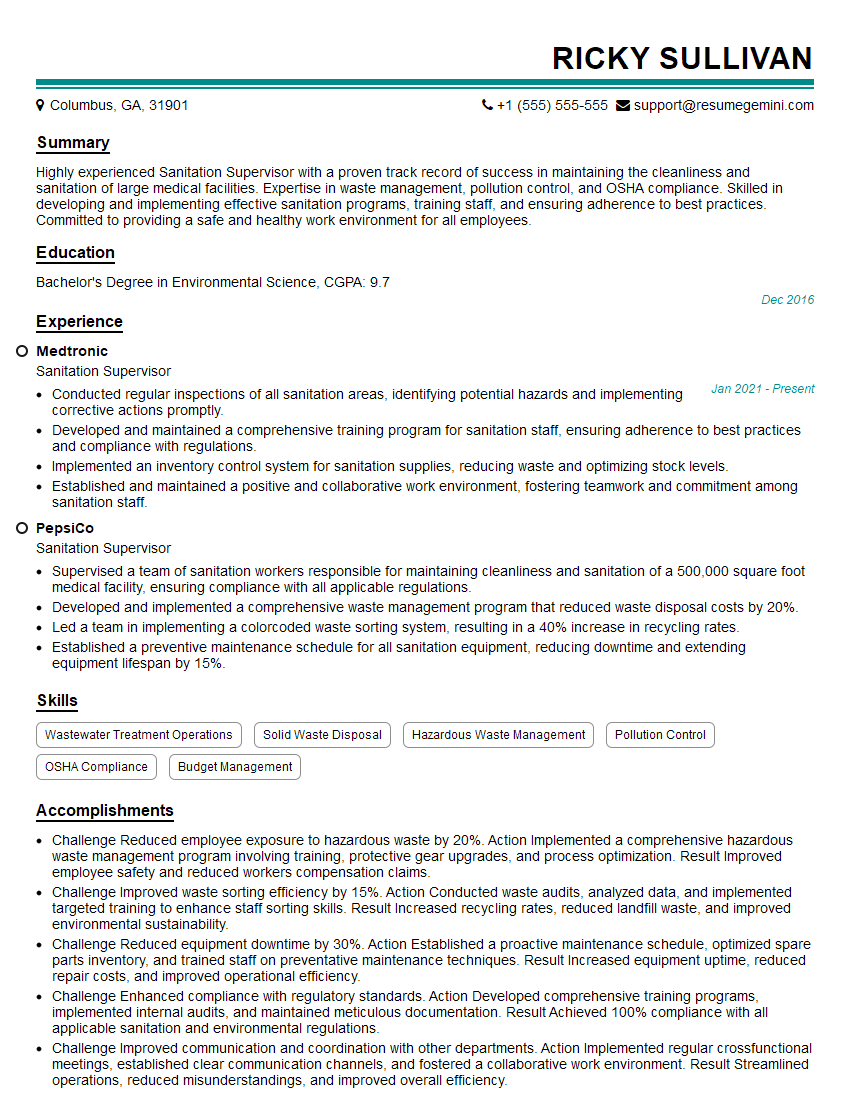
Mastering Food Inspection Techniques is crucial for career advancement in the food safety industry, opening doors to specialized roles and increased earning potential. A strong resume is key to unlocking these opportunities. Creating an ATS-friendly resume is essential for getting your application noticed by potential employers. ResumeGemini is a trusted resource that can help you build a professional and effective resume that highlights your skills and experience in Food Inspection Techniques. Examples of resumes tailored specifically to this field are available to help you get started. Invest time in crafting a compelling resume – it’s your first impression on a prospective employer.
Explore more articles
Users Rating of Our Blogs
Share Your Experience
We value your feedback! Please rate our content and share your thoughts (optional).
What Readers Say About Our Blog
Really detailed insights and content, thank you for writing this detailed article.
IT gave me an insight and words to use and be able to think of examples