Unlock your full potential by mastering the most common Forest Fire Prevention and Suppression interview questions. This blog offers a deep dive into the critical topics, ensuring you’re not only prepared to answer but to excel. With these insights, you’ll approach your interview with clarity and confidence.
Questions Asked in Forest Fire Prevention and Suppression Interview
Q 1. Describe the different stages of a wildfire.
Wildfires typically progress through several stages, each characterized by distinct behavior and intensity. Think of it like the life cycle of a fire.
- Preignition: This is the preparatory phase where fuel (dry leaves, branches, etc.) heats up and loses moisture. It’s like preheating an oven before baking; you’re setting the stage for ignition.
- Ignition: This is the actual start of the fire, triggered by a heat source (lightning, human carelessness, etc.) reaching the ignition temperature of the fuel. This is the ‘spark’ that sets everything in motion.
- Combustion: This is the main phase where the fire actively consumes fuel, releasing heat and producing flames. This is the period of active burning, much like the oven baking.
- Extinction: The fire eventually dies down due to depletion of fuel, or the effective application of suppression efforts. It’s like turning off the oven; the process ends.
Understanding these stages is crucial for predicting fire behavior and determining appropriate suppression strategies. A fire in the combustion stage requires different tactics than one in the preignition stage.
Q 2. Explain the fire triangle and how it relates to fire suppression.
The fire triangle illustrates the three essential elements required for fire to exist: heat, fuel, and oxygen. Imagine a triangle; each corner represents one element. Remove any one, and the fire goes out.
- Heat: The energy needed to ignite and sustain combustion. Think of a match striking.
- Fuel: The combustible material that burns. This can be anything from dry grass to logs and even dead trees. Consider it the ingredient list of the fire.
- Oxygen: The oxidizing agent that supports combustion. Think of the air the fire breathes. It’s the atmosphere.
Fire suppression techniques focus on interrupting one or more sides of the fire triangle. For example, water cools down the heat, removing the first element. Creating firebreaks removes the fuel and fire retardants can choke the oxygen supply.
Q 3. What are the primary methods of forest fire prevention?
Prevention is always cheaper and more effective than suppression. It’s like taking preventative measures against illness, it’s more effective than treating it. Key methods include:
- Public Education: Educating the public about fire safety, causes, and responsible behavior in fire-prone areas. This includes everything from proper campfire use to safe disposal of smoking materials.
- Fuel Reduction: Managing vegetation to reduce the amount of readily available fuel. Techniques include thinning forests, prescribed burns, and clearing brush along power lines. Think of cleaning your house to minimize fire hazards.
- Early Detection Systems: Implementing monitoring systems (towers, aerial patrols, cameras) to detect fires early, when they’re small and easier to control. This is like an early warning system for your home’s smoke detectors.
- Enforcement of Regulations: Strict enforcement of fire restrictions and regulations during high-risk periods. This may involve limiting access to forests or even complete burn bans.
A holistic approach is needed and combining these methods significantly reduces the risk of wildfires.
Q 4. Describe different types of fire suppression techniques.
Fire suppression techniques vary based on fire size, terrain, fuel type, and weather conditions. They can be broadly categorized into:
- Direct Attack: Fighting the fire directly at its edge, using water, foam, or other suppression agents. This is like fighting a fire directly with a fire hose.
- Indirect Attack: Containing the fire’s spread by creating firebreaks (control lines) ahead of the flames. Think of building a wall to contain the fire.
- Aerial Suppression: Using aircraft to drop water, retardants, or fire suppressants. Air tankers and helicopters play a critical role in large-scale fires.
- Ground Suppression: Employing ground crews with hand tools, bulldozers, and other equipment to establish control lines and extinguish the fire. This includes the hands-on firefighting teams.
The choice of techniques depends on many factors; often a combination is used for maximum effectiveness. Successful suppression relies on a well-coordinated effort among firefighters and using the right tools for the job.
Q 5. How do you assess fire behavior and predict its spread?
Assessing fire behavior and predicting its spread involves understanding several interacting factors: weather (wind speed, direction, temperature, humidity), topography (slope, aspect, elevation), and fuel (type, density, moisture content). Imagine it’s like predicting the weather – several factors need to be considered.
Fire behavior analysts use various tools and models (e.g., weather data, fuel models, fire behavior prediction software) to estimate fire rate of spread, intensity, and potential direction of spread. These analyses inform strategic fire suppression efforts, helping firefighters deploy resources effectively and increase safety.
Experienced wildland firefighters also develop an intuitive sense of fire behavior through observation and experience. They can often sense impending fire changes before they are indicated by predictive models.
Q 6. What are the safety protocols for wildland firefighting?
Wildland firefighting is inherently dangerous. Safety protocols are paramount, including:
- Personal Protective Equipment (PPE): Firefighters wear specialized clothing, helmets, gloves, and eye protection to minimize injury risks. Think of it as a fighter pilot’s gear, but for wildfire.
- Lookouts and Communication: Maintaining constant communication among team members and having designated lookouts to monitor fire behavior and potential hazards.
- Safety Zones and Escape Routes: Establishing clear escape routes and safety zones for crew members in case of sudden fire behavior changes. A well-defined escape plan is crucial for survival.
- Weather Monitoring: Continuously monitoring weather conditions, as changes in wind or temperature can rapidly alter fire behavior. Rapid weather changes can be extremely dangerous.
- Training and Fitness: Firefighters undergo rigorous training and maintain high levels of physical fitness to withstand the demands of wildland firefighting. Being physically and mentally prepared is non-negotiable.
Adherence to these protocols significantly reduces the risk of injury or fatality during suppression operations.
Q 7. Explain the role of prescribed burns in forest management.
Prescribed burns, also known as controlled burns, are planned and controlled fires used as a forest management tool. It’s like carefully cleaning a forest instead of allowing a chaotic wildfire to do it.
These burns reduce fuel loads, creating firebreaks and removing accumulated underbrush and deadwood. This reduces the risk of intense, uncontrolled wildfires in the future. The controlled burns also improve forest health by promoting the growth of new, fire-resistant vegetation, and can help restore natural fire patterns.
However, prescribed burns must be carefully planned and executed under specific conditions to ensure the fire remains contained and does not escape. Meteorological conditions, fuel moisture, and escape routes are carefully considered before ignition. Prescribed burns are a powerful tool when done responsibly.
Q 8. How do you identify and classify different types of wildland fuels?
Wildland fuels are classified based on their size, chemical composition, and moisture content, which directly impacts how readily they ignite and how intensely they burn. This classification is crucial for predicting fire behavior and developing effective suppression strategies.
- Grass: Fine fuels that dry out quickly and burn rapidly, often spreading fires across large areas. Think of dry prairie grasses igniting and creating a fast-moving fire front.
- Shrubs: Intermediate fuels, their flammability varies depending on species and moisture content. Chaparral, a common shrubland in California, can create intense, crown fires.
- Timber/Trees: Large fuels like logs, branches, and tree trunks. These burn slower but can generate intense heat and create embers that can easily start spot fires far from the main blaze. Imagine a forest fire fueled by large, dead trees.
- Litter: This includes leaves, needles, twigs, and other organic debris on the forest floor. It acts as a continuous fuel bed, carrying fire easily among larger fuels and creating a smoldering ground fire. This is often the fuel that initially ignites in many wildfires.
We use these categories to assess fire risk and plan for fuel management strategies, such as prescribed burns, to reduce the risk of large, destructive fires.
Q 9. Describe your experience with fire detection equipment and technology.
My experience encompasses a wide range of fire detection equipment and technologies. I’ve worked with both ground-based and aerial detection systems, understanding their strengths and limitations is vital for efficient fire response.
- Lookouts: Trained personnel visually scan landscapes for smoke, utilizing binoculars and radio communication. While seemingly simple, a keen eye and rapid reporting are crucial for early detection.
- Remote Automated Weather Stations (RAWS): These provide real-time data on temperature, humidity, wind speed and direction, and fuel moisture, giving crucial insight into fire risk and potential behavior.
- Infrared (IR) Cameras: Mounted on aircraft, these detect heat signatures, revealing hidden fire activity, even at night or through smoke. This is invaluable for mapping the extent of fires and guiding suppression efforts.
- Lightning Detection Systems: These systems pinpoint lightning strikes, a common ignition source, allowing for rapid deployment of resources to potential fire starts.
- Satellite Imagery: Provides a broad overview of fire activity across large areas, tracking fire spread and helping assess overall fire behavior patterns. This gives us a strategic context for our response.
The integration of these technologies allows for a multi-layered approach to detection, improving speed and accuracy of fire identification.
Q 10. What are the common causes of wildfires?
Wildfires are frequently caused by human activity, though natural ignitions, like lightning, also occur. It’s critical to understand that preventing human-caused fires is a major focus in fire prevention.
- Human-caused:
- Campfires: Unattended or improperly extinguished campfires are a significant contributor. Many fires start this way, often during periods of drought and high winds.
- Equipment use: Sparks from machinery like chainsaws or power lines can ignite dry vegetation. Regular maintenance and careful operation are crucial.
- Debris burning: Escaped debris burns spread rapidly, especially in windy conditions. Properly controlled burns, permitted and managed by professionals, are a different matter.
- Arson: Deliberately set fires account for a disturbing percentage of wildfires, often causing significant damage and putting lives at risk.
- Power lines: Faulty lines or trees falling onto power lines are another prominent cause.
- Natural causes:
- Lightning: A natural ignition source, often striking remote areas, making detection challenging. Dry lightning, characterized by lightning strikes but little or no rain, is particularly dangerous.
Understanding these causes is essential for developing targeted prevention strategies, including public education campaigns and stricter regulations.
Q 11. How do weather conditions influence wildfire behavior?
Weather plays a dominant role in wildfire behavior. Understanding these influences is critical for predicting fire spread and making informed suppression decisions.
- Temperature: High temperatures dry out fuels, making them more flammable. The higher the temperature, the faster the fire will burn and spread.
- Humidity: Low humidity decreases the moisture content of fuels, increasing their flammability. The drier the air, the more easily the fuels will ignite and burn.
- Wind: Wind is arguably the most important factor, dramatically influencing fire spread and intensity. Strong winds can carry embers over large distances, starting spot fires far ahead of the main fire front, creating a ‘firestorm’ effect.
- Precipitation: Recent rainfall reduces the risk; however, after a period of rain, fuels might appear damp on the surface, but can still be prone to ignition because they might be dry deep down. This can lead to unexpected fire behavior.
We use weather forecasts and real-time data to predict fire behavior and allocate resources effectively. This includes developing fire weather indices, which combine various weather elements into a single rating to assess the overall fire risk.
Q 12. Explain the importance of firebreaks in wildfire suppression.
Firebreaks are strategically created gaps in vegetation designed to halt the progress of a wildfire. They act as barriers, preventing the fire from easily crossing and thus limiting its spread.
They are created by removing flammable materials, creating a fuel-free zone. This can be done through mechanical methods (bulldozers), prescribed burning, or a combination of both. The effectiveness depends heavily on the width and continuity of the break, and the type of fuels present. A narrow firebreak in a highly flammable area may not be effective.
In practice, a system of strategically placed firebreaks can compartmentalize a wildfire, making it easier to manage and control. This ‘divide and conquer’ approach reduces the risk of catastrophic fire spread and protects critical infrastructure and communities.
A classic example is the use of firebreaks along roads and around towns to create a defensive perimeter during a wildfire. They are a crucial component of both preventative and suppression strategies.
Q 13. What are the key elements of a fire incident action plan?
A fire incident action plan (IAP) is a dynamic document that outlines the strategy and tactics for managing a wildfire. It’s a living document, constantly being reviewed and updated as the fire evolves.
- Incident Objectives: What are the overall goals of the operation? This might include containing the fire, protecting structures, or minimizing environmental impact.
- Strategic Objectives: Broader actions needed to achieve the incident objectives. For example, establishing containment lines or protecting vulnerable areas.
- Tactical Objectives: Specific actions taken by individual crews to achieve the strategic objectives. Such as building fire line, using water drops or deploying retardant.
- Resource Assignments: Detailed breakdown of personnel, equipment, and their assigned roles and responsibilities.
- Safety Plan: Addresses communication protocols, emergency procedures, and worker safety during fire suppression operations.
- Map: Shows the fire perimeter, planned actions, and resource locations. This is a constantly evolving visual representation of the situation.
The IAP ensures effective coordination among different teams and agencies involved in wildfire management. Regular updates and clear communication are crucial to its success. A well-executed IAP is crucial for preventing uncontrolled fire spread.
Q 14. Describe your experience with various types of firefighting equipment.
My experience encompasses a variety of firefighting equipment, each suited for different situations and tactical objectives. Understanding their capabilities and limitations is vital for safe and effective wildfire suppression.
- Hand Tools: Shovels, rakes, axes, and pulaskis are crucial for building fire lines and clearing fuels in close-quarters situations. These are often the first tools used in creating firebreaks.
- Engines: These are lightweight, mobile units that can carry water and fire suppressants to the fire front. Engine crews typically work to create and maintain fire lines and attack spreading flames.
- Bulldozers: Used for creating large-scale firebreaks, constructing containment lines, and removing fuels. They are important for establishing strategic barriers.
- Aircraft: Air tankers drop large quantities of fire retardant, while helicopters can perform precision water drops and transport personnel and equipment. Aerial support is essential for large, rapidly spreading fires.
- Water Tenders: Large trucks capable of carrying significant amounts of water to supply engine crews and other equipment. This is crucial in areas where water sources are scarce.
Proper maintenance and training are crucial for ensuring the safe and effective use of all firefighting equipment. Knowing which tools are best for a given situation is a critical skill for effective wildfire management.
Q 15. How do you communicate effectively during a wildfire emergency?
Effective communication during a wildfire emergency is paramount. It’s not just about talking; it’s about ensuring clear, concise, and timely information reaches everyone who needs it. This involves using multiple communication methods simultaneously.
- Radio Communication: This is our primary tool. We use specific channels for different teams (e.g., incident command, air support, ground crews). Clear, standardized terminology is crucial. For example, instead of saying ‘The fire’s moving fast,’ we’d say, ‘Fire progressing rapidly to the northeast, estimated rate of spread 2 chains per minute.’ This precision avoids ambiguity.
- Satellite Phones and Text Messaging: These are essential for communication in areas with limited or no cell service. They allow us to coordinate with remote teams and dispatch.
- Incident Management System (IMS): We utilize IMS software, which tracks personnel, resources, and fire progress. This allows everyone to have a real-time picture of the situation.
- Briefings and Debriefings: Regular briefings before and after each shift ensure everyone is on the same page regarding strategy, hazards, and safety protocols. Debriefings are crucial for lessons learned and improving future responses.
I’ve personally experienced situations where a quick, clear radio message prevented a near-miss with a rapidly spreading flank fire, allowing crews to reposition and avoid being trapped.
Career Expert Tips:
- Ace those interviews! Prepare effectively by reviewing the Top 50 Most Common Interview Questions on ResumeGemini.
- Navigate your job search with confidence! Explore a wide range of Career Tips on ResumeGemini. Learn about common challenges and recommendations to overcome them.
- Craft the perfect resume! Master the Art of Resume Writing with ResumeGemini’s guide. Showcase your unique qualifications and achievements effectively.
- Don’t miss out on holiday savings! Build your dream resume with ResumeGemini’s ATS optimized templates.
Q 16. How do you manage stress and fatigue during prolonged wildfire incidents?
Managing stress and fatigue during prolonged wildfire incidents is critical for both safety and effectiveness. It’s a marathon, not a sprint. The cumulative effects of sleep deprivation, intense physical demands, and the emotional toll can lead to burnout and errors.
- Prioritize Sleep: Wildfires often demand long hours. I make it a priority to get as much sleep as possible even if it means only in short bursts.
- Nutrition and Hydration: I ensure I’m constantly hydrated and eating nutritious meals. Dehydration and poor nutrition worsen fatigue.
- Team Support: We rely on each other heavily. Checking in with fellow firefighters to offer and receive support builds resilience.
- Stress Management Techniques: Mindfulness, deep breathing, and regular exercise (even short breaks for stretching) can help manage stress.
- Professional Help: We have access to mental health professionals who provide support and guidance. It’s essential to utilize this resource when needed.
On one particularly grueling incident, I noticed a colleague showing signs of exhaustion. By talking to him, offering him a break, and ensuring he got the rest he needed, I helped prevent a potentially dangerous situation.
Q 17. What is your experience with working in a team environment during fire suppression?
Teamwork is the cornerstone of successful fire suppression. Wildfires demand a highly coordinated effort. My experience emphasizes the importance of clear roles, effective communication, and mutual respect.
- Incident Command System (ICS): ICS provides a standardized framework for organizing personnel and resources, ensuring everyone understands their roles and responsibilities.
- Crew Coordination: This involves working seamlessly with engine crews, hand crews, air support, and incident management team to achieve unified objectives.
- Mutual Support: Wildfire fighting is inherently dangerous. Team members constantly monitor each other for safety and provide support when needed.
- Diversity of Skills: Effective teams leverage the diverse skills and experience of their members, combining knowledge of fire behavior, equipment operation, and emergency medical response.
I’ve been part of numerous teams, from small hand crews to large incident management organizations. One instance involved coordinating air support to drop retardant on a rapidly spreading fire’s flank, requiring precise communication and timing between ground and air crews to successfully protect a nearby community.
Q 18. Describe your knowledge of various fire suppression chemicals and their applications.
Fire suppression chemicals are a crucial component of wildland firefighting, but their use needs careful consideration due to potential environmental impacts.
- Water: The primary and safest suppressant. It cools the fuel and reduces its flammability.
- Retardants: These are typically water-based solutions with added chemicals (e.g., ammonium phosphates, ammonium sulfate) that create a fire-resistant barrier. They don’t extinguish the fire but slow its spread, giving firefighters time to create control lines.
- Foams: Used primarily for structural fire protection or to suppress fuel-based fires where water alone is ineffective (e.g., flammable liquids). Various types of foams target different fuel types.
- Gel suppressants: These are water-based gels with thickening agents, reducing the runoff and improving adhesion to steep slopes.
The choice of suppressant depends on the fire’s behavior, fuel type, and environmental considerations. We always strive to minimize chemical use and prioritize environmentally friendly methods whenever feasible.
Q 19. What is your understanding of the National Fire Danger Rating System?
The National Fire Danger Rating System (NFDRS) is a critical tool for predicting and assessing wildfire risk. It combines weather data, fuel conditions, and other factors to calculate a fire danger index.
The system provides daily fire danger ratings, categorized into different levels (e.g., low, moderate, high, extreme). This allows for proactive planning and resource allocation. For example, a high fire danger rating will lead to increased staffing, pre-positioning of equipment, and stricter burn permits. The system helps us understand the potential fire behavior and prioritize resources to areas at greatest risk.
Different components of the NFDRS include:
- Weather indices: These indices quantify factors like temperature, humidity, wind speed and direction, which heavily influence fire behavior.
- Fuel models: These models classify the type and amount of flammable vegetation (grass, shrubs, timber) impacting fire spread.
- Fire danger indices: The indices integrate weather and fuel conditions into a fire danger rating, providing a daily assessment of fire risk.
Understanding and interpreting NFDRS is vital for effective fire prevention and suppression efforts.
Q 20. How do you use GPS and mapping technology in wildland firefighting?
GPS and mapping technology are indispensable tools in wildland firefighting. They provide crucial spatial information, enabling better decision-making and enhanced safety.
- Mapping Fire Perimeter: GPS devices allow us to accurately map the fire perimeter, providing real-time updates on fire growth. This information feeds into our strategic fire suppression plan.
- Tracking Resources: GPS is used to track the location of firefighters, equipment, and air support, ensuring efficient coordination and preventing personnel from becoming lost or isolated in challenging terrain.
- Navigation: GPS aids navigation, especially in areas with limited visibility or complex terrain. It improves crew safety and efficiency.
- Geographic Information Systems (GIS): GIS integrates multiple data layers (topography, vegetation, roads, structures) with fire information to create detailed maps that enhance our understanding of the fire’s behavior and strategic fire suppression planning.
In a recent incident, the ability to quickly map the fire’s spread using GPS and GIS software enabled us to effectively deploy resources and prevent the fire from reaching critical infrastructure.
Q 21. Describe your experience with post-fire rehabilitation techniques.
Post-fire rehabilitation is crucial for restoring the ecological balance and minimizing long-term environmental damage. It’s about more than just putting out the fire. This process is multifaceted and often involves a collaborative effort among various agencies and experts.
- Erosion Control: Fire removes vegetation, increasing the risk of soil erosion. Rehabilitation measures include seeding, mulching, and installing erosion control structures.
- Reforestation and Revegetation: Planting trees and other vegetation helps restore the landscape, prevent further erosion, and enhance biodiversity.
- Watershed Restoration: Fires can damage watersheds, affecting water quality and availability. Measures include repairing damaged streambanks and implementing strategies to reduce sediment runoff.
- Hazardous Fuel Reduction: Post-fire efforts focus on clearing hazardous fuels to reduce the risk of future wildfires and improve community safety.
- Wildlife Habitat Restoration: Wildfires impact wildlife habitat. Rehabilitation may include habitat restoration efforts to support wildlife recovery.
I’ve been involved in several post-fire rehabilitation projects. One involved working with local communities to replant native vegetation after a large wildfire, helping restore the landscape and enhancing community resilience.
Q 22. What is your understanding of environmental regulations related to wildfire management?
Environmental regulations related to wildfire management are crucial for balancing ecological protection with the needs of communities. These regulations often cover several key areas.
- Prescribed Burning: Regulations dictate when, where, and how prescribed burns (controlled fires used to reduce fuel loads) can be conducted. This involves permits, air quality monitoring, and consideration for sensitive habitats. For example, many jurisdictions require specific weather conditions to be met before a prescribed burn can be initiated to minimize the risk of the fire escaping.
- Forest Management Practices: Regulations guide forest thinning, logging, and other activities to create fire-resistant landscapes. This includes requirements for fuel breaks (areas cleared of vegetation to stop fire spread), limiting the density of trees, and promoting species diversity.
- Development in Wildland-Urban Interfaces (WUI): Regulations often control building materials, setbacks, and landscaping in areas where homes are close to wildlands to minimize fire risk to structures and communities. For instance, many codes now mandate fire-resistant roofing materials and defensible space around homes.
- Air Quality: Regulations address smoke emissions from wildfires and prescribed fires, often involving air quality monitoring and restrictions on burning activities during periods of poor air quality. This is especially crucial to protect public health.
Non-compliance can lead to significant penalties, emphasizing the importance of understanding and adhering to these regulations.
Q 23. How do you assess the risk of a wildfire spreading to populated areas?
Assessing the risk of wildfire spread to populated areas involves a multi-faceted approach, combining geographic information systems (GIS), real-time data, and expert judgment.
- Fuel Assessment: We analyze the type, amount, and continuity of vegetation (fuel) near communities. Drier, denser vegetation poses a higher risk.
- Weather Forecasting: Real-time weather data, including temperature, humidity, wind speed and direction, are critical. High temperatures, low humidity, and strong winds dramatically increase the risk and speed of spread.
- Topographic Analysis: Steep slopes accelerate fire spread, while canyons and valleys can funnel flames, impacting fire behavior and requiring different suppression strategies.
- Historical Fire Data: Analyzing past fire behavior patterns in the area provides valuable insights into potential fire paths and spread rates.
- Community Infrastructure: The location and condition of roads, water sources, and other infrastructure directly influence our ability to respond and mitigate the impact on communities. Limited access can hinder our efforts significantly.
By integrating this information, we can create risk maps that identify vulnerable areas and inform prevention and evacuation planning. Think of it like a complex puzzle where each piece (fuel, weather, topography) contributes to the overall risk picture.
Q 24. What are your strengths and weaknesses related to this role?
My strengths lie in my extensive experience in wildfire management, including both prevention and suppression. I’m highly proficient in risk assessment, strategic planning, and team leadership. I’m also adept at using technology, including GIS and fire modeling software. Furthermore, I am a calm and decisive leader under pressure, a crucial quality during emergency situations.
My main area for improvement is expanding my knowledge of the latest advancements in drone technology for fire detection and mapping. While I understand the basics, hands-on experience with this technology would enhance my capabilities.
Q 25. Describe a challenging wildfire situation and how you successfully managed it.
One particularly challenging situation involved a fast-moving wildfire in a heavily forested area with limited access roads. High winds and extremely dry conditions fueled rapid fire spread, threatening both wildlife habitats and a small rural community.
My team and I immediately initiated a strategic plan combining air and ground resources. Air tankers were crucial in dropping retardant ahead of the fire’s advance, creating firebreaks to slow its progression. Simultaneously, ground crews focused on protecting structures within the community by establishing defensive lines and using controlled burns to remove flammable vegetation. We collaborated closely with local authorities to facilitate timely evacuations. Effective communication was paramount – ensuring everyone understood their roles and stayed updated on evolving conditions. Thanks to this coordinated response, we successfully contained the fire, minimizing property damage and preventing casualties.
Q 26. Explain your knowledge of different types of aircraft used in fire suppression.
Several types of aircraft play vital roles in fire suppression.
- Air Tankers: These large aircraft carry thousands of gallons of retardant (a fire-resistant substance) and drop it on the fire’s leading edge to slow its spread. Different types exist, varying in capacity and speed.
- Helicopters: Helicopters are highly maneuverable and can access difficult terrain, making them ideal for water bucket operations (scooping water from lakes and rivers) and delivering firefighters and equipment to hard-to-reach areas. They can also use specialized equipment like Bambi buckets.
- Lead Planes: These smaller aircraft fly ahead of the air tankers, providing real-time aerial observation and guidance to the tanker pilots, allowing for more precise retardant drops. They are essentially the ‘eyes in the sky’.
- Spotter Planes: Often used for initial fire detection and for monitoring fire behavior from a safe distance.
The choice of aircraft depends on the fire’s size, location, and intensity. Coordinating the use of these different aircraft is a critical aspect of successful wildfire suppression.
Q 27. How do you ensure the safety of yourself and your crew during a wildfire?
Ensuring crew safety is the utmost priority during a wildfire. This involves a multi-layered approach.
- Pre-fire Planning: This includes thorough risk assessments, detailed escape routes, and communication plans. We use maps and discuss potential hazards extensively before any deployment.
- Safety Briefings: Before each deployment, we conduct briefings to review safety procedures, communicate the day’s objectives, and address any specific concerns. This ensures everyone is on the same page and aware of potential dangers.
- Lookouts and Communication: We establish lookouts and use radios to maintain constant communication among team members. This enables immediate responses to changing fire conditions or emergencies.
- Tactical Deployments: We deploy crews strategically, considering wind direction, terrain, and potential escape routes. We avoid putting crews in unnecessary danger.
- Weather Monitoring: Real-time weather updates are essential to anticipate changes in fire behavior and adjust tactics accordingly. A sudden shift in wind, for instance, can quickly alter a safe situation into a dangerous one.
Safety is not merely a guideline; it is an integral part of our operational culture.
Q 28. Describe your experience with using personal protective equipment (PPE) in wildland firefighting.
Personal Protective Equipment (PPE) is absolutely essential for wildland firefighters. My experience includes consistent and proper use of various PPE items.
- Nomex Clothing: This fire-resistant clothing protects against heat and flames, a fundamental part of our gear. I’ve experienced firsthand its effectiveness in preventing serious burns.
- Helmets and Eye Protection: Helmets protect against falling debris and impacts, while eye protection shields against smoke, heat, and flying embers. These are always worn.
- Gloves and Boots: These provide protection against sharp objects, heat, and hazardous materials. Choosing appropriate gear for varying terrain and conditions is vital.
- Self-Contained Breathing Apparatus (SCBA): In situations with heavy smoke, SCBA is crucial for respiratory protection. Proper training in its use is essential.
Regular inspections and maintenance of our PPE are critical, ensuring it is always in optimal condition to guarantee our safety. Neglecting PPE can have severe consequences.
Key Topics to Learn for Forest Fire Prevention and Suppression Interview
- Wildland Fire Behavior: Understanding fire behavior principles (fuel, weather, topography), predicting fire spread, and interpreting fire behavior indicators. Practical application includes assessing fire risk and developing suppression strategies.
- Fire Suppression Techniques: Direct attack, indirect attack, and other suppression methods. Practical application includes choosing the appropriate tactic based on fire behavior and resource availability. Consider the safety aspects of each technique.
- Fire Prevention Strategies: Public education, prescribed burning, fuel management techniques (mechanical thinning, grazing). Practical application includes designing and implementing preventative measures for specific landscapes.
- Fireline Safety and Emergency Procedures: Understanding safety regulations, communication protocols, and emergency response procedures. Practical application includes demonstrating knowledge of safe work practices and emergency response plans.
- Geographic Information Systems (GIS) and Technology in Fire Management: Utilizing GIS for mapping, fire modeling, and resource allocation. Practical application includes demonstrating proficiency in using relevant software and interpreting spatial data.
- Incident Command System (ICS): Understanding the organizational structure and roles within an incident management team. Practical application includes demonstrating an understanding of effective teamwork and communication in a crisis.
- Environmental Impact of Fire Suppression: Understanding the ecological effects of fire suppression and the importance of managing fire for ecosystem health. Practical application includes articulating the balance between suppression and ecological restoration.
Next Steps
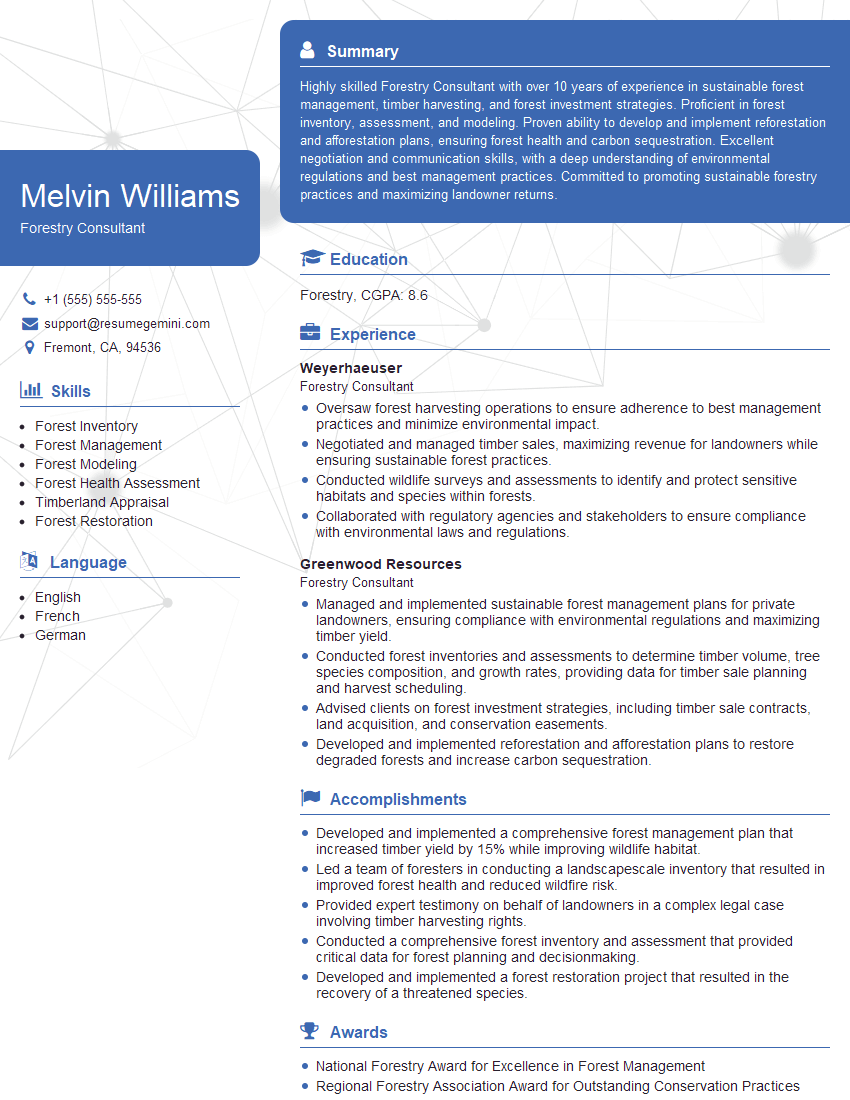
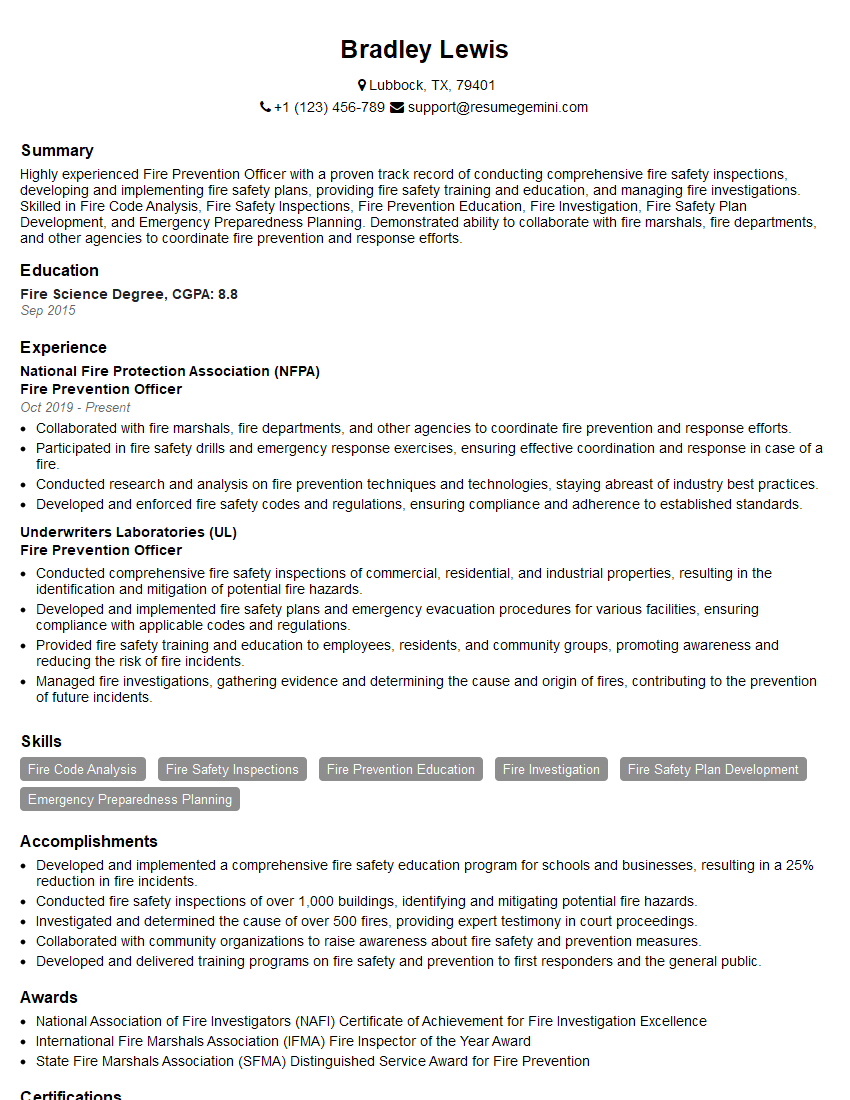
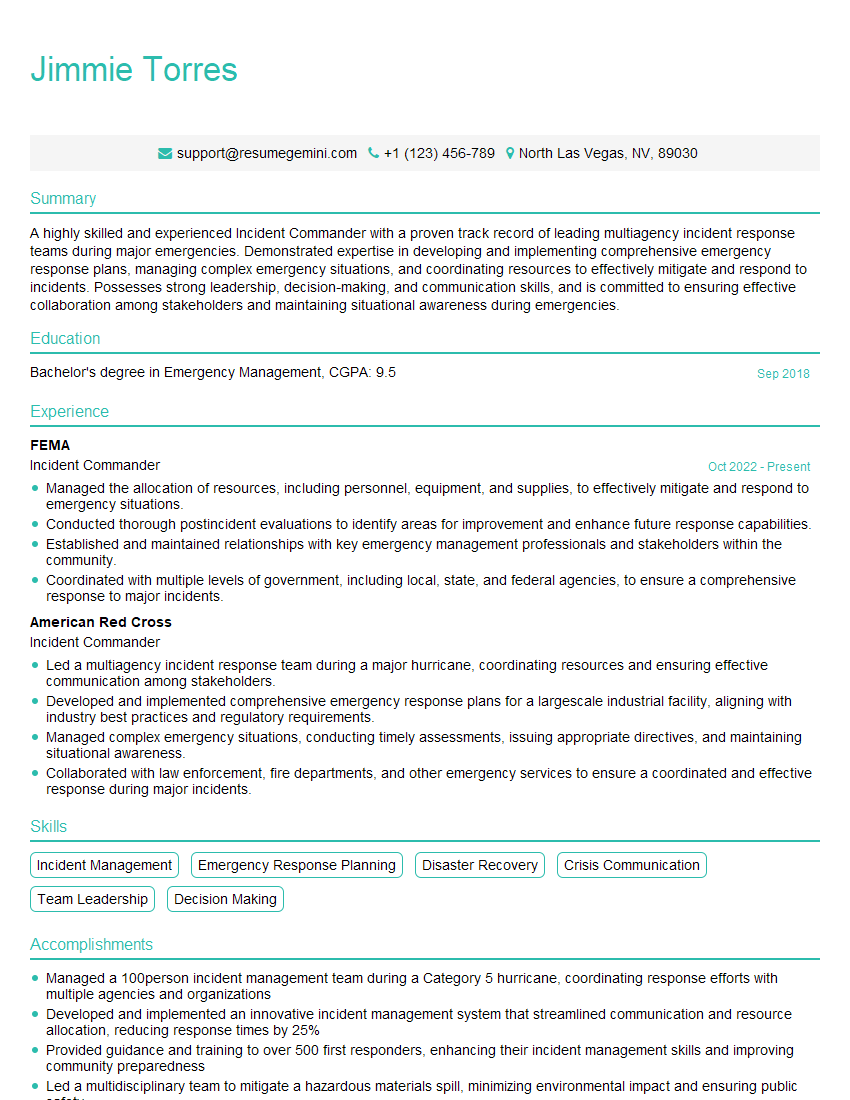
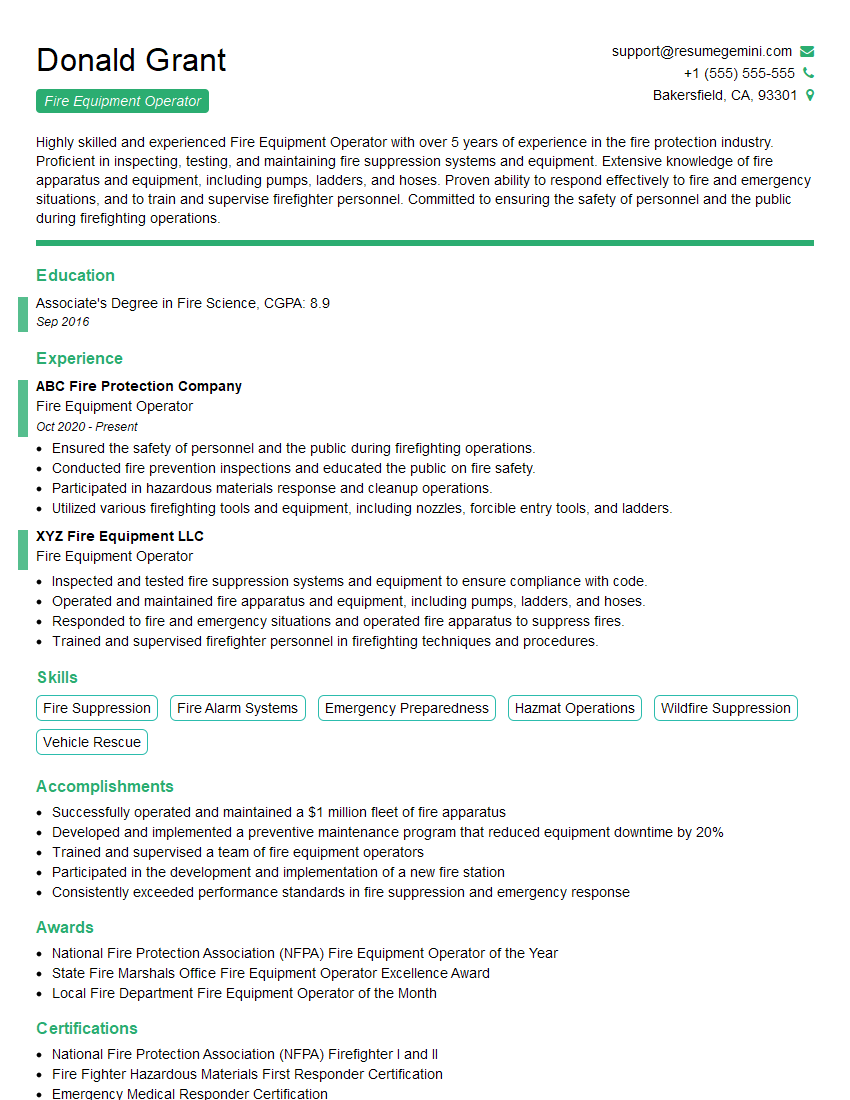
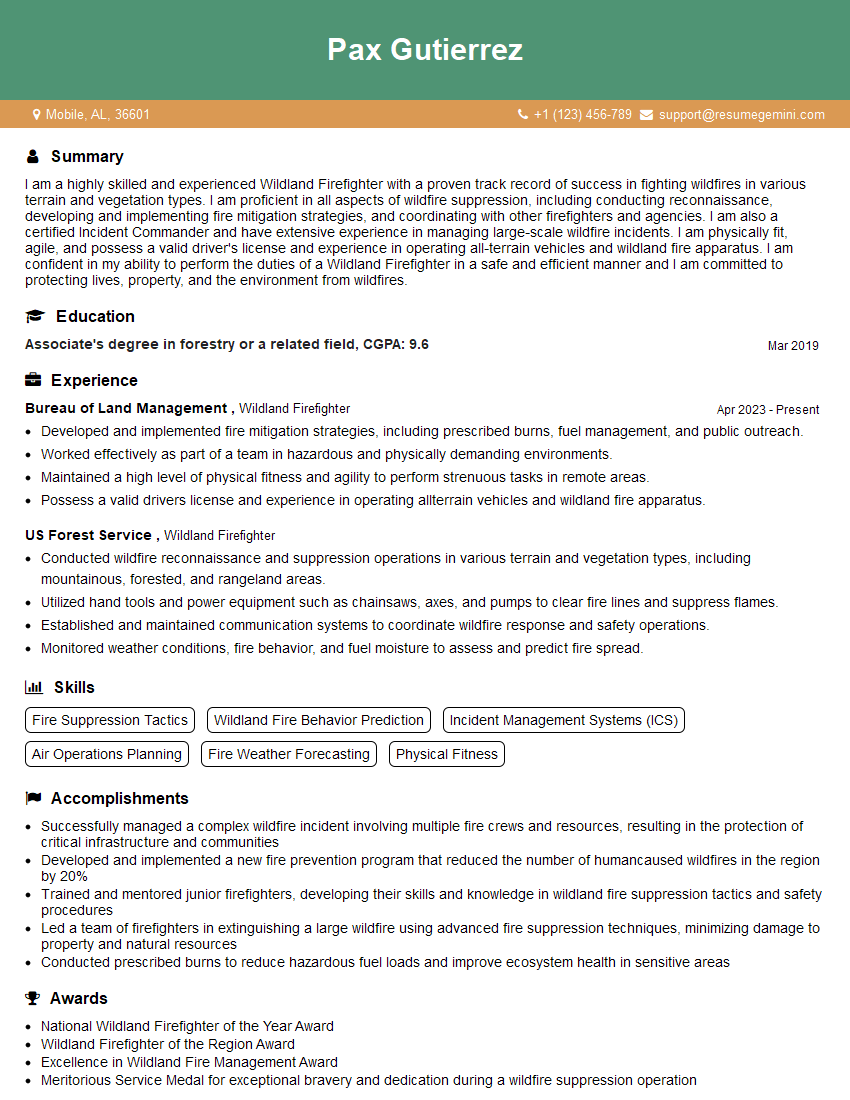
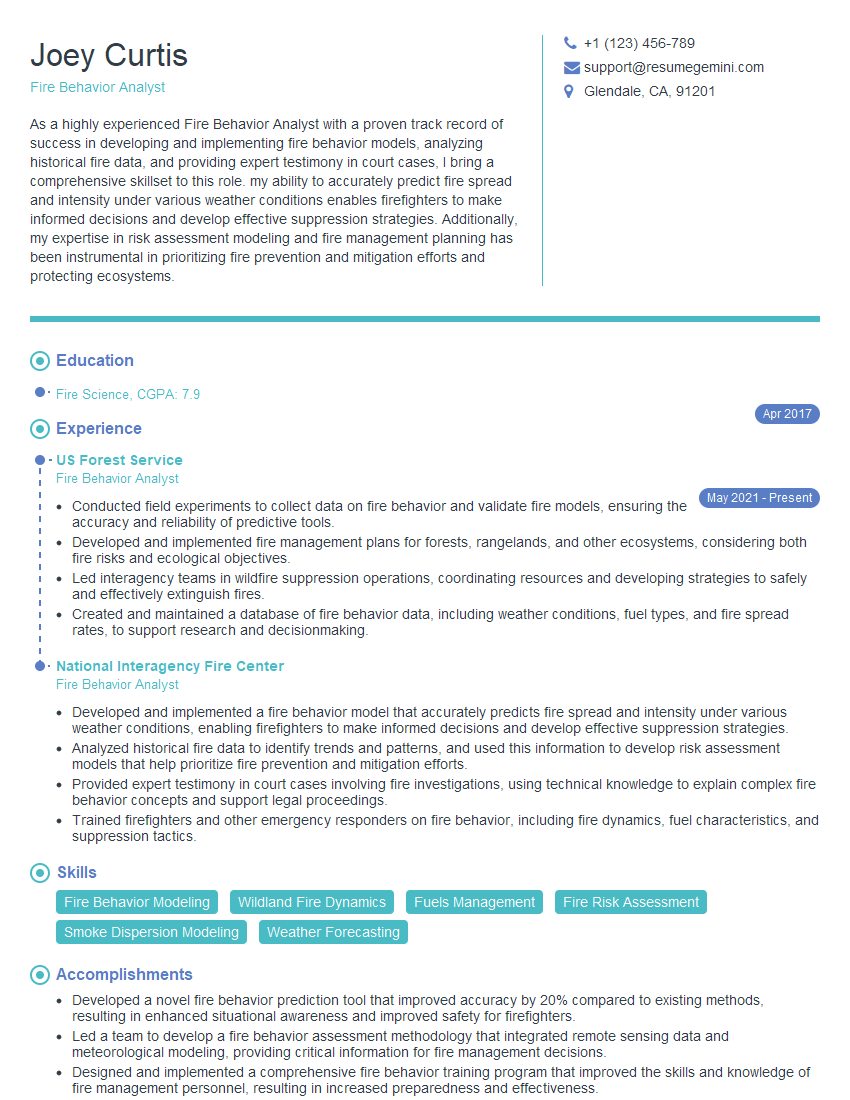
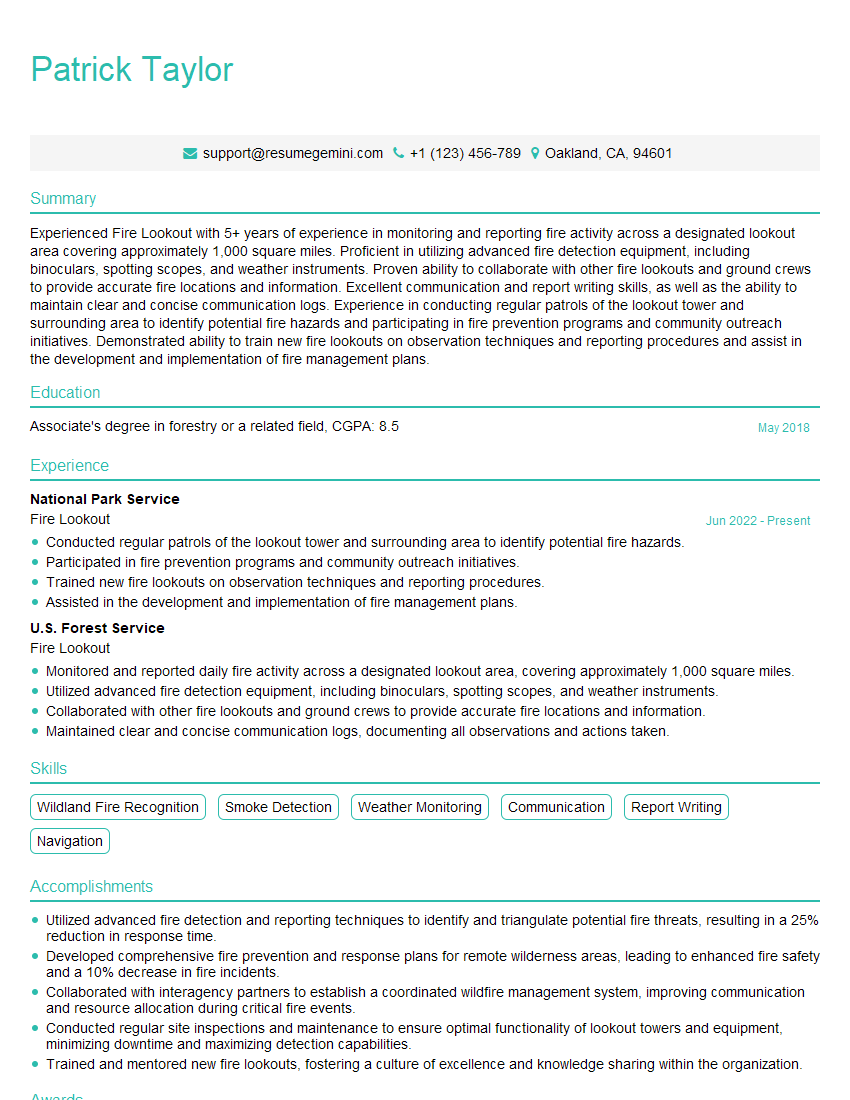
Mastering Forest Fire Prevention and Suppression opens doors to a rewarding career dedicated to protecting our natural resources and communities. Advancement opportunities are abundant for skilled professionals who demonstrate a deep understanding of both theory and practice. To significantly improve your job prospects, crafting a compelling and ATS-friendly resume is crucial. ResumeGemini offers a trusted platform to build a professional resume that highlights your unique skills and experiences effectively. We provide examples of resumes tailored specifically to Forest Fire Prevention and Suppression roles, helping you showcase your qualifications in the best possible light. Invest time in perfecting your resume—it’s your first impression on potential employers.

Explore more articles
Users Rating of Our Blogs
Share Your Experience
We value your feedback! Please rate our content and share your thoughts (optional).
What Readers Say About Our Blog
Really detailed insights and content, thank you for writing this detailed article.
IT gave me an insight and words to use and be able to think of examples