The thought of an interview can be nerve-wracking, but the right preparation can make all the difference. Explore this comprehensive guide to Freddie Mac Loan Prospector interview questions and gain the confidence you need to showcase your abilities and secure the role.
Questions Asked in Freddie Mac Loan Prospector Interview
Q 1. Explain the purpose of Loan Prospector.
Freddie Mac Loan Prospector is a powerful online automated underwriting system (AUS) that helps lenders assess the risk associated with residential mortgage loans. Think of it as a sophisticated risk-assessment tool that provides lenders with a probability of default score, allowing them to make more informed lending decisions. It significantly streamlines the mortgage process by providing a preliminary assessment of loan eligibility before the loan is fully underwritten, saving both time and resources.
Q 2. What are the key inputs required for a Loan Prospector submission?
Loan Prospector requires a comprehensive set of inputs, covering various aspects of the borrower and the loan itself. Key inputs include:
- Borrower Information: This includes credit scores (from all three major bureaus), employment history, income details (W-2s, tax returns, pay stubs), assets, liabilities (debts), and debt-to-income ratio (DTI).
- Property Information: This encompasses the property address, property type (single-family, condo, etc.), appraisal value, and occupancy type (primary residence, second home, investment property).
- Loan Details: Crucial loan details are required, such as the loan amount, loan term, interest rate, loan type (e.g., fixed-rate, adjustable-rate), down payment, and the type of mortgage insurance (if applicable).
- Loan Purpose: Whether the loan is for purchasing a new home, refinancing an existing mortgage, or for a cash-out refinance.
Providing accurate and complete information is crucial for obtaining a reliable risk assessment from Loan Prospector. Inaccurate data can lead to inaccurate results, potentially delaying or even preventing loan approval.
Q 3. Describe the different risk scores generated by Loan Prospector.
Loan Prospector generates several key risk scores, each providing a different perspective on the loan’s risk profile. These include:
- Loan Product Advisor (LPA) Score: This is the primary score and represents the overall risk assessment of the loan. It indicates the likelihood of the loan defaulting based on Freddie Mac’s risk models. A higher score indicates lower risk.
- Credit Risk Score: This score specifically assesses the creditworthiness of the borrower based on their credit history and financial information.
- Collateral Risk Score: This focuses on the property itself, considering factors like location, property type, and appraisal value. It helps to assess the risk associated with the collateral securing the loan.
- Other Risk Indicators: Depending on the loan characteristics, Loan Prospector may flag other risk indicators such as high debt-to-income ratios or unusual financial patterns. These help identify potential issues that require further review.
These scores are used in conjunction with other underwriting considerations to make a final loan approval decision.
Q 4. How does Loan Prospector assess credit risk?
Loan Prospector assesses credit risk by using a sophisticated scoring model that incorporates numerous factors. It’s not just a simple credit score evaluation; it’s a complex algorithm that considers the borrower’s credit history, income stability, debt levels, and the characteristics of the loan itself. The system employs statistical analysis and historical data on loan performance to predict the probability of default. For example, a borrower with a consistent employment history, low debt-to-income ratio, and a strong credit score is likely to receive a favorable risk assessment, while a borrower with inconsistent income, high debt, and a poor credit history will likely face a higher risk assessment.
Essentially, Loan Prospector creates a holistic picture of the borrower’s credit risk by weighing various factors according to their relative importance in predicting loan performance.
Q 5. Explain the significance of the Loan Prospector representation and warranty.
The Loan Prospector representation and warranty is a crucial component of the process. By using Loan Prospector, the lender implicitly represents and warrants to Freddie Mac that they have accurately and completely entered all required data. It also affirms that the lender has thoroughly reviewed the results and will comply with all relevant Freddie Mac guidelines and requirements. This representation and warranty protects Freddie Mac against potential losses resulting from inaccurate data submission or non-compliance. Failure to accurately represent the loan information can result in serious consequences, including the potential rejection of the loan or legal repercussions. It emphasizes the importance of accuracy and thoroughness in the data input process.
Q 6. What are the different types of loan products supported by Loan Prospector?
Loan Prospector supports a wide range of loan products, including but not limited to:
- Conventional Loans: These are loans that are not insured or guaranteed by government agencies.
- FHA Loans: Loans insured by the Federal Housing Administration.
- VA Loans: Loans guaranteed by the Department of Veterans Affairs.
- Fixed-Rate Mortgages: Loans with a fixed interest rate throughout the loan term.
- Adjustable-Rate Mortgages (ARMs): Loans with an interest rate that adjusts periodically.
- Purchase Loans: Loans for purchasing a home.
- Refinance Loans: Loans to replace an existing mortgage.
The specific loan products available may vary based on the lender’s participation in Freddie Mac programs and the current guidelines.
Q 7. How does Loan Prospector handle various loan scenarios, such as jumbo loans or non-QM loans?
Loan Prospector handles various loan scenarios, including jumbo loans and non-QM loans, although with some differences. For jumbo loans (loans exceeding conforming loan limits), Loan Prospector may provide a risk assessment, but it may not be the sole factor in the underwriting decision. Additional risk mitigation strategies may be required. For non-QM (non-qualified mortgage) loans, which don’t meet the stringent QM guidelines, Loan Prospector may not be directly applicable in the same way. Lenders often use alternative underwriting methods and rely on other risk assessment tools.
Essentially, while Loan Prospector provides a valuable risk assessment for a wide range of loan products, its role may vary depending on the specific loan characteristics. Lenders need to understand these nuances and adapt their underwriting approach accordingly.
Q 8. What are the limitations of Loan Prospector?
Loan Prospector, while a powerful tool, has limitations. It’s crucial to remember it’s an automated underwriting system, not a replacement for human judgment. Its analysis relies heavily on the data input; inaccurate or incomplete data will lead to inaccurate results. Furthermore, it doesn’t account for all nuanced situations a human underwriter might consider. For example, it may struggle with unique or complex loan structures, unusual income sources, or extenuating circumstances affecting a borrower’s creditworthiness that aren’t easily quantifiable.
- Data Dependency: Garbage in, garbage out. The system’s output is only as good as the data entered.
- Limited Contextual Understanding: It lacks the ability to understand the broader context behind the numbers, such as a borrower’s explanation for a credit blemish.
- No Replacement for Human Judgment: It’s a valuable tool to assist in the underwriting process, but final decisions should always incorporate human expertise and judgment.
- Potential for Algorithmic Bias: Like any AI system, there’s a potential for inherent biases in the algorithms used, which might disproportionately affect certain borrower demographics. It’s vital to be aware of this possibility and critically evaluate the output.
Q 9. How do you interpret the Loan Prospector output and use it in your underwriting decisions?
Interpreting Loan Prospector output is a multi-step process. I first review the ‘Findings’ section, paying close attention to any ‘Accept,’ ‘Refer,’ or ‘Decline’ recommendations. A ‘Refer’ usually signifies the need for further documentation or explanation. I then carefully examine the detailed risk assessment, looking for specific reasons behind the recommendation. For example, a high debt-to-income ratio (DTI) or a low credit score might be highlighted. Next, I cross-reference the Prospector output with my own analysis of the borrower’s financial documents, such as pay stubs, tax returns, and bank statements. This involves verifying the data’s accuracy and consistency. If discrepancies exist, I investigate and resolve them. Finally, I consider other relevant factors, such as the borrower’s credit history and the overall market conditions, before making an informed underwriting decision. If Prospector recommends ‘Refer,’ I gather further information and may re-submit the loan for a reassessment.
For example, if Loan Prospector flags a ‘Refer’ due to a high DTI but the borrower has documented significant income growth not reflected in the original data, I would supplement the file and resubmit.
Q 10. Explain the process of correcting errors or discrepancies found in Loan Prospector results.
Correcting errors in Loan Prospector involves a systematic approach. First, I carefully review the flagged error messages to understand the source of the issue. This often involves double-checking the data entry for accuracy and completeness – verifying that all fields are populated correctly and consistently with supporting documentation. Common errors include typos in social security numbers, incorrect income figures, or missing information.
Once I’ve identified the problem, I correct the data within Loan Prospector and resubmit the loan for evaluation. For example, if an incorrect income amount was entered, I would adjust it based on the borrower’s pay stubs and W-2s. If the error was due to missing information, I would gather the necessary documentation and add it to the loan file before resubmission. Detailed documentation of the error correction process is crucial for audit trail purposes.
In more complex situations, such as a discrepancy between self-reported income and documented income, I may need to consult with the borrower to clarify the situation. I always maintain clear and concise communication throughout the process.
Q 11. Describe your experience using Loan Prospector’s automated underwriting system.
I have extensive experience using Loan Prospector’s automated underwriting system, leveraging it throughout the entire loan origination process. I’m proficient in navigating the system’s interface, accurately inputting data, and interpreting the results. I utilize its features for both initial loan eligibility checks and for ongoing monitoring. I consistently utilize Loan Prospector’s various reporting tools for efficient tracking and trend analysis. It streamlines my workflow and reduces manual effort, allowing me to process loans more efficiently while maintaining the required level of risk assessment.
For instance, I often use Loan Prospector to quickly assess the eligibility of various loan products for a borrower based on their financial profile, guiding my initial conversations and saving time. I find that using Loan Prospector early in the process allows me to properly manage borrower expectations and proactively address potential issues.
Q 12. What are the key differences between Loan Prospector and other automated underwriting systems?
While Loan Prospector and other automated underwriting systems (AUS) share the goal of streamlining the mortgage underwriting process, key differences exist. The primary difference lies in the specific lender or investor they serve. Loan Prospector is specifically designed for loans sold to Freddie Mac. Other systems, such as Fannie Mae’s Desktop Underwriter (DU), cater to loans sold to Fannie Mae. Each system has its own proprietary algorithms, risk assessment models, and data requirements. Consequently, the output and recommendations from each system can vary, even for the same loan. While the underlying principles are similar, each AUS may emphasize different aspects of risk assessment leading to different results. For example, one system might place more weight on credit score, while another might focus more on debt-to-income ratio.
Q 13. How do you handle situations where Loan Prospector flags a loan as high risk?
When Loan Prospector flags a loan as high-risk, my response is multifaceted. I begin by carefully reviewing the system’s findings to pinpoint the specific risk factors. This might include a low credit score, high DTI, or concerns regarding the borrower’s income or assets. Next, I thoroughly investigate these factors, comparing the data in Prospector with the supporting documentation from the borrower. I look for any inconsistencies or missing information that might be contributing to the high-risk assessment.
Depending on the findings, I might request additional documentation from the borrower or perform further analysis to mitigate the identified risks. If the risks are manageable and compensable, I might propose conditions or adjustments to the loan to reduce the overall risk profile. However, if the risk is deemed unacceptably high, despite mitigation efforts, I might decline the loan application. This decision is always made based on a comprehensive review of all available data and a thorough understanding of Freddie Mac’s guidelines.
Q 14. How do you ensure the accuracy and completeness of data entered into Loan Prospector?
Ensuring data accuracy and completeness in Loan Prospector is paramount. I employ a multi-layered approach: First, I meticulously verify all data against the borrower’s original documents before entering it into the system. This involves comparing income figures with pay stubs and tax returns, verifying asset values with bank statements and investment account records, and carefully checking for any inconsistencies. Second, I follow a standardized data entry process to minimize errors. This includes using checklists and templates, and double-checking all entries for accuracy before submission. Third, I utilize Loan Prospector’s built-in data validation features to identify and correct any inconsistencies or errors during the input process. Finally, I maintain thorough documentation of all data sources and any adjustments made, creating an auditable trail. This ensures transparency and accountability throughout the process.
For example, If a borrower provides multiple pay stubs showing variations in income, I meticulously check for any unusual patterns, such as overtime or bonuses, and I accurately reflect the information into the system; I also clearly document how I reconcile these income variations.
Q 15. Explain the importance of compliance with Freddie Mac guidelines when using Loan Prospector.
Compliance with Freddie Mac guidelines when using Loan Prospector is paramount for several reasons. It ensures that the loans you originate meet Freddie Mac’s eligibility requirements, making them eligible for sale on the secondary market. Non-compliance can lead to significant financial penalties, reputational damage, and even legal action. Think of it like following a recipe meticulously – if you deviate from the instructions, the final product might not turn out as intended, or worse, it could be inedible. In the context of Loan Prospector, adhering to guidelines means ensuring the data input is accurate and complete, and that the loan meets all the defined criteria for approval. This involves careful attention to detail in every aspect of the process, from the initial application to the final appraisal review.
- Accurate Data Entry: Inputting incorrect information, even a minor detail, can result in a different risk assessment from Loan Prospector, potentially jeopardizing the loan approval.
- Understanding Eligibility Requirements: Thoroughly understanding and adhering to Freddie Mac’s ever-evolving guidelines for borrower qualifications, property types, and loan terms is crucial.
- Documentation Compliance: Maintaining meticulous records of all supporting documentation is key to demonstrating compliance if ever audited.
Career Expert Tips:
- Ace those interviews! Prepare effectively by reviewing the Top 50 Most Common Interview Questions on ResumeGemini.
- Navigate your job search with confidence! Explore a wide range of Career Tips on ResumeGemini. Learn about common challenges and recommendations to overcome them.
- Craft the perfect resume! Master the Art of Resume Writing with ResumeGemini’s guide. Showcase your unique qualifications and achievements effectively.
- Don’t miss out on holiday savings! Build your dream resume with ResumeGemini’s ATS optimized templates.
Q 16. How do you stay updated with changes and updates to the Loan Prospector system?
Staying updated on Loan Prospector changes is critical for maintaining compliance and maximizing its efficiency. I utilize several strategies to ensure I remain current:
- Freddie Mac Website: I regularly visit the official Freddie Mac website, specifically the sections dedicated to Loan Prospector updates and announcements. They often publish release notes, FAQs, and training materials.
- Email Alerts and Notifications: I have subscribed to relevant Freddie Mac email lists to receive direct notifications about system updates, new features, and important policy changes.
- Industry Publications and Webinars: I actively follow industry publications and attend webinars focusing on mortgage lending and Loan Prospector best practices. These resources often provide insightful interpretations and practical application of updates.
- Professional Networking: Regular interaction with colleagues and peers in the mortgage industry allows for the exchange of knowledge and experiences regarding recent changes and troubleshooting techniques.
This multi-pronged approach guarantees that I remain informed and proactive in adapting my Loan Prospector usage to the latest regulations and functionalities.
Q 17. Describe a situation where you had to troubleshoot a problem with Loan Prospector.
I once encountered a situation where Loan Prospector returned an unexpected ‘Refer to Underwriter’ result for a seemingly straightforward loan application. The borrower had a strong credit score, a reasonable debt-to-income ratio, and a sufficient down payment. After carefully reviewing the input data multiple times, I noticed a minor discrepancy in the reported income, a missing digit in the annual income field. This single-digit error had significantly impacted the DTI calculation, resulting in the ‘Refer to Underwriter’ flag.
My troubleshooting steps involved:
- Data Verification: I meticulously re-checked all input data against the supporting documentation, pinpointing the missing digit.
- Recalculation: I corrected the income field and re-ran the Loan Prospector analysis.
- Documentation Review: I confirmed the corrected income figure with the borrower and updated the documentation accordingly.
- Successful Resubmission: With the corrected data, Loan Prospector produced a favorable result, allowing the loan to proceed smoothly.
This experience underscored the critical importance of meticulous data entry and thorough data validation when using Loan Prospector.
Q 18. How do you prioritize tasks when using Loan Prospector within a fast-paced environment?
In a fast-paced environment, effective task prioritization when using Loan Prospector is crucial. I use a combination of techniques:
- Urgency and Importance Matrix: I categorize tasks based on their urgency and importance (high/low). Urgent and important tasks take precedence, such as those with impending deadlines or those involving high-risk loans.
- Loan Volume and Complexity: I prioritize loans with larger volumes and higher complexity first to ensure efficient use of my time and to avoid bottlenecks.
- Loan Prospector Output: I tackle cases requiring manual underwriter review immediately, ensuring quick turnaround times.
- Batch Processing: I group similar loan applications together for efficient processing, minimizing repetitive actions.
- Time Blocking: I allocate specific time slots for Loan Prospector tasks, improving focus and reducing distractions.
By applying these strategies, I can maintain productivity and efficiency, ensuring timely processing of loan applications within the demands of a fast-paced workflow.
Q 19. What are the key factors influencing Loan Prospector’s risk assessment?
Loan Prospector’s risk assessment hinges on several key factors, all designed to predict the likelihood of loan default. It’s not a simple formula, but rather a sophisticated algorithm considering many interconnected aspects.
- Borrower Credit Score: A higher credit score generally indicates lower risk.
- Debt-to-Income Ratio (DTI): A lower DTI suggests the borrower has more financial breathing room.
- Loan-to-Value Ratio (LTV): A lower LTV (i.e., a larger down payment) represents less risk to the lender.
- Property Appraisal Value: The property’s appraised value ensures it’s sufficient collateral.
- Income Verification: Thorough verification ensures the borrower’s stated income is accurate and sustainable.
- Loan Type and Terms: Different loan types (e.g., fixed-rate, adjustable-rate) and terms carry varying levels of risk.
- Employment History: A stable employment history indicates financial stability.
Loan Prospector uses a complex interplay of these factors, weighted and adjusted based on current market conditions and Freddie Mac guidelines. It’s crucial to remember that a ‘good’ result doesn’t guarantee a loan will never default, but it significantly reduces the likelihood of it.
Q 20. How do you utilize Loan Prospector to improve efficiency in the loan origination process?
Loan Prospector significantly improves efficiency in the loan origination process in several ways:
- Automated Risk Assessment: It provides rapid, automated risk assessments, eliminating the need for manual, time-consuming evaluations in many cases.
- Reduced Manual Underwriting: For loans that meet certain criteria, Loan Prospector can minimize the need for manual review by underwriters, freeing up their time for more complex cases.
- Early Identification of Issues: It helps identify potential problems early in the process, allowing for quick corrective action and preventing delays later on.
- Improved Turnaround Times: Faster assessments translate directly into faster loan approvals and closings.
- Streamlined Workflow: The integration of Loan Prospector into existing loan origination systems streamlines the entire process, facilitating smoother information flow and reducing errors.
By automating critical aspects of the underwriting process, Loan Prospector accelerates the entire loan origination cycle, saving both time and resources.
Q 21. Explain the concept of ‘desktop underwriting’ and its relation to Loan Prospector.
Desktop underwriting is a process where loan originators use automated underwriting systems (AUS) like Loan Prospector to assess the risk of a mortgage loan before submitting it to a full underwriter review. It’s like a preliminary screening that helps determine the likelihood of approval. Loan Prospector is a key component of desktop underwriting because it provides an automated risk assessment based on the data input, generating a recommendation (e.g., Approve/Eligible, Refer to Underwriter, etc.). If Loan Prospector returns a favorable result, it significantly speeds up the process. However, a less favorable result typically requires more in-depth manual underwriting review by a human underwriter.
In essence, desktop underwriting, facilitated by Loan Prospector, aims to improve efficiency by automating the initial risk assessment, allowing underwriters to focus on more complex cases. It’s a powerful tool that can significantly enhance speed and accuracy in the mortgage lending process, but it’s important to remember that it’s a tool and not a replacement for sound judgment and compliance adherence.
Q 22. Describe your experience with different Loan Prospector versions.
My experience with Loan Prospector spans several versions, from the earlier iterations with more manual input and less sophisticated risk assessment to the current, highly automated systems. I’ve witnessed the evolution of the platform’s capabilities, specifically the incorporation of more robust data analytics, improved user interface design, and the integration of more comprehensive underwriting guidelines. Earlier versions required more manual interpretation of the output and often needed supplementary data analysis. Newer versions provide clearer risk scores and more detailed explanations, streamlining the underwriting process significantly. For instance, my experience with version 3.0 involved significant manual adjustments based on the output, whereas the current version (let’s say, version 5.0 for example) offers more refined risk categorization and automated recommendations, reducing manual intervention. This evolution has improved efficiency and reduced the potential for human error in the underwriting process.
Q 23. How would you explain Loan Prospector’s functionality to someone with no mortgage experience?
Imagine Loan Prospector as a sophisticated scoring system for mortgage applications. It takes all the information about a loan applicant – their credit score, income, debt, the property value, and loan details – and runs it through a complex algorithm based on Freddie Mac’s guidelines. The result is a prediction of the likelihood the borrower will repay the loan. Think of it like a credit score for the entire loan, not just the borrower. A high score suggests a lower risk to the lender, while a low score might indicate a higher risk, potentially leading to a rejection or requiring additional conditions to be met before approval. This helps lenders make quicker, more informed decisions about which loans to approve, minimizing risk and fraud.
Q 24. What are some common reasons for Loan Prospector rejections?
Loan Prospector rejections stem from various factors, all pointing to higher perceived risk. Common reasons include:
- Low Credit Score: Scores below a certain threshold (which varies by loan type and program) often trigger a rejection. For example, a FICO score below 620 might be problematic for a conventional loan.
- High Debt-to-Income Ratio (DTI): If the borrower’s monthly debt payments are too high relative to their income, Loan Prospector might flag it as risky. A DTI exceeding 43% often raises concerns.
- Insufficient Income Documentation: Incomplete or insufficient documentation to verify income can lead to rejection because Loan Prospector needs verifiable data for its assessment.
- Property Appraisal Issues: If the appraised value of the property is significantly lower than the purchase price, the loan-to-value ratio (LTV) increases, making the loan riskier.
- Unusual Loan Characteristics: Unusual loan features like very large loan amounts compared to the borrower’s income, or a very short amortization period, could trigger a rejection.
It’s crucial to remember that a Loan Prospector rejection doesn’t always mean automatic loan denial; it merely suggests areas for improvement or further investigation.
Q 25. How do you manage conflicting data between Loan Prospector and other sources?
Managing conflicting data requires careful reconciliation and documentation. I follow a systematic approach:
- Identify the Discrepancy: First, pinpoint the specific data point where the conflict exists (e.g., income, credit score, property value).
- Investigate the Sources: Determine the source of each data point. Is it Loan Prospector’s calculation, an appraisal report, a borrower’s tax return, or a credit report?
- Verify Data Accuracy: Carefully review each source. Look for errors, outdated information, or inconsistencies in reporting methods. Contact the relevant parties (e.g., the appraisal company, credit bureaus) to clarify the discrepancies.
- Document the Resolution: Record the steps taken to resolve the conflict, including the chosen data point and the rationale for selecting it. This documentation protects against future issues and supports the final underwriting decision.
- Escalation (if necessary): If the conflict can’t be resolved, escalate the issue to a senior underwriter or the appropriate Loan Prospector support team for guidance.
For example, if Loan Prospector shows a lower credit score than the borrower’s credit report, I’d investigate possible reasons like different reporting periods or variations in credit scoring models. I would prioritize accurate, verifiable data from reliable sources.
Q 26. What are the implications of inaccurate data input in Loan Prospector?
Inaccurate data input in Loan Prospector has serious implications. It can lead to:
- Incorrect Risk Assessment: Misrepresenting income, debt, or property value can skew Loan Prospector’s risk assessment, resulting in either an unwarranted rejection or the approval of a high-risk loan.
- Loan Defaults: Approving loans based on inaccurate data increases the likelihood of default, causing financial losses for the lender.
- Regulatory Violations: Providing false information can lead to violations of lending regulations and potentially severe penalties for the lender and potentially the borrower.
- Reputational Damage: Errors and inaccurate data can damage the lender’s reputation and erode trust with borrowers and other stakeholders.
Therefore, meticulous data verification and validation are crucial to ensure Loan Prospector provides accurate and reliable results. A simple error, such as a misplaced decimal point in income data, can significantly impact the Loan Prospector output.
Q 27. How do you ensure data security and privacy when using Loan Prospector?
Data security and privacy are paramount when using Loan Prospector. I adhere to strict protocols:
- Secure Access Control: Access to Loan Prospector is restricted to authorized personnel through secure login credentials and multi-factor authentication where available.
- Data Encryption: All data transmitted to and from Loan Prospector is encrypted using secure protocols to protect against unauthorized access.
- Compliance with Regulations: I strictly adhere to all relevant data privacy regulations, such as the Fair Credit Reporting Act (FCRA) and other applicable state and federal laws.
- Data Minimization: Only the necessary data required by Loan Prospector is entered and processed.
- Regular Security Audits: I stay informed about and follow established security procedures and actively participate in regular security awareness training provided by my employer.
Protecting sensitive borrower information is not just a procedural requirement; it’s an ethical responsibility. Any breach of data security could have severe consequences for both the lender and the borrowers.
Q 28. What are your strategies for mitigating the risks identified by Loan Prospector?
My strategies for mitigating Loan Prospector identified risks focus on proactive measures and due diligence:
- Address Underlying Issues: If Loan Prospector flags a high DTI, I’d explore options to reduce the borrower’s debt or increase income verification. If the issue is a low credit score, I’d consider alternatives like requiring a larger down payment or incorporating a private mortgage insurance (PMI).
- Seek Alternative Data Sources: Loan Prospector doesn’t consider all possible factors. I might supplement the analysis with alternative data sources, considering the borrower’s history and circumstances.
- Adjust Loan Terms: Modifying loan terms, such as increasing the interest rate or shortening the loan term, might alleviate concerns highlighted by Loan Prospector, making the loan more palatable to the lender.
- Detailed Documentation: Thorough documentation of the risk assessment, mitigation steps, and supporting evidence is crucial in case of future review or scrutiny.
- Collaborate with Underwriting Teams: I work closely with underwriting teams to discuss identified risks and explore various solutions collaboratively.
Essentially, the goal is to create a balanced approach where the identified risks are thoughtfully addressed while still offering a feasible lending solution to the borrower, as long as it remains within compliance and responsible lending guidelines.
Key Topics to Learn for Freddie Mac Loan Prospector Interview
- Loan Product Eligibility: Understand the various loan types supported by Loan Prospector (e.g., conforming, non-conforming, FHA, VA) and their respective eligibility criteria. Practice applying these rules to different loan scenarios.
- Automated Underwriting System (AUS) Functionality: Learn how to effectively navigate the Loan Prospector interface, input data accurately, and interpret the system’s output, including case recommendations and risk assessments. Practice interpreting different case results (Approve/Eligible, Approve/Ineligible, Refer for Manual Underwriting).
- Data Input and Validation: Master the accurate and efficient input of borrower and property information. Understand the importance of data validation and how errors can impact the AUS results. Practice identifying and correcting potential data entry issues.
- Credit Risk Assessment: Gain a thorough understanding of how Loan Prospector assesses credit risk, including credit score requirements, debt-to-income ratios (DTI), and other key factors. Practice analyzing credit reports and determining their impact on loan eligibility.
- Property Valuation and Appraisal: Learn how Loan Prospector integrates appraisal data and how it influences the underwriting decision. Understand the importance of accurate property information and the potential implications of appraisal discrepancies.
- Regulatory Compliance: Familiarize yourself with relevant regulations and guidelines that impact the use of Loan Prospector and the underwriting process. This includes understanding changes in guidelines and their impact on eligibility.
- Problem-Solving and Troubleshooting: Develop your ability to analyze Loan Prospector outputs, identify potential issues, and devise solutions to overcome challenges in the underwriting process. This includes understanding how to handle various error messages and exceptions.
Next Steps
Mastering Freddie Mac Loan Prospector is crucial for career advancement in the mortgage industry, opening doors to higher-level positions and increased earning potential. To maximize your job prospects, it’s essential to craft a compelling and ATS-friendly resume that highlights your Loan Prospector skills and experience. We strongly recommend using ResumeGemini to build a professional and effective resume. ResumeGemini offers a streamlined process and provides examples of resumes tailored to Freddie Mac Loan Prospector roles, helping you showcase your expertise to potential employers. Take the next step towards your dream career – create a standout resume today.

Operations Manager Resume Sample
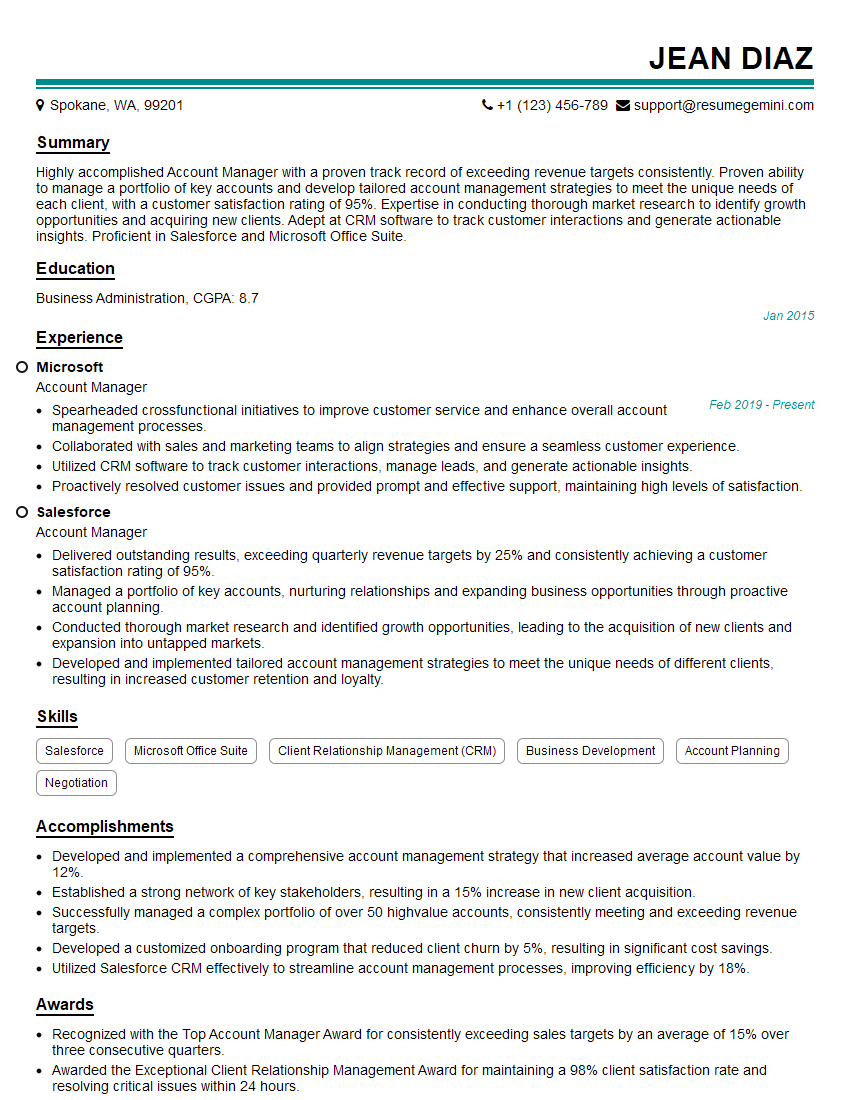
Account Manager Resume Sample
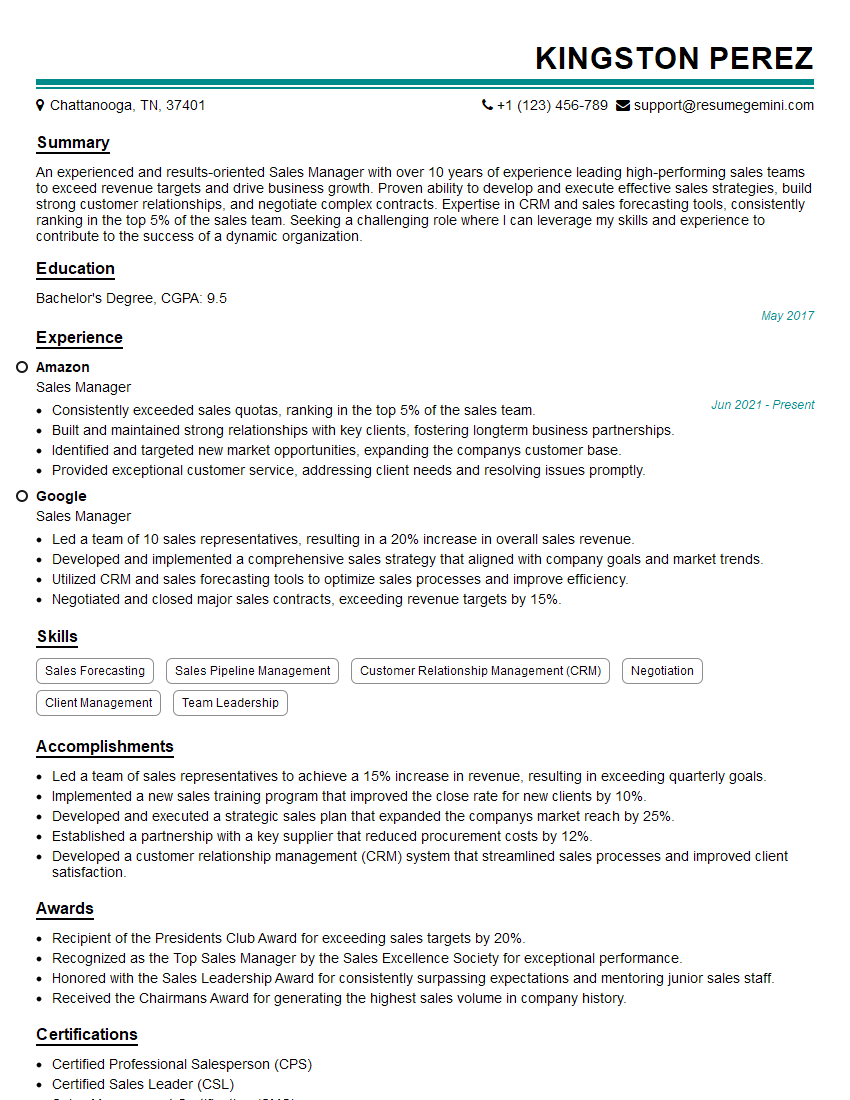
Sales Manager Resume Sample
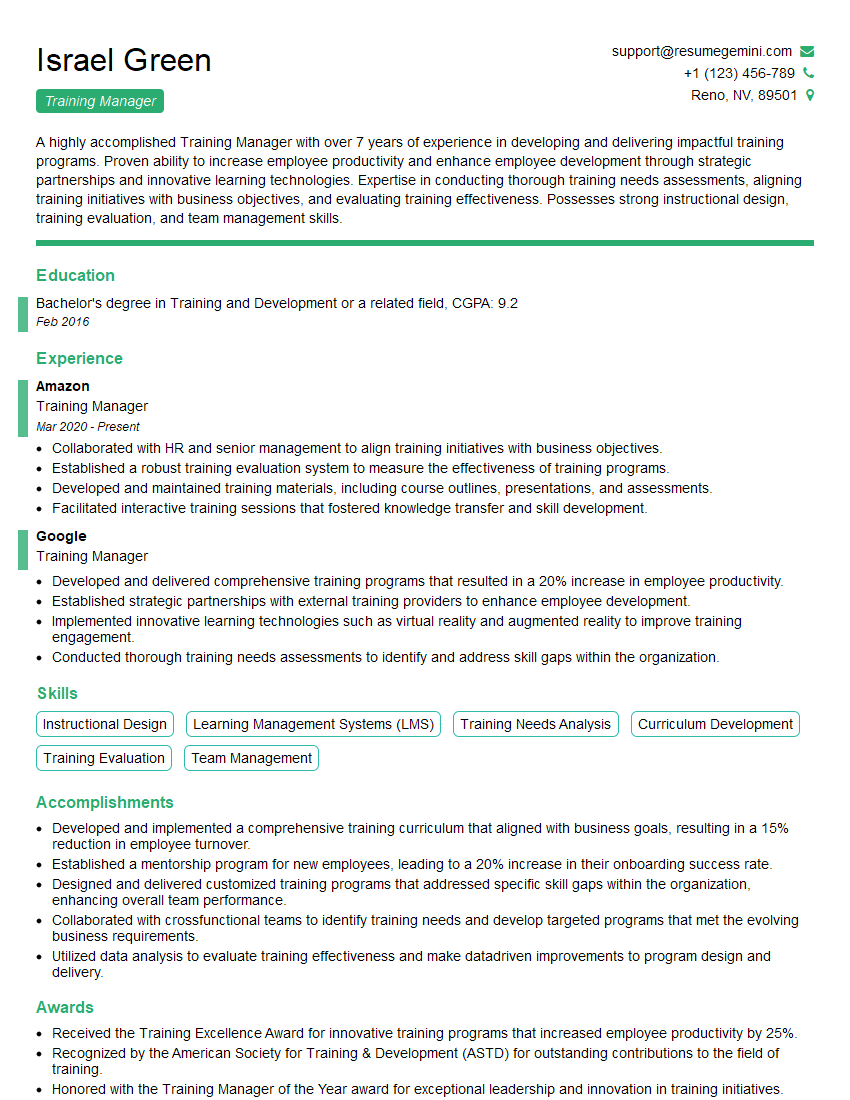
Training Manager Resume Sample

Project Manager Resume Sample

Compliance Manager Resume Sample
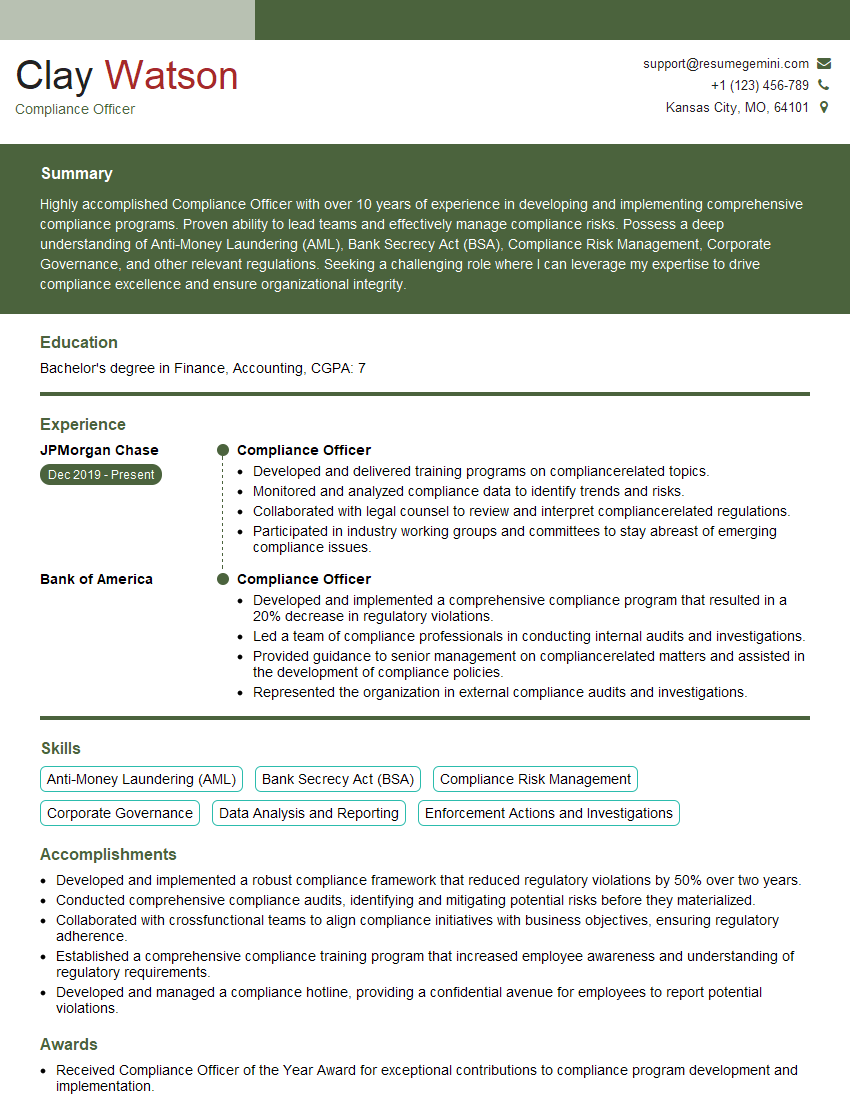
Compliance Officer Resume Sample
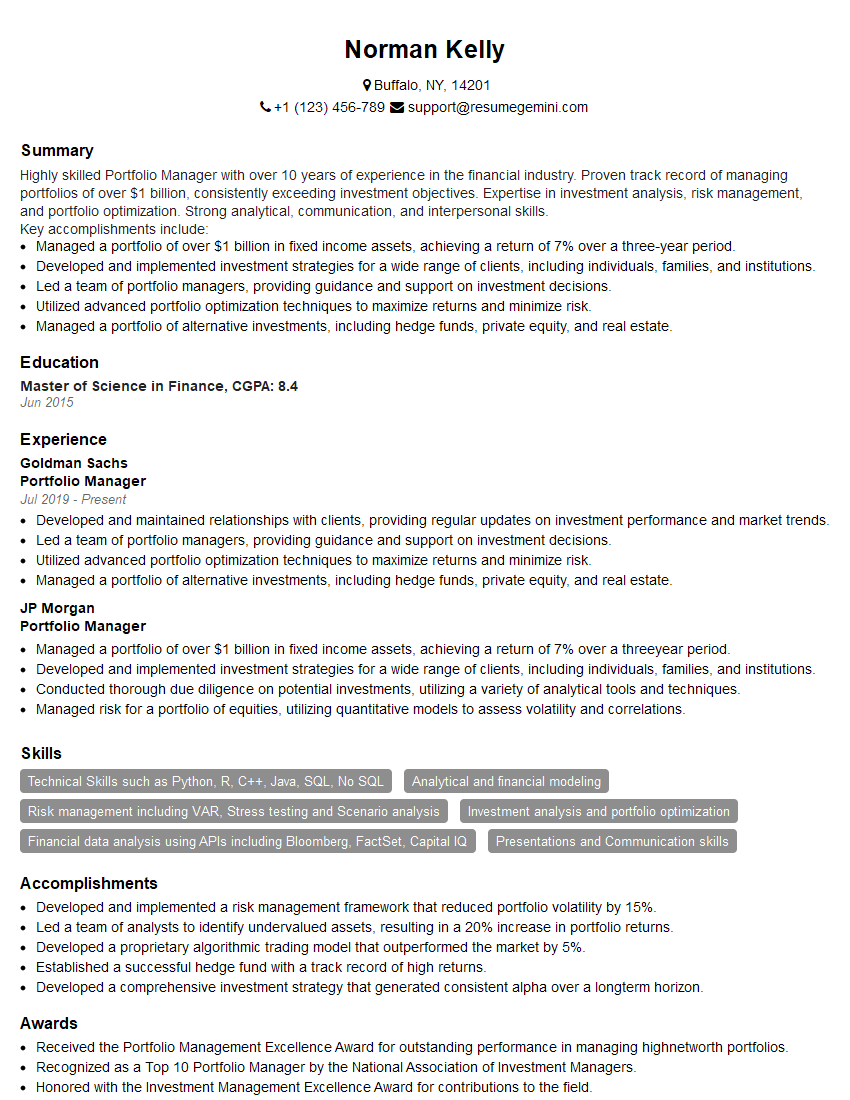
Portfolio Manager Resume Sample
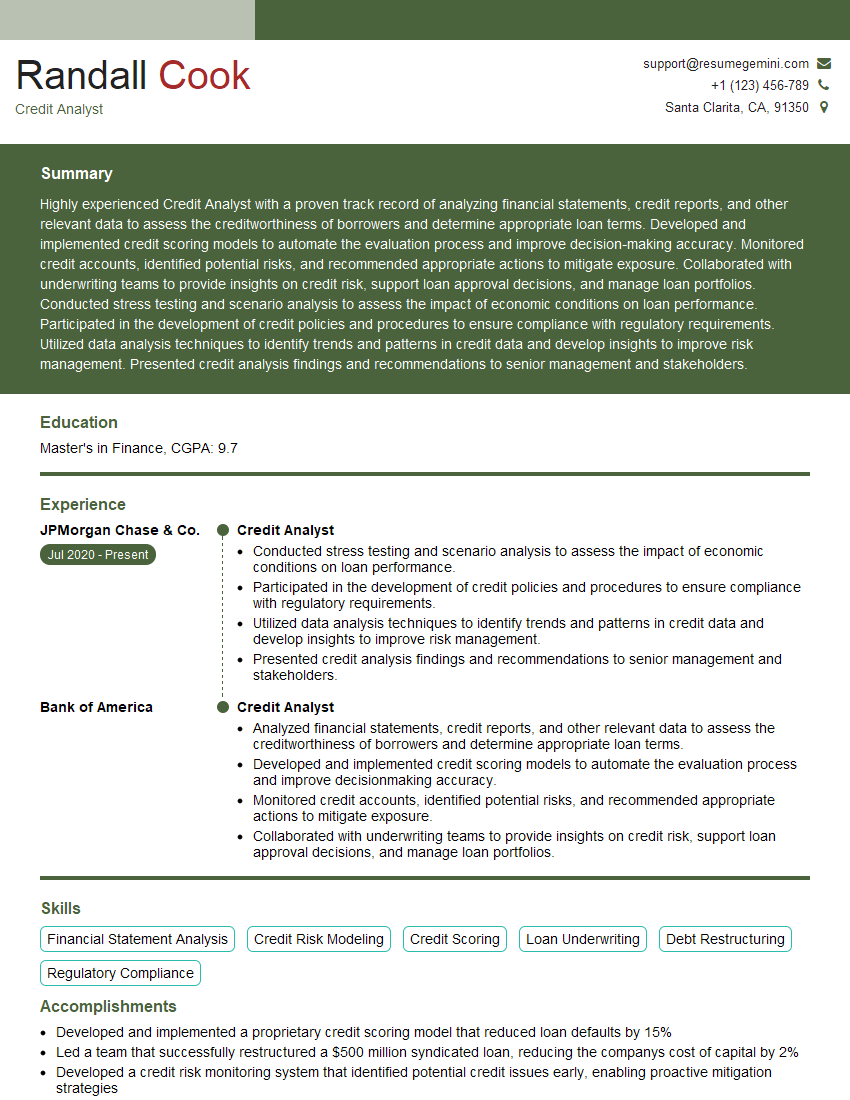
Credit Analyst Resume Sample
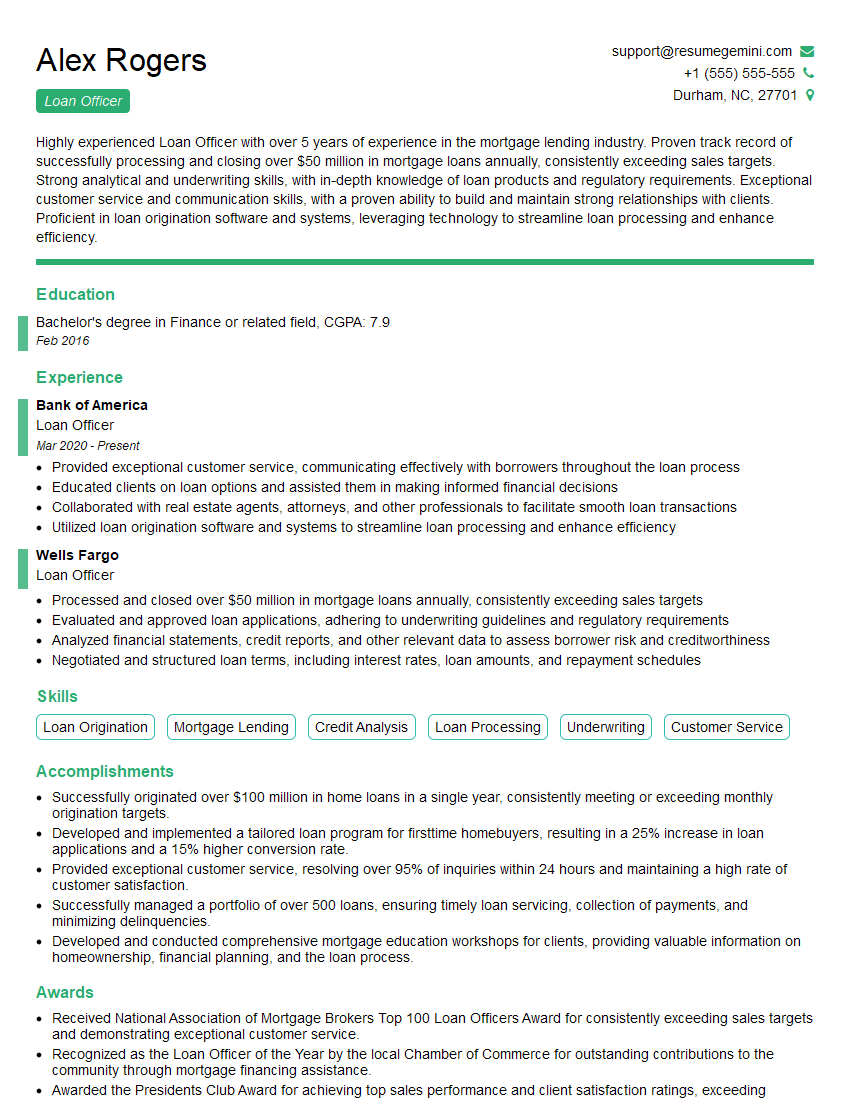
Loan Officer Resume Sample
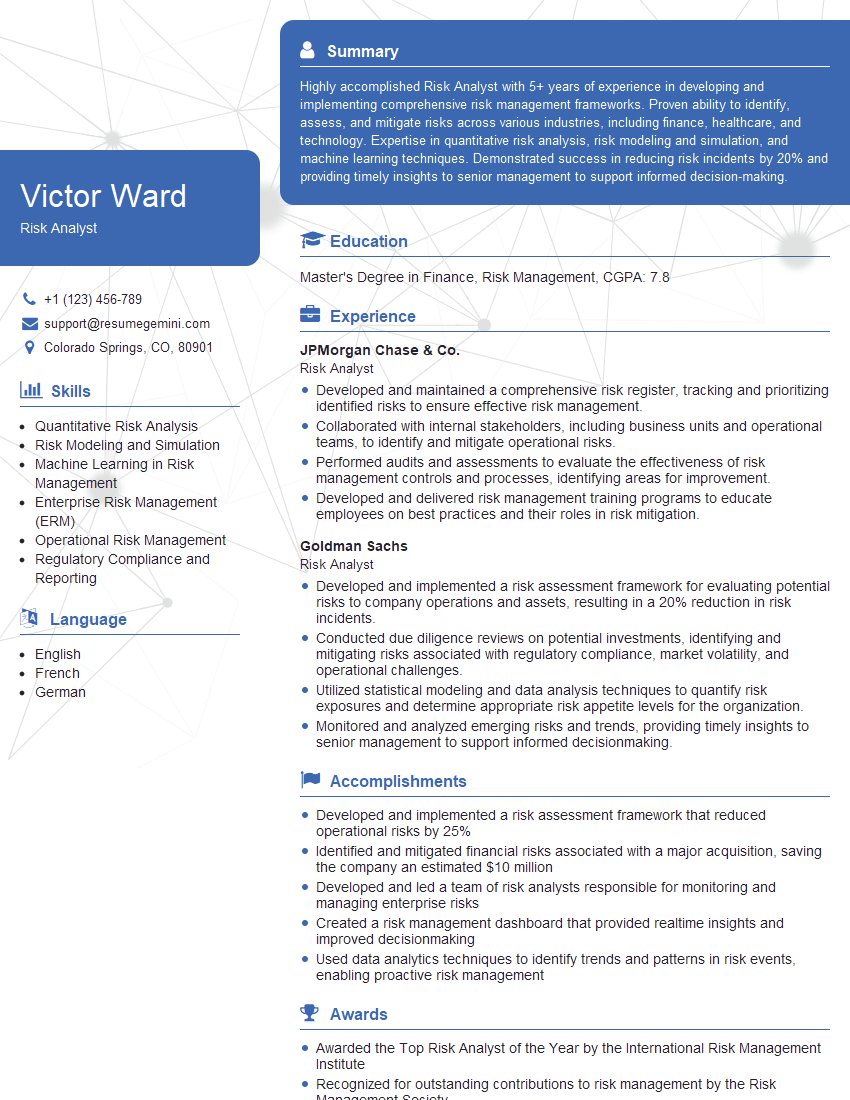
Risk Analyst Resume Sample
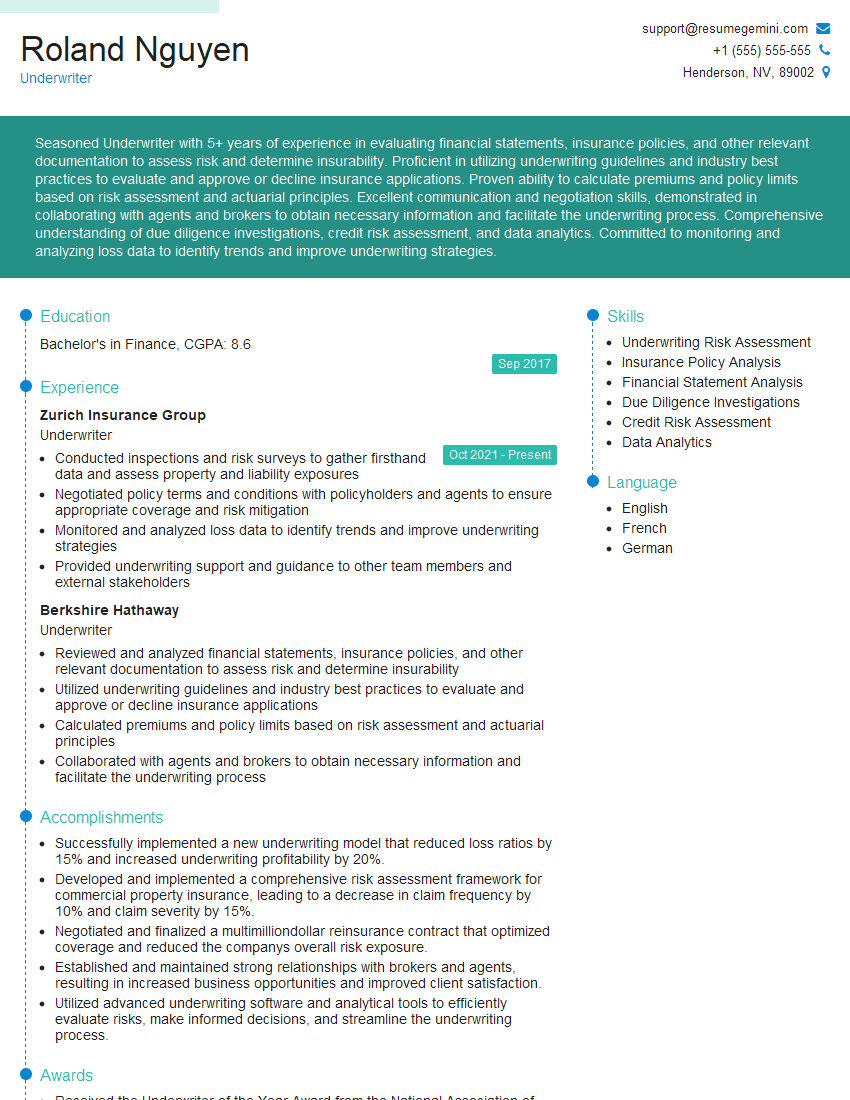
Underwriter Resume Sample
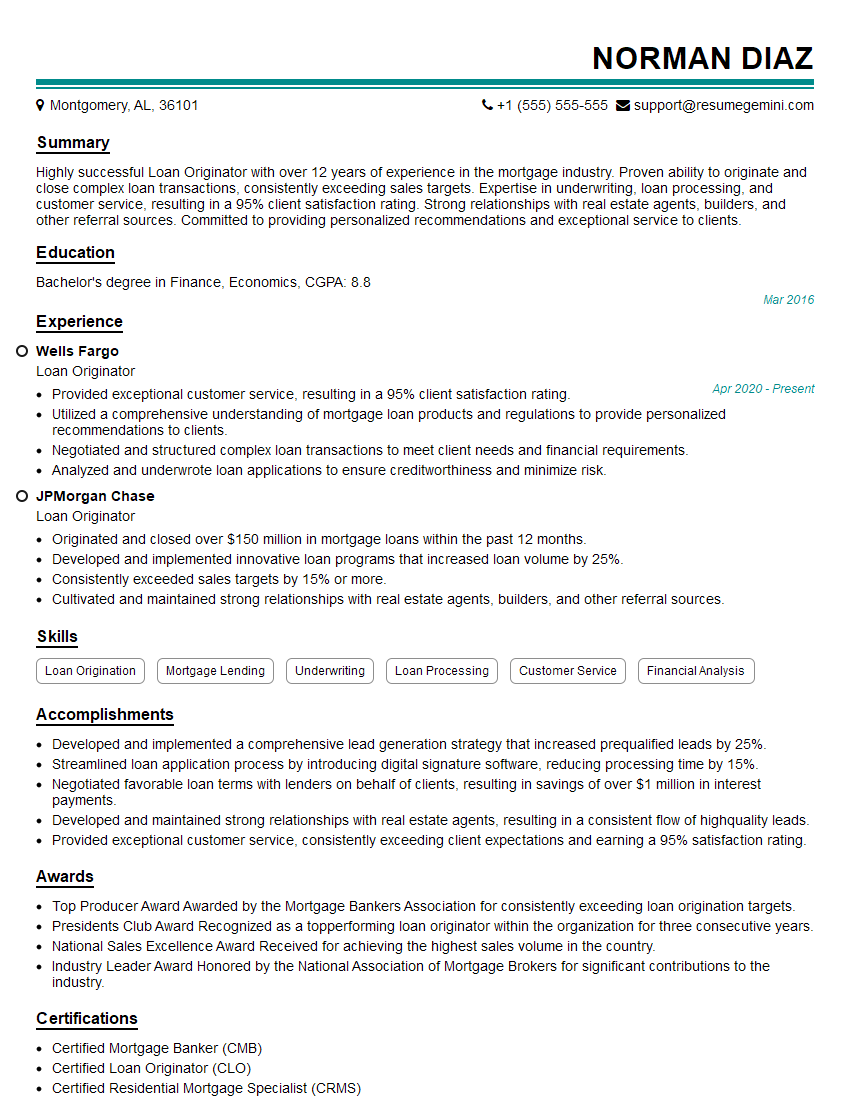
Loan Originator Resume Sample
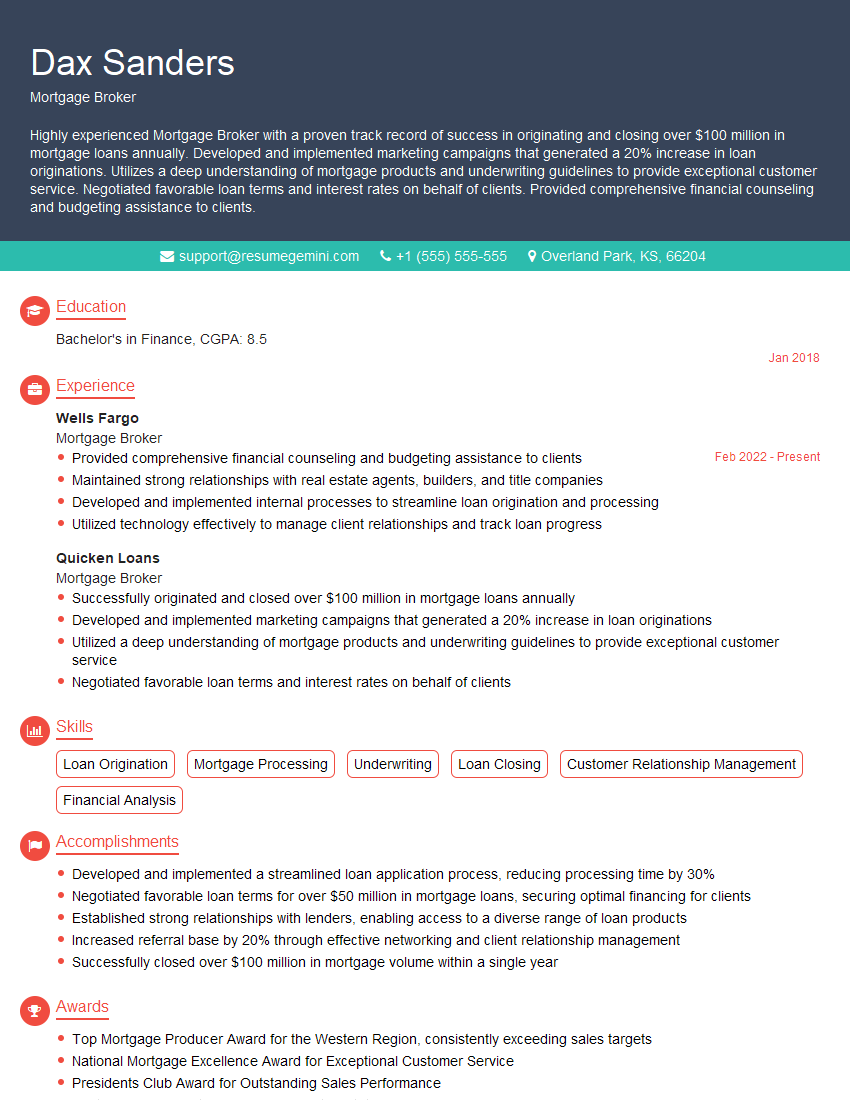
Mortgage Broker Resume Sample
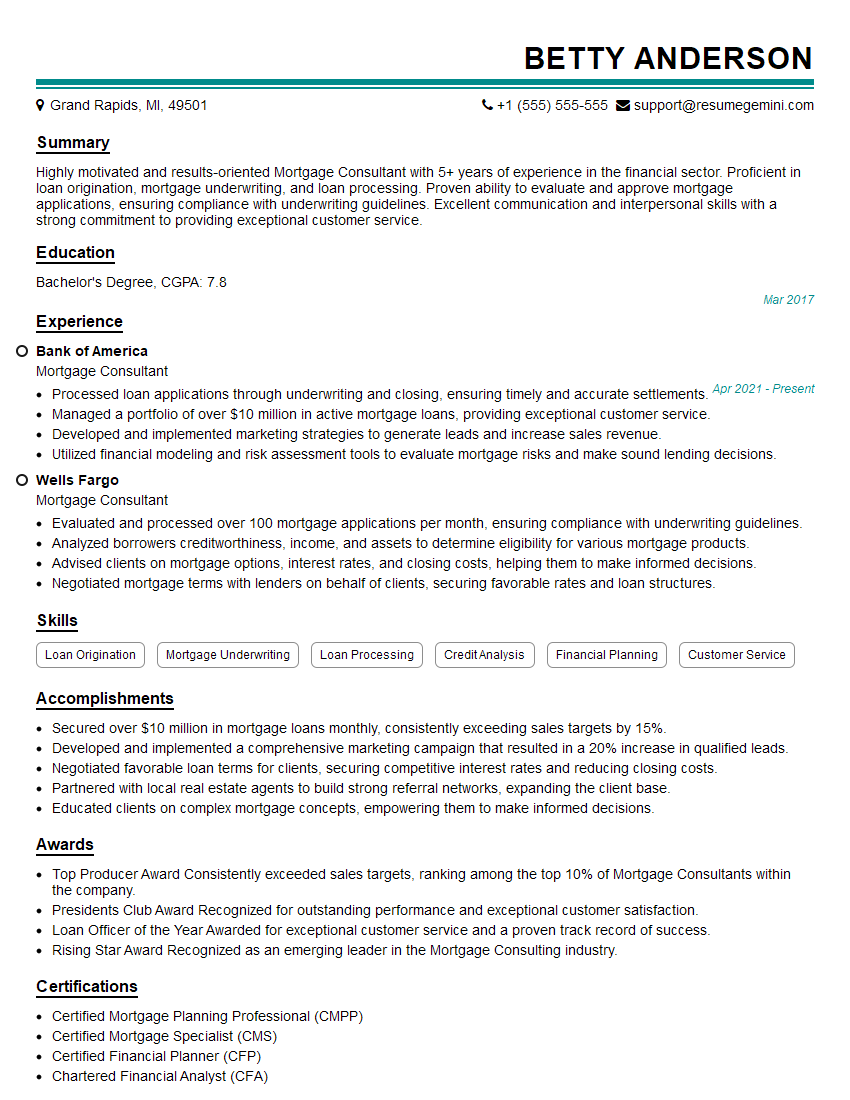
Mortgage Consultant Resume Sample
Data Analyst Resume Sample
Systems Analyst Resume Sample
Quality Control Specialist Resume Sample
Closer Resume Sample
Processor Resume Sample
- Operations Manager
- Account Manager
- Sales Manager
- Training Manager
- Project Manager
- Compliance Manager
- Compliance Officer
- Portfolio Manager
- Credit Analyst
- Loan Officer
- Risk Analyst
- Underwriter
- Loan Originator
- Mortgage Broker
- Mortgage Consultant
- Data Analyst
- Systems Analyst
- Quality Control Specialist
- Closer
- Processor
Explore more articles
Users Rating of Our Blogs
Share Your Experience
We value your feedback! Please rate our content and share your thoughts (optional).
What Readers Say About Our Blog
Really detailed insights and content, thank you for writing this detailed article.
IT gave me an insight and words to use and be able to think of examples