Cracking a skill-specific interview, like one for Freehand Drawing, requires understanding the nuances of the role. In this blog, we present the questions you’re most likely to encounter, along with insights into how to answer them effectively. Let’s ensure you’re ready to make a strong impression.
Questions Asked in Freehand Drawing Interview
Q 1. Explain your preferred sketching techniques for different surfaces (e.g., paper, whiteboard).
My sketching technique adapts to the surface. On paper, I favor a lighter touch initially, building up layers for depth and tone. The texture of the paper itself influences my stroke; smoother paper allows for finer details, while rougher paper encourages more expressive, gestural lines. With a whiteboard, I employ bolder strokes, utilizing the marker’s ability to create strong contrasts. I often use a combination of light sketching and confident lines for the final product. For instance, when sketching a portrait on paper, I might start with light pencil lines to map out the basic features, then gradually add darker lines for definition. On a whiteboard, I might begin with broader strokes to establish the composition, and then refine sections with finer lines as needed.
The choice of tool also plays a significant role. On paper, I might switch between pencils of varying hardness (e.g., 2H for light sketching, 2B for darker lines) and erasers to refine the drawing. On a whiteboard, I might use different colored markers to differentiate elements or add visual interest.
Q 2. Describe your process for creating a quick sketch from observation.
Creating a quick sketch from observation is all about capturing the essence of the subject, not every detail. My process usually follows these steps: 1. Simplify: Break down the subject into its basic shapes (circles, squares, triangles). 2. Structure: Lightly sketch these basic forms to establish the overall structure and proportions. 3. Details: Gradually add details, focusing on the most important features that convey the character of the subject. 4. Values: Use shading and lines to suggest light and shadow, adding depth and three-dimensionality. I always start with a gestural drawing which helps me establish the overall composition. This often involves capturing the motion or energy of the subject. For example, if I’m sketching a bird in flight, I’d focus on capturing the curves of its wings and the dynamic flow of its movement. It’s less about precise details and more about conveying a sense of action. Then I add details like feather texture, beak shape and eye shape.
Q 3. How do you translate a 3D object onto a 2D plane using freehand drawing?
Translating a 3D object onto a 2D plane involves understanding perspective and form. I use several techniques: 1. Observation: Carefully observe the object from different angles, noting how its form changes with perspective. 2. Basic Shapes: Break the object down into simple geometric shapes (cubes, spheres, cylinders) to create a foundational structure. 3. Perspective Lines: Lightly sketch vanishing points and lines to guide the placement of features and to create depth. 4. Shading: Use shading and highlighting to create the illusion of volume and depth, indicating which surfaces are facing the light source. For instance, if I’m drawing a teapot, I’d start by sketching a basic sphere for the body, a cylinder for the spout, and a half-circle for the handle. Then I’d add details like the lip, the spout, and the handle, paying close attention to how these elements relate to each other in three-dimensional space. Careful shading will then help to give the illusion of a roundness and volume.
Q 4. How do you maintain accuracy and proportion in your freehand drawings?
Maintaining accuracy and proportion in freehand drawing requires practice and specific techniques: 1. Measuring: Use your pencil as a measuring tool, comparing the relative sizes of different parts of the subject. For example, hold your pencil at arm’s length, align it with a specific feature (e.g., the height of a person’s head), and then compare it to another feature (e.g., the distance between their shoulders). 2. Grid Method: Divide the subject and your drawing area into a grid to help you place elements accurately. 3. Comparing: Constantly compare proportions as you draw. Step back frequently to check the overall balance and harmony of the composition. 4. Practice: Regular practice is essential. The more you draw, the better you’ll become at judging proportions and distances instinctively.
Q 5. Explain your approach to perspective drawing freehand.
Freehand perspective drawing requires understanding the principles of perspective: 1. Vanishing Points: Establish one, two, or three vanishing points on the horizon line, depending on the desired perspective (one-point, two-point, or three-point). 2. Perspective Lines: Lightly sketch lines converging towards the vanishing points to guide the placement of objects and create depth. 3. Orthogonals: Use orthogonal lines (lines that run perpendicular to the horizon line) to accurately represent the size and placement of objects. 4. Practice: Draw simple objects like boxes and cubes to practice using perspective lines and vanishing points. Gradual progression to more complex objects helps to master the technique. Remember that perspective is not about photorealism but about conveying the spatial relationship of the subject in a believable way.
Q 6. How do you develop the concept of a character design using freehand sketches?
Developing a character design involves multiple stages of freehand sketching: 1. Ideation: Start with quick thumbnail sketches to explore different poses, expressions, and clothing styles. 2. Basic Shapes: Sketch the basic shapes of the character’s body, using simple geometric forms as a foundation. 3. Refinement: Gradually add details, refining the proportions, features, and clothing. 4. Experimentation: Experiment with different styles and techniques to find what best suits the character’s personality and the overall design. 5. Iterate: Continuously refine the design, adjusting proportions, details, and overall aesthetics until you’re satisfied. For example, I might start with simple stick figures to explore different poses, then sketch more detailed figures, and gradually add clothing, features and props, building the character design step by step.
Q 7. Discuss your experience with various drawing mediums (e.g., pencil, charcoal, pen).
My experience with various drawing mediums is extensive. Pencils offer versatility, from delicate lines to bold strokes, depending on the hardness. I use pencils of varying hardness for different effects. Charcoal offers a unique textural quality, making it excellent for expressive, dramatic sketches. I appreciate its ability to create rich, dark tones. The immediacy and fluidity of pen and ink creates a completely different style. It requires confidence and precision, yet can create elegant, clean lines. Choosing the right medium is crucial for conveying the desired effect. For example, a detailed architectural drawing might require pencil, while a quick gestural study of a figure might use charcoal. Pen and ink are perfect for creating clean lines and illustrations.
Q 8. How do you use shading and light to enhance your freehand drawings?
Shading and light are fundamental to creating depth and realism in freehand drawing. Think of it like sculpting with light; where the light hits, the object appears brighter, and where it’s blocked, it’s darker. I use a combination of techniques to achieve this.
- Value Scale: I start by establishing a value scale, from pure white to pure black, to understand the range of tones I’ll be using. This helps maintain consistency in my shading.
- Hatching and Cross-Hatching: These are simple but effective methods. Hatching involves drawing parallel lines, while cross-hatching layers lines in different directions to create darker values. The closer the lines, the darker the area. I might use light hatching for subtle shadows and denser cross-hatching for deep darks.
- Blending: For smoother transitions, I might use a blending stump or my finger to soften the lines, creating a more gradual shift in value. This is especially useful for depicting soft shadows or rounded forms.
- Light Source Consideration: Before I begin shading, I always consider the light source. This dictates where the highlights, mid-tones, and shadows will fall. Understanding the light source’s direction is crucial for creating believable forms.
For example, when drawing a sphere, I’d create a bright highlight on the side facing the light source, a gradually darkening mid-tone as I move away from the highlight, and a darker shadow on the opposite side. The placement and intensity of these areas contribute to the illusion of roundness and three-dimensionality.
Q 9. Describe your process for creating dynamic poses and movement in freehand sketches.
Capturing dynamic poses and movement requires understanding anatomy and the principles of motion. My process involves several key steps:
- Gesture Drawing: I start with quick gesture drawings, focusing on the overall flow and energy of the pose. This helps me capture the essence of the movement before getting bogged down in details. These are usually done in a couple of minutes, using swift, expressive lines to define the subject’s action.
- Reference Material: Often, I’ll use photographs or videos as references, analyzing how the body moves and contorts in different actions. This is especially helpful for challenging poses.
- Anatomy Knowledge: Understanding the skeletal structure and musculature is crucial for rendering believable poses. Knowing where the joints are, how muscles attach, and how they move allows me to portray realistic movement.
- Line of Action: I use a ‘line of action’ – a curved line that indicates the main direction of the movement – to guide the placement of the body parts. This helps unify the drawing and enhances the sense of dynamism.
- Foreshortening: Mastering foreshortening, which involves correctly drawing objects that are angled towards the viewer, is crucial for portraying depth and movement. This can be particularly challenging, but practice and reference studies are essential for improving this skill.
For instance, when drawing a figure running, I’d start with a quick gesture sketch capturing the lean and momentum of the body. Then, using anatomical knowledge, I’d refine the figure, paying close attention to the foreshortening of the legs and the dynamic flow of the arms.
Q 10. How do you incorporate different textures in your freehand drawings?
Incorporating textures in freehand drawings involves mimicking the visual characteristics of different surfaces. I achieve this through several techniques:
- Line Variation: For rough textures like stone or bark, I use short, erratic lines, varying their thickness and direction. For smoother textures like skin or metal, I employ longer, more consistent lines.
- Value Modulation: The subtle changes in value (light and dark) are crucial for texture. For example, a rough surface will have more contrast in value compared to a smooth surface.
- Cross-hatching Variations: The spacing and direction of cross-hatching can also influence texture. Close, irregular cross-hatching can suggest a coarse texture, while wider, more regular cross-hatching implies a finer texture.
- Stippling: Stippling, which involves using dots to create value and texture, is particularly effective for suggesting a granular or porous texture.
- Tool Selection: The choice of drawing instrument also matters. A charcoal pencil might be better suited for depicting rough textures, while a smooth graphite pencil is ideal for finer textures.
For instance, when depicting fur, I’d use short, quick strokes in various directions to suggest the individual hairs. For wood grain, I might use longer, flowing lines following the grain’s natural pattern, adjusting value to create depth and highlight the wood’s contours.
Q 11. How do you handle errors in your freehand work?
Errors are inevitable in freehand drawing, and I see them as opportunities for learning. My approach is:
- Embrace the Imperfection: Sometimes, a happy accident can improve a drawing. Don’t be afraid to experiment and let go of the need for perfection.
- Layer Approach: I often work in layers, starting with light sketches and gradually building up details. This makes it easier to erase or adjust mistakes without ruining the entire drawing.
- Erase Strategically: Using a kneaded eraser allows me to gently lift graphite without damaging the paper. I avoid aggressive erasing, as this can damage the paper’s surface.
- Re-evaluate the Drawing: When I encounter a significant problem, I step back and re-evaluate the drawing as a whole. Sometimes, the issue might not be a single error, but rather a problem with proportions, perspective, or composition.
- Practice: The best way to handle errors is to improve one’s skill through consistent practice. The more you draw, the less frequently you’ll make major mistakes.
For example, if I misplace a hand in a portrait, rather than erasing aggressively, I might lightly adjust the proportions of the arm, and then seamlessly integrate the hand into the new positioning.
Q 12. Explain your approach to value studies using freehand techniques.
Value studies are crucial for understanding light, shadow, and form. My freehand approach involves:
- Observational Drawing: I start by carefully observing my subject, noting how light falls on it and how the values change across its surface.
- Simplified Forms: I often break down complex objects into simpler shapes to understand their underlying structure and how light interacts with these basic forms.
- Value Scale Reference: I regularly refer to a value scale to ensure consistency in the range of values used.
- Graduated Shading: I pay attention to the gradual transitions between values, avoiding harsh lines between light and dark areas. This adds realism and smoothness to the drawing.
- Variety of Shading Techniques: I employ various shading techniques – hatching, cross-hatching, blending – depending on the texture and the effect I want to achieve.
For example, if I’m doing a value study of a draped cloth, I would first observe how the light creates highlights and shadows on the folds. Then, using a grayscale, I’d carefully render the gradual transitions in value, creating a sense of volume and texture in the fabric.
Q 13. Describe your experience with creating line art using freehand methods.
Line art forms the foundation of many drawings, and freehand line art necessitates precision and control. My experience includes:
- Line Weight Variation: I vary the thickness of my lines to create depth and emphasis. Thicker lines can define foreground elements and add weight, while thinner lines suggest distance or less importance.
- Line Quality: The quality of the line – its fluidity, its crispness – contributes significantly to the overall impact of the drawing. I strive for clean, confident lines that express form and movement.
- Contour Lines: I frequently use contour lines to define the outer edges of shapes and objects. I might add interior contour lines to suggest form within the object.
- Implied Lines: Sometimes, I use implied lines to suggest a form without actually drawing the entire line. This technique is particularly effective for creating a sense of movement or dynamism.
- Experimentation with Tools: I experiment with different tools like fine-liner pens, pencils, or even brush pens to explore various line qualities and effects.
For example, in a detailed architectural sketch, I would use precise, consistent lines to define the structure’s framework. However, I would vary line weight to create a sense of depth and perspective. A thin line could indicate a distant part of the structure, whereas thicker lines would emphasize features closer to the viewer.
Q 14. How do you develop your freehand drawing skills?
Developing freehand drawing skills is a continuous journey that requires dedication and consistent practice. My approach involves:
- Daily Practice: I dedicate time each day, even if it’s just for 15 minutes, to sketching and drawing. Consistency is key.
- Gesture Drawing Exercises: Regular gesture drawing exercises help improve my ability to capture movement and form quickly.
- Observational Drawing from Life: Drawing from real-life subjects (people, objects, landscapes) is incredibly valuable. It trains my eyes to see accurately and translate what I see onto paper.
- Study of Masters: Studying the work of master artists helps me understand different techniques and approaches to drawing. I analyze their use of line, value, composition, and other artistic elements.
- Feedback and Critique: Seeking feedback from fellow artists or teachers helps identify areas for improvement and provides valuable insights.
- Experimentation with Mediums: I explore a range of drawing mediums – pencils, charcoal, pens, inks – to expand my skills and artistic expression.
For example, I might spend 15 minutes each morning doing quick gesture drawings of people in a cafe, then spend an hour in the afternoon working on a more detailed observational drawing of a still life setup. This combination of short, focused exercises and longer, more detailed drawings helps me develop both speed and precision.
Q 15. How do you stay up-to-date on current trends in illustration and design?
Staying current in illustration and design is crucial. I employ a multi-pronged approach. Firstly, I actively follow prominent illustration and design blogs, websites, and online communities like Behance and Dribbble. These platforms showcase cutting-edge work and provide valuable insights into emerging trends. Secondly, I subscribe to relevant industry magazines and newsletters which offer in-depth analysis of market trends and technological advancements. Thirdly, I participate in online and in-person workshops and conferences to learn from leading professionals and network with peers. This allows for direct engagement with new ideas and techniques. Finally, I make a conscious effort to experiment with different styles and mediums myself, pushing my creative boundaries and staying ahead of the curve.
Career Expert Tips:
- Ace those interviews! Prepare effectively by reviewing the Top 50 Most Common Interview Questions on ResumeGemini.
- Navigate your job search with confidence! Explore a wide range of Career Tips on ResumeGemini. Learn about common challenges and recommendations to overcome them.
- Craft the perfect resume! Master the Art of Resume Writing with ResumeGemini’s guide. Showcase your unique qualifications and achievements effectively.
- Don’t miss out on holiday savings! Build your dream resume with ResumeGemini’s ATS optimized templates.
Q 16. What software are you familiar with for digitalizing freehand sketches?
My digitalization workflow relies heavily on several software applications. Adobe Photoshop is my go-to for detailed linework refinement, colorization, and texture addition. I utilize Adobe Illustrator for vectorizing my sketches, enabling scalability without loss of quality, especially useful for logo design or print work. Procreate on the iPad is excellent for quick digital sketches and offers a more natural drawing experience. Clip Studio Paint is another strong contender, offering comprehensive tools for both illustration and comic creation. The choice often depends on the project’s specific requirements; for instance, a complex illustration might need Photoshop’s power, while a quick concept sketch would benefit from Procreate’s immediate feedback.
Q 17. Explain your understanding of anatomical structures and how they inform your work.
A strong understanding of anatomy is paramount to creating believable and expressive characters. My approach involves consistent study of anatomical reference books and online resources. I focus on understanding the underlying musculature, skeletal structure, and proportions of the human body. This knowledge helps me not only to draw figures accurately but also to convey emotions and movement effectively. For example, understanding the way muscles contract and relax allows me to depict realistic poses and dynamic actions. Similarly, understanding the subtle nuances of bone structure enables me to depict weight and balance convincingly. I constantly practice sketching from life and using anatomical references to refine my understanding and application of these principles.
Q 18. Describe your experience with creating storyboards using freehand sketches.
I’ve extensive experience in creating storyboards using freehand sketches. My process typically begins with a thorough understanding of the script or narrative. I then sketch thumbnail-sized frames, focusing on key action and composition. This allows me to quickly visualize the flow of the story and make adjustments as needed. Subsequently, I refine these thumbnails into more detailed sketches, incorporating character designs, backgrounds, and camera angles. For example, I recently worked on a storyboard for a short animated film, starting with rough stick-figure sketches to block out the scenes. This iterative process allowed me to experiment with different camera movements and character interactions before committing to a final polished version. The freehand nature of the process enables spontaneity and quick experimentation.
Q 19. How do you adapt your freehand style to different clients and projects?
Adaptability is crucial. I carefully consider the client’s needs and the project’s specific style guidelines. If a client requires a clean, minimalist style, I might refine my lines, limit detail, and focus on strong shapes. Conversely, for a project demanding a more whimsical or detailed style, I might incorporate more texture, intricate patterns, and expressive linework. For example, a children’s book illustration would require a different approach than a corporate logo design. Effective communication with the client ensures alignment on style preferences early in the process, allowing for seamless adaptation throughout the project.
Q 20. How do you manage your time when sketching freehand?
Time management during freehand sketching involves a structured approach. I begin by setting realistic deadlines and breaking down large projects into smaller, manageable tasks. I utilize time-blocking techniques, allocating specific time slots for sketching, research, and revisions. Prioritization is key – I tackle the most critical aspects first, ensuring efficient allocation of my time. Furthermore, I frequently take short breaks to avoid burnout and maintain focus. This structured approach ensures timely completion while maintaining the quality and creativity of my work.
Q 21. How do you approach conceptual design using freehand sketching?
Conceptual design using freehand sketches is where ideas take flight. I typically begin with brainstorming, jotting down keywords, and making quick thumbnail sketches. This helps in quickly generating a multitude of ideas. Following this, I refine the promising concepts, adding details and exploring different compositions. I experiment with different visual approaches, exploring various perspectives and styles until I find the optimal solution. For example, when designing a new product, I might start with simple shape studies, iteratively refining them based on functionality and aesthetics. The freehand approach enables rapid experimentation and allows me to quickly discard unworkable ideas, ultimately focusing on the most promising directions. The process is iterative and often involves many sketches before arriving at a final concept.
Q 22. How do you convey specific emotions or ideas through freehand drawings?
Conveying emotions and ideas in freehand drawing relies heavily on line weight, composition, and subject matter. Think of it like storytelling; every stroke contributes to the overall narrative.
Line Weight: Bold, heavy lines can suggest strength, power, or aggression. Light, delicate lines might convey fragility, gentleness, or sadness. Consider the difference between a thick, dark line representing a stormy sea versus thin, wispy lines depicting a calm breeze.
Composition: The arrangement of elements within the drawing significantly impacts emotional resonance. A chaotic composition might suggest anxiety or confusion, while a balanced, symmetrical arrangement might represent peace or order. Imagine a drawing of a crowded, claustrophobic city street versus a serene landscape with a balanced horizon.
Subject Matter: The actual subject you choose speaks volumes. A drawing of a laughing child instantly evokes joy, while a drawing of a wilted flower might suggest sadness or loss. Simple subject choice can have huge impact.
For example, to convey joy, I might use light, flowing lines to draw a figure with exaggerated features, placing it in a bright, open space. Conversely, to convey fear, I might use sharp, jagged lines to depict a shadowy figure lurking in a dark corner.
Q 23. What is your process for planning and executing a detailed freehand drawing?
My process for a detailed freehand drawing is iterative and involves several stages. It’s not about perfection in one go, but building up the drawing step by step.
Conceptualization: I start by understanding the objective. What story needs telling? What feeling should it evoke?
Thumbnails & Sketches: I create quick, small thumbnails – exploring different compositions and approaches. This helps to identify the strongest idea before committing to a larger piece.
Light Sketch: Once I have a strong composition in mind, I create a light pencil sketch on the final paper. This establishes the basic proportions and placement of elements.
Refinement: I gradually refine the sketch, paying attention to details, light and shadow, and texture. I might use a kneaded eraser to subtly adjust lines and values.
Inking (if applicable): If the final piece is inked, I carefully ink over the refined pencil sketch. I might vary line weight and use different techniques to create visual interest.
Shading and Value: Finally, I add shading and values to create depth and dimension. This enhances the realism and emotional impact of the drawing.
This structured approach minimizes errors and ensures a cohesive and well-executed final piece. Each stage is essential, even the initial rough sketches.
Q 24. Explain your ability to translate rough sketches into refined drawings.
Transforming rough sketches into refined drawings involves a process of simplification and refinement. It’s like sculpting; you start with a rough block and gradually shape it into the final form.
Identify Key Forms: I start by identifying the underlying shapes and forms within the rough sketch. This helps me understand the basic structure and proportions.
Simplify Complexities: I simplify complex areas, breaking them down into simpler shapes. This makes it easier to refine the details later.
Refine Proportions: I carefully check and adjust the proportions of the drawing to ensure accuracy and balance.
Add Details Gradually: I add details gradually, starting with the most important elements and then adding finer details as the drawing progresses. This prevents the drawing from becoming cluttered.
Use Reference Material (When Necessary): For complex subjects, I might use reference materials to accurately depict details like anatomy or textures.
For example, a rough sketch of a face might initially be a collection of scribbled lines. During refinement, I’d focus on defining the basic shapes of the skull, eyes, nose, and mouth before gradually adding features like wrinkles, eyelashes, and individual strands of hair.
Q 25. How do you use freehand drawing to solve design problems?
Freehand drawing is invaluable for solving design problems. It’s a quick and flexible tool for brainstorming and visualizing ideas.
Ideation & Brainstorming: Freehand sketching allows for rapid generation of ideas without the constraints of digital tools. This is crucial in the early stages of design.
Visualizing Concepts: I use freehand drawing to quickly visualize design concepts, experimenting with different forms and layouts.
Communicating Ideas: Freehand sketches are an excellent way to communicate ideas to clients or colleagues, providing a clear visual representation of design concepts.
Problem-Solving: By sketching different solutions, I can quickly identify potential flaws or areas for improvement, leading to more efficient problem-solving.
For instance, in designing a new product, I might start by sketching various shapes and forms to find the most ergonomic and aesthetically pleasing design. This visual exploration helps me avoid costly mistakes in later stages.
Q 26. How do you ensure consistency and style across multiple freehand illustrations?
Maintaining consistent style and quality across multiple freehand illustrations requires careful attention to detail and a defined approach.
Develop a Style Guide: Creating a personal style guide, even a simple one with examples of line weights, shading techniques, and typical subject depiction, helps maintain consistency.
Consistent Materials: Using the same or similar drawing materials (pencils, pens, paper) contributes to a uniform look and feel.
Regular Practice: Consistent practice is key to refining your skills and maintaining a consistent style.
Self-Critique & Review: Regularly review your work to identify areas for improvement and maintain adherence to your established style.
Imagine a series of character illustrations – ensuring consistent proportions, facial features, and clothing styles across multiple drawings is crucial to creating a cohesive set. My style guide would include examples demonstrating these aspects.
Q 27. Discuss a time you had to quickly sketch a concept for a client or colleague. How did you handle the time constraints?
I once had to quickly sketch a concept for a new logo for a client who was under a tight deadline. The key was focusing on the core elements and minimizing unnecessary details.
Prioritize Key Features: I quickly brainstormed the most important aspects of the logo – its overall shape, key visual elements, and any necessary text.
Simplified Approach: I used a simplified approach, focusing on the essential shapes and avoiding intricate details. Perfection wasn’t the goal; conveying the central idea was.
Quick Sketches: I created several quick sketches, exploring different options and iterating on the best concepts.
Clear Communication: I presented the sketches to the client, explaining the ideas behind each design and clarifying which elements were still open to discussion.
Even though the sketches were rough, they effectively communicated the core concepts and helped the client visualize the potential logo. The emphasis was on clarity and quick iteration, not a polished final product in the initial stage.
Q 28. How do you incorporate feedback into your freehand drawing process?
Incorporating feedback is crucial for iterative improvement. It’s not about simply changing the drawing based on feedback, but understanding the reasons behind the suggestions.
Active Listening: I actively listen to the feedback, asking clarifying questions to fully understand the concerns and suggestions.
Identify Areas for Improvement: I identify the specific areas highlighted in the feedback, noting both positive aspects and areas requiring adjustment.
Experiment & Iterate: I experiment with different solutions, creating new sketches to address the feedback. This might involve adjusting proportions, line weight, composition, or adding/removing details.
Document Changes: I keep track of changes made, noting the feedback received and how it influenced my revisions. This helps me improve my process over time.
For example, if feedback suggests a character lacks emotional expression, I’d experiment with different facial expressions and body language in subsequent sketches. The goal is to translate the feedback into concrete improvements in the drawing.
Key Topics to Learn for Freehand Drawing Interview
- Basic Strokes and Lines: Mastering various line weights, textures, and styles (e.g., hatching, cross-hatching) to convey form and depth.
- Perspective and Proportion: Understanding one-point, two-point, and three-point perspective; accurately rendering objects in proportion to one another.
- Form and Volume: Developing skills in depicting three-dimensional shapes using shading, light sources, and shadowing techniques.
- Composition and Layout: Creating visually appealing and balanced compositions; understanding the rule of thirds and other design principles.
- Material Representation: Skillfully rendering different materials (wood, metal, fabric, etc.) through accurate depiction of texture and reflectivity.
- Figure Drawing: Understanding human anatomy and applying it to create lifelike figures; practicing gesture drawing and anatomical studies.
- Observation and Interpretation: Developing keen observational skills to accurately capture the essence of a subject and translate it into a drawing.
- Problem-Solving in Drawing: Troubleshooting common drawing challenges, such as inaccurate proportions, lack of depth, or ineffective shading.
- Different Drawing Media: Familiarity with various materials (pencils, charcoal, ink, pastels) and their unique properties.
- Understanding the Design Process: Sketching, refining, and iterating on your drawings; using freehand drawing as a tool for ideation and concept development.
Next Steps
Mastering freehand drawing significantly enhances your ability to visually communicate ideas, a crucial skill across many creative fields. This skill translates into stronger problem-solving abilities and a more robust design process. To maximize your job prospects, create an ATS-friendly resume that highlights your capabilities. ResumeGemini is a trusted resource to help you build a professional and effective resume that showcases your freehand drawing skills. Examples of resumes tailored to Freehand Drawing professionals are available through ResumeGemini.
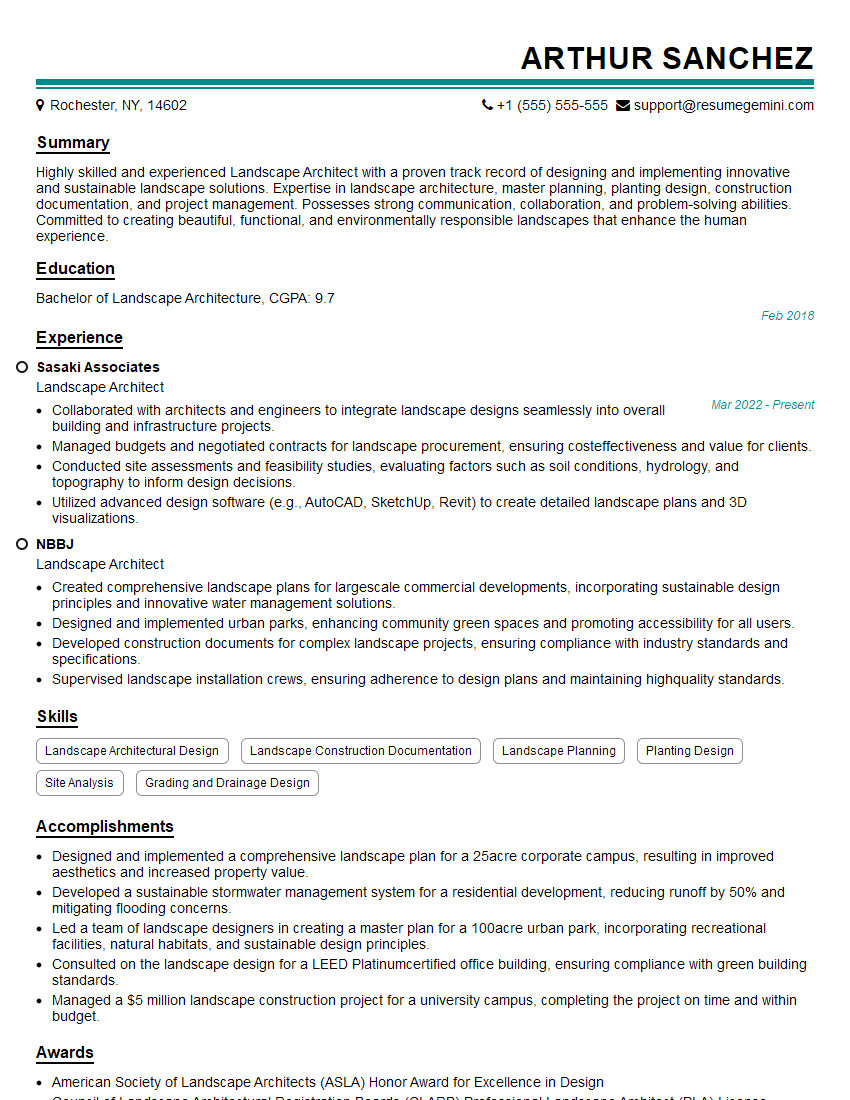
Landscape Architect Resume Sample
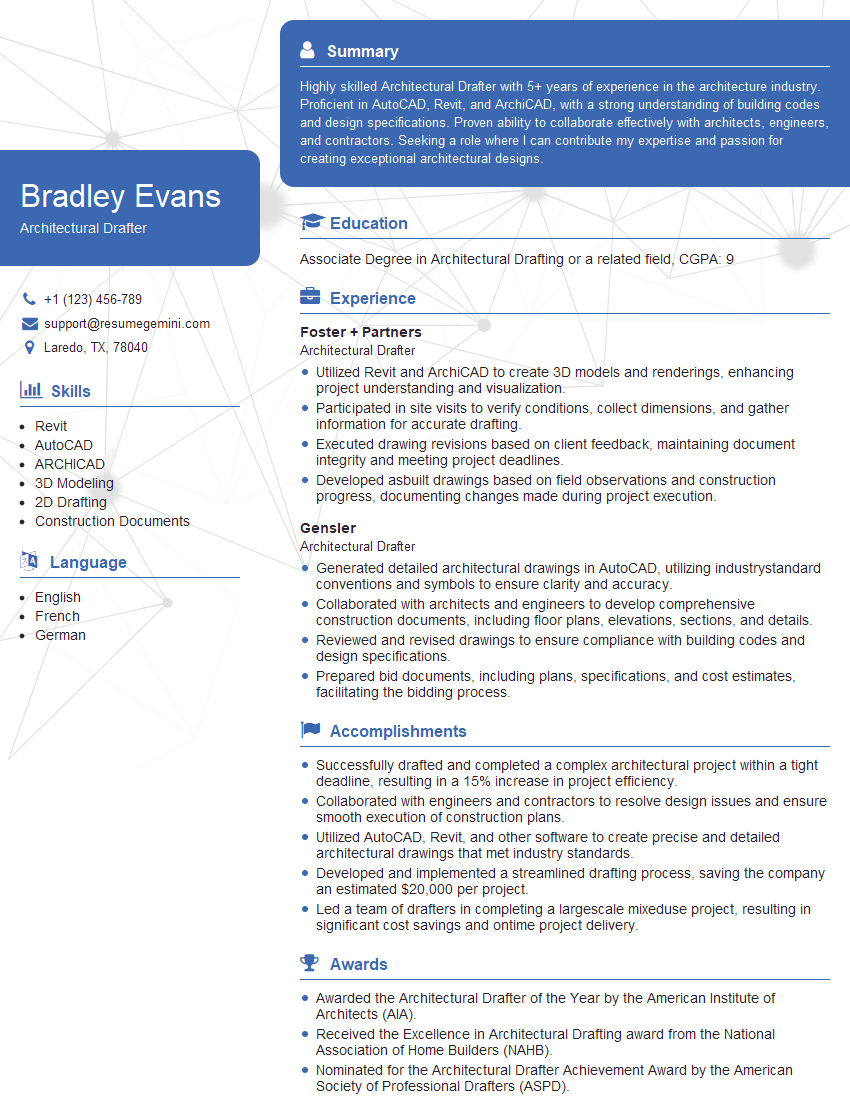
Architectural Drafter Resume Sample
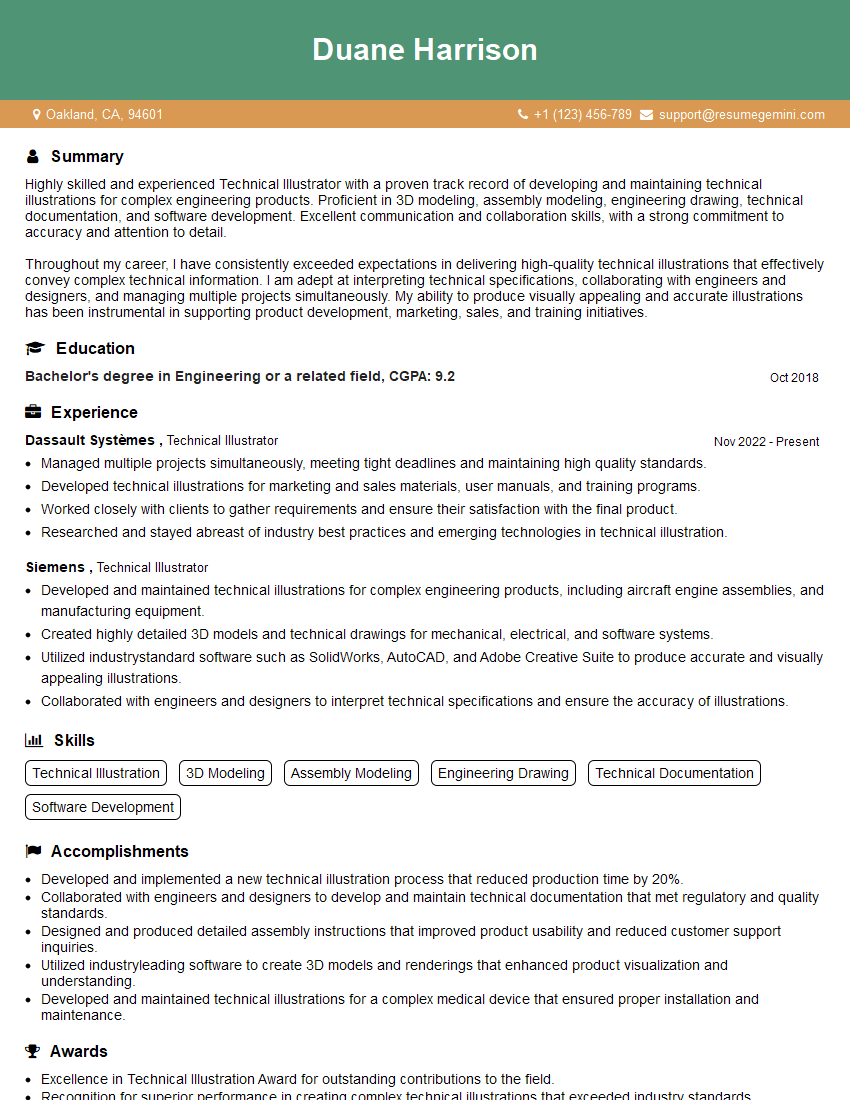
Technical Illustrator Resume Sample
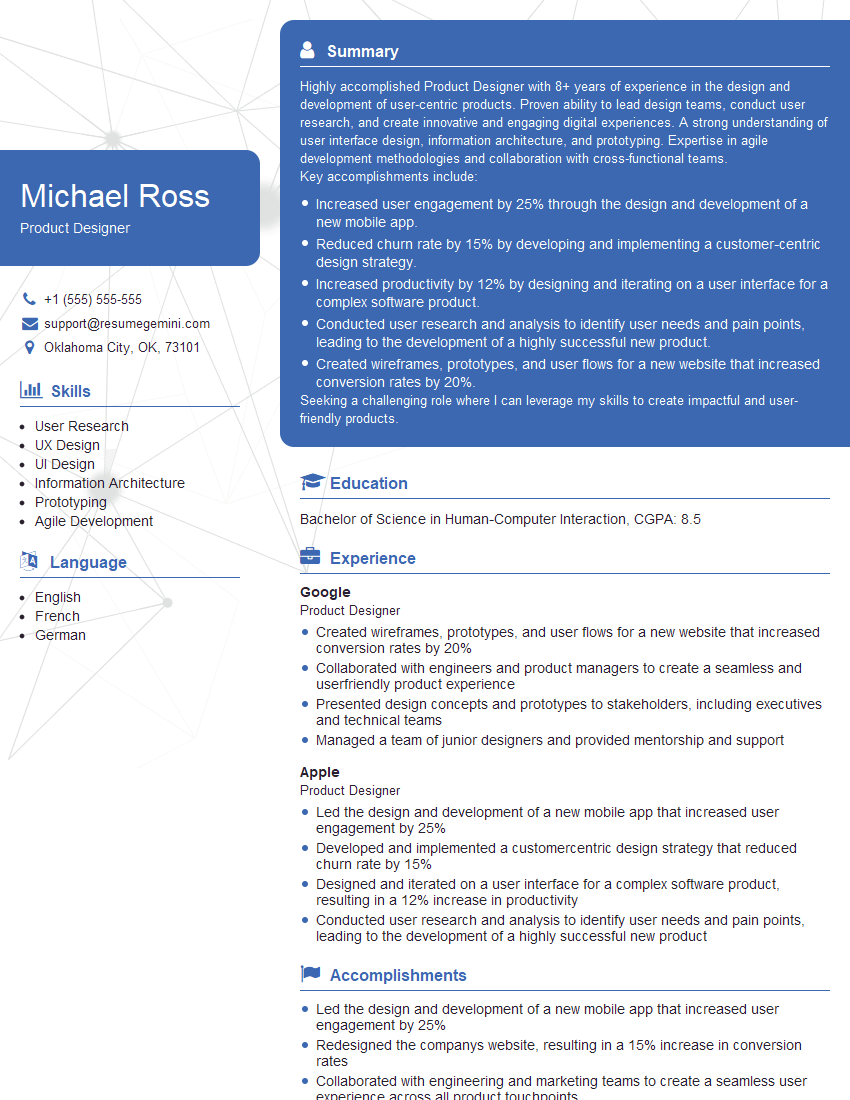
Product Designer Resume Sample
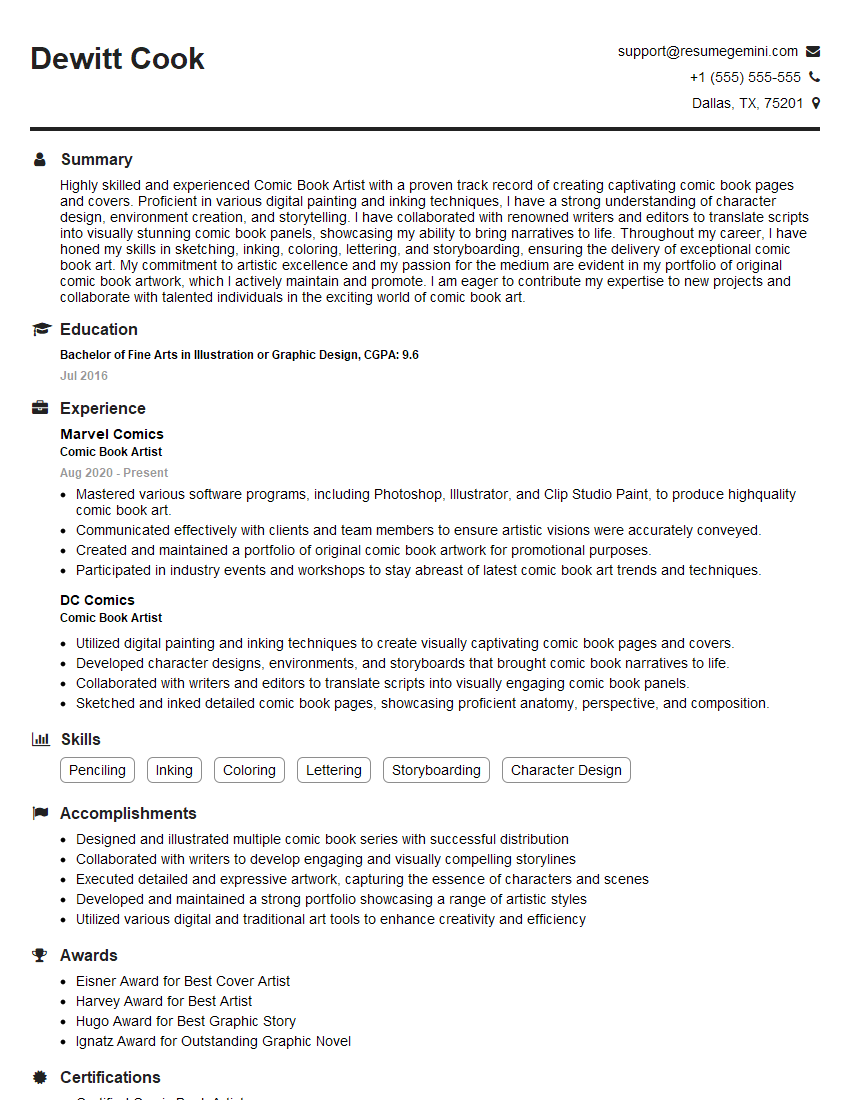
Comic Book Artist Resume Sample
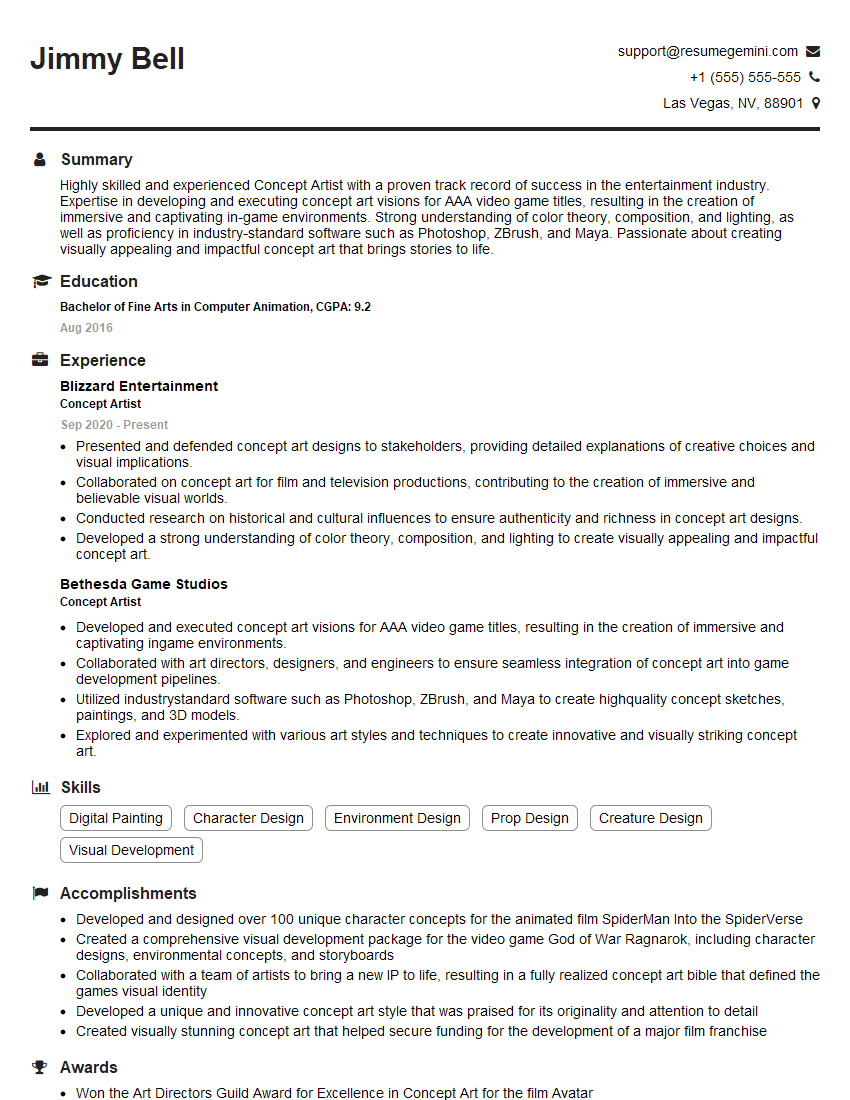
Concept Artist Resume Sample
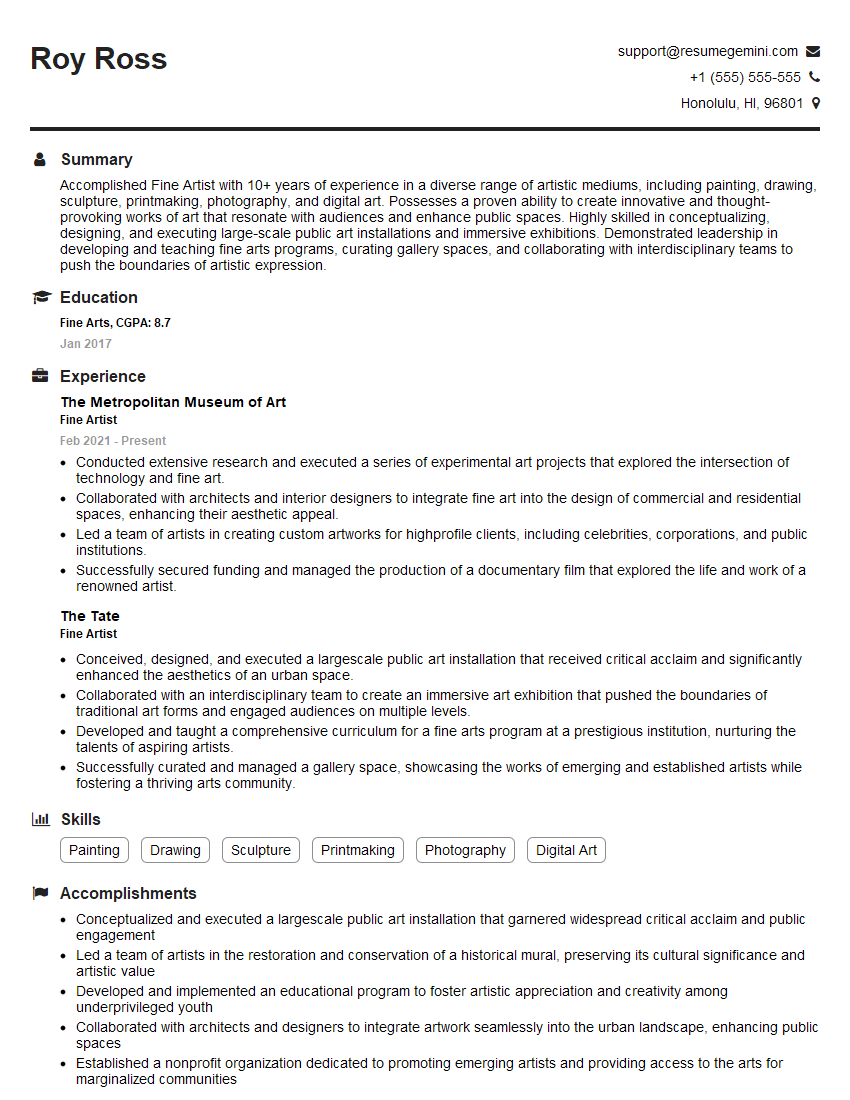
Fine Artist Resume Sample
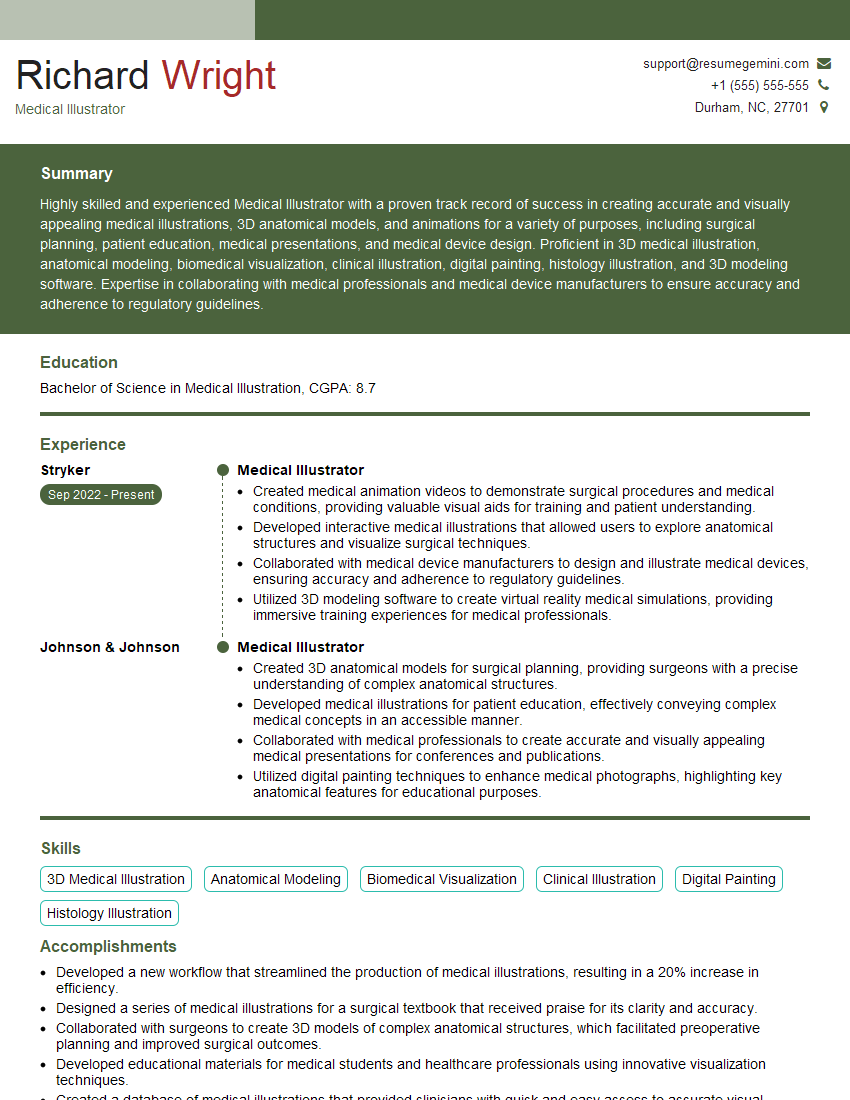
Medical Illustrator Resume Sample
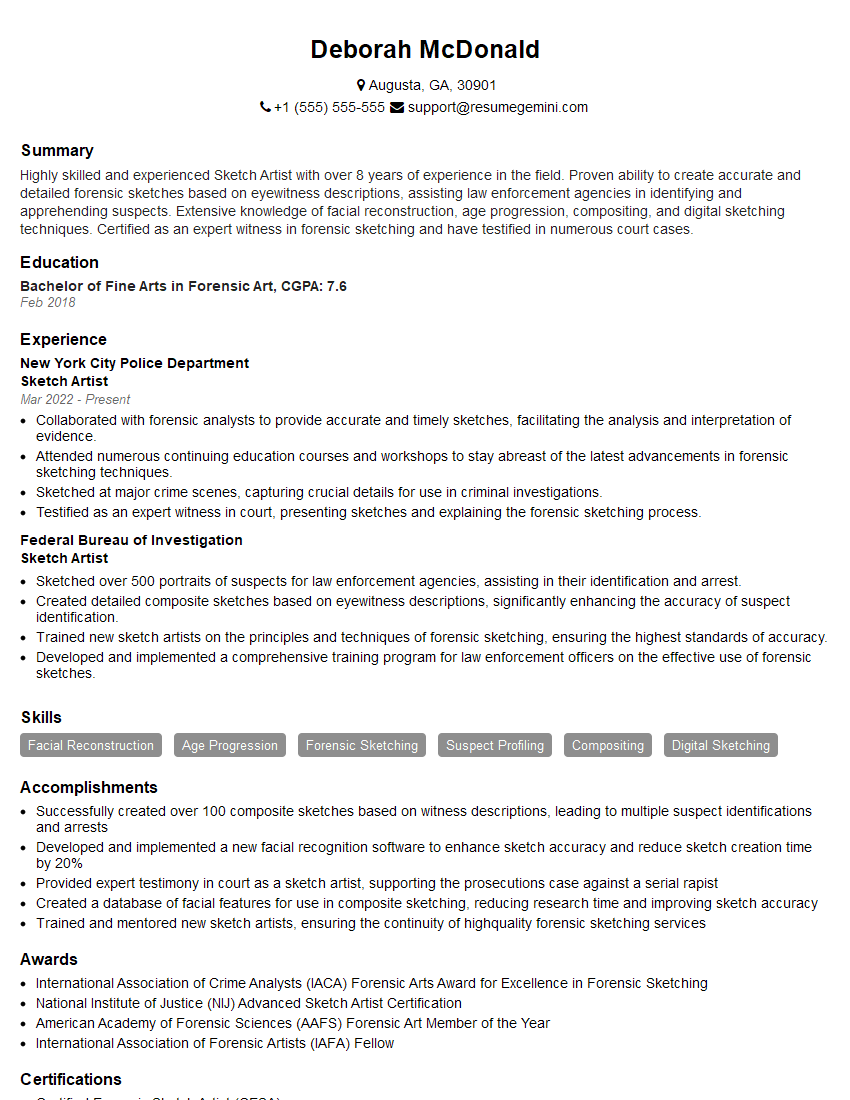
Sketch Artist Resume Sample
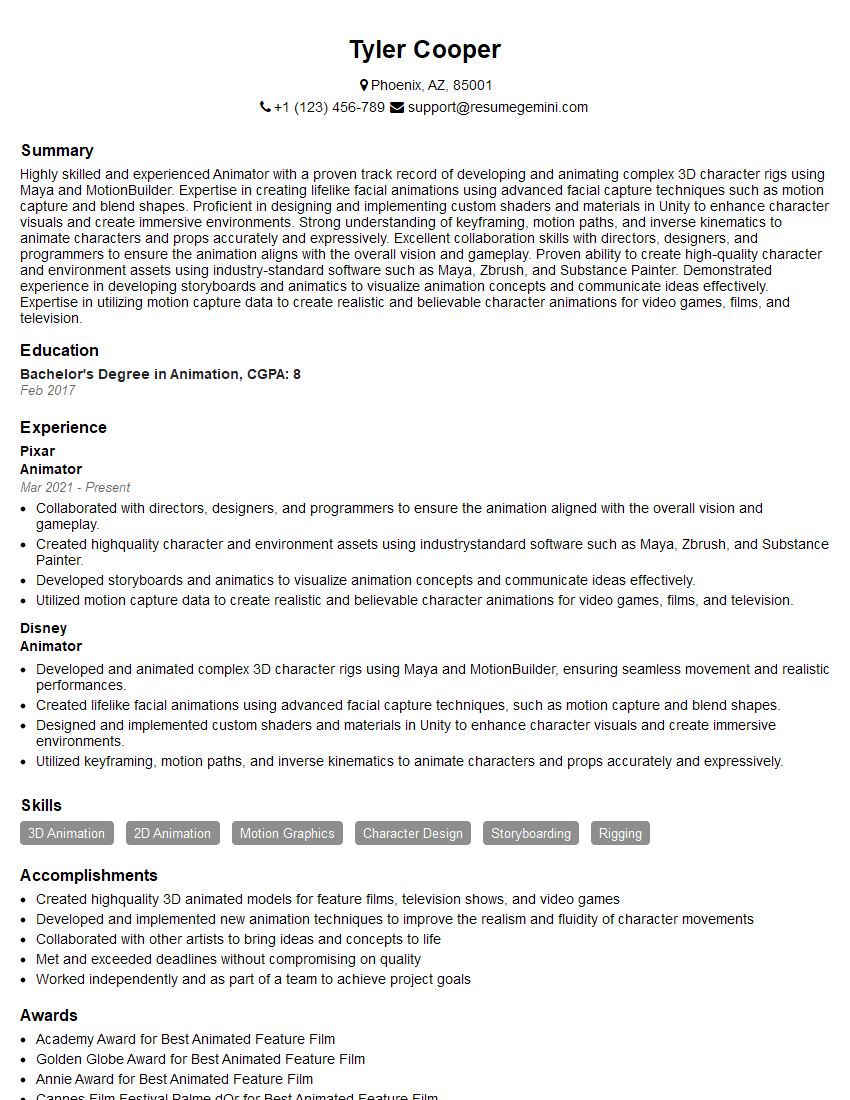
Animator Resume Sample
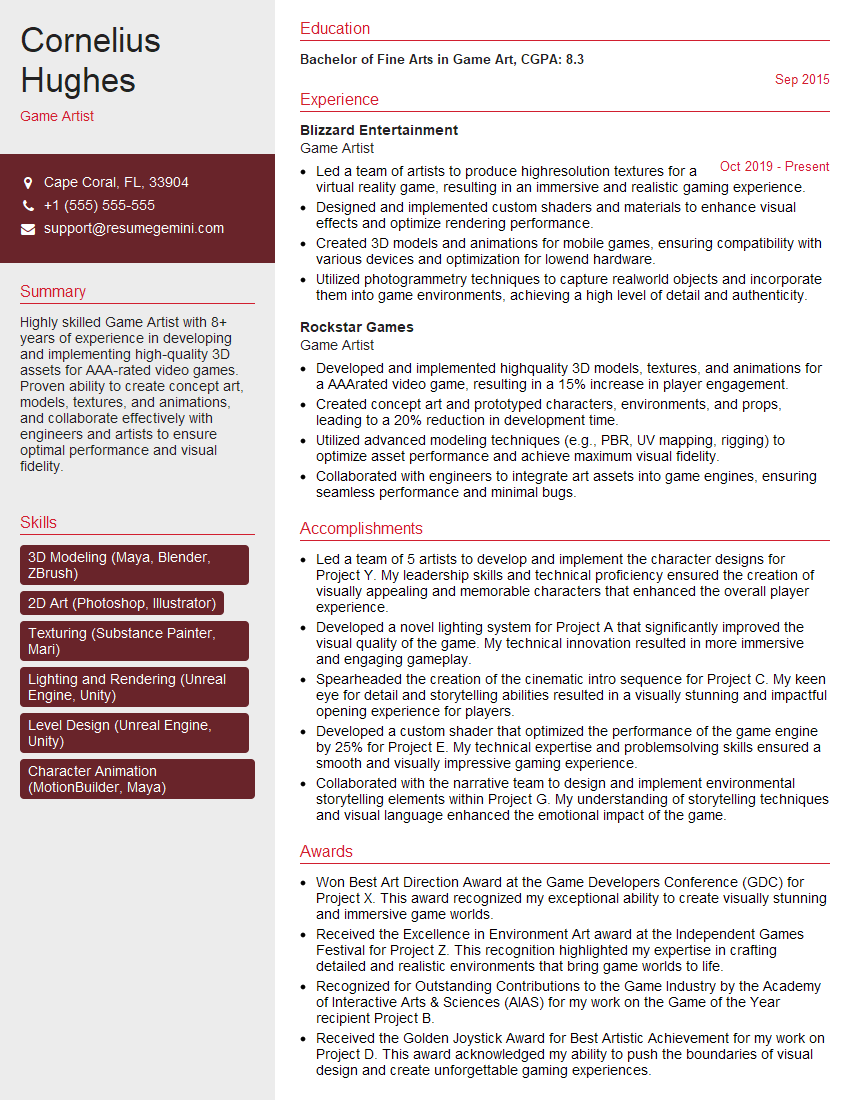
Game Artist Resume Sample
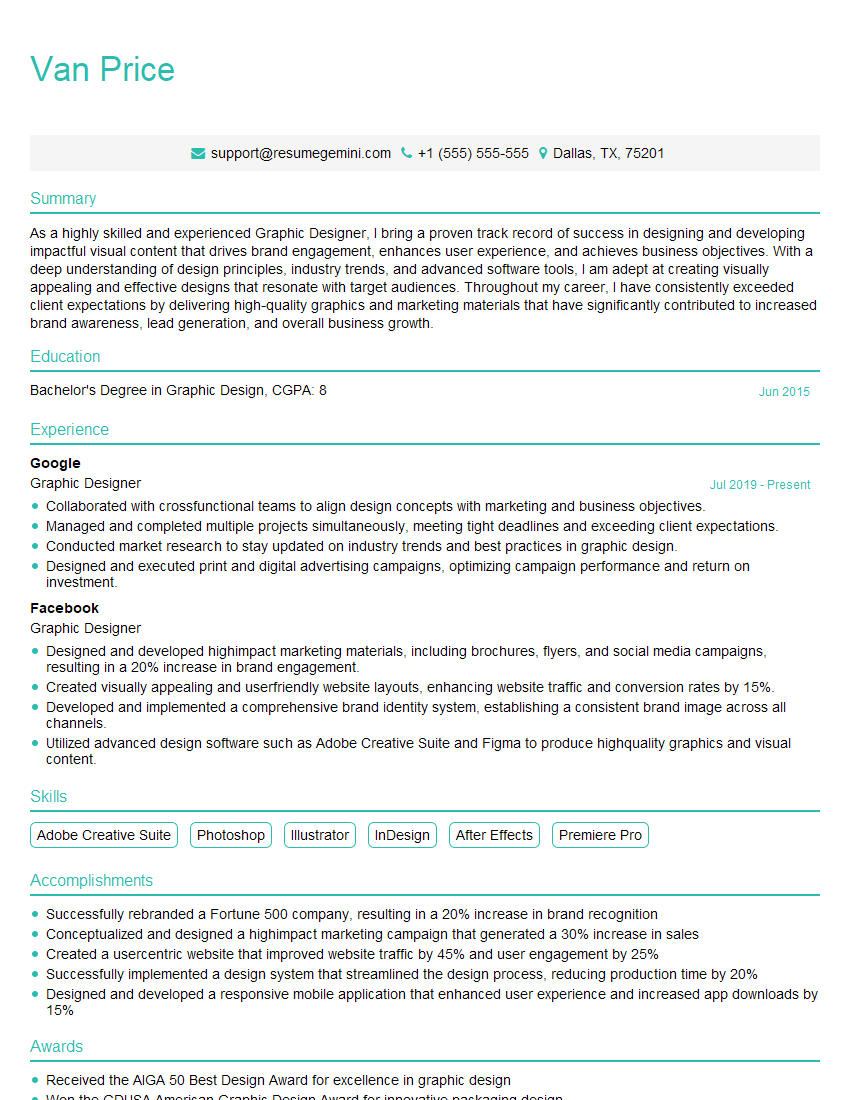
Graphic Designer Resume Sample
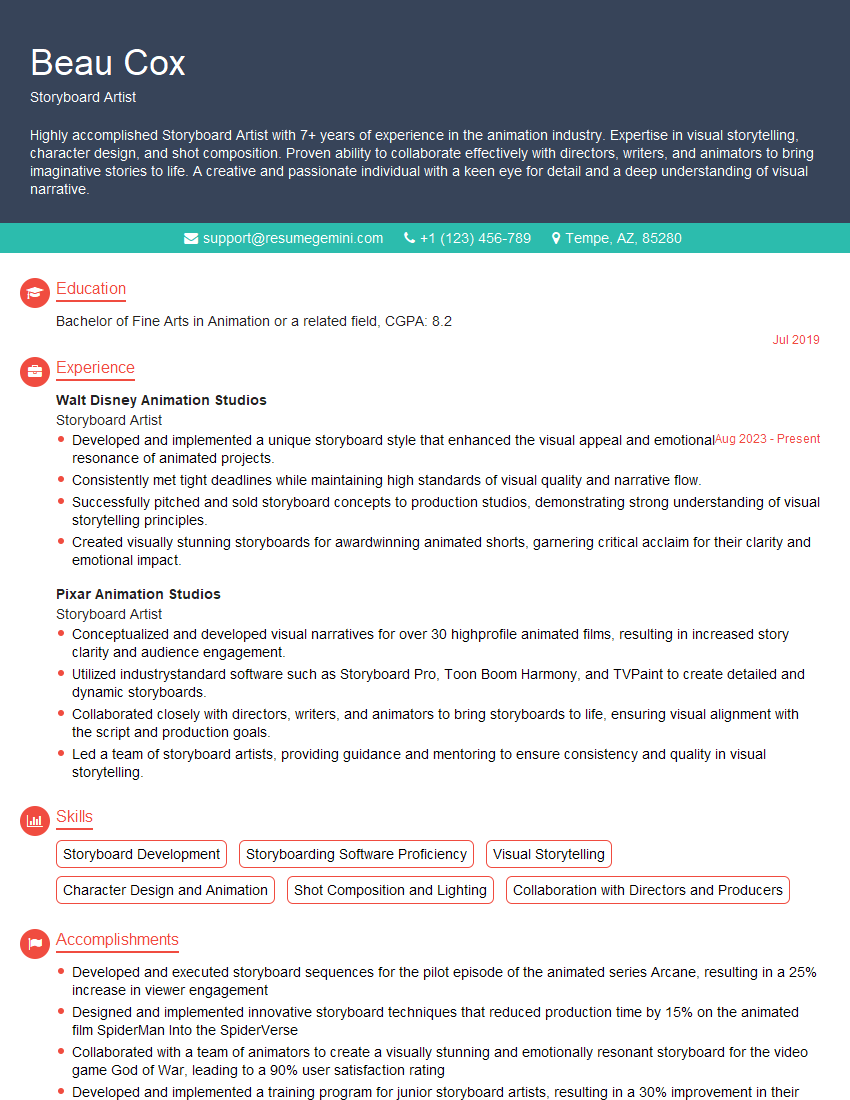
Storyboard Artist Resume Sample
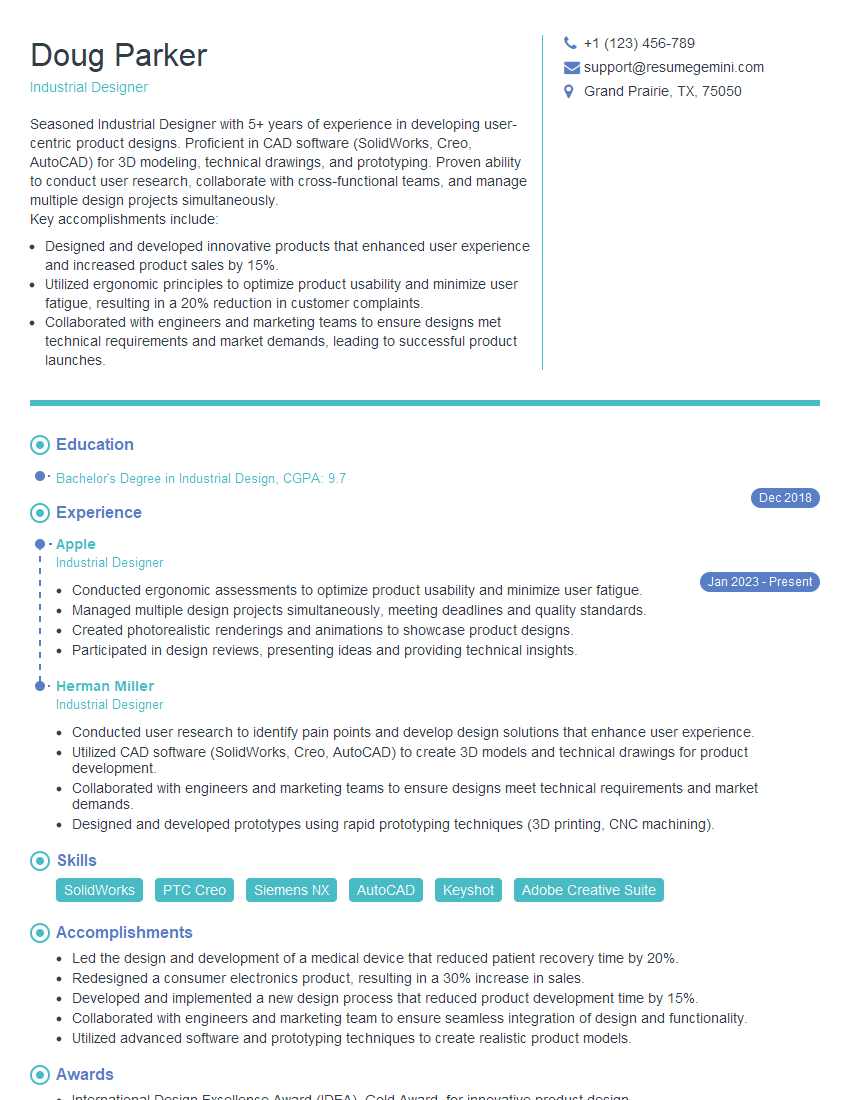
Industrial Designer Resume Sample
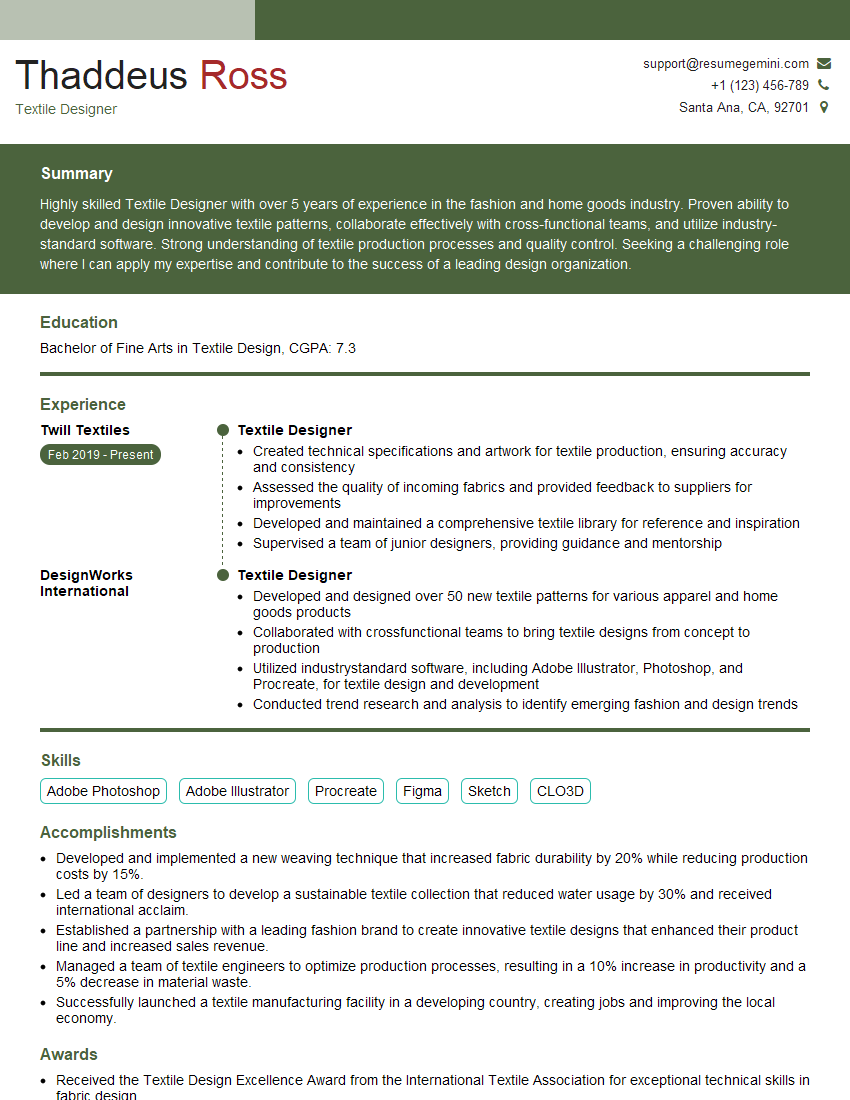
Textile Designer Resume Sample
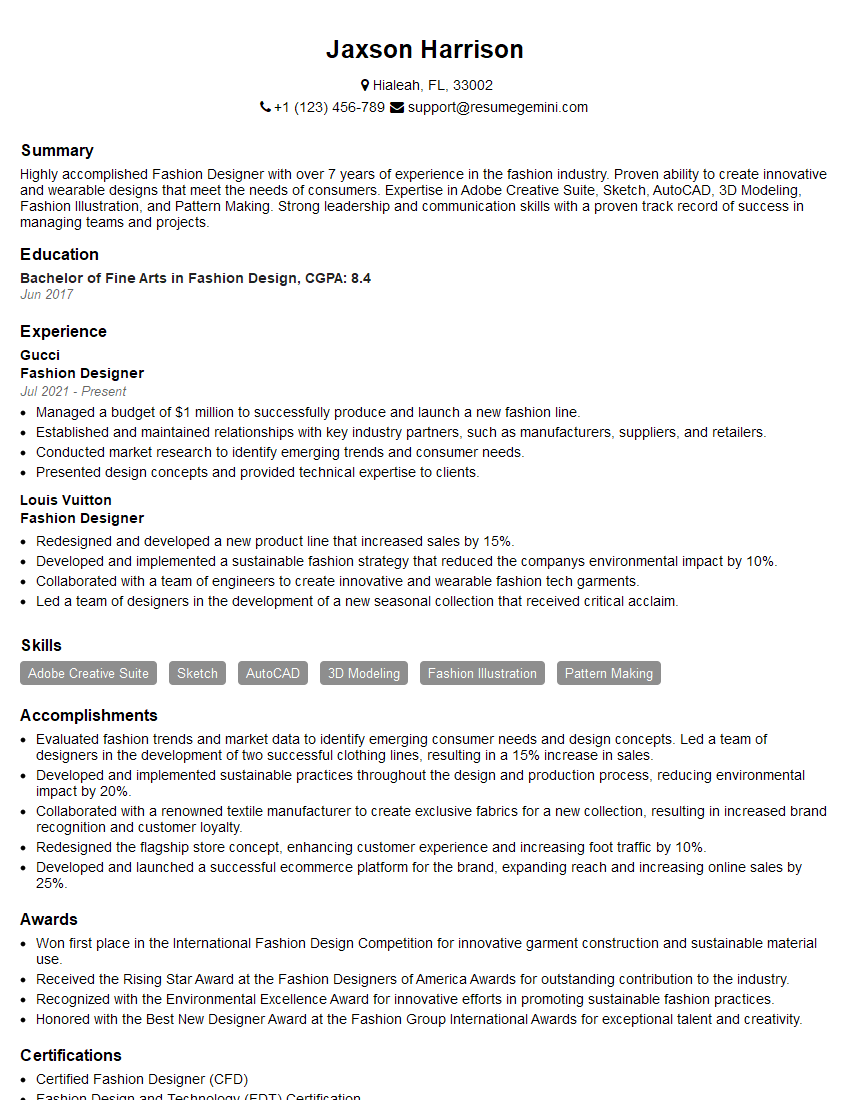
Fashion Designer Resume Sample
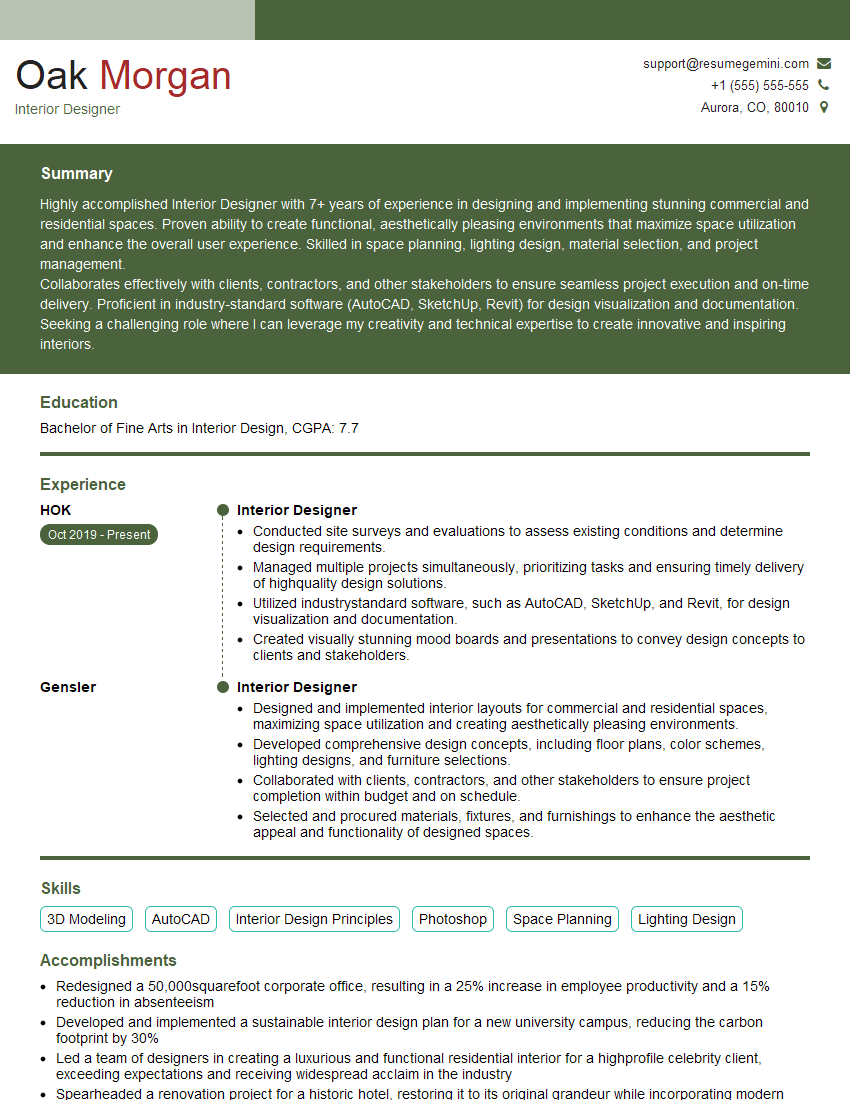
Interior Designer Resume Sample
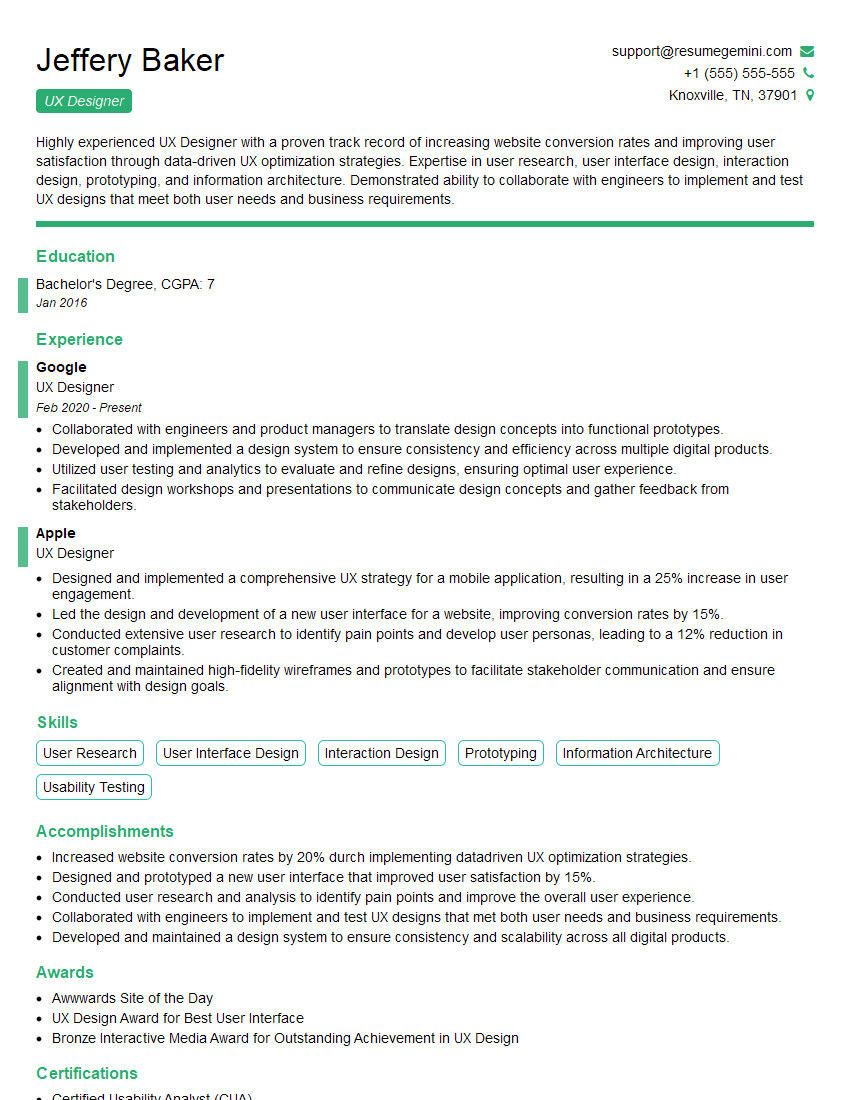
UX Designer Resume Sample
Explore more articles
Users Rating of Our Blogs
Share Your Experience
We value your feedback! Please rate our content and share your thoughts (optional).
What Readers Say About Our Blog
Really detailed insights and content, thank you for writing this detailed article.
IT gave me an insight and words to use and be able to think of examples