Are you ready to stand out in your next interview? Understanding and preparing for Grading and Classification of Dairy Products interview questions is a game-changer. In this blog, we’ve compiled key questions and expert advice to help you showcase your skills with confidence and precision. Let’s get started on your journey to acing the interview.
Questions Asked in Grading and Classification of Dairy Products Interview
Q 1. Explain the different grading standards for milk.
Milk grading standards vary by country and region, but generally focus on factors like bacteria count, somatic cell count, and fat content. Think of it like judging a wine; the better the grade, the higher the quality and the fewer imperfections. For instance, the US employs a system where Grade A milk has the lowest bacterial count and highest quality, followed by Grade B, which might be used for manufacturing purposes. The standards are very specific; for example, the maximum allowable somatic cell count (indicating udder health) is strictly regulated. High somatic cell counts often lead to off-flavors and reduced shelf life. Similarly, the fat content is carefully measured as it impacts the richness and creaminess of the milk. Beyond these primary factors, some grading systems also consider other parameters such as added water or other adulterants.
- Grade A: Lowest bacterial count, highest quality, suitable for direct consumption.
- Grade B: Higher bacterial count than Grade A; often used for manufacturing cheese or other dairy products.
Q 2. Describe the process of grading cheese based on texture, flavor, and appearance.
Cheese grading is a sensory experience, a combination of art and science. Think of it like a wine tasting, but for cheese! We evaluate texture, flavor, and appearance using standardized scorecards. Texture might involve assessing firmness, crumbliness, or elasticity, perhaps using a texture analyzer for objective measurement. Flavor analysis considers intensity, complexity, saltiness, and any off-flavors, such as bitterness or sourness. Appearance involves assessing color, consistency, and the presence of defects, such as cracks or discoloration. These are combined to assign a score reflecting overall quality, perhaps on a scale of 1-100 or through a tiered grading system (e.g., superior, excellent, good, etc.). A panel of trained sensory experts is typically used to ensure consistency and objectivity. Factors like age also come into play, with certain cheeses (like aged cheddar) judged differently than fresh mozzarella.
Q 3. What are the key factors considered when classifying butter?
Butter classification focuses primarily on its fat content, moisture content, and the presence of any defects. The fat content, usually around 80%, significantly influences the butter’s texture and spreadability. Higher fat content often leads to firmer butter. Moisture content also impacts texture and shelf life; too much moisture can result in a grainy texture or rancidity. Beyond this, the grading also considers sensory attributes like flavor and aroma, looking for any off-flavors or undesirable aromas that might indicate spoilage or improper handling. The color, which can vary based on the feed of the dairy cows, is also a factor, though less critical than the aforementioned parameters. Finally, the physical characteristics like texture and consistency are vital, aiming for a smooth, homogenous product.
Q 4. How do you assess the quality of yogurt using sensory evaluation techniques?
Sensory evaluation of yogurt relies heavily on a panel of trained assessors. We use standardized protocols to assess several crucial attributes: Appearance (color, consistency, presence of whey separation), Aroma (intensity, pleasantness), Flavor (tartness, sweetness, fruit flavor if added), and Texture (smoothness, creaminess, thickness). Each attribute is scored using a numerical scale, often with descriptive terms used to explain the scores. The overall assessment balances these sensory properties to determine the overall quality and acceptability. For example, a yogurt might have a good aroma but an undesirable gritty texture; these assessments would inform the final grading, making it important to consider all aspects holistically.
Q 5. What are the common defects found in dairy products, and how are they identified?
Dairy products are prone to various defects, many stemming from microbial contamination or improper handling. Common defects include: Rancidity (off-flavors due to oxidation of fats), Sourness (due to bacterial fermentation), Bitterness (often linked to enzymatic activity or contamination), Whey separation (separation of liquid whey from the solids in products like yogurt or cheese), and Mold growth (visible fungal colonies). Identifying these defects involves visual inspection, sensory evaluation (smell and taste), and microbiological testing. Visual inspection may reveal mold growth or whey separation. Sensory tests identify off-flavors or odors. Microbiological analysis can determine the types and levels of microorganisms present, providing insights into the cause of the defect. For example, a high count of Lactobacillus might indicate souring, while a high count of Pseudomonas might suggest spoilage.
Q 6. Explain the role of microbiological testing in dairy product grading.
Microbiological testing is crucial for dairy product grading, serving as a primary indicator of safety and quality. The tests quantify the number of microorganisms present, particularly pathogenic bacteria like Salmonella, Listeria, and E. coli, and spoilage microorganisms. Think of it as a crucial safety check before any dairy product gets to market. Tests typically involve culturing samples on agar plates and counting the colonies formed to determine the microbial load. High counts indicate poor hygiene practices or improper storage and processing, leading to downgrading or rejection of the product. The specific tests and acceptable limits depend on the type of dairy product and regulatory standards. For example, milk intended for direct consumption requires much lower bacterial counts compared to milk intended for cheese manufacturing.
Q 7. How does temperature affect the grading of dairy products?
Temperature plays a significant role in dairy product grading because it directly affects microbial growth and the stability of the product. Higher temperatures accelerate microbial growth, potentially leading to spoilage and the development of off-flavors. Therefore, proper temperature control during production, storage, and transport is crucial for maintaining quality. Conversely, extremely low temperatures can negatively impact some dairy products by affecting texture or causing ice crystal formation. Dairy products are often graded based on their compliance with specific temperature guidelines, especially during storage and transport. Maintaining appropriate temperatures is crucial for ensuring safety and preventing quality deterioration. Deviation from the specified temperature ranges can lead to downgrading or rejection of the product.
Q 8. Describe the different types of grading scales used for dairy products.
Dairy product grading scales vary depending on the product and the region. Generally, they assess quality based on several factors including fat content, flavor, texture, and appearance. Let’s look at some examples:
Grade A/B/C systems: Many countries utilize a simple A, B, and C grading system for milk and other dairy products. Grade A typically represents the highest quality, meeting stringent standards for flavor, appearance, and bacterial count. Grade B might have minor defects, while Grade C is usually unsuitable for direct consumption and often used for processed products.
Numerical scoring systems: Some systems use a numerical scoring system, where a higher score indicates better quality. For example, a cheese might be scored based on its aroma (0-20 points), texture (0-20 points), flavor (0-20 points), and appearance (0-20 points), resulting in a total score out of 80. Specific thresholds determine the final grade based on the total score.
Descriptive sensory analysis: This method focuses on detailed descriptions of sensory attributes. Trained panelists evaluate aroma, flavor, texture, and appearance, documenting the characteristics using specific vocabulary. This qualitative assessment is often used for premium or specialty dairy products where nuanced differences matter greatly.
The choice of grading scale depends on factors such as the intended use of the product, consumer preferences, and regulatory requirements.
Q 9. What are the legal requirements and regulations related to dairy product grading in your region?
Legal requirements and regulations for dairy product grading vary significantly by region (e.g., state, country). These regulations are typically set by food safety agencies and aim to ensure consumer safety and fair trading practices. For example, in many jurisdictions, there are:
Standards for composition: Legal limits on minimum fat content, protein levels, and other compositional parameters are defined. Milk must meet minimum fat and solids-non-fat requirements to be legally sold.
Microbial standards: Maximum acceptable levels of various bacteria, including coliforms and pathogens, are established. Exceeding these limits can lead to product rejection or recall.
Grading standards: Specific standards define the sensory attributes (e.g., flavor, odor, texture) required to achieve a particular grade. These standards often incorporate sensory evaluation methods that need to be followed precisely for consistency.
Labeling requirements: Regulations govern what information must appear on dairy product labels, including the grade, ingredients, and nutritional facts. False or misleading labeling is strictly prohibited.
Inspection and enforcement: Regular inspections of dairy processing plants are conducted by regulatory bodies to ensure compliance with these regulations. Non-compliance can result in penalties, fines, or legal action.
It’s crucial for dairy processors to stay updated on the relevant legal requirements for their location to ensure product compliance and avoid legal ramifications.
Q 10. How do you handle discrepancies between sensory evaluation and laboratory results?
Discrepancies between sensory evaluation and laboratory results highlight the complexity of dairy product assessment. Both methods provide crucial information but can sometimes yield conflicting results. Addressing such inconsistencies requires a systematic approach:
Review the methods: First, thoroughly review the methodology used for both the sensory evaluation and laboratory analysis. Was the sensory panel properly trained? Were the laboratory procedures followed correctly? Were samples properly prepared and stored?
Investigate potential biases: Identify possible sources of bias. In sensory evaluation, factors like panelist fatigue, subjective interpretation, or improper sample presentation can influence results. In laboratory analysis, calibration errors, instrument malfunction, or contamination can affect the outcomes.
Repeat the analyses: Repeat both the sensory evaluation and laboratory analysis, ensuring that all procedures are carefully followed to minimize errors. The use of independent labs can help rule out internal biases.
Compare data across multiple samples: Analyze data from multiple samples of the same batch. This can help determine if the discrepancy is isolated to a specific sample or reflects a wider issue.
Reconcile differences: After careful review and repeat analyses, determine which method provides the most reliable information. It might be that the sensory panel detected an off-flavor that isn’t detected by current laboratory methods. This points to potential improvement areas in quality control or laboratory techniques.
The goal is to understand the root cause of the discrepancy and take corrective action. Often, this requires a collaborative effort between sensory experts and laboratory technicians.
Q 11. Describe the process of investigating a quality control issue in a dairy plant.
Investigating a quality control issue in a dairy plant requires a structured, systematic approach. Think of it as a detective investigation, carefully gathering evidence to identify the root cause:
Define the problem: Clearly define the nature of the quality control issue. Is it off-flavor, microbial contamination, incorrect fat content, or something else? Collect data about the affected product (batch number, date of production, etc.).
Trace the product: Trace the affected product back through the production process. Identify all stages of production it went through, including raw material sourcing, processing steps, and packaging.
Gather samples: Collect samples from various points in the production process, including raw materials, intermediate products, and the finished product. These samples will undergo laboratory analysis. Maintain a proper chain of custody for evidence.
Analyze the data: Conduct laboratory analyses of the collected samples. Check for microbial contamination, compositional analysis, and other relevant tests. Compare the results against established quality standards.
Identify the root cause: Based on the data analysis, identify the likely root cause of the quality control issue. Was it a problem with the raw materials, a malfunction in processing equipment, improper sanitation, or human error?
Implement corrective actions: Develop and implement corrective actions to address the identified root cause. This might involve replacing faulty equipment, improving sanitation practices, retraining personnel, or changing suppliers.
Monitor and prevent recurrence: Implement monitoring procedures to prevent the recurrence of the problem. This could include regular equipment maintenance, enhanced quality control checks, and improved employee training.
Effective investigation necessitates thorough documentation, communication among all involved personnel, and a commitment to continuous improvement.
Q 12. Explain the importance of proper sanitation in maintaining dairy product quality.
Proper sanitation is paramount in maintaining dairy product quality and safety. Dairy products are highly susceptible to microbial spoilage and contamination due to their nutrient-rich composition. Sanitation prevents the growth of undesirable microorganisms and ensures the safety and extended shelf life of dairy products. Key aspects include:
Cleaning and sanitizing equipment: Regular cleaning and sanitizing of all processing equipment (tanks, pipes, pumps, etc.) is essential. This involves removing food residues, followed by application of a sanitizing agent to eliminate microorganisms.
Maintaining hygienic conditions: The entire dairy processing environment should be maintained in a hygienic condition. This includes controlling temperature and humidity, minimizing dust and airborne contaminants, and preventing insect and pest infestation. Proper personal hygiene of personnel is crucial.
Water quality: Water used for cleaning and processing should be of high quality and free from contaminants. Regular monitoring of water quality is necessary.
Sanitizer selection and use: The choice of sanitizer depends on various factors, including the type of equipment and microorganisms to be controlled. Proper concentration, contact time, and temperature are crucial for effective sanitization.
Sanitation monitoring: Regular monitoring and validation of sanitation procedures are necessary to ensure their effectiveness. This can involve microbial testing of surfaces and equipment.
A lapse in sanitation can lead to spoilage, off-flavors, and potentially dangerous bacterial contamination, resulting in product rejection, economic losses, and consumer health risks.
Q 13. How do you identify and prevent cross-contamination in dairy processing?
Cross-contamination occurs when microorganisms or allergens transfer from one product or surface to another, compromising the quality and safety of dairy products. Preventing cross-contamination is critical:
Spatial separation: Design and layout of the processing plant should minimize the risk of cross-contamination. Different product lines should be spatially separated, with dedicated equipment and pathways to prevent mixing. Raw and finished products should be handled in separate areas.
Time separation: Process scheduling should ensure that products with different allergen or microbial risks are processed sequentially, with sufficient time between batches for thorough cleaning and sanitization.
Equipment design: Equipment should be designed to minimize the risk of contamination. This includes features such as smooth surfaces, easily cleanable designs, and dedicated equipment for each product type.
Allergen control programs: Thorough allergen control programs are required, especially for plants processing multiple products containing common allergens (e.g., nuts, milk). These programs need to address cleaning, sanitation, labeling, and personnel training.
Proper sanitation protocols: Stringent sanitation procedures, including the use of effective cleaning and sanitizing agents, are essential to eliminate microorganisms and prevent cross-contamination between batches.
Employee training: Thorough employee training on proper hygiene practices, handling procedures, and sanitation protocols is vital for preventing cross-contamination. This is especially crucial regarding handwashing, gowning, and proper usage of sanitation equipment.
Failure to implement appropriate cross-contamination control measures can result in product recalls, legal liabilities, and significant financial losses for a dairy plant.
Q 14. What are the key indicators of spoilage in dairy products?
Spoilage in dairy products is caused by microbial growth, enzymatic activity, or chemical reactions. Several key indicators can signal spoilage:
Off-odors: Sour, rancid, putrid, or other unpleasant odors indicate microbial spoilage or lipid oxidation.
Off-flavors: Sour, bitter, salty, or other undesirable tastes indicate microbial growth or chemical changes.
Changes in texture: Thickening, thinning, curdling, or separation of phases suggests microbial activity or enzymatic breakdown.
Color changes: Discoloration or unusual color development might indicate spoilage. For example, yellowing of milk can indicate oxidation.
Gas formation: Gas bubbles or swelling of packaging can signify gas production by microorganisms.
Increased acidity: A decrease in pH indicates microbial growth and acid production.
Abnormal viscosity: An unexpected change in viscosity (thickness) can be an indication of microbial growth or chemical changes.
Identifying these indicators early is crucial for preventing the consumption of spoiled products and avoiding economic losses. Regular monitoring and quality control checks are necessary for timely detection and appropriate actions.
Q 15. Explain the principles of HACCP (Hazard Analysis and Critical Control Points) as they apply to dairy processing.
HACCP, or Hazard Analysis and Critical Control Points, is a preventative system for ensuring food safety. In dairy processing, it focuses on identifying and controlling biological, chemical, and physical hazards that could contaminate products. It’s a proactive approach, not reactive. Instead of simply testing for contamination after the fact, HACCP works to prevent it from happening in the first place.
The seven principles of HACCP are:
- Conduct a hazard analysis: Identify potential biological, chemical, and physical hazards throughout the entire dairy process, from raw milk collection to final product packaging. For example, Listeria monocytogenes is a significant concern in soft cheeses, requiring careful control of temperature and sanitation.
- Determine critical control points (CCPs): These are steps in the process where control can prevent or eliminate a hazard. Pasteurization is a crucial CCP for eliminating harmful bacteria.
- Establish critical limits: Set measurable parameters for each CCP. For example, the temperature and holding time during pasteurization must be precisely controlled.
- Establish monitoring procedures: Regularly monitor CCPs to ensure they remain within critical limits. This often involves automated temperature sensors and regular microbial testing.
- Establish corrective actions: Develop procedures to take when a CCP deviates from critical limits. This might include discarding a batch of milk or recalibrating equipment.
- Establish verification procedures: Verify that the HACCP system is working effectively. This could involve regular audits and microbial testing of finished products.
- Establish record-keeping and documentation procedures: Maintain detailed records of all HACCP activities to demonstrate compliance.
Imagine a dairy processing plant without HACCP. A single lapse in sanitation could lead to widespread contamination, resulting in product recalls, financial losses, and reputational damage. HACCP helps avoid such scenarios.
Career Expert Tips:
- Ace those interviews! Prepare effectively by reviewing the Top 50 Most Common Interview Questions on ResumeGemini.
- Navigate your job search with confidence! Explore a wide range of Career Tips on ResumeGemini. Learn about common challenges and recommendations to overcome them.
- Craft the perfect resume! Master the Art of Resume Writing with ResumeGemini’s guide. Showcase your unique qualifications and achievements effectively.
- Don’t miss out on holiday savings! Build your dream resume with ResumeGemini’s ATS optimized templates.
Q 16. How do you determine the shelf life of a dairy product?
Determining the shelf life of a dairy product involves considering several factors that influence its quality and safety. It’s not just about how long it’s safe to eat; it’s about maintaining its sensory attributes (taste, texture, aroma) and nutritional value.
The process usually involves:
- Microbial analysis: Testing for the growth of spoilage and pathogenic microorganisms. The rate of microbial growth is heavily influenced by storage temperature.
- Sensory evaluation: Trained panelists assess changes in taste, texture, and aroma over time. This helps identify the point where the product is no longer acceptable to consumers.
- Chemical analysis: Monitoring changes in pH, fat oxidation, and other chemical components that affect quality and shelf life. For example, rancidity in butter can significantly shorten its shelf life.
- Packaging considerations: The type of packaging material significantly impacts shelf life. Oxygen-impermeable packaging, for instance, extends the shelf life by slowing down oxidation.
- Storage conditions: The temperature at which the product is stored is crucial. Lower temperatures dramatically slow down microbial growth and chemical reactions.
For example, pasteurized milk typically has a shorter shelf life than UHT (Ultra-High Temperature) processed milk because UHT processing kills more microorganisms. Understanding these factors allows dairy processors to set realistic shelf life dates and use appropriate preservation methods.
Q 17. What are the common causes of off-flavors in dairy products?
Off-flavors in dairy products are a significant quality concern. They can stem from various sources, significantly impacting consumer acceptance.
- Feed flavors: The cow’s diet directly affects milk flavor. Foods like garlic, onions, or certain weeds can impart undesirable tastes.
- Microbial activity: Bacteria, yeasts, and molds produce various compounds that cause off-flavors. For example, souring is caused by lactic acid bacteria.
- Enzymatic activity: Enzymes naturally present in milk or introduced during processing can cause changes that lead to off-flavors. Lipolysis, the breakdown of fats, can create rancid or soapy flavors.
- Oxidative changes: Exposure to oxygen can cause oxidation of fats, leading to rancid or cardboard-like flavors.
- Heating: Excessive heat during processing can create cooked or caramelized flavors.
- Packaging interactions: Certain packaging materials can interact with the product, causing off-flavors.
Consider a batch of cheese with a bitter off-flavor. This could be due to bacterial growth, improper aging, or even the type of rennet used. Pinpointing the exact cause requires careful investigation of the entire production process.
Q 18. Describe the different methods used for preserving dairy products.
Preserving dairy products extends their shelf life and maintains quality. Several methods are employed, often in combination:
- Pasteurization: Heat treatment that kills most spoilage and pathogenic bacteria. Different pasteurization methods (e.g., high-temperature short-time, ultra-high temperature) vary in intensity and impact on flavor.
- Sterilization: A more intense heat treatment than pasteurization, eliminating virtually all microorganisms, resulting in a longer shelf life (e.g., UHT milk).
- Refrigeration: Low temperatures significantly slow down microbial growth and chemical reactions.
- Freezing: Freezing halts microbial growth and slows down chemical reactions. However, some texture changes may occur upon thawing.
- Drying: Removing water reduces the availability of water for microbial growth. This is used in powdered milk and some cheeses.
- Salting: Salt reduces water activity, inhibiting microbial growth. This is commonly used in cheese making.
- Acidification: Adding acid lowers the pH, inhibiting microbial growth (e.g., yogurt, sour cream).
- Vacuum packaging: Removing air from the packaging slows down oxidation and microbial growth.
- Modified atmosphere packaging (MAP): Packaging with a controlled atmosphere (reduced oxygen, increased carbon dioxide) to extend shelf life.
Each method has its own advantages and disadvantages. Choosing the right preservation method depends on the specific dairy product, desired shelf life, and acceptable quality changes.
Q 19. How do you ensure accurate and reliable record-keeping in dairy quality control?
Accurate and reliable record-keeping is the backbone of dairy quality control. It ensures traceability, facilitates problem-solving, and demonstrates compliance with regulations. A well-structured system involves:
- Detailed batch records: Record all aspects of production for each batch, including raw material sources, processing parameters (temperature, time, pressure), and quality control test results. This allows for quick identification of the source of any quality issues.
- Testing records: Maintain comprehensive records of all quality tests performed (microbial, chemical, sensory), including results, dates, and personnel involved. This is crucial for demonstrating compliance with safety standards.
- Calibration records: Regularly calibrate equipment used in testing and production and maintain detailed records. This ensures the accuracy and reliability of measurements.
- Cleaning and sanitation records: Document all cleaning and sanitation procedures, including dates, personnel, chemicals used, and equipment cleaned. This is critical for preventing contamination.
- Traceability system: Implement a system to trace the entire production process from raw material to finished product. This enables quick identification and removal of any contaminated products.
- Software solutions: Consider using specialized software for dairy quality control, which can automate data entry and reporting, improving accuracy and efficiency.
Imagine a recall situation. Without meticulous records, tracing the source of contamination can be extremely difficult, leading to larger-scale recalls and significant financial losses. Robust record-keeping avoids such scenarios.
Q 20. What are the implications of failing to meet dairy product grading standards?
Failing to meet dairy product grading standards has several serious implications:
- Product rejection: Products that don’t meet standards may be rejected by buyers, leading to financial losses.
- Reputational damage: Consistent failure to meet standards can damage a company’s reputation and erode consumer trust.
- Legal issues: Non-compliance with grading standards can lead to legal penalties and fines.
- Market access limitations: Failing to meet export standards can limit access to international markets.
- Consumer safety risks: Products that do not meet safety standards pose risks to consumers, potentially leading to illnesses or even death.
For example, a dairy farm consistently producing milk with high somatic cell counts (indicating mastitis) might face penalties, rejection of its milk by processors, and a decline in its reputation among buyers. Maintaining high standards is not just about quality; it’s about consumer safety and business sustainability.
Q 21. Explain the difference between pasteurization and sterilization in dairy processing.
Both pasteurization and sterilization are heat treatments used to eliminate microorganisms in dairy products, but they differ in their intensity and effectiveness:
- Pasteurization: A relatively milder heat treatment that aims to reduce the number of spoilage and pathogenic microorganisms to a safe level. It doesn’t eliminate all microorganisms. Common methods include High-Temperature Short-Time (HTST) and Low-Temperature Long-Time (LTLT). Pasteurized milk generally has a shorter shelf life than sterilized milk.
- Sterilization: A much more intense heat treatment that eliminates virtually all microorganisms, including spores. This results in a significantly longer shelf life. Ultra-High Temperature (UHT) processing is a common sterilization method. UHT-treated milk can be stored at room temperature for extended periods.
Think of it like this: pasteurization is like washing your hands – it reduces the number of germs, but some might remain. Sterilization is like sterilizing surgical instruments – it eliminates virtually all microorganisms. The choice depends on the desired shelf life and the product’s intended use. UHT milk is convenient for long-term storage, while pasteurized milk offers a fresher taste, often preferred by consumers who prioritize taste over extended shelf life.
Q 22. How do you interpret and apply results from chemical analysis of dairy products?
Chemical analysis is fundamental to dairy product grading and classification. It provides objective data on composition, helping us assess quality and ensure compliance with regulations. For example, we analyze fat content to determine the richness of milk or cream, protein levels to evaluate nutritional value, and lactose content to understand sweetness and potential for crystallization. We also look at acidity (pH), which indicates freshness and potential spoilage, and solids-not-fat (SNF) to assess overall quality. Interpreting these results involves comparing them to established standards – like those set by the FDA or other relevant authorities. If a batch of milk shows significantly lower fat content than the minimum standard, it might be downgraded and used for different products, like skim milk powder. Similarly, high acidity would indicate potential spoilage and immediate action to prevent further deterioration.
- Fat Content: Too low fat content indicates adulteration or insufficient cream separation, affecting product grading and pricing.
- Protein Content: Low protein suggests potential dilution or issues with milk production, impacting nutritional claims.
- Acidity: High acidity suggests bacterial growth or improper storage, leading to downgrading or rejection.
In essence, chemical analysis acts as a critical quality checkpoint, allowing for informed decision-making, preventing adulteration, and ensuring that consumers receive products meeting the expected standards.
Q 23. What are the different types of dairy packaging and their impact on product quality?
Dairy packaging significantly influences product quality, shelf life, and consumer perception. Different types of packaging cater to different needs and product characteristics. Common options include:
- Cartons (Tetra Pak, Gable Top): Aseptic packaging, offering long shelf life without refrigeration. They protect against light and oxygen, preserving product quality.
- Plastic Bottles (PET, HDPE): Lightweight, cost-effective, and offer good barrier properties against oxygen and light, although some can leach chemicals.
- Glass Bottles: Excellent barrier properties, providing superior protection, but they are heavier, more expensive, and more prone to breakage.
- Pouches (Flexible Packaging): Cost-effective and lightweight, offering good barrier properties when properly laminated. They are convenient but may not be suitable for all products.
The choice of packaging depends on factors like product type (milk, yogurt, cheese), shelf life requirements, transportation costs, and environmental considerations. For example, a long-life milk will likely be packaged in a carton, while fresh yogurt may use a plastic cup. Improper packaging can lead to spoilage due to oxygen ingress, light exposure, or leakage, dramatically affecting quality and safety.
Q 24. Describe the challenges faced in maintaining consistent quality across different batches of dairy products.
Maintaining consistent quality across different batches is a significant challenge in dairy production. Many factors contribute to this variability:
- Raw Milk Variability: Milk composition varies depending on factors like cow breed, diet, season, and health. This raw material inconsistency directly translates to the final product.
- Processing Variations: Slight deviations in processing parameters like temperature, time, and pressure during pasteurization, homogenization, or fermentation can significantly alter the final product’s characteristics.
- Equipment Maintenance: Malfunctioning equipment can lead to inconsistent product quality, whether it is in the cleaning process or during the production steps.
- Storage and Transportation Conditions: Fluctuations in temperature during storage and transportation can affect the microbial stability and overall quality of the product.
To address this, we rely on robust quality control measures throughout the process, including rigorous testing of raw milk, meticulous control of processing parameters, regular equipment calibration and maintenance, and implementation of a comprehensive traceability system. Statistical Process Control (SPC) is often used to monitor key parameters and detect deviations from the norm, allowing for prompt corrective action.
Q 25. How do you manage and resolve customer complaints related to dairy product quality?
Customer complaints are crucial feedback for improving quality and maintaining consumer trust. Our approach involves:
- Prompt Acknowledgment and Investigation: We promptly acknowledge each complaint and initiate a thorough investigation, collecting all relevant information, including batch number, product details, and the nature of the complaint.
- Root Cause Analysis: We conduct a detailed root cause analysis to determine the underlying issue. This might involve reviewing production records, laboratory test results, and supply chain data.
- Corrective and Preventive Actions (CAPA): Based on the root cause analysis, we implement corrective actions to address the immediate issue and preventive actions to prevent recurrence. This might involve equipment repair, process adjustment, or retraining of personnel.
- Customer Communication: We keep the customer informed throughout the process and offer appropriate compensation or resolution.
- Data Analysis: We analyze complaint data to identify trends and patterns, helping us proactively address potential quality issues.
For example, if several complaints point to a recurring issue with the taste or texture of a certain product, we might trace it back to a specific batch of raw materials or a problem in the processing equipment. By effectively managing complaints, we build customer loyalty and ensure continuous improvement.
Q 26. What are your strategies for continuous improvement in dairy quality control?
Continuous improvement in dairy quality control is an ongoing process, achieved through several strategies:
- Data-Driven Decisions: Regular monitoring of key quality indicators using SPC, and analyzing data from various sources (production records, customer feedback, laboratory results) to identify areas for improvement.
- Process Optimization: Continuously refining processing parameters, optimizing workflows, and implementing lean manufacturing principles to minimize waste and improve efficiency.
- Employee Training and Development: Providing regular training to personnel on quality control procedures, hygiene practices, and the importance of maintaining consistent standards.
- Technology Adoption: Implementing advanced technologies such as automation, sensors, and AI-powered systems to enhance efficiency and precision in monitoring and controlling various aspects of the production process.
- Supplier Management: Developing strong relationships with reliable suppliers who adhere to strict quality standards.
- Regular Audits and Inspections: Conducting regular internal and external audits to assess compliance with regulations and identify areas for improvement.
A continuous improvement culture fosters innovation and ensures that our quality control systems are always evolving to meet the ever-changing demands of the market and consumer expectations.
Q 27. How do you stay updated on the latest industry standards and best practices in dairy grading and classification?
Staying abreast of industry standards and best practices is essential for maintaining competitiveness and ensuring product safety and quality. We employ several methods:
- Membership in Professional Organizations: Active participation in organizations like the International Dairy Federation (IDF) provides access to the latest research, industry updates, and networking opportunities.
- Industry Publications and Conferences: Regularly reviewing scientific journals, trade publications, and attending industry conferences and workshops to stay informed about new technologies, regulations, and best practices.
- Government Regulations and Standards: Closely monitoring and adhering to all relevant government regulations and food safety standards.
- Collaboration with Research Institutions: Engaging with research institutions to access cutting-edge research and developments in dairy technology and quality control.
- Benchmarking: Comparing our practices and performance to industry benchmarks to identify areas where we can improve.
By continuously seeking knowledge and implementing best practices, we ensure our dairy products meet the highest standards of quality and safety.
Key Topics to Learn for Grading and Classification of Dairy Products Interview
- Sensory Evaluation: Understanding the methods used to assess the appearance, texture, flavor, and aroma of dairy products, including scoring systems and common defects.
- Compositional Analysis: Knowing the techniques for determining the fat content, protein content, solids-not-fat, and moisture content of various dairy products, and their importance in grading.
- Microbiological Quality: Familiarizing yourself with standard plate counts, coliform tests, and other microbiological analyses used to ensure the safety and quality of dairy products.
- Legal Standards and Regulations: Grasping the legal frameworks and standards governing the grading and classification of dairy products in your region (e.g., FDA regulations, international standards).
- Grading Systems: Understanding the different grading systems used for various dairy products (e.g., milk, cheese, butter) and the criteria used for each grade.
- Quality Control and Assurance: Knowing the procedures and practices involved in maintaining the quality of dairy products throughout the production and distribution process.
- Practical Applications: Understanding how grading and classification directly impact pricing, consumer perception, and market access for dairy products.
- Problem-Solving: Ability to troubleshoot issues related to quality control, inconsistencies in grading, and deviations from established standards. This might involve identifying the root cause of a quality problem and proposing solutions.
- Industry Best Practices: Staying current with evolving industry best practices for grading and classification, including emerging technologies and analytical techniques.
Next Steps
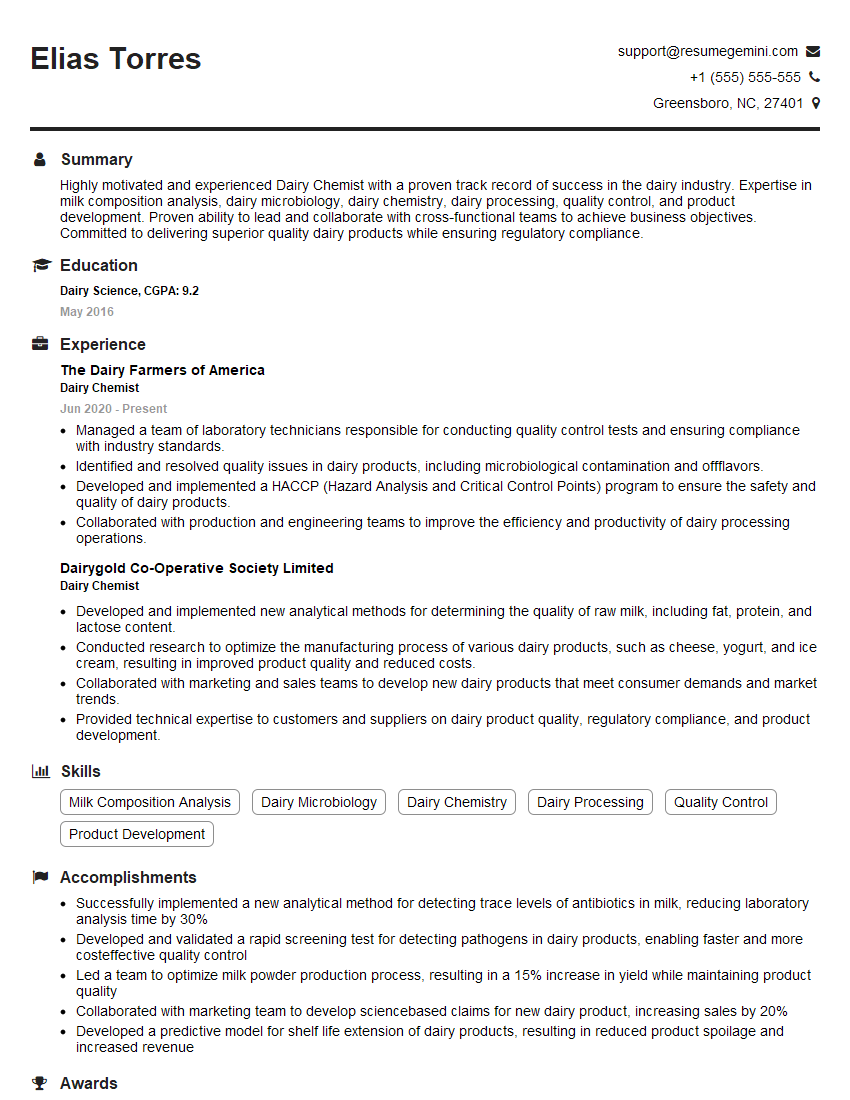
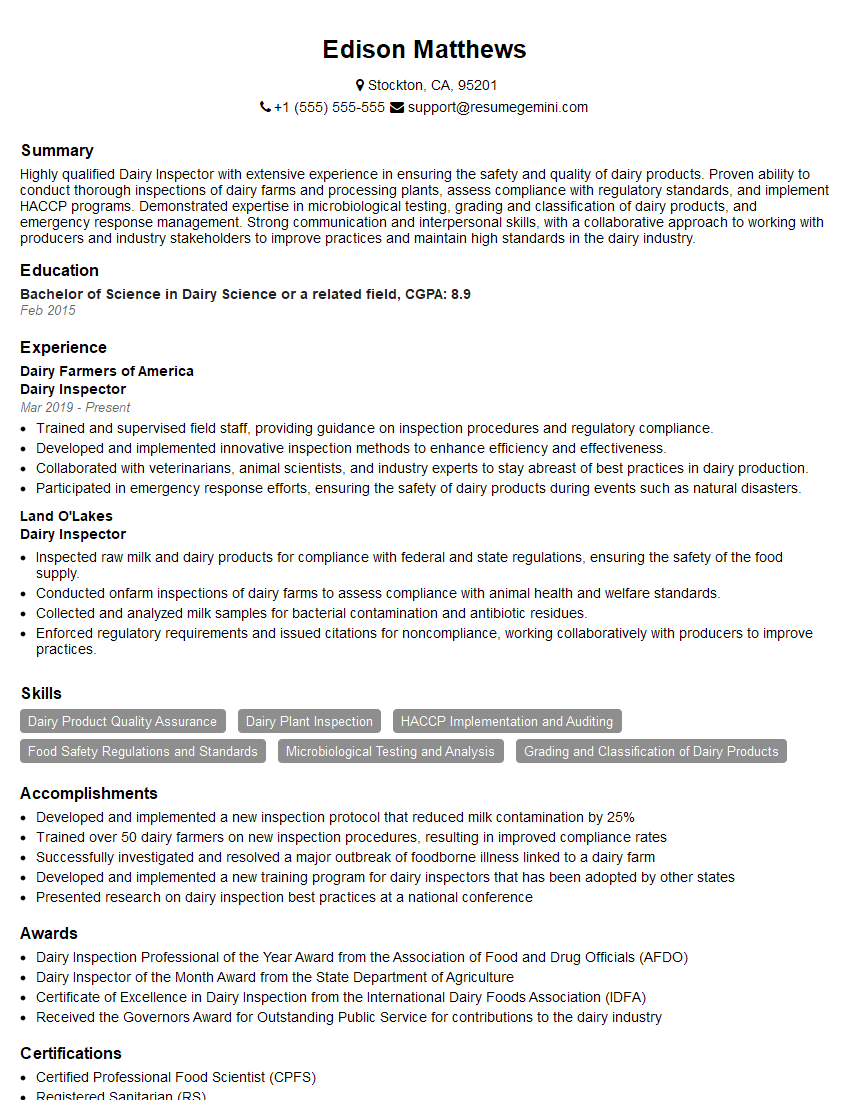
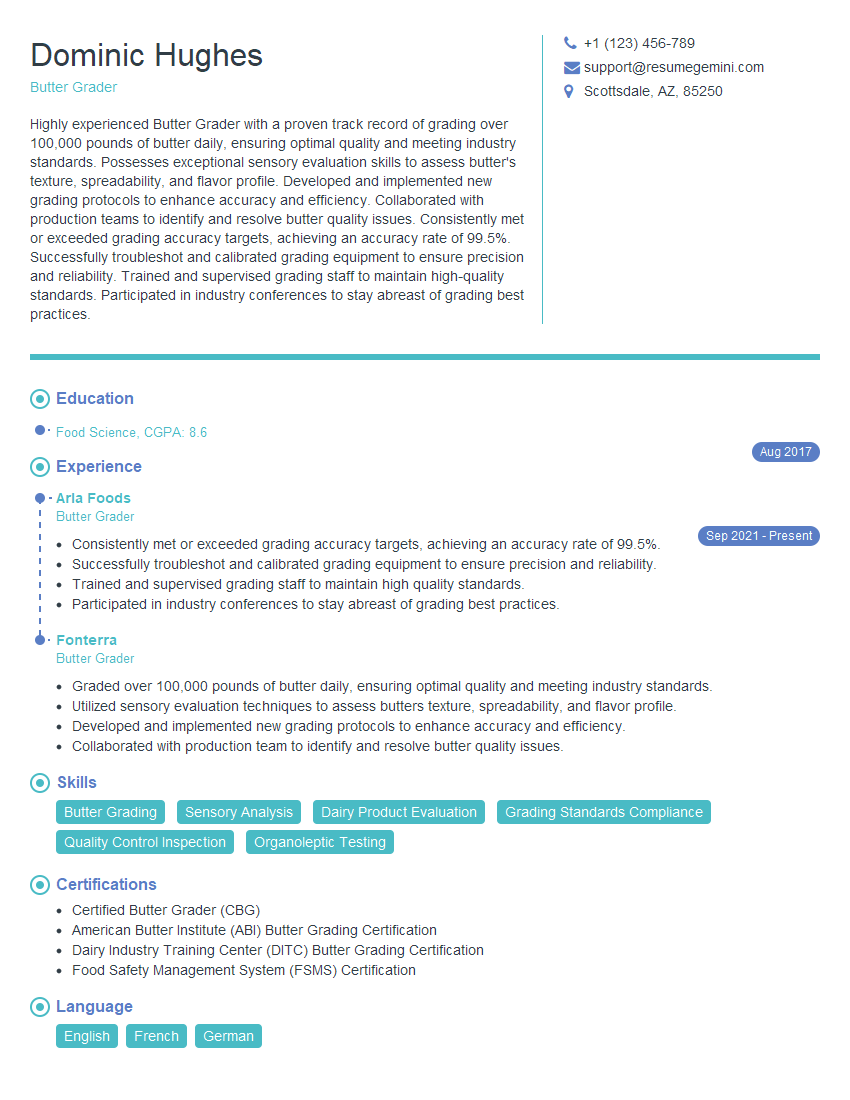
Mastering the grading and classification of dairy products is crucial for career advancement in the dairy industry. A strong understanding of these principles demonstrates your expertise and commitment to quality, opening doors to specialized roles and leadership opportunities. To maximize your job prospects, creating an ATS-friendly resume is essential. ResumeGemini is a trusted resource that can help you build a professional and impactful resume that highlights your skills and experience effectively. Examples of resumes tailored to roles in Grading and Classification of Dairy Products are available to guide you in building your own compelling application. Invest time in crafting a strong resume; it’s your first impression on potential employers.

Explore more articles
Users Rating of Our Blogs
Share Your Experience
We value your feedback! Please rate our content and share your thoughts (optional).
What Readers Say About Our Blog
Really detailed insights and content, thank you for writing this detailed article.
IT gave me an insight and words to use and be able to think of examples