Preparation is the key to success in any interview. In this post, we’ll explore crucial Green Building Codes and Regulations interview questions and equip you with strategies to craft impactful answers. Whether you’re a beginner or a pro, these tips will elevate your preparation.
Questions Asked in Green Building Codes and Regulations Interview
Q 1. What are the key differences between LEED, BREEAM, and Green Globes rating systems?
LEED (Leadership in Energy and Environmental Design), BREEAM (Building Research Establishment Environmental Assessment Method), and Green Globes are all green building rating systems, but they differ in their scope, focus, and approach. Think of them as different yardsticks measuring similar things, but with varying emphasis.
- LEED, predominantly used in North America, is a points-based system focusing on a wide range of sustainability aspects, from energy efficiency and water conservation to material selection and indoor environmental quality. It offers various certifications based on achieved points.
- BREEAM, popular in Europe, is a comprehensive assessment method that considers the entire lifecycle of a building. It’s known for its robust criteria covering diverse environmental and social factors, offering a holistic perspective.
- Green Globes uses a self-assessment and reporting tool. It offers a more streamlined approach compared to LEED or BREEAM, focusing on a comprehensive set of rating criteria and offering certification based on compliance. Its strength lies in its ease of use and broad application.
The key differences lie in their weighting of various criteria, regional focus, and the level of documentation required. A project might score highly on one system but not another depending on its specific design choices and priorities. For example, a project prioritizing local material sourcing might score better under BREEAM than LEED, which places more emphasis on recycled content.
Q 2. Explain the importance of embodied carbon in green building design.
Embodied carbon refers to the greenhouse gas emissions associated with the manufacturing, transportation, installation, and end-of-life management of building materials. It’s a significant factor in a building’s overall carbon footprint, often accounting for a considerable portion (sometimes even the majority) of its total lifecycle emissions.
Imagine building a house. The embodied carbon includes emissions from steel production, cement manufacturing, transporting those materials to the site, and even the energy used in cutting lumber. Ignoring embodied carbon means overlooking a substantial chunk of a building’s environmental impact.
In green building design, reducing embodied carbon is crucial for achieving sustainability goals. Strategies include using low-carbon materials like sustainably harvested timber or recycled steel, optimizing material quantities to minimize waste, and selecting materials with lower manufacturing emissions. Life cycle assessments (LCAs) help quantify embodied carbon, guiding informed material choices.
Q 3. Describe the role of building codes in achieving sustainability goals.
Building codes act as the baseline for minimum acceptable performance standards in construction. They play a vital role in achieving sustainability goals by establishing requirements for energy efficiency, water conservation, and material selection.
For instance, many modern building codes mandate minimum energy performance levels, often through energy efficiency standards. These regulations incentivize the use of energy-efficient appliances, HVAC systems, and building envelopes. Similarly, water conservation requirements might stipulate low-flow fixtures and efficient irrigation systems. Codes can even set limits on the use of certain materials known to have high embodied carbon or harmful environmental impacts. Compliance with building codes isn’t just about legality; it’s about ensuring that buildings are designed and constructed to meet fundamental sustainability standards.
Q 4. How do you ensure compliance with energy efficiency standards in a building project?
Ensuring compliance with energy efficiency standards necessitates a multifaceted approach, beginning in the design phase. It’s like baking a cake – you need the right ingredients (design and materials) and the correct method (construction practices) to get the desired result (energy efficiency).
- Energy Modeling: Conducting detailed energy modeling using software like EnergyPlus or eQUEST allows for the prediction of building energy performance early in the design phase. This helps identify areas for improvement before construction begins.
- Material Selection: Choosing materials with high insulation values (R-values) for walls, roofs, and windows significantly improves energy efficiency. The same goes for selecting energy-efficient windows with low U-values.
- HVAC System Design: Optimizing HVAC (heating, ventilation, and air conditioning) systems is crucial. This includes selecting high-efficiency equipment, implementing demand-controlled ventilation, and ensuring proper system sizing.
- Construction Quality Control: During construction, meticulous attention to detail is crucial to avoid thermal bridging (heat loss through building elements) and air leakage. Regular inspections help maintain the energy performance of the completed building.
- Post-Construction Verification: After completion, verifying the building’s actual energy performance through energy audits ensures that the design and construction met the intended energy efficiency goals.
Using a combination of these strategies, a project team can meet energy efficiency standards while creating an environmentally responsible building.
Q 5. What are the common strategies for reducing water consumption in buildings?
Reducing water consumption in buildings requires a holistic approach, focusing on both efficient fixtures and water-wise landscaping.
- Low-Flow Fixtures: Installing low-flow faucets, showerheads, toilets, and urinals significantly reduces water usage without compromising functionality. These fixtures are readily available and often meet or exceed building codes’ minimum efficiency requirements.
- Water-Efficient Appliances: Using water-efficient washing machines and dishwashers also makes a considerable difference.
- Rainwater Harvesting: Collecting rainwater for irrigation and toilet flushing significantly reduces potable water consumption. This is especially beneficial in regions with water scarcity.
- Greywater Recycling: Recycling greywater (water from showers, sinks, and laundry) for non-potable uses like toilet flushing and irrigation further conserves potable water resources. This requires careful system design to prevent contamination.
- Xeriscaping: Xeriscaping, or landscaping that utilizes drought-tolerant plants, minimizes the need for irrigation, drastically reducing water usage in outdoor spaces.
Implementing these strategies collectively can lead to a substantial reduction in a building’s water footprint, protecting valuable water resources and minimizing environmental impact.
Q 6. Explain the principles of passive solar design and their application.
Passive solar design utilizes the sun’s energy to heat and cool buildings without relying on mechanical systems. It’s about working with nature, not against it. Imagine designing a house that’s naturally warm in winter and cool in summer, minimizing your reliance on heating and cooling equipment.
- Orientation: Positioning the building to maximize solar gain in winter and minimize it in summer is crucial. In the Northern Hemisphere, south-facing windows maximize winter sun exposure for passive solar heating.
- Thermal Mass: Incorporating materials with high thermal mass, such as concrete or brick, helps store solar heat during the day and release it at night, regulating indoor temperatures.
- Overhangs and Shading Devices: Overhangs and other shading devices prevent excessive solar heat gain in summer while allowing sunlight penetration in winter.
- Insulation and Air Sealing: Proper insulation and air sealing minimize heat loss in winter and heat gain in summer, making the passive solar system more effective.
- Window Placement and Sizing: Strategically placed and sized windows maximize solar gain in winter and minimize solar heat gain in summer.
Effective passive solar design requires careful consideration of climate, building orientation, and material selection. It leads to energy-efficient buildings that are comfortable and environmentally friendly. It’s a key aspect of designing buildings that seamlessly integrate with their environment.
Q 7. How do you address indoor air quality concerns in a green building?
Maintaining good indoor air quality (IAQ) in a green building is paramount for occupant health and well-being. Think of it as providing the building’s occupants with clean and fresh air, just like the outside air, but free from harmful pollutants.
- Ventilation: Adequate ventilation is key, either through natural ventilation (opening windows) or mechanical ventilation systems with heat recovery. This helps dilute pollutants and bring in fresh air.
- Material Selection: Using low-VOC (volatile organic compound) emitting materials for paints, adhesives, and finishes is essential to reduce indoor air pollution. VOCs are chemicals released by certain materials and can cause respiratory problems.
- Moisture Control: Preventing moisture build-up is crucial to prevent mold growth, a significant source of indoor air pollutants. Proper building envelope design and moisture barriers are important.
- Air Filtration: Installing high-efficiency particulate air (HEPA) filters in HVAC systems removes airborne particles and pollutants, improving IAQ.
- Regular Maintenance: Regular cleaning and maintenance of HVAC systems and air filters help maintain good IAQ over the long term. This should be part of the building’s operations and maintenance plan.
By implementing these strategies, we can create green buildings with healthy and productive indoor environments for their occupants. The emphasis here is on preventive measures and ongoing management to ensure consistent air quality.
Q 8. What are the challenges in implementing green building practices in existing buildings?
Retrofitting existing buildings for green practices presents unique challenges compared to new constructions. The biggest hurdles often involve structural limitations, budgetary constraints, and the need to minimize disruption to occupants. For example, incorporating advanced insulation in a historic building might require careful consideration of the building’s fabric and aesthetic integrity. Similarly, installing solar panels might face restrictions due to roof structure or local regulations.
- Structural Limitations: Existing buildings may not have the structural capacity to support the weight of added green features, such as solar panels or green roofs. This requires careful structural assessments and potentially expensive modifications.
- Budgetary Constraints: Retrofits are generally more expensive than incorporating green features from the start. Finding funding and justifying the return on investment (ROI) can be difficult, especially for owners with limited budgets.
- Occupancy Disruption: Minimizing disruption to building occupants during renovations is critical. Careful planning and phased implementation are necessary to avoid prolonged inconvenience.
- Material Compatibility: Introducing new, sustainable materials might not be compatible with existing building materials, leading to potential problems with moisture, structural integrity, or chemical reactions.
Overcoming these challenges requires a multi-faceted approach involving detailed assessments, creative design solutions, and effective communication with stakeholders. Engaging experienced green building professionals is crucial for navigating these complexities.
Q 9. Discuss the role of life-cycle assessment in green building material selection.
Life-cycle assessment (LCA) is a crucial tool for evaluating the environmental impacts of building materials throughout their entire lifespan, from raw material extraction to disposal or recycling. It helps us understand not just the embodied energy (energy used in manufacturing) but also the operational energy (energy used during the building’s life) and the end-of-life impacts. For example, a material might have low embodied energy but be difficult to recycle, leading to a high environmental burden overall.
In green building material selection, LCA informs decision-making by providing a comprehensive comparison of various options. Consider a choice between locally sourced wood and imported steel: LCA would help determine which option has a lower carbon footprint considering transportation distances, manufacturing processes, and end-of-life options.
The process typically involves:
- Defining the scope: Clearly identifying the material’s boundaries and functional unit (e.g., ‘kg of steel used in a building’).
- Data collection: Gathering information on energy consumption, emissions, water usage, and waste generation during each life-cycle stage.
- Impact assessment: Evaluating the environmental impacts using various metrics (e.g., global warming potential, acidification potential).
- Interpretation and reporting: Summarizing the findings and making recommendations.
LCA tools and databases are available, and professionals can use this data to make informed choices about materials to minimize the overall environmental impact of the building.
Q 10. How do you manage the cost implications of implementing green building features?
Managing the cost implications of green building features requires a strategic approach balancing upfront investment with long-term savings. While some green features have higher initial costs, they often lead to significant energy and water savings, reduced maintenance expenses, and increased property value. Thinking of it as an investment rather than a cost is crucial.
Strategies for cost management include:
- Prioritize features: Focus on high-impact, cost-effective measures first. For example, improving insulation and air sealing typically yields high energy savings with a relatively low upfront cost.
- Explore financing options: Investigate green building incentives, tax credits, and loans designed to support sustainable construction practices.
- Life-cycle costing: Conduct a life-cycle cost analysis to compare the total cost of ownership over the building’s lifespan for both conventional and green building options. This helps to identify where the long-term savings offset the initial higher investment.
- Value engineering: Optimize designs and specifications to reduce costs without compromising performance. This might involve using less expensive but equally effective materials or technologies.
- Engage early: Incorporating green design principles from the initial stages of the project minimizes costly retrofits later on.
By meticulously planning, leveraging financial incentives, and utilizing life-cycle cost analysis, the added expense of green features can be significantly mitigated and potentially even become financially advantageous in the long run.
Q 11. What are the different types of green building certifications and their requirements?
Several green building certification systems exist, each with its specific requirements and scoring criteria. These certifications help verify that a building meets certain environmental and performance standards. Some of the most prominent include:
- LEED (Leadership in Energy and Environmental Design): A widely recognized system administered by the U.S. Green Building Council (USGBC). It covers various aspects such as energy efficiency, water conservation, materials selection, and indoor environmental quality. Points are awarded based on meeting predetermined criteria, leading to different certification levels (Certified, Silver, Gold, Platinum).
- BREEAM (Building Research Establishment Environmental Assessment Method): A leading sustainability assessment method used internationally. Similar to LEED, it evaluates various sustainability aspects and awards ratings based on performance.
- Green Globes: A green building rating system that uses a performance-based approach, focusing on measurable outcomes rather than prescriptive requirements.
- Living Building Challenge: A more stringent standard than LEED, requiring buildings to be net-zero energy and water, and to use only locally sourced, non-toxic materials.
Each system has its unique requirements and scoring system, so choosing the right one depends on the project’s goals, location, and budget. Meeting the criteria for these certifications often requires expert consultation and a rigorous process of documentation and verification.
Q 12. Explain the importance of daylighting in sustainable design.
Daylighting, the use of natural light to illuminate indoor spaces, is a cornerstone of sustainable design. It reduces reliance on artificial lighting, thereby conserving energy and lowering operational costs. This also benefits occupant well-being through improved mood and productivity linked to natural light exposure. Furthermore, effective daylighting can reduce glare and improve visual comfort.
Successful daylighting strategies involve:
- Strategic window placement and sizing: Optimizing window placement to maximize natural light penetration while minimizing solar heat gain. This often includes considering solar orientation and shading devices.
- Light shelves and reflective surfaces: Utilizing light shelves (horizontal surfaces above windows) to reflect daylight deeper into the space, improving light distribution.
- Light-colored interior finishes: Using reflective finishes on walls and ceilings to enhance light diffusion and reduce the need for artificial lighting.
- Automated lighting controls: Integrating daylight sensors that adjust artificial lighting levels based on the availability of natural light, ensuring optimal energy efficiency.
Think of it like this: a well-designed room with large windows facing south (in the Northern Hemisphere) can significantly reduce the need for electric lights during the day, leading to substantial long-term energy savings and creating a more pleasant work environment.
Q 13. Describe the benefits of using recycled or reclaimed materials in construction.
Using recycled or reclaimed materials in construction offers substantial environmental and economic benefits. These materials reduce the demand for virgin resources, lowering the environmental impact associated with extraction, processing, and transportation. Additionally, using reclaimed materials often reduces construction waste and supports local economies.
Specific benefits include:
- Reduced environmental impact: Less energy consumption, reduced greenhouse gas emissions, and conservation of natural resources.
- Cost savings: Reclaimed materials often are less expensive than new materials.
- Unique aesthetic qualities: Reclaimed materials offer character and unique aesthetics that cannot be replicated with new materials. Think of the charm of using reclaimed wood beams in a modern building.
- Reduced landfill waste: Diverting materials from landfills, which benefits the environment and helps conserve space.
However, it’s essential to ensure that reclaimed materials meet appropriate quality and safety standards. Proper inspection and testing are crucial before incorporating them into a construction project. Examples include using reclaimed wood flooring, recycled steel, or repurposed bricks.
Q 14. How do you address stormwater management in green building projects?
Stormwater management is critical in green building, aiming to minimize runoff and its associated environmental impacts. Instead of letting rainwater flow directly into storm drains, green building designs focus on managing it on-site. This reduces the strain on municipal drainage systems, prevents water pollution, and replenishes groundwater.
Strategies for stormwater management in green buildings include:
- Green roofs: Planting vegetation on rooftops helps absorb rainwater, reducing runoff and providing insulation.
- Rain gardens: Creating landscaped depressions that collect and filter rainwater before it enters the drainage system.
- Permeable pavements: Using pavement materials that allow water to seep through, replenishing groundwater and reducing runoff.
- Rainwater harvesting: Collecting rainwater for non-potable uses like irrigation or toilet flushing.
- Bioswales: Vegetated channels designed to convey and filter stormwater, mimicking natural drainage patterns.
Implementing these strategies reduces the volume and velocity of stormwater runoff, minimizing its negative impacts on the environment and improving water quality. For example, a rain garden can absorb significant amounts of rainwater, preventing it from causing flooding or carrying pollutants into nearby waterways.
Q 15. What are the key aspects of sustainable site development?
Sustainable site development prioritizes minimizing the environmental impact of a building project from its very inception. It’s about making conscious choices to protect and enhance the surrounding ecosystem.
- Minimizing land disturbance: This involves preserving existing vegetation, using existing infrastructure where possible, and carefully planning site grading to reduce erosion and runoff.
- Protecting water resources: Implementing strategies to reduce water consumption through rainwater harvesting, greywater recycling, and efficient irrigation systems is crucial. We aim to minimize the impact on local water tables and watersheds.
- Protecting natural habitats: Careful site selection and planning must avoid sensitive ecological areas, with mitigation plans in place should unavoidable impacts occur. Protecting biodiversity is paramount.
- Reducing pollution: Sustainable site development focuses on reducing air and water pollution through the use of sustainable materials, construction methods, and waste management strategies. This includes controlling dust and noise during construction.
- Improving air quality: Incorporating green spaces and landscaping to improve air quality and create a more pleasant environment for occupants and the surrounding community is a key element.
For example, on a recent project, we worked closely with an environmental consultant to assess the site’s ecological value before construction even began. This allowed us to carefully plan the building’s footprint to avoid impacting a sensitive wetland area and to incorporate native plantings to enhance the site’s natural beauty.
Career Expert Tips:
- Ace those interviews! Prepare effectively by reviewing the Top 50 Most Common Interview Questions on ResumeGemini.
- Navigate your job search with confidence! Explore a wide range of Career Tips on ResumeGemini. Learn about common challenges and recommendations to overcome them.
- Craft the perfect resume! Master the Art of Resume Writing with ResumeGemini’s guide. Showcase your unique qualifications and achievements effectively.
- Don’t miss out on holiday savings! Build your dream resume with ResumeGemini’s ATS optimized templates.
Q 16. Explain your understanding of building envelope design and its impact on energy efficiency.
The building envelope is essentially the skin of the building – everything that separates the interior from the exterior environment. Its design is critical for energy efficiency because it controls heat transfer, air leakage, and moisture control.
- Insulation: High-performance insulation minimizes heat loss in winter and heat gain in summer, reducing the load on heating and cooling systems. Think of it like a thick sweater for your building.
- Air sealing: Properly sealing all cracks and gaps prevents air infiltration, reducing energy needed for climate control. This is like caulking the windows and doors to stop drafts.
- High-performance windows: Windows with low-E coatings and multiple panes significantly reduce solar heat gain and heat loss, improving overall thermal performance. These are like insulated glasses that block heat transfer.
- Waterproofing and vapor barriers: These prevent moisture intrusion, protecting the building’s structure and preventing mold growth. This is crucial for durability and indoor air quality.
In a real-world application, I once worked on a project where we used a combination of spray foam insulation, high-performance windows, and a continuous exterior insulation system (CEIS). This resulted in a 40% reduction in energy consumption compared to a conventionally designed building.
Q 17. How do you integrate renewable energy sources into green building designs?
Integrating renewable energy sources is vital for achieving truly sustainable buildings. The goal is to generate at least some, and ideally all, of the building’s energy needs on-site.
- Photovoltaic (PV) systems: Solar panels convert sunlight directly into electricity, reducing reliance on the grid. Roof-mounted, building-integrated, or ground-mounted systems can be employed, depending on site conditions.
- Solar thermal systems: These systems use solar energy to heat water for domestic hot water or space heating. This can be particularly effective in climates with ample sunshine.
- Wind turbines: In appropriate locations, small-scale wind turbines can generate electricity. However, careful consideration of wind resources and noise impacts is essential.
- Geothermal heat pumps: These systems use the stable temperature of the earth to heat and cool buildings, providing highly efficient climate control.
For example, in a recent project, we incorporated a rooftop PV system to generate a significant portion of the building’s electricity needs, supplemented by geothermal heating and cooling. This approach provided a reliable and sustainable energy solution.
Q 18. What are the common challenges in achieving zero net energy buildings?
Achieving zero net energy (ZNE) means a building produces as much energy as it consumes over a year. Several challenges arise:
- High upfront costs: Implementing the necessary renewable energy systems and energy-efficient building features can be expensive.
- Site limitations: The availability of sufficient sunlight or wind resources can constrain the effectiveness of renewable energy systems.
- Building design complexity: Designing a truly ZNE building requires advanced modeling and simulation to optimize energy performance.
- Occupant behavior: Energy consumption patterns of occupants significantly influence overall energy performance.
- Grid limitations: Reliable grid connection is crucial to manage energy surplus and deficits. The grid needs to be able to handle the intermittency of renewable sources.
Addressing these challenges requires careful planning, innovative design solutions, and collaboration among architects, engineers, and contractors. Strategies include meticulous energy modeling, incorporating energy storage solutions (batteries), and educating occupants on energy-efficient practices.
Q 19. Describe your experience with green building code compliance processes.
I have extensive experience navigating green building code compliance processes, including LEED, BREEAM, and local green building ordinances. This involves a thorough understanding of the specific requirements and documentation processes involved.
- LEED Certification: I have guided numerous projects through the LEED certification process, which includes documenting energy performance, water efficiency, material selection, and other sustainability aspects. This usually requires rigorous record-keeping and submission of documentation.
- Local Green Building Codes: I am familiar with the nuances of various local codes and regulations, ensuring compliance with requirements like energy efficiency standards, water conservation measures, and sustainable materials specifications. Each jurisdiction has unique demands.
- Third-Party Verification: I understand the importance of engaging third-party verification agencies to confirm compliance with specific standards and obtain certifications. This lends credibility and assurance.
- Code Compliance Documents: I am adept at preparing and submitting all necessary documentation to demonstrate compliance. This includes calculations, specifications, and certifications for materials and equipment.
For instance, on a recent project, we achieved LEED Platinum certification by meticulously documenting all aspects of the building’s sustainable features and rigorously monitoring its energy performance post-occupancy.
Q 20. What is your understanding of thermal comfort and its relevance to sustainable design?
Thermal comfort refers to the state of mind that expresses satisfaction with the thermal environment. It’s about creating a comfortable indoor temperature, humidity, and air movement for building occupants.
In sustainable design, thermal comfort is paramount because it directly impacts occupant productivity, health, and well-being. Creating a comfortable environment without excessive energy consumption requires careful consideration of:
- Passive design strategies: Optimizing building orientation, shading devices, and natural ventilation to reduce the reliance on mechanical systems.
- Building materials: Selecting materials with appropriate thermal properties to minimize heat transfer and enhance insulation.
- HVAC systems: Designing efficient HVAC systems that provide precise climate control with minimal energy use.
- Indoor air quality: Ensuring proper ventilation and filtration to remove pollutants and maintain healthy indoor air quality contributes to thermal comfort.
For example, incorporating operable windows to allow for natural ventilation during pleasant weather reduces the need for air conditioning, lowering energy consumption while enhancing occupant comfort. Strategically placed shading devices can help regulate the temperature of a building and limit the heat gain in the summer.
Q 21. How do you ensure transparency and traceability of materials used in a project?
Transparency and traceability of materials are crucial for ensuring the sustainability and responsible sourcing of building materials. This involves knowing exactly where materials come from, how they were manufactured, and their environmental impact.
- Material passports: Utilizing digital platforms that contain complete material information, from origin to manufacturing processes and embodied carbon, enhance transparency.
- Environmental Product Declarations (EPDs): Requiring EPDs for all major materials provides detailed information on their life-cycle environmental impacts, enabling informed material selection.
- Chain of custody certification: Certifications like FSC (Forest Stewardship Council) for wood products ensure sustainable forestry practices are used throughout the supply chain.
- Material tracking systems: Using software to track the origin and movement of materials throughout the project can increase transparency and reduce the risk of using materials from questionable sources.
On a recent project, we used a material tracking software that provided real-time information on the environmental attributes of all materials used. This allowed us to make informed choices and verify that the materials met our sustainability requirements, and ultimately, provided a detailed report of the project’s environmental performance.
Q 22. Discuss the different types of green roofs and their benefits.
Green roofs, also known as living roofs, are roof systems covered with vegetation and a growing medium. They come in several types, each with its own benefits.
- Extensive Green Roofs: These are shallow, lightweight systems (typically 4-6 inches deep) requiring minimal maintenance. They’re ideal for larger areas and are great for stormwater management and insulation. Think of them as low-maintenance, drought-tolerant wildflower meadows on a roof.
- Intensive Green Roofs: These are deeper systems (more than 6 inches) capable of supporting a wider variety of plants, even shrubs and small trees. They require more maintenance but offer greater biodiversity and aesthetic value. Imagine a rooftop garden with walkways and seating areas.
- Semi-Intensive Green Roofs: These fall between extensive and intensive, offering a balance between maintenance and plant diversity. They could feature a mix of grasses, succulents, and smaller flowering plants.
The benefits of green roofs are numerous and include improved stormwater management (reducing runoff and mitigating the urban heat island effect), enhanced insulation (reducing energy costs), increased biodiversity (creating habitats for wildlife), extended roof lifespan (protecting the roof membrane from UV degradation), and improved air quality.
Q 23. What are some innovative strategies for waste reduction and management during construction?
Innovative waste reduction and management during construction are crucial for sustainable building practices. Strategies include:
- Pre-construction planning and material selection: Using recycled and locally sourced materials minimizes transportation emissions and reduces landfill waste. For instance, specifying reclaimed wood or recycled steel reduces the environmental impact.
- Construction waste sorting and recycling: Implementing a robust waste management plan on site is essential. This involves segregating materials like wood, metal, plastic, and concrete for recycling or reuse. Think of clearly labeled bins and dedicated storage areas.
- Waste reduction techniques: Precise cutting and fabrication techniques minimize material waste. Using Building Information Modeling (BIM) allows for better coordination and reduces errors leading to less waste.
- Material reuse and repurposing: Wherever possible, salvaged materials from the existing structure or from other demolition projects can be reused, significantly reducing the demand for virgin materials.
- Lean construction principles: Optimizing workflow and eliminating unnecessary activities can drastically reduce waste generation, both material and time.
These strategies not only minimize environmental impact but also often lead to cost savings by reducing material purchases and disposal fees.
Q 24. How do you incorporate universal design principles into green building projects?
Universal design principles ensure that buildings are accessible and usable by all people, regardless of age, ability, or disability. Incorporating these principles into green building projects creates environmentally responsible and inclusive spaces.
- Accessible entrances and pathways: Providing ramps, level thresholds, and wide pathways ensures easy access for wheelchairs and other mobility devices.
- Adjustable fixtures and controls: Installing adjustable height counters, faucets, and light switches makes the building more adaptable to different users.
- Clear and consistent wayfinding: Simple signage and easy-to-understand building layouts help all users navigate the space.
- Sensory considerations: Designing spaces with appropriate lighting, acoustics, and tactile elements caters to a wider range of sensory needs.
- Flexible spaces: Designing spaces that can be easily adapted to different needs and uses promotes long-term accessibility and usability.
For example, incorporating ramps not only meets accessibility requirements but also aids stormwater management by gently channeling rainwater.
Q 25. Explain your experience with commissioning and retro-commissioning of buildings.
Commissioning (Cx) and retro-commissioning (RCx) are crucial processes for ensuring building systems operate efficiently and meet design intent. Cx is performed during the construction phase, verifying that all systems are installed correctly and functioning as designed. RCx is conducted on existing buildings to identify operational inefficiencies and implement upgrades to improve performance.
In my experience, I’ve led several Cx and RCx projects, using tools like building automation system (BAS) data analysis, energy modeling, and on-site testing to identify and resolve issues. For example, in a recent RCx project, we identified faulty sensors in a HVAC system that were causing significant energy waste. By replacing the sensors and optimizing the control sequences, we achieved a 15% reduction in energy consumption.
My approach always emphasizes collaboration with building owners, engineers, and contractors to ensure that the commissioning process is thorough and effective, delivering the best possible results for building performance and energy efficiency.
Q 26. What are the key considerations for sustainable demolition and deconstruction?
Sustainable demolition and deconstruction prioritize material recovery and waste minimization. Key considerations include:
- Deconstruction vs. Demolition: Deconstruction involves carefully dismantling a building to salvage reusable materials, reducing landfill waste and conserving resources. Demolition, on the other hand, involves the complete destruction of a building.
- Material sorting and recovery: Implementing a thorough sorting process allows for the recovery of reusable materials such as wood, metal, and concrete, which can be reused in future projects or recycled.
- Hazardous materials management: Careful handling and disposal of hazardous materials such as asbestos and lead paint are critical to protect human health and the environment.
- Waste diversion strategies: Employing waste reduction techniques, such as material reuse and recycling, can significantly decrease the amount of waste sent to landfills.
- Environmental impact assessment: Conducting a thorough environmental assessment before initiating demolition helps identify potential environmental impacts and allows for the development of mitigation strategies.
For example, deconstructing an older building can yield a surprising amount of reusable lumber, reducing the need to harvest new timber and lessening deforestation.
Q 27. How do you stay updated with the latest advancements in green building technologies and regulations?
Staying updated in the dynamic field of green building requires continuous learning and engagement. My approach involves:
- Professional certifications and training: Maintaining certifications like LEED AP demonstrates commitment to professional development and staying abreast of the latest standards.
- Industry publications and conferences: Reading industry journals, attending conferences, and networking with colleagues helps me stay informed about new technologies, regulations, and best practices.
- Online resources and databases: Utilizing online databases and resources such as the USGBC website provides access to the latest research, case studies, and regulatory updates.
- Collaboration and networking: Regularly interacting with other professionals in the green building field facilitates the exchange of knowledge and insights.
- Case study analysis: Studying successful green building projects helps in understanding the practical application of various technologies and strategies.
This multi-faceted approach ensures I am well-equipped to address the ever-evolving challenges and opportunities in the realm of green building.
Q 28. Describe a situation where you had to resolve a conflict between green building goals and budget constraints.
In one project, we aimed to achieve LEED Platinum certification, requiring significant investment in high-performance materials and energy-efficient systems. However, the budget was quite tight. The conflict arose when specifying solar panels, which were a significant expense but critical for achieving the desired LEED points.
To resolve this, we employed a phased approach. We prioritized the most impactful green building measures that provided the biggest returns on investment, such as high-performance insulation and efficient windows. Then, we explored alternative financing options for the solar panels, ultimately securing a grant that covered a portion of the cost. We also negotiated with suppliers to find more cost-effective options while maintaining quality. Through careful planning, collaboration, and creative problem-solving, we managed to achieve our green building goals without exceeding the allocated budget. This experience highlighted the importance of early collaboration, realistic budgeting, and exploring various funding mechanisms to support green building projects.
Key Topics to Learn for Green Building Codes and Regulations Interview
- LEED and other Green Building Rating Systems: Understanding the principles, certification processes, and practical implications of various green building rating systems like LEED, BREEAM, and others. Consider exploring different versions and their specific requirements.
- Energy Efficiency Standards and Codes: Knowledge of building codes related to energy efficiency, including insulation requirements, window performance standards, HVAC system design, and renewable energy integration. Be prepared to discuss practical applications like energy modeling and energy audits.
- Water Conservation Regulations: Familiarity with water efficiency standards, low-flow fixtures, water harvesting techniques, and greywater reuse systems. Think about real-world examples and how these regulations impact building design and operation.
- Material Selection and Embodied Carbon: Understanding sustainable material selection criteria, life cycle assessment (LCA), and the importance of reducing embodied carbon in construction. Explore case studies of successful material substitutions.
- Indoor Environmental Quality (IEQ): Knowledge of building codes and standards related to indoor air quality, lighting, acoustics, and thermal comfort. Be prepared to discuss strategies for achieving high IEQ in different building types.
- Sustainable Site Development: Understanding principles of sustainable site planning, including stormwater management, landscaping, and minimizing environmental impact. Consider the practical application of these principles in different site contexts.
- Code Compliance and Enforcement: Understanding the processes of obtaining building permits, conducting inspections, and ensuring compliance with relevant green building codes and regulations. Be ready to discuss potential challenges and solutions related to code compliance.
- Life Cycle Cost Analysis (LCCA): Ability to perform and interpret LCCA to evaluate the long-term cost-effectiveness of green building strategies. Be prepared to discuss the financial benefits of sustainable building practices.
Next Steps
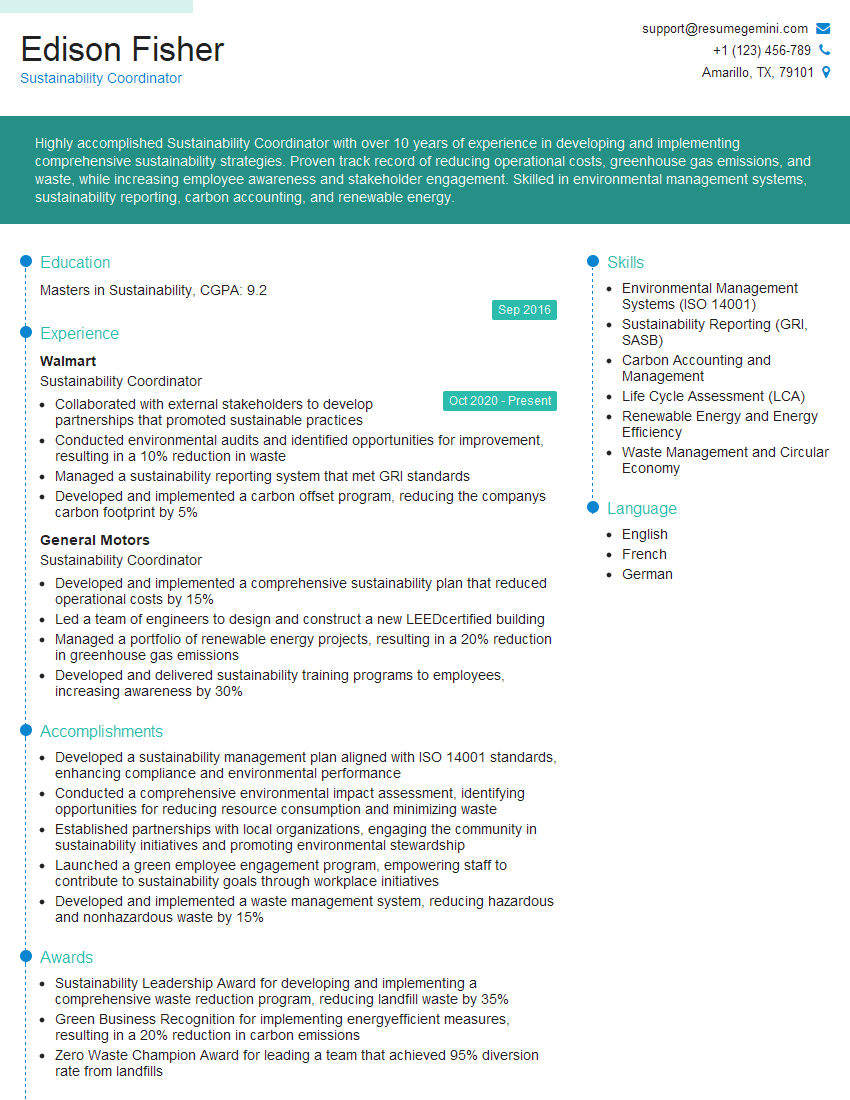
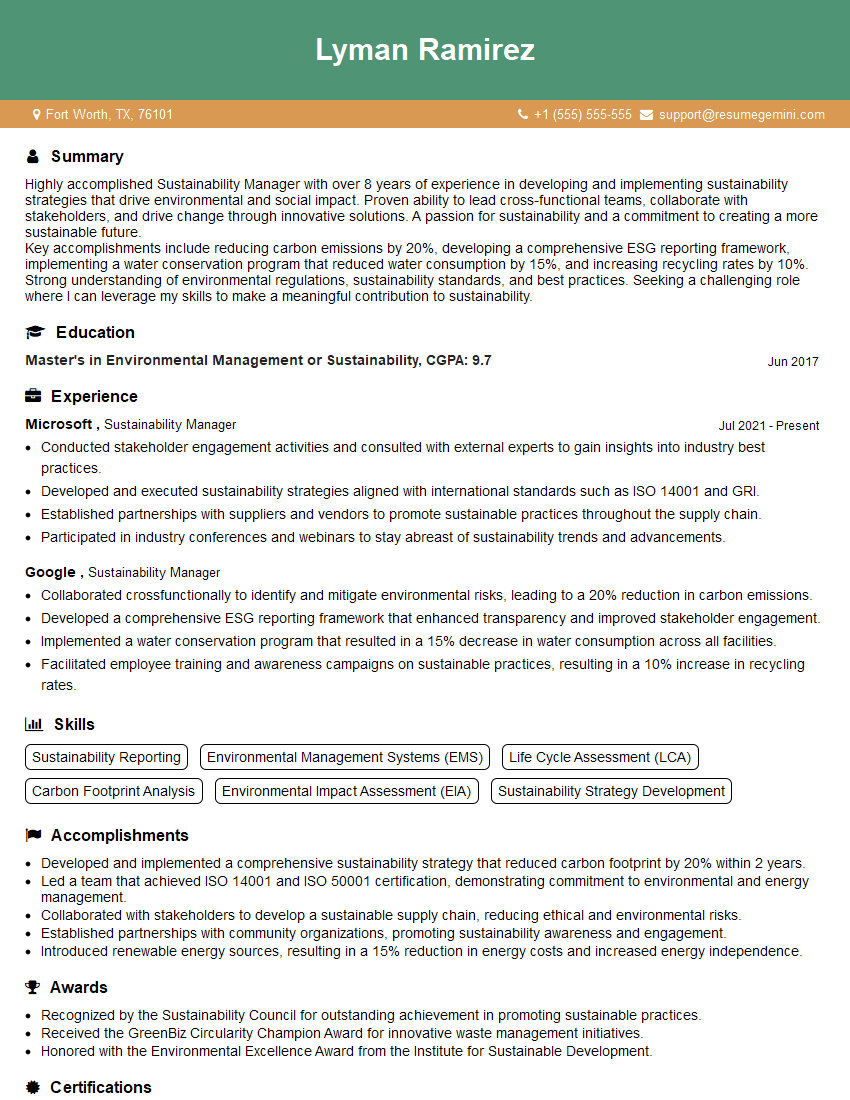
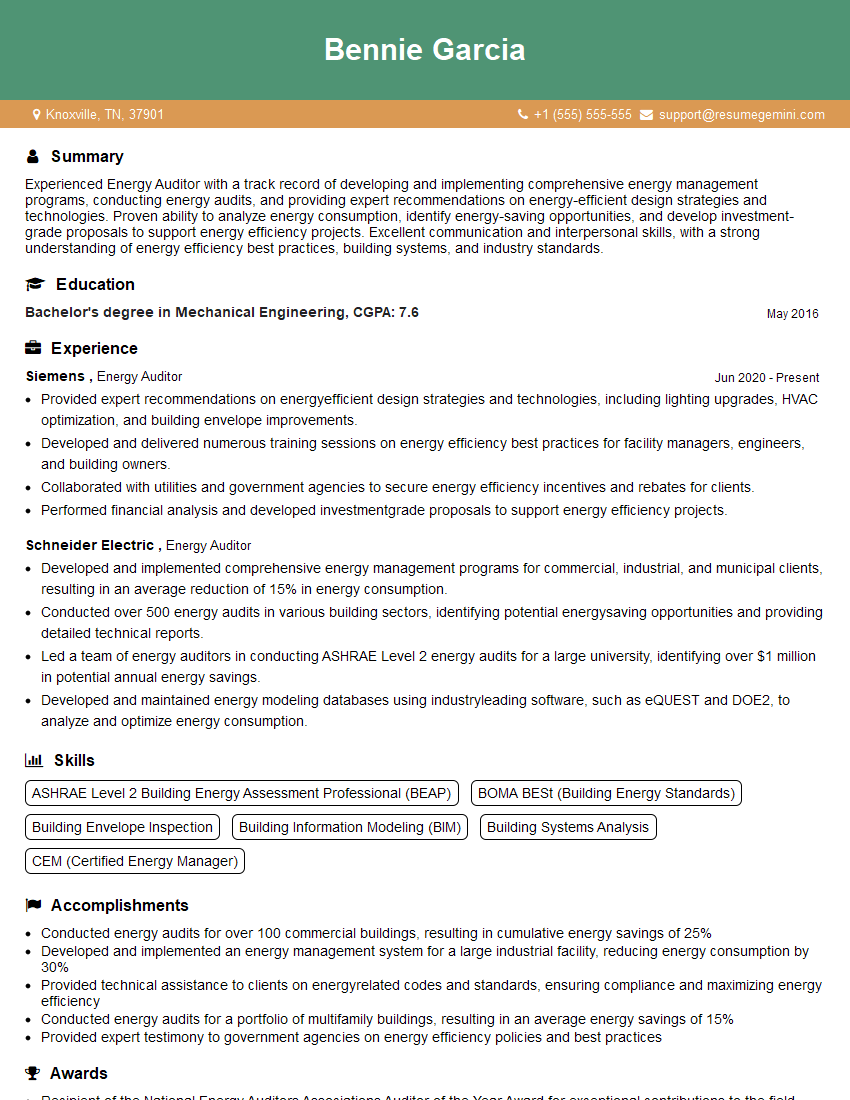
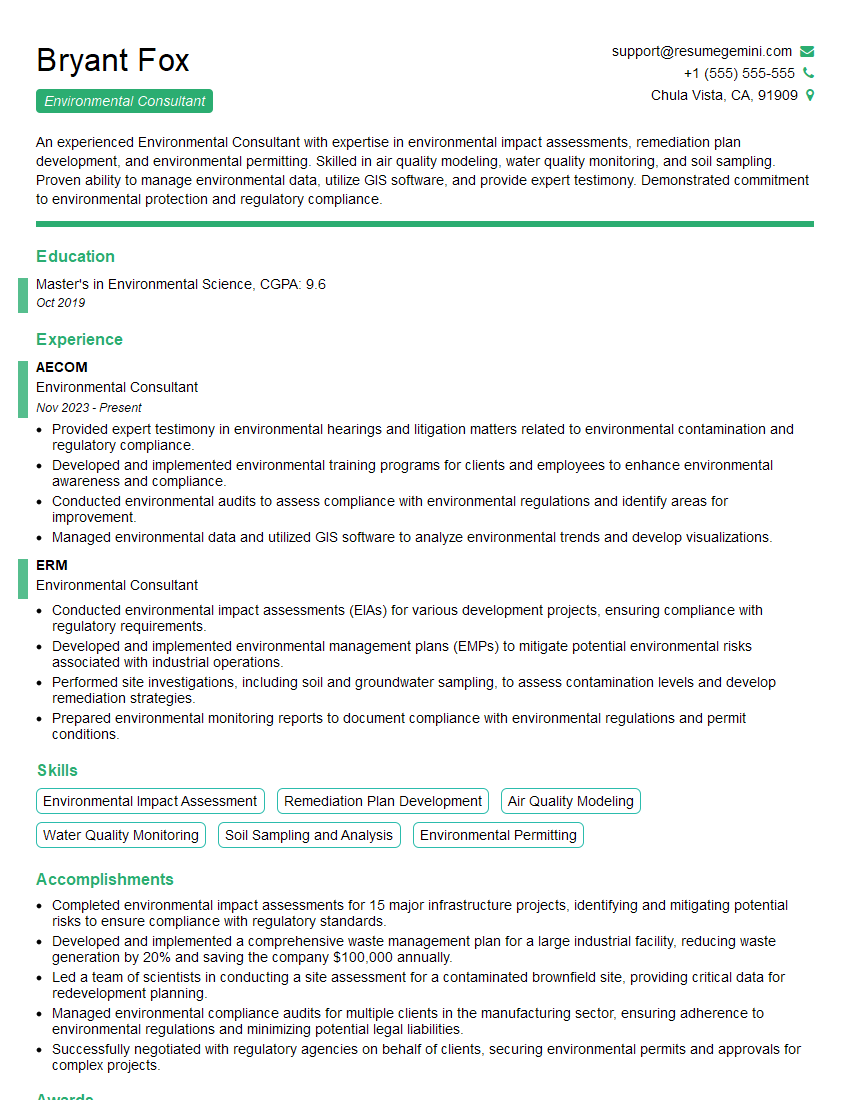
Mastering Green Building Codes and Regulations is crucial for career advancement in the sustainable building industry. It demonstrates a commitment to environmentally responsible practices and opens doors to a wider range of opportunities. To significantly boost your job prospects, creating an ATS-friendly resume is essential. ResumeGemini can be a trusted partner in building a compelling and effective resume that highlights your skills and experience in this field. Examples of resumes tailored to Green Building Codes and Regulations are available through ResumeGemini to help you craft the perfect application.

Explore more articles
Users Rating of Our Blogs
Share Your Experience
We value your feedback! Please rate our content and share your thoughts (optional).
What Readers Say About Our Blog
Really detailed insights and content, thank you for writing this detailed article.
IT gave me an insight and words to use and be able to think of examples