Preparation is the key to success in any interview. In this post, we’ll explore crucial HACCP Principles and Application interview questions and equip you with strategies to craft impactful answers. Whether you’re a beginner or a pro, these tips will elevate your preparation.
Questions Asked in HACCP Principles and Application Interview
Q 1. Define HACCP and its seven principles.
HACCP, or Hazard Analysis and Critical Control Points, is a preventative food safety system. Instead of reacting to contamination, HACCP proactively identifies and controls potential hazards throughout the food production process. It’s a science-based approach, focusing on preventing hazards rather than simply detecting them after they occur.
The seven principles of HACCP are:
- Principle 1: Conduct a Hazard Analysis: Identify potential biological, chemical, and physical hazards that could occur at each step of food production.
- Principle 2: Determine Critical Control Points (CCPs): Identify steps in the process where control is essential to prevent or eliminate a food safety hazard or reduce it to an acceptable level.
- Principle 3: Establish Critical Limits: For each CCP, set measurable limits that must be met to prevent or eliminate the hazard.
- Principle 4: Establish Monitoring Procedures: Define how and how often CCPs will be monitored to ensure critical limits are met.
- Principle 5: Establish Corrective Actions: Outline steps to take when monitoring indicates that a critical limit has not been met.
- Principle 6: Establish Verification Procedures: Develop methods to ensure that the HACCP plan is working effectively.
- Principle 7: Establish Record-Keeping and Documentation Procedures: Maintain accurate records of all HACCP activities.
Think of it like building a house: HACCP is the blueprint ensuring a safe and structurally sound building (food product), while reacting to problems after the fact is like trying to fix cracks after the house is already built.
Q 2. Explain the difference between a CCP and an OPRP.
A Critical Control Point (CCP) is a step in the food production process where control is essential to prevent or eliminate a food safety hazard. An Operational Prerequisite Program (OPRP) is a prerequisite program that supports the HACCP plan. Think of it this way: CCPs are the core safety controls directly addressing hazards, while OPRPs are the foundation upon which the CCPs are built.
For example, in canning, a CCP might be the sterilization process to eliminate Clostridium botulinum spores. However, OPRPs would include things like good sanitation practices, employee hygiene, and proper equipment maintenance—these are essential for the CCP to be effective but don’t directly control the hazard themselves. A failure in an OPRP might not directly cause a food safety hazard, but it increases the likelihood of a CCP failing.
Q 3. Describe the process of conducting a hazard analysis.
A hazard analysis is a systematic process of identifying and evaluating potential hazards in the food production process. This involves gathering information about the food, the ingredients, the processing steps, and the target consumers. It requires a multidisciplinary team that includes food scientists, microbiologists, and production staff.
The process typically involves these steps:
- Flow Diagram: Create a detailed flow diagram of the entire food production process.
- Hazard Identification: Identify all potential hazards (biological, chemical, and physical) at each step of the process. This includes considering raw materials, processing methods, equipment, packaging, storage, and distribution.
- Hazard Evaluation: Evaluate the severity and likelihood of each hazard occurring. This may involve assessing the potential for illness, injury, or economic loss.
- Risk Assessment: Combine the severity and likelihood of each hazard to determine the overall risk associated with each hazard. This allows prioritization of risk mitigation efforts.
Imagine making a pizza: A hazard analysis would consider the potential for contamination from raw ingredients (e.g., bacteria on the meat), improper cooking (e.g., insufficient heat to kill pathogens), and cross-contamination from utensils.
Q 4. How do you identify and assess food safety hazards?
Identifying and assessing food safety hazards requires a thorough understanding of microbiology, chemistry, and food processing. We use various techniques, including:
- Literature Reviews: Consulting scientific literature and databases for information on known hazards associated with specific food products and processes.
- Expert Panels: Gathering input from food scientists, microbiologists, and other experts to identify potential hazards.
- Microbial Testing: Conducting laboratory tests to identify the presence and levels of specific microorganisms in food products.
- Chemical Analysis: Analyzing food products for the presence of chemical contaminants, such as pesticides or heavy metals.
- Physical Examination: Inspecting food products for physical contaminants, such as glass fragments or foreign objects.
- Process Audits: Reviewing the food production process to identify potential points of contamination or other safety issues.
For example, a hazard analysis for a salad might consider the risk of E. coli from contaminated lettuce, Salmonella from poultry, or the presence of allergens such as nuts or shellfish. The assessment would include the likelihood of contamination, the severity of illness it could cause, and existing controls to mitigate these risks.
Q 5. What are the key elements of a HACCP plan?
A comprehensive HACCP plan includes several key elements:
- Company Description: Information about the company, its products, and its processes.
- Product Description: A detailed description of the food product, including ingredients, intended use, and target consumers.
- Flow Diagram: A visual representation of the food production process, from raw materials to finished product.
- Hazard Analysis: The results of the hazard analysis, including identified hazards and their associated risks.
- CCP Determination: Identification of the critical control points in the process.
- Critical Limits: Measurable limits for each CCP that must be met to prevent or eliminate the hazard.
- Monitoring Procedures: Procedures for monitoring CCPs to ensure that critical limits are met.
- Corrective Actions: Steps to be taken if a critical limit is not met.
- Verification Procedures: Methods for verifying that the HACCP plan is working effectively.
- Record-Keeping Procedures: Procedures for maintaining accurate records of all HACCP activities.
A well-documented HACCP plan serves as a living document, regularly reviewed and updated to reflect changes in the production process, scientific knowledge, and regulatory requirements.
Q 6. How do you validate a HACCP plan?
Validating a HACCP plan involves demonstrating that the plan effectively controls identified hazards. This is an ongoing process that’s not a one-time event. It often involves:
- Scientific Validation: Using scientific principles and data to confirm that critical limits prevent or reduce hazards to acceptable levels. This may involve microbiological studies or challenge tests.
- Operational Validation: Demonstrating that the HACCP plan is effective under normal operating conditions. This involves collecting data on the performance of CCPs over time.
- Process Capability Analysis: Determining the consistency and reliability of the production process in meeting critical limits. Statistical methods are often used.
- Regular Review and Updates: The HACCP plan should be reviewed and updated regularly to reflect any changes in the production process, scientific understanding, or regulatory requirements.
For example, if a CCP involves cooking temperature, validation might involve conducting a study to confirm that maintaining the specified temperature effectively kills pathogens. Regular monitoring and data analysis then demonstrates ongoing effectiveness.
Q 7. Explain the importance of record-keeping in HACCP.
Record-keeping is crucial to the success and legal defensibility of a HACCP plan. It provides evidence that the plan is being implemented effectively and that food safety is being maintained. Accurate records demonstrate compliance with regulatory requirements and provide valuable data for continuous improvement.
Records should include:
- Hazard Analysis Documentation: Records of the hazard analysis, including identified hazards, risk assessments, and CCP identification.
- CCP Monitoring Data: Records of the monitoring of CCPs, including dates, times, measurements, and any deviations from critical limits.
- Corrective Actions: Records of any corrective actions taken in response to deviations from critical limits.
- Verification Activities: Records of verification activities, such as audits and reviews.
- Calibration Records: Documentation of the calibration and maintenance of monitoring equipment.
- Personnel Training Records: Proof of staff training on HACCP principles and procedures.
Thorough record-keeping provides a clear audit trail, showing not only that the HACCP plan exists but also that it’s actively implemented and effective. It’s essential for demonstrating due diligence in the event of a food safety incident.
Q 8. How do you verify the effectiveness of a HACCP plan?
Verifying the effectiveness of a HACCP plan is crucial for ensuring food safety. It’s not a one-time event but an ongoing process involving monitoring, verification, and validation activities. We verify effectiveness by checking if the plan’s controls are working as intended to prevent, eliminate, or reduce hazards to safe levels.
- Monitoring: This is the regular observation and measurement of CCPs (Critical Control Points) and other parameters. For example, regularly checking the internal temperature of cooked chicken to ensure it reaches a safe temperature. Data must be meticulously recorded.
- Verification: This confirms that the monitoring activities are accurate and effective. Examples include calibrating thermometers, reviewing monitoring records for trends, and conducting regular audits of the HACCP plan itself.
- Validation: This ensures the HACCP plan is scientifically sound and capable of consistently achieving its objectives. This often involves scientific studies, or challenges such as testing the effectiveness of a specific cleaning and sanitizing procedure.
Think of it like this: monitoring is taking your temperature daily, verification is making sure your thermometer is accurate, and validation is ensuring the thermometer itself is a reliable tool for measuring temperature. A combination of these approaches allows for ongoing assessment and improvement of the HACCP system.
Q 9. Describe your experience with HACCP implementation.
I have extensive experience implementing HACCP plans across diverse food production settings, including a large-scale bakery and a smaller seafood processing plant. In the bakery, a key challenge was controlling moisture levels during storage to prevent mold growth, a significant CCP. We implemented a comprehensive system of monitoring humidity, adjusting airflow, and employing appropriate packaging. In the seafood plant, the focus was on temperature control throughout the entire processing chain, from receiving raw materials to distribution. Implementing a sophisticated temperature monitoring system with real-time alerts was critical to prevent bacterial growth.
In both cases, my approach involved:
- Hazard Analysis: Identifying potential hazards throughout the process flow.
- CCP Identification: Determining the points where controls are essential to eliminate or reduce hazards to safe levels.
- CCP Monitoring: Establishing critical limits, monitoring frequency, and corrective actions.
- Record Keeping: Maintaining comprehensive and accurate records of all monitoring, corrective actions, and verification activities.
- Team Training: Educating staff on the importance of HACCP and their roles in maintaining the system.
Successful implementation hinges on thorough team engagement and commitment. Open communication and continuous improvement are key.
Q 10. How do you handle a HACCP system deviation?
A HACCP system deviation occurs when a critical limit for a CCP is not met. Handling these deviations requires a structured approach:
- Immediate Action: Stop the process immediately if necessary, to prevent further contamination. For example, if the temperature of cooked food drops below the safe minimum, production must halt.
- Investigation: Determine the root cause of the deviation. Was it equipment malfunction, inadequate training, or something else? Thorough investigation is key.
- Corrective Actions: Implement appropriate corrective actions to address the root cause. This might involve equipment repair, retraining staff, or adjusting processes.
- Verification: Verify the effectiveness of the corrective actions. Is the problem resolved? Are the critical limits now being consistently met?
- Documentation: Meticulously document all aspects of the deviation, investigation, corrective actions, and verification. This forms a vital part of the audit trail.
For instance, if a deviation was caused by a faulty thermometer, the corrective action would be to replace or calibrate the thermometer, re-monitor the CCP, and document the process change.
Q 11. What is your approach to corrective actions in a HACCP context?
My approach to corrective actions within a HACCP context is based on a systematic, preventative approach. It’s about more than just fixing immediate problems; it’s about preventing recurrence.
- Identify the root cause: Don’t just treat the symptom; understand why the deviation occurred. Use tools like 5 Whys or fishbone diagrams to delve deeper.
- Develop effective corrective actions: The actions must directly address the root cause. They should be specific, measurable, achievable, relevant, and time-bound (SMART).
- Implement and verify: The actions must be implemented and their effectiveness verified. This could involve monitoring data, retesting, or observation.
- Document everything: Record the deviation, root cause analysis, corrective actions, and verification results. This creates a valuable learning resource and helps prevent similar incidents.
- Prevent recurrence: Consider system changes to prevent the same deviation from happening again. This could involve improving equipment, refining training protocols, or enhancing Standard Operating Procedures (SOPs).
For example, if repeated deviations are due to inconsistent staff training, corrective action might include revised training materials, hands-on practice sessions, and regular competency assessments.
Q 12. How do you communicate HACCP procedures to staff?
Effective communication is paramount to HACCP success. My approach involves a multi-faceted strategy:
- Training: Provide comprehensive training on HACCP principles, procedures, and their roles in maintaining food safety. This includes hands-on training and practical demonstrations.
- Visual aids: Use flowcharts, diagrams, and other visual aids to simplify complex information. Pictures are worth a thousand words in this context.
- Interactive sessions: Facilitate interactive sessions, Q&A, and open discussions to encourage questions and address concerns.
- Simple language: Avoid technical jargon. Ensure information is presented in clear, concise language, understandable by all staff.
- Regular updates: Keep staff informed about changes to the HACCP plan, new procedures, and any relevant food safety alerts.
- On-the-job coaching: Provide ongoing support and coaching to ensure staff are correctly implementing the procedures.
Regular quizzes or assessments, and incentives for knowledge retention, make the training more impactful. Remember, a well-trained staff is the backbone of a robust HACCP system.
Q 13. Explain your understanding of prerequisite programs (PRPs).
Prerequisite Programs (PRPs) are fundamental supporting systems that are essential for a HACCP plan to be effective. They are the basic food safety practices that form the foundation upon which the HACCP plan is built. Think of them as the essential ingredients before you even start baking the cake (your HACCP plan).
Examples of PRPs include:
- Good Manufacturing Practices (GMPs): This encompasses everything from hygiene and sanitation to pest control and facility maintenance.
- Good Agricultural Practices (GAPs): These address the safe growing, harvesting, and handling of agricultural produce.
- Supplier Approval Program: Ensures that all suppliers meet the required food safety standards.
- Sanitation Program: Covers cleaning and sanitization procedures to prevent cross-contamination.
- Personnel Hygiene Program: Addresses employee handwashing, proper attire, and other personal hygiene measures.
PRPs ensure a safe food production environment, reducing the likelihood of hazards entering the process in the first place. They are not part of the HACCP plan itself but are crucial for its success.
Q 14. How do you conduct a food safety audit related to HACCP?
A food safety audit related to HACCP involves a systematic examination to verify that the HACCP plan is being effectively implemented and maintained. My approach involves:
- Review of documentation: Examine HACCP plan documents, including the hazard analysis, CCP identification, monitoring records, corrective action reports, and verification data.
- On-site observations: Observe the production process to ensure that procedures are being followed and CCPs are under control. This often involves direct observation of employees following procedures and conducting measurements.
- Interviews: Interview staff at all levels to assess their understanding of the HACCP plan and their roles in maintaining food safety.
- Verification of controls: Verify the effectiveness of the monitoring systems, corrective actions, and verification procedures. This might include checking equipment calibration, temperature logs, and sanitation records.
- Traceability review: Inspect the traceability system to ensure that the origin and handling of ingredients and products can be easily tracked.
- Reporting and recommendations: Compile a report summarizing findings, identifying areas of compliance and non-compliance, and providing specific recommendations for improvement.
The audit should be objective and thorough, focusing on identifying gaps and suggesting practical improvements to enhance the effectiveness of the HACCP system. The results should be shared with the management and used to drive continuous improvement in food safety.
Q 15. What are the key legal requirements related to HACCP in your region?
Legal requirements surrounding HACCP vary by region, but generally, food businesses are mandated to implement HACCP principles to ensure food safety. In many jurisdictions, this is enforced through legislation that dictates specific requirements depending on the type of food product and the business size. For example, in the [Insert your region/country here] the [Insert relevant legislation e.g., Food Safety Act] requires businesses involved in the production, processing, distribution, or sale of food to develop and maintain a HACCP plan. This typically involves registering with relevant food safety authorities, undergoing inspections, maintaining records, and meeting specific criteria outlined in the legislation. Penalties for non-compliance can range from warnings and fines to legal action and business closure.
Specific requirements might include the identification of critical control points (CCPs), implementation of monitoring procedures, corrective actions, verification activities, and record-keeping. The details are often specified in guidelines and codes of practice that supplement the legislation. It’s crucial to stay updated with the current regulations and any amendments to ensure compliance.
Career Expert Tips:
- Ace those interviews! Prepare effectively by reviewing the Top 50 Most Common Interview Questions on ResumeGemini.
- Navigate your job search with confidence! Explore a wide range of Career Tips on ResumeGemini. Learn about common challenges and recommendations to overcome them.
- Craft the perfect resume! Master the Art of Resume Writing with ResumeGemini’s guide. Showcase your unique qualifications and achievements effectively.
- Don’t miss out on holiday savings! Build your dream resume with ResumeGemini’s ATS optimized templates.
Q 16. How do you manage supplier relationships regarding food safety and HACCP?
Managing supplier relationships regarding food safety and HACCP is paramount. It’s not enough to just receive safe food; we need assurance that our suppliers are committed to maintaining consistent safety standards. This begins with thorough supplier selection, involving detailed audits of their facilities, review of their HACCP plans (if they exist), and verification of their food safety certifications (e.g., ISO 22000, BRC). We’ll often request copies of their supplier specifications and certificates to trace the origin of raw materials. We might conduct on-site inspections to personally evaluate their hygiene practices, equipment maintenance, and overall food safety culture.
Once a supplier is approved, ongoing monitoring is essential. Regular communication channels are established to address any potential issues promptly. We’ll analyze incoming materials for quality and safety indicators, regularly reviewing incoming product specifications for any changes. If any safety concerns arise, we immediately engage with the supplier to determine the root cause and implement corrective actions. For significant issues, we may even consider replacing the supplier to minimize risks to our consumers. Building trust and open communication with our suppliers is key to mitigating food safety risks throughout the supply chain.
Q 17. Describe your experience with HACCP software or systems.
I’ve extensive experience using HACCP software systems to streamline the management of our HACCP plan. These systems generally provide tools for CCP identification, monitoring, and record-keeping, ensuring compliance with legal requirements. Specific functionalities often include features for scheduling monitoring activities, logging temperature data, generating reports, and managing corrective actions. The software simplifies the process of maintaining accurate records for audits and traceability. For example, we utilize a system that integrates with our production line equipment to automatically log temperature and pressure data, eliminating manual data entry and minimizing human error. It allows us to track trends, identify potential problems before they occur, and instantly create reports required for internal and external audits.
The ability to instantly access data from multiple locations and share information across different departments is a key advantage. Some systems offer features for managing supplier information and certifications and facilitating internal communication. Efficient software significantly reduces the administrative burden of HACCP management, freeing up valuable time for focusing on more strategic aspects of food safety.
Q 18. Explain the role of preventive controls in a HACCP plan.
Preventive controls are the cornerstone of a robust HACCP plan. Unlike traditional reactive approaches (responding to contamination after it occurs), preventive controls focus on preventing hazards from entering the food production process. They are proactive measures that minimize risks before they lead to food safety issues. These controls are strategically placed at CCPs and other critical points in the flow of production. Think of them as preventative firewalls in a system, guarding against unwanted intrusions.
Examples of preventive controls include:
- Good Manufacturing Practices (GMPs): These are foundational practices, encompassing hygiene, sanitation, pest control, and employee training.
- Allergen controls: Implementing procedures to prevent cross-contamination of allergens (e.g., separate processing lines, dedicated equipment).
- Sanitation procedures: Establishing cleaning and sanitizing schedules for equipment and work surfaces.
- Temperature control: Maintaining appropriate temperatures throughout the food production process to inhibit microbial growth.
- Supplier controls: Selecting, evaluating, and monitoring suppliers to ensure they meet safety standards.
Effective preventive controls are essential for minimizing the risk of foodborne illness and ensuring consumer safety. Their implementation is meticulously documented in a HACCP plan.
Q 19. How do you manage allergens within a HACCP system?
Managing allergens requires a multi-faceted approach within a HACCP system. Allergens are a significant food safety concern, capable of triggering severe reactions in sensitive individuals. Our approach starts with clearly identifying all allergens present in our products and ingredients. This information is meticulously documented, including potential cross-contamination risks.
Key strategies include:
- Ingredient sourcing and verification: Working exclusively with suppliers who provide detailed allergen information and certifications.
- Segregation and labeling: Establishing dedicated production lines and equipment for allergen-containing products to prevent cross-contamination. Clear and accurate allergen labeling on all finished products is crucial.
- Cleaning and sanitation: Implementing strict cleaning and sanitation protocols between production runs to eliminate allergen residues.
- Employee training: Providing comprehensive training to all staff on allergen awareness, handling procedures, and cleaning protocols. This includes specific knowledge of allergens and cross-contamination prevention.
- Traceability: Maintaining thorough records to trace ingredients and products throughout the production process in case of an allergen-related incident.
Regular internal audits and external inspections verify our allergen management controls are effective and meet regulatory requirements. This commitment to allergen safety is paramount for protecting our customers.
Q 20. How do you address temperature control issues in a HACCP context?
Temperature control is crucial in preventing the growth of harmful microorganisms. Many CCPs directly relate to temperature. We use a multi-layered approach to manage temperature control issues, including:
- Monitoring: Implementing a robust monitoring system with calibrated thermometers and data loggers to record temperatures at critical points throughout the process, such as during storage, processing, and transportation. This data is constantly monitored and deviations are immediately addressed. Think of this as your food’s vital signs, constantly being monitored.
- Control measures: Using appropriate equipment (refrigerators, freezers, ovens) that are properly maintained and calibrated. We implement regular preventative maintenance schedules.
- Calibration and verification: Regularly calibrating all temperature-measuring devices and verifying the accuracy of refrigeration and freezing units.
- Corrective actions: Clearly defined procedures for handling temperature deviations, including disposing of contaminated products or reprocessing appropriately. This is crucial to swiftly prevent any risk.
- Training: Training staff on proper temperature monitoring techniques, procedures, and the importance of maintaining temperature control at all stages.
Our system emphasizes preventative maintenance to minimize equipment failures and ensure accurate temperature control across the board. This proactive approach is far more effective than reacting to problems after they occur.
Q 21. Describe your experience with microbial testing and its role in HACCP.
Microbial testing plays a vital role in verifying the effectiveness of our HACCP plan. It provides objective evidence that our controls are working and helps identify potential areas for improvement. We utilize accredited laboratories for microbial testing, ensuring the reliability and accuracy of the results. Testing focuses on key areas within the production process, such as raw materials, finished products, and environmental samples (e.g., swabs from equipment surfaces).
The types of tests conducted depend on the specific food product and potential hazards. Examples include tests for total aerobic bacteria, coliforms, E. coli, Salmonella, Listeria, and other pathogens relevant to the product. Results are analyzed to evaluate the effectiveness of our preventive controls and identify any potential contamination issues. For instance, elevated counts of a specific pathogen may trigger a deeper investigation, leading to revised sanitation procedures, improved supplier controls, or other corrective actions.
Microbial testing is not just a reactive measure; it’s an integral part of our ongoing monitoring program. Regular testing ensures continuous improvement in our food safety management system and provides valuable data to support our HACCP plan’s effectiveness. It’s a key tool for maintaining consumer confidence and complying with regulatory requirements.
Q 22. How do you ensure traceability within a HACCP system?
Traceability in HACCP is crucial for identifying the source of contamination or problems in the event of a food safety incident. It allows for rapid response and minimizes the impact of potential hazards. This is achieved through a well-documented system that tracks food products throughout their entire lifecycle, from raw materials to finished goods. Think of it like a detective’s meticulous record keeping – every step needs to be accounted for.
- Lot Numbering and Coding: Each batch of raw materials and finished products receives a unique identification code. This enables precise tracking of specific products.
- Supplier Documentation: Maintain detailed records of suppliers, including certificates of analysis and other relevant documentation pertaining to the safety and quality of materials supplied.
- Production Records: Meticulous records of production steps, including dates, times, equipment used, and personnel involved are essential.
- Distribution Records: Maintaining records of where products are shipped, stored, and sold is vital for tracing products throughout the supply chain.
- Inventory Management Systems: Utilizing inventory software with real-time tracking capabilities makes tracing simpler and more accurate. Such systems assist in managing stock rotation and preventing expired products from entering the market.
For example, if a batch of contaminated chicken is discovered, traceability allows us to quickly pinpoint the supplier, the specific lot number, and all products made with that particular lot, enabling prompt recall and prevention of further issues. It’s all about being able to answer the question: “Where did this come from?” and “Where did it go?” quickly and effectively.
Q 23. Explain your understanding of GMPs (Good Manufacturing Practices).
Good Manufacturing Practices (GMPs) are a set of preventative measures designed to ensure the production of safe, high-quality food products. They’re the foundational practices that form the bedrock upon which HACCP is built. Think of GMPs as the hygiene and sanitation rules, and HACCP as the strategic plan for dealing with potential risks. It is not possible to have a functional HACCP system without robust GMPs in place.
- Hygiene and Sanitation: This includes regular cleaning and sanitizing of equipment, facilities, and personnel. Strict handwashing protocols, appropriate use of protective clothing, and controlled pest management all fall under this.
- Facility Maintenance: Maintaining clean, well-maintained facilities helps prevent contamination. This encompasses structural integrity, proper ventilation, and effective waste management.
- Personnel Hygiene: Employees must maintain high levels of personal hygiene, including proper handwashing, hair restraints, and avoiding contamination during processing.
- Equipment Maintenance: Regular inspection and maintenance of all equipment is vital to prevent breakdowns and contamination.
- Raw Material Handling: Proper storage and handling of raw materials, to prevent cross-contamination and spoilage.
Imagine a bakery: GMPs dictate how clean the ovens are, how the ingredients are stored, and the hygiene standards of the bakers. HACCP would address the potential risk points, like ensuring the oven reaches a certain temperature to kill pathogens.
Q 24. How do you conduct root cause analysis for food safety issues?
Root cause analysis (RCA) is a systematic process used to identify the underlying causes of a food safety issue, not just the symptoms. It’s about digging deeper to find the “why” and prevent recurrence. We often use tools like the “5 Whys” or a Fishbone diagram.
- Gather Information: Collect data through interviews, observations, and document reviews. What happened? When? Where? Who was involved?
- Identify the Problem: Clearly define the food safety issue. Be specific and avoid ambiguity.
- Identify Contributing Factors: Use a tool like the 5 Whys (repeatedly asking “Why?” to get to the root cause), or a fishbone diagram (listing potential causes categorized by people, processes, materials, and environment).
- Determine Root Cause(s): Once you’ve explored the contributing factors, identify the core reason(s) behind the problem.
- Develop Corrective Actions: Develop and implement solutions to address the identified root cause. This might involve process changes, employee training, equipment upgrades, or supplier changes.
- Verify Effectiveness: Monitor the effectiveness of the implemented corrective actions to ensure the problem is resolved and doesn’t reoccur.
For example, if we had a case of *Salmonella* contamination, we wouldn’t just focus on cleaning. RCA might reveal a failure in temperature control during the cooking process, leading to insufficient pathogen inactivation. The corrective action would then target improved temperature control, potentially with new equipment or employee retraining.
Q 25. How would you train employees on HACCP principles and procedures?
Training employees effectively on HACCP principles and procedures is essential for a functional food safety program. It needs to be engaging, practical, and regularly reviewed.
- Tailored Training: The training must be tailored to the specific roles and responsibilities of each employee. A production worker will need different training than a quality assurance manager.
- Interactive Sessions: Use a mix of teaching methods—lectures, group discussions, videos, and hands-on exercises—to ensure engagement and comprehension. Case studies of past incidents can be particularly impactful.
- Practical Application: Include scenarios, role-playing, and practical demonstrations to help employees understand how HACCP principles apply to their daily tasks. This could involve practicing proper handwashing or performing critical control point checks.
- Documentation and Testing: Document the training, ensuring each employee demonstrates understanding through tests, quizzes, or practical assessments. Record-keeping is crucial for audits.
- Regular Refresher Training: Conduct regular refresher courses to reinforce knowledge and address any changes in regulations or company procedures.
Imagine training kitchen staff: we wouldn’t just give them a manual. We would show them how to properly check temperatures with a thermometer, and what to do if a temperature is out of range. We’d emphasize the importance of handwashing and proper sanitation. We’d also simulate a crisis scenario, like a power outage, and discuss the actions needed to maintain food safety.
Q 26. Describe your experience with internal audits of HACCP plans.
Internal audits are a crucial component of a robust HACCP system. They provide an objective evaluation of the effectiveness of the plan, ensuring its alignment with regulatory requirements and identifying areas for improvement before external audits occur. My experience encompasses planning, conducting, documenting, and following up on corrective actions.
- Planning: Defining the scope of the audit, selecting audit team members with relevant expertise, and developing a checklist that covers all critical control points (CCPs) and procedures.
- Conducting the Audit: Observing processes, reviewing documentation, and interviewing personnel to assess compliance with the HACCP plan and GMPs. This might involve checking temperature logs, inspecting equipment, and verifying cleaning procedures.
- Documentation: Creating a detailed audit report that outlines findings, both positive and negative. This report includes observations, evidence of compliance (or non-compliance), and recommendations for improvement.
- Corrective Actions: Collaborating with management to implement corrective actions to address any identified non-conformities. This may involve retraining staff, updating procedures, or improving equipment.
- Follow-up: Verifying that corrective actions are effectively implemented and that the issues have been resolved.
In one instance, an internal audit revealed inconsistent thermometer calibration across different production lines. This led to a company-wide recalibration program and improved training on proper thermometer use. This proactive measure prevented potential food safety risks before they could impact consumers.
Q 27. How do you stay updated on current food safety regulations and best practices?
Staying current with food safety regulations and best practices is a continuous process. The field is dynamic, with frequent updates and changes.
- Regulatory Agencies: Regularly review updates and announcements from organizations such as the FDA (Food and Drug Administration), USDA (United States Department of Agriculture), and other relevant international bodies.
- Professional Organizations: Active membership in professional organizations like the International Association for Food Protection (IAFP) provides access to educational resources, conferences, and publications.
- Industry Publications: Staying informed through food safety journals, magazines, and online resources is crucial for keeping abreast of current best practices.
- Training and Workshops: Attending industry training courses and workshops enables acquiring new knowledge and networking with other professionals.
- Collaboration: Participating in industry forums and networks facilitates sharing of best practices and exchanging experiences among professionals.
For instance, I actively monitor changes in allergen labeling requirements, as regulations often change. Understanding these shifts ensures our company operates in compliance with current regulations, and it also ensures consumer safety.
Q 28. Describe a time you had to troubleshoot a HACCP-related problem.
During a large-scale production run, we experienced a sudden spike in the number of rejected products due to a persistent bacterial count exceeding limits in our finished goods. This was a critical situation that necessitated immediate action.
We employed a systematic approach using the RCA methodology:
- Data Collection: We analyzed production records, bacterial test results, and environmental monitoring data.
- Root Cause Identification: Our analysis revealed a correlation between the elevated bacterial counts and a recent change in our sanitizer solution. This change in the cleaning and sanitizing procedure appeared to have created a lapse in effective sanitation. This was further substantiated when the implicated cleaning personnel admitted to not understanding fully the new requirements.
- Corrective Actions: We immediately reverted to the previous sanitizer solution and implemented a comprehensive retraining program for our sanitation staff, emphasizing the importance of adherence to proper procedures. Furthermore, we updated our SOPs for clarity and introduced a new audit process to ensure consistent sanitation practice.
- Verification: We implemented additional monitoring to confirm that the problem had been resolved. Subsequent batches had acceptable bacterial counts, confirming the effectiveness of our corrective actions.
This incident highlighted the importance of rigorous training, clear standard operating procedures (SOPs), and robust monitoring of critical control points. It reinforced the importance of thoroughly investigating deviations, rather than just treating the symptoms.
Key Topics to Learn for HACCP Principles and Application Interview
- HACCP Principles: A thorough understanding of the seven principles – Hazard Analysis, Critical Control Points (CCP) identification, establishment of critical limits, monitoring procedures, corrective actions, verification procedures, and record-keeping.
- Hazard Analysis: Methods for identifying biological, chemical, and physical hazards throughout the food production process. This includes understanding risk assessment methodologies.
- Critical Control Point (CCP) Determination: Applying decision trees and flowcharts to pinpoint CCPs where control is essential to prevent or eliminate hazards.
- Critical Limits & Monitoring: Establishing measurable limits for each CCP and implementing effective monitoring systems to ensure compliance. Understanding different monitoring techniques and their applications.
- Corrective Actions: Developing and implementing procedures to address deviations from critical limits and prevent further contamination or hazard.
- Verification Procedures: Methods for verifying the effectiveness of the HACCP plan, including internal audits and record reviews. Understanding the importance of data analysis in this process.
- Record Keeping and Documentation: Maintaining comprehensive and accurate records of all HACCP activities, including monitoring data, corrective actions, and verification results. Understanding regulatory requirements for record-keeping.
- Practical Application in Different Food Sectors: Understanding how HACCP principles are applied across various food production environments, such as meat processing, dairy, and ready-to-eat meals. This includes understanding sector-specific challenges and adaptations.
- Problem-Solving and Troubleshooting: Applying HACCP principles to solve real-world scenarios, such as identifying and addressing potential contamination issues or non-conformances.
- Regulatory Compliance: Understanding relevant food safety regulations and how HACCP contributes to meeting these requirements.
Next Steps
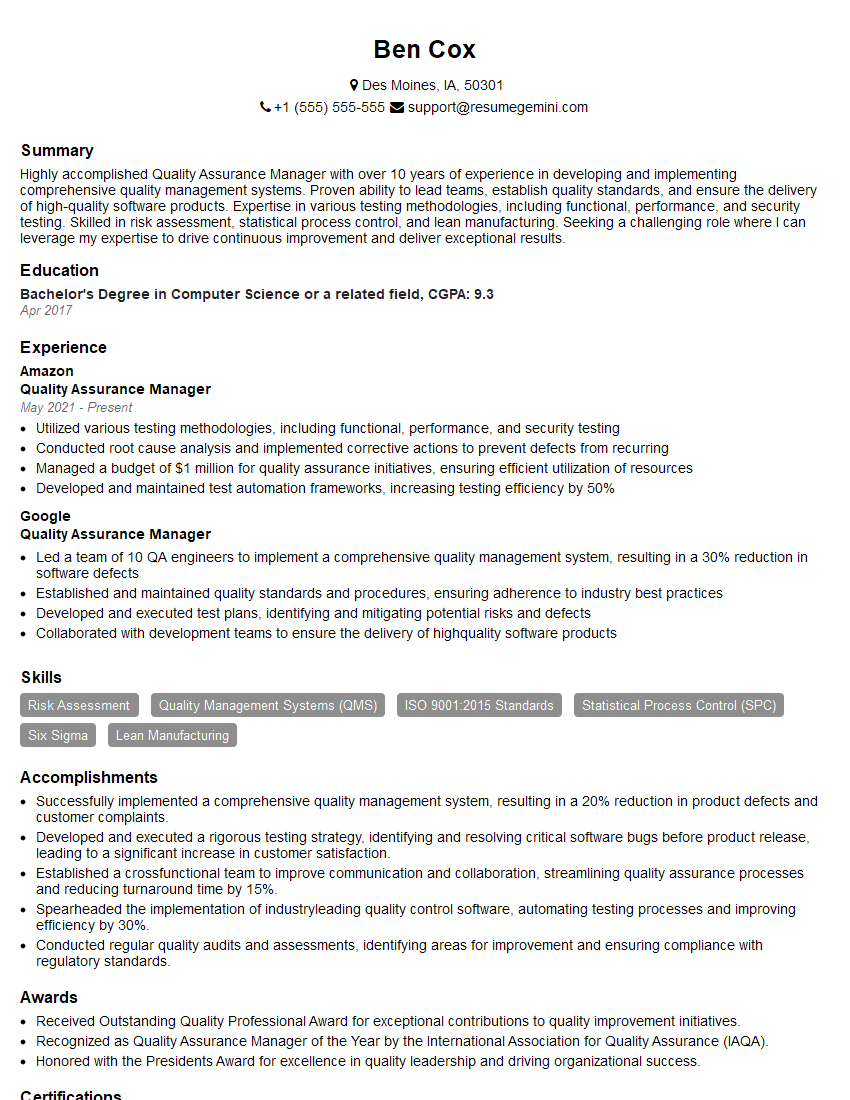
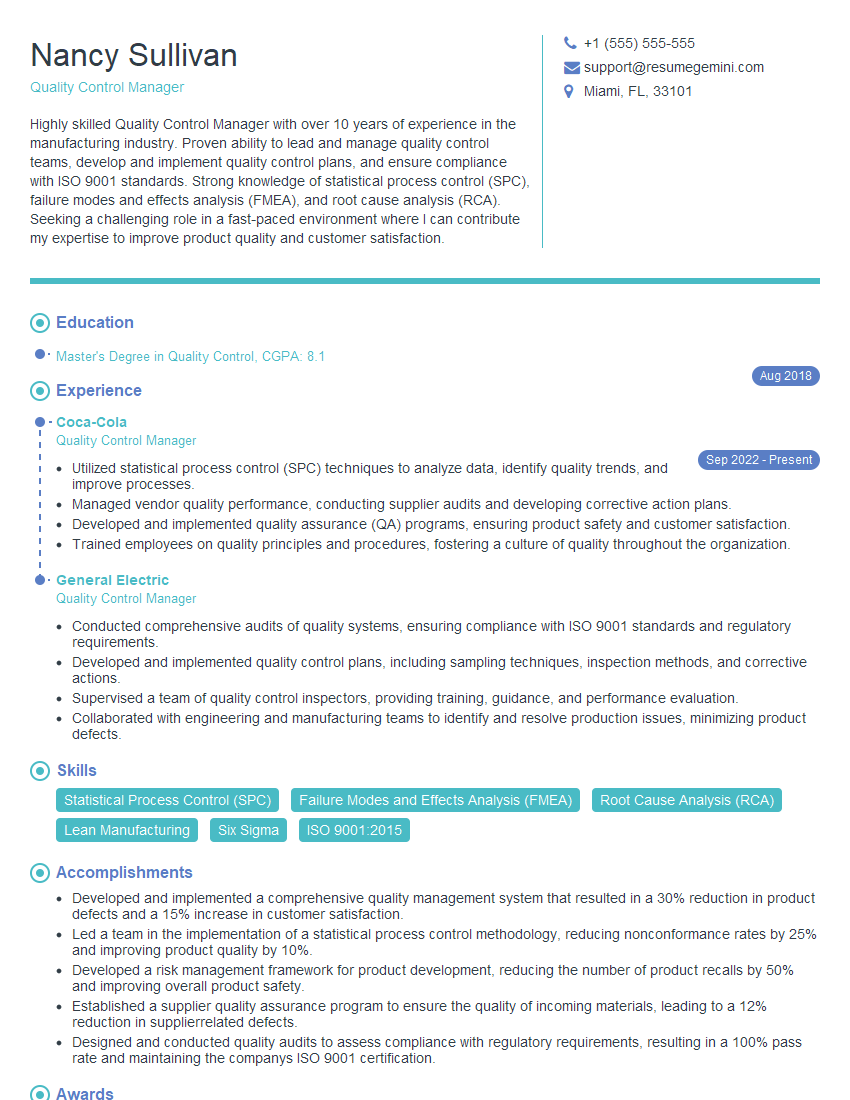
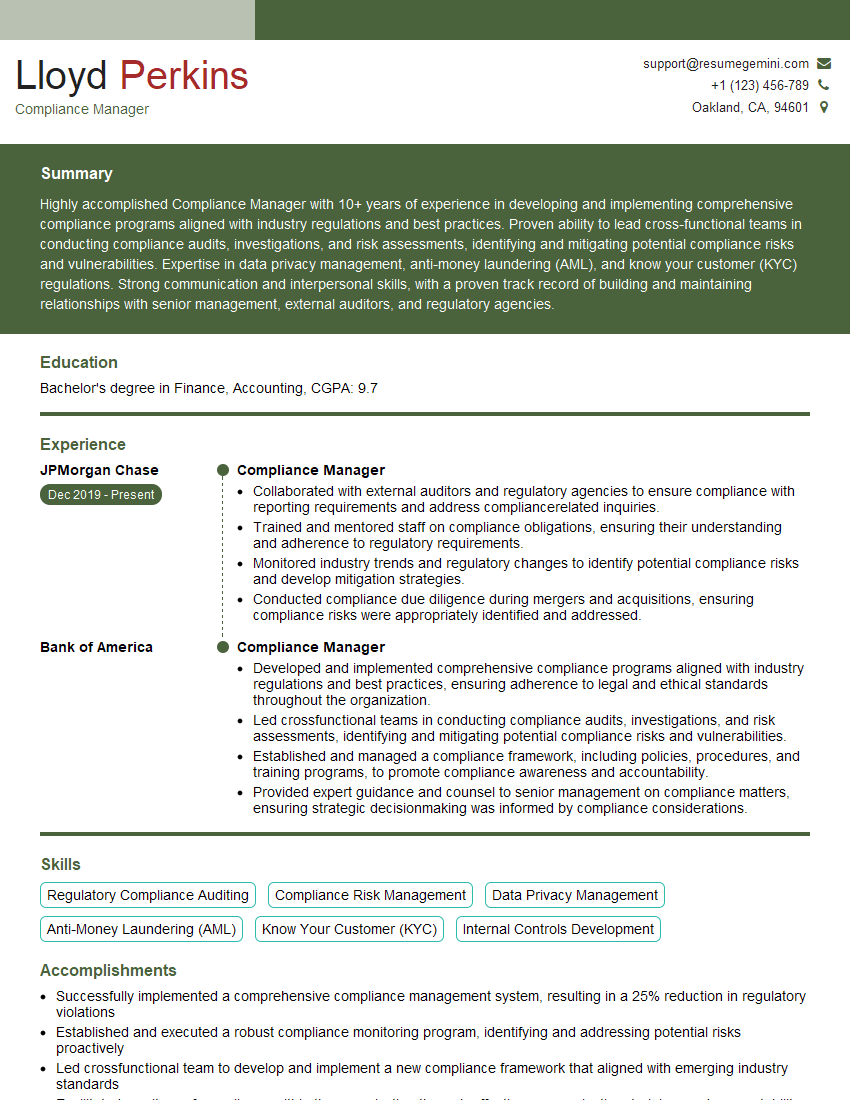
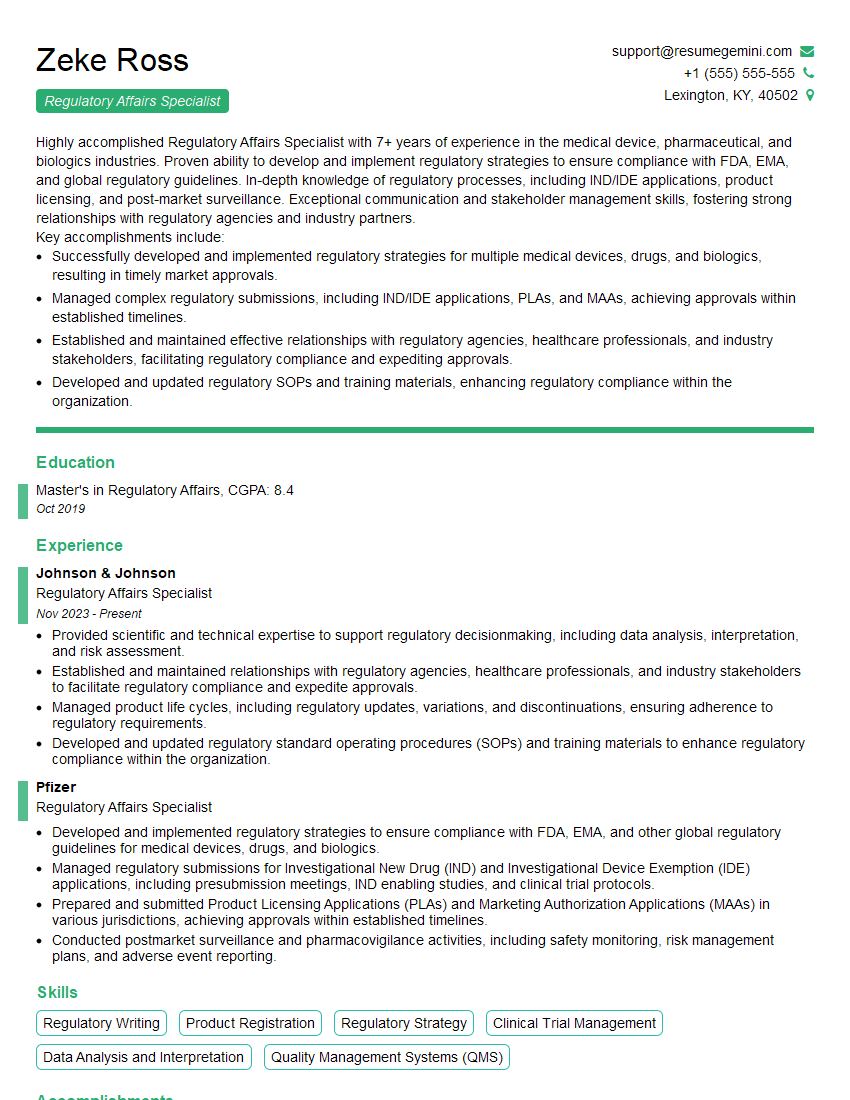
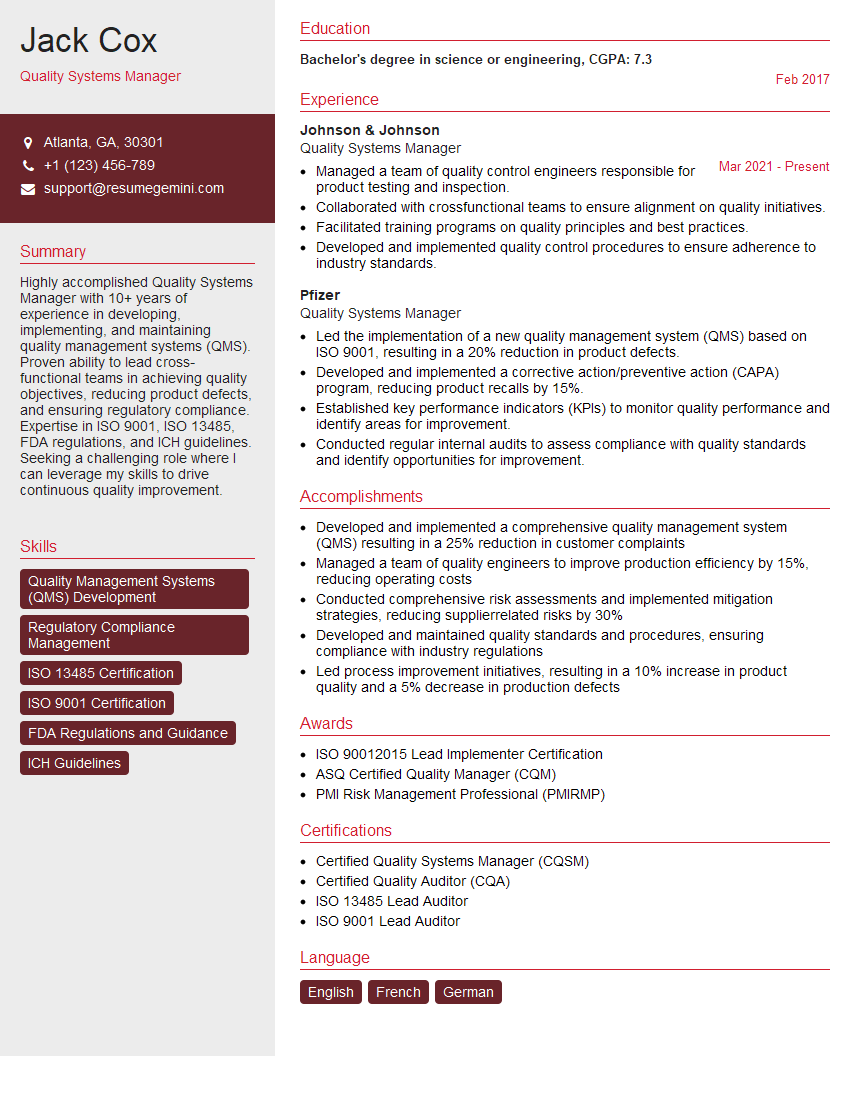
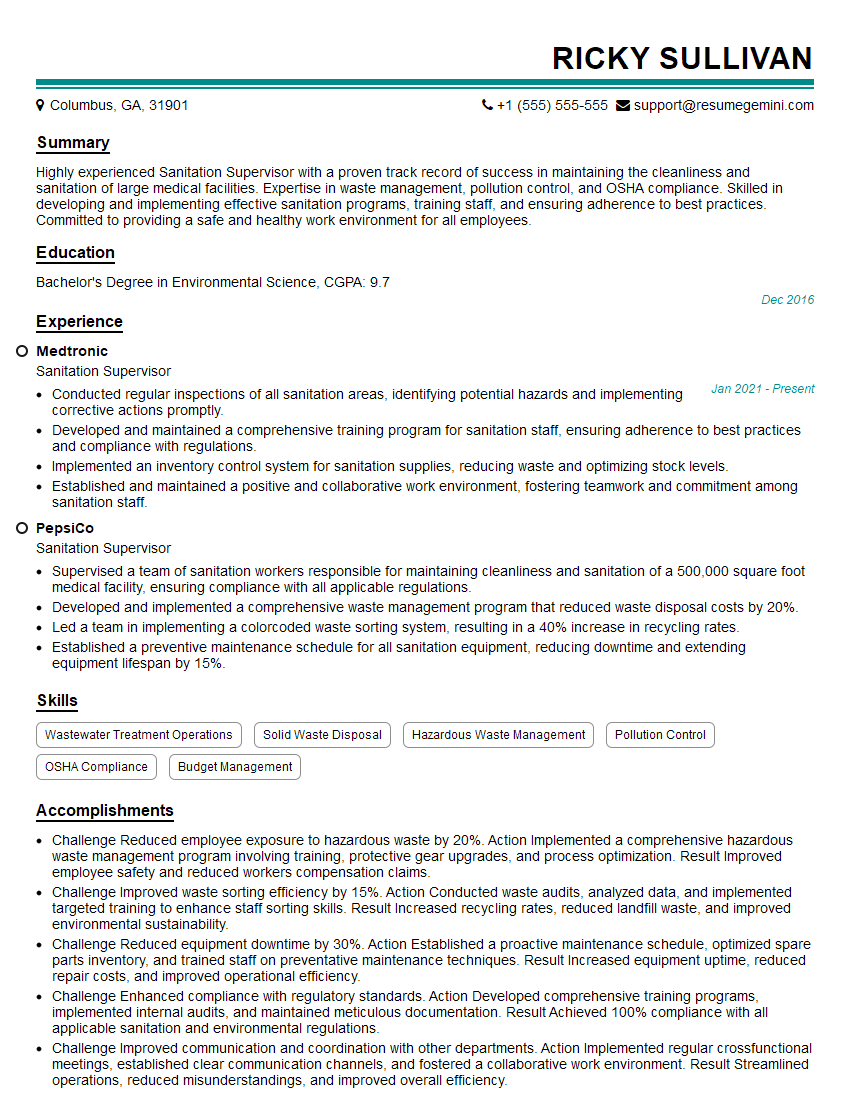
Mastering HACCP Principles and Application is crucial for career advancement in the food industry, opening doors to supervisory roles and specialized positions. A well-crafted resume is your key to unlocking these opportunities. To maximize your job prospects, create an ATS-friendly resume that effectively showcases your HACCP expertise. ResumeGemini is a trusted resource that can help you build a professional and impactful resume. We provide examples of resumes tailored to HACCP Principles and Application to guide you through the process. Invest time in building a strong resume – it’s your first impression and a significant step toward your career success.
Explore more articles
Users Rating of Our Blogs
Share Your Experience
We value your feedback! Please rate our content and share your thoughts (optional).
What Readers Say About Our Blog
Really detailed insights and content, thank you for writing this detailed article.
IT gave me an insight and words to use and be able to think of examples