Are you ready to stand out in your next interview? Understanding and preparing for Investigation of Milk-Borne Illness Outbreaks interview questions is a game-changer. In this blog, we’ve compiled key questions and expert advice to help you showcase your skills with confidence and precision. Let’s get started on your journey to acing the interview.
Questions Asked in Investigation of Milk-Borne Illness Outbreaks Interview
Q 1. Describe the process of tracing a milk-borne illness outbreak back to its source.
Tracing a milk-borne illness outbreak back to its source is a meticulous process that combines epidemiological investigation with laboratory analysis. It’s like solving a detective mystery, where the clues are scattered across the supply chain. We start by identifying the common source of exposure among affected individuals – often through detailed case interviews focusing on their dietary habits, particularly milk consumption. This helps us narrow down the potential source(s) of the contaminated milk. Then, we examine the milk supply chain – from the farm to the processing plant to the distribution channels and finally, the retail outlets. We gather samples of milk from different points in this chain to check for pathogens. We then use epidemiological data to compare the distribution of the illness with the distribution of various milk products. For instance, if many cases occurred after a certain brand’s milk was consumed, that brand becomes a prime suspect. This process necessitates thorough record keeping, coordination with health authorities, and collaboration with milk producers and distributors. Think of it as working backward from the effect (illness) to identify the cause (contaminated milk). This often involves examining production and processing records, environmental samples and even investigating farm hygiene practices.
Q 2. Explain the different types of milk-borne pathogens and their associated symptoms.
Several pathogens can contaminate milk and cause illness. These can be broadly categorized as bacteria, viruses, and parasites.
- Bacteria: Listeria monocytogenes causes listeriosis, characterized by flu-like symptoms, sometimes progressing to severe meningitis. Salmonella species cause salmonellosis, with symptoms like diarrhea, fever, and abdominal cramps. Campylobacter species also cause diarrhea, fever, and stomach cramps. Escherichia coli (E. coli) O157:H7 is a particularly dangerous strain causing bloody diarrhea and potentially hemolytic uremic syndrome (HUS).
- Viruses: Noroviruses are a common cause of milk-borne outbreaks, leading to vomiting and diarrhea. Rotaviruses are another common viral cause of milk-borne illness, primarily affecting children.
- Parasites: Cryptosporidium is a parasite that can contaminate milk and cause diarrhea, stomach cramps, and fever.
The symptoms vary depending on the pathogen, but generally include gastrointestinal issues like diarrhea, vomiting, nausea, and abdominal cramps, and sometimes fever, headache, or muscle aches. The severity also varies widely depending on the individual’s health and immune system.
Q 3. What are the key epidemiological methods used in investigating milk-borne outbreaks?
Epidemiological methods are crucial in pinpointing the source and spread of milk-borne outbreaks. These methods often involve:
- Descriptive epidemiology: This involves characterizing the outbreak, including the number of cases, their location, the time period of the outbreak, and the demographics of affected individuals. This helps create a profile of the outbreak.
- Analytical epidemiology: This stage involves determining the cause and risk factors. Common methods include case-control studies (comparing sick individuals to a healthy control group to identify exposure differences) and cohort studies (following a group of individuals over time to see who develops the illness). We use statistical analysis to calculate odds ratios and relative risks to quantify the association between milk consumption and illness.
- Environmental investigation: This step investigates the milk production, processing, and distribution environments. We look for potential contamination sources at each stage of the supply chain.
By combining these approaches, we build a comprehensive picture of the outbreak, enabling effective containment and prevention measures.
Q 4. How do you collect and analyze samples for milk-borne pathogens?
Sample collection and analysis are vital steps. Milk samples are collected aseptically from various points in the milk supply chain – farms, processing plants, distribution centers, and retail outlets. The exact sample type (raw milk, pasteurized milk, etc.) depends on the specific epidemiological findings. Samples are transported in cooled containers to prevent bacterial growth. In the laboratory, microbiological tests are performed to identify pathogens. These tests can include:
- Culture methods: Involves growing the pathogen on specific growth media to isolate and identify it.
- Molecular methods: Such as PCR (Polymerase Chain Reaction) are used for sensitive and specific detection of specific pathogens even in low numbers. These methods identify the pathogen’s DNA or RNA.
- Immunological methods: Like ELISA (Enzyme-Linked Immunosorbent Assay) detect pathogen-specific antibodies or antigens.
Data from laboratory analysis helps confirm the presence of specific pathogens in milk samples, linking them to the outbreak. These tests are often done in accredited public health laboratories, ensuring high quality and standardized procedures.
Q 5. What are the limitations of different diagnostic tests for milk-borne pathogens?
Different diagnostic tests have varying limitations. Culture methods, while reliable for identifying some pathogens, can be time-consuming and may not be sensitive enough to detect low levels of contamination, especially for fastidious organisms. Molecular methods like PCR are highly sensitive, but can be expensive and require specialized equipment. Immunological assays can be quick and relatively inexpensive, but may lack the specificity of molecular methods and can produce false positives or negatives depending on the test and the circumstances. For example, cross-reactivity with other similar organisms can lead to false positive results in immunological assays. The choice of test depends on factors such as the suspected pathogen, available resources, and the urgency of the investigation. A combination of methods is often needed to reach definitive conclusions.
Q 6. Describe the role of environmental investigations in a milk-borne illness outbreak.
Environmental investigations play a critical role in milk-borne outbreaks. They focus on identifying potential contamination points in the milk production and processing environments. This involves on-site inspections of farms, processing plants, and distribution facilities. We investigate hygienic practices, sanitation procedures, equipment maintenance, water quality, and pest control measures. Environmental samples, including water, soil, animal feces, and equipment swabs, are collected and analyzed for the presence of pathogens. These investigations help uncover potential sources of contamination, such as inadequate hygiene practices on the farm or faulty equipment in the processing plant. This information is essential for implementing corrective actions and preventing future outbreaks. It is like searching for the source of a leak in a system – you have to check all the potential points in the chain.
Q 7. How do you determine the incubation period of a milk-borne illness?
Determining the incubation period – the time between exposure to a pathogen and the onset of symptoms – is crucial for understanding the outbreak’s timeline. This is done by collecting detailed information from case interviews, particularly focusing on the timing of milk consumption and the onset of symptoms for each affected individual. We then use this information to calculate the incubation period. This involves plotting the onset of symptoms against the likely time of exposure (milk consumption). The incubation period is usually expressed as a range (e.g., 1-7 days). The distribution of the incubation period gives an indication of the pathogen, as certain pathogens have characteristic incubation periods. A shorter incubation period might suggest a highly virulent pathogen. This information is essential for estimating the likely period of contamination and directing further investigations.
Q 8. Explain the importance of case definition in milk-borne illness investigations.
A precise case definition is the cornerstone of any milk-borne illness investigation. It’s a standardized set of criteria that defines who should be classified as a case. Without a clear case definition, we risk including unrelated illnesses, misclassifying cases, and ultimately, drawing inaccurate conclusions. A robust case definition typically includes clinical criteria (e.g., specific symptoms like diarrhea, vomiting, fever), a time frame (when symptoms started, relative to potential exposure), and possibly epidemiological criteria (exposure to suspect milk or dairy products).
For example, in an investigation of a suspected Salmonella outbreak linked to raw milk, our case definition might be: ‘Any person who experienced diarrhea and at least one other gastrointestinal symptom (e.g., vomiting, abdominal cramps) within 7 days of consuming raw milk from Farm X, between July 1st and July 15th’. This detailed definition ensures that we only include cases that are truly linked to our investigation, allowing for efficient resource allocation and a more focused analysis.
Q 9. What are the key steps in developing a control strategy for a milk-borne illness outbreak?
Developing a control strategy for a milk-borne illness outbreak is a multi-step process prioritizing immediate containment and prevention of further illnesses. It involves:
- Rapid Identification and Isolation of the Source: This often involves epidemiological tracing (identifying common sources of exposure among cases) and laboratory testing of milk samples to confirm the pathogen.
- Removal of the Contaminated Product from the Market: This requires swift action in collaboration with producers, distributors, and regulatory agencies to prevent further sales and consumption.
- Notification of Consumers: A public health alert or recall may be issued to warn consumers who may have already purchased or consumed the potentially contaminated product.
- Enhanced Sanitation Procedures: If the source is identified as a dairy farm, enhanced sanitation protocols will be implemented at all stages of milk production, processing, and distribution.
- Improved Food Safety Practices: This can involve training dairy farm workers on proper hygiene, improved pasteurization techniques, and enhanced quality control measures throughout the supply chain.
- Surveillance and Monitoring: Continuous monitoring of new cases and testing of milk samples helps to assess the effectiveness of implemented interventions and detect any remaining risk.
Imagine a case where E. coli is traced back to a specific dairy. The control strategy would involve immediately recalling the contaminated milk, initiating a thorough investigation of the dairy’s hygiene practices, and collaborating with the farm to implement improved sanitation and farm management strategies. It’s crucial to work collaboratively with all stakeholders to ensure the effectiveness and swiftness of these measures.
Q 10. How do you assess the effectiveness of interventions implemented during a milk-borne illness outbreak?
Assessing the effectiveness of interventions hinges on monitoring the changes in disease incidence post-intervention. We compare the number of new cases before and after implementing our control measures. A significant reduction in cases strongly suggests effectiveness. However, it’s not just about the raw numbers.
We use epidemiological tools like attack rates (the proportion of exposed individuals who become ill) to compare the incidence of illness before and after the intervention. Statistical methods, such as time-series analysis, are applied to demonstrate the temporal relationship between the interventions and the decline in cases. Furthermore, post-intervention sampling of milk and environmental sources are crucial to check if the contamination source is truly eliminated. This holistic approach, combining quantitative data analysis with qualitative assessments of improved processes, provides a robust picture of the intervention’s success.
For instance, if we see a 90% drop in reported illnesses following a recall and the implementation of new sanitation measures at a dairy farm, and subsequent milk samples test negative, we can confidently conclude that the intervention was highly effective.
Q 11. What are the ethical considerations involved in investigating milk-borne illness outbreaks?
Ethical considerations are paramount in milk-borne illness investigations. These revolve around:
- Confidentiality: Protecting the identity of individuals affected by the outbreak is crucial. Data should be anonymized where possible, and only essential personnel should have access to identifying information.
- Informed Consent: Individuals should be informed about the investigation’s purpose, procedures, and the potential risks and benefits of participation. Their consent should be obtained before collecting samples or interviewing them.
- Transparency and Communication: Findings should be communicated clearly and honestly to all stakeholders, including the public, the dairy industry, and other relevant authorities.
- Fairness and Impartiality: Investigations should be conducted objectively and impartially, avoiding biases or conflicts of interest. The focus is on identifying and addressing the source of the outbreak, not on placing blame.
- Justice and Equity: Addressing the health inequities that may exist within the affected population. Ensure access to healthcare and support for all affected individuals, especially vulnerable groups.
For example, during a recall, it’s ethically important to ensure communication is clear, sensitive, and readily accessible to diverse populations, preventing misinformation and confusion.
Q 12. Describe your experience with using statistical software for epidemiological analysis.
I have extensive experience using statistical software for epidemiological analysis, particularly in the context of milk-borne illness outbreaks. My proficiency extends to packages like R and SAS. I regularly use these programs for descriptive statistics, calculating attack rates, odds ratios, and relative risks to quantify the association between milk consumption and illness. I also employ regression models (e.g., logistic regression) to analyze multiple risk factors and adjust for potential confounders.
# Example R code for calculating an odds ratio: library(epitools) oddsratio(matrix(c(a, b, c, d), nrow = 2)) # Where a, b, c, d are cell counts in a 2x2 contingency table
Furthermore, I am experienced in using spatial statistics in GIS software to map the geographical distribution of cases and potential sources of contamination, facilitating the identification of clusters and sources of the outbreak.
Q 13. Explain your understanding of risk assessment and risk management in the context of milk safety.
Risk assessment and risk management are integral to ensuring milk safety. Risk assessment involves identifying hazards (e.g., pathogens like Listeria, Salmonella, or chemical contaminants), estimating the likelihood of exposure, and determining the severity of potential health consequences. Risk management then involves implementing strategies to control or mitigate those identified risks.
For example, a risk assessment for raw milk might identify E. coli O157:H7 as a significant hazard, considering its prevalence in certain environments and the potential for severe illness. The risk management strategy might include regulations restricting the sale of raw milk, consumer education campaigns on the risks associated with consuming raw milk, and enhanced sanitation protocols at dairy farms. This iterative process involves regular monitoring and reassessment based on new evidence and technological advancements in detection and control.
Q 14. How do you communicate findings from a milk-borne illness investigation to stakeholders?
Communicating findings effectively is critical for public health. My approach involves tailoring communication to the specific audience. For the public, I use clear, concise language, avoiding technical jargon, and focusing on key messages. This often includes infographics or visual aids to enhance understanding. For scientific audiences, I present data and analytical results in peer-reviewed publications or scientific conferences.
For stakeholders such as the dairy industry or regulatory agencies, I provide detailed reports, including methodologies, data, and recommendations for action. I use a combination of written reports, presentations, and interactive discussions to facilitate understanding and engagement. Transparency and open communication throughout the process are paramount. Addressing concerns and answering questions directly builds trust and facilitates collaborative efforts to prevent future outbreaks.
Q 15. What are the legal and regulatory requirements related to reporting milk-borne illness outbreaks?
Reporting milk-borne illness outbreaks is mandated by various legal and regulatory frameworks, primarily to protect public health. These requirements vary by jurisdiction but generally involve a legal obligation to report suspected outbreaks to relevant public health authorities, such as the CDC in the United States or equivalent agencies in other countries. Failure to report can lead to significant penalties. The specific details of reporting, including timelines, required information (e.g., number of cases, symptoms, suspected source), and reporting methods (e.g., phone, online portal) are usually clearly defined in regulations. For instance, dairy farms and processing plants often face strict regulations regarding record-keeping, sanitation, and prompt reporting of any potential contamination or illnesses linked to their products. This regulatory framework ensures a swift response to outbreaks, minimizing their impact on public health.
These regulations are crucial because they enable rapid investigation, identification of the source of contamination, and implementation of effective control measures to prevent further illness. This also ensures transparency and accountability within the dairy industry.
Career Expert Tips:
- Ace those interviews! Prepare effectively by reviewing the Top 50 Most Common Interview Questions on ResumeGemini.
- Navigate your job search with confidence! Explore a wide range of Career Tips on ResumeGemini. Learn about common challenges and recommendations to overcome them.
- Craft the perfect resume! Master the Art of Resume Writing with ResumeGemini’s guide. Showcase your unique qualifications and achievements effectively.
- Don’t miss out on holiday savings! Build your dream resume with ResumeGemini’s ATS optimized templates.
Q 16. What are the key differences between investigating a point-source vs. a propagated outbreak of milk-borne illness?
The key difference between investigating a point-source and a propagated outbreak lies in the pattern of illness onset. In a point-source outbreak, individuals are exposed to the contaminated milk at a single point in time, resulting in a relatively clustered onset of illness. Think of a contaminated batch of milk distributed at a single event – everyone who consumed that batch falls ill within a short, defined period. The investigation focuses on identifying the single source of contamination.
Conversely, a propagated outbreak involves secondary or tertiary transmission of the pathogen. This often occurs when an initial infected person contaminates other food items or directly infects others, leading to a more prolonged and spread-out pattern of illness onset. Imagine a scenario where a milk processing facility has intermittent contamination. Then, several individuals are exposed to contaminated milk at different times over a longer period, leading to successive waves of infection.
Investigating a point-source outbreak is often simpler, as the epidemiological curve will show a sharp peak, indicating a common exposure source. Propagated outbreaks are more complex to investigate, requiring careful tracing of contacts and potential secondary transmission routes.
Q 17. How do you handle data inconsistencies during a milk-borne illness investigation?
Data inconsistencies are common during outbreak investigations. Handling these requires a systematic approach. First, we carefully review the data sources, identifying potential reasons for discrepancies. This might include errors in data entry, variations in case definitions (e.g., different interpretations of symptoms), or reporting delays. We then use data validation techniques to check for outliers and inconsistencies. We may also contact the reporting sources to clarify ambiguities or correct errors. If the discrepancies are substantial and cannot be resolved, we acknowledge the limitations in the data analysis. We might stratify the analysis to assess the impact of inconsistencies on our conclusions. For example, if the data inconsistency concerns only a small subset of cases, the overall findings might not be significantly affected. We always strive to achieve the highest level of data quality, recognizing that some level of uncertainty may persist.
Imagine a scenario where some individuals report diarrhea, while others only report vomiting despite consuming the same milk. Careful review might reveal that reporting guidelines weren’t uniformly applied or some individuals had underlying conditions that modified symptom presentation.
Q 18. Describe your experience with outbreak surveillance systems and data reporting.
My experience with outbreak surveillance systems and data reporting involves several years of working with national and regional surveillance programs. I’ve used various software and databases to collect, analyze, and report data on foodborne illnesses. This experience includes managing case data, developing epidemiological curves, implementing data quality checks, and preparing reports for public health authorities. I’m proficient in using statistical software such as R and SAS for epidemiological analyses. A key element of this work is maintaining confidentiality and protecting the privacy of individuals included in the data. My experience also extends to working with data reporting standards and best practices, ensuring accurate and timely communication of outbreak information.
For example, in one instance we used a real-time data platform for tracking illness reports during a large-scale milk-borne outbreak. The system provided a dynamic dashboard for monitoring the outbreak’s progression and guiding resource allocation. Regular data quality checks ensured data integrity, and we generated reports daily to keep stakeholders updated.
Q 19. Explain the role of collaboration in investigating milk-borne illness outbreaks.
Collaboration is paramount in investigating milk-borne illness outbreaks. Effective investigations require a multidisciplinary team including epidemiologists, microbiologists, veterinarians, dairy industry representatives, and environmental health specialists. Epidemiologists analyze the pattern of illness and identify potential exposure sources. Microbiologists perform laboratory testing to identify the causative agent. Veterinarians assess the animal health and farm practices. Dairy industry representatives provide crucial information on milk production, processing, and distribution. Environmental health specialists investigate sanitation practices and environmental factors that might have contributed to the outbreak. Effective communication and information sharing among team members are key to a successful investigation.
Imagine a scenario where a milk outbreak is suspected. The epidemiologist would identify clusters of cases and potential exposure sources. The microbiologist would then test milk samples and identify the pathogen. The veterinarian would investigate the farm to determine the source of contamination and if the pathogens are present in the animals. Environmental health inspectors would assess farm hygiene and processing plant sanitation. Open collaboration enables pooling of expertise and avoids duplication of efforts, leading to swift and efficient identification and resolution.
Q 20. How do you deal with conflicting information or data during an investigation?
Conflicting information requires careful consideration and a structured approach. First, we review the source and reliability of the conflicting information, considering potential biases. We might evaluate the methods used to collect the data, the expertise of the information providers, and potential conflicts of interest. We also look for corroborating evidence to support one perspective over another. If inconsistencies persist, we may conduct further investigations to resolve the discrepancies. We might use sensitivity analyses to assess how different assumptions or data interpretations impact the overall conclusions. It’s important to document the conflicting information, how it was resolved (or not resolved), and its potential impact on the findings. Transparency is crucial in reporting the results, acknowledging any remaining uncertainties.
For instance, conflicting data may arise from differences in recall bias between case-patients. We might use structured questionnaires to minimize such issues.
Q 21. What are some common challenges encountered during milk-borne illness outbreak investigations?
Several challenges arise during milk-borne illness outbreak investigations. One common challenge is the difficulty in tracing the source of contamination, particularly if the milk has undergone extensive processing or distribution. Rapid decay of pathogens might also complicate laboratory testing and identification. Recall bias (inaccuracies in patient recall of consumed products) and challenges in obtaining complete information from all affected individuals pose significant hurdles. Furthermore, coordinating investigations across multiple jurisdictions or agencies can be complex. Resource constraints such as funding, personnel, and laboratory capacity are also significant obstacles, especially during large outbreaks. Finally, the rapid spread of pathogens and the potential for widespread impact necessitate a timely and effective response.
In a large outbreak, the sheer number of cases to investigate and the logistical complexity of tracing the contaminated milk from farms to processing plants and retailers present a significant challenge.
Q 22. Describe your experience with investigating outbreaks involving different dairy products (e.g., pasteurized vs. raw milk).
My experience investigating milk-borne illness outbreaks spans over a decade, encompassing a wide range of dairy products. I’ve worked on cases involving both pasteurized and raw milk, and the investigative approaches differ significantly. Outbreaks linked to raw milk are often more challenging due to the inherent higher risk of contamination. Raw milk lacks the pasteurization process that eliminates many harmful bacteria, such as Salmonella, E. coli O157:H7, and Listeria monocytogenes. For example, in one investigation, we traced a Listeria outbreak to a small, unpasteurized dairy farm with inadequate sanitation practices. Conversely, outbreaks associated with pasteurized milk are rarer and usually indicate a problem in the processing plant, such as equipment contamination or inadequate pasteurization. In a case involving pasteurized milk, we identified a lapse in the cleaning and sanitization protocols at a processing facility, leading to Campylobacter contamination.
The investigation process involves similar steps regardless of the milk type: identifying cases, collecting samples from various points in the supply chain (farm, processing plant, retail locations, patient homes), conducting laboratory analyses to identify pathogens, and tracing the source of contamination through epidemiological analysis and environmental sampling. However, the focus and intensity of certain steps vary depending on whether the milk is pasteurized or raw. For instance, in a raw milk outbreak, we meticulously investigate farm practices like animal health, sanitation, and storage conditions. In a pasteurized milk outbreak, the focus shifts toward the processing plant’s operations, sanitation records, and equipment maintenance logs.
Q 23. What are the key factors to consider when determining the appropriate sample size for a milk-borne illness investigation?
Determining the appropriate sample size for a milk-borne illness investigation is crucial for ensuring the investigation’s accuracy and efficiency. A sample size that’s too small might miss key information, while one that’s too large can be unnecessarily costly and time-consuming. Several factors influence the decision:
- Prevalence of illness: If the suspected illness is rare, a larger sample size is needed to detect enough cases. Imagine a highly contagious pathogen; a smaller sample size would suffice.
- Heterogeneity of the population: If the population consuming the milk is diverse (e.g., different age groups, geographic locations), a larger sample size is needed to represent all groups.
- Desired level of precision: The higher the desired precision (i.e., the smaller the margin of error), the larger the sample size required.
- Resources available: Budget, personnel, and time constraints significantly impact the feasible sample size. We must balance the need for robust data with practical limitations.
Statistical power calculations are used to determine the minimum sample size required to detect a significant association between milk consumption and illness with a given level of confidence. Software and statistical tables can assist with these calculations, taking into account the expected prevalence, desired level of significance, and power of the study.
Q 24. How do you ensure the quality and integrity of samples collected during a milk-borne illness outbreak?
Maintaining the quality and integrity of samples collected during a milk-borne illness outbreak is paramount. Contamination can lead to inaccurate results and compromise the entire investigation. Our procedures adhere to strict protocols to prevent this:
- Proper sampling techniques: We use sterile containers and equipment to collect samples, following established guidelines for collecting milk samples from different sources (farms, processing plants, retail outlets).
- Cold chain maintenance: Milk samples are immediately refrigerated at 4°C (39°F) or lower to prevent bacterial growth and maintain sample integrity during transportation and storage. We use temperature data loggers to track temperatures throughout the process. Any temperature deviations are carefully documented.
- Chain of custody: A detailed chain of custody document accompanies each sample, tracking its handling from collection to laboratory analysis. This ensures accountability and traceability.
- Appropriate transport: Samples are transported to the laboratory using insulated containers with ice packs to maintain the cold chain. We use specialized transport methods for particularly sensitive samples.
- Laboratory accreditation: We use accredited laboratories that employ validated methods for pathogen detection and ensure high-quality analysis.
These stringent procedures safeguard against contamination and maintain the integrity of samples, leading to reliable and actionable results.
Q 25. Explain your experience using GIS mapping for visualizing outbreak data and identifying risk factors.
Geographic Information Systems (GIS) mapping is an invaluable tool for visualizing outbreak data and identifying risk factors in milk-borne illness investigations. GIS allows us to plot cases geographically, overlaying this data with information on milk distribution networks, environmental factors (e.g., proximity to water sources, animal farms), and demographic data. For example, we might overlay case locations with the distribution routes of a particular dairy product to identify potential clusters of illness and pinpoint the most probable source of contamination.
In one outbreak investigation, we used GIS to map the residences of individuals who fell ill and compared this to the distribution network of a specific milk brand. This visualization clearly showed a strong spatial correlation between illness cases and areas supplied by that brand’s dairy farm, thus helping us focus our investigation on that farm. Spatial analysis tools within the GIS software helped identify clusters or hotspots of disease occurrences, pinpointing areas of highest risk that needed further investigation.
GIS also helps assess risk factors. For example, we can analyze the distance of ill individuals’ residences from dairy farms or processing plants to identify whether proximity is a significant risk factor. This integration of spatial data with epidemiological and laboratory data provides a comprehensive view of the outbreak, aiding in hypothesis generation and the identification of potential sources.
Q 26. How do you utilize different data sources (e.g., laboratory data, clinical records, environmental data) in your investigations?
Integrating different data sources is crucial for a thorough investigation. We use a multi-faceted approach that combines information from various sources:
- Laboratory data: This provides the crucial information on the presence and type of pathogens in milk samples and clinical specimens from ill individuals.
- Clinical records: Patient clinical records, including symptoms, onset dates, and medical histories, help identify commonalities and establish a link to milk consumption.
- Environmental data: This can include information on farm practices, weather conditions, water quality, and soil characteristics, which may contribute to contamination. For example, heavy rainfall might increase the risk of run-off contaminating water sources used on a dairy farm.
- Epidemiological data: Data on milk consumption patterns, dietary habits, and travel history of cases are collected through questionnaires and interviews. This helps determine whether consumption of a specific dairy product is strongly associated with illness.
- Supplier data: Information from dairy farms and processing plants (sanitation records, production logs, transportation records) helps identify potential points of contamination within the supply chain.
This data integration is not simply a matter of compiling information; rather, it involves careful analysis and interpretation to establish a clear epidemiological link between milk consumption and the observed illness. We use statistical methods to analyze this data and identify significant risk factors.
Q 27. Describe your experience with writing reports and presenting findings related to milk-borne illness investigations.
Reporting and presenting findings are critical for communicating our investigation’s results effectively. Our reports are structured to be clear, concise, and comprehensive, containing all relevant information.
- Executive summary: A brief overview of the outbreak, its key findings, and recommendations.
- Background and methodology: A detailed explanation of the investigative process, including case definitions, sample collection methods, laboratory analyses, and statistical analyses.
- Results: Presentation of data, including epidemiological findings, laboratory results, and geographic distribution of cases. We often use tables, graphs, and maps to present this information clearly.
- Discussion: Interpretation of findings, highlighting the identified source of contamination and contributing factors. We discuss limitations of the investigation as well.
- Conclusions and recommendations: Summary of key conclusions and specific recommendations for preventing future outbreaks. These often involve measures to improve sanitation, enhance food safety practices, or strengthen regulatory oversight.
We typically present our findings in written reports and also through oral presentations to public health officials, regulatory agencies, and affected communities. We tailor our presentation style to the audience, ensuring that the information is easily understood and actionably communicated.
Key Topics to Learn for Investigation of Milk-Borne Illness Outbreaks Interview
- Epidemiology of Milk-Borne Illnesses: Understanding the transmission routes, common pathogens (e.g., *Salmonella*, *Listeria*, *E. coli*), and epidemiological curves associated with milk-borne outbreaks.
- Investigative Techniques: Mastering the practical application of case finding, contact tracing, environmental sampling, and laboratory testing in identifying the source and cause of outbreaks.
- Data Analysis and Interpretation: Developing proficiency in analyzing epidemiological data, interpreting laboratory results, and drawing conclusions to support effective public health interventions.
- Risk Assessment and Mitigation: Learning to assess the risk factors associated with milk production, processing, and distribution, and formulating strategies for mitigating these risks.
- Regulatory Frameworks and Guidelines: Familiarizing yourself with relevant food safety regulations and guidelines pertaining to milk production and distribution, ensuring compliance and effective outbreak control.
- Communication and Collaboration: Practicing effective communication skills to collaborate with stakeholders (farmers, processors, healthcare professionals, public health officials) during outbreak investigations.
- Outbreak Management Strategies: Understanding the various strategies for controlling and preventing the spread of milk-borne illnesses, including recall procedures, public health advisories, and educational campaigns.
- Statistical Methods in Epidemiology: Applying statistical methods such as calculating attack rates, relative risks, and odds ratios to analyze outbreak data and identify causal relationships.
Next Steps
Mastering the investigation of milk-borne illness outbreaks significantly enhances your career prospects in public health, food safety, and epidemiology. A strong understanding of these critical concepts demonstrates your expertise and problem-solving abilities, making you a highly desirable candidate. To further strengthen your application, it’s crucial to create a compelling and ATS-friendly resume that highlights your skills and experience effectively. ResumeGemini is a trusted resource that can help you build a professional resume tailored to your field. Examples of resumes tailored to Investigation of Milk-Borne Illness Outbreaks are available to guide you.
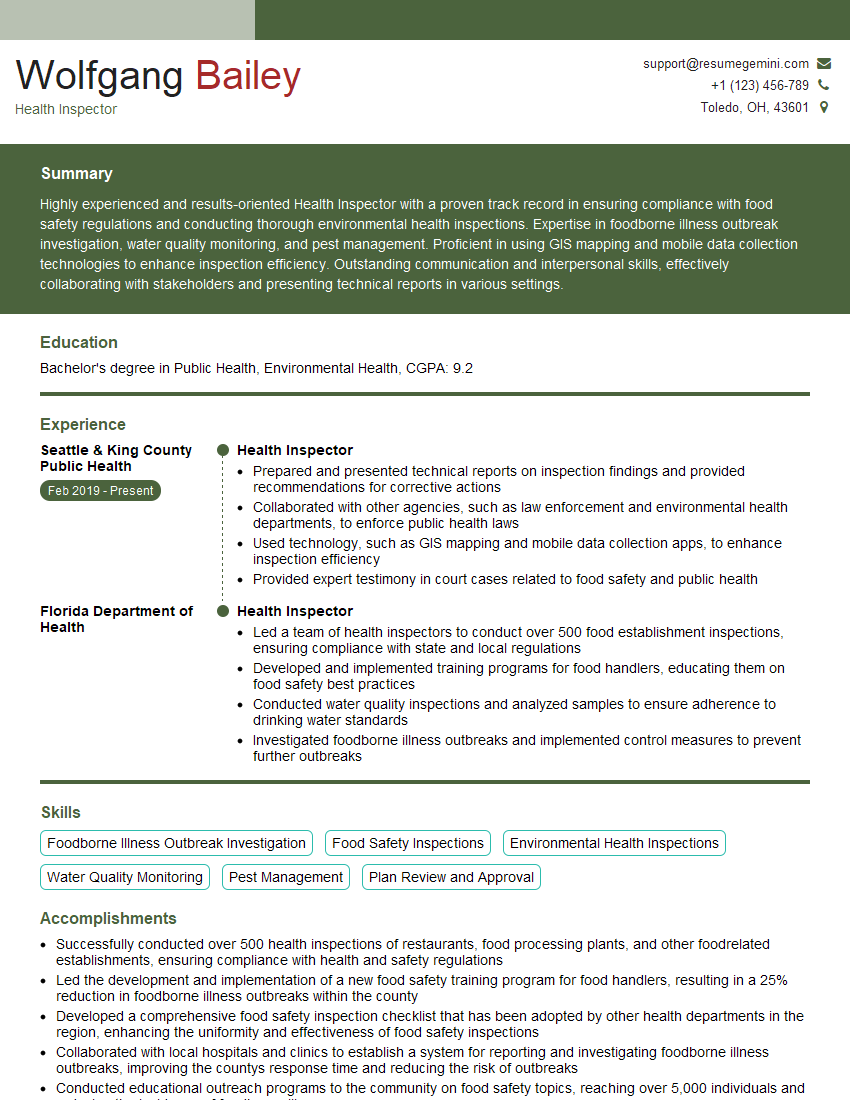
Health Inspector Resume Sample
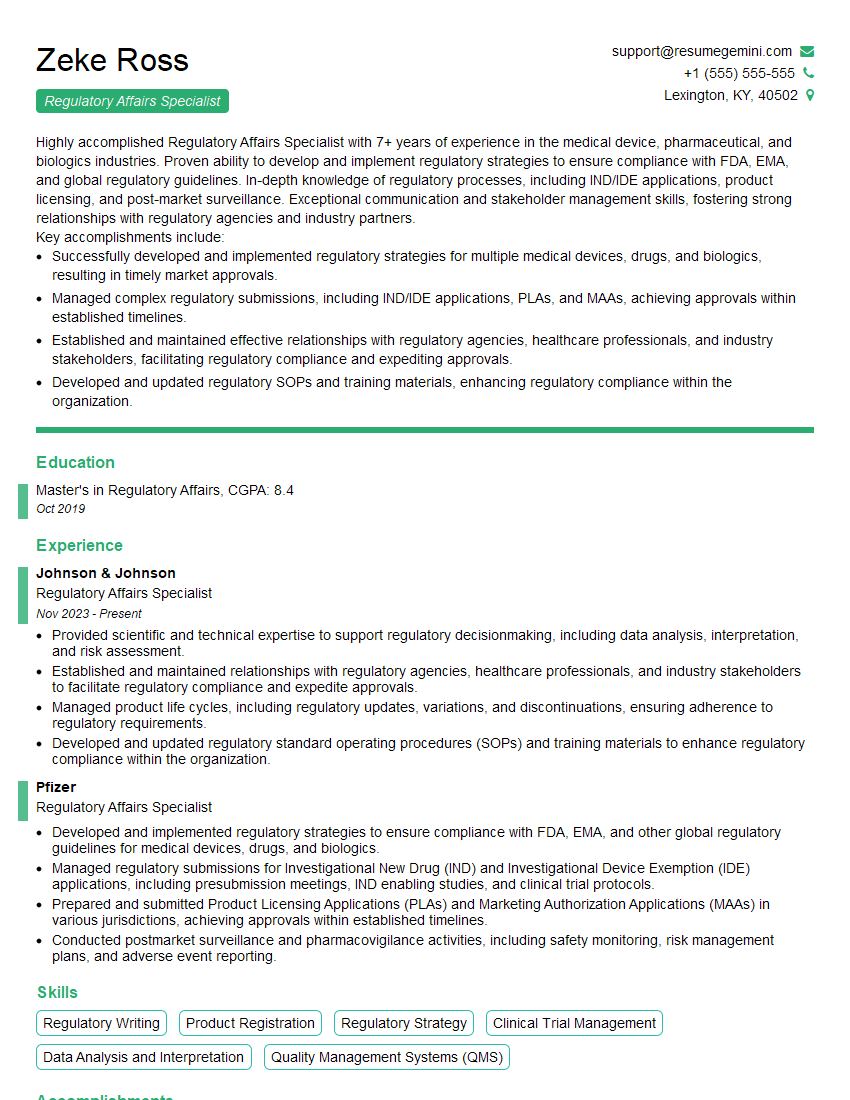
Regulatory Affairs Specialist Resume Sample
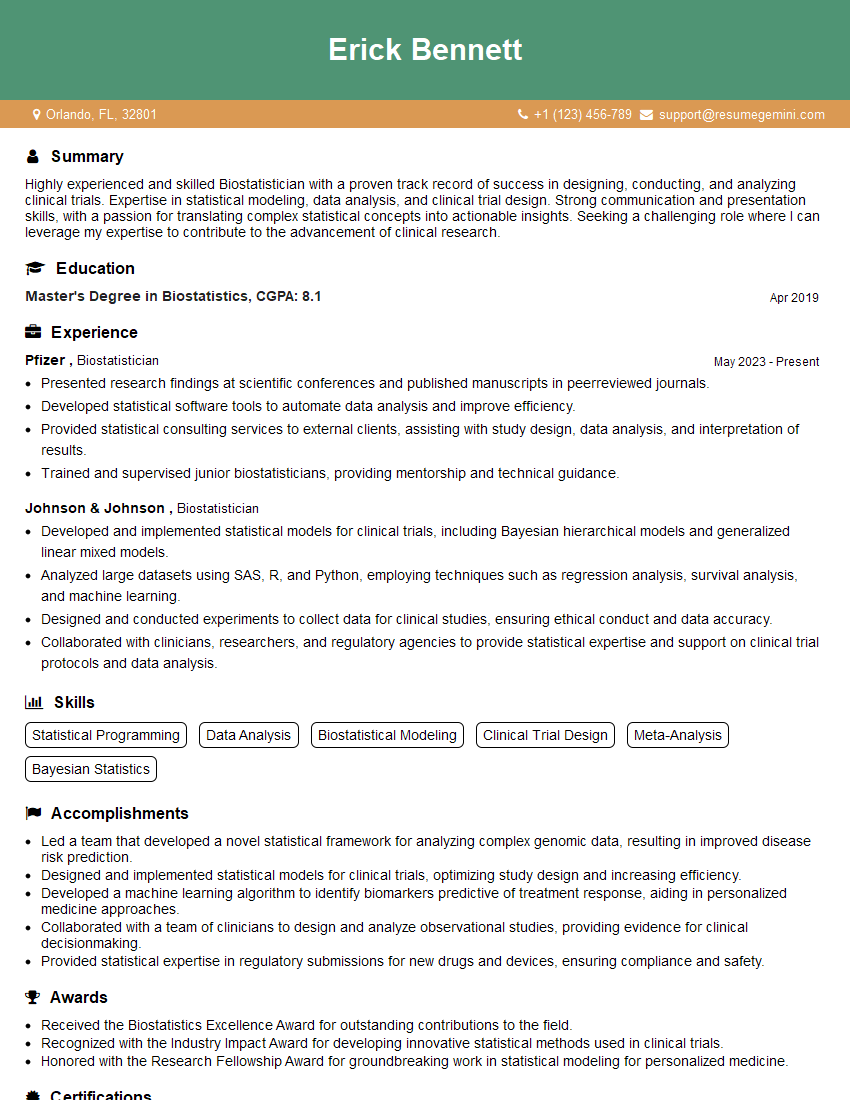
Biostatistician Resume Sample
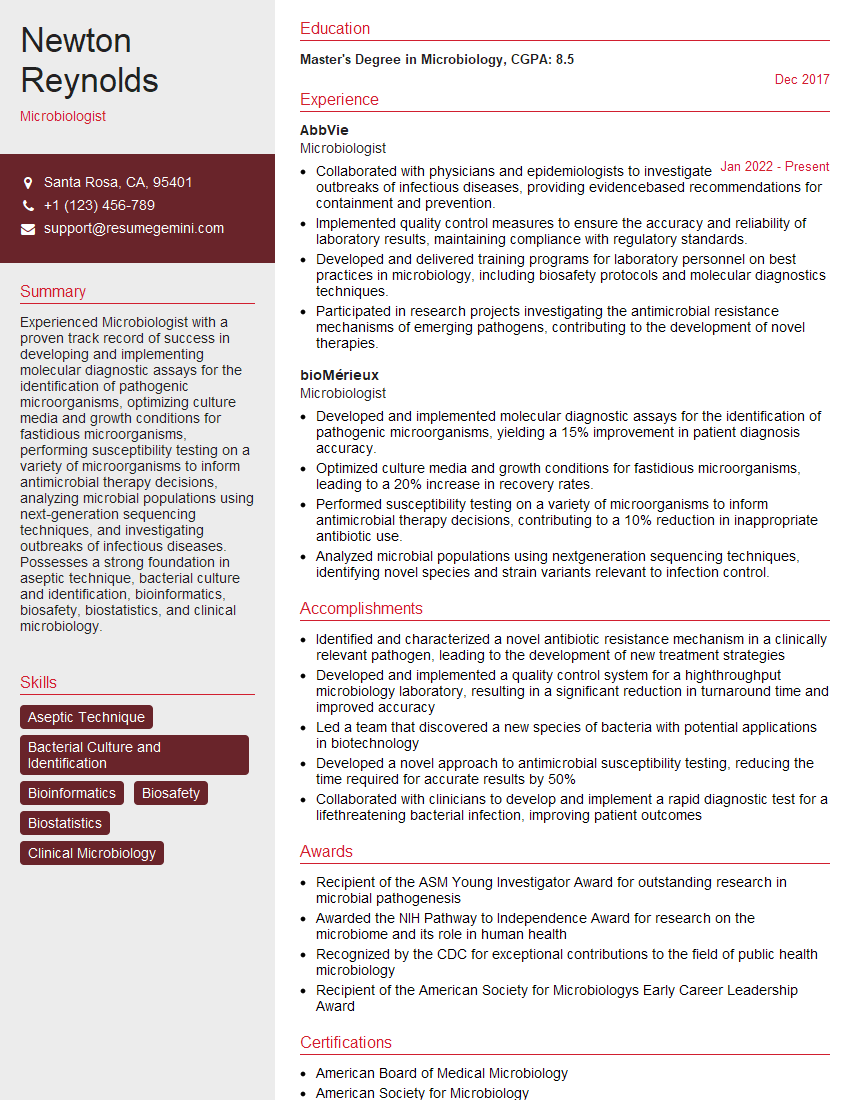
Microbiologist Resume Sample
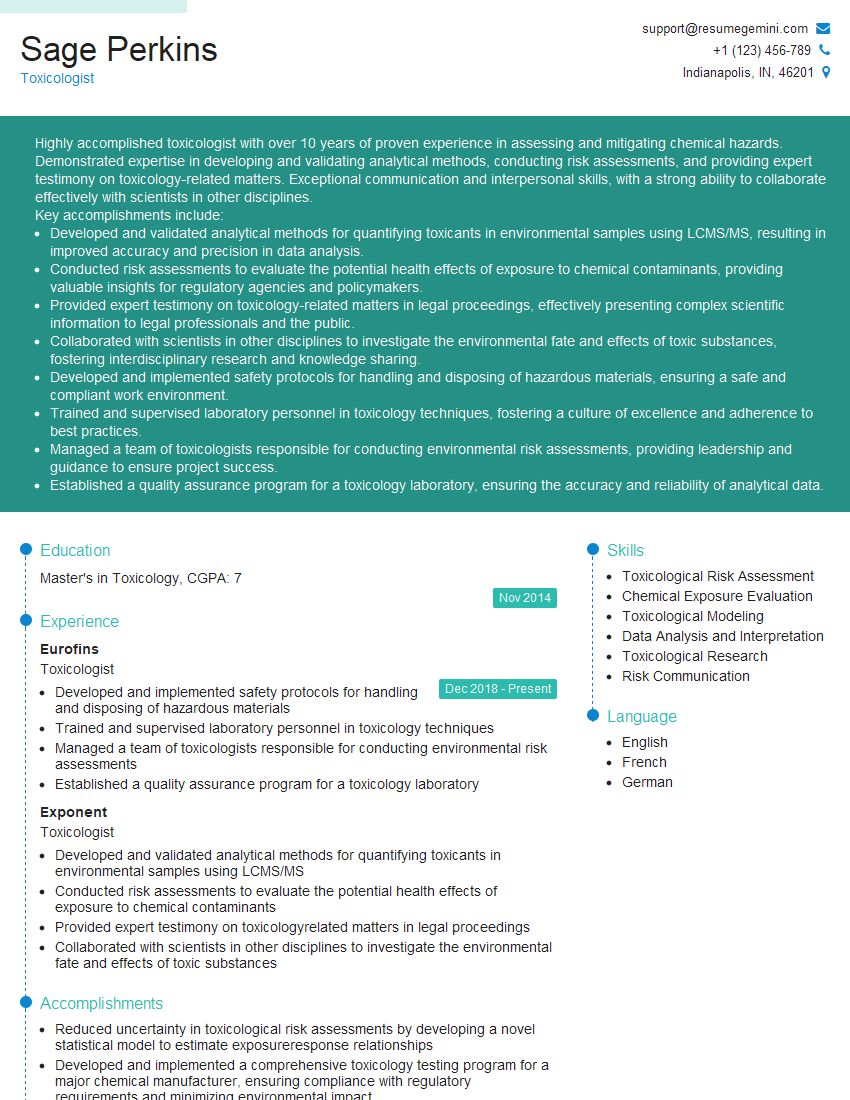
Toxicologist Resume Sample
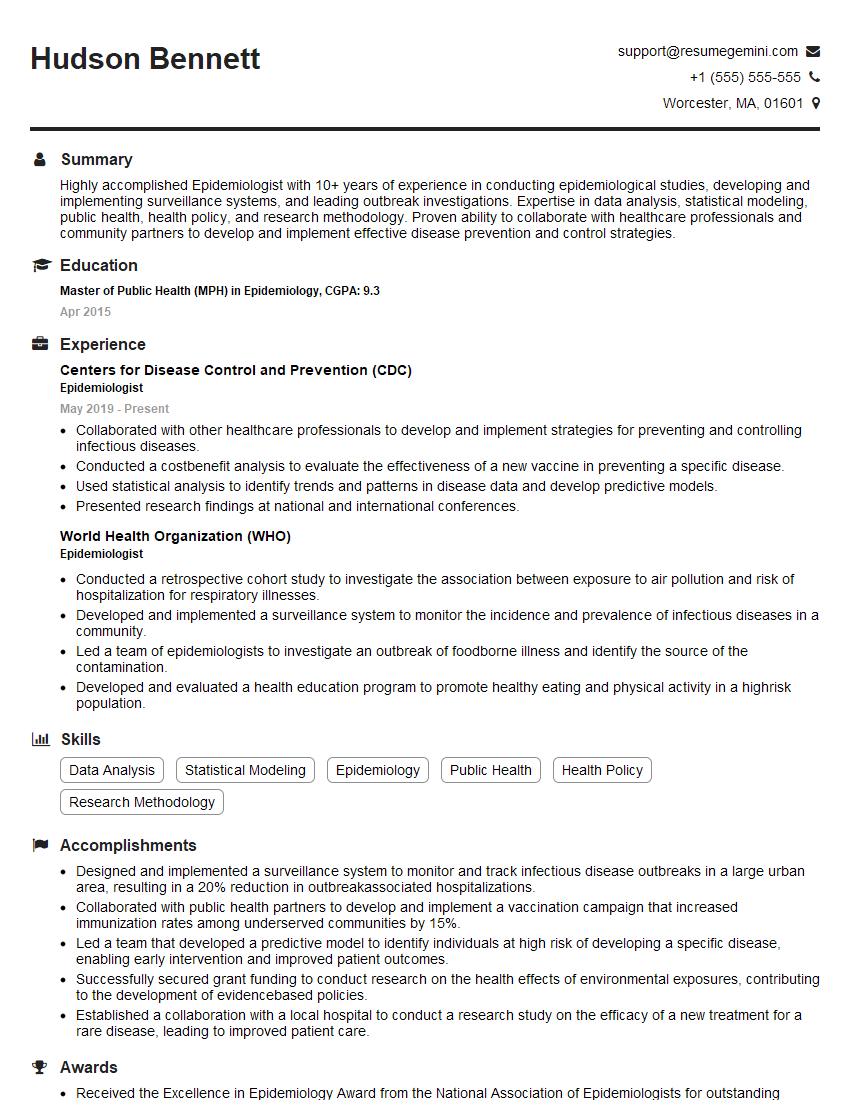
Epidemiologist Resume Sample
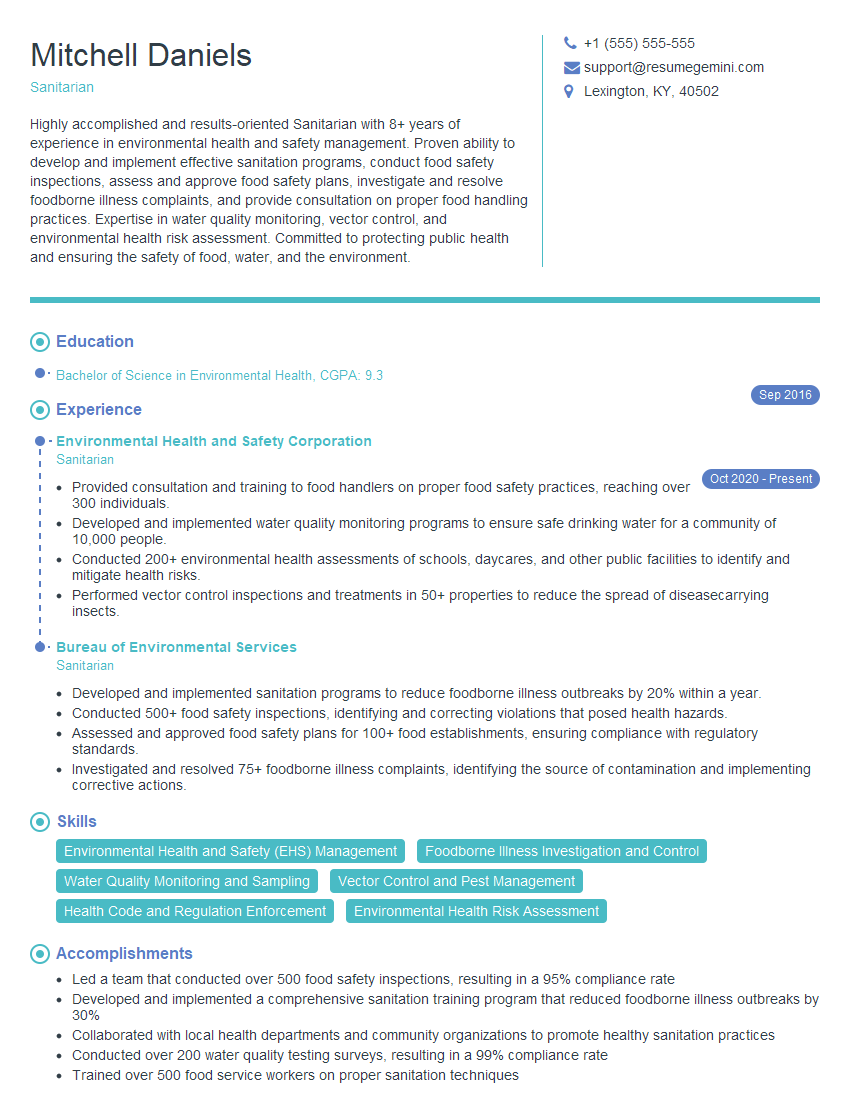
Sanitarian Resume Sample
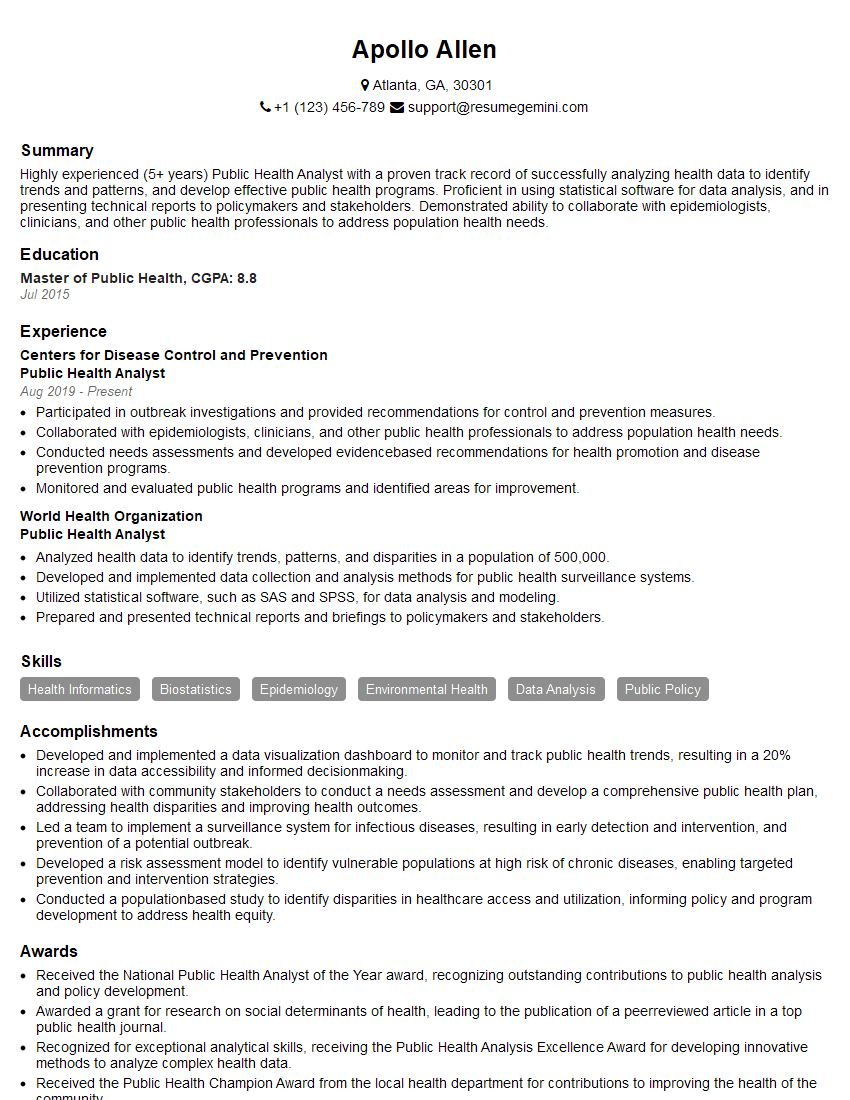
Public Health Analyst Resume Sample
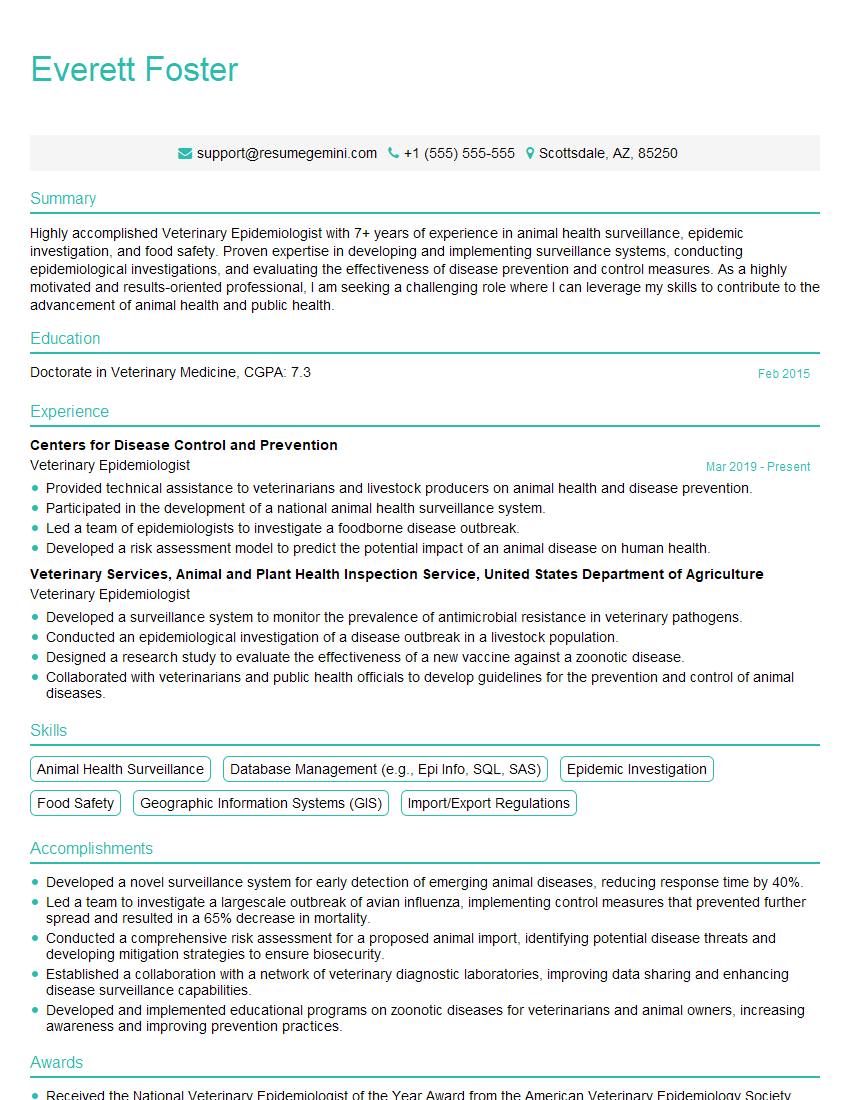
Veterinary Epidemiologist Resume Sample
Explore more articles
Users Rating of Our Blogs
Share Your Experience
We value your feedback! Please rate our content and share your thoughts (optional).
What Readers Say About Our Blog
Really detailed insights and content, thank you for writing this detailed article.
IT gave me an insight and words to use and be able to think of examples