Unlock your full potential by mastering the most common Job Placement Support interview questions. This blog offers a deep dive into the critical topics, ensuring you’re not only prepared to answer but to excel. With these insights, you’ll approach your interview with clarity and confidence.
Questions Asked in Job Placement Support Interview
Q 1. Describe your experience with applicant tracking systems (ATS).
Applicant Tracking Systems (ATS) are software applications used by recruiters and hiring managers to manage the recruitment process. My experience with ATS is extensive, encompassing both candidate-side and recruiter-side perspectives. I’m proficient in optimizing resumes and cover letters for ATS parsing, ensuring keywords and relevant information are easily identified. I understand the importance of tailoring applications to specific ATS requirements. For instance, I’ve helped candidates avoid common pitfalls like using unusual fonts or formatting which can hinder ATS readability. I’ve also worked with several different ATS platforms, including Taleo, Workday, and Greenhouse, learning their unique functionalities and quirks. This broad experience enables me to guide candidates in crafting applications that not only impress human reviewers but also successfully navigate ATS filters, maximizing their chances of securing an interview.
For example, I recently worked with a client whose resume, despite strong content, was consistently being rejected. After analyzing it through several different ATS simulators, I discovered the use of unconventional formatting and tables was causing the system to misinterpret key information. By reformatting the resume with plain text and strategically placing keywords, we significantly increased the chances of the application being flagged positively by the ATS.
Q 2. Explain your process for assessing a job seeker’s skills and experience.
My process for assessing a job seeker’s skills and experience is multifaceted and highly personalized. It begins with a comprehensive intake session where I thoroughly explore their background, career aspirations, and specific skills. This isn’t just about reviewing a resume; it’s about understanding their transferable skills and identifying areas for potential improvement. I use a combination of methods, including behavioral interviewing techniques, to uncover the depth of their experiences. We analyze past projects and accomplishments, evaluating not just what they did, but also how they did it, demonstrating their problem-solving skills and strategic thinking.
- Resume & Portfolio Review: A thorough examination of their past work, highlighting achievements and quantifying contributions.
- Skills Assessment: Identifying hard skills (technical proficiencies) and soft skills (communication, teamwork etc.) through discussions and potentially using skills assessments.
- Behavioral Questions: Utilizing behavioral questions like “Tell me about a time you failed” to assess problem-solving, resilience, and learning agility.
- Reference Checks (with permission): Verifying experience claims and gaining further insight into the candidate’s work ethic and performance.
For example, a candidate might highlight project management experience on their resume. Instead of simply accepting this at face value, I delve deeper, asking specific questions about the project’s challenges, how they managed timelines and budgets, and how they resolved conflicts. This provides a much clearer picture of their actual capabilities than a list of tasks alone ever could.
Q 3. How do you identify suitable job opportunities for clients?
Identifying suitable job opportunities for clients involves a proactive and strategic approach that goes beyond simply searching job boards. I utilize a multi-pronged strategy:
- Networking: I leverage my extensive network of contacts within various industries to uncover unadvertised job openings and gain insider insights.
- Job Boards & Aggregators: I utilize various job boards (Indeed, LinkedIn, etc.) and aggregators but always critically assess the legitimacy and suitability of listed opportunities.
- Company Research: I actively research companies that align with my clients’ career goals and skill sets, identifying potential openings even before they are publicly advertised.
- Industry Events & Conferences: Attending industry events allows me to network directly with hiring managers and recruiters, learning about current job market trends and uncovering potential matches.
- LinkedIn Recruiter: I utilize LinkedIn Recruiter to identify suitable openings and engage with recruiters and hiring managers directly.
My aim is to find jobs not just where the client *could* work, but where they will *thrive*. This means aligning their skills, interests, and career goals with company culture and long-term growth opportunities. I also prioritize finding opportunities that offer appropriate compensation and benefits.
Q 4. What strategies do you use to help clients improve their resumes and cover letters?
Improving resumes and cover letters is a crucial aspect of my work. My strategy focuses on creating compelling narratives that highlight a candidate’s unique value proposition and showcase their accomplishments in a way that resonates with both ATS and human reviewers. This involves:
- Keyword Optimization: Integrating relevant keywords from job descriptions to ensure ATS compatibility.
- Content Enhancement: Transforming generic descriptions of past roles into compelling stories that quantify achievements and demonstrate impact (using the STAR method: Situation, Task, Action, Result).
- Content Tailoring: Customizing resumes and cover letters to match the specific requirements of each job application.
- Format Optimization: Ensuring a clean, professional, and easy-to-read format that is both ATS-friendly and visually appealing.
- Proofreading and Editing: Thoroughly reviewing the document for grammatical errors and typos.
I often use real-world examples from the client’s past experiences to illustrate their skills and achievements. For example, instead of simply stating ‘managed projects,’ we might describe a specific project, quantifying the results achieved (e.g., ‘Reduced project completion time by 15% while maintaining budget’). This approach makes the resume and cover letter much more engaging and impactful.
Q 5. Describe your approach to coaching clients for job interviews.
My approach to coaching clients for job interviews is highly personalized and focuses on building confidence and effectively communicating their skills and experiences. I use a structured approach:
- Behavioral Interview Preparation: We practice answering common behavioral interview questions (using the STAR method) to ensure consistent and compelling responses.
- Technical Skill Assessment: We review technical questions relevant to the specific job role to refresh knowledge and identify potential areas for improvement.
- Company Research: We thoroughly research the company and interviewer to tailor responses and demonstrate genuine interest.
- Mock Interviews: I conduct mock interviews to simulate the interview environment, providing immediate feedback and suggestions for improvement.
- Interview Strategy: We develop a comprehensive interview strategy to articulate the candidate’s value proposition effectively and confidently.
I find that role-playing different interview scenarios is incredibly helpful. By practicing under pressure, clients can identify their strengths and weaknesses and develop more effective communication techniques. I also emphasize the importance of asking insightful questions during the interview, demonstrating genuine curiosity and engagement.
Q 6. How do you measure the success of your job placement efforts?
I measure the success of my job placement efforts primarily through the number of clients successfully placed in jobs that meet their career goals and expectations. However, my assessment goes beyond simple placement numbers. I consider:
- Client Satisfaction: Post-placement feedback from clients helps evaluate their satisfaction with the job, company culture, and the support provided throughout the process.
- Job Retention Rate: Tracking how long clients remain in their new roles indicates the effectiveness of the placement and the quality of the match.
- Career Advancement: Monitoring clients’ career progression post-placement helps assess the long-term impact of my services.
- Client Feedback: Ongoing communication with clients is crucial to understand their experiences and identify areas for improvement in my services.
For example, simply placing a candidate in a job isn’t enough; I need to ensure it’s the *right* job – a position where they are challenged, engaged, and can develop their skills. A high retention rate and positive client feedback are key indicators of successful placement.
Q 7. What metrics do you track to assess your performance?
To assess my performance, I track several key metrics:
- Placement Rate: The percentage of clients placed in jobs within a specific timeframe.
- Average Time to Placement: The average time it takes to place a client in a suitable role.
- Client Satisfaction Score: Measured through post-placement surveys or feedback sessions.
- Job Retention Rate: The percentage of placed clients who remain in their new roles after a specific period.
- Number of Clients Served: The total number of clients supported within a given timeframe.
- Conversion Rate: Percentage of job applications resulting in interviews.
These metrics provide a comprehensive overview of my effectiveness and identify areas for improvement. Regularly analyzing these metrics allows me to refine my strategies, improve my services, and ultimately better serve my clients.
Q 8. Explain your experience with different job search platforms.
My experience with job search platforms is extensive, encompassing both generalist platforms and those specializing in niche industries. I’m proficient in using platforms like LinkedIn, Indeed, Monster, and specialized platforms such as Glassdoor (for company reviews and salary information) and Dice (for tech roles). My approach isn’t simply about posting resumes; it’s about strategically utilizing each platform’s features. For example, I optimize LinkedIn profiles for keyword searches, leverage Indeed’s advanced search filters to target specific job requirements, and use Glassdoor insights to help candidates prepare for interviews. I also understand the importance of tailoring resumes and cover letters to each platform and job description, maximizing the chances of applicant tracking system (ATS) compatibility and recruiter engagement.
For instance, I recently helped a client land a data scientist position by meticulously crafting their LinkedIn profile to highlight their relevant projects and skills. This involved using specific keywords prevalent in data science job descriptions and strategically showcasing their portfolio. We also used Boolean search strings on Indeed to target very specific roles within the client’s desired location and industry.
Q 9. How do you handle difficult clients or those experiencing setbacks?
Handling difficult clients or those experiencing setbacks requires empathy, patience, and a structured approach. I begin by actively listening to their concerns and validating their feelings. It’s crucial to avoid judgment and create a safe space for them to express their frustrations. Then, I collaboratively develop a revised job search strategy, addressing the specific challenges they’re facing. This might involve refining their resume, adjusting their job search targets, or working on interview skills. I often use a strengths-based approach, focusing on their positive attributes and past successes to build confidence. For setbacks, I encourage a growth mindset, helping them view challenges as learning opportunities. Regular check-ins and positive reinforcement are key throughout the process.
For example, I worked with a client who had experienced multiple interview rejections. Instead of focusing on the rejections, we analyzed the interview feedback, identifying areas for improvement in their communication style and technical skills. We then implemented a tailored training program, incorporating mock interviews and targeted skill-building exercises. This resulted in a significant improvement in their interview performance and ultimately led to a job offer.
Q 10. Describe your experience with networking and building professional relationships.
Networking is a cornerstone of successful job placement. My approach involves strategic relationship building, both online and offline. Online, I actively engage with professionals on LinkedIn, participating in relevant groups and discussions. Offline, I attend industry events, career fairs, and workshops, making a conscious effort to meet and connect with people. I encourage my clients to do the same, equipping them with the skills to network effectively, such as initiating conversations, asking insightful questions, and following up professionally. I believe in the power of building genuine relationships, focusing on mutual benefit rather than transactional interactions.
A successful example involves a client I helped connect with a hiring manager at a target company through a mutual acquaintance. This led to an informational interview, which ultimately resulted in a job offer. This underscores the importance of expanding one’s professional network and actively cultivating meaningful relationships.
Q 11. How do you stay up-to-date on industry trends and best practices?
Staying current with industry trends and best practices is paramount. I achieve this through a multi-pronged approach. I subscribe to relevant industry publications and newsletters, attend webinars and conferences, and actively participate in professional organizations. I also follow thought leaders on social media platforms like LinkedIn and Twitter. Furthermore, I regularly review data from job boards and recruiting agencies to understand current market demands and emerging skill sets. This enables me to offer the most up-to-date advice and strategies to my clients.
For instance, the recent surge in AI-related roles requires me to stay abreast of the latest AI technologies and the specific skill sets employers seek. This knowledge allows me to guide clients in developing the necessary skills to compete in this evolving job market.
Q 12. What are some common challenges faced by job seekers, and how do you address them?
Job seekers often face several common challenges, including resume writing, interview skills, networking, and understanding the job market. Many struggle to articulate their skills and experience effectively on their resumes, leading to missed opportunities. Others lack confidence in their interviewing skills, leading to poor performance. Furthermore, many underestimate the importance of networking and struggle to build professional relationships. Finally, some lack a clear understanding of the job market and the specific skills in demand.
To address these challenges, I provide tailored support, including resume and cover letter review, mock interviews, networking workshops, and career counseling. I use a holistic approach, focusing on both hard skills (technical abilities) and soft skills (communication, teamwork, problem-solving). I also utilize assessments to identify individual strengths and weaknesses, guiding clients towards personalized development plans.
Q 13. Explain your experience working with diverse populations.
My experience working with diverse populations is extensive and has enriched my understanding of the varied challenges and opportunities individuals face in the job market. I have worked with individuals from different cultural backgrounds, educational levels, and professional experiences. This diversity has broadened my perspective, allowing me to adapt my strategies and communication styles to effectively support each client’s unique needs. I am adept at recognizing and addressing potential biases and ensuring equitable access to job placement resources.
For example, I have successfully helped clients navigate cultural differences in interview etiquette and effectively communicate their skills and experiences to recruiters from diverse backgrounds. I have also provided tailored support to clients facing specific barriers to employment, such as language limitations or disabilities, ensuring inclusive and accessible support.
Q 14. How do you maintain confidentiality and ethical practices in your work?
Maintaining confidentiality and ethical practices is a core tenet of my professional conduct. I strictly adhere to privacy policies and only share client information on a need-to-know basis with relevant parties, always with their explicit consent. I avoid conflicts of interest and maintain objectivity in my interactions. I am committed to transparency and accountability in all my work, ensuring that clients understand my processes and their rights. Professional ethics guide my decisions, ensuring fairness and integrity in all my interactions.
For instance, I never share client resumes or personal information with unauthorized individuals or organizations. All client data is securely stored and protected in accordance with relevant regulations.
Q 15. Describe your experience with government employment programs.
My experience with government employment programs is extensive. I’ve worked closely with agencies like the Department of Labor and Workforce Development, assisting job seekers in accessing various programs such as unemployment benefits, job training initiatives, and apprenticeship opportunities. I understand the eligibility criteria, application processes, and reporting requirements for these programs, and I guide clients through the often complex navigation of these systems. For example, I helped a client successfully navigate the process of receiving unemployment benefits while simultaneously participating in a job skills training program offered by the local community college. This involved not only completing the applications but also managing the reporting requirements to ensure continued benefit eligibility. I’m also familiar with the various funding sources for these programs and the specific requirements attached to each, allowing me to connect clients with the most appropriate resources.
Career Expert Tips:
- Ace those interviews! Prepare effectively by reviewing the Top 50 Most Common Interview Questions on ResumeGemini.
- Navigate your job search with confidence! Explore a wide range of Career Tips on ResumeGemini. Learn about common challenges and recommendations to overcome them.
- Craft the perfect resume! Master the Art of Resume Writing with ResumeGemini’s guide. Showcase your unique qualifications and achievements effectively.
- Don’t miss out on holiday savings! Build your dream resume with ResumeGemini’s ATS optimized templates.
Q 16. What is your experience with virtual job fairs and online recruitment?
Virtual job fairs and online recruitment have become indispensable tools in today’s job market. My experience encompasses organizing and participating in virtual job fairs, utilizing platforms like Zoom and other virtual event management systems. I’ve assisted clients in creating compelling online profiles, crafting effective resumes and cover letters tailored for Applicant Tracking Systems (ATS), and practicing virtual interviewing techniques. I understand the importance of optimizing online presence for search engines and leveraging the unique aspects of online platforms. For instance, I helped a client redesign their LinkedIn profile, resulting in a 30% increase in recruiter inquiries within two months. Further, I’ve trained clients on utilizing job boards effectively and understanding the nuances of keyword optimization in online applications. This holistic approach ensures clients stand out in a competitive virtual job market.
Q 17. How do you build rapport and trust with clients?
Building rapport and trust is fundamental to my approach. I start by actively listening to understand my clients’ unique circumstances, career aspirations, and challenges. I create a safe and supportive environment where they feel comfortable sharing their concerns and vulnerabilities. Open communication, empathy, and genuine interest in their success are key. I celebrate their achievements, no matter how small, and provide regular encouragement. For instance, with a client who struggled with self-doubt, I focused on highlighting their existing strengths and previous successes to boost their confidence and motivation. Building this trusting relationship ensures they feel confident in my ability to guide them through their job search journey. This is built over time through consistent communication and demonstrable results.
Q 18. What is your approach to conflict resolution with employers or clients?
My approach to conflict resolution involves remaining calm and neutral, actively listening to all parties involved. I aim to understand the perspectives of both the employer and the client, identifying the root cause of the conflict. I facilitate open communication and encourage collaborative problem-solving. My goal is to find mutually acceptable solutions that address the concerns of all parties involved. Sometimes this might involve mediating a disagreement between a client and an employer about a job offer. In other instances, it might require addressing client dissatisfaction with the services provided, necessitating a review of my processes and a readjustment of my approach. Throughout the process, I maintain professionalism, respect, and focus on a positive outcome for everyone.
Q 19. Describe your experience using CRM systems to manage clients.
I’m proficient in using CRM (Customer Relationship Management) systems to manage clients effectively. I use a CRM to track client interactions, progress, and outcomes. This includes recording details of job applications, interview feedback, and any other pertinent information. I leverage the system’s reporting features to monitor key metrics, such as job placement rates and client satisfaction, allowing me to continually assess the effectiveness of my strategies and identify areas for improvement. For example, I use the CRM’s task management functionality to ensure timely follow-ups with clients and employers. The data collected allows for more effective reporting and analysis, aiding in long-term strategic planning and continuous improvement of services.
Q 20. Explain your understanding of labor market trends in your region.
My understanding of labor market trends in my region is informed by various sources including government reports, industry publications, and networking within the local business community. Currently, I’m seeing a strong demand for skilled workers in technology, healthcare, and renewable energy. There’s also a growing need for individuals with strong interpersonal and communication skills, regardless of industry. Conversely, some traditional sectors are experiencing contraction, requiring retraining and upskilling initiatives for affected workers. I regularly monitor these shifts to ensure my clients are prepared for the evolving job market, tailoring our strategies to align with emerging opportunities. This includes providing insights on in-demand skills, career paths, and networking strategies to help them navigate these trends successfully.
Q 21. How do you tailor your approach to meet the unique needs of different clients?
I tailor my approach to meet the unique needs of different clients by first understanding their individual circumstances, career goals, and skills. This includes considering factors such as their age, experience level, educational background, and personal circumstances. For instance, a recent graduate requires a different approach than an experienced professional seeking a career change. For recent graduates, I focus on building their resume and cover letter, providing interview skills training, and assisting with networking. For experienced professionals, the focus might be on career transition, networking within their target industry, and refining their personal brand. My approach is always personalized and flexible, ensuring the strategies employed are relevant and effective for each individual client.
Q 22. What is your experience providing career counseling to individuals with disabilities?
My experience working with individuals with disabilities centers around understanding their unique needs and strengths, and leveraging them to find suitable employment. This involves a collaborative approach, starting with thorough assessments to identify their skills, interests, and any accessibility requirements. I then work with them to develop a personalized job search strategy, focusing on reasonable accommodations and highlighting transferable skills. For example, I worked with a client who had limited mobility but exceptional organizational skills. We focused on remote positions emphasizing administrative or project management roles. We also worked together to create a compelling resume that highlighted these skills and addressed potential employer concerns proactively. This resulted in securing a remote position perfectly suited to her abilities.
Furthermore, I actively network with employers committed to diversity and inclusion, educating them on the benefits of employing individuals with disabilities and facilitating connections. I am also well-versed in relevant legislation, such as the Americans with Disabilities Act (ADA), ensuring compliance and advocating for my clients’ rights throughout the job search process.
Q 23. Describe your experience in developing and delivering workshops or training sessions.
I have extensive experience designing and delivering workshops and training sessions on various job search topics. These sessions are tailored to different audiences and skill levels, from resume writing and interviewing skills to networking strategies and salary negotiation. My approach emphasizes interactive learning, incorporating real-world examples, role-playing exercises, and group discussions to foster a supportive learning environment.
For instance, a recent workshop on effective interviewing techniques involved mock interviews with constructive feedback, improving participants’ confidence and performance significantly. I utilize a range of teaching methods, including presentations, handouts, and online resources, ensuring participants have both practical skills and accessible reference materials. I measure the success of these workshops through pre- and post-training assessments, tracking participants’ skill development and confidence levels.
Q 24. How do you help clients overcome fear of rejection during their job search?
Fear of rejection is a common obstacle in the job search. I address this by building trust and rapport with my clients, creating a safe and supportive space for them to discuss their anxieties. We work together to identify and challenge negative self-talk, replacing it with positive affirmations and realistic expectations. I also help them understand that rejection is a normal part of the job search process, and it doesn’t reflect their worth or abilities.
We develop strategies to mitigate rejection’s impact, such as focusing on the learning experience gained from each interview, and practicing resilience techniques. We also refine their approach, focusing on targeting the right roles and improving their application materials. This could include analyzing their strengths and weaknesses, developing a tailored job-seeking strategy and practicing interview techniques to increase confidence and decrease anxiety.
Q 25. How do you prioritize your workload and manage multiple clients effectively?
Managing multiple clients effectively involves a structured approach that balances individual needs with overall efficiency. I use a project management system to track client progress, deadlines, and upcoming tasks. This could involve a simple spreadsheet or a dedicated project management software. This allows me to prioritize tasks based on urgency and client needs, ensuring timely follow-up and support. For example, clients close to securing a job offer get higher priority for my time and resources.
Regular communication with each client is crucial, using clear expectations and consistent check-ins to stay informed on their progress and address any concerns promptly. I also schedule dedicated time blocks for specific tasks, such as reviewing resumes, preparing for training sessions, or conducting client meetings. This focused approach increases productivity and reduces stress, ensuring effective workload management and client satisfaction.
Q 26. What are some common barriers to employment, and how do you help clients overcome them?
Many barriers can hinder employment. Common ones include lack of relevant skills or experience, gaps in employment history, lack of networking opportunities, inadequate resume and cover letter, poor interview skills, and discrimination. My approach focuses on addressing these barriers systematically.
- Skills gap: I help clients identify skill gaps and recommend training or educational opportunities to address them.
- Employment gaps: We strategically address gaps on their resume, highlighting transferable skills and focusing on positive career progression.
- Networking: I provide guidance on networking strategies, such as attending industry events, leveraging online platforms, and building professional relationships.
- Application materials: I work with clients to create compelling application materials that showcase their skills and experiences effectively.
- Interview skills: We practice interview techniques through mock interviews, providing constructive feedback to improve their performance.
- Discrimination: I advocate for clients facing discrimination, ensuring they receive fair and equal opportunities.
My strategy involves collaboration and a personalized approach, tailored to each client’s unique circumstances and challenges.
Q 27. Explain your experience with salary negotiation and job offer analysis.
Salary negotiation and job offer analysis are crucial aspects of my work. I guide clients in researching industry salary benchmarks and evaluating job offers holistically, considering not only salary but also benefits, career growth opportunities, and work-life balance. I equip clients with the skills and confidence to negotiate effectively. This includes role-playing scenarios and providing constructive feedback on negotiation strategies.
For example, I recently guided a client through a negotiation process where he secured a significant raise and improved benefits package. We strategically presented his value proposition, highlighting his accomplishments and the market value of his skills. My approach is data-driven, leveraging market research to support their negotiation positions and ensuring they make informed decisions aligned with their career goals.
Q 28. Describe your experience with post-placement follow-up and support.
Post-placement follow-up is critical for long-term success. I typically schedule check-in meetings within the first few weeks, months, and sometimes even after a year of employment to offer ongoing support. These follow-up sessions help address any challenges they might encounter in their new role, providing guidance and support in adapting to their new environment.
This might involve providing resources for professional development, coaching them through workplace conflicts, or helping them navigate performance reviews. This continuous support fosters a strong client-consultant relationship and builds confidence, contributing to the client’s long-term career success and satisfaction. Regular follow-ups also allow for valuable feedback, helping me refine my services and ensure continued effectiveness.
Key Topics to Learn for Job Placement Support Interview
- Understanding Client Needs: Analyze client career goals, skills, and challenges to tailor effective job search strategies.
- Resume & Cover Letter Optimization: Develop strategies for creating compelling resumes and cover letters that highlight transferable skills and achievements, adapting them for various job applications. This includes understanding Applicant Tracking Systems (ATS) and keywords.
- Job Search Strategies: Discuss effective job search methods, including online platforms, networking, and informational interviewing. Explore techniques for identifying and targeting suitable job opportunities.
- Interview Preparation & Coaching: Explain how to prepare candidates for interviews, including behavioral questions, technical assessments, and salary negotiation. This involves understanding different interview styles and providing practical coaching techniques.
- Career Counseling & Guidance: Describe methods for providing career guidance, including skills assessments, career exploration, and long-term career planning. This includes understanding various career paths and helping clients identify their strengths and interests.
- Networking and Relationship Building: Explain the importance of networking and building relationships with employers and other professionals in the field. This involves understanding different networking strategies and techniques for building professional relationships.
- Data Analysis and Reporting: Demonstrate an understanding of tracking key metrics related to client success (e.g., job placement rates, interview success rates) and presenting this data effectively.
- Legal and Ethical Considerations: Discuss the importance of maintaining confidentiality and adhering to professional ethical standards in job placement support.
Next Steps
Mastering Job Placement Support is crucial for a rewarding career in helping others achieve their professional goals. It demonstrates valuable skills in communication, problem-solving, and career development. To significantly enhance your job prospects, creating an ATS-friendly resume is paramount. This ensures your application reaches the hiring manager. We highly recommend using ResumeGemini to build a professional and effective resume that showcases your skills and experience. ResumeGemini provides examples of resumes tailored to Job Placement Support to guide you in creating a compelling document that stands out from the competition.
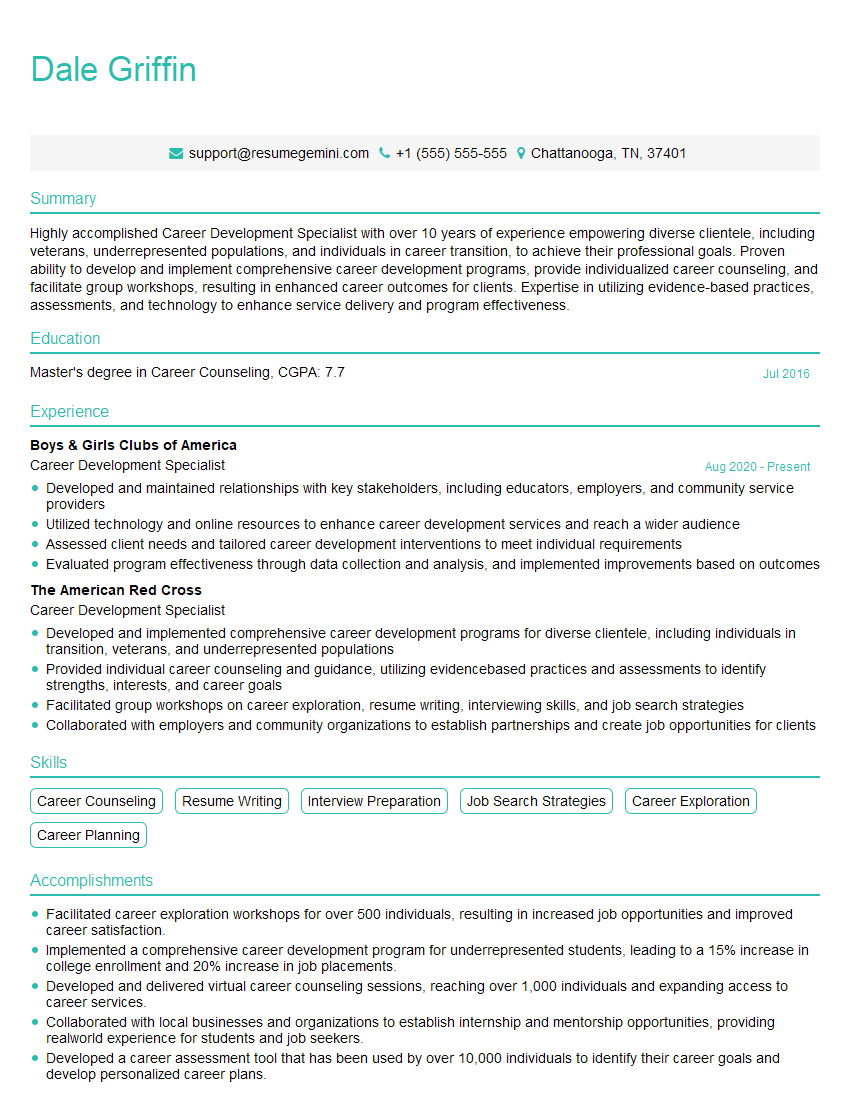
Career Development Specialist Resume Sample
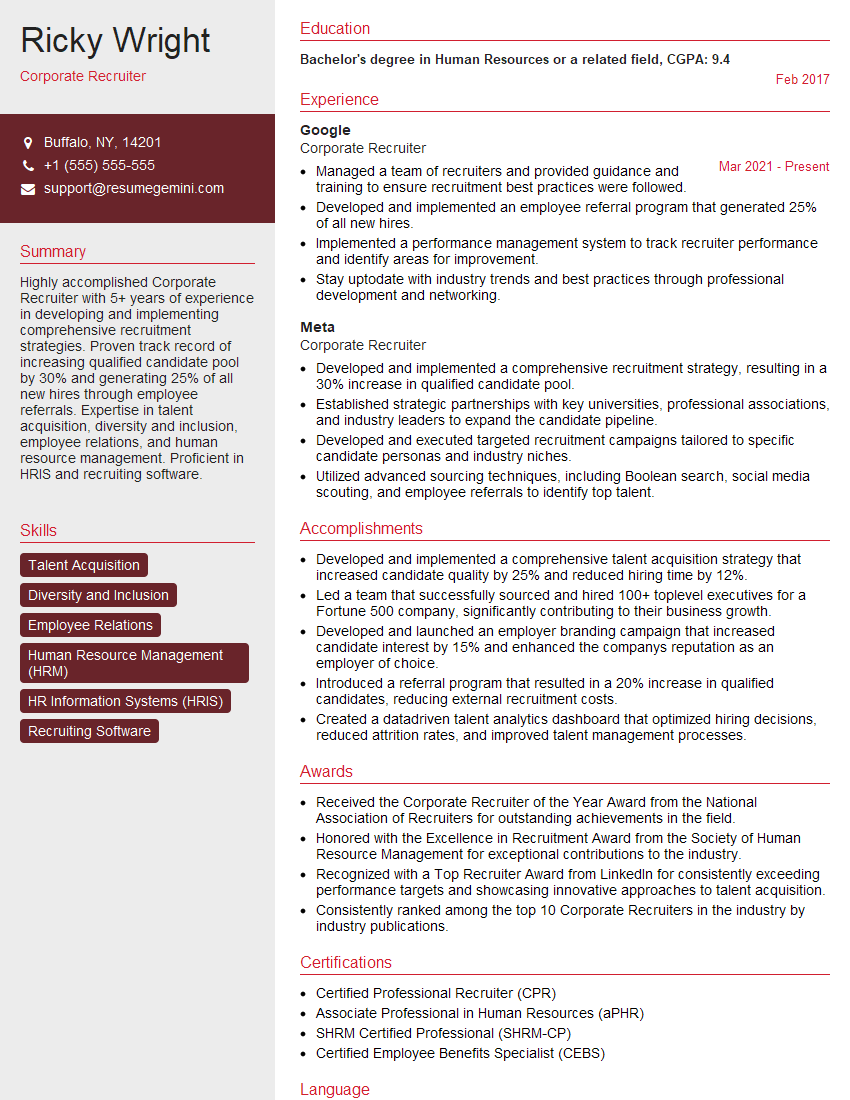
Corporate Recruiter Resume Sample
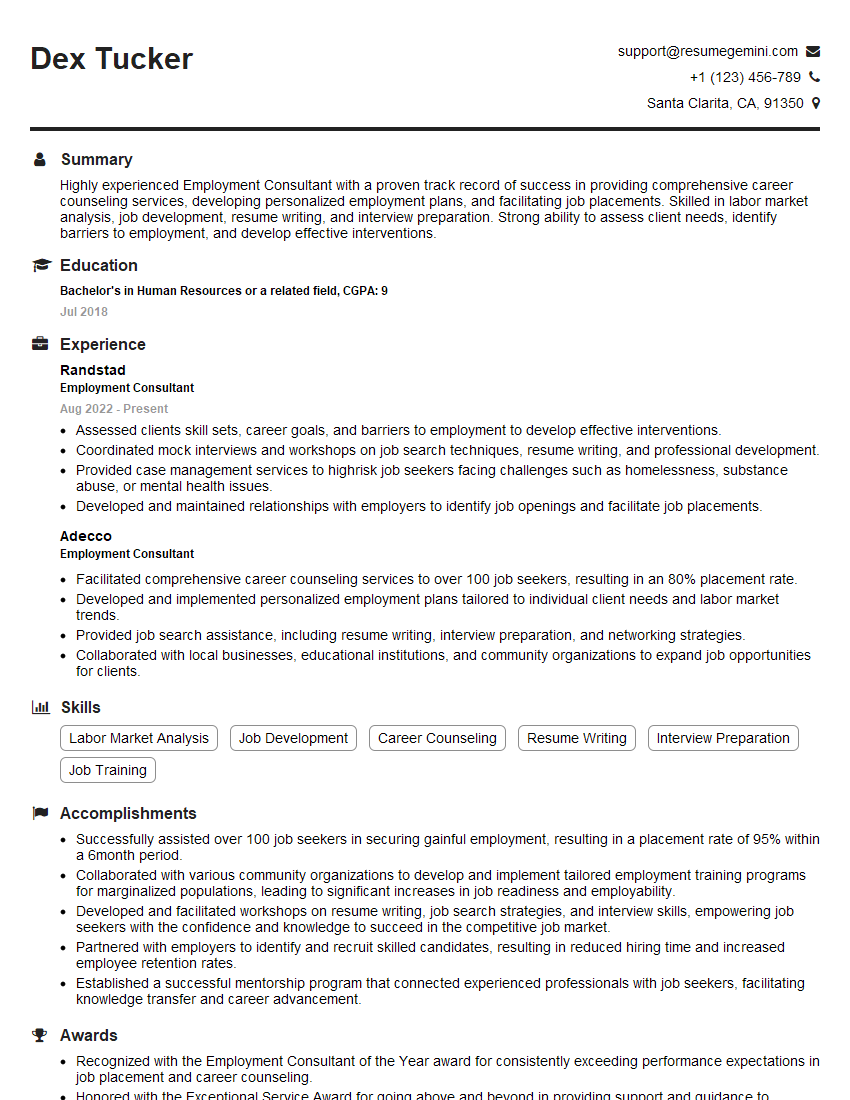
Employment Consultant Resume Sample
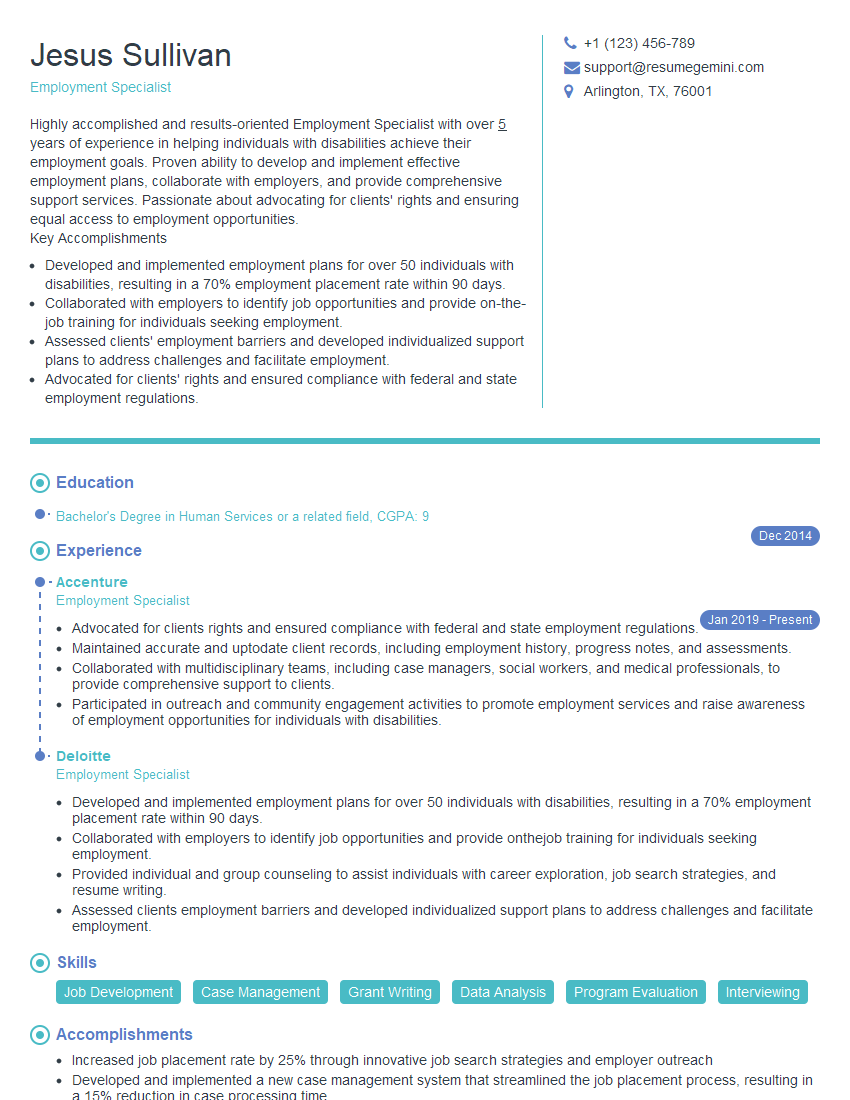
Employment Specialist Resume Sample
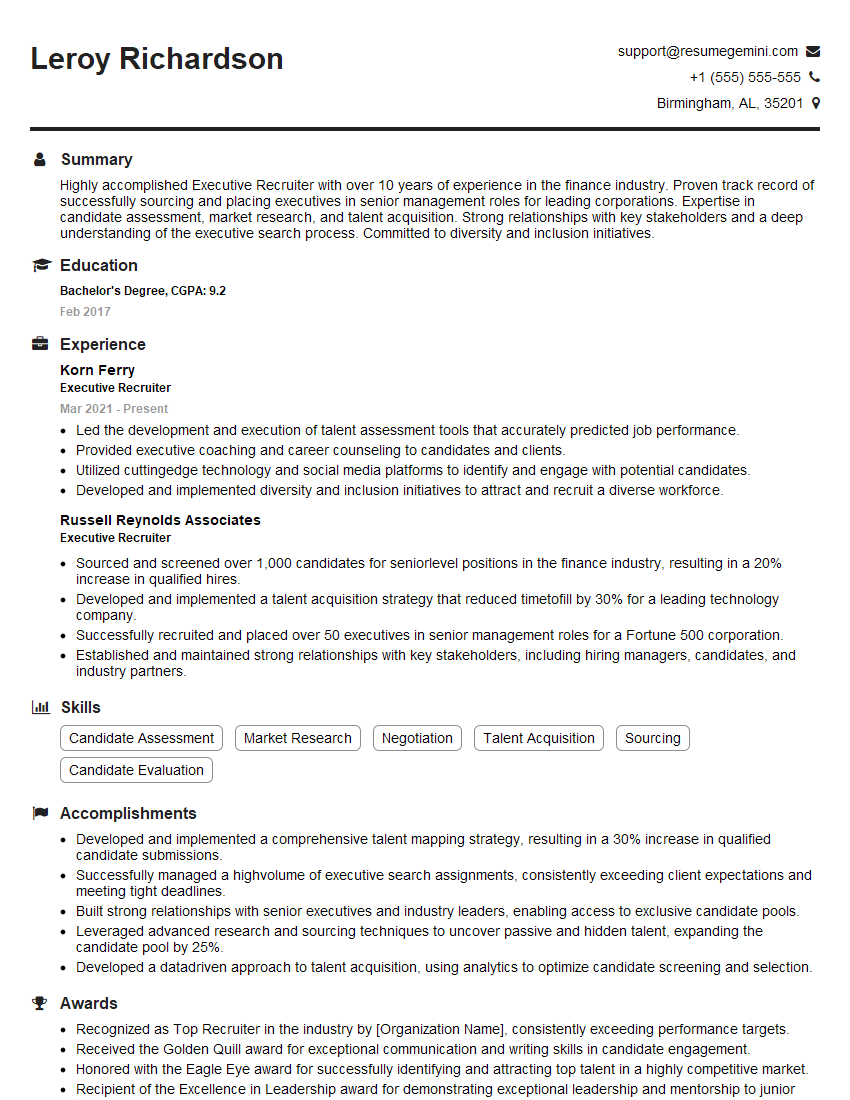
Executive Recruiter Resume Sample
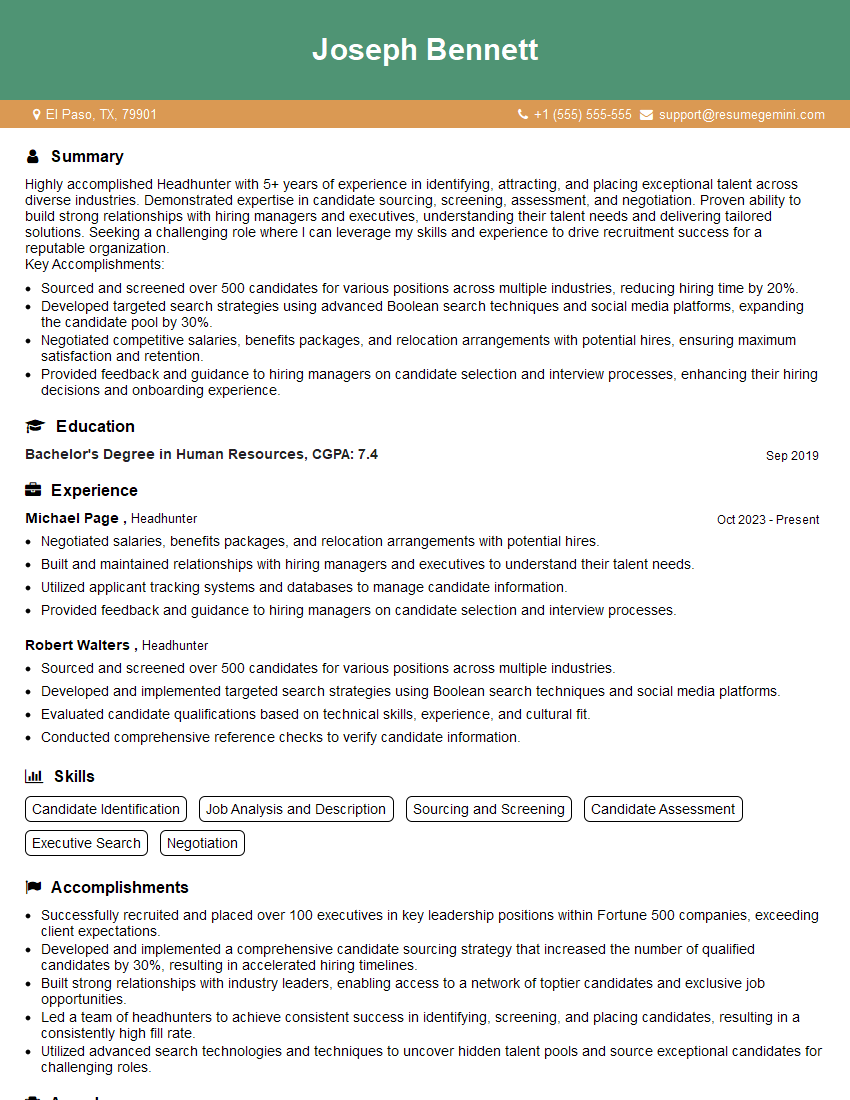
Headhunter Resume Sample
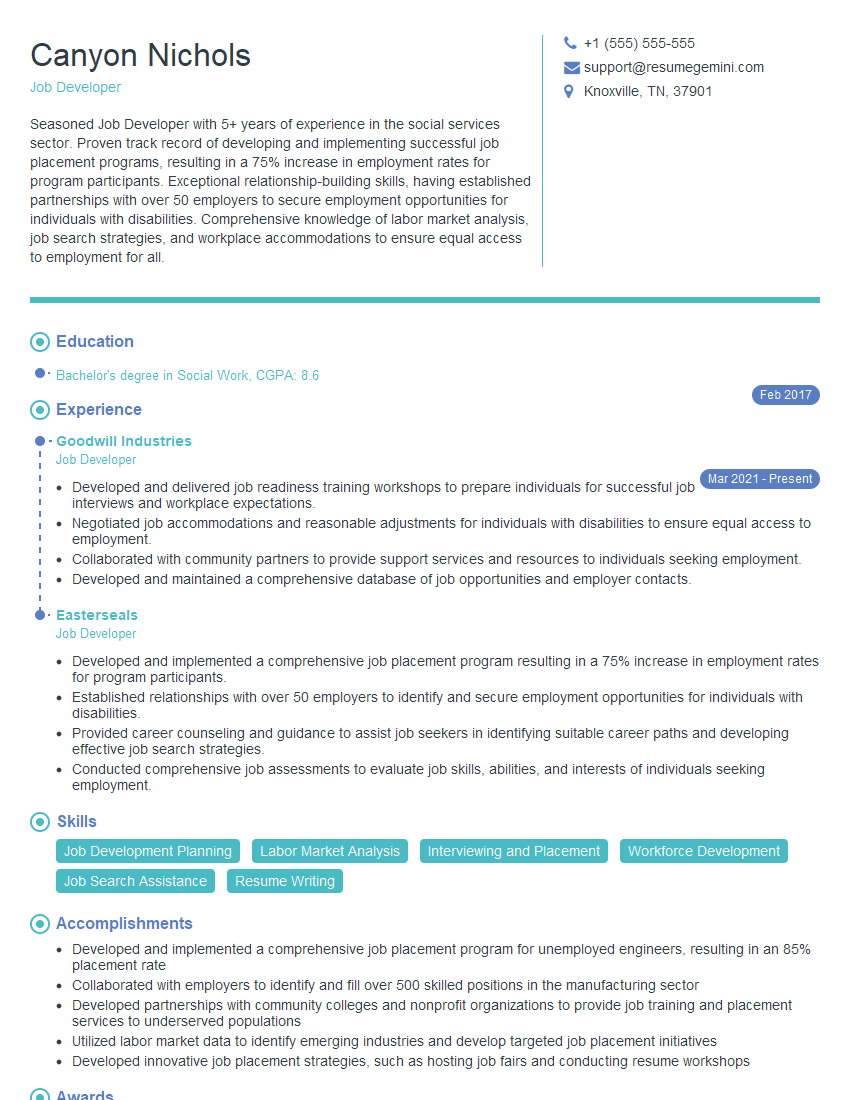
Job Developer Resume Sample
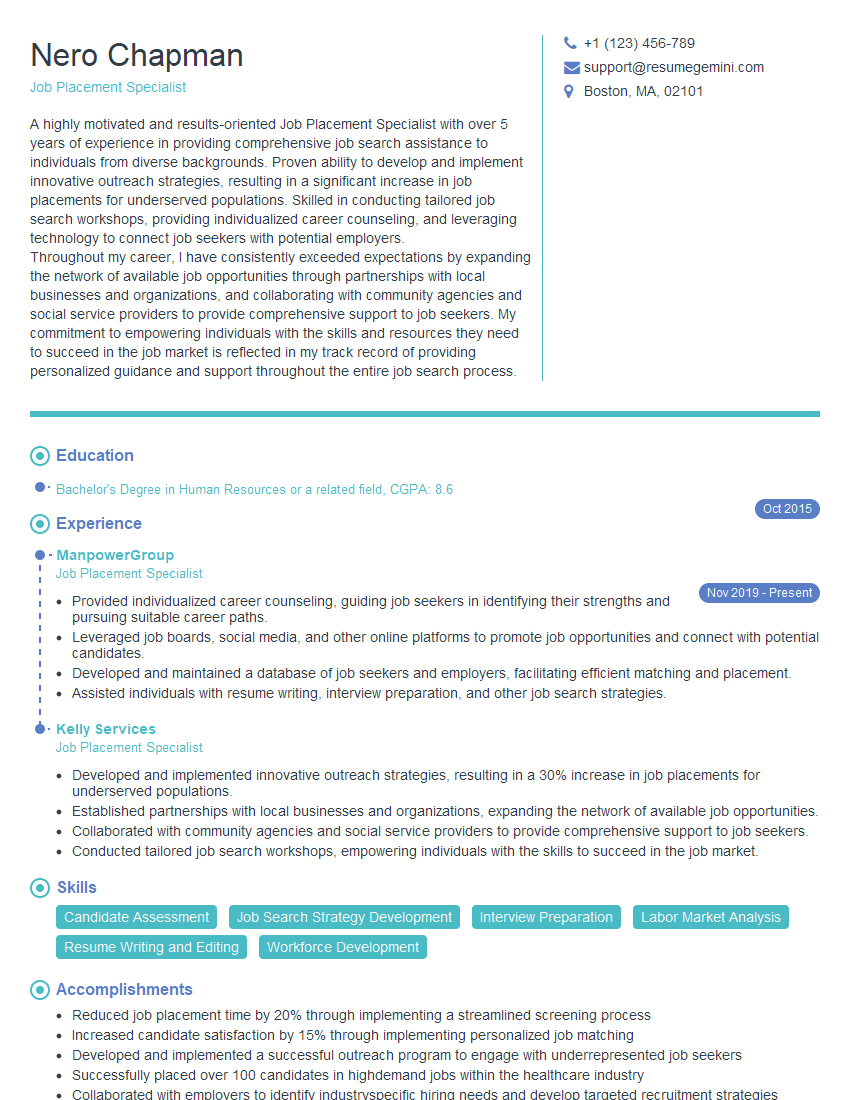
Job Placement Specialist Resume Sample
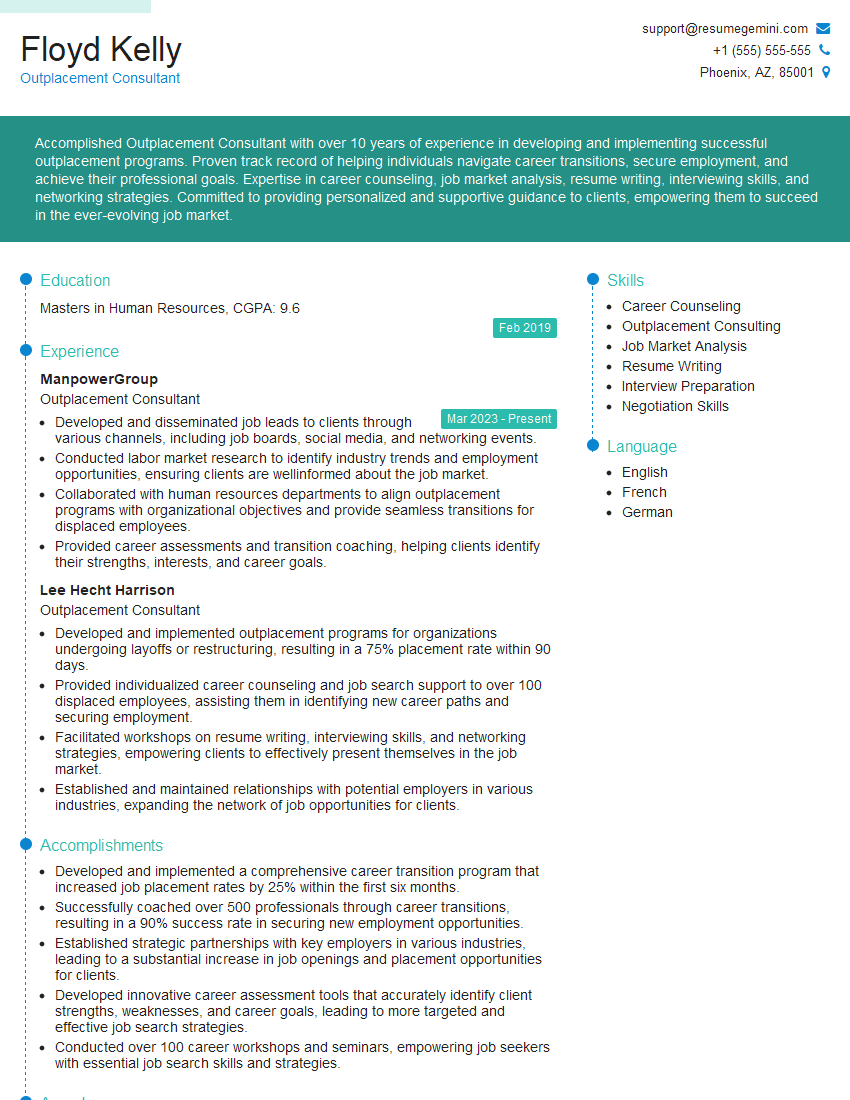
Outplacement Consultant Resume Sample
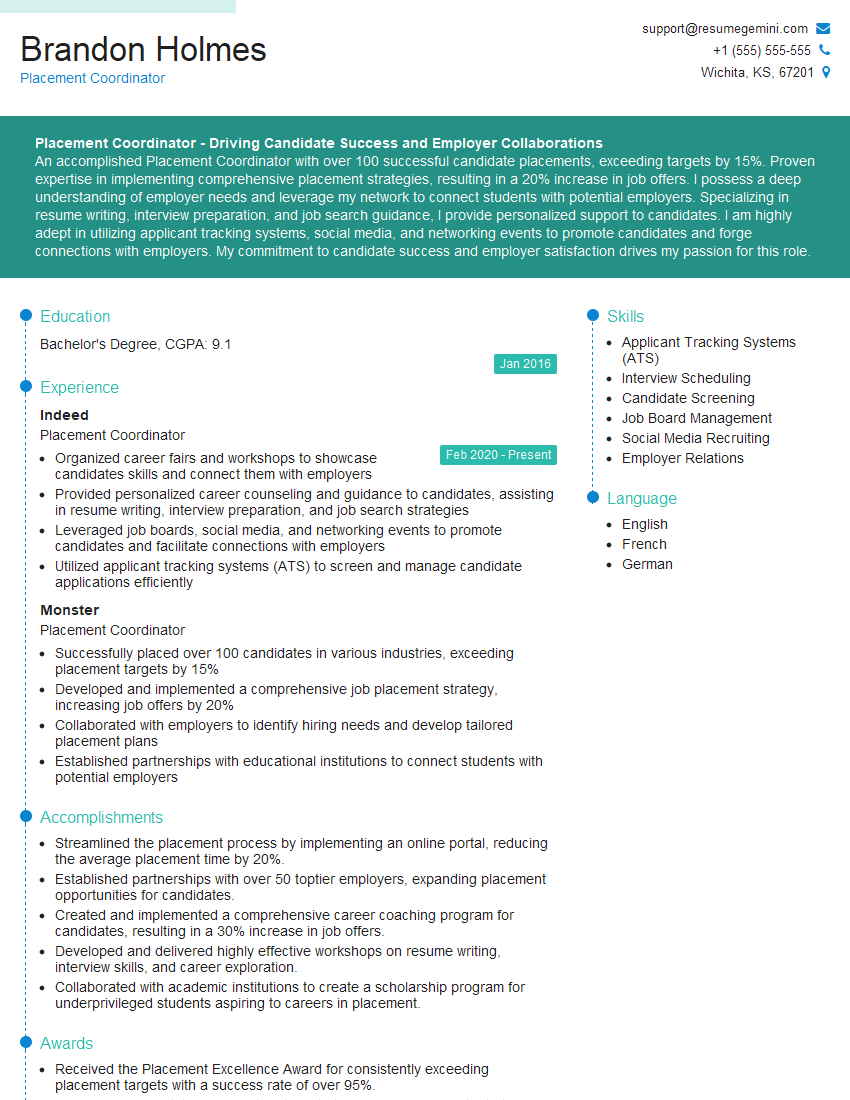
Placement Coordinator Resume Sample
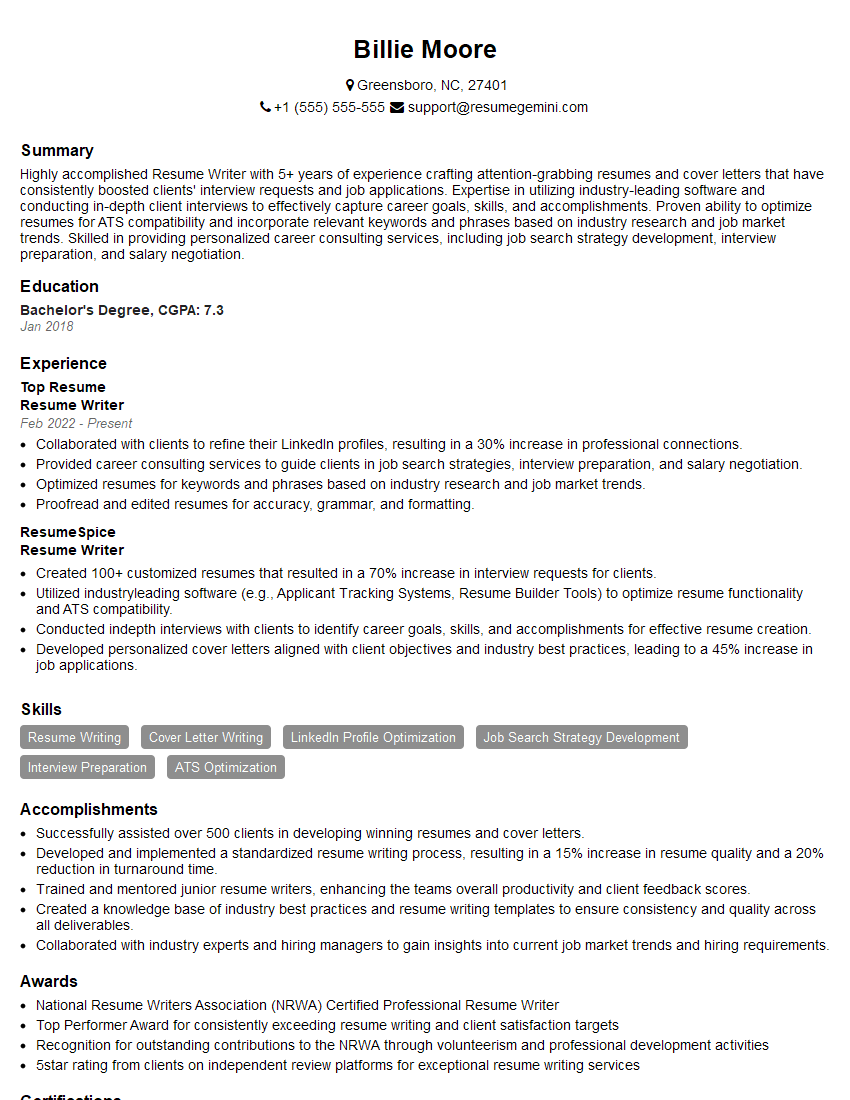
Resume Writer Resume Sample
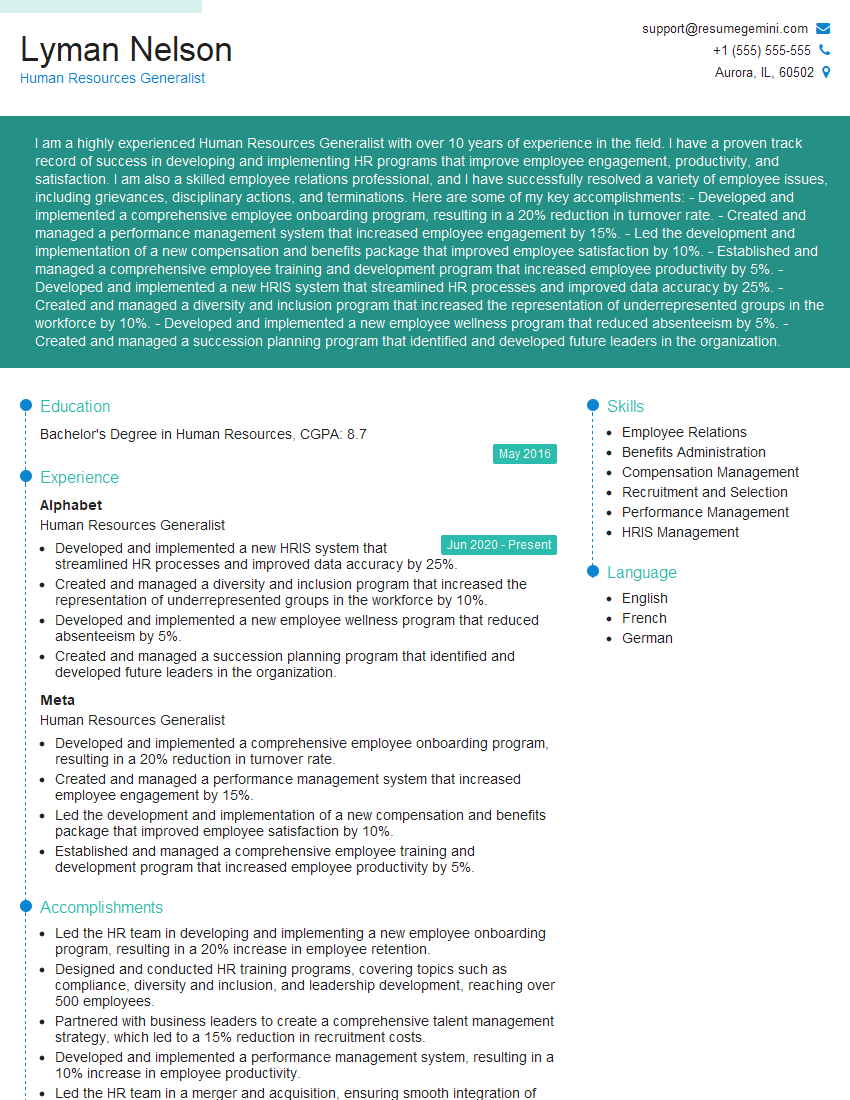
Human Resources Generalist Resume Sample
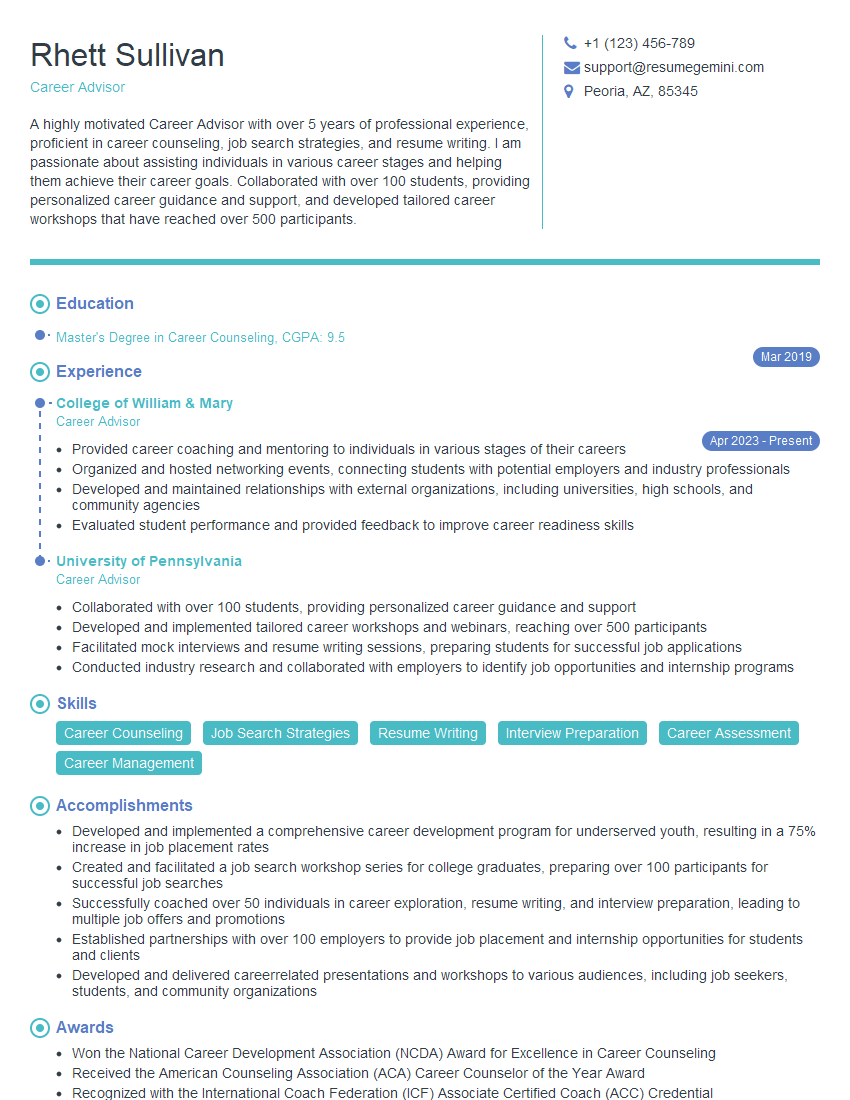
Career Advisor Resume Sample
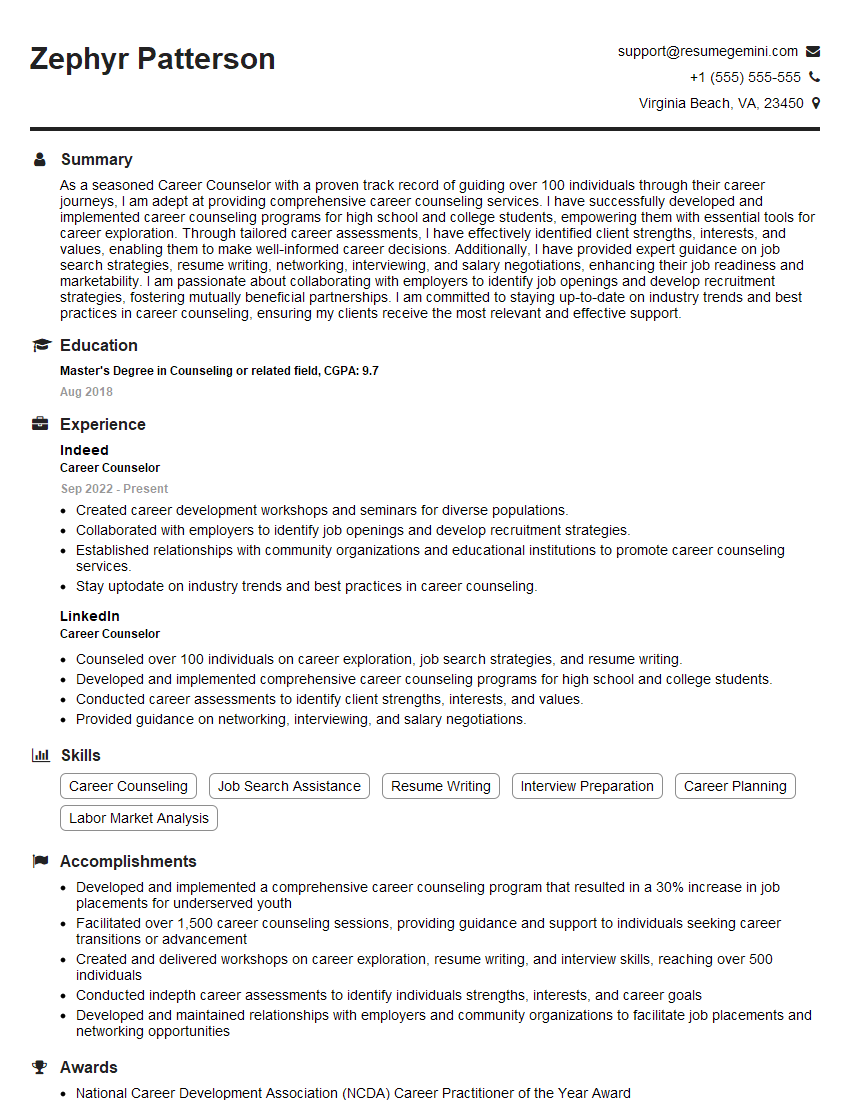
Career Counselor Resume Sample
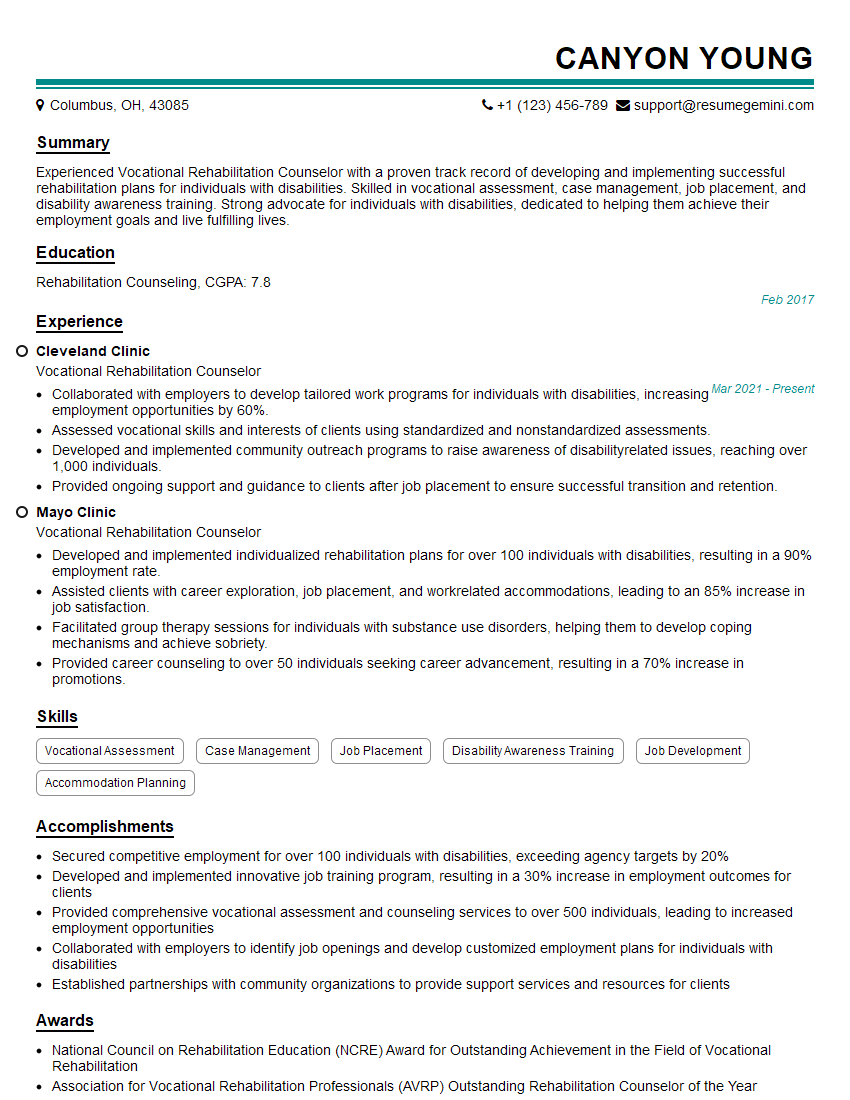
Vocational Rehabilitation Counselor Resume Sample
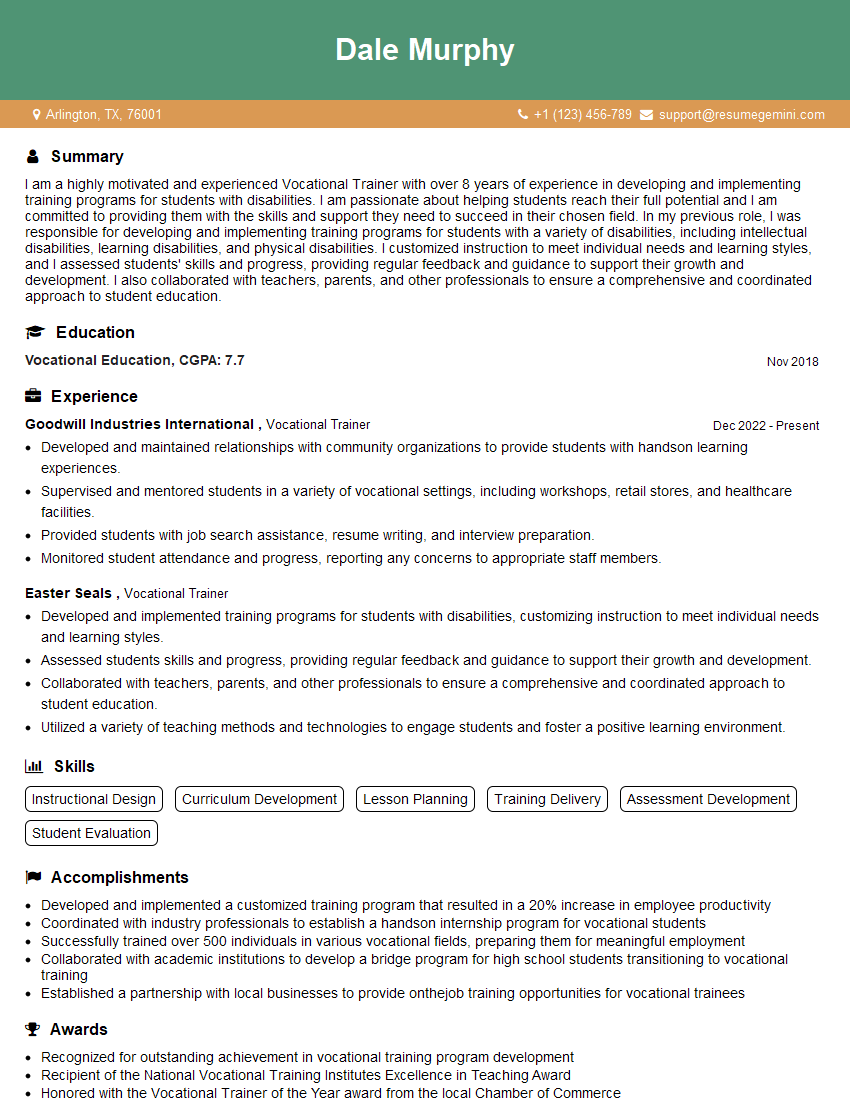
Vocational Trainer Resume Sample
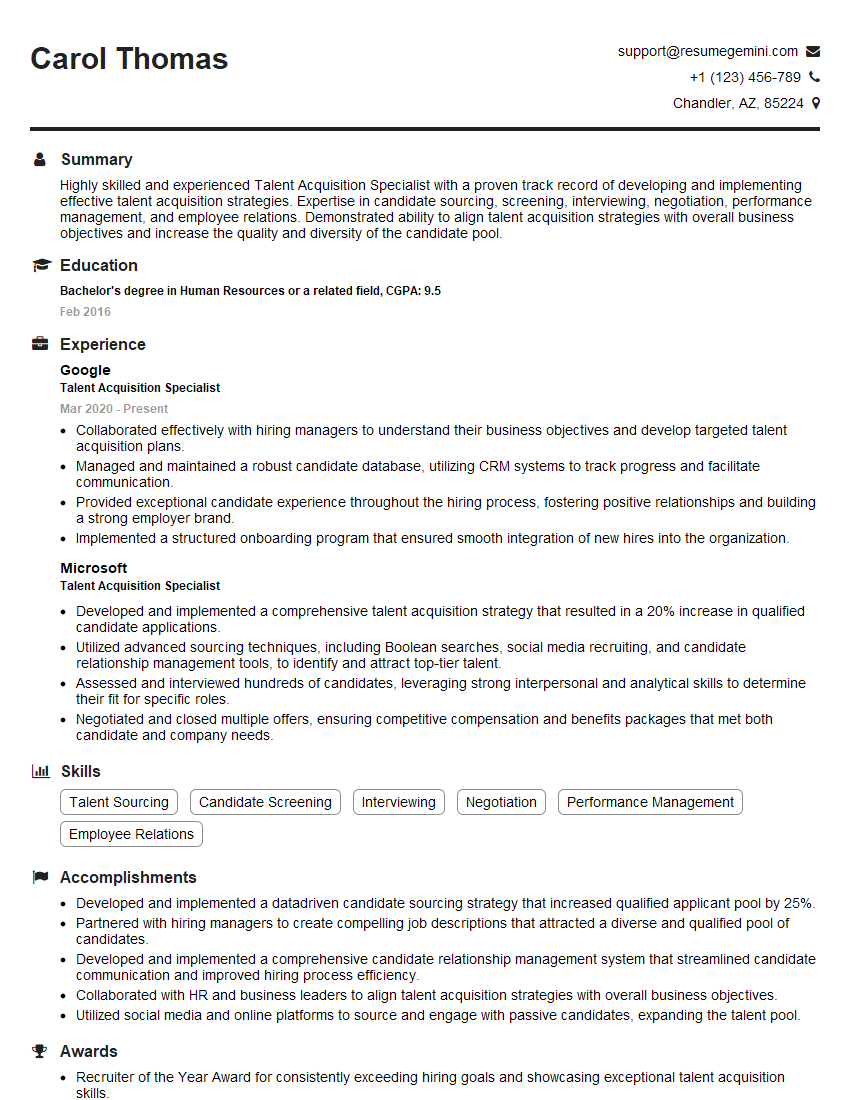
Talent Acquisition Specialist Resume Sample
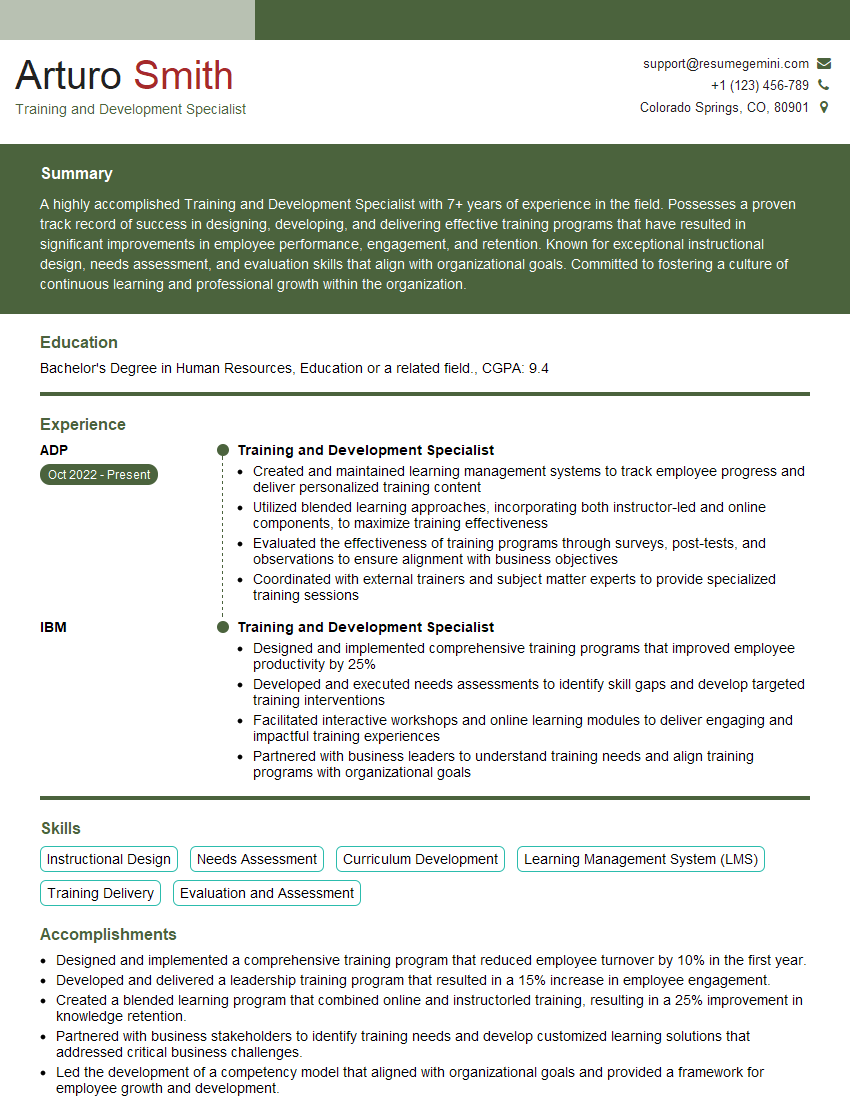
Training and Development Specialist Resume Sample
- Career Development Specialist
- Corporate Recruiter
- Employment Consultant
- Employment Specialist
- Executive Recruiter
- Headhunter
- Job Developer
- Job Placement Specialist
- Outplacement Consultant
- Placement Coordinator
- Resume Writer
- Human Resources Generalist
- Career Advisor
- Career Counselor
- Vocational Rehabilitation Counselor
- Vocational Trainer
- Talent Acquisition Specialist
- Training and Development Specialist
Explore more articles
Users Rating of Our Blogs
Share Your Experience
We value your feedback! Please rate our content and share your thoughts (optional).
What Readers Say About Our Blog
I Redesigned Spongebob Squarepants and his main characters of my artwork.
https://www.deviantart.com/reimaginesponge/art/Redesigned-Spongebob-characters-1223583608
IT gave me an insight and words to use and be able to think of examples
Hi, I’m Jay, we have a few potential clients that are interested in your services, thought you might be a good fit. I’d love to talk about the details, when do you have time to talk?
Best,
Jay
Founder | CEO