Are you ready to stand out in your next interview? Understanding and preparing for Knowledge of Aircraft Design Regulations interview questions is a game-changer. In this blog, we’ve compiled key questions and expert advice to help you showcase your skills with confidence and precision. Let’s get started on your journey to acing the interview.
Questions Asked in Knowledge of Aircraft Design Regulations Interview
Q 1. Explain the differences between FAR Part 23 and FAR Part 25.
FAR Part 23 and FAR Part 25 are both sets of regulations issued by the Federal Aviation Administration (FAA) governing the design and certification of aircraft, but they apply to different categories of aircraft. Think of it like this: Part 23 is for smaller, simpler airplanes, while Part 25 is for larger, more complex ones.
FAR Part 23: Applies to normal, utility, acrobatic, and commuter category airplanes. These are generally smaller aircraft with fewer than 19 passengers. The certification process is less stringent than Part 25, reflecting the lower risk associated with these aircraft.
FAR Part 25: Applies to transport category airplanes. These are the large airliners you see flying across the country, carrying dozens or even hundreds of passengers. Part 25 mandates far more rigorous design standards, encompassing extensive testing and analysis to ensure a high level of safety due to the higher risk associated with larger passenger counts and greater potential for catastrophic failure.
The key differences lie in the complexity of the design requirements, the level of redundancy built into systems, and the depth of testing and analysis required for certification. For instance, Part 25 demands far more extensive fatigue and damage tolerance analyses to ensure the airframe can withstand many years of operation.
Q 2. Describe the process of obtaining a type certificate for a new aircraft.
Obtaining a type certificate for a new aircraft is a lengthy and complex process. It involves demonstrating to the relevant aviation authority (like the FAA in the US or EASA in Europe) that the aircraft meets all applicable regulations and is airworthy. It’s like getting a detailed ‘seal of approval’ before the aircraft can be mass produced and operated.
Design and Development: This stage involves defining the aircraft’s specifications, creating detailed design drawings, and conducting preliminary analysis to demonstrate compliance with regulations.
Testing and Analysis: Extensive testing is carried out, including wind tunnel testing, structural testing, systems testing, and flight testing. This phase is crucial for demonstrating compliance with performance, stability, control, and safety requirements. Imagine meticulously testing every component to ensure it performs as expected under various scenarios.
Documentation: Meticulous documentation is essential. This includes detailed design reports, test results, and an analysis demonstrating compliance with all applicable regulations. Think of it as a comprehensive ‘manual’ detailing every aspect of the aircraft’s design and operation.
Certification Review: The certification authority reviews all documentation and test results. They conduct inspections and audits to ensure compliance. This is a rigorous process to ensure everything aligns with the standards.
Type Certificate Issuance: Upon successful completion of the review process, the certification authority issues a type certificate, allowing the manufacturer to produce and sell the aircraft.
Q 3. What are the key considerations for designing an aircraft to meet CS-23 or CS-25 requirements?
Designing an aircraft to meet CS-23 (similar to FAR Part 23) or CS-25 (similar to FAR Part 25) requirements necessitates careful consideration of numerous factors. It’s a bit like building a house—you need strong foundations, well-planned systems, and a design that meets all building codes.
Structural Integrity: Ensuring the airframe can withstand the stresses of flight, including maneuvers and fatigue loads. This involves detailed structural analysis and testing to ensure structural integrity.
Systems Reliability: Designing reliable and redundant systems for critical functions like flight control, navigation, and power. This reduces the risk of system failure and ensures safe operation.
Safety Features: Incorporating safety features such as emergency exits, fire suppression systems, and crashworthiness design to protect occupants in the event of an accident. Safety is paramount and this involves considering the worst-case scenarios.
Performance Requirements: Meeting specified performance targets, such as speed, range, and climb rate. Each of these is calculated during the design phase and later tested during flight testing.
Environmental Control: Ensuring the aircraft’s environmental systems (heating, cooling, pressurization) meet safety and comfort requirements.
The specific requirements vary between CS-23 and CS-25, with CS-25 imposing more stringent requirements due to the increased complexity and risk associated with larger aircraft.
Q 4. How do you ensure compliance with environmental regulations during aircraft design?
Compliance with environmental regulations during aircraft design is crucial, focusing primarily on noise and emissions. It’s like ensuring your house is environmentally friendly—efficient energy use and reduced pollution.
Noise Reduction: Designing quieter engines and airframes to minimize noise pollution around airports. This often involves the use of noise-reducing materials and optimized engine designs.
Emissions Control: Minimizing emissions of pollutants such as NOx, CO, and soot. This requires efficient engine designs and the use of cleaner-burning fuels.
Fuel Efficiency: Designing aircraft for optimal fuel efficiency to reduce greenhouse gas emissions over the aircraft’s lifespan. Aerodynamic optimization is key here.
Regulations like ICAO Annex 16 (Environmental Protection) provide frameworks for these considerations. Meeting these standards involves collaboration between engineers, manufacturers, and regulatory bodies to ensure both safety and environmental sustainability.
Q 5. Explain the role of load factors in aircraft structural design and certification.
Load factors are crucial in aircraft structural design and certification. They represent the ratio of the load experienced by the aircraft to its weight. Think of it as a multiplier of the aircraft’s weight during maneuvers. A load factor of 2.5 means the aircraft experiences a load 2.5 times its weight.
During design, engineers consider various load factors for different flight conditions:
Maneuvering Load Factors: These account for the loads experienced during normal flight maneuvers, such as turns and gusts.
Gust Load Factors: These account for the loads due to unexpected atmospheric turbulence.
Limit Load Factors: The maximum loads the aircraft structure is designed to withstand without permanent deformation.
Ultimate Load Factors: The maximum loads the aircraft structure is designed to withstand before failure.
These load factors are used in structural analysis to determine the necessary strength and stiffness of the aircraft’s components. Certification requires demonstrating that the aircraft structure can withstand these loads without catastrophic failure.
Q 6. Describe the process of conducting a fatigue and damage tolerance analysis.
Fatigue and damage tolerance analysis is a critical aspect of aircraft certification. It aims to predict the lifespan of the aircraft structure and ensure it can withstand the accumulation of small cracks and damage over time. Imagine meticulously evaluating every tiny stressor on the structure throughout its lifetime.
The process typically involves:
Fatigue Analysis: This involves using computational methods (like Finite Element Analysis) to predict crack initiation and propagation in the aircraft structure under cyclic loading. This helps determine the fatigue life of critical components.
Damage Tolerance Analysis: This evaluates the aircraft’s ability to withstand damage without catastrophic failure. It considers the potential for cracks to grow and the need for timely detection and repair.
Inspection and Maintenance Plans: Based on the fatigue and damage tolerance analysis, inspection and maintenance plans are developed to ensure the timely detection and repair of any damage, extending the aircraft’s safe operating life.
These analyses use sophisticated software and require significant engineering expertise. They are crucial for ensuring the long-term airworthiness and safety of aircraft.
Q 7. What are the key safety considerations in aircraft systems design?
Safety is paramount in aircraft systems design. Every system, from flight controls to electrical power, must be designed with safety as the primary concern. Think of it like building a bridge—every component must work reliably, with backups for critical systems.
Redundancy: Critical systems are often designed with redundancy—backup systems to take over if the primary system fails. This is crucial for preventing catastrophic failures.
Fail-Safe Design: Systems are designed to fail in a safe mode, minimizing the impact of a failure. For example, flight control systems are designed to prevent uncontrollable movements if a component fails.
System Integrity: Protecting systems from damage due to environmental factors such as lightning strikes or extreme temperatures. Design for harsh environments ensures consistent and reliable operation.
Human Factors: Designing systems that are easy to understand and operate, reducing human error. Intuitive interfaces are crucial to ensure pilots can react effectively.
Testing and Verification: Rigorous testing and verification to ensure systems meet safety requirements throughout their operational life. This involves both simulated and real-world testing.
These considerations are crucial to minimizing risks and ensuring the safety of passengers and crew.
Q 8. How do you manage design changes throughout the certification process?
Managing design changes during aircraft certification is a rigorous process, demanding meticulous documentation and adherence to regulatory guidelines. It typically involves submitting formal requests for changes, known as Engineering Orders (EOs) or Service Bulletins (SBs), to the relevant certification authority. Each change undergoes a thorough impact assessment, considering its potential effects on airworthiness, performance, and safety. This assessment might involve re-analysis of structural integrity, flight dynamics, and systems behavior, often requiring updated simulations, testing, and potentially even flight testing to demonstrate continued compliance with all applicable regulations. The process aims to ensure that any modification maintains or improves the aircraft’s safety and performance characteristics. A crucial aspect is maintaining a complete and auditable trail of all design changes, including rationale, justification, and verification of the impact on compliance. For example, a minor change such as updating an avionics component might only require a minor analysis and a simple update to the documentation. However, a major structural modification would require a comprehensive re-assessment, possibly including wind tunnel testing and flight testing.
Q 9. Explain the concept of redundancy and its importance in aircraft systems.
Redundancy in aircraft systems is the incorporation of multiple independent systems or components to perform the same function. Its primary importance lies in enhancing safety and reliability. If one system fails, the redundant system takes over, preventing catastrophic failures. Consider the flight control system; multiple independent actuators and hydraulic systems are commonly employed. If one fails, the others maintain control, avoiding loss of control. Similarly, redundant power sources, such as multiple generators or batteries, ensure continued operation even if one fails. The level of redundancy is determined by the criticality of the system – life-critical systems typically have a higher degree of redundancy than less critical systems. The design and implementation of redundancy also consider potential common-mode failures where a single event could disable multiple redundant systems. Properly implemented redundancy is crucial for ensuring the safety and reliability of the aircraft throughout its operational life. A great example is the Airbus A380’s fly-by-wire system which has several layers of redundancy to ensure the safety of the aircraft in case of failures.
Q 10. What are the requirements for demonstrating flutter stability?
Demonstrating flutter stability is crucial for ensuring aircraft safety. Flutter is a self-excited aeroelastic instability where aerodynamic forces interact with structural flexibility, leading to potentially destructive oscillations. The demonstration typically involves a combination of theoretical analysis and experimental testing. Theoretical analysis employs computational methods like Finite Element Analysis (FEA) to model the aircraft’s structural dynamics and aerodynamic behavior. These analyses predict flutter speeds and frequencies. Experimental verification is essential, often involving wind tunnel tests on scaled models or flight tests. Wind tunnel tests allow engineers to excite the model and measure its response to various airspeeds and altitudes. Flight testing involves acquiring flight data and using it to validate the analytical predictions. Regulatory agencies set specific criteria for acceptable margins of safety, ensuring that the aircraft remains well clear of the flutter boundary under all anticipated operational conditions. Failing to demonstrate flutter stability can lead to serious consequences, up to and including catastrophic failure of the aircraft during flight.
Q 11. Describe your experience with flight testing and its role in certification.
Flight testing plays a pivotal role in aircraft certification. It’s the crucial phase where theoretical predictions are validated under real-world conditions. My experience encompasses various aspects, from pre-flight planning and test procedures to data acquisition and analysis. We meticulously design test maneuvers to evaluate aircraft performance, stability, controllability, and systems functionality in various flight conditions, encompassing normal, upset, and emergency scenarios. During flight testing, we carefully collect extensive data on aircraft responses to various inputs, including accelerometers, pressure transducers, and flight control surface positions. This data is then analyzed to verify that the aircraft meets the design specifications and regulatory requirements. Any deviations from expected performance are investigated, leading to design refinements or modifications as needed. Flight testing ensures the aircraft is safe and performs as intended before it is certified for commercial operation. For example, in a recent project, we used flight test data to validate the performance of a newly developed autopilot system in turbulent conditions.
Q 12. How do you handle conflicts between design requirements and regulatory compliance?
Conflicts between design requirements and regulatory compliance are inevitable in aircraft design. Resolution requires a collaborative approach involving design engineers, regulatory compliance specialists, and certification authorities. The primary aim is to ensure compliance without compromising safety or essential design objectives. This often involves trade-offs and compromises. We meticulously analyze the conflict, exploring alternative design solutions that meet both requirements. If modifications are necessary, they must be justified through rigorous analysis and testing to demonstrate continued compliance with all relevant regulations. Documentation is critical, clearly outlining the conflict, the chosen solution, and the rationale behind it. Collaboration with the certification authority is vital, enabling proactive problem-solving and avoiding delays in the certification process. A clear understanding of the regulatory requirements and flexibility in design decisions are key to effective conflict resolution. For instance, if a weight reduction was needed to meet performance goals, but it could compromise structural strength, we had to find a solution which either strengthened the affected areas, while still maintaining the weight goal, or adjusting the performance targets slightly to accommodate the necessary structural changes.
Q 13. What are the key aspects of human factors considerations in aircraft design?
Human factors are paramount in aircraft design. This discipline considers the capabilities and limitations of pilots, maintenance personnel, and air traffic controllers, ensuring the aircraft’s design integrates seamlessly with human interaction. Key aspects include cockpit ergonomics (ensuring controls and displays are intuitive and accessible), workload management (minimizing pilot workload during critical phases of flight), and crew resource management (training pilots to work effectively as a team). Human factors engineering strives to minimize human error potential. For example, careful consideration is given to the layout of the cockpit, placing frequently used controls within easy reach and designing the displays to convey critical information clearly and concisely. We also consider the potential effects of fatigue, stress, and environmental factors on human performance, implementing design features to mitigate their negative impact. Compliance with human factors standards is not merely a regulatory requirement; it’s fundamental to safety and operational efficiency.
Q 14. Explain the process of conducting a hazard analysis and risk assessment.
A hazard analysis and risk assessment is a systematic process for identifying potential hazards and evaluating their associated risks. It begins with identifying potential hazards throughout the aircraft’s lifecycle, from design and manufacturing to operation and maintenance. This can involve brainstorming sessions, checklists, and review of past incidents. Once hazards are identified, we assess their likelihood of occurrence and the severity of their potential consequences. This typically involves qualitative or quantitative methods, leading to a risk ranking. Higher-risk hazards require mitigation strategies, such as design modifications, operational procedures, or warnings. The process is iterative, with ongoing monitoring and reassessment as new information becomes available or design changes are implemented. The goal is to minimize the probability and severity of accidents and incidents. We use various techniques like Fault Tree Analysis (FTA) and Failure Modes and Effects Analysis (FMEA) to comprehensively identify potential failure scenarios and implement control measures to avoid these failures.
Q 15. What are the different types of airworthiness directives (ADs)?
Airworthiness Directives (ADs) are mandatory actions issued by aviation authorities like the FAA (Federal Aviation Administration) and EASA (European Union Aviation Safety Agency) to address safety issues discovered in aircraft designs or components. They’re essentially ‘fix-it’ orders to ensure continued safe operation. There are several types, categorized based on their urgency and scope:
- Emergency ADs: Issued immediately to address imminent safety hazards. These require prompt action and often involve grounding aircraft until the corrective action is taken.
- Urgent ADs: Address significant safety concerns that require relatively quick action, but not immediate grounding.
- Standard ADs: These address safety issues that require corrective action within a specified timeframe. This provides operators a more relaxed schedule for compliance.
- Service Bulletins incorporated into ADs: Manufacturers often issue Service Bulletins recommending fixes. If the authority deems these fixes necessary for safety, they become mandatory through an AD.
For example, an emergency AD might be issued if a specific engine model is found to have a high risk of failure, demanding immediate inspections and potentially engine replacements. A standard AD might address a minor design flaw discovered during routine maintenance inspections, allowing a longer timeframe for correction.
Career Expert Tips:
- Ace those interviews! Prepare effectively by reviewing the Top 50 Most Common Interview Questions on ResumeGemini.
- Navigate your job search with confidence! Explore a wide range of Career Tips on ResumeGemini. Learn about common challenges and recommendations to overcome them.
- Craft the perfect resume! Master the Art of Resume Writing with ResumeGemini’s guide. Showcase your unique qualifications and achievements effectively.
- Don’t miss out on holiday savings! Build your dream resume with ResumeGemini’s ATS optimized templates.
Q 16. How do you ensure traceability throughout the aircraft design and certification process?
Traceability in aircraft design and certification is crucial for demonstrating compliance with regulations and for maintaining a comprehensive audit trail. Think of it like a detailed recipe for building a plane – every ingredient (part, design element) and step (process, modification) is recorded and linked together. We achieve this through various methods:
- Digital Engineering Tools: Modern PLM (Product Lifecycle Management) software systems provide a centralized repository for all design data, including CAD models, specifications, and test results. These systems use revision control and change management features to track every alteration and ensure that all involved teams are working from the latest approved versions.
- Unique Identifiers: Every part, assembly, and document is assigned a unique identifier that’s traceable throughout the entire lifecycle. This allows us to pinpoint the origin and history of any component.
- Version Control Systems: Changes to design documents or software code are meticulously tracked using version control systems, making it easy to revert to previous versions if needed.
- Detailed Documentation: Meticulous documentation is essential. This includes comprehensive design specifications, test reports, manufacturing records, and maintenance manuals.
- Configuration Management: Rigorous configuration management ensures that the as-built aircraft matches the approved design. This involves controlled changes and verification processes at each stage.
Imagine a scenario where a faulty component is discovered. Through robust traceability, we can quickly identify the source of the component, trace its manufacturing history, determine which aircraft are affected, and implement corrective action effectively.
Q 17. Describe your experience with using certification software or tools.
I have extensive experience with various certification software tools, including CATIA for 3D modeling and design, Teamcenter for PLM and data management, and specialized software for stress analysis and flight simulation. In a recent project, we used Teamcenter to manage the entire design process, ensuring traceability of design changes and approvals. This tool allowed us to create a comprehensive digital thread, tracking every design iteration, test result, and certification document, making the entire process transparent and auditable. The software’s workflow capabilities streamlined the approval process by routing design changes and documentation for review and sign-off, ensuring compliance and minimizing potential delays. Another project leveraged specialized software for analyzing the structural integrity of aircraft components under various flight conditions. This software facilitated the generation of comprehensive reports that were integral to meeting certification requirements.
Q 18. How do you handle changes to regulations during the design and certification process?
Handling regulatory changes mid-design and certification is a common challenge. It’s critical to maintain flexibility and proactively monitor regulatory updates. Our strategy involves a multi-pronged approach:
- Regular Regulatory Monitoring: Dedicated teams actively monitor regulatory announcements and updates from agencies like the FAA and EASA.
- Impact Assessment: When changes are identified, we conduct a thorough impact assessment to determine the extent of the required modifications to the design and documentation.
- Revised Design and Testing: Necessary modifications are implemented, and any affected parts or systems are re-tested to ensure compliance with the new regulations.
- Formal Amendment Process: All changes are documented formally and submitted to the relevant certification authorities for review and approval. This process includes updated design drawings, test reports, and any other relevant documentation.
- Communication & Collaboration: Effective communication and collaboration with the certification authorities are crucial to navigate these changes smoothly.
For instance, a change in noise certification standards might necessitate redesigning the aircraft’s engine nacelles or flight procedures. Our processes ensure that we identify, assess, and address such changes efficiently and with minimal disruption to the project timeline.
Q 19. What are the key differences between the FAA and EASA regulatory frameworks?
While both the FAA and EASA aim for aviation safety, their regulatory frameworks differ in their approach and specifics. Here’s a comparison:
- Regulatory Style: The FAA tends to be more prescriptive, providing detailed regulations, whereas EASA adopts a more performance-based approach, focusing on achieving safety objectives through defined means.
- Certification Process: Although the overall goal is similar, the specific procedures and documentation requirements can differ. There might be variations in the required test data or the depth of analysis required for certain systems.
- Harmonization: While efforts exist to harmonize the two frameworks, there still remain some differences. Manufacturers often need to adapt their designs and documentation to meet both sets of requirements for global marketability.
- Emphasis: FAA regulations sometimes emphasize compliance with detailed procedures, while EASA might place more weight on demonstrating the overall safety of the design through various means.
This means that an aircraft certified by the FAA might require some modifications to be certified by EASA and vice-versa, though this is increasingly rare due to ongoing harmonization efforts.
Q 20. Describe your experience working with different regulatory agencies.
I’ve worked extensively with both the FAA and EASA, as well as other national aviation authorities like Transport Canada and the Civil Aviation Authority of Singapore. Each agency has its unique procedures and communication styles. My experience includes navigating different approval processes, responding to requests for information, and successfully achieving certification for various aircraft types and systems. A key aspect has been building strong relationships with the certification engineers at these agencies. Clear communication, a proactive approach to addressing concerns, and meticulous documentation have been crucial in ensuring smooth and efficient interactions with the agencies. For example, during a recent project with EASA, I found that their preference for a performance-based approach required us to focus on demonstrating the safety of our system through robust analysis and simulations, rather than merely meeting prescriptive requirements. This collaboration resulted in a highly efficient certification process. In contrast, working with the FAA on a separate project highlighted the detailed nature of their requirements, leading to a more document-centric approach.
Q 21. How do you manage documentation and record-keeping for regulatory compliance?
Effective documentation and record-keeping are fundamental to regulatory compliance. This involves a structured approach:
- Centralized Document Management System: All relevant documents, including design drawings, test reports, maintenance manuals, and certification correspondence, are stored in a secure, centralized system. This system provides version control, audit trails, and easy accessibility.
- Document Control Procedures: Well-defined procedures govern the creation, revision, approval, and distribution of documents, ensuring that everyone works with the most up-to-date and approved versions.
- Record Retention Policy: A formal policy outlines the duration for which records must be retained, ensuring compliance with regulatory requirements.
- Regular Audits: Internal and external audits verify the accuracy and completeness of records and the effectiveness of our documentation processes.
- Digitalization: Increasingly, we utilize digital tools for creating and managing documentation, enhancing efficiency, accuracy, and search capabilities.
Imagine a scenario where a regulatory audit occurs years after the aircraft entered service. With a well-organized documentation system, all necessary information can be readily retrieved, demonstrating consistent compliance and eliminating any potential delays or challenges during the audit.
Q 22. Explain the concept of maintainability and its impact on aircraft design.
Maintainability in aircraft design refers to the ease with which an aircraft can be maintained, repaired, and inspected. It’s not just about fixing things quickly, but also minimizing downtime, reducing maintenance costs, and improving safety. A poorly designed aircraft, difficult to access or with complex systems, leads to higher maintenance costs, longer ground times, and increased risk of errors. Think of it like this: a car with easily accessible parts is much easier and cheaper to maintain than one where you need to dismantle half the engine to change a spark plug.
Impact on Design:
- Accessibility: Designs should prioritize easy access to critical components for inspection and maintenance. This often involves modular design, where components can be easily removed and replaced.
- Diagnostics: Built-in diagnostic systems are crucial. These systems help mechanics quickly identify faults, minimizing troubleshooting time. Think of the onboard computers in modern cars that display error codes.
- Standardization: Using standardized parts and tools reduces inventory requirements and training costs for maintenance personnel.
- Simplified Systems: Reducing the complexity of systems makes them easier to understand and maintain. Unnecessary complexity is a major enemy of maintainability.
- Materials Selection: Choosing durable and corrosion-resistant materials extends the lifespan of components, reducing maintenance frequency.
For example, the design of a modern jet engine incorporates modularity, allowing for the quick replacement of specific components without needing to disassemble the entire engine. This greatly improves maintainability and reduces aircraft downtime.
Q 23. How do you ensure that the design meets all relevant environmental standards?
Meeting environmental standards is paramount in aircraft design, impacting everything from engine emissions to noise levels. The process involves rigorous testing and analysis throughout the design process, ensuring compliance with regulations such as those set by the FAA (Federal Aviation Administration) in the US or EASA (European Union Aviation Safety Agency) in Europe.
- Emissions: Engine designs must meet stringent limits on pollutants like nitrogen oxides (NOx) and carbon monoxide (CO). This involves sophisticated combustion technologies and aftertreatment systems.
- Noise: Aircraft noise is regulated to minimize its impact on communities near airports. Designers use noise prediction software and conduct acoustic testing to ensure compliance with noise certification standards.
- Materials: Sustainable materials and processes are increasingly important. This includes the use of lightweight composites to reduce fuel consumption and the use of recycled materials where possible.
- Waste Management: Aircraft design must consider the disposal and recycling of components at the end of their service life.
We use computational fluid dynamics (CFD) modeling and wind tunnel testing to optimize aerodynamic efficiency, reducing fuel consumption and emissions. We also incorporate advanced noise reduction technologies, such as chevrons on engine nacelles, to minimize noise pollution. Each design decision is scrutinized to ensure it aligns with relevant environmental regulations.
Q 24. Describe your experience with conducting design reviews and audits.
Design reviews and audits are critical parts of the aircraft design and certification process. I’ve been involved in numerous reviews and audits, both internal and external, throughout my career. These typically involve a multidisciplinary team of engineers, specialists, and regulatory representatives.
My experience includes:
- Leading design reviews: Presenting design concepts, trade studies, and analysis results to senior management and regulatory bodies.
- Participating in audits: Addressing questions from auditors regarding design compliance with regulations and standards.
- Identifying and resolving issues: Working collaboratively to address any non-compliance issues identified during the reviews or audits. This may involve redesigning components, revising procedures, or providing additional justification for design choices.
- Documenting findings: Meticulously documenting the outcomes of reviews and audits, including any corrective actions taken.
A recent example involved a design review for a new winglet design. Through rigorous analysis and simulation, we identified a potential fatigue issue. The team worked collaboratively to redesign the winglet, addressing the concern and ensuring the design met all safety and performance requirements before proceeding to the next phase.
Q 25. What are the key aspects of aircraft noise certification?
Aircraft noise certification is a crucial aspect of the overall certification process, ensuring that new aircraft meet stringent noise limits to minimize their environmental impact. The certification process typically involves:
- Noise Prediction: Using sophisticated software to predict aircraft noise levels during different flight phases (takeoff, landing, etc.). This involves considering factors such as engine noise, airframe noise, and atmospheric conditions.
- Flight Testing: Conducting flight tests to measure actual aircraft noise levels and compare them with predicted values. This involves deploying a network of microphones around the airport to capture noise data.
- Compliance Demonstration: Demonstrating that the measured noise levels meet the requirements specified in regulations. This typically involves detailed reports and data analysis.
- Certification Standards: Adhering to specific noise certification standards, such as those defined by ICAO (International Civil Aviation Organization).
Failing to meet noise certification standards can result in significant delays and even prevent the aircraft from entering service. The process requires meticulous planning, precise measurements, and thorough documentation.
Q 26. How do you handle non-compliance issues during the certification process?
Non-compliance issues during certification are addressed through a systematic process that prioritizes safety and regulatory compliance. The first step is to thoroughly investigate the root cause of the non-compliance. This may involve reviewing design documentation, conducting additional testing, or analyzing operational data.
Once the root cause is understood, a corrective action plan is developed. This plan outlines the necessary steps to address the non-compliance, including potential design changes, procedural modifications, or additional testing. The plan must be approved by the relevant regulatory authority.
The corrective actions are then implemented, followed by verification testing to demonstrate that the issue has been resolved and compliance has been achieved. All actions and findings are thoroughly documented. A critical aspect is proactive identification of potential non-compliance issues early in the design process through rigorous design reviews and analyses, thereby minimizing the impact and costs associated with correcting them later.
Q 27. Explain your understanding of the role of safety management systems in aircraft design.
Safety Management Systems (SMS) are crucial in aircraft design, providing a structured approach to identifying, assessing, and mitigating safety risks. An effective SMS integrates safety considerations into all aspects of the design process, from initial concept to post-certification operations. It’s not just about reacting to incidents, but proactively preventing them.
- Hazard Identification: Systematic identification of potential hazards throughout the aircraft’s lifecycle.
- Risk Assessment: Evaluating the likelihood and severity of identified hazards.
- Risk Mitigation: Implementing controls and measures to reduce or eliminate identified risks.
- Safety Promotion: Fostering a safety-conscious culture throughout the design and operational phases.
- Continuous Improvement: Regularly reviewing and improving the SMS based on lessons learned and feedback.
By embedding SMS principles from the outset, we ensure that design decisions prioritize safety. This includes rigorous testing, redundancy in critical systems, and fail-safe mechanisms to prevent catastrophic failures. Think of it as building multiple layers of safety into the aircraft, similar to a castle with multiple defensive walls.
Q 28. Describe your experience with the use of simulation and modelling in aircraft design and certification.
Simulation and modeling are indispensable tools in modern aircraft design and certification. They enable engineers to virtually test and analyze aircraft performance and behavior under various conditions before physical prototypes are built, significantly reducing development time and costs.
My experience involves using a range of simulation and modeling techniques, including:
- Computational Fluid Dynamics (CFD): Simulating airflow around the aircraft to optimize aerodynamics and reduce drag.
- Finite Element Analysis (FEA): Analyzing structural integrity and predicting stress levels in different components.
- Flight Simulation: Creating realistic simulations of aircraft flight behavior for pilot training and performance evaluation.
- System Simulation: Modeling the interaction between different aircraft systems to ensure seamless operation.
For example, we used CFD simulations to optimize the wing design of a recent project, resulting in a 10% reduction in drag. This translated to significant fuel savings and reduced emissions. The use of these tools allows us to explore a wide range of design options, optimize performance, and identify potential issues before they become costly problems in the physical world.
Key Topics to Learn for Knowledge of Aircraft Design Regulations Interview
- Airworthiness Regulations: Understand the core principles of airworthiness certification, including the roles of different regulatory bodies (e.g., FAA, EASA). Focus on the key regulations and their practical implications in design decisions.
- Structural Design & Certification: Explore the methods for structural analysis and design, ensuring compliance with relevant regulations. Consider practical application in areas like fatigue and damage tolerance analysis.
- Systems Design & Integration: Examine the regulatory requirements for aircraft systems (e.g., flight controls, powerplants, avionics). Understand how system design must meet safety and performance standards.
- Material Selection & Certification: Learn about the selection criteria for aircraft materials, including considerations for strength, weight, durability, and regulatory compliance. Understand the certification process for new materials.
- Human Factors & Ergonomics: Investigate the regulations related to cockpit design, human-machine interface, and crew safety. Understand how design choices impact pilot workload and operational safety.
- Environmental Considerations: Explore regulations regarding noise certification, emissions control, and environmental impact assessments. Understand how these factors influence aircraft design choices.
- Design Verification & Validation: Review the methods and processes used to verify and validate that the aircraft design meets all regulatory requirements. This includes testing and analysis methodologies.
- Safety Management Systems (SMS): Familiarize yourself with the principles of SMS and how they are integrated into the aircraft design and certification process.
Next Steps
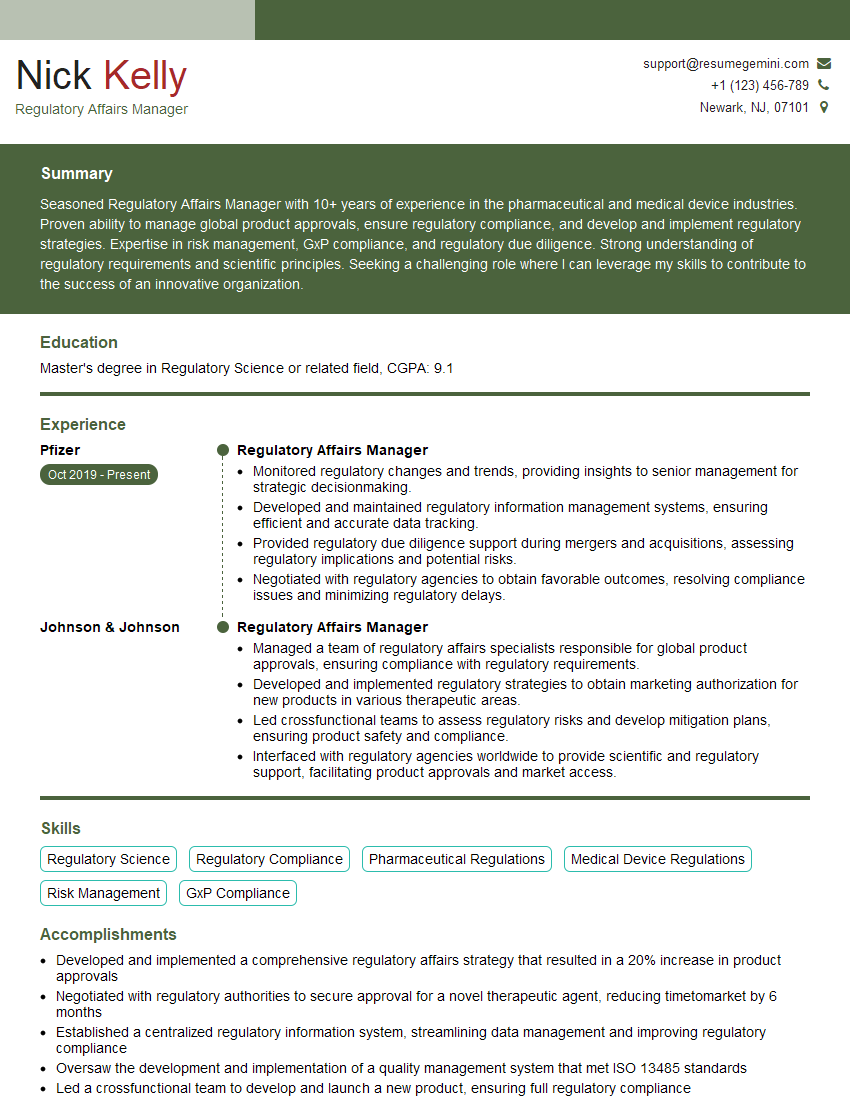
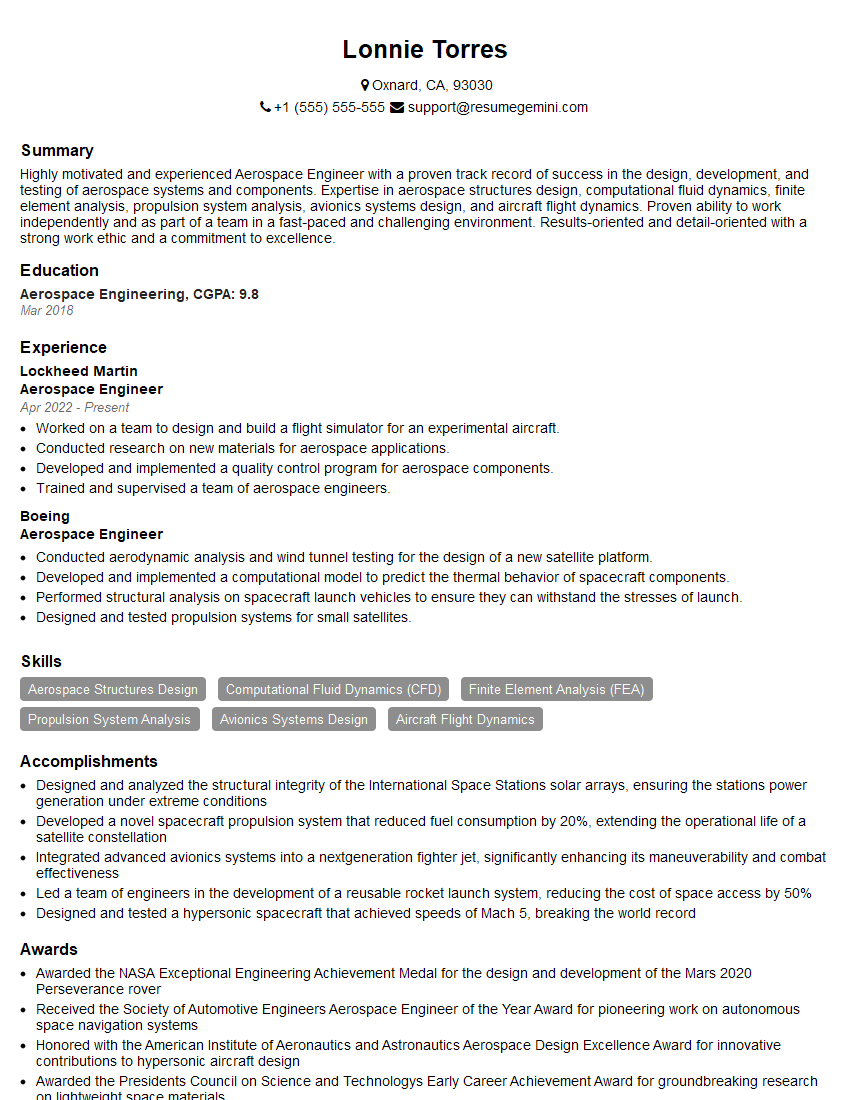
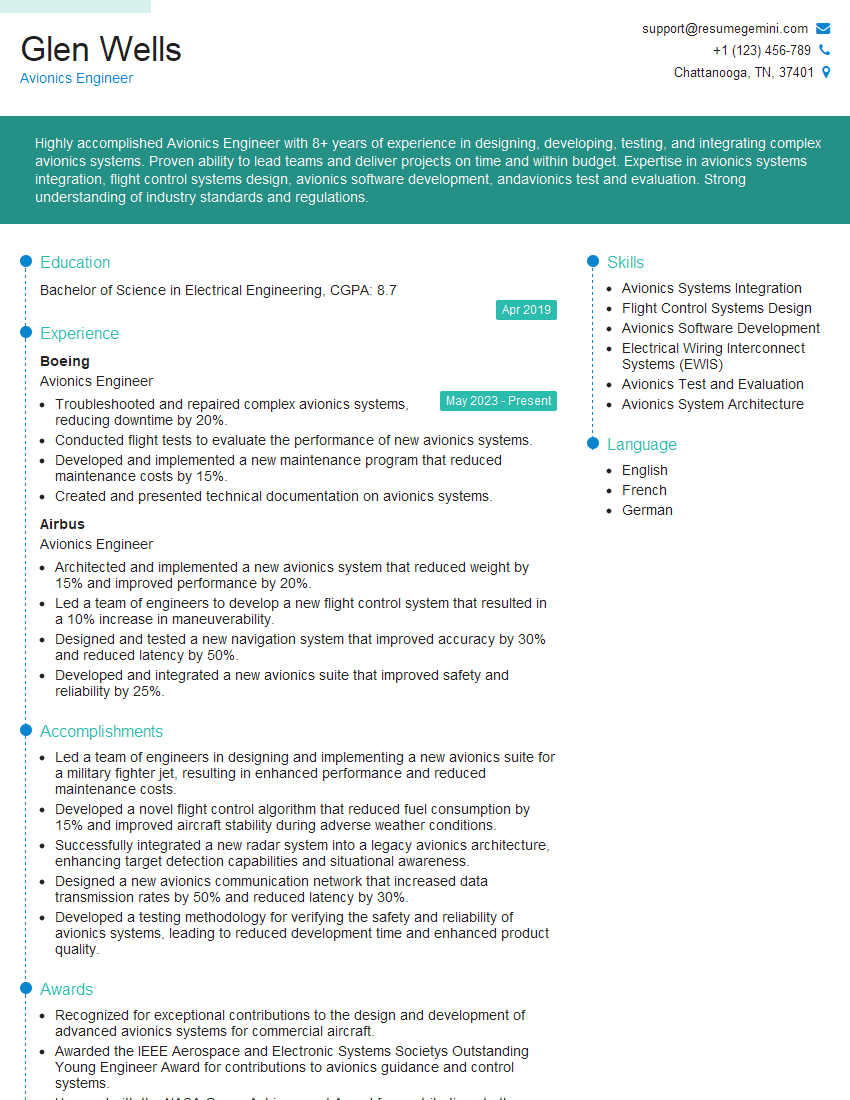
Mastering Knowledge of Aircraft Design Regulations is crucial for advancement in the aerospace industry, opening doors to challenging and rewarding roles. A strong understanding of these regulations demonstrates a commitment to safety and compliance, vital qualities sought after by employers. To significantly boost your job prospects, creating an ATS-friendly resume is essential. ResumeGemini is a trusted resource to help you build a professional and effective resume that highlights your expertise. ResumeGemini provides examples of resumes tailored to Knowledge of Aircraft Design Regulations, ensuring your qualifications shine through to potential employers. Take the next step towards your dream career today!
Explore more articles
Users Rating of Our Blogs
Share Your Experience
We value your feedback! Please rate our content and share your thoughts (optional).
What Readers Say About Our Blog
Really detailed insights and content, thank you for writing this detailed article.
IT gave me an insight and words to use and be able to think of examples